Aidan Moher's Blog, page 15
October 27, 2014
Tad Williams’ The Witchwood Crown delayed until 2016

Hold off on your re-reads, ardent Tad Williams fans! The author of Memory, Sorrow and Thorn announced via his Facebook page that the first volume in the upcoming sequel trilogy, The Last King of Osten Ard is being delayed until Spring 2016.
“It appears as though the publication date of The Witchwood Crown has been pushed back to Spring 2016,” revealed OstenArd.com, “to allow time for editing of what is likely to be a massive manuscript.”
There was never an official release date for the novel, so calling this a delay might be somewhat disingenuous, but it is a pretty dramatic shift from the previously projected release date of Fall 2015. Given the length and complexity of Williams’ novels, this original date appeared quite ambitious in the first place.) Williams said on his website message board that he is 555+ pages into the manuscript, and is currently working on Chapter 32 of the novel, making it already longer than Stone of Farewell, though well off the pace to beat To Green Angel Tower, which had 60 chapters. “I’ve actually had time again to get into a rhythm,” he said.”It’s amazing how much faster it goes when I have dedicated working time and thinking time.”
The post Tad Williams’ The Witchwood Crown delayed until 2016 appeared first on A Dribble of Ink.


October 23, 2014
Ann Leckie’s Ancillary Justice optioned for television
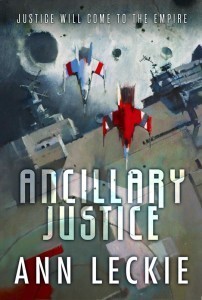
Buy Ancillary Justice by Ann Leckie: Book/eBook
Ann Leckie, author of the much lauded, and many award winning, novel, Ancillary Justice, announced on her blog that her Imperial Radch series has been optioned for television by Fabrik and Fox Television Studios. “They have previously worked together on The Killing for four seasons on AMC and Netflix,” Leckie said, “and they started their relationship with Burn Notice.”
Leckie warns her fans not to get too far ahead of themselves, though, citing Hollywood’s glacial pacing and labyrinthine nature. “Ancillary Justice has been optioned for TV,” she said. “Now, ‘optioned’ doesn’t necessarily mean that anything is going to actually happen–things get optioned and then never made, quite frequently.’
With the production of a television adaptation of James S.A. Corey’s Expanse series in full production, this is a great time to be a fan of televised science fiction. Though the question begs to be asked, where Corey’s work is straight forward science fiction with all the fixins for television, Leckie’s series is a whole different beast, and many of its strongest facets — such as its handling of gender, and its protagonist’s preternatural cognitive abilities granted to her as an ancillary — may prove difficult to adapt to a television script.
“Bringing [Ancillary Justice] to any sort of screen (not counting your eReader screen, of course!) would be… an interestingly difficult project,” Leckie admitted. “I made sure to have a conversation with the folks at Fabrik about my specific concerns–namely, the approach to gender, and the issue of whitewashing (as in, I do not want to see the book whitewashed, I would like to namedrop LeGuin and mention her Earthsea experience here, thank you). I was very pleased with their response.”
The post Ann Leckie’s Ancillary Justice optioned for television appeared first on A Dribble of Ink.

October 8, 2014
“Never give a sword to a woman who can’t dance”
Ann Leckie can dance.
When her debut novel, Ancillary Justice, released in 2014, nobody expected it to hit the science fiction community like a nuclear bomb. But it did. And Leckie was dancing the whole way through.
It was a firecracker of a novel — small and intense — but the unusual narrative structure and Leckie’s bold take on gender might have limited the audience to the most passionate and feminist-minded readers. Instead, the exact opposite happened: Ancillary Justice wasn’t a small snap, crackle, pop in a corner of fandom, it was a conflagration of love and adoration heard ’round the community.
Ancillary Justice won almost every major literary award for science fiction and fantasy in 2014, including the Hugo and Nebula Awards for Best Novel, and has sold over 30,000 copies to date, proving that not only is there a market for progressive, thoughtful space opera, there’s a thirst for it among readers. Ancillary Justice was a huge critical and commercial success, but with that success comes a lot of pressure for a sequel that lives up to its predecessor and satisfies its many fans. Writing under that sort of pressure can be the first stumbling point for many first time novelists, but Leckie never misses a beat.
Ancillary Sword flies on different wings than Ancillary Justice.
From genderless characters to the concept of ancillaries (human conduits for advanced AI), Leckie surprised readers with many aspects she introduced in Ancillary Justice. With those set pieces established, however, Ancillary Sword is forced to rely less on subversion and unsettling reader biases, and more on its ability to deliver the things that readers want from a space opera. Does it succeed? Yes. And No.
Ancillary Sword flies on different wings than its predecessor. Ancillary Justice was a frantic roller coaster of a novel, leaving readers out of breath as they followed Breq on her quest for vengeance. Ancillary Sword features a more straight forward narrative. Gone is the complex split narrative, and in its place is a plot that trades structural complexity for approachability without sacrificing nuance.
In so many ways, Ancillary Sword is less a space opera and more a languid exploration of ideas that were passed by in Ancillary Justice‘s mad rush to its climax. Ancillary Sword features no big space battles, very little in the way of physical danger for the protagonists, and only the barest hint of a threat from the mysterious Presger (who would be smack bang in the middle of the conflict in most other space operas.) By avoiding the trap of trying to write the same novel over again, Leckie allows Ancillary Sword to nurture its own success, and to be as compelling and interesting as its predecessor without feeling stale.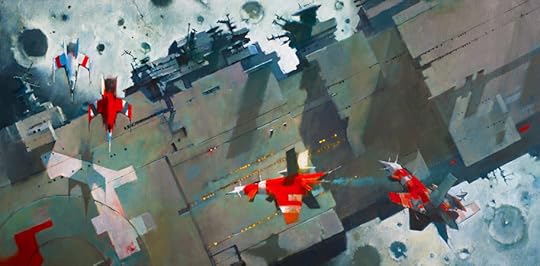
At the centre of many of the novel’s most central themes are the ancillaries and Breq’s growing discomfort with her own history and the uneasy truce she has formed with the Lord of the Radch, Anaander Mianaai. Early in the novel, Breq ponders the twisted physical reality of the 3,000 year old emperor:
Each of her thousands of brains had grown and developed around the implants that joined her to herself. For three thousand years she had never at any time experienced being anyone but Anaander Mianaai. Never been a single-bodied person—preferably in late adolescence or early adulthood, but older would do in a pinch—taken captive, stored in a suspension pod for decades, maybe even centuries, until she was needed. Unceremoniously thawed out, implant shoved into her brain, severing connections, making new ones, destroying the identity she’d had all her life so far and replacing it with a ship’s AI.
If you haven’t been through it, I don’t think you can really imagine it. The terror and nausea, the horror, even after it’s done and the body knows it’s the ship, that the person it was before doesn’t exist anymore to care that she’s died.
p. 21
“We ourselves are actually made up of different parts that are all, so far as we know–acting as one.” Leckie said in a recent AMA on /r/sciencefiction, in response to a reader’s question about the technological intersect between ancillaries and their humaninty. “Or when they’re not, we tell ourselves a story about our actions that makes it seem like we are, and smooths over conflicts or inconsistencies. But it doesn’t take much to disrupt that, and maybe it’s an illusion to begin with. I think of ancillaries as working kind of the same way, only on a larger scale.”
Breq is an ancillary who gains freedom by sacrificing her connections to the individual pieces that Leckie references above, an aspect that Leckie uses ably examine themes of individualism, societal obligation, and human rights. Breq directly confronts many of these issues through her narrative and some of the novel’s most introspective and philosophical moments. One such passage occurs when Breq considers the changes in her psyche as she continues to struggle with the loss of her ship and her ancillary bodies:
Anger was an old companion of mine by now. - Breq
When I had been a single ancillary, one human body among thousands, part of the ship Justice of Toren, I had never been alone. I had always been surrounded by myself, and the rest of myself had always known if any particular body needed something—rest, food, touch, reassurance. An ancillary body might feel momentarily overwhelmed, or irritable, or any emotion one might think of—it was only natural, bodies felt things. But it was so very small, when it was just one segment among the others, when, even in the grip of strong emotion or physical discomfort, that segment knew it was only one of many, knew the rest of itself was there to help.
p. 138

Art by John Harris
Considering the parallels between the ancillary bond and the fierce loyalty of close knit and insular communities, such as the Valskaayans that Breq encounters on Athoek, Leckie is able to focus on the great gulf between the haves (those willing to bend to the Radch definition of being “civilized”) and the have nots (those still fighting to keep the identity of their cultures and society intact) and ponder the many different definitions for “freedom” and “justice”. Is it heavy handed at times? Yes. But the questions Leckie asks are nuanced and give new perspective to all the various characters in the novels and the societies from which they’re raised.
Breq desperately yearns the return of her ancillary network, is haunted by the limits of her single body, but struggles to reconcile her individual yearnings with her bitterness towards the threat that the hive-like ancillary technology poses to humanity. Breq’s anger, so explosive when it was focused in on her fight-or-flight quest for vengeance against Anaander Mianaai in Ancillary Justice, takes a back seat to her struggles to understand the nature of justice — a word central to Radch society, but also at the root of many of its problems — and finding peace in imperfect solutions.
As a result of the slower narrative, readers are treated to more of Leckie’s humor throughout the novel. This levity provides another layer of depth as Breq herself navigates the intricacies of human social behaviour.
“Fleet Captain is pretty fucking badass.” The vulgarity, combined with Seivarden’s archaic, elegant accent, set them laughing, relieved but still unsettled. p. 35
These sweet moments are balanced by biting social commentary and verbal swordplay that keeps the reader on their toes. Ancillary Sword is full of tense and interesting confrontations, but unlike the spaceborne battles in Ancillary Justice, these social conflicts are often more labyrinthine and delicate in nature. Breq is, in many ways, a savant at reading human emotion and nuance from an objective perspective, but lacks some of the subjective instincts inherent to non-ancillary humans. Watching Leckie slowly pick apart these barriers within Breq is fascinating.
This mad scramble helped me to recognize the biases that I was trying to apply to characters, the boxes my mind wanted to place them into.
Leckie herself has stated that she “actually know the genders of most of the characters in the all-Radchaai scenes,” which provides an interesting perspective on her approach to writing characters in a genderless society while still catering to readers that naturally try to assign gender labels to all characters.
There’s one moment when Breq is speaking to another character in a non-Radchaai language that uses gendered pronouns, and so sheds light on the gender of a character named Raughd that was opposite what I had posited in my visualization. This immediately sent my mind scrambling as it analyzed the relationships that Raughd had with other characters, and, in turn, what effect that had on my perception of their gender. This mad scramble helped me to recognize the biases that I was trying to apply to characters, the boxes my mind wanted to place them into, and recognizing this provided me with an added layer of perspective unique to Leckie’s narrative. It allowed me to parse the characters by characteristics other than their gender and to accept their relationships at face value.
Where Ancillary Sword really succeeds, perhaps better than its predecessor, is in those relationships that are developed throughout the novel. Between its breakneck pace and the orientation required to understand the complexities of Leckie’s narrative style/pronoun usage, it was often difficult to find time to breathe while reading Ancillary Justice; whereas Ancillary Sword gives the reader welcome opportunity to sidle up alongside Breq and her companions and adversaries.
Tisarwat, a young leuitenant aboard Breq’s ship, Mercy of Kalr, is full of secrets, and it’s difficult not to fall in love with her earnestness and heart. Seivarden, one of the highlights of Ancillary Justice, is sadly sidelined, but is replaced by the equally brooding Sirix. Kalr Five, whose enthusiasm for antique dishware is amusing and ultimately relevant to the plot, also endears herself to the reader in her limited screentime. Ancillary Sword breathes life and personality into a setting that could at times be very sterile and difficult to empathize with in Ancillary Justice. While the emotions never run quite so high as they did while experiencing Breq’s final hours with Lieutenant Awn, the various characters in Ancillary Sword are motivated by believable desires and remain interesting even when Breq is only watching them from afar.
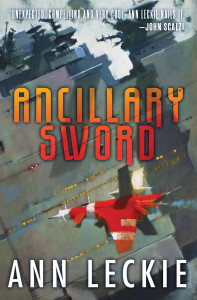
Buy Ancillary Sword by Ann Leckie: Book/eBook
Ancillary Sword is one of the year’s finest novels.
Building on the impressive groundwork laid by Ancillary Justice, Ancillary Sword might be a surprising departure from its predecessor, but it’s clear than Leckie understands the delicacy necessary to handle the follow-up to one of the most beloved novels of the past decade.
Ancillary Sword is one of the year’s finest novels and a terrific follow-up to Ancillary Justice. Breq’s story of vengeance and redemption takes several turns that add to an already conflicted and labyrinthine narrative, proving that Leckie’s no one trick pony. The Imperial Radch trilogy continues to be one of the most impressive science fiction narratives of recent years.
The post “Never give a sword to a woman who can’t dance” appeared first on A Dribble of Ink.

October 6, 2014
In Conversation with Ana Grilo and Thea James of Book Smugglers Publishing
Ana Grilo and Thea James, of The Book Smugglers, are no strangers to the publishing industry and good story telling. Since they first started smuggling, way back in 2007, and reviewing in 2008, Grilo and James have nurtured one of the finest speculative fiction blogs and were awarded for their hard work this year with as Hugo Award finalists for “Best Fanzine”. Now, the talented duo are set to apply their passion and eye for fiction to a new venture: Book Smugglers Publishing. I caught up with Ana and Thea to chat about the new venture, the challenges they’ve faced along the way, and why the speculative fiction community should be so excited for this new short fiction market.
In 2014, Grilo and James co-edited Speculative Fiction 2013, the follow-up to the Hugo nominated and British Fantasy Award winning non-fiction collection, Speculative Fiction 2012, and the experience opened up a whole world of options for the Smugglers. “It just seemed like such a natural progression for us,” said Grilo. “Unlike many of our fellow bloggers, we have no interest in becoming writers, but we do love stories and the publishing world.
“We’ve been editing our own blog for 7 years, and during that time we’ve had the opportunity to beta-read a lot of novels. After our experience editing Speculative Fiction 2013, we felt ready to take the plunge into publishing short fiction as we felt we could make a contribution to the SFF world–by publishing diverse, feminist fiction. True Fact: we had not talked about publishing anything until this one day when we were having a discussion about What Comes Next™ for The Book Smugglers, and we both at the same time said, ‘let’s do short stories.’ And then we did.”
A short fiction market lives and dies by the quality of its fiction. “Our readers can expect a bit of everything,” James told me. Variety being key, James explained how important it is for Book Smugglers Publishing to embrace the wide breadth and diversity of the speculative fiction genres. “One of the things we were adamant about from the get-go was to pick a broad range stories. Our inaugural list comprises diverse stories from all over the world, for both adults and young adults (and even a middle grade story)! The stories span horror, science fiction and fantasy genres. We have sad stories, and happy stories, and we have quite a few bloody stories, too. (We seem to like bloody, for some reason.)”
This first foray into publishing fiction has been full of surprises, even for the experienced bloggers. “As fans of short SFF fiction, we’ve been amazed at how this particular market is so open and diverse in terms of its offerings–the short story field allows writers to play with format and content to produce mind-blowing awesome fiction, ” James said. “The amazing submissions we received for our inaugural list of short stories only reaffirmed this amazement.”
Not all of the surprises have been so pleasant, though, Grilo is quick to admit, “We did not expect to receive as many submissions as we did for our first submissions call. We received around 500 stories within a very short period of time (3 months). Of course, this meant we had to read all of the stories and decide which we wanted to publish within the short deadline we set ourselves.”
It was a “good challenge,” though, Grilo said. The Smugglers saw a blessing in disguise, and took advantage of the challenge. “Unsurprisingly, we couldn’t stick to the original plan to publish three short stories and decided to go with six instead. It was exhausting, but super amazing work.”
“We were overwhelmed, floored, humbled by the amount of support, encouragement and positive feedback we’ve received,” Grilo said of the rewarding surprises they’ve faced while launching a new short fiction market. “And seriously, to be able to do what we are doing, to publish these stories we have fallen in love with, is a reward in itself.”
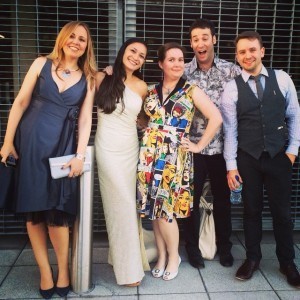
The Book Smugglers (Ana Grilo, Thea James), Pornokitsch (Ann Perry, Jared Shurin), and me at LonCon 3.
Grilo and James recognize an opportunity to publish their stories as multi-dimensional experiences, embracing many different forms of narrative. “Beyond the story itself, we also wanted to create a combination experience of art and extra materials. For example, with each story, we will have an essay from the author on their inspirations and influences, including an explanation for their development of the original story idea and the themes subverted and explored within their work. Each eBook (because we are publishing the stories as eBooks available for purchase, as well as making them available free on the blog) will also include an exclusive Q&A with the author.”
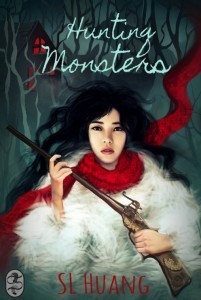
They recently revealed their first cover, for S. L. Huang’s “Hunting Monsters”, and an essay by the author exploring her inspirations and the themes running through her story. “In retelling or riffing on old folk stories the most compelling part for me is finding the little nubs of what-if and turning them into full-blown questions and repercussions that reverberate through the characters’ lives,” Huang says in her essay.
The Book Smugglers were excited for the opportunity to commission cover art from some of their favourite artists, and some newcomers, as well. “For this first round of stories, the process was quite straightforward,” said Grilo. “We commissioned art from a couple of artists we already knew, including Jacqueline Pytyck (the amazing artist who designed our header and logo), and noted author and artist Sally Jane Thompson. Our third cover artist, Kristina Tsenova, we commissioned through deviantART. This is actually another thing that is important to us: as with our authors, we want to find and publish new artists from around the world, and we plan to make an open call for artists soon.”
The first of the stories, the aforementioned “Hunting Monsters” by S.L. Huang, will debut on October 7th, and it’s the first of many that Grilo and James hope will resonate with their current readership and beyond.
Book Smugglers Publishing is currently accepting submissions for their next wave of short stories. This time around, they’re looking for stories about “first contact”. How that theme applies is up to the writers. “While we are huge fans of aliens and would very much like to receive submissions featuring first contact with aliens,” they described when they announced the new theme. “We would love to receive a broader pool of stories and traditions. We welcome authors to subvert this theme, to expand horizons and adapt the prompt to other possible connotations and genres within the Speculative Fiction umbrella.”
The Smugglers are accepting “first contact” stories until December 31st, 2014. The accepted stories will be published between April and June of 2015. So, get writing, get reading.
The post In Conversation with Ana Grilo and Thea James of Book Smugglers Publishing appeared first on A Dribble of Ink.

October 1, 2014
Chatting with Marc Gascoigne about Angry Robot Books’ new lease on life

The science fiction and fantasy publishing community was abuzz with rumours over the past couple of months about various buyers for Angry Robot Books, a popular imprint that most recently caught the attention of readers with Kameron Hurley’s The Mirror Empire. News broke yesterday that Angry Robot Books finally founder a new owner: Watkins Media, spearheaded by American entrepreneur Etan Ilfeld.
I reached out to Marc Gascoigne, Managing Director & Publisher for Angry Robot Books, to chat about the his excitement for the sale, and what it means for the imprint and its authors moving forward. Gascoigne was quick to excite. “Huzzah! Onwards!” he said, summing up the thoughts of everyone in the company in a couple of words.
“The sale of Angry Robot has been several months in coming to completion, as the break-up of the Osprey Group proved very complicated,” he continued. “As a result, we’ve been in an uncomfortable place, unable to talk freely about the situation, and having to respond to concerned questions to which we, as mere employees, were unable to answer or action. As you can imagine then, we’re extremely pleased with the sale to Watkins Media.
“Several other publishing houses were in the running,” Gascoigne admitted, adding some fuel to the rumours that Titan Books, among others, was close to buying the imprint. “But [Watkins Media] were our favoured new home.”
Angry Robot Books has carved out a niche for itself by publishing a mix of exciting and thoughtful fantasy from many of science fiction and fantasy’s brightest authors, including Kameron Hurley, Lavie Tidhar, Lauren Beukes, and Ramez Naam. This sale should provide stable footing for Angry Robot Books to continue to nurture their new authors and their extensive backlist.
And frankly, other than the chap I now report to, it’s business as usual for Angry Robot.
In addition to Angry Robot Books, Ilfeld also purchased Watkins Publishing, which publishes spiritual and self-help books, and Nourish, a cookbook publisher. Strange bed fellows for Angry Robot, to be sure, but Ilfeld is a self-professed science fiction fan and “is intent on combining these imprints to form a diverse media company, Watkins Media Limited, which includes magazine publishing, a flagship retail store, and mobile apps.”
“Now the ink is drying on the contract and we’re starting the complicated process of transferring data to the new owners,” Gascoigne said. “It means that we will soon be back on track with our 2015 publishing schedule. And frankly, other than the chap I now report to, it’s business as usual for Angry Robot. It’s the same AR editorial and promotions team, working with our incredible sales and distribution partners, just like we always were.”
The post Chatting with Marc Gascoigne about Angry Robot Books’ new lease on life appeared first on A Dribble of Ink.

September 30, 2014
“Death is Lighter Than a Feather, Duty is Heavier Than a Mountain” — Check out Fable Blade’s beautiful replica of a Heron-mark Sword from Wheel of Time
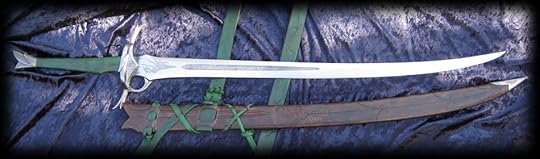
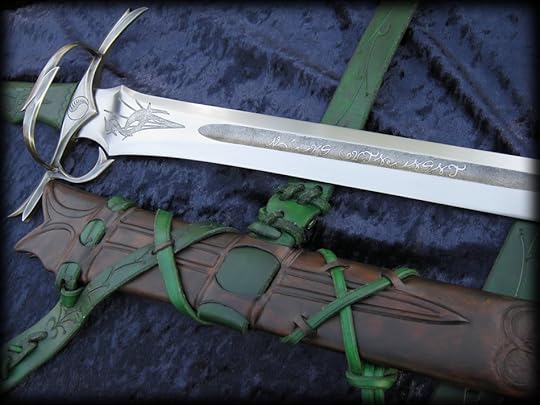
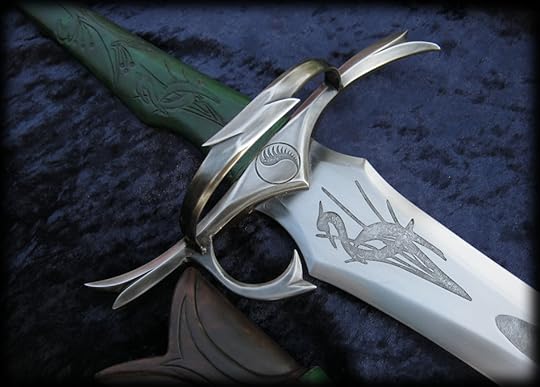
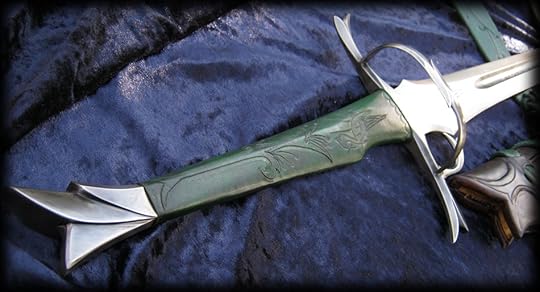
This Heron-mark Sword, designed and smithed by Fable Blades is inspired by the famous weapons of the Blademasters from Robert Jordan’s Wheel of Time series, including protagonist Rand al’Thor.
The sword, which measures 45.25″ from tip-to-tip, is made of twice-tempered steel (blade) and ebony (grip) and features beautiful detailing, such as Rand’s iconic heron mark, Aes Sedai-inspired symbols, and an engraving that Wheel of Time fans will recognize: “Death is Lighter Than a Feather, Duty is Heavier Than a Mountain”.
According to a post on Reddit, the sword has been designed with realistic weight, size, and mass production possibility in mind. However, Fable Blades produces only one-of-a-kind pieces on commission only.
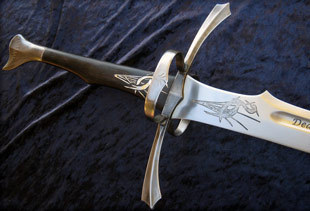
“The swords I make are REAL swords,” says creator of the Heron-mark Sword, Australian smith Brendan Olszowy. “Fully functional. Built for durability, and to perform as a live sword for performance cutting. They are not toys, wallhangers, or stage props. They are built to perform to their purpose, with excellent heat treatment qualities and excellent blade geometries.”
Olszowy began crafting swords in 2007, after becoming dissatisfied with many of the replicas that he had purchased. “I guess my love affair with swords started like most peoples’, through popular fiction,” he said. “For me it was He Man as a child, and later the Conan movies, and then Braveheart. More recently I’ve enjoyed the Narnia, and Lord of the Rings film recreations of some of my favourite books. When I realised I could buy a fully functional sword I became engrossed in the study, and it wasn’t long before I started spending looong hours in the workshop.”
Fable Blades is currently taking commissions for new pieces.
The post “Death is Lighter Than a Feather, Duty is Heavier Than a Mountain” — Check out Fable Blade’s beautiful replica of a Heron-mark Sword from Wheel of Time appeared first on A Dribble of Ink.

September 25, 2014
How many spaceships can you fit into 2,451km of space?
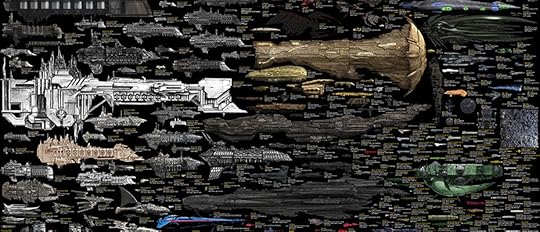
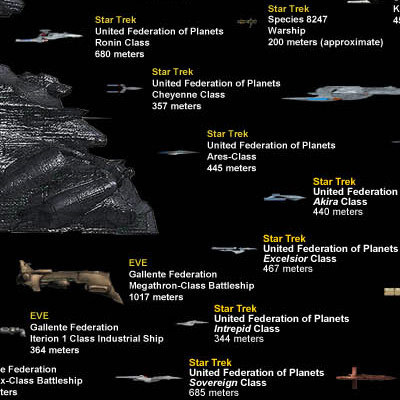
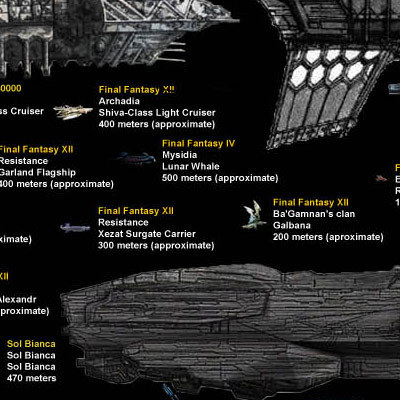
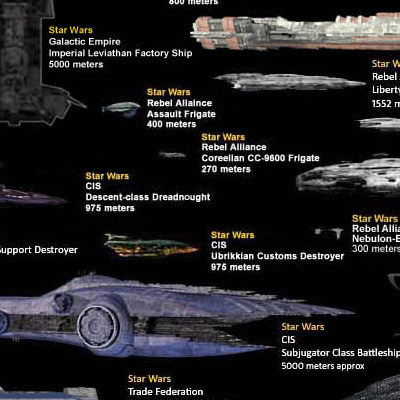
Dirk Loechel, a visual artist from Germany, loves spaceships. So much so, that he created a beautiful scale chart of hundreds of spacecraft from many of the most popular science fiction IPs, including Warhammer 40k, Star Trek, Gundam, Final Fantasy, and even Spaceballs. If you’ve got a favourite ship, it’s probably in there!
The scale of the chart hit me when I spent five minutes looking for the Enterprise D, expecting it to be among the middle-ish of the pack in size. I had to squint to find it. Loechel’s chart uses a pixel:metre scale of 1:10, making the chart itself 57km tall and 43km wide. That’s a lot of spaceship.
(Full chart after the jump.)
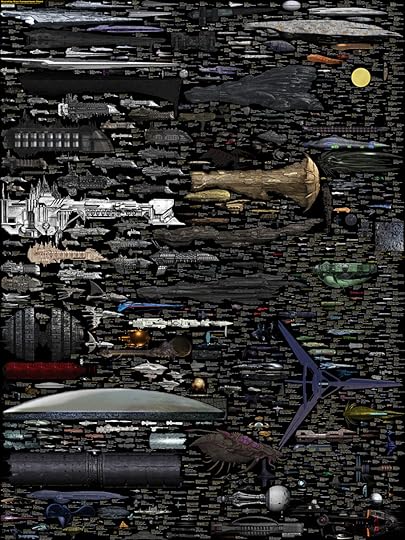
“But my favourite isn’t on there?” you’re scream. Well, Loechel admitted that he had to draw the line somewhere. “For reasons of image quality and chart organisation, only ships between a minimum of 100 meters and 24000 meters are applicable for this chart, sorry,” he said. And then there’s the TARDIS, which Loechel explains is a special case, “It’s both too large and too small for the chart.”
The full resolution chart (4268 × 5690) can be found on Loechel’s DeviantArt. Just be prepared to set aside a few hours to get lost among the stars. It’s a truly amazing accomplishment.
The post How many spaceships can you fit into 2,451km of space? appeared first on A Dribble of Ink.

September 24, 2014
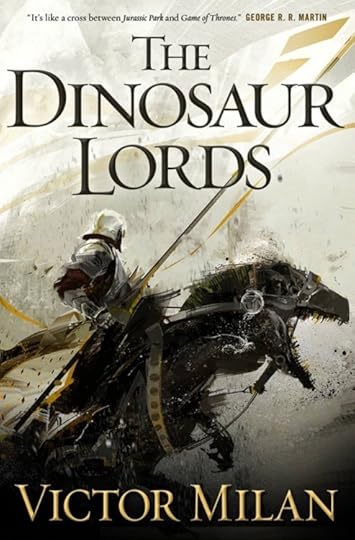
Victor Milan’s The Dinosaur Lords has the most amazing cov— *RAWR* *CHOMP*
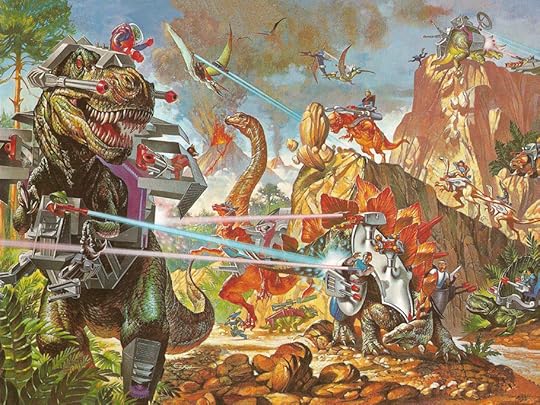
How cool is that image? It’s a bunch of dinosaurs equipped with laser beams and cockpits. Who cares if you have Dimetrodons and Pachycephalosaurus living in tandem? It’s dudes riding dinosaurs with lasers. Dino Riders was my Jesus as a kid. As a dino-obsessed youth, the idea of riding dinosaurs into battle was the thing of legends and far-off planets where anything was possible.
Today, Tor.com revealed not only 2014’s best cover, but also the winner of the 2016 Hugo Award for Best Novel: The Dinosaur Lords by Victor Milán. He and I might be a generation apart, but, in our love of dino steeds, Milán and I are clearly cut from the same cloth, and the legacy of Dino Riders is alive and well.
A world made by the Eight Creators on which to play out their games of passion and power, Paradise is a sprawling, diverse, often brutal place. Men and women live on Paradise as do dogs, cats, ferrets, goats, and horses. But dinosaurs predominate: wildlife, monsters, beasts of burden – and of war. Colossal planteaters like Brachiosaurus; terrifying meateaters like Allosaurus and the most feared of all, Tyrannosaurus rex. Giant lizards swim warm seas. Birds (some with teeth) share the sky with flying reptiles that range in size from batsized insectivores to majestic and deadly Dragons.
Thus we are plunged into Victor Milán’s splendidly weird world of The Dinosaur Lords, a place that for all purposes mirrors 14th century Europe with its dynastic rivalries, religious wars, and byzantine politics…and the weapons of choice are dinosaurs. Where we have vast armies of dinosaur-mounted knights engaged in battle. And during the course of one of these epic battles, the enigmatic mercenary Dinosaur Lord Karyl Bogomirsky is defeated through betrayal and left for dead. He wakes, naked, wounded, partially amnesiac – and hunted. And embarks upon a journey that will shake his world.
The idea that a human civilization could grow and evolve alongside dinosaurs (who, apparently, haven’t evolved in 65+ million years) is amazingly absurd. I love knights, I shamefully love faux-European secondary world fantasy, and I love dinosaurs. So, stick knights on dinosaurs and you’ve certainly got a winner. Right? In all seriousness, Richard Anderson knocked one out of the park again, delivering a cover that’s not only hit-you-over-the-head ballsy, but a beautiful cover in its own right. And, is that George R.R. Martin quote real? Who knows. I don’t even care.
The Dinosaur Lords is due for release in July 2015.
The post Victor Milan’s The Dinosaur Lords has the most amazing cov— *RAWR* *CHOMP* appeared first on A Dribble of Ink.

September 22, 2014
“Prisoners, Deserters, and an Age of Heroes” by Mike R. Underwood
I was a college freshman on 9/11. The events of that Tuesday morning kicked off the 21st century in the United States of America, and changed my life, as it changed the lives of so many young people of my generation in the USA and beyond.
9/11 started the “War on Terror,” two wars in the middle east, poured nitrous oxide into the burning engine of the United States’ national debt, and set the tone for the first decade of the 21st century in the USA, the first decade of my adulthood. I remember telling classmates that we needed to write to our representatives, ask that they not go and start a war over this, that we could do better.
I created an Individualized Major of Creative Mythology, with the aim of studying how myths and legends were structured, how the ur-stories of world cultures were formed.
When I arrived at Indiana University, I declared an East Asian Studies major. I wanted to learn more Japanese, study Japanese history, and go off and work for a video game company, or an anime company, or something involving that skill, and that interest. But after 9/11, I was flailing for meaning, desperate to find some way forward as the world very quickly spiralled away from the future I had expected. As members of my age cohort signed up for the armed services, to be analysts, anything to help, I looked back to Mythology, to hero legends, and in looking back, saw my path forward.
We make meaning out of stories – that’s what humans do. I needed to make meaning out of what was happening in my world, needed to imagine an alternative to the path that history was taking, to dream a brighter future. In spring of 2002, I created an Individualized Major of Creative Mythology, with the aim of studying how myths and legends were structured, how the ur-stories of world cultures were formed, so that I could make 21st century myths and legends to help point the way forward, to see through the cloud of ashes and confusion and anger left by the fall of the towers.
But 9/11 wasn’t the first time the WTC towers had loomed tall in my life, with their presence or their absence.
The 1993 World Trade Center bombing happened two days after my 10th birthday. My mom was walking me home from school, the two of us about to get on the subway, when I saw the smoke in the distance, all the way from Brooklyn. We had to take the subway because I’d been attending a private school next to prospect park after months of being bullied at public school, already the odd one out in second grade. The public school was under-funded, the curriculum elementary compared to the small private school I’d been attending before in Texas, and so I was both under-stimulated and ostracized. That school was like a prison for me. So like any good prisoner, I tried to escape.
Art by Tomasz Jedruszek
And escape I did, to an infinitely better (and more expensive) school. I also escaped into reading, into superhero comics, into video games, and later, into role-playing games. I escaped to worlds with heroes, where the desire to learn about and participate in a larger world was rewarded. Where outcasts became heroes.
Escapism is still maligned in art and entertainment, nearly 80 years after J.R.R. Tolkein’s essay “On Fairy Stories,” which delineated the difference between the escape of the prisoner and the flight of the deserter.
“Why should a man be scorned, if, finding himself in prison, he tries to get out and go home? Or if, when he cannot do so, he thinks and talks about other topics than jailers and prison-walls? The world outside has not become less real because the prisoner cannot see it. In using Escape in this way the critics have chosen the wrong word, and, what is more, they are confusing, not always by sincere error, the Escape of the Prisoner with the Flight of the Deserter.”
Fantasy, for me, has always been about the Escape of the Prisoner. The novels, comics, games, and stories I grew up on were never about abandoning responsibility. They were about learning how to bear responsibility, they gave models of heroism, presented templates of possibility, showed me that it was possible to faced insurmountable odds and come out on top.
That spring afternoon as a 2nd grader, sneaking from table to table during lunch, and then running as fast as my seven-year-old legs could carry me, it was escape, not desertion. My duty was to myself.
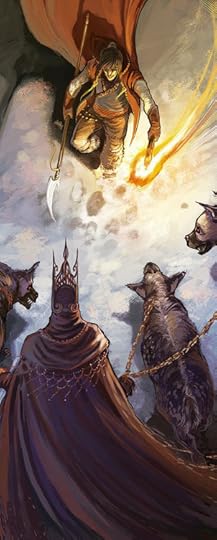
Art by Elvire De Cock
So what do I do?
I help prisoners escape.
When I was trapped in a school that offered me only abuse and boredom in intervals, I escaped.
When a terrible tragedy set my country on a drastically different path into the 21st century, I committed myself to learning how to dream up better futures.
Now, almost thirteen years later, the 21st century seems every bit as intimidating for me it did in late 2001: the rising threat of climate change, a gridlocked government, and a world that becomes more Cyberpunk day by day, and not in the cool way where we get flying cars or a technicolor VR internet.
So what do I do?
I help prisoners escape.
Is there any wonder why the superhero genre has had a huge upswing in popularity in the last decade? Superheroes are modern hero legends, well-known characters from a shared cultural tradition that are re-invented and re-imagined time and time again in new stories that speak to our current situation.
The newest run of hero legends on film frequently feature heroes trying to find a better path, to transcend or rehabilitate a compromised cultural inheritance and find a better path.
We put our heroes on the screen because we desperately believe that we can do better, that the world can do better.
In Iron Man, Tony Stark has an empire built on blood money and war profiteering and has to figue out how to build a better world using an inheritance built on weaponry and imperialism. In The Dark Knight, Batman creates a machine that can offer total surveillance of an entire city, a massive breach of privacy, but he can use it to save the city from the Joker. In Captain America: The Winter Soldier, Cap works for a government so motivated to protect everyone that it gave over to fear, let a secret terrorist organization turn them into the world’s police.
We put our heroes on the screen because we desperately believe that we can do better, that the world can do better. Because we need to escape the prison of our fear, of our doubt, and most of all, of our cynicism.
Thanks to two foreign wars, increasing income inequality, de-regulation leading to a housing crisis and a financial crash with a slow recovery, rampant political obstructionism, the last thirteen years in America have become a prison for many. A prison of doubt, of fear, of debt, and of cynicism. Hope rallied for some in 2008, and has been dragged through the mud of pragmatism, of compromise, and the disappointment of promises broken. And along the way, we simultaneously elevate hero narratives on one hand and drag our heroes through the grimdark dirt on the other.
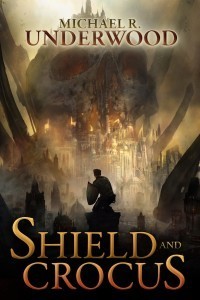
Buy Shield and Crocus by Michael R. Underwood: Book / eBook
If we can’t tell ourselves stories that things can get better, we will never rise to the challenge of making them better.
Step one in escaping is to believe it to be possible. Step two is making a plan, acquiring the tools needed to move from desire to action. We tell ourselves stories to believe that they can happen in the real world, and to give ourselves the emotional and social tools to make a difference, to break out of the world as it is. Too many of us are still prisoners in the world made in the wake of 9/11. But now it’s time to break out and build a new future.
So pick up a pen, a laptop, a camera, or whatever’s at hand.
Let’s tell ourselves a story of a better world and make it so.
The post “Prisoners, Deserters, and an Age of Heroes” by Mike R. Underwood appeared first on A Dribble of Ink.

September 18, 2014
Artist Spotlight: Get Wet with Cyril Rolando
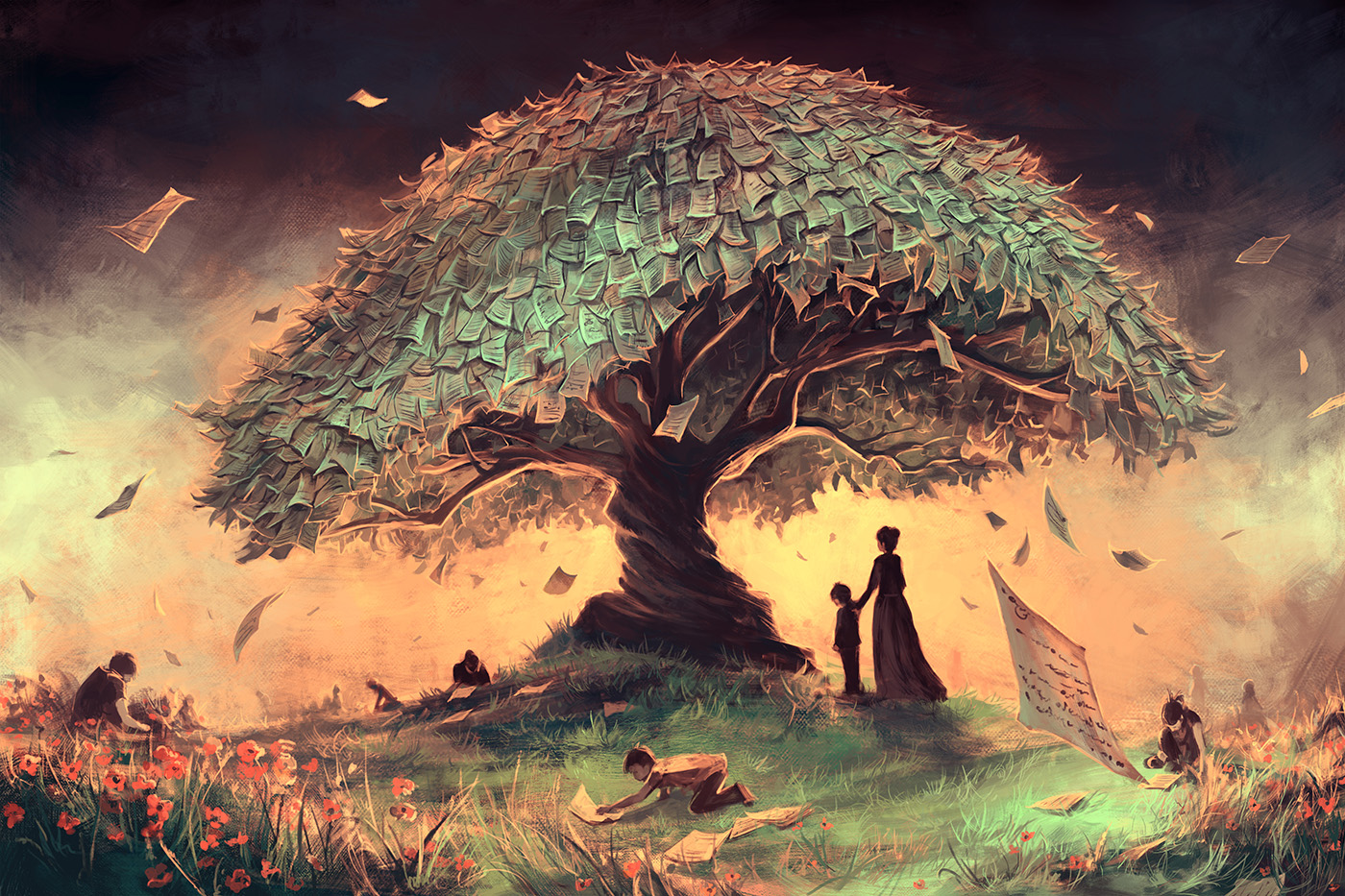
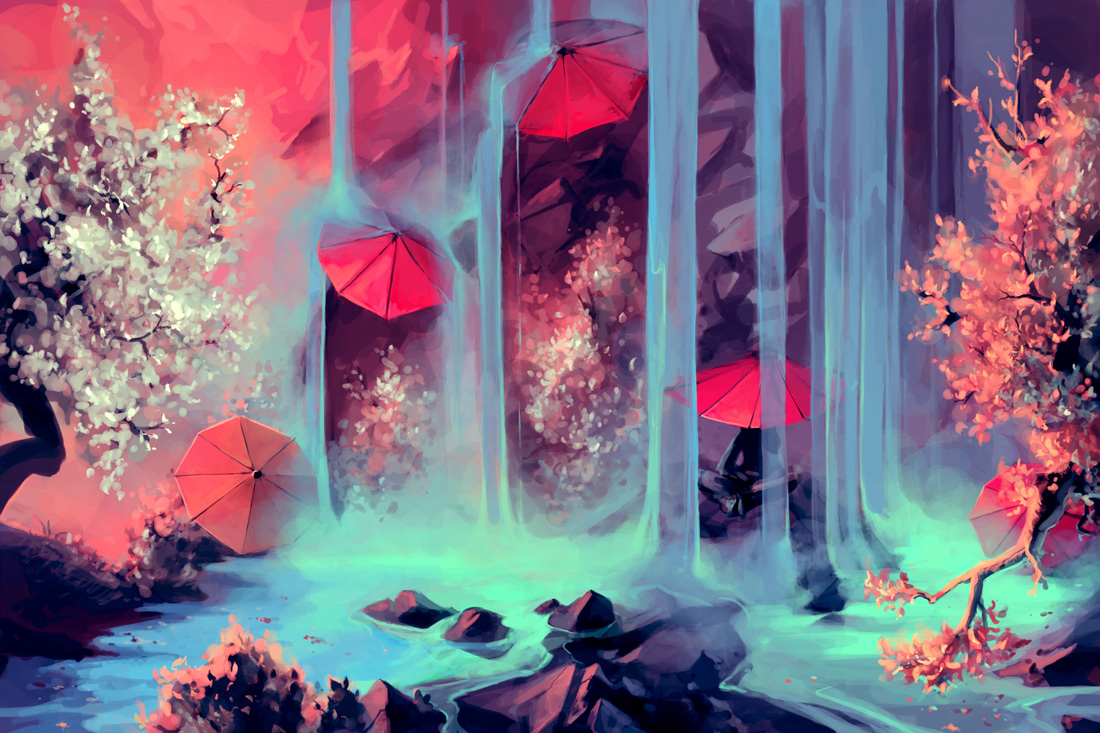
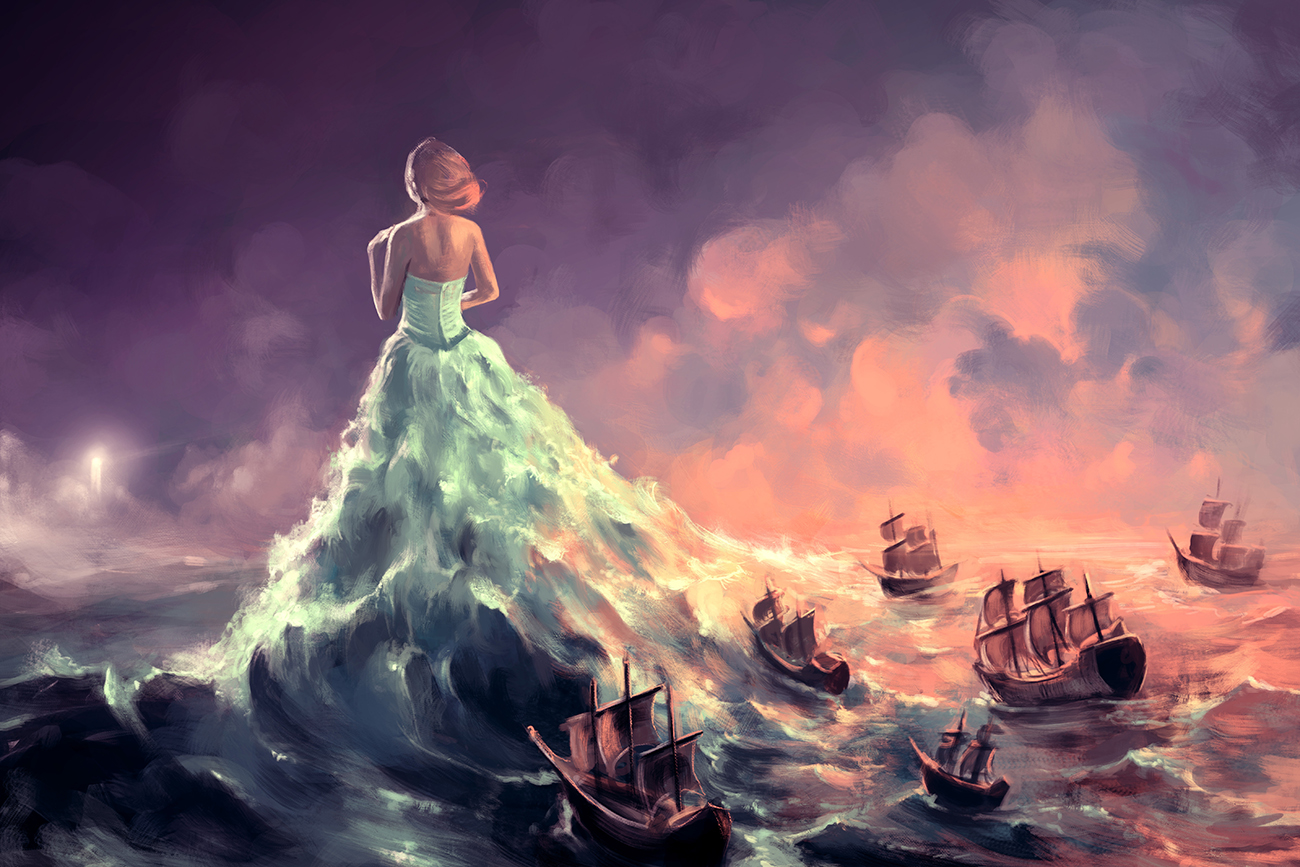
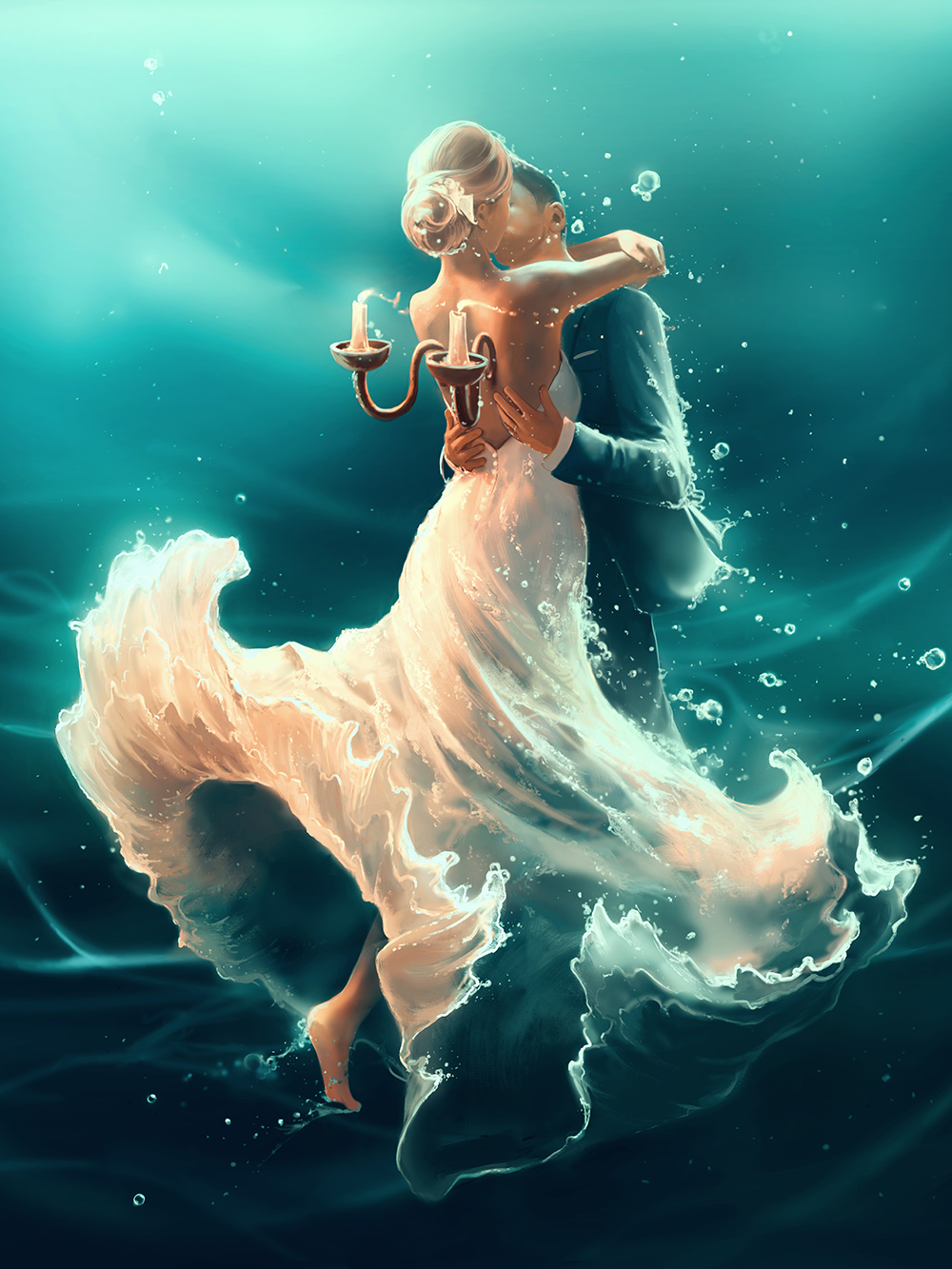
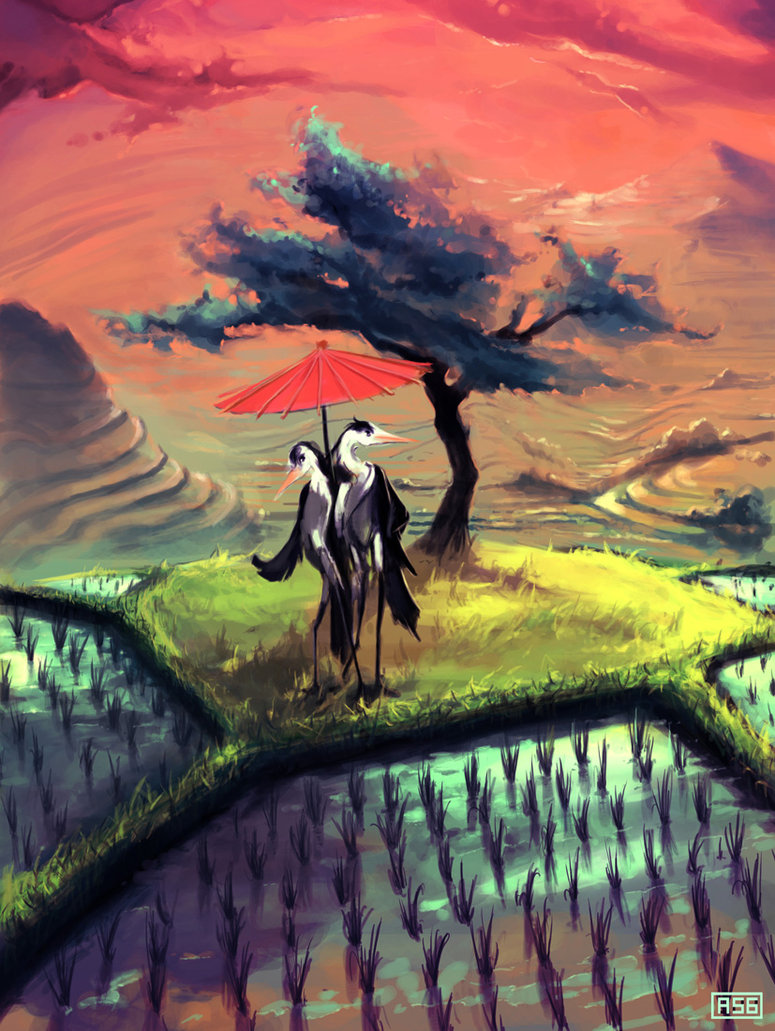
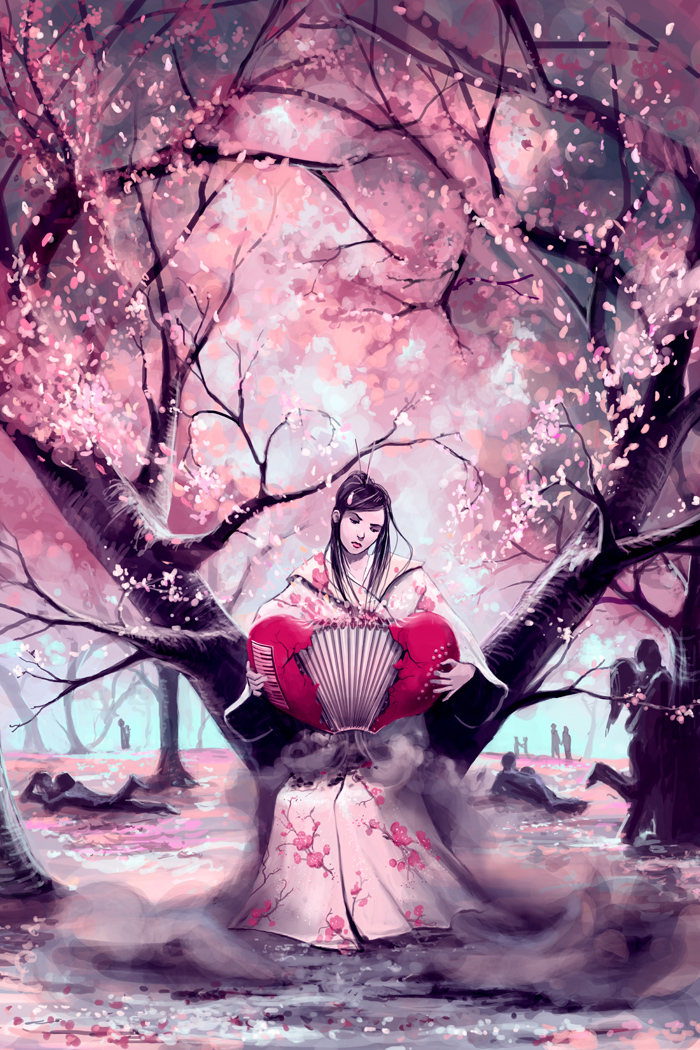
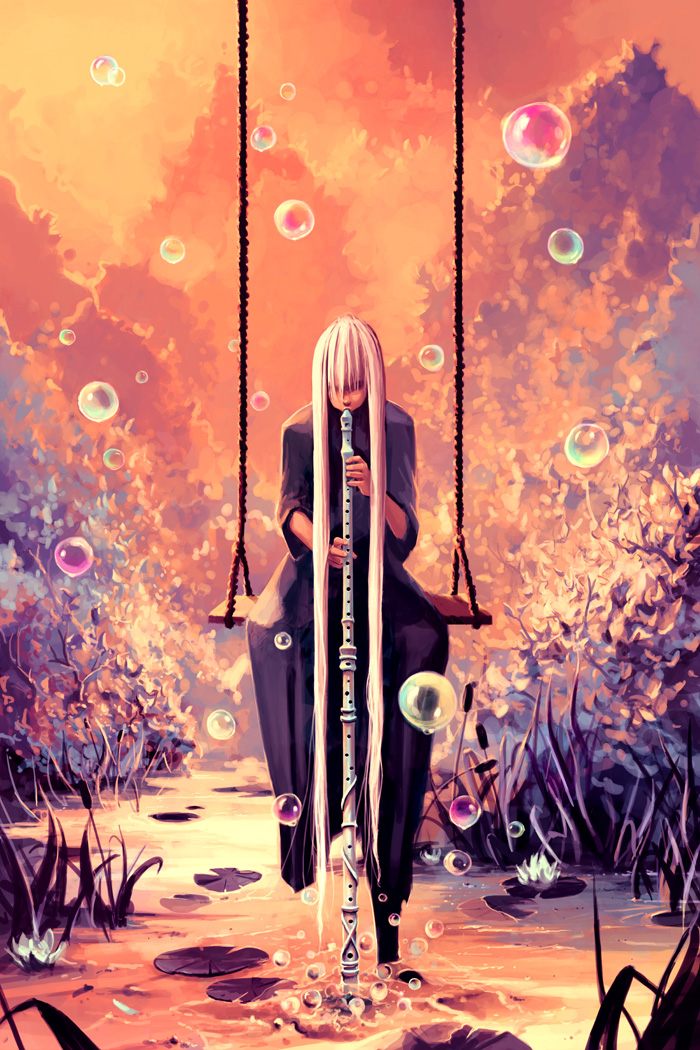
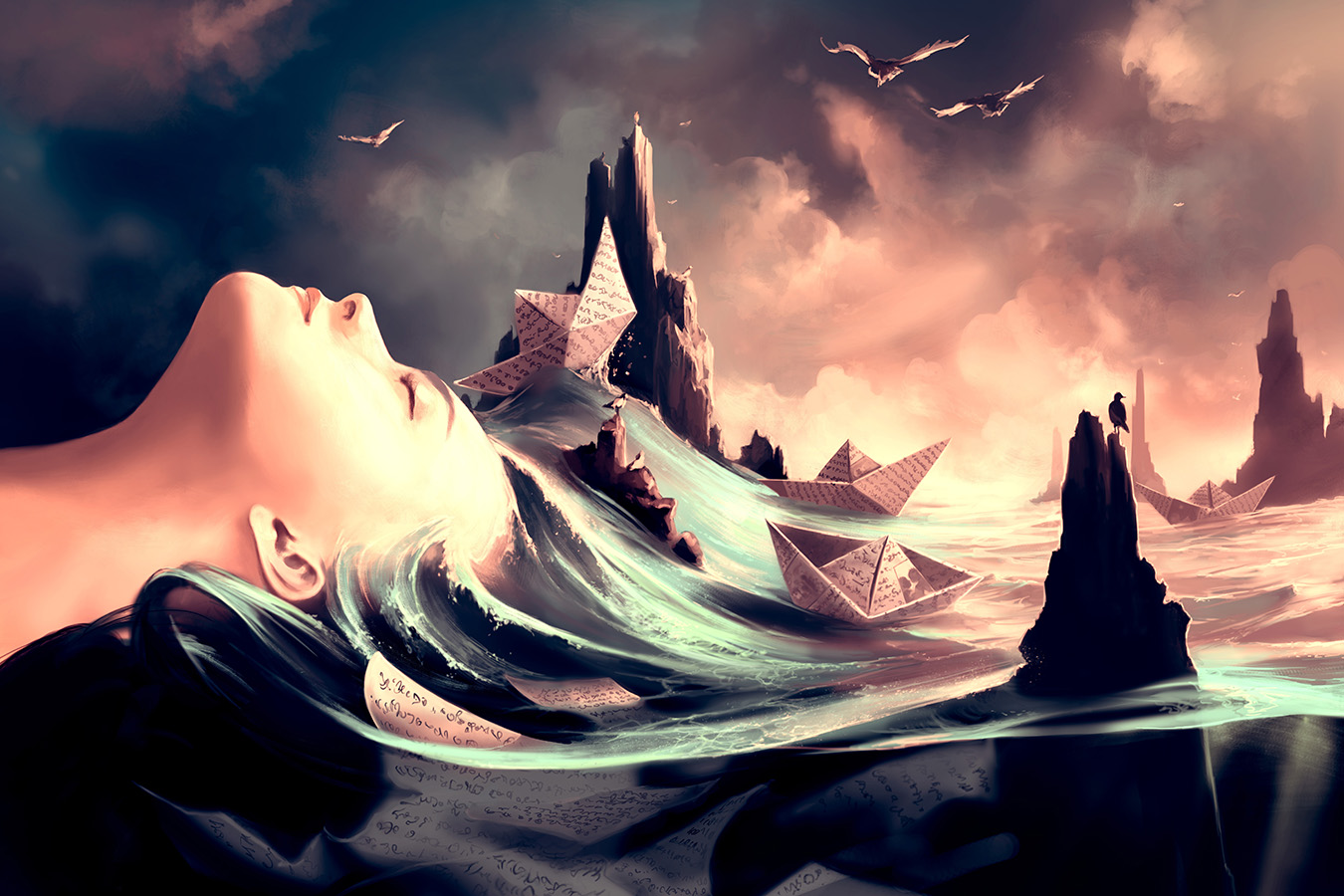
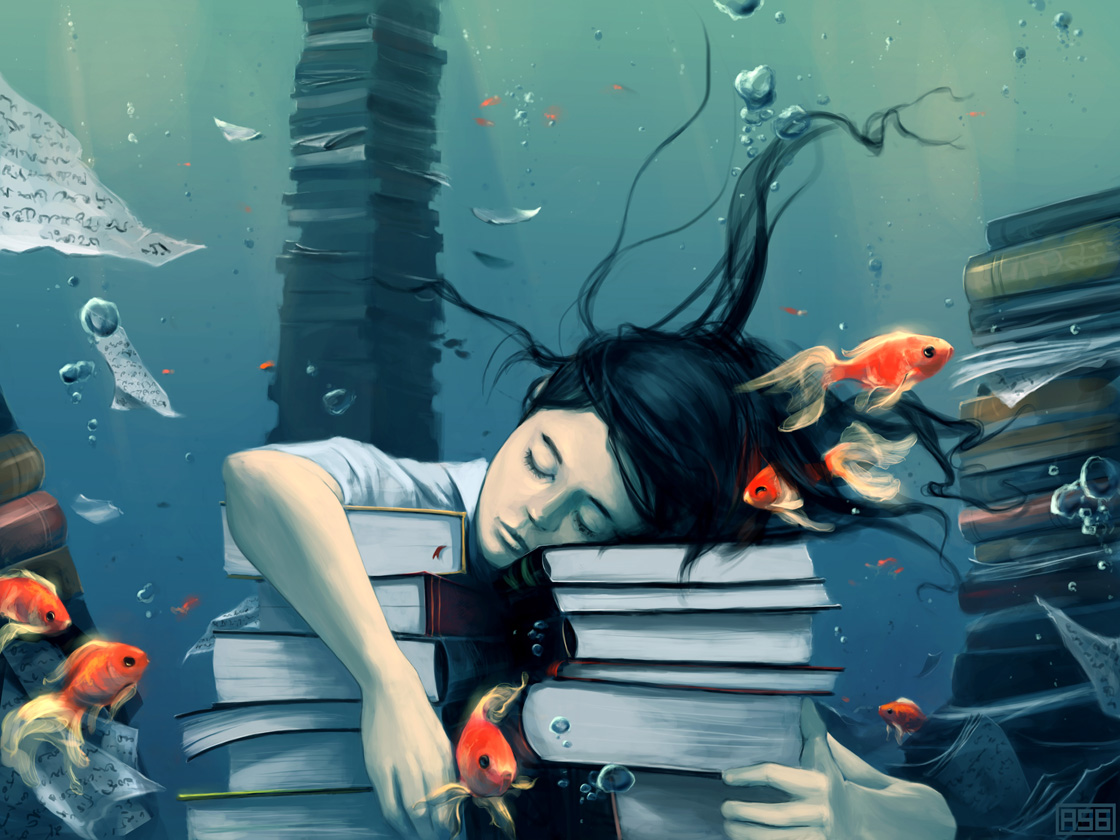
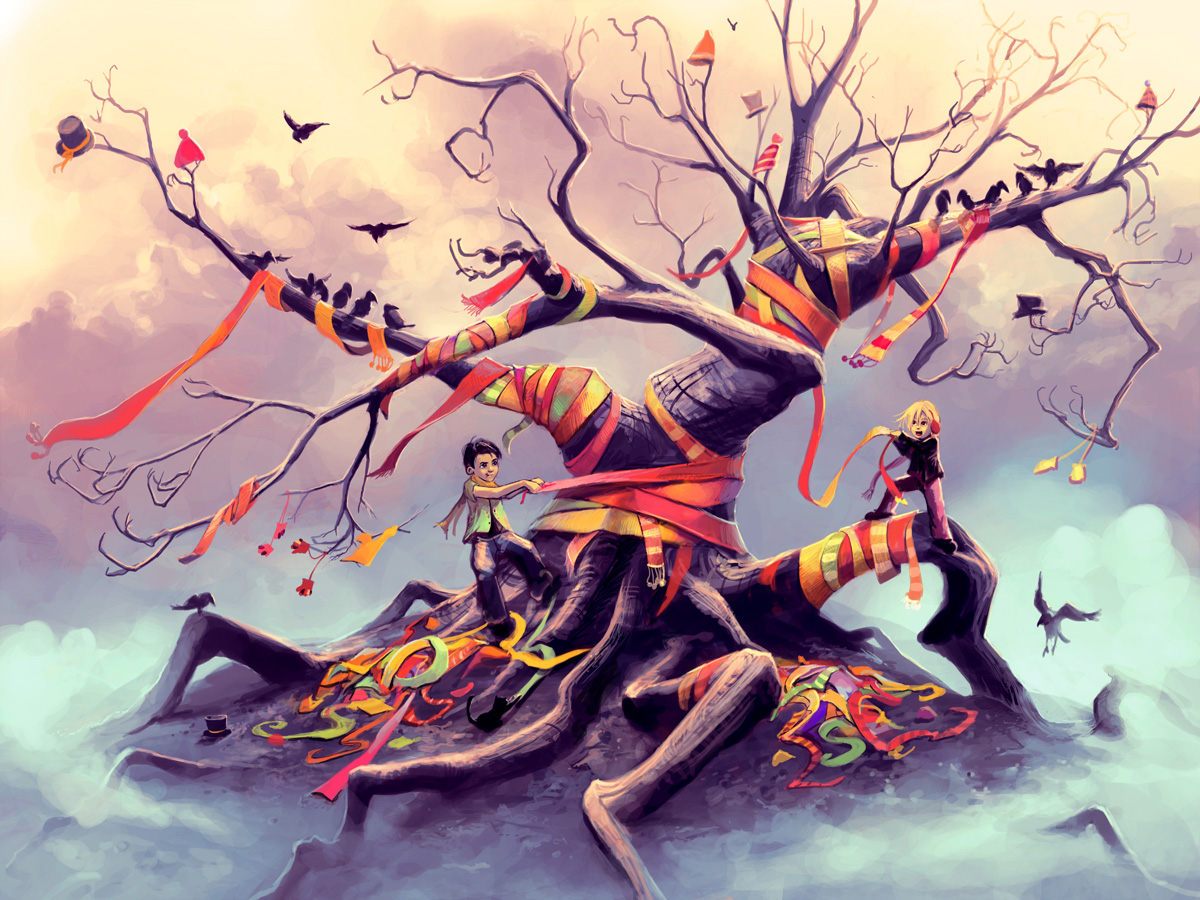
Cyril Rolando, known online as AquaSixio, is a French illustrator who works predominantly with digital mediums, such as Photoshop. “My artistic approach is set between surreal and fantasy style… in one word : Otherworldly,” he says of his art.
“I want to ‘tell a story,’ not just ‘show pixels,'” says Rolando of his digital art. “Tim Burton and Hayao Miyazaki are both the roots of my own world. I like the surrealism movement, especially the work of Boris Vian and his Foam of the Daze (l’écume des jours). I like the absurdity, the creativity and the enchanting universes, where colors bring more emotions than thousand smiles or a million tears.”
Living on an island, I’m drawn to many of the thematic elements that Rolando incorporates into many of his images: waves, underwater, aquatic life, snow, rice beds. Doubly impressive is the way that the running theme of water is utilized without all of the images feeling repetitive or same-y. Rolando fills his images with deep blues, rich purples and reds, and nurses out a lot of evocative emotion through his use of colour.
You can follow Cyril Rolando on Tumblr and DeviantArt. His art is available for purchase through his online store.
The post Artist Spotlight: Get Wet with Cyril Rolando appeared first on A Dribble of Ink.