
Caroline Abbott's Blog, page 2
November 12, 2022
One Church Standing Beside DV Survivors

Many of us turned to our churches for help when we were with our abusive partners. Sadly, more often than not, we were told to be more submissive and respectful. Our abusers were often not held accountable. Because of this, many abuse survivors turn away from the Church, and even more sadly, away from God.
What if churches educated themselves about abuse, and came alongside the abused instead of harboring the abuser? What if they came up with a domestic abuse policy that supported the survivor? How amazing would that be? I recently came upon The Shepherd’s Church in Cary, North Carolina that has done this. Click here for their complete Domestic Abuse Policy.
Here are some points in their policy that I find laudable:
Domestic abuse is the desecration of the image of GodAbuse is an assault upon the image of God in another human being.Abuse usually occurs in a pattern that is typically increasing in frequency and/or intensity.Abuse is intentional, though the abuser may not be self-aware enough to recognize the intentions of his or her heart. Abuse is never perpetrated by accident.Abuse is about the misuse of power to control or manipulate another for selfish gain. It is an act of oppression.Abuse can involve physical, emotional, verbal, sexual, economic, spiritual and/or psychological means.The goal of abuse is self-gratification—to get what one wants at the expense of another.Domestic abuse violates the marriage covenantDomestic violence in any form—physical, sexual, emotional, economic, psychological, or spiritual—is an assault upon the image of God in a fellow human being and is therefore an assault upon God Himself. When it is between a husband and a wife, it further violates the one-flesh covenantal relationship that God established. Under no circumstance is abuse ever justified. Neither is it ever the fault of the victim. Domestic abuse severely damages the relationship and often destroys the relationship beyond repair. An act of abuse is never an act of Christian love. Christ’s self-giving love encourages flourishing, while domestic abuse seeks to stifle the victim’s autonomy through dominance, replacing love with fear. Given this acknowledgment,
The Shepherd’s Church affirms the following:Domestic abuse in all its forms is sinful and incompatible with the Christian faith and a Christian way of living. (Mark 7:20-23, Eph 5:28-30, 1 Pet 3:7-9)All abuse is spiritually damaging for both the victim and the abuser and has collateral damage that extends to children, extended family, and close friendships.Domestic abuse is a serious problem which occurs in church families as well as in wider society.Domestic abuse is not primarily an anger problem, a marriage/relationship problem, the victim’s problem, or even a legal problem, but rather a sin problem. (James 4:1-3, Eph 5:11-14)Statistically, domestic abuse is primarily perpetrated by men against the very people whom God has given them to protect and shepherd—women and children. (Eph 5:15- 6:4)And we promise:We will listen to, believe, support, and care for those affected by domestic abuse. (Judges 2:18, Ps 9:9, 18:16-19, 103:6, 146)We will urge abused persons to consider their own safety and that of family members first and to seek help from the church, professional counseling, and legal resources, to bring healing to the individuals and, if possible, to the marriage/relationship in which the abuse occurs.We do not have the legal authority or the ability to investigate charges of abuse but will consult with competent professional counselors, legal counsel and, if necessary, law enforcement, to determine the best course of action regarding both the abused person(s) and the perpetrator of the abuse.We will stand with victims in seeking legal remedies should that be their decision.We will discipline members who are abusers, including by removing them from the church if they are unrepentant. (Matt 18:15-17, Rom 16:17, Titus 3:10-11)We will work with local domestic violence support agencies, will learn from them, and will support them in appropriate ways.We will teach that domestic abuse is a sin. (Mark 7:20-23, Rom 1:29-31, Eph 5:25-33)We will teach what it means to be male and female image-bearers of God, equal in value, dignity, and worth. (Gen 1:26-27, 9:6, Matt 19:3-6, Gal 3:28)We will train all pastors/elders, staff, deacons, and lay leaders in domestic abuse awareness.We also will notify law enforcement when necessary for the protection of the victim(s) and when required by law, as in the case of domestic violence involving a minor, elderly persons, or disabled persons.How the Church will respond to the:VictimSafety of the victim(s) is paramount.Listen to and believe the victim(s).Recognize the signs and ask questions.Escalate to appropriate personnel.Reporting to law enforcement is required by law if abuse involves children under 18, elderly persons, or disabled persons. Otherwise, consider the victims’ wishes regarding reporting.Assure the victim(s) it’s not their fault.Assist practically as desired by the victim(s).Professional counseling as desired by the victim(s).Counseling should be individualized, aimed at trauma/abuse recovery (not marriage/relationship counseling or marriage/relationship reconciliation).Abuser DisciplineConfronting the abuser should only occur at the request of the victim, after safety has been established, and after consideration of whether to involve law enforcement. If law enforcement is or becomes involved, consult with and defer to law enforcement’s instructions regarding confronting the abuser.Provide education/accountability if the abuser is open to it.Professional counseling should be individual counseling aimed at heart issues underlying abusive behaviors, such as power/control, entitlement, previous abuse, etc., not marriage/relationship counseling or marriage/relationship reconciliation.Repentance is the goal. It will take time to discern, and in the short-term, worldly sorrow can sometimes appear to be godly sorrow. Over time, genuine repentance always becomes evident. We move faster with care and slower with confrontation and discipline.About reconciliationReconciliation to God is a necessary step before the Church can support reconciliation of the marriage/relationship.Reconciliation of the marriage/relationship is only recommended when both parties and their counselors agree.Caroline’s ThoughtsWhen I saw this, I began jumping for joy. For years I have been lobbying for churches to support victims while holding their abusers accountable. I believe there would be so much less abuse if all churches would educate themselves and have the guts to stand against it. This is the reason I created a Domestic Violence Guide for Churches to educate church leadership. This guide mirrors the points made by The Shepherd’s Church, and explains the reasoning behind these policies. I invite you to check out a preview of the guide here.
For those of you who have been shamed or discarded by your church because of the abuse you’ve experienced, I am so sorry. I know this pain, and it was horrible. I pray you search out safe Christians for community and lean on God the Father.
May the Lord bless you all today.
Caroline
The post One Church Standing Beside DV Survivors first appeared on https://carolineabbott.com/.

May 17, 2022
Survivor Story – Spiritually Bruised and Battered

Periodically I have the joy of sharing the story of an abuse survivor. Today I am sharing Laura Moseley’s story. Laura was in a domestic violence relationship for 23+ years. Like many of us, Laura experienced spiritual abuse from her church, which made her situation even harder than it already was. Thank you Laura for your courage in sharing your story today. Here it is:
Laura’s Story – Spiritually Bruised and Battered***TRIGGER WARNING*** This post contains general references to past violence.
I am a survivor of 23+ years of domestic abuse, in all forms. The one abuse that floors me more than anything is the concept of spiritual abuse. This type of abuse can involve just the victim and abuser, but can also involve outside parties like the church or entire families. It wasn’t until I admitted to myself that I was being abused, that I came to acknowledge the different forms and tactics. My eyes then became open.
How her relationship startedWhen I met my future husband, he was all about doing the right thing and becoming a member of a church, because his family didn’t really do “the church thing.” He had me believe that it was almost kept from him by his own family. I was delighted that he wanted to connect with my family in that way and we agreed to have our baby baptized in my family’s church.
He began spiritually abusing herHowever, after he went through the sacrament class and we had our son baptized, he voiced his concern that I was being brainwashed by my family and he was NOT going to be a part of that, nor would we involve our son in that. We soon moved 450 miles away, which saddened me greatly. I was the ever dutiful wife and went with him.
During our marriage, the Lord was used against me A LOT, mainly to point out what a sinner and horrible wife I was. He often called me a “cheater.” I didn’t dare ask him to go to church, but I would get up early on a Sunday and get my children fed and ready for church. I would take them myself and then come home and fix Sunday dinner. I was doing what my family always did, which comforted me greatly.
After a time, my then-husband became enraged that we attended church. What started that tirade was that a church official called to see if my oldest wanted to be an alter server. My husband cursed out that individual, stating that he was not providing another rape victim for the priest and hung up on them — I heard all about it after-the-fact and was horrified. I went to the church to apologize and was relieved of my Sunday School teacher duties right then and there. I was completely crushed. I stopped going to church from sheer embarrassment.
Laura sought help from the churchAs my relationship went on, the abuse became worse. I begged my husband to go with me to counseling, but he would not. I made an appointment and met with my church’s priest. I outlined what I was going through. The priest asked for us to all meet together, but I told him that my husband refused. The priest then took it upon himself to call my husband on speaker phone, as if he didn’t believe me, to appeal to him the importance of getting our marriage back on track. My husband answered and cursed us up and down, talking about how much of a sinner I was.
After that horrible phone call, I left in embarrasment and rage. I met with the priest later in the week and discussed what I needed to do to possibly get out of this un-fixable situation. He advised me to repent my sins (in confession) and to go home and be a loving wife to my husband, that love conquers all. I asked the priest if he had ever been in a relationship, which he said that he had. I then asked him if he had ever been married. He said he had not. I thanked him for his limited advice and never went back to counseling at the church again. I felt as though I was being sent to my doom.
Leaving for her safetyAfter the final violent episode in my marriage, I had to put into place and emergency protective order and file for divorce — simply for sheer safety of myself and my children. My husband had beaten me in front of my children and tried to kill me by strangulation and beating, when they left the home.
About six months after the incident, I called the church to ask about how to go about divorce. Since I was not married in the church, I was told that they did not acknowledge my marriage, so to just follow the legal recourse. He did say I could go through the process within the church leadership too, but that it would be, more or less, a waste of time. I asked about the legitimacy of my children, he said something that greatly surprised me, “Oh, that? We don’t do THAT anymore.”
“Father, does that discount me from communion?” He stated that it did not.
“Father, does that make me an adulterer?” I was legitimately worried.
“No, child, just a fornicator. Go to confession. It will be alright, if you repent.” Um, WHAT??? I was true and loyal in my marriage and I’m a fornicator? I’d heard enough! I thanked him for his advice and hung up. Good grief!
Backlash from her in-lawsMy husband’s family, who were not churchgoers, (I never judged them for that, or anyone else for that matter — spirituality is a personal relationship between that person and their Higher Power), liked to talk to me about how to be a better, holier wife. Seriously? While I didn’t question their church status, I often questioned their basis. They often misquoted scripture and I was not to call up how many times they had been married and/or had committed adultery.
While I realize no one is perfect, they always presented that I was an outsider and not worthy of my husband’s love and favors. I lost the acceptance that I thought I had with his family, which degraded my mental capacity even more. I felt like a lost soul.
Spiritual abuse can be the worse kind because I feel it attacks the total inner being of the person, to their very core. It is just another effective attack on a person’s character, in order to break them down to submission. Thankfully, the Lord knows that I have a very strong will. I will carry on my spirituality regardless!
What she’s doing nowCurrently, I am working hard for myself and my family to rebuild. We now live in peace and safety! All three of my children live with me and I now have a son-in-law and a grandbaby (also living with me). I am a federal social services customer service professional, so I get to help people every day. I am also a domestic violence advocate, helping people through the writing of my blog, through providing resources and services, through continuously speaking out and sharing my story, and through community activism. God saved me, so I will help to save others. No one deserves to be abused. NO ONE.
AUTHOR BIO:Laura is a single mother of three and grandmother of one, as well as a Domestic Violence/Sexual Violence survivor of over 23+ years of abuse. She works for a federal social services organization by day and as a certified DV advocate in the rest of her spare time. She is a writer, blogger, future podcaster, activist, and public speaker. She loves getting her story out there, to help show victims and survivors that there is hope and that it is SO much better than ever imagined while in active abuse.
BLOG: http://www.dvwalkingwounded.me/
SOCIAL MEDIA: https://www.facebook.com/dvwalkingwounded/
I hope today’s survivor story inspires you. Some of the most awesome women I know have been abused and have found ways to bring beauty out of their ashes. If your church is uninformed about how to help their members deal with domestic violence, please check out my Domestic Violence Guide for Churches.
I pray each of you will receive the help you need. Many blessings today,
Caroline
The post Survivor Story – Spiritually Bruised and Battered first appeared on https://carolineabbott.com/.
March 18, 2022
Are You Tormented By Shame?

Many of us are tormented by a feeling of shame. Shame is different from guilt. Guilt is what we feel when we know we have done something wrong. It can help us to make amends, and help prevent us from doing something similar in the future. Shame tells us we ARE something wrong. Sometimes this causes us to try to be perfect . . . which is impossible. It may cause us to choose partners who talk down to us. After all, if we live in shame, some part of us agrees with the negative things they say about us. Then, our shame keeps us in these abusive relationships, because it is shameful to divorce, right?
Does God want us to live in a place of constant shame? Absolutely not. Other Christians might shame us, but God never does. I recently heard one of the best sermons of my life. It was about how God looks at us, and how he sees us from the eyes of love, rather than through the lens of shame. The sermon was given by Kevin Butcher, a member of South Fellowship Church in Littleton, Colorado. You can watch the sermon at the link below. His sermon begins in minute 32 of the video. Yes, it was a long sermon (an hour), but one of the best hours you will ever spend.
For those of you who don’t have an hour to spend, I will summarize the sermon.
Kevin’s storyKevin says that shame is love’s opposite, and Satan’s primary tool of destruction. Kevin grew up in a Christian home, but it was emotionally jacked up. The way he handled this was to become a super Christian, living a performance-based life. He succeeded in sports, went to seminary and became a successful pastor. Yet, he was desperately empty.
When he became a dad, he would watch Mr. Roger’s Neighborhood with his daughters. When Mr. Rogers sang the “It’s you I like” song about unconditional love, this big man would cry. He wanted to hear his Father say, “I like you for you, not for what you do,” but he never felt that from God.
At age 36, after a successful talk given in front of a big audience, he came terrifyingly close to driving over a cliff. His performance based life had caught up with him. He realized he was completely empty inside. He knew the Bible in and out, but he was like a travel salesman handing out brochures to places he’d never been.He could preach about God’s love, but he didn’t feel that love himself. His emptiness wasn’t just an absence of love, but was all about shame. Where love isn’t, shame moves in.
What IS shame?Kevin defines shame as an irrational sense of defectiveness, a belief that at our core, we are fundamentally unlovable and unworthy to be called human. It is looking at ourselves with a withering look of contempt. We believe we were born defective and are not worthy of the breath we breathe.
Shame is the secret behind most negative behavior. Shame is everywhere, infecting our thoughts and feelings and our behavior. It doesn’t seem to go away.
Where did shame come from?Shame comes from Satan. In Genesis chapter 2, Adam and Eve were naked and they were not ashamed. They knew nothing about good and bad. There was no shame. They lived surrounded by God’s love. That is how God made us to live. God planned for us to wake up each day thinking, “Good morning God, thank you for your love.” Yet, what shame has taught us to think about is, “I must” and “I should.”
When babies come out of the womb, they are looking at their parents to see if they are loved. They will stare into their parents’ eyes to see if they see love there. And today, we are still looking for someone to look at us with love and delight. Satan knows when we feel this love and delight, his evil cannot reach us.
When Satan came on the scene in Genesis 3, he convinced Adam and Eve that God’s love was not enough. This brought shame came into the world. Suddenly, Adam and Eve realized they were naked. They realized they had done something wrong, and they felt they were inherently wrong. They made coverings for themselves, and began to hide. Adam then blamed Eve, and Eve blamed the serpent. Relational death entered the world.
Where does shame enter our lives?For us, shame enters our lives through shame-based family systems. If we only receive 40% of the love we need from our parents, the other 60% we receive is shame. This looks like harsh discipline, name calling, and pulling away from the child when they do wrong. If what parents have received from their parents is shame, that is what they pass onto their kids.
If it isn’t our parents, we receive shame from our culture. Kevin tells the story of going to school in a dorky pair of green pants. His favorite teacher, whom he idolized, said in front of an entire class, “Nice outfit Butcher.” 55 years later, Kevin still remembers the feeling of shame as every student in the class turned toward him and laughed. He was humiliated. Don’t we all have a story like that?
Our experience of shameWhen we live in God’s love, we don’t need to live in shame. When we don’t know who we are, we begin to live out of our shame. Our lack of identity causes us to hate ourselves. We become people pleasers trying to be accepted. We need the approval of others because we don’t feel God’s approval. No human can ever give us enough love to fill the emptiness inside us put there by shame. We become perfectionists to try to look good. (Click here to read my story of trying to be perfect.) We choose to cover up our shame by constant busyness. Or, we become addicted to drugs, gambling, shopping or Netflix. We focus on the rules God has given us rather than focusing on his love.
God wants to heal usGod loves us and wants to heal these broken places inside us. Because the opposite of shame is love and God is love, his love is the path to our healing. Jesus defeated shame on the cross. Hebrews 12:2 says, “For the joy set before him he endured the cross, scorning its shame, and sat down at the right hand of the throne of God.” Many people don’t know that Jesus was hung on the cross completely naked. So, in addition to the excruciating pain, he also had the humiliation of hanging naked for all to see. Jesus looked shame in the face and defeated it when he died then rose from the dead. So today, shame has no power over us, except for the power we give it.
How to heal from shameKevin outlines two ways we can overcome shame:
He says that vulnerability, met by God’s love, heals our shame. If someone tells you they love you, but you know you’ve been wearing a mask around them, you naturally assume that what they love is the mask you’ve been wearing. God comes to us as Abba (daddy). He already knows everything we ever did or ever will do. So, we can come to him with complete honesty, understanding that he loves us no matter what we have done or not done, ever. He is our daddy. Let us climb into his lap and receive the love he has for us.The body of Christ (the church) is meant to be a healing community. Sadly, it doesn’t always function that way. But, if/when you find a community that doesn’t shame you, one that you can be honest with, the love of the Father will be available to you through the love of these others.To finish, Kevin told a story of how Jesus’ love changed a hardened criminal. Kevin went to visit him in prison, and tried to read some Bible verses to him. The criminal was having none of it. So, Kevin got up, took the man in his arms, and whispered in his ear, “I love you. I will be there for you no matter what.” That was the turning point for the criminal. He spent the next 8 years in jail getting to know Kevin and Jesus. His first Sunday out of prison, he went to Kevin’s church and served communion to his fellow believers.
Love wins.I hope this has helped you see how shame might be affecting you, and that God doesn’t want us to live in a place of shame. May each of you feel God’s love and peace today.
Caroline
The post Are You Tormented By Shame? first appeared on https://carolineabbott.com/.
February 9, 2022
Acceptance – A Vital Part of Healing

Healing from abuse is a long, painful process. I wish that wasn’t true. I wish there was a magic potion we could take, or our fairy godmother could wave her magic wand and it would all be better. Sadly, this isn’t how it works. Healing takes time, but it doesn’t just take time.
You might have heard the old saying “time heals all wounds.” Well, we know from experience that isn’t true. We only have to look around us to see all the broken people of the world, those who were wounded months, years or decades ago, and are still in that bitter, broken place. These sad friends are proof positive that time isn’t all that is needed to heal the wounds we have received from the person we thought would love and care for us, and instead abused us.
So, what do we need? Well, we need a lot of things, and we need other people. I wrote an entire book describing the elements I believe are necessary for healing from emotional abuse. ( A Journey to Healing After Emotional Abuse )
But, today I am going to talk about something I’ve never talked about before, and that is acceptance. I didn’t come up with this idea myself. I came upon it while reading a great little book by Dr. Henry Cloud and Dr. John Townsend called Divorce and Lost Love: What to Do When You Don’t Know What to Do.*
What do I mean by acceptance?Cloud and Townsend say there are two possible responses when we have a problem in our lives. One is to stop dead in our tracks, and to feel stuck and become hopeless. The other is to welcome the problem as a gift God gives us that helps us become better people.
Now, don’t get me wrong, I am not advocating we put on a fake smile, pretend that being abused is OK, and that divorce is a wonderful experience. Heck no! Being abused, and leaving an abuser must be one of the most painful things a person could ever experience. In my book, I recommend you fully experience your grief in order to move past it.
But, once you have spent time grieving (a lot of time), you will be happier if you can move to a place of acceptance.  Tweet This
In our western society, we have come to believe we should never experience pain. Have a headache? Pop a pill. Feel lonely? Hop on social media. Bored? Turn on the TV. Breakup with someone? Find a replacement ASAP! We have come to think if we are in pain, something is wrong. In the past, and in other countries, people did/do not believe this. In other cultures, people expect pain.
We should too. We will all feel pain at some time in our lives. For those of us who have been abused, we have had more than our share, but we are not alone in the human condition. Our pain may be different, but can you tell a mother whose one-year old just died she is not in pain? How about your friend dying from cancer? Or the homeless mother with three small children sitting on the side of the highway?
If we can begin to accept that we will all experience some kind of pain, we can move from helplessness to hopefulness. Tweet This
In order to really heal, we need to stop protesting about how unfairly we’ve been treated. Yes, our abuse was unfair. No, our abuser should never have treated us this way. Yes, it was wrong of him/her to behave that way. But, hanging onto that doesn’t alter the reality that we were abused, and now we find ourselves divorced, or left alone, possibly with hurting children to care for. Only when we accept this fact can we learn what choices, paths, lessons and opportunities we have now. We can accept that pain is part of life, and we don’t have all the answers. And we can begin to put our trust in God.
Look at how Jesus sufferedWe can look at Jesus’ life, and the way He suffered. He loved us deeply, and because of our sins, he chose to suffer greatly for us. But instead of finding a way out, he worked through it. He endured it because it was the only way to bring us life. He is our model for dealing with our pain. Identifying with his pain draws us closer to him, to see life as it really is, and to patiently take whatever steps are necessary to resolve our problems. Following His pattern deepens and matures us.**
We don’t need to accept that the pain we feel will always be with us. No. We will adjust and grow, and our lives will improve, if we work with God to make the changes in our lives that need to be made. It may take longer than we would wish, but one day, we will wake up, and our lives will look better than they do today. Remember in John 16:33, Jesus said,
“I have told you these things, so that in me you may have peace. In this world you will have trouble. But take heart! I have overcome the world.” (emphasis mine)
Have you experienced the truth that accepting your pain is one of the vital steps to healing from it?
I pray God will walk alongside you as you wade through your current pain, and that you will feel his love.
Caroline
* Dr. Henry Cloud, Dr. John Townsend, Divorce and Lost Love: What to Do When You Don’t Know What to Do – God Will Make a Way (Brentwood, TN:Integrity Media, 2005).
** Divorce and Lost Love 27 – 29
The post Acceptance – A Vital Part of Healing first appeared on https://carolineabbott.com/.January 4, 2022
When Abusers Say They Want To Change

How many times has your abuser promised to change? If you are like many who are in relationship with an abuser, you have lost track of the number of times you’ve heard this promise. But does change actually happen? My guess is, if you are reading this blog, the answer is a resounding NO.
Is there anything that you can do?Unfortunately, there is little that you can do, as we cannot make another person change. They have to actually want it. Then, it needs to be important enough to them to do some hard and uncomfortable things.
An example of a person trying to become physically healthyIn the beginning of every new year many people make resolutions to change their poor eating and exercising habits, hoping to lose weight. They are tired of their clothes fitting too tightly, and struggling to catch their breath as they get to the top of a flight of stairs.
If a person told you the day after their resolution was made that they had succeeded, and now they are at their desired weight, would you believe it? Probably not, as the evidence would show that nothing had yet changed.
Isn’t this what abusers do? They claim they want to change, and they try to get you to believe it has happened overnight. Maybe they will buy you flowers, take you to a nice restaurant, and/or apologize profusely. Is this a sign of a long-term heart change? Sadly, no. All that has happened is they have moved from the abuse incident stage of the abuse cycle to the honeymoon stage, or as some call it, the “love bombing” stage.
It makes sense to us that someone wishing to lose weight will have to work hard at it. They will need to stop eating potato chips and cookies, and start eating vegetables, nuts and lean meats. They will have to stop sitting on the couch watching television all day, and begin walking and going to the gym. There will be setbacks along the way.
No one can instantly change their eating and exercise habits overnight. There will be days when that bag of potato chips is consumed, and the person spends the entire day in front of the television. They will need to recommit to their goal over and over. And it make take weeks or even months for the evidence of this hard work to begin to show.
Major life changes take time and effortThe same is true for an abuser who actually wants to change. No one can decide to become a loving person and suddenly their lifelong habits of selfishness and thoughtlessness instantly disappear. There will be setbacks along the way. This person will have to recommit to doing the hard work over and over again. It takes time to make major life changes.
Leslie Vernick’s thoughtsMany who have been abused have asked me for resources for their partners. I have just recently come across a video by Leslie Vernick that I am excited to share today. In this short video Leslie speaks directly to the abuser. I think it is brilliant. Note that Leslie directs her video toward husbands. I will say that this information is applicable to anyone who is abusive, a mom, a girlfriend, a brother or dad. Abusers are not always males. Check it out here.
Leslie shares with abusers that they must begin to see that the people in their lives are people to love, not objects to use. These people have different needs and desires than you, and their needs are sometimes in direct opposition to yours. These people are not bobble head dolls with smiley faces that always agree with you and always think you are wonderful no matter how you treat them.
Abusers will need to begin learning to give to others in their lives as well as expecting to receive from them. No one can sow the seeds of discord and destruction in their relationships and expect to reap the benefit of a healthy relationship.
Steps abusers will need to take1. ClarityAbusers will need to begin seeing clearly what they have been doing to hurt those in their lives. They will need to accept they have a problem that is destroying their relationships and stop lying to themselves that it is everyone else’s problem.
2. CommitmentThe abuser will need to commit to responding differently when things don’t go their way.
3. ConfessionAbusers: when you mess up, you will need to fess up. Stop blaming others for your attitude and behavior. Stop minimizing what you’ve done. Repent, turn away from your destructive habits and begin to act and think differently.
4. CommunitySeek accountability from others. This will include the person(s) you’ve been hurting, but also might include a pastor, a counselor and friends who will be honest with you about your behavior.
5. ConsequencesYou will need to accept that your current and past behaviors have consequences. Some consequences may include people around you not being happy with you. They may include the loss of relationships, either for a while or permanently.
Final thoughtsLeslie offers a free downloadable file with more information for the repentant abuser. Click here to access it.
Abusers must choose. They must choose between the pain of admitting their mistakes and putting in the time and energy to change their behavior, or the pain of unhappy or lost relationships. There are really only two choices. I have written another blog directed toward repentant abusers, check it out here.
I have walked the difficult road of relationship to a person who had no intention of changing. It was life sucking and painful. He chose not to make any changes. I pray your abusive person will choose differently.
Blessings to you,
Caroline
The post When Abusers Say They Want To Change first appeared on https://carolineabbott.com/.
December 3, 2021
What is a Flying Monkey?

The origin of flying monkeys is found in The Wizard of Oz. These scary creatures did the Wicked Witch’s bidding. In recent years, the term flying monkeys has come to identify people that do the bidding of abusers. This might be someone who tells the abuser’s partner that they are crazy, that they shouldn’t leave, that they need to be a better partner and any problems in the relationship are due to the partner. Flying monkeys sometimes know they are helping an abuser, but most often, I believe, these people are unaware that the person they are helping is abusive. Instead, they truly believe that the abuser is the victim, and they are trying their best to protect him/her.
How do abusers fool their flying monkeys?Abusers are liars. They are also master manipulators. They know what they are doing to their partners but want to protect their reputation in the outside world. They spend enormous amounts of time and energy putting on a good face to those outside their relationship, pretending to be loving, caring, responsible, faithful, etc. They do this partly because it makes them feel good when others think well of them. But, they also do it to prevent their partner from leaving. If the partner has no one to help, then the abuser remains in control. And, the whole purpose of an abuser is to retain power and control over their partner.
Who might become a flying monkey?Sadly, anyone can become an abuser’s flying monkey. Often, the partner’s friends, family and even pastors believe the abuser’s stories. Because the abused are often severely punished if they tell anyone what is happening in their home, friends and family only hear the abuser’s side of the story. Additionally, being tormented daily by someone who is supposed to love them can unsettle the partner, so that s/he becomes anxious, depressed, confused, seemingly “crazy.” The abuser on the other hand is not being abused, and so can remain unscathed by the toxic relationship. Once the partner is distraught, if s/he tries to tell someone what is happening, it sounds unbelievable. Who would believe anyone could be as cruel as an abuser? If outsiders have never experienced abuse themselves, they will find the abusive behavior hard to understand or believe.
How does this affect the partner?When loved ones take the side of the abuser, the partner may spend many hours/days/weeks/years wondering if s/he is crazy. After all, if everyone around believes the abuser is so great, perhaps the partner really is crazy? Maybe s/he has misunderstood the intentions and actions of the abuser? Could the discord in the home be the fault of the partner? (The answer is no, but it is often hard for the partner to see this.)
The partner is devastated by the behavior of their friends and family. How horrible to realize that your mother, sister or even your kids believe that YOU are doing something wrong? That the abuser is only reacting to YOUR bad choices? Now, not only is your partner treating you terribly, but seemingly everyone else that you love is as well. There is no one to take your side, you are truly alone.
Having no one to support the partner keeps him/her under the thumb of the abuser. Abused partners are often so beaten down that they can’t make the hard and scary decisions needed to separate from their tormentor. And, they often have no money to find a place to live. They are often afraid to go to a DV shelter. If they cannot go to the home of a friend or family member, they feel they have no option but to stay…which is exactly what the abuser wants.
What can an abused partner do?Believe what is happeningThe first thing a partner needs to do is believe their own felt experience. This can be extremely difficult, because of all the gaslighting from the abuser and his/her flying monkeys. In order to become stronger, the partner will need to search for resources. Check out my Get Help page to find many good books, and DV crisis centers. Many crisis centers offer support groups, and free or low cost counseling. Many of these are now offered on-line, so even if you live far from the crisis center, you can still access the resources. Surrounding yourself with those who understand the dynamics of domestic violence will help you to realize you are not crazy. There IS help available.
GrieveOnce the partner realizes they are being abused, and that those s/he cares about are on the side of the abuser, s/he will need to take time to grieve. This is no small feat. There are many steps to grief, and they can each be exhausting. Acknowledging you have something to grieve over, and taking the time to do it will move you from denial to eventual acceptance of the reality you are living.
Set firm boundaries with the flying monkeysOnce you realize your abuse is real, and you take time to grieve that those you love are not going to support you, you can begin to take steps to ignore your abuser’s flying monkeys. In the Wizard of Oz, Dorothy was at the mercy of the wicked witch’s flying monkeys, but you don’t have to be. Today, we can block them on our phones, from our email. This is a difficult move because if they do get near us, they will tell us again how crazy/ungrateful/stupid we are to not take their advice. This is when having a support system around us is so important. People who are truly on your side will help you remain strong as you set needed boundaries with the flying monkeys in your life.
______
If you find yourself surrounded by furry, flying creatures with tails, I hope these steps will help you keep them at bay. Know that there are people who you can actually trust and depend on, you may just have to search for them. Also know that God sees what you are going through and is always available for you, 24/7.
May you feel His presence today.
Caroline
The post What is a Flying Monkey? first appeared on https://carolineabbott.com/.October 12, 2021
When Marital Counseling is a Bad Idea

When any type of abuse is occurring in a relationship, joint counseling is a bad idea. I’ve shared my experience of trying to do marriage counseling with my abusive husband before. It was a disaster. A complete waste of time and money. It actually made me less safe than I was before.
Recently, Leslie Vernick shared her reasons why she believes it is a bad idea to do couples counseling in an abusive relationship. It was so spot-on I decided to share her thoughts here. Note: Leslie assumes the couple is married, and the abuser is the man. These principles apply to all types of intimate relationships, and the abuser could just as easily be a female.
Leslie Vernick’s PerspectiveWe like to think that couples in distressed marriages should always go for joint marriage counseling, but that is not always the best option. Here are three reasons that couple’s counseling is not helpful and can even cause more harm. Marriage counseling is not helpful when:
One person is afraid to speak or afraid to be honest.A counselor ideally likes to hear both the husband and wife’s perspectives on how they see their problem. For example, one of my former clients knew she couldn’t speak honestly or tell her counselor what was really happening at home. When she tried, she knew she’d pay at home. Once, she courageously spoke up and said to their marriage counselor “that’s not true” hoping her counselor would believe her and dig deeper but her husband quickly contradicted her story and the counselor concluded their session by saying, “You both have very different versions of reality. I’m not sure who I can believe.”
If there has been any history of controlling behavior or physical abuse, or one person feels intimidated or afraid to be honest, marriage counseling cannot be effective and can cause harm. Marriage counseling can’t work if one person can’t speak freely or honestly or is afraid to do so because of negative ramifications at home.
There are patterns of abuse, addictions, and/or sexual betrayal.Marriage counseling is not the first step to dealing with the marital fall out of these personal problems. You cannot repair broken trust in a marriage before the person who has repeatedly broken that trust has done his (or her) own work of repentance and putting off and putting on (Ephesians 4:22-24). Patterns of abuse, addictions, and sexual betrayal are not marriage problems, they cause marriage problems. The first step is not repairing the marriage. That’s like trying to rebuild a house that’s fallen into a sinkhole without addressing and fixing the sinkhole problem first. It’s foolish. The first step is for the person who has broken trust to do his (or her) own work so that the patterns don’t continue. Then and only then can the restoration of the marriage be considered.
You only have one client in the counseling office even though the couple shows up.When an abusive/destructive person goes to marital counseling it’s often because he was pressured to do so by his spouse, by a pastor, or by painful consequences like separation or the threat of divorce. He goes reluctantly, not with the idea of working on anything for himself, but to blame his spouse, observe what she discloses (so he can use it against her later), get the counselor to see what a great guy he is and how wrong or crazy his wife is.
An error that counselors often make when these kinds of cases present themselves is to try and establish a positive relationship with the person who isn’t a willing client. We hope over time he will want to work with us. We make small talk about life, work, sports, good restaurants, church, and do therapy with the willing client (his wife).
Intuitively counselors know that we can’t officially counsel him because he’s not a client. It’s clear he has not invited us to speak honestly into his life or to give him truthful feedback into what we “see” going on. So without taking sides, we’ve taken sides. We’re afraid if we speak honestly about his destructive patterns, he’ll stop coming to counseling (which is probably true). But by not speaking honestly, we are not staying neutral. By our silence, we’ve empowered the bully at home to believe his actions are not that bad and we think he’s a pretty fine person and his wife is the one who needs the work.
And… it might be true that his wife could use some help with some things. But not in front of her husband. By working with the willing client (the wife) in front of her husband, it only gives him ammunition to use against her. “See you’re the problem,” the counselor said you trigger me. Or, “It’s your past that affects our marriage, not my behaviors. That’s what the counselor said.” Or, “You’re being unforgiving and hard-hearted. The counselor said God wants you to forgive me and let me back in the bedroom.”
To discern whether a person sitting in the office is a willing client, a counselor must be bold and ask both parties in the room, “Why are you here?” as well as, “What would you like to change about yourself in counseling?” This clarifies why you are all meeting together and invites the non-client to become a client. If he can’t come up with something he identifies as problematic or needs to change in himself that he’s willing to work on, then the counselor should dismiss him from counseling. This isn’t cruel, it’s a kindness to him who doesn’t want to be there in the first place. We do him no favors to collude with his mindset that it is his wife’s problem to fix their marriage while he observes and critiques.
My (Caroline’s) ThoughtsI love Leslie’s perspective than in counseling a couple in an abusive relationship, only one person is actually a client. The other is what counselors call a “visitor,” someone who is only there because they are being forced. I also love that she makes clear that when a counselor is afraid to call out abusive behavior, the counselor is no longer impartial. By making any suggestions that the victim needs to make changes, the counselor is in essence siding with the abuser.
As a DV counselor, I have spoken to multiple DV victims who tried couples counseling. Every one of them believed the counselor sided with their abuser. They were afraid to share what was really happening in the relationship, and if they did, they paid for it on the way home. The entire experience was crazy-making.
In these situations, I always recommend the victim seek professional counseling with someone trained to understand domestic violence. If the perpetrator wants to get counseling, I suggest getting individual counseling, or to do group therapy for perpetrators. I have never seen a perpetrator who willingly sought his/her own counseling. This is because they believe they have nothing to work on. If they have nothing to work on, they don’t need couple’s counseling either.
Does this sound like bad news to you?I know for some of you, this is bad news. You are holding onto hope that couples counseling can save your relationship. Giving up this hope is one step closer to accepting the reality you are living in, and this can be very painful.
If you are interested in finding a therapist who deals with domestic violence, click here.
I hope these ideas will save you the heartache and expense of trying couples counseling with your abusive partner.
May God bless you,
Caroline
The post When Marital Counseling is a Bad Idea first appeared on https://carolineabbott.com/.
September 16, 2021
When Divorce Saves Lives
 Christians in a Terrible Bind
Good morning. So many Christians have been told that there are only two biblical reasons for divorce: Infidelity or abandonment by our spouses. This leaves Christians who are experiencing horrible verbal, emotional, sexual, financial, spiritual and physical abuse in a terrible bind. Do we stay in these unhealthy marriages (allowing our children to believe this is what marriage should be, and possibly becoming abused or abusers in their future marriages)? Or, do we leave for our own sanity and for the health of our children? If we do leave must we feel we need to leave our God (or at least our churches) behind?
Friends, it doesn’t have to be this way.
There is Hope!Some pastors are beginning to realize that abuse IS a valid biblical reason for divorce. Today I am sharing a life saving, life giving resource. I found this on the website called Life Saving Divorce. What a breath of fresh air!
The page that I highlight today shares messages from over 20 pastors who have searched the scriptures, and their hearts, and have come out publicly to say that abuse IS a valid biblical reason for divorce.
For those of you struggling with the very difficult decision about whether to divorce, and what will God think, this is for you. Click here.
After viewing these statements by pastors, I would love to hear your thoughts. Please leave a comment on this blog.
May God bless you and keep you.
Caroline
The post When Divorce Saves Lives first appeared on https://carolineabbott.com/.July 28, 2021
Hanging Onto Hope Podcast
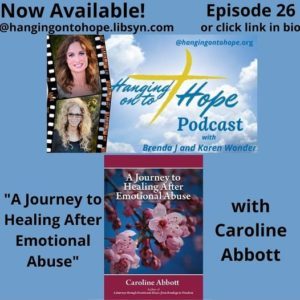
I recently had the honor of being interviewed by Brenda J and Karen Wonder on the Hanging Onto Hope Podcast. These ladies have been through abuse and know what they are talking about. What a joy to share my story with them! I’d love you to check out the podcast. Click here to hear our 32 minute interview. Below I will share the questions they asked, and the time stamp where I answered them.
Please tell us about yourself and what prompted you to write A Journey to Healing After Emotional Abuse (1:11).Leslie Vernick says emotional abuse systematically degrades, diminishes, and can eventually destroy the personhood of the abused. An emotionally destructive relationship is not usually diagnosed by looking at a single episode of sinful behavior (which we’re all capable of), but rather repetitive attitudes and behaviors that result in tearing someone down. This behavior is usually accompanied by a lack of awareness, a lack of responsibility and a lack of change. It can be so covert. Any other ways a victim can determine if their relationship is destructive (3:12)?You say in your book: “I was married for twenty years to an abusive man who claimed to be a Christian. Because of my faith, I took my vow to remain married until “death do us part” very seriously. My goal was to remain married no matter the cost to myself. As a result, I tried to ignore his abusive actions for many years. When my life became unbearable, I was finally honest with myself.” Karen and I can relate to this, and we want to encourage our listeners to get honest with themselves and be able to tell themselves the truth. What ways can you suggest that they can start doing that (6:19)?You say in your book: “Your abuser’s goal was to lower your self-esteem so he could gain control over you. Did you begin to feel less attractive over time, less worthy of his love? Did you begin to think even his abuse was your fault? Maybe if you had done something more perfectly, or if you hadn’t said . . . then he wouldn’t have called you names . . . or made you feel worthless.” That is very relate-able to me, and I think will be to many listeners. Most victims at some point not only feel responsible but end up carrying all the responsibility for the relationship. Can you explain that dynamic a little more (8:50)?“In Job Chapters 38–41, God demonstrates His strength and wisdom, and shows Job Himself. Philip Yancey gives three answers to the question, “What is God up to in a world of such tragedy and pain?” (13:11)In your book you say: “Steven Tracy says one of the most empowering things you can do to get rid of shame that belongs to your abuser is to symbolically hand the shame back to him/her. In many Psalms the authors ask God to shame their abusive enemies. This had two purposes: to cause the abuser to be overwhelmed with shame for his or her sin so they would repent, and to bring utter destruction to the abuser if he or she didn’t repent. To hand shame to your abusers, ask God to overwhelm them with shame for their sins so they will repent, or that He will bring them to destruction if they won’t. Does this sound un-Christian to you? (19:14)The American Psychiatric Association, gives the following criteria for someone with narcissistic personality disorder: having an exaggerated sense of self-importance, expecting to be recognized as superior even without achievements that warrant it, exaggerating achievements and talents being preoccupied with fantasies about success, power, brilliance, beauty, or the perfect mate believing they are superior and can only be understood by or associate with equally special people requiring constant admiration. Also, having a sense of entitlement or expecting special favors and unquestioning compliance with their expectations taking advantage of others to get what they want and having an inability or unwillingness to recognize the needs and feelings of others, being envious of others and believing others envy them.” Anything you would add to this (22:11)?In her book “Dating After Trauma” you quote Emily Avagliano who contrasts unhealthy men to healthy men. I think this is important to talk about (26:00).In conclusion, they read a picture of wholeness I describe in my book (31:32):
You give a picture of wholeness in your book I want to read: “Imagine you were once a beautiful ceramic jar, perfect and whole. If someone were to put a small lamp inside the perfect jar, how much light would shine out? Only a little bit, from the opening at the top. Now, picture the jar broken and shattered into many pieces. This is a picture of our lives broken by the abuse we have suffered. God can take the many broken pieces of our lives and glue them back together. However, the jar will no longer be perfect. It will now have holes in it where small pieces of ceramic were shattered or lost. It doesn’t look perfect on the outside any longer. Yet, what happens when the same small lamp is placed inside the broken ceramic jar? Light can now pour out through the holes where the broken places are. This is an allegory of our lives if we give them to God for healing. The light represents God and His wisdom and joy. We can share this light with others who experience the same pain we have experienced. I have empathy for other abuse victims and survivors (and even other stepparents) I never would have had if I had never walked in their shoes. I can be more help to them because of my brokenness, not in spite of it.”

I pray this interview will be helpful and a blessing to those of you trying to heal from abuse.
May you feel God’s unshakable love for you during this difficult time.
Caroline
The post Hanging Onto Hope Podcast first appeared on https://carolineabbott.com/.
July 19, 2021
The Best Books To Read About Emotional Abuse

Sometimes reading a book about abuse is the best way to get clarity on your situation. It was for me. Reading some of the books below helped me finally break free from my abusive husband.
Shepherd.com is creating a new way to find the books we are looking for. I was honored to be asked to give my recommendations for the best books to read if you think you are being emotionally abused. Here are my picks:
The best books to read if you think you are being emotionally abusedWho am I?I was in an emotionally abusive marriage for 20 years but didn’t realize what was happening to me. I tried to twist myself into a perfectly shaped pretzel to make my husband happy. It didn’t work. Reading some of these books gave me the courage to seek a restraining order and divorce my husband. Since then, I became a domestic violence advocate, author, blogger, and mental health counselor.
I wrote…A Journey Through Emotional Abuse: From Bondage to FreedomBy Caroline Abbott
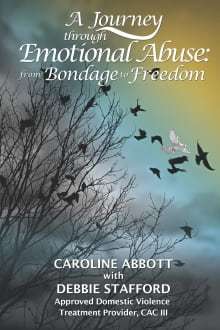
In my abusive marriage, it wasn’t until my husband became physically abusive that I started really looking at what was happening to me. I moved from wondering why he was angry all the time to realizing I was being abused. I wrote this book to help others through the hard road I had to travel: seeking help from the National Domestic Violence Hotline, lawyers, police, and my church.
I describe my journey with the court system, social services, getting a restraining order and seeking full custody of my kids. I help readers think through the hard questions: Should I leave? How could I do it safely? What will my friends/family/church say? What is best for my kids? Having someone who has been through it themselves walk alongside you is invaluable.
Buy this book at:Bookshop.orgAmazonWhen you buy a book we may earn a small commission.
The Books I Picked & WhyWhy Does He Do That?: Inside the Minds of Angry and Controlling MenBy Lundy Bancroft
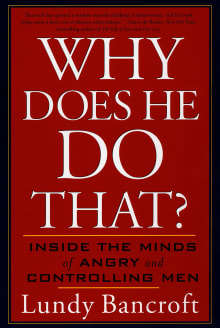
When I was in my abusive marriage, I spent days/weeks/years wondering WHY my husband acted the way he did. Was it my fault? Lundy Bancroft answers these questions better than any other. 1. Abusers like being in control. 2. They are convinced that it is OK to treat you badly. 3. Most of all, they get what they want by their abusive behavior.
The clarity I gained from this book was amazing.
Buy this book at:Bookshop.orgAmazonWhen you buy a book we may earn a small commission.
The Verbally Abusive Relationship, Expanded Third Edition: How to Recognize It and How to RespondBy Patricia Evans
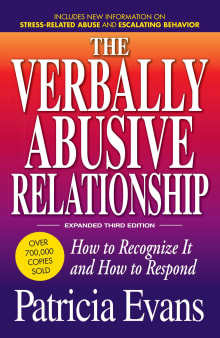
When I was in my emotionally abusive marriage, I didn’t fully realize I was being abused. I finally called the National Domestic Violence Hotline, and they recommended this book. It does an excellent job of explaining what verbal/ emotional abuse is, and how to recognize it. Reading this book set me on the path to finally getting the help I needed and getting free from my abuser.
Buy this book at:Bookshop.orgAmazonWhen you buy a book we may earn a small commission.
Boundaries Updated and Expanded Edition: When to Say Yes, How to Say No to Take Control of Your LifeBy Henry Cloud, John Townsend
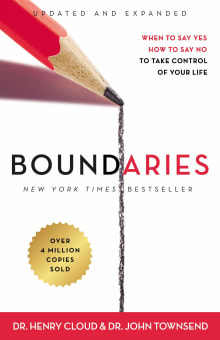
Many of us are taught that to say “no” to someone is unkind and un-Christian. When we can’t say no to others, we are in danger of being taken advantage of – even being abused. This book explains the reason why we need good boundaries, how to enforce them, and how to become responsible for our own lives and happiness.
Buy this book at:Bookshop.orgAmazonWhen you buy a book we may earn a small commission.
Will I Ever Be Good Enough?: Healing the Daughters of Narcissistic MothersBy Karyl McBride
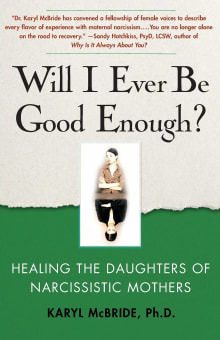
Many people who are abused by their intimate partners learned to accept this behavior in their childhood. This book describes how a narcissistic parent twists the minds of their children to make the narcissist feel better. It helps de-mystify the sometimes non-sensical actions of the parent, helps the adult child set appropriate boundaries and find healing.
Buy this book at:Bookshop.orgAmazonWhen you buy a book we may earn a small commission.
A Cry for Justice: How the Evil of Domestic Abuse Hides in Your ChurchBy Jeff Crippen, Anna Wood
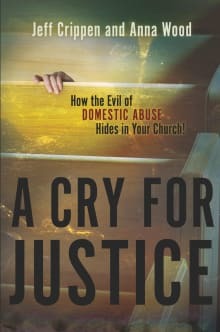
When I was in the process of leaving my abusive husband, I sought help from my church. Sadly, my pastors had no idea what they were dealing with. Instead of helping me, they sided with my abuser. This book, written by a pastor, helps churches understand the evil that abusers perpetrate, and how they can and should help the abused partner.
Buy this book at:Bookshop.orgAmazonWhen you buy a book we may earn a small commission.
I hope one or several of these books will be helpful to you.
Blessings to you, my friends!
Caroline
The post The Best Books To Read About Emotional Abuse first appeared on https://carolineabbott.com/.


