
Michael Matthews's Blog, page 144
August 26, 2013
Which Weight Loss Pills Actually Work?
The US weight loss market is absolutely massive (worth nearly $61 billion as of 2011), and weight loss pills account for about $1.5 billion of that pie.
When people are spending that kind of money, count on the hucksters and shysters to be operating in force.
The result is, well, what we see in the marketplace: an absolute glut of weight loss products and dietary routines, all advertised as better than the next.
This can make weight loss a very confusing, frustrating, and expensive endeavor.
Well, the first thing you should know is that NO pill will cause you to magically lose weight. You have to regulate your caloric intake to lose weight (you have to feed your body less energy than it burns every day).
That said, in this article, I’m going to go over the ingredients in variety of popular “weight loss pills” and show you which can speed up weight loss when combined with a proper diet, which don’t, and which scientists are unsure of.
Before you buy that next bottle of weight loss pills, check out the ingredients and compare them against this list. You won’t find everything here, but these are the most popular ones at the moment.
Let’s get the bad out of the way first.
Acai Berry and Weight Loss
The acai berry craze has passed, but it still remains a solid top seller in the world of weight loss supplements.
I’ll keep this short and simple, and just quote the National Center for Complementary and Alternative Medicine:
“There is no definitive scientific evidence based on studies in humans to support the use of acai berry for any health-related purpose.
“No independent studies have been published in peer-reviewed journals that substantiate claims that acai supplements alone promote rapid weight loss. Researchers who investigated the safety profile of an acai-fortified juice in animals observed that there were no body weight changes in rats given the juice compared with controls.”
The Bottom Line
Don’t waste your money on acai berry products if you’re trying to lose weight.
Carnitine and Weight Loss
Carnitine is a compound that your body produces from the amino acids lysine and methionine, and it plays a vital role in the generation of cellular energy.
While there is scientific evidence that carnitine supplementation can help with muscle recovery after exercise, does it have anything to offer in the way of weight loss?
Well, it does have a mechanism that is of interest: it increases fat oxidation in the muscles.
What this means is it appears to increase the rate at which muscle tissue burns fat for fuel instead of glycogen. Theoretically, this might result in additional fat loss while exercising.
Actual research is less than promising, however.
There’s evidence that carnitine can reduce fat mass and increase muscle mass in the elderly, but these effects were not seen when it was tested with overweight pre-menopausal women. Animal research has also failed to demonstrate any weight loss benefits when simply combined with a calorie-restricted diet.
Thus, scientists don’t know yet if carnitine’s metabolic effect are profound enough to actually accelerate weight loss when combined with exercise. Animal research says no, as well as a human trial (which isn’t definitive due to flaws in design, but is worth noting).
The Bottom Line
Unless your body’s ability to oxidize fat is impaired by disease or dysfunction, the research currently available says that carnitine supplementation isn’t likely to help with weight loss.
Raspberry Ketones and Weight Loss
Raspberry ketones are the primary aroma compound of the red raspberry (it gives the raspberry its smell), and it’s also found in other fruits like the blackberry and cranberry.
How did such a seemingly random compound find its way into weight loss products?
Well, it started with a couple animal studies. One demonstrated that raspberry ketone supplementation prevented weight gain by increasing lipolysis and fat oxidation, and the other backed up this mechanism.
That might be promising if it weren’t for a few little details:
Animal research can not be used as proof of human effectiveness. The human and rat body just isn’t similar enough, and this is especially true when talking about metabolic functions.
One of the rat studies was in vitro research. This means parts of living rats were removed to be studied in isolation, as opposed to research done with living, intact organisms (in vivo research).
In vitro research is less definitive than in vivo because living organisms are incredibly complex, and sometimes in vitro findings just don’t pan out in vivo.
The in vivo rat study that demonstrated weight gain prevention used an absolutely massive oral dose: up to 20 g/kg of body weight, or 4761 times greater than the average human intake.
There is one human trial I know of that is commonly cited as evidence of raspberry ketone’s effectiveness for weight loss.
The problem with this study, however, is the compound was paired with caffeine, capsaicin, garlic, ginger, and citrus aurantium as a source of synephrine. It’s impossible to know if the raspberry ketone did anything or not.
The Bottom Line
There is insufficient evidence to support the use of low oral doses of raspberry ketone for weight loss purposes. Save your money.
Garcinia Cambogia and Weight Loss
Garcinia cambogia is a small fruit often used in Indian and Asian cuisine to impart a sour flavor.
It’s a good natural source of hydroxycitric acid, and has received a lot of media attention recently as a weight loss aid.
These claims are unfounded, however.
Like many fad supplements, garcinia cambogia has some animal research on its side, but human research is contradictory and hard to interpret.
A couple rat studies, such as this one, have demonstrated that garcinia cambogia can reduce weight gain during a period of overfeeding. The mechanism by which it accomplished this is the suppression of fatty acid synthesis in the liver (it reduced the amount of fat the body could make from the excess calories).
The human research bursts that bubble, though.
A meta analysis of 12 randomized clinical trials of garcinia cambogia found the following:
Three studies with small sample sizes reported statistically significant, albeit small, decreases in fat mass over the placebo groups.
(In case you were wondering, the best result was 1.3 kg more weight lost than placebo group over a 3-month period.)
Two studies found no difference in weight loss between the garcinia cambogia and placebo groups, including the largest and most rigorous study reviewed.
The results of the remaining studies reviewed were marred by serious design and/or execution flaws.
The Bottom Line
The research currently available says that garcinia cambogia probably won’t help you lose weight, but if it did, the best you could hope for is a very small boost.
Green Coffee Extract and Weight Loss
Green coffee extract is a supplement derived from green coffee beans. It’s similar to regular coffee beans, but has high amounts of a substance known as chlorogenic acid.
This substance is particularly hot at the moment, thanks to people like Dr. Oz and other mainstream “health gurus.” It may not be everything they claim, though.
A recent meta analysis of the 5 human trials available found that high dosages of chlorogenic acid via green coffee extract (400-800 mg chlorogenic acid per day) may induce fat loss, but researchers noted that the studies demonstrating this had high risks of bias due to funding sources (for-profit companies producing green coffee extract).
The Bottom Line
Green coffee extract may help you lose weight if taken in high enough dosages.
However, until more research is done on it, and particularly unbiased research, green coffee extract’s value as a weight loss supplement is uncertain.
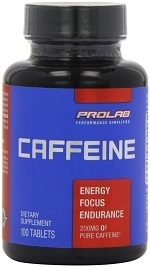
Caffeine and Weight Loss
Caffeine, the world’s most popular drug, has more value to us fitness folk than the energy high.
It can improve strength, muscle endurance, and anaerobic performance, as well as reverse the “morning weakness” experienced by many weightlifters and, last but not least, speed up fat loss.
The mechanism by which it aids weight loss is quite simple: it speeds up your body’s metabolic rate by increasing the amount of catecholamines in the blood, which are chemicals that mobilize fat stores to be burned for energy.
The Bottom Line
When combined with a proper diet, caffeine can help you lose weight faster.
Don’t abuse it, however. If consumed too acutely and regularly, tolerance builds (which reduces its effects) and withdrawal symptoms are common.
When I use caffeine for weight loss purposes, I consume no more than 5-6 mg/kg per day, usually in two doses per day before exercise.
Green Tea Extract and Weight loss
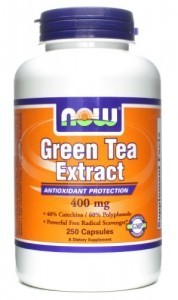
Green tea extract is an herbal product derived from green tea leaves. It contains a large amount of a substance known as a “catechin,” which is responsible for many of tea’s health benefits.
One of these benefits relates to weight loss: Research has shown that supplementation with green tea extract reduces total fat mass, accelerates exercise-induced fat loss, and can help reduce abdominal fat, in particular.
The primary mechanism by which it accomplishes this is inhibiting an enzyme that degrades catecholamines, which are chemicals that mobilize fat stores to be burned for energy. This also makes green tea extract work synergystically with caffeine–caffeine increases catecholamine levels, and green tea extract extends the amount of time they spend in the blood.
The Bottom Line
Green tea extract is an effective fat loss agent, as well as an effective weight management agent.
H abitual caffeine consumption will reduce its effects, however, and y ou must take enough (500-900 mg of catechins per day, according to the research available).
Buy now
AmazonAmazon UKBodybuilding.com
Yohimbine and Weight Loss
Yohimbine is a substance found in the Pausinystalia yohimbe plant.
Research has shown that it blocks a mechanism in fat cells that prevents weight loss, which in turn speeds up fat loss.
There’s a catch, though: you must be in a fasted state for it to work. The insulin spike that occurs after eating a meal completely negates the beneficial effects of yohimbine.
You must take enough as well. Research has shown that 2.5 mg/kg of body weight is sufficient for fat loss purposes.
The Bottom Line
When used properly (high enough dosage, fasted state, before exercise), yohimbine speeds up fat loss.
Buy now
AmazonBodybuilding.com
Have you had any success with these fat loss supplements? Have any that you’d like to add? Let me know in the comments below!


August 24, 2013
Recipe of the Week: Lean and Mean Zucchini Hash
I love this recipe from my cookbook, The Shredded Chef, because it’s quick, tasty, and low-calorie.
It’s almost like a lean “side dish” for breakfast that can be paired with something else like sweet potato protein pancakes or a breakfast pita wrap.
And if you’re cutting, a double portion of this recipe gives you a great, low-carb, moderate-fat breakfast.
Servings
1
Calories Per Serving
202
Protein Per Serving
15 grams
Carbohydrates Per Serving
11 grams
Fat Per Serving
11 grams
Ingredients
2 large eggs
1 cup zucchini, grated
1/4 cup onion, diced
1/4 teaspoon garlic powder
1/4 teaspoon onion powder
salt and ground black pepper, to taste
Instructions
Mix all the ingredients together in a bowl.
Heat a pan on high and then lower to medium heat.
Spray some cooking spray into the pan and spoon the mixture into it. Cook about 5 minutes and flip. Cook another 5 minutes.
What You Get to Eat

August 23, 2013
Cool Stuff of the Week: POSSIBILITIES, Ultimate DVR, Next-Gen Voice Translation, and More…
I’m not ashamed to admit that I’m kind of a sucker for cool stuff. I like nifty gadgets, quirky decoration pieces, nice clothes (and shoes!), good books, and fun games.
In this series of weekly posts, I share whatever currently has my fancy. Maybe some of it will catch yours as well!
VIDEO OF THE WEEK:
POSSIBILITIES
As usual, Nike kills it with this inspiring video that celebrates 25 years of “Just Do it.”
TIVO ROAMIO

The TiVo Roamio is a little set-top box that packs a lot of functionality.
It can, of course, record a ton of content (up to 75 HD hours/500 SD hours, and up to four shows at once), but it also lets you access your favorite video apps (Netflix, Hulu, Amazon, YouTube), AND it can stream all of your recorded content on any iOS device with the TiVo app. It also serves as a media server, which you can use to play music, view photos and videos.
Buy now
Amazon
SIGMO

The Sigmo Voice Translation Device connects to your iOS or Android device over Bluetooth and, using existing online translation services, translates whatever you say into one of 25 different languages.
All you do is speak into the microphone, and it then translates and plays back what you say through the speaker. It’s very small and light, so you can bring it anywhere. Pretty awesome.
Buy now
SIGMO
STAR TREK INTO DARKNESS STARFLEET PHASER LIMITED EDITION GIFT SET

If you’re a Trekkie, you’re going to want this.
The Star Trek Into Darkness Starfleet Phaser Set includes a 3D Combo Blu-Ray of movie, as well as a 1:1 scale replica of a Starfleet phaser, a brass plaque, and a gloss black display stand. This will only be available for a limited time, so pick it up before it’s vaporized.
Buy now
Amazon
BOOKS OF THE WEEK:
MINI WEAPONS OF MASS DESTRUCTION VOLUMES 1, 2, AND 3
Want to wage epic office wars?
Well, the Mini Weapons of Mass Destruction series gives you detailed instructions for building tiny weapons that fit perfectly on your desk or in your cubicle, all made with commonly-found office supplies and household items. These books show you how to build things like:
Catapults
Slingshots
Minibombs
Darts
Combustion shooters
Pen blowguns
Paper dart watches
Bows
Ballistas
And much much more…
If you like building silly stuff and having silly fun, you’ll love these books. 

Buy now
AmazonAmazon UK

Buy now
AmazonAmazon UK

Buy now
AmazonAmazon UK
What do you think of this week’s picks? Have anything you’d like to add? Let me know in the comments below!
August 21, 2013
How to Stay in Shape When You’re Traveling
Us fitness folk have a love/hate relationship with traveling.
Business travel usually means hectic schedules with no time to eat, which often drives people into the drive-thrus.
No matter how great a vacation is, after a couple of weeks of no exercise and over-eating, we just can’t wait to get back into the gym and restore balance to our lives (and scales).
Well, what if I told you that you travel without gaining weight or losing your conditioning?
What I told you that you could do it without following a strict eating schedule?
What if I told you that you could do it while still eating large “cheat” meals every day?
And what if I told you that you could do it with or without a proper gym?
Sounds to good to be true, right?
Well, I used to travel quite a bit, and in this article, I’m going to share you with several training and dietary strategies you can employ to minimally maintain your physique while traveling, or even continue making progress as usual.
Let’s begin…
How Diet While Traveling
When traveling, the biggest dietary hurdle regulating our caloric intake every day.
Traveling usually means eating out a lot, and restaurant food almost always comes with way more calories than we realize, thanks to butter, oils, sugar, and other sources of hidden calories.
The large daily surplus of calories plus reduced exercise is a particularly bad combination for our physiques.
It can also be a challenge to keep tabs on where our calories are coming from in terms of protein, carbs, and fats.
If you’re following a weightlifting program and accidentally drop your protein intake to, let’s say, 10% of your daily calories, and stop working out for a couple of weeks, you’re very likely to lose muscle.
Fortunately, there are several things you can do to not only avoid these problems, but do so while still maintaining a flexible daily schedule.
Ensure You Get Enough Protein Every Day
Protein is your staple nutrient for maintaining your muscle–you have to make sure you’re getting enough every day.
A good rule of thumb is to shoot for getting about 1 gram of protein per pound of body weight every day.
The easiest way to keep track of your intake is a diet app like MyFitnessPal, which will allow you to research and track the nutrition data of the food you’re eating or thinking about eating throughout the day. This takes the guesswork out and helps you make better choices about what you’re eating.
Plan Your Meals According to Your Goals
Before you give any thought to meal planning while traveling, you have to ask yourself what you want to see happen with your body while you’re gone.
Are you cutting and would like to continue to lose weight?
Would you like to just maintain your weight while away?
Are you okay with gaining some weight but want to keep it minimal?
Your choices will dictate your meal planning.
If you’re cutting and want to continue losing weight, the easiest way to do this is to keep your meal plans simple.
Eating out too much, even if it’s at restaurants like Chipotle that give you a rough idea of how many calories are in each meal, is the easiest way to halt weight loss.
Instead, what I like to do is create a simple meal plan out of foods that I can pick up at a local grocery store or health food store like Whole Foods, and that don’t require cooking or preparation.
Here are some of my favorite choices:
Greek yogurt
Protein powder
Rotisserie chicken
Low-sodium lean deli meat
Low-fat cottage cheese
Almonds and almond butter
Fruit
Salad (buy salad dressing and packaged greens).
When you book your hotel, make sure you ask about the mini-fridge. The bigger the better.
Then, when you land, you simply head to the grocery store, pick up your food, throw it in the fridge, and you’re good to go. Not exciting, but it gets the job done.
If you’d like to maintain your current weight, you can be more flexible with your meal planning.
The reason being is you simply get to eat more food every day, and you have more wiggle room when you’re maintaining.
(In terms of actual daily calories, your maintenance calories will be somewhere around your weight multiplied by 15.)
What I like to do in this case is have a couple meals per day that are planned ahead (as when cutting–foods that I can track exactly), and a couple meals per day that aren’t.
For the unplanned meals, I always stick to foods and dishes that are relatively simple, and whose numbers I can estimate with some accuracy using MyFitnessPal.
This way I may end some days a little over maintenance and some a little under, but the net result is no noticeable fat storage.
I try not to be in a large caloric surplus more than 1-2 days per week.
If you’re fine with gaining some weight but want to keep it minimal, you still need to watch what you’re eating.
As we’ve all experienced, eating one meal of delicious “cheat” food can quickly turn into an all-out binge that, when you’re on vacation, can last for days. (Yup, I’ve done it before!)
I like to avoid this by doing the same thing as I would if I were eating for maintenance, but my daily calories are a bit higher (about 18 per pound of body weight).
That is, a couple planned meals per day, and a couple unplanned that I still track with decent accuracy.
Reduce Meal Frequency if Necessary
While I enjoy eating 5-7 small meals per day, I will usually reduce my meal frequency when I’m traveling to allow for larger, more calorie-dense meals.
For instance, if I know that I won’t have access to much food for a large chunk of a day, or don’t like what I’ll have access to (fast food, for instance), or want to “save” calories for a large meal that is planned, here’s how it might go:
8 AM
50 grams protein
100 grams carbs
20 grams fat
12 PM
50 grams protein
10 grams carbs
10 grams fat
4 PM
30 grams protein
5 grams carbs
5 grams fat
9 PM
100 grams protein
150 grams carbs
60 grams fat
This style of dieting, known as “flexible dieting” is incredibly useful when you’re traveling. It allows you to keep your daily food intake under control without having your schedule revolve around eating times.
If you’re afraid that reducing meal frequency will impair your metabolism or cause weight gain, it won’t. Check out my article on meal frequency and weight loss to learn more.
Use Intermittent Fasting to Help
This is related to the meal frequency tip, but warrants its own section because it’s very useful when you’re on the road.
“Intermittent fasting” is a style of dieting that revolves around restricting your eating for extended periods of time, and then eating your day’s worth of food during pre-determined “feeding windows.”
For instance, you might fast (eat nothing) for 16 hours per day, and eat during the remaining 8 hours. Or you might fast for 20 hours per day and cram all your calories into a 4-hour window. Some protocols even call for eating one day, and fasting the next.
Intermittent fasting not only allows us to benefit from a reduced meal frequency, but it also helps reduce fat storage due to the fat-burning effects associated with fasting.
The protocol I like best is the Leangains method created and popularized by Martin Berkhan, and it works like this:
You fast for 16 hours per day (14 for women, because you’re all cute and special). That means no food, but coffee, tea, and non-caloric beverages are fine.
You have an 8-hour daily feeding window (10-hour for women).
You eat a lot of protein.
You eat more carbs and calories on training days, and more fat and fewer calories on rest days.
Your post-workout meal is absolutely huge–about 50% of your daily calories.
(If I’ve piqued your interest, check out my in-depth article on intermittent fasting to learn more about this style of dieting.)
It’s important that you don’t use IF as an excuse to grossly over-eat, however. It cannot prevent fat storage if you’re in a large caloric surplus every day.
Here’s what an average vacation day for me might look like using the intermittent fasting diet:
9 AM
I wake up and have a 0-calorie drink like tea. I drink plenty of water throughout the morning, but don’t eat any food.
1 PM
I hit a restaurant and have a steak, bread, a baked potato with butter and cheese, and some pie for dessert.
I check My Fitness Pal and calculate that the entire meal contained roughly 80 grams of protein, 150 grams of carbs, and 40 grams of fat.
5 PM
I don’t want to have to eat 100 grams of protein at dinner (about what I’ll need to hit my required protein intake for the day), so I have about 60 grams of protein in a shake.
8 PM
Dinner comes around and I enjoy a meal similar to lunch: 60 grams of protein, 100 grams of carbs, and 50 grams of fat.
This ends my eating for the day right around maintenance calories, or maybe in a slight surplus, and I got to enjoy two large meals.
My fasting period now begins and I won’t eat again until 12-1 PM the next day.
If you can handle the fasting periods, this is just a great way to minimize fat storage while still enjoying good food, and maintaining a very flexible eating schedule that doesn’t get in the way of everyone’s plans (“DROP EVERYTHING I NEED TO FIND PROTEIN NOW OR I WILL GO CATABOLIC!111!1!!!”).
It’s also very useful for when you won’t have good foods available to you for longer periods of time. I’ve skipped many airport breakfasts to just make it up later at lunch once I had landed.
And again, if you’re having a hard time believing that such a style of dieting won’t cause muscle loss, metabolic slowdown, fat storage, and so forth, check out my article where I set the record straight on all of these things and more.
Working Out While Traveling
Getting workouts in while on the road is easier than some people think.
You have several workable options:
Stay in a hotel near a local gym.
I always try to do this when traveling for work. My workout times might vary, but I can almost always fit a workout in, even if it’s at 11 PM. I may do this while traveling for vacation—it just depends on the circumstances.
Use the hotel gym.
I know, hotel gyms suck, but they’re better than nothing. Because they normally have very light weights and machines, your best bet will probably be a 30-45 minute whole-body routine that you can perform every day.
Work out in your hotel room.
If you can’t hit a gym for whatever reason, you can still do a decent job of maintaining your conditioning with in-room training.
A device that is particularly good for this is the TRX Training System. It allows you to do a wide variety of body weight exercises, it weighs less than 2 lbs, and all you need to set it up is a door.

Buy now
AmazonAmazon UK
Another option is a simple full-body circuit that you can perform every day. Here’s one I like:
Push-ups to failure (one-handed if possible for men, knee-pushups fine for women)
Rest 60 sec
Pull-ups or chin-ups to failure if you can do them (you will need an Iron Gym Workout Bar )
Rest 60 sec
Squats for 30 seconds (one-legged if possible)
Burpees for 30 seconds
Mountain climbers to failure
Rest 90 sec
Crunches to failure
Rest 60 sec
Start over with push-ups
20-30 minutes of this is a pretty good workout.
Do high-intensity interval cardio.
If you’d rather just take a break from the weights or resistance training, or if you have the time and inclination to do both, you can do a 20-30 minute session of high-intensity interval cardio to help burn off excess calories.
My favorite method of HIIT is hopping on the recumbent bike with a podcast or ebook, and doing 30-second sprints at medium resistance, followed by 60-second rests at the lowest resistance.
Do a workout before a meal if possible.
The reason why training before a meal helps us stay on track is it depletes our body’s glycogen stores (and glycogen is a form of energy stored in your muscles and liver). When this occurs, the body is primed to replenish these stores, and it uses carbohydrate you eat to do this.
Here’s the kicker though: your body will not store carbohydrate you eat as fat until glycogen levels are replenished.
So, by depleting a percentage of your glycogen stores before eating, you can, in a sense, buy yourself some “free carbs” in the post-workout meal.
So, as you can see, staying on track while traveling isn’t nearly as hopeless as many people think.
By using the above strategies, I’ve gone on vacations for as long as 3 weeks, fully enjoyed large meals every day, and came back at exactly the same weight and conditioning as when I left.
I hope this article helps you do the same.
Safe travels!
August 19, 2013
The Hunt For the Best Pre-Workout Supplement
Advertisements for pre-workout supplements are some of the most exaggerated in the industry.
Take 10 – 20 grams of powder and you’ll experience “highly explosive energy,” “maximum anabolic activation,” and “extreme training endurance,” they say.
Are these products actually worth it, though, or are you better off popping a couple caffeine pills or drinking an espresso instead?
Well, I have good news and bad. Let’s get the bad out of the way first…
Pre-Workout Profits:
The Big Scam
Pre-workout supplements are notorious for several deceitful practices:
Including ineffective ingredients to make long, impressive nutrition labels.
Citing misinterpreted, cherry-picked, flawed, or biased studies to sell you on the effectiveness of certain ingredients.
Under-dosing key ingredients and hiding it behind the “proprietary blend” labeling loophole. This allows companies to not disclose the actual composition of each part of the blend, and thus hide the truth about what you’re actually buying.
Using substantial amounts of caffeine and cheap carbohydrate powders like maltodextrin to give a kick of energy. This is an easy, inexpensive way for supplement companies to make you think their product is good. You can save money by just popping a few caffeine pills and eating a banana instead.
Using chemical names of everyday compounds to mislead you into thinking the products have special ingredients. For instance, epigallo-3-catechin-3-O-b-gallate is just green tea extract, and 1,3,7-trimethylxanthine is just caffeine.
Why do these things?
Because it’s extremely profitable.
What most consumers don’t know is supplement companies make very little money on certain products, like protein powder, and need to make up for that by making exorbitant profits on others. The pre-workout supplement is one of them.
Let’s look at how the game works.
Shady Supplements, Inc Wants to Make a Pre-Workout Supplement
Shady Supplements, Inc. is looking to create a pre-workout product, and they believe two things are key for sales:
Including ingredients that have been clinically proven as safe and effective, so bold marketing claims can be made and defended.
Including a bunch of other junk that sounds impressive, but which has no science to back it up. This is done to pad the ingredients list, making you feel like you’re getting a lot for your money.
There’s a problem, though.
Cost.
The junk is cheap, but using clinically effective dosages of good ingredients gets really expensive, really fast.
Shady Supplements doesn’t want to spend a lot on the manufacturing, however. They want to make big profits, so they decide to do something else.
They use small amounts of the good, expensive ingredients, and combine it with the junk to create their own “proprietary blend.” For good measure, they also include a bunch of caffeine and a gob of carbohydrate powder so you have a spike of energy during your workout. (Which will be followed by a big crash, unfortunately.)
Why the proprietary blend?
Well, by doing that, they only have to tell you the total weight of the blend, not the dosages of each ingredient in the blend. You get ripped off without ever realizing it.
Another little trick of the proprietary blend is the fact that ingredients are listed in descending order according to predominance by weight. That is, the blend contains more of the first ingredient than the second, more of the second than the third, and so forth.
When the first ingredient in a blend is something cheap, let’s say maltodextrin or creatine monohydrate, it can be (and often is) 90%+ of the whole blend. No matter how many other ingredients are listed after the first, they can altogether only constitute a very small percentage of the actual blend.
Yes, there are $50 tubs of 90%+ maltodextrin powder out there that are marketed as effective pre- or post-workout supplements.
So, Shady Supplements has their fraudulent pre-workout formulation ready to go. It’s time to move to the next phase of the scam.
How to Sell a Crappy Pre-Workout Supplement
The marketing department gets ahold of the product, and knows their game.
They create claims based on the benefits of ingredients that would be effective if the dosages were actually correct. But, as the dosages are tiny, nothing can really be expected in terms of actual effects.
They embellish benefits, stretching them to the breaking point.
They place full-page ads in magazines featuring athletes, drugged-up bodybuilders, and fitness models, who pretend like Shady, Inc’s supplements are essential to getting big, lean, and strong.
Unfortunately, it works all too well.
People wind up rushing to the stores to pay $50 for a product that cost Shady, Inc. $3 to manufacture, and that would’ve cost $20 to create if the junk were dropped and clinically effective dosages of key ingredients were used.
We, as Consumers, Can Force a Change
The first thing you should demand as a consumer is no proprietary blends. There’s absolutely no reason to use them for anything other than deception and fraud.
All the science behind effective ingredients and dosages is publicly available. Everyone knows what works and doesn’t, and in what amounts. Claims of “trade secrets” are bogus.
If a company isn’t willing to tell you what you’re actually buying, it’s because they don’t want you to know. Don’t support them. Force them to change their ways.
The second thing to know is that more ingredients doesn’t mean a better product. In fact, you won’t find a legitimate pre-workout, fat burner, or anything else really with 15+ quality ingredients because it’s financially impossible to use clinically effective dosages of that many.
By voting with your dollars and choosing wisely, you can force the changes that need to happen:
The death of the proprietary blend.
The use of effective ingredients at clinically effective dosages.
The elimination of ineffective “label filler” ingredients, and of the reliance on caffeine and carbohydrate powders for performance benefits.
Don’t ever forget that you, as the consumer, have the power to influence the marketplace.
With your money, you can choose to help maintain the status quo–the dishonest shenanigans–or help bring about meaningful change in the industry.
Pre-Workout Supplements Don’t Have to Suck
This brings us back to the original question: pre-workout or caffeine pills?
Well, caffeine is a useful pre-workout supplement that can increase muscle endurance and strength. It’s probably the simplest, cheapest way to get more out of your training.
There are, however, several other safe, natural molecules that can further improve your performance…if they’re dosed properly.
Here are my favorites:
Beta-alanine is a naturally occurring amino acid that limits the amount of carnosine, a dipeptide, stored in the muscles. As beta-alanine levels increase, so do intramuscular carnosine levels.
Research has shown that supplementation with beta-alanine can reduce exercise-induced fatigue, improve anaerobic exercise capacity, and exhibit mechanisms that can increase lean mass.
A meta-analysis of 23 exercises tests of beta-alanine supplementation showed that the clinically effective dosages ranged between 2.6 and 6.4 grams per day, with a median effective dose of just over 5 grams per day.
Citrulline, an amino acid, is sometimes used instead of its counterpart, L-arginine, to stimulate nitric oxide production because it’s better absorbed, and results in higher plasma arginine levels. (L-arginine is unreliable in the mechanism of stimulating nitric oxide production.)
Thus, it’s no surprise that supplementation with citrulline has been shown to improve muscle endurance, relieve muscle soreness, and improve aerobic performance. The effective dosages have been shown to be 6 – 8 grams per day.
Ornithine, an amino acid, which, along with arginine and citrulline, plays a key role in a metabolic cycle known as the “Urea cycle.” This is the process by which the liver converts ammonia into urea, which is expelled through the urine and sweat, and it impacts physical performance capacity.
Research has shown that supplementation with ornithine can reduce fatigue in prolonged exercise, promote lipid oxidation (the burning of fat for energy as opposed to carbohydrate or glycogen), and increase human growth hormone and insulin-like growth-factor 1 production when paired with arginine.
The clinically effective dosages in the studies cited above were 2, and 2.2 grams per day.
Theanine, an amino acid found primarily in tea can, when paired with caffeine, provide several cognitive and ergogenic benefits.
Research has shown that supplementation with theanine and caffeine can reduce the effects of mental and physical stress, increase the production of nitric oxide, which improves blood flow, and improve alertness, focus, attention, memory, mental task performance, and mood.
The clinically effective dosages of L-theanine in the studies cited above range between 100 – 250 mg.
Betaine, also known as trimethylglycine, is a compound found in plants like beets.
Research has shown that supplementation with betaine can improve muscle endurance, increase strength, and increase human growth hormone and insulin-like growth factor 1 production in response to acute exercise.
The clinically effective dosages in the studies cited above range between 1.25-2.5 grams.
While those are the “cream of the crop” in terms of effective ingredients for pre-workout supplements, the problem has been trying to find products that use them.
You’ll find one or two here and there, but they’re always horribly underdosed and come with a bunch of other junk, including artificial sweeteners and food dyes, which I avoid as much as possible.
The reality is an underdosed pre-workout is not worth the money as you won’t get much more out of it than caffeine pills. But…a properly formulated product would be far superior to caffeine alone.
And that’s why I decided to just make my own product and do it right.
Introducing LEGION PULSE:
The World’s First Properly Dosed Pre-Workout Supplement
I’ve been living the “fitness lifestyle” for over a decade, have sold over 100,000 books, and have helped thousands of people lose weight, build muscle, and get healthy.
For years now, I’ve been researching, testing, and recommending to others the best workout supplements I could find, but it was a constant struggle to maintain a list that met my standards.
What I’ve wanted for not just myself but others is simple:
All ingredients backed by published scientific literature.
All dosages at clinically effective levels.
No artificial sweeteners, dyes, or unnecessary fillers.
Good taste.
Good value per serving.
Apparently that’s way too much to ask, because these products simply haven’t existed. Most don’t even begin to come close to those standards. So I did what I could. I found the best possible products for myself and my readers, but in the back of my mind, I knew things could be done better.
As my career as an author began to grow, and my “tribe” here at Muscle For Life began to form, I finally saw an opportunity to do something about the status quo that I hated so much.
I decided to take matters into my own hands and, I believe, add real value to the marketplace.
I created my own line of workout supplements, which I believe will set the standard by which all others are judged. Furthermore, I want to help educate consumers on the science of athletic performance so they can make better decisions in both their workout supplementation and training.
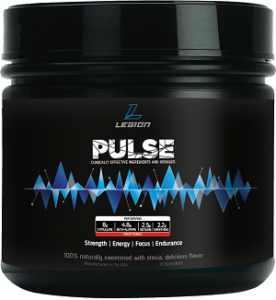
My pre-workout supplement is called PULSE.
CLICK HERE TO LEARN MORE ABOUT PULSE
What makes PULSE special?
Clinically effective dosages of caffeine (350 mg per serving), theanine (250 mg per serving), beta-alanine (4.8 g per serving), citrulline (8 g per serving), ornithine (2.2 g per serving), and betaine (2.5 g per serving).
No artificial sweeteners (naturally sweetened with stevia).
No artificial food dyes.
No unnecessary fillers, carbohydrate powders, or junk ingredients.
While everyone claims to have the best pre-workout supplement on the market, I can actually back up such claim with real science, and real numbers.
Compare the PULSE formulation to any other pre-workout supplement on the market, and you’ll quickly see how inferior the other products truly are.
What do you think about pre-workout supplements? Love them? Hate them? Let me know in the comments below!
August 17, 2013
Recipe of the Week: Breakfast Pita Wrap
I love breakfast food. Egg dishes, pancakes, hash browns, french toast, yogurts with granola…I love it all.
Breakfast pitas are particularly great because they’re easy to make, take less than 10 minutes, can be eaten on the go, and taste great.
This delicious breakfast pita recipe is from my cookbook, The Shredded Chef, and it’s a simple, tasty, high-protein way to start your day.
If you’re cutting and want to cut back on the fat, just leave out the avocado. If you want to add some, add some cheese!
Servings
1
Calories Per Serving
452
Protein Per Serving
31 grams
Carbohydrates Per Serving
49 grams
Fat Per Serving
20 grams
Ingredients
4 white mushrooms, sliced
1 tablespoon onion, chopped
1 tablespoon red bell pepper, chopped pinch of ground black pepper
1 large egg
3 egg whites
1/2 small tomato, seeded and chopped
3 tablespoons skim milk
1 whole grain pita (choose the brand with the lowest fat and sodium), halved and toasted
1/2 avocado, sliced
Instructions
Coat a pan with cooking spray and cook the mushrooms, onion, and bell pepper on medium heat. Cook for 3-4 minutes. Add black pepper.
Mix the egg, egg whites, tomato, and skim milk in a bowl and beat until frothy.
Pour the egg mixture into the pan and cook for 3 – 4 minutes, stirring until firm.
Fill each pita half with half of the egg mixture and half the avocado.
What You Get to Eat

August 16, 2013
Cool Stuff of the Week: How to Win a Street Fight, Manpacks, GTD, and more…
I’m not ashamed to admit that I’m kind of a sucker for cool stuff. I like nifty gadgets, quirky decoration pieces, nice clothes (and shoes!), good books, and fun games.
In this series of weekly posts, I share whatever currently has my fancy. Maybe some of it will catch yours as well!
VIDEO OF THE WEEK:
HOW TO WIN A STREET FIGHT
How to embarass your opponent and win a street fight without even throwing a punch. Pretty funny.
MANPACKS

Manpacks.com allows you to set up regular delivery of your manly basics like socks, underwear, razors, and toiletries. You can choose, customize, and never have to worry about running out of your favorite stuff again.
Buy now
Manpacks.com
VICTORINOX CYBERTOOL LITE
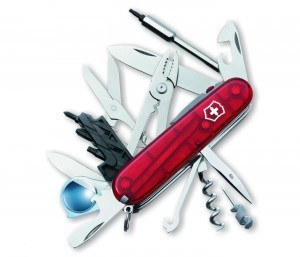
The Victorinox Cybertool Lite Multi-Tool ($115) is full of useful tools for us that see more of the office than wilderness. It has multiple screwdrivers (including a mini flathead), a wire stripper, cutter, and crimper, hex sockets, a ballpoint pen, a white LED flashlight, and even a cork screw and a bottle opener.
Buy now
AmazonAmazon UK
SWINGBYTE

I used to play a lot of golf, and would have LOVED to have this little device.
It quickly attaches to any club—driver, putter, whatever—and via Bluetooth, pairs to your Android or iOS smartphone or tablet. The application then records everything you’d want to know about your swings:
A full view.
Club head speed and acceleration.
Club face angle.
Static and dynamic loft and lie at address and impact.
Swing tempo.
And more…
If you’re serious about improving your golf game, the Swingbyte will help you immensely.
Buy now
AmazonAmazon UK
BOOK OF THE WEEK:
GETTING THINGS DONE: THE ART OF STRESS-FREE PRODUCTIVITY

With my health and fitness work and other projects I’m involved in, I kind of have to be a “productivity junkie” just to keep up. Thus, I’ve read quite a few books on the subject, and Getting Things Done is one of my favorites. It’s a bit redundant at points, but still an all-around winner.
Allen’s premise is simple: our productivity is directly proportional to our ability to relax. Only when our minds are clear and our thoughts are organized can we achieve effective productivity and unleash our creative potential. In Getting Things Done Allen shows how to:
Apply the “do it, delegate it, defer it, drop it” rule to get your in-box to empty
Reassess goals and stay focused in changing situations
Plan projects as well as get them unstuck
Overcome feelings of confusion, anxiety, and being overwhelmed
Feel fine about what you’re not doing
From core principles to proven tricks, Getting Things Done can transform the way you work, showing you how to pick up the pace without wearing yourself down.
Buy now
AmazonAmazon UK
What do you think of this week’s picks? Have anything you’d like to add? Let me know in the comments below!
August 14, 2013
How to Improve Flexibility and Mobility for Squatting
The squat is an incredibly effective exercise for training your entire lower body and core, but only if it’s done correctly. Half-squats don’t count.
And while it’s common for gymgoers to sneer at others that squat incorrectly, what they don’t realize is many people simply lack the flexibility to squat properly. They couldn’t perform a proper rep even if they wanted to.
The fact is learning proper form for the squat is tough regardless of your current condition, and the longer someone has been half-repping, the harder it will be for them to correct their form. (Repeatedly training a muscle with a limited range of motion reduces flexibility.)
Well, in this article, we’re going to talk about what a proper squat looks like, and how we can use hip and ankle flexibility and mobility exercises to help us improve our squatting.
(In case you’re wondering about shoulders, they got their own post! Check out how to improve shoulder flexibility and mobility.)
What a Proper Squat Looks Like
There are two “acceptable” forms of squatting if you want to get the most out of the exercise:
The parallel squat.
The full squat.
Anything else is just cheating. (If you’re not too familiar with the squat, or are afraid that doing either the parallel or full squats will lead to a knee injury, I recommend you read my article on squatting and your knees.)
Here’s what the parallel squat looks like:
As you can see, his legs are reaching (and going a little deeper than) the parallel (to the ground) position.
This is the parallel squat, and it requires a fair amount of hip and ankle flexibility to do properly.
Here’s what the full squat looks like:
Here, the legs break the parallel plane and the lifter’s butt comes to within a few inches of the floor at the bottom of each rep.
This is the full squat, and it requires significant hip and ankle flexibility to do properly.
Now, before we move on to the flexibility and mobility stuff, I want to quick address a question that many will wonder:
Which of the two squats are best?
Well, in terms of working the muscles, the deeper you go, the more effective the squat. So the short answer is that the full squat is the ultimate lower body exercise.
That said, the full squat is significantly harder to perform than the parallel squat simply due to the amount of flexibility it requires. While everyone can benefit from including the full squat in their routine, I would first recommend that you really master the parallel squat, and then gradually work your way into the full squat.
How to Improve Hip Flexibility and Mobility for Squatting
Lack of hip flexibility is probably the most common problem that prevents people from squatting properly. This is a matter of hip flexion.
What’s that?
Well, hip flexion is simply the technical term for a decrease in the angle between the thigh and pelvis. As your knee rises, hip flexion occurs:
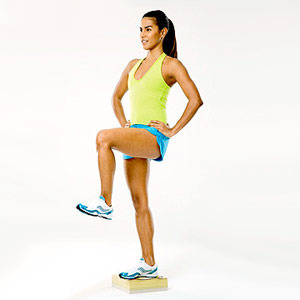
There are several muscles involved in this action, and if they lack enough flexibility, you will not be able to squat correctly.
Fortunately, there are simple stretching exercises that you can do to improve hip flexibility and mobility and thus eliminate the problem. Here are my favorites:
Kneeling Hip Flexor Stretch
This is one of the best stretches for improving hip flexibility:
Work on this for 2-3 minutes per leg, and then move on to the next stretch below.
Psoas Quad Stretch
The psoas major is a pelvic muscle that plays a key role in hip flexion. Here’s what it looks like:
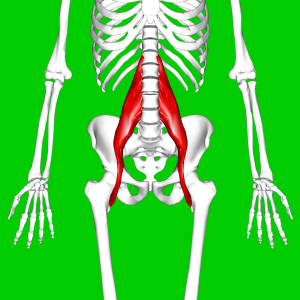
When this muscle is too tight, squatting properly is basically impossible. I ran into this problem years ago when I finally fixed my squat form, and I had to do a lot of psoas stretching in addition to regular squatting to finally handle it.
One of the stretches that helped is a simple psoas quad stretch. Here’s how to do it:
It looks simple, but it can be quite uncomfortable if you’re lacking flexibility.
You perform this stretch by assuming the position, and then driving your knee into the ground and leaning forward, getting a good stretch, followed by releasing.
Perform this drive and release pattern for 2-3 minutes for each leg.
Your Weekly Hip Flexibility and Mobility Routine
Do the above stretches as described 3-4 times per week.
How to Improve Ankle Flexibility and Mobility for Squatting
Ankle tightness can prevent you from being able to properly drop into the bottom of a squat, with the weight solidly on your heels, your chest up, and spine in a neutral position.
If your heels want to lift off the ground when you’re squatting, or if you tend to shift the weight forward onto your toes and have trouble dropping your butt down to the parallel position or lower, then ankle tightness is likely the problem.
To improve your ankle flexibility and mobility, you can mash up and stretch the tissues of your feet, ankles, and calves. Here’s a great video from MobilityWOD showing how to do it properly:
As you can see, you’ll need a lacrosse ball for this (size 1 or 2), which can be used to perform quite a few great mobility exercises (if you want to know more about this, I recommend you pick up a copy of Becoming a Supple Leopard).
Buy now
AmazonAmazon UK
Your Weekly Ankle Flexibility and Mobility Routine
Do the above routine 3-4 times per week, either before or after your hip work.
How to Drill In Proper Squat Form
As you improve your hip and ankle flexibility and mobility, you’ll find it easier and easier to squat properly.
In order to get the squat form down so perfectly that you don’t even have to think about it, I recommend you do the following squat drill at the end of each of your flexibility and mobility sessions.
It will not only teach you proper form through repetition, but show you how much the stretching exercises are helping.
Wall Squat
The wall squat is a great squat form drill. It’s very simple, but can be quite a challenge to do properly:
Face the wall about a foot width away, with your feet shoulder width apart and turned slightly out.
Fully extend your arms above your head and place your palms against the wall, arms parallel with each other.
Push your hips back and lower yourself down into a full squat position (or as low as you can go), with your hands remaining on the wall. Don’t allow your head, knees, or torso to touch the wall.
Focus on keeping your knees in line with your toes (pushed out), and your chest up. Keep your spine in a neutral position (don’t over-arch nor round it).
If your head, knees, or torso touch the wall, stop at this point, fix your form, and hold the position. Move around a bit to get a good stretch.
Here’s a video on the wall squat (in this video she does them with her toes touching the wall and hands at her sides, which is a more difficult variation):
If you start doing a weekly flexibility and mobility for your squatting, you should see a rapid and dramatic improvement in your workouts.
What do you think about this flexibility and mobility routine? Have anything else to add? Let me know in the comments below!
August 12, 2013
Let’s Bring Change to the Workout Supplement Industry
As an author, my mission is to help educate people on how to safely build muscle, lose fat, and get healthy as quickly and effectively as possible.
This includes raising people’s awareness on the dirty “secrets” of the supplement industry, and how to avoid wasting valuable time and money buying useless supplements and following ineffective training programs and nutrition plans.
You see, the reality is the workout supplement industry is plagued by pseudoscience, ridiculous hype, misleading advertising and endorsements, products full of junk ingredients, underdosing key ingredients, and many other shenanigans.
Most supplement companies produce cheap, junk products and try to dazzle you with ridiculous marketing claims, high-profile (and very expensive) endorsements, pseudo-scientific babble, fancy-sounding proprietary blends, and flashy packaging.
They do it all because they don’t want you to realize a simple truth of this industry:
Supplements don’t build great physiques. Dedication to proper training and nutrition does.
You see, the supplement companies are cashing in BIG on a little trick that your mind can play on you known as the placebo effect.
This is the scientifically proven fact that your simple belief in the effectiveness of a medicine or supplement can make it work. People have overcome every form of illness you can imagine, mental and physical, by taking substances which they believed to have therapeutic value, but which actually didn’t. I’m talking about things like treating cancer and diabetes, eliminating depression and anxiety, and lowering blood pressure and cholesterol levels by taking medically worthless substances that the people believed were treatments for their problems.
Many guys believe that the shiny new bottle of “muscle-maximizing” pills will work, and then they sometimes actually do “feel them working.” This is despite the fact that the ingredients used have never been scientifically proven to do anything the company claims, or even worse, have been proven ineffective.
So, while workout supplements do not play a vital role in building muscle and losing fat, and many are a complete waste of money…the right ones can help.
The truth of the matter is there are safe, natural substances that have been scientifically proven to deliver benefits such as increased strength, muscle endurance and growth, fat loss, and more.
As a part of my work, it’s been my job to know what these substances are, and find products with them that I can use myself and recommend to others.
It’s been pretty hard to do, though.
The Wild Goose Chase for Worthwhile Workout Supplements
I’ve been living the “fitness lifestyle” for over a decade, have sold over 100,000 books, and have helped thousands of people lose weight, build muscle, and get healthy.
For years now, I’ve been researching, testing, and recommending to others the best workout supplements I could find, but it was a constant struggle to maintain a list that met my standards.
What I’ve wanted for not just myself but others is simple:
All ingredients backed by published scientific literature.
All dosages at clinically effective levels.
No artificial sweeteners, dyes, or unnecessary fillers.
Good taste.
Good value per serving.
Apparently that’s way too much to ask, because these products simply haven’t existed. Most don’t even begin to come close to those standards. The egregious offenders of the workout supplement industry (of which there are many, unfortunately) do everything wrong:
They use a ton of ingredients that have not been scientifically proven to do what is claimed.
They underdose ingredients that that actually work and use the proprietary blend to hide it.
They stuff their products full of cheap chemicals and additives.
They charge an arm and a leg.
So I did what I could. I found the best possible products for myself and my readers, but in the back of my mind, I knew things could be done better.
As my career as an author began to grow, and my “tribe” here at Muscle For Life began to form, I finally saw an opportunity to do something about the status quo that I hated so much.
I decided to take matters into my own hands and, I believe, add real value to the marketplace.
The Birth of LEGION
I created LEGION with a simple concept in mind:
A supplement company dedicated to creating healthy, high-quality sport supplements based on sound science, and dedicated to selling them honestly.
Furthermore, I want to create supplements that set the standard by which all others are judged, and Iwant to help educate consumers on the science of athletic performance so they can make better decisions in both their workout supplementation and training.
You see, I believe that you, as a consumer, are smarter than the industry elites give you credit for.
I think you know dubious, or even fraudulent, marketing claims when you see them.
I think you question how effective a product can really be if it contains tiny dosages of 67 different ingredients.
I think you don’t buy into A-list endorsements that are all about million-dollar paydays, not the products.
I think you actually do care what you’re putting into your body, and want to know that the ingredients used are scientifically proven to be healthy, safe, and effective.
And so I decided that LEGION had to take a unique stand. It had to do what nobody else seems to be willing to do.
No proprietary blends.
There’s absolutely no reason to use them for anything other than deception and fraud.
All the science behind effective ingredients and dosages is publicly available. Everyone knows what works and doesn’t, and in what amounts. Claims of “trade secrets” are bogus.
If a company isn’t willing to tell you exactly what you’re buying, it’s because they don’t want you to know. Don’t support them. Force them to change their ways.
At LEGION, we are 100% transparent with what’s in our products, and in what dosages. Not only that, but we back each ingredient with scientific studies that you can review. When you buy a LEGION product, you know exactly what you’re getting and why.
No misleading use of science.
Many workout supplement companies cite scientific studies to back up marketing claims because it works. An appeal to science is the easiest way to give your product an air of legitimacy.
But they’re counting on something: that you don’t go and review their citations.
You see, if you actually take the time review to the studies cited, you’ll often discover one or more of the following to be true:
The study findings are exaggerated or misconstrued to seem more significant than they actually are. Considering how much technical jargon is used in scientific literature, it’s very easy to do this convincingly.
The studies don’t demonstrate the benefits at all. In fact, some studies cited actually demonstrate ingredients to be ineffective, yet they’re cited as grounds for use.
The subjects of the studies are elderly or diseased, not healthy adults. Just because a substance improves a sick person’s condition in some way does not mean it will have the same effects in your body.
The studies are animal research, not human research. While certain aspects of the human body share similarities with animals like pigs and rats, they are not similar enough to extrapolate animal research directly to humans. Animal research points the way for human research.
The marketing departments of the supplement companies that do these things know that the vast majority of consumers won’t ever check their claims, and don’t know how to even if it occurred to them.
At LEGION, we rely only on scientific research that actually applies to our consumers, healthy adults that engage in regular exercise, and we are very careful to not exaggerate findings or make unfounded marketing claims.
No “label filler” ingredients.
A common practice in this industry is using a bunch of cheap ingredients that have no scientific backing, but that simply pad the ingredients list. This is done to make it seem like you’re getting a lot for your money.
At LEGION, we use no “label fillers.” We have a simple standard that we live by: every ingredient we use must be backed by published scientific literature that demonstrates clear performance benefits.
No underdosing key ingredients.
Most supplement companies have a simple problem:
If you want to stick to using ingredients that have scientifically proven performance benefits, and if you want to use the same dosages as the studies proving their benefits…it gets really expensive, really fast.
That means less profit per sale, and thus less money to spend on fancy marketing campaigns and endorsements.
So, what do the companies do instead?
They reduce manufacturing costs by using “label filler” ingredients, and by using tiny dosages of key ingredients (the ones backed by actual science).
When you compare other company’s dosages to the clinically effective dosages found in scientific studies, you quickly see the problem: they’re a mere fraction of what scientists used to produce performance benefits.
Most companies hide this fact by using the the proprietary blend, and rely on their marketers to oversell the formulation.
At LEGION, we only use ingredients that we can include at clinically effective dosages. That is, the exact dosages shown to be safe and effective in published scientific research.
It makes our job harder, and we won’t make nearly as much profit per sale as the “big boys,” but we believe our products will represent a standard by which all others can be judged. And that matters most to us.
No artificial sweeteners.
While artificial sweeteners may not be as dangerous as some people claim, studies suggest that regular consumption of these chemicals may indeed be harmful to our health, and that more research is needed.
At LEGION, we’ve chosen to stay on the safe side and use the natural sweetener stevia, instead.
Stevia is a plant with sweet leaves, and research has shown that it increases insulin sensitivity, helps regulate blood glucose levels, has anti-carcinogenic properties, decreases oxidative stress associated with eating large amounts of carbohydrates, reduces blood pressure and inflammation in the body, lowers bad cholesterol levels, and protects the kidneys.
And in case you’re worried that naturally sweetened means “horrible tasting,” you can rest easy. We’ve taken special care to ensure that all of our products taste great, mix well, and go down easy.
No artificial food dyes.
Many supplements contain artificial dyes, known as “azo dyes,” such as FD&C Yellow #5 (also known as tartrazine), FD&C Blue #1 (also known as Brilliant Blue), FD&C Red No. 40 (also known as Allura Red AC), and others.
Like artificial sweeteners, consumption of azo dyes might not be as harmful as some claim, but there is evidence that these chemicals can cause various negative effects in the body.
At LEGION, we never use artificial food dyes because they carry potential health risks and add nothing but color. Do you really care if your pre-workout drink is a natural shade of light red, or a deep, toxic-looking crimson?
We didn’t think so.
No exaggerated, deceptive advertising or endorsements.
Call us melodramatic, but feel like we’re getting slapped in the face every time we flip through a bodybuilding magazine.
Ad after ad feature hulking freaks hawking one pill or powder or the other as if it has anything to do with why they’re so big and lean.
How dumb do these marketers think we are?
At LEGION, we feel the facts alone should sell our products. Fitness models that truly believe in and endorse certain products are well and fine, but that’s of secondary importance.
No over-charging and under-delivering.
How annoying is it to buy a $50 bottle of product only to discover that it only lasts 10 days if you follow the usage directions?
Half-filled buckets…ridiculously large serving sizes…recommendations of several scoops per serving.
We understand, and we disagree.
Because of our commitment to using clinically effective dosages and safe, healthy ingredients, we could price our products at the top of th
At LEGION, we not only provide you with, in some cases, 4-5 times the effective ingredients per serving as our competitors, but we also ensure that you get enough in every bottle to last longer than a week or two.
The Heart of LEGION
We’re committed to delivering effective workout supplements with high-quality, healthy ingredients that have published scientific literature to back them up; and to providing a great value in terms of price and cost per serving.
You’ll be hard pressed to find another sport supplement company committed to good science, proper dosing, and healthy ingredients as we are. (I can save you the time and let you know that nobody else is doing it.)
I don’t see us as just a supplement company.We’re a research company.
We’re obsessed with the world of health and fitness science, and with educating ourselves and others on how we can safely and inexpensively optimize our athletic performance and thus get the most out of our training, sporting, and nutrition.
We’re not just looking to build a company. We’re looking to build a culture.
We believe in respecting our customers, telling things like it is, and delivering what we promise. We believe that honesty and integrity sell better than cutting corners and relying on ridiculous advertisements and lies.
We don’t just want to sell you pills and powders, we want to change the supplement industry for the better.
CLICK HERE TO LEARN MORE ABOUT LEGION
What do you think about what we’re doing with LEGION? Have any suggestions? Let me know in the comments below!
August 10, 2013
Recipe of the Week: Lemon-Garlic Shrimp
Shrimp is an awesome food for several reasons:
It’s basically 100% protein.
It has mild buttery taste with a hint of sweetness that compliments many types of dishes.
It’s a concentrated source of the antioxidant astaxanthin.
It’s a source of omega-3 fatty acids. 4 ounces contains around 350 milligrams of omega-3s.
This quick-and-easy recipe is from my cookbook, The Shredded Chef, and it’s simple but delicious.
This recipe makes 4 servings, which is perfect for cooking larger batches of food that you can refrigerate the leftovers of, and enjoy several times throughout the week.
Servings
4
Calories Per Serving
205
Protein Per Serving
6 grams
Carbohydrates Per Serving
30 grams
Fat Per Serving
4 grams
Ingredients
1 pound raw shrimp
2 red bell peppers, seeded and diced
2 pounds asparagus, cut into 1-inch pieces
2 teaspoons lemon zest
1/2 teaspoon salt
2 teaspoons extra-virgin olive oil
5 cloves garlic, minced
1 cup low-sodium chicken broth
1 teaspoon cornstarch
2 tablespoons lemon juice
2 tablespoons fresh parsley, chopped
Instructions
Coat a large nonstick skillet with cooking spray and place over medium-high heat. Add the bell peppers, asparagus, lemon zest, and 1/4 teaspoon of the salt. Sauté until vegetables begin to soften, about 6 minutes. Transfer vegetables to a bowl, cover, and set aside.
Add the oil and garlic to the pan and sauté for 30 seconds. Stir in the shrimp. In a small bowl, add the broth and cornstarch and whisk to combine. Pour in the broth mixture and remaining 1/4 teaspoon of salt and stir.
Cook, stirring frequently, until the sauce thickens and the shrimp are pink and cooked through, about 2-3 minutes. Remove from the heat, add the lemon juice and parsley, mix together, and serve the shrimp over the vegetables.
What You Get to Eat


