Michael Matthews's Blog, page 140
October 28, 2013
How to Safely and Healthily Lose Weight Fast: Part 1
I was a bit loath to write this series of articles because I despise most things connected with the idea of “rapid weight loss.”
Wild promises of losing upwards of 1 pound per day, and the extreme weight loss measures that go with them, are a big reason why many people ultimately fail to achieve and maintain their weight loss goals.
The reality is you have to look at getting and staying fit as a LIFESTYLE change, not a quick fix.
Chasing quick fixes leads to yo-yo dieting, which doesn’t necessarily physically impair future weight loss efforts, but sure is psychologically defeating.
Proper weight loss, however, is slow and steady, never leaves you feeling starved or run down, and even allows for building muscle and strength. This is, by far, the best way to go about losing weight.
So, with that said, let’s get to why I am writing this article series.
I’m writing these articles to help people that are desperately seeking rapid weight loss, and are willing to just about do anything to get there.
Common reasons for this are things like…
Weddings and other celebrations
Reunions
Impending dietary doomsdays (holidays and vacations usually)
Post-binge moments of self-loathing
Whatever your reason for wanting to lose weight fast, in this two-part article series, you’re going to learn how to safely, healthily, and rapidly lose weight…up to 15-20 pounds in one month…WITHOUT sacrificing a bunch of muscle or your metabolism, or any other aspect of your health.
By following the strategies in these articles, you will lose weight quickly, but there are downsides:
If you lift weights or engage in resistance training, your performance is going to suffer.
You may find your energy levels low at certain time in the day, and may feel a bit grumpy.
You may have to deal with mild issues of hunger and cravings.
Nothing too extreme in terms of “side effects,” but they can be annoying nonetheless. Fortunately, you can rest easy that you won’t be harming your body.
How long you use the strategies in this article are up to you, and should be based on how you feel.
If you feel great, then keep it up for as long as you desire. If you really don’t like how you feel, then use them to kickstart your weight loss efforts, and then follow a more “relaxed” approach such as those I espouse in my books.
Alright then, enough intro. Let’s start losing some weight, beginning with the nutritional side of safe, healthy, rapid weight loss.
The Best “Diet” for Rapid Weight Loss
In order to lose fat, you need to give your body less energy (food) than it burns every day, as measured in calories.
This is known is creating a “calorie deficit.” No calorie deficit, no losing fat, period.
Now, many “rapid weight loss” solutions call for severe calorie restrictions (eating very little every day). This is not the way to go, and can lead to metabolic damage, excessive muscle loss, extreme irritableness, and more.
Instead, you want to put your body in a mild calorie deficit.
Specifically, you want to feed it about 20% less calories than it burns every day. By doing this, along with the other strategies in these articles, you should be able to lose upwards of 2-3 pounds per week while preserving your metabolic health, energy levels, mental balance, and mood.
Doing this effectively requires a few steps.
Step 1:
Determine How Many Calories You Should Be Eating Every Day
An accurate way to measure how much energy you’re burning is to use the Katch McArdle formula to determine your basal metabolic rate (BMR), and multiply it as follows:
By 1.2 if you exercise 1-3 hours per week.
By 1.35 if you exercise 4-6 hours per week.
By 1.5 if you exercise 6+ hours per week.
This gives you a good approximation of your total daily energy expenditure (TDEE), which is simply the total amount of calories you’re burning each day.
Now, to create the mild calorie deficit, you’re going to simply eat 20% LESS than that number every day. Calculate this by multiplying your TDEE by .8.
For example, I’m 6’2, 29 years old, and I weigh 192 at 7-8% body fat, and I exercise about 6 hours per week. Using the Katch McArdle formula, my TDEE is about 2,900 calories per day.
2900 * .8 = 2,320, which I would just round down to 2,300.
Okay then, you now have your “daily calorie deficit” number.
The next step is to work out how this translates into grams of protein, carbs, and fats every day, because the ratios that you will eat are important when you’re trying to maximize weight loss and muscle preservation.
Step 2:
Convert Your Daily Calories Into Macronutrient Needs
In case you don’t know what a “macronutrient” is, it’s defined as follows:
A macronutrient is any of the nutritional components of the diet that are required in relatively large amounts: protein, carbohydrate, fat, and minerals such as calcium, zinc, iron, magnesium, and phosphorous.
An important part of rapid weight loss is manipulating the amounts of protein, carbs, and fats you’re eating. To facilitate losing weight quickly and healthily, your diet is going to be high in protein, relatively low in carbohydrate, and moderate with fats.
Why?
Because while low-carb diets aren’t by any means necessary for weight loss, research has shown that they can result in more rapid short-term weight loss. This is mainly due to shedding water, but hey, it makes you look leaner, so we’ll take it.
So, this is how we’re going to set up your daily macronutrient intake:
45% of your calories from protein
20% of your calories from carbohydrate
35% of your calories from fat
The math on this is very simple to work out. A gram of protein and carbohydrate contains about 4 calories, and a gram of fat about 9, so…
Multiply your ”daily calorie deficit” number by .45, and then divide this by 4. This is the number of grams of protein you should eat daily.
Multiply your “daily calorie deficit” number by .20, and then divide this by 4. This is the number of grams of carbohydrate you should eat daily.
Multiply your “daily calorie deficit” number by .35, and then divide this by 9. This is the number of grams of fat you should eat daily.
For example, if your ”daily calorie deficit” number is 2,000, then…
2000 * .45 / 4 = 225 grams of protein
2000 * .20 / 4 = 100 grams of carbs
2000 * .35 / 9 = 77 grams of fat (which you could simply round down to 75)
Okay, so now you know how you’re supposed to get your calories in. Let’s move on to the next step.
Step 3:
Create a Precise Meal Plan to Follow
The biggest mistake many people make in trying to lose weight is they don’t create and follow a proper meal plan.
That is, they don’t plan or track what they eat, and almost always err on the side of eating too much, not too little.
Fortunately, doing it right is very simple:
Open up Excel or an equivalent
Open up www.calorieking.com
Start looking up the macronutrients and calories of various foods you like to eat.
Build meals one food at a time, and include EVERY substance with calories (sauces, creamers, condiments, etc.)
Play with both meal composition and timing as desired–focus on eating healthy foods you like, and on a schedule you like
Tweak everything until you’re happy with the foods and meal timing, and are within 100 calories of your target
Follow the meal plan every day
Honestly, that’s all it takes.
As you’ll see, you won’t have much room in your numbers for junk food. You want to stick to healthy, low-calorie foods that give a lot of volume for the calories (which helps you feel fuller).
Chicken
Turkey
Lean red meat
Veggies and fruits, especially fibrous ones
Low-fat dairy like cottage cheese and Greek yogurt
Oils such as olive or coconut oil
Nuts
Grains like rice and quinoa
When I’m dieting to lose weight, I always include a generous serving of fibrous veggies with my lunches and dinners, and often include fibrous fruit likes apples with snacks.
That said, don’t think that you have to restrict everything you like to eat for fear of it not being a “good carb” or otherwise “approved” by some other dietary method you’ve read or followed in the past.
So long as you hit your daily numbers, WHAT you eat doesn’t matter when it comes to weight loss: HOW MUCH is the key. (Read my article on flexible dieting if you want to know more about this.)
If you want a little indulgence, like some chocolate after dinner or some cheese with your dinner or what have you, simply work it into your numbers.
Meal timing and frequency is completely up to you. Eating more or fewer meals per day isn’t going to help or hinder your weight loss.
Here are a few examples of meal plans we make for people as a part of my custom meal plan service. They should help you:
https://docs.google.com/file/d/0B4Jm09OF3tkYNjQwaTJTUTQ1NUU/edit?usp=sharing
If you get hung up on the meal planning and would rather just have a plan created for you, tailored to your food preferences and schedule, we would be happy to help you.
Step 4:
Stick to the Meal Plan Every Day
I already stated this above (point #7), but I’m going to give it special emphasis…
You ONLY eat what’s on your meal plan–nothing more, nothing less. No having a few extra bites of every meal, no spontaneously adding some oil for cooking your veggies or butter on your toast, no doubling up on the cream in your coffee.
These “little” on-the-fly modifications add up over the day and can SIGNIFICANTLY impair fat loss.
Another point is “cheat” or “free” meals–meals wherein you eat more or less anything you want.
While you’re trying to maximize weight loss, do not have any “cheat” or “free” meals. They are nice psychological boosts, but they DO slow things down, even if only by a little (and they only become necessary when you’re lean, working on getting really lean).
In the Next Article:
Using Exercise and Supplementation to Maximize Weight Loss
Okay then, that wraps the nutrition side of the equation, and part 1 of this two-part series.
In the next article, we’re going to talk about how to use exercise and supplementation to help you get the most out this “rapid weight loss diet.”
What do you think about the advice in this article? Have anything else to share? Let me know in the comments below!


October 26, 2013
Recipe of the Week: Creamy Cauliflower Mash
Want the creamy goodness of mashed potato with about half of the carbs?
Then try recipe from my cookbook, Eat Green Get Lean! It’s extremely easy to make, but extremely tasty–perfect for a relatively low-calorie, low-carb side dish.
If you want to add some fat to the meal, mix 1/2 of a tablespoon of butter into your serving for extra creamy deliciousness. 
Hope you enjoy!
Servings
8
Calories Per Serving
231
Protein Per Serving
7
Carbohydrates Per Serving
34
Fat Per Serving
8
Ingredients
3 cups cauliflower florets, steamed and chopped
1/2 cup cashews, soaked and drained
1/4 cup water
1 lemon, juiced
1/4 teaspoon salt
1 1/2 cups millet, cooked
Instructions
In a food processor or blender, add the cashews, water, lemon juice, and salt and process until smooth. Add the cauliflower and continue to process until well combined.
Slowly add in the millet and process until desired consistency (I like mine with a little texture).
What You Get to Eat

October 25, 2013
Cool Stuff of the Week: Sennheiser Wireless Headphones, Ivan Ramen, Mike Tyson’s Greatest Hits, and More…
I’m not ashamed to admit that I’m kind of a sucker for cool stuff. I like nifty gadgets, quirky decoration pieces, nice clothes (and shoes!), good books, and fun games.
In this series of weekly posts, I share whatever currently has my fancy. Maybe some of it will catch yours as well!
VIDEO OF THE WEEK:
MIKE TYSON’S BEST KNOCKOUTS
Here’s an awesome compilation of Iron Mike’s greatest hits (har har). He was such a beast.
WACOM INTUOS PEN AND TOUCH TABLET

If you’re into drawing or digital photography and don’t yet have a tablet, you’re missing out. You get the feel of paper with the versatility of digital art.
You can spend a lot of money on tablets, but the Wacom Intuos is a great value. Here are the key features:
Compact drawing surface with 6-by-3.7-inch active area
Four ExpressKeys for customizable shortcuts
Multi-touch surface for scrolling, zoom, and rotation
Pressure sensitive pen (1,024 levels of pressure for line width and brush effects) with digital eraser and shortcut buttons
Buy now
AmazonAmazon UK
HOT WHEELS CAR MAKER PLAYSET
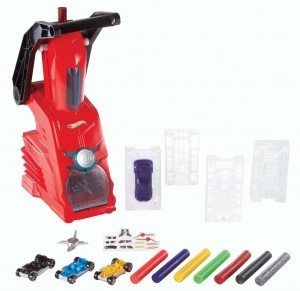
If your kid likes Hot Wheels cars, then he/she will love being able make custom cars with this playset.
You choose a mold and colored wax stick for your vehicle, and in about eight minutes, the Car Maker melts the wax into the car mold and cools off.
You then attach the molded vehicle body to one of the three included chassis and decorate the car with decals in the sticker pack, and voila, you have a brand new car ready to be raced.
Buy now
AmazonAmazon UK
SENNHEISER RS 180 DIGITAL WIRELESS HEADPHONES

If you’ve been considering getting wireless headphones, look no further. These headphones rock.
I got them because the only time my wife and I can watch something together is after our one-year-old falls asleep, and with him being a light sleeper and his bedroom being next to the living room, we were always straining to hear what people were saying.
I’m seriously impressed with the audio quality of these headphones.
They’re crystal clear (no static or signal degradation), and they deliver full, crisp highs, mids, and lows, with just enough bass (it’s not over- or under-powered like other sets I’ve tried).
They’re also incredibly comfortable–no ear aches after 30 minutes.
Buy now
AmazonAmazon UK
BOOK OF THE WEEK:
IVAN RAMEN: LOVE, OBSESSION, AND RECIPES FROM TOKYO’S MOST UNLIKELY NOODLE JOINT

If you think of cheap college food when you hear “ramen,” you’re missing out on some incredibly tasty eating.
A chef friend of mine introduced me to gourmet ramen many months ago, and I’ve really come to enjoy it. Ramen cuisine not only offers a variety of exotic, delicious combinations of ingredients and flavor, the macros are often very fitness-friendly.
I’m recommending this cookbook in particular because Ivan Orkin is simply the king of ramen, and although I haven’t tried his recipes yet (the book releases in a few days), I already know they’re going to be out-of-this-world good.
His story is cool too–he’s a Jewish dude from New York who decided to move to Tokyo and open a ramen shop. As a foreigner, he was given short shrift…but then people tasted his food. Word quickly spread and before he knew it, he was a celebrity in Japan, and people were coming from all around the world to eat his noodles.
Buy now
AmazonAmazon UK
What do you think of this week’s picks? Have anything you’d like to add? Let me know in the comments below!
October 24, 2013
The Definitive Guide to Post-Workout Nutrition
The post-workout meal is part of the “bodybuilding canon,” so to speak.
If you’ve been lifting for any period of time, you’ve heard the story:
If you don’t eat protein and/or carbs after training, so it goes, you will either a) impair muscle growth or b) miss out on an opportunity to accelerate it.
Furthermore, meal timing is often stressed.
That is, it’s often claimed that there is a post-workout “anabolic window” in which you must eat your food. If you miss this window, you either lose or miss out on additional gains.
How true are these bodybuilding dogmas, though?
Is there scientific evidence to back up the emphasis on the post-workout meal, or is much of it bunk like many other once-cherished pieces of gymlore?
Let’s find out.
Why Post-Workout Nutrition?
When you work out, you start a process whereby muscle proteins are broken down (technically known as “proteolysis“).
This effect is mild while you’re training, but it rapidly accelerates thereafter. If you’re training fasted, proteolysis (muscle breakdown) is even greater, and especially around 3+ hours after training.
Now, muscle breakdown isn’t inherently bad, but when it exceeds the body’s ability to synthesize new proteins, the result is muscle loss. Conversely, when the body synthesizes more protein molecules than it loses, the result is muscle growth.
The goals of post-workout nutrition is minimizing post-workout muscle breakdown, and stimulating protein synthesis. These two effects result in greater total muscle growth.
Now, the question is can post-workout nutrition actually deliver on those goals? And if so, how do you get there?
The Benefits of Post-Workout Protein
The primary benefits of post-workout protein are as follows:
Post-workout protein ingestion stimulates protein synthesis, which halts muscle breakdown and initiates muscle growth.
A study conducted by Texas University makes this clear. Researchers had subjects perform heavy leg-resistance training followed by the slow (over the course of several hours) ingestion of either a placebo, a mixture of essential and non-essential amino acids, or a mixture of just essential amino acids.
The result was the group that drank the placebo showed a negative muscle protein balance several hours after their workouts (that is, they were losing muscle), whereas the groups that ingested the amino acid mixtures showed a positive balance (they were building muscle).
While this may seem like a minor benefit, it adds up over time.
Every day that you give protein synthesis rates a little boost, you build a little more muscle than you would have otherwise built. Over the course of several months, or years, those few grams extra here and there can turn into pounds of additional muscle built.
Post-workout protein stimulates more protein synthesis than protein eaten at rest.
You’ve probably heard that protein stimulates protein synthesis, but research has shown that protein eaten after a workout has extra “oomph” in this regard.
This was demonstrated by a study conducted by the Shriners Burns Institute. They took 6, normal untrained men and intravenously infused them with a balanced amino acid mixture both at rest, and after a leg workout. The post-workout infusion resulted in 30-100% more protein synthesis than the at-rest infusion.
So…if post-workout protein is good, the obvious question is how much should you eat?
A study commonly cited in connection with post-workout protein needs showed that 20 grams of post-workout protein stimulated maximum muscle protein synthesis in young men. That is, eating more than 20 grams of protein after working out did nothing more in terms of stimulating muscle growth.
That said, we can’t really assume that this 20-gram number applies to everyone. Protein metabolism is affected by several things:
How much muscle you have. The more you have, the more amino acids your body needs to maintain your musculature, and the more places your body can store surpluses.
How active you are. The more you move around, the more protein your body needs.
How old you are. The older you get, the more protein your body needs to maintain its muscle.
Your hormones. Elevated levels of growth hormone and insulin-like growth factor 1 (IGF-1) stimulate muscle synthesis. If your body has high levels of these anabolic hormones, it will utilize protein better than someone that has low levels.
On the other hand, elevated levels of cortisol reduces protein synthesis and accelerates the process whereby the body breaks down amino acids into glucose (gluconeogenesis), thereby reducing the amount available for tissue generation and repair. Some people have chronically elevated cortisol levels, and this impairs protein metabolism.
So, while 20 grams of protein might be enough to stimulate maximal muscle growth under certain conditions, this won’t hold true for everyone.
Some people will need more to reach the same level of synthesis, and others will be able to benefit from more protein (it will result in more protein synthesis).
Personally, I eat 40-50 grams of protein in my post-workout meal to ensure that I am stimulating maximum protein synthesis.
The Benefits of Post-Workout Carbohydrates
The most common reason we’re told to eat carbs after training is to “spike insulin levels,” which is supposed to really kick muscle growth into overdrive.
This isn’t entirely accurate.
Insulin doesn’t directly induce protein synthesis like amino acids do, but it does have anti-catabolic properties.
That is, it decreases the rate of protein breakdown that occurs after exercise. And as muscle growth is nothing more than protein synthesis rates exceeding protein breakdown rates, anything that increases the former and decreases the latter improves this “equation” in our favor.
A good example of this at work is a study conducted by McMaster University that compared the effects of high- and low-carbohydrate dieting with subjects engaging in regular exercise. Researchers found that subjects following the low-carb diet had increased protein breakdown rates and reduced protein synthesis rates, resulting in less overall muscle growth.
These effects, however, level off around 15-30 mU/L, or about 3-4 times the normal fasting insulin levels. “Spiking” insulin levels higher than this doesn’t deliver more “protein sparing” effects.
And it turns out that you don’t even need to eat carbs to reach such a level–you can do it with protein alone. One study showed that the insulin response to the ingestion of 45 grams of whey protein peaked at about 40 minutes, and these levels were sustained for about 2 hours.
If you include carbs with your post-workout meal, however, insulin levels will rise faster, and remain elevated longer. One study showed that the ingestion of a mixed meal containing 75 g carbs, 37 g protein, and 17 g fat resulted in an elevation of insulin levels for over 5 hours (at the 5-hour mark, when researchers stopped testing, insulin levels were still double the fasting level).
So, this is one reason to include carbs in your post-workout meal: to quickly raise insulin levels and keep them elevated for longer periods of time.
Another reason relates to a substance known as “glycogen,” which is a form of energy our body produces from carbohydrate, and which is stored primarily in the liver and muscles.
If you’re weightlifting, keeping your muscles as full of glycogen as you can is important. It improves performance, and research has shown that when muscle glycogen levels are low, exercise-induced muscle breakdown is accelerated.
Now, anaerobic exercise like weightlifting causes marked reductions in muscle glycogen stores, and when your body is in this post-workout glycogen-depleted state, its ability to replenish glycogen stores is greatly increased. In this state, your muscles can “supercompensate” with glycogen, meaning they can store more than they had before the depletion.
This “supercompensation” gives you a nice post-workout carb pump, but it won’t likely affect your workout performance unless you’re engaging in multiple bouts of intense exercise in the same day. So long as you eat enough carbs throughout the day, your body will eventually fill its glycogen stores back up.
That said, the post-workout depleted state does create a nice “carb sink,” which you can use to enjoy a large amount of carbs with little-to-no fat storage (as the body will not store carbohydrate as fat until glycogen stores are replenished).
So, in conclusion, carbs are worth including in your post-workout meal to keep insulin levels elevated longer, and because it’s a great time to enjoy a nice big meal.
Is There a Post-Workout “Anabolic Window?”
When the subject of post-workout nutrition comes up, it almost always includes opinions on the idea of an “anabolic window.”
The theory of the “anabolic window” is that you have a “window” of time after your workout to eat food, and if you do this, you muscle growth is accelerated. If you don’t however, you will miss out on this benefit, or even worse, lose muscle.
How true are these claims, though?
Well, research indicates that protein ingested within 1-2 hours of finishing a workout may increase muscle growth.
For example, a study conducted by Bispebjerg Hospital had 13 untrained elderly men follow a 12-week resistance training program. One group received an oral protein/carbohydrate supplement immediately post-workout, while the other received the same supplement 2 hours following the exercise bout.
The result: the post-workout ingestion group built more muscle than the 2-hour-later ingestion group.
A well-designed and well-executed study conducted by Victoria University is also worth reviewing. It was conducted with 23 recreational bodybuilders that were to follow an intense weightlifting program for 10 weeks, and were divided into two groups:
A group that ate a protein and carbohydrate meal immediately before and after training.
A group that ate the same meals in the morning and evening, at least 5 hours outside the workouts.
After 10 weeks, researchers found that group 1 (pre- and post-workout consumption) built significantly more muscle than group 2 (morning and evening consumption.
On the other hand, there are studies that have failed to show any meal timing benefits, such as this, and this (although the latter study used DEXA to assess body composition, which isn’t sensitive enough to detect small changes in muscle size).
Considering the research we have available, I advise you eat protein within 1-2 hours of completing your workout, as there’s a good chance that it will help you build more muscle than if you skipped such a meal.
What About Post-Workout Supplements?
There’s a wide variety of post-workout pills and powders out there, and all are sold on the basis of improving recovery and/or accelerating muscle growth.
Instead of running through the list of all the types out there, let’s keep it simple.
Here are the only supplements I think are worth taking post-workout:
Whey protein because it rapidly spikes plasma amino acid levels, which is good for maximizing post-workout protein synthesis.
Creatine because it helps you get bigger and stronger, and because research has shown that post-workout creatine consumption is more effective than pre-workout consumption (when many people usually take it).
Vitamin D because it’s not only incredibly good for you, research has shown that it magnifies the muscle-building effects of leucine.
Fish oil because it too has an impressive roster of health benefits, and research has shown that it augments protein synthesis when combined with elevated plasma amino acid and insulin levels.
If you use a recovery supplement, you can take it post-workout, but I don’t know of any research that indicates timing is important with amino acids like glutamine and L-carnitine (two common “recovery” aminos people take).
What are your thoughts on post-workout nutrition? Have anything else you’d like to share? Let me know in the comments below!
October 22, 2013
How to Maintain Muscle and Strength with Minimal Exercise
We all know how much persistence and consistency it takes to get a great physique.
You have to hit the weights 3-5 times per week, every week, for at least 1-2 years.
You often have to also find time for a couple hours of cardio per week.
You have to watch what you eat, regulating intake to meet your goals of gaining or losing weight.
While some of us learn to enjoy the process, nobody ever said it was easy. It takes intense, regular work.
Now, how do things change once you’ve achieved the type of body you desire? Do you have to work just as hard to keep a good physique as you do to build one?
If that question doesn’t matter so much to you–if you’re like me and you just enjoy the fitness lifestyle–then maybe this one will catch your interest:
How can you maintain muscle and strength when you’re not able to follow your regular exercise routine?
Although some of us would love to be able to hit the gym 5 times per week without any unplanned breaks, year-in, year-out…life will inevitably throw us curve balls.
Staying in shape while traveling can be tricky. The holidays are notorious for messing with schedules (and diets). Family and work often take precedence over personal time.
Are you simply doomed to losing muscle and strength in such situations? Or is there an easy way to avert such problems?
Well, as you’ll see in this article, it’s much easier than most people think to maintain muscle and strength, and even continue to make gains.
Let’s get to it.
How Much Exercise it Takes to Maintain Muscle and Strength
I have good news for you:
It’s much easier to maintain a good physique and level of conditioning than it is to get there.
How easy, you ask?
Well, consider a study conducted by the University of Alberta with competitive rowers. After 10 weeks of weightlifting 3 times per week, 18 varsity female rowers were split into two groups. Both groups then did 6 weeks of maintenance resistance training, with one group training once per week, and the other twice per week.
The results? Both groups improved their strength in two exercises they performed each week, and maintained strength in the four others in their routine.
Yes, that’s right–according to that research, you can maintain your strength training just once per week. And that’s not the only study demonstrating this.
The University of Alabama at Birmingham conducted a study wherein subjects lifted weights 3 times per week (9 sets per workout) for 5 months, and then were assigned to one of three groups for the next eight months:
No exercise at all.
One weightlifting workout per week that consisted of 9 total sets.
One weightlifting workout per week that consisted of 3 total sets.
Over the course of the following 8 months, group 1 lost muscle (of course), but both groups 2 and 3 were able to maintain most of the muscle they had gained in the first part of the study, and even increase their strength.
So, what we can learn from these studies is this:
You can not only maintain muscle and strength training only 1-2 times per week, you can actually make gains.
Sure, you won’t be able to make the same kinds of gains as you can training 3-5 times per week, but you can do better than most people think.
One study conducted by The University of Queensland showed that subjects that trained a muscle group twice per week made about 70% of the gains of those training three times per week.
A study conducted by the University of Florida showed that subjects doing isometric training twice per week made about 80% of the gains of those training three times per week.
Researchers from Laurentian University found that one group of subjects training twice per week, performing 27 total sets per week, made equal gains to another group training three times per week for the same number of sets.
The key takeaway here is that weekly workout volume is at least as important, if not more important than, workout frequency.
So, here’s the point that will come as a great relief to many:
Regardless of what’s going on in your life, if you can sneak away from the hustle and bustle for a couple hours per week, you can minimally keep your hard-earned gains.
Now, how do you best go about the training? What type of workouts will deliver the best results when you’re only training 1-2 times per week?
The Perfect “Muscle Maintenance” Program
When you can only train once or twice per week, what you do is very important.
If you’re in decent shape and simply hopped on some machines and got a pump, you certainly won’t make gains, and will almost certainly lose muscle over time.
The bottom line is when you reduce workout frequency, you have to increase volume and, most importantly, intensity (the amount of weight you’re lifting).
You also want to focus on exercises that recruit the maximum amount of muscle, which are the big compound lifts like Deadlifts, Squats, Bench Press, and Military Press.
I could delve into some more advanced physiology here to further explain the relationship between frequency, volume, intensity, and exercise choice, but let’s save that theory for another post and get to the practical.
Here’s how to get the most out of training twice per week.
Training Twice Per Week
When you can only train twice per week, I recommend you use one day to train your push and pull muscles, and another day to focus on your legs, with a little additional push.
The following workouts take about an hour to complete. Rest 2-3 minutes in between each set, and take at least one day of rest in between each (two days of rest between each is ideal, I think).
Day 1: Push/Pull
Deadlift: Warm up and 3 sets 4-6 reps (80-85% of 1RM)
Bench Press: Warm up and 3 sets of 4-6 reps (80-85% of 1RM)
Barbell Row: 3 sets of 4-6 reps (80-85% of 1RM)
Military Press: 3 sets of 4-6 reps (80-85% of 1RM)
Day 2: Legs & Additional Push
Bench Press: Warm up and 3 sets of 4-6 reps (80-85% of 1RM)
Squat: Warm up and 3 sets 4-6 reps (80-85% of 1RM)
Hack Squat (sled, not barbell) or Leg Press: 3 sets of 4-6 reps (80-85% of 1RM)
Romanian Deadlift: 3 sets of 4-6 reps (80-85% of 1RM)
This is a brutally simple and effective workout. With it, you should expect to make gains, not simply remain the same.
It trains every major and minor muscle group in your body, and the emphasis on the 4-6 rep range focuses on inducing myofibrillar growth, which is ultimately what creates the big, strong, dense muscle that we all want.
As with any program, the most important factor in terms of making gains is progressive overload. That is, you have to keep adding weight to the bar as time goes on.
To do this, simply add weight once you hit 6 reps in a set. Go up 10 lbs, whether by adding 5 lbs to each side of the barbell, or moving up 5 lbs on dumbbells.
Training Once Per Week
If you can only train once per week, don’t despair–you can not only maintain muscle, strength, and conditioning, but you too can make gains.
The following workout hits every major muscle group in the body, and takes about 1:15 to complete. Rest 2-3 minutes in between each set. It’s hard, but very effective.
Squat: Warm up and 3 sets 4-6 reps (80-85% of 1RM)
Deadlift: Warm up and 3 sets 4-6 reps (80-85% of 1RM)
Bench Press: Warm up and 3 sets of 4-6 reps (80-85% of 1RM)
Barbell Row: 3 sets of 4-6 reps (80-85% of 1RM)
Military Press: 3 sets of 4-6 reps (80-85% of 1RM)
Again, nothing fancy here–just heavy, compound lifting, hitting your entire body. Move up on your weights as described above.
So, if you’re short on time or just want to cruise for a bit and maintain your physique, I hope this article helps!
Do you have any other tips for maintaining muscle and strength? Have anything else to share? Let me know in the comments below!
October 21, 2013
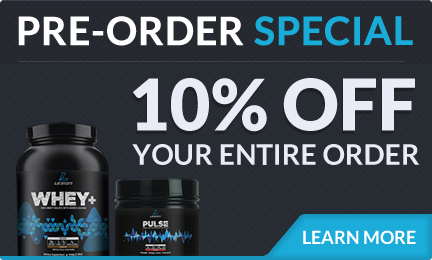
LEGION is Now Accepting Pre-Orders! Limited-Time Exclusive Discounts!
After working on it for nearly 8 months now, I’m proud to announce the launch of LEGION, my line of supplements! Pre-orders have begun, and I’m offering some pretty awesome discounts to kick things off.
.three .thumbnail { width: 100%; float: none !important; } .two .thumbnail { width: 49%; } .hoverImg { display: none; }.thumbnail { width: 46%; height: auto; border: none; box-shadow: 0px 0px 0px; margin: 20px 5px; float: left; } .thumbnail a img { width: 100% !important; }

In case you’re not already familiar with what I’m doing with LEGION, here’s the long and short of it:
The supplement industry could be best described by Obi-Wan Kenobi’s famous words: a wretched hive of scum and villainy.
Here’s the bottom-line truth of this multi-billion-dollar industry:
While certain supplements can help, they do NOT build great physiques (proper training and nutrition does), and most are a complete waste of money.
Those are just the facts of the matter, and they will probably never change. (Well, maybe we can force change, but more on that in a second.)
So if that’s the case, then you might be surprised to hear that I’m launching my own line of supplements, LEGION.
What gives? Am I just a hypocritical sell-out? Should you grab your pitchfork and run me off the Internet?
Well, hear me out for a minute and then decide.
The first thing you should know is that I created LEGION with the purpose of not only bringing unique products to the supplement world, but of starting a movement.
Here’s what I know: with the already overwhelming amount of options out there, the last thing we need is yet another marketing machine churning out yet another line of hyped up, flashy products claiming to be more effective than steroids.
Too many products are full of low-quality ingredients, junk fillers, and unnecessary additives. There’s a distinct lack of credible scientific evidence to back up the outrageous claims made on labels and in ads. Active ingredients are almost always underdosed, which companies hide by using the telltale sign of fraud, the “proprietary blend.”
The list of what’s wrong with this industry goes on and on.
Well, I think things should be done differently, and I’m going to do something about it. I believe in being the change I want to see, and that’s what LEGION is truly about.
How do I think things should be done? Well, here’s a start:
No proprietary blends.
There’s absolutely no reason to use them for anything other than deception and fraud.
No “label filler” ingredients.
I have a simple standard: every ingredient used in a workout supplement should be backed by peer-reviewed, published science that demonstrates clear performance benefits.
No underdosing key ingredients.
Furthermore, I think ingredients should only be used if they can be provided at clinically effective dosages. That is, the exact dosages shown to be safe and effective in scientific research.
No artificial sweeteners.
While artificial sweeteners may not be as dangerous as some people claim, studies suggest that regular consumption of these chemicals may indeed be harmful to our health, and that more research is needed.
No artificial food dyes.
Like artificial sweeteners, consumption of artificial food dyes might not be as harmful as some claim, but there is evidence that these chemicals can cause various negative effects in the body.
No exaggerated, deceptive advertising or endorsements. Call me melodramatic, but I feel like we’re getting slapped in the face every time we flip through a bodybuilding magazine.
Ad after ad feature hulking freaks hawking one pill or powder or the other as if it has anything to do with why they’re so big and lean.
How dumb do these marketers think we are?
No over-charging and under-delivering. How annoying is it to buy a $50 bottle of product only to discover that it only lasts 10 days if you follow the usage directions?
I think you will agree that these things need to happen sooner than later, and this is exactly what LEGION will offer.
LEGION will usher in a revolutionary line of workout supplements that outclasses everything else on the market. These products will be a standard by which all others can be judged.
I’m not just looking to build a company. I’m looking to build a culture.
I believe in respecting customers, telling things like it is, and delivering what I promise. I believe that honesty and integrity sell better than cutting corners and relying on ridiculous advertisements and lies.
I don’t just want to sell you pills and powders, I want to change the supplement industry for the better.
Will you join me? Will you become a legionnaire and help me fight the fight?

October 19, 2013
Recipe of the Week: Berry Cheesecake Protein Muffins
Homemade protein bars and muffins are great for snack meals and on-the-go eating.
This recipe is from my cookbook, Eat Green Get Lean, and it’s a tasty high-protein, low-carb, and low-fat treat.
Instead of flour, this recipe uses protein powder (which works well as a baking substitute), and the Greek yogurt and cottage cheese give the muffins a delicious, creamy texture. The blackberries add a light, fruity infusion.
Hope you enjoy!
Servings
Servings: 6 servings (2 muffins per serving)
Calories Per Serving
208
Protein Per Serving
31 grams
Carbohydrates Per Serving
14 grams
Fat Per Serving
3 grams
Ingredients
1 cup fat-free Greek yogurt
2 tablespoons fat-free cottage cheese
1 tablespoon coconut flour
1/4 cup dried berries
2 eggs
6 scoops (30 g) vanilla whey protein powder
1 cup fresh blackberries

Instructions
Preheat the oven to 340°F. Coat a 12-cup muffin pan in cooking spray.
Place all ingredients except the blackberries in a food processor or blender and process until well combined. Transfer to a large mixing bowl, add the blackberries and gently fold in.
Pour the batter evenly into the muffin pan, only filling each cup to 3/4 full. Place in oven and bake for 35 minutes, or until a toothpick inserted into the middle comes out clean.
What You Get to Eat

October 17, 2013
Cool Stuff of the Week: Isobag Meal System, Game of Thrones Bad Lip Reading, Fitbit Force, and More…
I’m not ashamed to admit that I’m kind of a sucker for cool stuff. I like nifty gadgets, quirky decoration pieces, nice clothes (and shoes!), good books, and fun games.
In this series of weekly posts, I share whatever currently has my fancy. Maybe some of it will catch yours as well!
VIDEO OF THE WEEK:
A BAD LIP READING OF GAME OF THRONES (“MEDIEVAL LAND FUN-TIME WORLD”)
The crew behind Bad Lip Reading have really outdone themselves here. This is one of the best, I think.
Even if you don’t watch Game of Thrones, you’ll find this hilarious.
ISOBAG MEAL SYSTEM

Sticking to a proper diet plan can be a real pain when you’re on the go every day.
Fast food is out of the question, and even healthier “fast food” like Chipotle isn’t entirely trackable (how much meat, rice, and beans did they actually give you this time?).
The Isobag Meal System is an easy solution. It’s the ultimate lunchbox.
With it, you can prep your food like you normally do, put your meals into the containers it comes with, and store them in the bag’s center compartments.
On the sides of the bags are insulated compartments for ice packs, which keep your food cold and fresh. There are also two mesh compartments for mixers or beverages.
3-Compartment Bag
Buy now
AmazonAmazon UK
6-Compartment Bag
Buy now
AmazonAmazon UK
LEGO SUPER STAR DESTROYER

If you’re a Star Wars nerd like me, and you have a lot of time on your hands plus four feet of space to devote to a Lego starship…then you’re going to want the Lego Star Wars Super Star Destroyer.
This bad boy weighs in at nearly 8 pounds, measures over 4 feet long, and is built with over 3,000 pieces. It comes with a display stand, data sheet label, and five minifigs, including IG-88, Admiral Piett, Dengar, Bossk, and Darth Vader himself.
Buy now
AmazonAmazon UK
FITBIT FORCE
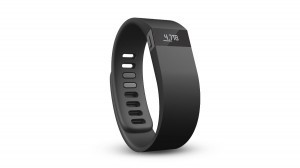
If you’ve been considering an activity (or life at this point?) tracker, then you need to check out the Fitbit Force–the latest from the company.
It boasts the features of the earlier Fitbit Flex, like…
You wear it on your wrist.
It tracks your steps.
The distance you’ve traveled.
The calories you’ve burned.
Your minutes of activity.
The quality of your sleep.
It adds a few more to the mix. Namely…
An improved blue OLED screen letting you read the display more easily.
An altimeter.
The ability to track floors climbed.
A clock and a stopwatch.
The ability to sync with your phone automatically over Bluetooth.
Buy now
Amazon
BOOK OF THE WEEK:
HAWKEYE: MY LIFE AS A WEAPON

My interest in comics is similar to my interest in TV shows: if they’re not exceptionally good, I quickly lose interest.
Well, my relaxation time is currently spent either watching Breaking Bad or reading Hawkeye: My Life as a Weapon. Both are just great fun.
In my opinion, Hawkeye delivers everything you want in a comic:
Great art.
Interesting premise (what does Clint Barton do when he’s not being an Avenger?).
Smart, subtle, quaint writing.
Breezy, effortless reading.
Entertaining, believable characters.
The right blend of drama, humor, and heart.
There’s a reason why Hawkeye is pretty much universally loved–it really is that good.
Buy now
AmazonAmazon UK
What do you think of this week’s picks? Have anything you’d like to add? Let me know in the comments below!
October 16, 2013
How Much Protein is Needed to Build Muscle
Whenever I talk about protein and building muscle, I think of this video:
…and then I want a protein shake, hahah.
In all seriousness, I’m often asked how much protein is actually needed for building muscle.
Is 1 gram per pound of body weight per day enough? If we eat more, will we build more muscle?
Or should we be eating less than that? 1 gram per pound of lean mass, maybe? Is that even more than we need?
Well, let’s find out.
Why Your Body Needs Protein to Build Muscle
You may already know this, but I want to give a brief summary just to make sure.
In the body, a protein is a special type of molecule that is comprised of substances known as amino acids. Think of amino acids as the “building blocks” of proteins–without the requisite amino acids, the body can’t create protein molecules.
Now, there are many types of proteins in the body, and they perform a wide variety of functions ranging from the replication and repair of DNA, to cell signaling (insulin is a protein, for instance), to the formation of tissues and other substances like hair and nails, and more.
The building of “muscle proteins” (the types of protein molecules that our muscles are made of) requires a variety of amino acids, some of which must be obtained from food (these are known as “essential” amino acids).
When you eat a food that contains protein, your body breaks the protein molecules in the food down into the amino acids they’re comprised of, and then uses those amino acids to build its own proteins.
If you eat too few grams of protein every day, your body can become deficient in the amino acids it needs to build and repair muscle, and thus, muscle growth becomes impaired.
Now, the body has certain protein needs even if you don’t exercise. Remember that every day cells are dying and being regenerated, and this requires amino acids.
When you do exercise, however, the body needs even more amino acids to repair damaged muscle fibers and, depending on what you’re doing, grow them larger. This is why athletes need to eat a high-protein diet to maximize performance.
How high do you have to go, though?
400 Grams of Protein Per Day? Seriously?
Many years ago, before I knew what I was doing, I was stuck in a rut in the gym, and I thought maybe my protein intake was the problem.
I asked an ex-professional bodybuilder how much protein I should eat every day, and he said 2 grams per pound of body weight.
I was a bit taken aback–that would mean eating close to 400 grams per day.
He was adamant that 2 grams of protein per pound of body weight was absolutely necessary to break through the plateau and start building muscle again, so I went for it.
I manned up and doubled my daily intake to reach the 400 g/day number, and, well, it sucked. I was constantly full, beyond sick of protein shakes, and eating in general just felt more and more like a chore.
But I stuck it out…and didn’t build any muscle to speak of.
Fast forwards to today. I’ve radically transformed my physique since that time, and I haven’t eaten more than 1.2 grams of protein per pound of body weight per day in many years (don’t worry, we’ll get into the numbers in a second).
The point of this little story is this:
If you’re having trouble building muscle, eating more protein is not necessarily the solution.
You don’t need to eat outrageous amounts of protein to efficiently build muscle.
The bottom line is maximizing muscle growth does require following what is generally known as a “high-protein diet,” but it does not require choking down pounds of meat and cups of protein powder every day.
So, how much protein should you actually be eating to build muscle, then?
The Protein Needs of Athletes
According to the Institute of Medicine, 10 – 35% of our daily calories should come from protein. That’s not very helpful for us, though.
10 – 35% is quite a range to choose from, and even if we went with 35%, if our daily calorie intake is too low, we won’t get enough protein, and if it’s too high, we’ll eat more than we need.
So let’s look at some of the clinical research available on protein needs, and specifically with athletes.
First, let’s look at research conducted by McMaster University.
According to their paper, protein intake of 1.3 – 1.8 grams per kilogram of body weight (.6 – .8 grams per pound of body weight) is adequate for stimulating maximal protein synthesis. They note, however, that more protein might be needed in the case of frequent and/or high-intensity training, and in the case of dieting to lose fat (restricting calories).
A widely cited study conducted by The University of Western Ontario concluded the same: 1.6 – 1.8 grams per kilogram of body weight might be enough for athletes, but higher intakes may also be warranted depending on a wide variety of factors including energy intake, carbohydrate availability, exercise intensity, duration and type, dietary protein quality, training history, gender, age, timing of nutrient intake, and more.
As you can see, the topic is actually quite complex, and there may not be a “one-size-fits-all” solution.
“Gym lore” can actually lend some insight here, and it agrees with the above findings.
1 gram of protein per pound of body weight (2.2 g/kg of BW) per day has been a bodybuilding rule of thumb for decades.
Higher levels of protein intake, usually in the range of 1.2 – 1.5 grams per pound of body weight (2.6 – 3.3 g/kg BW) per day, are commonly recommended when “cutting” to lose fat.
If those numbers sound really high to you, consider this research published earlier this year, and conducted by AUT University. Here’s the conclusion:
“Protein needs for energy-restricted resistance-trained athletes are likely 2.3-3.1g/kg of FFM [1 - 1.4 grams per pound of fat free mass] scaled upwards with severity of caloric restriction and leanness.”
I’ve found this to be very true, not only with my body, but with the hundreds and hundreds of people i’ve worked with.
As you get leaner, keeping your protein intake high becomes very important. If it drops too low (below 1 gram per pound of body weight, in my experience), strength and muscle loss is accelerated.
Oh and in case you’re worried that eating that much protein is bad for your kidneys, don’t worry–it’s not.
The Type of Protein Matters
Not all forms of protein are alike. There are three important factors you should know about:
Different forms of protein digest at different speeds.
Some forms of protein are better utilized by the body than others.
Different forms of protein have different amounts of the essential amino acids our bodies need.
Beef protein, for example, is digested quickly and 70-80% of what’s eaten is utilized by the body (the exact number varies based on what study you read, but they all fall between 70 and 80%), and has a large amount of essential amino acids.
Whey protein is also digested quickly and its “net protein utilization” (NPU) is in the low 90%s, which means that 90-something percent of it can actually be used by your body. It also is high in essential amino acids, and in leucine in particular.
Egg protein digests much slower than whey and beef and its NPU also falls in the low 90%s. It too has a great amino acid profile.
NPU and digestion speeds are important to know because you want to rely on high-NPU proteins to meet your daily protein requirements, and research has shown that a fast-digesting protein like whey is ideal for post-workout consumption.
The bottom line is if you get plenty of fish, meat, dairy, and eggs in your diet, you’ll have no issues with meeting your body’s protein needs.
Vegans, however, have a little trickier.
You probably expect me to start talking about “complete” and “incomplete” proteins, but the “incomplete protein” myth and the faulty research that spawned it was thoroughly debunked by MIT years ago. All protein found in vegetables is “complete.”
What is true, however, is that some forms of vegetable proteins are lower in certain amino acids than others, making certain sources better than others.
For example, the protein found in peas and rice is superior to the protein found in hemp.
I recommend vegans eat plenty of grains (quinoa, and amaranth are probably the most popular high-protein choices), legumes (with all types of beans being the most popular choice here), and high-protein vegetables like peas. I recommend soy be eaten sparingly, for reasons given in this article on protein powders.
Supplementing with vegan protein powders, such as Sunwarrior’s brown rice protein, also makes balancing your numbers easier.
Does “Protein Timing” Matter?
The last thing I want to quickly touch on is protein timing. That is, when you eat protein. Does it matter?
Do you need to eat protein every 3 hours? Is eating protein before or after working out necessary?
The frequency of protein intake doesn’t matter, so long as you hit your daily numbers.
You’re not going to “go catabolic” if you don’t have protein every few hours, and eating protein more frequently won’t help you build more muscle.
If you like to eat 3, larger meals per day with several hours in between each, do that (don’t worry, your body can absorb a lot of protein at once). If you’re like me and prefer more smaller meals throughout the day, that’s fine as well.
(Check out my article on intermittent fasting if you want to learn more about the irrelevance of meal timing.)
Having protein before and after working probably does matter, however–it can help you build more muscle.
The reason why I say “probably” and “can” is the research is contradictory at this time.
Some studies, such as those conducted by Victoria University, Baylor University, and the University of Jyväskylä indicate pre- and post-workout protein consumption does help build more muscle; whereas other studies found no such benefits, such as those conducted by The College of New Jersey and Manchester Metropolitan University.
Personally, I eat protein before working out (unless I’m training fasted), as well as after, because I believe there’s enough clinical and anecdotal evidence to support doing so (and so do other smart people in this industry).
Eating protein before bed is a good idea as well. Not to prevent muscle breakdown, but to aid in muscle repair.
What do you think about protein numbers, types, and timing? Have anything else you’d like to share? Lemme know in the comments below!
October 15, 2013
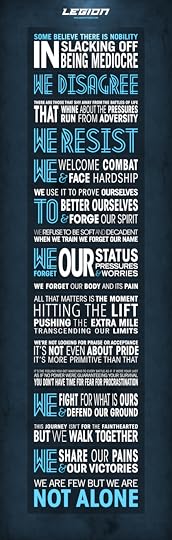
The LEGION Manifesto
As you may or may not know, my line of workout supplements (LEGION) is launching very soon, and I wanted to create one of those nifty manifestos that all the cool kids have.
This is what I came up with. Would love to hear your thoughts in the comments below!

.hoverImg { display: none; }.thumbnail { width: 100%; height: auto; border: none; } .thumbnail a img { width: 100% !important; }textarea.tutu { max-width: 100%; width: 100%; background: #efefef; border: 1px solid #ddd; min-width: 100%; padding: 5px; }
Embed this image on your own site (copy code below)