
Michael Matthews's Blog, page 143
September 13, 2013
Cool Stuff of the Week: Dark Energy Reservoir, Breaking Bad, Pandemic, and More…
I’m not ashamed to admit that I’m kind of a sucker for cool stuff. I like nifty gadgets, quirky decoration pieces, nice clothes (and shoes!), good books, and fun games.
In this series of weekly posts, I share whatever currently has my fancy. Maybe some of it will catch yours as well!
VIDEO OF THE WEEK:
THE ULTIMATE PEE WEE FOOTBALL TOUCHDOWN
What a little beast. Making daddy proud, I’m sure…
DARK ENERGY RESERVOIR

The Dark Energy Reservoir is the ultimate portable device charger.
It’s as big as a smartphone and stores enough juice to keep the average smartphone running for an entire week, and it charges as fast as a wall outlet. It can charge two devices at a time and is compatible with any USB charging device.
Buy now
Dark Energy Reservoir
PANDEMIC

I love playing a great board game with friends, and the award-winning Pandemic is just that.
Here’s what it’s all about:
Four diseases have broken out in the world and it is up to a team of specialists in various fields to find cures for these diseases before mankind is wiped out. Players must work together playing to their characters’ strengths and planning their strategy of eradication before the diseases overwhelm the world with ever-increasing outbreaks. For example the Operation Specialist can build research stations which are needed to find cures for the diseases. The Scientist needs only 4 cards of a particular disease to cure it instead of the normal 5. But the diseases are out breaking fast and time is running out: the team must try to stem the tide of infection in diseased areas while also towards cures. A truly cooperative game where you all win or you all lose.
Cooperative board games are rare, and good ones are even rarer, which is why I really like Pandemic–it’s actually great fun, and a nice alternative to the normal “race to beat your friends” experience of other games.
Everyone must work together and help devise the overall strategy, and the tension is kept high as you almost always feel like you’re about to lose. If you like to do game nights, pick Pandemic up–it’s a nice addition.
Buy now
AmazonAmazon UK
BREAKING BAD: THE COMPLETE SERIES

If you’re hooked to Breaking Bad, you’ll love this complete collection, which contains the following:
Collectible replica money barrel
Over 55 hours of special features from all seasons
All new two-hour documentary
16 page booklet with letter from Vince Gilligan
Commemorative challenge coin designed by Vince Gilligan
Los Pollos Hermanos apron
If you don’t watch Breaking Bad, you’re missing out.
There’s a reason why it’s universally acclaimed, has 3 Emmys and 4 more nominations. It’s just damn good. One of the best shows of the last several years, in my opinion (and I’m a really picky TV watcher–I rarely make it past the first few episodes of a show before losing interest).
In case you’re not familiar with it, here’s a the premise:
To provide for his family’s future after he is diagnosed with lung cancer, a chemistry genius turned high school teacher teams up with an ex-student to cook and sell the world’s purest crystal meth.
But what makes it truly great is the combination of strong plotting (great twists, rising tension, hero-abuse, etc.) and addictively intriguing characterization (think seasons 1 and 2 of Dexter). Thanks to the fantastic writing, no matter how despicable the protagonist becomes, you can’t help but root for him, which is just plain fun.
Check out the first episode on Amazon Instant Video and I think you’ll be hooked.
Buy now
AmazonAmazon UK
BOOK OF THE WEEK:
PILLARS OF THE EARTH

Pillars of the Earth is one of the best pieces of historical fiction I’ve ever read.
The story is set in 12th century England and concerns the building of a cathedral in a fictional city, but like Shogun, it offers so much more than a bunch of trite archaic speak and dull historical details.
It’s really about the ambitions and conflicts of 5 people during decades of political upheaval, and like Game of Thrones, the characterization is riveting, the plot is beautifully paced, and it delivers that rare visceral experience that just grabs and forces you to keep reading.
Buy now
AmazonAmazon UK
What do you think of this week’s picks? Have anything you’d like to add? Let me know in the comments below!


September 11, 2013
The Best Workout Equipment
Crappy workout equipment is frustrating–gloves that tear, straps that cut into your wrists, shoes that fall apart, headphones that sound like crap…the list goes on and on.
I’ve tried a TON of products over the years and in this article, I’ll share my recommendations for a variety of products that I use and like.
I hope this article saves you the time, money, and headaches of having to sort through a bunch of junk to find worthwhile workout equipment.
The Best Workout Shoe:
Inov-8 Bare-XF 210
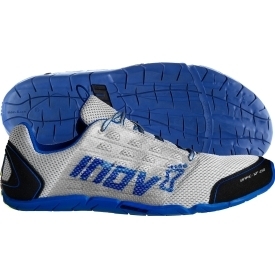
I used to work out in running shoes, and was surprised at how much of a difference a proper lifting shoe makes, particularly with squats and deadlifts.
What is a proper lifting shoe, you ask?
The most important aspect is a flat sole with a little arch and ankle support.
For almost two years I lifted in the New Balance MX20 Minimus and loved it, but I’ve found something I like even more: the INOV-8 BARE XF 210.
This is hands down the most comfortable training shoe I’ve ever worn. It weighs almost nothing, fits snugly but not too tightly, and has a perfectly flat sole and good arch support.
It’s expensive ($120), but you shouldn’t need to buy another pair for at least 1-2 years (unless you’re like me and are just kind of obsessed with trying different products).
In case you don’t want to spend that much on a shoe, two honorable mentions are the New Balance MX20 Minimus (men), the New Balance Minimu WX20 (women), and the good ol’ Chuck Taylor.
The Best Workout Pant:
Adidas Tiro 13
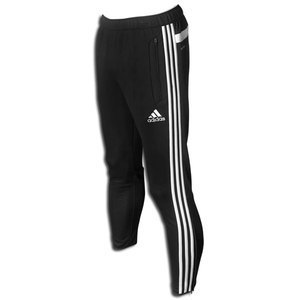
“Good workout pants!?” you might be thinking. But hear me out.
Here’s what makes a bad pair of workout pants:
Material too thick (unnecessarily hot).
Crappy construction (falls apart after a couple months of squats and deadlifts).
Too tight in the groin area.
Shallow, zipperless pockets (which your iPod constantly falls out of when doing certain exercises).
And why do I love the Adidas Tiro 13 pants?
The material is thick and durable, but breathes.
The pockets are deep and zippered.
They actually fit well.
They’re basically perfect!
Buy now
AmazonAmazon UK
The Best Workout Headphones:
IMAGE S4
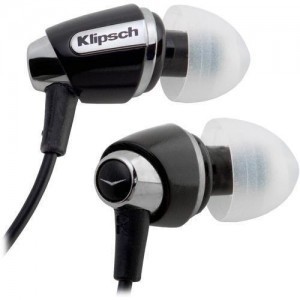
I don’t know about you, but I hate working out without my iPod.
Some people find music distracting, but I actually find that it helps me concentrate on my lifts and tune out whatever is going on in the gym. And if you’re like me, you like your music loud, which is where good headphones come in.
I’ve tried quite a few brands, including V-MODA, Sony, Bose, Sennheiser, Bang & Olufsen, and more, and I’m really impressed with the performance of the $70 Klipsch IMAGE S4 headphones.
The bass is deep and clear, the mids and highs are crisp, and they’re comfortable and durable. In my opinion, you’re getting the quality of a $150-200 pair of headphones for a fraction of the cost.
Buy now
AmazonAmazon UK
The Best Workout Glove:
Harbinger 130 Classic WristWrap Glove
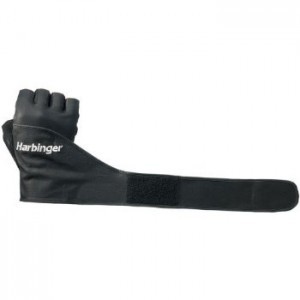 I know, I know, “gloves are for girls” and all that.
I used to think the same, but eventually I just got sick of tearing open calluses while deadlifting, and I gave into gloves for back day.
I went through a junk pair or two that were in tatters within a couple months, but once I found the Harbinger 130 Classic, I never looked back.
Why do I like them so much? Well…
They’re comfortable and extremely durable. It took a year of daily abuse before I really started to see signs of wear in the palms, but there were still no holes and no tearing.
The wrist straps are a big plus as it adds quite a bit of wrist stability. This is nice for heavy presses such as the Military Press, the Dumbbell Press, the Bench Press, and so forth.
You can’t go wrong here. (Oh and they’re unisex too!)
Buy now
AmazonAmazon UKBodybuilding.com
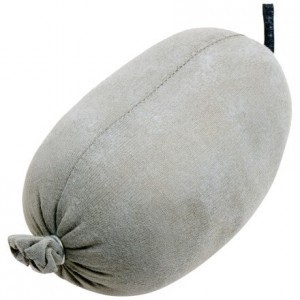
Another option for improving your grip on the bar and preventing hand damage is non-marking chalk like the Eco Ball Chalk. It’s not quite as good as actual chalk, which many gyms don’t allow, but it doesn’t make a mess.
Buy now
AmazonAmazon UK
The Best Workout Straps:
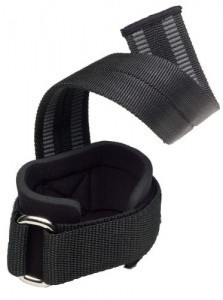
Harbinger Big Grip “No-Slip” Pro Lifting Straps
Like gloves, many purists scoff at the idea of using straps. And I don’t completely disagree–it’s much better to build your grip strength than rely on straps.
That said, most people will have trouble going heavy on certain exercises due to grip failure, such as the Barbell Row, Dumbbell Row, and Deadlift.
If you use straps correctly, you can build your grip strength while being able to keep the weight heavy.
Doing this is very simple: let your grip break down before you strap.
That is, try to get your first set or two without straps and let your forearms bear the brunt of the weight, which will build your grip strength. Then, if necessary, strap on your last set or two.
Now, in terms of what to actually buy, watch out for bad straps:
Bad straps are overly tricky to wrap tightly.
Bad straps loosen while lifting.
Bad straps cut hard into your wrists, causing severe discomfort when you’re lifting heavy.
And I recommend the Harbinger Big Grip “No-Slip” Pro Lifting Straps because you’ll have none of these problems with them. They’re just awesome.
They have a padded wrist strap with a sturdy velcro clasp, so no awkward looping of the strap to get it to hold (this is the type that will shred your wrists), and they have two thin rubber tracks running down the inside of the strap, which grip the metal tightly.
I’ve been using the same pair for nearly two years now and they have nothing more than the normal signs of wear.
Buy now
AmazonAmazon UKBodybuilding.com
Two other grip-building tips:
Get a Gripmaster and bang away on it every day. Simple and effective.
Get some T-Grips and use them for your push exercises. These really give you something to squeeze when you’re lifting, and have made a noticeable difference in my grip strength.
What do you think of my picks? Have anything to add to the list of “best workout equipment?” Lemme know in the comments below!
September 9, 2013
How to Build Muscle and Lose Fat…at the Same Time
Gaining muscle while losing fat, or body recomposition as it’s sometimes called, is the holy grail of getting fit.
Some people says it’s a fool’s errand, while others claim it’s only possible with “advanced” diet and training protocols.
Well, they’re both wrong.
While it can be tricky, it’s very doable. And while it does require that you do a number of things correctly, it doesn’t require anything fancy or newfangled.
In this article I’m going to help you understand the process of gaining muscle and losing fat so you can determine if you can pull it off, and how.
Let’s start first with the problems of pulling off a body recomposition.
Why Losing Fat and Gaining Muscle is Tricky
There’s a good reason why many people believe wholeheartedly in the old bodybuilding adage that you can’t build muscle while cutting fat, and must deal with getting fat if you want to build any real muscle.
Building muscle while burning fat–achieving a “body recomp” as it’s called–doesn’t come with haphazard effort. It requires that you do a bunch of little things right, with both your diet and training.
Why is that, though? What is the physiological barrier that we’re running up against?
Well, I’ve answered this in other articles, but I’m going to give a summary here in case you missed them.
The problem we must overcome to build muscle while we burn fat has to do with something called protein synthesis. To quote my previous article on muscle recovery:
“Every day, our muscle cells go through a natural process whereby degraded cells are eliminated, and new cells are created to take their place. This process is known as ‘protein biosynthesis,’ or ‘protein synthesis.’
“Under normal health and dietary circumstances, muscle tissue is fairly stable, and the cycle of cellular degradation and regeneration remains balanced. That is, the average person doesn’t lose or gain muscle at an accelerated rate–his or her lean mass more or less remains level. (Well, we actually slowly lose lean mass as we age, but you get the point.)
“When we engage in resistance training, we damage the cells in our muscle fibers, and this signals the body to accelerate the normal rate of protein synthesis to repair the large amount of damaged cells.
“Our body is smart about it, too.
“It doesn’t want to just repair the muscle fiber to its previous state–it wants to adapt it to better deal with the type of stimulus that caused the damage. That is, it wants to add cells to the muscle fibers, which makes them bigger and stronger.
“Thus, what we think of as just “muscle growth” is actually the result of protein synthesis rates exceeding protein breakdown rates. At the end of, let’s say, every 24-hour period, if your body synthesized more muscle proteins than it lost, you gained muscle. If it didn’t, you didn’t.”
Now, let’s apply that knowledge to the issue at hand.
In order to lose fat, you need to give your body less energy (food) than it burns every day. This is known is creating a “calorie deficit.”
No calorie deficit, no losing fat, period.
There are physiological changes other than fat loss that occur when you do this though. The two primary negative effects are:
A calorie deficit reduces anabolic hormone levels.
A calorie deficit impairs protein synthesis.
That is, a calorie deficit reduces your body’s ability to properly repair the damage you cause to your muscles through exercise (to build its muscles bigger and stronger).
So, now that you have a better understanding of the problem, let’s talk about what it takes to overcome it.
Who Can Burn Fat and Build Muscle Effectively and Who Can’t
I’m going to start this section with some bad news:
Not everyone will be able to build muscle and lose fat simultaneously.
There’s good news too, though: if you’re reading this article anxiously…you probably can.
Why?
Because those that probably can’t are advanced weightlifters that…
Are currently training regularly.
Have achieved a large portion of their genetic potential in terms of muscle growth.
If you fit the above criteria, then you’re probably not surprised that a body recomp isn’t likely possible at this point, and that you’re better off following a traditional cut and maintain or cut and bulk routine.
If you’re new to weightlifting, however, or if you’re not but still have a lot of room for muscle growth, or if you once were much bigger or stronger than you currently are, then chances are you can build muscle while losing fat. And this remains true even if you aren’t particularly overweight.
This has not only been demonstrated in clinical research, but I’ve experienced both with my own body, and with scores and scores of both men and women that I’ve worked with.
It can be done, end of story.
So, with that out of the way, let’s move on to how to actually build muscle and burn fat.
How to Build Muscle and Burn Fat at the Same Time
Just because your body can lose fat while building muscle doesn’t mean it comes easily.
The first thing you should know is that even when you do it right, muscle growth during a body recomp is slower than muscle growth during a proper “bulk.” As covered earlier, you are fighting an uphill battle in terms of protein synthesis, no matter how you cut it.
So be patient when you strive to build muscle and burn fat. Wild claims on the Internet about losing double-digit amounts of body fat and gaining the same in muscle are either lies, or involved the use of various drugs.
Based on my experience, here are the key points for effectively gaining muscle and losing fat:
Follow a set meal plan that keeps you in a moderate calorie deficit.
The more you restrict your calories, the more protein synthesis is inhibited.
Thus, it’s very important that you don’t try to rush your diet by putting yourself in a large (greater than 20%) daily calorie deficit.
I give a very simple formula for weight loss in my books that results in about a 20% daily caloric deficit if you’re exercising 4-6 hours per week:
1.2 grams of protein per pound of body weight, per day
1 gram of carbohydrate per pound of body weight, per day
.2 grams of fat per pound of body weight, per day
This gives you a good starting point, and you can adjust up or down as needed (I discuss how and when to do this fully in my books, Bigger Leaner Stronger and Thinner Leaner Stronger.)
Oh and in case you’re worried that eating that many carbs per day will prevent you from losing weight, rest easy–eating carbs does not inhibit weight loss. In fact, keeping your carbs moderate/high is an important part of building muscle while losing fat, mainly because it helps preserve your strength in the gym, and the insulin your body produces to process the carbs helps prevent protein breakdown.
So, once you have your daily numbers, the next step is to create a meal plan–an exact list of foods you can eat every day to hit those numbers.
The easiest way to do this is to open Excel and www.calorieking.com, and start piecing together meals using foods that you like.
Play with meal frequency and add and subtract foods as desired until you have a daily eating schedule that fits your schedule, lifestyle, and nutritional targets.
Then just follow that plan every day, throw in a cheat meal once per week where you eat more or less whatever you want, and you’re good to go.
With proper dieting, you’re looking to lose 1 – 2 lbs of fat per week, you should never feel starved, and you should stay strong in the gym.
Focus on heavy, compound weightlifting.
The oft-repeated advice to focus on high-rep workouts to really “shred up” is idiotic.
Getting that coveted “shredded” look is only a matter of getting your body fat low enough. One style of lifting will not make you look “more shredded” than another.
As you may have already realized, to build muscle while losing fat, you simply want to do what works best for inducing muscle growth:
Focus on heavy (4-6 or 5-8 rep range), compound movements like the squat, deadlift, bench press, and military press, and train with a moderate workout volume (9-12 heavy sets per workout).
Some people might scoff at this advice and talk about the important of the “hypertrophy” rep range of 10-12, and I address this in my article for hardgainers, and in my book Bigger Leaner Stronger. Lyle McDonald also has a good article on it here.
The big “secret” behind the high-rep, high-volume workouts espoused by many fitness models and bodybuilders is…drugs. It’s really that simple.
Working in the 12 – 15 rep range for 2 – 3 hours per day is GREAT if you’re chemically enhanced because your body can actually repair all that damage. It just can’t if you’re natural though.
Do HIIT cardio.
High-intensity interval training (HIIT) is really all you should be doing if you want to maximize muscle growth while losing fat.
Why?
For two primary reasons:
HIIT burns more fat per minute than steady-state cardio.
This has been proven again, again, and again–it’s finally just an indisputable fact.
A study conducted by The University of Western Ontario gives us insight into how much more effective it really is, as well. Researchers had 10 men and 10 women train 3 times per week, with one group doing 4-6 30-second treadmill sprints (with 4-6 minutes of rest in between each), and the other group doing 30-60 minutes of steady-state cardio (running on the treadmill at the “magical fat loss zone” of 65% VO2 max).
The results: After 6 weeks of training, the subjects doing the intervals had lost more fat. Yes, 4-6 30-second sprints burns more fat than 60 minutes of incline treadmill walking.
HIIT preserves more muscle than steady-state cardio.
Because of the hindered protein synthesis rates, preserving muscle is particularly important when you’re trying to build muscle while losing fat.
One of the ways HIIT does this relates to growth hormone production. Research has shown that HIIT spikes GH levels higher than steady-state cardio does, and growth hormone is a powerful muscle preserver.
Furthermore, research has shown that the longer your cardio sessions are, the more they impair strength and hypertrophy. That is, the shorter your cardio sessions are, the more muscle you preserve.
Thus, I recommend no more than 20-30 minutes of HIIT per session, and no more than 3-4 sessions per week. This cardio schedule will provide you with a large boost in fat loss while minimizing muscle loss.
Get enough sleep.
Not getting enough sleep hurts both aspects of your efforts to build muscle and lose fat.
Research has shown that sleep deprivation can cause muscle loss, and it has also been linked to muscular atrophy.
One study conducted by the University of Chicago found that when 10 healthy men reduced sleep for a week from about 9 hours per night to 5, their testosterone levels dropped by up to 14% during the day.
It’s also known that insufficient sleep decreases growth hormone and insulin-like growth factor-I (IGF-1) levels, which play important roles in maintaining muscle mass.
As if all that weren’t enough, sleep deprivation also decreases fat loss.
Sleep needs vary from individual to individual, but according to the National Sleep Foundation, adults need 7–9 hours of sleep per night to avoid the negative effects of sleep deprivation.
Supplements to consider taking.
I saved this for last because it’s the least important, but it is worth mentioning.
I’ll keep it short and simple. Here are the supplement you should consider taking:
Creatine. It improves strength and helps you build muscle, even when in a calorie deficit.
Fat loss supplements that actually work. The more fat you can lose with a moderate calorie deficit, the better, and a few supplements can actually help. Here are my recommendation.
Have you been able to build muscle and lose fat? Have anything else to add? Let me know in the comments below!
September 7, 2013
Recipe of the Week: Beef Lo Mein
This delicious recipe from my cookbook, The Shredded Chef, and it’s a great moderate-calorie entree.
I particularly like low-fat pasta dishes like lo mein because they’re very easy to fit into your meal plan, even when you’re cutting (post-workout treat!). Short prep and cook times are great too!
Enjoy!
Servings
1
Calories Per Serving
526
Protein Per Serving
49 grams
Carbohydrates Per Serving
45 grams
Fat Per Serving
15 grams
Ingredients
6 ounces extra lean beef, sliced into 1-inch strips
1 teaspoon sesame oil
1/4 cup fresh snow pea pods, trimmed
1/4 cup broccoli florets
1/4 cup carrots, shredded
1 scallion, chopped
1/8 teaspoon red pepper flakes
1/2 garlic clove, minced
2 tablespoons low-sodium soy sauce
1/2 teaspoon fresh ginger, grated
2 ounces whole grain noodles, cooked
1 teaspoon sesame seeds, toasted
Instructions
Heat the oil in a wok or large skillet over medium-high heat. Add the beef and stir-fry for 4 – 6 minutes or until browned. Remove from pan and set aside.
Add the snow peas, broccoli, carrots, scallions, red pepper flakes, and garlic and stir-fry for 2 – 3 minutes. Add the soy sauce, ginger, cooked noodles, and beef. Mix together well and stir-fry until hot.
Remove from heat and sprinkle with sesame seeds.
What You Get to Eat

September 6, 2013
Cool Stuff of the Week: POV Parkour, Kindle Paperwhite 2, Shogun, and More…
I’m not ashamed to admit that I’m kind of a sucker for cool stuff. I like nifty gadgets, quirky decoration pieces, nice clothes (and shoes!), good books, and fun games.
In this series of weekly posts, I share whatever currently has my fancy. Maybe some of it will catch yours as well!
VIDEO OF THE WEEK:
MIRROR’S EDGE PARKOUR RUN
This is a pretty cool real-life salute to the video game Mirror’s Edge. Some of these parkour guys are crazy…
SONY DSC-QX10 CAMERA LENS

The Sony DSC-QX10 transforms your smartphone into a full-fledged camera, able to take crisper, higher-quality pictures.
Another cool feature is the lens can actually function as a stand-alone camera, with a slot for a memory card and a shutter button.
Buy now
Amazon
MEM:O
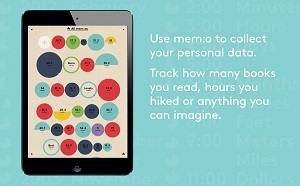
Mem:o is a free app that lets you track just about anything–every purchase you make online, how many hours you spend at the gym, every book you read, etc.
You can then view each data set, or “memo,” as a circle with the relevant information displayed. These memos populate onto a board or calendar for easy viewing, and you can share your collections with friends via social media.
Buy now
Mem:o
KINDLE PAPERWHITE 2
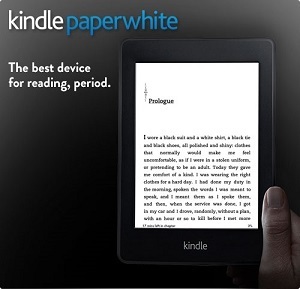
The beloved Kindle Paperwhite has gotten better.
In addition to the glare-free screen (great for reading in the sun), 8 weeks of battery life, built-in WiFi and free 3G, the second-generation Paperwhite features a new, higher contrast display that looks almost like a real book page, a faster processor, more accurate touch response, Goodreads integration, and more.
If you haven’t made the jump to an e-Reader yet, the new Paperwhite won’t disappoint you.
Buy now
AmazonAmazon UK
BOOK OF THE WEEK:
SHOGUN
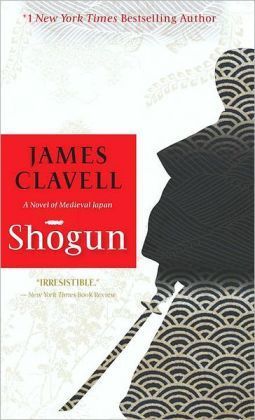
There’s a good reason why Shogun is widely considered one of the best novels of all time. It’s just one of those books that you wish would never end.
While it’s technically historical fiction, it really nails the fiction part. It’s not a mediocre story that tries to dazzle you with historical details.
Shogun follows the adventures of a shipwrecked English sailor in medieval Japan, John Blackthorne, who will introduce the country to the 17th century. The story is about so much more, though.
It’s a masterful tale of war, deception, “lost cause” heroism, and forbidden love, and it gives you an incredibly vivid insight into the fascinating era in Japanese history when the country was being conquered (er, united) by a powerful shogun named Tokugawa Ieyasu (Toranaga in the book).
It’s hard to summarize everything this book is in just a few paragraphs. You need to just experience it to understand.
Buy now
AmazonAmazon UK
What do you think of this week’s picks? Have anything you’d like to add? Let me know in the comments below!
September 4, 2013
Diet Plans That Suck: The HCG Diet
The “HCG diet” is very simple:
You eat 500 calories per day, and you inject or ingest a hormone called human chorionic gonadotropin (hCG), which is supposed to instruct your body to burn fat, not muscle.
It was started in the 1950s by a British physician, and it has enjoyed a nice resurgence of popularity thanks to hucksters like Kevin Trudeau (whose weight loss shenanigans got him a $5 million fine from the FTC and 3-year ban from infomercials), and “diet and pill of the day” pseudo-gurus like Dr. Oz.
People generally resort to the HCG diet for one, simple reason:
It results in rapid weight loss.
There’s no denying that it “works” in that sense–yes, you will lose weight, and yes you will lose it quickly.
HOWEVER…there’s more to this story. The HCG diet is not everything it’s cracked up to be, and is not advisable even as a temporary way to “jump start” your weight loss.
Let’s look at why.
HCG Doesn’t Help You Lose Weight, Preserve Muscle, or Feel Better
One of the big selling points of the HCG diet is the claim that the hormone will cause your body to burn fat and preserve muscle. There are also often claims about it blunting hunger and simply making you feel good.
Well, these claims have been repeatedly and categorically disproved in scientific literature.
Here’s how the scientists behind this definitive meta study of several decades of research on HCG and weight loss (24 clinical trials in all) summarized their findings:
“We conclude that there is no scientific evidence that HCG is effective in the treatment of obesity; it does not bring about weight-loss of fat-redistribution, nor does it reduce hunger or induce a feeling of well-being.”
As if that weren’t enough, you should also know that in 2011, the FDA began yanking off the market the pills, drops, and sprays containing hCG, denouncing them as “fraudulent and illegal.”
And what did the scammers do in response?
They started selling “hormone-free” pills, drops, and sprays that contain a mixture of amino acids that are claimed to deliver the same benefts.
Yeah, right.
So if HCG is worthless for weight loss purposes, then what about eating 500 calories per day? Is that a good way to lose weight?
The Truth About Very-Low-Calorie Diets and Rapid Weight Loss
Most weight loss diets are marketed in the same way:
LOSE X POUNDS IN Y DAYS!
The larger X is, and the smaller Y is, the more excited people generally get. They figure they can do anything for a few weeks if it means losing 10, 20, or even 30 pounds.
There’s a kicker, though:
Rapid weight loss is deceptive, is often followed by rapid weight gain, and can even harm your health.
How so?
When you restrict your calories, whether moderately or severely, a fair amount of the weight you initially lose is simply water.
You’ve probably heard this before, but you may not know why.
It boils down to your body’s utilization of a substance known as glycogen, which is a molecule stored in the liver and muscle tissue that can be used for the generation of cellular energy.
Your body produces glycogen from carbohydrate you eat, and every gram of glycogen requires 3-4 grams of water for storage.
When you restrict your carbohydrate intake, glycogen levels decrease, which also decreases the amount of water you hold in your body. The less carbohydrates you eat, the greater the effect.
As most very-low-calorie diets have you eating little-to-no carbs, the water loss can be quite significant.
Yes, you can lose 10 pounds in 5 days, but don’t think that’s primarily fat–it’s mostly water. In one study, subjects ate 300 calories per day for 36 days, and in the end, water accounted for 21-31% of total weight lost.
There’s more, though. What happens when you start eating again, and increase your intake of carbs?
That’s right, your glycogen levels quickly rise again, and with that comes a rapid increase in water weight.
This can be quite baffling and discouraging, and has led many people to believe the severe caloric restriction “didn’t work.”
Screw it then, bring on the pizza, and so begins the spiral of regaining any fat actually lost while dieting. (More on that in a minute…)
When you severely restrict your calories, you don’t just lose water and fat–you lose muscle too.
This is yet another reason why just praying for the scale go down isn’t enough.
Large caloric deficits induce muscle loss, and the larger the deficit, the more muscle you lose.
This is why many women wind up with the dreaded “skinny fat” body after several rounds of starvation diets–they just lose too much muscle along the way.
This isn’t just bad for your physique, either. Many people don’t know that the amount of muscle you have actually has a direct impact on your health.
Increasing our body’s lean mass…
Accelerates metabolism.
Bolsters the immune system.
Decreases risk of chronic disease.
Improves bone health.
And more.
Believe it or not, muscle strength alone is a reliable predictor of all-cause mortality. Yes, the weaker your body’s muscles are, the shorter your life span.
When you consider the fact that you naturally lose muscle as you age, you can see how important it is to combat this with exercise and proper nutrition, and how unhealthy it is to burn up muscle with starvation diets.
Severe caloric restriction often comes with severe hunger and discomfort.
This shouldn’t really come as a surprise, but you feel pretty miserable when you barely eat.
Sure, you can supplement with fiber to reduce hunger, but don’t expect it to make a huge difference. Starving sucks, period.
Your energy levels plummet.
You have intense cravings for food.
You find it harder and harder to focus.
You can feel depressed
And more.
Suffering like this really isn’t worth it when you can just follow a moderate weight loss regimen and lose weight without any physical or psychological stress.
Many people slowly, or quickly, regain the weight they lose on a very-low-calorie diet.
Even if someone has the will to defy their body’s needs for energy and tough it out for a month or two of starvation…
Eventually they stop, and they can’t wait to eat. And oh, do they eat.
This results in the rapid increase in water weight discussed earlier, and as the overeating continues, a slow–or not so slow–return of the fat lost while dieting.
Unfortunately, however, the muscle lost stays lost, so in the end, many people utilizing starvation diets accomplish nothing more than burning up some muscle as well as their nerves.
What is Healthy Weight Loss?
Here’s what healthy weight loss looks like:
Slow but steady weight loss. You should lose between .5 – 2 lbs per week depending on your current body fat percentage.
Little-to-no muscle loss. You still experience the initial “whoosh” of water weight, but after that, nearly 100% of weight lost should be from fat.
No real hunger issues. You may wish you could eat that steaming pizza or frosty ice cream, but you should never have to suffer through major hunger pangs.
When you lose weight healthily, it’s an easy, enjoyable ride, really. And fortunately, it’s very simple as well.
If you want to learn how to lose weight healthily, check out my article on flexible dieting, which is, in my opinion, the absolute best way to go about it.
What do you think about the HCG diet? Have anything else to add? Let me know in the comments below!
September 2, 2013
The Definitive Guide to Muscle Recovery
When it comes to accelerating muscle growth, most people gravitate toward training and supplementation strategies.
They look for fancy new workouts purportedly used by bodybuilders or celebrities, or supplements that claim to increase anabolic hormones or induce muscle growth in various other ways.
Some consider dietary strategies as well, but few give much thought to muscle recovery and how it relates to muscle growth.
Well, muscle recovery has everything to do with muscle growth, and is in fact the primary limiter of how much muscle you can actually gain. Regardless of how hard you train, if your body can’t recover properly, you won’t make any gains to speak of.
In this guide, we’re going to look at what muscle growth actually is and why recovery is such a vital part of the process, and what we can do to accelerate our muscle recovery and thus muscle growth.
Let’s get started.
How Muscle Recovery Affects Muscle Growth
Although simple, the physiological process of “muscle recovery” is actually a mystery to many people.
What exactly is happening when your muscles recover from a work out?
Well, every day, trillions of cells in your body are dying and being replaced. This is known as “cell turnover,” and it’s regulated by a complex system of proteins and hormones.
Our muscle cells are part of this process, of course, and the process by which degraded proteins are replaced is known as “protein biosynthesis,” or “protein synthesis.”
Under normal health and dietary circumstances, muscle tissue is fairly stable, and the cycle of cellular degradation and regeneration remains balanced. That is, the average person doesn’t lose or gain muscle at an accelerated rate–his or her lean mass more or less remains level. (Well, we actually slowly lose lean mass as we age, but you get the point.)
Now, when we engage in resistance training, we damage the cells in our muscle fibers. This is the real cause of muscle soreness, not lactic acid buildup, as some people believe.
This cellular damage signals the body to begin the repair process, which requires an acceleration of the normal rate of protein synthesis. As you have probably heard, this process is regulated by anabolic hormones like testosterone, human growth hormone, insulin-like growth factor-1 (IGF 1), and others.
Our body is smart, too.
It doesn’t want to just repair the muscle fiber to its previous state–it wants to adapt it to better deal with the type of stimulus that caused the damage.That is, it wants to add cells to the muscle fibers, which makes them bigger and stronger.
Thus, what we think of as just “muscle growth” is actually the result of protein synthesis rates exceeding protein breakdown rates. At the end of, let’s say, every 24-hour period, if your body synthesized more muscle proteins than it lost, you gained muscle. If it didn’t, you didn’t.
Now, the reason I brought all this up is to highlight the importance of muscle recovery, and how it relates to muscle growth. Improving muscle recovery boils down to increasing protein synthesis and decreasing protein breakdown, which results in a “net protein gain,” which we see as increased muscle size and strength.
So, with all that out of the way, let’s now look at some strategies for improving muscle recovery.
Total Caloric Intake and Muscle Recovery
If you provide your body with less energy (calories) than it burns, you are placing it in what is known as a “calorie deficit.”
This is how you lose fat, but it comes with a price: reduced anabolic hormone levels and impaired protein synthesis.
That’s why you generally can’t build muscle while simultaneously losing fat–the calorie restriction necessary for weight loss prevents it. And that’s why you need to make sure you’re eating enough food every day if you want to maximize muscle recovery and muscle growth.
How many calories should you eat every day, then?
Well, you want to ensure you’re at least eating as many calories you’re burning every day. A slight surplus, 10-20%, is advisable to maximize protein synthesis rates.
An accurate way to measure how much energy you’re burning is to use the Katch McArdle formula to determine your basal metabolic rate, and multiply it as follows:
By 1.2 if you exercise 1-3 hours per week.
By 1.375 if you exercise 4-8 hours per week.
By 1.55 if you exercise 9+ hours per week.
For example, I weigh 190 lbs and am about 7% body fat, and per the above formula, I burn about 2,800 calories per day.
This is what I’m currently eating every day, and it’s allowing me to make slow, steady increases in strength and size while staying lean.
Protein and Muscle Recovery
We’ve all heard that a high-protein diet is important for building muscle, and now you know why: dietary protein provides your body with the raw amino acids it needs to synthesize its own proteins.
This is why eating enough protein every day is an important part of maximizing muscle recovery.
How much is enough though?
Research has shown that protein should comprise approximately 30% of your daily calories. For most people, that comes out to be about 1 gram per pound of body weight.
While meal timing isn’t generally important, having protein both before and after your exercise is advisable, as it has been shown to enhance recovery, immune function, and growth and maintenance of lean body mass.
Carbohydrate Intake and Muscle Recovery
While low-carb diets are trendy these days, they suck for those of us trying to get bigger, leaner, and stronger. (No, low-carb is not necessary for getting and staying lean.)
Why?
For two primary reasons:
Carbohydrates supply our body with the molecules needed to synthesize glycogen, which improves physical performance.
Building muscle strength and size requires that we continually push our muscles harder and harder (progressive overload), and this is essentially impossible when our glycogen levels are chronically low. (which is one of the byproducts of reducing carbohydrate intake)
Furthermore, research has shown that when muscle glycogen levels are low, exercise-induced muscle breakdown is accelerated.
Why is that bad? Aren’t we trying to break down our muscles with exercise?
Yes, but remember that our body can only synthesize so many muscle proteins every day. If we cause too much damage with our exercise, our body simply won’t be able to keep up with repair, which can result in us actually losing muscle despite regular training.
Carbohydrates stimulate the production of insulin, which doesn’t induce protein synthesis, but does inhibit protein breakdown and thus affects overall muscle growth.
One study compared high- vs. low-carbohydrate dieting and found that a subjects following the low-carb diet had increased protein degradation and reduced protein synthesis rates, resulting is less overall muscle growth.
While low-carb dieting has benefits for those with impaired glucose metabolism (diabetics or pre-diabetics, for example), it is not good for maximizing muscle growth.
So how how many carbs should you be eating every day?
A good place to start is getting 30-50% of your daily calories from carbohydrate.
It’s also worth noting that post-exercise carbohydrate intake will result in an accelerated rate of glycogen resynthesis. Shoot for about 1.5 grams of post-exercise carbohydrate per kilogram of body weight.
Sleep and Muscle Recovery
Getting enough sleep important for muscle recovery as well (not to mention general health).
Research has shown that sleep deprivation can cause muscle loss, and it has also been linked to muscular atrophy.
One study conducted by the University of Chicago found that when 10 healthy men reduced sleep for a week from about 9 hours per night to 5, their testosterone levels dropped by up to 14% during the day.
It’s also known that insufficient sleep decreases growth hormone and insulin-like growth factor-I (IGF-1) levels, which play important roles in maintaining muscle mass.
Sleep deprivation has quite a few other negative effects as well, including decreased fat loss, increased risk of chronic disease, reduced physical performance, and more.
How much sleep should you get, then?
Sleep needs vary from individual to individual, but according to the National Sleep Foundation, adults need 7–9 hours of sleep per night to avoid the negative effects of sleep deprivation.
There’s another factor to consider when looking at sleep and muscle recovery.
Most of us would assume that our bodies does a large amount of muscle repair while we sleep, but research has actually shown that muscle protein synthesis rates are quite low during this time.
Why?
Because of the limited available of amino acids.
You see, unless we eat protein before we go to sleep, our body runs out of amino acids with which to rebuild itself and must wait until our next meal to continue the process.
Keep in mind that this doesn’t mean you lose muscle while you sleep (this is a myth), it just means that without the raw materials necessary for recovery, your muscles can’t recover. And your body gets those raw materials from absorbing nutrients (amino acids primarily) in food you eat.
Thus, it’s no surprise that research has shown that eating a slow-burning protein like casein before going to sleep helps with muscle recovery.
Supplements and Muscle Recovery
You can find a supplement for just about anything, and recovery supplements are quite popular.
Let’s look at some of the common ones and whether they work or not.
BCAAs and Recovery
BCAAs taken both before and after exercise has been shown to reduce muscle breakdown and accelerates recovery…BUT…that doesn’t mean you should necessarily buy some.
Why?
Because eating protein accomplishes the same thing, and especially a fast-asborbing protein that’s high in leucine (an amino acid that strongly initiates protein synthesis), like whey.
I only use BCAAs if I’m training fasted.
Glutamine and Recovery
Another common product sold as a muscle-building, recovery agent is the amino acid glutamine.
At first glance, it looks like supplementation with glutamine would work as promised.
Research has shown that intramuscular glutamine levels play an important role in protein synthesis and the prevention of muscle breakdown. It also improves the body’s ability to use leucine.
But here’s the kicker: there’s no research to indicate that supplementation with glutamine improves protein synthesis in healthy, well-fed adults (as opposed to humans and rats in diseased or under-fed states).
To the contrary, in fact, several studies conducted with healthy adults showed that supplementation with glutamine has no effect on protein synthesis, muscle performance, body composition, or the prevention of muscle breakdown.
Now, while supplementation with glutamine won’t help your muscles recover, it has been shown to help the body deal with the systemic stresses of regular, prolonged exercise. That is, it can help prevent overtraining.
I supplement with glutamine for this reason.
Creatine and Recovery
Creatine is a substance found naturally in the body and in foods like red meat. It is perhaps the most researched dietary supplement in the world of sports nutrition–the subject of over 200 studies.
Among its many benefits are reduced exercise-induced muscle damage and inflammation.
Yet another reason to supplement with creatine.
Carnitine and Recovery
Carnitine is a compound that your body produces from the amino acids lysine and methionine, and it plays a vital role in the generation of cellular energy.
Research has shown that supplementation with carnitine reduces exercise-induced muscle damage and soreness, and improves muscle repair.
Do you have any muscle recovery tips you’d like to share? Did you like this guide? Let me know in the comments below!
August 31, 2013
Recipe of the Week: Sweet Potato Chips
This recipe from my cookbook, The Shredded Chef, and it’s a simple twist on the good old sweet potato.
These chips are quite tasty, and the convenience factor is great as well. They’re perfect for when you need quick, healthy carbs, and are a great on-the-go snack.
Servings
4
Calories Per Serving
82
Protein Per Serving
1 gram
Carbohydrates Per Serving
12 grams
Fat Per Serving
4 grams
Ingredients
2 medium sweet potatoes, peeled and thinly sliced
1 tablespoon extra-virgin olive oil
1/2 teaspoon salt
1/2 teaspoon cinnamon
Instructions
Position one rack in the center and one in the lower position of the oven and preheat oven to 400ºF.
Place the sweet potatoes in a large bowl and drizzle extra-virgin olive oil over top, toss to coat well. Spread potatoes evenly over 2 baking sheets, sprinkle cinnamon over top, and place in oven.
Bake, flipping once half way through, until centers are soft and edges are slightly crispy, about 22 – 25 minutes. Sprinkle salt over top.
What You Get to Eat

August 30, 2013
Cool Stuff of the Week: Serious BBQ, Game of Thrones Exclusive Set, Insane Yo-Yo Skills, and More…
I’m not ashamed to admit that I’m kind of a sucker for cool stuff. I like nifty gadgets, quirky decoration pieces, nice clothes (and shoes!), good books, and fun games.
In this series of weekly posts, I share whatever currently has my fancy. Maybe some of it will catch yours as well!
VIDEO OF THE WEEK:
INSANE YO-YO SKILLS (2013 WORLD CHAMPION)
And I thought I was cool when I learned Walk the Dog…
BEDDIT
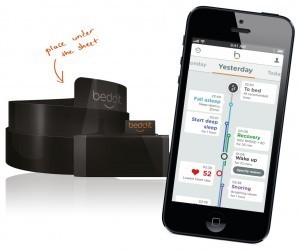
Beddit automatically tracks your sleeping patterns, heart rate, breathing, snoring, movements and environment. In the morning, Beddit tells you how you slept and how to do it better.
Just place the Beddit ultra thin film sensor in your bed or under the sheet and it starts tracking. There are no wearable sensors, which to me is a big plus.
Buy now
Beddit
GAME OF THRONES SEASON 3 AMAZON EXCLUSIVE

We need a good reason to buy discs these days, and this one is actually pretty tempting.
This Amazon exclusive box is a durable, heavy 3D replica of the poster that was released for the third season of the show, and it looks pretty awesome. Can you say collector’s item?
Buy now
Amazon
MAKR DAYPACK
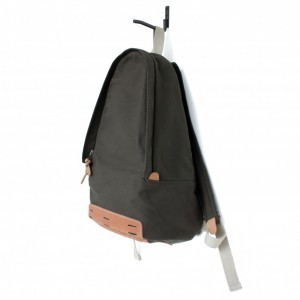
I love MAKR’s rugged, minimalist style, and their backpack doesn’t disappoint.
It’s a heavy cotton duck canvas bag with leather accents, and it’s available in six different colors.
Buy now
MAKR
BOOK OF THE WEEK:
SERIOUS BARBECUE
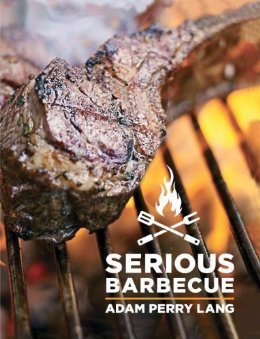
Great barbecue food makes an epic cheat meal, and this is one of the better barbecue cookbooks I’ve come across.
Lang, the author, owns one of the most well-known BBQ restaurants in NYC (Daisy Mays), and in this book, he does more than give you a variety of interesting recipes–he actually teaches you the art of barbecuing, which makes all the difference.
If you love cooking meat with fire, then you need to get this cookbook. It will take your BBQ game to another level. (First recipe to try: Salt and Pepper Dry-Aged Cowboy-Cut Rib Eye. You’ll never eat rib eye any other way again.)
Buy now
AmazonAmazon UK
What do you think of this week’s picks? Have anything you’d like to add? Let me know in the comments below!
August 28, 2013
What is “If It Fits Your Macros” and Does It Work?
If you lurk in any of the Internet bodybuilding communities, you’ve surely heard of people talking about “If It Fits Your Macros.”
And chances are many of the conversations were about eating junk food while dieting or pounding post-workout Pop Tarts or some such thing.
But is that all If It Fits Your Macros really is? An excuse to eat fast food and ice cream every day?
Is it just another fad that will come and go?
Well, let’s find out…
What the Hell is a “Macro?”
“Macro” is a contraction of “macronutrient,” which is defined as follows:
A macronutrient is any of the nutritional components of the diet that are required in relatively large amounts: protein, carbohydrate, fat, and minerals such as calcium, zinc, iron, magnesium, and phosphorous.
Simple enough. Moving along.
What is the “If It Fits Your Macros” Diet?
If It Fits Your Macros, or IIFYM as the “cool crowd” calls it, is relatively new as a meme, but the dietary principles have actually been around for quite some time in the bodybuilding world, just under another name (flexible dieting).
IIFYM, or flexible dieting, is a method of dieting that revolves around meeting daily macronutritional intake targets, and not on what you eat to get there.
That is, you plan your daily meals to provide you with so much protein, carbohydrate, and fat, based on your goal (lose fat or build muscle). It’s essentially a form of calorie counting (a gram of protein and carbohydrate both contain about 4 calories, and a gram of fat contains about 9).
For instance, I’m currently eating to maintain my body fat percentage while allowing for slow but steady strength and muscle growth, and my daily “macros” look like this:
200 grams of protein per day
300 grams of carbohydrate per day
80 grams of fat per day
(About 2,700 calories per day)
This caloric number gives my body more or less the energy it burns every day, which means my body fat percentage stays steady.
Now, here’s the part of If It Fits Your Macros that throws many people for a loop:
According to its principles, so long as I hit those numbers every day, the foods I eat to get there will not negatively affect my body composition.
My protein could come from 99% lean ground turkey or fatty ground beef, my carbs from sweet potatoes or candy, and my fats from olive oil or ice cream, and so long as I “hit my macros,” I will be able to lose fat or build muscle as desired.
If that sounds ridiculous to you, read on…
Does the “If It Fits Your Macros” Work?
The short answer is yes, it absolutely works–flexible dieting is exactly what I go over and recommend in my books.
But let’s dive a bit deeper so you fully understand why it works, and how you can apply it optimally and successfully.
Let’s start with a quick discussion of “calories in, calories out” and how it relates to your body.
Your body burns a certain amount of energy every day, and this can be measured in calories. The energy in food can be measured in the same way.
A calorie is the amount of energy required to heat up one kilogram of water one degree Celsius.
Now, in order to lose fat, you need to feed your body less energy than it burns. When you do this, it must get the energy it needs from somewhere, and its “go to source” is its fat stores.
This is an absolutely irrefutable scientific fact. When we’re talking strictly weight loss, a calorie is a calorie, regardless of where it comes from.
You could eat nothing but Doritos and Twinkies every day and lose weight so long as you feed your body less energy than it burns.
Don’t believe me? Well, professor Mark Haub did just that and lost 27 pounds in 2 months.
The point is clear:
If all you want to do is lose some weight, calculate how many calories you burn every day, eat 20% less than that (keep yourself in what is known as a caloric deficit) and voila, you will lose weight regardless of what you eat to get those calories.
So then, why count macros instead?
Because a calorie is not a calorie when we’re talking body composition.
What I mean is if you want to lose weight while also maintaining as much lean mass as possible, you need to do more than just maintain a caloric deficit.
You need to ensure you get enough protein every day to preserve muscle.
You need to ensure you eat enough carbs, which provide your muscles with the glycogen stores needed to maintain training intensity.
(And in case you’re worried that eating carbs will make you fat, check out my article on carbohydrates and weight loss to learn why this isn’t true.)
You need to ensure you eat enough healthy fats, which play an important role in hormone synthesis.
This is why counting macros is superior to counting just calories. It allows you to focus on improving body composition, not simply dropping or gaining pounds.
Now, just like with counting calories, what you eat to hit your macro targets is of secondary importance when we’re talking body composition.
In the end, the carbs in the Twinkie turn into glucose and glycogen just like the carbs in broccoli. The protein in the 5 Guys burger is made up of the same amino acids as the trimmed chicken breast.
That said, Twinkies are not the same as broccoli, and eating a bunch of 5 Guys meat every day is not a good idea. And this brings me to what I don’t like about the “If It Fits Your Macros” movement…
Using IIFYM to “Eat Junk and Get Shredded” is Stupid
Just because you can eat a box of Pop Tarts every day and lose weight doesn’t mean you should.
Remember that food is more than a mere source of protein, carbohydrate, and fat–it’s also our source of vital micronutrients (vitamins and minerals) that support our body’s many physiological functions.
A major problem with candy and other sugary treats, many processed foods, fast food, and so forth is they’re horribly deficient in micronutrients. A major benefit of eating “clean” is it provides your body with an abundance of micronutrients.
If you eat too much junk food, and too few healthy foods, you will develop vitamin and mineral deficiencies that can cause many different health problems.
Furthermore…
When we consider eating a lot of high-glycemic carbohydrates, we shouldn’t ignore research associating increased consumption with an increased risk for chronic disease.
You don’t have to completely abstain from high-glycemic carbs, but it’s much smarter to rely mainly on medium- and low-GI options.
If we eat too much low-quality, processed meat, we may be increasing our risk of cancer.
Sure, our bodies can use McDonalds burger patties to build muscle, and we could use flexible dieting to eat them every day, but is it worth the potential health risks?
The more trans fats (found in many processed foods) we eat, the higher our risk of heart disease, diabetes, infertility, and more.
There’s a reason why the Institute of Medicine recommends that our trans fat intake be “as low as possible.” The stuff is bad.
My point is health matters more than how you look.
Being shredded doesn’t matter if your hormone profile is whacked, your immune system is suppressed, and your body is starving for nutrients.
The Proper Way to Use IIFYM Principles
The best way to use the principles of IIFYM, or flexible dieting as I prefer to call it, are as follows:
Get at least 80% of your daily calories from healthy (micronutrient dense) foods that you actually like.
One of the biggest problems people run into when dieting is they get to a point where they just can’t stomach chicken and steamed veggies anymore, and one taste of something savory leads to an all-out binge.
Well, the best way to avoid this is to simply eat healthy foods that you like every day.
For instance, if you would rather have a steak than chicken, work it into your meal plan (adjust for the additional fat). If you really would like some whole wheat pasta (low-GI, great source of fiber), adjust your carbs for the day to allow for it. If some whole-fat Greek yogurt would really hit the spot, cut out the olive oil or cheese on your lunch salad to fit it in.
Oh and if you’re worried that eating healthy foods is too expensive, check out my article on eating healthy foods on a budget. It should help you out.
Don’t be afraid of little indulgences.
So long as the vast majority of your daily calories come from healthy foods full of micronutrients, feel free to include some non-nutritive treats if you so desire.
For instance, if you love chocolate, work some into your numbers for the day. If you’ve been eyeing that exquisite gelato for a couple of days now, don’t be afraid to make room for a couple hundred calories’ worth after dinner.
Personally, I get about 90-95% of my daily calories from healthy foods, but I’ll usually include some kind of little dessert every day in the form of a coconut ice cream product or some chocolate or what have you.
Don’t be afraid to play with your meal timing.
If the foods you like to eat tend to be more calorie dense, an easy way to work them into your macros is to reduce your meal frequency (thus allowing you to increase meal size).
Don’t be afraid to do this. You don’t have to eat protein every 2-3 hours to avoid “going catabolic.” Your metabolism won’t slow down if you eat 3 meals per day instead of 7.
I prefer to eat more, smaller meals every day, but that isn’t a dietary prerequisite. So long as you hit your daily macro numbers, doing it in 4 meals instead of 8, or vice versa, is totally fine.
So, that’s how flexible dieting works, and how to use it to free yourself from dietary dogmas of the past (no carbs, no sugar, lean proteins only, no junk food ever, eat every 2-3 hours, etc.).
I hope this helps you spice up your meal plans. Happy eating!
What do you think about flexible dieting? Have anything else you’d like to add? Let me know in the comments below!


