
Michael Matthews's Blog, page 141
October 14, 2013
The Best Way to Gain Muscle Without Getting Fat
Like many things in the world of fitness, there’s a lot of controversy over the best way to get big and lean.
Some people say bulking and cutting is the best way to get there, while others say bulking and cutting doesn’t work, and that you have to learn how to gain muscle, not fat.
Opinions among those that subscribe to either of these schools of thought vary, as well.
Many bodybuilders believe that a proper bulk involves eating 4,000+ calories per day, while others believe in a more moderate intake. Many claim that intermittent fasting is the key to gaining muscle while maintaining, or even decreasing, body fat percentage.
The result of all the noise is confusion, of course, and I come across it every day.
One of the most common questions I get asked is, “Should I bulk, cut, or just try to build lean muscle?”
Well, in this article I’m going to fully answer this question.
So, let’s begin with a couple fundamental points of physiology that explain how diet actually affects our ability to build muscle.
Do You Have to “Eat Big to Get Big”?
This cheesy cliche has been around the bodybuilding world for decades because there’s truth in it.
The amount of food you eat every day absolutely impacts your body’s ability to build muscle.
Note that I said the amount of FOOD that you eat every day…not the amount of PROTEIN, as is commonly believed. Eating massive amounts of protein every day is not necessary for maximizing muscle growth.
Now, do you know why the amount of food affects your body’s ability to build muscle? It’s actually quite simple:
Your body burns a certain amount of energy every day. This can be measured in calories (and a calorie is defined as “the amount of energy required to heat 1 kg of water 1 degree Celsius at one atmosphere of pressure”).
Your body gets this energy it needs primarily from the food you feed it, and from its fat stores.
Now, if you feed your body less energy than it burns, you’ve put it into what is known as a “calorie deficit.” This results in weight loss (the loss of water, glycogen, fat, and sometimes muscle).
When you do this, however, your body’s ability to create muscle proteins is impaired. That is, it can’t build muscle efficiently when it’s in a calorie deficit.
This is why it’s commonly accepted that you can’t build muscle and lose fat. (Although under the right circumstances, some people can.)
Now, when you’re trying to maximize muscle growth, regardless of the dietary protocol used, you have to ensure you’re not in a calorie deficit. This is why you have to, in a sense, “eat big to get big.”
I emphasized “regardless of the dietary protocol” because many people don’t realize that you simply can’t cheat this physiological rule.
No matter how you eat your food–intermittent fasting, carb cycling, IIFYM, etc.–if you’re in a calorie deficit several days per week, you will build little-to-no muscle if you’re a relatively lean, experienced weightlifter.
“What about recomps?” you might be thinking. “There are guys out there building muscle while losing fat…what’s up with that?”
Well, let’s talk about it.
Beware the “Body Recomp” Trap
The “body recomp” is the fitness pitfall du jour.
In case you’re not familiar with the term, it’s referring to building muscle and losing fat simultaneously (“recomp” is short for “recomposition,” which refers to changing the composition of your weight by adding muscle and shedding fat).
We have a lot to cover in this article, so I’ll be brief here:
The only drug-free people that can effectively build muscle and lose fat simultaneously are newbies that have a fair amount of fat to lose.
I explain why in my article on building muscle and losing fat at the same time, but know this:
If you’re an experienced natural weightlifter that has already made considerable muscle gains, you will not be able to build muscle and lose fat at the same time. Period.
Unfortunately, many guys spin their wheels for years chasing the recomp, jumping from one fad workout and diet to next, with little to nothing to show for it.
Here’s the big secret of experienced, accomplished weightlifters that are able to build muscle while getting lean: drugs…lots and lots of drugs.
So please, do yourself a favor and unless you’re an overweight newbie, don’t even try to build muscle and lose fat simultaneously. Focus on one or the other, and you will actually make progress.
Now, let’s get back to the question of food intake and muscle building.
If building muscle efficiently requires eating enough food, how much is enough?
How Much Do You Have to Eat to Maximize Muscle Growth?
The traditional “bulk” is like a dietary sledgehammer: it has you slamming down thousands upon thousands of calories every day, getting fatter and fatter, without really knowing why.
While yes, that’s one way to ensure you’re not in a calorie deficit, does building muscle really require that much eating?
Fortunately for our wallets, stomachs, and sanity, it doesn’t.
In fact, this mainstream approach to “bulking” doesn’t work for many people for several reasons:
Many people don’t train properly, and thus can’t build much muscle regardless of how much food they eat.
The more fat you have to lose, the longer you have to “cut.”
This is not only tougher psychologically, but the longer you have to cut, the more prone you are to losing muscle even if you know what you’re doing.
Many people don’t know how to cut properly, and lose way too much muscle in the process.
Thus, a traditional “bulk and cut” often goes like this: Gain some muscle and a bunch of fat, strip away fat and muscle, look exactly the same as the starting point.
Incredibly common, and incredibly frustrating.
The way to escape this trap is threefold:
Don’t eat excessive amounts of food when you’re “bulking.”
Train to maximize strength and muscle growth, not pumps and muscle endurance.
When it comes time to cut, follow a proper weight loss routine that allows you to strip fat while maintaining muscle.
Now, in terms of how much food you should actually eat to maximize muscle growth, here’s a simple rule of thumb:
Eat 10% more calories than you burn every day to maximize muscle growth and minimize fat storage.
By maintaining a small “calorie surplus,” you ensure that your body’s ability to synthesize muscle proteins can work at full capacity, and you minimize fat storage. (I say minimize because there will be some due to the surplus–that’s just how the body works.)
And in case you’re not sure how to calculate this 10% surplus, it’s very simple:
An accurate way to measure how much energy you’re burning is to use the Katch McArdle formula to determine your basal metabolic rate (BMR), and multiply it as follows:
By 1.2 if you exercise 1-3 hours per week.
By 1.375 if you exercise 4-8 hours per week.
By 1.55 if you exercise 9+ hours per week.
This gives you a good approximation of your total daily energy expenditure (TDEE), which is simply the total amount of calories you’re burning each day.
To put yourself in a 10% surplus, multiply your TDEE by 1.1 and voila, you’ve got your starting point.
For example, I currently weigh 193, I’m about 7.5% body fat, and I exercise 5 – 6 hours per week.
My BMR is about 2,200 calories per day. I then multiply that by 1.375 to get my total daily expenditure, which is about 3,000 calories per day. I then multiply that by 1.1 to get my bulking calories, which is 3,300 per day.
That’s theory, though. How does it actually work in practice?
Well, it turns out that the 3,300 – 3,500 range is my body’s “sweet spot” for building muscle without storing excessive amounts of fat. Sure, I gain fat slowly, but it’s minimal, and I’m strong in the gym and able to gain muscle.
That said, note that I said “starting point” a few lines up. That’s because no formulas are one-size-fits-all. Some people’s metabolisms are just faster and slower than the norm, and adjustments must be made.
For instance, I work with quite a few 160 – 170 pound guys that need to eat over 4,000 calories per day just to gain 1 lb per week, with very little fat storage. If I were to eat that much, I would gain fat fast despite the fact that I have a good 30 – 40 pounds of muscle on those guys.
This is why you need to actually watch your body and measurements (mirror, weight, body fat percentage, waist, etc.) when you’re bulking.
Here a good rule of thumb in terms of expectations:
If you still have a ways to go before reaching your genetic potential in terms of muscle growth, you want to tweak your diet until you are gaining between .5 - 1.5 pounds of weight per week.
If you’re gaining more than 2 pounds per week for any more than your first 2 – 3 weeks of weightlifting, then you’re eating too much (you’re gaining too much fat).
If you’re gaining less than 1 pound per week and you still haven’t gained your first 20 pounds of muscle, then you can benefit from eating a bit more.
So, that’s how you bulk properly–you eat a moderate amount of food that puts your body in a mild calorie surplus. This allows you to gain more muscle than fat.
But before I sign off, I want to address one other point: when should you bulk, and when should you cut, and why?
When and Why to Bulk and Cut
I like to keep this simple:
If you’re over 15% body fat (guys, 25% for gals), you should cut fat.
There’s the visual factor (once you get above 15%, you begin looking “fat”–abs completely disappear, muscles look like big blobs, etc.), but there’s more.
Being overweight not only comes with all kinds of health risks,it also accelerates the rate of fat storage (the fatter you are, the easier it is to get fatter and stay fat), and gets in the way of building muscle.
How?
Because as body fat levels rise…
Insulin sensitivity drops.
As the body becomes more insulin resistant, its ability to burn fat decreases, and the likelihood of storing carbohydrate as fat increases. Furthermore, insulin resistance suppresses intracellular signaling responsible for protein synthesis, which means less total muscle growth.
Free testosterone levels drop, and estrogen levels rise.
As testosterone plays a vital role in the process of muscle building, and high levels of estrogen promotes fat storage, the downsides here are clear.
The reality is excessive weight gain during a “dirty” or “dreamer bulk” impairs muscle growth and makes undoing the weight gain even harder.
This is why I always recommend that people don’t bulk if they’re over 15% body fat, and end their bulks once they reach 15 – 17% and begin cutting (this is where the above problems really start to kick in).
If you’re between 10 – 12% body fat and need to put on size, you should bulk.
The other side of this coin is the small, relatively lean guy that’s bit too obsessed with the idea of getting a six pack before putting on some body fat to build muscle.
The problem with this is simple:
Even if the guy is new to lifting and can build some muscle while losing fat, it won’t be enough to keep him from looking absolutely scrawny should he get to the 7-8% body fat range.
What many guys don’t realize is how much visual size you lose once you get below 10%. You drop quite a bit of water and glycogen, which flattens everything out.
This is why I recommend that guys juggle their cuts and bulks to remain in the 10 – 17% body fat range until they reach a point where they’re absolutely satisfied with their overall size, and then cut below 10%.
Ironically, you can be satisfied with your size at 10% and be quite disappointed with it at 7%. For many (including myself), they need to reach a point where they feel they’re TOO big at 10% to have the look they want at 7%.
But eventually you reach a point where you’re happy with your look in the 7-8% body fat range, and you simply maintain it.
What are your thoughts on proper bulking to build muscle? Have anything else to add? Lemme know in the comments below!


October 12, 2013
Recipe of the Week: Maple Pumpkin Protein Bars
Store-bought protein bars are usually junk, but homemade bars are awesome.
This recipe is from my cookbook, Eat Green Get Lean, and it uses maple syrup and pumpkin…need I say more? 
In all seriousness, these bars are not only extremely tasty, their macronutritional profile makes them very versatile. One serving is a perfect on-the-go, pre-workout, mid-morning, or mid-afternoon snack, and two servings even works as a post-workout meal.
Hope you enjoy!
Servings
10 (1 bar per serving)
Calories Per Serving
252
Protein Per Serving
20 grams
Carbohydrates Per Serving
38 grams
Fat Per Serving
2 grams
Ingredients
1 (15 ounce) can Great Northern beans, drained and rinsed
1/2 cup pumpkin purée
4 tablespoons maple syrup
1 teaspoon pumpkin pie spice
1/4 teaspoon salt
1 cup raisin bran cereal
6 scoops vanilla whey protein powder
1 1/2 cups old-fashioned oats
1 cup spelt flour (or substitute of your choice)

Instructions
Preheat oven to 350°F.
In a food processor or blender add all the ingredients except the oats and flour. Blend until smooth, then pour in dry ingredients and pulse until just combined.
Lightly coat a 9 x 13 inch baking dish in cooking spray and spread the mixture out evenly.
Place in oven and bake for 15 – 18 minutes, or until set. Remove and cut into 10 bars.
What You Get to Eat

October 11, 2013
Cool Stuff of the Week: Star Wars: Frames, Nest Protect, Quinn Popcorn, and more…
I’m not ashamed to admit that I’m kind of a sucker for cool stuff. I like nifty gadgets, quirky decoration pieces, nice clothes (and shoes!), good books, and fun games.
In this series of weekly posts, I share whatever currently has my fancy. Maybe some of it will catch yours as well!
VIDEO OF THE WEEK:
THE SCARECROW BY CHIPOTLE (CHIPOTLE VS. MONSANTO)
Every so often a marketing piece or campaign comes along that just makes you say “wow.” This is one of them.
Oh and Fiona Apple’s rendition of “Pure Imagination” is just outrageously good.
STAR WARS: FRAMES

If you’re an avid Star Wars fan like me, you’re going to want this.
For two years Lucas went through more than 150,000 frames per film, editing more than 1 million frames, and chose 1,416 images that now comprise Star Wars: Frames,
The selected images are printed in two beautiful hardcover volumes–one for the Original Trilogy, and another for the Prequel Trilogy–which come in a beautiful sleeve.
Buy now
Amazon
NEST PROTECT

You’re just about to doze off when a screeching chirp rips through the silence.
Oh please no.
It fires again. And the best part is you’re out of 9-volt batteries.
You grab a broom and off comes the smoke alarm, never to return again.
A common, but dangerous scenario.
According to the National Fire Protection Association (NFPA), almost two-thirds of US home fire deaths happened in homes with no smoke alarm or no working smoke alarm.
Well, the Nest Protect is the solution. It features…
A status ring that glows green when everything is okay, yellow when there’s a potential problem, and red when there’s an emergency).
Real voice alert.
An interactive sensor that responds to the wave of a hand.
Smartphone or tablet monitoring.
A built-in nightlight.
And more…
As a satisfied owner of the Nest Thermostat, I’ll be getting a Protect (releases in November).
Buy now
Amazon
QUINN POPCORN
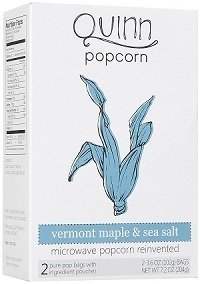
Microwaved popcorn truly is a delicious snack, but it’s not so hot in terms of healthiness.
Namely, there’s the toxic chemicals in the bags, the trans fatty acids in the oils, and the GMO issue .
Quinn Popcorn is different, though. The bag is chemical-free paper, the corn organic, and the oil not only free of trans fats, but containing omega-3 fatty acids.
Flavors include parmesan and rosemary, Vermont maple and sea salt, butter and sea salt, hickory smoked cheddar, olive oil and herbs, and lemon and sea salt.
Buy now
Amazon
BOOK OF THE WEEK:
THE BOURNE IDENTITY
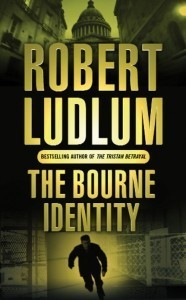
I’m not even a huge fan of Ludlum’s, but this just a great thriller.
And if you liked the movie, but if you haven’t read the book, you’re missing out (the movie only tells half of the story, which was a good call I think).
In case you’re not familiar with the story, here’s a summary:
“The Bourne Identity is the story of a man whose wounded body is discovered by fishermen who nurse him back to health. He can remember nothing and begins to try to rebuild his memory based on clues such as the Swiss bank account, the number of which, is implanted in his hip. He soon realizes that he is being hunted and takes off with Marie on a search to find out who he is and why he is being hunted.”
What really makes the book work for me is the terrific plotting (interesting circumstances, perfect pacing, layered conflicts without getting overly complex), the unrelenting suspense, and the sheer vicarious thrill of stepping into the shoes of a tough, smart, assassin on the run, trying to figure out from whom and why.
All in all, The Bourne Identity is one of my favorite spy books. On par with, if not better than, The Spy Who Came in From the Cold.
Buy now
AmazonAmazon UK
What do you think of this week’s picks? Have anything you’d like to add? Let me know in the comments below!
October 9, 2013
How to Build Muscle in Your 40s and Beyond
Every week I get emailed by at least a few guys that ask if it’s too late to build muscle and get fit.
Most are very pleasantly surprised when I explain that it’s most definitely NOT too late, and that I’m regularly working with guys in their 50s and even 60s who are rapidly building muscle and getting into the best shape of their lives.
How should people in their 40s and beyond go about building muscle, though? Certainly they can’t train and eat like the 20-year-olds, right?
Well, you might be surprised to learn that not nearly as much changes as people think.
Let’s look at the details.
Scientific Proof That the Middle-Aged Can Build Plenty of Muscle
One of the first things I refer people worried about age squashing their dreams of being fit is a study conducted by the University of Oklahoma.
In this study, 24 college-aged (18 – 22) and 25 middle-aged (35 – 50) men followed the same weightlifting routine for 8 weeks. Researchers used DEXA scans for pre- and post-routine measurements, and they found that the middle-aged men built just as much as their college-aged counterparts!
In fact, the middle-aged men built a little more on average, but it wasn’t enough to be statistically significant.
Strength gains were comparable as well:
The middle-aged men gained an average of 14 pounds of strength on the bench press, and 40 pounds on the leg press.
The college-aged men gained an average of 7 pounds of strength on the bench press, and 55 pounds on the leg press.
People 60 and beyond aren’t left out of the party, either.
Research has shown that they too can build significant amounts of muscle and strength, and that doing so is actually a great way to fight the “dwindling health spiral” normally associated with aging.
These findings agree with my experiences working with hundreds of men and women aged 40 – 70. One for one they are able to build visible muscle, get lean, and improve their overall health and well-being. In many cases, they’re able to get into the best shape of their lives.
The bottom line is you can get into great shape at any age.
Training Tips for the Middle-Aged
If you’re middle-aged and excited to learn that it’s not too late, you’re probably wondering what’s the best way to go about it.
Fortunately, age doesn’t change much in terms of routine, but there are a few points you should know.
While I’m a big proponent of heavy weightlifting, you may need to take it easy.
Heavy, compound lifting is the absolute best way to build muscle and strength. But it also demands a lot from your body–it causes considerable damage to your muscle fibers and places a large load on the joints.
You shouldn’t be afraid of heavy weightlifting, even if you’re in your 50s or 60s, but if you’re not an experienced weightlifter, I recommend you start your training in the 8 – 10 rep range and stay there until exercises feel very comfortable.
You can then move into 6 – 8 rep range and work with that until it feels completely stable and comfortable. You can then move into the 4 – 6 rep range, which I recommend in my Bigger Leaner Stronger program, but it’s not mandatory. You have to see how your body feels.
Don’t ignore back, knee, shoulder, or other such issues.
If you have any lower back issues, don’t Deadlift unless instructed to do so by a physical therapist. The same goes for knee issues and squatting, and shoulder issues and pressing (both Bench and Military Press).
Work around such limitations–don’t try to blast through them, or you may wind up injured and out of the gym for months.
Make sure you get adequate rest.
Recovery is a huge part of making gains in the gym–both muscle recovery and systemic recovery. If you neglect it and try to go all-out with your exercise, 7 days per week, you’ll just wind up overtrained.
While age actually doesn’t impair the recovery process nearly as much as some people think, research has shown that aging can make recovery take longer.
The solution is simple: make sure you get plenty of sleep, eat enough protein, and take a week off the weights every 6 – 8 weeks.
Diet Tips for the Middle-Aged
I have some good new for you:
Don’t worry about your metabolism–it’s fine.
A common worry among middle-aged people is that their metabolisms have slowed to a crawl, making weight loss or muscle growth nearly impossible. This isn’t true.
It’s true that aging causes some metabolic slowdown, but much of it is actually caused by the loss of lean mass (muscle).
Muscle burns calories, and we naturally lose muscle as we age, so our bodies burn less and less calories over time. The good news is that you can totally reverse this process with regular resistance training–it is NOT inevitable, nor “incurable.”
So, if you’re looking to lose some fat, so long as you don’t have a serious metabolic impairment (like metabolic syndrome), you will simply do what we all do to lose weight:
Place ourselves in a mild daily calorie deficit.
Train properly.
Be patient.
Do you agree with this article? Have anything else you’d like to add? Let me know in the comments below!
October 8, 2013
Muscle for Life Podcast Episode 3: Age and exercise, how to not be skinny fat, getting back after time off, and more…
In this podcast I talk about…
How much age actually plays a role in getting in shape.
The diet and exercise mistakes that lead to being skinny fat and how to undo them.
How to get back into the groove of training after being off for a while.
And more.
Articles I reference in the video:
How to Build Muscle and Lose Fat…at the Same Time
Why High-Intensity Interval Training is Best For Weight Loss
What is “If It Fits Your Macros” and Does It Work?
If you like the podcast, I’ll be doing one every couple of weeks. You can keep up with them by subscribing to my YouTube channel, or to my iTunes podcast channel.
What do you think of the episode of the podcast? Let me know in the comments below!
October 7, 2013
Can Your Workout Schedule Help You Build Muscle?
Everyone has workout schedule preferences, and many have various theories as to why they think their schedule is best.
Some of us like to wake up early and start our day with working out, whereas others prefer to train later in the afternoon or in the evening.
Are certain times better than others for building muscle, though? Is the time of day that we train important at all?
Let’s find out!
Workout Schedule and Muscle Strength
Generally speaking, most people are weakest in the morning, and strongest in the late afternoon and evening.
One study found that maximal power output during cycling sprints was higher in the early afternoon than the morning. Another cycling study found that power output was about 6% higher at 6 PM than it was at 6 AM.
These effects have been seen with weightlifting as well.
Research conducted by The College of William & Mary looked at the time-of-day effect on training with ten healthy, untrained men. Subjects performed strength tests at 8 AM, 12 PM, 4 PM, and 8 PM, and force production was greatest in the evening.
Other studies demonstrated similar findings. Research conducted by the University of Bourgogne found that subjects’ non-dominant quadriceps were strongest at 6 PM. A study conducted by the University of Jyväskylä showed that peak leg torque was lower at 7 AM than 5 PM.
The bottom line is if you do your strength training in the late afternoon or early evening, you’ll probably perform a little better than the early morning.
It’s worth noting, however, that using caffeine before your early morning training can boost your performance to afternoon levels.
Furthermore, research has shown that if you consistently train at a certain time of the day, your body will eventually adapt and perform best at that time.
Personally, I like to train early in the morning, even if I’m a tad weaker than I would be training later in the day. The weights are completely free at 7 AM, and I get a huge energy and mood boost that lasts the entire day. And I’ve never had trouble making gains on this schedule.
Workout Schedule and Hormones
Some people hear that testosterone peaks in the morning and drops at the end of the day, and worry that training in a lower-T environment could be problematic.
Well, while it’s true that testosterone reaches its daily low point in the evening, research has shown that the exercise-induced rise in testosterone can actually be greater in the evening than the morning.
There’s also the hormone cortisol to consider, which is released in response to stress, and which is a “catabolic” hormone (meaning it breaks substances down, including muscle and fat).
Resting cortisol levels are highest in the morning, before waking, and progressively decline as the day goes on, reaching a low point in the evening. Research has also shown that the cortisol response to exercise is lower in the early evening (7 PM) than the morning.
Because higher levels of testosterone and lower levels of cortisol means a more anabolic environment, researchers from the Charles Stuart University theorized that the evening may be the optimal time to perform resistance exercise.
How does this theory hold up in practice, though? Will we actually make better gains by training in the evening?
The short answer is probably not.
How can that be, though? Surely more strength and a more anabolic hormone profile must result in more muscle growth, right?
Workout Schedule and Muscle Growth
Let’s first talk about the hormone profile. Higher testosterone levels and lower cortisol levels sounds like a recipe for building more muscle.
It’s not though.
Research conducted by McMaster University demonstrated that natural (the key word here) variations in exercise-induced spikes of hormones doesn’t affect–positively or negatively–muscle growth and strength progression.
This is why testosterone boosters, even if they worked (most don’t), are a waste of money if you’re looking to build more muscle. And this is why the relatively small, natural hormonal fluctuations that occur throughout the day aren’t likely to affect much either.
Similarly, small, temporary (remember that your body will adapt to your training time) differences in strength don’t matter much, either.
A study conducted by the University of Jyväskylä lends some insight on the matter. The subjects participated in a 10-week training program, with one group performing their workouts in the morning (between 7 – 9 AM) and another performing their workouts in the afternoon (between 5 – 7 PM).
At the end of the 10 weeks, researchers found no significant difference between the strength and hypertrophy gains between both groups. The morning group gained an average of 2.7% muscle in their quad, and the afternoon group gained an average of 3.5%.
The .8% difference wasn’t enough to register as statistically significant, but it’s possible the difference would have been larger, or smaller, with more people, or longer training.
The “Best” Workout Schedule
All things considered, choosing the right workout schedule is like choosing the right dietary protocol: the best one is the one you’re going to stick to.
The bottom line is you can be very flexible with your workout schedule. It is, however, smart to stick to a schedule once decided upon so your body can fully adapt to the training time.
What workout schedule works best for you and why? Have anything else you’d like to add? Let me know in the comments below!
October 5, 2013
Recipe of the Week: Orange Ricotta Protein Pancakes
I’m a bit of a pancake fiend, so I’m not easily impressed. But this recipe really got me.
It’s from my cookbook, Eat Green Get Lean, and it’s become one of my “go-to” pancakes.
I love the heartiness of the barley flour, the creaminess from the ricotta cheese, and the citrus taste (which doesn’t overpower the dish).
The inclusion of protein powder also makes 1 – 2 servings a viable meal!
Hope you enjoy!
Servings
6 (2 pancakes per serving)
Calories Per Serving
242
Protein Per Serving
21 grams
Carbohydrates Per Serving
27 grams
Fat Per Serving
5 grams
Ingredients
1 cup barley flour
1/3 cup all-purpose flour
2 tablespoons stevia or other natural sweetener
3 scoops vanilla whey protein powder
2 teaspoons baking powder
1/2 teaspoon baking soda
1 cup fat free ricotta cheese
1/2 cup skim milk
1/2 cup orange juice
1 teaspoon orange zest
2 large eggs, beaten
1 tablespoon unsalted butter
1 teaspoon vanilla extract
Instructions
In a large mixing bowl, add the barley, flour, stevia, protein powder, baking powder, and baking soda and mix until well combined. Set aside.
In a separate large mixing bowl, add the ricotta, skim milk, orange juice, orange zest, eggs, butter, and vanilla extract. Beat together until mixed well. Slowly mix liquid ingredients into dry ingredients until just mixed. Do not overmix.
Coat a large nonstick skillet in cooking spray and wipe away the excess with a paper towel. Save this for wiping the pan after each pancake. Heat the skillet over medium heat.
Spoon about 3 to 4 tablespoons of batter onto the griddle and cook until bubbles appear. Flip and cook until golden brown.
Repeat step 4 with the remaining batter.
What You Get to Eat

October 4, 2013
Cool Stuff of the Week: Epic Lip Sync Battle, Kindle Fire HDX, Understanding Rap, and more…
I’m not ashamed to admit that I’m kind of a sucker for cool stuff. I like nifty gadgets, quirky decoration pieces, nice clothes (and shoes!), good books, and fun games.
In this series of weekly posts, I share whatever currently has my fancy. Maybe some of it will catch yours as well!
VIDEO OF THE WEEK:
LIP SYNC BATTLE WITH JOSEPH GORDON-LEVITT, JIMMY FALLON, AND STEPHEN MERCHANT
Jimmy asks guests Joseph Gordon Levitt and Stephen Merchant to battle in an epic lip sync-off to songs like “Superbass” and “Take On Me.”
JBL SYNCRHOS HEADPHONES
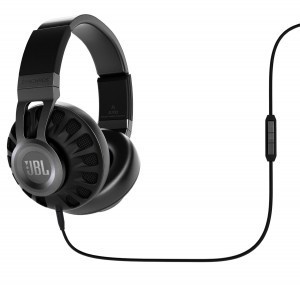
Just because you don’t work in a sound studio doesn’t mean you can’t enjoy your music on a pair of professional-quality headphones.
The JBL Synchros S700 Headphones boast the following features:
Die-cast aluminum frame and luxurious leather ear cushions.
Premium 50mm driver for professional audio sound with PureBass performance.
PureBass sound delivers a balanced audio experience with amazing clarity, and deep powerful bass.
Proprietary LiveStage signal processing technology delivers the most realistic headphone sound experience possible.
Detachable cable design with iOS3 button and universal remote/microphone cable included.
Buy now
Amazon
KINDLE FIRE HDX

I’m a long-time Kindle user, and having gone through each generation of their fire models, I think they got it right with the Kindle Fire HDX.
The display is the sharpest yet (2560×1600, 339 PPI, 100% sRGB).
It’s thinner and lighter than the Kindle Fire HD.
It finally has enough processing power and RAM to run not just the OS, but games, apps, and video smoothly.
It comes with a “Mayday” button that connects you immediately to a live help representative should you run into any issues.
The new OS (Fire OS 3.0) is a big upgrade over previous version.
If you’ve been holding off on getting a tablet, this is the one to get.
Buy now
Amazon
SUPREME 2-TONE PULLOVER

Maybe I’m just a sucker for what’s trendy, but I like Supreme’s style. It’s simple and bold, and has a quirky edge.
This heavyweight pullover caught my eye. It comes in a few color combinations, but I liked the gray and red best.
Buy now
Supreme
BOOK OF THE WEEK:
UNDERSTANDING RAP
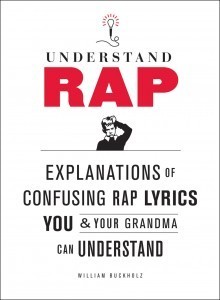
Do you wish you could understand rap better?
Do the following phrases leave you baffled?
“Couple bricks stacked on that triple beam.” (From “Make It Rain” by Fat Joe.)
“Used to count my spokes, now these hoes count my inches.” (From “Wanna Be a Baller” by Lil’ Troy.)
“It ain’t my birthday but I got my name on the cake.” (From “Stuntin’ Like My Daddy” by Birdman and Lil Wayne.)
If so, then you need Understand Rap!
This humorous book explores rap lyrics from a wide variety of popular songs, and break them into different categories (brags, cars, crime, disses, fashion, etc.).
Each lyric is quoted, along with the artist, song, and album, and then explained in a dry, academic manner that will ensure you never appear uncooly ignorant again.
Buy now
AmazonAmazon UK
What do you think of this week’s picks? Have anything you’d like to add? Let me know in the comments below!
October 2, 2013
Workout Motivation: The Power of Habit
When you woke up today, what did you do first, and in what order?
Did you go straight to the shower? Did you check your email first? Or Facebook and then email?
When did you brush your teeth in your routine? Which shoe did you tie first—the right or left? What did you say to your family before leaving?
What route did you drive to work? What did you do once you got to your desk? Did you go straight to your email, or did you chat with a colleague first?
And what about lunch? Did you have leftovers or a salad? Or maybe a burger?
What did you do once you got home? Go for a bike ride? Pour a drink and have some dinner?
I could go on and on with these questions, but here’s my point:
We truly are creatures of habit, and we all have deeply ingrained daily patterns of behavior.
In fact, according to a 2006 study conducted by Duke University, over 40% of the daily actions people perform aren’t actual decisions, but are habits.
In many cases, these habits are useful. They save us mental energy. We don’t need to decide newly each day how to put toothpaste on our toothbrush or how to go about washing our bodies.
But other habits are much more complex, can emerge without our “permission,” and can be quite troublesome.
Good Habits Gone Bad
For example, studies have shown that families that eat fast food regularly didn’t originally intend to eat as much as they do. The monthly habit eventually became a weekly one, which eventually became a bi-weekly one, until finally they’re eating junk food every day.
We can fall into this trap in any area of our lives.
Thirty minutes of TV per day can become sixty, and then one-hundred, and so forth. Skipping exercise once per week leads to skipping twice per week, which eventually leads to quitting. One drink per week can, for some, easily multiply in size or frequency or both.
The ramifications of such negative habits can be deceiving.
There are the immediate and obvious: you fall behind your peers in your work and get passed up on the promotion; you gain weight and feel lethargic; your health deteriorates; and so forth.
Then there’s the insidious: you lose faith in your ability to put your mind to something and see it through; you avoid challenges and opportunities for fear of failure; you criticize yourself, eroding your self-esteem; you become depressed; and so on.
Habits cut both ways, though.
The Power of Positive Habits
Forty-five minutes of exercise several days per week, if done long enough, can transform your body. Thirty minutes of reading per day, over time, can turn you into an expert in just about anything. An hour or two of more work per day than your peers helps you produce dramatically more than them.
Much clichéd advice about achieving success focuses on the dreaming the right dreams and wishing the right wishes.
This is all well and good, but thinking dim thoughts does not make things happen. Our dreams may influence what we’re capable of, but our habits will ultimately determine what kind of lives we live.
Anyone can get energized by a tantalizing vision, but very few people can stick to the “daily grind” long enough to get there. Fifteen seconds of fantasy can take fifteen years of habitual action to fully realize.
“We are what we repeatedly do,” Aristotle wrote. “Greatness then, is not an act, but a habit.”
Show me a great achiever in any field or activity and I’ll show you a master of habit—someone that mechanically repeated the same, positive actions countless thousands of times until finally they had produced something extraordinary, whether a skill, fortune, invention, or even a sublime relationship with another person.
Controlling our habits can be quite hard, though. Some routines and actions are so ingrained that we find ourselves slaves to them, unable to do anything but mindlessly comply.
Well, this leads me to one of the great unsung benefits of using diet and regular exercise to stay fit…
Improving Your “Habit Mastery”
Staying fit teaches us “habit mastery.” That is, it teaches us how to control our habits—how to break the bad and protect the good.
You see, you don’t overcome bad habits with voodoo rituals, exorcisms, or mortification. You beat them by simply creating new behavior patterns that overpower and override them.
Instead of watching that hour of TV every night to unwind, you let off steam with an hour of weightlifting. The enjoyment normally provided by the 3 PM cookie snack is replaced by an equally enjoyable apple with peanut butter. You trade the short-lived pleasure of junk food for the longer-lasting pleasure of improved health and overall well-being that comes with eating cleanly.
And interestingly enough, once you establish a new pattern, it quickly begins to feel just as automatic as the old no matter how different it is. Whatever we repeatedly do is what we want to continue doing, whether it’s eating ice cream in front of the TV or hitting the treadmill for some late-night cardio.
In this way, achieving your fitness goals becomes easy. You just keep doing what feels right, and you make slow and steady progress. Over time, these small improvements add up to something extraordinary, even if the whole process felt natural, comfortable, and even effortless.
By doing this, you not only show yourself that you can change your behavior patterns—that you are in control—but you also come to realize how powerful your routine really is.
And it begins to mold other areas of your life. You become different than other people.
It’s Good For Much More Than Fitness
You see, many people underestimate the time and effort it takes to make things happen. They don’t give much thought to the long-term habits all meaningful endeavors require. They just set off haphazardly, and they don’t last long in their journeys.
As you build your “habit mastery” through exercise and diet, however, you begin to look at all goals a bit differently.
You realize that new undertakings require new habits, and that often old habits have to go to make room. And you also know that the first month of a new habit is always the toughest, but that it becomes more and more automatic and familiar as time goes on.
You aren’t afraid of the idea that something will take one, two, or even three years of regular work to see through. You’ve learned patience—to appreciate the actions of today, no matter how small they might seem, for their contributions to the bigger picture.
Achieving a high level of “habit mastery” will gives you a huge advantage in other areas of your life.
People will talk about your superhuman work ethic and follow-through. They will marvel at the sheer amount of stuff you can get done.
Little will they know, however, that you don’t possess any mysterious superpowers.
You’ve just used fitness to develop a skill that many people don’t have, and don’t understand. And this skill enables you to do things that may seem extraordinary to others, but that feel completely natural to you.
What do you think about the relationship between fitness, habit, and accomplishment? Have any experiences to share? Let me know in the comments below!
Workout Motivation Part 1: The Power of Habit
When you woke up today, what did you do first, and in what order?
Did you go straight to the shower? Did you check your email first? Or Facebook and then email?
When did you brush your teeth in your routine? Which shoe did you tie first—the right or left? What did you say to your family before leaving?
What route did you drive to work? What did you do once you got to your desk? Did you go straight to your email, or did you chat with a colleague first?
And what about lunch? Did you have leftovers or a salad? Or maybe a burger?
What did you do once you got home? Go for a bike ride? Pour a drink and have some dinner?
I could go on and on with these questions, but here’s my point:
We truly are creatures of habit, and we all have deeply ingrained daily patterns of behavior.
In fact, according to a 2006 study conducted by Duke University, over 40% of the daily actions people perform aren’t actual decisions, but are habits.
In many cases, these habits are useful. They save us mental energy. We don’t need to decide newly each day how to put toothpaste on our toothbrush or how to go about washing our bodies.
But other habits are much more complex, can emerge without our “permission,” and can be quite troublesome.
Good Habits Gone Bad
For example, studies have shown that families that eat fast food regularly didn’t originally intend to eat as much as they do. The monthly habit eventually became a weekly one, which eventually became a bi-weekly one, until finally they’re eating junk food every day.
We can fall into this trap in any area of our lives.
Thirty minutes of TV per day can become sixty, and then one-hundred, and so forth. Skipping exercise once per week leads to skipping twice per week, which eventually leads to quitting. One drink per week can, for some, easily multiply in size or frequency or both.
The ramifications of such negative habits can be deceiving.
There are the immediate and obvious: you fall behind your peers in your work and get passed up on the promotion; you gain weight and feel lethargic; your health deteriorates; and so forth.
Then there’s the insidious: you lose faith in your ability to put your mind to something and see it through; you avoid challenges and opportunities for fear of failure; you criticize yourself, eroding your self-esteem; you become depressed; and so on.
Habits cut both ways, though.
The Power of Positive Habits
Forty-five minutes of exercise several days per week, if done long enough, can transform your body. Thirty minutes of reading per day, over time, can turn you into an expert in just about anything. An hour or two of more work per day than your peers helps you produce dramatically more than them.
Much clichéd advice about achieving success focuses on the dreaming the right dreams and wishing the right wishes.
This is all well and good, but thinking dim thoughts does not make things happen. Our dreams may influence what we’re capable of, but our habits will ultimately determine what kind of lives we live.
Anyone can get energized by a tantalizing vision, but very few people can stick to the “daily grind” long enough to get there. Fifteen seconds of fantasy can take fifteen years of habitual action to fully realize.
“We are what we repeatedly do,” Aristotle wrote. “Greatness then, is not an act, but a habit.”
Show me a great achiever in any field or activity and I’ll show you a master of habit—someone that mechanically repeated the same, positive actions countless thousands of times until finally they had produced something extraordinary, whether a skill, fortune, invention, or even a sublime relationship with another person.
Controlling our habits can be quite hard, though. Some routines and actions are so ingrained that we find ourselves slaves to them, unable to do anything but mindlessly comply.
Well, this leads me to one of the great unsung benefits of using diet and regular exercise to stay fit…
Improving Your “Habit Mastery”
Staying fit teaches us “habit mastery.” That is, it teaches us how to control our habits—how to break bad habits and protect good ones.
You see, you don’t overcome bad habits with voodoo rituals, exorcisms, or mortification. You beat them by simply creating new behavior patterns that overpower and override them.
Instead of watching that hour of TV every night to unwind, you let off steam with an hour of weightlifting. The enjoyment normally provided by the 3 PM cookie snack is replaced by an equally enjoyable apple with peanut butter. You trade the short-lived pleasure of junk food for the longer-lasting pleasure of improved health and overall well-being that comes with eating cleanly.
And interestingly enough, once you establish a new pattern, it quickly begins to feel just as automatic as the old no matter how different it is. Whatever we repeatedly do is what we want to continue doing, whether it’s eating ice cream in front of the TV or hitting the treadmill for some late-night cardio.
In this way, achieving your fitness goals becomes easy. You just keep doing what feels right, and you make slow and steady progress. Over time, these small improvements add up to something extraordinary, even if the whole process felt natural, comfortable, and even effortless.
By doing this, you not only show yourself that you can change your behavior patterns—that you are in control—but you also come to realize how powerful your routine really is.
And it begins to mold other areas of your life. You become different than other people.
It’s Good For Much More Than Fitness
You see, many people underestimate the time and effort it takes to make things happen. They don’t give much thought to the long-term habits all meaningful endeavors require. They just set off haphazardly, and they don’t last long in their journeys.
As you build your “habit mastery” through exercise and diet, however, you begin to look at all goals a bit differently.
You realize that new undertakings require new habits, and that often old habits have to go to make room. And you also know that the first month of a new habit is always the toughest, but that it becomes more and more automatic and familiar as time goes on.
You aren’t afraid of the idea that something will take one, two, or even three years of regular work to see through. You’ve learned patience—to appreciate the actions of today, no matter how small they might seem, for their contributions to the bigger picture.
Achieving a high level of “habit mastery” will gives you a huge advantage in other areas of your life.
People will talk about your superhuman work ethic and follow-through. They will marvel at the sheer amount of stuff you can get done.
Little will they know, however, that you don’t possess any mysterious superpowers.
You’ve just used fitness to develop a skill that many people don’t have, and don’t understand. And this skill enables you to do things that may seem extraordinary to others, but that feel completely natural to you.
What do you think about the relationship between fitness, habit, and accomplishment? Have any experiences to share? Let me know in the comments below!


