
Michael Matthews's Blog, page 139
November 9, 2013
Recipe of the Week: Beef Bourguignon
Beef Bourguignon started as a peasant’s recipe in the Middle Ages as a way to slow-cook and tenderize tough cuts of meat.
Over time it was refined and perfected into the gourmet dish it’s considered today. This dish is fairly true to the authentic recipes available today, and not terribly unlike Julia Child’s original recipe.
Generally, this dish is cooked with bacon since lean/tough meats were typically used and adding bacon gave this dish some rich fattiness. I’ve also found that fattier cuts turn out really good as well.
Serves five
6oz bacon, coarsely chopped into strips
3 lbs beef (shanks, chuck, brisket, round roast), trimmed of excess fat, cut into 2″ chunks
1 tbsp white rice flour (optional, see instructions below)
1 small onion, coarsely chopped
2 cloves garlic, minced
2 tbsp tomato paste
1/2 bottle (375 ml, about 1.5 cups) medium-bodied red wine (pinot noir preferred)
2 cups beef stock
bouquet garni: 4 sprigs fresh parsley, 6 sprigs fresh thyme, 3 bay leaves (fresh preferred, dried okay)
2 tbsp butter
20 pearl onions, peeled
8 white mushrooms, cut into 1/2″ pieces
3 carrots, peeled and chopped into bite-size chunks
starch to accompany: boiled potatoes , mashed potatoes , mashed cauliflower , rice
Cook the bacon in a large pot or Dutch oven on med/low heat, until crispy. As the bacon cooks, dust your beef pieces with rice flour – this step adds a nice coating to the beef, and helps thicken the sauce, but is ultimately unnecessary if you’re trying to avoid rice altogether. When it’s finished cooking, remove the bacon with a slotted spoon and set aside.
Increase the stovetop heat to medium, then add the beef pieces to the bacon grease and brown for about 3 mins per side, in batches if needed, and set aside the beef when done. Add the chopped onions to the pot, sauté until softened and aromatic, about five minutes. Next, add the tomato paste and garlic, stirring everything together, and sauté until aromatic, about a minute.
Add the beef, bacon, and wine to the pot, and add enough beef stock to cover the beef pieces, about 2 cups. Tie together your bouquet garni with either kitchen twine or some cheesecloth, and add it as well. Bring everything to a simmer, then cover and reduce the heat to low.
You’re going to want to simmer everything until the beef becomes tender, which will take about 2 hours (a little longer if you’re using a very tough or lean cut of meat). There are a few steps to do along the way, and with the right timing everything will come out at the perfect doneness. Quick note as well: be sure to try and skim a little of the fat from the top of the stew from time to time, usually right before adding new veggies.
When there is about an hour of cooking left, it’s time for the next step, which is prepping and adding the veggies. Boil your pearl onions for a minute, fish them out, let them cool, and cut the root side and slip the skin right off (note: many groceries sell peeled, frozen pearl onions, which are very convenient and eliminates this step). In a separate pan, warm the butter on medium heat, then add the onions and sauté them until aromatic (but not totally softened), about four minutes. Add the carrots and sauté for another minute, then add them to the pot. When there are 20 minutes of cooking left, add the chopped mushrooms.
Once the meat is tender and the veggies are done, remove all of the solids from the pot with a slotted spoon and set aside (it’s okay if you don’t scoop out all of the onion pieces and bacon). Discard the bouquet garni. Increase the stovetop heat to med/high, and reduce the sauce by about half – you’ll want about 3 cups of liquid altogether; the sauce will darken was well, which is a good thing. Once the sauce is reduced, remove it from the heat and gently stir in the meat and veggies. Season to taste, adding about 1 tsp each of salt and pepper, and serve immediately.
.singlePostContent img {
max-width: 100% !important;
height: auto;
display: block;
}

Russ Crandall is a critically-acclaimed food blogger that focuses on gourmet, traditional, and international dishes that are inherently healthy. You can find him and his delicious recipes at his website, The Domestic Man. He also has a cookbook coming out titled The Ancestral Table, which you can pre-order on Amazon.com.


November 8, 2013
Cool Stuff of the Week: Virtues of War, Louis C.K., Wusthof Santoku Knife, and More…
I’m not ashamed to admit that I’m kind of a sucker for cool stuff. I like nifty gadgets, quirky decoration pieces, nice clothes (and shoes!), good books, and fun games.
In this series of weekly posts, I share whatever currently has my fancy. Maybe some of it will catch yours as well!
VIDEO OF THE WEEK:
RACCOON EATING GRAPES
This makes me want a pet raccoon so I can feed it grapes whenever I’m feeling down.
LOUIS C.K. “OH MY GOD”
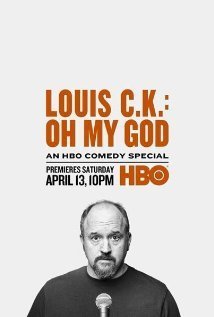
Emmy and Grammy award winning Louis C.K is, in my opinion, one of the boldest, funniest comedians around (and is in my top 5 favorites of all time). If you’re not familiar with his work, just start watching some clips on YouTube (NSFW, haha) and I think you’ll see why.
Well, in “Oh My God,” he’s back in all his uncomfortably raunchy and self-humiliating glory. He rants about road rage, dating, why being overweight and bald is better, and a bunch of other stuff that makes you “cringe laugh” with delight.
Buy now
LouisCK.net
“THAT’S NO MOON” STAR WARS SUNSHADE

If you want to make other geeks jealous, get this sunshade.
It features the timeless shot of the Millenium Falcon getting pulled into the Death Star, fits most cars perfectly, and is a plastic material, not a cheap cardboard.
Buy now
Amazon
WUSTHOF CLASSIC HOLLOW-GROUND SANTOKU KNIFE

If you like to cook, then you want a great set of knives.
I recommend you start with what you’ll use the most, and a cook’s knife is #1 on the list. You can use it for almost all cutting, slicing, dicing, and chopping,
This Wusthof Classic Santoku knife is a Japanese-style cook’s knife with alternating hollows on each side, which keep food slices from sticking. It feels great in your hand, is easy to control, and, as you would expect from a company like Wusthof, is extremely durable and easy to keep sharp.
Buy now
AmazonAmazon UK
BOOK OF THE WEEK:
THE VIRTUES OF WAR

I’m a fan both of Pressfield and Alexander the Great, so I’m not surprised I liked this book.
In this piece of historical fiction, Pressfield does a wonderful job transporting you to the ancient times of Alexander, placing you right at his side and in his head during his meteoric rise to conqueror of the world, followed by his equally rapid tailspin and death.
If you like this period of history, and like “thinking fiction,” then I think you’ll really like this book.
Buy now
AmazonAmazon UK
What do you think of this week’s picks? Have anything you’d like to share? Let me know in the comments below!
November 7, 2013
Muscle for Life Podcast Episode 4: The no-BS truth about workout supplements
In this podcast I talk about the common scams and deceptions supplement companies use to dupe us into buying worthless junk, as well as which types of supplements are and aren’t worth your money and why.
Articles & supplements I reference in the video:
HOW TESTOSTERONE LEVELS AFFECT MUSCLE GROWTH AND FAT LOSS
GARDEN OF LIFE RAW MULTI-VITAMIN
If you like the podcast, I’ll be doing one every couple of weeks. You can keep up with them by subscribing to my YouTube channel, or to my iTunes podcast channel.
What do you think of the episode of the podcast? Let me know in the comments below!
How to Build an Athletic Body That “Shows and Goes”
Two days ago I was playing soccer with a group of guys. It was nothing serious – just a fun park pick-up game.
One of the dudes in the group was in seriously good shape. He was obviously more built, more ripped and more muscular than any of the rest of us – seriously impressive looking specimen.
But when it came to actually playing the game, he was an entirely different beast.
He could awkwardly run forwards, albeit a bit more slowly than the rest of us. Worse yet, he couldn’t move side-to-side to save his life. He could barely run backwards without nearly falling over his own bulky thighs. He couldn’t jump and couldn’t stop, pivot and kick, much less lift his arms to throw in an out-of-bounds pass.
In other words, he was all “show” and no “go”. He looked like an athlete, but certainly couldn’t perform like one.
And here’s the deal: when it comes to making your body look better by toning, curving and carving a killer physique, there’s a big problem with most fitness programs – they make you look good, but in the process you lose your speed, power, mobility and athleticism.
So you suck at sports, don’t move well, and even sacrifice looking good when doing things like clubbing, dancing, or moving gracefully.
But what if you could have the best of both worlds? What if you could look like an athlete, and perform like an athlete too?
Can a workout for show muscles also give you functional go muscles and help you to become a better athlete?
The answer is yes, and in today’s article, you’ll get the best workout to not only get a better body, but also to become a better athlete.
What Type of Workout Program Helps You Build an Athletic Body?
There are a variety of different muscles and movements that all sports generally use, and these are the perfect place to start when it comes to getting a functionally athletic body that “shows and goes.”
The the most common movements that can you can replicate in a gym or exercise setting include:
Jumps – Feet leaving the ground and jumping into the air, such as a rebound in basketball. Exercises include box jumps, bounds, skips, hurdles, side-to-side jumps
Slams – Throwing something towards the ground very hard, such as a tennis serve. Exercises include medicine ball slams, tire sledgehammer swings, elastic band fast pulls
Twists – Turning the body, such as a baseball swing. Exercises include medicine ball side throws, cable torso twists, side planks, carioca shuffles.
Throws – Throwing an object overhand, such as an inbound throw in soccer. Exercises include medicine ball overhead throws, cable wood choppers.
Tosses – Propelling an object underhand, such as a softball pitch. Exercises include underhand medicine ball toss, tire flip.
Lifts – Lifting an object off the ground, such as a log throw. Exercises include deadlift, sumo deadlift, medicine ball “cannonball” throws.
Changes of Direction – faking and cutting in football. Exercises include cone drills, shuffles, mirror drills, ladder drills.
Double Leg Strength – Pushing with both legs, such as a rugby scrum. Exercises include front, back, or overhead squats.
Single Leg Strength – Pushing with one leg, such as running, hiking, or a basketball layup. Exercises include single leg squat, split squat, step-ups, lunges.
Vertical Pulling – Pulling from overhead, such as rock climbing, gymnastics, or swimming. Exercises include pull-ups or lat pull-downs.
Horizontal Pulling – Pulling to the midline of the body, such as rowing. Exercises include barbell rows, seated rows, single arm dumbbell rows.
Vertical Pushing – Pushing to overhead, such as swimming or throwing. Exercises include overhead dumbbell or barbell presses, handstand push-ups, dips.
Horizontal Pushing – Pushing in front of the body, such as football blocking. Exercises include bench presses, incline presses, push-ups.
Core Flexing – Flexing the abs, such as following through after a tennis serve. Exercises include hanging leg raises, crunch and sit-up variations, V-ups, rollouts, planks.
Work – Moving the body, such as running, sprinting, rowing, or cycling. Exercises include treadmill, bike, row machine, elliptical, sled pushes, sled pulls.
What is the Best Workout Program for Building an Athletic Body?
Now that you know how to identify muscles and movement, and the best range of exercises to use, you can put it all together to create the best workout to build a better body and to become a better athlete, no matter which sport you’re wanted to participate in.
While creating a specific workout for every single sport is beyond the scope of this article, you can guarantee that you’ll be able to perform quite proficiently in just about any sport on the face of the planet if you can include each of the movements listed above in a few workouts a week.
For example, for a full body, three times per week workout using the exercises above, you could perform the following:
5-10 minute dynamic warm-up with leg swings, arm swings, skips, bounds, hops, foam rolling, etc.
3-4 sets of 6-10 reps of each of the following, performed as either a circuit, or with 60 seconds to 2 minutes recovery after each exercise:
Vertical Pulling (i.e. pull-up)
Vertical Pushing (i.e. overhead press)
Horizontal Pulling (i.e. seated row)
Horizontal Pushing (i.e. incline bench press)
Double or Single Leg Strength (i.e. squat)
Lift (i.e. deadlift)
3-4 sets of 6-10 reps of any or all of the following, performed as either a circuit, or with 60 seconds to 2 minutes recovery after each exercise:
Slams (i.e. medicine ball slams)
Throws (i.e. medicine ball throws)
Tosses (i.e. medicine ball underhand throws)
Jumps (i.e. double leg box jumps)
3 sets of 12-15 reps of each of the following:
Twists (i.e. cable torso twists)
Core flexion (i.e. hanging leg raises)
At a separate time of day, or on your “non-lifting” day, do your moving and conditioning exercises – which include treadmill or cycling intervals, rowing, swimming, sprint repeats etc., preferably with time lengths and rest intervals that are close to what you’ll experience while playing your sport.
As you can see, a functional workout to build an athletic body and to improve sports performance is a bit more complex than a basic, muscle gain, bodybuilding-style workout.
But when implemented properly, a functional workout routine can not only help you run faster, jump higher, and push harder, but also keep you from getting injured and from looking silly the next time you join into a pick-up basketball game, decide you want to pick up soccer, tennis or golf, or want to hit the dance floor.
Author, ex-bodybuilder and Ironman triathlete Ben Greenfield blogs and podcasts about biohacking, muscle gain and fat loss at BenGreenfieldFitness.com. He has just written the book “Beyond Training”, which teaches you how to achieve amazing feats of physical performance without destroying your body or metabolism.
If you have more questions about how to build an athletic body that shows and goes, leave your comments below!
November 6, 2013
5 Foam Roller Exercises That Improve Performance
Foam rolling used to be a mysterious, “experimental” technique used solely by professional athletes, coaches, and therapists, its ultimate effectiveness unproven.
Well, thanks to years of technique development, and a bit of recent clinical research, foam rolling has become a common practice for people at all levels of fitness, and for good reason.
For just $20 – 40 and 5 – 10 minutes of your time, a few days per week, you can use foam rolling to dramatically improve mobility and thus range of motion, to reduce the risk of injury, and to remove pains that you might be experiencing while you put your body through certain motions.
In this article, I want to explain a bit of why foam rolling works, and 5 of my favorite foam rolling exercises for supporting my weightlifting routine.
How Foam Rolling Works
In fancy-speak, foam rolling is a “self-myofascial release” method that relaxes overactive muscles that are preventing proper activation and motion.
To understand self-myofascial release, let’s break it down:
Myo- is a prefix meaning “muscle,” and fascia is a soft, fibrous tissue that surrounds muscles, blood vessels, and nerves, allowing for mobility while providing support and protection.
Thus, self-myofascial release simply refers to a way whereby you can release tension in the fascia surrounding your muscles, and the muscles themselves.
You see, fascia can become overly tight through overuse, injury, and even inactivity. The result is inflammation, pain, muscle tension, reduction of blood flow, and loss of mobility, and if the problem becomes severe or prolonged, the fascia can actually thicken, causing pain and further inflammation.
Now, mechanically speaking, foam rolling is very simple.
You position your body in certain ways on a foam cylindrical tube to put pressure on trigger points, which are tight spots in muscles that, when pressed on, produce pain that refers to other areas in the body (can be felt in areas other than where you’re applying pressure) .
By holding pressure on these trigger points, your body will gradually relax the areas, causing the pain to fade. This is known as releasing trigger points.
“Relaxation” is underselling the benefits of foam rolling, though. It can actually make quite a difference in your training.
The Benefits of Foam Roller Exercises
When you release fascial and muscular tightness, inflammation and pain diminish, and blood flow is restored.
While this might “sound nice,” it actually means a lot for us fitness folk.
For example, a study conducted by Memorial University of Newfoundland found that foam rolling increases range of motion without decreasing strength (which is a problem with pre-workout stretching).
The greater the range of motion in an exercise, the more work your muscles have to do, which in turn leads to great gains in strength and size. And due to the fact that it doesn’t impair performance, you can foam roll before a workout to prime your body for the training.
A study conducted by Osaka Aoyama University found that foam rolling reduces arterial stiffness and thus improves blood flow.
Better blood flow means better removal of metabolic waste from tissues and better delivery of nutrients, which ultimately helps with muscle repair.
We can see these effects in a study that demonstrated that foam rolling reduces the severity of delayed-onset muscle soreness (DOMS) that occurs after training, and increases range of motion.
So, as you can see, regular foam rolling over longer periods of time can actually make quite a difference in the results you get out of your training.
My 5 Favorite Foam Roller Exercises
There are a wide variety of foam roller exercises that you can do, but here are my top 5.
You can perform these exercise pre-workout to improve performance, or post-workout to improve recovery, or both.
In terms of time, I like to spend a couple minutes on each, finding and releasing 1 – 2 trigger points for each muscle group.
Iliotibial Tract (IT Band) Foam Roller Exercise
The “IT Band” runs along the outer side of your leg, and its associated muscles are involved in various hip movements, and the stabilization of the knees.
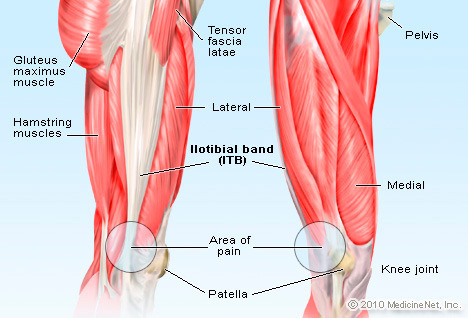
Regular proper squatting will often create trigger points in the IT Band, which in turn impair range of motion and performance.
Here’s how to foam roll the IT Band:
Hamstring Foam Roller Exercise
Tight hamstrings are a curse for squatting and deadlifting, and foam rolling can really help.
Here’s how to do it:
Quadriceps Foam Roller Exercise
Trigger points in the quadriceps can insidiously affect your squatting.
I had this problem recently and the affected quadriceps couldn’t contract properly, which transferred more of the load to the various smaller stabilizing muscles in my hip. This caused excessive soreness in my hip muscles, which kept me from being able to progress.
Use the following foam roller exercise to avoid this problem:
Rhomboids Foam Roller Exercise
The rhomboids (major and minor) are back muscles that connect your shoulder blades with your spine, and are activated to retract the shoulder blades.
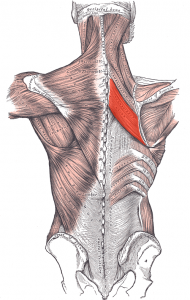
The rhomboids not only get hit hard when we train back, they can get quite stiff from sitting all day (especially with bad posture).
The following rhomboid foam roller exercise is a great way to release tension in these muscles:
Latissimus Dorsi Foam Roller Exercise
You probably know the latissimus dorsi, or “lat,” but here it is in case you don’t:
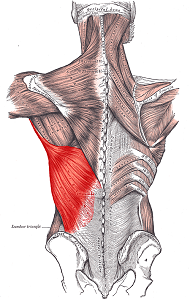
This is another muscle primarily targeted in back training, and thus it often develops trigger points.
Here’s the foam roller exercise for it:
Buying a Foam Roller
A good foam roller is moderately dense–if the foam is too soft, you can’t apply enough pressure; if it’s too hard, you can wind up bruising yourself, causing too much trauma to the trigger point areas.
Here are the two foam rollers I like and recommend:
High-Density Foam Roller
A good high-density foam roller is cheap and gets the job done. Can’t go wrong.
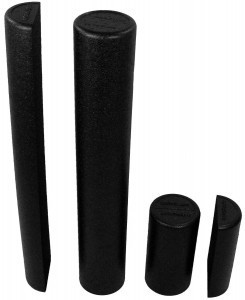
Buy now
AmazonAmazon UK
Trigger Point Performance “The Grid” Foam Roller
What I like about this fancy-looking foam roller is the different surfaces of the grid layout let you apply different amounts and types of pressure on trigger points, which can sometimes be tricky to find and target for release. If you don’t mind spending a little more, I’d recommend you go with this.
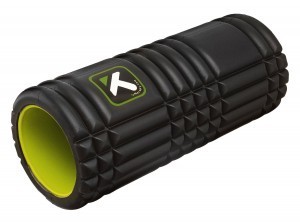
Buy now
AmazonAmazon UK
What did you think of this article? Have anything else you’d like to share? Let me know in the comments below!
November 5, 2013
T-Bone Steak with Chimichurri Sauce
If you haven’t heard of chimichurri, you’re in for a real treat.
It’s an Argentine pesto-like sauce that is jam-packed full of goodness and is just killer with any type of protein (steak in particular, I think), both as a serving sauce and marinade. You can also add in some raw beetroot for a nice variation.
Ingredients
Serves 4
4 T-bone steaks (400 g each)
Chimichurri Sauce
3 garlic cloves
1 jalapeño pepper, chopped
1 large handful flat-leaf (Italian) parsley
1 large handful coriander (cilantro)
100 ml (3 1/2 fl oz) raw apple cider vinegar (or white or red wine vinegar)
Pinch of ground cumin
300 ml (10 1/2 fl oz) cold pressed extra virgin olive oil
Instructions
To make the sauce, first crush the garlic with a little salt in a mortar and pestle or you could use a blender. Add the pepper, parsley and coriander leaves and mix to a paste. Add the vinegar and cumin, then the olive oil and season with sea salt and cracked black pepper to taste.
Preheat the barbecue hotplate to medium–high and grease with oil. Season the steaks with salt and pepper and cook for 6–7 minutes each side or until done to your liking. Remove from the heat and leave to rest in a warm place for 5 minutes, then serve the sauce on top of the steak or on the side.
What You Get to Eat

Pete Evans is an award-winning Australian chef, restaurateur, cookbook author, TV host, adventure seeker, and father. You can find him and his work on his Facebook Page or Website.
What do you think of Pete’s recipe? Let him know in the comments below!
November 4, 2013
How to Safely and Healthily Lose Weight Fast: Part 2
In the first part of this weight loss article series, we went over the nutrition side of rapid weight loss in detail.
In this article, we’re going to look at exercise tips that can help you lose weight fast without losing muscle, damaging your metabolism, or otherwise harming your health. In the final article in this three-part series, we’ll talk about how to use supplementation to further help your weight loss efforts.
If you’re a man around or above 20% body fat, or if you’re a woman around or above 25% body fat, and you combine all the strategies outlined in these three articles, you should be able to lose 15 – 20 pounds in one month, with a large percentage of it fat, and little-to-none of it muscle. (A certain percentage of weight loss is always water and glycogen).
So then, let’s get to the training strategies that help you lose weight fast!
Training Frequency and Losing Weight Fast
The more you exercise, the more fat you burn, but if you push things too hard, you can quickly find yourself burned out.
You see, just being in a calorie deficit raises cortisol levels (cortisol being your body’s “stress hormone”), and intense exercise—both lifting and cardio—further stresses the body.
In terms of weight loss, the proper training frequency is one that provides maximum fat loss while keeping physiological stress levels moderate and under control.
There are many opinions as to what this means in actual hours spent in the gym.
On one end of the spectrum are the “no pain, no gain” types that want to spend 10+ hours per week exercising, and on the other end are the extremely “conservative” types that believe you should dramatically reduce training frequency while cutting to avoid over-stressing the body.
The reality is there is no one-size-fits-all answer to optimal training frequency, as some people’s bodies deal with stress better than others. In my experience, however, both with my body and with the hundreds of people I’ve worked with, it’s quite a bit harder to reach this point of overtraining than some experts believe.
Generally speaking, readers on my programs have absolutely no issues lifting 3 – 5 times per week and doing cardio 3 – 4 times per week while cutting. I’ve actually yet to meet someone that had to dramatically scale back their lifting or cardio due to issues of overtraining.
The success of my readers is likely due to a combination of factors:
Proper training volume (the workouts aren’t long, grueling bloodbaths)
Proper nutrition (maintaining a mild calorie deficit, using good macronutrient ratios, eating plenty of healthy, micronutrient-dense foods)
Proper rest (sleeping enough, giving muscles enough rest before training them again)
Supplementation that reduces bodily stress and inflammation, and improves overall health, such as spirulina, fish oil, and vitamin D
If, however, one were to make the workouts too long or too intense, make the calorie deficit too severe, replace nutritious foods with junk, sleep too little, or drop out supplementation altogether, it’s more likely that the training frequency cited above would result in burnout.
So, my recommendation for losing weight quickly and healthily is this: Lift weights 3 – 5 times per week, and do cardio 3 – 4 times per week.
If you’re a man, I highly recommend you follow my Bigger Leaner Stronger program, because it will not only help you lose fat quickly, but can help you build muscle at the same time
If you’re a woman, I highly recommend my Thinner Leaner Stronger program, which can do the same for you as well
Why Heavy Weightlifting is Best for Weight Loss
Many “gurus” recommend that you follow a high-rep, low-weight routine to really help “shred up,” but this is actually the complete opposite of what you want to be doing.
The reality is your body is “primed” for muscle loss when you’re in a calorie deficit, and by focusing exclusively on muscle endurance (higher rep ranges), you’ll be setting yourself up for rapid strength loss, with the potential for significant muscle loss as well.
The key to preserving strength and thereby muscle while losing weight is to lift heavy weights. When you do this, you continue to progressively overload your muscles, which is one of the primary mechanical drivers of protein synthesis and muscle growth.
There are fat loss benefits to heavy weightlifting as well.
A study published by Greek sports scientists found that men that trained with heavy weights (80-85% of their one-rep max, or “1RM”) increased their metabolic rates over the following three days, burning hundreds more calories than the men that trained with lighter weights (45-65% of their 1RM).
Yes, hundreds more calories. That’s significant.
And if you want to really score extra calories burned, focus on compound lifts like squats and deadlifts, because these are the types of lifts that burn the most post-workout calories.
(This, by the way, is one of the reasons why people do so well on my programs both in building muscle and losing fat–they are performing heavy, compound lifts every day.)
Do High-Intensity Interval Training for Rapid Weight Loss
You’ve probably heard of “high-intensity interval training” or “HIIT,” but in case you haven’t, or have and aren’t sure what it is, here’s how it works:
You start your HIIT session with a short (1 – 5 minute) warm-up, followed by 30 – 60 seconds of all-out exertion. This spikes your heart rate and really gets you huffing and puffing. You then do 30 – 60 seconds of low-intensity “cooldown,” followed by 30 – 60 seconds of all-out exertion, and so forth. You repeat this for as long as desired.
Why do I recommend this type of cardio for rapid weight loss instead of the traditional, “low-intensity steady state” type of cardio?
Well, studies such as those conducted by Laval University, East Tennessee State University, Baylor College of Medicine, and the University of New South Wales have shown that shorter, high-intensity cardio sessions result in greater fat loss over time than longer, low-intensity sessions.
According to a study conducted by The University of Western Ontario, which had subjects exercising for 6 weeks, doing workouts consisting of just 4 – 6 30-second sprints in a workout burns more fat over time than workouts consisting of 60 minutes of incline treadmill walking.
That’s how much more effective HIIT is for burning fat.
Researchers have found several reasons for HIIT’s superiority in weight loss:
Increased resting metabolic rate for upwards of 24 hours after exercise.
Improved insulin sensitivity in the muscles.
Higher levels of fat oxidation in the muscles.
Significant spikes in growth hormone levels (which aid in fat loss) and catecholamine levels (chemicals your body produces to directly induce fat mobilization).
Post-exercise appetite suppression.
And more…
BUT WAIT…THERE’S MORE…
Research has also shown that the longer your cardio sessions are, the more they impair strength and muscle growth. Thus, shorter cardio sessions are better for preserving muscle and strength.
Only high-intensity interval training allows you to do short (under 30-minute) workouts and burn an appreciable amount of fat.
Types of HIIT Cardio You Can Do
My hands-down favorite type of HIIT cardio is cycling (recumbent cycling to be specific).
Why?
Well, not only is it convenient that I can bring my iPad and read or watch a show or movie while doing it, it turns out that cycling itself has special benefits for us weightlifters.
According to research conducted by Stephen F Austin State University, the TYPE of cardio you do can have a profound effect on your ability to gain strength and size with weightlifting. The study subjects that ran and walked gained significantly less strength and size than those that cycled.
What made cycling special? Well, scientists concluded that it was due to cycling more closely imitating weightlifting movements that cause muscle growth (like squats, for instance).
Therefore, I recommend recumbent cycling for your high-intensity interval training (the next-best choice would be sprinting, as this too involves many of the same muscles; my third choice would be the elliptical machine), and I recommend keeping your sessions relatively short (20-30 minutes).
In terms of an exact protocol, here’s what you can do.
You start your workout with 2-3 minutes of low-intensity warmup on the lowest resistance.
You then bump the resistance up to 4-5, and pedal as fast as possible for 30 seconds.
You then reduce the resistance to its slowest setting and pedal at a moderate pace (about 100 RPM) for 60-90 seconds. If you’re new to HIIT, you may need to extend this rest period to 2-4 minutes.
You repeat this cycle of all-out and recovery intervals for 20-25 minutes.
You do a 2-3 minute cool-down at a low intensity.
Before we move on, I want to note that while HIIT cardio is best for maximizing fat loss and preserving muscle, it does place more stress on the body than steady-state cardio.
If you follow my recommendations of lifting five 3 – 5 times per week and doing HIIT cardio 3 – 4 times per week and begin feeling overtrained, then I recommend you replace HIIT cardio sessions with LISS (low-intensity steady-state) and see if that helps.
Start with replacing one HIIT session with LISS and see how you feel that week. If you’re still having issues, replace another and see if that does it. Continue this until you’re feeling better or all HIIT sessions are now LISS.
Try Training in a “Fasted” State for a Weight Loss Boost
When you eat food, your pancrease produces insulin and releases it into your blood.
Insulin’s job is to shuttle nutrients out of the blood and into your cells, such as the amino acids from protein, the glucose from carbohydrate, and the fatty acids from dietary fat.
When your insulin levels are elevated–when you’re in a “fed” state–no fat burning occurs. Your body uses the glucose in the blood for all its energy needs, and stores the excess. Depending on how much you eat, this state can last for several hours.
But, as the nutrients eaten are absorbed, insulin levels decline, and the body senses that its post-meal energy is running out. It then shifts toward burning fat stores to meet its energy needs.
Day after day, it juggles these states of storing nutrients you eat, and burning its stores when the temporary supplies run out.
Now, your body is in a “fasted” state when insulin is at a “baseline” level, and your body is relying completely on its energy stores. After you eat a moderate-sized meal, it takes 3 – 5 hours for your body to enter this state.
Exercising in this fasted state accelerates fat loss, with weightlifting particularly effective in this regard. Fasting for longer than 6 hours has been shown to further increase your body’s ability to burn fat, so early-morning fasted training is a great option.
Fasted training does have one significant drawback, however: accelerated breakdown of muscle tissue. Fortunately, preventing this is simple.
You should supplement with 10 grams of BCAAs or 5 grams of leucine (as this amino acid directly stimulates protein synthesis) 10 – 15 minutes before training, which will suppress muscle breakdown during your workout.
I should note that some people simply don’t do well with fasted weighlifting. They have very low energy levels and their strength really takes a nosedive. If that happens to you on your first fasted lifting session, try it for a few more days.
If, after a week or so, your body still hasn’t adapted and you feel like going to sleep during your workouts, then you should reduce the frequency of fasting lifting (maybe only 1 – 2 days per week), or stop altogether. Keeping your workouts intense is more important.
Another option is swapping your cardio and lifting workouts if you’re separating them, doing your cardio fasted and your lifting later in the day.
A Summary of the Rapid Weight Loss Strategies Covered Thus Far
We’ve covered a lot of ground in the first two parts of this series, so I want to just give you a quick summary of the key points thus far:
Maintain a mild-to-moderate calorie deficit, not a severe one
Don’t just focus on calories, but on proper macronutritional ratios to maximize weight loss while preserving muscle
Create an exact meal plan to follow and stick to it every day
Don’t cheat on your meal plan as it will only slow things down
Train with as high of a frequency as your body can take, which is likely no more than weightlifting 5 times per week and HIIT cardio 4 times per week
Lift heavy weights, and focus on compound lifts
Do high-intensity interval cardio
Train in a fasted state
Well, that’s it for the exercise advice for rapid weight loss.
In the third, and final, part of this article series, we’ll go over how proper supplementation can help you lose weight fast.
What did you think about these exercise strategies to lose weight fast? Have anything else you’d like to add? Let me know in the comments below!
November 2, 2013
Recipe of the Week: Tex-Mex Breakfast Burrito
For me, a good breakfast burrito ranks up there with pancakes (you have to try these sweet potato pancakes) for amazing breakfast food.
This recipe from my cookbook, Eat Green Get Lean, and it’s delightfully simple but tasty.
The tastes of the traditional Mexican ingredients combine quite nicely with egg, and the cheese really gives it a pleasing overall texture. Add some salsa for extra zest!
Hope you enjoy!
Servings
1
Calories Per Serving
294
Protein Per Serving
28
Carbohydrates Per Serving
42
Fat Per Serving
5
Ingredients
1 (10 inch) whole grain tortilla
1/2 teaspoon jalapeño, seeded and diced
2 tablespoons red bell pepper, diced
2 tablespoons green bell pepper, diced
2 tablespoons onion, diced
2 tablespoons tomato, diced
5 egg whites
1 tablespoon low-fat cheddar cheese, shredded
1 tablespoon fresh cilantro, chopped

Instructions
Coat a medium-sized skillet in cooking spray and place over medium heat. Add the jalapeños, bell peppers, onion, and tomato. Sauté for 2 – 3 minutes, or until tender.
Pour in the eggs and scramble. Once cooked, transfer egg mixture to a plate. Place the tortilla in the hot pan and warm, about 1 minute on each side. Remove tortilla from heat and top with egg mixture, sprinkle with cheese and cilantro
What You Get to Eat

What did you think of this week’s recipe? Let me know in the comments below!
November 1, 2013
Cool Stuff of the Week: Nest Thermostat, Exercise Cards, Sycamore Row, and More…
I’m not ashamed to admit that I’m kind of a sucker for cool stuff. I like nifty gadgets, quirky decoration pieces, nice clothes (and shoes!), good books, and fun games.
In this series of weekly posts, I share whatever currently has my fancy. Maybe some of it will catch yours as well!
VIDEO OF THE WEEK:
SUPERHUMAN FINGER SNAPPING
Wow this dude takes finger snapping to a whole other level…
WORKOUTLABS EXERCISE CARDS
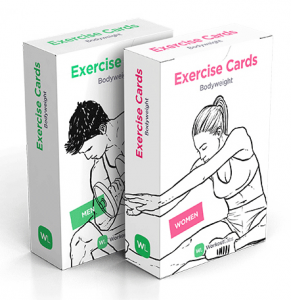
If you want to start exercising but are short on time and unsure where to even begin, then Workoutlab’s Exercise Cards is for you.
Here’s a quick summary of why I like them:
The cards feature professional and clear illustrations that show correct form and movement
There are 50 exercise cards and 5 workout routines in the decks
They will be printed by the US Playing Card Company on the Bicycle® playing card paper so they can withstand ware better than traditional digital printers’ products
The decks will come in Men’s and Women’s versions
They have a 110% money back guarantee on pre-orders (if you don’t love the deck when you get it, they refund 110% of your money and you get to keep the deck(s)
Buy now
Kickstarter
KIKKERLAND SAMURAI UMBRELLA
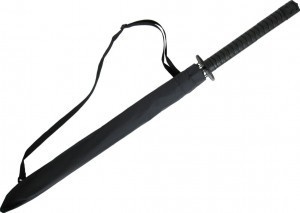
Fight rain with honor and resolve with your very own samurai…umbrella!
Yeah, it’s kinda kitschy, but it’s an umbrella with an awesome samurai handle and scabbard!
Buy now
AmazonAmazon UK
NEST LEARNING THERMOSTAT

The Nest Thermostat is a pretty, intelligent little gadget that learns from your heating and cooling habits and, using sensors to know whether you’re home or not, and a Wi-Fi connection to get up-to-date weather information, programs itself to help you save energy and money.
You can also pre-set a heating and cooling schedule and even control the device via a Web, iOS, and Android app.
I’ve had mine for about 8 months now and am very happy with it. It’s brought my electricity bill down, and the scheduling is particularly nice. I’ve had it bug out on me a couple of times, but the customer support team was great and helped me fix the issue within 10 – 15 minutes.
Buy now
AmazonAmazon UK
BOOK OF THE WEEK:
SYCAMORE ROW

Sycamore Row is Grisham’s latest novel, and it’s a sequel (of sorts) to A Time to Kill, which is widely considered one of the best–if not the best–legal thrillers ever written (and I agree).
In this book, Jake Brigance is back and caught up in the legal affairs of Seth Hubbard, a secretive, rich man that, before killing himself, cut his family out of his will and named his black maid the beneficiary. A lawyer dogpile quickly ensues, and Brigance has to find out why Hubbard would do such a thing, and how it all ties into a piece of land known as Sycamore Row.
I’m not a huge Grisham fan (I couldn’t even finish a few of his novels), but Sycamore Row, like A Time to Kill and The Broker, proves his mastery of storytelling.
Once you start reading, you won’t be able to stop–you’ll laugh, you’ll cry (or come close to it), and the ending is one of those “holy shit” moments that are oh-so-enjoyable.
Buy now
AmazonAmazon UK
What do you think of this week’s picks? Have anything you’d like to share? Let me know in the comments below!
October 30, 2013
5 Scientifically Proven Health Benefits of Tea
The first known cup of tea was brewed nearly 4,700 years ago in China by the legendary “Medicine King,” emperor Shennong.
According to Shennong, the infused water was useful for treating a variety of conditions, including tumors, abscesses, bladder ailments, and lethargy.
Well, several millennia later, Shennong’s brew is more popular than ever, and he was right: it does have a variety of now-scientifically-proven benefits.
In this article, we’re going to look at 5 reasons why you should include this health beverage in your daily routine.
Health Benefit of Tea #1:
Tea Helps Fight Free Radicals in the Body
“Free radicals” are atoms or groups of atoms that can, through chemical reaction, cause damage to cells in the body.
While free radicals play a vital role in certain basic physiological processes necessary for life, excessive amounts have been associated with aging, and age dependent diseases such as cardiovascular disease, cancer, neurodegenerative disorders, and other chronic conditions.
“Antioxidants” are substances that defend the body against the negative effects of free radicals. Our primary dietary sources of antioxidants are fruit and vegetables, which at least partially explains why research has shown that people who eat fruit and vegetables have a lower risk of heart disease and certain neurological disorders.
Well, as you’ve probably guessed by now, tea–and green tea in particular–is also great source of antioxidants.
It’s no surprise, then, that research has shown that regular tea consumption can reduce the risk of heart disease, and may even play a role in the prevention of cancer, as well as Alzheimer’s and Parkinson’s disease.
Furthermore, research has associated tea drinking with overall longevity. In a study of 40,530 Japanese adults, those who drank the most green tea (5 or more cups per day) were significantly less likely to die during an 11 year period.
Another study of 14,001 elderly Japanese individuals found the same: those who drank the most green tea were significantly less likely to die than those that drank the least.
Health Benefit of Tea #2:
Tea is a Brain Booster
The common commercial teas sold (black, green, and white) contain varying amounts of caffeine–14 to 61 mg per cup, according to one study, with no one type of tea generally containing more than another.
While we all know the stimulatory effects of caffeine, tea contains something else that coffee doesn’t, and that gives it the upper hand in terms of boosting cognitive function.
This is the amino acid known as theanine, and research has found that when it’s paired with caffeine, it can…
Improve alertness, focus, attention, memory, mental task performance, and mood
Reduce the effects of mental and physical stress
Increase the production of nitric oxide, which improves blood flow
The theanine also moderates the effects of caffeine, giving a smoother increase in energy without the crash.
Health Benefit of Tea #3:
Tea Can Help You Lose Weight
Caffeine, found in most commercial teas, is a known weight loss aid, but green tea in particular has more to offer in this regard.
Green tea contains an abundance of antioxidants known as “catechins,” which have been shown to assist with weight loss.
There are two primary mechanisms how it does this:
It can increasetotal daily energy expenditure (it seems to be unreliable in this mechanism, however).
It accelerates exercise-induced fat oxidation (the breaking down of fat molecules into usable energy), by inhibiting an enzyme that degrades adrenaline (and the longer adrenaline is in your system, the more fat you burn).
Interestingly enough, research has also shown that the catechins in green tea can help reduce abdominal fat in particular,
Health Benefit of Tea #4:
Tea Improves Insulin Sensitivity
When you eat food, your pancreas releases the hormone insulin into your blood, which tells your liver, muscles, and fat tissue to take in the nutrients being pumped into your blood.
If your body is healthy, your cells are sensitive to insulin’s signal–they “listen” to it, so to speak, and suck the nutrients out of your blood.
The more sensitive your cells are to insulin, the better they respond to its signals. As insulin sensitivity increases, your body needs to produce less insulin to successfully “convince” its cells to absorb nutrients, and the job gets done quicker. This is a good thing, and helps maintain a lean, healthy body.
As cells become insulin resistant, however, they fail to respond to insulin in the ways they should. The body must then produce more insulin to force its cells into action, and the insulin must remain in the blood longer to get the cells to take the nutrients.
Insulin resistance is a bad thing, and can lead to weight gain (especially in the abdominal region), an increased risk of cardiovascular disease, high blood pressure, and more.
(And as a side note, type 2 diabetes is a condition wherein your cells have become very resistant to insulin and your body simply can’t produce enough to make them respond properly anymore. Thus, diabetics must inject insulin when they eat to strong arm their cells into accepting glucose.)
Well, yet another feather in tea’s cap is the fact that it improves insulin sensitivity.
Green tea is particularly effective in this mechanism, and regular consumption has been associated with a decreased risk of developing type 2 diabetes
Health Benefit of Tea #5:
Tea Helps Fight Harmful Bacteria and Viruses
Those wonderful little catechins found in tea also help keep you healthy.
Research has shown that these molecules have antiviral and antibacterial properties, which can not only prevent sickness, but also cavities and even bad breath.
A Note on Buying Teas
Research has shown that the older leaves used in lower quality teas contain less beneficial antioxidants and amino acids, and more fluoride.
Thus, I recommend you stay away from the cheap, bagged teas sold at the grocery store. These products are the “dregs” of the tea world, and won’t benefit you nearly as much as fresh, loose tea will.
Personally, I really like some of Teavana’s products, and Upton Tea Imports is a good resource as well. I love combining green tea with flavorful white teas.
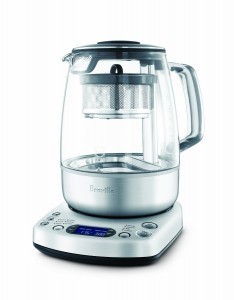
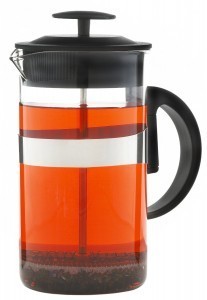
If you’re going to be making loose teas, you may also want to consider getting a contraption for proper brewing.
You can go high-tech, like this awesome tea maker from Breville (I have it and love this thing):
Buy now
Amazon
Or you can keep it simple and get a french press, like this one from Grosche:
Buy now
AmazonAmazon UK
What’s your take on tea? Have any favorite types or sellers you’d like to share? Let me know in the comments below!


