
Michael Matthews's Blog, page 147
July 8, 2013
Does CrossFit Work?
“CrossFit won’t just transform your body,” an acquaintance told me, with a glint of fire in her eyes, “it will change everything–who you are, how you view the world, what you think is possible.”
I’m a big believer in the life-changing power of being fit, but she was being a bit too dramatic even for me. I felt like I was being recruited for a crusade or pilgrimage, not a workout program.
This type of talk is common among the CrossFit crowd, which is growing at an exponential rate these days. But is it everything its followers–no, believers–claim it to be? Does it really transform mere “working out” into something transcendent and sublime?
Let’s find out.
What is CrossFit?
In case you somehow don’t already know, CrossFit is a high-intensity exercise program that focuses on performing a variety of strength and aerobic exercises, ranging from push-ups to sprints to clean and jerks.
The exercises are usually combined to “Workouts of the Day,” or “WODs” as the initiated call them, which are often short (about 30 minutes) and extremely demanding. Performance is tracked and ranked to encourage friendly competition and measure progress.
For instance, here’s what a CrossFit workout looks like (this one is called the “Fran”):
Do the following as quickly as possible:
Three rounds, 21-15- and 9 reps of:
95-pound Thruster
Pull-ups
But CrossFit is more than just getting in a workout. It’s the culture that has made it so popular. Check it out:
Brilliant marketing, that’s for sure. (I wonder if CrossFit’s founder, Greg Glassman, has read this book?)
But does CrossFit live up to such claims? Does it justify the hype?
I don’t think so. Let me explain.
CrossFit Doesn’t Get to Re-Define the Meaning of Fitness
The Oxford English Dictionary defines fitness as “the condition of being physically fit and healthy.” And fit is defined as “in good health, because of regular physical exercise.”
Using these dictionary definitions, we can measure our fitness level in several ways:
By testing our muscular strength.
By testing our cardiovascular conditioning.
By testing our body composition.
By testing our flexibility.
By testing our metabolic health.
Thus, as we get fitter…
We become stronger.
We become better at dealing with the cardiac stress of physical activity.
We become leaner and more muscular.
We become more flexible.
We improve our body’s ability to use food for fueling and regenerating itself.
Well, in CrossFit lingo, fitness has a different, much more short-sighted definition–one that Glassman invented, and that he claims is the first “meaningful, measurable way” to define the word:
“Increased work capacity across broad time and modal domains.”
So basically, according to Glassman, you’re as fit as you can do CrossFit. Clever and convenient. But silly.
You’re not as fit as you can do CrossFit.
Case in point: watch some CrossFit videos online or head into a CrossFit gym and you’ll see a lot of weak, overweight, inflexible people that think they’re Spartans because they can do 30 kipping (fake, stupid) pull-ups or finish the “Murph” and then make a quick visit to Uncle Pukie’s.
These people are not fit.
Now, I don’t say that to rag on people that aren’t in great shape. I respect anyone that puts in work to improve their fitness, regardless of their current condition.
But I AM ragging on the unfit CrossFit snobs that think that because I’m not a part of their “WODSQUAD,” I’m physically inferior in some way.
Wait a second…I can out-lift, out-run, and out-stretch you, and I’m bigger and leaner than you…but you’re elite because you can hit Olympic lifts with poor form and do air squats until you puke?

CrossFit Isn’t the Ultimate Way to Get Fit
With that out of the way, let’s talk about actually getting fit, starting with a simple proposition:
An activity is as effective for fitness as it builds strength and aerobic endurance, and improves body composition, flexibility, and metabolic health.
Simple enough, right?
Well, if you’ve ever been pitched on CrossFit, you were probably hit with quite a few buzzwords:
Functional fitness
General fitness training
Full-body workout
Metabolic conditioning
General physical preparedness
The spiel usually boils down to the claim that performing a wide variety of exercises is the best way to achieve overall fitness and an aesthetic physique. That a traditional exercise program just can’t deliver the goods like CrossFit can.
Well, CrossFit does have its merits. The workouts are tough and involve doing real exercises, and you will see results if you stick to it.
But it isn’t the best way to get fit.
Let’s first look at research on what happens when you combine strength and cardiovascular training.
Researchers from RMIT University worked with well–trained athletes in 2009 and found that “combining resistance exercise and cardio in the same session may disrupt genes for anabolism.” In laymen’s terms, they found that combining endurance and resistance training sends “mixed signals” to the muscles and impairs their ability to adapt to either.
They also found that cardio before the resistance training suppressed anabolic hormones such as IGF–1 and MGF, and cardio after resistance training increased muscle tissue breakdown.
Several other studies, such as those conducted by Children’s National Medical Center, the Waikato Institute of Technology, and the University of Jyvaskyla (Finland), came to same conclusions: training for both endurance and strength simultaneously impairs your gains on both fronts.
Now does this mean CrossFit won’t improve both strength and endurance? No, of course not. But if you want to get big and strong, or if you want to maximize your aerobic capacity, science says that CrossFit isn’t the best way to do either.
Thus, it’s no surprise that most CrossFitters aren’t particularly muscular or strong, and have mediocre cardio. In fact, the only CrossFitters I’ve known that had exceptional strength, size, or cardio were following a traditional weightlifting and cardio program on top of doing CrossFit.
In my experience, both in my own training and in working with hundreds of others, the most effective way to both build strength and improve aerobic endurance is to separate weightlifting and cardiovascular exercise.
That is, follow a traditional approach to improving fitness.
CrossFit and Overtraining
Part of the CrossFit culture is taking “no pain, no gain” to a whole new level. Training to the point of absolute exhaustion makes you a “warrior.” Puking after a workout is a vaunted sacrifice to the gods of gainz.
Well, unless you’re on drugs, this is a fast track to overtraining, which can lead to serious problems. It can become chronic, which is a gradual onset of overtraining symptoms like general fatigue, depression, restlessness, loss of appetite, loss of desire to work out, and more. Or it can be acute, and in extreme cases, deadly.
A man named Makimba Mimms was awarded $300,000 in damages from a local CrossFit gym and his trainer for injuries he sustained during a CrossFit workout in 2005. Those injuries included rhabdomyolysis, a condition in which severely and rapidly damaged muscle tissue is released into the blood stream, which can lead to kidney failure.
The Workout of the Day, or “WOD,” that almost killed Mimms was renamed the “Makimba” and categorized as a children’s workout. Har har. Poor taste in jokes aside, nobody is immune to rhabdo.
For instance, in January 2011, 13 football players at the University of Iowa were hospitalized with rhabdo after doing a workout that included 100 squats with 50% of their one-rep max. It wasn’t a CrossFit workout, but was similar in that it had them performing compound lifts for high reps and under extreme fatigue.
Here’s the simple fact of the matter:
If you’re not on drugs and you’re training to complete physical exhaustion multiple times per week, and especially if your workouts include weightlifting, you’re going to end up overtraining. It’s only a matter of time.
CrossFit and Injuries
One of the first things I noticed about people I knew doing CrossFit was almost all of them had gotten hurt. Sprains, pulled muscles, even torn ligaments.
I wasn’t surprised. Why? For a couple reasons.
The safety of the CrossFit workouts depends a lot on the coaches. If a newbie is going to perform a compound lift like a deadlift or squat, or an advanced Olympic lift like the snatch, he had better know exactly what he’s doing. If the coach hasn’t taught him perfect form, or pushes him to move a lot of weight or go to absolute failure (which is common in CrossFit classes), the likelihood of injury goes way up.
Unfortunately, however, a good coach can only do so much. CrossFit comes with an increased risk of injury built right into it. How so?
Because CrossFit has you trying to hit heavy Olympic lifts when you’re fatigued, which is a recipe for injury. Research has shown this with the squat: as fatigue sets in, form invariably gets worse. Interestingly enough, our perception of range of motion even changes with fatigue–what feels like the bottom of the squat actually isn’t.
If you’re fatigued, you should not be trying to perform heavy weightlifting exercises, and especially not big compound exercises like deadlifts, squats, and Olympic lifts.
Don’t believe me?
“The problem has to do with fatigue and going to failure,” says Stuart McGill, Ph.D., a professor of spine biomechanics at the University of Waterloo, Ontario. “Some exercises are conducive to this and others are not.” McGill puts Olympic lifts in the “not” category.
“Repeating movements where form is compromised with fatigue really does not fit the philosophy of Olympic lifting to reduce injury risk and enhance performance.”
This is one of the reasons why the American College of Sports Medicine recommends at least 3 minutes of rest in between heavy weightlifting sets (1-6 reps).
So, you’re not guaranteed to get hurt doing CrossFit, but you’re at a higher risk of injury if you follow the regular protocols.
Unsurprisingly, the few guys I know that have been doing CrossFit for any meaningful period of time without getting injured are experienced weightlifters and insert proper rest periods in between heavy sets of lifting.
So Should You Do CrossFit?
The answer to this question really depends on your goals.
If you’re looking to get fitter and have some fun, then CrossFit isn’t a bad choice if you know how to avoid overtraining and injury.
But if you’re looking to maximize strength or muscle gains, or maximize your aerobic capacity…CrossFit is not a good choice.
You’ll do much better following a proper weightlifting or cardio training program.
What are your thoughts on CrossFit? Love it? Hate it? Let me know in the comments below!


July 5, 2013
Cool Stuff of the Week #3: Game of Thrones Prints, Nike Legend Dry-Fit, RODE iXY Mic, and more…
I’m not ashamed to admit that I’m kind of a sucker for cool stuff. I like nifty gadgets, quirky decoration pieces, nice clothes (and shoes!), good books, and fun games.
In this series of weekly posts, I share whatever currently has my fancy. Maybe some of it will catch yours as well!
GAME OF THRONES CHARACTER PRINTS, 80′S AND 90′S STYLE

What started as a series of popular Web images are now available as prints.
The collection features your favorite characters from Game of Thrones sporting some hideously tacky 80′s and 90′s outfits. My favorites are Bronn’s Adidas jumpsuit, Drogo’s grunge rocker getup, and Police Chief Tywin.
Buy now
Society6
NIKE LEGEND DRY-FIT SHIRT
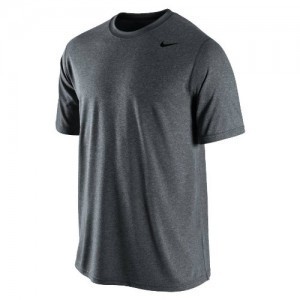
Let’s face it: part of working out every day is looking good. And some shirts just make you look better than others.
That’s why I like the Nike Legend Dry-Fit. It’s not only thin, lightweight, and comfortable, but it has a great cut that highlights your physique (wide in the shoulders but not too lose, slim in the waist but not too short or tight).
Buy now
Amazon
RODE iXY IPHONE MICROPHONE
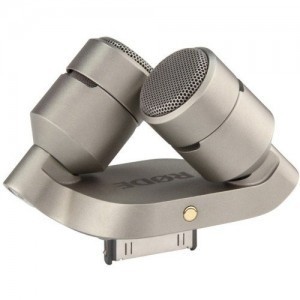
This miniature stereo microphone snaps into your iPhone’s docking port and captures high quality audio directly to your device.
The RODE iXY records the highest quality audio of any iPhone microphone available, which is pretty impressive considering its size (it fits easily into the palm of your hand). If you create recordings that demand HD-quality audio (podcasts, lectures, concerts, interviews, etc.) and don’t want to lug around a fancy mic, the RODE iXY might be perfect for you.
Buy now
AmazonAmazon UK
33 STRATEGIES OF WAR
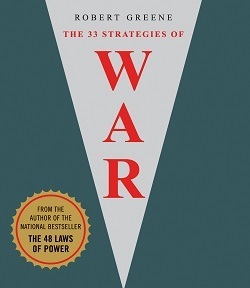
I’m a bit of a history nut, so this book was right up my alley. If you liked Sun Tzu’s Art of War, you’ll really enjoy Greene’s 33 Strategies of War.
In this book, Greene takes us on a journey through thousands of years of wars and conflicts and their political, philosophical, and religious motives and justifications.
He does a wonderful job analyzing some of the most effective war strategies in history, as executed by a men and women like Napoleon, Margaret Thatcher, Lyndon Johnson, George Patton, and others, and extracting simple, powerful lessons that can be used to gain the advantage in any competitive endeavor.
Characteristic of his style, Greene isn’t concerned with the morality or ethics of such strategies. He simply shows you what has worked and why, and lets you decide what is right and wrong.
I really enjoyed it and found many of the principles especially relevant to my work, as the heath and fitness industry is notoriously cutthroat.
Buy now
AmazonAmazon UK
What do you think of this week’s picks? Have anything you’d like to add? Let me know in the comments below!
July 4, 2013
Recipe of the Week: Sweet Potato Protein Pancakes
A pile of good pancakes is one of my favorite cheat meals, and I like to try all kinds.
This recipe is from my cookbook, The Shredded Chef, and I really like it because it’s healthy, gives you a fair amount of protein, and tastes like you’re cheating. If you like sweet potato and oatmeal, I think you’ll really dig it.
Servings
1 (makes 2 pancakes)
Calories Per Serving
358
Protein Per Serving
24
Carbohydrates Per Serving
59
Fat Per Serving
4
Ingredients
1 medium-sized sweet potato
1/2 cup old-fashioned oats
1 large egg
4 egg whites
1/2 teaspoon vanilla extract
1/2 teaspoon ground cinnamon
1/4 cup fat-free plain yogurt
Instructions
Puncture the sweet potato several times with a fork. Wrap it in a paper towel and microwave it for 5 minutes on high. Run it under cool water and then remove the skin with a knife.
Blend the oats until they are a powder and dump into a bowl.
Blend the sweet potato until smooth and place it into the bowl with the oats. Stir in the egg, egg whites, vanilla extract, cinnamon, and yogurt. Mix well until it forms a smooth batter.
Coat a pan with cooking spray and wipe away the excess with a paper towel. Save this for wiping the pan after cooking each pancake. Heat the pan on medium-low heat.
Spoon about 1/2 cup of batter into the pan and cook for 1-2 minutes or until golden brown. Flip the pancake and cook for 30 seconds to 1 minute or until golden brown and firm. Put the pancake on a plate and wipe the pan with the paper towel.
Repeat step 4 with the rest of the batter.
What You End Up With

July 3, 2013
Help, I Can’t Sleep! Effects of Sleep Deprivation and Natural Cures for Insomnia
High-quality sleep is getting scarcer and scarcer these days thanks to ever-increasing obesity rates, work hours, TV watching, video game playing, and other distractions that keep us up at night.
To research average sleep habits, the CDC followed 74,751 adults in 12 states. According to the findings published in 2011, 35.3% of people reported less than 7 hours of sleep per night, 38% reported unintentionally falling asleep during the day at least once in the preceding month, and 4.7% reported nodding off or falling asleep while driving at least once in the preceding month.
Sleep insufficiency has been linked to auto crashes, industrial disasters, and medical and other occupational errors. It can also increase risk of chronic diseases like hypertension, diabetes, depression, obesity, and cancer; increase mortality; and reduce quality of life and productivity.
When your body is asleep, it might look inactive, but that’s far from the case. It’s very busy repairing tissue and producing hormones—functions that are especially important if you’re subjecting your body to increased levels of stress every day through exercise.
So, let’s look at some of the various effects sleep has on our ability to achieve our health and fitness goals, and what we can do to improve the quality of our sleep.
Sleep and Weight Loss
A large amount of fat loss occurs while you sleep for two reasons.
Your body burns quite a few calories while you sleep (a 160-lb. person burns about 70 calories per hour), and much of it must come from fat stores because you haven’t eaten any food in several hours. Furthermore, much of your body’s growth hormone is produced while you’re sleeping, further stimulating fat loss.
With that in mind, it’s not surprising that the amount we sleep affects our weight-loss efforts and overall health.
In a study conducted by the University of Chicago, 10 overweight adults followed a weight-loss diet (caloric restriction) for 2 weeks. One group slept 8.5 hours per night; the other, 5.5. The 5.5-hour group lost 55% less fat and 60% more muscle than the 8.5-hour group, and on top of that, they experienced increased hunger throughout the day.
This correlation has been observed elsewhere as well. Research conducted by the National Center for Global Health and Medicine associated shorter sleep duration with increased levels of body fat. There’s also evidence that acute sleep loss causes insulin resistance to a level similar to someone with type 2 diabetes, which can increase the rate at which your body stores carbohydrates as fat.
Sleep and Hormones
Insufficient sleep can negatively impact our hormone profiles.
Another study conducted by the University of Chicago found that when 10 healthy men reduced sleep for a week from about 9 hours per night to 5, their testosterone levels dropped by up to 14% during the day.
It’s also known that insufficient sleep decreases growth hormone and insulin-like growth factor-I (IGF-1) levels, which play important roles in maintaining muscle mass.
Sleep and Athletic Performance
While you would think that sleep deprivation has profound effects on strength and speed, research says otherwise.
A study conducted by the Imam Khomeini International University demonstrated that one night of sleep deprivation didn’t affect anaerobic power in male participants, but did impair reaction times.
A study conducted by the Defence and Civil Institute of Environmental Medicine had 11 male subjects undergo 60 hours of sleep deprivation and then perform repetitions of forearm and leg exercises. They found that the sleep-deprived group performed equally as well as the group that slept 7 hours per night in reaction time and muscular performance.
Further research by the same institute, however, found that sleep deprivation does negatively affect time to exhaustion (subjects couldn’t exercise as long before feeling exhausted) and perceived exertion (the workouts felt harder).
A practical takeaway from these findings is that you don’t have to skip your workout if you slept less than usual, but in general, try to get a good night’s sleep as frequently as you can.
My experience lines up with the above findings: Sleep-deprived workouts are tough to get through, and while I often lose a rep or two (reduced muscle endurance), my strength isn’t negatively affected.
Now, while sleep deprivation doesn’t necessarily impair athletic performance, studies indicate that extended sleep may improve it. Research conducted by Stanford University demonstrated that when basketball players extended sleep from 6–9 hours per night to at least 10 hours per night, they ran faster, shot more accurately, had better reaction times, and felt more physically and mentally fit during practices and games.
How Much Sleep Should We Get?
Sleep needs vary from individual to individual, but according to the National Sleep Foundation, adults need 7–9 hours of sleep per night to avoid the negative effects of sleep deprivation.
Since genetics and age affect how much sleep your body optimally needs, a simple way to determine what’s optimal for you is to pick a two-week period such as a vacation and go to bed at the same time each night without an alarm set.
Chances are you’ll sleep longer than usual at first if you have “sleep debt” to cancel out, but toward the end of the second week, your body will establish a pattern of sleeping about the same amount every night. And it’s trying to tell you something: That’s exactly how much sleep it needs.
The Best Natural Sleep Aids
Most people know they should sleep 7–9 hours, but it’s easier said than done. As of 2006, it’s estimated that 50–70 million Americans suffer from a sleep disorder.
Hypnotic drugs like Ambien, Rozerem, and Sepracor are common solutions, but they have been associated with a host of rather scary side effects, including:
Depression
Increased risk cancer and overall mortality
Increased risk of infections
Delirium, nightmares, and hallucinations
And more…
Relying on these types of drugs is clearly not ideal. Fortunately, there are quite a few things you can do to naturally improve your sleep:
Avoid caffeine, alcohol, nicotine, and other chemicals that interfere with sleep. We all know that caffeine and nicotine are stimulants, but many don’t know that alcohol may disrupt their shuteye. It can help bring on sleep, but a couple hours after drinking, alcohol acts as a stimulant and can increase the number of awakenings during the night.
Make getting enough sleep a priority. Just as you give priority to proper diet and exercise, getting to bed on time must be non-negotiable.
Keep your bedroom dark, quiet, and cool, which are all cues for the brain to put the body to sleep. Don’t expose yourself to bright lights while you’re getting ready for bed because this can suppress the production of melatonin, a hormone that induces sleep.
Don’t watch TV or use a computer, tablet, or smartphone for at least an hour before bed. These devices emit a type of light known as “blue light,” which is a powerful melatonin suppressant.
Establish a relaxing pre-sleep routine, such as taking a bath, reading a book, listening to calming music, and stretching or doing breathing exercises. Avoid stressful or stimulating conversations or activity.
Don’t just lie in bed staring at the clock. This can stress you, in turn causing your body to produce cortisol, which keeps you awake. Instead, ignore the clock, and if you’re unable to fall asleep in a reasonable amount of time, get up and occupy yourself with a quiet, soothing activity like reading or listening to music until your eyes become droopy. Then go back to bed.
Keep your body’s internal clock regulated by going to bed and waking up at the same time every day. Waking up at the same time despite when you went to bed is the best way to set your body’s clock and maintain it.
Don’t exercise too late. Finish your workout at least 3 hours before bedtime to allow cortisol levels and body temperature to drop, which is conducive to sleep. (Gentle stretching before bed, on the other hand, is a great way to unwind.)
There are also several natural supplements you can take to sleep better.
Melatonin, a hormone that induces sleep, is sold as a dietary supplement. Research has shown that supplementation with melatonin can help you fall asleep faster, and sleep better.
The common clinical supplementation protocol used is 3-6 mg 30 minutes before bed.
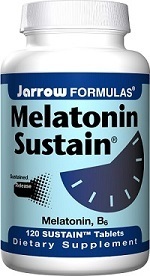
Click here to buy melatonin on Amazon.com
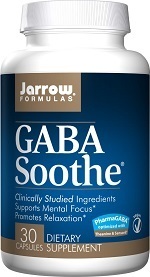
GABA, also known as gamma-aminobutyric acid, is an amino acid that helps stimulate relaxation and sleep. Research has shown that low brain levels of GABA causes increased wakings after falling asleep, and that supplementation with GABA can induce relaxation, and help you fall asleep faster, stay asleep longer, and improve the quality of your sleep.
The common clinical supplementation protocol used is 500-600 mg before going to bed.
Click here to buy GABA on Amazon.com
Do you have any other tips for sleeping well? Have anything else you’d like to add? Let me know in the comments below!
July 1, 2013
How to Eat Healthy Foods on a Budget
Many people think that eating healthy is becoming harder and harder these days unless you’re willing to blow half your paycheck on groceries every week.
A good argument can be made to eat organic, but it can cost an arm and a leg.
Eating too many cheap, processed meats poses serious health risks, but finding high-quality, affordable alternatives can be tough.
According to research conducted by the University of Washington, eating healthy can cost up to 10 times as much as living off junk food. Is it really that bad? Well, more on that in a second.
Thus, it’s not surprising that it’s becoming kind of trendy to “eat junk and get shredded,” thanks to the rise in popularity of dietary protocols like If It Fits Your Macros.
While it’s true that you can build muscle and lose fat eating low-quality food (HOW MUCH you eat is what matters most, not WHAT), these types of diets aren’t sustainable in the long run due to micronutrient deficiencies and other health-related concerns. And let’s not forget how expensive poor health can become, especially when conditions become chronic.
By sticking primarily to healthy foods, you will enjoy improved energy levels, immune health, cognitive performance, and a general sense of well-being. And anecdotally speaking, the guys with the best physiques I can think of get the vast majority of their calories from healthy foods, with only a small portion coming from low-quality indulgences.
So, how do we solve this dilemma, then? Well, fortunately, eating healthy isn’t as expensive as some people claim. If you’re willing to do a little meal planning and add some variety to your diet, you can eat healthy without breaking the bank.
CHEAP SOURCES OF HEALTHY PROTEIN AND FAT
Here are my favorite healthy, inexpensive sources of protein:
Eggs. They’re one of the best all-around sources of protein, with about 6 grams per egg, and are also a great source of healthy fats. Eggs also have several health benefits such as reducing the risk of thrombosis, and raising blood concentrations of two powerful antioxidants lutein and zeaxanthin.
Oh, and if you’re afraid that the cholesterol in eggs will increase your risk of heart disease, this myth has been thoroughly debunked by both epidemiological and clinical research.
With an average price is about $0.20 per egg, or $2 per dozen, they’re hard to beat in terms of nutrition and price.
Chicken breast. There’s a reason why fitness-minded people eat so much chicken: it’s cheap, extremely high in protein, and low in fat. A pound of chicken breast has about 100 grams of protein, and will cost you about $3.50.
While it’s true that poultry’s omega-6 and -3 ratios are out of whack (about 10:1, whereas beef is about 2:1), we can easily handle any imbalances by supplementing with fish or krill oil or eating fatty fish like salmon, tuna, trout, herring, sardines, or mackerel (which we should all be doing anyway).
Packaged/canned salmon and tuna. Both are great sources of protein and omega-3 fatty acids, which can help protect us against a wide variety of disease.
Salmon contains about 22 grams of protein and 12 grams of fat per 4-ounce serving, and costs under $2. Tuna measures in at about 40 grams of protein and 2 grams of fat per 6-ounce can, at an average cost of around $1.50.
My favorite uses are making salmon burgers, and mixing tuna with Greek yogurt or chopped veggies.
Almonds. These are by far my favorite type of nut. They’re delicious and nutritious, with a handful (about 15) weighing in at 9 grams of healthy fat, 4 grams of protein, and just under 4 grams of carbs. Like eggs, they also come with added health benefits, such as a reduced risk of diabetes, and lower body weight.
Almonds cost about $0.50 per ounce (25-30 nuts), making them easy to fit into any budget. They’re great by themselves, and go well in cold cereals like granola or muesli, and hot cereals like oatmeal. My favorite way to eat them, however, is to buy freshly ground almond butter. It’s delicious by itself, but really shines when you combine it with some fruits like bananas or apples.
Low-fat cottage cheese. You can buy a ½-cup serving of low-fat cottage cheese for less than a dollar, and you get 14 grams of protein and only 1 gram of fat. I think it tastes great with just a dash of salt and pepper, but also like it with fruit like pineapple or berries.
Protein powder. If you’re choosy, protein powder can actually be very cost efficient.
For instance, if you head over to www.truenutrition.com and build a 100% whey isolate with natural chocolate flavoring and stevia sweetener, it will cost you about $11 per pound. That’s 405 grams of protein for $11!
Avocado. This is one of my favorite sources of monounsaturated fat (one avocado contains about 15 grams), which can improve cholesterol levels, reduce the risk of cardiovascular disease, and improve brain function. On top of that, avocado is full of cancer-fighting phytochemicals.
You can do more with it than just make guacamole, as well. It goes great with eggs, in soups, and in salsas. Although the prices fluctuate due to seasonal highs and lows in both demand and production, they usually range between $1-2 per fruit, and each fruit can last several food servings.
CHEAP SOURCES OF HEALTHY CARBS
Despite the current crusade against carbs in the mainstream, they play a vital role in the diet of people that exercise. (If you want to learn more about why carbohydrates don’t make you fat, check out my post on carbohydrates and weight loss.)
That said, the most popular forms of carbohydrate here in the states are processed junk foods, which may pose serious health risks if consumed too regularly for too long. On the other hand, regular intake of nutritious carbohydrates has been associated with a reduced risk of chronic disease.
Here are my favorite sources of cheap, healthy carbs:
Oats. One cup of dry oats packs over 100 grams of carbs, 26 grams of protein, and 11 grams of fat.
You can buy it in bulk for about $1 per pound, and it’s a great source of medium-GI carbohydrate and dietary fiber. Research has also indicated that oats can reduce levels of LDL (“bad”) cholesterol.
Oatmeal is a staple in many bodybuilders’ diets, but you can even substitute blended oats for flour when baking, or as breadcrumbs or breading for spicing up chicken dishes.
Black beans. Black beans are awesome source of carbohydrate as well as potassium, calcium, folic acid, and fiber. One cup contains about 40 grams of carbs, 15 grams of protein, and 1 gram of fat, and you can buy them for about $1 per can, or in bulk (dry) for even less.
Boil them up and they make a great side to any protein dish, but they’re also perfect for making soups and dips.
Brown rice. Like oatmeal, brown rice is a “go-to” food for most of us fitness folk, and for good reason.
You can pick it up dirt cheap—around $2 per pound—and one cup provides close to 45 grams of carbs, 5 grams of protein, and 2 grams of fat, and has nearly four times the fiber as white rice, as well as more vitamins, minerals, and other beneficial micronutrients.
A better nutrition profile and lower score on the glycemic index make brown rice a better choice than white. Research has associated high levels of intake of refined grains such as white rice with an increased risk of developing type 2 diabetes, whereas regular consumption of whole grains such as brown rice has been associated with a reduced risk.
Quinoa. It might be hard to pronounce (keen-wah), but it’s easy to prepare, extremely tasty, cheap (about $4 per box), and full of healthy protein and carbs.
One cup of dry kernels has a 110 grams of carbs, 24 grams of protein, and 10 grams of fat, and it can be prepared in the same ways as brown rice.
Fruit. You really can’t go wrong with fruit. My favorite choices are grapes, apples, bananas, and oranges, which are full of a variety of antioxidants, vitamins, minerals, and fibers. And price? All range between $0.60 and $1.50 per pound.
Oh and if you’re worried that fruit and fructose might be bad for your health, check out my post on why fruit and fructose don’t make you fat and unhealthy.
Sweet potato. Sweet potatoes let you feel like you’re cheating when you’re not. They can be dessert sweet, they’re in the middle of the glycemic index, and they’re full of vitamin A and other micronutrients.
One cup of mashed sweet potato provides you with about 60 grams of carbs, 4 grams of protein, and less than 1 gram of fat. At a paltry cost of about $1 per pound, you can’t afford to leave the sweet potato out of your diet.
YOU CAN EAT HEALTHY FOODS ON A BUDGET
So there you have it, it IS possible to eat healthy without maxing out your credit cards.
In fact, you may even save money if you use a few other tricks like buying frozen veggies, buying in bulk, paying attention to sales and what’s in and out of season, and preparing your food in batches so you can use everything you buy.
And let’s not forget that the ultimate value of eating healthy—longevity, vitality, and disease-free living—is hard to put a price tag on.
June 28, 2013
Cool Stuff of the Week #2: Moleskin Photo Books, Sleep Phones, Archer, and more…
I’m not ashamed to admit that I’m kind of a sucker for cool stuff. I like nifty gadgets, quirky decoration pieces, nice clothes (and shoes!), good books, and fun games.
In this series of weekly posts, I share whatever currently has my fancy. Maybe some of it will catch yours as well!
CUSTOM MOLESKIN PHOTO BOOKS

If you’re a picture person, you’re going to love this.
The iconic brand Moleskin has teamed up with Milk Books to offer some pretty awesome custom photo books.
Here are the highlights:
Various sizes, with both portrait and landscape layouts.
3 different page counts (20, 60, and 12).
Simple image uploading.
Page templates that allow the inclusion of colored text.
If you’re into the sleek style of Moleskin books and enjoy creating photo albums, this is for you. They make great gifts as well!
Buy now
Milk Books
SLEEP PHONES
I used to listen to music to help me fall asleep faster, but these days I’m into the ambient noise apps (thunder storms, jungle noise, crackling fire with howling winds, etc.).
My wife, however, likes complete quiet. I’ve tried various in-ear headphones but they would invariably wake me up due to discomfort (mainly from sleeping on my side).
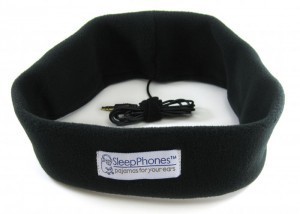
Well, this is where the Sleep Phones come in.
As you can see, they’re terribly simple, but useful. They’re headphones fitted into a soft headband. The sound quality is good enough, and they’re quite comfortable, so they’re perfect for my sleep needs.
They’re particularly useful if you’re woken up regularly by environmental noise (cars, garbage truck picking up your building’s trash, etc.).
Buy now
AmazonAmazon UK
ELLUSIONIST BLACK GHOST PLAYING CARDS

If you play cards or are into performing magic tricks, then you need to know about Ellusionist. They turn boring decks of Bicycle cards into stunning works of art.
The Black Ghost deck is one of my favorites. Ellusionist used to only give them away as special promotions, and to professional magicians, but they recently decided to sell them to the public.
Buy now
AmazonAmazon UK
ARCHER

It’s hard to find comedy whose characters are quirky but not annoying, and whose writing is witty but not obscure, sophisticated enough to make vulgarity work, and funny enough to genuinely make you laugh out loud.
Archer is all of those things. And I love it.
What’s it about? Here’s a quote from Amazon.com:
At center stage is Sterling Archer, top agent for an outfit known as ISIS, which just happens to be headed by his domineering, sex-starved mother, Malory. Others on the team include agent Lana Kane, Sterling’s once and no doubt future lover, nerdy company comptroller Cyril Figgis, Lana’s current boyfriend, and some colorful supporting characters.
But this is mostly about Sterling, who, in addition to his fancy spy chops, is an irresponsible liar, ne’er-do-well, and wastrel (he spends an entire episode breaking into the agency’s mainframe so he can blame someone else for his outrageous expenses).
His missions, in which he’s often joined by Lana (the better to hurl flirtatious epithets at one another), are fairly stock: Cuban missile submarines off the Florida coast; an arms dealer peddling stolen weapons; a bomb threat on a luxury airship.
This show is full of brilliant absurdity reminiscent of Family Guy, hilarious puns and insults, and all kinds of ridiculous shenanigans. It’s a fun time.
Buy now
AmazonAmazon UK
What do you think of this week’s picks? Have anything you’d like to add? Let me know in the comments below!
Recipe of the Week: Protein Pudding Bars
I’m not a fan of most store-bought protein bars, but love homemade ones.
This is a simple, tasty recipe from my cookbook, The Shredded Chef. What I like to do is leave the bars in the baking dish and keep the dish in the fridge at the office, and then portion them out as needed.
Servings
8 (1 bar per serving)
Calories Per Serving
284
Protein Per Serving
31
Carbohydrates Per Serving
30
Fat Per Serving
4
Ingredients
8 scoops chocolate or vanilla whey protein powder
3 cups old-fashioned oats
1 package sugar-free fat-free pudding (use same flavor as protein)
2 cups skim milk

Instructions
Combine all ingredients in a large bowl and mix until a sticky batter is formed.
Coat a shallow baking dish in cooking spray and spread the mixture out over the dish.
Place in the refrigerator overnight, cut into 8 equal bars once set.
What You End Up With

June 26, 2013
How Much Fiber Should You Get Every Day and Why?
Do you know how much fiber you’re getting every day?
Do you know where it’s coming from?
Is it enough? Should you raise or lower it?
What foods are the best sources of fiber?
These are all questions I get asked fairly regularly, so I thought their answers would make for a good article.
So, let’s start at the beginning.
What is Fiber, Exactly, and What Does It Do?
Fiber is an indigestible type of carbohydrate found in many types of foods, including fruits, vegetables, legumes, and grains. It comes in two forms:
Soluble fiber. This type of fiber dissolves in water, and tends to slow the movement of food through the digestive system. Research has shown that insoluble fiber is metabolized by bacteria in the colon, and hence has little effect on stool weight. However, it can increase fecal output by stimulating the growth of healthy bacteria and fatty acids, and is actually an important source of fuel for the colon.
Some common sources of soluble fiber are beans and peas; oats; certain fruits like plums, bananas, and apples; certain vegetables like broccoli sweet potatoes, and carrots; certain nuts, with almonds being the highest in dietary fiber.
Insoluble fiber. This type of fiber does not dissolve in water, and contributes to stool weight. It bangs against the walls of the intestines, causing damage, but that this damage and the resulting repair and cellular regeneration is a healthy process.
Some common sources of insoluble fiber are whole grain foods like brown rice, barley, and wheat bran; beans; certain vegetables like peas, green beans, and cauliflower; avocado; and the skins of some fruits like plums, grapes, kiwis, and tomatoes.
The importance of getting adequate fiber has been known for a long time. The ancient Greek physician Hippocrates, who famously said “let food be thy medicine, and medicine be thy food,” recommended whole-grain breads to improve bowel movements.
What else does it help with? What doesn’t it help with? Let’s find out.
Fiber Intake and Colon Cancer
For many years, we have been told to eat a high-fiber diet to reduce our risk of colon cancer.
Well, it turns out that this advice was based on relatively small studies. More recent, larger, and better-designed studies refute their findings.
For instance, a study conducted by Harvard University that followed over 80,000 nurses for 16 years found that dietary fiber was not strongly associated with a reduced risk for either colon cancer or polyps (a precursor to colon cancer).
Another Harvard study combined the above research with several other large studies to pool over 20 years’ worth of data on 700,000 men and women, and found that a high intake of fiber did not protect against colorectal cancer.
Fiber Intake and Other Cancers
While fiber doesn’t seem to protect us against colorectal cancer, research suggest it does reduce the risk of other types of cancer.
For example, a study conducted by the Institute of Social and Preventive Medicine (Switzerland) found that the fiber in whole grains was associated with a reduced risk of mouth and throat cancer. Refined grains had no such association because the fiber is removed during processing.
According to research conducted by Imperial College, getting an adequate amount of fiber every day may also reduce the risk of breast cancer.
Fiber Intake and Heart Disease
Heart disease is the leading cause of death in the United States.
This type of disease is caused by a buildup of cholesterol in the blood vessels that feed the heart (arteries), which makes them hard and narrow. This is known as atherosclerosis, and a total blockage of an artery produces a heart attack.
Studies have shown that fiber reduces the risk of heart disease.
A pooled analysis conducted by the University of Minnesota analyzed the data from 10 studies to investigate the association between fiber intake and heart disease. Researchers found that each 10-gram increase in daily fiber intake was associated with a 14% decrease in risk of all heart disease, and a 27% decrease in risk of death from such disease.
Research conducted by Harvard University support these findings. After following 43,757 men for 6 years, researchers found that as fiber intake increased, the risk of heart disease decreased.
Further research from Harvard University demonstrated that soluble fiber decreases total and LDL (bad) cholesterol levels, which helps protect against heart disease.
Fiber Intake and Metabolic Syndrome
Metabolic syndrome is a combination of disorders including high blood pressure, high insulin levels, obesity (with excessive weight in the abdomen area), high levels of triglycerides (particles in the body that carry fats), and low HDL (good) cholesterol levels. Among its many obvious dangers, metabolic syndrome markedly increases the risk of heart disease and diabetes.
Research conducted by Tufts University demonstrated that increasing whole grain intake reduced the risk of developing this syndrome. Researchers found that the fiber and magnesium in the whole grains were primarily, but not wholly, responsible for these benefits.
This isn’t surprising as studies have shown that dietary fiber improves blood sugar control, reduces blood pressure, decreases cholesterol levels, and can prevent weight gain and promote weight loss.
Fiber Intake and Type 2 Diabetes
Type 2 diabetes is the most common form, and is characterized by chronically high blood sugar levels. It’s caused by a body’s inability to produce enough insulin to lower blood sugar levels, or by cells being unable to use the insulin properly.
Studies have shown that fiber reduces the risk of developing type 2 diabetes because it improves your body’s ability to use insulin and regulate blood sugar levels.
On the other hand, a diet low in fiber and high in simple carbohydrates (those which are quickly absorbed by the body) has been shown to increase the risk of developing type 2 diabetes and heart disease.
Fiber Intake and Diverticulitis
Diverticulitis is an intestinal inflammation, and is one of the most common colon disorders in the Western world. It’s quite painful and especially prevalent in those over 45 years of age.
Harvard University conducted a study wherein they followed 43,881 men, and researchers found that eating adequate fiber, and insoluble fiber in particular, was associated with a 40% reduction in the risk of diverticulitis.
How Much Fiber Do You Need Every Day?
The evidence is pretty clear: eat enough fiber, and you’re more likely to live a long, healthy life.
How much is enough, though?
According to the Institute of Medicine, children and adults should consume 14 grams of fiber for every 1,000 calories of food eaten.
Here are some easy ways to make sure you hit your daily requirement:
Eat whole fruits instead of drinking juices.
Choose whole-grain breads, rice, cereals, and pasta over processed forms.
Eat raw vegetables as snacks instead of chips, crackers, or energy bars.
Include legumes in your diet (a fun way to do this is to cook some international dishes that use a lot of while-grains and legumes, such as Indian or Middle-Eastern food).
If you’d like to see the fiber content of a wide variety of common foods, check out this helpful chart created by Harvard University.
Do you pay attention to your fiber intake? What are your favorite sources? Let me know in the comments below!
June 24, 2013
Sun Exposure and Skin Cancer: Is Sun Protection as Important As We Think?
Summer’s officially here, which means a whole lot of people are planning a whole lot of fun in the sun.
For many that are trying to be health conscious, it also means avoiding the sun’s rays as if we were vampires, slathering on copious amounts of sunscreen lotion until we have a pale, white shine.
We all know why people do this: according to “experts,” the more we’re in the sun, the more we damage our skin and the greater our chances of developing skin cancer are.
Are these claims true, though? And are traditional forms of blocking the sun’s rays the right way to deal with potential risks?
Let’s find out.
The Truth About Sun Exposure and Skin Cancer
We’ve all heard the story many times before.
“Many doctors believe” that sun exposure increases the risk of skin cancer, which is the most common of all cancers.
Well, many doctors also believe that carbohydrates make you fat, fruit is unhealthy, and skipping breakfast makes you gain weight. So forgive my irreverent skepticism about their claims against the sun.
The first red flag with such a correlation is the simple fact that our ancestors spent much more time in the sun than we do, yet our skin cancer rates are exponentially higher.
Some researchers claim that ozone depletion accounts for this, but they fail to address the fact that the depletion and replenishment are seasonal and occur primarily in the Arctic, Antarctic, and equatorial regions of the planet, yet we don’t see higher cancer rates in those areas. Cancer is just exploding all over the place.
Well, while that scientific debate rages on, let’s look at what is currently known about sun exposure and skin cancer.
According to research conducted by the University of Texas, only 5-10% of cancer cases can be attributed to radiation, of which sun exposure is a small part. 5-10% of cases can be attributed to genetic defects, and the remaining percentage can be attributed to poor lifestyle choices, such as smoking, diet (high intake of unhealthy fats, processed red meats, etc.), obesity, alcohol, and physical inactivity; as well as other factors like pollutants, infections, and stress.
The relationship between sun exposure and skin cancer was the subject of a meta-analysis of 57 skin cancer studies conducted by the European Institute of Oncology. Researchers found is that lifetime routine sun exposure was not associated with skin cancer. In fact, they found it had an inverse relationship–it reduced the risk of developing skin cancer.
Two things were associated with an increased risk of skin cancer, however: intermittent sun exposure and sunburn. It’s also noteworthy that those often go hand-in-hand: people that only go in the sun occasionally are most likely to burn.
A pooled analysis of 5700 cases of melanoma conducted by the Leeds Institute of Molecular Medicine reported similar findings. Recreational sun exposure and sunburns go hand-in-hand, and are associated with an increased risk of skin cancer.
Other studies are in agreement as well, such as those conducted by the University of Minnesota, University of Otago and University of Nijmegen.
So, then, if sunburns are the culprit here, not mere sunlight, all we have to do is coat ourselves in SPF 9000 cream on our beach days and we’re good to go, right?
Not quite.
Sunscreens: More Harmful Than Helpful?
A quick glimpse at the ingredients list of your average sunscreen is enough to give anyone pause:
Phenylbenzimidazole sulfonic acid
2-Cyano-3,3-diphenyl acrylic acid
Isopentenyl-4-methoxycinnamate
4-methyl-benzylidenecamphor
octyl-methoxycinnamate
Couple that with the fact that the skin is an incredibly absorbant organ, and we really have to wonder: what kind of chemical concoctions are sunscreens, and are they a cause for concern?
Well, let’s dive in.
The first thing you should know is that many sunscreens are quite effective at blocking UVB rays, which are the rays most responsible for burning, but not are not nearly as effective at blocking UVA rays, which cause more subtle damage, including ageing. Spending hours in the sun covered in sunscreen still results in skin damage.
Quite a few chemicals often found in suncreens do give a reason for concern. We simply don’t want them in our bodies.
Certain chemicals like parabens, homosalate, octyl-dimethyl-PABA, 4-methyl-benzylidenecamphor, and octyl-methoxycinnamate mimic the effects of estrogen in the body. Such chemicals are known as endocrine disruptors, and as expected, have been shown to accelerate the growth of breast cancer cells.
Many sunscreens contain known allergens, like p-aminobenzoic acid (PABA), PABA derivatives, anthranilates, salicylates, cinnamates, benzophenones, and dibenzoylmethane derivatives.
Nanoparticles like zinc and titanium oxide absorb UV rays, but as a result, release free radicals in your body. It was once believed that these chemicals remained on the skin and weren’t absorbed, and thus posed no risk to humans, but other research has emerged that refutes these claims.
In animal research, the application and illumination of these nanoparticles has been shown to alter DNA and increase the risk of skin cancer. Scientists dub these types of chemicals “photocarcinogenic,” meaning they can cause cancer after they are exposed to light.
Some suncreens are advertised as “non-nano”, but these claims are misleading. Sizes of particles vary, but nearly all ingredients in sunscreens would qualify as nanomaterials under the general definition.
More than 20% of sunscreens contain a form of vitamin A such as retinol, retinoic acid, or retinyl palmitate to purportedly slow skin ageing. According to research conducted by the US National Toxicology Program, these forms of vitamin A increase the risk of skin cancer when topically applied and illuminated.
The SPF rating system is also problematic. Just like how people used to believe that “low-fat” meant a food was automatically healthier, many assume that the higher the SPF number, or sun protection factor, the better the protection.
Ironically, the actual protection from the sun’s rays changes very little as SPF increases. SPF 50 will block about 98% of the rays, and SPF 100 about 99%. 100 is not twice as effective as 50, as many people assume, which is why the FDA said that offering high-SPF products is misleading.
Not only that, but the higher the SPF is, the higher the concentrations of the troubling chemicals are. Yup, all a high-SPF product does is increase the health risk while providing basically no protective benefits.
As if all the above isn’t enough to find alternative ways to protect yourself from sunburns, there’s more.
Sun Exposure and Vitamin D Levels
If we’re talking about how the sun affects our bodies, then we have to talk about vitamin D as well.
As you may know, our body can’t produce vitamin D without sun exposure, and this molecule plays a much larger role in fighting disease than we once thought. Vitamin D deficiency has been associated with an increased risk of developing a wide variety of diseases, such as osteoporosis, heart disease, stroke, some cancers, type 1 diabetes, and multiple sclerosis, tuberculosis and even the flu.
Well, according to research published by the Center for Disease Control in 2011, 8% of Americans are vitamin D deficient, and 25% are considered “at risk” of a deficiency. Other research published in 2010 showed that nearly 70% of breast-fed babies were vitamin D deficient at one month, which can be particularly harmful considering how important this vitamin is in overall health and development.
Now, when our skin is exposed to UVB rays, they interact with a form of cholesterol in the body to produce vitamin D. The more skin that is exposed to the sun, and the stronger its rays, the more vitamin D you produce. Research has shown that, with 25% of our skin exposed, our bodies can produce upwards of 400 IUs of vitamin D in just 3-6 minutes of exposure to the 12 PM Florida sun.
How much vitamin D should we be getting every day, though?
According to the Institute of Medicine, 600 IU per day is adequate for ages 1-70 (and 800 IU per day for 71+), but these numbers have been severely criticized by scientists that specialized in vitamin D research. They call attention to the over 125 peer-reviewed studies that indicate such recommendations are too low, and are likely to lead to vitamin D deficiencies.
A committee of the U.S. Endocrine Society recently convened to review the evidence, and concluded that 600-1,000 IU per day is adequate for ages 1-18, and 1,500-2,000 IU per day is adequate for ages 19+.
Considering the fact that overdosing isn’t likely to occur until intake skyrockets to 40,000 IU per day for several months, or 300,000 IU in a 24-hour period, these are very safe recommendations.
So, as you can see, with just 15-20 minutes of exposure to the sun each day, your body can produce most, if not all, of the vitamin D it needs. But not if you’re wearing sunscreen.
Why?
Because sunscreen significantly reduces your body’s vitamin D production while you’re in the sun. So, it not only presents health risks, it basically negates a huge health benefit we derive from sun exposure.
If your diet is low in vitamin D, if you don’t supplement with it, and if you religiously wear sunscreen when you’re in the sun, there’s a very good chance you’re deficient, and will benefit from raising your levels.You can raise them by going in the sun a bit every day if possible, or by supplementing–there’s no evidence that once is ultimately “better” than the other in this regard.
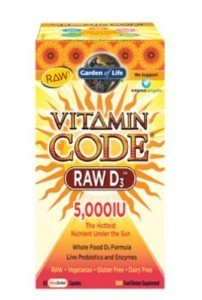
I’m not in the sun much–maybe 30 minutes, twice per week–so I just supplement with 5,000 IU of vitamin D per day to keep my levels within the healthy range. In case you’re interested, here’s the exact product I use:
Click here to buy Garden of Life’s Raw Vitamin D on Amazon.com
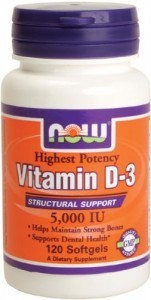
This exact product isn’t available on Amazon.co.uk, but NOW Foods’ is:
Click here to buy NOW Foods Vitamin D on Amazon.co.uk
Safe, Natural Ways to Protect Yourself From Sunburn
So if chemical sunscreens are best to avoid, how can we naturally, safely protect ourselves from sunburn?
There are several ways:
The easiest and most obvious way to prevent burning is to limit your skin’s exposure to the sun using clothing. For instance, a shirt provides SPF protection of about 5, which is, ironically, higher than under-applied SPF 100 sunscreen. A hat is an easy way to protect your face.
Coconut oil applied topically helps prevent skin damage from sun exposure. It doesn’t block nearly as much radiation as chemical sunscreens, but if applied regularly, it can help extend the amount of time you can remain in the sun before having to cover up. Many people also buy non-nano zinc oxide powder to mix with the oil, which greatly enhances the UVB (sunburn-causing) protection.
Make sure your vitamin D levels are in a healthy range. Research has shown that vitamin D increases sun tolerance and protection against skin damage. Nature’s characteristic elegance at work.
Increase your intake of omega-3 fatty acids. Yet another reason to make sure you’re getting enough of these wonder molecules: research has shown that higher blood concentrations of omega-3 fatty acids protect the skin against sun damage and decrease the risk of sunburn.
Increase your intake of antioxidants, whether by food or supplementation. As we would expect, the very nature of antioxidants protect the skin against sun-induced damage (they counter the effects of free radicals that result from sun exposure, and which cause sunburn).
Increase your intake of fruits and veggies. Vegetables like tomatoes, carrots, sweet potatoes, spinach, and other dark, leafy greens all contain molecules (in addition to antioxidants) that help protect the skin against sun damage.
So, there we have it. I hope this article helps you enjoy the summer sun safely and healthily!
What did you think of this article? Have anything you’d like to add? Let me know in the comments below!
June 21, 2013
Cool Stuff of the Week #1: Inov-8 shoes, The Last of Us, Game of Thrones, and more…
I’m not ashamed to admit that I’m kind of a sucker for cool stuff. I like nifty gadgets, quirky decoration pieces, nice clothes (and shoes!), good books, and fun games.
As I know many of you are the same way, I decided to create a weekly series of posts where I just share whatever currently has my fancy.
INOV-8 BARE XF-210 SHOE
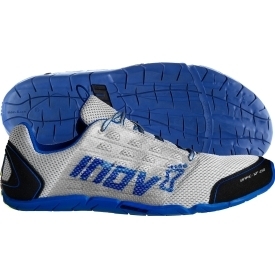
I’m a big fan of a proper lifting shoe. A flat sole and proper arch and ankle support make a difference, especially when you’re performing heavy squats and deadlifts.
For almost two years I lifted in the New Balance MX20 Minimus and loved it, but I’ve found something I like even more: the INOV-8 BARE XF 210.
This is hands down the most comfortable training shoe I’ve ever worn. It weighs almost nothing, fits snugly but not too tight, has a perfectly flat sole, and has great arch support.
It’s expensive ($120), but you shouldn’t need to buy another pair for at least 1-2 years (unless you’re like me and are just kind of obsessed with trying different products).
Buy now
AmazonAmazon UK
THE LAST OF US

I barely have any time for video games these days, but this was worth it.
This was, hands down, one of the best games I’ve ever played. It’s a masterpiece–a true top-notch cinematic experience.
The story is gritty, visceral, and thought-provoking; the visuals and sound are downright stunning; the acting is at a Hollywood A-list level; the gameplay is intuitive, thrilling, and harrowing (especially on the highest difficulty levels); and the overall presentation and experience is nothing short of enthralling.
If you own a PS3, buy this game right now and disappear for a day or two. The Last of Us sets a new standard for single player gaming.
Buy now
AmazonAmazon UK
SANDISK CRUZER ORBIT 16 GB USB FLASH DRIVE

This s nothing more than a 16 GB USB flash drive that snaps onto your key chain, but it can come in quite handy for quick, easy file transferring.
I like this in particular because it’s small (smaller than an average key) and solidly built. You won’t break it tossing your keys around.
Buy now
AmazonAmazon UK
GAME OF THRONES (A SONG OF ICE AND FIRE, BOOK 1)

Yes, the show is awesome, but the books are even better.
Game of Thrones is the first in the series, and I’m not even a huge fantasy fan, but this some of the best fiction I’ve read. Martin truly is a master.
The plots are intricate, but not confusing; the character development is some of the best I’ve ever seen; the suspense never lets up (you never know who’s going to die next); and Martin’s writing style has that effortless eloquence that can only come with decades of practice.
Put Game of Thrones on your reading list, and see if the Seven Kingdoms is a place for you.
Buy now
AmazonAmazon UK
What do you think of this week’s picks? Have anything you’d like to add? Let me know in the comments below!


