
Matador Network's Blog, page 1383
March 14, 2018
Northern Lights in US tonight
A solar storm is hitting Earth this week and tonight, March 14th, it is expected to make the Northern Lights visible in the continental US. That’s right, the event that people travel thousands of mile to witness near the Arctic Circle each winter is giving US states such as Minnesota, Wisconsin, Michigan, North Dakota, Montana, and Maine a promo tour.
A solar storm starts at what scientists call a “coronal hole,” or the dark patches on a sun with “open” magnetic field lines. This allows high-speed solar winds to spew into space, and these charged particles eventually come into contact with Earth’s atmosphere.
Those famous glowing streaks in the sky are the result of the particles skipping across our atmosphere.
While the Northern Lights, or Aurora Borealis, are usually restricted to parts of Alaska and northern Canada, a solar storm can amplify their effects, bringing the unearthly glow farther south than usual.
A G1 Watch is in effect for the 14 & 15 March, 2018 UTC-days. Enhancements in the solar wind due to the anticipated effects of a coronal hole high speed stream (CH HSS) are expected to cause the escalated geomagnetic responses. Visit https://t.co/dimAHi8BFd for the latest info. pic.twitter.com/doJIzMWaGe
— NOAA Space Weather (@NWSSWPC) March 12, 2018
The solar storm and its potential effects were reported by the Space Weather Prediction Center (SPWC), which is a branch of the National Oceanic and Atmospheric Administration. The SPWC also noted that the geomagnetic storm accompanying the solar storm could affect satellites and cause minor fluctuations in power grids.
However, the geomagnetic storm is classified G-1, or the lowest on the scale, so there is little cause for concern.
If you find yourself in the northern states of the continental US and want to increase your chances of seeing the Northern Lights tonight, it will help if you move away from local light pollution (e.g. street lamps) as well as any areas that are forecasted to have cloud cover. 

More like this: 9 epic spots where you can experience the Northern Lights this year


Where to get cheapest Guinness
It isn’t really a St. Patrick’s Day celebration without a pint of Ireland’s greatest export after bog butter and poets. Unfortunately, as anyone who has spent St. Patrick’s Day in New York City knows, a fresh pint of lovely Guinness can cost you a king’s ransom (i.e., several dollars more than that barbaric swill known as American lager). Fortunately, Expedia did some research and found the cheapest and most expensive places for buying a pint of Guinness on St. Patrick’s Day. The results are more than a little surprising.
For example, it is cheaper to buy a pint in Edinburgh than in Dublin, but neither of those places are as affordable Guinness-wise as South Africa. Looking to save an extra few bucks in the States this St. Patrick’s Day? Skip NYC and head for Chicago, where a healthy glass will run you just under three dollars less. Genius. 
More like this: How to celebrate St. Patrick’s Day like the real Irish

Free museums in Chicago
If free means more fun, then Chicago is the place to be. Free museums and galleries, free tours, free parks and beaches, and free festivals and events can easily keep you busy every day of the year. Let’s start with 11 free Chicago museums. Pick one and pair it with one of the budget-friendly meal options listed. Your afternoon itinerary — done. You’re welcome.
1. Busy Beaver Button Museum
The only museum you’ll find dedicated to the colorful world of buttons is located right in Chicago. Think about buttons as a little flashback in time that encapsulates very specific moments in history and culture. The gallery walls are lined with glass-enclosed display cases sporting pinback buttons by category. There’s Chicago-centric buttons: Chicago Bears and Bozo the Clown are both represented. Political buttons that sport flashy slogans and bold graphics: “We Don’t Want Eleanor Either!” and “The Grin Will Win – Jimmy Carter for President” are two. Plus beer and entertainment button categories where Zorro, Big Bird, and a Budweiser Clydesdale all make appearances.
Free admission: Open Monday-Friday 10 AM-4 PM. 3407 W Armitage Avenue.
Website: Busy Beaver Button Museum
Cheap eats nearby: Summer favorites at The Freeze, or $10 PB&J special (pizza, PBR & Jameson shot) at Boiler Room.
2. Chicago Cultural Center
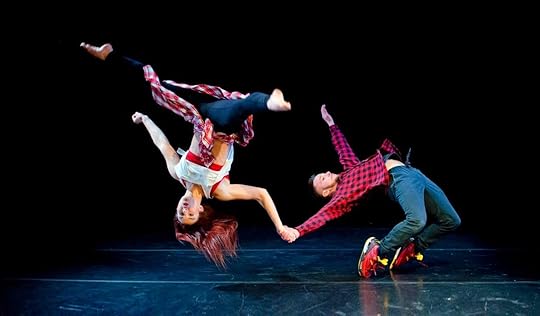
Photo: Chicago Cultural Center
The Chicago Cultural Center may not technically be a museum, but this beautiful Beaux-Arts building is a hub for arts and culture, and an architectural attraction in itself. Music concerts, film screenings, lectures, theater, and dance — all free — fill up the daily schedule, but it’s the constant rotation of smartly-curated art exhibitions that keep the halls fresh with every visit. Big names like Keith Haring, Norman Lewis, and Hebru Brantley have been featured in galleries here, alongside incredible local Chicago and Midwest artists.
Free admission: Open daily Monday-Friday 10 AM-7 PM, Saturday-Sunday, 10 AM-5 PM. 78 East Washington Street.
Website: Chicago Cultural Center
Cheap eats nearby: Diamonds and falafels at Oasis Cafe, or a Chicago dog and fries at Gold Coast Dogs.
3. Chicago Design Museum
Shopping and entertainment center Block 37 takes up a full city block in the downtown Loop. Upping the cultural factor in this mega complex is a museum small in size, but big in creativity. Think about design with an acute lens, but in the broader context of different disciplines and cultures. For example, past exhibits have explored paper as a medium in the digital age; looked at architecture from Ireland; and covered the narrative of Detroit from a socio-economic perspective.
Free admission: Open Tuesday-Saturday 12 PM-7 PM. Block Thirty Seven, 108 N State Street, 3rd Floor.
Website: Chicago Design museum
Cheap eats nearby: hot Asian buns at Wow Bao, or tacos atFrontera Fresco or Latinicity.
4. Clarke House Museum
Stroll up to this quaint house museum, set among pastoral gardens and paths, and with some imagination, you can travel back to the pre-Civil War era. Built when the area was mostly undeveloped prairie and Chicago wasn’t much more than a small frontier town, it is the oldest surviving building in the original city limits. Walk the wide central hallway that forms the heart of the home and wander into the double parlor — prim and proper with its elegant draperies, fine woodwork, and ornate wallpaper — before going up the walnut staircase to the bedrooms. Free tours add to the history and sense of family life for the Clarke household that lived here from 1836 to 1872.
Free admission: Open for public tours Wednesdays, Fridays, and Saturdays at 1 PM and 2:30 PM. 1827 S Indiana Avenue.
Website: Clarke House Museum
Cheap eats nearby: Harold’s Chicken Shack, or Lawrence’s Fish and Shrimp, both self-explanatory.
5. DePaul Art Museum
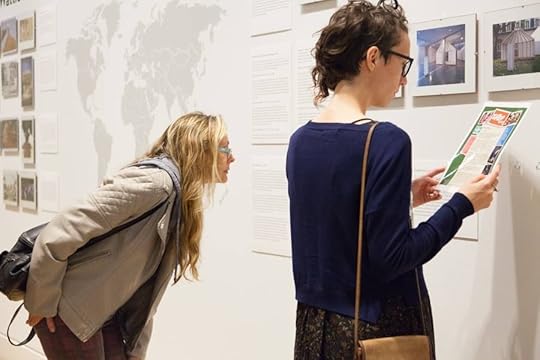
Photo: DePaul Art Museum
A university art museum in the bustling Lincoln Park neighborhood (theatres, music clubs, and the lakefront park, beaches, and zoo are all nearby attractions). Easy to navigate and easy to reach by public transportation, it has a strong focus on international modern and contemporary art. Check out the schedule as four to six temporary exhibitions are on display each year.
Free admission: Open Wednesday-Thursday 11 AM-7 PM, Friday 11 AM-5 PM, Saturday-Sunday 12 PM-5 PM. 935 W Fullerton Avenue.
Website: DePaul Art Museum
Cheap eats nearby: Pad Thai at Noodles in the Pot, or an Italian Beef sandwich at Johnny’s Beef & Gyros.
6. Money Museum
The stately Federal Reserve Bank of Chicago is all business. But for a little fun, try your hand at spotting counterfeit bills at the Fed’s Money Museum. Or take a selfie with a million dollars in cash. Interactive exhibits explore all things money, like its history in America, currency from around the world, and the effects of inflation on the US dollar. Some tips for an easy and informative visit: security can be tight at the entrance so leave time for that process, mind the bank holidays so you don’t visit when the museum is closed, and try to join one of the daily guided tours (also free) to load up on cool factoids.
Free admission: Open Monday-Friday 8:30 AM-5 PM. Federal Reserve Bank of Chicago, 230 S LaSalle Street.
Website: Money Museum
Cheap eats nearby: Asian Latin fusion at Saucy Porka, plus happy hour drinks at Revival Food Hall.
7. National Museum of Puerto Rican Arts & Culture
Go further beyond downtown to find the only national museum focused on Puerto Rican arts and culture. Three galleries have been carved out of a landmark 1895 building, once a stable that held horses, wagons, and landscaping tools. It’s a fitting home given the history of this culturally-rich area on Chicago’s West Side. Humboldt Park — both the name of the surrounding neighborhood and the park space it encompasses — embraces its Puerto Rican community and offers a lot to visitors. Save time to try authentic dishes along Division Street (including the Chicago original the Jibarito sandwich) and find even more art (the street art kind) along the many outdoor murals.
Free admission: Open Tuesday-Friday 10 AM-5 PM, Saturday 10 AM-2 PM. 3015 W Division Street.
Website: National Museum of Puerto Rican Arts & Culture
Cheap eats nearby: Southern comfort food at Feed, or steak sandwiches at Café Colao.
8. Museum of Contemporary Photography
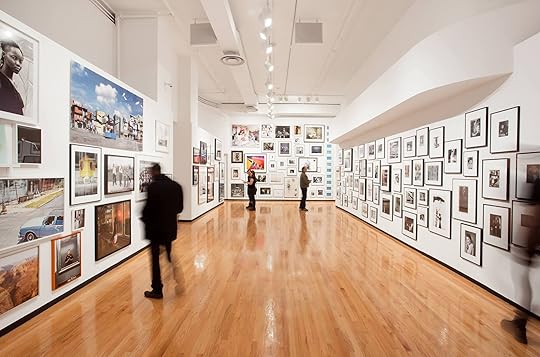
Photo: Museum of Contemporary Photography
Like the DePaul Art Museum, this is a smaller-scale museum that prides itself on its permanent collection. It has amassed over 14,000 objects including pieces by well-known photographers like Dorothea Lange and Ansel Adams. Rotating exhibits are on display across the museum’s three floors. Even though it is situated downtown on Michigan Avenue, it’s not quite the destination as its famous neighbor — the Art Institute of Chicago. The museum is part of Columbia College Chicago and serves as a space for workshops and programming for students, educators, and the broader community, making it a great spot to support with a quick visit.
Free admission: Open Monday-Wednesday 10 AM-5 PM, Thursday 10 AM-8 PM, Friday-Saturday 10 AM-5 PM, Sunday 12 PM-5 PM. 600 S Michigan Avenue.
Website: Museum of Contemporary Photography
Cheap eats nearby: Cuban sandwiches at Cafecito, or cheeseburgers at Shake Shack.
9. National Museum of Mexican Art
It was the first Latino museum in the country to be accredited by the American Alliance of Museums. It has built its permanent collection to 10,000+ objects, making it one of the largest collections in the nation. The museum has remained free to all since originally opening in 1987. Unique exhibits touch on just about every topic you can imagine — family, identity, religion, civil rights, placemaking. The experience of walking around is very personal, with richly colored walls and lower ceilings adding to the feeling of intimacy with the artwork, as opposed to some museum environments that can be sterile with their bright glaring lights and stark white walls.
Free admission: Open Tuesday-Sunday, 10 AM-5 PM. 1852 W 19th Street.
Website: National Museum of Mexican Art
Cheap eats nearby: the half-pound pork value meal at Carnitas Uruapan, or tacos at El Milagro Tortilla & Taqueria.
10. National Veterans Art Museum
Well off the beaten path from the downtown Loop, this one-level museum honors veterans from all combats with a showcase for their artistic contributions. Their mission is to collect, preserve and exhibit art inspired by combat and created by veterans, which “inspires greater understanding of the impact of war.” Today the permanent collection features more than 255 veteran artists, with more than 2,500 works of art. What you’ll find on your visit may vary from paintings, photography, sculpture, poetry, or music.
Free admission: Open Tuesdays-Saturdays, 10 AM-5 PM. 4041 N Milwaukee Avenue, 2nd floor.
Website: National Veterans Art Museum
Cheap eats nearby: laid back diner fare at Shilas Restaurant, or breakfast treats at Fannie’s Cafe.
11. Smart Museum of Art
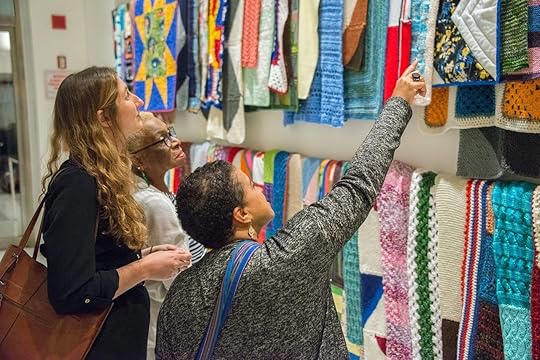
Photo: Smart Museum of Art
Plan ahead to pack a few stops in the surrounding area of this museum. You could explore the beautiful campus setting (University of Chicago in the leafy Hyde Park neighborhood) as well as other Museum Campus South attractions — like DuSable Museum of African American History — with budget-friendly admission prices. At the Smart Museum, everything is free. The evolving space has been transformed and new installations are all about engaging with visitors. They see themselves as a “pioneering model of what a 21st-century academic art museum can be”. Impressive.
Free admission: Open Tuesday-Wednesday 10 AM-5 PM, Thursday 10 AM-8PM, Friday-Sunday 10 AM-5 PM. 5550 S Greenwood Avenue.
Website: Smart Museum of Art
Cheap eats nearby: cafeteria-style meals at Valois, or lighter fare at Plein Air
Note that these museum picks are free every single day. Most major Chicago museums have select free days throughout the year. Some don’t charge set admission fees and list a suggested donation instead: two examples are Jane Addams Hull-House Museum ($5 suggested donation) and Oriental Institute Museum($10 suggested donation).
Honorable mentions include other free university affiliates like Gallery 400 and LUMA, and free art galleries including Intuit: The Center for Intuitive and Outsider Art.
The Chicago Cultural Alliance is another treasure trove. Members are made up of cultural centers, research libraries, and heritage museums that keep entrance fees to a minimum, such as the Polish Museum of America ($10) and Chinese-American Museum of Chicago ($5 suggested donation) and Pritzker Military Museum & Library
More like this: 7 best museums in Chicago
Women-only private island retreat
Picture this: a private island where four Vogue-approved luxury cabins with all sorts of fancy spa amenities welcome 10 lucky women who need to get away from it all — work, stress, and above all, men. That’s right, there’s an entire island in Finland that women can visit where they won’t find a single man.
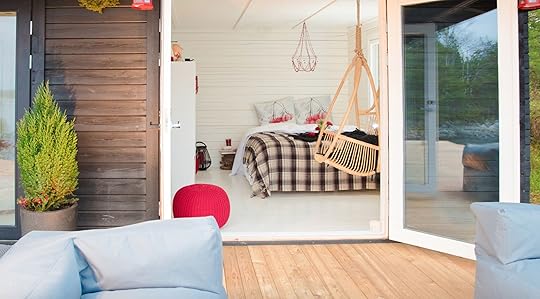
Photo: SuperShe Island
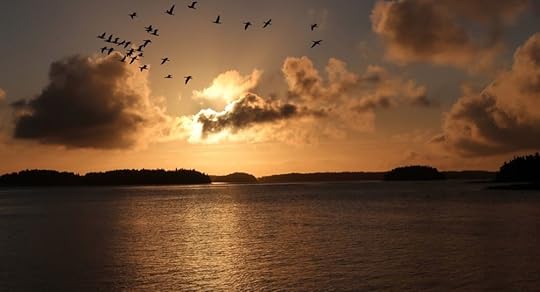
Photo: SuperShe Island
The SuperShe Island is an 8.4-acre, private, women-only retreat set in the gorgeous Baltic Sea off the coast of Finland. There, women can experience daily wellness activities like meditation, yoga, nature walks, Finnish saunas and farm-to-table dining. Women can apply to be a member through the website, (the form asks you to explain why you would be excited to go to the SuperShe Island), and then an interview will follow. The only catch — and it’s a big one — is the price tag: between $3000 and $6000 for a 5-day stay.
Like many, I would love to leave my partner behind to practice yoga, enjoy the Finnish fresh air, and swim bare butt in the sea with a bunch of other women on a luxury island resort, but I don’t have that cash lying around for this kind of vacation. If your wallet is also looking a little thin, don’t despair; you can still travel to plenty of island locales around the world with your girlfriends for a significantly cheaper cost (I recommend spending a few days in a beautiful hotel in Thailand lounging around on the beach, if you want luxury while still having some money to spare).
But the concept of having women connect with each other away from men is a terrific idea; it’s invaluable for women to have a comfortable, safe place filled with female energy. The town where I live has a Women Center — a little house with a kitchen, a sitting room, a garden, and even a clothing store where women from all backgrounds can meet, share a cup of coffee, and stories. There are free yoga classes and free massages organized regularly, there’s no entry fee, and there’s no asking women questions at the door to see if they are worthy of coming in. For now, though, the SuperShe island will focus on being an exclusive, extravagant experience — one that we hope will become more accessible to women of all kinds in the future.
More like this: A Tribe Without Borders: Sisterhood through travel across the Middle East
Stop covering bridges in love locks
About two months before my wife and I got engaged, we went to Paris. We were both big fans of the show Parks & Recreation, and in the show, the two main leads declare their love for each other by putting a “love lock” on Paris’s Pont des Arts bridge. If you have traveled to any major city that has a bridge in the past 5 years, you have seen a love lock. They are everywhere now.
The idea is simple: a couple crosses the bridge and puts a padlock on a section of the chainlink fence. The lock represents their love, and it will stay there for all of eternity. They then dramatically hurl the keys to the lock into the body of water under the bridge. They make out a bit. And then they leave. The lock stays.
At the point in my life where my wife and I were on the Pont des Arts, I was already a travel writer, so I knew the practice was kind of lame and played out. But it was a nice time in our relationship, and I wanted to commemorate that, so we pulled out a tiny little baggage lock, etched our initials onto it with the key, and placed it on one of the less crowded sections of the fence. We made out a bit. And we left.
The collapse of the Pont des Arts
A few months later, the Pont des Arts collapsed. Or rather, a section of the fence that had been covered in locks collapsed. Individual locks are not very heavy, but hundreds of locks at a time are, and the poor chain link fence just couldn’t take it anymore. The bridge had become a huge attraction in and of itself. Hawkers sold locks (and sharpies, for those who wanted to sign their name to their crime) to passing couples on the bridge, and, in spite of warnings from French officials that it was not really good for the bridge to be weighed down by tens of thousands of locks, the tradition exploded. So what happened was inevitable.
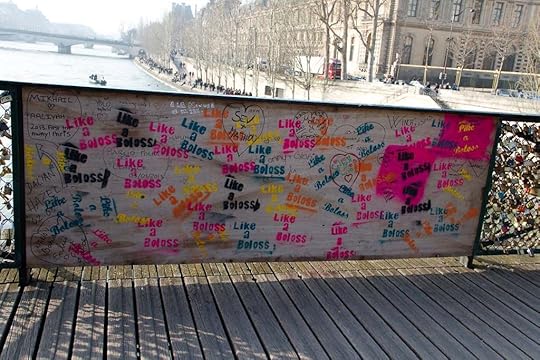
The section of the fence that collapsed.
Photo: Callistta
Eventually, French officials took down all of the locks (including, presumably, our own), with their final weight clocking in at a staggering 45 tons. They never ended up fishing the over 700,000 keys out of the Seine. The newly installed fences were not chainlink, and couldn’t be locked on to, and Paris decided, instead, to make the bridge about sculpture rather than love.
But it was too late. The love locks had spread to 11 other bridges in Paris, and love locks today can be seen on New York’s Brooklyn Bridge (against the wishes of city officials), Cologne’s Hohenzollern Bridge, and at the Love Bell on Japan’s Enoshima Island. Love locks are now a global phenomenon.
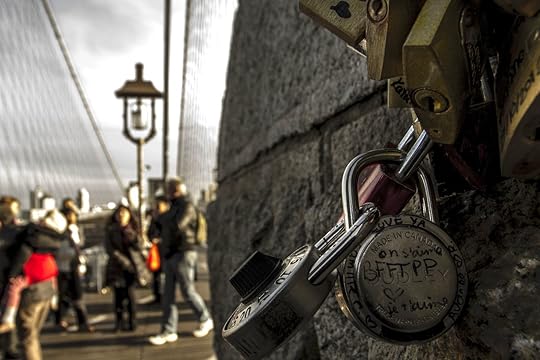
Love locks on New York’s Brooklyn Bridge.
Photo: Jack Zalium
Where does the tradition come from?
What is most interesting is that the love lock tradition didn’t even start in Paris — it started in a town called Vrnjačka Banja in Serbia. There, shortly before the First World War, a young man and woman fell in love, and would meet every night at the Most Ljubavi bridge in town. But the man went into the military, and while abroad, he met and fell in love with someone else. The young woman died of heartbreak, and superstitious local women began going to the bridge, writing the names of themselves and their lovers on padlocks, and locking them to the bridge, in the hope that it would bind their paramours to home.
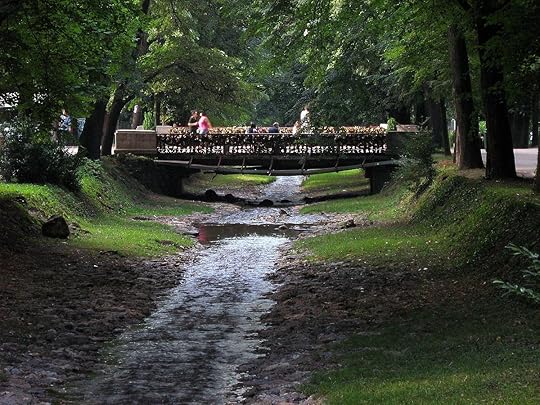
The only real “Love Bridge.”
Photo: AcaSrbin
It is an almost blindingly romantic story, but the tradition petered out after the war, until Serbian poet Desanka Maksimović wrote a poem about the story, and it took off again, but still only at the Most Ljubavi.
The origin of the current wave of love lock bridges probably comes from a single Italian writer named Federico Moccia. Moccia wrote a book called I Want You that featured a couple who put a love lock on a lamp post on Rome’s 2100-year-old Ponte Milvio bridge. The book was popular, and spawned a movie adaptation, and shortly after the movie came out, the lamp post partially collapsed. People started putting their locks elsewhere on the bridge, and the Roman government began fining people 50 Euros if they were caught putting love locks on the bridge.
From there, the tradition spread to Asia and the rest of Europe, eventually becoming an issue in France in 2010. We can probably thank the current explosion of love locks at least in part to Parks & Recreation, but the tradition was getting out of control before the airing of that episode. Now, all over the world, city governments are begging people to please stop weighing down their bridges with locks of love.
Being a romantic in the 21st century
If I had to do it all over again, I do not think I would have put a love lock on the Pont des Arts. I knew it was somewhat silly at the time, but I felt it was romantic, and I had assumed (wrongly) that it was being done with the tacit approval of the Parisian government. It felt harmless.
And, if it had just been me, my wife, and a few other people, it would’ve been harmless. But the 21st-century travel culture is a culture of hordes, not individuals. National Parks are finding that they have to quickly adjust to deal with masses of Instagram crowds that swoop down on a location that has become popular on social media. World Heritage Sites like Machu Picchu are grappling with the contradiction that their local economy relies on tourism, but that the site itself isunder threat from the erosive effect of mass tourism.
Ecologists call this effect the “tragedy of the commons.” In a nutshell, it is harmless for a single person to act in their own self-interest, say, by taking as much water as they want from a well. But it is not harmless for everyone to act in their own self-interest — without rationing what comes out of the well, it will soon run dry to no one’s benefit.
We, as tourists, have to be cognizant of how we, in massive numbers, are eroding the places we love to visit. It is romantic, of course, to place a lock of love on a bridge. But, if we must commemorate our everlasting love with a permanent artifact, perhaps it would be more romantic to get joint tattoos or plant a tree. We do not want to love each other and the world so hard that we end up destroying it.
More like this: Paris takes down love locks, jinxes thousands of relationships
Best budget airlines
If I had a dollar for every time someone asked me how I can afford to travel so much I’d be flying first class. People often assume that international travel is a luxury only to be afforded by the ultra-wealthy, but that’s just a lie to keep you grounded. The truth of the matter is that you don’t need to have a six-figure salary to have a full passport. The secret is to be smart about travel, do your research, and fly with one of these budget airlines.
Note: All prices are quoted in USD.
1. Air New Zealand
With the world’s first — almost — lie-flat beds in economy, Air New Zealand is the best choice for long-haul flights to and from anywhere down under. I have loved every flight I have been on with Air New Zealand, an amazing feat considering I often spend 24+ hours traveling between the US and Australia. If an airline can make a bedraggled, sleep-deprived, transpacific flier feel at home with their cheeky Kiwi humor, first-class-level free entertainment in economy, and comforting, dietary-restriction-friendly meals, they are doing something right. And at less than $1000 USD for most round-trip flights from Los Angeles to Sydney, the price is most definitely right.
2. Norwegian Air
Norwegian Air is an ultra-budget airline that doesn’t feel like an ultra-budget airline. From relatively spacious seats to the complimentary personal entertainment centers, this airline makes the trip across the pond to Europe cheaper and easier than ever. I exclusively fly with Norwegian on any European adventures, because you just can’t beat a $500 round-trip flight from Los Angeles to Stockholm. However, be warned that the LowFare option is the dirt-cheap, bare-bones fare. If you want in-flight meals and one 20kg checked bag, then it is best to go with their LowFare+ option that tends to run about $100 to $150 more than the LowFare option. Still, $650 round trip to Europe is far better than paying $1,500 to fly with a fancier airline.
3. Southwest Airlines
Southwest is a truly wonderful airline; they stand by their customer service, have always included two free checked bags in any fare, have a wonderful rewards system, and will ply you with free non-alcoholic beverages (alcoholic beverages are for purchase). Southwest may not be the cheapest airline to fly in the American West, but the pleasant ease of travel is worth the ever-so-slightly higher fares. You can also build an impressive amount of airline miles if you get their American Express credit card.
4. Hawaiian Airlines
If you’re thinking of jetting away to an island paradise anytime soon you must check out Hawaiian Airlines. Their round-trip flights ring in around $500 from mainland US to Hawaii and they can even get you to Oceania for just a couple of hundred dollars more. The genius of Hawaiian Airlines lies in their limited route that allows them to serve a handful of island destinations (plus Australia and New Zealand) for dirt-cheap without having to sacrifice comfort. Their seats are sleep-able, their meals are free, and their checked bag fees are reasonable at $25. Their only downside is that while there are tempting entertainment centers on the back of each chair, it will cost you $8 to watch a first-run movie, but when you compare it to movie theater prices, it’s not actually that bad.
5. United Airlines
United isn’t necessarily a budget airline all the time and their prices for domestic US flights tend to fluctuate, but you can strike gold for random international destinations like Singapore or Guatemala. I once flew from San Francisco to Singapore, one of the world’s longest flights, for less than $500 with free meals, entertainment, and checked bags. Long story short, United isn’t the best, but it’s not the worst and it’s always worth a look to see if you can find a deal.
6. AirAsia
AirAsia recently won best budget airline in the world for 2017, but I would be hesitant to take their long-haul flights. They are great for short hops around Asia, but the seats are small, food is not included, and bag fees can be surprisingly high. I have no problem forgoing a few creature comforts for a couple of hours to save $100, but it does become harder to rationalize discomfort as the hours creep into the double digits.
7. Jetstar Airways
The budget version of the luxurious, but expensive, Quantas. While Jetstar is the best bang for your buck when traveling within Australia, it is no Southwest. They really cram the seats into the plane, leaving you with very limited space and oddly hunched over. You will need to pay to check bags so going carry-on can save you money, but even with the checked bag fees, Jetstar still rings in at cheaper than Virgin Australia or Quantas, the only other airlines that frequently fly domestic Australian flights. I am hesitant to recommend Jetstar for anything longer than the 5-hour jump from Sydney to Perth, though, because the seats really aren’t the best.
8. Ryanair
Ryanair is very much like Jetstar in the fact that they take budget airline to mean no legroom, high checked-bag fees, and no in-flight refreshments. They are decent for making the hop from Scandinavia to mainland Europe after you’ve gone the majority of the way with Norwegian, but not much more. Also, be careful to check which specific airport you will be flying to, as London Stansted is not London Heathrow. London Stansted is a 40-plus pound train ride away from the center of London, whereas London Heathrow is in the heart of the city.
The main takeaway from all this is that budget airlines can save you thousands of dollars, but you need to weigh your options carefully. Sometimes the comfort of a slightly more expensive airline is worth it, especially when you’ll be crammed in a metal tub hurtling through the sky for 10+ hours, but often the ability to stay a few more weeks in Rome outweighs cramped knees.
More like this: The top airlines to travel in economy class
Barcelona tourist drive locals crazy
Barcelona locals have seen it all when it comes to tourist shenanigans: dudes wearing banana hammocks running around town, couples getting cozy on a mattress in the middle of Plaça Reial, and massive tour groups blocking La Rambla during rush hour.
We are proud of our city and love to share it with the world, but there’s a limit to our patience and acceptance. Here are some things tourists do that drive us absolutely crazy:
1. Sleeping all over Barceloneta.
We understand why tourists love the beach strip — it’s got dozens of bars, tapas restaurants, space to jog and rollerblade, and a crazy nightlife scene. While many tourists enjoy Barceloneta within reason, there are always those who decide to pass out drunk on the benches, the beach, and even on the street next to dumpsters.
We want to see visitors enjoy the sunshine and chupitos but having to jump over them and their puddles of vomit in the morning pisses us off.
2. Walking half-naked around town.
Yes, Barcelona is something of a beach town but that doesn’t mean that you should convert their bikini into a full-time outfit.
Since the trend of walking around grocery stores shirtless and pantless caught on, the city passed a law making partial nudity illegal. Throwing on a shirt before leaving the beach is a good idea unless you’d rather pay a $150 fine.
3. Riding segways.
Segways make locals’ blood boil.
Tourists ride them all over — by the port, on the beach, in the parks — and make pedestrian traffic a hassle. Ditch that ridiculous machine and use your two feet — I’m sure you can use the exercise.
4. Taking anything they’ve ever heard about Spanish culture and applying it to Barcelona.
No, Barcelona is not synonymous with sangria, paella, and bullfighting. We are very proud of our local cava (sparkling wine), escalivada, and we care about animals.
Don’t come uninformed and engage in discussions you don’t really understand.
5. Trashing the Gothic Quarter.
Sadly, many visitors engage in alcohol tourism. Yes, the booze in Spain is way cheaper than in London or Paris, but that doesn’t mean that you should get hammered and trash the streets.
While the Gothic Quarter is one of the most popular spots to visit, it’s also a residential area and locals should not have to clean your mess.
6. Screaming after quiet hours — we will pour water on you.
Being loud after quiet hours (around 10-11pm), is a major no-no and violating this rule has consequences.
You know why locals always keep a carton of eggs handy? Because we throw them at people who are being too loud! Throwing water down from balconies is another popular punishment for loud visitors. If tourists are lucky, they’ll get the eggs first, then the water, but the best alternative is to just keep it quiet.
7. Walking slowly in large groups in key city areas.
While we understand that you want to see La Rambla, Park Güell, and Passeig de Gràcia, please don’t slow us down as we are heading to work.
8. Trying to discover all of our speakeasies and post them on the internet.
Yes, we know — tourists want to experience the city as locals and discover all of its secrets. We will let them in our speakeasies and show them off-the-beaten-path spots, but posting everything online ruins the experience for everybody.
More like this: 7 ways to save money on your trip to Barcelona
Trek Everest Base Camp
If climbing Mount Everest Base Camp is something you’d like to achieve in your life, here are 10 important things you should know before you go. Reflecting on my weaknesses when I first started planning, I came up with pieces of advice that I wish I had known. These tips will help not only with trip planning but in getting the most out of the unique experience.
1. Keep buffer days.
You may like to set your plans in stone, but Mother Nature doesn’t work like that. Some people rock up to tackle Mount Everest Base Camp (EBC) on a tight timeline and fail to complete the trek, having to turn around halfway. Whether you are flying from Kathmandu or trekking from Jiri to Lukla, consider all the options, including where you want to start and end, depending on your other travel plans. One great recommendation is to keep between 2-4 buffer days before and after the trek in case the plane doesn’t fly because of bad visibility, it pours down, there’s heavy snow, or you get sick; you would still have some time to complete the trek. If the first half of your trekking goes well, you can arrange to use your first buffer day camping overnight at Everest Base Camp. This can be arranged through trekking companies which also organize Mount Everest climbing expeditions. It would be a taste of being on an Everest Expedition, enjoying a cup of tea or coffee while watching the first ray of the sun or twinkling stars at night surrounded by world’s tallest mountains.
2. Get insurance.
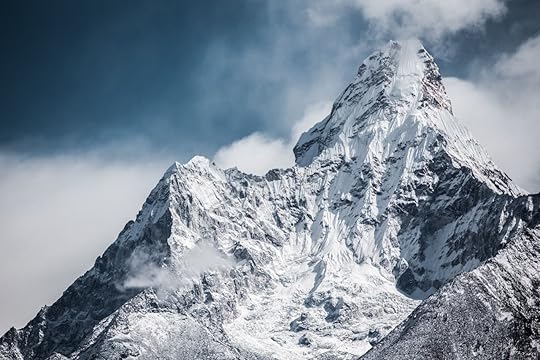
Photo: Martin Jernberg
The biggest difference in buying common travel insurance compared to travel insurance for the Everest Base Camp is altitude. At the highest point of the trek, you will be standing at 5,644.5 m (18,519 ft) above sea level. Combine that with traveling to and from, as well as spending your time in, one of the most remote regions on Earth means that even small injuries, such as a sprained ankle, pulling a muscle, or cutting yourself on a rock can create a nightmare that proves to be quite costly. In many regions, there is no road access, so helicopter evacuation is the only option, quite possibly preceded by a painful mule ride down the trail. High altitude-related illness, accidents, diarrhea, cough, and natural disasters like avalanches and rockfalls, are expected while trekking in Everest Base Camp. So, the best suggestion is to get the travel insurance that covers helicopter evacuation, repatriation, and independent trekking (if you are going solo) up to 6000 m (18,510 ft) and higher if you are doing side trips to Mt Lobuche or Island Peak. Plus, spending some time going over terms and conditions could ease the process should you need to claim it back.
3. Know whether to hire a guide, porter, or porter-guide.
Everest Base Camp trek is generally well-marked, so you don’t need a guide to find the way, except when visibility is obscured in midwinter or monsoon or navigating the moraine at the end. In theory, tourists are legally required to have a guide, but this doesn’t seem to be enforced and trekkers continue to make the trip independently. That said, the trip is more enjoyable and safer with a guide who can speak your language, Nepali, a bit of Sherpa, and understands the local culture and history. It is also arguably more pleasant if you’re not carrying much. Hence, having the porter and/or the porter-guide makes the trip slightly easier. If you want to take the porter with you, consider paying at least $10 (1000 NPR) per day and don’t take more than 15kg, as they have their own stuff to carry as well (the legal limit in Nepal is a total of 35kg). They may or may not know the route or speak English.
On the other hand, guides will not carry anything (unless you’re exhausted, and they need to get somewhere) but will look after all aspects of your trek, from arranging flights, rooms, meals, and camping gear, through to timing your arrival at a peak for sunrise, knowing the history of that village, monastery, etc. They speak fluent English and will handle porters they recruit. The larger the team they manage, the more a guide will cost. Expect to pay $40-$60 per day for guide and from $20 for a porter-guide who does both jobs. Be mindful, they all pay their own accommodation. You can expect to end up at lodges that offer them good deals. If you want a different lodge, the right thing to do is to cover your porter’s increased costs. It is vital that you add a standard tip of 25% on your budget as well. I found my excellent porter-guide Dev Kumar through Pnm Thapa at Paradise Lodge, Lukla, who is rated as one of the best, with a great reputation. Payment is made up front and you have someone to rely on who won’t run away with your gear leaving you stranded, and everything’s clear at the end of the trek. If you want to have a richer experience and contribute more to the Nepal economy, I recommend trekking with a guide, porter, or porter-guide.
4. Daily showers matter less than you think.
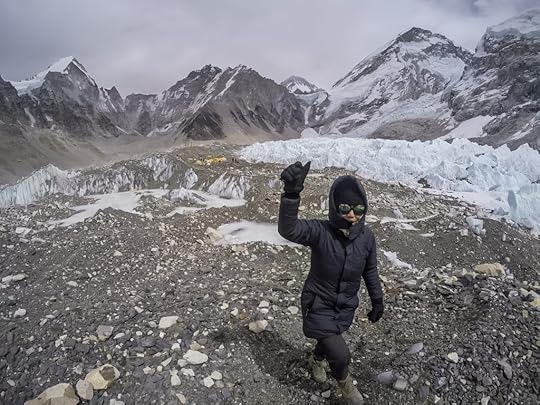
Photo: Anna Sherchand
Things that matter more than you think: right clothes/shoes, food, and positivity. Apply the method of layering your clothes with thermal, cotton, waterproof, and/or windproof. A pair of good trekking boots, socks, gloves, trekking poles, and crampons are a good investment, too. You can hire and/or buy all that and -20°C sleeping bag from Kathmandu. You can also buy them in Namche Bazaar, but the reality is the higher the altitude you go, the more expensive things can get. Last time you would have smelled and looked like a new car would be the day you leave your hotel in Kathmandu unless you decide to pay through the nose to spend each trekking night at the luxury hotels along the way. When you are in the high altitude and trekking to Everest Base Camp, you will quickly realize that being warm when cold outside, sleeping sound with a thousand things running through your mind, eating enough despite lack of appetite, breathing normal while having a headache, and waking up alive in the morning despite lack of oxygen is what matters the most. Then, when the opportunity to shower comes, take it. The idea is to approach each climb knowing that there’s a viewpoint so spectacular at the end that every excruciating last step is worth it. It really is. In the evenings, you get cozy by the fireplace reading a book, drying your dirty/dusty socks, and sharing tales with fellow trekkers in the basic tea houses. If you are in a group, separate yourself from people who feel a constant need to moan. Your own mental stability is an extremely important factor in getting you to the end goal.
5. Forget luxuries and go back to basics.
It is a wise idea not to rely on WIFI for the duration of your trek. Either they won’t have it, or even if they do it, will be spotty. Hence, you may struggle to check your GPS or Facebook. You can resolve that by downloading offline Maps via Google or Map.me Apps on your phone prior to the trek. Another tip is to print it out beforehand because if you are trekking in winter, maybe your phone won’t even start or charge in the low temperatures higher up. In most of Everest region printing services are unheard of or rare and you never know when the emergency may occur. Therefore, it is imperative that you are carrying a printed copy of your insurance and passport as well. If you need to be constantly online and/or addicted to Instagram like me, there is an option to buy a local Ncell SIM with 5gb of data for under $25 (3000 NPR) but do this in Kathmandu or Pokhara, not Lukla! However, battery charging options will be limited and priced between $2 to $6 (200 to 600 NPR) per hour and are only available where there is solar electricity to spare.
Another great recommendation is to leave your laptop at home or hotel’s safety deposit as very quickly you will start to feel even the weight of a spare T-shirt while trekking at higher altitude. Be prepared to experience/use squat toilets with just a hole on the ground, uncomfortable nights in the tea houses, where your room’s wall will be made of thin plywood, not super clean blankets, bland foods, and ice-cold water. Nonetheless, do not worry as you can buy as much hot water as you like, with the price depending on the size of the thermos. As you will be in the remote areas, snacks won’t be available at every stop and/or they are too expensive. To minimize costs and prevent disappointment, it’s best to stock up in Kathmandu. Pack water purification tablets or a water purification filter bottle, your antibiotics in case of food poisoning, Diamox for altitude sickness, Snickers bars for a little sugar push, hand sanitizer, a first aid kit, and 2 rolls of toilet paper.
6. It will be more physically demanding than you think.
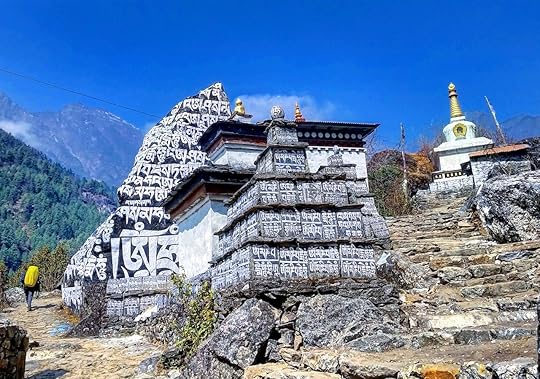
Photo: Anna Sherchand
Reaching the lap of Mount Everest, the highest peak on Earth, is not an easy task achievable by all. However, children as young as five and adults of over 70 have walked Everest Base Camp, and the straight-in, straight-out trek is less demanding than you would think, provided you allow yourself the time to acclimatize to high altitude and listen to your body when it tells you to stop. It isn’t recommended if you have knee problems or weak ankles because of steep ascents and descents, rocky paths, a lot of rock steps, and some moraine walking. Plus, people carrying significant extra weight are likely to struggle with this trek at altitude.
It is not only about how fit you are but also how well you prepare for it. Physical fitness is as important as strong mental prep. Even though considered difficult, Everest Base Camp does not require technical knowledge or high-altitude experience. Having a basic exercise routine: strength, endurance, and cardiovascular training and/or multiple day hiking experience is enough to establish how you feel about walking each day and being away from home comforts before you commit. If you do enjoy them, repetition will prepare you for the trek of your life with a dash of determination.
7. Carry cash.
ATMs are rare and the bank in Lukla charges a fee of 5%. In Namche, there is a Visa ATM which sometimes works, plus moneychangers who will run Visa and Mastercard charge a fee of 8%. On the main Everest Base Camp route, a few of the more expensive lodges will take Mastercard, Visa, and will probably charge a higher rate for an emergency. One good recommendation is to carry all the NPR cash you think you will need for your trek with you. Remember to consider tips to the guide, porter, that imported beer to celebrate your accomplishment, and comfort meals as well. Plus, a couple of hundred dollars in cash just in case you break a bone and need to be transported on a mule down to the nearest helicopter evacuation point. Certain things such as accommodation in tea houses, WIFI, and shower rates can be negotiable depending on the season. So, try your luck and you might be able to save some cash.
8. Prepare for altitude sickness.
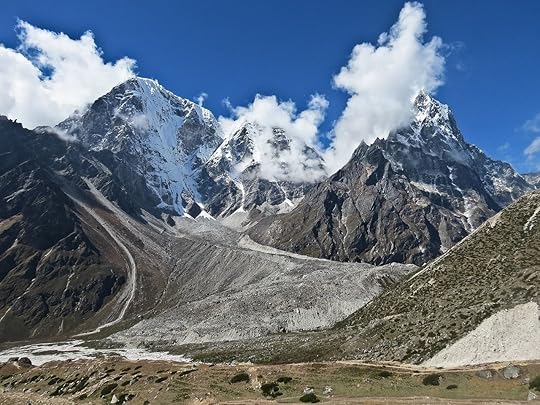
Photo: Skeeze
It is easier for people living at high altitudes to adapt to the high altitudes of EBC trek. For others, the oxygen masks and hikes to higher elevations can help the body adapt to the increasing altitudes. Altitude kills but in most cases, it just makes you feel extremely shitty. I chose not to take Diamox tablets as I wanted to rely 100% on myself. However, there is nothing that can fully prevent altitude sickness as many factors can lead to it. The best way to avoid this is to adopt a slow and steady pace that doesn’t expend much energy, sleeping no more than 300 meters higher than you did the night before, taking an acclimatization day every 1000 meters, and being aware of the signs and symptoms. For example, I stayed in Pangboche 3985m an extra night because I had throbbing acute headaches, zero appetite, and my breathing was too fast. I had to take it easy, rest, and relax using one of my buffer days.
On the second day, I did a side trek to Ama Dablam Base Camp at 4570m and added 200m on top climbing on a hill nearby. The secret is to ascend in small increments, hike higher, and sleep in lower elevations. Other tips include drinking about 2-3 liters of water every day, avoid alcohol and smoking, take preventive medication as a precaution, trek with a reputed trek operator or guide who can assist you in case of emergencies, and know where and how to supply oxygen tank if needed. Go at your own pace and don’t be intimidated by the strength of others or feel the need to “keep up.” It’s better to be an hour behind and reach your goal than falter at your own ruthless determination. Keeping calm and meditation helped me as well.
9. Expect traffic jams.
During the EBC trek, you will see herds of animals carrying supplies on the trail. Horses, donkeys, mules, zos, dzomo, yaks, and naks are all huge (furry) beasts. Mules are the offspring of a donkey and a horse (strictly, a male donkey and a female horse). Dzo aka Zo is a cross breed between a cow and a yak, some call them yattle! The females are called dzomo. Zos do the heavy lifting until 14,000 feet when the yaks take over. It is understood that the yaks overheat at lower altitudes and the Dzos can’t handle the high altitude thus the hand-off. Step to the wall side when you meet a yak, mule train, or any of above furry friends since otherwise you can be knocked off the edge. The straight-in, straight-out route, though, is relatively danger-free: the path has been widened and, in many places, smoothed for trekkers, especially where it traces a sheer slope. You will also pass a handful of suspension bridges that will take courage to walk across. They’re sturdy and well-guarded, with handrails and wire mesh below the rail, but they are high, and move with the motion of your feet and the feet of anyone else on them.
10. Encourage and reward yourself.
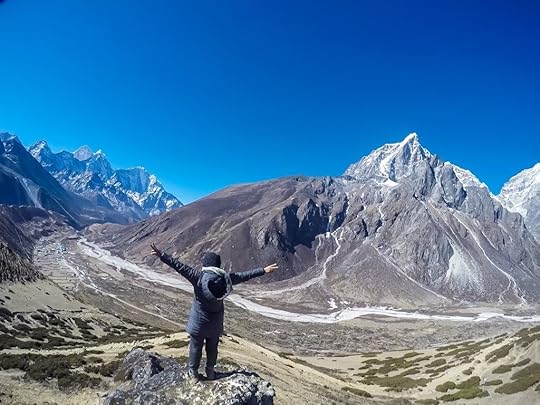
Photo: Anna Sherchand
If you are going to walk all that way, you might as well encourage, motivate and reward yourself. On the second night of my Everest Base Camp trek, I stayed in a beautiful, cozy Yeti Mountain Home in Namche Bazaar with a hot shower, super comfy bed, and the best view in town. It added happy energy, excitement to see more, and encouragement to my trek. Then, from the night at Deboche, it was time to rough it up to Everest Base Camp and back. However, on my return, I stayed at the luxurious Hotel Everest View to celebrate crossing off Everest Base Camp from my bucket list. Knowing the comfy bed, hot food, shower, and WIFI were waiting for me was one thing that kept me going when descending long hours on multiple days. I feel it is important to encourage and motivate yourself to do the things you want to do and once you accomplish it, reward and enjoy yourself. While the excitement of trekking to Everest Base Camp is reaching the foot of Everest at the end of the trail, the entire experience of traveling the trail is the real fun part. There is something to admire about every turn. Monasteries, cultivated fields, grazing yaks, hot momos, Dal Bhat overlooking stunning mountains, the experience of trekking lodge-to-lodge, the view from Everest Base Camp, Kala Patthar, smiles from little local kids, to fellow trekkers. It all adds up to what makes Everest Base Camp an incredible journey. Slow your pace now and again to look around and take in the mountains, gorge, river, shops, homes, and life that all happens right along the path. There is nowhere else in the world like it.
More like this: What it takes to climb the ultimate trek: Everest Base Camp
Tribe without borders
Say you are a 28-year-old female filmmaker with 10 years’ experience in the field working almost entirely with male crews. And then you get approached by a photographer friend you surf with that just happens to be putting together a crew of like-minded women your age on a surf-adventure trip to the Middle East to tell a story that empowers women and highlights a region that’s oftentimes overlooked and stigmatized. All with the intention of eating, surfing, and exploring as much as possible. There’s not much money. You have to turn down another project. And you don’t really know the other girls or what to expect.
What do you do?
You say yes.
Hell yes. Yes over and over again. And you never, ever regret that decision that brought you to meet some of your closest friends that you now consider your tribe.
That’s what happened to me this past winter. I was part of a crew to film, photograph, and work with some badass women that I’ve admired from the outside for a while. With no expectations or really any idea of what we would be doing, we were off.
Meet the ladies:
Meg Haywood Sullivan — She was that surfer who facilitated my involvement in this magical trip. I creepily followed Meg on Instagram for a while before we met. I always thought she was such an intimidatingly badass, beautiful environmentalist and photographer.
But then I met her through some mutual friends, surfed with her, and all that stuff was true except for her being intimidating. In fact, she’s proven to be one of the kindest and at times goofiest friends I have. She’s driven and understands the freelance photographer hustle all while purposefully taking on projects with the aim of making the world a better place.
I hadn’t worked with her before and to this day I don’t really know why she vouched for me not having seen any of my work, but she brought me into the fold and the rest is history.
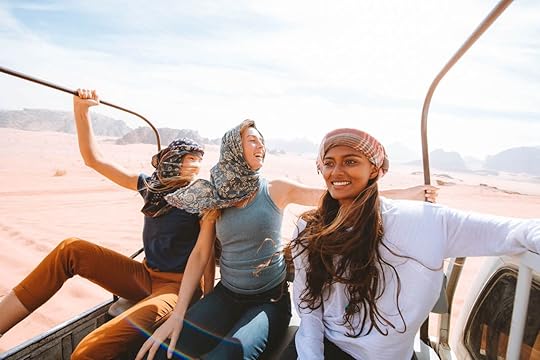
Anna Ehrgott — Born and raised on Topanga Beach, Anna is the most graceful lady slider I’ve ever met both in and out of the water. She’s one of the first people my age I’ve come across that genuinely thinks about what she says before she says it. She’s thoughtful and meaningful, a master of the written word, curator of eclectic tunes, and she has a great eye for photography. Sometimes perceived as quiet… until you get to know her, and then she reveals she’s secretly one of the funniest, quirkiest human beings to grace your presence.
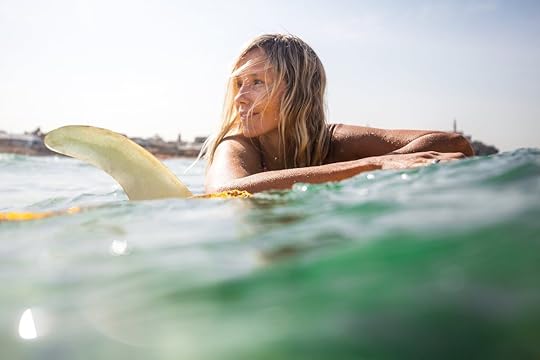
Lisa Marie Sheldon — Quick to laugh, first to smile, always at ease. Lisa is the first to make sure we were all happy. She’s stunning and has been modeling since she was a teenager. But instead of riding out the beauty she was born with, she’s gone on to become a talented producer, writer, and adventurer. She loves to surf. Loves the snow. And loves her adorable Australian shepherd with all her heart. She’s always down for an adventure and has an unbelievably badass 1972 Toyota FJ to get you there.
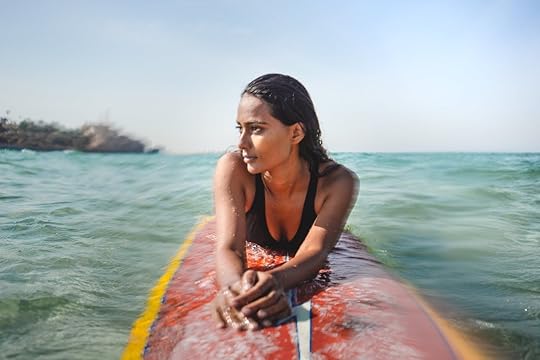
Ishita Malaviya — My Purana ohana. Purana means ancient in Hindi and ohana means family in Hawaiian. We call each other that because we instantly felt a deep connection that only comes with knowing someone for a long time. We must have been friends or sisters in a past life because the connection was instant. She’s awesome, powerful, caring, and at times girly. I love that about her. Oh, and in a country of 1.3 billion people, she also just happens to be India’s first female pro surfer. NBD.
The trip itself broke down to three days in Tel Aviv, Israel before we headed south to spend eight days in Jordan. I had filmed in Jerusalem before but never spent any time in Tel Aviv and nothing had prepared us for the energy of the city. It pulsates at all hours of the day and night with an unusually high number of young, attractive people out engaged in intelligent conversation, eating, dancing, shopping, laughing… and surfing.
That being said, we didn’t get lucky on waves. In fact, they were dismal at best. And for a group of surfers that had traveled more than 7000 miles to reach this Mediterranean city by the sea, it could have been a huge disappointment. But it wasn’t. Everyone was in good spirits. And with that revelation, we had passed our first hurdle. We quickly realized we were all in the like-minded headspace. We were there to have fun and no matter what was to come our way, we were going to enjoy our time together. Waves or no waves.
That was what stuck with me about this trip in general: the positivity and the bond we all formed almost instantly. Yes, I loved the food. Yes, I loved meeting people from different cultures. Yes, I loved exploring new places. I’ve been living a semi-nomadic life for a while now because of what I do for a living and I love it. But it can be grueling and at times isolating. So to have the opportunity to connect with women that travel as much as I do and are passionate about the things was a really cool and exciting experience.
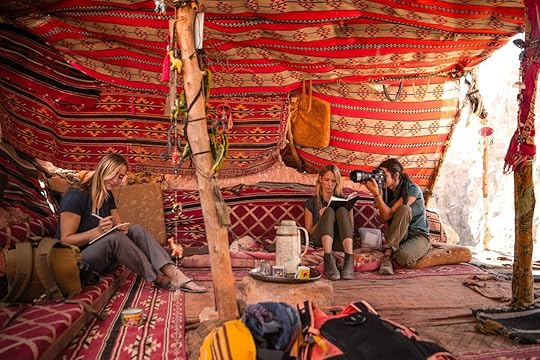
One thing we kept coming back to was the question of why we travel. How there is a balance of give and take while on the road. Are we traveling for the right reasons: to learn, to grow, to connect, or are we running away from something? Am I chasing one cool experience after the next without really challenging myself to maybe do the harder things, which can sometimes mean slowing down and saying no? What is really the best way to be spending my time when life is short?
It’s funny, I remember having this exact conversation with Anna while we hiked through the ancient city of Petra. I guess those are the kind of meandering thoughts that come up when looking at the faded remains of a civilization that was once in its prime and never imagined its own demise.
We also discussed things like how we have no interest in checking off a bucket list. How it’s more important to authentically connect with people and a place rather than see as much as possible in the shortest amount of time. These conversations are what oftentimes happen in the in-between-moments on long drives or simply passing time. And yet they were some of the most magical for me.
Funny enough, as this is a piece for Women’s History Month, the beauty of the trip really had nothing to do with us being women. That’s why we chose the name tribe. We wanted it to be inclusive. Because rather then it being about gender, it’s more a like-minded mindset and appreciation for the important things.
In the end, my favorite moments of the trip aren’t singular things that happened. (Although Ann’s ride on a runaway horse barreling down the train tracks through the desert while we uncontrollably held on to the outside of a jeep trying to catch her is a top contender.) It was more the overall experience. We laughed non-stop. We got to know each other. We trusted each other. And on top of that what we created and delivered from both a photography and footage perspective was entirely on us, which is an opportunity I rarely get to share with friends.
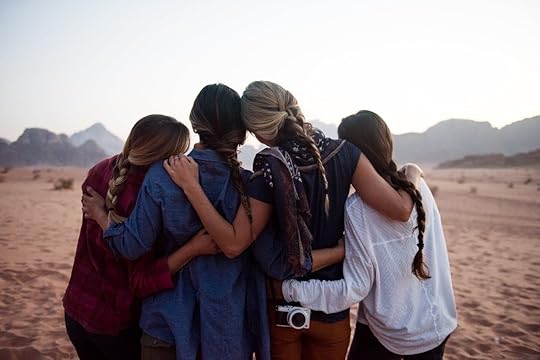
What we did was by no means amazing. Five girls hopped on a flight and went on an adventure in the Middle East and did not find waves. But when I look back on that trip there is something intangible, special. Maybe it’s realizing that we won’t be able to recreate it again. Or maybe we may never have the same freedom to just go off and see what happens. Either way, Anna said it best. “There is no safer place than in the company of home girls. We are on the same team. Sisterhood strengthens anything that shakes.”
Huge thank you and props to both PrAna, the outdoor clothing company we were working with, and Matador Network for supporting this trip. Without companies like them believing in women and willing to support and share projects like this, this whole thing would have never happened.
More like this: Matador Originals presents In Her Shoes: A day in the life of young women around the world
March 13, 2018
10 epic high-alpine hotels you need to stay in before you die
The mountains are calling. When hotels this gorgeous await, it’s hard to say no. These high-alpine hotels have no need for glossy travel brochures. Matador Network takes you around the world to eleven of the highest and most picturesque hotels on the planet.
1. Lyngen North — a glass igloo in the Lyngen Alps, Norway
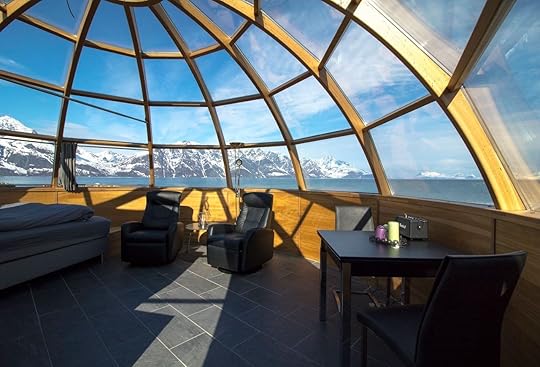
Photo: Lyngen North
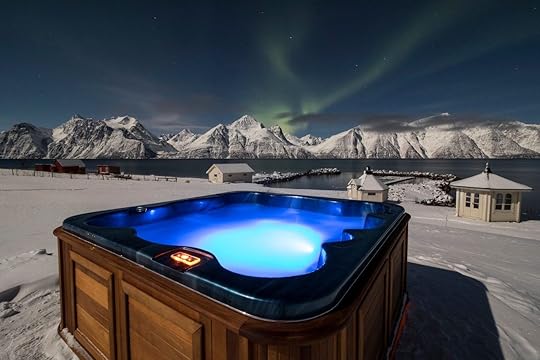
Photo: Lyngen North
For the ultimate in trans-sensory experience, lie on the heated floor of your igloo and stare up at the Northern Lights. It’s a trip-worthy experience rivaling any you had in college.
2. Tiger’s Nest Resort in Bhutan
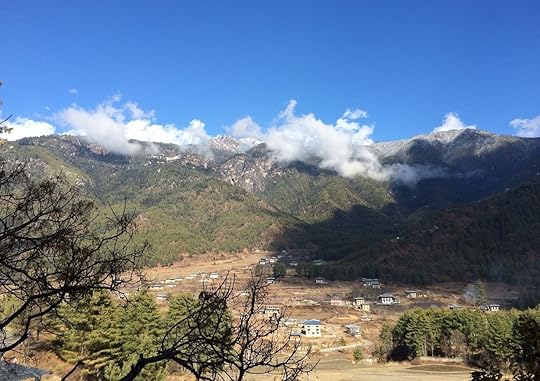
Photo: Tiger’s Nest Resort
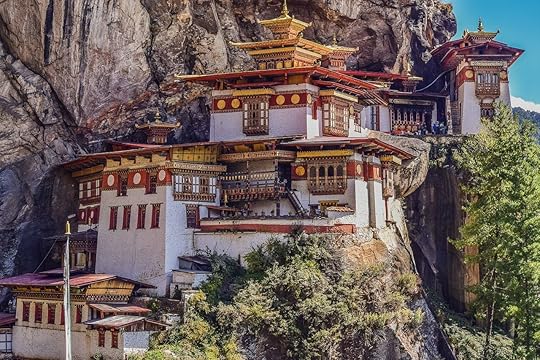
Photo: MaxPixel
Inner peace is attainable merely by looking out the window of this resort in Bhutan, a Himalayan Buddhist kingdom known for its dramatic landscapes. Many of the rooms come with incredible views of the 8th-century Taktstang Monastery, which sits on a cliff 10,000 feet above the valley.
3. 3100 Kulmhotel in Zermatt, Switzerland
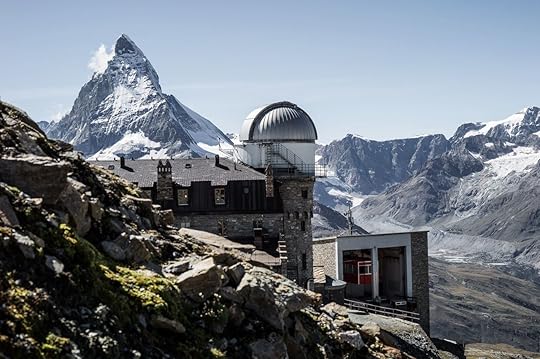
Photo: 3100 Kulmhotel
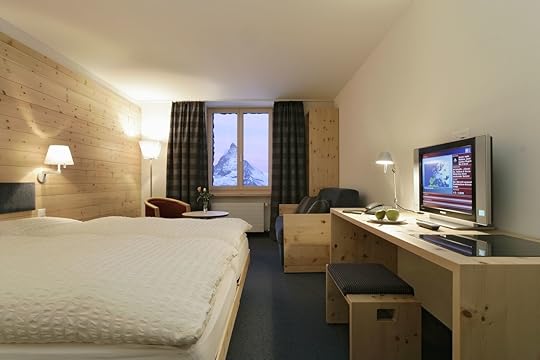
Photo: 3100 Kulmhotel
Dreamt of overlooking the Matterhorn from your hotel? This luxury hotel in Zermatt brings the legendary peak to life, but the views of the Swiss Alps from any room are worth writing home about.
4. Palace Hotel in Burgenstock, Switzerland
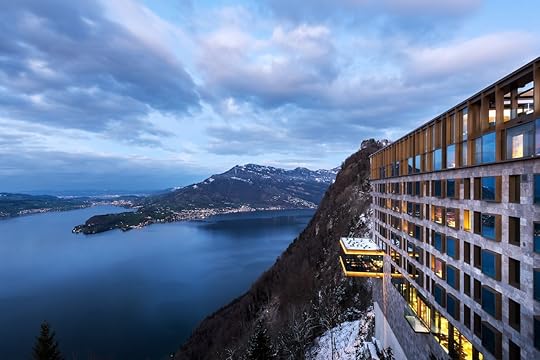
Photo: Palace Hotel
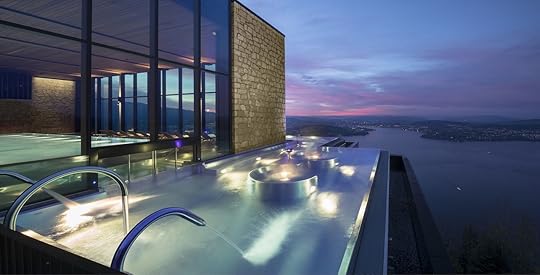
Photo: Palace Hotel
The views from each room offer striking mountain views on one side and stretch to what feels like half of Europe on others. Come hungry — the hotel offers a dining experience to match the epic location.
5. The Peaks Resort in Telluride, Colorado
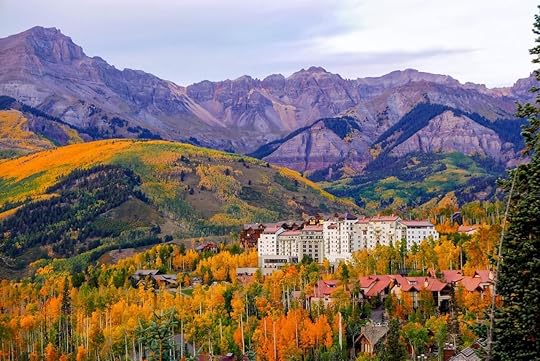
Photo: The Peaks Resort & Spa
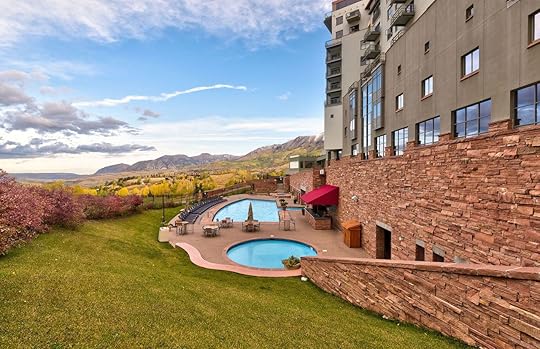
Photo: The Peaks Resort
At 9,500 feet, The Peaks Resort is situated well above Telluride itself — in fact, guests take a gondola to get there. Once there, they have the option to ski down into Telluride or hang in the higher Mountain Village. Many choose to take their time at the top, and with these views, we don’t blame them.
6. Hotel Everest View in Namche, Nepal
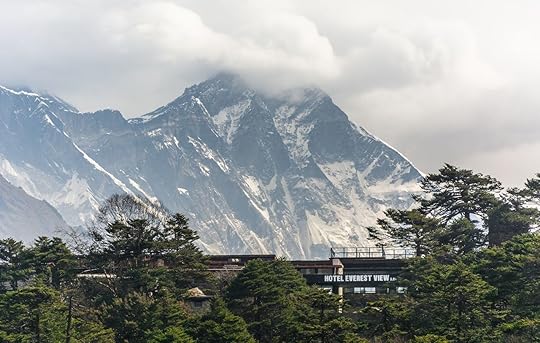
Photo: Hotel Everest View
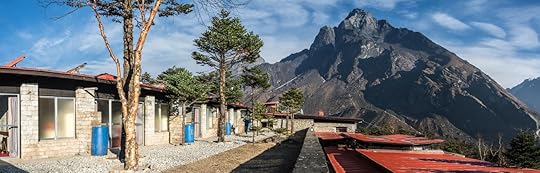
Photo: Hotel Everest View
The name says it all here. Each room in the hotel, located within the Sagarmatha National Park, offers a view of Everest and easy access to hiking and exploring in the Himalaya. It’s also the highest hotel in the world — guests are situated at 13,000 ft.
7. Belmond Machu Picchu Sanctuary Lodge in Peru
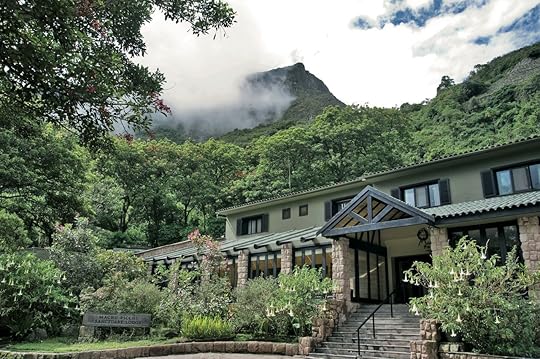
Photo: Belmond Machu Picchu Sanctuary Lodge
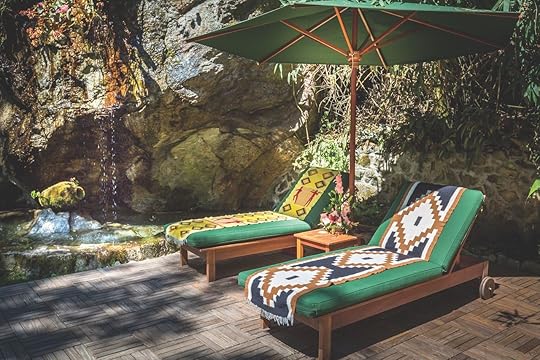
Photo: Belmond Machu Picchu Sanctuary Lodge
The Sanctuary Lodge is about as close as one can get to sleeping amongst ruins. The hotel is right near the entrance, offering those not up for the 4-day trek their own way to stay away from the daily crowds and enjoy the site on their own.
8. Purcell Mountain Lodge in Canada
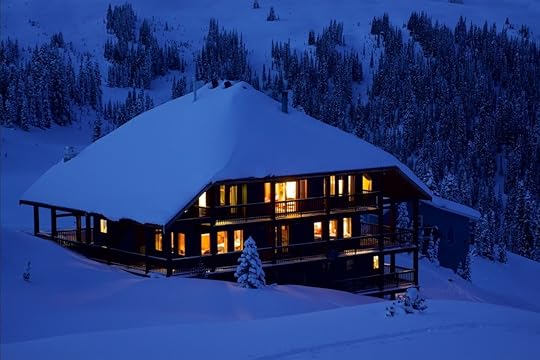
Photo: Purcell Mountain Lodge
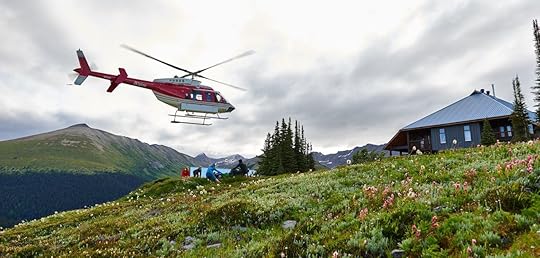
Photo: Purcell Mountain Lodge
Have you ever taken a helicopter to a hotel? On Canada’s Bald Mountain, you can — and the experience is unforgettable. Purcell Mountain Lodge might be the world’s most honest representation of “ski in-ski out.”
9. Hotel Salto Chico in Patagonia, Chile
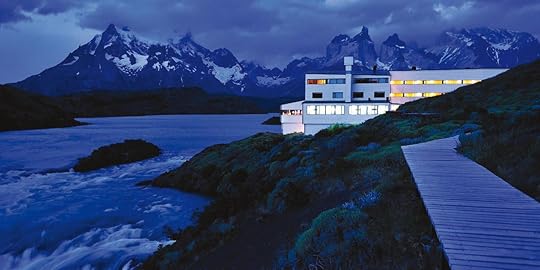
Photo: Hotel Salto Chico
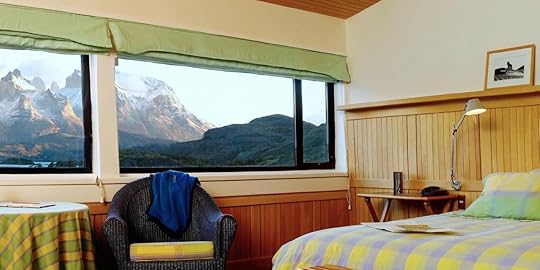
Photo: Hotel Salto Chico
In the heart of the Torres del Paine, Hotel Salto Chico is nestled alongside the Salto Chico Waterfall. Peak views drop from the sky to the lake, with plenty of wildlife (including alpacas!) in between.
10. Wildflower Hall in Shimla, India
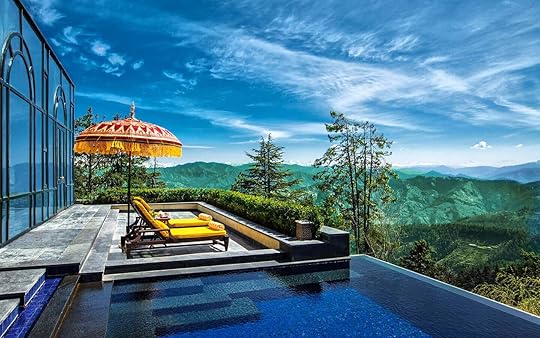
Photo: Oberoi Hotels and Resorts
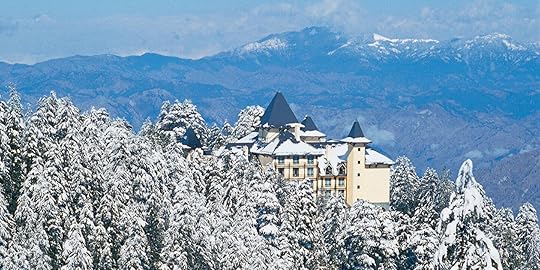
Photo: Oberoi Hotels and Resorts
Insider’s tip: go in January, when snowfall covers the peaks and valleys. The mood is both serene and tranquil, as if stuck in a snowglobe.
More like this: 9 of the coolest hotels around the world
Matador Network's Blog

- Matador Network's profile
- 6 followers


