
Matador Network's Blog, page 1385
March 12, 2018
Expressions you hear in New Mexico
Yes, we may be right above Mexico and are frequently confused for being part of Mexico, but New Mexico is its own separate entity… including our language. New Mexicans use a colorful lexicon of Spanglish terms and expressions (some of which we don’t even fully understand), but one thing’s for sure: if you know these 18 expressions when you come to visit, it’s gonna be “all sick, huh?”
1. “I know, huh?”
We say this at the end of sentences all the time. It means exactly what it sounds like, but must be delivered in a monotone voice.
2. “Orale wey…”
This expression (which we usually say at the beginning of a sentence) could mean literally anything. Seriously. Even we couldn’t explain it if you asked.
3. “Eeeeee…”
Feel free to use this interjection liberally to express fear, excitement, disappointment, agreement, whatever. “Eeee, I just got off work.” “Eeee, this green chile is so good!”
4. “…or what?”
Tack this onto the end of any question for that little extra bit of frustrated emphasis. “Are we going to Blake’s or what?” “Will you marry me or what?” “Can we leave now or what?”
5. “It’s all sick, huh?”
Oh yeah, we’re all about this dated ’80s slang.
6. “Red, green, or Christmas?”
If you’re asked this in a restaurant, no, Santa is not about to jump out. We mean do you want red chile, green chile, or both (Christmas) on your meal (and if you want neither, get out).
7. “Do you want a Coke?”
By this, we mean literally any kind of soft drink.
8. “Welcome to the Land of Entrapment.”
Tourists call it the land of Enchantment, we call it the land of Entrapment because we can never leave (not that we really want to. I mean, where else are we gonna get Hatch chile?)
9. “Welcome to the Land of Enhancement.”
Once you see all the never-ending road work, you’ll understand.
10. “What are the New Mexican vowels? E, I, O, U, A.”
Probably one of our all-time favorite jokes. We have definitive vowel preferences.
11. “A la maquina!”
A handy term to use in place of an expletive when trying to express astonishment.
12. “Land of mañana”
If we can do it tomorrow (even if we can’t), we will.
13. “…eh”
Ah, the quintessential end of sentence modifier. Think like Canadians, but sans Canadian accent. “We’re heading to the movies, eh.”
14. “Duke City”
We mean Albuquerque.
15. “ABQ”
Because Albuquerque is a pain in the ass to spell.
16. “Fanta Se” or “The Fe”
We mean our hippy town extraordinaire, Santa Fe.
17. “Tamalewood”
Our personal version of Hollywood.
18. “’Topes”
The slang term for our only minor league baseball team. “Orale, you want to go to a ‘Topes game?” 

More like this: 10 ways to properly compliment a New Mexican


Signs you've gone full Australian
It’s happening. You start asking people how they’re “going.” Most of your sentences end in “eh” or “mate.” You’re fiercely loyal to either Woolies or Coles. And you know what a “drop bear” is… or isn’t. You can’t deny it — you’re becoming more Aussie by the day.
1. “Far out!” is your response to pretty much everything.
2. Unless the situation calls for “sweet as” or “ripper.”
3. You’ve nailed the difference between “yeah na” and “na yeah.”
4. “Afternoon” and “barbeque” have way too many syllables for your liking.
5. “Arvo,” “esky,” “tinny,” “bottle-o,” “mozzie,” “togs,” and “Good on ya!” creep their way into your everyday vocabulary.
6. The soles of your feet are thicker than the soles of the shoes you haven’t worn for three months.
7. You know exactly which side you fall in the great Sydney vs. Melbourne debate.
8. You’ve never been to Canberra… and probably never will.
9. You have a favorite coast and will defend it to the end.
10. You’ve holidayed in Fiji or the Gili Islands.
11. You believe that a skateboard is a perfectly acceptable mode of transport.
12. You think floral shirts on bearded men have never looked so good.
13. Possums and quokkas are your new favorite animals.
14. Plovers and magpies are not.
15. You can barely see your bike helmet for cable ties.
16. You scan the water for shadows before a swim.
17. You learn to avoid rock pools.
18. Stonefish, cone shells, box jellyfish… You know that everything in the ocean wants to kill you.
19. Snakes, spiders, cassowaries… You know that everything on land wants to kill you, too.
20. You can’t walk past a Lord of the Fries without… whoops, accidentally bought a poutine burger.
21. Meat pies are life.
22. You know that kangaroos aren’t just the national animal; they’re also a national delicacy.
23. Beetroot in burgers is your new favorite thing.
24. Vegemite is definitely not.
25. You know the difference between a pot, a pint, and a schooner.
26. You know Bondi Beach is completely overrated.
27. You never go below factor 50.
28. You know that pre-gaming on goon never ends well… but hey, it’s cheap.
29. You don’t expect to see monkeys in Monkey Mia.
More like this: 20 Australian expressions that will make you smile
How to get a job and move to Ireland
On my first visit to Ireland in 2010, I fell head over heels for this country. The friendly locals, the music, the pubs, the landscapes, the beer — everything about it spoke to me. While moving to Ireland took a little work (and a little time), I now find myself here a year and a half and still loving every minute of it.
If you need some help demystifying the process, take it from someone who has been there: it is possible and it is worth it!
How to get a job and move to Ireland:
1. Are you eligible for a work permit or a visa?
2. Job search
3. Necessary documents
4. Apply
5. Celebrate!
1. First things first… are you eligible for a work permit or visa?
If you are lucky enough to be a citizen of an EU country, congratulations! The hardest part is over, so go on and start your job search. The rest of us non-EU nationals will eye you enviously as we trudge through the red tape and paperwork.
While securing a work permit or visa sounds like a daunting and near-impossible task, there is more than one way to find yourself living happily in Ireland.
Work & Travel Scheme
Citizens of the US, Canada, Australia, or New Zealand, rejoice. Your governments have been gracious enough to set up reciprocal agreements with Ireland enabling you to live and work here for a set period of time. While these are temporary visas, if you find the right gig (or fall for an Irish citizen), you could find yourself with a work permit. But let’s not get ahead of ourselves. Here is the program eligibility in a nutshell:
United States: Current university student or recent graduate within 12 months can apply for a 4-month or 1-year visa
Canada: Ages 18-35 can apply for a 2-year visa
Australia/New Zealand: ages 18-30 can apply for a 1-year visa
You can apply for these programs yourself or go through an agency (for a fee) that will provide perks such as setting up your bank account and 24/7 support. Here is where to look if you are to citizen of one of the four countries and want to participate in one of these programs:
Australia
New Zealand
Canada
US
Not a citizen of any of the four countries above? Don’t despair. Argentina, Chile, Hong Kong, Japan, South Korea, and Taiwan have similar programs but on a more selective lottery system. For links to country-specific information, check out this website.
Third Level Graduate Scheme
Planning to get your BA? Already have an undergraduate degree but want to further your studies? Do it in Ireland. Unlike the UK, which only grants non-EU students a four-month grace period prior to graduation to seek employment, Ireland is much more generous.
With the Third Level Graduate Scheme, newly-graduated students can get a special visa which lets them apply for any job and work up to 40 hours a week. BA-level students are entitled to a year, while MA and above can stay for two years. You can apply for a work permit once your visa expires if you can’t get enough of those Dublin Saturday night ragers at Copper’s.
Information on how to apply for this visa can be found on the government’s immigration website. If you are living in Dublin at the time of application, make sure to book your appointment with Burgh Quay Registration Office well in advance. If you thought trying to get tickets to the Taylor Swift concert was difficult, think again.
Work Permit
If you have long left student life behind and are a certified working stiff, you can apply for a work permit to use your skills in Ireland. Two main permits exist and to apply for either, you must have a job offer.
A. Critical skills shortage
Certain sectors are facing a shortage of qualified workers so if you have the education and skills, you can essentially skip to the front of the line. The list of eligible fields includes nursing, IT, and engineering. If you fit into this category, you can breathe a little easier.
B. General Employment Permit
If you don’t happen to fall under one of the critical skills fields, you can still apply for a general permit. To qualify, jobs must pay minimum €30,000 and a Labour Market Needs Test must be performed. This basically just means that your prospective employer needs to show they first considered applicants from Ireland and the EU before deciding on an overseas candidate.
Volunteering
If you have enough cash stashed away in a shoe box or your underwear drawer, you may want to consider volunteering. If you plan to stay for more than three months, you’ll need to apply for a visa. This process can be done online and requires you to show proof of funds, health insurance, and full details of volunteer placement.
The best options are gigs that provide room and board, such as WWOOFing or hostel work. A good resource for hostel and other volunteering jobs is WorkAway.info.
Could you be eligible for a passport?
If you have an Irish granny who always has the kettle boiled and her rosary beads nearby, you might be able to claim citizenship. Ireland grants passports to descendants of Irish citizens, even up to great-grandparents in some cases. If you find you are able to go this route, you are golden. An Irish passport entitles you to free movement and employment rights across the EU.
The Irish government has created this handy questionnaire to help determine if you’re eligible.
2. Some tips for your job search
No matter which visa scheme or work permit works best for you, there’ll be a point where you’ll need to find a job and start bringing home some dough. There are several ways to find paid jobs that can be done either online before your arrival or once you’re in-country.
If you are applying for a work permit, you must have your job offer secured beforehand. My favorite site for job searches is Indeed.ie. You can also use IrishJobs.ie. Be sure to check with companies originating in your home country that may have offices in Ireland. For example, US companies like Facebook, Indeed, and Google all have branches in Dublin.
If you participate in a visa program, you can choose to start your search early or pound the pavement in your new town. For hostel and hospitality jobs, it’s best to show up in person with your resume. These jobs are highly sought after, especially in Dublin and larger cities like Galway. Making the rounds with your CV will allow you to demonstrate your shining personality to potential employers.
If you are a university student, check with your college. Paid opportunities exist on-campus. I worked at the University College Dublin library during my Master’s program. I made great connections, learned some new skills, and got paid to work flexible hours!
3. Gather your documents for the application
Whether you go for the general or critical skills employment permit, you will need the following:
Digital passport-sized photo
Digital copy of information page of passport
Proof of job offer paying at least 30K per year
Proof of Labour Market Needs Test (exempt for Critical Skills Permit)
For visa programs, requirements differ so check with the specific programs mentioned above.
Got everything? You’re almost there!
4. Apply online
The online application system for work permits is easy and straightforward. Make sure you have all your documents ready and access to a scanner or camera as they will need to be uploaded. Thank goodness for modern technology.
Once you’ve submitted your application, you can check the processing times which are updated daily. If you are the type to compulsively check for updates, there is a page to enter your details to see the current status of your application.
5. Pack your wellies and grab a celebratory Guinness!
Living in Ireland will teach you that most of life’s hardships can be shrugged off with a simple, “sure, it’s grand.” You’ll soon learn to kick back and enjoy the simple things, like a nice pint of stout with friends after work.
And if you stay long enough, the weather doesn’t seem half bad.
More like this:: How to find a job and move to Iceland
Product hacks for digital nomads
Life as a digital nomad looks like a dream from the outside, but there are some downsides.
From the frequent internet connectivity issues to having the airport lounge as your second home, the lows can often be as intense as the highs.
As I built my company Rype while traveling for the past 2 years, I’ve discovered some great products that helped make my life easier. To help you save time, I’ve curated the top 9 that are worth investing in to boost your productivity, happiness, and overall wellness.
Boost your productivity
1. Portable internet Wi-Fi
Benefit: Reliable Wifi wherever you go
Nearly every digital nomad has faced the pains of unreliable Wifi during an important call. Since your life and career depends on getting work done online efficiently, having reliable WiFi wherever you go is a must.
Recommended product: SkyRoam offers portable and reliable WiFi hotspots, with a flexible payment option. There’s no contracts or commitments, and you can also share it with friends and family members.
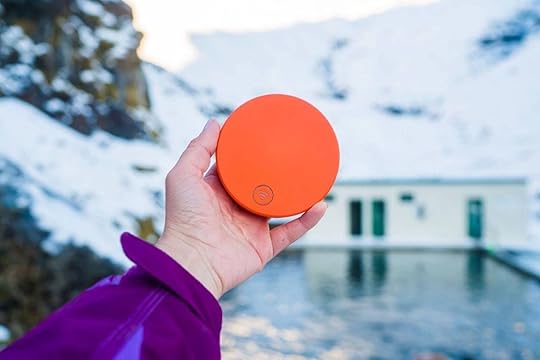
Photo: Skyroam
2. Blue light-blocking eyewear
Benefit: Reduce digital eye strain and improve your sleep
The advancement of digital technology has made the digital nomadic life possible. However, the downsides of working in front of a screen are evident. Research from Nielsen show that we spend over 10 hours per day staring into our screens. Exposure to blue light can negatively impact different parts of our brain and body, including digital eye strain, headaches, and of course disruption of our sleep cycle.
One way to ensure you protect your eyes (and productivity levels) is to wear blue light blocking glasses while you work. You should also wear them before you sleep if you plan to work late into the night.
Recommended product: iGOTHAM offers stylish and premium blue light blocking glasses with clear lenses. They claim to protect you from 85 to 100% of the harmful blue light emitting from our screens.
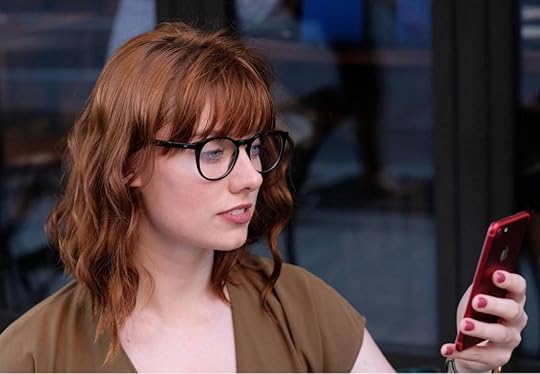
Photo: iGotham
3. Laptop stand
Benefit: Improve posture and reduce neck and back aches
Working for long periods of time in one position can be detrimental to your body. Most of us don’t even recognize how misaligned our posture is because we’ve just gotten accustomed to it over time.
Having a portable laptop stand that you can use as a standing desk or to elevate your laptop while you’re sitting can do wonders for your posture.
Recommended product: Roost Stand makes it easy to carry around wherever you go, and has adjustable heights to make it flexible for you.

Photo: The Roost Stand
Smoother traveling
4. Travel-friendly clothing
Benefit: Less laundry and minimalistic lifestyle
Clothing often takes up the most space in our luggage, even if you’re minimalistic. If you’re tired of carrying around a separate suitcase just to fit your clothing and needing to do laundry every week, invest in some travel-friendly clothing.
Recommended product: Unbound Merino has designed wool apparel that you can wear for weeks or even months without needing to be washed. They claim that it won’t smell or wrinkle, and it will regulate your temperature wherever you go.

Photo: Unbound Merino
5. Portable Battery Charger
Benefit: No more running out of battery
I know from personal experience that the biggest frustrations of travel is running out of phone battery when you most need it. Having access to a portable battery charger is the easiest way to prevent this from happening to you.
Recommended product: HelloNomad Battery Cable is a light and portable battery charger that fits into your pocket or backpack.

Photo: Nomad
6. Luggage Tracker
Benefit: Track your most valuable belongings
A traveler’s worst nightmare is being on the other side of the world, and losing your phone, laptop, or even your entire luggage! Now, there is an affordable way to track your belongings.
Recommended product: Tile is a simple tool that fits into your wallet, bag, or even keychain, and allows you to track it at all times.
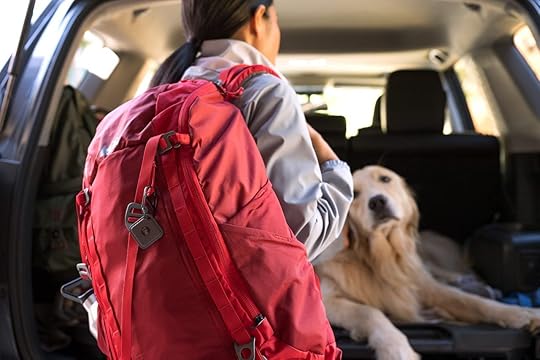
Photo: Tile
Enhance your health & wellness
7. Travel Neck Pillow
Benefit: Sleep better while you’re on the road or on the plane
If you plan to fly at least 2 or 3 times a year, investing in a quality neck pillow can be a gamechanger for you. From personal experience, not getting the proper sleep I need during a red-eye can often set me back for a full work week. You can also use it during long train rides or even when you’re on a car road trip with friends.
Recommended product: MemorySoft is a premium neck pillow using memory foam and soft materials to enhance the quality of your sleep. It’s also quite affordable compared to other brand named travel pillows.

Photo: Amazon
8. Meditation app
Benefit: Some time away from the screen to relax
Trying to meet deadlines and work efficiently when you are not in a physical office can be very difficult and make your anxiety level go through the roof.
Meditation has shown to calm the mind, reduce stress levels, and increase focus levels in as little as 15 minutes a day.
Recommended product: Calm.com is a free mobile app that you can download that offers guided meditation for beginners. Now anyone can start meditating with ease.

Photo: Natalia Figueredo
9. Massage Ball
Benefit: Relieve your body pains on the go.
I love using massage balls to get rid of body aches, because it’s incredibly lightweight and often more effective than getting an expensive massage, and you can use it wherever you go.
Recommended product: Mandala Yoga Massage Ball is particularly popular amongst the yoga community and is often used in yoga therapy. 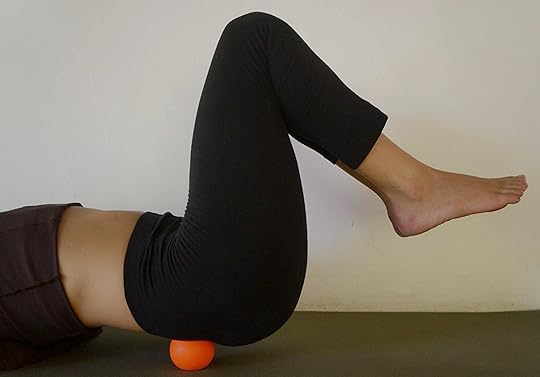
Photo: Amazon
More like this: 9 apps that take the frustration out of travel

Female record-breakers
What does a record-breaker look like to you? Perhaps they’re tearing through the finish line in an Olympic race. Maybe they’re shooting through outer space on a rocket ship.
How about swimming the English Channel faster than any man? Or competing in a 1,100-mile sled dog race in -50° weather? These featured female record-breakers are as strong and determined as it gets.
For more stories about badass women through history, check out @womenadventurers on Facebook and Instagram .
1. Gertrude Ederle (1905-2003, US)
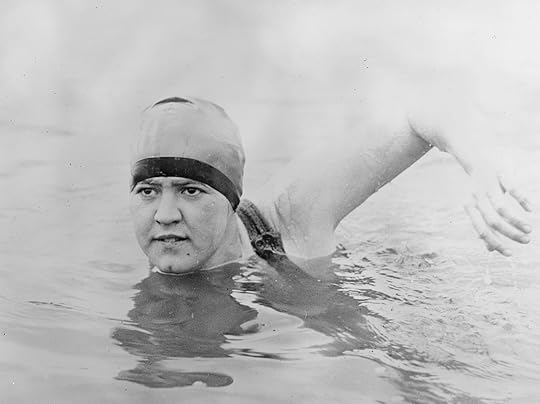
Photo: George Grantham Bain collection
Covered in a mix of petroleum jelly, olive oil, lanolin, and lard to protect herself from the cold and stinging jellyfish, in 1926, Gertrude Ederle swam the English Channel in 14 hours and 34 minutes. That was seven hours faster than what the first man achieved in 1875. In fact, numerous studies suggest that women outcompete men in various ultra-distance sports.
2. Junko Tabei (1939-2016, Japan)
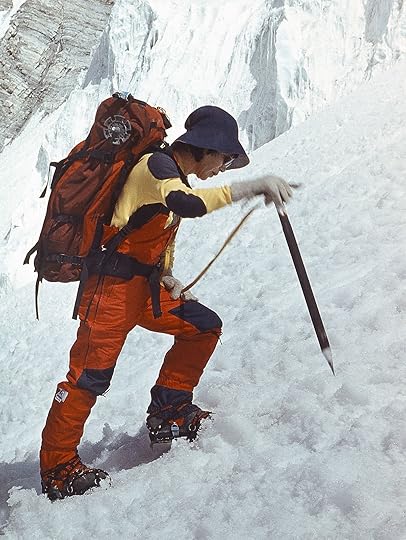
Photo: John Kunaap
With her sherpa guide Ang Tsering, on May 16th, 1975, Junko Tabei became the first woman to reach the peak of Mount Everest. As if that wasn’t enough, she then became the first female to ascend all Seven Summits (the highest peak on every continent).
Growing up in the Japanese countryside, Tabei was a frail child, but she was obsessed with climbing. After graduating from college, she founded the Ladies Climbing Club. It was the first club of its kind in Japan. The group’s slogan? “Let’s go on an overseas expedition by ourselves.”
In her lifetime, Tabei reached the highest peak in 56 nations around the globe.
3. Libby Riddles (1956, US)
On March 20th, 1985, Libby Riddles became the first woman to win the “last great race on Earth” — the 1,100-mile Iditarod Trail Sled Dog Race. Dog mushing for 18 days in -50° weather, she won by continuing on in a blizzard while all the other competitors waited out the storm.
4. Mira Rai (1989, Nepal)

Photo: Prabina Karki
Mira Rai grew up in a remote village in the Bhojpur mountains. Her formal education ended at twelve, and there weren’t many opportunities available to her at home, so she joined the Maoist rebel army. In her country’s jungles, she trained in trail running, karate, and shooting.
Rai participated in her first ultra-marathon by mistake. She thought she was joining a simple training run in Kathmandu. Actually, it was a 31-mile race. She was the only person to compete without water, food, or specialized gear. She won the female division.
Since then, Rai has achieved a new course record at the 50-mile Marathon du Mont-Blanc. She’s won second place in the Skyrunning World Championships. Oh, and she’s a National Geographic Adventurer of the Year. Not bad for a woman who got her ultra-running start by accident.
5. Bobbi Gibb (1942, US)
In February of 1966, Bobbi Gibb received a rejection letter from the organizers of the Boston Marathon. The race director wrote, “This is an AAU Men’s Division race only.” He continued, “Women aren’t allowed, and furthermore are not physiologically able” to compete.
Hiding in the bushes near the start line that May, Gibb ran the 26.2 miles anyway. Disguising her femininity in a hooded sweatshirt and her brother’s Bermuda shorts, she completed the run in 3:21:40 — ahead of two-thirds of the male competitors.
In 2017, more than 45% of Boston’s runners were women.
6. Manon Ossevoort (1876, the Netherlands)
In 2014, the Dutch actor Manon Ossevoort set an extreme world record — she was officially the first woman to travel from the village where she was born, all the way to the South Pole… by tractor.
Beginning the 23,000-mile trip in 2005, Ossevoort made the journey for everyone who believes that putting their dreams into reality is as impossible as driving a tractor all the way from Europe to Antarctica. Along the way, she collected thousands of slips of paper containing the dreams of the people she met and got to know. She planted them in a capsule at the end of her trip.
7. Georgia Broadwick (1893-1978, US)
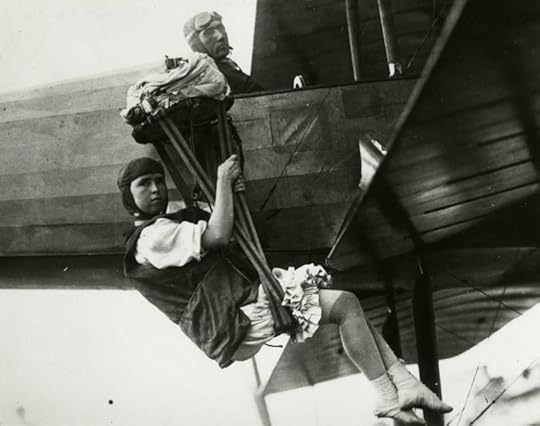
Photo: Wikimedia
The first person to perform an intentional freefall parachute jump from a plane was Georgia Broadwick, for the US Army in 1914.
8. Aisholpan Nurgaiv (2001, Mongolia)
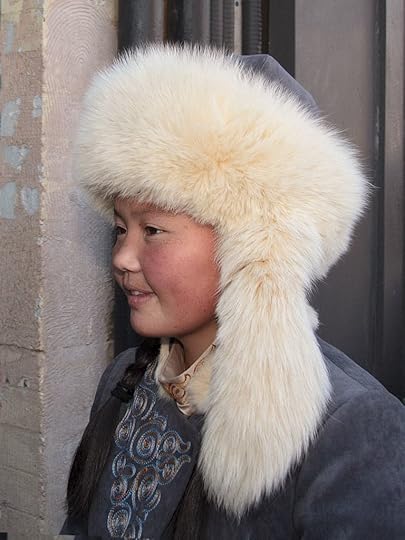
Photo: Gordon Correll
One of Mongolia’s youngest eagle hunters is Aisholpan Nurgaiv. She was thirteen when she became the first girl to enter the prestigious Golden Eagle Festival in Ölgii. She took top place like it was no big deal.
She believes that “girls can do anything if they try,” and we couldn’t agree more.
More like this: 
St. Patrick's Day in Ireland
Celebrating St. Patrick’s Day in Ireland is a bucket list experience for countless travelers. We’ve all seen the sea of green hat-wearing, Guinness-chugging people that swarm the country on its biggest national holiday. But here’s some news that may come as a surprise; those crowds are almost exclusively tourists. Most Irish people prefer to flee the streets and mark St. Patrick’s Day with their own fun traditions. Here’s how to do “Paddy’s Day” the Irish way.
Step #1: Feast on a fry.
With the exception of bar staff, of course, everyone gets the day off work for St. Patrick’s Day. That calls for a typically Irish morning of a leisurely wake-up time followed by a meat feast for breakfast. The traditional Irish “fry” is a weekend institution and consists of bacon (we call them rashers), sausages, black and white pudding, and egg all fried up in a pan. Baked beans, mushrooms, hash browns, toast, and tomatoes are also acceptable additions if your plate isn’t already full enough. We wash it all down with a big mug of tea and then get ready for the day ahead.
Step #2: Wear real shamrock!
There’s one sure-fire way to distinguish the locals from the tourists on St. Patrick’s Day; we won’t be seen dead wearing foam leprechaun hats, fake beards or tacky, shamrock-adorned clothing. You’re more likely to find us wearing a simple green t-shirt, a national sports jersey, or maybe the occasional Irish flag painted onto a cheek. It’s also a popular tradition to buy a bunch of real shamrock and pin it to your collar or chest. Shamrock is a delicate little plant that wilts after just a couple of hours, and when it does, it’s obligatory to drop it into your drink and toast St. Patrick.
Step #3: Watch the parade.
The local parade is mandatory viewing on St. Patrick’s day for locals as well as tourists. Parades are held right across the country, but Dublin hosts the biggest one with American marching bands, local dance troupes, and plenty of colorful floats. Crowds line the capital’s streets from early morning to get a good viewing spot, but most of us watch it on TV from the comfort of our own homes — usually while cooking the aforementioned fry.
Step #4: …Then get out of the city.
Once the parades have wrapped up, the crowds lining the streets head straight for the pubs — which means that within minutes every bar and restaurant is jammed. In cities especially, you’ll find us locals getting as far away from the chaos as fast as possible. Hill walks, trips to seaside towns, family activities in the park, even a barbeque in the back garden — anything goes, as long as it’s not in town! The annual Harbour2Harbour walk along the beautiful Dublin Bay shoreline is hugely popular in the capital. As well as taking in some of the most beautiful parts of the city AND getting plenty of fresh air, participants in the walk also raise money for worthy charities each year.
Step #5: Cheer on the boys at Croke Park.
Irish people are fiercely proud of our national sports, Gaelic football and hurling. Both are hugely exciting to watch — hurling is actually the fastest field game in the world — and players from the biggest teams are considered national celebrities. Croke Park is the national stadium for these sports, and on St. Patrick’s Day the All-Ireland Senior Club Championship Finals for football and hurling are held there. It’s the kick-starter for the sporting season and never fails to be a great afternoon. You’ll usually need to know a club member to get a ticket, but you can also chance your luck on the GAA website or by turning up to the ticket booth before throw-in (kick-off) time.
Step #6: Treat yo’self!
While we’re slowly shaking off the religious shackles of our past, many Irish people do still adhere to Christian traditions — Lent being one of them. With St. Patrick’s Day usually falling in the middle of those 40 days of abstention, taking one day off to treat yourself has become a rite of passage in Ireland. We just can’t resist a good reason to celebrate, and St. Patrick’s Day is the most important Irish celebration of them all! For that very justified reason, you’re guaranteed to find us tucking into sweet treats, junk food and various other vices on Paddy’s Day.
Step #7: Have one (or two) in the local.
By the time evening rolls around, the earlier crowds have faded away and the pubs are once again safe to return to. The sea of green gives way to clean-up crews, and locals brave the aftermath to mix with tourists and enjoy a beer or two. Head to any bar and expect to find lively music, laughing, dancing, and plenty of glasses raised for St. Patrick, for Ireland, and of course, for the “craic.”
Happy St. Patrick’s Day!
More like this: What St. Patrick's Day looks like in Dublin
Mouth-feeding wild hyenas
I don’t harbor some kind of death wish, although such a desire might explain why I decided to feed a wild hyena from my mouth, placing my face within easy striking distance of one of the fiercest, most dangerous predators on Earth. With its incredibly powerful jaws, a hyena can even crush and digest elephant bones.
I traveled to Harar, Ethiopia, to meet Abbas Yusuf, better known as the “Hyena Man.” Abbas has been feeding the animals for 14 years, a tradition passed down to him by his father, who gave the hyenas pieces of meat to keep them away from his livestock.
Now, it’s become one of the city’s top attractions.
Harar’s unique bond with, and acceptance of, the normally feared creatures stretches back eons. Legend has it that two centuries ago, during a famine, hungry hyenas kept eating citizens, so Muslim saints met with the leaders of the hyenas to offer a deal — bowls of porridge in exchange for stopping the attacks. The truce is commemorated each year with a gift to the hyenas of porridge mixed with butter and goat meat. If the hyenas refuse to eat, bad luck awaits.
But hyenas are welcome in this walled, medieval town 365 days a year. They’re allowed to freely roam the labyrinth of streets after dark to clean up food scraps left behind from the markets and shops. Unlike the rest of Africa, locals revere, rather than revile, hyenas, believing they can also drive off evil spirits.
And for tourists, there’s always the option of a more intimate hyena encounter, a feat that will cost you 100 birr, less than $4. While planning my trip to Ethiopia, I initially had not even heard of Harar, until a friend asked me if I was going to see the hyenas. The thought of breaking bread with the notorious brutes terrified me but — because I like taking unnecessary risks with my life — I knew I had to go.
And so, shortly after nightfall, I found myself just outside Harar’s walls surrounded by a pack of seven spotted hyenas.
The most frightening aspect of the experience was turning my back, something that safari guides say a human should never do with any wild animal. As Abbas wrapped meat around the stick in my mouth, I could feel the beasts hovering around me, waiting impatiently to devour the morsel dangling inches from my face.
Has anyone ever been mauled? I thought. What if a hyena lunges for my neck, instead? Or my stomach or my head?
It was too late to change my mind. I feared what might happen if the hungry hyena didn’t get its snack.
I rotated slowly, gazing at jaws whose power is only surpassed by those of crocodiles. Dread welled up inside me. Please don’t bite off my face, I thought.
I trembled as a hyena snapped, claiming its prize. All I remember is the sight of its fangs. Then, time for a quick inventory check — no pain, no bleeding, all appendages accounted for.
Relief.
I turn to face Abbas, who wrapped another hyena treat on the stick before I could object.
Are you kidding me?
Once more, I anxiously cozied up to an animal that can take down prey as big as an adult hippo.
I’d had enough.
“How do I get out of here?” I asked the Hyena Man, with visions of the carnivores sinking their razor-sharp teeth into my flesh the moment I cut off their food supply. “Just get up slowly,” Abbas replied. Though he claimed no one has ever been attacked, at that moment, I was not so sure.
Once out of striking range, I relaxed, vowing to never again do something so foolish. Then again, why not.
My fondest memory of exploring Zimbabwe (where I currently live) was a foot safari last year, wandering through the bush in the animals’ natural environment — on their terms, not mine — unaware of what might be lying in wait. It’s a perspective unimaginable from a vehicle; however, even a foot safari can’t provide the opportunity to interact that closely with a wild creature, especially one evoking such trepidation.
Africa is a land of exquisite beauty but also disease, famine, and widespread death. The continent has taught me that life is previous, short, and to be enjoyed, however long it lasts. Sometimes, it’s worth the risk — climbing a mountain, shooting down the rapids, or sharing supper with a hyena.
More like this: Feeding the wild hyenas of Harar, Ethiopia
What Alaskans are obsessed with
Alaska is a quirky place, and its remote location means that it has its own rules and more than a few strange obsessions. While many of them have their root in a facet of life on the last frontier, you may be surprised at some of the things Alaskans are weirdly obsessed with. Here are a few:
1. Costco.
No Alaskan can resist a trip to Costco — we get a twinkle in our eyes whenever the subject comes up. From the samples to the bulk shopping options, Costco is a regional obsession that only people who need to shop for 3 months’ supplies at a time can truly understand.
2. Pimping our rides.
Alaskans get a thrill out of operating a sweet ride, whether it’s a boat they’ve fixed up or big ol’ truck. Many of us have a motorized fleet that requires significant upkeep, so we spend a ridiculous amount of time doing things like outfitting SUVs with bigger tires, polishing snow machines, and resuscitating vehicles that were “such a steal, we couldn’t pass them up!”
3. Taking fishing selfies.
You might not peg Alaskans as selfie-types, but social media has opened up new avenues for us to brag about our fishing prowess. No one can accuse us of telling fish stories when we’ve got the pics to prove it — though we’re not above angling our catch a little closer to the camera to make it look a bit more sizeable.
4. Salmon.
Salmon is at the center of life in Alaska, and our obsession with it goes far beyond fishing. Besides finding it in our kitchens (smoked, canned, and freezer-packed), we also print salmon on clothing, name music festivals after it, and wage political battles over it.
5. Preserving food.
If it can be hunted or harvested, Alaskans can and will find a way to preserve it. From late summer to fall, we convert our kitchen into small-scale processing plants where we preserve everything from berry jam to this year’s fishing and hunting exploits. The results of weeks’ worth of canning and vacuum packing will be divided among our deep freezers and root cellars to be enjoyed through the winter.
6. Wearing fishing gear 24/7.
Only Alaskans find a way to treat fishing ball caps and Grundens like everyday attire — and then there’s the Xtratuf, the most ubiquitous piece of Alaskan-wear. Every self-respecting Alaskan owns a pair of these, and we don them for every occasion from concerts to wedding photo shoots.
7. Bluegrass music.
While it’s not exactly clear why so much Alaskan-grown music has a bluegrass bent, we have an inexplicable affinity for the genre. Any Alaskan music festival is guaranteed to have a few bands plucking out bluegrass tunes.
8. Trolling Texas.
We get just a wee bit offended at the notion that everything’s bigger in Texas, and while we might not talk about it unless provoked, we find other ways to get our point across. There’s a small industry in Alaska devoted to cranking out t-shirts and other paraphernalia designed to remind Texas who exactly is boss with slogans like “Alaska’s little sister… isn’t she cute?”
9. Drive-thru coffee stands.
From the lattes to the locally-baked goods, we consider life without coffee stands unthinkable, and tack on time for drive-thru java to our morning commute.
10. Living off the grid.
For Alaskans, spending a few years living out of a cabin or camper without plumbing, cable, or running water is practically a rite of passage. Time spent off the grid will earn you some street cred and equip you for conversations about outhouse décor and the best solar hook-ups.
11. Property rights.
If there’s anything Alaskans love more than having tons lots of acreage, it may be marking that acreage with private property signs. We’re all about our space and our right to defend it, and we support private property rights just as staunchly as our Second Amendment ones.
12. The PFD.
One of the best perks of being Alaskan is the PFD, that sweet, sweet yearly oil money to which we are entitled. Our obsessions range from talking about it — how much it’s risen or fallen from last year, those idiots who are doing jail time because they fraudulently applied for it — to being fiercely protective of it. The state doesn’t mess around when distributing checks, so we do everything in our power to dot every “i” and cross every “t” on our application, lest we put our benefit at risk.
13. Krispy Kreme.
Alaskans love Krispy Kreme in a way that can only stem from years of deprivation. We speculated for years about when these donuts would arrive north, and of all the fast food chains we’ve welcomed to Alaska, this was perhaps the most highly anticipated. You know it’s serious when the Mayor shows up to do the ribbon cutting.
14. Talking about Alaska.
If there’s one thing Alaskans are passionate about, it’s talking up the wonders of our home state. In some ways, people’s fascination with Alaska gives us free license to brag about the 907, and we’ll jump at the opportunity any day, any time.
More like this:: 16 things Alaskans love more than the rest of the US
11 ways Oxford, MS will surprise you
If you know anything about Mississippi (or college sports), your only association with the city of Oxford is probably the University of Mississippi (aka “Ole Miss”). And while the school and the academic bent it lends to the town are certainly a big part of life here, there’s so much more. Here are 11 reasons why Oxford deserves more than a pigeonhole, and why a trip might just surprise you.
1. You’ll be walking in the footsteps of some truly great writers.
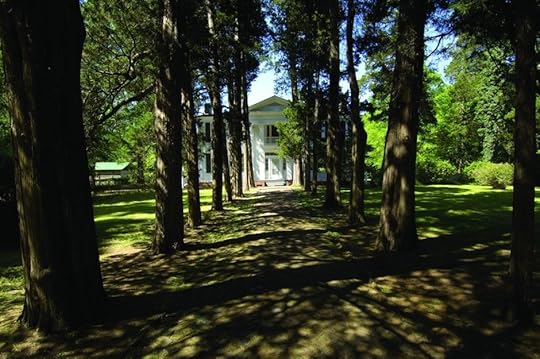
Photo: Visit Mississippi
Oxford can claim a lengthy list of famous-writer residents over the years, including Richard Ford, John Grisham, and Willie Morris, but Nobel Prize winner William Faulkner is arguably the best known. Author of The Sound and the Fury and As I Lay Dying, among many other celebrated novels and shorts stories, Faulkner purchased a Greek Revival home outside of town in 1930. He named the estate Rowan Oak and went on to raise his family and write some of his most famous works there.
In 1972, Faulkner’s daughter, Jill Faulkner Summers, sold Rowan Oak to the University of Mississippi with the idea that it could become a place for visitors from around the world to learn about Faulkner, both the man and his writing. For $5, you can tour the interior of the home — visiting the grounds is free and open year-round dawn to dusk — and immerse yourself in the place where Faulkner and his family lived and worked for over 40 years.
2. You’ll put your mountain bike to good use.
The highest elevation in Mississippi may be 807 feet (atop the generously named Woodall Mountain), but that doesn’t keep Oxford from having some great mountain biking trails — the best in the state, actually.
Right next to the University of Mississippi campus is the South Campus Rail Trail, and you can easily get there from downtown Oxford (the entire city is incredibly bike-friendly, with bike paths just about everywhere). Otherwise, Clear Creek Trail is the one for the pros — it plays host to the Clear Creek Challenge XC Race in September. The 13-mile loop is a 30-minute drive from Oxford, near Sardis Lake, and with an elevation differential of 100 feet and plenty of ups and downs, you might just forget where you are.
3. You’ll tailgate in your Sunday best.

Photo: Tate Nations
Again, it’s no surprise that folks here take college football very seriously. But while tailgating might qualify as a national pastime, in Oxford it approaches a religious experience. Entire fall schedules — including major life events — are planned around whether Ole Miss is playing at home or away.
When the team does grace Vaught-Hemingway Stadium, tailgating is an all-day event in The Grove, and fans go all out. It’s common to see folks in dresses and suits more typical of Easter Sunday, and tents decked out with linen tablecloths and chandeliers. And with incredible Southern food at every turn, it’s no wonder Sporting News called this spot “the Holy Grail of tailgating sites.”
A couple hours before the game, the team files through The Grove on the Walk of Champions on its way to the stadium. Many fans follow the players to take their own seats for the game — although just as many stay in The Grove to continue the party, cheering on their team from portable televisions or their phones. Check the schedule and practice your Hotty Toddy yell!
4. You’ll tour from the top deck.
It’s probably not a surprise that Oxford is named for the famous England university town. What can cause a double-take, however, is the bright red double-decker buses you’ll see around town, especially near the Square. The buses are straight out of Britain, imported to Mississippi in 1994, and have since become iconic for America’s Oxford as well. The town has four of the double-tall beauties and runs seasonal historic tours with them.
When not in use for tours, the buses — which can carry 64 people; 36 on the upper level and 28 below — often show up during Oxford Art Crawls, local festivals (including the namesake Double Decker Art Festival), and other events. They can also be rented for school groups, weddings, conferences, private tours, and other functions.
5. You’ll visit the birthplace of some of your favorite music…

Photo: xJorgiimx
Despite its size, Oxford is home to a notable Blues record label, Fat Possum Records, as well as Sweet Tea Recording Studio. The two are responsible for music by The Black Keys, Gavin Degraw, Bass Drum of Death, Modest Mouse, Colour Revolt, R.L. Burnside, and tons more.
6. …and listen to it live in William Faulkner’s horse stable.
Kind of. Oxford’s Lyric Theater began its life in the 1800s as a stable owned by William Faulkner’s family. In the 1920s, it was converted to a movie theater and named The Lyric. In the 1980s, it served as office space and a health center before realizing its current role in the early aughts as a live performance venue, reclaiming the old name. These days, you can join hundreds of your closest friends at The Lyric to watch Corey Smith, Dr. Dog, or The Mountain Goats (in 2018, at least).
7. You’ll peruse one of the country’s best independent bookstores.

Photo: Square Books
When it comes to independent bookstores, the likes of NYC’s the Strand and Portland’s Powell’s Books dominate the conversation. But Square Books, named for its prominent location on the historic town square, deserves mention in the same breath. The two-story space, founded in 1979 by Richard and Lisa Howorth, hosts over 150 author events each year and carries an impressive collection of signed or collectible books. Besides current bestsellers, Square Books specializes in Southern fiction, history, and literary fiction.
As it’s grown in popularity and prestige, the bookstore has continually found itself outgrowing its space, and so over the years has expanded to two additional, specialized locations: Square Books Jr. and Off Square Books. The former houses books for children, teens, and families. Bring your kids to storytime on Wednesday and Saturday mornings, or just stop by to pick up a puzzle, toy, or gift.
Off Square Books is the “lifestyle and leisure” branch, where you can find books on cooking, art, fashion, travel, hobbies, and more. Magazines, gifts, bargain books, and used books round out the selection. Off Square has the most space, and therefore is the location of most author readings and signings, as well as music events and discussions.
8. You’ll eat nationally recognized cuisine…
For its size, Oxford has an impressively large number of James Beard Award nominees and winners. Topmost is Chef John Currence and the City Grocery Restaurant Group, which has four restaurants under its umbrella: City Grocery, Snackbar, Big Bad Breakfast, and Bourè. Currence took home the James Beard Award for “Best Chef – South” in 2009 (along with many other awards and accolades over the years), has been invited to cook at the James Beard Foundation multiple times, and has seen his sous chefs receive Beard nominations as well.
Saint Leo is the latest Oxford spot to join the James Beard nominee ranks, as a semifinalist in 2017 for “Best New Restaurant.” It combines restauranteur Emily Blount’s big-city style (she was born in northern California and lived in New York City for more than 10 years) with the smaller-scale hospitality only Mississippi towns like Oxford can offer. The menu features Italian-inspired bites such as farinata (chickpea crepes with rosemary and sea salt) and upscale pizzas topped with radicchio, gorgonzola, and speck.
9. …and learn about the unique food culture of the South.

Photo: Southern Foodways Alliance
Oxford is home to the Southern Foodways Alliance, which “documents, studies, and explores the diverse food cultures of the changing American South.” After digging into the local cuisine, dig deeper into how food has shaped the South (and vice versa).
The Southern Foodways Alliance is based at the Center for the Study of Southern Culture at the University of Mississippi. Between putting out great podcasts, producing local-focused films, publishing the works of great Southern writers, maintaining a collection of oral histories, and hosting events — all with the stated mission to “serve as progressive catalysts for the greater South” — this is a busy place, so make sure to check out their calendar. Through various media, they tell honest, challenging stories — exploring race, class, religion, gender, and more — through food. The big event of the year is the annual symposium, which takes place every October.
For the record, the Southern Foodways Alliance relishes in being a little offbeat. Members once created a bacon tree, draped with slices of cured pork belly. As they say, “We are serious about our work, but not too serious about ourselves. After all, we’re citizens of the Banana Pudding Republic!”
10. You might even dine in a former carwash.
With the best breakfast tacos (served all day) and Vietnamese-style coffee in town, Oxford Canteen may be one of the newer restaurants in the area, but it’s already gathering a cult following. Living up to the motto, “Eat like you mean it,” the Canteen manages to serve up — with equal aplomb — classics like griddle dogs and desserts like their “ooey gooey” buttercake bars.
Canteen’s chef Corbin Evans seems to be drawn to unconventional locations. The restaurant’s first iteration, opened in 2014, was set in an alley, and now it enjoys a larger space in a converted gas station and carwash. Through the move, Evans brought the dishes that gained popularity in that alley — like the beef brisket grilled cheese with Sriracha mayonnaise and vegetarian “dirty grains” packed with roasted vegetables — and has continued to innovate his menu in the new location. Check the specials board for the soup, salad, and sandwich of the day, or time your visit with one of the multi-course prix-fixe meals with wine pairing.
11. You’ll enjoy public radio live.

Photo: Taylor Square Photography for Thacker Mountain Radio Hour
Remember Off Square Books? It’s also where you can see a variety of live performances under the umbrella of the Thacker Mountain Radio Hour. In a vein similar to Prairie Home Companion, Thacker Mountain features musical performances and author readings recorded in front of a live audience and aired on Mississippi Public Radio. The free show is taped on Thursday evenings in the fall and spring.
Two-time US Poet Laureate Natasha Trethewey and Nobel Laureate Orhan Pamuk are just two of the literary greats who’ve visited the show, and the music roster includes names such as Elvis Costello, North Mississippi All Stars, and Amy Ray of the Indigo Girls, in addition to the Thacker Mountain Radio house band. Oxford at its finest. 
March 9, 2018
how each country responds to sneezes
Sometimes it’s the little things that can be the most insightful when getting to know a new language and culture. I still can’t get over how the Hebrew word for potato literally translates to “Earth apple”, or that the Dutch word for glove is “hand-shoe”. The phrases different cultures use when someone sneezes, as seen in a new comprehensive infographic by Expedia, are equally fascinating. While the sneezer’s health pops up in just about every response worldwide, humanity seems split on whether a sneeze means you have good health or bad health coming your way. The same goes for God; depending on the country you’re in, instead of him blessing you, you may need to ask for forgiveness from him. Kind of high stakes for getting a little dust in your nose.

Photo: Expedia
More like this: The literal translation of places in the United States and Canada

Matador Network's Blog

- Matador Network's profile
- 6 followers


.jpg)