
Matador Network's Blog, page 1387
March 8, 2018
Iceland tourists drive locals crazy
Iceland has gone the way of Santorini and Barcelona: it’s been overrun by tourists. According to the Icelandic Tourist Board, “the total number of foreign visitors was around 1.8 million in 2016, a 39% increase from 2015, when foreign visitors numbered around 1.3 million.” In a country of less than 335,000 inhabitants, 1.8 million visitors do not go unnoticed. So, to appease the Icelanders who are trying to get used to the invasion, please act like a decent human being and avoid doing the following 10 things or you may not be invited back.
1. Shit on things — literally.
I kid you not. Though Iceland is known for its vast, untouched land, it is also known as a country whose seemingly endless stretches of service-barren roadways prompt, eh, a different kind of natural wonder. But pooping on a deserted, mossy green space is one thing, squatting in the parking lot of a preschool in Reykjavík is another. Somehow, the tales of tourists who feel entitled to relieve their bowels wherever they please keep coming, and so do the “no pooping” signs that have been placed in various locations all around Iceland.
2. Ask where you can try fermented shark.
Most restaurants in Iceland do not carry fermented shark for the simple reason that it tastes a lot like rotten pickles (I’ve even heard people say it tastes like a urine-soaked mattress). Check out the supermarket’s selection of Þorramatur instead — it’s a lot fresher than shark and still includes weird things like ram’s testicles and sheep penis, if that’s what you’re after. Still, if you’re dead-set on trying shark, head to a bar. Many places keep a helping of it in the back for tourists to try. They’ll also try to sell you a generous helping of Brennivín to wash it down with (you’ll need it).
3. Crash their rental car while trying to find the Northern Lights.
The thing about the Northern Lights is that most of the time, they’re rather faint streaks of green that you can easily confuse with clouds. So, don’t try looking for them while driving. If the Northerns are out, you’ll see them. You won’t have to look. There’s nothing more aggravating than seeing a rental car that has fallen off the road because of a driver who was distracted by a cloudy sky.
4. Compare it to whatever country they’re coming from.
It is not like America or any other country in Europe. Here, English is spoken with an accent, people sometimes snort kind of loudly, and they’re super open about nudity — just accept it. This is Iceland. You came here to experience something new, after all!
5. Take pictures of everything.
First, they took pictures of the mountains. Then they took pictures of the water. Then the puffins. Then the rows of shoes outside a local swimming pool. Iceland is known as being a highly Instagram-friendly destination, but tourists have taken things to a whole new level; they don’t just casually carry a camera anymore and snap a photo at a particularly picturesque scene — they turn literally everything into a photo-op. But then again, what do I know? Maybe there really is something aesthetically monumental about Bónus supermarket’s yellow shopping bags.
6. Not showering without a bathing suit before going swimming.
In every pool in Iceland, there are signs everywhere that clearly illustrate that all guests must shower without their swimsuit (meaning naked) prior to entering the water. Icelanders take cleanliness very seriously, and no one hesitates to tell a swim-suited showerer to strip before they dip. You have no excuse — the signs are in about five languages!
7. Act like Iceland is the moon and Icelanders are extraterrestrials.
I mean it’s far, but it’s not that far. It’s a hell of a lot closer to the US than any other country in Europe, for that matter. I was in the pharmacy a few months ago and overheard a group of Americans approaching the cashier to ask “do you have any Aaaadvil here?”, over-enunciating the word with a blisteringly annoying twang as though a bottle of ibuprofen were some kind of rare gem. “Aaadvil. Do you have Aaadvil?” “Yes,” the cashier replied in perfect English. “We have ibuprofen, of course.” And yes, they also have hot dogs and acetaminophen (Tyyyyylenol).
8. Complain about the weather.
It sucks, your flight was cancelled/delayed, you got stuck on a mountain in a whiteout with nowhere to pee but into a water bottle, you ran out of gas, had to be towed to the nearest station fifty-two miles away by a farmer named Aðalmundur who spoke no English, and you arrived to your guesthouse afterhours so there was no one around, and you had to knock on someone’s door who claimed they could call their mother’s sister’s fiancée’s friend and get you checked in despite your tardiness because of the weather, or because of the highland’s potholed roads, or simply because you were scared shitless of the very real potentiality of careening off a mountain road without so much as a railing to protect your flimsy rental vehicle from the white-capped, savage Icelandic sea. We know. We’ve heard it all before. Welcome to Iceland, and deal with it.
9. Rave about the landscape and the light.
While it would be a disservice to the landscape of Iceland not to acknowledge its ridiculous beauty, there’s a fine, fine line between authentic appreciation and constantly raving about how fundamentally life-changing a mountain is. Take pictures, feel inspired, but please find something else to discuss while you’re here.
10. Complain about how expensive everything is.
Honestly, just stop. It’s a blessing for Icelanders. An expensive economy means (usually) wonderful social services, education, and healthcare; Iceland is fortunate enough to have all of these things. 

More like this: 14 images of Iceland we can't stop looking at


How Chile is saving rivers
The Chilean people follow a passionate philosophy — if you love something, you have a duty to protect it. The country’s environmental efforts have slowly become a symbol for conservation and environmentalism worldwide — from recently establishing 10 million acres of protected land to banning plastic bags in 100-plus coastal cities to creating environmental courts that remove the politics the would allow companies to pollute.
Of course, Chile does have its flaws as well. The country’s Water Code privatizes water rights, meaning companies can obtain the rights to any river and exploit it for their own financial benefit. This has opened the road to mega hydroelectric damming, something communities and environmental groups have been fighting against for decades. Not only is the damming extremely harmful, but it opens the way to mining, logging, and other extractive industries, further damaging the environment. It’s all part of an economic model that represents an old way of thinking about our planet and our limited natural resources, one that jeopardizes a country as beautiful and wild as Chile.
The Chilean people have worked tirelessly against these companies, fighting to reform the water code and develop other more sustainable policies. Environmental organizations are scattered everywhere, working to protect individual rivers up and down the country. The problem is that these organizations are always fighting an uphill battle. They are small groups, with little funding, which makes it difficult to stand up to these massive corporations.
But something in Chile is changing. It’s no longer seen as many small environmental organizations, but a collective movement fighting to protect the country as a whole. A number of these groups have joined together to form an organization called the “Red por los Ríos Libres” (Free-Flowing Rivers Network). Instead of working separately, dozens of organizations and leaders are collaborating together to fight against these corporations.
Camila Badilla, one of the members of the Chilean Free-Flowing Rivers Network and director of Fundación Hualo, talks about the how the group was formed “to protect our rivers so they flow freely to the sea, so that water is treated as public good, and out of concern for the future of our watersheds and their communities.” The first gathering of the Network was held along the banks of the Achibueno River in August 2016 and has since continued to attract NGOs, academics, and other people who recognize that despite political differences, the threats are always the same at the national level. “No rivers are more important than others,” says Camila. “They are the veins that nourish our lands; if we intervene in one of them, we alter the larger ecosystem we recognize as the entire country.”
It’s rare that you have an alliance formed on this scale. Similar efforts in the U.S. in the 1960s helped usher in important pieces of legislation, like the Wild and Scenic Rivers Act. Since its enactment 50 years ago, the Act has protected 12,709 miles of rivers. This is something the groups in Chile are hoping to replicate, in a country that boasts some of the most wild and scenic rivers in the world.
The movement in Chile is a testament to the importance of coalition-building and how everyone can make a difference if they work together. These groups may not have millions of funding dollars to fight their environmental issues, and often they don’t have major cities located next to the places that are threatened, making it harder to raise awareness. What they do have is passion. A passion that runs through the rivers of Chile and serves as the lifeblood of the country. A passion to protect the land not just for themselves, but for everyone.
Learn more about Red por los Ríos Libres here.
More like this: A radical act of conservation: Chile creates 5 new national parks
Out-of-towners in Wisconsin
2. They say the weather can’t possibly get any worse.
3. They expect the official start of spring on March 20th to mean that temperatures will consistently get warmer.
4. They think you have to go to a farm to get a Spotted Cow.
5. They think a place as hokey as Mars Cheese Castle can’t possibly actually have good cheese.
6. They can’t stop staring in wonder at Al Johnson’s roof.
7. They think Cape Cod is better than Door County.
8. They ask for the water fountain.
9. They freak out when they have to drive in the snow and on the ice and before you know it, are spinning out.
10. They don’t spend every possible second during the summer outside.
11. They don’t know the password for Milwaukee’s Safehouse.
12. They think “Up North” is the name of a specific town.
13. They make the mistake of ordering a Bloody Mary after just eating a large meal.
14. They can’t hold their own at a wedding with the chicken dance and polka.
15. They aren’t brave enough to go polar bearing at Milwaukee’s Bradford Beach on New Year’s Day.
16. They think Booyah is a sassy comeback, not a delicious soup.
17. They order a burger on Fridays.
18. They call the fire department at a Door County Fish Boil.
19. They wear SmartWool or high-end ski wear instead of camo to a Packers game.
20. They are very thrown-off by the smell of manure that lightly permeates the air anywhere outside of Milwaukee, Madison, and Green Bay.
21. They nearly have a minor heart attack on the Winding Road in Door County.
22. They think orange is the Packers’ third official color.
23. They are concerned the cheese curds will go bad if they are not kept in the fridge at all times and don’t know how to get them to squeak.
24. They look alarmed when random people on the street or in the store start friendly conversations with them.
25. They think the parking lot outside Miller Park is just for parking cars and being on time is arriving for the start of the game.
26. They think a brat is a poorly behaved little child.
27. They have no idea how to even begin to pronounce “Oconomowoc” or “Shawano.”
More like this: 11 ways to humiliate yourself in Wisconsin

Young girls paving way for equality
Executive Director of UN Women Phumzile Mlambo-Ngcuka, said, “There is no greater force for change, for peace, for justice and democracy, for inclusive economic growth than a world of empowered women.” It is no exaggeration to say that the world we live in today has been shaped and is being shaped still by strong, ambitious women with a goal to change the lives of people in their own communities. From Sojourner Truth to Malala Yousafzai, their activism has spanned generations and has been the foundation for a world where young girls grow up believing that they can help have an effect the world around them regardless of religion, ethnicity, economic status, age, or gender. And it’s these young girls who will grow up to be those empowered women who change our world for the better.
Here are a few already doing just that, paving a way for future equality.
1. & 2. Melati and Isabel Wijsen
Bali, Indonesia

Photo: Isabel Wijsen
Four years ago, sisters Melati and Isabel, then aged 10 and 12, launched a campaign to eliminate plastic bags on their home island of Bali. What began as two young girls collecting signatures at the Bali airport eventually garnered them worldwide attention. By 2016, the sisters were speaking at their own Ted conference, where they gave an inspirational talk on their journey towards a plastic-bag-free Bali and the significant effects that youth can have on the future. 2016 also signified the year that Melati and Isabel persuaded their governor to commit to a plastic-bag-free island by 2018. Though it may take some time for the entire island and the rest of the world to catch up, these two sisters and their team at Bye Bye Plastic Bags have already made waves; the Bali airport is now entirely plastic-free, and they currently run a Balinese pilot village, made up of 800 families, where shops and businesses receive alternative bags on a monthly basis.
3. Zuriel Oduwole
Los Angeles, California, United States
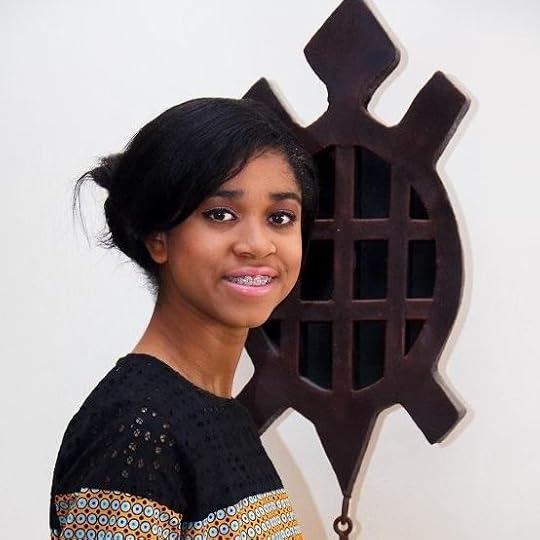
Photo: Zuriel Oduwole
Zuriel is a 15-year old filmmaker, who by age 12 had developed four documentaries all focused on issues in Africa. What originated as a small project for a school competition became “The Ghana Revolution,” where she interviews former Ghanaian President Jerry Rawlings. Her most recent documentary, “A Promising Africa” covers issues of five African countries, including her father’s homeland of Nigeria, and has been screened in several countries. In 2013, New African magazine listed her as one of the “100 Most Influential People in Africa”. She was also the featured speaker at Columbia University’s African Economic Forum and addressed 600 delegates at the Maryland State Department of Education’s 2016 Early Childhood Educational conference. Today, Zuriel’s primary focus is meeting with officials and heads of state from the United States to Africa to the Caribbean to advocate for a girl’s right to education.
4. Autumn Peltier
Wikwemikong First Nation, Manitoulin Island, Ontario

Photo: Autumn Peltier
At just 13-years old, Autumn has been honored by the Assembly of First Nations as a water protector and in 2016, even represented Indigenous youth in Canada at the Children’s Climate Conference in Sweden. For someone so young she is wise beyond her years, understanding the necessity for clean drinking water and the potential threat polluted water could have on future generations. Public speaking is nothing new for Autumn, but this spring she will address one of her largest crowds yet — the United Nations General Assembly in New York for the declaration of the International Decade for Action on Water for Sustainable Development.
5. Gitanjali Rao
Lone Tree, Colorado, United States
It’s dismaying to think about how many people were unknowingly affected by the water crisis in Flint, Michigan. Well, one young girl was inspired enough to take matters into her own hands. Last month, 11-year old Gitanjali Rao won $25,000 for her design for a compact device that can detect lead in drinking water and, utilizing a Bluetooth connected mobile app, could provide results almost immediately. The device would also be a lot less expensive than other current methods in water testing. Gitanjali selflessly plans to use the money to further her project to hopefully make her device easily commercially accessible to all. Gitanjali is only in 6th grade but already has big plans to be either a geneticist or an epidemiologist, and to find cures for painful diseases.
6. Tomisin Ogunnubi
Lagos, Nigeria

Photo: Woman.NG
Tomisin is a 14-year old girl who not only graduated from Vivian Fowler Memorial College with merit awards from 16 different classes but has also created a fully functioning Android security app in Nigeria called My Locator. The application was designed with the purpose of helping lost children by pinpointing their current location and providing the names of the streets in the vicinity. The app can also be programmed with specific locations pulled from Google Maps, such as a child’s school or home address, so that they may be directed to a safe location. Tomisin’s app also includes a security feature, which connects to the Lagos State Emergency Service Number when pressed. At the moment, Tomisin says she isn’t entirely sure exactly what career she’d like to have when gets older, but as a pre-teen who designs apps and websites as a hobby and has begun practicing 3D animation, she definitely won’t be short on options.
7. Emma Yang
Hong Kong

Photo: Timeless
Emma and her family moved to New York City from Hong Kong when she was ten years old. Three years later, she was speaking at a Ted Conference after coding and creating Timeless, an app that helps to maintain relationships between those suffering with Alzheimer’s and their loved ones. The application utilizes photo sharing and event reminders, but also facial recognition technology to help Alzheimer’s patience recognize those around them. Emma’s inspiration derived from experiences with her grandmother who was diagnosed with Alzheimer’s. Timeless is currently under development, and a crowd-funding campaign has been launched to take the app to the next pilot stage.
8. Payal Jangid
Rajasthan, India
Payal, a 16-year old from a Rajasthan has become quite the spokesperson for her village. Though she’s just a teenager, Payal leads the Child Parliament of her village where she and others speak out against child marriage and child labor, and advocate for the right to an education for every child. In her own words, “A good leader is honest and solves problems instead of complaining,” which is why she has even been responsible for personally putting a stop to several child marriages. Payal speaks with a knowledge and assertiveness that has even helped women twice her age find the strength to speak up against wrongdoings to themselves and others.
9. Mo’ne Davis
Philadelphia, Pennsylvania, United States
Follow Matador on
Vimeo
Follow Matador on
YouTube
Since the first tournament in 1947, only 18 females have ever had the opportunity to play in the Little League World Series. In 2014, there were only two girls who played in the series; one was Mo’ne Davis. Breaking even more boundaries, Mo’ne was the first African American girl to ever play in the Little League World Series. That same year, she also became the first girl to pitch a winning game in Little League World Series history. Focusing more on mechanics rather than strength, Mo’ne actually threw faster pitches than her entire male team, at 70 miles per hour. Despite launching her spots career in baseball, Mo’ne is currently focusing more on basketball and hopes to eventually make the WNBA.
10. Marley Dias
Chicago, Illinois, United States

Photo: Marley Dias
Marley Dias is currently a 13-year old published author who is trying to change the face of literature. Only two years ago, Marley became bored with reading when she realized that all the books at her school had primarily white characters as the protagonists. She then launched her #1000BlackGirlBooks campaign, with a goal to collect books that featured black characters as the main character. Today, she’s collected ten times that goal and last sumer spoke at the annual Forbes’ Women Summit in New York City. Last December she made the Forbes 30 Under 30 list. In the wise words of the young activist and author, “Innovation comes from, one, acknowledging yourself; two, studying and understanding the problem and three, finding a solution.”
11. Hira Akbar
Saidū Sharīf, Khyber Pakhtunkhwa, Pakistan
Though she did not win, Hira was nominated for the 2017 International Children’s Peace Prize. Her activism revolves around children’s rights, specifically speaking out against child abuse in Swat schools, and child marriages in Pakistan, where an estimated 1 out of 5 girls is married before the age of 18. She is also on the current Child Rights Committee’s parliament where she advocates for children’s rights, the founder of a school society that hopes to create results through open debate and storytelling, and hopes to one day become a lecturer.
More like this: Matador Originals presents In Her Shoes: A day in the life of young women around the world
Untranslatable German terms
The German language is ranked as one of the easiest languages for English speakers to learn as both are a branch of the West Germanic language tree. That said, German can also be a complicated language to directly translate as words are often a conglomeration of multiple words, forming words we just don’t have in English. Often times, these words are severely lacking in the English language and should be adopted.
Here are 10 untranslatable German words.
1. Treppenwitz
If literally translated, treppenwitz means “staircase joke” (treppe meaning “stair(case)” and witz meaning “joke”). In the past, this was commonly used as a phrase to refer to a moment when someone said something to you and you thought of a witty comeback after the moment had passed.
However, today the term is used to refer to an event which, in hindsight, was not a good idea. This phrase is connected with unintentional and/or negative consequences. Here’s an example. An NFL team hires a new quarterback with outstanding skills. This player is going to take them to the Super Bowl, unfortunately, his skills don’t live up to expectations and they don’t make it to the playoffs. The hiring of the quarterback becomes the treppenwitz.
2. Verschlimmbessern
Which leads me to verschlimmbessern (the verb verschlimm means “to make things worse” and the verb verbessern means “to improve”). This word literally equates to making something worse during the act of trying to improve it.
For example, this word might be used in reference to someone who is continuously putting their foot in their mouth when trying to explain themselves out of a situation.
A similar term is kaputtverbessern but this is used more in reference to someone who is trying to improve something that was broken without any background knowledge, such as DIY plumbing.
3. Luftschloss
The English equivalent of luftschloss is “delusions of grandeur.” It has a stronger and more negative connotation than describing someone as a daydreamer. This term is used to describe someone who needs a reality check and to be brought back down to earth.
4. Frühjahrsmüdigkeit
This term literally translates to “spring fatigue” with das frühjahr meaning “early year” and die müdigkeit, which is the noun from the adjective müde, meaning “tired”.
Frühjahrsmüdigkeit is the name given to the temporary moody, physical condition to people in the northern hemisphere between mid-March and mid-April. During this time it is said that people experience a state of low energy and weariness. Other symptoms include irritability, headaches, aching joints and a lack of motivation which are all said to be side effects of changes in weather.
It is not a diagnosed illness, yet 50-75% of Germans state that they have experienced spring fatigue at some point and often use it as an excuse to play hooky from school or work.
5. Backpfeifengesicht
Backpfeifengesicht roughly translates to “cheek”, with pfeifen as a variation of ohrfeige (meaning “bitch slap”) and gesicht meaning “face”.
Germans use this to describe someone who they feel desperately needs to be slapped in the face or more specifically, a face that needs to be slapped as hard as humanly possible, preferably with a chair.
To use the term, you would literally say, “Stefan hat ein richtiges Backfeifengesicht” which implies that Stefan has a slappable face.
6. Erklärungsnot
Remember those days as a child when you quickly had to come up with an excuse to give to your teacher as to why you didn’t have your homework assignment and all you could think of was “My dog ate my homework”? Well, combining the nouns Erklärung (meaning “explanation”) and Not (meaning “emergency”) literally translates to that moment when you suddenly find yourself in a sticky spot and need an excuse or alibi for something you have failed to do.
This is a term most often reserved for lying politicians, cheating spouses, and school children who didn’t turn in a homework assignment who have been caught red-handed and must suddenly explain themselves. Most often, the term is used as a verb in Erklärungsnot geraten/kommen which directly translates to “come under pressure for failing to offer an explanation”.
7. Erbsenzähler
Germans would refer to anyone who is a serious nit-picker, control freak, or who is hard-core OCD as Erbsenzähler. Literally translated, the noun Erbsen means “peas” and Zähler is a “tally” or “numerator”, which together describes someone who keeps a tally, or more specifically, counts their peas.
To use the term, you would simply say something along the lines “Diese Prüfer ist ein Erbsenzähler und hat jedes noch so kleines Problem gefunden” which means “The inspector is a “bean counter” and found every single tiny problem.”
8. Honigkuchenpferd
Have you ever had one of those incredibly awkward moments when you are embarrassed in front of someone important and your face becomes contorted with every possible expression and emotion? Germans have a phrase for that, which when directly translated means “horse-shaped honey cake”. Honig meaning honey, kuchen meaning cake and pferd meaning horse to refer to the ridiculously large, dorky grin on your face or a honigkuchenpferd smile.
9. Geborgenheit
This is quite possibly the most idyllic German word. The literal translation means to have a feeling of security. The adjective geborgen meaning “secure” actually implies so much more than this.
For example, it might be used in reference to cherished moments snuggled up on the couch with your loved ones knowing that everything is where it should be. The word is used as a blanket of security which encompasses everything from protection, happiness, warmth, comfort, love, peace, and trust.
10. Kuddelmuddel
No, this German word doesn’t mean to cuddle with someone. Rather it describes an absolute chaotic state, a mess or hodgepodge, such as a kids bedroom or a house after a party.
The word Kuddelmuddel actually consists of two words: the old German word koddeln, which meant “dirty linen,” and muddle, which may have come from the word modder meaning “mud”. Its literal translation means very little, it does not mean that someone has washed their clothes in mud, rather it refers to something that has got out of hand.
Other similar words would be Tohuwabohu and Wirrwarr meaning a chaotic clutter or tangle, but good luck pronouncing them!
More like this: 14 dirtiest expressions in German (and how not to use them)
9 apps travelers need
Overlooking the obvious ones like Couchsurfing for those looking to meet locals, Airbnb for budget travelers, and a variety for finding flights like Skyscanner, there are several apps all travelers would benefit from having on their phones. Whether you’re concerned with communication, transportation, or expediency, these apps are a good start to an international trip.
1. Uber
I generally avoid using Uber in the US nowadays due to the politics of the owner and the unforgiving pay and job security of the sharing economy, but there are a few places abroad where I can’t deny it’s the best way to get around. Though the app may be illegal in Bali (and caused some bloodshed from taxi drivers), for most cities in Southeast Asia, it’s the easiest method to not only to avoid getting cheated by unscrupulous drivers, but also to get to your hotel or hostel right after stepping off the plane when you don’t want to think about explaining directions in the local language.
2. Google Translate Camera Function
The Google Translate app itself is questionable when it comes to explaining something in a foreign language — I wouldn’t type something in and show it to a local expecting results. However, the camera function is quite remarkable and an easy way to interpret street signs, types of stores, menu items, and fine print if you have to fill out paperwork.
3. Google Maps
Google does have a plethora of useful apps, but I’m only including these two for travelers. Though the Gmaps app was leading the crowd — especially compared to the iPhone built-in maps app — what really put it over the top for me was listing local transportation schedules, routes, and even fares. As long as you have wifi access, you can land in Tokyo, search for the next train, and not only find when it departs, but how much you have to pay.
4. WhatsApp
WhatsApp is by and large the best international texting app, though some still swear by Snapchat, Instagram DMs, Facebook Messenger. Though apps like WeChat, KakaoTalk, and LINE lead the crowd in China, South Korea, and Japan respectively, WhatsApp is the way to go across borders.
5. Mobile Passport
Mobile Passport is more America-centric, but worth mentioning because of the time it saves US citizens returning from abroad. If you’re signed up for Global Entry there may not be any need to download this, but rather than waiting in line for the machines to check the same boxes over how much cash you’re bringing into the US and the like, you can fill out these questions while you’re still in your seat waiting to exit the plane, and then just let the machine scan a QR code to get you through. Quite handy and free, but not yet available at all ports of entry.
6. XE Currency
Not much explanation needed; the XE Currency will convert the local currency for you. Much easier than looking for a hotspot on arrival or Googling the answer.
7. Flush
Though its international usage in less developed countries is limited at this point, there’s a huge potential for an app like this, especially for travelers with Crohn’s or IBS. Flush allows the user to find the closest public bathroom in the vicinity, and even rate them based on cleanliness, amenities, etc. How long this will take before you can find a non-squatter toilet in the middle of Kunming is anyone’s guess, but it’s a good start.
8. Wifi Map
Rather than simply directing you to the nearest free network or forcing you to purchase a drink at a café when all you want to do is stand outside and check your email, Wifi Map crowdsources passwords from wifi networks across the world and makes them available to travelers. Naturally, if you’re already looking for wifi you may think this app is useless, but offline data is available for many countries.
9. Dayuse
As travelers, we’re often arriving and departing countries at incredibly awkward times. It should come as no surprise some hotels offer day rates or short stays to accommodate those of us with several hours to kill, but finding the ones who offer the best deals has been a trial and error process until now. With Dayuse, you can search for what hours a hotel will let you check in and out during the day, what they charge, and where they are.
More like this: 8 must-have flight apps that will save you money
Foods in Philadelphia
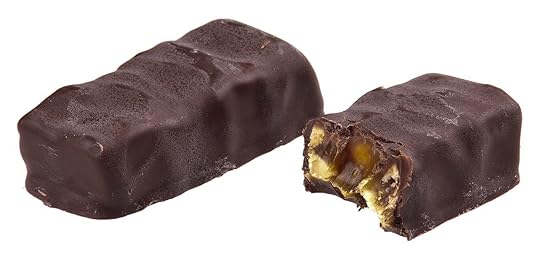
Photo: Evan Amos
Now made in Bethlehem, they were born in Philly and manufactured by the Goldenberg Candy Company. They date back a 100 years.
2. Cheesesteaks

Photo: Krista
It wouldn’t be a complete list without mentioning this Philly favorite.
3. Tastykakes
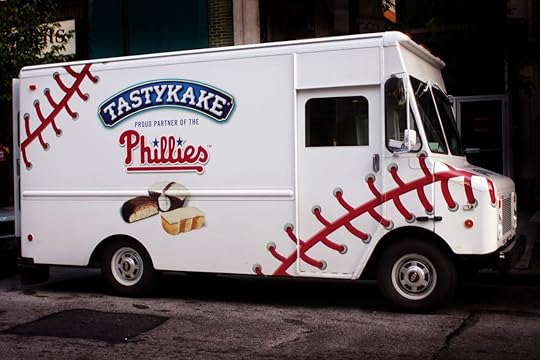
Photo: Ezra Wolfe
Started in 1914, Tastykakes has grown into a national brand with an incredible product line. They were 10 cents back in 1914.
4. Bubblegum

Photo: Mary
We can thank accountant Walter E. Former for this chewy sensation. Made in 1928, the gum was pink because that was the only dye the Fleer Chewing Gum Company had at the time.
5. Candy corn
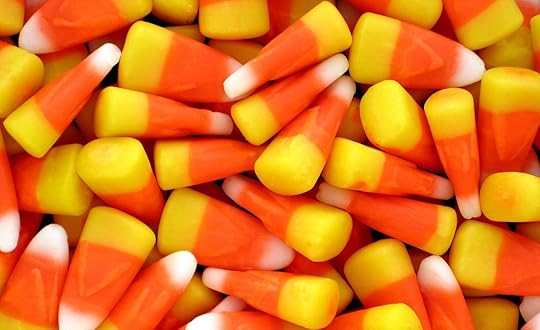
Photo: Evan Amos
This Halloween favorite dates back to the 1880s. It was invented by George Renninger.
6. Stromboli
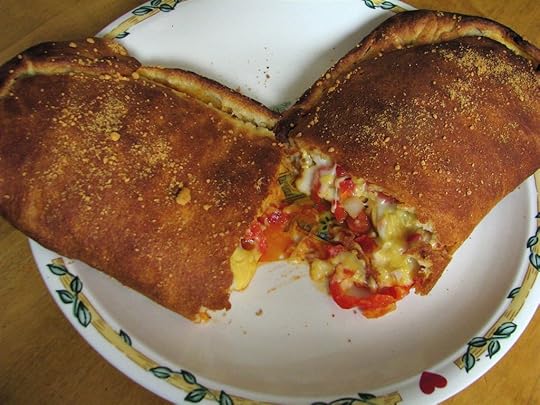
Photo: Audrey
Invented by Romano’s Pizza back in 1950. They wanted to create a stuffed pizza but accidentally invented this delicacy.
7. Ice cream soda
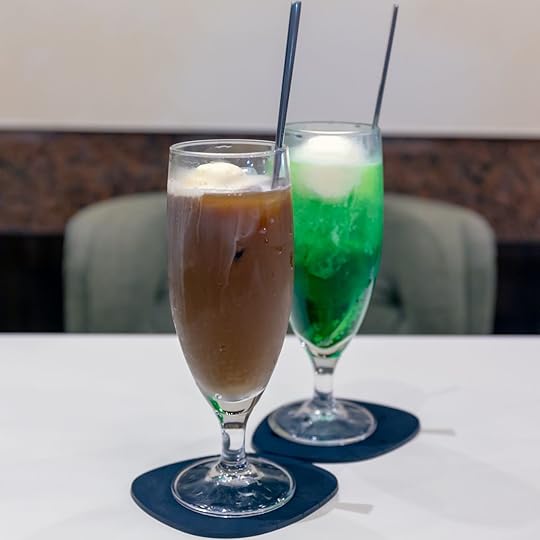
Photo: Morio
It was invented by Robert M.Green during the bicentennial celebration in 1976.
8. Amaroso’s rolls
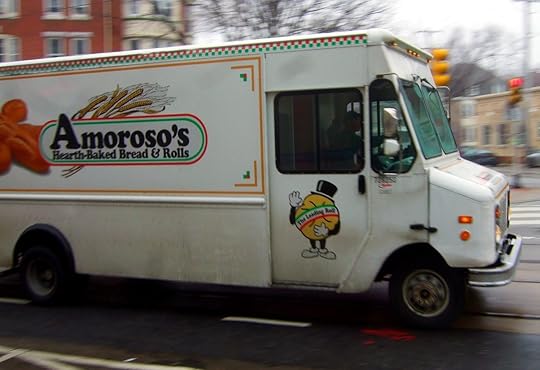
Photo: Ezra Wolfe
Everyone knows the roll makes the sandwich and Philadelphians love Amaroso’s rolls. The company dates back 100 years, but the rolls were invented when Leonard Amoroso was tired of seeing cheesesteaks made with hot dog buns.
More like this: 12 foods you have to try in Philadelphia before you die
Pennsylvania commandments

Photo: JeffreyW
We don’t care what it’s called anywhere else.
2. Thou shalt not expect Penndot to take care of the roads.
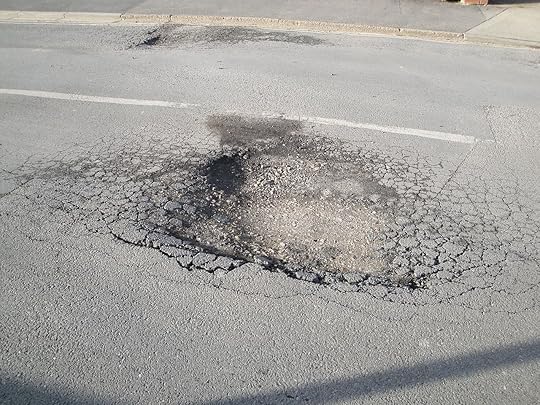
Photo: Editor5807
When there are potholes or snow, there will be nowhere to go.
3. Thou shalt have a firehall wedding reception.

Photo: PXhere
Don’t knock it till you’ve tried it.
4. Thou shalt expect all 4 seasons in a week.
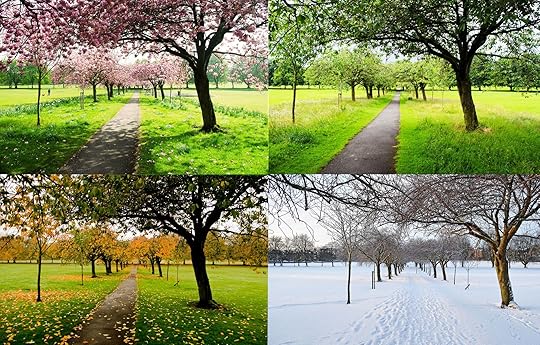
Photo: George Hodan
A true phenomenon.
5. Thou shalt always choose Dunkin’ over Starbucks.
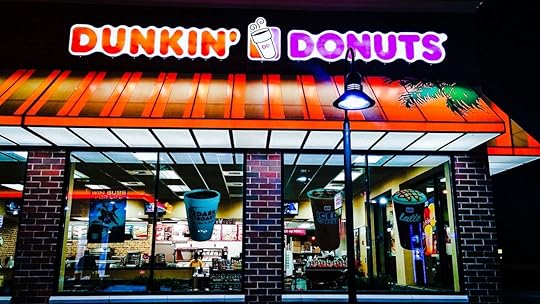
Photo: Javcon117
Pennsylvania runs on Dunkin’.
6. Thou shalt call it PA, not Pennsylvania.
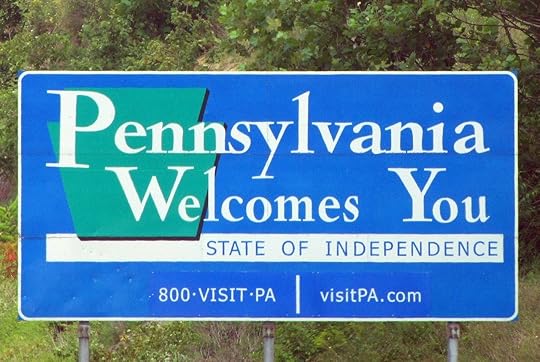
Photo: Paul Hamilton
It’s just how we say it.
7. Thou shalt go to the shore.
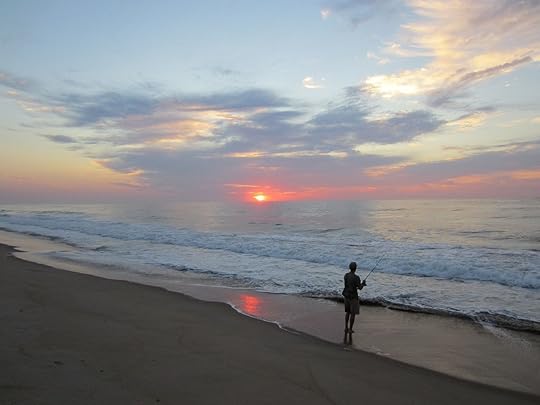
Photo: WPros
Never the beach.
8. Thou shalt be ready to have a fight about the superiority of Sheetz over WAWA (or vice versa).

Photo: Anthony
A battle as intense as light vs. dark.
9. Thou shalt not expect to get liquor in a straightforward manner.

Photo: PXhere
The laws are totally outdated. The state has their hand in everything, including how and where you purchase liquor.
More like this: 10 signs you were born and raised in Pennsylvania
March 7, 2018
lucky charms from around the world
It takes a lot of luck to make it through a trip abroad without any anxiety-inducing hiccups, so we can’t blame you for wanting to have a good luck charm with you. But which charm should you choose? In the Middle East, a Hamsa necklace is a useful tool for warding off the evil eye, while a Maneki Neko cat might be a good companion for a business trip in Japan (they bring prosperity). Check out this infographic from Invaluable to find out which lucky charm you should bring with you on your next trip across national borders.

Photo: Invaluable.com
More like this: The world’s most unusual good luck charms

Matador Network's Blog

- Matador Network's profile
- 6 followers


.jpg)

