
Matador Network's Blog, page 1376
March 23, 2018
Hike the Kalalau Trail in Hawaii
The Kalalau Trail is a 22-mile out-and-back coastal hike located on the northwest side of the island of Kauai. The trail winds through several green valleys and ends at the cliff-lined Kalalau Beach. The trail is part of the Nā Pali Coast State Park which gets its name from the Hawaiian term for high cliff, na pali. You may recognize the coast from the film Jurassic Park where it is featured during the opening helicopter scene
Though exact dates vary between sources, in the past, Native Hawaiians lived and worked in the valleys, cultivating taro and harvesting fish from the sea. Today the land is under the protection of the state of Hawaii and all forms of tourism in the area are carefully monitored. Some pre-planning is necessary to hike the entire trail.
Here are 21 things you should know before hiking the Kalalau Trail.
1. Before anything else, get a permit.
Hiking past the first major landmark on the Kalalau Trail, Hanakapiaai Beach at mile two, requires a permit. Therefore, the only way to legally hike the trail in its entirety is to do so with a permit, and they can be difficult to obtain.
Due to increasing popularity, the state limits how many permits are released every day. This system helps protect the land from overuse and degradation. Though you may be tempted, please do not hike this trail without permission. Aside from environmental concerns, you will face a court date and heavy fines if you get caught.
Permits are obtained via an online portal on the DLNR website here. Campers are allowed a maximum length stay of 5 nights. They often sell out and some people make reservations up to a year in advance. We were able to obtain a permit three months before our trip in January, however, summer permits reportedly fill up more quickly. Book your permits as early as possible for the best chance of getting your preferred dates.
After selecting your trip dates, you may experience a bit of sticker shock during the payment portion of the permit process. For a nonresident of Hawaii, permits at the time of writing cost $20 per person/per night. Which, in consideration, is less than you would be paying for a beach-side hotel room.
Print your permits ahead of time and carry them with you on the trail. If you are stopped by a park ranger you will be asked to show the permit along with photo id.
2. If backpacking and camping are not your thing, there are other ways to see the coastline.
Though this article focuses on walking the Kalalau Trail, there are other ways to visit if you do not enjoy hiking or are short on time.
You could take a boat tour down the coastline, a guided kayak excursion, or a helicopter tour. For a shorter hike, the first portion of the trail up to Hanakapiaai Beach is accessible for day use and does not require a permit.
3. Do not wait until the morning of your hike to plan your trip.
We planned our trip in advance and it was very beneficial. There are lots of details to consider when planning this hike and having a strategy ahead of time will make sure you have time for everything you want to see.
4. Before you leave home do a gear check to make sure everything is in working order.
There is nothing worse than getting to camp and realizing there is a hole in your tent or your water filter is not working. Checking gear ahead of time could eliminate a real hassle on the trail and is worth the effort.<
5. Make sure you pack your specialty backpacking items.
Shopping is limited on Kauai and it is best to bring as many specialty items as possible with you on your flight such as your tent, sleeping bag, and trekking poles. Pack a water filtration system such as those sold by Sawyer, Katadyn, or Steripen. You need to filter your water on the trail. Save yourself from a digestive nightmare and always sanitize your water sources. Pack your backpacking stove, however, stove fuel is not permitted on any airplane and will need to be purchased on the island. Isobutane fuel with a screw top for Jetboil, MSR, and other backpacking stoves is available at Kayak Kauai. Call ahead to make sure they have them in stock. Don’t pack any food items. Hawaii strictly regulates food items that enter the state and you must declare all food products on a declaration form on the flight.
6. Gather your food and supplies closer to Lihue before driving north.
Groceries, gasoline, and stove fuel are less expensive in the larger towns. As you travel north, prices go up and options are more limited. If you are a member, the Costco in Lihue sells both food and gas. Pack foods that cook easily in boiling water and store well unrefrigerated. Poke may be delicious, but raw fish does not keep well in a backpack.
Side note, if you are not a member you can still eat at their outdoor walk-up food counter and it is probably the cheapest meal on the island.
There are no trash receptacles in the park, and everything you take in, you will need to carry out. Operate by the LNT principle and leave no trace behind you.
7. The day before your hike, check the weather and the state park website for trail updates.
There are three river crossings on the trail that become a flash flood hazard during heavy rainfall and may be impassable. Check the website here for trail updates and closures. Two days after we finished our hike, the trail was closed for almost a week due to flash flooding and the warning was posted in a red banner at the top of the web page.
8. For accommodation the night before your hike, there are two campgrounds close to the trailhead.
There are two inexpensive campsites near the trailhead, Haena Beach Park (closed Monday nights) and Hanalei Beach Park (open Friday and Saturday only).
These campsites are run by the County of Kauai and operate on a different reservation system. Permits can only be picked up in person at several locations listed on their site. We chose to get our permits from the office closest to the airport immediately upon arriving in Kauai. Waiting in a short line was well worth the $6/night price tag. Camping on Kauai anywhere other than designated camping areas is considered illegal.
9. The morning of your hike get to the trailhead early as parking is limited.
Parking is limited to two parking lots and you will not want to park streetside if you are leaving your car overnight, as you may receive a ticket. We pulled in around 7 AM the morning of our hike and were rewarded with a good parking spot close to the trailhead. Secure your car and limit the valuables left inside. There have been issues with car break-ins here in the past and authorities advise caution when leaving a car overnight.
10. There are two campsites on the trail, Hanakoa Campsite at mile 6 and Kalalau Beach at mile 11.
Permit holders can choose where to spend their allotted nights on the trail. Hanakoa campsite at mile 6 gives hikers the opportunity to spend the night at the halfway point on the trail. If you get a late start or are a slower hiker, this may be a good option for you. This camp is located on a section of the trail that is densely forested, so space is limited and crowded. If possible, I would recommend making the trek all the way to the beach to camp. Your feet will be sore, but beachside camping with ample space makes it worth the extra walking.
11. In addition to the main trail, there are three side trails that you may choose to include in your itinerary.
Hanakapiai Beach to Hanakapiai Falls
Four miles roundtrip and located at mile 2 on the main trail, this side trail hikes up a valley that ends at a waterfall. The falls are 300’ high and hikers can swim in the large, cold pool at its base. Keep in mind that this portion of the trail is in the designated ‘day-use’ area and can be accessed without a permit.
Hanakoa Campground to Hanakoa Falls
This campground is a quick extra mile located at the halfway point of the main trail up a valley that ends at a waterfall. Signs warn hikers of dangerous rockfall near the falls, so this area is off limits for swimming.
Kalalau Beach into Kalalau Valley
Located near the end of the main trail, this valley trail passes through stone terraces that were used in the agriculture of taro and ends at a series of small waterfalls with swimming holes complete with a rope swing. If you visit these side trips, make sure to factor the additional miles into your hiking plan.
12. Not all beaches are safe for swimming.
While the Kalalau Beach at the end of the trail is considered safe for swimming, the first beach you encounter on the trail, Hanakapiai Beach, is not. People have drowned here from the dangerous combination of a hidden current and the cliffside surroundings. If you are swept past the beach, there are miles of steep cliffside before you would be able to reach shore. There are no lifeguards on these beaches and help is a helicopter ride away. We were advised by a local that staying in the shallows where your feet can touch is a good precaution. Use good judgment regarding current ocean conditions and your own abilities. Just like the signs around Hawaii will advise you, “when in doubt, don’t go out”.
13. Don’t expect to check your Facebook on the trail.
Cell phone service is limited to none on the trail. You may not be able to use your cell phone to call for help in an emergency. You can prepare for this by carrying a satellite beacon device which pings a distress signal if you are injured. Even with this type of device, help is most likely hours away. Maybe take this into consideration before doing a double backflip off a waterfall. For treating minor injuries, carry a first-aid kit with you and learn some of the basics.
14. Not all campsites are created equal.
A well-chosen campsite can save you from a bad night of sleep or worse. Check overhanging trees for hazards from falling limbs. There are falling rock hazards at the Kalalau Beach campsites along the cliff walls. Heed these warnings! We watched goats kick rocks down onto campsites near these signs. Having a rock roll through your tent or crack you on the noggin may negatively impact your trip.
15. Be prepared for slick red mud and possibly a lot of it.
When it rains, which on Kauai is all of the time, portions of the trail get muddy and sloppy. The mud is slippery and may slow down your hiking time. It is sometimes safer to trek through the mud than trying to find a less messy path around it. On our trip, we found that the first few miles, due to heavy foot traffic, were in the worst shape, and trail conditions majorly improved further down the trail. Carrying trekking poles was also immensely helpful in balancing on the more slippery portions.
16. You may encounter nudity.
Though not technically allowed, the relaxed atmosphere on the trail seems to coincide with clothing optional attire. We came upon a young woman hiking fully nude who seemed completely at ease in her birthday suit. At the beach, you may see topless sunbathers or a naked surfer.
17. There is a section of the trail called “Crawlers Ledge” that is not as frightening as it sounds.
The trail narrows to a couple of feet in some sections with a sheer cliff on one side and a steep drop to the Pacific on the other. Take your time and place your feet carefully and you will get through just fine. Maybe don’t look over the edge if you are afraid of heights.
18. Take some time to watch for marine wildlife.
Humpback whales pass by Kauai in the winter time and we were able to see several on our hike. Watch for the spumes of air they exhale when they surface to breathe. Sometimes they even rise completely out of the water in a jump known as a breach. Binoculars are helpful to see them in detail.
Year-round residents like green sea turtles, dolphin, albatross birds, and endangered Hawaiian monk seals also live off the coast.
Both green sea turtles and monk seals haul out on the beaches during the day to rest and warm themselves in the sun. If you are lucky enough to witness this, they are not in distress, and should not be approached or bothered. Observe from a distance and use the zoom on your camera.
19. You can snorkel after your hike at Ke’e Beach.
Ke’e Beach is a safe snorkel spot when the water is calm because it is protected from large waves by a fringing reef. We left our snorkel equipment in the trunk of our rental car and took a swim at the end of our hike. As a bonus, a couple of guys were selling drinks beachside out of freshly opened coconuts.
20. Most importantly, respect the trail, the Hawaiian culture, and your fellow hikers.
These valleys are sacred ground to the Hawaiian people and it is our responsibility as hikers to make a conscious effort to preserve and protect the land. 

More like this: 11+ epic hiking trails in Hawaii
The post 20 things you should know before hiking the Kalalau Trail appeared first on Matador Network.


Bruce Peninsula Grotto in Ontario
On the shores of the Bruce Peninsula National Park in Ontario, Canada, is a very special sea cave. Hidden in the cliffside, if you didn’t know it was there, you’d likely miss it entirely.
Located in Tobermory — the scuba diving capital of Canada — on the Bruce Peninsula, the grotto is on the edge of Indian Head Cove. Getting to the grotto is part of the fun. The Georgian Bay shoreline is an expansive stretch of turquoise, royal and cerulean blues. The hike is very easy at the beginning, but the shoreline itself is very rocky and can be a challenge for those with limited mobility or children. There’s a portion that requires rock scrambling and tree navigating.
Getting into the grotto itself requires a shimmy down a rocky tunnel, or a descent down a 40-foot cliff face. But if you’re up for a semi-laborious adventure with an epic reward at the end, this hike is perfect for you.
This 30-45 minute hike is so popular these days that the park is now instituting timed parking limits. In the busy summer months, it’s common for all parking slots to be purchased in the early morning. There are three time slots per day: 7am-11am, 12pm-4pm, and 5pm-9pm. When all the passes are distributed, that’s it — they’re gone. But, starting this summer, the park is going to offer online reservations for high season, so be sure to stay on top of that.
For the return hike, you have options. You can either double back on the Georgian Bay shoreline trail, or loop around on Marr Lake trail or Horse Lake trail — both of which showcase totally different terrain and a more challenging hiking experience. Allow up to an hour to return if you choose to go that way.
How to get there
The Bruce Peninsula Grotto is located in the Bruce Peninsula National Park. The trail to the grotto is accessed from the Cyprus Lake P1 parking lot. GPS coordinates are 469 Cyprus Lake Rd Tobermory, ON N0H 2R0 45.226137, -81.525409 . Check out a map here.
What to consider
The Grotto can get very busy, especially during the peak season (July and August) and on holiday weekends. There’s a parking lot for access and during those times, it fills up quickly.
Coming this summer, they’ll be taking online reservations for the parking lot. Check back here.
No booze in the grotto — alcohol consumption is not allowed.
Don’t plan on roasting marshmallows either, as campfires are not permitted.
Wear shoes with grip — much of the shoreline trail is slippery.
The water is always cold, even in the summer, so be prepared for spine tingling swims.
Like all wild places, carry out what you bring in.
Don’t stay longer than your time slot—those who do are issued a ticket (or, worse, towed).
More like this: The best 13+ parks to visit in Toronto
The post This magical, hidden sea grotto in Canada belongs on your bucket list appeared first on Matador Network.

Floating capsule hotel in Japan
These days, there are plenty of wacky accommodation options you can book for an unusual stay. You can sleep in transparent bubbles in France, in ice hotels in Sweden, in funky treehouses in Canada, and in an underwater hotel in Tanzania, so why not spend the night in a two-story round capsule that floats on the Sea of Japan?
This is what Huis Ten Bosch, a Dutch-themed theme park complete with windmills and tulips located in the Nagasaki Prefecture, is hoping to be able to offer its guests by the end of 2018.
The capsules are spherical hotel rooms that can accommodate four people. The top part of each capsule is made of a transparent material so that guests can see the stars when they lie down in bed. Each capsule has a full bathroom and a water closet with a toilet that has its own control panel — this is Japan after all.
Here is what the capsules look like inside (note that this version does not have a transparent top, but it does have a deck):
Although some may be rocked by the waves and enjoy a good night’s sleep, the thoughts of drifting out to sea, all the way into the Pacific Ocean, will certainly keep a few people awake.
In the morning, if all goes as planned, your floating hotel room should land on a desert island owned the by the theme park where you’ll be able to enjoy “adventure-type attractions,” explains The Japan Times. The attractions are currently under construction, so it remains unknown if they will also be Dutch-themed. Just in case, shine up your clogs.
According to The Japan Times, a night in this bizarre hotel room will cost you between ¥30,000 to ¥40,000 [$290 to $380] per night. You’ll have to pay for the seasickness medication yourself.
More like this: Northern Lights viewing hotspot: a floating timber hotel in Lapland
The post You can sleep in this odd floating capsule in Japan and wake up on a desert island appeared first on Matador Network.

Longest flight ever to depart UK
The latest incarnation of the “Kangaroo Route” is much more than a hop, skip, and a jump. On Sunday, March 25, the longest flight ever to depart from the UK will take off from Heathrow International Airport en route to Perth, Western Australia — a journey of over 9,000 miles. Scheduled to take 16 hours and 45 minutes, Qantas passengers have enough time for both a good night’s sleep and a full workday. It also overlaps an entire day, leaving London at 1:15 PM and arriving in Perth at 1 PM on Tuesday.
The plane itself is among the most modern and cozy of commercial airliners. The Boeing 787-9 Dreamliner features 42 ‘suites’ in Business Class, along with 28 in premium economy and finally 166 normal economy seats. Passengers will enjoy upgraded service from what they’re typically accustomed to, including those flying in economy. Matador recently ranked Qantas among the top airlines for economy passengers.
Passengers will enjoy three meals — a late lunch, a dinner as the plane passes over the Arabian Sea, and a breakfast about two hours before arrival. To some, three consecutive meals of airline food may sound more light a nightmare, but the airline promises high-quality food (well, for a plane), and healthy ingredients that “promote hydration” such as “green leafy vegetables, cucumber, strawberries and celery,” Qantas told The Independent. Passengers can complement their dining experience with wine, kombucha, or a number of other beverage options.
Despite the extensive flight time, this direct flight saves a good amount of time when compared to the other options available for getting from London to the land Down Under. Fewer variables mean less chance of a major delay or mishap. A one-stop connection adds at least three hours when accounting for takeoff and landing time, refueling, taxiing, deplaning, and reboarding — not to mention the additional time added by a layover.
More like this: How to actually enjoy long-haul flights
The post The longest nonstop flight ever to depart from the UK takes off this week appeared first on Matador Network.

Visit Doha, Qatar on a budget
Qatar is becoming increasingly popular both for its expat life and as a tourist destination. The capital city of Doha is a premier Gulf city with an impressive skyline. The city has modern infrastructure and world-class shopping facilities. It is a great destination for arts and culture lovers. However, the city has a reputation for being extremely expensive, thanks to all those luxury amenities. But seeing Doha on a budget is actually quite easy. Here are some best ways to save money on your trip to Doha:
1. Get in for free.
Qatar has visa-free entry for citizens of 80 countries. You can completely offset the cost of air tickets by visiting the country on a layover. I did just that and was able to add a free holiday in Qatar at the end of my month long trip in India.
2. Score a discounted hotel room if traveling via Qatar Airways.
Qatar Airway often offers discounted hotel rooms for passengers on a layover. While discounts range anywhere from 75% to 10% off, offers of a free 1-night stay in Doha are very common. The airline also has free city tour offers which are great if you are in Doha for just a few hours. You can check Qatar Airways website for updated offers.
3. Book a hotel near the souqs to save more.
Even if you have to book a hotel on your own, it need not be costly. Hotels on the Doha Corniche or the waterfront promenade along Doha Bay are expensive because of their view of the Bay and Doha skyline. Hotels in the interior of the city or near the souqs are less expensive.
4. Check out the largest collection of Islamic Art in the world for free.
The Museum of Islamic Arts in Doha is simply magnificent. The building itself is an architectural gem and the extensive museum collection spans Islamic artwork from three continents. Museum entry is always free.
5. Take in the best views of the Doha skyline from MIA Park.
MIA Park (Museum of Islamic Arts Park), which surrounds the museum, has plenty of space for long romantic walks, family picnics, and enjoying the breeze from the Doha Bay. However, the best thing about the MIA Park is the spectacular views it offers of the shimmering Doha West Bay skyline.
6. Make your dhow ride worth the cost.
Another way to enjoy the views of Doha skyline is by taking a dhow cruise. The dhow is a traditional Qatari boat and you can hire one to take you around Doha Bay. Highlights of the cruise include views of the Corniche, Doha skyline, Emir’s Palace, and other attractions. Dhow rides come from half-day trips with BBQ and music to simple hour-long rides. While the former are luxury experiences, you can easily haggle over the cost of the latter to suit your wallet.
7. Explore the inner alleys of Souq Waqif.
Souq Waqif is a recently renovated traditional Qatari market. It is both fascinating and bewildering. Shops tout their exotic merchandise to attract visitors while restaurants offer lively music and shisha lounges for relaxing. However, the outer streets of Souq Waqif are touristy and often have inflated prices. If you explore the inner alleys you will find cheaper souvenirs, spices, teas, perfumes, and budget restaurants that are frequented by the locals.
8. Learn about the ancient sport of falconry.
Falconry is an ancient and expensive sport. Falcons often sell from $5000 to as high as $250,000 for pedigree birds. While owning and housing a falcon might be out of your budget, you can learn all about the sport at Doha’s Falcon Souq. Shop owners and customers are happy to talk about their falcons and sporting accessories. Walking through the Falcon Souq is a unique experience and visitors can also step in into the Souq Waqif Falcon Hospital to learn about the importance of these birds in Qatari culture.
More like this: 5 ways to save money on your trip to Dubai
The post How to visit Doha, Qatar on a budget appeared first on Matador Network.

Most colorful festivals in the world
Just over 50 percent of the world’s population lives in the cities, and it’s not always the most colorful environment. Perhaps that is a big factor in why so many countries hold giant, colorful festivals. Virtually every corner of the world has a holiday or festival in which colored light, or colors themselves, are an essential part of the celebration. Here are 7 of the most colorful festivals in the world:
1. Holi, India
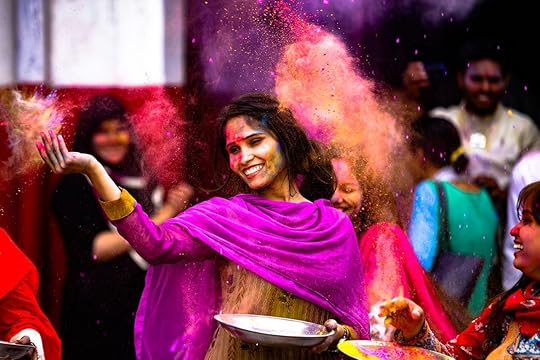
Photo: Murtaza Ali
Puffs of multi-colored dust keep popping in the air. Laughing people are covered head-to-toe in it, or they soon will be. There is not a single uncovered square inch of pavement. Literally known as the ‘festival of colors’, Holi is an ancient Hindu festival celebrating the beginning of spring, and is broadly observed throughout the country. It’s short but very intense. It is not known to be crazy like other festivals, but it’s extremely joyous and combines celebrating with friends as well as with family.
2. Busan International Fireworks Festival, South Korea
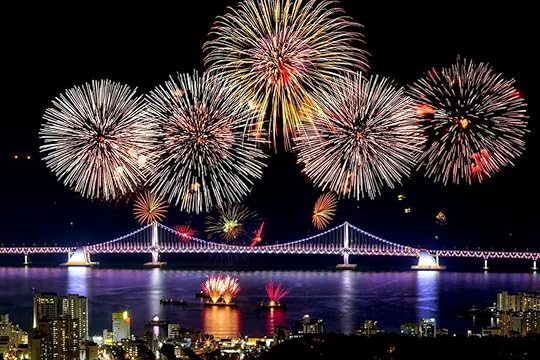
Photo: Stockluang
Standing on the waterfront facing the Sea of Japan, the 4.5-mile long Gwangan Bridge runs from one end to the other of the view, standing not far from the coastline. People are waiting side-by-side in trepidation. The sky is pitch black — and then the show begins.
One of the most spectacular fireworks festivals in Asia, the Busan Fireworks Festival is centered at the suspension Gwangan Bridge. More than 2 million visitors attend the week-long festival which displays tens of thousands of state-of-the-art fireworks as well as laser shows. The whole bridge is involved in the display. Differently colored fireworks of different shapes are often choreographed together to create entire compositions along the bridge and high up in the dark sky.
3. Chinese New Year
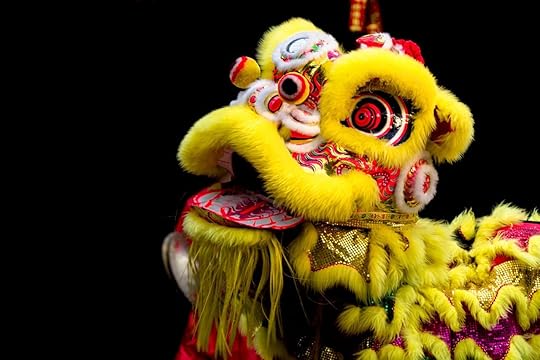
Photo: IQRemix
The parade proceeds slowly but seems to have no end. There are no two similar floats in style, colors, or theme. Spectators are brightly dressed too, mostly in traditional clothing. The color red is predominant, as is orange, but every color appears to be present.
Not to be confused with the Lantern Festival, which itself marks the final day of the celebrations, the Chinese New Year is a traditional festival that celebrates the new year according to the Lunar calendar, which usually falls in early February or late January.
4. Harbin International Ice festival, China
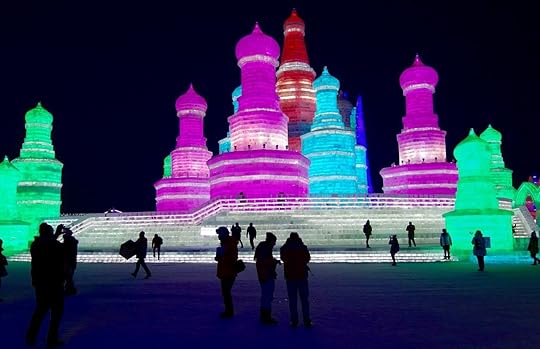
Photo: Marc Mooney
A long slide comes down from the first floor of a multi-story castle, its towers colored by a dozen hues. Kids and adults alike come down the slide, with friends taking their pictures. Turning around, it’s not worth even trying to find a path among the maze of ice buildings — some are a cluster of colors, others are more imposing with a single hue diffused all over the walls. The result is almost blinding.
During the Harbin International Ice Festival, a whole neighborhood made of full-size ice buildings is erected. Some buildings look like they’re from the pages of a fantasy book, others are modeled off of existing ones, but they are all made of big ice blocks and illuminated by light displays. Sculptures and smaller dioramas give the final touch. The best place to get the full effect is from the outside or from above.
5. Vivid Festival, Sydney, Australia
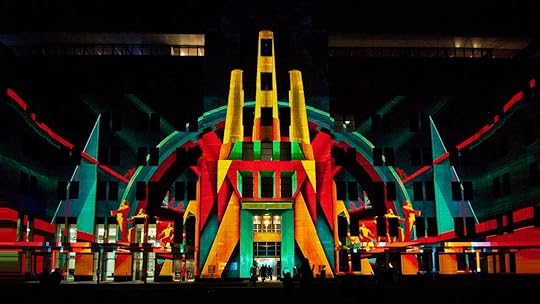
Photo: Kevin Wong
The view from the Sydney Harbor Bridge is incredible: at the center is the Opera House covered in an ever-changing projection. Along the coastline behind it are the high-rises, drenched in color, and the harbor is filled with ferries decorated in lights.
Vivid Festival is a young one — it was inaugurated in 2009 — and it is an exquisite piece of modern art display for the public. The projections such as the one over the Opera House, around which is the main hub of the festival, can be fast, twitching games of geometrical forms or slow, fluid sequences. But all around the city are interactive multimedia works, light displays, and light sculptures.
6. Albuquerque International Balloon Fiesta, USA
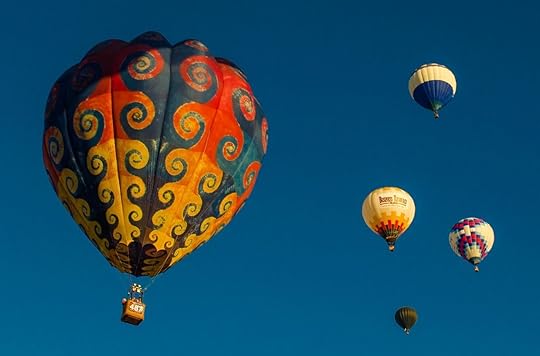
Photo: Thaddeo
The show might as well just be the hot-air balloons on the ground. A forest of colored, inflated balloons creates even more colors when the sun shines over them. But then the balloons take off. One, then two, then hundreds.
More than 500 hot-air balloons dot the sky at the Albuquerque International Balloon Fiesta in October. Although not the biggest in the world, the biggest hot-air balloon festival in the USA might be the most colorful not only because of the balloons themselves. Once up in the air and looking all around and down, the different colors and designs, along with the geometrical shape of the balloons themselves (virtually all identical) contrasts with the green sea of trees down below and the irregular shape of the environment. They go up and down all day long, and at night, the colored balloons lit by the bright flame offer a completely different show.
7. Carnival, Worldwide

Photo: 489327
Among colorful festivals, Carnivals would need a category all for themselves. There are many big and extremely colorful Carnivals around the world. The most famous of which is the Rio de Janeiro Carnival in Brazil. The magnitude and variety of the celebrations can be appreciated only by attending. The largest festival in the world, there are countless of… well, everything. Samba schools (about 200); floats, some three- or four-story high; masqueraders (among the 2 million attendees); and floats.
But it wouldn’t be fair to leave it at Rio: there are many other extremely colorful Carnivals:

Photo: AldoDK
The Venice Carnival combines the extravagance and elegance of the costumes, the famous masks, the festooned boats and the water.
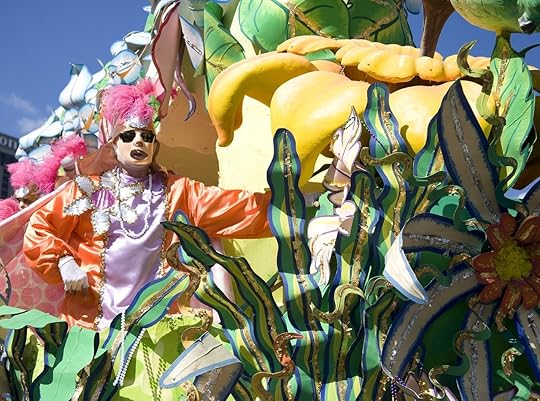
Photo: Skeeze
Mardi Gras of New Orleans is a multi-cultural festivity right before and after Shrove Tuesday, and is one of the most unique festivals in the US.
More like this: 6 practical ways to bring festival season home with you this year
The post The 7 most colorful festivals in the world appeared first on Matador Network.

Female adventurers haven't heard of
For every Lawrence of Arabia, there’s an Isabelle Eberhardt who went exploring in the Middle East without the European colonialist mandate. For every Christopher Columbus, there’s a Freydís Eiríksdóttir — an Icelandic woman so awesome that she’s featured in the Norse sagas. We aren’t taught those women’s stories in history class, and it’s time for it to change.
Here are six radical, brave, and determined women adventurers who aren’t as well-known as they should be.
For more stories about badass women through history, check out @womenadventurers on Facebook and Instagram.
1. Marianne North (1830-1890, England)
A post shared by Smithsonian Channel (@smithsonian_channel) on Mar 25, 2017 at 7:27am PDT
It didn’t matter where she was in the world — Marianne North’s days always began at dawn. She’d take her tea outside to watch the world awaken. Then she’d paint outdoors till noon, consumed by her passion for nature and art.
Like many upper-class women of her time, North spent much of her time painting flowers. Unlike other women from the Victorian era, she thought marriage was nothing less than “a terrible experiment.”
Aged 40, she set off on a solo trip around the world. She went on to document more than 900 species of plants in fourteen years and became a renowned biologist and botanical artist.
2. Freydís Eiríksdóttir (c.1000 CE, Iceland)
A post shared by Linda (@linda_bettina) on Mar 8, 2018 at 4:17pm PST
Before Italy’s Christopher Columbus, there was Freydís Eiríksdóttir. A thousand years ago, she’s said to have commanded a voyage across ice-covered seas from Iceland to Vinland — the part of coastal North America that was explored by the Vikings. You can read all about her adventures in the millennium-old Norse sagas.
3. Isabel Godin des Odonais (1729-1792, Peru)

Photo: Wikimedia
Showing what real romance looks like, more than two hundred years ago, Peru’s Isabel Godin des Odonais headed out on a 3,000-mile trip along the Amazon in search of her French husband. He was stuck in French Guiana because of colonial politics, and she hadn’t seen him for more than two decades.
On October 1st, 1769, des Odonais set out with a crew of 42. On that ill-fated trip, she was the only survivor.
One tragedy after another fell on the group. Their lead guide drowned. Others ran away. All the supplies were lost when the river split their raft apart. With no boat, those left in the party had to bushwhack through the jungle. It wasn’t long before the group was lost, dehydrated, and starving.
Isabel finally reached her husband on July 22nd, 1770. Three years later, the pair left for France. They never did return to South America.
4. Women soldiers of Dahomey (c.1700-1892, present-day Benin)
A post shared by Warrior Shack (@thewarriorshack) on Jan 9, 2018 at 3:37am PST
Colonizers called them the Amazons of Dahomey, but in their kingdom, they were known as Mino — “our mothers.” For two centuries, these fearsome warriors fought for their kingdom. Recruited as teenagers, they lived in the royal palace where they devoted their lives to weapons training, protecting the king, and fighting battles. Each unit of women soldiers had its own flag, dance, uniform, and battle songs.
Notorious for being more effective than the male army, these elite troops were famous for their skills in close combat.
When the kingdom of Dahomey fell to the French empire in 1892, this powerful all-female army was dissolved.
5. Isabelle Eberhardt (1877-1904, Switzerland)
A post shared by Laura Aviva Ilene Bellizzi (@lauraaviva) on Mar 1, 2018 at 1:18pm PST
For more than a century, Algerians were exploited, taxed, and ruled by the French Empire. Isabelle Eberhardt was a young Swiss anarchist who moved to Algeria in 1897, converted to Islam, dressed as a young Arab male, and fought colonial rule as a war reporter.
Eberhardt, also known as “the first hippie,” had a predilection for dive bars, brothels, heavy drinking, and getting caught up in violent riots — all this while women at home in Europe were still in corsets and riding sidesaddle.
6. Beryl de Zoete (1879-1962, England)
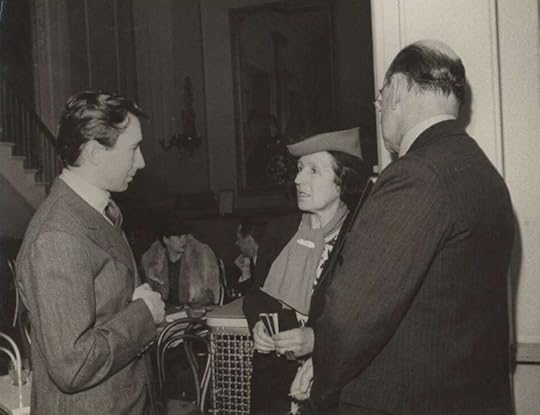
Photo: Peggy Delius/National Library of Australia
No place was too far-flung for Beryl de Zoete, the world’s first global dance critic. A classically trained ballerina who was teaching musical aerobics when such things were still seen as a bit “fast,” de Zoete attended all-night exorcism ceremonies in Bali and whirling dervish dances in Turkey.
She wrote all about her experiences for magazines like The New Statesman and Ballet. With dyed black hair and rings on every finger, de Zoete was a bohemian who was good at everything but domestic life. Dinner party guests were invariably served tinned baked beans and wine for their supper.
More like this: The 6 toughest female adventurers of all time
The post 6 female adventurers who aren’t as well-known as they should be appeared first on Matador Network.

Fears Pennsylvanians understand
Pennsylvanians may seem like a tough bunch (have you see what Eagles fans are capable of?), but take away their Wawa and announce that PennDOT is starting a major road project and you’ll see what truly terrified Pennsylvanians look like. Here are eight fears only Pennsylvanians understand.
1. The wooden roller coasters at Knoebels
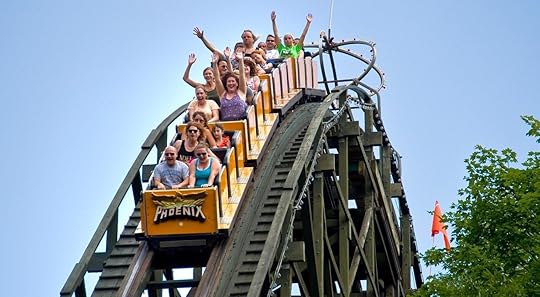
Photo: Knoebels
The Phoenix and The Twister deliver some intense shaking.
2. Potholes
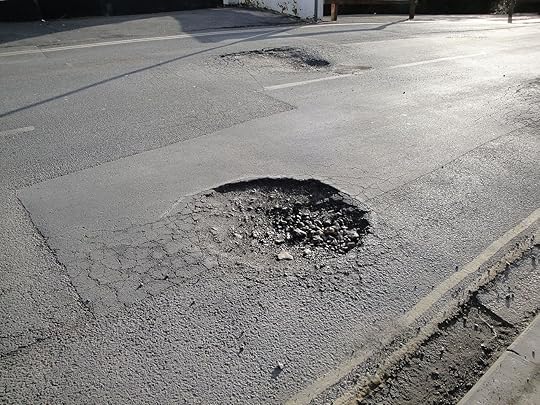
Photo: Editor5807
Drive on and pray you don’t flatten a tire.
3. Snowstorms, even in the spring
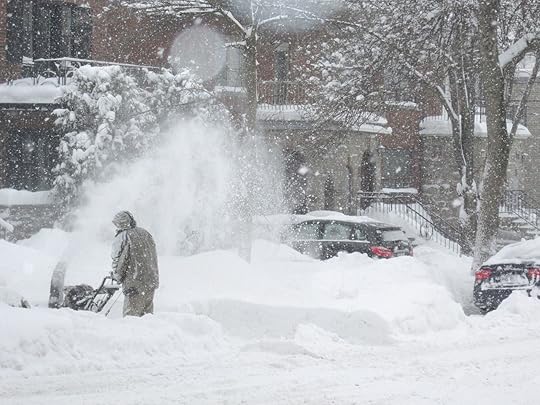
Photo: Merkure
The biggest weather events seem to show up in March when we think we’re safe from the horrors of winter.
4. Not being near a Wawa or Sheetz

Photo: PROm01229
We dread nothing more than this.
5. Getting busted drinking in the woods

Photo: Quinn Dombrowski
Especially when you’re pounding Keystone Light like it’s your job.
6. The gunshots or fireworks game
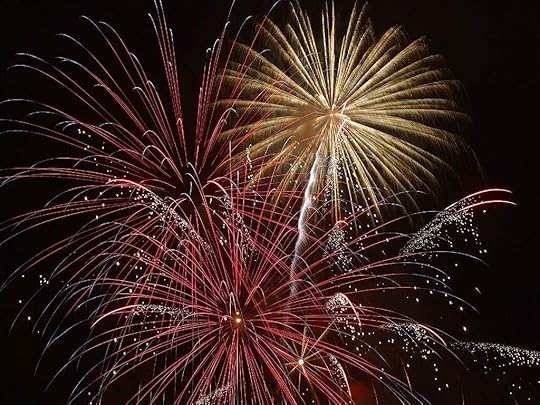
Photo: Jon Sullivan
In certain cities, you never really know.
7. Higher taxes

Photo: PRO401(K) 2012
The Philly soda tax, gas tax, school tax, business taxes… there seem to always be something new that requires us to hand pay up.
8. PennDOT working on a road you use regularly

Photo: Chris Waits
It will never get finished. Ever.
More like this: 9 things Philadelphians love to hate
The post 8 fears only Pennsylvanians understand appeared first on Matador Network.

Learned to drink in Philly
We Philadelphians know great junk food and love to party (an epic combination). Give us a football game or a Mummers Parade and we’ll be chugging drinks like there’s no tomorrow. Here are eight signs you too learned to drink in Philly.
1. You’re a pro at tailgating Philly sports events.

Photo: Chris Connelly
Start at 8 AM in the parking lot, finish at 10 PM at Xfinity.
2. You or someone you know is obsessed with craft beer.
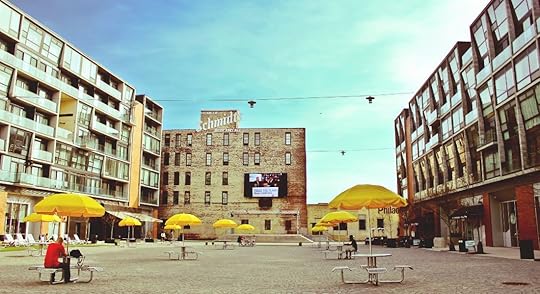
Photo: Justin Wolfe
We get it bro, you’re from Fishtown.
3. You’ve had a shot from a shady convenient store.

Photo: Beau
And you’d do it again.
4. You got drunk every day for a week after the Eagles won the Super Bowl.

Photo: Governor Tom Wolf
You gotta celebrate.
5. You ran up the Museum of Art steps hungover or still drunk.

Photo: Nigel Burgher
It’s a tourist move but you are the Italian Stallion. Drago isn’t ready for this.
6. You know that SEPTA rides home are always more fun when drinking is involved.
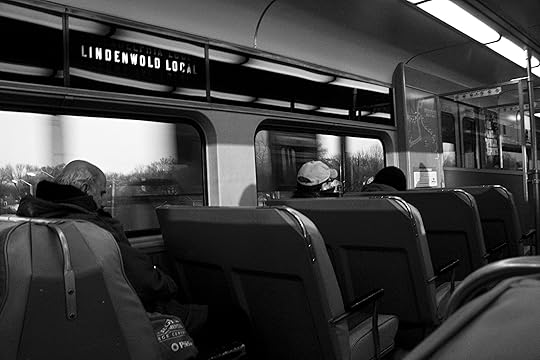
Photo: Brian Henry Thompson
Unless you’re a sober passenger going back home after work, then it’s annoying.
7. You know Philly foods are always better with alcohol.

Photo:
Cheesesteaks, soft pretzels, crab fries, pizza, etc. All Philly food is post-party food.
8. You’ve been in or have seen a fight involving drunks.
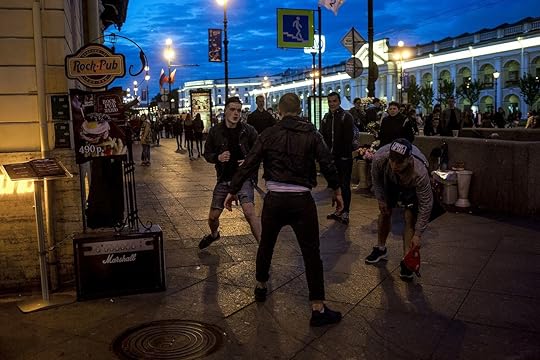
Photo: Alexey Dushutin
Probably some dude from Jersey or New York getting whooped by somebody in Philly. That or a Cowboys fan.
More like this: 7 things Philadelphians love to hate
The post 8 signs you learned to drink in Philly appeared first on Matador Network.

March 22, 2018
Southwest tickets for $49
In a move to join all those other airlines that are offering sweet deals at the start of spring, Southwest Airlines is currently selling one-way tickets to dozens of popular destinations for as low as $49 USD.
In celebration of the First Day of Spring, Southwest is offering discounted prices for flights that take off between April and June, or August and October.
“Spring is in the air,” reads Southwest’s website, “Shouldn’t you be too?”
Some of the cheapest options include a $59 flight to Grand Cayman from Fort Lauderdale, a $54 flight from Portland, or to San Francisco, and a $49 flight from Atlanta to Nashville.
For those still enduring a long and bitter winter in the Northeast and need an escape to somewhere, anywhere, with a bit of sunshine, there is a $96 flight from New York to Tampa, a $99 flight from Boston to New Orleans, and a $112 flight from Providence to Ft. Lauderdale.
There are also a bunch of discounted flights to different parts of the Caribbean and Belize, including a $159 flight from Houston to Puerto Vallarta and a $69 flight from Ft. Lauderdale to Belize City.
These prices include taxes, although the deal does not apply to your return flight (but hey, maybe this is a sign you shouldn’t come back at all?).
While the variety of departure locations and destinations makes this deal stand out from the big sales that other airlines have been dropping over the last couple of weeks, there are a few “blackout” dates where the sale does not apply, including the Labor and Memorial Day weekends.
You can peruse the options and book your tickets here. The sale ends at 11:59 pm on March 29th in the time zone of the departure city, so you better get to it.
More like this: The 8 best budget airlines for traveling on the cheap all year
The post Southwest is selling tickets around the US for as low as $49 appeared first on Matador Network.

Matador Network's Blog

- Matador Network's profile
- 6 followers


