
Matador Network's Blog, page 1372
March 30, 2018
Pink museum in Taiwan
The city of Taoyuan, Taiwan may soon be home an otherworldly pink art museum that looks like something out of a millennial Instagram influencer’s greatest dream.
The recently proposed, rosy-hued Taoyuan Museum of Art will be over 29,000 square meters (300,000 square feet) and will act as a cultural institution and public space for people to enjoy art and nature. The museum will be located next to the main airport in Taoyuan city.
The structure was designed by MVRDV in collaboration with JJP Architects & Planners and TOPOTEK1. The design draws inspiration from the city’s peach flower symbol and will include a series interconnected structures shaped like peach blossoms. Blossom and nature are not only present in the structure of the building, blossom trees and tropical plants will be peppered throughout the complex, and the nearby river will also be incorporated.

Photo: MVRDV

Photo: MVRDV

Photo: MVRDV
MVRDV had this to say about the project:
“These flower-like figures appear in the park and form a new identity for the park. A pinkish aluminum façade will be implemented throughout giving a strong and beautiful character to the site.”
“The roof terraces with peach trees create overviews and add on to the green qualities of the buildings and the park.”
The city of Taoyuan has grown enormously in recent years due to its proximity to the national airport, the capital city, and ocean. No doubt architectural innovations such as this will also help boost local tourism. Although we’ll have to wait for official details on construction and opening dates, from the designs alone, the future of museum architecture looks pretty darn colorful. 

More like this: This video will get you stoked to visit Taiwan
The post Taiwan might be getting a millennial pink museum appeared first on Matador Network.


Signs you're born and raised in PA
There’s several sure signs that prove that you live in PA (Pennsylvania is only for out-of-towners): you use the state’s lingo no matter how funny it sounds; you know that this state is responsible for some of the best junk food in the nation; and you’re aware of the many rules to follow to be accepted in the state. But only if you were born and raised in PA have you experienced the following.
1. You have had Amish chicken and waffles.
A post shared by Callan Wehry (@themunchyherbalist) on Nov 9, 2016 at 12:22pm PST
The only way to eat chicken and waffles is when it’s covered in gravy.
2. You know you can drive to East Berlin.
A post shared by Rachel Hoeck (@rachelhoeck) on Feb 18, 2016 at 2:06pm PST
It’s not that far, really.
3. You know the Pennsylvania state flower is really a traffic cone.
A post shared by Heather Nicole (@heatherdirt75) on Mar 29, 2018 at 4:56am PDT
You can’t drive more than five minutes without seeing one of these anywhere in PA.
4. You have had Cherikee Red.
A post shared by Joree Jensen (@zeke_and_glinda) on Jul 24, 2017 at 8:32am PDT
We know the bottle is highly inappropriate, but man does it taste good.
5. You know what Scapple is and you either love it or you hate it.
A post shared by Debbie Kotchey (@deb_makes_lowcarb_delish) on Mar 21, 2018 at 9:26am PDT
There is no in between!
6. You know the difference between birch beer and root beer.
A post shared by Drew Hutchinson (@planetdrew80) on Mar 24, 2018 at 3:55pm PDT
Out-of-towners think they have a somewhat similar taste but Pennsylvanians in the know prefer the birch bark and birch sap taste of birch beer to the sassafras plant used for root beer.
7. You know the two most famous groundhogs in Pennsylvania.
A post shared by Provence Catering (@provencecatering) on Feb 2, 2018 at 6:16am PST
One makes winter last forever. The other tries to sell you lottery tickets.
8. You’ve been to a Little League World Series game
A post shared by the_atlas_rover (@the_atlas_rover) on Dec 18, 2017 at 6:42am PST
And you’ve stood in line for hours in the hopes of getting the best seats and not sit on the grass.
9. You know PA is more than just Philly and Pittsburgh.
Travel credit cards
I got my first credit card when I was sixteen years old and it was accompanied by a strict lesson on “financial responsibility” from my dad. Whatever he told me worked, and maybe a bit too well. The conversation about debt scared me to the point that if I paid for so much as a movie ticket with that card I would run home and pay it off as soon as the charge was no longer pending.
To me, debt was the scariest thing a person could have to deal with. It meant a loss of freedom, being financially tied down, and obligated to pay off things that you couldn’t necessarily afford in the first place. I was a cash-only girl until my early 30’s. Sure, that meant at one point I was stuck in Sweden with $200 in my bank account waiting for a paycheck to come through, but in my head, that was totally fine. I preferred to sleep on a friends couch and eat crackers for three days instead of pulling out my Visa.
Then I met my husband who paid for everything on his credit card. He didn’t carry cash and used his debit card purely for backup. His logic was that he would pay the balance off at the start of every billing cycle, and collect award miles or other benefits from the card. This was a totally new concept to me. It had never occurred to me that if managed properly, a credit card could actually be working for me. Although it took awhile to get on board, watching him book a free trip to Belize with miles he’d saved was a turning point. Since we both love to travel, figuring out how to maximize our airline mileage and points accumulation has become a wonderful challenge.
Here are some tips that will allow you to travel the world for free with the help of a travel credit card.
1. Select the right card for you.
There is no one perfect credit card that will suit all travelers. Depending on what your travel priorities are (miles, hotels, upgrades, etc.), as well as what your spending habits are, different cards may work best for you. Do you shop exclusively on Amazon or at Target? Both retailers offer a credit card that provides five percent off your purchases. Are you planning to do a big home remodeling project? If so, a Lowes card that offers five percent cash back on all purchases might be a total money saver. I have a friend who charged her kitchen remodel on this card and then used the money she saved to take a two week trip to Spain. After a three-month kitchen remodel, a trip to Alicante sounds ideal.
We love the Chase Sapphire Reserve card, which gives you 50,000 bonus points when you sign up if you spend $4000 in the first three months, and earns three times the amount of points on travel and dining purchases, along with many other perks. I was hesitant to sign up at first because of the $450 annual fee. But after outlining the money we’d get back for traveling and rewards offered on this card, it was the clear winner. You may prefer a card like the Capital One Venture Card, which simply offers two times miles per dollar for every purchase, without any additional perks for certain types of purchases. Perhaps you prefer to stick with a card from one airline that you constantly need to fly on, whether that be for business or to visit your folks at Christmas.
Regardless of what card or cards you end up with, start out by doing the research. There are plenty of credit card comparison tools out there that can help in the decision-making process (our favorite being travel credit card guru The Points Guy). Remember your end goal when selecting a card. Be specific when determining what you’re looking for. Check for blackout dates and hidden restrictions. Do the math.
2. Compare the benefits.
The very favorite perk of my current credit card is that it comes with a Priority Pass that allows access to over a thousand airport lounges. If you were to buy that pass it would cost about $400, but it’s free with the Chase Sapphire card. Strolling into the lounge for a snack and a cocktail between connections still feels so luxurious. The ability to take a shower in the lounge before or after a long flight feels like a total lifesaver.
Other common benefits to look for include:
Gifting a large number of miles when you initially sign up for the card. Sometimes that can be up to 100,000 miles.
Travel credit. Some cards offer up to $300 off travel you book.
Three times the miles accumulated on certain purchases such as transportation and restaurants.
Discounts on other products such as rental cars, gas, hotels.
Travel insurance — some cards offer insurance for items that you’ve purchased on the card.
3. Stay within your comfort zone.
For me, the key to spending money on my credit card is that the benefit (accumulating airline miles) outweighs the negative (the fear that I can’t pay it off). It’s important to make sure that you stay within your comfort zone when you’re using your card. This means maybe you set a monthly limit for spending. Or maybe you only charge up to the amount that you currently have in your bank account. Knowing that you will be able to pay off the balance of your card every month is the best way to stay out of the danger zone: credit card debt.
4. Decide where you’ll travel (for free).
Last April, we saved up and charged our entire wedding on an Amex. Then we used the awards miles for two roundtrip tickets to Panama. Six months later we booked two round-trip flights from Denver to Myanmar on awards miles. Between daily expenses, monthly bills, work travel, transportation, and restaurant meals, it’s pretty surprising how quickly awards miles can add up when you’re using a credit card
Reframing the concept of spending money as a deficit and, instead, thinking of the benefit can make even seemingly annoying expenses feel like there is some reward involved. You had to spend $1,000 to fix your car? At least you got the miles. That dental check up turned into a $500 crown replacement? At least you got the miles. Your lawyer couldn’t get you out of that speeding ticket? Now you’ve got enough miles to fly to Hawaii. When you’re on the beach in February enjoying a beer and watching the waves, life will be just a little bit sweeter when you remember you flew there for free.
More like this: How to 'churn' credit cards and travel for free
The post Everything you were afraid to ask about travel credit cards, answered appeared first on Matador Network.

March 29, 2018
Best Chicago day trips
Exploring by neighborhood is the best way to do Chicago. If you have multiple days in the city and you only stay downtown, that’s considered a fail in the locals’ book. Same goes if you try to traverse the North Side, West Side, and South Side all at once — you’re doing it wrong. Given that Chicago has over 77 neighborhoods and community areas, a successful day trip is more than doable but requires some strategy. Take the time to align your stops and you’ll see more of any given section of the city.
Here are three itineraries that maximize the number of neighborhoods you can pack in. Each day trip focuses on one main street as a base for exploring. Map out some pinpoints and go.
Day Trip Option #1
Camera lost for 2 years, returned
We’ve all heard tale of message in a bottle findings and the often inspiring history lessons they teach. But what happens when a visual element is added to the equation? Say, a collection of photographs that allow the finder to not only read into the life of the owner, but to actually see into it?
That’s exactly what happened in Taiwan earlier this week. A crew of schoolchildren were working to clean up a beach and stumbled across a wayward camera that had washed ashore. The Canon model G12 digital camera looked as though it had spent a good deal of time exploring the ocean — it was almost completely covered by moss, seashells, and other debris on the outside. Fortunately, the owner had placed the camera inside a waterproof case. When the kids took it out, the camera actually worked just fine. The batteries even had a bit of charge left in them, enough for the camera to be turned on so that the finders could take a look at the photos.

Photo: Park Lee

Photo: Park Lee
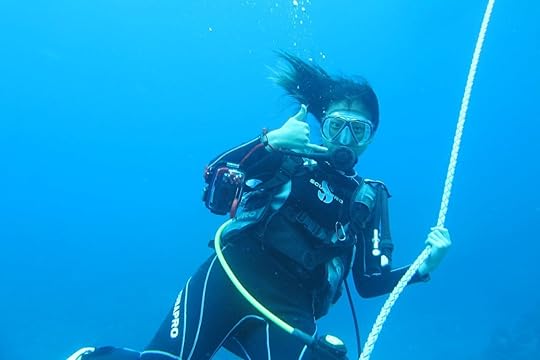
Photo: Park Lee
The odds seem long even to get to this point, but here’s where the story really gets interesting. Teacher Park Lee identified that the woman in many of the photos had been scuba diving with a crew of divers off the coast of Japan when the camera was lost. September 7th, 2015 was the last dated photo, and the teacher traced the photos to Japan’s Ishigaki Island. With the date, location, and the help of Facebook, the rightful owner of the camera was found — and contacted. Lee wrote a post on the social network seeking the owner, and through thousands of shares was able to do so. The owner responded and claimed the camera, which traveled over 150 miles in two years and is now on the return leg of its journey.
More like this: Camera lost at sea for 4 years yields photos
The post A camera lost at sea for 2 years gets returned to its owner with the pictures intact appeared first on Matador Network.

Planning trip Antarctica
Deep inside my -40 degree-rated sleeping bag, my fleece beanie slightly askew above my eye-cover blocking out the incessant sunshine, I curse myself. I really should have practiced using my she-wee (a device that allows women to urinate the way men do) before getting here. I’d been a little shocked to see it along with a “pee bottle” on my employee packing list, but had been quickly informed that these items were necessary for relieving yourself on an excursion outside of camp, where there would be no toilet and no tolerance of spoiling the pristine Antarctic environment. As I was experiencing for the first time, the she-wee/pee bottle combo was also to avoid having to pile on many warm layers to run from your tent to the camp toilet in the middle of the night. More experienced female guides had suggested practicing in the comfort of civilization, and in the mad panic leading up to my arrival on Antarctica, I hadn’t. After that first night, I learned to heed carefully every piece of advice thrown at me about living in Antarctica.
While nothing can fully prepare you for the challenges and wonders of the coldest, driest, and windiest continent, here are some things to consider before traveling to the White Continent.
How to prepare for a successful trip to Antarctica:
1. General info
2. How do I get to Antarctica?
3. What wildlife should I expect to see in Antarctica?
4. What do I need to pack?
5. Working in Antarctica
1. General info
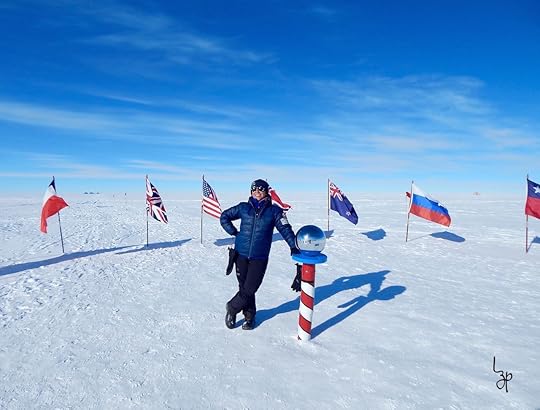
Photo by author
While various protocols and guidelines have been put in place under the Antarctic Treaty System for tourism in Antarctica, the industry is largely self-regulated. In an effort to promote safe and environmentally-responsible practices, seven private tour operators came together in 1991 to found the International Association of Antarctic Tour Operators (IAATO). Today, the organization includes membership of over 100 companies from all around the world. Responsible travelers concerned with minimizing their impact on the fragile environment and wildlife of Antarctica should check that their tour operator is IAATO certified here. The rest of the IAATO site is also worth exploring, as it is full of useful information and helpful tips.
Tourists traveling to the White Continent will be adventuring exclusively during the austral summer season, which lasts from late October/early November to late March/early April. Many travelers will experience 24-hour sunlight — the period of time in which the sun does not set lasts longer the further south you travel. In addition to excessive daylight, Antarctica continually proves itself to be a land of extremes in more ways than one. It is the coldest, driest, windiest continent, with the highest average elevation. It is also an incredibly diverse continent, with a variety of landscapes. “Antarctic tourism” is therefore a broad term, which encompasses travel to the mainland of the continent itself, but can also refer to sub-Antarctic islands such as the South Shetland Islands and South Georgia Island.
While the continent is covered by ice, the islands can include grassy, volcanic landscapes punctuated by glaciers. As such, it is advisable to have a general idea of what it is you want to see, do, and get out of your Antarctic adventure, as the options differ immensely. For example, South Georgia Island is a wildlife hotspot, while the South Pole is located on the flat, white, barren Polar Plateau, devoid of life aside from the American research base located there. Prices for visiting different sites also vary tremendously.
2. How do I get to Antarctica?
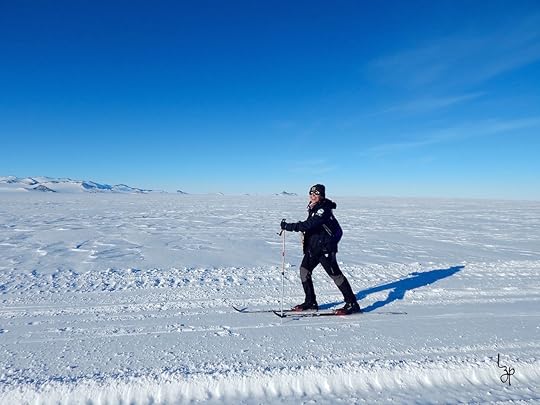
Photo by author
One of the hardest parts of traveling to one of the most remote places on the planet is, of course, getting there. For Antarctica, the options are boats or planes (or both). Some of the most common launch points are Ushuaia (Argentina), Punta Arenas (Chile), Cape Town and Port Elizabeth (South Africa), Fremantle/Perth and Hobart (Australia), Invercargill/Bluff (New Zealand).
By sea
Almost all Antarctic tourism is by boat, which includes a multi-day sea crossing and subsequent coastal exploration, often of the Antarctic Peninsula region. Most cruise-based options depart from South America and last 8-25 days, including a multi-day crossing of the notoriously rough (but occasionally calm) Drake Passage, before exploring the Antarctic Peninsula region and/or sub-Antarctic islands. There is a large range of passenger ship sizes to choose from, generally ranging from 45-280 passengers, each with distinct advantages and disadvantages. For example, larger vessels may provide more onboard entertainment, however, as only 100 passengers may land at once in any single location in Antarctica, passengers on larger ships may not be permitted to go ashore every time, or may be strictly timed to allow multiple groups to land one after the other.
Budget: A typical 10-14 day cruise will generally run you $8,000-$12,000 per passenger. However, many travelers hoping to reach Antarctica for less will try to snag a last-minute spot on a cruise ship, which can significantly lower the price (some just head to places like Argentina and ask if there is room on a ship leaving the very next day — a risky move for sure). Furthermore, things like volunteering to share a triple-occupancy cabin can also help to score you a cheaper spot. Creative, flexible travelers willing to chance a last-minute booking can pay as little as $3,500 per passenger.
By air
For those looking to avoid the treacherous waters of the Drake Passage and hoping to set foot in interior Antarctica, there are two companies that will fly you into their impressive, remote inland camps.
With Antarctic Logistics & Expeditions (ALE), tourists are flown via an enormous Russian cargo plane from Punta Arenas, Chile to ALE’s Union Glacier Camp in the Ellsworth Mountains, landing on a naturally occurring blue-ice runway. Accommodations are dual occupancy double-walled Clam tents, complete with wooden floors, cots, mattresses, linens, and wash basins. Gourmet meals are served in a spacious dining tent — a central gathering place in the camp where you may brush shoulders with world-famous polar explorers and groundbreaking scientists. Communal shower and toilet facilities are also available. Your journey might include travel to ALE’s remote camps at Mount Vinson, the South Pole, and an emperor penguin colony, or perhaps an ascent of Mount Sidley or even a “Ski Antarctica” expedition. ALE also hosts the annual Antarctic Ice Marathon and 100K.
For an over-the-top luxury experience, White Desert will fly you in a private jet from Cape Town, South Africa to their impressive and beautiful Whichaway Camp, located beside a 200-foot ice cliff. The company first opened its six luxury sleeping pods (heated fiberglass domes) in 2012. Housing up to twelve guests at a time, the stylish pods include beds, writing desks, and toilets, and give the impression of a futuristic lunar settlement. Additional pods provide shower facilities, a kitchen, and communal areas, all impeccably decorated and furnished. Adventures may include exploration of the extraordinary Drygalski mountain range, an emperor penguin colony, and the South Pole. White Desert also offers their “Greatest Day” option, a whirlwind 24-hour visit to the area surrounding their runway at the base of Wolfs Fang peak, beginning and ending the day in Cape Town.
Budget: Flying into the interior does not come cheap. ALE trips can range anywhere from $25,000 to $75,000 per person depending on the itinerary. White Desert trips are $35,000 to $84,000 per person, or $15,000 per person for their “Greatest Day” option.
Alternative options
If choosing between a cruise and a flight sounds limiting, there are companies that do both! Quark Expeditions offers a combined Antarctica Fly/Cruise Expedition. Ideal for those short on time who may wish to skip crossing the Drake Passage, tourists are flown by charter plane from Punta Arenas, Chile to the South Shetland Islands, where they board an Antarctic Peninsula-bound ship to continue their journey. Quark also offers a more traditional cruise option, but with the added feature of helicopter flightseeing excursions right from your icebreaker vessel. Fly/Cruise trips start at $9,995 per person.
DAP Airlines (a consortium that includes Antarctic Airways) offers trips for those even more pressed on time, with both a day-trip and overnight-trip option. Travelers fly from Punta Arenas, Chile to Frei Station on King George Island, located seventy-five miles off the Antarctic Peninsula and home to a permanent Chilean settlement. There, a zodiac will carry you to nearby attractions such as penguin colonies and the Collins glacier. Overnighters will have the opportunity to camp on the glacier and visit an elephant seal colony. Trips range between $3,000-$6,500 per person.
For tourists hoping to save even more time and money, Antarctica Flights offers 12-hour flightseeing tours of the White Continent out of Australia. Departures are available out of Hobart, Melbourne, and Perth, and their privately chartered Qantas 747 includes a full bar, meal service, and entertainment system. The economy class center seats start at $1,199.
Finally, for the quintessential backpacker with a tiny budget and limitless time, there is always the option of hanging out at ports in popular Antarctic Gateway cities, and trying to make friends! There are often daring captains hoping to sail their private vessels to the end of the world in search of an extra pair of hands. Of course, banking on the kindness of strangers is always a gamble (be prepared to wait for the ideal opportunity for a long time, and carefully consider all safety variables before accepting), but success stories are out there.
3. What wildlife should I expect to see in Antarctica?
Wildlife viewing is another factor in choosing which Antarctic trip is the best fit for you. Antarctica has relatively little biological diversity, but what there is packs a punch. Because of the variable landscape, it is important to know which creatures are best viewed from which trip options. Almost all wildlife is found in the sub-Antarctic islands and coastal regions of the continent. The deep interior is essentially devoid of life, aside from some mosses and lichens.
The two companies that specialize in more interior travel, ALE and White Desert, both offer emperor penguin trip options in which clients are flown from the main camps to the Gould Bay and Atka Bay colonies, respectively. Cruise ship and fly/cruise voyages almost all include a wildlife component.
Here are the species you can see in Antarctica and where exactly you can spot them:
Six species of seal — elephant, fur, leopard, Ross, Weddell, and crabeater — inhabit the waters of Antarctica. The largest is the elephant seal, which can weigh up to 4,000 kilograms, and is most often seen on the beaches of the sub-Antarctic islands, such as South Georgia. Crabeaters, conversely, are generally absent from the islands but prevalent on the Peninsula. Ross seals are the most difficult to see, often accessible only by icebreaker ship.
The Southern Ocean is also home to 10 species of baleen and toothed whales, including blue and humpback whales. Over two-thirds of the world’s orca population lives in Antarctica. Most Antarctic cruise itineraries include whale watching — the Lemaire Channel and Wilhelmina Bay are particularly popular whale hotspots.
Birds (we’ll get to penguins specifically in just a moment) abound in the Antarctic spring, with over 100 million birds nesting there every year. The highest concentrations are on the shores of sub-Antarctic islands and rocky coastal areas of the mainland. Species include albatrosses, gulls, cormorants, terns, skuas, and petrels. The wandering albatross, which has a wingspan of over three meters, breeds all across South Georgia, while skuas can be spotted significantly further south.
Of course, for many visitors, the main attraction is penguins, the unofficial Antarctic mascot. There are six species that call Antarctica home, however, these are spread all around the continent. For example, the emperor penguin, the largest species that can weigh up to 40 kilograms, does not nest on rocky shores as many others do. Instead, the only species to breed during the winter, they incubate their eggs on their feet while standing on sea ice. This makes emperor colonies particularly hard to reach, and excludes them from many Antarctic itineraries. Aside from ALE and White Desert emperor penguin trips, the only other option for seeing emperors is to reach the Snow Hill Island colony in the Weddell Sea. Quark Expeditions, among others, offers helicopter access to the colony from their icebreakers, depending on ice conditions. Fortunately, there are many more easily accessible species to be seen. These are all concentrated around the northern section of the Antarctic Peninsula and sub-Antarctic islands (with the exception of the Adélie — the only species besides the emperor that can be found further down the coast). Chinstraps, macaronis, and gentoos prefer to breed on the Peninsula, while king penguins, the second largest species, are found in the relatively warmer northern islands, such as South Georgia.
If wildlife is your priority, there are also seasonal considerations to include in trip planning. Early season is ideal for spotting emperor penguins, and for witnessing other species’ courtship rituals as they begin nesting. King penguins lay their eggs in November on South Georgia, where elephant and fur seals also begin to court on shore. Photographers may prefer December and January, as daylight hours reach their longest, and penguin chicks and seal pups begin to emerge. February and March are best for whales, however, many adult penguins have left at this point in the season.
4. What do I need to pack?
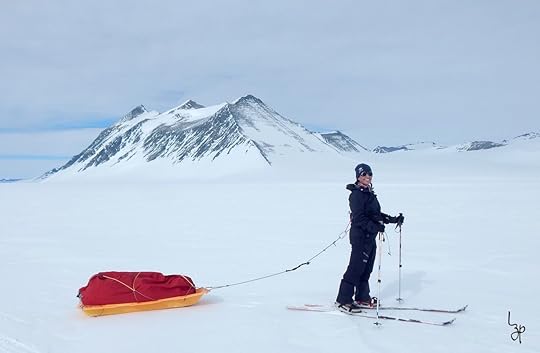
Photo by author
Any competent tour operator will provide you with a thorough packing list before your departure. These will vary depending on what part of Antarctica you are visiting, how you are getting there, when you are going, and what activities you plan on participating in, but here are a few rules of thumb:
Layers, layers, layers
When it comes to clothing, you want to be able to adapt easily to the sudden changes in climate you are liable to experience in Antarctica. This may be from simply moving between outdoor, heated indoor, and unheated indoor locations, or from an unexpected storm (or unexpected sunshine).
Here are all the layers you’ll need, starting with the ones closest to your skin:
Non-cotton thermals are an ideal base layer that should wick moisture away from your body
Heavyweight base layers or lightweight fleece layers
Insulation layers, i.e. mid- to heavyweight fleece, or a lightweight down or synthetic jacket
Windproof top and bottom shell layer, or, in the most extreme conditions, a polar insulation layer of a hooded down (minimum 800 fill) or synthetic jacket large enough to fit over all your other layers.
While extreme conditions might indeed call for all of the above, much more often than not some combination of just a few of these layers should be sufficient to keep you comfortable.
Accessories
Wool or fleece headwear that provides ear coverage, and with appropriate neck and/or face coverage from items such as a buff or balaclava
3-in-1 gloves with removable liners are critical, and for the utmost cold hand protection, an oversized insulated mitten may be recommended
Antarctic sunshine makes good sunglasses and high SPF sunblock an absolute must. To prevent snow blindness, sunglasses must provide 100% UV protection, and should have side coverage to prevent as much light as possible from entering. In general, the darker the lens the better — category 3 or 4 is ideal. Metal frames are discouraged, as they can freeze to skin. Extreme, stormy conditions may call for the additional protection of goggles. Besides your eyes, the rest of your face will also require sun protection. Constant sun exposure is exponentially stronger when reflecting off the ice all around you, and high SPF sunscreen and chapstick is critical in preventing burns. These will also help keep your skin and lips moisturized in the face of ruthless dry air, wind, and cold.
Footwear
Comfortable boots with a removable insulated liner and waterproof outside are necessary for those that will be making landfall. A removable liner is absolutely necessary for drying purposes, as your feet are likely to sweat. It is also nice to have an alternative pair of shoes to wear around your ship, or around your camp. Nothing beats slipping on a pair of down tent booties after a full day of exploring! Flip-flops may also come in handy, depending on available shower facilities.
Gear
For those camping on the ice, you may be required to bring additional items like a -40-degree rated sleeping bag or a she-wee. Depending on your accommodations, a blackout eye cover may be advised for sleeping. A small daypack for excursions is often useful, however, it should be large enough to fit bulky spare layers of clothing, a pee bottle, a camera, water, etc.
Your tour company (cruise or otherwise) will often have many of these items available to rent — such as a sleeping bag, polar boots, or a polar insulated outer layer — for travelers that do not wish to purchase pieces they are unlikely to ever use again.
5. Working in Antarctica
For those wishing to spend a greater chunk of time in Antarctica, or limited by the hefty price tag that comes with visiting as a tourist, getting a job in the far south may be your answer.
To work your way to Antarctica you will need to seek employment with either a tour company or on a government base, and the process can be very competitive.
Antarctic cruise ships and ice camps are logistical wonders that require teams of people skilled in all kinds of areas to keep them up and running. There are positions available in everything from guiding, to lecturing, to cooking, to cleaning, to working the gift shop. Find a company that appeals to you, and either check their website for openings to apply directly or cold call/email to express your interest as not all companies post online. As in any industry, networking and making connections that can help you get a foot in the door are always helpful.
Working on a government research base may be more attractive to polar hopefuls than dealing with tourists. Every country’s base operates differently, and you will need to research your government’s system for managing their bases on a case-by-case basis. In general, though, personnel pertain to either science or support. For the United States Antarctic Program, a majority of support personnel are hired through support contractors to which you must apply directly. Links to job openings at these agencies, which range from hospitality to engineering, can be found here. January-March is the time to apply for summer jobs; however, positions are updated throughout the year (including winter placement opportunities). Several countries also support “Artists and Writers” initiatives that give humanities scholars the opportunity to work and study in Antarctica.
More like this: 25 things you did not know about Antarctica
The post The ultimate guide for planning an epic trip to Antarctica appeared first on Matador Network.

Cheetah jumps in safari car
Having a predator jump into your car is quite possibly the worst thing you could imagine happening when you are on safari in Africa. But it is exactly what happened to this group of tourists who were on safari in Tanzania. An inquisitive cheetah jumped into the back of their SUV and started gnawing on the headrest of one of the chairs.
Follow Matador on
Vimeo
Follow Matador on
YouTube
The video shown above was shot by photographer Peter Heistein, who managed to keep self-composed as to not startle the animal. Britton Hayes, the man shown in the video, also managed to remain calm enough throughout the encounter. Hayes spoke with Komo News about the ordeal.
“We started to notice the cheetahs became curious of the vehicle,” said Hayes. “But it was too late to drive quickly away or anything like that because you don’t want to startle the animals because that’s when things usually go wrong.”
Distracted by another brother cheetah who had jumped onto the hood of the SUV, Hayes remarked that the group had not noticed the other animal until it hopped into the back of the vehicle.
Instructed by guides to keep calm, breathe steady, and not to engage in eye contact to allow the animal to trust the humans, Hayes and other tourists managed to escape unharmed.
Hayes went on to say, “I was scared to death, but I’ve never felt more alive.”
The video was shared on social media by Hayes’s mother, Elisa Jaffe, who got quite a fright when she first watched it. “Give your mom a heart attack kid! No wonder he waited to tell me,” Jaffe joked with a news anchor at Komo News.
This is not the first occurrence of wild animals attacking vehicles during an organized tourist safari. In 2018 a pack of lions charged a car at West Midlands Safari Park in England and in 2016 a tourist was attacked and another killed by a tiger in a park in China.
More like this: What not to do on a safari
The post Safari tour has heart-stopping scare as cheetah jumps into the back seat appeared first on Matador Network.

RT trips to Bali under $600
If playing with monkeys and surfing in the same day is on your to-do list for this fall or winter, it’s time to act. One-stop flights from San Francisco, Los Angeles, and Chicago into Bali’s Ngurah Rai International Airport in Denpasar are running $560 round trip on Eva Air, according to the experts at Scott’s Cheap Flights.
The team at Scott’s Cheap Flights expects this epic deal to disappear within a day or two, so don’t delay in snatching tickets while you can. Travel must take place between August and November of this year and/or January through March of 2019. Hotels tend to be cheaper in the fall, but come November the island enters its rainy season. If you can swing it, September is the optimal time to get out there.
To book the flights, head to Google Flights and search for flights into Denpasar from one of the three airports listed above (if flying out of Chicago, head to the Eva Air website). The key is to check the “My dates are flexible” box, which allows the algorithm to find the lowest possible fares.
Here’s an insider tip for making the most out of your affordable Bali vacation: After arrival on the island, we suggest a quick surf before heading north towards the town of Ubud and its famed Monkey Forest. The experience of walking through the home of Bali’s booming monkey population is unforgettable. But adjacent to the park is an activity that few know about other than locals and the digital nomads parked on the island long enough to explore a bit.
Rent a scooter, the island’s preferred and easiest mode of transportation, and head up Jl Nyuh Bojog, southwest of the forest. Immediately past the Bali Bohemia restaurant, take a right onto what looks like a tight sidewalk. In all likelihood, traffic will come in and out of the turn as you approach, making identification of the right spot easy. Continue on this narrow strip, cautiously moving around pedestrians, as it winds around the edge of the park before depositing you straight into downtown. The path quickly turns into a boardwalk. Monkeys crawl on the fences, and the experience of riding on your scooter with a bunch of other locals doing the same is as close to real-life Mario Kart as can be found anywhere in the world. It’s as memorable as the forest itself, and a great way to skip the seemingly endless backlog of traffic heading into town on the main road.
More like this: 5 ways Bali can be cheaper than you think
The post Round-trip flights to Bali are under $600 right now — seriously. appeared first on Matador Network.

Pro-tips for visiting the Galapagos
Almost one thousand kilometers off the coast of Ecuador lies the ancient archipelago of the Galápagos Islands. The islands are famed for their incredible diversity of fauna and flora. Many of the species inhabiting this remote archipelago aren’t found anywhere else on earth.
Here are a few things to consider if you plan to visit one of the world’s most unique and secluded UNESCO World Heritage sites.
1. It’s REALLY expensive.
The two-hour flight from Quito or Guayaquil, a tour package, and the obligatory tourist tax — a trip to the Galápagos doesn’t come cheap. All tourists are subject to a National Park fee of $100 and must purchase a Transit Control Card (TCC) on arrival. Bear in mind that these fees can only be paid in cash.
2. But totally worth it.
The unique wildlife, landscapes, and values of the Galápagos Islands have elevated the archipelago to a subject of fascination spanning hundreds of years. From Charles Darwin, whose study of the native wildlife significantly contributed to his theory of evolution, to David Attenborough, who brought us the infamous scene of a hatchling marine iguana being chased by snakes on Planet Earth II, there’s nowhere else quite like it.
3. You’ll need to bring cash — and lots of it.
In addition to the National Park fee and TCC being cash-only transactions, there are very few ATMs on the islands. While many shops, restaurants, and cruise liners do take credit cards (Visa and MasterCard are the most widely accepted), it’s wise to stock up on US dollars, Ecuador’s official currency since 2000.
4. You require a tour guide by law.
In order to preserve the beauty and diversity of the islands, protected areas in the Galápagos National Park can only be visited with a licensed guide. This doesn’t mean you can’t travel the island independently — just be aware that you may have to hire a guide for certain parts of your trip.
5. There are a few ways you can choose to see the islands.
There are three options here: land-based tours, independent island hopping, and cruises. A land-based tour would entail basing yourself on one of the main islands (Santa Cruz, San Cristobal, or Isabela) and heading out on day trips. Cruises are generally more expensive but allow for explorations further afield — although be aware that restrictions reducing traffic in tourist hotspots require cruise companies to modify their routes every fortnight. If you prefer to travel solo, there are buses, taxis, and places to hire bicycles and snorkels — plenty to help the independent traveler get around.
6. And there’s a LOT to see.
Leave yourself enough time to do everything you have planned — at least a week if you can. Flights, transfers, and water taxis all take precious time away from your chance to explore, and while it may look small on a map, the archipelago is actually made up of 13 major islands and 6 smaller islands. It’s also worth bearing in mind that you can’t go diving the day after or before your flight, so be sure to factor that into your plans.
7. Pack seasickness medication.
While the water is said to be calmest between January and June, the waves can catch you out any time of year. If you’re prone to seasickness, bring medication to ward off dizziness and nausea on cruise ships and the small passenger ferries which transfer you between islands.
8. Bring an underwater camera.
Pack your GoPro or pick up an underwater camera at one of the stores in town. You’ll need one to capture memories of swimming with sea lion pups, floating above sea turtles, and diving with hammerhead sharks. Remember that flash photography is not permitted anywhere on the island.
9. Spend a morning in Puerto Ayora.
Watching sea lions queue up at the fish market on Santa Cruz is an experience unique to the Galápagos Islands and one that shouldn’t be missed. There are lots of local shops in Puerto Ayora, too. It’s a great place to pick up a few things to take home and support the local economy and craft.
10. And an afternoon in Tortuga Bay.
White sand, turquoise ocean, marine iguanas, reef sharks…Tortuga Bay is a very special place. Wear comfortable walking shoes to tackle the long path to the beach, take plenty of water, and use the restroom before embarking on the walk (there are no facilities on the beach).
11. Remember to ask for a passport stamp on arrival.
You won’t automatically receive one since you haven’t left Ecuador, but as one of the coolest stamps on the planet, it’s definitely one you’ll want for the collection.
More like this: 18 images that will make you want to visit the Galápagos right now
The post 12 pro-tips for visiting the Galápagos Islands you need to know appeared first on Matador Network.

Why we should all move to Wisconsin
Our winters may be long and miserable; we may have our own lingo that out-of-towner have trouble deciphering; and we might be a little sensitive when outsiders criticize our home turf, but Wisconsin is still a great place to live. Here are 10 reasons why you too should move to Wisconsin.
1. Cheese curds and frozen custard are a way of life here.
Une publication partagée par BagelsBaconBeer (@bagelsbaconbeer) le 14 Sept. 2017 à 2 :11 PDT
You don’t have to look hard to enjoy these Wisconsin delicacies — they are served at most restaurants and bars as part of the normal menu. Just don’t ask to see the nutritional facts.
2. Summer is basically one long party.
Une publication partagée par MP (@___maddes___) le 30 Sept. 2017 à 8 :23 PDT
The world’s largest music festival, numerous cultural and street festivals, a weather so beautiful you can sleep outside, and incredible beer as a sidekick… this is what makes the long winters a very fair trade-off.
3. We have more lakes than Minnesota.
Une publication partagée par Only in Wisconsin (@only.in.wisconsin) le 23 Sept. 2017 à 2 :16 PDT
And we don’t need to brag about it on our license plates to know it’s true.
4. Wisconsin attracts world-class talent.
Une publication partagée par Miguel Alvarez (@kato1337) le 27 Févr. 2018 à 8 :47 PST
Just ask architect Santiago Calatrava. He recognized that Milwaukee’s lakefront was worthy enough of his first US-based project. We must also not overlook Wisconsin Dells, home to some of the country’s finest examples of architectural creativity that simultaneously delight and horrify us every time we visit.
5. It’s surprisingly close to Mexico.
Une publication partagée par Rodolfo Medina (@rodyplanesmex) le 25 Mars 2018 à 6 :44 PDT
We can hop on a Volaris flight direct from Milwaukee to Guadalajara and be there in 3.5 hours — no passing through Bears country necessary!
6. Cheesehead celebrity status
Une publication partagée par JoEllen Zacks (@joellenzwv) le 26 Mars 2018 à 3 :30 PDT
When traveling out of state, you get street cred for living so close to the stadiums most people will only ever be lucky enough to see on their TV screens.
7. You can still see professional sports teams for a reasonable price.
Une publication partagée par Tailgate (@tailgatewisconsin) le 9 Mars 2018 à 5 :11 PST
Forget taking out a new mortgage just to see your favorite player from miles away in an overrated stadium. In Wisconsin, you can see professional baseball and basketball for very reasonable prices — some games for under $5! Packers tickets are harder to come by, but spend some time in Green Bay and you are bound to run into a player eventually and for no money at all.
8. There’s no such thing as tailgating season.
Une publication partagée par Eric Anderson (@ea.creative) le 19 Nov. 2017 à 4 :07 PST
The stadium, the team we are cheering for, and the amount of clothing we wear may change, but the brats and beer are just as tasty.
9. Incredible access to one of the world’s greatest sources of fresh water.
Une publication partagée par Tyler Rickenbach (@freesoulstudios) le 23 Mars 2018 à 10 :05 PDT
Which means an awful lot of swimming, but no sharks, no salt, and no tide. You can even surf in Sheboygan! California’s got nothing on us.
More like this: You’re not a real Wisconsinite if you haven’t been to these 15 food spots
The post 9 reasons why we should all move to Wisconsin appeared first on Matador Network.

Matador Network's Blog

- Matador Network's profile
- 6 followers

