
Matador Network's Blog, page 1368
April 6, 2018
Alternative to Iceland tourist spots
To say that Iceland has become a popular destination is an understatement. The country of less than 350,000 inhabitants got 1.8 million foreign visitors in 2016, i.e. a 39% increase from the previous year. According to Tourism Iceland, if you’re visiting Iceland in August, there will be around 65,319 other visitors hovering around the southern part of the island with you, which means that your experience won’t be very unique or reflective of what Icelanders actually do when they have some time off. Here are some alternatives to 9 tourist hot spots in the country to make your trip more original and crowd-free.
1. Skip the Blue Lagoon and go to the Secret Lagoon instead.
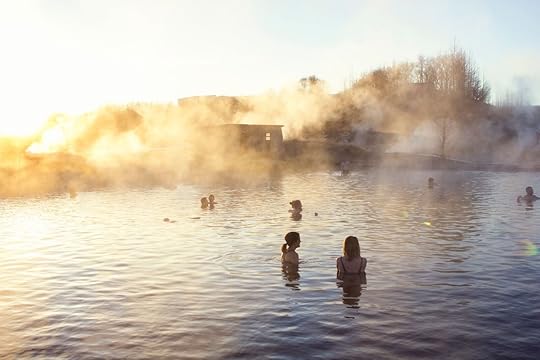
Photo: Gamla laugin – Secret Lagoon
The Blue Lagoon is usually people’s first or last stop while visiting Iceland as it’s on the way to/from the airport in Reykjavik. Back in the day, this used to be an eerie place that no tourist and very few locals would set foot in as it looked more like a puddle formed by nuclear power waste than a place of luxury and relaxation. But, for some reasons that have more to do with location than anything else, it’s now incredibly popular with foreign visitors. The problem is that it’s so packed with tourists, that you now have to reserve your spot weeks in advance and pay through the nose (minimum $70 USD).
Spontaneous travelers on a budget who would like to soak in hot springs should just hit the road to get to the Secret Lagoon located in the small town of Fludir, only one hour out of Reykjavik. The lagoon is Iceland’s oldest swimming pool (my grandmother actually used to swim there in the ’40s when she was a child) and the entry fee is considerably cheaper ($28.00 USD). It’s open until 10 PM, so you can easily get there by bus or rental car after you land, and you can bring your own booze to enjoy while in the water or buy a beer at the pool bar.
2. The Blue Diamond is the new Golden Circle.
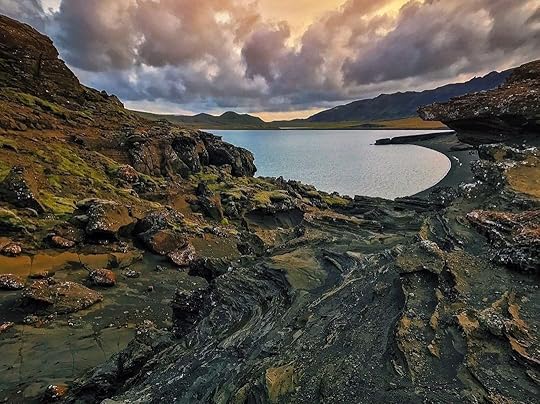
Photo: Visit Reykjanes
The Golden Circle is a highly popular, loosely circular tourist route in the south of Iceland consisting of a waterfall (Gullfoss), a geyser (Geysir/Strokkur), and a national park (Thingvellir). All of these places are beautiful and conveniently close to the capital, but they are also overcrowded. Also, if you’re traveling independently in a rental car you will not only have to pay for parking but also for using the restrooms.
For those of you who want to stay away from the hordes of visitors but remain in close vicinity to the capital area, there is another and better option. The Blue Diamond is a 50-km loop from Reykjavik into the Reykjanes peninsula and a part of the Reykjanes Geopark area. It has much more variety in terms of stops than the Golden Circle — a mud geyser, a crater, a rift, a lighthouse, and more. The Reykjanes peninsula has diverse volcanic and geothermal activity and is the only place in the world where the Mid-Atlantic Ridge is visible above sea level. Parking is free but make sure to go to the restroom before you leave because this itinerary has no public facilities.
3. Ignore the pools and go swim in the ocean.
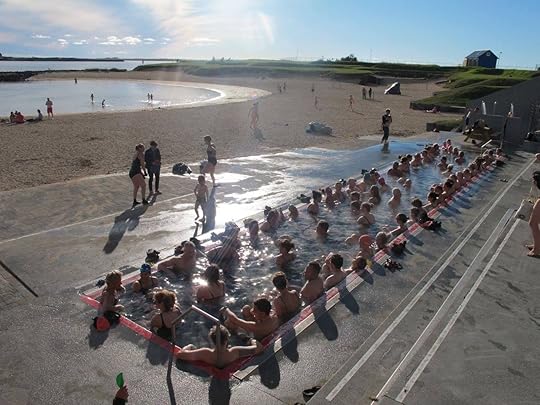
Photo: Ylströndin Nauthólsvík
Public swimming pools are huge in Iceland. The tiny country has somewhere around 50 swimming pools and Laugardalslaug in Reykjavik is the most popular one for tourists and locals alike. But it gets so crowded in the summertime that Icelanders will avoid it entirely.
Instead, they make their way to Nauthólsvík, only minutes away from downtown Reykjavik. Nauthólsvík is a man-made geothermal beach with imported sand and equipped with changing facilities, showers, steam room, and hot tub. Hot water gets artificially pumped into the lagoon daily, so the water reaches 15°-19°C in the summer. But if you like it more refreshing, there’s the natural, cold-as-hell ocean to take a swim in (you can hang out the hot tub afterward). It will make for a much more interesting story than the very ordinary Laugardalslaug ever will.
4. Forget Thingvellir National Park and visit Ásbyrgi Canyon instead.
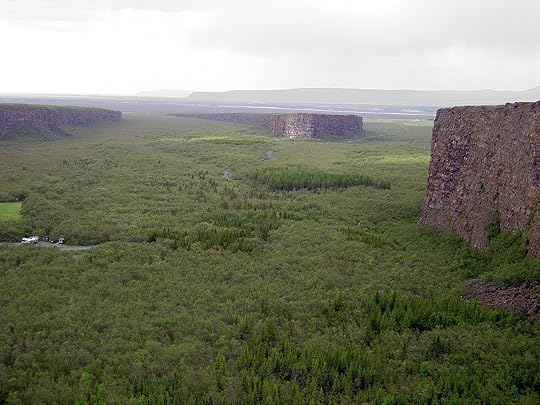
Photo: Chris 73/Wikimedia
Thingvellir National Park is a UNESCO World Heritage Site and a natural wonder — it is the meeting place of the Eurasian and North-American tectonic plates. But because it is so close to the capital city and because diving in between the two continents has become a tourist attraction, it’s not a quiet spot any longer.
If you’re into extremely cool natural spots and have the time to travel outside of the Reykjavik area, you should check out Ásbyrgi Canyon. On an island almost void of trees, Ásbyrgi is a unique forested horseshoe-shaped canyon located in the north of the country. The Canyon also has a cool story attached to it; it is said that the horseshoe shape was formed by the hoofprint of Thor the thundergod’s horse, Sleipnir. Also, the weather tends to be better at Ásbyrgi as the winds get quashed by all the trees while Thingvellir is almost always windy.
5. Don’t wait in line at Hallgrímskirkja, visit Strandarkirkja, the “Miracle Church”.
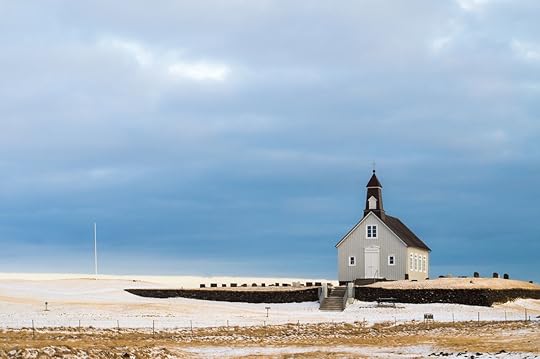
Photo: Ina TS/Shutterstock
Visitors in Reykjavik automatically assume that Hallgrímskirkja is the most significant religious building in the country because it looks cool, it’s big, and it’s on top of a hill, but it’s really just a normal, run-of-the-mill Lutheran church. Its only historical value is that it was designed by one of Iceland’s best-known architects, Gudjon Samuelsson, and that it took 41 years to build. If you don’t mind standing in line, you can pay a small fee and hop on a tiny little elevator to the top to look at the city’s colorful rooftops. Or you can skip it, hop in a car, and go to much more charismatic Strandarkirkja, only an hour away from the city center. Strandarkirkja was originally built sometime in the 12th century and is said to be responsible for many miracles. It may not have a fancy elevator, but sitting inside this church, you are bound to get a sense of tranquility you will never find at Hallgrímskirkja. It may just be the fresh air, the lack of crowd, or it may be something more. You won’t know until you get there and feel for yourself.
6. Fjallsárlón beats Jökulsárlón on more than price.
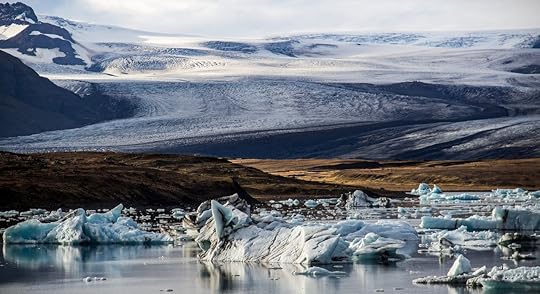
Photo: Thomas Maluck
If you want to go see a lagoon filled with icebergs, you’ve got two options; tourist town Jökulsárlón and the underrated Fjallsárlón. Funnily, these two are neighbours, both located south of Vatnajökull (glacier) on Route 1. Although Jökulsárlón is gorgeous, the place is usually crowded, parking is hard, and there is a long line to get on a boat tour. Fjallsárlón, however, is a lesser-known glacial lagoon a bit further inland that has much more local appeal. The Fjallsárlón’s zodiac boat tours are not only thirty minutes longer but also $36 cheaper than the ones at Jökulsárlón (around $62 vs $98). You will have a much quieter, happier, and exclusive experience at Fjallsárlón — no doubt.
7. Skip Þríhnúkagígar and go to the Lava Centre instead.
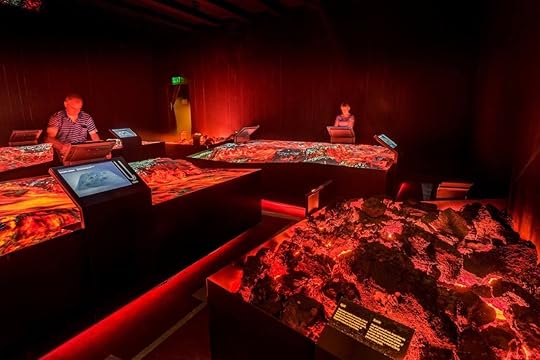
Photo: LAVAcentre
Located in the Reykjanes peninsula, Þríhnúkagígar, or “Inside the Volcano” is a very cool attraction. You can visit the crater of an actual volcano that last erupted around 4,000 years ago via an open elevator that goes up and down a 700-foot-deep hole. The experience is unique but the price tag is outrageous: $450 USD.
Usually, I wouldn’t recommend a man-made exhibition over an actual natural experience, but this one is very much worth it. The Lava Centre in Hvolsvöllur, a small town in the Southern part of Iceland, is an award-winning, high-tech, interactive, educational exhibition centered around the creation of Iceland over millions of years. They’ve got a series of exhibitions for less than the tenth of the volcano tours in Reykjanes, i.e. 30 USD. Coincidentally it’s not very far from the Secret Lagoon, so you can kill two birds with one stone.
8. Snorkeling in Silfra is a thing of the past. Go Surfing in Reykjanes instead.
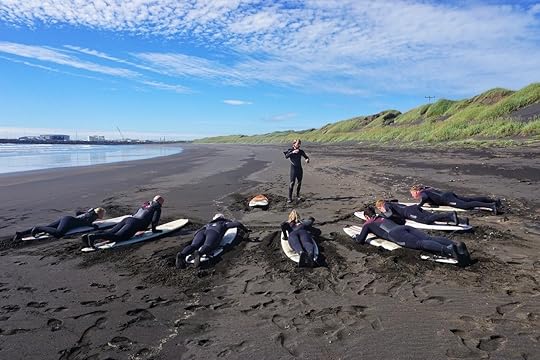
Photo: Adventure Vikings
If you’re really into water sports but know that snorkelling in Silfra has lost its off-the-beaten-path appeal, go surfing in Reykjanes instead. It’ll be just as cold, but way less crowded and expected.
Reykjanes is surely one of the most unusual spots on Earth to surf. For $350 USD, you get picked up and dropped off at your hotel, a guide, and all necessary equipment for surfing. You’d be a fool to turn down that opportunity.
9. Ditch the bus tour and watch the northern lights at Grótta Lighthouse.
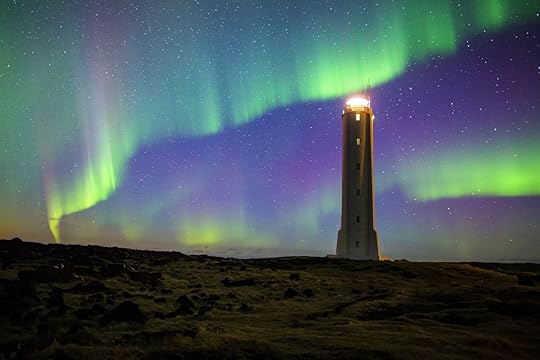
Photo: Stastny_Pavel
The northern lights are Iceland’s own private light show. Visible in the winter (typically from November through February) when the night sky is clear, visitors literally come in busloads to experience them. Reykjavikings, however, would never pay to get on a bus to chase the same aurora borealis that they’ve been watching for free from their own backyards since they were kids.
So, do like the locals and go to the Grótta Lighthouse on Seltjarnarnes peninsula to experience the northern lights gratis (you can walk from downtown Reykjavik or drive and park for free). Dress for the weather as the peninsula is generally quite windy and the weather is likely to change unexpectedly. Also, make sure to check the tide table because the lighthouse is closed during high tide and it would suck to get there after a long walk and find that you can’t get onto the island. 

More like this: 10 things tourists do in Iceland that drive the locals crazy
The post The 9 most touristy places in Iceland – and where to go instead appeared first on Matador Network.


Hacks for getting roadtrip-ready
Get an oil change, have them check the battery and tires, and hell, even get the filter replaced. Most drivers put regular tune-ups off because they can get expensive and because mechanics tend to offer services you don’t really need, but it’s worth spending on this before heading out.
2. Keep an eye on tire pressure.
During your trip, watch your tire pressure. This is not just to make sure you’re not going flat, but because properly inflated tires give you better gas mileage. Having the windows down on the highway also reduces your gas mileage.
3. Check your spare tire — and learn how to change it.
You do not want to be stuck in the desert with a flat and then put on your spare only to find its flat, too. It’s also worth checking the lug nuts on your tires before they go — some of them can get rusted into place, and that makes the tires extremely hard to change. Find that out now before you’re in the middle of nowhere.
4. Just get an EZPass.
If you’re from the middle, southern, or western part of the country, you’re probably not used to paying tolls, and you might find yourself suddenly rolling up on a toll with no cash to spare. Some of them — especially around major cities like New York — can get ridiculously pricey. They’ll get pricier if you roll through without paying: you’re probably not going to get pulled over, but you will get a bill and a penalty fee in the mail when you get home. So just buy the EZPass. You won’t have to worry about tolls anymore. Google Maps also offers an “avoid tolls” option, but on the East Coast, that usually adds a bit of time to your trip.
5. Get a few rolls of quarters for your glove compartment.
Aside from use in vending machines, most tire-filling stations and gas station vacuums only accept quarters, so it’s worth having a few rolls to spare on your trip.
6. Get the GasBuddy app on your phone.
Gas adds up, and on a road trip, you often end up in a situation where you’re just taking the closest station to the exit. Avoid that impulse, do a little planning, and get the free GasBuddy app, which will tell you the cheapest gas nearby. It also is a helpful tool for figuring out how to split the gas fare between your road trip companions.
7. In fact, put everything you can on your phone.
Phones are the ultimate space saver on road trips — use Spotify Premium for downloading playlists offline and cut back on CDs, use Google Maps offline to avoid actual maps, use Waze to avoid traffic, RoadTrippers to make plans, get Hotel Tonight to make quick last-minute reservations, use OpenBay to find the nearest and cheapest mechanics, and stock up on Podcasts and Audiobooks to kill time.
8. Invest in a good water bottle/mug.
This is fairly obvious, but there’s no point in spending a ton of money and creating a lot of plastic waste by relying on gas station drinks. Instead, get a good mug/water bottle and fill them up with coffee or water wherever you stop. Note: do not just get a Nalgene. Nalgene’s are great, but the liter-size bottles do not fit into many cup-holders, which can be a pain. Yeti’s are amazing and are worth the price tag.
9. If you can, use a tablet rather than a computer.
If you’re traveling and trying to work remotely, a tablet with a roll-up keypad is a way more convenient choice than a laptop. Laptops are bulky, can’t be charged with your phone charger, and can’t be slung over visors as makeshift movie screens.
10. Buy a cereal container for a trash can.
If you’re traveling for long enough, your car will get disgusting. Those plastic containers that keep cereal fresh with the flip open lids work as short-term garbage cans.
11. Put cupcake papers in your cup holders.
Cup holders can get disgusting, especially if stickier drinks than water are spilling into them and they’re filling with crumbs. You can keep them from getting gross by placing a cupcake paper into the holder, and replacing them as needed.
12. Get organizers for your bits and bobs.
If you don’t organize your car ahead of time, it’s just going to turn into a mess. So for the small loose things you’ll be using (snacks, coins, utensils, etc.) get a few organizers from a local Target, Walmart, or Container Store so you can keep it all together. Don’t overdo it, though — a ton of organizers scattered around is still clutter. A hanging shoe-holder draped over the passenger seat is a pretty good way to store loose items, and it should be all you need.
13. Get a compact cooler.
If it’s a long-term road trip, it can really suck to be eating nothing but gas station food. Instead, start every morning by going to a local grocery and getting some fresh food for the day. Rather than filling a cooler with ice, get freezable ice packs — you won’t have the slosh of dirty water at the bottom, and you can reuse them whenever you stop.
14. You only need two cords.
Don’t overdo it by buying a trillion adapters. The only thing you’re really going to need in your car is a phone charger and something to connect it to the audio system — sometimes you can do this with a single USB. Everything else can wait till rest stops and hotels.
15. Make a pill bottle bug-out kit.
If your car is packed with luggage, clothes, tents, and other gear, you’re not going to have a ton of space for emergency kits. A good workaround to a bulky bug-out bag is a pill bottle survival kit. Survival at Home has a great guide for putting your own DIY kit together, and it’ll all fit in a prescription pill bottle. Included are things like birthday candles (as small, fairly slow-burning fire-starters), Band-Aids, Neosporin, firestarter straws, thread and needle, matches, and tweezers. It’ll fit in your glove compartment no matter how packed it is. Pill bottles are also great for storing small items like coins and jewelry.
16. Know where you can stop without being hassled — Walmart.
If you aren’t bringing a tent, you can still catch some Z’s without shelling out for a motel by crashing in your car. But as any veteran road-tripper knows, this often results in a knock on the window from a security guard or cop. One place that doesn’t do this? Walmart. They have a policy of allowing people to sleep in their cars in their parking lots. And they’re everywhere. So there’s your motel.
More like this: 12 short road trips that take in the best of America
The post 16 hacks for getting your car ready for a road trip appeared first on Matador Network.

April 5, 2018
Dachshund museum in Bavaria
If you are obsessed with following tiny-legged weiner dogs on Instagram, you’re not alone — the favorite breed of Einstein and Picasso is making a comeback in popularity. Especially in Bavaria, where locals are obsessed with the little dachshunds. To celebrate the region’s love for sausage dogs, Germany has opened the first museum curated in honor of dachshunds.
The new Dackelmuseum is located in Passau, Bavaria, where the dog is a symbol of the region. Said to be the world’s largest collection of dachshund memorabilia, curators amassed the showcase over 25 years. The exhibition has been set up by Josef Küblbeck and Oliver Storz, who recently gave up their day jobs to work full-time on their dream of owning a dachshund museum.
A post shared by @satschii_und_shanti on Apr 2, 2018 at 7:02am PDT
Küblbeck, told the BBC, “The world needs a sausage dog museum…no other dog in the world enjoys the same kind of recognition or popularity as the symbol of Bavaria, the sausage dog.”
The curators’ own sausage dogs, Seppi and Moni, are the only two living animals in the museum. The collection of 4,500 items includes fluffy toys, postcards, handmade puppets, and earrings.
Local businesses seem to be embracing the sausage dog mania; The Times reported that a bakery close to the museum is selling dachshund-shaped chocolates and you can order a dachshund pizza topped with sausages at a local restaurant.
“We wanted to give this dog a home where people can come and share their joy,” Kueblbeck told Reuters. “Its popularity is increasing because the sausage dog, with its so-called sausage dog look, has conquered the hearts of many people.”
This is not the first museum dedicated to fuzzy friends; Kuching, Malaysia has an impressive cat museum and Torrington, Alberta, Canada is home to the world’s only gopher exhibit.
More like this: 15 bizarre museums from around the world you have to check out
The post You can now visit an entire museum dedicated to weiner dogs appeared first on Matador Network.

Hotel bans man for seagull debacle
Now and then, we all must ask for forgiveness. Often it’s as quick as a phone call or even a text message. Sometimes, however, it takes a bit more effort to set things right. Such is the case of Nick Burchill and the Fairmont Empress hotel in Victoria, BC, Canada. OK, we’re forgetting some major players in the story, which began back in 2001 while Nick was in the Canadian Naval Reserve. First is a suitcase full of pepperoni. Second is a band of ravenous seagulls with a nose for salted pork. The combination spelled nothing short of disaster for all involved.
Nick’s story below tells all. After a thoroughly destroyed hotel room and a horde of upset tea guests, it would appear the establishment was right to 86 him from the property. After all, not since the 80s had a flock of seagulls caused this much much commotion. Have a read for yourself:
I officially applied to be allowed to stay at the empress hotel again. Here is my letter. Waiting for the reply. 18 years is a long time…..Fairmont Empress
28 March 2018
Dear Empress Hotel:
This may seem like and unusual request, but I write to you today, seeking a “pardon”.
17 Years ago a string of unfortunate events led to my being banned from your hotel. I would like to explain the incident……
In 2001, I had recently joined my current employer, xxxxxxxxx and I was also in the Canadian Naval Reserve. xxxxxxxxx was hosting a customer conference at the Empress and it was my first event with the company.
I told my Navy buddies that I was coming out West and I was asked to bring “Brother’s Pepperoni” from Halifax. It is a local delicacy. Because this was the Navy we were talking about, I brought enough for a ship. In a hurry, I had completely filled a suitcase with pepperoni for my friends. Some of it was wrapped in plastic, some in brown paper. I took whatever Brothers would sell me.
This is the bag that the airline misplaced.
The bag reappeared the next day. I knew that the pepperoni would still be “good”. It had only been at room temperature for a short time. It would, however, be quite some time before I could turn it over to my friends.
Just to be safe, I decided that I should keep it cool.
My room was a nice, big, front-facing room on the fourth floor. It was well appointed, but it did not have a refrigerator. It was April, the air was chilly. An easy way to keep all of this food cool would be just to keep it next to an open window. I lifted one of the sashes and spread the packages of pepperoni out on the table and window sill. Then, I went for a walk…..for about 4 or 5 hours.
When I had covered enough ground, I returned to the hotel. I remember walking down the long hall and opening the door to my room to find an entire flock of seagulls in my room. I didn’t have time to count, but there must have been 40 of them and they had been in my room, eating pepperoni for a long time.
In case you were wondering, Brothers’ TNT Pepperoni does NASTY things to a seagull’s digestive system. As you would expect, the room was covered in seagull crap. What I did not realize until then was that seagulls also drool.
Especially when they eat pepperoni.
I’m sure you have an image in your head. Now remember that I have just walked into the room and startled all of these birds. They immediately started flying around and crashing into things as they desperately tried to leave the room through the small opening by which they had entered.
Less composed seagulls are attempting to leave through the other CLOSED windows. The result was a tornado of seagull excrement, feathers, pepperoni chunks and fairly large birds whipping around the room. The lamps were falling. The curtains were trashed. The coffee tray was just disgusting.
I waded through the birds and opened the remaining windows. Most of the gulls left immediately. One tried to re-enter the room to grab another piece of pepperoni and in my agitated state, I took off one of my shoes and threw it at him.
Both the gull and the shoe went out the window.
By this time, I was down to one gull left in the room, but it was a big one, and it didn’t want to leave.
As I chased it, it ran around the room with a big hunk of pepperoni in its gob.
In a moment of clarity, I grabbed a bath-towel and jumped it. It started to freak-out so I wrapped it in the towel and threw it out of the window.
I had forgotten that seagulls cannot fly when they are wrapped in a towel.
This is all happening fairly quickly and this is mid-afternoon. The Empress hosts a very famous and very popular “High Tea”. I suspect this is where the large group of tourists was heading when they were struck by first my shoe, then a bound-up seagull (the seagull was unharmed, by the way).
Let’s go back to my little housekeeping issue. The room was BAD. There was a lot of damage.
I was new to my company and I was really trying to make a good impression at this important event. I decided that I would carry on for now and handle this whole thing later. I then realized that I had only a few minutes before an important dinner and that I only had one shoe.
I made my way to one of the side doors and recovered both the shoe and the towel that were laying in some wet soil near the walking path. The shoe was a mess. I took it back to the room. By this time, I had close the windows and the air was becoming quite ripe with the smell of digested pepperoni and fish.
I went into the washroom and rinsed the mud off of my shoe. It cleaned-up nicely, but now I had one wet, dark shoe, and one dry, light coloured shoe.
In retrospect, I should have just wet the dry shoe. Instead, I choose to dry the wet shoe using the little hairdryer. It was actually doing quite well. I had the hairdryer jammed in there and the shoe was drying quite nicely. Then, the phone rang.
I walked into the next room to answer it and the power goes off. It turns-out that the hairdryer had vibrated free of the shoe and fallen into the sink full of water and the GFI didn’t seem be 100% functional. I don’t know how much of the hotel’s power I knocked-out, but at that point I decided I needed help.
I called the front desk and asked for someone to come help me clean-up a mess. I can still remember the look on the lady’s face when she opened the door. I had absolutely no idea what to tell her, so I just said “I’m sorry” and I went to dinner. When I came back, my things had been moved to a much smaller room.
I thought that was the end of it all until I was told that my company had received a letter banning me from the Empress. A ban that I have respected for almost 18 years.
I have matured and I admit responsibility for my actions. I come to you, hat-in-hand to apologise for the damage I had indirectly come to cause and to ask you reconsider my lifetime ban from the property.
I hope that you will see fit to either grant me a pardon, or consider my 18 year away from the Empress as “time served”.
Thank you very much for your consideration.
Sincerely,
Nick Burchill
With seventeen years to let the dust settle, the hotel appeared touched by Nick’s apology. His Facebook post was amended three days later to include the following:
**Update 31 March**
After reviewing my application for a pardon with the Empress staff; Ryan, the manager has notified me verbally that I will once again be welcome as a guest. I bet it was the pound of Brothers Pepperoni that I gave them as a peace offering that did the trick.
More like this: My 10 most epic travel fails and what I learned from them
The post Hotel lifts 17-year ban on man whose hotel room was destroyed by ravenous seagulls in 2001 appeared first on Matador Network.

Travel sustainably at hotels
Cutting the carbon footprint of travel — a topic you’ve likely heard about. But how, exactly, are you supposed to travel in a more eco-friendly manner when it seems as though everything involved is built around a get in-get out, single-use, on-the-go, mentality? The best way to green up your travels is to take it step-by-step, beginning with accommodations. Here’s how you can be a more sustainable traveler both while staying at a hotel and before you ever hit the road.
1. Choose your hotel wisely
The biggest impact you as a traveler can have on your carbon footprint is to choose where to spend your money. Hit ’em in the wallet and brands will listen, and hotels are no exception. Travelers, especially of the millennial age group, have demanded eco-friendly practices from hotels and this has driven both boutiques and major brands to drastically rethink their approach to sustainability. Brands love to brag about what they’re doing to be “green” but sometimes the effort doesn’t dive much deeper than aesthetics. To make selecting a “green” hotel easier, TripAdvisor recently launched its GreenLeaders program, in which hotels and B&Bs apply for certification and if accepted, are ranked as platinum, gold, silver, or bronze-level members.
In addition to checking the hotel’s website, here are a few telltale signs that the business is considering the environment:
On-site food and beverage options feature locally-sourced ingredients and the bar menu offers local craft beer and spirits.
In-room or on-site recycling is offered for guests.
Guests have the option to refuse cleaning services during their stay, and/or the cleaning materials are certified as non-harmful to the environment.
The hotel doesn’t charge extra to have a “green” stay.
The hotel is LEED-certified, meaning that everything from the design and construction to daily operation of the building is up-to-date with green building and business practices.
The hotel uses solar or wind power.
Tangible benefits: Puts your money to use supporting eco-conscious businesses and puts pressure on those that overlook sustainability.
2. Carry a water bottle
Drinking bottled water is all but unavoidable for tourists in many parts of the world, even when staying in nicer hotels. That said, you can minimize the number of bottles you use (and the amount you spend on bottled water) simply by carrying a thermos-type water bottle with you at all times. Hydroflask makes a number of bottles that are perfect for this, and their insulated bottles keep water (or beer!) cold for up 24 hours and coffee hot for up to six hours.
Fill up a reusable water bottle every chance you get. This is easily done in much of the US, Australia, Canada, and Western Europe, as there are ample places with potable tap water or at least the ability to find such water nearby. Start your search within the hotel: does the hotel’s restaurant or bar have good water? Problem solved. Of course, when you must use plastic bottles, recycle them whenever possible.
Tangible benefits: Cuts down on plastic bottle use and trash.
3. Bring a coffee thermos
You may wish to use a separate mug to keep that coffee taste out of your water, but if you aren’t picky, one hot/cold thermos can work as long as you take the time to rinse it out regularly. Again, Hydroflask is great for this. They sell insulated coffee mugs that keep your coffee warm for hours on end — a huge perk for long walking tours and days of transit. Skip the lousy in-room coffee and fill up at the breakfast station or a nearby coffee shop.
Tangible benefits: Keeps your coffee hot and with you as you go, and eliminates the need for the single-use, plastic-wrapped coffee bag in the hotel room (or worse, a Keurig-style pod).
4. Don’t use what you don’t need
Among the simpler things hotel guests can do to minimize their footprint once checked in to a hotel is to not use more than they need inside the room. First, forego room cleaning during your stay. Don’t need both beds? Only use one. Many hotels nowadays ask you to hang your towels, versus throwing them on the floor, to signify you don’t require them to be washed daily (because let’s be real — how often do you do that at home?) Another big issue found in the bathroom are those little shampoo and conditioner bottles, which typically end up in the landfill. Instead of opening them, bring your own toiletries.
Tangible benefits: Decreases waste, saves water, and reduces use of harmful cleaning chemicals.
5. Consider the packaging when making purchases
This tip applies as much to everyday life as it does to staying in hotels, but is more than worth a note here. A green hotel stay involves minimizing trash. If you’re buying souvenirs, travel accessories, food, or anything else, be mindful of what it comes wrapped in. Consolidate any trash into one trash bin in the room throughout your stay. If you find that you’re filling up more than one trash bin on a simple one or two-night hotel stay, it may be time to evaluate the things you’re buying. Do you really need that item that’s wrapped in plastic and then wrapped in another layer of plastic?
Tangible benefits: Helps you minimize trash production.
6. Bring a versatile backpack and pack smart
You can minimize trips to the store and calls to the front desk simply by having a pack that’s built and packed for travel. Packs with multiple compartments are best, which you’ll find in many larger trekking packs. But as society becomes more mobile, manufacturers of smaller daypacks are taking notice and designing options that are highly functional and, as a bonus, meet carry-on requirements as well. Mountainsmith, for example, makes packs built to store electronics, both clean and dirty clothes, food, toiletries, adventure gear, and more, each in a separate area. No matter which pack you go with, make sure it has a water bottle holder. You can tuck the backpack straps into a designated pocket and it instantly switches over to a carry bag.
Tangible benefits: Keeps you prepared and not in need of quick purchases.
7. Bring a reusable to-go food container with you
Those mini-fridges in hotel rooms actually can serve a purpose beyond offering overpriced booze and salted peanuts: to store your room service leftovers in a collapsible food container, which takes up hardly any space in your luggage. Store it in your backpack, and you’ll also always have it ready to go when you have leftovers at a restaurant. This completely eliminates the need for styrofoam to-go boxes and plastic bags. There are a number of options available on Amazon.
Tangible benefits: Makes taking food to-go a zero-waste endeavor. Also makes it easier to pack it with you in the morning.
More like this: 10 easy ways to travel green in 2018
The post 7 easy things you can do to be a more sustainable traveler at hotels appeared first on Matador Network.

Travel UK to Aus without flying
Plane travel sucks. Yes, it’s convenient to get anywhere in the world in the span of hours, but everything else — the security, the food, the uncomfortable seats, the grumpy passengers, the overworked staff, the diseases in the air, the fact that we’re somehow more prone to crying while flying — is a nightmare.
The quickness and the convenience also conversely means you’re missing the entire world that’s turning under your plane — if you were to fly from the UK to Australia, for example, you would miss out on literally half the world, and many of its most interesting parts. So why not take it slow and see the world while you travel? We’ve put together an itinerary from the UK to Australia that keeps you out of airports, and that uses as many alternative modes of transport as possible, allowing you to really see the world you’re traveling through.
This is hardly the only by-land itinerary between these two places — you can make your own by playing with the trip-planning site Rome2Rio or, of course, Google Maps.
London, UK to Venice, Italy — The Orient Express

Photo: Simon Pielow
There are probably an infinite number of train routes you could use to get across Europe, and almost all of them would be cheaper than this — the Orient Express has a hefty price tag of $3,300 per person one-way. But good god, is it a cool way to travel: the route takes you through the Alps, the cars are 1930s vintage Pullmans, and you’re basically treated like you’re in a 5-star hotel. And you get to say you didn’t get murdered on the Orient Express (hopefully).
If you don’t want to pay for that, Eurostar and the continent’s extensive rail network will do just fine in a pinch.
Venice — Gondola
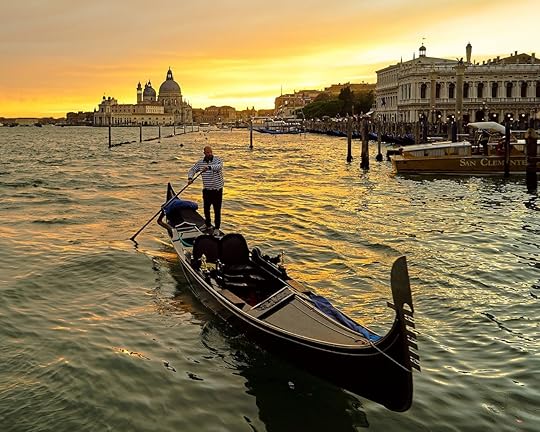
Photo: Pedro Szekely
Back in the day, gondolas were the primary means of transportation around Venice. Not so anymore — they are mostly just for tourists. But you’re a tourist, and gondola rides can be both touristy and pretty damn cool at the same time, so lean into it.
Venice to Istanbul, Turkey — Car
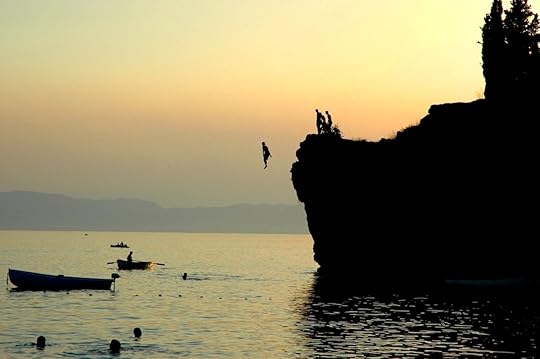
Lake Ohrid
Photo: Jason Rogers
We won’t fudge the route with a car at any other portion of the trip, so bear with us, here — while you could easily take a train or a bus from Venice to Istanbul, neither of those allow for the same flexibility, and flexibility is what you’ll want while crossing the Balkans. The region was known 20 years ago for the violence that followed the break-up of the Soviet Union, but now, it’s one of the best up-and-coming travel spots in the world.
This is, in large part, because the region is physically stunning. You could stop by Lake Ohrid in Macedonia, or visit King’s Landing in Dubrovnik, or drop by an actual magical wonderland at the Plitvice Lakes National Park in Croatia. The end goal is to drive across the Bosphorus Bridge, one of only three that connect Asia and Europe.
Istanbul to Cappadocia, Turkey — Bus
If you don’t want to take a detour south to Turkey’s Turquoise Coast, where you can add sailboat to your modes of transport for this trip, catch a night bus from Istanbul to Cappadocia for this leg of the trip.
Cappadocia — Hot Air Balloon
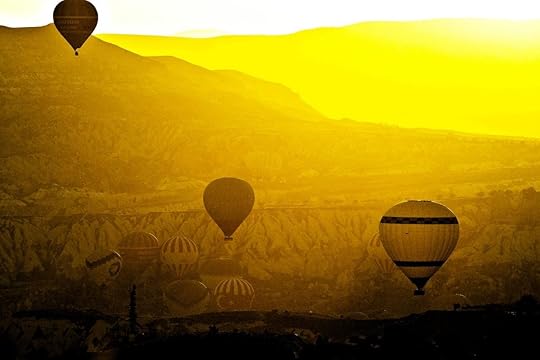
Photo: Rajeev Rajagopalan
Hot air balloon is possibly the least efficient way to get from one place to another (it relies a bit too heavily on the direction of the wind), but the view of Cappadocia’s bizarre chimney rock formations is particularly cool from the hot air balloon. It’s not gonna take you far on your journey, but it’s a good mode of transport to add to your list.
Cappadocia to Tabriz, Iran — Bus
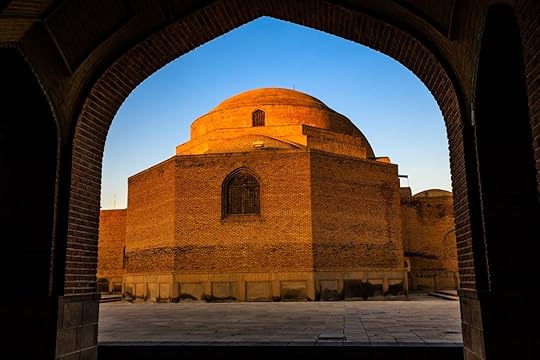
Photo: Naytoong/Shutterstock
This part of the world is seldom visited by tourists these days because of its proximity to Syria and Iraq. But the Caucuses are a beautiful part of the world, and the people are lovely — take a bus and take your time. This is an amazing spot for slow travel. But if you are in a rush, you can break up some of the longer bus stretches by hopping on Turkish Railways instead.
Across Iran & Pakistan — Hitchhiking
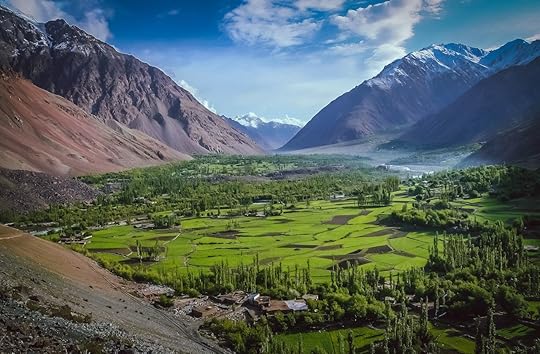
Photo: aaabbbccc/Shutterstock
From the way Iran is typically portrayed in Western media, you could be forgiven for thinking it is not a place you would want to hitchhike across. But Matador contributor and consummate budget backpacker Will Hatton believes it is one of the better places in the world for this most low-budget of travel options, thanks to its extremely friendly people and its low costs. Hatton wrote a guide to both budget travel and hitchhiking in Iran (don’t do the traditional “thumbs out” for example, as it is an obscene gesture there), but if you are uncomfortable with the thought, the country has an excellent rail system, too.
Pakistan, if anything, has an even worse reputation in the west. But Hatton stands by hitchhiking and Couchsurfing across Pakistan. Often in Pakistan, tourists are required to have a police escort — but this can actually be a really cool cultural experience. He has a guide for hitchhiking Pakistan as well. For our trip, you’ll want to cross into India at Munabao so you can catch a cab to Jaisalmer for our next leg.
Jaisalmer, India, to Kerala, India — The Rickshaw Run

Photo: Abhisek Sarda
This is a bit of a detour, but it is one of the coolest detours you could possibly go on. Tour operators The Adventurists run a breakneck week-long race across India from Jaisalmer to Kerala in a rickety 3-wheeled auto rickshaw. There is no set route — you are merely given a starting and an ending point, so you will probably get lost and your rickshaw will probably break down — and they hold a giant party for you at the end. It is like the Cannonball Run, but with less reliable vehicles and in India. It is a must on any bucket list.
Kerala to Chennai, India — Train
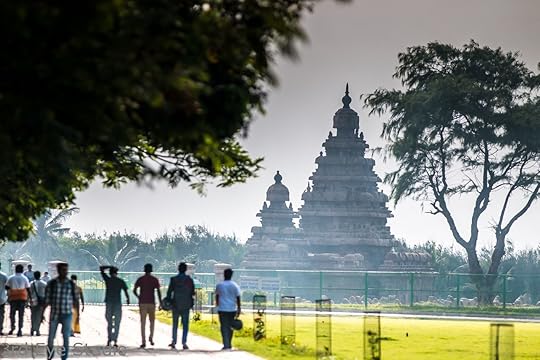
Mahabalipuram
Photo: Kirancrazy1
Kerala is a favorite in India among travelers, and is one of the best spots in the country for eco-tourism (which might be a worthwhile cleanse after your rickshaw run). Chennai, on the other side of the continent’s lower peninsula, is one of the biggest cities in the country, and the capital of Tamil Nadu. We recommend popping down to Mahabalipuram or, if you’re into Life of Pi, the old French town of Pondicherry.
Chennai to Yangon, Myanmar — Cruise

Photo: Mike Boswell
It’s time to take to the sea — most travelers are fairly cynical about luxury cruises, but they’re just going to beaches in the Caribbean. You, instead, will be taking the Silversea Discoverer from Chennai to the Sundarbans Reserve, one of the last remaining homes of the endangered Bengal Tiger, to Bangladesh, and across the Bay of Bengal to Myanmar.
Yangon to Bangkok, Thailand — Bus and Cab
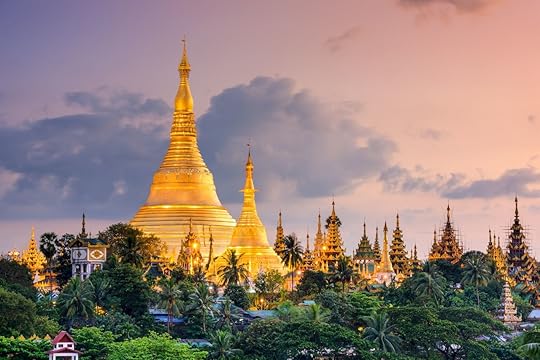
Photo: ESB Professional/Shutterstock
This is one of our more convoluted legs of the trip — check out the itinerary on the excellent trip-planning page, Rome2Rio. Myanmar is a tricky country to travel in — it’s (supposedly) coming out of decades of military dictatorship, and has recently been undergoing a horrific ethnic cleansing of the Rohingya Muslims. Some have called for a travel boycott to the country, while others have argued against a boycott. We’re taking you through Myanmar because a) travel boycotts need to be broadly organized to be effective, and this one is not yet, and b) because otherwise, we’d have to throw in a pretty huge detour through Nepal and China. Regardless, this route is a hectic cab and bus past the beaches and through the jungles of Southeast Asia.
Bangkok to Singapore — The Eastern & Oriental Express

Photo: Eastern & Oriental Express
If you wanted to skip the Orient Express in Europe, try the (slightly) cheaper Eastern & Oriental Express from Bangkok to Singapore. It is, again, very cool and very expensive, and again, there are much cheaper ways of getting from place to place. If you decided to go bus or train, take pit stops at Penang and Kuala Lumpur in Malaysia before crossing to Singapore.
Singapore to Sydney, Australia — Freighter

Photo: Amophoto_au/Shutterstock
If you don’t have time to island hop down to Australia, consider taking a luxury freighter. These are the freighters you’re thinking of — big box ships that deliver cargo to countries all over the world. But many of them offer spots to tourists, and they’re actually a pretty cool option — the ship from Singapore stops in Jakarta, and then loops around the western side of Australia to Fremantle, Adelaide, to Sydney.
It’s worth noting that if you don’t want to end the trip there, you could continue your journey by the same freighter line from Australia to Antarctica.
More like this: I traveled overland from Morocco to Senegal. Here’s what I saw.
The post You can travel from the United Kingdom to Australia without ever getting on a plane appeared first on Matador Network.

More flights to Cuba
Traveling to Cuba has been a challenge for American tourists for decades. Monumental steps were made to improve relations by President Obama in 2015, as he eased the embargo between the two countries, opened an embassy in the Cuban capital of Havana, and made travel between the two countries possible. American tourism to the island jumped following the relaxing of relations between the two countries, but numbers declined sharply last fall following the election of President Trump, and looked to continue downward following a March 2 travel advisory issued from Washington.
But in a fortunate turn of events for travelers, many US airlines are looking to add additional flights to Cuba in the coming months. Despite a September travel warning from Washington, the US Department of Transportation has greenlighted additional flights from US cities including Fort Lauderdale, Miami, Houston, and even Boston.
Both American Airlines and Delta plan to increase the number of flights departing from Miami, while United will switch from weekly to daily flights into Havana from Houston. JetBlue looks to increase flights from both Fort Lauderdale and Boston, and Southwest is adding flights from Fort Lauderdale.
Tour operators and prospective visitors are encouraged by the increase in flights, with hopes of a bolstering American tourism to the island following a downturn over the past six months. In addition to travel warnings and advisories, tourism to the Caribbean island slumped following the devastation of Hurricane Irma in September 2017.
The US Department of Transportation has released this prospectus of proposed additions, with a final decision on added flights being made following the close of an objection period on April 23:
From Miami:
American Airlines: once daily, Sunday-Saturday
Delta Air Lines: once daily, Sunday-Saturday
From Fort Lauderdale
JetBlue Airways: once daily Sunday-Friday
Southwest Airlines: once daily, Sunday-Saturday
From Houston:
United Airlines operated by Mesa Airlines: once daily Sunday-Friday
From Boston:
JetBlue Airways: once per week on Saturdays
More like this: 10 things I wish I’d known before traveling to Cuba
The post Travel to Cuba just got a lot easier thanks to these airlines appeared first on Matador Network.

Reasons to move to Pennsylvania
Pennsylvania is an underrated state. People don’t think of moving to Philly or Pittsburgh when famous (and completely hyped-up) NYC is next door, but they should because we have a lot to offers to out-of-towners who decide to pack up and come live in our great state. From amazing junk food to a great college education, here are 8 reasons why you should move to Pennsylvania.
1. We make the best junk food.
A post shared by Rebecca (@rebeccawalkerboo) on Mar 29, 2018 at 12:04pm PDT
PA favorites include cheesesteaks, scrapple, whoopie pies, shoofly pies, pierogies, Hershey’s everything, Tastykakes, Dutch-style funnel cakes, pot pies, dippy eggs, Primanti brothers, and Twizzlers.
2. Our nature is amazing.
A post shared by Rick Mueller (@rixpixels) on Mar 22, 2018 at 2:00pm PDT
We have a whopping 121 state parks full of waterfalls, fishing spots, wildlife-viewing areas, and great hiking trails. And, although we’re not by the ocean, we have Lake Erie and that’s good enough for us.
3. We’ve got Philly.
A post shared by Visit Philly (@visitphilly) on Mar 24, 2018 at 5:04pm PDT
Philly is a place of culture, fun, opportunity, and history that is just as good (if not better — we do have the Liberty Bell after all) and cheaper than NYC.
4. It’s a great place to get a college education.
A post shared by Penn State University (@pennstate) on Dec 15, 2017 at 11:23am PST
We have an Ivy league school in UPenn. The best party school in Penn State. And the cure for polio was found at the University of Pittsburgh. Need we say more?
5. We’re a lot friendlier than New Yorkers.
A post shared by Encounters Of The Human Kind (@encountersofthehumankind) on Aug 15, 2017 at 2:21pm PDT
People from Pennsylvania are warm-hearted and helpful. I remember getting a flat tire in the snow on the side of Interstate 81 a few years back. Within minutes, I had a stranger helping me change it and a state policeman put a flare out to signal to passing drivers. I was on my way in minutes.
6. Our sports teams are excellent and we are passionate fans.
A post shared by Visit Philly (@visitphilly) on Feb 4, 2018 at 2:24pm PST
Six major sports franchises are in Pennsylvania including the current Super Bowl champions, the Philadelphia Eagles, and the six-time champions Pittsburgh Steelers. That’s not even counting the NCAA basketball champion Villanova Wildcats or other collegiate powerhouses in the state. Living in PA will give you some instant street cred when it comes to sports.
7. We get four defined seasons.
A post shared by Visit Philly (@visitphilly) on Apr 23, 2017 at 6:59pm PDT
Summer is hot and you can go swimming and boating in all of the lakes. In the fall, all of the trees turn colors, the temperature is perfect and it’s the best time for campfires in our parks. In winter, we get enough snow to ski Montage Mountain and Big Boulder. And in spring, all of our flowers bloom and we can start hiking up the local mountain ranges.
8. The beach is a maximum of 6 hours away.
A post shared by Visit New Jersey (@visit_nj) on Aug 15, 2017 at 2:29pm PDT
For many of us, it’s a lot less than that. Although, nobody here calls it the beach — we go “down the shore” instead.
More like this: 9 signs you were born and raised in Pennsylvania
The post 8 reasons we should all move to Pennsylvania appeared first on Matador Network.

Cities that have gorgeous islands
Many gorgeous cities are complemented by adjacent bodies of water, the reflective sparkle of sunset highlighted in everything from tourist brochures to Instagram photos. Less common and equally beautiful are cities that actually rest on the water — cities that are or contain archipelagos (a chain of islands) that give the city a new dimension beyond what’s found in everyday photos and guide books.
1. Abu Dhabi, United Arab Emirates
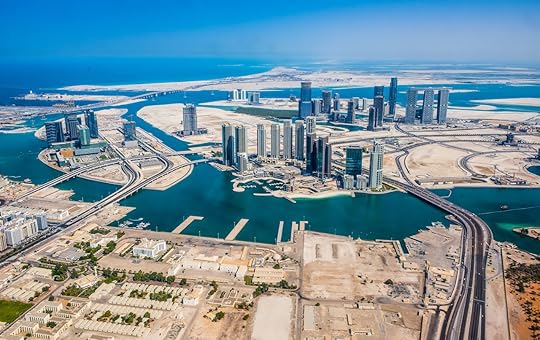
Photo: Ali Suliman/Shutterstock
Dubai takes most of the glory in international press coverage, but Abu Dhabi, its neighbor to the south and the capital city of the UAE, is strikingly beautiful. Central Abu Dhabi makes up an island sticking from mainland UAE out into the Persian Gulf.
The city consists of an archipelago of smaller islands connected to the mainland by a series of bridges. Coconut Island is known, appropriately, for the vast coconut palms that dot the landscape.
2. Singapore
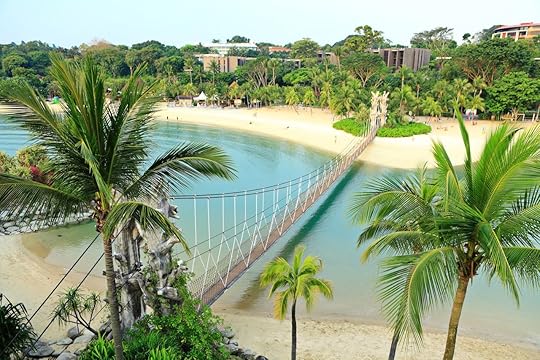
Photo: leungchopan/Shutterstock
Singapore is a city-state off the southern coast of Malaysia, separated by the Strait of Johor. The city itself, along with a collection of nature preserves, makes up most of the main island and is a global hub for international trade and tourism. Smaller islands including Bukong Island and Jurong Island are south of the city.
3. Stockholm, Sweden
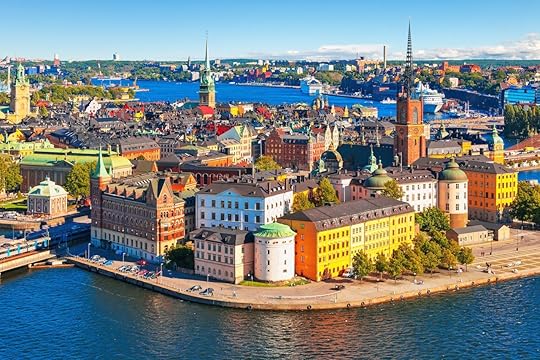
Photo: Scanrail1/Shutterstock
Scandinavia is marked by archipelagos, with the Stockholm islands being Sweden’s largest collection. Heading east from the center of the city is the best way to visit many of the islands, and transportation between them via vehicle and boat is well established. The islands make an easy getaway for Stockholm residents pursuing a break from the hustle and bustle, in addition to drawing international tourism, particularly in summer when the weather is enjoyable.
4. George Town and Penang, Malaysia
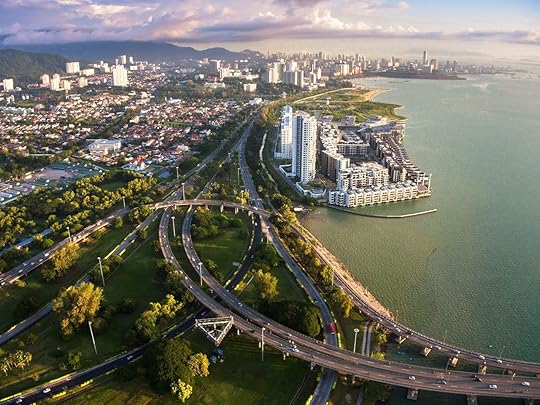
Photo: EZ Tokboi/Shutterstock
Food is a main draw to Penang, in northwest Malaysia. But the city offers easy access to a number of gorgeous beaches, many on Penang Island. The island is connected to the mainland by two highway bridges. There are numerous smaller islands in Penang, mostly uninhabited but frequented by fishermen.
5. St. Petersburg, Russia
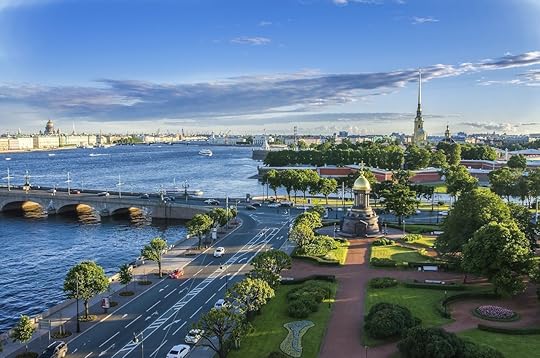
Photo: Marianna Ianovska/Shutterstock
St. Petersburg marks the eastern edge of the Gulf of Finland, and welcomes many visitors via cruise ship. The city is actually made of a number of islands separated from mainland Russia by water channels known as the Reka Malaya Neva and Reka Bol’shaya Neva along with a series of smaller water channels winding their way towards the Neva River.
6. Lagos, Nigeria
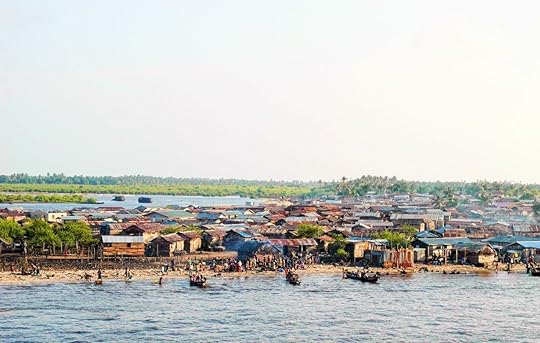
Photo: Leonardo Viti/Shutterstock
Surrounding Lagos Lagoon and the many fingers of Badagry Creek, the islands of Lagos craft some of the most stunning landscapes and beaches in West Africa. The aptly named Snake Island stretches through Badagry Creek just south of the mainland and north of the Gulf of Guinea.
7. Hong Kong
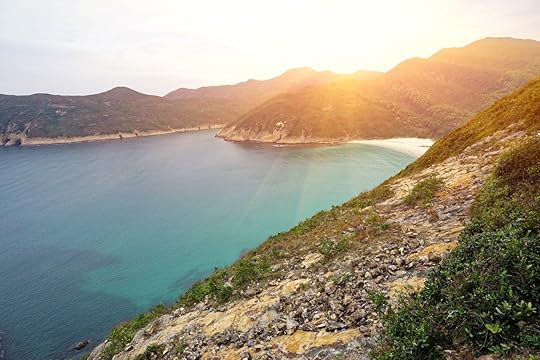
Photo: Rocket Photos/Shutterstock
Most think of the city when Hong Kong comes to mind, but the region is full of open parkland and Hong Kong’s outlying islands are more than worth a visit. The primary attraction is Hong Kong Island, anchored by Aberdeen Country Park and Pok Fu Lam Country Park on the western side and Shek O. Country Park to the east. Beyond, Beautiful Island, Lamma Island, and Po Toi are gorgeous and unpopulated. Hong Kong is also home to one of the world’s most challenging and rewarding hikes, The Maclehose, which rewards those willing to work for the journey with secluded beaches, coves, and forests.
More like this: 11 incredible world cities best explored by water
The post 7 major cities you never realized have gorgeous islands appeared first on Matador Network.

Silent retreats around the world
Maybe you’re the person who presses “door close” to avoid elevator small talk, or you’re just burned out by the constant cacophony of 21st-century society. Either way, a silent retreat could be just what you need.
1. Hridaya Yoga — Oaxaca, Mexico

Photo: Hridaya Yoga
If you’re looking for something hardcore, try Hridaya Yoga. It has locations worldwide, but its headquarters are located in Oaxaca, Mexico. Here you can take a yoga workshop, learn how to meditate, or even take class in Tantric lovemaking. If you really want to get serious about silence though, sign up for their 17-day silent retreat. But be warned, besides no talking, you must refrain from sex, reading books, or even making eye contact with other people. For those who have fantasized about being sent to a solitary island, this is for you. They also offer three-day silent retreats for those not ready to make such a huge commitment.
17-day retreat $395, plus $86 to $256 (entire stay) depending on accommodations. Three-day retreat $105, plus $25-$110 (entire stay) depending on accommodations.
2. Esalen Institute — Big Sur, CA

Photo: Esalen
If you’re going to try a silent retreat, you might as well try one at one of the oldest and most established retreat centers in the United States. Located on 27 acres overlooking the Pacific Ocean, Esalen Institute was founded in 1962 as a pioneer in the “human potential” movement that grew out of the ‘60s counterculture. It offers weekend workshops like Mindfulness in Deep Relationship: Savoring the Sources of Nourishment or the five-day Heart to Heart: 5Rhythms® Heartbeat and Buddhist Heart Practice, which both incorporate silence for extended periods. The center adds new workshops regularly, so check often if you want to get your STFU on with one of the OGs of the biz.
Prices for weekend workshops range from $450-$2890; prices for five-day workshops range from $675-$5605. Both price ranges depend on accommodations.
3. Sadhana Yoga Retreat — Pokhara, Nepal
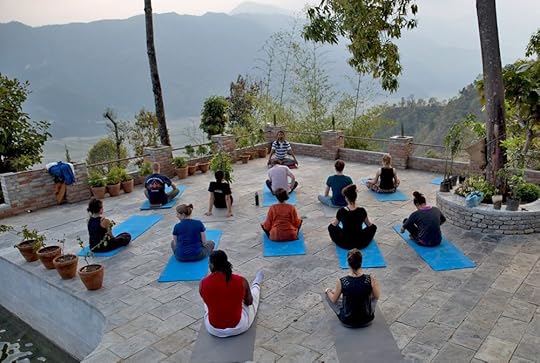
Photo: Sadhana Yoga Retreat – Pokhara, Nepal
Sadhana Yoga Retreat is located near a small village outside Nepal’s second-largest city of Pokhara. This lakeside sanctuary with views of the Himalayas offers a 5-day silent yoga retreat that includes extended meditation, breathwork, and yogic cleansing. The center also offers several other yoga-themed workshops, from yoga and cooking to several-day treks across the Nepali countryside. Perfect for relaxing after you’ve scaled Mount Everest.
Five-day silent yoga retreat $279-$399; two-day yoga cooking $77; yoga trek $550-$715.
4. Sugar Ridge Retreat Centre — Wyebridge, Ontario, Canada
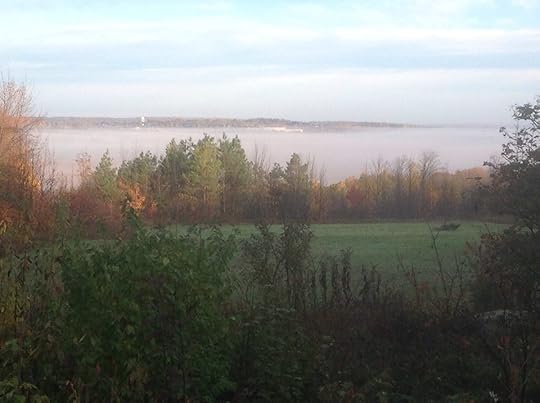
Photo: Sugar Ridge Retreat Center
About 95 miles north of Toronto, you’ll find Sugar Ridge Retreat Centre surrounded by 150 acres of forest, hills, and you know, nature. Popular with artists and writers who come to work without distractions, Sugar Ridge also offers 5- to 7-night Silent Yoga and Meditation Retreats. If you’re not feeling the group vibe, you can design an Individual Retreat and follow your own path, whether it’s solo meditation or just sleeping late and taking walks in the woods. Owner and chef Liz Frost can arrange your meal times to minimize interaction with other people. And if that weren’t incentive enough, at Sugar Ridge you can also buy maple syrup produced by the on-site maple trees. No interpersonal contact and fresh maple syrup? Win-win.
Five-night group retreat starts at $1,197; seven-night stay starts at $1,497; individual retreats start at $149 per night, depending on length of stay.
5. Zen House, Yoga & Meditation Garden — Hua Hin, Thailand
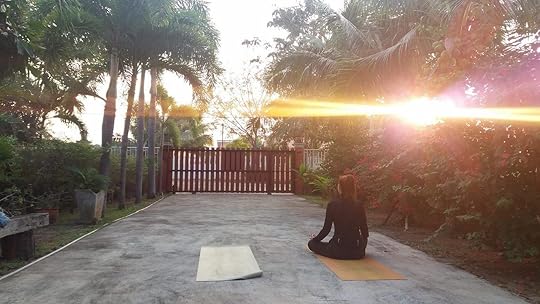
Photo: Zen House, Yoga&Meditation Garden
If you find yourself in Thailand with the backpackers’ blues, make your way to Zen House Yoga & Meditation Garden, near Hua Hin, about 150 miles southwest of Bangkok, where you can enjoy a restorative 2-day Silent Retreat. Zen House is surrounded by mango trees and pineapple fields and close to the beach. It opened in 2013 to provide “a safe environment for holistic practices and keeping a simplicity of life for bliss.” Meditate in the garden or under the Buddha statues. Space is limited to an intimate 12 people at any one time and accommodations range from a tent under the palms to an air-conditioned room with a king-sized bed.
$55-$189 depending on accommodations.
6. Insight Meditation Society — Barre, MA
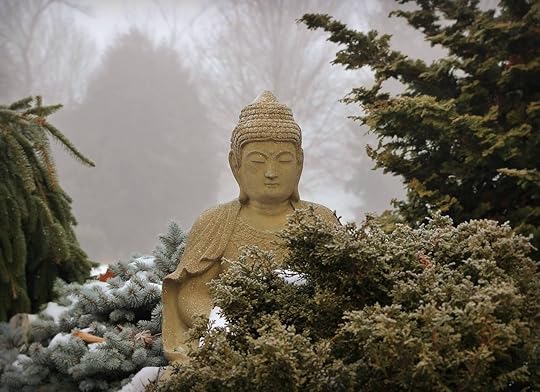
Photo: Insight Meditation Society
If Buddha is your boy, head to Barre, Massachusetts, about 25 miles northwest of Worcester, where you’ll find Insight Meditation Society. Insight’s programs incorporate the “Theravada Buddhist teachings of ethics, concentration and wisdom.” But don’t worry, everyone is welcome, so you can still partake if you’re not actually Buddhist. Insight offers multi-day retreats at its main center located within a former Catholic convent, or more intense, secluded experiences at its Forest Refuge in the surrounding woods. Participants can apply for retreats that last a minimum of seven nights or for some serious silence, up to a year or longer.
$280-$1980 depending on program. Insight also offers a sliding scale based on income and scholarships.
7. PachaMama – Guanacaste, Costa Rica

Photo: PachaMama
If you’d like to embrace your inner hippie in an “alternative off-grid village,” yet still be able to upload baby sloth photos to Instagram (they have wifi), check out PachaMama in Guanacaste, Costa Rica. Founded in 1999 as an ecological and spiritual community to foster “self-acceptance and expansion of consciousness,” PachaMama offers meditation, yoga, detox and healing workshops. Every evening, the entire community comes together for a 45-minute Silent Sitting to ‘detox the mind’. They also offer five-night Silent Retreats and four-night High Vibe Silent Retreats, which include yoga, movement meditations, and a special light vegetarian menu.
$20-$150 per night, depending on accommodations and season. Meals $8-$12. Special workshops and classes not included.
8. Awakening Spirit — Sedona, AZ
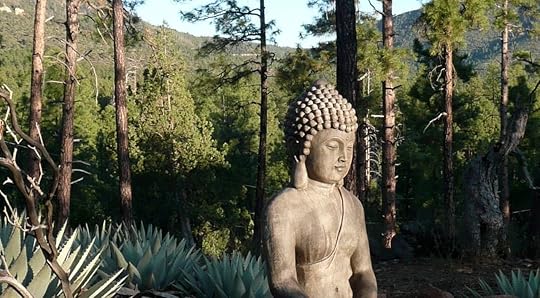
Photo: Awakening Spirit Retreat
Sedona, Arizona, bills itself as the New Age Capital of the World, so it stands to reason you might find a silent retreat or two there. Awakening Spirit, located in the forests between Sedona and Phoenix, offers affordable Silent Yoga Retreats for three, four, and seven nights. They specialize in Personal Retreats, where you can practice solo yoga, indulge in self-guided healing rituals, or go on a self-guided spiritual journey that can include hiking the surrounding red rocks or fasting in your cabin. Basically, you escape to a cabin in the woods by yourself. There’s no one to talk to even if you wanted to.
Personal Retreat: $100 per week booking fee, plus suggested cabin contribution of $200-$500 per week.
9. Gaia House — Devon, England

Photo: Gaia House
If you’d like to contemplate history while you’re silently retreating, try Gaia House in Devon, England. The original manor house was built in the 1500s and restored circa 1790 after falling into disrepair. It had been slated for use as a medical and rehab center during WWI (although it never was used as such) and became a Diocesan house after the war. During WWII, the building served as a safe haven for children evacuating London during the Blitz and then became a convent. It’s now used as a Vipassana retreat center where you can learn to meditate at their weekly classes, take part in a one-day silent retreat, or go all in with one of their two-, three-, five- or nine-night group retreats. Gaia House also offers the option of a personal retreat you can tailor to your needs, with lengths of two nights to three months or more.
Six-week meditation course: $21-42; Retreats start at $62 per night. $50 per night for stays longer than 30 days.
More like this: 9 incredible health and wellness retreats in Thailand
The post 9 silent retreats around the world to take if you hate talking to people appeared first on Matador Network.

Matador Network's Blog

- Matador Network's profile
- 6 followers


