
Matador Network's Blog, page 1367
April 9, 2018
Get to Antarctica if broke
Antarctica is the ultimate destination for many travelers. The end of the world is a mysterious frozen land with wonders that range from emperor penguins to the geographic South Pole. Unfortunately, the price of a typical tour can be prohibitive — costing a minimum of about $3,500 per person for a wildly discounted last minute deal on a cruise ship. The average tour booked well ahead of time will run you about $8,000-$12,000 per person, with alternative options running upwards of $85,000 per person. Of course, paying for a tour is but one method for arriving on the frozen continent. For budget adventurers undeterred by the challenge, here are some tips for getting south for less.
Work for a tour company
My personal journey to Antarctica began in Punta Arenas, Chile — a major Antarctic gateway port located a mere 1,400 km from the Antarctic Peninsula. I landed a job with Antarctic Logistics & Expeditions, a company that specializes in getting people to interior Antarctica, flying them from Punta Arenas, Chile to a remote camp on a glacier. Finding a job with a tour company that specializes in travel to the end of the world can be one of the most effective methods for finding your way to the White Continent.
Almost all Antarctic tourism is via cruise ship, with some companies (such as ALE) specializing in flight-based travel. In either case, it takes a village to make these logistically challenging trips a reality. If you can thrive in a remote, wild environment, there are jobs in everything, from guiding to engineering to meteorology to cleaning to cooking. Depending on the desired position, excellent customer service skills are definitely a plus, since you’ll likely be dealing with the high-end clientele these tour companies attract.
Knowing how to time your application is also critical. Antarctic tourism takes places exclusively in the austral summer — late October/early November through late March/early April. Hiring usually takes place during the rest of the year. Your application is likely to receive the most attention somewhere in the April-July range. Leaving things until the very last minute is not advisable for obvious reasons, but applying too early can mean having your application end up at the bottom of a pile to be looked at a later date when the incredibly hectic summer season has been wrapped up. Most companies have an employment section on their website but don’t be afraid to cold call or email if job postings are not overtly displayed.
Finally — network, network, network. Direct personal connections to companies can turn the tide in any job search, but this is especially true when it comes to Antarctica. Working in a remote location breeds a very special professional culture that can often feel more like family than work. Dangerous conditions mean that your very life can often depend on the capabilities of those around you. Companies are very careful about letting in dependable people who will fit in with their company culture, and who will be able to hold their own down on the ice, which is where having someone vouch for you can make all the difference. I had emailed ALE several months before I landed a job, but it took a chance encounter with one of their staff in New York City to land an interview.
Work for a government base
If tourism isn’t your thing, you can also look for a job in one of the many government research bases on Antarctica. Positions generally fall under “science” or “support” categories. Science is the main objective of most of these research stations, so if you are a glaciologist studying sub-glacial lakes, or a geologist studying polar volcanoes, and can pass various psychological and physical screenings, perhaps a research project will bring you south. For everyone else, there are the support or trade positions that keep these bases running and enable the scientists to do their work. These involve everything from housekeeping to shuttle driving to carpentry to firefighting. Unlike tourism positions, these postings are not exclusively summer-based, and their main application season is December to April.
Hiring practices differ from country to country, and it is important to be clear on your country’s system for any hope of navigating the process. For the United States Antarctic Program, all support personnel are hired through support contractors to which you must apply directly (links to job openings at these agencies can be found here). For example, the Gana-A’Yoo Service Corporation hires the dining attendants, while the GHG Corporation deals with finding the computer technicians.
Other countries’ bases are run by the military, and a military background may drastically increase your chances of being selected. Some national Antarctic programs even have initiatives with opportunities for artists, writers, and other humanities scholars to come down and work in their fields, such as the United States’ National Science Foundation’s Artists & Writers Program. Scoring a job on a research base is incredibly competitive, and often requires repeat attempts. Cool Antarctica offers helpful tips and information, and there are numerous blogs that chronicle peoples’ journeys to securing a coveted Antarctic assignment.
Ride on a cargo ship
Cargo ships regularly make the journey to the end of the world. While many bases do employ air transport for staff and cargo, ocean vessels remain an integral part of polar operations. “Freighter Cruises” have become popular for tourists looking for a more off-the-beaten path travel experience with less of the gaudiness associated with typical cruises. So popular, in fact, that there are agencies that specialize in freighter tourism, acting as a travel agent and securing you a spot on a ship with passenger rooms (very few vessels carry both passengers and cargo).
Going through such established avenues is, not surprisingly, still rather expensive — about $150/day. For those willing to put in the extra legwork, arrangements can also be made directly through a ship’s agent/manager, which may leave some additional room for negotiation. This is especially true if you are willing to look beyond the small percentage of ships that offer explicit passenger options. Not for the easily deterred, this involves heavily researching ships and ports, figuring out how to contact owners or operators of ships, and persistently and convincingly showing these people why they should allow you on board.
Proving your ability to be independent and stay well out of the way of normal operations is crucial, and a willingness to do whatever necessary to secure a spot, whether it’s sleeping on a dirty floor or offering to promote the shipping company.
Hitchhike
In the same vein as cargo ship travel, it may be possible to hitch a ride on private vessels owned by intrepid individuals hoping to sail to the end of the world. However, hitchhiking on boats is not a novel idea, and it is much harder to accomplish than one might think. Don’t expect to show up at a port, ask for a free ride, and get it. First of all, you are one of many hopefuls, asking to share a very limited space for an extended period of time. If you don’t have any experience on boats, you’re also asking for free sailing lessons. You’ll be expected to pitch in as any other crewmember.
You have to ask yourself — “Why should a captain take a chance on me?” The best way to go about it, as per the advice of real yacht workers, is to make friends. Become a part of the family; prove your worth as an asset and not a liability. Stand out from the dozens of other travel bums that are loitering around and pestering crews at port, coming off as entitled freeloaders, and instead aim for a personal connection. The goal is to receive an invitation, instead of demanding things from someone with no real incentive to give them to you — don’t expect to get something for nothing.
It’s even possible to employ this barter-like method in other Antarctic settings. If you have a successful travel blog or are an influencer of some sort, see if a tour company will give you a complimentary or majorly discounted trip in exchange for a write-up and other good PR, like this couple managed to do. Of course, with any “hitchhiking” method, flexibility and charm are key. 

More like this: The ultimate guide for planning an epic trip to Antarctica
The post How to get to Antarctica even if you’re completely broke appeared first on Matador Network.


Jiuzhaigou National Park in China
When you think of visiting China, most people conjure pictures of The Great Wall or The Terracotta Army. And while those tourist hot spots are certainly worth seeking out, there are plenty of underrated places in China that also deserve a spot on your bucket list. One such place is Jiuzhaigou National Park, an unspoiled land with waterfalls, lakes, towering mountain views, grasslands and villages with immense natural beauty.
This national park and nature preserve lies at the southern end of the Min Shan Mountains on the edge of the Tibetan Plateau. It has been a UNESCO World Heritage site since 1992 and a national park since the early 1980s. Jiuzhaigou spans 72,000 hectares (over 180,000 acres) of pristine and varied land with elevations ranging from 6,500 feet to 15,630 feet. This pristine nature preserve is home to 220 bird species and a vast number of endangered plant and animal species.
Jiuzhaigou, which translates to “Nine Village Valley” from the nine Tibetan villages found along the way, remained largely undiscovered until 1975, and was heavily logged until 1979 when the Chinese government outlawed the activity. Today, seven of the villages remain inhabited, and the mountains, waterways, and 108 lakes are considered holy by the Tibetan people.
The colors of the landscape are what you’d imagine a painter who’s taken artistic license would use — vibrant, rich and starkly contrasting. From turquoise lakes, to rushing waterfalls, snow capped mountains and deciduous forest backdrops, this landscape demands to be witnessed in person.
In 2017 a 6.9 magnitude earthquake hit the area and caused extensive damage to the park. It’s only just reopened on March 8, 2018, and only to tour groups, not individuals. The park isn’t fully open, but the most popular and idyllic sites are available to view. Only 2000 tickets are on sale per day (before the quake 20,000 were allowed in each day).
How to get there
Jiuzhaigou National Park is 280 miles north of Chengdu, the capital of the Sichuan province in southwest China, and takes about 10 hours by bus. You can also fly to Jiuhuang Airport, and drive the 55 miles to the mouth of the valley. More detailed instructions can be found here.
What to consider
Only 2,000 tickets are sold each day, and only to tour groups, not individuals.
Sightseeing busses transport visitors from spot to spot within the park scenic area.
Entry tickets cost 110 yuan (US$17) from April to November, and 40 yuan (US$6) in March, November, and December, and sightseeing bus tickets cost 90 yuan (US$14)
Children and the elderly get discounted tickets.
It’s suggested to take two days to see the park so you can peruse at leisure.
You could take the bus the entire time, but it’s not recommended. It’s possible to walk between several of the locations.
The park is open daily from 8 AM – 5 PM.
More like this: Hiking China’s Mount Huashan: How to have one of the most exciting treks in the world
The post How to visit Jiuzhaigou National Park in China appeared first on Matador Network.

Life hacks for travel with anxiety
Anxiety sucks. Let’s be real, the feeling of panic, fear, and heightened nerves can hugely affect your travels. Personally, it took a toll on my social life, job, physical health and general wellbeing. I can vividly remember times in my life where I was completely debilitated as a result of severe anxiety. I quit my dream job in Japan, moved across the world, and avoided traveling for a year because of my symptoms.
My recovery was anything but short and my anxiety will never be “cured”, but there are a handful of coping mechanisms (outside of medication) I have adopted into my life especially when I am on the road that has helped to alleviate my symptoms. I’m no mental health expert, and recovery will look different for everyone, but I hope that these tips will provide you with some relief from your symptoms and restore your wanderlust.
Here are 7 useful life hacks I learned from traveling with anxiety.
1. Breathe from your stomach.
Put one hand on your chest and one on your stomach. Inhale deeply and slowly through your nose, instead of expanding your chest, feel your stomach rise as you breathe in as much air as possible. Hold for a few seconds if you are able to do so. Finally, exhale through pursed lips while relaxing your muscles. Repeat this process until you feel at ease.
There is evidence that suggests 4-7-8 breathing will have a therapeutic effect in managing anxiety. A 4-7-8 breath utilizes the same principles as described above, but you inhale to a silent count of 4, hold for 7, and exhale for 8. Using this method theoretically decreases the body’s stress response, lowers blood pressure, and reduces pain. This biohack has calmed me down from countless panic attacks. You can do this on a plane, a boat, train, wherever you start to feel uncomfortable
2. Be mindful.
Breathing is a major part of this, but you can do just about anything mindfully. Mindfulness is simply being present and aware of your senses without judgment. Whether or not you spend a few minutes enjoying a single bite of fruit or take time to practice yoga, try to inject mindfulness strategies into each day. During my travels, I try to tune in to my environment and embrace sounds, smells, tastes, and sights.
I’m particularly fond of body scans. I lay down to enter full relaxation, but you can do them while sitting or standing. I start with diaphragmatic breathing (breathing through the stomach) to prep my body for meditation. Next, focus on your toes, how they feel, and see if you can relax them. Continue this process upwards until you’ve reached your face or scalp, releasing each muscle one by one until your entire body is relaxed. I’ll spend anywhere from 5 to 20 minutes going through these motions before bed or on a break at work. After completing this meditation, I feel calmer and in control of my anxiety. I’ll even do this in a hostel if I have to. Tune out the noise and just examine how your body feels.
3. Engage in self-care activities.
Take a steamy bubble bath, throw a fancy bath bomb in, light some candles, read a book you’ve been putting off. Sounds nice, doesn’t it? Well that’s not always available to you on the road, especially if you’re staying in a hostel. Thankfully, that’s only one sort of “self care.” Others include exercising, stretching, treating yourself and getting enough sleep — try combining all of the above by treating yourself to one night at a nice hotel, where you can get some real shuteye and a nice bubble bath.
Personally, drawing is my preferred self-care ritual. Putting a pen to paper allows me to visualize my thoughts and take time to do something for myself. I find this action meditative. Drawing helps to me to disconnect from my phone, my stresses at work, and everything else that creeps into my daily life and concentrate on what’s in front of me. When I travel, I bring a pocket-sized sketchbook and a pen so that I am able to draw my surroundings at any moment.
4. Eat nutritious, healthy foods.
Cooking for yourself also ties into self-care. You don’t always have to eat regimented, perfectly portioned meals, but you should nourish your body and indulge when you can.
When I’m going through a tough bout of anxiety on the road, I usually try to find accommodation with a kitchen. I stick to easy meals such as soups, smoothies, and grains. You can get all of the vitamins, protein, and whole grains you need without dirtying tons of dishes or putting in too much effort. While abroad, find food options that suit your dietary needs and make you feel healthy. Don’t just stuff yourself with eclairs in France; eat fresh, hearty meals that are still representative of the country you’re in.
5. Find your purpose.
This one sounds so cheesy. Finding my “purpose” was a recent development. After rescuing my dog, I caught the service bug. Doing good made me feel better. I came to the conclusion that I never want to work another job that didn’t have a positive contribution to society. I applied to work in refugee resettlement programming and started my new position just over a month ago.
This type of work gives me a sense of fulfillment. I no longer feel like I’m slaving away so someone else can make more money. Although my job can take an emotional toll, I am proud of where I work and constantly inspired by the refugee communities. You may have interests that don’t involve working with others, but there are plenty of compassionate ways to use your time and skills, even when you’re traveling. A day spent giving back to the local community can be a restorative experience, and there are endless options for service projects. Meaningful work should reduce your anxious thoughts or at least make you happy to go to get out of bed in the morning.
6. Embrace the outdoors.
Rock climbing is my primary vice. Without this passion, I would be an anxious mess. This pastime gets me moving out in nature. Being surrounded by mountains guides me into a contented mindset that I can’t achieve otherwise. Nature can’t replace doctors and medication, but it can lead to a healthier lifestyle.
Pick an outdoor activity: kayaking, trail running, mountain biking, swimming, climbing, hiking, backpacking, skiing, whatever suits your fancy and is cost accessible. Going to an area without phone service can also be a big plus for de-stressing. I use climbing as a reason to go abroad. There are loads of world-class international climbing areas such as Magic Wood in Switzerland or the Rocklands in South Africa. Having a hobby that takes you to these small towns and scenic places will change the way you travel, and keep you from stressing about ticking things off a to-do list.
7. Travel even if it’s difficult.
Don’t let anxiety prevent you from traveling. Going abroad can desensitize you to your anxiety and enrich your life through confronting fears and coping with them. Even just taking a solo weekend trip to a neighboring state or national park helps me center myself when I’m overwhelmed with other aspects of life. Having something to look forward to motivates me to be more productive in my daily life. Even if you’re confronted with anxiety attacks abroad, you can use the tools above to help manage it, and feel empowered for traveling in spite of these difficulties.
More like this: I don’t let anxiety stop me from traveling alone. Here’s how I cope.
The post The 7 most useful life hacks I learned from traveling with anxiety appeared first on Matador Network.

New Mexican food spots
To be New Mexican is to love food. We worship at the altar of green chile, beans, tortillas, beef, chicken, and cheese. We know that a meal won’t be good without sides of shredded iceberg lettuce, tomatoes, and Spanish rice. We’ll wait in line for hours for a table at our favorite restaurant. We love our food and culinary heritage, and we are very opinionated about it as well.
Every town is fiercely proud of its homegrown restaurants, and they have a right to be. Each place has its local hangouts, and it would take a lifetime to try them all. But there are still some that stand out above the others. Here are 14 food spots that every true New Mexican knows and loves.
1. The Range Cafe, Albuquerque
For breakfast, get the huevos rancheros, hands down, and for lunch and dinner, pretty much anything. You literally can’t go wrong here, everything is good. Obama ate here and loved it, so I think that tells you everything you need to know. Also, the green chile mac and cheese is the ultimate comfort food; I would want it for my last meal.
2. The Owl Bar and Cafe, San Antonio
You can get into knockout brawls with people over where has the best green chile cheeseburger, but this place invented it back in the 1940s when it was frequented by scientists working on the Manhattan project, so this is THE place. A perfectly cooked burger, gooey cheese, and a heap of roasted, spicy green chile: heaven. Their sister restaurant in Albuquerque is a worthy second, and is especially fun with all the ’50s decor.
3. The Frontier, Albuquerque
The best place to nurse that hangover after a long night hitting the bars on Nob Hill. Also, those cinnamon rolls… legendary.
4. Blake’s
A true New Mexican institution. A person who doesn’t like Blake’s breakfast burritos is not a person I want to associate with.
5 and 6. The Shed and La Choza, Santa Fe
If these restaurants were ever to close, Santa Fe would go into mourning for a year. Everything is delicious, but the enchiladas are to die for.
7. Maria’s New Mexican Kitchen, Santa Fe
An icon of the Santa Fe culinary scene. Yeah, it’s usually packed with tourists these days, but the wait is so worth it for those blue corn enchiladas or their fajitas. Also, the margarita list!
8. El Parasol, Santa Fe
If you need that green chile fix but are in a hurry, get thee to the nearest El Parasol! Been keeping us Santa Feans happy since the ‘50s, and their breakfast burritos and tacos are things of beauty.
9. Allsups
Nothing like pulling into an Allsups at the end of a night out and going to town on a chimichanga or beef and bean burrito. Pure bliss.
10. Bobcat Bite (now Santa Fe Bite), Santa Fe
Rest in peace, Bobcat Bite, with your ah-mazing green chile burgers. Your replacement is still good, but not quite as good. But we’ll take what we can get.
11. Any roadside food vendor
If you see a guy selling tamales or burritos or roasted pinon nuts on the side of the road, you pull over.
12. The local cafe or breakfast spot
There is nothing better than the smell of green chile and fresh coffee in the morning. We all know it so well: it’s midmorning on Saturday, the line is out the door, you’re hanging with your friends or family waiting for a table, and every now and then, when the door opens, you catch that whiff. Every NM town has their classic go-to breakfast spot, so wherever you are, just ask the locals where’s the best place for breakfast and they’ll point you in the right direction for a lovely morning of huevos rancheros, breakfast burritos, and more.
13. The Five and Dime, Santa Fe
The birthplace of the Frito Pie (fight us, Texas). Granted, any Frito Pie served in its crinkly little Frito bag at a fair or fundraiser for your local sports team is good, but there’s just something about the chili at this place, plus getting to mess around with all the wacky souvenirs after you’re done eating.
14. Santa Fe Brewing Company, Santa Fe
New Mexican has amazing craft brewing going on right now, but the Santa Fe Pale Ale started it all. You can’t go camping in NM or be chilling at home with some friends without a can of the pale ale or an IPA in hand.
15. Your home kitchen
Most often, the best New Mexican food you’ll find isn’t even at your favorite local diner or drive-up taqueria, but right at home. Nothing beats those family recipes for posole, tamales, and green chile stew, all made with love and just the right amount of chile heat. This is the heart of New Mexican cuisine.
More like this: What and where to eat in New Mexico
The post You’re not a real New Mexican until you’ve eaten at these 15 food spots appeared first on Matador Network.

9 white-hot restaurants in Ireland
The food scene in Ireland is full of excitement these days, with new restaurants seemingly opening in the big cities every other week, and pockets of dynamism popping up all across the island. Prepare to leave your preconceptions about Irish food behind.
Nope, it’s not all bacon and cabbage anymore. Come, and you’ll be immersing yourself in a food culture that’s found its feet and is celebrating the magnificence of ingredients from the Irish land and sea with a newfound confidence.
1. Miyazaki, Cork
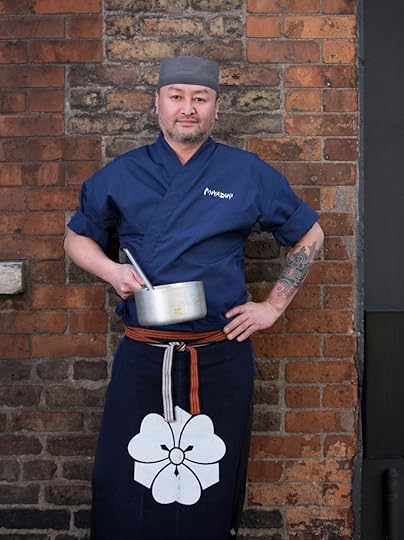
Photo: Miyazaki
Takashi Miyazaki is a Japanese chef based in Cork. For the past few years, he’s been serving his impeccable food in a tiny takeaway with a few stools, with a more elaborate offering at a few carefully chosen pop-ups. This spring, he opens his fine dining kappou and kaiseki restaurant, Ichigo Ichie, on Fenn’s Quay in the city. It’s probably the most eagerly awaited opening on the island.
The dishes
The menu changes daily, but could include anything from salmon zuke don (raw, organic marinated salmon with nori, leek, and salmon roe on steamed rice) to shimeji soba or udon (shimeji mushroom tempura on top of hot soup noodles in homemade dashi broth).
The drinks
No alcohol is served currently, though that is subject to change.
The space
A takeaway with three or four stools.
Reservations: Not yet, but the new restaurant will take them.
Location: For now, 1A Evergreen St., Cork City
Hours: Tues – Sun, 1 – 3:30pm and 5 – 9pm
2. Heron & Grey, Blackrock, County Dublin
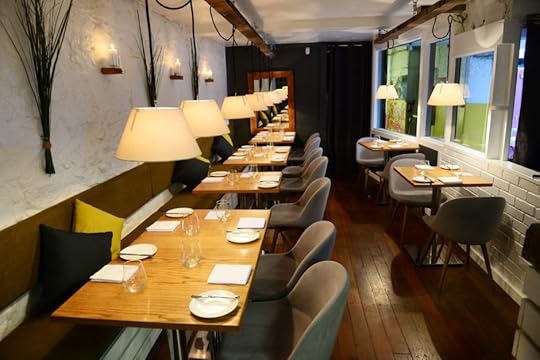
Photo: Heron & Grey
When Andrew Heron and Damien Grey won a Michelin star before they’d been open even a year, in a tiny location that was distinctly no frills (famously, the restaurant didn’t even have its own restroom), it caused no small stir. The décor has since seen a modest upgrade, but the food is what astounds here — innovative, creative, and surprising, you won’t find anything else like it in Ireland. Heron is Irish, Grey is Australian; the former is in charge of the wine, the latter the cooking. Both serve the food and engage with guests in what is one of the most intimate services you’re likely to encounter anywhere.
The dishes
The menu at Heron & Grey is seasonal and changes monthly, with the website listing the ingredients that will be used during each month’s no-choice, 12-course tasting menu. Dishes are described tersely and in the modern way — e.g., “halibut, gorse, garden greens” — and Grey prides himself on never repeating a dish. The only thing you can count on is that something will probably feature chocolate.
The drinks
Andrew Heron will suggest pairings to match Damien Grey’s food, or you can decide to order by the bottle. White wines lead towards the classic expressions where texture, depth, and richness are key, whereas reds tend to feature a biodynamic approach with the focus on acidity, spice, and bitterness. Expect some left-field choices, and to be impressed. Non-alcoholic pairing is also available.
The space
Tiny but stylish 22-seater at the back of an unprepossessing market building.
Reservations: Yes, definitely. Bookings are released on a monthly basis (see website for details) a couple of months ahead, but there’s a cancellation list and it’s worth putting your name down, as spaces do pop up from time to time.
Location: Blackrock Market, Blackrock, County Dublin
Hours: Dinner served Thursday to Saturday, with half the guests seated at 7:30pm and the rest at 8:30pm. Be on time!
3. Ox, Belfast

Photo: Elaine Hill Photography for OX
I know a guy that has lunch at the Michelin-star Ox every Friday, taking the afternoon off from his legal practice so he doesn’t have to fret about work that might interfere with his enjoyment of Stephen Toman’s beautiful, sophisticated, and thoughtful food. He’s not the only one. Everything at Ox is made with the very best of ingredients, sourced from the farmers and producers of Northern Ireland…it definitely attracts regulars.
Toman’s partner in crime is Frenchman Alain Kerloc’h, who looks after front of house and whom many consider the best sommelier in Ireland. Kerloc’h has a light touch and is a democrat when it comes to wine, wanting his customers to enjoy his discoveries as much as he does.
The dishes
It would be a shame not to go for the tasting menu at dinner, but lunch is excellent value and might include Jerusalem artichoke, chicken skin, red cabbage, and pickled celery leaf, followed by halibut with squid ink, salsify, and lardo, and pot au chocolat with rum, caramel, and banana to finish — all for £28 (about $40). The wine bar next door, Ox Cave, is also great.
The drinks
An excellent wine list — entrust yourself to M. Kerloc’h, and you’ll be in good hands.
The space
An old tile showroom by the River Lagan. It’s repurposed, restrained, and quite cool.
Reservations: Yes
Location: 1 Oxford Street, Belfast
Hours: Tues – Fri, 12 – 2:30pm and 6 – 9:30pm; Sat, 1 – 2:30pm and 6 – 9:30pm
4. ETTO, Dublin
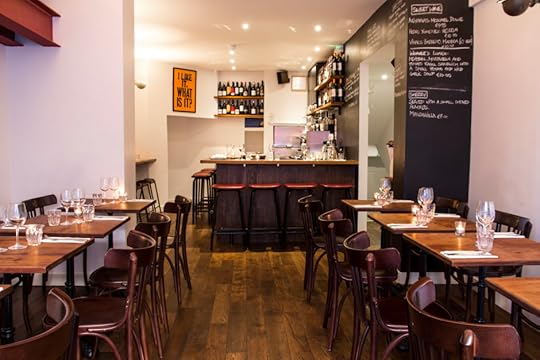
Photo: ETTO
Located right beside St. Stephen’s Green in Dublin city center, and within a five-minute walk of Grafton Street, this unassuming little restaurant is a favorite with critics and punters alike. In the five years since it opened, Etto has won pretty much every casual dining award there is, and it’s held a Michelin Guide Bib Gourmand since 2014. The menu is seasonal and changes daily, and Paul McNamara’s food puts flavor to the fore. Lunch and pre-theater menus are a bargain, service is friendly, and you could happily while away a few hours here (as fans including Nigella Lawson, Yotam Ottolenghi, and Ireland’s 30-something prime minister, Leo Varadkar, will attest).
The dishes
Co-owner Liz Matthews describes Etto as “vaguely Italian,” so don’t go expecting traditional food like mama used to make. There’s usually one pasta dish as the “worker’s lunch” of the day — orecchiette, nduja, cherry tomatoes, rocket, and Parmesan, perhaps (lucky workers) — but that’s usually it.
Try stracciatella with celeriac, truffle honey, hazelnut, and lovage, and the signature côte de boeuf with bordelaise and crispy garlic potatoes followed by red wine prunes with mascarpone. It’s food that looks simple, but is carefully composed and executed impeccably.
The drinks
The wine list favors Italian and Spanish wines, with half a dozen available by the glass or carafe. Liz and her partner and co-owner, Simon Barrett, are knowledgeable and enthusiastic, and if they suggest a glass of manzanilla to accompany your nocellara olives and smoked almonds to start, just say yes.
The space
Modest and cozy, with room for about two dozen at tables and another few at the bar.
Reservations: Yes. Expect to book a couple of weeks ahead for peak times, but Etto sometimes has room for walk-ins, too. Also, don’t discount sitting at the bar — some regulars prefer it.
Location: 18 Merrion Row, Dublin 2
Hours: Mon – Wed, 12 – 9:30pm; Thurs – Fri, 12 – 10pm; Sat, 12:30 – 10pm
5. Clenaghans, Aghalee, County Antrim
Danni Barry won a Michelin star for her cooking at the glamorous Eipic in Belfast, but at Clenaghans in Aghalee, located in a former petrol station (made of stone), she’s gone back to her roots. The food offering will remind you of hearty country pub fare, albeit delivered with the finesse you’d expect from a chef of Barry’s caliber. Sunday lunch is hugely popular.
The dishes
Country-style pork terrine with pickles, short-rib of beef with roasted onions and lovage, with a side of mashed potato. “Sweets” — the Northern Irish way of saying “dessert” — might include frozen rhubarb, gingerbread parfait, or a brown butter biscuit, with a glass of Quady Winery Elysium Black Muscat from California alongside.
The drinks
Shortcross (local) gin with beetroot, raspberry, and lemon gets things off to a good start, while the wine list is concise and appealing.
The space
Olde worlde, with roaring fires and candlelight.
Reservations: Yes, but Clenaghan’s takes walk-ins if they have room.
Location: 48 Soldierstown Road, Aghalee, Craigavon, County Antrim
Hours: Tues – Sat, lunch 12 – 3pm, dinner from 5pm; Sun, 12 – 5pm
6. Aniar, Galway
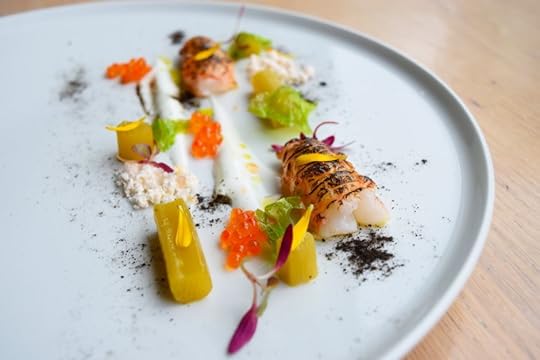
Photo: Aniar Restaurant
The Michelin-starred Aniar describes itself as a “terroir-based” restaurant in the West End of Galway, on the Wild Atlantic Way. JP McMahon runs the ground-breaking Food on the Edge chef symposium in Galway each autumn, and he and his team use only ingredients that have come from the surrounding area — which means everything gets sourced from the farms, wildlands, seas, and shores of the west of Ireland.
The dishes
The natural course of the seasons dictates the ever-changing and evolving menu. Six-, eight-, and 10-course tasting menus are available. They change daily, weekly, and seasonally, and expect to find plates described as smoked cheese, kelp; beetroot, elderberry; potato, roe; dillisk, sea radish; oyster, arrow grass; carrot, elderflower; potato, hock — you get the idea.
The drinks
An impressive modern wine list with 80+ bottles from small and artisan producers.
The space
Small, stylish, comfortable, unstuffy.
Reservations: Yes, but worth trying for walk-in space, too. If you’re unsuccessful, you can go to the co-owned Tartare wine bar directly across the road.
Location: 53 Lower Dominick Street, Galway City
Hours: Tues – Thurs, 6 – 9:30pm; Fri – Sat, 5:30 – 9:30pm
7. Clanbrassil House, Dublin
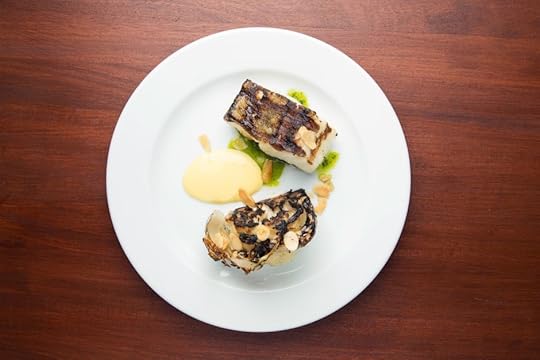
Photo: Clanbrassil House
The sister restaurant to the excellent Bastible, and located just around the corner, Clanbrassil House is the new kid on the block and Grainne O’Keeffe’s first outing as head chef. This young woman has a fine résumé that includes stints at Dublin favorite Pichet, as well as at Bastible. (She’s also the culinary director of BuJo, a new burger restaurant — the first branch of which is now open on Sandymount Green, a couple of miles outside the city.)
The area around Leonard’s Corner, where you’ll find Clanbrassil House, is one of the hottest foodie destinations in Dublin. O’Keeffe’s cooking over charcoal has garnered plenty of attention since she opened in late 2017, and is only going from strength to strength.
The dishes
Try the grilled sourdough with hot smoked trout, the onglet steak with bone marrow and chimichurri, followed by chocolate mousse and honeycomb & marmalade ice cream.
The drinks
A concise and modern wine list.
The space
There’s room for 25 diners, either at standard tables in the back with a view of the open kitchen, or on tall stools in the front, facing a window out onto the street.
Reservations: Yes, but room for walk-ins, too.
Location: 6 Clanbrassil Street Upper, Dublin 8
Hours: Tues – Sat, dinner only, from 5pm
8. 28 Darling Street, Enniskillen, County Fermanagh
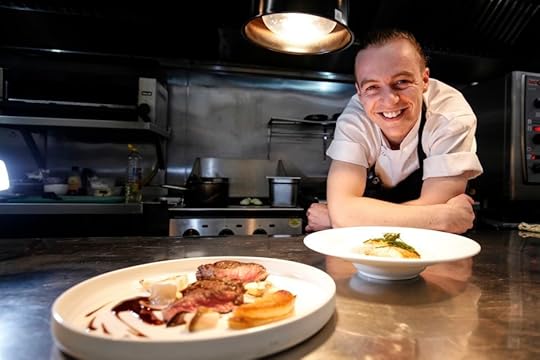
Photo: 28 Darling St
Until recently, Glen Wheeler was Neven Maguire’s head chef at the hugely popular MacNean House in Blacklion, County Cavan — a hotspot where you need to book months in advance to get a weekend-night table, especially if you want to stay over in one of the rooms.
Now, with his wife Zara McHugh (also ex-MacNean) looking after front of house, Wheeler has opened 28 Darling St. in Enniskillen, Northern Ireland, and the word is that the young chef — who has stints at Gordon Ramsay’s three-Michelin-star Royal Hospital Road, Alinea, and Noma on his resume — has hit the ground running.
The dishes:
The £55 tasting menu might feature confit salmon with potato and watercress (which is already becoming known as a signature dish) and scallop with baked apple and black pudding — using Pat Doherty’s black pudding. Local sourcing underpins the menu, and local diners are delighted.
The drinks:
It’s early days, so the wine list is still evolving.
The space
Comfortable, with a casual fine-dining ambiance. McHugh creates a warm and friendly atmosphere.
Reservations: Yes
Location: 28 Darling Street, Enniskillen, County Fermanagh
Hours: Thurs – Sun, 6:30 – 9pm; Sat, 12 – 4pm; Sun, 12 – 5pm
9. Fish shop, Dublin

Photo: Fish Shop
Self-taught chef Akintola Jumoke and her husband, Peter Hogan, who looks after front of house, are former school teachers. They left the profession during the recession and opened a fish-and-chip stall in a market in Blackrock, South County Dublin. Now in their tiny restaurant on Queen Street, Akintola cooks exemplary fish in a wood-fired oven in the garden to the rear, and Peter recommends mainly natural and biodynamic wines to accompany his wife’s four-course set menu. Around the corner, on Benburb St., is the couple’s casual fish-and-chip shop, where you sit on a stool at the counter.
The dishes
You might start with fish soup, move on to Connemara shellfish en papillote, proceed to wood-oven roasted halibut with razor clams and black kale, and finish with cream tart with honey ice cream and honeycomb.
The drinks
The wine list is short and interesting and changes almost as often as the food menu.
The space
Simple and minimal; there’s a garden outside where you can eat in summer.
Reservations: Yes, but worth trying for walk-in availability.
Location: 6 Queen Street, Dublin 7
Hours: Lunch Fri – Sat, 12 – 2pm; dinner Wed – Sat from 5pm

The post 9 white-hot chefs and restaurants to check out in Ireland NOW appeared first on Matador Network.

April 6, 2018
Wine and cheese, with a llama
A glass of wine makes the already gorgeous Rocky Mountains appear even more striking. Add a plate of fine cheese? Well, you’ve got yourself a fine set up for an afternoon of high-altitude style. Paragon Guides, located in Eagle County, Colorado, about fifteen minutes west of Vail, offers guests the opportunity to have this experience, with a bit of hind-kick. Guests of the outdoor adventure guide service enjoy an intimate wine and cheese pairing, mountain vistas, and even a hike — with llamas.
You read that correctly. Cheese, wine, mountains, and… llamas. If you’ve ever wanted to pursue a close relationship with one of Mother Nature’s more rapacious creatures, it may be time to book a trip to the high country of Colorado. The llama-based outings are tailored specifically to the physical ability level and interests of each guest group and start at $545. This includes the food and guide-led adventure.
The Wine and Cheese with Llamas adventure is one of three llama-paired activities available at the base of the Arrowhead Ski Area, located just west of the larger and more well-known Beaver Creek Ski Area. A full-on lunch with the llamas can also be scheduled for those wishing to get a bit more formal. Maybe this is better left for date number two.
Adventurous (and boldly brave) visitors have the option to take the llamas with them on a backcountry hike and enjoy their lunch in a more secluded setting. No matter which option you choose, just be sure not to get into a post-meal spitting contest unless you like being put to shame.
Llama outings must be booked in advance, so get on the ball with your summer trip plans. From Denver, Arrowhead is about a two-hour drive, add another half hour if coming straight from the airport. The llamas have openings in their lunch schedule from July through October.
More like this: 9 amazing things to do in Colorado that you won’t find in a guidebook
The post You can have wine and cheese with a llama in Colorado appeared first on Matador Network.

Epic ways to see Northern Lights
The aurora borealis, or northern lights as they’re commonly known, are a beacon for many global travelers. They are visible from more than ten countries, almost all located in the Arctic, and can often be observed simply by being in the right place at the right time. In an effort to lure tourists, some tour operators are getting creative in their offerings. Guests can sleep in glass hotels, soak in hot springs, and even stay in hexagonal chalets on rugged mountain peaks. But if you’re looking for the ultimate way to swoon your partner on your next trip up north, these are the five most unique ways to see the northern lights.
1. By towed sled in Iceland

Photo: Kilpissafarit – Kilpisjärvi/Off the Map Travel
How frustrating it can be to spend hours waiting for the Northern Lights, only to learn that your location is a bit off for the day’s best viewing. Travel company Off The Map decided to ease the pain by offering two mobile methods for the enthusiastic aurora seeker. One method is a moving sled with a cabin on the back underneath the stars of Iceland. Guests can lie down and watch the show from their comfortable, enclosed porch with the ability to move on if it appears the viewing is better further down trail.
2. By traditional rowboat in Sweden

Photo: Off The Map Travel
Off The Map’s second unique option takes travelers off-land and onto a traditional rowboat on Sweden’s Torne River, for the ultimate Little Mermaid vibes. Local beverage and snack options on board add to the ambiance.
3. By reindeer-drawn sleigh in Finland

Photo: The Aurora Zone: Searching for the Northern Lights
Another equally mobile (and strikingly romantic) option is to take a seven-night sleigh ride through the snow-capped hills outside of Harriniva, Finland. Over the course of a week, you’ll snowshoe, eat local cuisine, and spend the evenings chasing down the northern lights. With a full week to spare, you’re bound to catch the perfect view of the lights at least one night.
4. Hang out with whales in Norway

Photo: Discover the World
How about a bit of whale watching to go with those swirling colors? Discover The World runs four-night trips in both Norway and Iceland that pair adventurous outings of whale watching during the day with evenings spent under the stars and the dancing northern lights.
5. Or with polar bears in Canada

Photo: Canada by Design powered by Discover Holidays
The town of Churchill in Manitoba’s Northeast Corner abuts the massive Hudson Bay. The area is home to polar bears, 300 nights per year of Aurora Borealis displays, and the wisely trademarked TundraBuggy — perhaps the most unique vehicle ever built for adventures in the wilderness. This contraption looks like a tour bus mated with a life-size Tonka truck. Despite the awkward appearance, the vehicle comes fully equipped for voyages out into polar bear country that offer incredible views of the northern lights.
More like this: You can sleep in the best northern lights viewing platform in Iceland
The post The 5 most epic, unique ways to see the Northern Lights appeared first on Matador Network.

Reddit rescues lost passport
A traveler’s biggest fear is to lose their passport, especially when abroad. It leaves you with no other option than canceling plans and spending an awful lot of time and money rescheduling.
That’s what reddit user bibimbopbop thought she’d have to go through last weekend when she forgot her passport in her hotel in Kyoto. She was in Tokyo, expecting to fly out of Japan at 6:30 PM that day when she realized her mistake. The situation looked grim.
In a desperate attempt to save her travel plans, she took to the Japan Travel subreddit and explained her situation:
Hello, being a complete idiot I left my passport in Kyoto at a hotel and now I have a flight from Tokyo narita at 630pm. Is there anyone that happens to be coming back to Tokyo in the next few hours that I could meet at the airport or anywhere in Tokyo?
Such a long shot but I would eternally grateful and willing to compensate!!”
And, as luck would have it, someone answered the traveler’s cry for help. Reddit user OneForkShort responded, ready to take action and help this traveler in trouble:
“What hotel. I’m in Osaka with nothing to do today and I feel like an adventure.”
After he got the info he needed from bibimbopbop, he hopped on a train to Kyoto, picked up the passport, and took another train to Tokyo while keeping the Reddit community in the loop about his progress and posting photos of his adventure on Instagram.
A post shared by @ oneforkshort on Mar 30, 2018 at 8:44pm PDT
A post shared by @ oneforkshort on Mar 30, 2018 at 9:03pm PDT
Both users were cutting it close, so everyone participating in that reddit thread was on the edge of their seat. But thanks to Japan’s incredibly efficient transportation system, OneForkShort made it on time to deliver the precious document.
A post shared by @ oneforkshort on Mar 30, 2018 at 11:15pm PDT
Although he saved a traveler a lot of hassle and money, OneForkShort remains humble about the whole situation.
“I really had nothing else to do that day, and someone needed help. It’s that simple,” he explained to Travel + Leisure. “This was seriously just a routine errand in my book, No biggie at all.”
Bibimbopbop did not hold back on OneForkShort’s selfless behavior:
[…] passport hero, a million heartfelt thanks – I can’t believe you would do something so kind for someone you’ve never even met!!! I intend to pay it forward!!
All’s well that ends well.
More like this: Feel-good story of the week: Flight attendant rescues teenager from human trafficking
The post A traveler lost their passport and Reddit came to the rescue. Here’s what happened. appeared first on Matador Network.

Tallest hotels in the world
If staring out across grand skylines from up in the clouds is part of your “perfect trip,” we have great news for you. Hotels make up a sizable percentage of the globe’s highest buildings, which means the views they offer can be yours. It’s no surprise that China and other Asian destinations have a strong showing. Of course, no list of notable structures would be complete without Dubai. Here are the world’s highest hotels with the best city views.
JW Marriott Marquis, Dubai

Photo: JW Marriott Marquis Dubai
Height: 1,165’
Cost: Basic rooms run about $150/night.
It’s no surprise that Dubai has a firm presence on the list. The saying “Everything is bigger” may belong to Texas, but Dubai certainly has rights to “Everything is grander.” In that light, this eclectic city in the United Arab Emirates boasts the world’s tallest hotel – in which the hotel occupies the entire building. As an added bonus, rooms are surprisingly affordable.
Ritz Carlton Hong Kong, Hong Kong

Photo: Ritz Carlton Hong Kong
Height: 1,608’
Cost: Basic rooms run just over $400/night.
The Ritz Carlton Hong Kong is technically the tallest hotel in the world, even if they don’t occupy the entire building like the JW Marriott Marquis in Dubai. The Ritz Carlton occupies floors 102 thru 118 of the International Commerce Center, putting hotel guests far above the bustling (and incredibly photogenic) city.
Baiyoke Sky Hotel, Bangkok
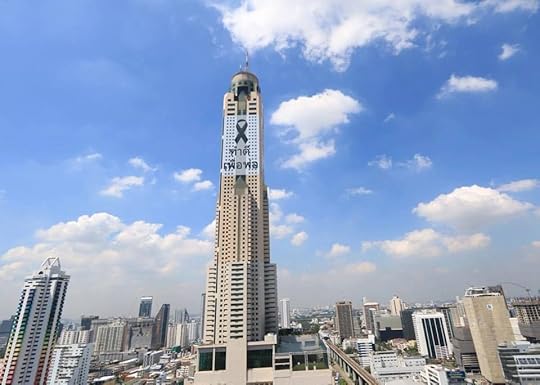
Photo: Baiyoke Sky
Height: 1,014’
Cost: Basic rooms start around $70/night.
One of the most affordable options on the list, the Baiyoke Sky Hotel offers guests an unrivaled view of one of the world’s most exciting and raucous cities. From up this high, you may find yourself unable to tell east from west — Bangkok’s skyline seemingly goes on forever.
Four Seasons Hotel Guangzhou

Photo: Four Seasons Hotel Guangzhou
Height: 1,439’
Cost: Basic rooms start around $260/night.
Four Seasons has built its brand on unparalleled luxury combined with hefty doses of local flavors. The hotel offers a pool on the 69th floor and views from high above the Zhujian River. As a hotel guest, you’ll probably spend most of your time staring out over one of China’s most underrated cities.
85 Sky Tower Hotel, Taiwan
A post shared by 85 Sky Tower Hotel 君鴻 (@85_skytowerhotel) on Apr 29, 2016 at 9:50am PDT
Height: 1,240’
Cost: Basic rooms run about $100/night.
85 Sky Tower looks like something straight out of Star Trek. It’s pronged, resulting in one of the most uniquely beautiful skyscrapers anywhere in the world. The US dollar is strong in Taiwan and 85 Sky Tower is located far south of the bustling megacity of Taipei, leaving you with extra cash to splurge on dining and drinks to enjoy over your view of the Asian island’s southern tip and the South China Sea.
Grand Hyatt Shanghai, Shanghai

Photo: Grand Hyatt Shanghai
Height: 1,380’
Cost: Basic rooms start just under $300/night.
The Grand Hyatt touts its hospitality service as on par with the views at their iconic hotel in Shanghai’s Pudong district. The area has, in many ways, grown around the hotel itself, meaning that not only are the views dramatic, but staying here puts you right in the middle of the action.
Burj Al Arab, Dubai

Photo: Burj Al Arab
Height: 1,053’
Cost: Get ready for a serious ding to the bank account. Rooms start around $1,200/night (but hey, enjoy that private beach!).
The Burj Al Arab isn’t the tallest hotel on the list, but has two distinct characteristics: it’s located offshore, making it the tallest offshore hotel in the world. Additionally, it’s shaped like an Arabian Dhow sail, making it incredibly distinct even from far away.
Rose Rayhaan by Rotana, Dubai

Photo: Rose Rayhaan by Rotana
Height: 1,093’
Cost: Rooms start at just under $100/night.
Another high-rise Dubai legend, the Rose Rayhaan towers about the city just a few blocks from the Persian Gulf coast. The views and the upscale experience they complement make this hotel a destination in itself. You’ll have to enjoy the view over a virgin beverage, however, as the Rotana brand is alcohol-free.
Gevora Hotel, Dubai
A post shared by Gevora Hotel (@gevorahotel) on Dec 24, 2017 at 2:09am PST
Height: 1,174’
Cost: Rooms start around $100/night.
You might wake up surrounded by clouds at the Gevora, especially with a room on one of the upper floors. The views of Dubai are amazing, but you’ll have a tough time finding a drink — the Gevora is another hotel which doesn’t sell alcohol.
More like this: Infographic: These are the tallest hotels in the world
The post The tallest hotels around the world with jaw-dropping city views appeared first on Matador Network.

Sexually-active female traveler
Women who travel solo have to make many decisions by themselves, sometimes under trying or confusing circumstances. We interviewed several women travelers about their sexual experiences abroad, particularly in regards to any stigmas they face or any safety considerations they have to take that they wouldn’t necessarily have to at home. How does all of this affect their travels? Here, real women tell us their stories.
Trigger Warning: Sexual violence
Choosing a destination
Dating as a woman in the United States comes with many of the same concerns you’d find abroad: are your partners free of STIs? Do you have reliable and affordable access to birth control? Is the stranger you’re meeting on Tinder a serial killer? Just as we trust our gut instincts and take precautionary measures at home, women can do the same abroad without many other added issues. And yet, the idea of dating or being sexually active while traveling abroad seems to come with an added layer of concerns (we’ve all seen the movie Taken, and so have our overbearing parents).
These concerns are often due to misunderstandings of cultural norms, as well as tragic (albeit rare) stories of female American travelers abroad who encounter sexual violence. The Thomas Reuters Foundation conducted a survey that identified the most dangerous megacities for women, with a focus on sexual violence, as well as access to functional healthcare. While cities abroad like Cairo and Karachi top the list, it’s worth noting that cities like New York and London also appear in the top 20. So before you think somewhere like Mexico City or Lima are totally off-limits, remember that in several cases, these risks are present in other Western cities as well. While it’s true that sometimes women decide it is easier to just avoid locations that might result in dangerous situations, most solo female travelers would tell you that no destination is off limits to women, provided you take the necessary precautions.
Meeting up with strangers
At home, the ease of informing roommates, friends, or family members of where you might be going and when you’ll be back adds an extra layer of security. Even in countries that are traditionally considered “safer,” it’s a good idea to do the same thing. Jennifer says that she gets any potential partner’s contact information and photo and sends them to a friend, even one she isn’t traveling with. “If he makes me feel weird about taking precautions for my health and safety, that’s an immediate red flag. It doesn’t mean he’s a predator, but it means he doesn’t understand that men pose a threat to women — especially single women traveling alone.” You can also do the same with your hotel front desk. And just like you would with any Tinder date at home, it’s always a good idea to meet up with potential partners in public places.
It’s also a good idea be knowledgeable of when public places stop being heavily populated at night, or when transportation is harder to come by. Maria says, “My behavior when traveling alone is far more restrictive. I will schedule dates or meet-ups earlier, and not go out post-dinner time.” If you are going to stay out late, have a game plan for transportation, whether that means scheduling a cab ahead of time, or making sure you’ll have wifi at your date night destination so you can call an Uber if you don’t have a data plan abroad.
STIs
Traveling increases everyone’s access to a larger pool of potential partners; anonymity and isolation can also increase a desire for connection. Compound that with the fact that we tend to stay out late and drink more when we’re on vacation versus at home, and you may find yourself taking a more lax approach to safe sex. As a result, STI risk is higher in those engaging in international travel than those who stay home. And again, just like we would advise if you never even left your hometown: always practice safe sex.
Ivy says, “Condoms are a MUST! You can seriously never be too careful.” Barrier methods are the only reliable way to protect against most forms of STI — although some can be transmitted even using barriers, such as herpes. Carry condoms or dental dams as part of your essential travel kit, and don’t take no for an answer with new partners. Jennifer says, “In places I went, a lot of guys tried to ditch the condom midway through without letting you know — which I’m pretty sure is classified as sexual assault in America.” Be aware of your partner’s actions, and check to make sure this hasn’t happened.
The big three fluid-borne STIs — gonorrhea, chlamydia, and syphilis — can be symptomless in women, which means that you (or your partner, if you have sex with women) can have them and not know it. You can encourage potential partners to get tested before you engage in intercourse, but this may be impossible for them to do, depending on where you are. You’ll have to trust your gut and possibly do some research beforehand. Jennifer says, “When I travel, I always look up any available information on STI rates where I’m going, especially HIV…A lot of countries still have a ton of stigma surrounding STIs, so people often aren’t tested or aware of their status.”
No matter where you are, if you have new partners regularly, you should get tested for STIs regularly. The CDC recommends testing every 3 to 6 months for those who have multiple new partners. Be aware that HIV can take up to 6 months to show up in your blood, so you may need to be retested to ensure the most accurate results.
Contraception
You might find that it’s easier to access and use contraception while traveling than it is at home, especially given restrictive and expensive US health insurance. Jennifer says, “Contraception in other countries is usually a breeze compared to the US! There’s lots of airports that sell three- or six-month supplies of the pill. And the pill is available without a prescription in a lot of places — South Korea, Taiwan, and Saudi Arabia included.”
In other destinations, you will need a prescription, and finding a doctor to do so can be a very time-consuming process. If you do have health insurance from home, stock up before you leave. Maria said, “I typically bring 1-2 months extra birth-control with me as an emergency. It came in handy when I was stuck in Ireland for 2 weeks on standby.” Long-term travelers can also consider getting an IUD or a hormonal implant before they leave; IUDs provide birth control for up to ten years, while implants can be effective for up to three years.
Additionally, you may encounter trouble getting the morning-after pill in some countries, where it may not be available entirely, or (in places like Ireland) you may have to be interviewed by the pharmacist about your sexual history and consume the pill in front of them. If you find yourself in a situation where emergency contraception is unavailable, look to online services like Women on Waves. “One time I was about 6 weeks late and freaking out because I was in a country that did not offer safe, legal abortions,” Jennifer says. “I ordered pills from Women on Waves, but the postal service of the country I was in destroyed [it] because of strict regulations around medicine arriving through the mail. Women on Waves fast-tracked a new prescription from a doctor in India and hid the pills inside a greeting card.”
Another great resource is Gynopedia, a wiki that provides information about sexual, reproductive, and women’s health care around the world. Individual countries have resource lists, so you can receive assistance no matter where you are.
Stigma
Stigma against women’s sexuality can have an impact on your travel, or even just your morale. Ivy says, “I have felt stigma against being an American woman who is used to casual sex. I’ve also seen a lot of judgement towards condoms, since [some people] see using them as a sign that you aren’t a virgin.” You may find that potential partners react in ways that are confusing or difficult, such as refusing condoms or assuming that if you invite them back to your room, sex is absolutely on the table — though it’s likely you’d face this at home as well.
That said, in many destinations, casual sex is increasingly accepted as part of today’s culture. Maria says, “At least in my experience and travels, it seems like casual sex is openly accepted and welcomed, since Tinder, nightlife, and resort attitudes are openly fueling hook-up culture.”
Harassment and assault
Sexual harassment is everywhere, but it can feel particularly difficult to deal with when you’re traveling. Lana says, “Once, when I was in a park on my own, I had a random man spit on me and call me a harlot. After that, I made sure that I always had someone with me if I was out of the hotel.”
If the country you’re visiting encourages women to cover up in public, follow the locals’ lead to help blend in and reduce your chances of getting harassed, whilst respecting the local culture and religious norms (especially if you are visiting a place of worship). The last time I visited Morocco, I saw a lot of tourists wearing strappy tank tops and short skirts while Moroccan women were in full djellabas. It was shocking to me, so I can only imagine how the locals felt.
For sexual assault survivors, hostels and other communal accommodation can be potentially triggering. Susan says, “Something I really hate is when people hook up in the rooms. As a rape survivor, I’m not comfortable in any sexual situation I don’t consent to and the muffled sex noises sound eerily familiar. It’s been the hardest part of solo-budget traveling for me.” If you are concerned with that being the case, all-female dorm rooms can provide a feeling of community and comfort.
In the worst case scenario that a sexual assault occurs, contact the local authorities immediately, depending on the local rape laws, and look to your accommodation staff for guidance if need be. Unfortunately, some female expats have reported feeling discouraged from reporting assault abroad. Jennifer says, “I didn’t feel able to report my rape [abroad]. I worried that going public would put me at risk of losing my job; parents don’t want women with “loose morals” teaching their kids.” Regardless, it is important to at least seek medical attention, and seek out women’s’ clinics if it makes you feel extra comfortable, and contact your local embassy if you are concerned about the local attitude towards assault.
More like this: 8 women share their stories of sexual assault while traveling
The post The reality of being a sexually-active female traveler appeared first on Matador Network.

Matador Network's Blog

- Matador Network's profile
- 6 followers

