
Matador Network's Blog, page 1365
April 11, 2018
Underrated coastal European towns
The vertiginous houses of Positano, the white settlements of Santorini and the poetic villages of Cinque Terre might still be some of the most beautiful coastal locations in Europe, but who wants to watch the sunset while being accidentally hit by someone else’s selfie stick?
For a holiday with a bit of surprise and originality here are some under the radar coastal towns of Europe which still have plenty of local character and culture to offer. These underrated towns boast festivals from wine to art to jazz, prehistoric caves, modern art museums, and everything you’d want from Europe without the crowds. At least, for now — there’s a big chance these towns will be blowing up in popularity soon, so get to them before the tour buses roll in.
1. Furore, Italy
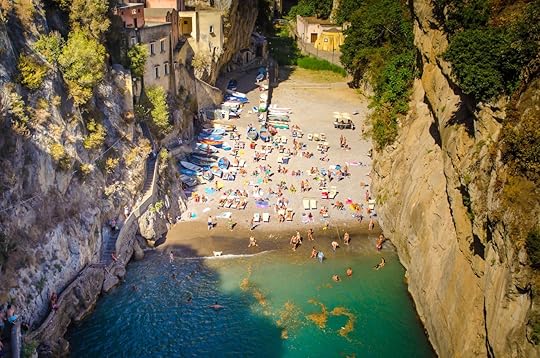
Photo: Dan Rata/Shutterstock
It’s astonishing that there is still a place on the Amalfi Coast which isn’t overrun with tourists, but it might have something to do with the fact that the driver of the bus service that winds sickeningly fast along the coastal road merely shouts out “Furore” once without stopping or letting passengers glimpse the enticing little bay beneath the road.
Furore is formed, almost inversely to Amalfi or Positano, by a fjord. The inlet of water flanked by high cliffs leads to a little sheltered beach and a few unassuming colored houses. In many other ways, it’s also an inverse of the popular Amalfi Coast tourist towns — Furore is quiet, the houses are sparsely dotted around the cliff face, and bougainvillea doesn’t frame every photograph taken.
Where to eat:
Furore’s feet may be in the water but its head is high in the cliffs meaning two of its most important products are tomatoes and grapes for making the DOC Costa d’Amalfi. Traditional dishes found in restaurants like the Fico d’India include land-sea fusions such as totani e patate (fish and potatoes).
Where to stay:
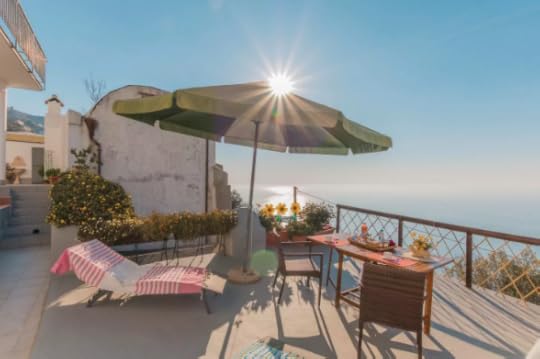
Photo: Airbnb
Those willing to climb get rewarded with accommodation like this Airbnb apartment with a sea view.
What to do:
Aside from swimming and sunbathing, for the adventurous you move vertically in this town: trekking, free climbing, or mountain biking are popular sports. Alternatively, you can just spectate while others exert themselves, such as at the Coppa del Mediterraneo, a world cup for diving held on the first Saturday of July. In September there is a week festival where mural painters converge on Furore and decorate the town.
2. Antibes, France
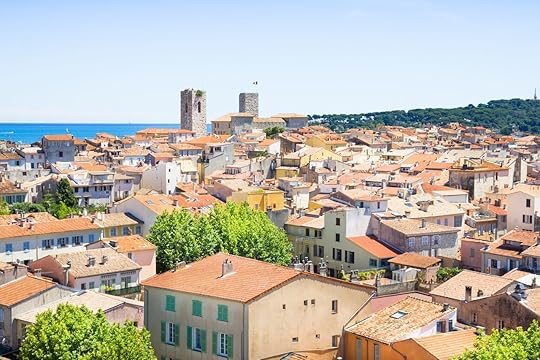
Photo: Giancarlo Liguori/Shutterstock
You can leave the binoculars at home, there’s no celeb spotting in this Côte d’Azur town. Instead, there is a local market, flower-filled lanes for walks, and several beach options. The old town is enclosed by 16th-century ramparts that allow for panoramic sea vistas and nearby there is the dramatic star-shaped Fort Carré.
Where to eat:
Go to the Marché provençal in Cours Masséna and make up a picnic from fresh produce — bread, red pepper paste, goats’ cheese, tomatoes, olives and ripe peaches to finish. Take it to the beach 5 minutes’ walk away.
Where to stay:

Photo: Airbnb
Airbnb apartments are, on the whole, cheap and cheerful in Antibes. There are many options to choose from but these elegant rooms with a shared kitchen located right in the old town provide wine on arrival, a nice added bonus.
What to do:
The Museé Picasso housed inside the Château Grimaldi where the artist once stayed contains a large collection of Picasso’s work and has an impressive terrace from which you can watch luxurious yachts sailing around the coast. Along with the beach in the town center, you can walk or take the bus across to Juan-les-Pins to another couple of beaches. After a hard day’s sunbathing try the Absinthe Bar for a bit of Parisian bohemia. In July there is a jazz festival in Juan-les-Pins.
3. Korcula, Croatia
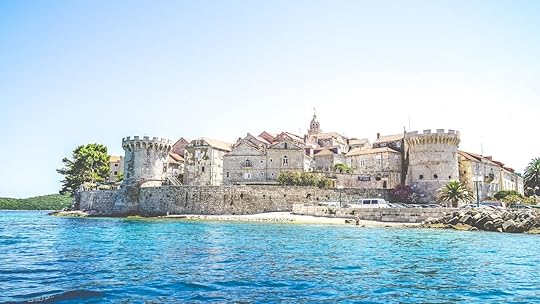
Photo: Hilthart Pedersen
Located on one of the less touristy islands, and certainly not one of Croatia’s party islands, Korcula is a fortified town with many buildings dating from the period of Venetian rule. Its characteristic herringbone pattern of streets means that air can circulate while the town is protected from strong winds.
Where to eat:
As a highly recommended day trip, rent bikes in Korcula and cycle around the coast road to Lumbarda. Here you can find Feral Restoran right on the sea edge, serving fresh seafood (ditch the knives and forks and use your hands!) and their own production Grk wine. White shirts are not advised.
Where to stay:
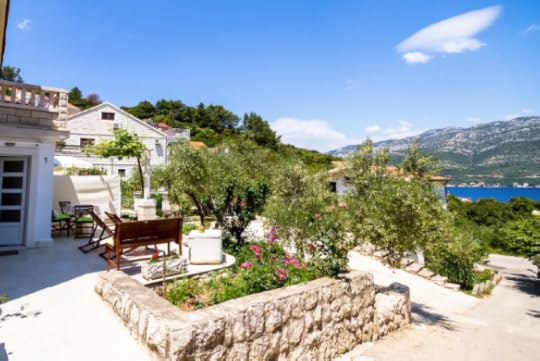
Photo: Airbnb
Old town accommodation is all about exposed stone walls and arches — this apartment has an outside terrace where you can enjoy morning coffee, homemade treats from the host or an evening glass of wine.
What to do:
Seek out the traces of Venice in Korcula — the Venetian-Gothic cloister in the 15th-century Franciscan monastery, Venetian artist Jacopo Tintoretto’s altarpiece in the Cathedral of St Mark, and the house of explorer Marco Polo.
4. Chioggia, Italy
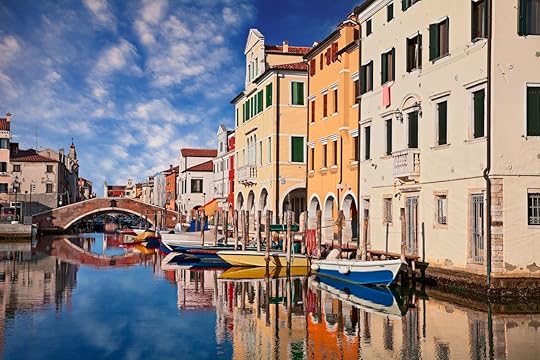
Photo: Ermess/Shutterstock
Chioggia’s epithet of “Little Venice” is relatively inappropriate — yes, it is built on canals with a few lion carvings dotted around, but Chioggia is a hardy lagoon fishing town with characteristics more akin to raucous Naples than haughty, tourist-ridden Venice. The people are expansive, the traffic is terrifying, and the fish is worlds away from frozen seafood alla Veneziana. The only thing that does bear similarity to Venice is Chioggia’s architectural beauty.
Where to eat:
In summer head to Sottomarina beach and eat at one of the beach restaurants where you’ll find fresh seafood like spaghetti alle vongole (clams) while digging your toes into the sand.
Where to stay:
During sunny months go all out on your beach holiday and try glamping at Camping Grande Italia. This campsite offers little colored wooden huts to stay in, bar and pool facilities, and a private beach.
What to do:
Chioggia old town has several churches to visit, one with a Carpaccio painting (Chiesa di San Domenico), and is home to the oldest clock tower in the world, Torre dell’Orologio di Sant’Andrea. The fish market in Via Poli Giovanni has a staggering array of produce, and the process of selling is an event in itself.
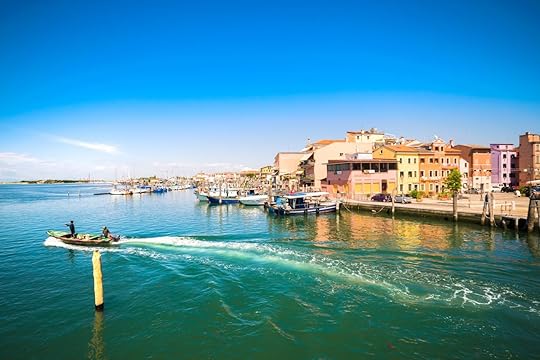
Photo: Pointbreak/Shutterstock
You can also take a boat trip to other islands in the lagoon, such as Pellestrina or Ca’ Roman. These islands are not on the standard Venice Burano-Murano tour, and in fact, they’re places with a pace of life that’s so rarely found now in our modern world.
5. Cadiz, Spain
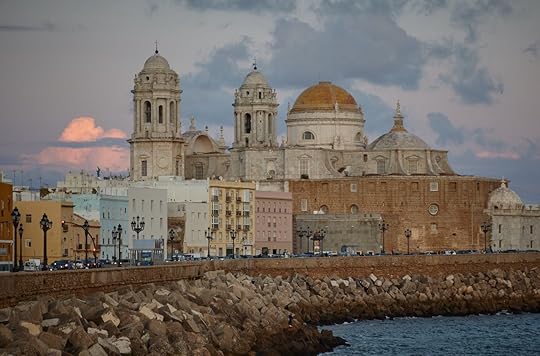
Photo: Vidar Nordli-Mathisen
This is being pegged as Spain’s new coastal destination of choice because of its typical white houses bright with patterned tiles in its old quarters, and the well-preserved landmark buildings. It also happens to have exceptional red tuna.
Where to eat:
Along the street Calle Zorrilla, most bars offer great fish-based tapas, so treat yourself to a tapas crawl! Order anything with red tuna in it.
Where to stay:

Photo: Airbnb
This comfortable penthouse has 360º views of the Old Cadiz Town and is a 5 minute walk to La Caleta Beach. You can see the sea from the terrace.
What to do:
Cadiz is considered one of the oldest continuously-inhabited towns in Europe and here you can visit the second largest Roman Theatre in the world dating from 1st century BC. The cathedral is a Baroque extravaganza of art and architecture. You can also take a short train ride to Jerez for an afternoon tasting sherry.
6. Pittenweem, Scotland
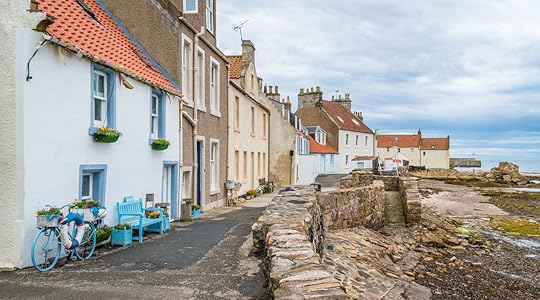
Photo: Stefano_Valeri/Shutterstock
The whitewashed cottages set around a little rugged bay feel like an artist’s haven, and in fact, Pittenweem is home to dozens. In 1982, several resident artists set up an arts festival which takes place each year and is blossoming in popularity.
Where to eat:
A chilly walk on the beach can only be made better by some takeaway fish and chips from Pittenweem Fish and Chip Bar. Alternatively, take a brisk half-hour coastal walk to neighboring Anstruther and visit the award-winning Anstruther Fish Bar. Here the blackboard outside not only tells you what’s on the menu but also who caught it.
Where to stay:

Photo: Airbnb
Delve into fishing village life by staying in this cottage built in 1749. Looking over the harbor of Pittenweem, it’s perfect for settling into the local art scene.
What to do:
Held in August, the Pittenweem Arts Festival consumes the whole town, with exhibits inside houses, studios, galleries, and other public spaces. In addition, there are workshops, children’s events, and opportunities to meet the artists. Aside from the flourishing festival, there is far more ancient art to be seen, in the form of St Fillian’s Cave and Holy Well, one of the most important religious sites in Scotland.
7. Giglio Porto, Italy
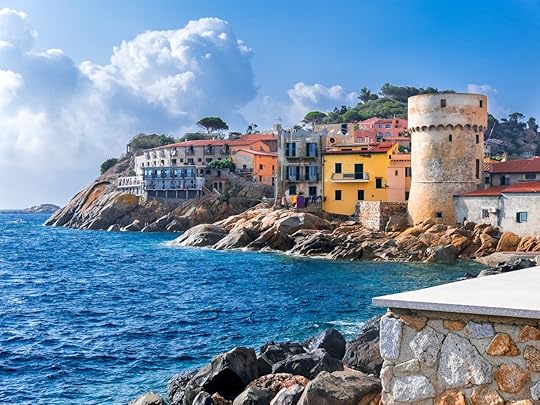
Photo: Jackbolla/Shutterstock
Located on the Tuscan island of Giglio, this is a pretty port village of pastel-colored houses stretching along the seafront. The small island is ideally traversed by scooter (lots of narrow streets and steep climbs) with which you can zip up to the peak and, on a clear day, see right over to Isola d’Elba and even Corsica.
Where to eat:
La Margherita is a beach-side restaurant with a local feel. Ask for whatever is fresh or recommended, or just peek at what everyone else is having, which is generally all the same thing.
Where to stay:
This collection of apartments offers 4- and 2-person suites, all with private sea-view terraces. There is an infinity pool and a lookout point with sun loungers. Each apartment comes with either a free car or scooter to use. Collection from the ferry can also be arranged.
What to do:
Visit the historic village of Giglio Castello crowning the island. Here, the local church displays two pistols left by Tunisian pirates attacking in 1799, which attest to a less tranquil past. During the last weekend of September, there is a wine festival for the robust white Ansonaco wine that is only produced on this island.
8. Kotor, Montenegro
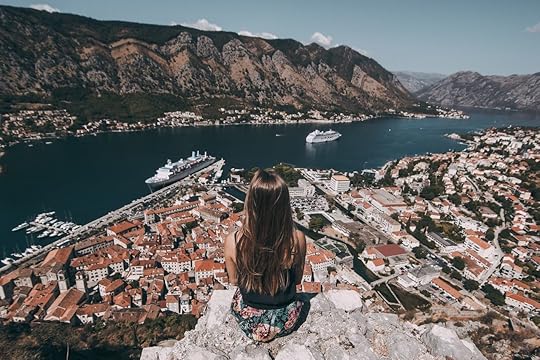
Photo: Alexandr Bormotin
The fortified old town of Kotor, which sits in a natural harbor, is a designated UNESCO World Heritage Site for its 12th to 14th-century architecture and historic monuments. It is backed by mountains rising rapidly to 1500m and looks out onto the fjord-like scenery of the bay.
Where to eat:
Here you can find a fusion of Balkan and Mediterranean cuisines, with local specialties ranging from stews and grilled meat to octopus salad. For excellent grilled meat head to Tanjga just out of the old town.
Where to stay:
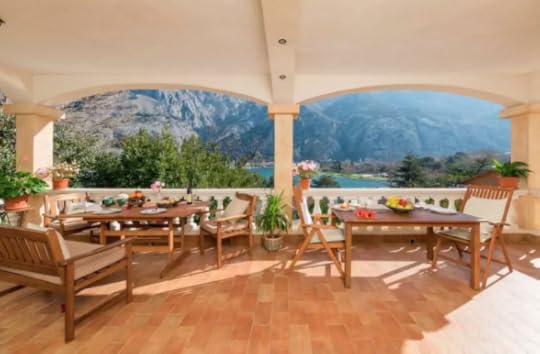
Photo: Airbnb
This villa sleeps nine — so although it’s a little more expensive than the other options in the area, it balances out to be reasonable. The property has views of the old town, mountains, and the ocean.
What to do:
In the Old Town, visit the landmark architecture, such as the Cathedral of Saint Tryphon or the church of Saint Mary’s Collegiate in pretty Wood Square (Pjaca od Drva). Walk the 4.5km long walls and, if you’re feeling energetic, climb up to the San Giovanni fortress to appreciate a stunning panorama.
9. Marsaxlokk, Malta
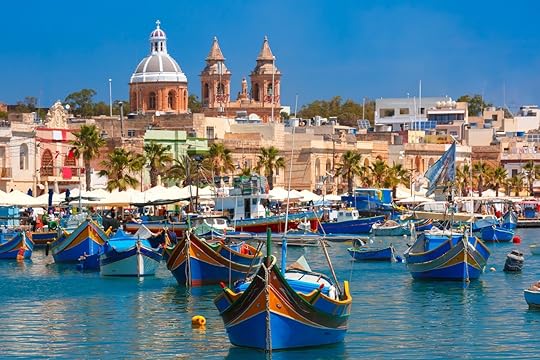
Photo: Kavalenkava/Shutterstock
Marsaxlokk is a traditional fishing village of brightly colored houses and even brighter colored boats. It’s the most important fishing harbor in Malta, and the Sunday market where fish is sold directly to restaurateurs and other customers has become a popular spectacle.
Where to eat:
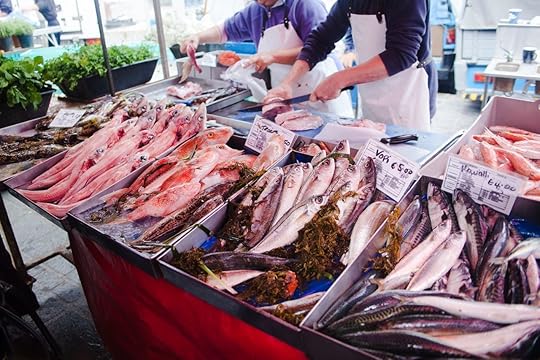
Photo: Jaras72/Shutterstock
Try a harbor-side restaurant for real sea-to-table food, such as La Capanna. Alternatively, buy straight from the famous fish market and cook up a seafood feast!
Where to stay:
Choose self-catering so you can cook your market-bought fish. These Quayside apartments are right near the bay and originate from a 19th house with lots of character, brightly painted doors and attractive outdoor seating.
What to do:
Go on a harbor walk and admire the traditional Maltese colored fishing boats called luzzu. Try snorkeling in St Peter’s Pool, one of the most beautiful of the naturally formed pools on the coast of Malta. Delve back in time and visit Għar Dalam, a prehistoric cul-de-sac, which contains bone remains of now extinct animals. 

More like this: 5 European destinations that are totally underrated (plus 3 that are a little overrated)
The post The most underrated coastal towns in Europe to go to before they become touristy appeared first on Matador Network.


Visit Gelmerbahn in Switzerland
Would you hop on a railcar that’s going to send you down a 106% incline without a seatbelt or handbrake? Lots of people do every year when they board the Gelmerbahn: a funicular railway (a rail system that uses cable traction to navigate steep slopes) in Bern, Switzerland.
The Gelmerbahn was originally built in 1926 to assist the building of the Gelmersee — a dam and reservoir constructed to harness the hydroelectric resources of the area. It wasn’t open to the public until 2001. The passenger car takes 24 people on a 12-minute ride up the steep mountainside from Handegg, 6,000 feet above sea level with sweeping views over Hasli Valley, to Lake Gelmer where there are many hiking trails to explore.
Up until 2017, it was the steepest funicular railway in Europe until Stoos Funicular (also in Switzerland) opened.
You can either buy a one-way ticket — opting to hike one from the lake back down to Handegg — or roundtrip, riding in the cable car both ways. You’ll be strapped into the open air car by a single metal bar, and if you’ve got a fear of heights, it’s best to prepare yourself for the thrill of a lifetime. While it is extremely steep, this railway isn’t a rollercoaster, it only goes 4.5 miles per hour, which gives you plenty of time to take in the epic surroundings, and still have your stomach drop.
The Gelmerbahn is open from May 26th to October 21st. Its hours are from 9 AM-4 PM in June, September, and October, and from 9 AM-5 PM in July and August.
How to get there
The Gelmerbahn begins at Handegg in the Hasli Valley. You’ll want to make your way to the Handegg, Gelmerbahn bus stop, or get Google Maps directions here.
What to consider
It’s a popular attraction. Tickets are limited and sell out quickly, so it’s suggested to reserve online.
You’ll redeem your voucher at the ticket office no later than 15 minutes before departure.
The time and date of tickets are not refundable or modifiable.
Adult return tickets are US$33 and one-way tickets are US$12. Children 6-12 ride for US$12/$6 respectively.
You’re high in the mountains so, even in the summer, it can get pretty chilly. Bring appropriate layers.
At the top, you can opt for walking tours or just go and explore the hiking trails on your own.
It takes about 2 hours to hike around the dam and lake at the top.
If you choose to hike down, it takes about an hour to reach the bottom.
More like this: Cable cars are changing the world
The post How to visit Gelmerbahn in Switzerland appeared first on Matador Network.

Grandfather's photography
My Grandpa Joe was one of those classically great men. A mensch. Born in the bathroom of his parents’ Temple Street home in downtown Los Angeles in 1917. The family moved around Los Angeles a lot — from downtown to Boyle Heights to Tujunga to Beverlywood. Sticking close to the pockets of other Jewish immigrants who faced daily anti-Semitism. In his pre-teen days, he would travel miles by bus to get to school, then travel all the way back to work in his father’s garment factory into the night — the schmata business — learning the machines. Then he’d do his homework. It was clear very early on that he was a standout student and, after skipping pretty much every other grade, he ended up at Berkeley. Apparently, he was in a rush to meet my grandmother, Ethel, who was also at Berkeley. After graduation, they came back to L.A. He also ended up in the garment industry, one of the first to create women’s sporting apparel.
And as great and respect-worthy as that all is, the story of how he made his way in the world was simply a precursor to a just-as-impressive story of how he made his way around the world. Joe’s true passion was travel.
By his retirement, he had also started a small side business as a travel agent. He called it, Love To Travel. He kept himself busy (and his travel deductible) by organizing and sometimes leading tour group in various parts of the world.
By the time I came around, he had already been across the globe a few times — which was in and of itself a pretty exotic feat for the era — but he was only just getting started. Joe and Ethel rewarded themselves for a good life of hard work by spending the second half of it, over thirty years, visiting places all over the world. At least once a year, they would take off — most often in Western Europe, but also Canada, Mexico, the Caribbean, South America, Central and Eastern Europe, and probably quite a few more. When they’d return, the family would gather for an old-fashioned slide show. Ethel would prepare a platter of dried fruits and nuts, the screen would go up, lights would go down and the projector would flick on. What proceeded then would be a competition of memory for the small stories and events of their trip. My grandfather’s memory for detail was unassailable, but Ethel always had the last word.
Many years later, after he had died and it was apparent that I would continue the legacy of travel and photo-taking, my grandmother entrusted me with his many boxes of slides. They were highly unorganized and consisted of everything from loose negatives to filled carrousels to small, bulging slide boxes. Thousands and thousands of images. All un-labeled.
It’s taken me fifteen years to get it all together and scanned. I have barely started down the process of trying to figure out where these places are and what year they might have been taken. I may never know. In some ways, it’s not what really matters. I actually quite enjoy the mishmash of time and place that these images, in this scattered format, create. They come together exactly like my memory of him — a richly condensed man of great experience and joie de vivre.
What I love about these images (and this is only a very small taste of them) is that they are there to document the travel as much as the place. His images are heavily aware of being a visitor — in those days, foreign travel had a formality to it. In the images, you can see both the formulaic-ness of tourism but also a man who would climb to any height to get a better view than the crowds. He would do anything for a good shot — I watched him sneakily break off to go take a snap, many times.
I love the raw talent depicted in these photos. A high percentage of them are out of focus, which for me only adds to my appreciation for him. Focusing was hard, in those days — no electronics or fancy in-camera technologies. He learned it all on his own, with no training — and considering that, there’s a side story that develops with these images of a man who was learning a craft from love of subject backwards. Which is also how I learned photography.
My favorite image is one that I don’t recall ever making it into a family slideshow. It features my grandmother driving an early ’70s Nova on a foreign beach somewhere. It’s a shocking image for me in so much as she never drove. Usually, Ethel was in the back of a stuffy Cadillac — she suffered from a deep, nearly-disabling anxiety and her overly-dramatic fears made her almost comically over-concerned about every little thing. Seeing her here, carefree and outrageously off-the-beaten-course adds an entirely different look at their relationship and adventures together.
In the end, your photographs should not only show a great life, they should convey what you loved. Enjoy the following story of the man who loved to travel. 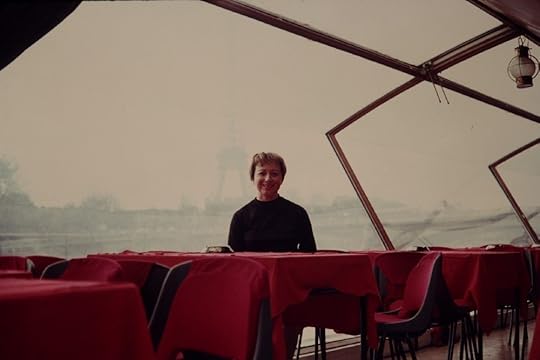
Grandma Ethel, in Paris. Photo by Joe Ellenbogen
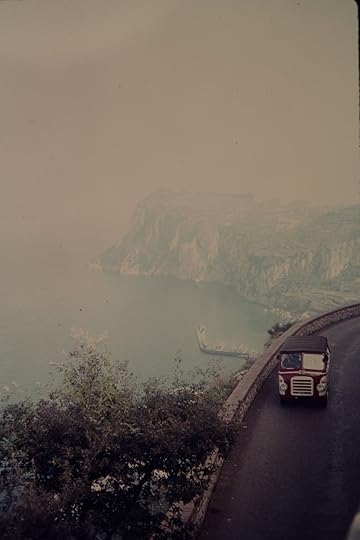
Photo by Joe Ellenbogen
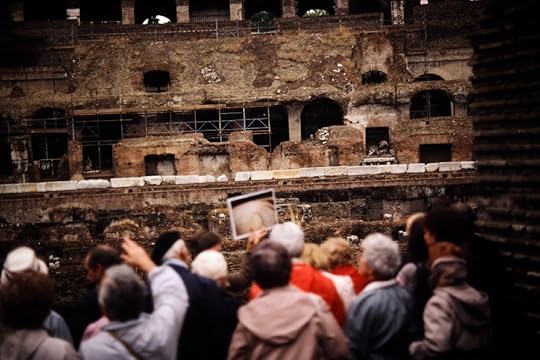
Photo by Joe Ellenbogen
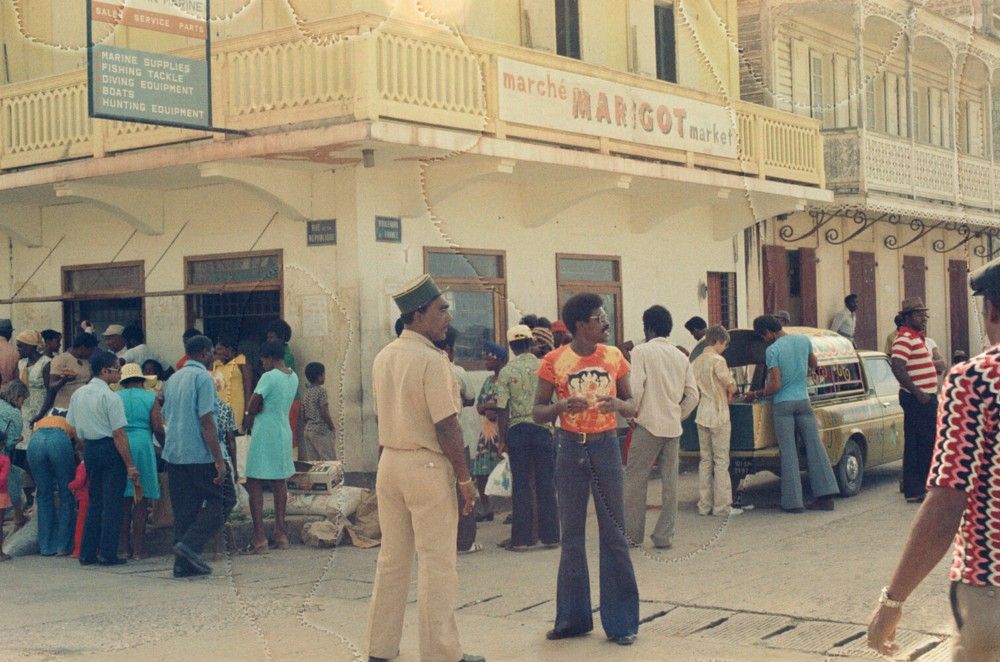
The corner of Rue de la République and Boulevard de France in Marigot, Saint Martin. Photo by Joe Ellenbogen
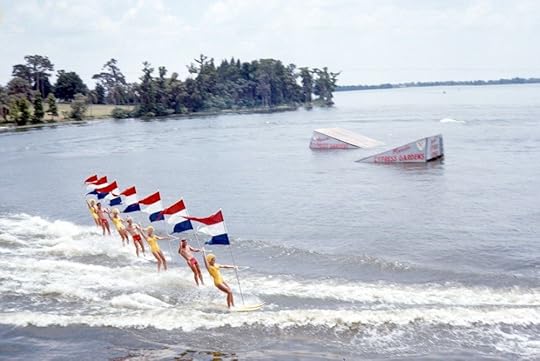
Photo by Joe Ellenbogen
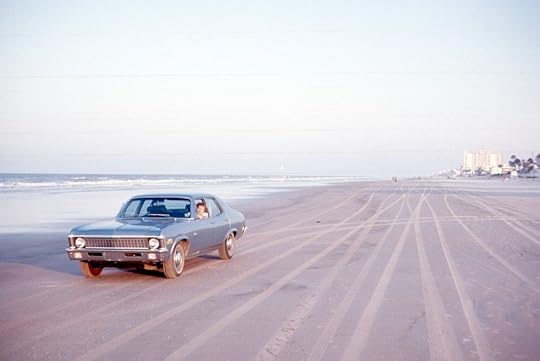
Photo by Joe Ellenbogen
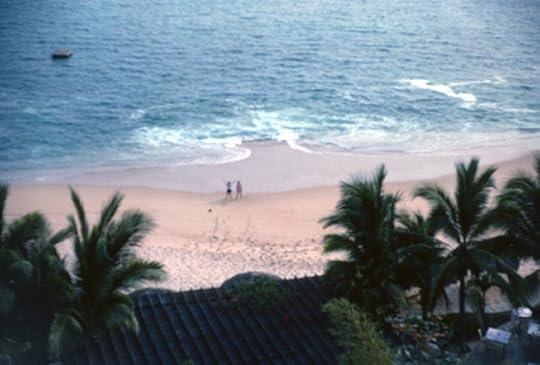
Photo by Joe Ellenbogen
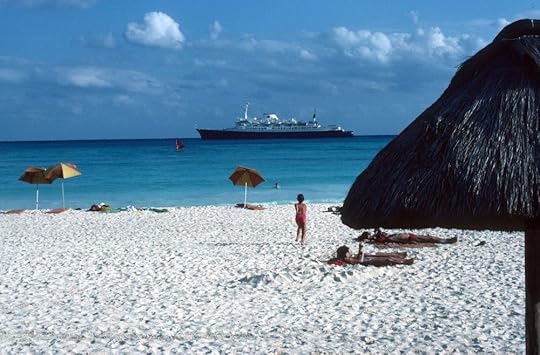
Photo by Joe Ellenbogen
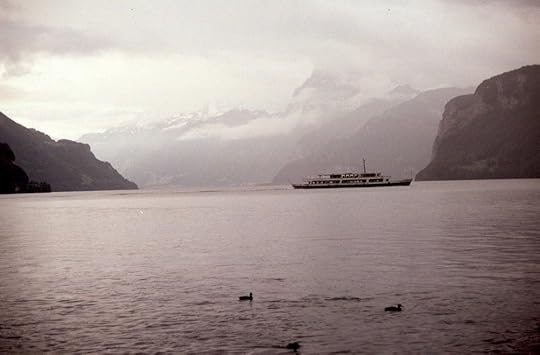
Photo by Joe Ellenbogen
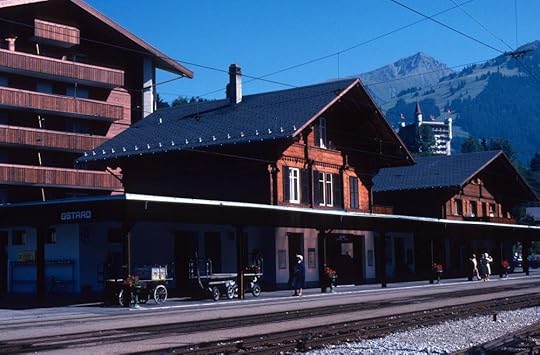
Photo by Joe Ellenbogen
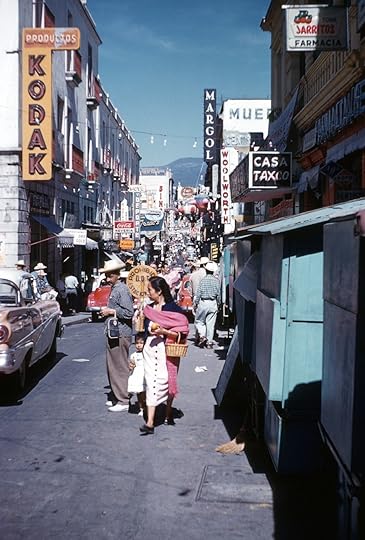
Photo by Joe Ellenbogen
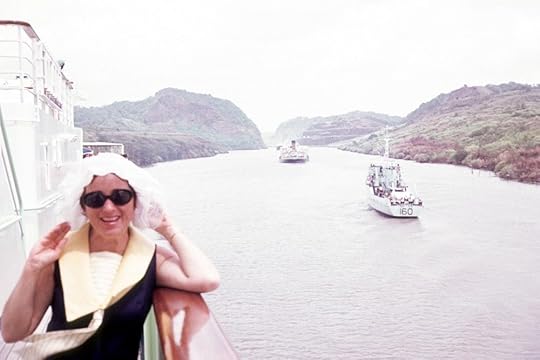
Photo by Joe Ellenbogen

Photo by Joe Ellenbogen
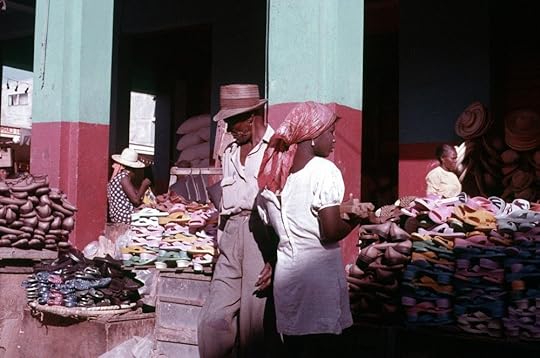
Photo by Joe Ellenbogen
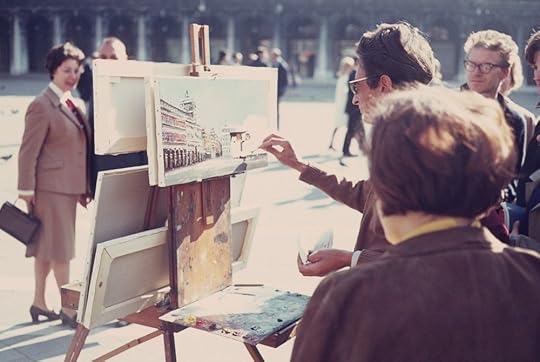
Photo by Joe Ellenbogen
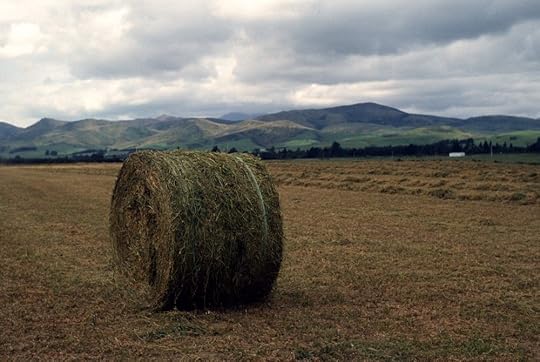
Photo by Joe Ellenbogen

Photo by Joe Ellenbogen

Photo by Joe Ellenbogen
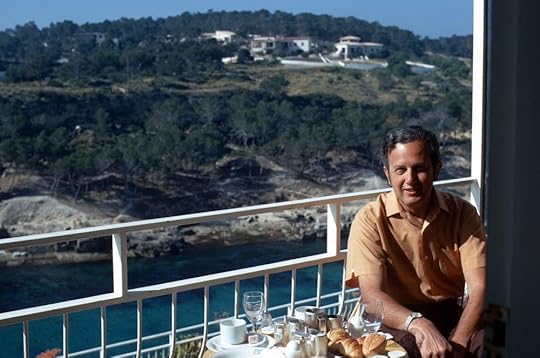
Grandpa Joe, somewhere in the world. Photo by Ethel Ellenbogen
This article originally appeared on Medium.
More like this: These old photos of immigrants at Ellis Island are haunting and beautiful
The post The man who loved to travel: Thirty years of my grandfather’s photography, unboxed appeared first on Matador Network.

World's longest straight-line walk
When visiting a new city, many prefer to walk their way through the neighborhoods in search of hip hangouts and a dose of sight-seeing. Some adventure travelers have even been known to get extreme and walk across entire countries or continents. But the longest straight-line overland walk one can undertake without having to cross an ocean puts all other notable treks to shame.
The route begins at the Atlantic coast in the West African nation of Liberia and culminates on the Pacific coast of eastern China. Three continents, the Arabian Peninsula, and climates ranging from parched desert to towering mountains must be conquered in the 13,572.5 km (8,433 miles) journey. The route passes close to, but not directly by, both the Caspian and Mediterranean Seas.
Sound like something you and your crew are up for? Reddit user yellakc created an elevation chart for the map, noting that you’ll conquer about 62.5 km of elevation gain and loss. When planning your pan-continental journey, be sure to do some research on visa requirements and don’t forget to pack your passport (you should take into consideration that the route passes through some areas that are currently in conflict, as many Reddit users pointed out). If you can’t read the map (which is in German) and you aren’t up on your geography, this journey would take you through Liberia, the Ivory Coast, Ghana, Burkina Faso, Niger, Libya, Egypt, Israel, Jordan, Iraq, Iran, Turkmenistan, Uzbekistan, and Tajikistan before finishing up in China.
Along the way, you’ll have the opportunity to visit chapel sites in every major world religion. The culinary options en route will be equally as diverse. The same goes for languages you’ll hear spoken throughout the journey, of which you’ll likely encounter at least 12 including 3 variations of Chinese — and these are just the widely spoken languages.
The craziest thing about this trek is that actually is a straight line. Although it certainly doesn’t appear that way on a map, which must account for the curvature of the earth and connect each latitude and longitude line in a process that skews proportions across the world.
More like this: What I learned walking 500 miles on the Camino de Santiago
The post This is the longest straight-line walk you could do without ever hitting the ocean appeared first on Matador Network.

Matador Originals: The Body Painter
Marian Folga is a Polish painter and choreographer whose medium — the human body — allows him to express emotion in the most alive and dynamic way. But when it comes to talking about his art, however, he’s a person of few words. In fact, he refuses to attach any specific meaning to what he paints.
Although body painting is still on the fringes of the mainstream art scene in Europe, Marian’s unmistakable style has made him very well known in his native Poland. His work has been featured in some iconic commercials such as this example below.
Matador filmmaker Piotr Wancerz followed Marian’s artistic process in the days leading up to the Bodypainting championships in Bratislava, Slovakia. He noted, “As soon as he starts painting he just switches into a different world.”
Pitor also captured a performance from Marian’s stunning dance production DYEMOTION.
Please enjoy this visual journey into one of the most unique artists working today.
More like this: Whang-od: The last true tattoo artist
The post Matador Originals Presents: The Body Painter appeared first on Matador Network.

Humiliate yourself in Maine
With its oceans, mountains, and colorful characters, America’s 23rd state is a must-see for those who crave adventure and serene settings. If you’re not a local, though, make sure you don’t commit any of these Maine faux pas: these nine actions are the easiest way to embarrass yourself in Maine.
1. Drive under the speed limit.
Mainers are a punctual bunch — if you’re five minutes early, you are late. We understand how quaint and picturesque our state is, but please, move it along.
2. Wear your fanciest outfit to a lobster dinner.
We get it, you want to look good for that Insta pic, but anyone who has used their bare hands to rip into the subtle sweetness of a softshell knows that it is a messy task. Butter will splatter, crustacean innards will fly, and that cute bib provided by several touristy restaurants will not save your trendy Ralph Lauren polo.
3. Pronounce “Saco, Maine” as Sayco, Mayne.
Famed for Funtown Splashtown USA, scenic Route 1, and delicious eats — it’s “Sock-o.” Save your western accent for the southwest.
4. Have a Massachusetts license plate.
You’re just putting yourself on display.
5. Act like you’re too good for Dunkin’.
Dunkin’ Donuts is a New England staple. We all have our favorite boutique, organic coffee shop, but Dunkin’ will always be number one.
6. Say you’ve been to Maine if you’ve only been to Kennebunkport.
Maine has so much more to offer than a day trip from Boston. Even if you’ve crossed the border for a few hours, Mainers don’t consider that part of the state “Maine” — they consider it a wealthier Massachusetts. Get yourself to Portland at least!
7. Stand in line at Red’s Eats on a weekend in the summer.
You are the reason why Route 1 is awful and always backed up.
8. If ya fathah ain’t from Maine, you ain’t frahm Maine bub.
Locals only. Don’t try to puff up your chest if your parents own a summerhouse in Cape Elizabeth. You will get that ego kicked out of you in dive bars spanning from the coast of Boothbay Harbor to the mountains of Eustis.
9. Not understand the Northern heart.
Maine people may be rough and tough on the outside, but we are teddy bears on the inside. We will spontaneously plow your driveway, mow your lawn, or bring you veggies from our gardens — however, it takes a little time for us to warm up to people who we don’t know. Especially if you’re a Masshole.
More like this: 10 superpowers people from Maine have over everyone else
The post Nine ways to humiliate yourself in Maine appeared first on Matador Network.

Epic photos of US National Parks
Whenever I’m off the clock, the first thing I do is hit the road in my Jeep and drive throughout the jaw-dropping landscapes of the western United States. I’ve been lucky enough to spend a lot of time in some of our gorgeous national parks, and from classic roadside spots to fleeting moments with wildlife and dramatic weather, there is always magic to be found. Here are some of my favorite images taken in US National Parks out west — and the full scoop on how I captured them.
1
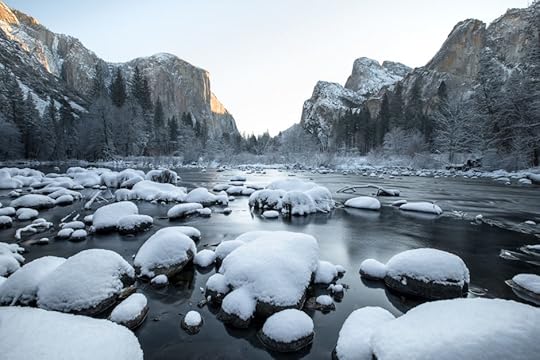
Winter at Valley View
In late 2015, I spent a few days in Yosemite National Park in California after a light dusting of snow, and that got me obsessed with a winter Yosemite scene. I kept an eye on the weather this winter, and when I saw my chance in late February, I took it. I packed up and hit Highway 41 with gear, winter clothes, and no itinerary. Driving during the thick of storm was not ideal, but catching this at sunrise was 1000 percent worth it.
2
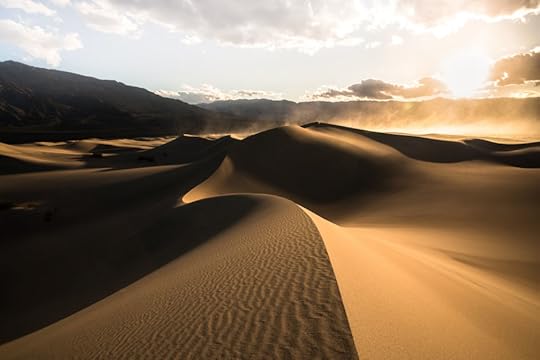
Sand, Sun, and Sparkles
The Mesquite Flat sand dunes can be seen from the road in Death Valley National Park in California, but just thirty minutes of walking up and over the first dunes will bring you to swaths of untouched sand. The patterns are incredible, especially at sunrise and sunset, when sand seems to shimmer and the shadows catch. While this image looks relatively tame, shooting in 30mph winds was a major challenge; when I wasn’t struggling to get a good composition, I was trying to protect my equipment - and my eyes! I used sunglasses, a buff, and a bandana to shield my face from the sheets of sand blowing sideways across the dunes, and I used an extra buff to protect my camera, along with UV filters. I’m still finding sand in my camera bag.
3
Desert Gold
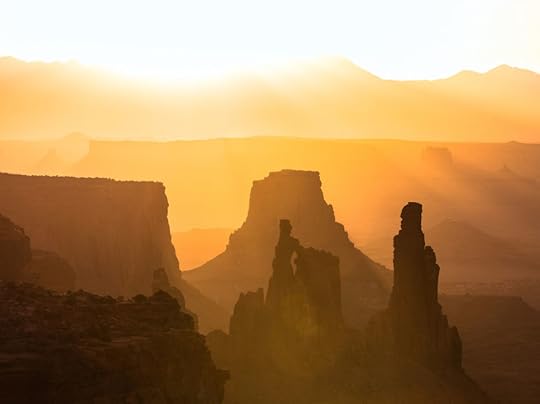
Tourists flock to Mesa Arch at Canyonlands National Park in Utah to snap a photo of sunrise peeking through the arch. When I went to photograph the iconic spot, the line of photographers made me want to try something different. I moved just 100 feet away from the crowd and focused on the layers in the valley below, which were glowing under the the early morning rays.
Intermission
Activism + Politics
The year women became eligible to vote in each country
Tim Wenger
Mar 7, 2018
Sponsored
6 monumental day trips near Rapid City, SD
Miranda Brumbaugh
2 days ago
Sponsored
17 images of Leavenworth, WA we can’t stop looking at
Jacqueline Kehoe
Mar 26, 2018
4
Snow on the Wizard’s Hat
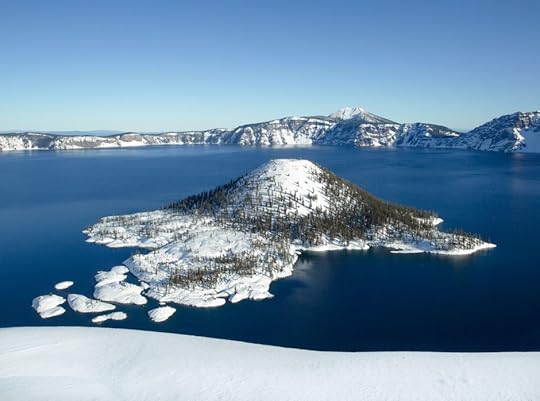
In the summer, this view in Crater Lake National Park in Oregon is just steps from the pull-off, but in the winter, you have to put in a bit more effort to get here. I ended up snowshoeing seven miles (roundtrip) to find this vista point, and it wasn’t even from the top of the Watchman, which offers the best view of Wizard Island.
5
First Light in Cathedral Valle
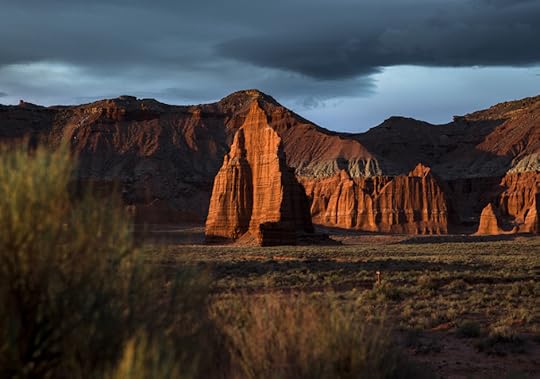
It’s one of those parks most people haven’t even heard of, and it wasn’t until last spring that I finally had the opportunity to swing through Capitol Reef National Park in Utah. I was blown away by the way the light hits the faces of the jagged rock formations. It’s a short drive to Cathedral Valley to see Temple of the Sun and Temple of the Moon, which are both worth the trek. Be sure to also swing by Gifford Homestead in the park for some homemade apple pie to wrap up a perfect visit.
6
Who Doesn’t Love a Double Rainbow?
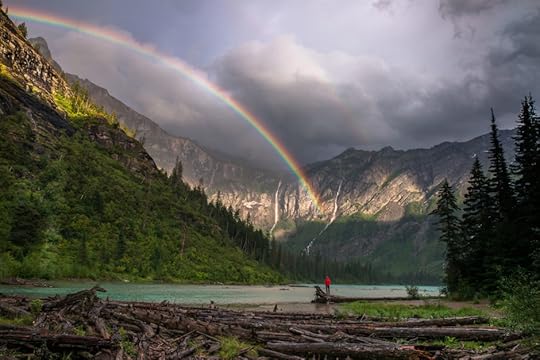
Glacier National Park in Montana boasts all kinds of amazing roadside spots, but as with so much in life, veering just a few miles down a trail can be well worth it. I hiked to Avalanche Lake this particular trip, and five minutes in it started dumping rain. Though we never saw the sunset we came for, we did get to the lake just in time to catch a vibrant double rainbow stretch across the sky. I nearly dropped my camera as I scrambled to get it out of my pack, and just a few minutes after I captured this photo, the color was gone.
7
There’s a Reason Everyone Takes This Photo
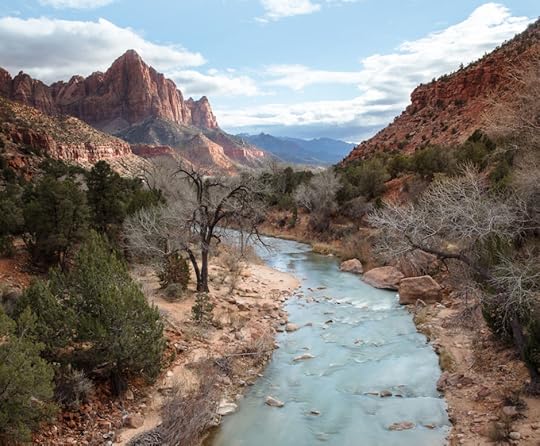
Though I find the greatest thrill in capturing landscapes off the beaten path, I’m certainly not above shooting from popular vista points, either. I’ve hiked the Narrows from the top down pretty recently, but I hadn’t been to this particular section of Zion National Park in Utah since I was a kid. From the bridge, I watched a trio of deer cross the river below me, and yes, the rocks really are this red, and the water has a distinct aqua hue to it. Sadly, I was just passing through and I couldn’t stick around for sunset, but this is one of those places that wows no matter what season (or time of day) you visit.
8
Beauty in a Barren Landscape
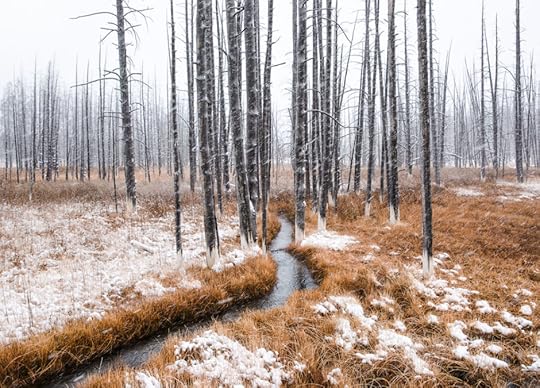
It’s easy to drive right by this patch of dead trees, as there is no parking area and it’s generally not something most people want to see in Yellowstone National Park in Wyoming. However, this is hands-down my favorite spot in the park, and I captured this shot during the first winter storm of the season. Though there was quite a bit of snow on the road and other areas in the park, the temperature of the creek, which is fed by a geothermal spring, remained warm enough to melt most of the snow that touched it.
9
Blondie the Bear
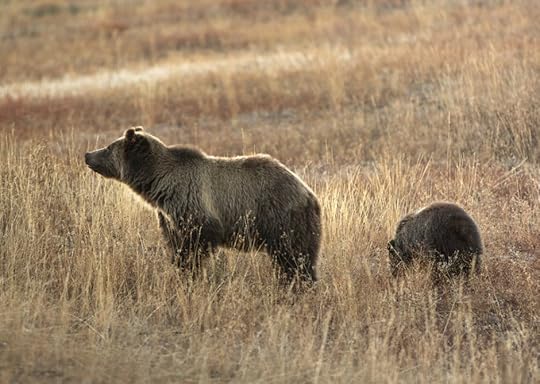
When I think of Wyoming, I imagine snow-capped peaks, glassy lakes, and the occasional moose. But getting to watch a mother grizzly (Bear #793, aka “Blondie”) and her two young cubs frolic through a field of golden grass in Grand Teton National Park was something I never expected to see. One of the cubs stuck by mom’s side for most of the afternoon, but the other was a bit more rambunctious, and took off a number of times. I shot this photo on a long lens from my car, and while there were a number of photographers keeping a safe distance from the bears, there were nearly two dozen people who were not following park rules and getting dangerously close. Just a reminder to please respect wildlife, and per NPS rules, maintain a distance of at least 100 yards (300 feet) from bears and wolves.
10
A Sunset Silhouette
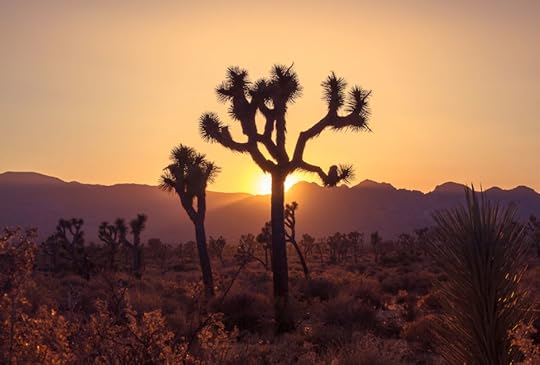
Joshua Tree National Park is just two hours away from Los Angeles, and it’s one of my favorite places to pitch a tent. In addition to the dry, desert air and temporary escape from the city, when the sun drops, all you see on the horizon is purple hills, a golden sky, and row after row of spiky Joshua tree silhouettes. This was the first sunset I ever saw in the park, and I honestly haven’t tried shooting sunset here since then, because I don’t know that I could ever top this moment.
More like this: 16 must-see National Parks this year
The post 10 epic photos of the US National Parks and the stories behind them appeared first on Matador Network.

Wine places other than Cali
California may be the flagship of wine tasting in the US. but there are other regions just as ripe for the sipping. Award-winning wines are being produced in many other states and frequently sell out to wine clubs, locals, and tourist markets before they can be exported to the wider US market. Thanks to these smaller producers, the country is dotted with wineries where one can experience wine tastings on par with California’s big guns.
Here are nine of the best places to go wine tasting in the US that aren’t in California.
1. Walla Walla, Washington.
Washington state is the second-largest wine producer in the US and Walla Walla is the industry’s heart. Known for its historic Main Street, friendly locals, farm-to-table restaurants, and photogenic fields of wheat, this small town is also home to more than 100 wineries.
Located in sunny Eastern Washington, just miles from the Oregon border, this area is famous for its diurnal flux (hot days, cold nights) and access to the cobbled terroir of the Rocks District, the country’s newest — and most unique — AVA (American Viticultural Area). It’s easy to spend a few days here, sipping renown Syrah, Cabernet Sauvignon, and Chardonnay in between rounds of golf walks around scenic Bennington Lake and touring the city’s impressive sculpture collection (courtesy of the Walla Walla Foundry). For those flying out, Alaska Airlines allows each passenger to check one case of wine for free.
Where to eat: Brasserie Four, Bacon & Eggs, Colville Street Patisserie
Where to drink: Rotie Cellars, Sleight of Hand Cellars, Tranche Cellars
Where to stay: The Inn at Abeja, Bryant Barn, Boyer House
2. Willamette Valley, Oregon
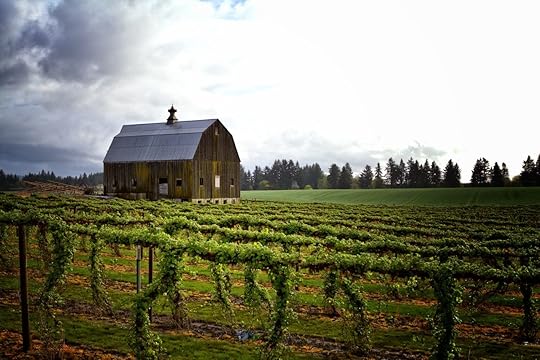
Photo: KennStilger47
Oregon’s Willamette Valley encompasses seven AVAs, more than 300 wineries, and is the third-largest wine grape producer in the US. In true “Portlandia” style, more than half of these are classified dog-friendly, 19 biodynamic, and 13 organic. A short drive from Portland, the area is respected for its award-winning Pinot Noir, Pinot Gris, and Riesling.
Most wineries dotting the valley are family-owned, with small production, so it is likely visitors will get to spend some time rubbing elbows with the actual winemaker before packing out some highly-prized bottles. This personal touch extends outside the tasting room with some wineries offering vineyard tours and others with marked hikes for those who enjoy the outdoors. There is a lot of ground to cover in the Willamette Valley and the Oregon Wine Touring Guide will help visitors make the most of their tasting time.
Where to eat: Thistle, Sada sushi and izakaya, The Painted Lady
Where to drink: Ponzi Vineyards, Domaine Drouhin, Antica Terra
Where to stay: McMenamin’s Hotel Oregon, The Vintages, Stoller Family Estate Guesthouses
3. Boise, Idaho
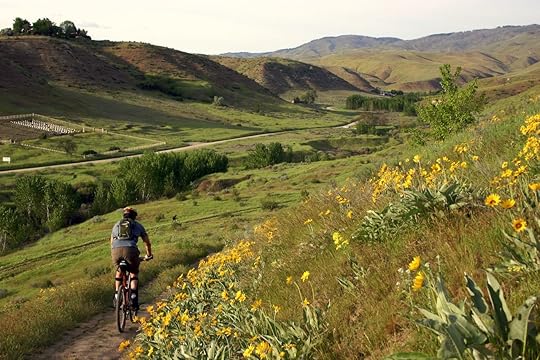
Photo: CSNafzger/Shutterstock
Though many of its grapes are imported from neighboring Washington State, Idaho is poised to make its mark on the American wine world. There are three reasons for this: volcanoes, weather, and female entrepreneurs. The scrubby volcanic soil provides excellent drainage for vinifera, especially cool climate whites such as Riesling, Chardonnay and Pinot Gris, and hardier reds including Cabernet Sauvignon and Merlot. Weatherwise, Idaho’s semi-arid climate and four distinct seasons provide prime growing conditions. Add to the mix a group of curious, experienced female winemakers garnering big scores and you have the wine world talking.
Almost half of the state’s fifty wineries are clustered near the tree-lined streets of Boise, the third largest city in the Pacific Northwest. This thriving state capital sits at the foot of the Boise Mountains and is a lively place to visit thanks to the University of Idaho and nearby skiing, hiking, camping and river rafting opportunities.
Where to eat: Fork, Barbacoa Grill, Wild Root Cafe
Where to drink: Cinder Wines, Ste. Chapelle Winery, Indian Creek Winery
Where to stay: Boise Guest House, Modern Hotel, Boise Hillside Suites
4. Santa Fe, New Mexico
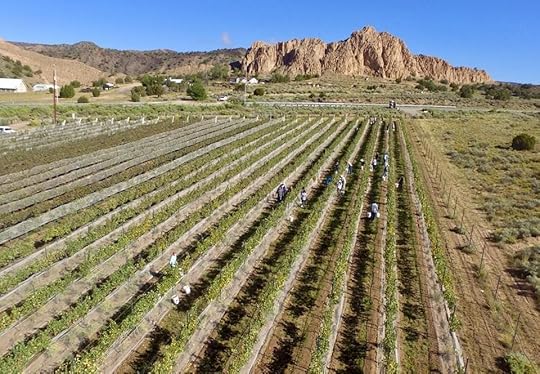
Photo: Vivac Winery
Best-known for hatch chile, adorable adobes, and O’Keeffe-worthy sunsets, New Mexico can also be considered the birthplace of American viticulture. Spanish missionaries planted wine grapes on the banks of the Rio Grande near Albuquerque in 1629, a full 140 years before California put down roots. A series of disastrous floods in the 1940’s decimated the industry but thanks to the investment and vision of a select few, including European winemakers looking for new opportunity, wine is again on the table.
This unique history, geology, and geography combine to produce a stunning array of respected varietals ranging from Cabernet Sauvignon, Sangiovese and Pinot Noir to Nebbiolo, Dolcetto and Gewurztraminer. America’s sparkling wine sweetheart, Gruet, which earned the #43 spot on Wine Spectator’s 2011 “Top 100 Wines of the World” list, has tasting rooms in both Albuquerque and Santa Fe while smaller “mom and pop” producers dot the route from Albuquerque north to Dixon, a worthy road trip. Santa Fe, with its award-winning restaurant scene, outdoor recreation, cultural attractions, and historic downtown plaza, is an ideal home base to explore from.
Where to eat: Geronimo, Cowgirl BBQ, La Choza
Where to drink: Black Mesa Winery, Vivac Winery, La Chiripada Winery
Where to stay: Santa Fe Vacation Rentals, Ten Thousand Waves, Inn on the Alameda
5. Fredericksburg, Texas
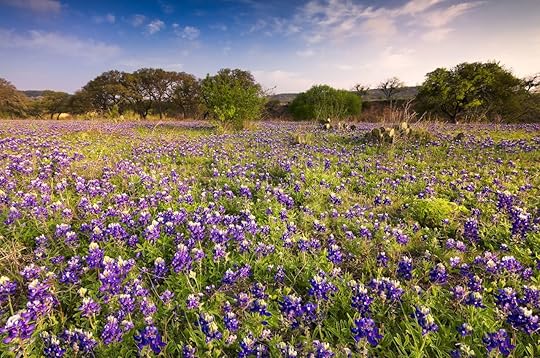
Photo: Dean Fikar/Shutterstock
When it comes to wine, the old saying “everything’s bigger in Texas” is especially apt: at over nine million acres, the Texas Hill Country AVA is the largest state-specific AVA in the US.
Stretching from north of San Antonio to west of Austin, the hot, dry climate is ideal for Bordeaux varietals such as Cabernet Sauvignon and Merlot and even Portuguese favorite, Touriga Nacional. The small town of Fredericksburg anchors the central Texas wine scene and is notable for its big personality, Germanic roots, and historic downtown. The surrounding hill country is a popular destination for hikers, wildflower enthusiasts, and antique hunters. More than 50 wineries call Texas Hill Country home so to make the most of a visit, many resources exist for trip planning including the Texas Hill Country “Wine Trail” and Wine Road 290.
Where to eat: Cabernet Grill, August E’s, Hondo’s on Main
Where to drink: Pedernales Cellars, Hye Meadow Winery, Messina Hof Winery
Where to stay: Camp Lucy Cottages, Hill Country Casitas, Cotton Gin Village
6. Kansas City, Missouri

Photo: Missouri Wines
Missouri has one of the most interesting wine scenes in the US. Still a young industry, winemakers here are not afraid to experiment. Some of the most thought-provoking wines come from heritage grapes like Catawba and Norton as well as new hybrids including Seyval Blanc, Traminette, and Vignoles. More than 125 wineries can be found tucked among the state’s verdant hills with a concentration of 50 near Kansas City. With more boulevards than any other city except Paris, Kansas City is commonly called “Paris of the Plains.” After a long day of wine tasting, visitors have many options for entertainment in this diverse city: sample some famous Kansas City BBQ, float the Missouri River, tour the Frank Lloyd Wright-designed Community Christian Church, or take in some Old School jazz.
Where to eat: Cafe Europa, Joe’s Kansas City Bar-B-Que, The Corner Restaurant
Where to drink: Riverwood Winery, Jowler Creek Winery, Arcadian Moon Winery
Where to stay: Jefferson House Bed & Breakfast, Southmoreland on the Plaza, Inn on Crescent Lake
7. Traverse City, Michigan

Photo: Bonobo Winery
Traverse City sits at the foot of the Leelanau Peninsula, jutting 30 miles into the azure waters of Lake Michigan, and is home to 24 wineries taking advantage of the area’s unique microclimates.
Among the acclaimed varietals are Riesling, Pinot Grigio, Chardonnay, Pinot Noir, and Cabernet Franc. Vinifera thrive here due to the unique “lake effect” that keeps vines cool in the summer and warm in the winter. Leelanau is also one of the few wine regions to produce ice wine — a growing pleasure among many wine enthusiasts.
Among winery owners in this area, you’ll find TV stars, sports celebrities, and highly-pedigreed wine experts. Fall harvest is a perfect time to visit and enjoy the colorful foliage or take part in the annual “Harvest Stompede,” a foot race through the vineyards followed by special wine and food pairings at 22 of the area’s wineries.
Where to eat: The Bluebird, 9 Bean Rows, La Becasse
Where to drink: Bonobo Winery, 45 North Vineyard & Winery, Peninsula Cellars
Where to stay: Whaleback Inn, Inn at Black Star Farms, Falling Waters Lodge
8. Finger Lakes, New York
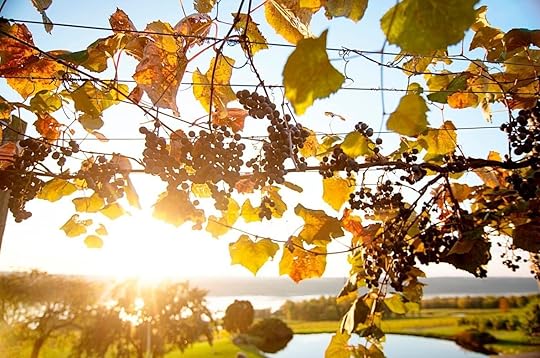
Photo: Finger Lakes Wine Country
The green forests and babbling brooks of upstate New York are a far cry from the city to the east that shares its name. Slivers of glacial lakes abound and in one area form “fingers” the Finger Lakes region is named for.
Thanks to the chilly climate, the 140 wineries in this area are famed for producing high-quality sparkling wines, Riesling, Pinot Noir and ice wine. It was here in the 1960s that Dr. Konstantin Frank launched the “Vinifera Revolution” when he discovered European varietals, with the proper rootstock, could be grown in cold weather. His winery, Vinifera Wine Cellars, is still in operation producing popular sparkling wines.
The region also attracts many with its outdoor opportunities: waterfall hunting in one of the many state parks, hiking trails, fishing, and boating. If the outdoors isn’t your thing, there are other deserving options including the I.M. Pei-designed Johnson Museum of Art at Cornell University, the Corning Museum of Glass, and the George Eastman International Museum of Photography.
Where to eat: Kindred Fare, Stonecat Cafe, FLX Wienery
Where to drink: Bully Hill Vineyards, Bloomer Creek, Heart & Hands Wine Co.
Where to stay: Firelight Camps, Belhurst Castle, Vineyard Villas
9. Shenandoah Valley, Virginia
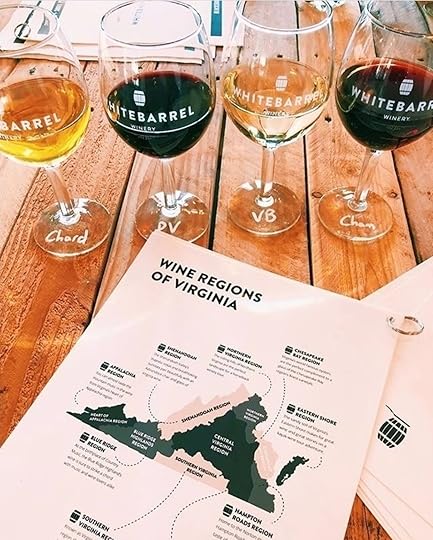
Photo: Virginia Wine
Virginia is for lovers of wine. Thomas Jefferson was one such lover, planting wine grapes here in 1771. He didn’t have much success, thanks to a variety of issues including Virginia’s tendency toward hot, humid weather. This hasn’t changed, which makes growing grapes here more challenging than in drier climates: growers must remain vigilant about pests and fungus such as powdery mildew.
Nevertheless, those who succeed are attracting attention for their Chardonnay, Cabernet Franc, Merlot, and Viognier. Over 30 wineries dot the flanks of the Shenandoah Mountains, attracting flocks of tourists from Washington D.C. Many also choose to include a visit to Shenandoah National Park or even “go deep” experiencing the curious caverns and rock formations that lie beneath the landscape.
Where to eat: Rappahannock Pizza Kitchen, The Inn at Little Washington, Woodstock Brewhouse/1752 Barbeque
Where to drink: Glen Manor Vineyards, Early Mountain Vineyards, Glass House Winery
Where to stay: By the Side of the Road Inn & Cottages, River Bluff Farm Bed & Breakfast, Piney Hill Bed & Breakfast & Cottages
More like this: The top 5 wine destinations to visit in the US besides Napa
The post The 9 best places to go wine tasting around the US that aren’t in California appeared first on Matador Network.

SW Florida: 11 outdoor experiences
Beach? Please. In Southwest Florida, the miles of soft, white sand — open and warm year-round — are just the stereotype. What the locals see? Dense, mangrove-lined waterways. Shallow inlets full of curious manatees. Choruses of birds flying and hiding between the cypress trees and Jurassic-esque ferns. These scenes are what lie beyond the famous beaches…though those can’t be beat, either.
So grab your towel, sure, but leave room in that bag for more. The perfect excuse to get outside is right here on The Beaches of Fort Myers & Sanibel in Southwest Florida (and of these 11, your boss is bound to understand at least one).
1. You’ve never experienced a dolphin tour from your own WaveRunner.

Photo: Pete Markham
Plenty of the humans around these parts may not be permanent residents (though they probably wish they were), but the dolphins hang out year-round. You’ve seen them from the beach a million times, you’ve maybe seen them from a boat, but you’ve probably never imitated their tricks on a WaveRunner (from a safe distance, of course).
To try it out, head down to Fort Myers Beach — more specifically, Pink Shell Beach Resort and Marina — and jump on one of their Dolphin Adventure Tours that zips into nearby Estero Bay. For 90 minutes, you’ll race through the Gulf of Mexico and cruise the back bay waters, watching dolphins play, pelicans dive for fish, and birds you’ll never be able to identify swoop from tree to tree. And if you have no idea how to operate your own “personal watercraft,” don’t count yourself out. Beginners are welcome, and one of Pink Shell’s pro guides will show you the ropes.
2. You’ve never gone shelling on one of the country’s best beaches.

Photo: The Beaches of Fort Myers & Sanibel
People from all over the world — literally — flock to the islands of Sanibel and Captiva for the beautiful shells. Look down for two seconds, and you’ll see that they really are everywhere. Especially if you come in the morning at low tide or just after a storm, when the Gulf’s stirred up its contents. It might be hard to look up. Conches, lightning whelks, coquinas, even the spotted junonia — widely considered hitting the shelling jackpot — absolutely litter the coastline. All in all, there are over 400 species of free souvenirs at your feet. (Just make sure not to touch the “live” ones — you’re in their backyard, remember!)
After a full day of doing the “Sanibel Stoop” in the shelling capital of the US, cool off — and let’s be honest, rest your back — in the pool at the Beachview Cottages of Sanibel. Consider it me-time to practice your seashell impression. And when you’re done, head on back and relax in your very own Gulf-facing cottage for the night.
3. You’ve never seen Southwest Florida from a bicycle…
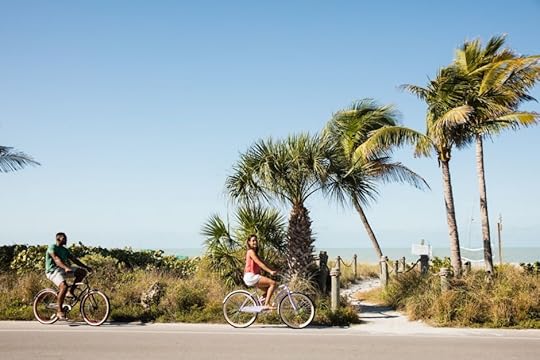
Photo: The Beaches of Fort Myers & Sanibel
Roughly half of the area of Sanibel and Captiva Islands is made up of wildlife refuges and nature preserves. Half. Wandering through these areas on foot is great, but you sure can cover more terrain on two wheels. And with more than 25 miles of uninterrupted bike trails around Sanibel, it’s easier than you think to get up close and personal with that roseate spoonbill. (But not too close — they need their personal space, too).
Sundial Beach Resort & Spa provides bikes (and helmets!) for guests, and they’ll give you tips on where to pedal. Pro tip: Bike to the Sanibel Lighthouse, just down the beach from Sundial’s condo-style resort accommodations and amenities. Set against the white-sand beach, the blue water in the distance…Instagram is about making your friends back home jealous, yeah?
4. …or from a human-powered party boat.
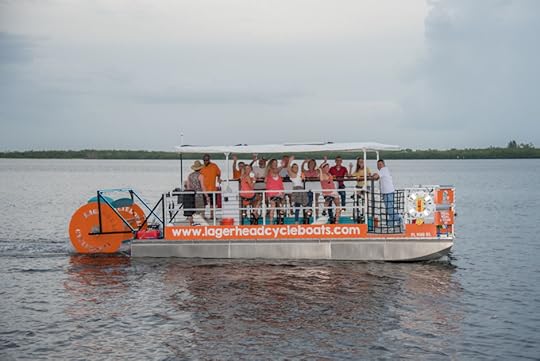
Photo: Lagerhead Cycleboats
There’s no better way to see a place than by water, with a drink in hand — which is where Lagerhead Cycleboats comes in. You know those “beer bikes” you see around hip towns, where groups pedal their way through the streets on one massive party bike? This is like that, only on water…so much better.
Technically, it’s called a “cycleboat,” and you’re welcome to pretty much go wherever your feet — and the water — take you. You’ll pedal (and sip) your bar barge past those iconic shrimp boats, Fort Myers Beach bridge, and around the back bay waters of Fort Myers Beach. But whether you go before, during, or after your cruise, definitely stop at Doc Ford’s Rum Bar & Grille. The occasion calls for their flavor-packed chili-cilantro Yucatan Shrimp and one of their famous mojitos.
5. You’ve never hung out in Henry Ford’s old digs.
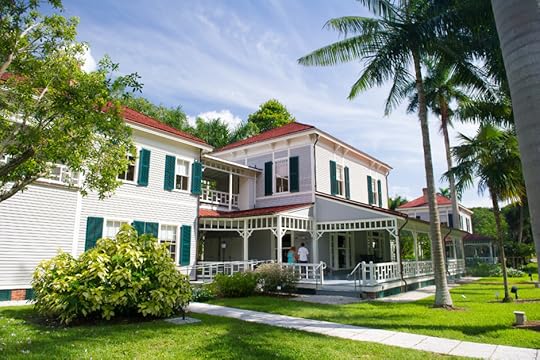
Photo: The Beaches of Fort Myers & Sanibel
Thomas Edison saw the potential in Southwest Florida when he built his sprawling winter home along the Caloosahatchee River in 1886. He must have sung its praises, because his good friend Henry Ford bought the house next door in 1916 — and both homes are now historic museums.
To get there, take a scenic drive south from downtown along the palm-tree-lined McGregor Boulevard until you reach the estates. You’ll know you’re in the right spot when you see the postcard charm, uninterrupted views of the Caloosahatchee River, the lush, detailed landscaping, and the iconic banyan tree standing guard.
6. You’ve never kayaked a “blueway.”
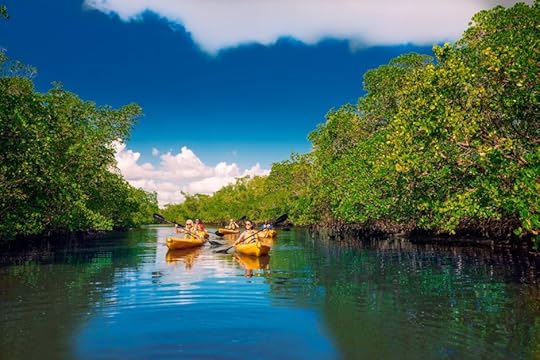
Photo: The Beaches of Fort Myers & Sanibel
The best way to quietly explore the mangrove-lined back bays of Sanibel or Captiva Island — at your own pace — is by paddleboard or kayak. Take it easy and take your time, and you might run into an “aggregation” of docile manatees, a pod of dolphins, or herons fishing near the mangroves. But remember: Here, you’re a visitor in wildlife territory. Their territory.
You can rent kayaks from the properties of Sanibel Captiva Beach Resorts (for example, Castaways Cottages at Blind Pass), launch into Pine Island Sound or San Carlos Bay, and paddle a section of the Great Calusa Blueway for a tranquil adventure. This 190-mile marked waterway weaves through three distinct regions along The Beaches of Fort Myers & Sanibel, and it’s possibly the best way to get inland and yet still away from civilization. And, yep, it’s calm enough for beginners.
7. You’ve never gone golfing with this many options.

Photo: The Beaches of Fort Myers & Sanibel
With year-round sunshine, endless perfect sunsets, and around 50 courses, it’s tee time somewhere. This region is top 10 in the country when it comes to golf holes per capita, and plenty of these beautifully sculpted greens have been touched by the world’s best — Donald Ross designed the Fort Myers Country Club, and Jack Nicklaus, Arnold Palmer, and Raymond Floyd are names around here, too.
There’s a variety of private, semi-private, and public courses to choose from, and wherever you stay will be able to give you the lowdown on where to go. Play a quick back nine, or make a week of it at one of the seaside resorts.
8. You’ve never chilled with a gopher tortoise.

Photo: Brian Garrett
When you need a good detox from humans, technology, and concrete, J.N. “Ding” Darling National Wildlife Refuge, on Sanibel Island, is the place. It’s an incredible 7,600 acres full of hikeable, bikeable, and paddleable scenic trails, and perusing the mangroves, you’re likely to encounter gopher tortoises, wading birds, and otters. With over 50 types of reptiles and amphibians, 32 mammal species, and more than 270 species of birds, let’s just say your chances of a wildlife encounter are pretty good.
You can also hop in your car and cruise the scenic four-mile Wildlife Drive. And when you’re ready to head back into civilization, end the day at West Wind Inn’s Normandie Seaside Café to catch the sunset over dinner. Be on the lookout for the elusive Green Flash! But no worries — if you don’t see the phenomenon the first evening, you can always stay the night in one of West Wind’s well-appointed gulf-front rooms and try again the next day.
9. You’ve always wanted to learn how to fish.
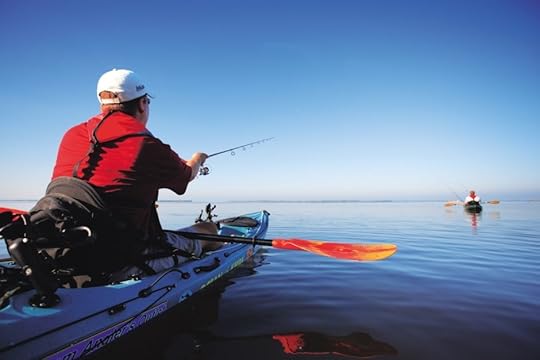
Photo: The Beaches of Fort Myers & Sanibel
Since the early 1900s, Boca Grande has been considered one of the top destinations in the world for tarpon fishing. And for beginners, it’s best to start out where the fish practically jump onto your line. You know, to feel good about yourself and all.
Fishing guides are readily available throughout the area, and you can choose between navigating the back bays, the narrow passes, or the deep sea. A solid recommendation, however, is to hire a guide through ‘Tween Waters Island Resort & Spa and leave straight from their docks. On the off chance you don’t come back with a catch (most likely tarpon, snook, grouper, or snapper), stop by the Oasis Pool Bar afterwards and catch yourself a drink.
10. You’ve never seen Spring Training in action.

Photo: The Beaches of Fort Myers & Sanibel
Starting in February, both the Boston Red Sox and Minnesota Twins get the heck outta Dodge — understandably — and spend their springs down in sunny Fort Myers. Tickets are available in December/January, and almost every day sees a game, so if one date doesn’t work out for you, the next might.
This is serious business, too. JetBlue Park (Red Sox) and the recently renovated Hammond Stadium (Twins) are filled to the brim nearly every game with devoted fans from all over the country. And if you’re just there for the hot dogs, no one will know the difference.
11. You’ve never walked through a cypress slough.
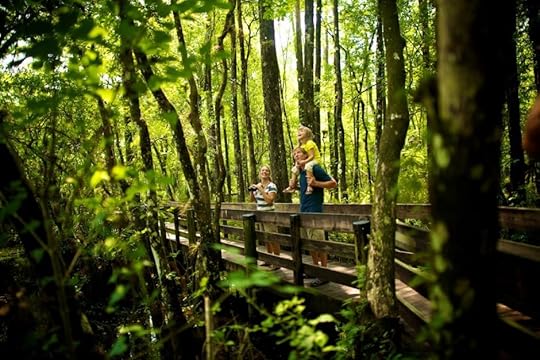
Photo: The Beaches of Fort Myers & Sanibel
Wander around the heart of bustling Fort Myers, and you’ll likely run across the sanctuary known as Six Mile Cypress Slough (pronounced “slew“). This preserve is over 3,500 acres of Southwest Florida at its finest.
The mile-long boardwalk that winds around the stately cypress trees is a good intro. Explore the bromeliad- and fern-laden slough long enough, and you’ll be sure to come across wading birds, alligators, turtles, and an otter or two. When you reemerge from the wilderness…just kidding. If you choose to reemerge from the wilderness, downtown Fort Myers is only a short drive away.


The post 11 perfect excuses to get outside in Southwest Florida appeared first on Matador Network.

April 10, 2018
Drunk guy hikes up mountain
This is one drunken tale that we think most people can agree: we’ve not all been there. According to Italian news outlet La Stampa, an Estonian man, known as Pavel, took a wrong turn while heading home to the Italian resort of Cervinia and ended up ascending an Alpine mountain.
It was reported that Pavel believed he was sauntering up a rather snowy street, instead of climbing up one of the resort’s ski runs towards the summit.
After reaching one of the venues that tower over the resort, bar and restaurant Igloo, Pavel managed to break in to the establishment and find some bottled water from the bar to rehydrate from his hike.
Unknown to Pavel, a search party was established in the resort below, where people took to foot and drones were launched in an effort to find the missing man.
Pavel took refuge in the bar and was found the following morning by the staff of Igloo. It was reported he was fast asleep on one of the benches.
Like most incidents where the authorities are called out for a search and where the individual has put themselves in danger, it is expected that Pavel will receive a fine for his actions.
Although this story could easily have ended badly, we have a feeling Pavel will be recounting this saga for some time.
More like this: 7 best pieces of advice I’ve received from drunk travelers
The post Drunk person in Italy accidently hikes up a snowy mountain thinking he’s walking back to hotel appeared first on Matador Network.

Matador Network's Blog

- Matador Network's profile
- 6 followers


