
Matador Network's Blog, page 1362
April 17, 2018
Tools bartenders need
Bartending isn’t just about having fun with a bunch of intoxicated people for money. It is a craft that requires a lot of social skills and abilities, and like any craftsman, bartenders need their tools to do a good job. Here are seven tools bartenders could never live without.
1. A hand towel
Have you ever shaken hands with a bartender while they were working? Odds are it was one damp handshake. From making drinks to hand washing glassware, our hands are covered in liquid all shift long. We need to constantly dry our hands so we don’t fling liquor bottles every time we make a drink. While our hand towel is usually just a terry cloth rag, it is essential.
2. A paring knife (and Band-Aids)
You haven’t lived until you’ve tried cutting lemons with a steak knife. It’s just so wrong. I’ve seen bartenders have full-blown breakdowns over missing paring knives. It seems like such a small thing, but what good is a cocktail without its garnish? And remember to always keep a supply of Band-Aids with your knives. No matter how careful you are, you will eventually sustain fruit-cutting related injuries on the job — and cuts and lemons don’t mix.
3. A strainer
Because no one wants ice chunks in their Martini.
4. A juicer
Not every bar uses fresh juices, but if yours does, you know the importance of a juicer. I once spent an hour of my life squeezing tiny bits of juice out of blended ginger pulp in order to make a specialty ginger syrup. With a juicer, I could have gotten at least 58 minutes of my life back.
5. Attractive garnish jars, preferably with latches
Those plastic trays just don’t cut it. A bar looks so much nicer with a lovely array of glass garnish jars next to pretty glass bottles for bitters, tinctures, and syrups. It is the bartender’s very own chemistry station. Plus, jars with latches make it more difficult for drunk guests to reach over and help themselves to your olive supply.
6. Matchbooks
People love matches. Always have a jar of matchbooks at your bar. Yes, it’s a little like that house at Halloween that leaves the bowl of candy with the sign, “only take one piece”, some jerk is inevitably going to take the whole bowl. But it doesn’t matter, you will refill that bowl because it is the right thing to do!
7. Loud music
While not a literal tool, when it comes to music, the louder the better. Something about the pounding beat actually helps to clear the mind and focus attention on the matter at hand — getting people drunk. 

More like this: 7 superpowers every bartender has
The post 7 tools bartenders could not live without appeared first on Matador Network.


You have a New Mexican mom
Just like the land they came from, New Mexican moms are equal parts the best thing that ever happened to us and incredibly difficult to deal with at times. But we wouldn’t be the same chile-loving, crazy hippies we are today without them and all the lessons we learned from them.
Here’s 16 signs that you were raised by a New Mexican mother.
1. You were allowed to run wild.
After school, afternoons, weekends, summer holidays… if you weren’t doing chores, you were out of the house playing in the fields, chilling by the arroyo, heading to your friend’s house, seeing what kinds of crazy stuff you could get into. New Mexican moms weren’t about that helicopter parenting; they turned you out into the neighborhood or countryside to run, have fun, and be a kid.
2. But you also had to be in by sundown.
Because otherwise, La Llorona was gonna get you. Or worse, your mother.
3. You’re not a picky eater.
If it was on your plate, you were gonna eat it. That was not up for debate.
4. You’ve loved spicy food since Day 1.
You wouldn’t be surprised to learn that your mom mixed green chile or salsa into your baby formula.
5. Colds were solved with green chile stew.
Mexican moms have Vicks and Sprite, New Mexican moms break out the family recipe for green chile stew and brew up an extra strong batch that will burn that cold right out of your body. It’s now your go-to cold treatment.
6. You always keep a clean house because of her.
Your childhood was spent with plenty of chores to help keep the house pristine, and now, as an adult, you keep your home just as spick-and-span. Not necessarily because you want it that clean, but in case she comes over unannounced and scolds you.
7. You know that biscochitos are the best Christmas cookies.
Sorry, sugar cookies. These cinnamon, anise, and lard beauties are the real MVPs.
8. And nothing will ever be as good as your mother’s cooking.
You would fight your own best friend if they disagreed with you that your mom’s tamales are the best in the world.
9. You’ve tried a little bit of everything.
You did it all. She had you in soccer, basketball, or volleyball. You were in orchestra, art class, debate. Horseback riding, swimming, you name it. You went through enough after-school classes and summer camps to truly be a jack of all trades. Because she wanted you to be well-rounded and try new, interesting things (and also because she wanted to get you out of the house.)
10. You know who Joe Hayes is.
The man, the myth, the legend. You had a shelf-full of his books and you have many happy memories of summer evenings spent at his readings. Even today, you could probably still recite “The Day It Snowed Tortillas” perfectly from memory.
11. You always use sunscreen.
The golden rule. If you came home with a sunburn, you were going to GET IT.
12. Your inheritance will include turquoise jewelry and throw-over shawls.
You know the ones.
13. You prefer comfy but stylish clothes over the latest trends.
New Mexican moms know how to be fashionable and comfortable at the same time, a true feat, so you took a page from your mom’s book and now have a closet full of gypsy skirts and loose, billowy blouses.
14. You probably believe in some New Age, hippie stuff.
Saging the house, opening your chakras, meditation, yoga. Whatever it was, your mom was into it.
15. Your education was all over the place.
You either went to one of those strict religious schools where they have daily Mass or an alternative education school where there were no real grades, you talked about your feelings a LOT, and went out into the woods for activities. Either that, or an NM public school. Or you rotated through all three and it really messed you up.
16. You can make a mean margarita.
A coming-of-age lesson passed on from mother to child.
More like this: 18 fears only New Mexicans understand
The post 16 signs you were raised by a New Mexican mom appeared first on Matador Network.

7 outdoor adventures in Louisiana
Louisiana is a state where you can spot gators in swamps, catch crawfish in bayous, and reel in speckled trout or redfish from the Gulf of Mexico. It’s a state where you can hang out in a jungle garden, chill in houseboats that have their own hot tubs and wet bars, bicycle between breweries, go horseback riding in a national forest, search for shells on white sand beaches, and…wait for it…watch gator eggs hatch in the palm of your hand. Here’s just some of the awesome adventures you can have in the Louisiana outdoors.
1. Exploring the jungle on a pepper plantation salt dome
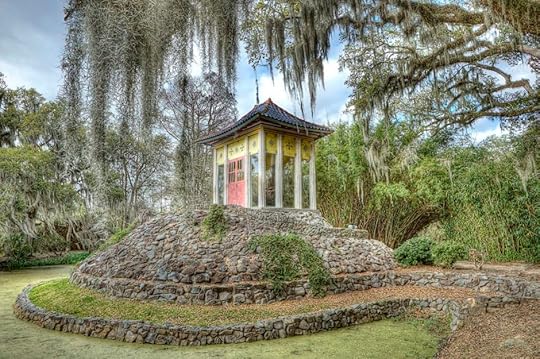
Photo: Brad Kebodeaux
Fun fact: Every single drop of Tabasco sauce comes from Avery Island — a salt dome in Louisiana’s Iberia Parish. Farmed by the McIlhenny family since 1868, the island is home to pepper farms, an impressive salt mine, a production facility, and a museum.
The area is also a bird sanctuary covered with exotic flora from all over the world. To explore the Jungle Gardens, start at the Buddha before checking out the Cleveland Oak, the Survey Tree, the hedgerow, the wisteria arch, and the palm gardens. Edward Avery McIlhenny, aka “Mr. Ned,” was obsessed with plant diversity and put together his jungle to pay tribute to as many species as he could.
There’s a self-guided tour (which includes a combination of driving and walking), or you can make a reservation for a guided bird tour any day of the week. Look out for snowy white egrets, little blue herons, roseate spoonbills, and pintails.
2. Renting a houseboat
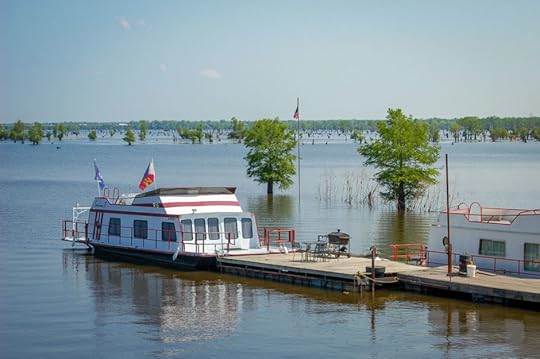
Photo: JC. Winkler
Like camping, but cooler — several companies up and down the Atchafalaya River Basin provide houseboats as a rental option. You can relax near the water, take part in activities like airboating and fishing, and get away from everything and everyone. How perfect is that? The boats vary in size and location, meaning you can enjoy a cozy floating night for two (houseboat-based romantic getaway, anyone?), or get a group of ten together for a big ol’ family reunion or bachelor party.
In Hendersonville, just a few minutes off I-10 between Baton Rouge and Lafayette, five houseboats (La Bon Temps Bateau, Henderson Lady, Midnight Sky, Atchafalaya Queen, and Allon Dancer Colinda) await at Houseboat Adventures at Cypress Cove Landing. These are the best kind of houseboats — think front stoops, porch swings, and full-size barbecues.
Head farther south down the basin to the Morgan City area for more options. The Summer Time is docked in the Avoca Island Cutoff and guarantees a hell of a party. It sleeps ten and has a covered upper deck with wet bar, hot tub, and Green Egg grill. Kayaks are included, making it easy to get to Gros’ Marina, which hosts live zydeco music every weekend. Also included are a couple of fishing poles that can be taken out in the kayaks or in the pontoon for rent, or just used to cast off the back of the boat.
Nearby are a couple of other houseboats at Cajun Houseboats. They’re being renovated right now, but should be back in business real soon.
3. Hatching a baby alligator…in your hand

Photo: Jonathan Lidbeck
The bayous and swamps of Louisiana are full of alligators, and there are various tours that bring people to see them. For something really intimate, book a time between mid-August and early September to hold a gator egg in the palm of your hand while it hatches. If there’s nothing hatching during your originally scheduled visit, Insta-Gator Ranch will either reschedule for another day or give you a full refund.
Located on the north shore of Lake Pontchartrain, Insta-Gator Ranch also offers tours of its gator barns (where touching the residents is permitted, with supervision) and gives an overview of the history of the alligator industry. It’s a real circle-of-life type of thing: You can purchase gator leather wallets, belts, and other accessories here (something to keep in mind before bringing the kids).
4. Collecting shells at the beach

Photo: Dylan
Louisiana isn’t as well-known for its beaches as some of its Gulf neighbors, but that’s to your advantage — the southwest corner of Louisiana has some beautifully quiet stretches of undeveloped sand on the Gulf of Mexico. As part of the area’s long-winding Creole Nature Trail, these are perfect for peaceful walks and seashell collecting. The beaches of Cameron Parish — about an hour’s drive from Lake Charles — are especially shell-fertile. For the highest chance of having some beach to yourself, head west in the parish.
From conch shells to cockles, the bounty of seashells left behind at low tide makes for a perfect activity for kids, or for a solitary mission for some sweet souvenirs. Pro tip: Picnicking on Holly and Rutherford Beaches is always a good time.
5. Biking and brewing

Photo: Gary J. Wood
Beer is the ideal accompaniment to a relaxing bike ride on a sunny day (not too many, of course). Pedaling down the Tammany Trace Bike Trail makes for a great day, and the access it gives you to local beer spots provides the perfect trick for motivating people who may not be as excited about outdoor activities as you are.
The trail begins at the Covington Trailhead, right across the street from Covington Brewhouse and around the corner from Columbia St. Tap Room & Grill. From there, it runs behind the Abita Brewing Company brewery and into Abita Springs (where the Abita Brew Pub is, which has no affiliation with the brewery), then on to Mandeville, where it passes by Chafunkta Brewing and Old Rail Brewing. Old Rail is a great place to stop — in addition to local beer, it has a solid food menu and plenty of space to stretch out. (Wherever you stop, remember to drink lots of water along the way.)
For wine enthusiasts, Pontchartrain Vineyards is an 11-mile bike ride from the Abita Springs Trailhead Museum heading north on Highway 1082. This detour means you’ll have to get off the bike trail — but wine awaits, so it’s definitely worth your while.
6. Horseback riding through the woods

Photo: Johan Larsson
There are a lot of swamps, bayous, and other wetlands in the state, but there’s only one (totally awesome) national forest. That’d be Kisatchie National Forest in central Louisiana, where the 70+ miles of trails that crisscross the woods are perfect for horseback riding with Haze E. Daze Ranch. The ranch provides horses and guidance suitable for all experience levels — there are tons of riding paths, so it’s easy to find the most appropriate match for your or your group’s skills.
Beginners are welcome, and basic training is included in the price of the ride, though kids under eight aren’t allowed to ride on the forest trails (they can explore the ranch, instead).
7. Catching a fishing rodeo
Photo: Shreveport-Bossier Convention and Tourist Bureau
No, this is not the “rodeo” you’re thinking of — no horses, no lassos, no cowboys. A “fishing rodeo” is an entirely different animal (so to speak), and a Louisiana coast tradition. It’s basically a competition to catch the biggest fish, but it’s also a community event, and often a fundraiser for local schools and nonprofits. Friends come together to cheer each other on, and perhaps a gentlemanly wager is placed here or there on the results.
You can’t swing a large, line-caught fish between April and October without finding a fishing rodeo somewhere on the Louisiana coast. There’s even one in New Orleans proper: the City Park Big Bass Fishing Rodeo, the oldest freshwater fish rodeo in the country (celebrating 71 years in 2018). Then there’s the Grand Isle International Tarpon Rodeo, one of the most celebrated fishing rodeos in the country.
It’s easy enough to register to compete, but well-wishers and community members have a sweet time of it too, with local music, food, awards, shopping, and games galore. Another awesome adventure in the Louisiana great outdoors you’ve mostly likely never heard of.
The post 7 outdoor adventures in Louisiana you’ve probably never considered appeared first on Matador Network.

April 16, 2018
Green mohawk turtle going extinct
The Mary River turtle may look like a ‘90s delinquent with a punk rock agenda, but it’s actually just a funny-looking Australian creature that has sadly been the victim of the pet trade and human disruption.
Last week, conservation group EDGE of Existence updated their list of species on the verge of extinction to include reptiles and the Mary River turtle unfortunately made the cut.
All the creatures that roam the Earth are incredibly special, but the Mary River turtle takes it up one notch; not only can it breathe through its genitals for up to three days in a row, but algae grows on its body to give it a very funky look.
Despite the fact that the Mary River turtle has been around for 40 million years and survived all sorts of incredible changes, a few decades of human assailment is killing it quickly and surely.
Other reptiles listed as facing extinction by EDGE include the Madagascar blind snake, a worm-like, pink snake that looks like a bizarre shoelace, and the pig-nosed turtle, a freshwater turtle that has the cutest little snout.
Although reptiles may not seem as relatable to us as mammals and don’t have as big a cute factor, protecting them is just as important for the well-being of our world’s eco-diversity. If you want to help the Mary River turtle overcome its endangered status and thrive in its habitat in Queensland, Australia again — or any of the many other species on the list — check how you can support EDGE here.
More like this: The best 8 places to see some of the world’s most majestic animals up close
The post This badass turtle with a green mohawk that breathes through its genitals is going extinct appeared first on Matador Network.

Map of Italian pasta
Here’s one for the pasta hounds. If you’ve ever found yourself perusing the menu at a fancy Italian joint, confused by the seemingly endless combinations of pasta and proteins and not wanting to sound like a total newbie as you order, this map is for you. Reddit user Sticcia posted a gloriously detailed Italian Pasta Map from Taste Atlas, which accomplishes to primary goals: 1) making us incredibly hungry, and 2) breaking down popular Italian pasta dishes by city and region. The map even includes photos of each dish, making for simple cross-referencing with the menu and ensuring there are no surprises once your dinner is delivered.
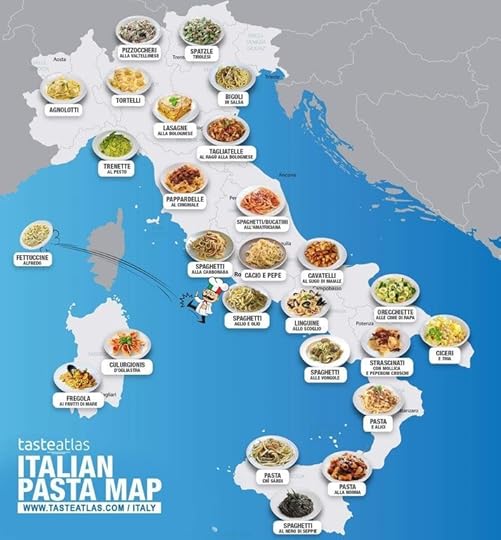
Photo: Taste Atlas/Reddit
Italians taught the world to appreciate one of life’s simplest pleasures, pasta, and have concocted it in ways so tantalizingly delicious that travelers come from all corners of the Earth just for a taste. To the north are hearty dishes like Lasagne Alla Bolognese and Pizzoccheri Alla Valtellinese. Down south, you’ll find thinner noodles and a lot more seafood, including briny, black squid ink pasta.
No matter the region of Italy that most calls you, be sure to follow the map’s golden rule and kick the Fettuccini Alfredo to the curb. Nobody wants to hang out with the Guastafesta drooling over such a bland dish, what Mitch Hedberg famously referred to as ‘macaroni and cheese for adults.”
More like this: Your guide to the wine and food of Italy
The post This map of Italy’s famous pasta dishes is mouthwatering appeared first on Matador Network.

Finland has 490 Shit Ponds
When we think of Finland, we think of beautiful snowy landscapes, remote islands, and surreal night skies. When Redditor brandsetter thinks of Finland, all he has in mind are shit ponds.
Indeed, a few months ago, brandsetter took it upon himself to tag all the places in Finland whose names translate to “Shit Pond” and, with the help of some other Reddit users, managed to locate 490 spots named Paskalampi, Paskolampi, Paskalammi, and Paskolammi.
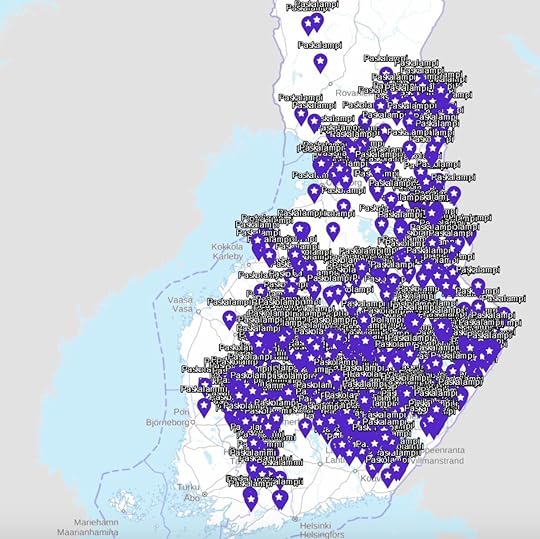
Photo: brandsetter
But because 490 spots named Shit Pond is not enough for Finns to satisfy their dirty streak, they also have come up with an unusually large number of obscene toponyms such as “Fart Lake”, “Boob Islands”, and “Fuck Pond” as proves the map below shared by Redditor Lazar Taxon over the weekend.
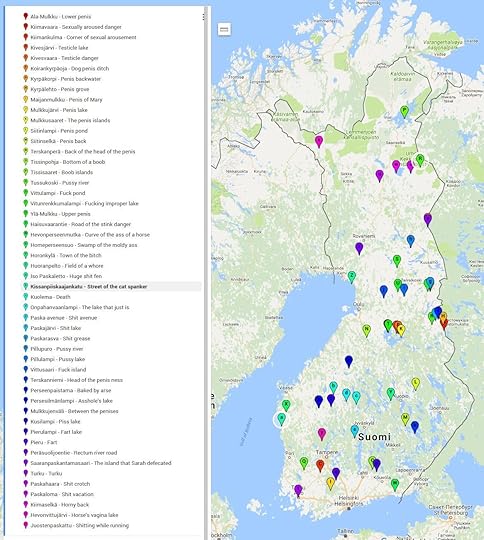
Photo: Lazar Taxon
Although some may have a practical purpose — everybody has now been warned about taking a trip to Paskaloma, AKA “Shit vacation” or swimming in “Shit Pond” or “Piss Lake” — we don’t really understand how the Finns came up with “Shitting while running” and “Dog penis ditch”.
You can rest assured that Finland is not alone in its deviance. Indeed, there many countries with dirty place names; Canada has “Dildo” in Newfoundland, Austria’s got “Fucking”, France has “Montcuq” (which translates as “My ass”) and “Anus”, and even Antarctica, whom we thought was beyond all this childish nonsense, has “Dick Peaks”.
Does your home country have dirty place names?
More like this: The 14 dirtiest Finnish expressions (and how to not use them)
The post appeared first on Matador Network.

Endangered languages to listen to
When we lose a language, we don’t just lose words; we lose a whole perspective.
Among 2,500 languages are in danger of becoming extinct according to UNESCO, and some of them are spoken by only 30 people. By the turn of the century, it is estimated that at least 50 percent of the world’s current spoken languages will be extinct.
UNESCO uses a set of five categories to define how endangered a language is:
Vulnerable
Most children speak the language, but it may be restricted to certain domains (e.g., home).
Definitely endangered
Children no longer learn the language as a “mother tongue” in the home.
Severely endangered
The language is spoken by grandparents and older generations; while the parent generation may understand it, they do not speak it to children or among themselves.
Critically endangered
The youngest speakers are grandparents and older, and they speak the language partially and infrequently.
Extinct
There are no speakers left.
You can hear natives say “A different language is a different vision of life” (a quote from Italian director Federico Fellini) in these endangered languages on this interactive map here, thanks to Go Compare’s Endangered Languages project. The written translation of this quote is included for each language below.
1. Aymara
Bolivia, Chile, Peru — 2,000,000 speakers left
Mayja arux mayja jakaña amuyuwa
This is one of the very few Native American languages that have over one million speakers. Interestingly, speakers of this language think of time differently than everyone else: linguistic and gestural analysis has shown they represent the past as being in front of them, and the future as behind them.
2. Balti
India, Pakistan — Unknown number of speakers left
فروما چک سکت چی لوقسو لمتهونگ چک ان
Today, this language is spoken in Northern Pakistan and some parts of Northern India. Although, since 1948, English and Urdu have had greater influence, many words that are characteristic of Tibetan dialects have been retained in honor of the language’s roots.
3. Basque
Spain, France — 660,000 speakers left
Hizkuntza desberdinak bizitzaren alde desberdina adietazten du
Linguistically unrelated to any known living language in the world, Basque is classed as a language isolate. It is also believed to be the only pre-Indo-European languages in Europe; a fingerprint of the continent’s linguistic landscape during the Neolithic age. Speakers can be found in the Basque Autonomous Region, the Spanish province of Navarre, and in the department of Pyrénées-Atlantiques in France.
4. Belarusian
Belarus, Latvia, Lithuania, Poland, Russia, Ukraine — 4,000,000 speakers left
Іншая мова з’яўляецца іншым бачаннем жыцця
The official language of Belarus is also spoken in Latvia, Lithuania, Poland, Russia, and Ukraine. Although the estimated number of speakers varies from one study to another, the general consensus is that most Belarusians speak Russian at home, with around half of them able to both read and speak it.
5. Breton
France — 250,000 speakers left
Ur lañgaj dishañval zo ur feson dishañval da sellet doc’h ar vuhez
Migrating Britons brought this language to Normandy during the Early Middle Ages. Despite an increase in the number of children attending bilingual classes, the language is still classed as “severely endangered.”
6. Choctaw
USA — 9,500 speakers left
Anompa inla ish anompolahinla hokmvt, okchanya inla ish pinsahinla
Spoken by just 9,500 people in Louisiana, Mississippi, and Oklahoma, it belongs to the indigenous language family of the Southeastern United States. The written Choctaw language was developed in the early 19th century, aided by the “civilization” program of the United States.
7. Cornish
England — Unknown number of speakers left
Thew taves aral golok dhibarow a vownans
This is the backbone of Cornwall’s identity, which is recognized as a minority language in the UK and protected by the European Union. The language had been classed as extinct in the past, but after revivalist efforts, its speaker numbers are currently growing.
8. Guaraní
Paraguay, Argentina, Brazil — Unknown number of speakers left
Peteî ñee joja ýva hae hina peteî tekove joja ýva
The language boasts a large number of non-indigenous speakers, a striking anomaly in Latin America’s linguistic landscape — usually dominated by European languages. Variations of Guarani are still spoken in areas of Argentina, Bolivia, Brazil, Paraguay, and Uruguay. “Jaguar” and “piranha” are both loanwords from Guarani.
9. Irish Gaelic
Ireland — 440,000 speakers left
Tugann teanga eile amharc difriúil ar an saol
This language was spoken by all levels of society in both rural and urban areas of Ireland until the Great Famine. Irish became an official EU language in 2007; its nearest relatives are Scottish Gaelic and Manx.
10. Kalmyk
Russia — 153,602 speakers left
Бус келн – бус әмдрлин үзл
The language is spoken by a small minority of Europe’s only region where Buddhism is the most practiced religion. The language of the Ewoks in the Star Wars film “Return of the Jedi” was based on Kalmyk’s unique phonology.
11. Limburgian
Netherlands, Germany — Unknown number of speakers left
Ein anger taal is eine angere kiek op ‘t laeve
Speakers of this language are dispersed between the Netherlands and Germany. It shares many characteristics with German and Dutch and is often considered a variant of either.
12. Lombard
Italy, Switzerland — 3,500,000 speakers left
Una lengua diversa a l’è una vision diversa de la vita
Despite being spoken by people in Italy and Switzerland, Lombard is considered a minority language. Given that it is structurally separate from mainstream Italian, younger generations are considerably less likely to speak it, especially in urban areas.
13. Nafusi
Libya — 240,000 speakers left
Tutlayin am tiṭṭawin, ya tiṭṭ mammak ttẓerr
This Afro-Asiatic language is mainly spoken in north-western Libya’s Nafusa Mountains by some 240,000 people. The earliest appearances of Old Nafusi in manuscripts date as far back as the 12th century BC.
14. Nawat
El Salvador — 200 speakers left
Kwak tikpiat ukse taketzalis, titachiat te kenha
Alternatively known as Pipil, this language is spoken in El Salvador. Despite a period of extinction in some regions, there is a growing number of second language speakers of it, signaling the language’s revival.
15. North Frisian
Germany — 10,000 speakers left
En ouderen spräke as en ouderen wise, et laawen tu siien
In 1976, this minority language was spoken by 10,000 people, classing it as “severely endangered.” A state law recognized it as the official language of North Germany’s Nordfriesland district and Heligoland island in 2004.
16. North Saami
Finland, Norway, Sweden, Russia — 30,000
Nuppe giella addá eará oainnu eallimii
North Saami is part of the Uralic languages family and was first documented in the mid-18th century. It is recognized as an official language in Norway and as a minority one in Finland and Sweden. Speakers can also be found around the Russian borders with Finland and Norway. Only recently, it started being used in writing for administrative purposes.
17. Ojibwe
USA — 6,000 speakers left
Bakaani-izhigiizhwewin bakaani-izhinamo bemaadizing
This indigenous language of North America consists of a series of dialects bearing local names, and, quite frequently, local writing systems. No single dialect is considered the standard version and there is no individual writing system that represents all of them. It is spoken in the states of Michigan, Minnesota, and Wisconsin.
18. Ossete
Georgia, Russia — 550,000 speakers left
Æндæр æвзаг у æндæр дунемæбакаст
Spoken by 550,000 people on the northern slopes of the Caucasus Mountains, the language has its roots in deep antiquity. It belongs to the Iranian branch of the Indo-European family of languages. Its speakers can be found in North Ossetia which is part of Russia and in South Ossetia which is part of Georgia.
19. Quechua
Bolivia — 2,300,000 speakers left
Waj simiqa waj kawsay yuyana
Formerly the main language of the Inca Empire, variants of Quechua are spoken by people in the Andes and highlands of South America. In 2009, Bolivia recognized Quechua and several other indigenous languages as official languages of the country.
20. Venetian
Italy, Croatia, Slovenia, Brazil, Mexico — 3,800,000 speakers left
Na parlada difarente xe una difarente vision de a vita
Venetian has its roots in the more common forms of Latin and is inevitably heavily influenced by Italian. It is spoken by almost four million people in the city of Venice and north-eastern Italy’s region of Veneto. Outside Italy, it’s spoken by communities in Brazil’s Rio Grande do Sul and the Mexican city of Chipilo.
21. Walloon
Belgium, France, Luxembourg – 600,000 speakers left
On diferin lingaedje est ene diferinne avuzion d’ veye
Restrictions in the language’s transmission since the middle of the 20th century brought about a sharp fall in the number of speakers. A large number of associations are working passionately to keep the language alive, especially among young people.
22. Welsh
Wales — 750,000 speakers left
Mae iaith wahanol yn weledigaeth wahanol o’r bywyd
Counting just over half a million speakers in Wales, this language is a member of the Brittonic branch of Celtic languages. It was one of the 55 languages that represented Earth on NASA’s Voyager program in 1977.
23. West Frisian
Netherlands — Unknown number of speakers left
In oare taal is in oare manier om it libben te sjen
This West Germanic language is spoken mostly in the rural north of the Netherlands and is said to be the most closely related language to English outside of Britain. It has been mandatorily taught at every level of Dutch primary schools since 1980.
24. Wichi
Argentina, Bolivia — Unknown number of speakers left
Tolhañhi tojh wenlhamejh hop toyaynhek wet tokhey tojh wenlhamejh
Wichi languages consist of Noktén, Vejoz, Wiznay, and Matawayo. They are spoken throughout parts of Argentina and Bolivia, particularly in Rosario — Argentina’s third-largest city — where there are approximately 10,000 members of the Wichi community living.
25. Wiradjuri
Australia — 30 speakers left
Muriguwal dyiba dhuruwirradhi muriguwal ngaanyi murunhi
Across Australia, just 40 of the country’s original 250 indigenous languages remain. Wiradjuri is one of them, spoken in the south-western part of New South Wales. The publication of a Wiradjuri dictionary has led to a revival, with the language being taught in schools in a growing number of areas.
This article originally appeared on GoCompare and is republished here with permission.
More like this: The endangered languages of the world in one cool map
The post 25 endangered languages you need to listen to before they disappear appeared first on Matador Network.

Swedish Lapland for adventurers
With its ice hotels, northern lights, dog sledding, and snowmobiling — Swedish Lapland is an effortlessly cool place to adventure around the Arctic Circle. Deemed “Europe’s last wilderness,” this is one of the few places that have been mostly untouched by tourists and travelers. For outdoor adventurers who don’t want to hole up in a typical hotel, but really don’t want to brave the cold in a tent either, there’s a perfect alternative: Treehotel, a collection of bespoke tree houses built close to the Arctic Circle. Ignite your wanderlust with these 10 photos of scenic Swedish Lapland and the cozy Treehotel digs perched up in the sky.
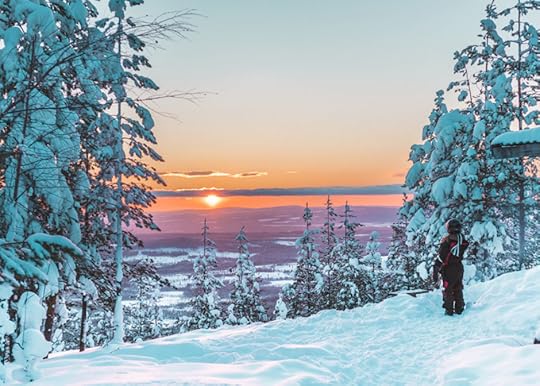
1
The only thing more impressive than the snowy landscapes of Swedish Lapland is watching the sunsets emblazon all the wintery white to pillowed pinks.
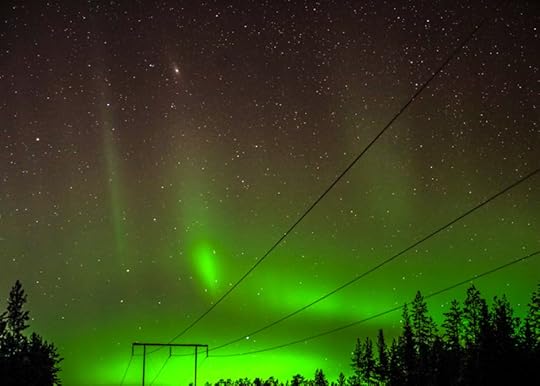
2
From September to April, Swedish Lapland is home to some of the best northern lights viewing in the world. The wide-open spaces, proximity to the Arctic Circle, weather patterns, and lack of light pollution creates the most incredible conditions for viewing the aurora borealis.
3
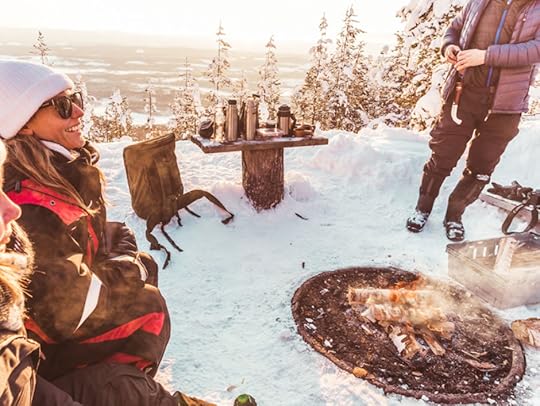
Despite sub-zero temperatures, adventures in Swedish Lapland are always outside. After sledding, snowmobiling, or skiing, travelers gather around a fire to warm up and refuel for their next voyage.
Intermission
Pop Culture
You can now visit an entire museum dedicated to weiner dogs
Katie Scott Aiton
Apr 5, 2018
Infographics
This perfect road trip keeps you in 70 degree weather all year
Henry Miller
Mar 8, 2018
Sponsored
17 images of Leavenworth, WA we can’t stop looking at
Jacqueline Kehoe
Mar 26, 2018
4
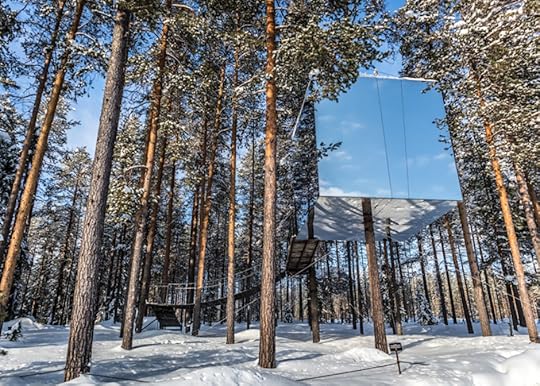
The Mirrorcube at the Treehotel blends in with its surroundings. This cubic tree house is covered in reflective glass to flow with the look of the landscape.
5
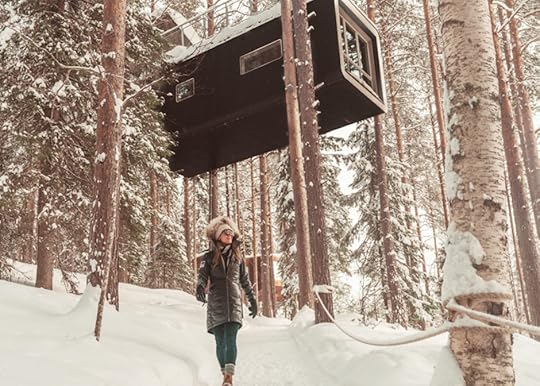
The first tree house built at the Treehotel was the Cabin. Nestled in pine and spruce trees, this house has floor to ceiling windows overlooking Swedish Lapland.
6
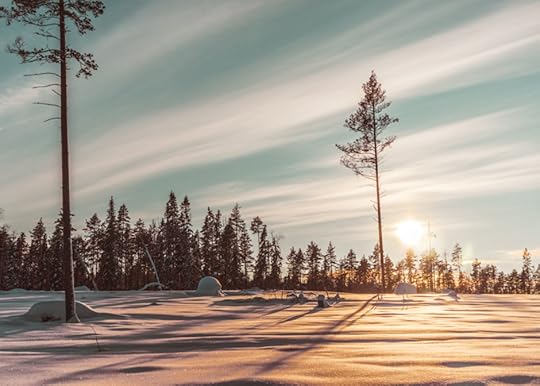
Swedish Lapland is home to the indigenous Sami tribe. The Sami are native to Lapland - the area near the Arctic Circle that includes Sweden, Finland, Norway, and Russia.
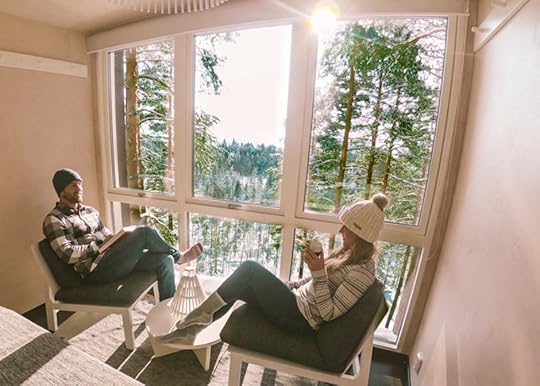
7
With all of the outdoor adventures in Swedish Lapland, it’s important to have a nice cozy place to call home after Arctic escapades.
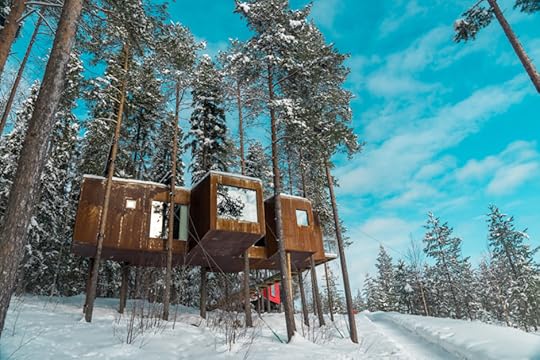
8
The Dragonfly room at the Treehotel is the biggest room in the boutique hotel, with panoramic windows that offer an unparalleled view of Swedish Lapland.
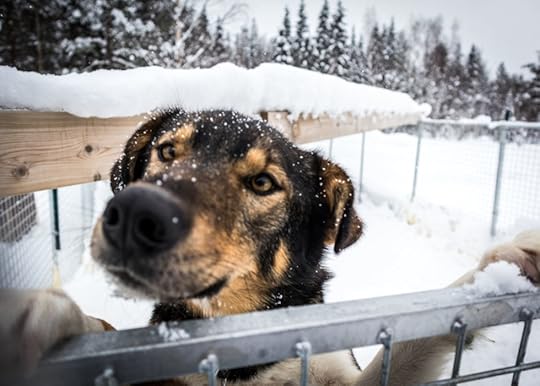
9
One of the best activities in Swedish Lapland is dog sledding. As a popular winter activity in Lapland, many locals still use dog sledding as a means of transportation.
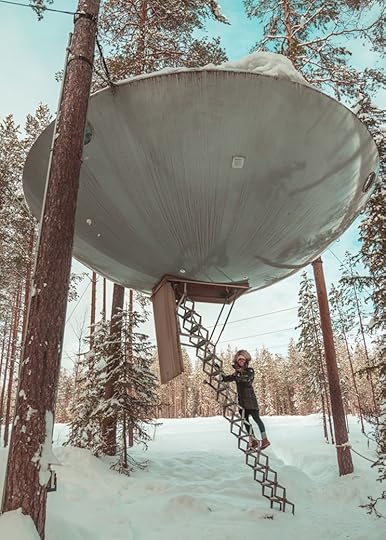
10
Beam me up, Scotty. The UFO at the Treehotel is one of the most unique tree houses in the collection - and probably the world. With the click of a button, a ladder drops down and transports you into an otherworldly experience.
More like this: 12 images that will make you want to visit Lapland
The post This cozy treehouse hotel in Swedish Lapland is an epic homebase for outdoor adventurers appeared first on Matador Network.

Redditor international travel advice
Rare is the seasoned traveler who isn’t quick to share insight, advice, and stories from their gallivants. When Reddit user neenoibstudent asked for advice on the popular forum site last Friday, it didn’t take long for the thread to populate. Over the weekend, the post bore a steady stream of useful travel advice that even experienced travelers can draw inspiration from and relate to. Undying wanderlust and a broadened worldview were touched upon by many.
As far as advice, the most common theme noted by travelers was to settle in a destination for more than a day or two. “Don’t go ping-ponging from destination to destination for 1- and 2-night stays,” said user onelittleworld. “Drop anchor in one place, explore it well, and take day trips from there.” User Marshawn_Washngton added, “Travel days take a lot more time and energy than you initially plan. Sometimes it’s better to get to know a couple of places really well than to try and squeeze in superficial 2-day stops at a bunch of places.”
Practical knowledge tended to surround money and travel documents. “Keep spare credit/debit cards, and their details,” said user BulkyAccident. “Have hard copies of all the important information you might need and not just have everything on emails.” Matador’s editorial staff adds here that snapping a quick smartphone photo of your passport and visas isn’t going to hurt your cause either, just in case you lose them and must head to an embassy.
Many discussed the joys of traveling with parents. “If you’re close with one/both of your parents, I’d recommend taking a trip with them if feasible,” noted mikes221. “While I prefer to travel with a friend or significant other, I’ll always cherish the two adventures with my Dad in recent years.”
Another sage piece of insight? Pack light. “Whatever you have you need less of it, except money. You always end up needing more of that,” noted user whidbeysounder.
Avoiding burnout was touched on by a few commenters including mikes221, who noted, “If you’re tired and don’t want to visit another church/museum/temple, you’ll most likely get far more enjoyment out of grabbing a beer with a view, relaxing by the pool, or whatever leisurely activity you choose.”
Perhaps the most important theme for neenoibstudent, and all aspiring travelers, to take to heart is to relax and absorb your surroundings. “One of my favourite things I did in Paris was ordering coffee and pastries and sitting by the café window, watching the world go by,” said user khaldamo. Indeed, taking it all in is part of the travel experience that makes it all worthwhile.
More like this: 15 pro travel tips no one ever tells you
The post Here’s what Redditors wish they knew before traveling internationally appeared first on Matador Network.

Marathons around the world
The marathon was inspired by the legend of Pheidippides, a Greek soldier who raced from Marathon to Athens with news of the Greek victory over an invading army of Persians in 490 B.C. While the modern marathon is still the same 26.2 miles (42K) in distance, most races are held on boring stretches of city pavement — hardly motivating scenery for someone who needs the extra push. Thankfully, though, more and more races are popping up throughout the globe in some of the most picturesque and surreal locations. These outdoor marathons will take you through mountain passes, coastal cliffs, and even deserts. They’re sure to inspire the likes of serious runners and curious explorers to lace up their sneakers and hit the trail.
1. Patagonia Marathon
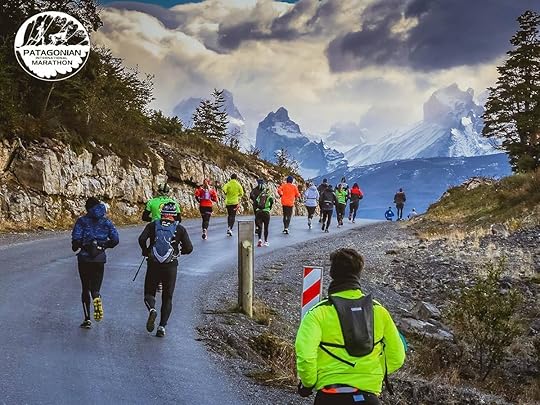
Photo: Patagonian International Marathon
Celebrating six years in September, the Patagonian International Marathon arguably offers one of the most pristine running views on the planet. Located on the Chilean side of Patagonia, the race covers the southern tip of the region overlooking the surroundings of Torres del Paine National Park. Offering distances of 42K, 21K, and 10K, elite to novice runners will find a course fit for them with a shared finish line at the Hotel Río Serrano.
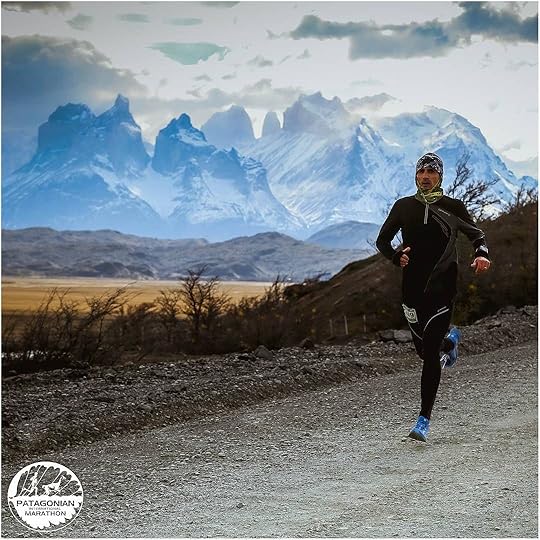
Photo: Patagonian International Marathon
Albeit beautiful, expect challenges on the course with winding asphalt and gravel roads and varying slope changes. Terrain aside, the real challenge to consider is the unpredictable climate. While the Southern Hemisphere will just be on the brink of spring, strong winds may surprise you on race day.
2. Big Sur Marathon
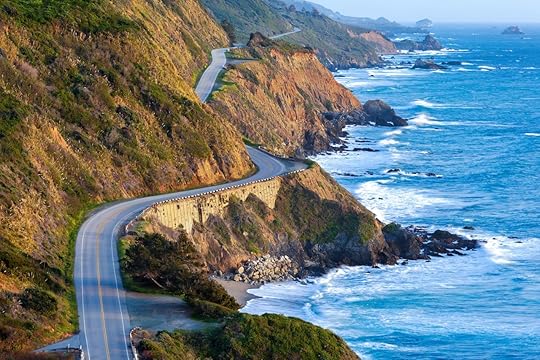
Photo: Doug Meek/Shutterstock
In April, runners have the opportunity to run a point-to-point course from to Carmel along California’s scenic Highway 1. The Big Sur Marathon offers distances as short as 5K to a full marathon. Those who want to form a team can sign up for the 4-person relay which races the entirety of the marathon course. It is open to runners of all levels but be aware that this race is well known for its tough climbs. Just before the halfway mark, you’ll hit a 520-foot ascent at “Hurricane Point”.
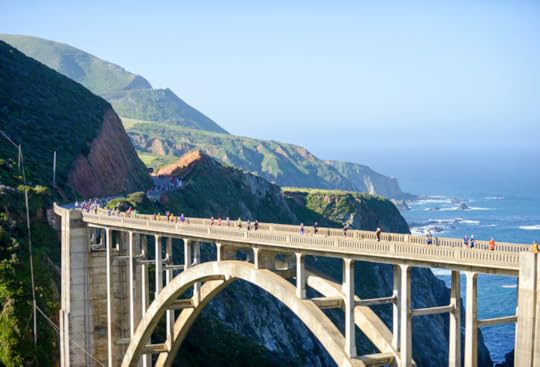
Photo: Big Sur International Marathon
The worst is behind you from here and you’ll approach the centerpiece of the Big Sur marathon, the iconic Bixby Bridge. With coastal mountains, crashing waves, soaring redwoods, lush pastures, and stunning views of the Pacific, you will quickly understand why Big Sur is often a “bucket-list” course and deservingly known as one of the most beautiful races in the world.
3. Great Wall Marathon

Photo: The Great Wall Marathon
Known as one of the most challenging marathons in the world, the Great Wall Marathon requires 5,164 steps of steep climbs along the most recognizable symbol of China. With much of the Great Wall still in its original state, runners should expect loose stones, missing steps, or no steps at all in some parts of the course.
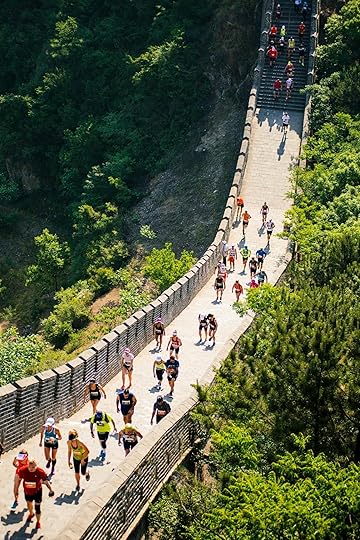
Photo: The Great Wall Marathon
Offering three distances (8.5K, 21K, and 42K) and an 8-hour cut-off time, this arduous endurance challenge is no doubt rewarded with breathtaking views and the bragging rights to which you can say, “I ran a marathon on the Great Wall of China.”
4. Petra Desert Marathon
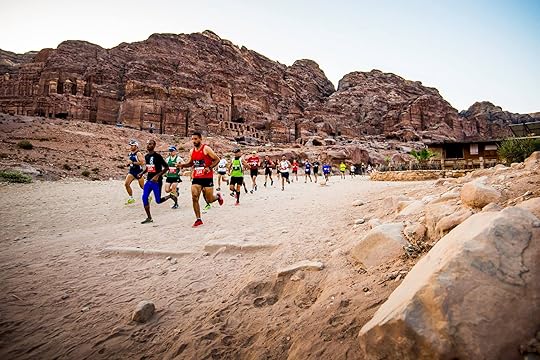
Photo: Petra Desert Marathon
You may feel like you’ve traveled back to ancient times or are part of an Indian Jones movie when running the Petra Desert Marathon. A race like no other, this marathon and half-marathon adventure challenge is set in the desert of Jordan.

Photo: Petra Desert Marathon
Starting in UNESCO World Heritage Site, Petra, the route takes runners past ancient mountainside carvings before stepping foot into the hilly lunar-like mountain landscapes of the surrounding desert. With a challenging terrain of sand, gravel, and asphalt, runners can expect a hot race with very little shade.
5. Big Five Marathon
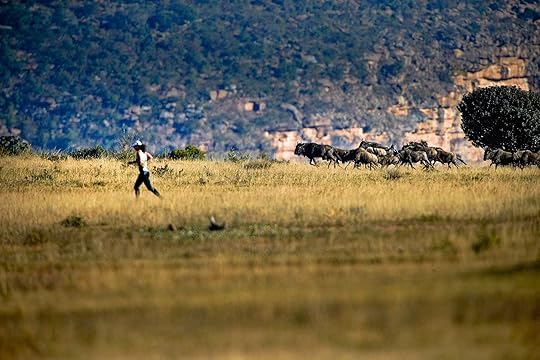
Photo: The Big Five Marathon
A marathon and a safari — that is the Big Five Marathon in a nutshell. Taking place on the Entabeni Game Reserve in South Africa, runners have the incredible opportunity to partake in a challenging race routed through the habitats of the most famous African game: elephant, rhino, buffalo, lion, and leopard.
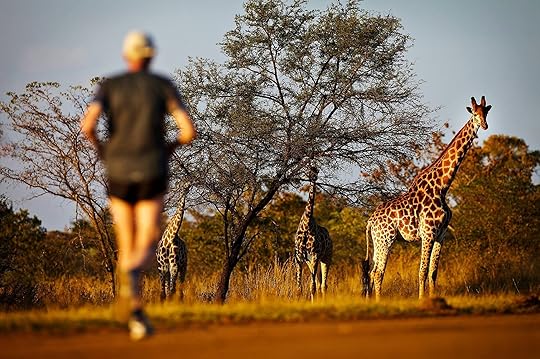
Photo: The Big Five Marathon
While you are likely to see other African wildlife on race day, don’t forget to take in the magnificent scenery as well as you traverse along the dirt-surfaced course. Offering a half-marathon and marathon distance, adventure seekers can expect a hilly run at higher altitudes.
6. Bagan Temple Marathon
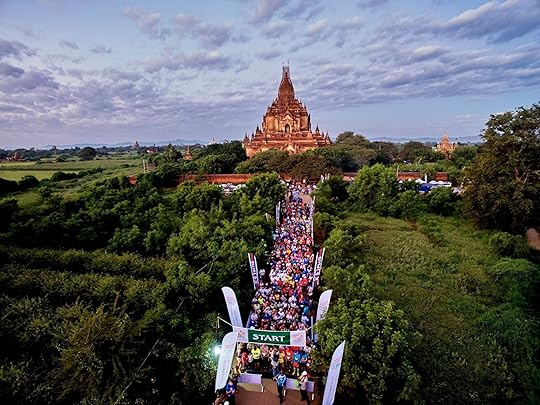
Photo: Bagan Temple Marathon
Located in central Myanmar, the ancient site of Bagan is home to more than 2,000 sacred pagodas and temples scattered across the stunning landscape. The Bagan Temple Marathon takes runners along the striking views of this seemingly untouched land.

Photo: Bagan Temple Marathon
Offering three competitive distances of a full marathon, half-marathon and a 10K, this relatively flat course is a mixture of packed trails, sections of loose sand and paved asphalt. Held in November, expect heat and humidity for this epic run.
7. Antarctica Marathon
A bucket list marathon for seasoned runners especially those seeking to check off all seven continents, the Antarctica Marathon hosts a small number of runners every year to run in this remote corner of the planet. With great care taken to leave zero impact on the environment and ecosystem, the course routes through gravel roads that connect the scientific research bases of Uruguay, Chile, China, and Russia.
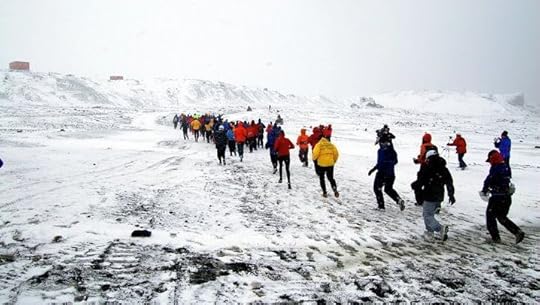
Photo: Marathon Tours
This race hosts a half-marathon and marathon distance among awe-inspiring glaciers and icebergs. Runners should not be surprised to encounter Antarctic wildlife such as penguins, seals, and whales while on the course. A difficult race for a number of reasons, participants should come well-prepared and expect a very cold run with a strong wind chill. Interested in running? Join the waitlist now. The marathon is sold out until 2020 and currently accepting applications for 2021.
8. The Polar Circle Marathon
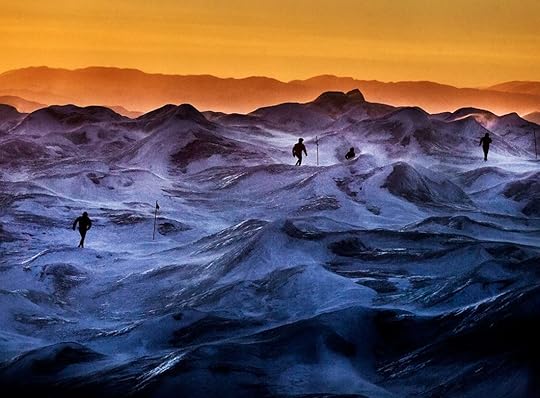
Photo: The Polar Circle Marathon
Taking place in Kangerlussuaq, Greenland, the Polar Circle Marathon is another Arctic endurance race without the multi-year waitlist. A unique chance to visit one of the most remote corners of the world, the Polar Circle Marathon takes place in an arctic desert of endless ice and rocky landscapes.
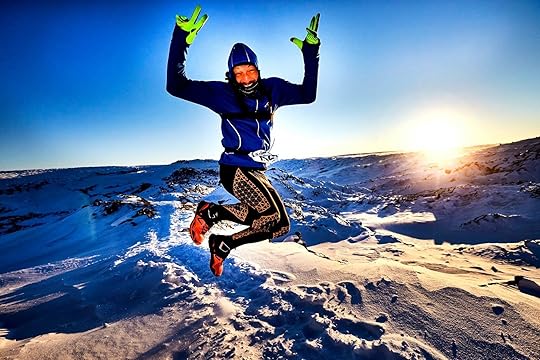
Photo: The Polar Circle Marathon
In this surreal experience, runners will pass glacier tongues and moraine plains while running on snow-covered gravel. Often referred to as the “the Coolest Marathon on Earth,” part of the course route takes place directly on the Greenland ice sheet. The race hosts both marathon and half-marathon distances for those looking for an extreme challenge. Adventure seekers who sign up should be prepared for the unpredictable weather, extreme low temperatures, and harsh winds.
More like this: Want to run around the world? Here are the marathons worth traveling for.
The post Epic outdoor marathons that will motivate you to run appeared first on Matador Network.

Matador Network's Blog

- Matador Network's profile
- 6 followers

