
Matador Network's Blog, page 1360
April 19, 2018
Summer backpacking gear guide
Trekking is the ultimate adventure, especially in the summer when days are long and the weather up in the mountains feels perfect. But optimizing the trip takes proper planning and the right gear — being unprepared is the fastest way to ruin the journey for yourself and everyone in your group. You’re going to need additional gear than you would for a typical day hike, including multiple layers of clothing, camping supplies, and food. But if you’ve never gone backpacking before and agreed to join your buddies without knowing what you were getting into, never fear: we’ve compiled the ultimate gear guide for beginning trekkers.
When planning for your trip, take note of the fact that every trek is different in certain ways. On guided treks, the host company should offer a list of required materials, along with some additional comfort items or specialty gear they’d recommend. They may even offer rentals of certain items that are tough to take on a plane, such as trekking poles or crampons. On unguided hikes, it’s up to you to know what you need. This list will get you set up for success no matter where you’re heading this summer. Everything here can be purchased online or at a quality outdoor outfitter.
The basics
Trekking backpack

Photo: Osprey
Cost: $150-$300
If you’re spending at least one night in the woods, you need to have a worthy pack to carry your sleeping gear, food, and everything else that’s coming with you. Get a rugged pack that’s built for the backcountry, and at least 45 liters in size. For multi-day trips, a 55-70 liter pack such as the Osprey Atmos AG 65 will do you right. Make sure the pack includes a reservoir for a water bladder, such as a CamelBak (see below). If you do buy a pack online, we recommend buying it from a retailer with a physical location you can visit to have it properly adjusted to your body, such as REI.
Tent

Photo: Mountainsmith
Cost: $125-$175
If you’re camping on your trek and not staying in guest houses, a good tent with a rainfly is mandatory. A one or two person tent is the best option, as its small for packing into your backpack and easy to set up. Before heading out, double check to make sure you have the stakes and poles needed to set the tent up, and put them directly back into the storage bag each morning when breaking down camp. Mountainsmith’s Morrison 2 makes for a great beginner trekking tent.
Sleeping bag
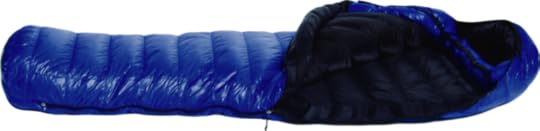
Photo: Western Mountaineering
Cost: $100-$175
Few things are more frustrating than not getting a decent night’s sleep when a big day of hiking is in front of you. A good sleeping bag makes all the difference. Step one when choosing one is to check the temperature rating, which is typically be found both on any packaging that the bag is in at the store, as well as on the tag in the bag itself. Be sure you’re bringing a sleeping bag that is appropriate for the summer season and weather expected on the trip (remember that just because it’s 90 degrees during the day, doesn’t mean it won’t plummet to below 50 at night). The Western Mountaineering UltraLite is a great option, but no matter which bag you end up choosing, consider the following:
A solid three-season bag will do the trick for most adventures, as long as the temperature rating is good to 20 degrees Fahrenheit.
Down insulation is the lightest and most efficient insulation on the market. If you have the choice between this and polyester, go with down.
Splurge for a sleeping bag that’s waterproof. You don’t want to wake up in the middle of the night with a soaking wet back if it rains and water gets into the tent.
Mummy, semi-rectangular, or rectangular? This is personal preference as much as anything else. Mummy bags are tight and warm, but don’t allow much wiggle room. Rectangular bags are more versatile for those who have a tough time sleeping in a still position. If you’re somewhere in between, a semi-rectangular shape is a happy medium.
Inside the pack
A well-prepared trekker has researched the trip, read forums and comments, and taken note of what previous hikers have brought with them on the journey. In your research, you’ll likely find comments along the lines of, “I wish we’d brought this” or “I was so glad I had enough of that.” Look for patterns – when multiple people discuss the same item, it’s a pretty good sign that you should load it up. Here are some of our go-to specialty gear.
Jetboil MightyMo Cooking System
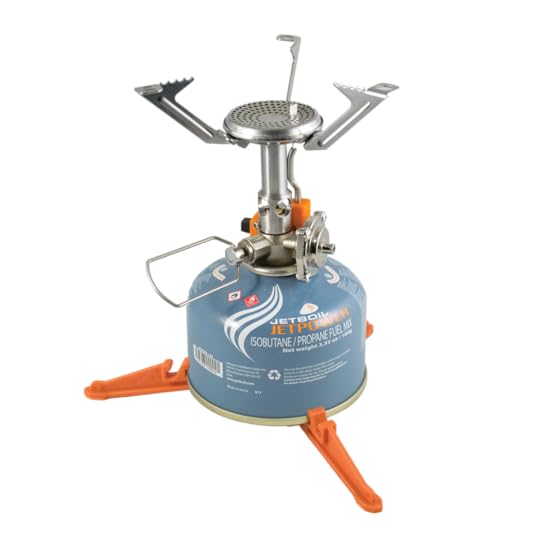
Photo: Jetboil/Johnson Outdoors
Cost: $50
Jetboil’s burner connects easily to the small 3.5 oz fuel tank and allows you to heat food over an open flame in the middle of nowhere. It is guaranteed to work in temperatures down to 20 degrees Fahrenheit, allowing you to heat up a much-needed warm meal when camping even if it gets unexpectedly chilly.
Water purifier

Photo: REI
Cost: $25
Grab a Sawyer Mini Water Filter for your trek and enjoy drinking from freshwater streams. An actual filter system is beneficial as it purifies the water more thoroughly than simpler tools like filtration straws, which don’t do as good of a job at removing toxins and bacteria. That said, always take caution in drinking water from the source, and never drink still water.
Matches

Photo: Aaron Amat/Shutterstock
Cost: $5
For use in getting a fire going, among… other things (ok, one of those things is burning human waste if the area you’re backpacking in has tight restrictions on this).
Headlamp
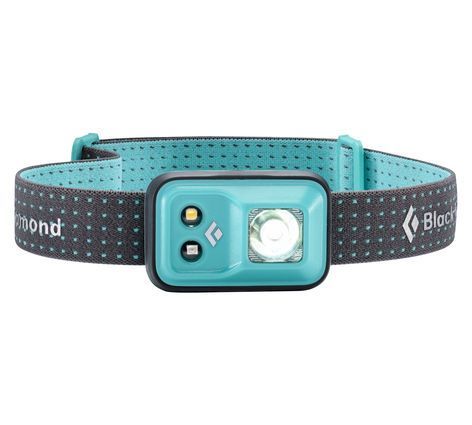
Photo: Black Diamond Equipment
Cost: $29.95
Illuminate the night with a headlamp from Black Diamond. If you’ve got a good book with you or just want to have a look at the trail map to route tomorrow’s hike, a headlamp is just as useful inside the tent as it is outside.
Compass and clinometer
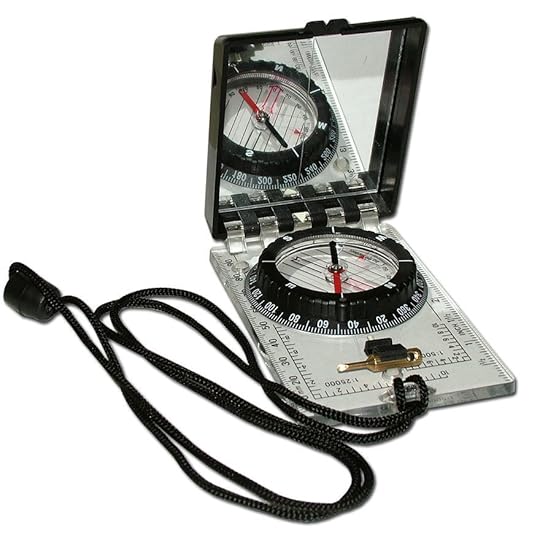
Photo: Amazon
Cost: $20
A reliable compass is a great hiking companion. This one from Advantage comes with a clinometer, used to measure the degree of slope, in case your crew gets into a heated discussion about how steep the forthcoming trail or summit push is.
Topographical map and trail map

Photo: Daxio Productions/Shutterstock
Cost: Varies
A topographical map shows altitude gain and loss along with detailed terrain features over a specific area. They can be tough to read at first, but once you get the hang of it you’ll never want to head into the mountains without a topo map again. A trail map of the area where you’re heading is also mandatory — don’t count on Google to save you.
Morakniv Companion heavy duty knife

Photo: Morakniv.se
Cost: $21
It’s incredible how often a good knife comes in handy in the wilderness — everything from cooking to making a fire to quick repairs is made easier. If you’ve got a Swiss Army Knife, bring it. If not, this Morakniv Companion knife will do the trick.
First aid supplies

Photo: REI
Cost: $25
A small first aid kit is always worth making room in your pack for. Adventure Medical Kits comes with everything you’ll need to treat a minor inconvenience as well as a quick guide to tips and tricks for field use.
Hat, sunglasses, and sunscreen

Photo: Blazej Lyjak/Shutterstock
Cost: Varies
The air is thinner and the sun is closer at high altitudes. Always have sun protection on hand.
Groundpad
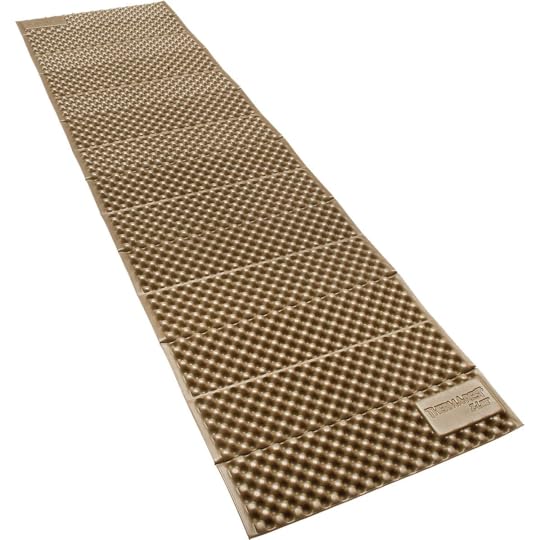
Photo: Moosejaw
Cost: $59
No one wants to sleep with a rock jabbing into their back. That’s where a Moosejaw groundpad comes in. When not in use, it rolls up and straps to the side of your pack. This portable ‘mattress’ makes sleeping in the wilderness much more bearable.
CamelBak water bladder

Photo: Camelbak
Cost: $20-$35
The easiest way to cart and drink water is with a CamelBak bladder. They fill easily from a faucet or from your water purifier and allow you to drink water as needed without having to stop and unzip your pack or reach around for a water bottle each time.
Handheld GPS
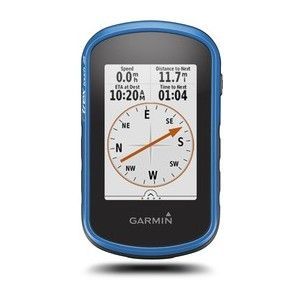
Photo: Garmin
Cost: $240
Without cellphone service, a handheld GPS unit like this one from Garmin is the best way to find yourself if you lose the trail or need any directional assistance. If on a guided trek, or with someone who has one, you don’t necessarily need your own. But if you plan to make trekking a regular activity, this is a good item to have on your list.
Trekking poles
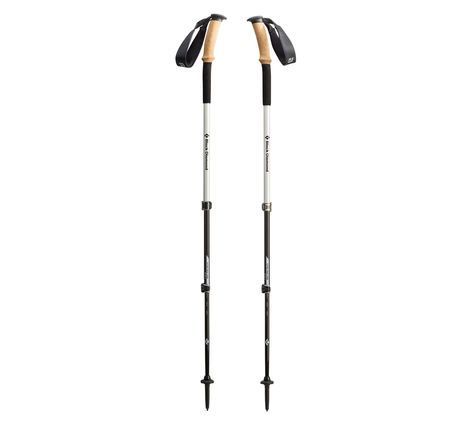
Photo: Black Diamond Equipment
Cost: $99-$150
They look an awful lot like ski poles, but are compatible and can be strapped to the side of your pack when not in use. Trekking poles are the grown-ups version of a hiking stick and are useful in particular when heading down the mountain as they absorb some of the shock and pressure put on your knees with each step. Trekking poles are also great for balance at any point during the hike. Black Diamond offers a collection of great options ranging in price from $99 and up.
Edibles

Photo: Rawpixel.com/Shutterstock
Cost: Varies
No, we don’t mean the fun kind. Basics like granola bars and apples are cheap and easy to eat on the go. Bring them, of course, but protein and calorie boosts are essential on multi-day treks. Here are some ideas to get you started.
Peanut butter is an easy-to-pack protein that is cheap and fills you up. Plus, it’s high in calories — a must for trekking.
Trail mix earned its name for a reason — it’s a great energy boost and easy to carry.
Nuts. And more nuts. Protein. Calories. Protein. Calories.
Patagonia Provisions campfire meals. Patagonia offers a range of easy-to-prep hot meals designed for cooking and consumption in the wilderness. They’re delicious, full of protein, and come in small packages which fit easily into your pack.
Red beans and rice is a classic campfire meal. Quick, easy, and filling, this meal provides both protein and carbs to get you powered up for the next day.
Tortillas are great for trekking because they travel much better than a loaf of bread. They can be packed compactly in your backpack — just don’t fold them.
Clothes
Outer layer
When selecting your outer layers, think waterproof and wind resistance. Comfort is also a factor, particularly with boots.
Water-repellant shell layer jacket
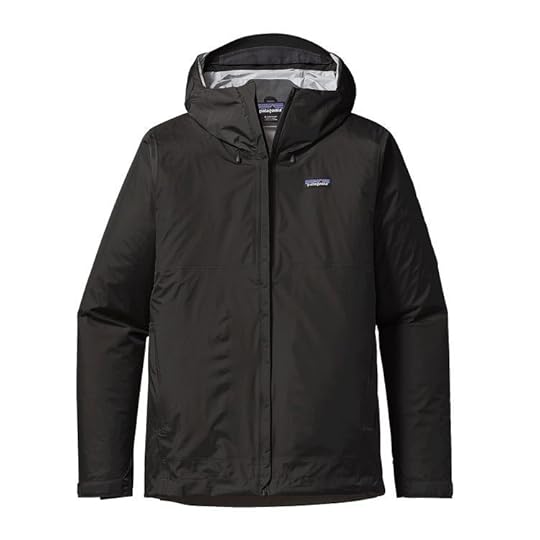
Photo: Patagonia
Cost: $129
In the high country, weather can turn on a dime, turning a beautiful morning into a drizzly afternoon in what seems like an instant. You’ll be miserable (and soaking wet) if you’re hiking in a sweatshirt. Get yourself a water-repellant shell layer to throw on over your base layer. Patagonia’s Torrentshell is appropriate for most summer backcountry situations.
Hiking boots
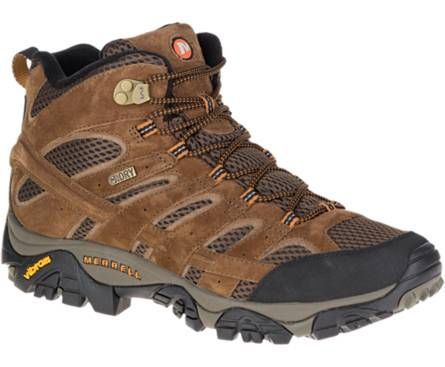
Photo: Merrell
Cost: $130
This is probably the most important purchase to make in-store versus online. When buying hiking boots, look for two things: comfort and support (ankle coverage is a must). Read some reviews before making a purchase, because often the best hiking boots are super stiff when you try them on. Boots tend to get more comfortable as you break them in, and over time will conform to your feet. Merrell makes great trail boots. Invest in a quality pair and they’ll reward you with years of heavy use. If you’ve procrastinated and you don’t have time to break a sturdy pair in, opt for a lighter shoe with more flexibility.
Trekking pants

Photo: Outdoor Research
Cost: $60-80
Depending on altitude, season, and location, pants do you more good than shorts. This is in part due to protection from wind and water, and in part because long pants prevent scratches from branches and plants. You want something that won’t tear, is wind resistant, flexible, lightweight, and comfortable. The Ferrosi Pants from Outdoor Research are a great option for men. PrAna makes a great pair for women, with options in multiple colors.
Base layers
When selecting base layers, think comfort, flexibility, and thickness. Base layer items are generally divided into three categories: lightweight, midweight, and heavyweight. Midweight is a general best practice for beginners and three-season trekking, particularly if you plan to head above treeline where wind can be quite ferocious. In general, the thicker the layer, the better it protects against cold.
Thermal underwear

Photo: Voyagerix/Shutterstock
Cost: $10-40
Thermal underwear serves to wick moisture and sweat, and also provides added warmth for cold nights and inclement weather. The two most common materials are polyester and merino wool. Avoid silk underwear as it’s not odor resistant and doesn’t wick moisture as well as the other two. Lightweight options are good here as you’ll have other layers on top. Under Armour specializes in thermal base layers, with options for both men and women.
Base layer top
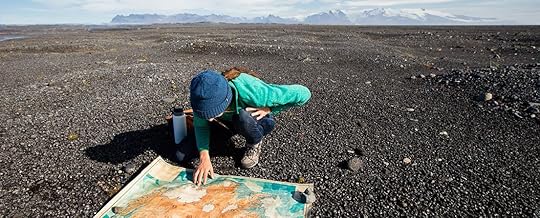
Photo: Patagonia
Cost: $30-$80
A thin, flexible merino wool top such as this one from SmartWool is perfect for wearing underneath your jacket and/or t-shirt. It will wick moisture, protect against wind, and is super flexible and comfortable. You’ll need at least two under layers to wear underneath your jacket shell if it gets cold, and a base layer top should be one of them. If your shell has an underlayer, this can be worn directly underneath it. A comfortable fleece, like this one from Patagonia, can work in between the two.
SmartWool hiking socks
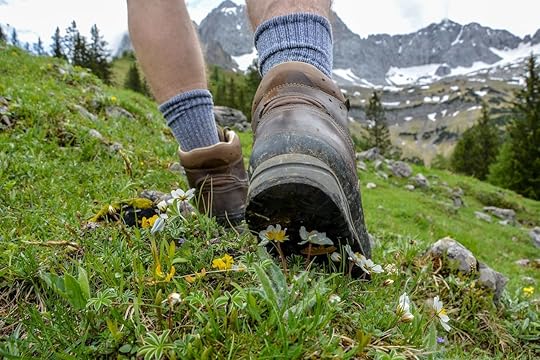
Photo: Asvolas/Shutterstock
Cost: $12-$15
SmartWool offers both men’s and women’s socks built with merino wool and designed specifically for trail use. There are plenty of other options, but keep in mind that you’ll be wearing hiking boots and need socks that rise up to near or slightly above the top of the boot to prevent rubbing.
Comfortable campsite clothes and shoes
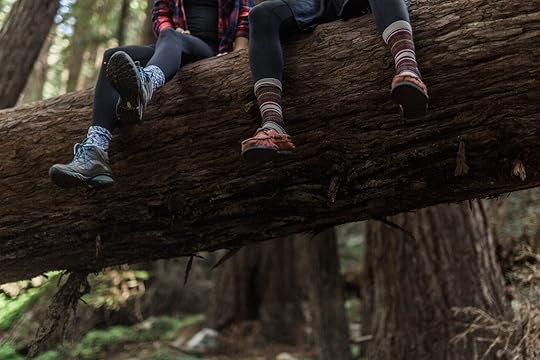
Photo: Nathan Dumlao
Cost: Varies
A pair of gym shorts or yoga pants will do the trick for relaxing post-hike and wearing to sleep. Taking off your hiking boots at the end of a long day is among the most satisfying experiences involved in backpacking, and the idea here is to have something comfortable to change into at the campsite or guest house. Also, make sure you have lightweight shoes to wear around the campsite so you don’t have to live in those heavy boots. 

More like this: Long-distance hiking trails from around the world to tackle in 2018
The post The ultimate summer backpacking gear guide for newbies appeared first on Matador Network.


Trek Patagonia for cheap
If you’ve traveled through other South American destinations, especially Peru, Bolivia and Ecuador, your wallet will notice the difference when you cross into Argentina or Chile. Patagonia, the southern region that straddles both countries, is particularly expensive. Expansive and remote, you’ll pay for the privilege of exploring this incredible trekking paradise — transport, accommodation, excursions, and food are all much more expensive than other parts of the continent. But there are ways to keep your costs down — here are some top tips on how to trek Patagonia for cheap.
1. Trek in the shoulder season.
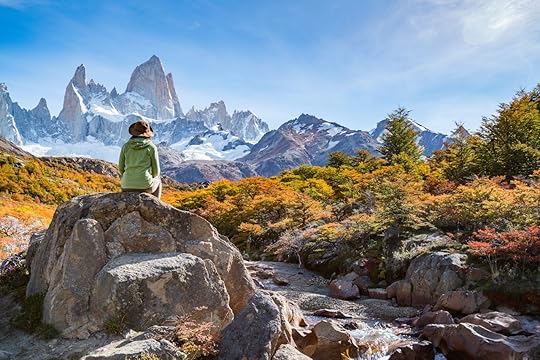
Photo: Sharptoyou/Shutterstock
The high season in Patagonia, when almost everyone visits, stretches from late November to March — summer in the southern hemisphere. There’s a reason for this: the bitter winter and the snow and ice that comes with it makes trekking dangerous and in some locations impossible.
However, if you plan your trip for the small window on either side of the summer, known as the shoulder season (late-September to mid-November or April to May), you might find that your gamble with the weather pays off, and prices are a lot more favorable. Flights and accommodation are cheaper and many tour operators offer pre-season and end of season offers. Spring is particularly beautiful in Patagonia, and you’ll enjoy the natural surroundings much more without the mid-summer crowds. I traveled in mid-November and noticed that trails were much less crowded than I expected. Just be sure to check that any bus routes or operators that you’re planning to use are open — some close for the winter.
2. Choose slow travel options.
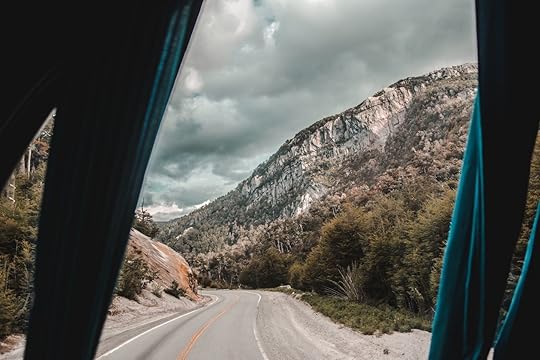
Photo: Lozzy Squire/Shutterstock
Patagonia is a huge, expansive region covering over 1 million square kilometers, and with several regional airports, it can be tempting to hop on a flight to move around and save time. However, domestic travel is crazy expensive in Argentina, and Chile isn’t too far behind. Instead, check out the many long-distance bus companies to get from place to place. I was tempted to fly from Bariloche to El Calafate but was reluctant to splash the cash. Instead, I opted for a 24-hour bus journey along Route 40 which I highly recommend — you’ll pass through some stunning scenery along this classic South American route. Just sit back, enjoy the ride and think of all the money you’re saving.
3. Opt for self-guided trekking.
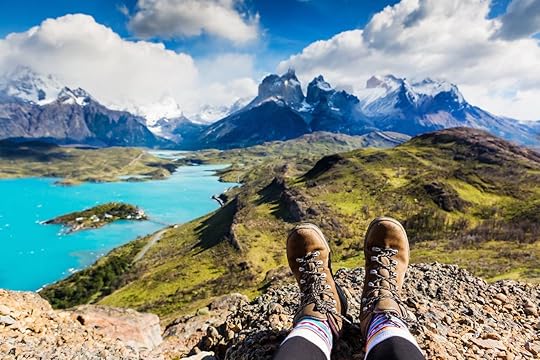
Photo: Olga Danylenko/Shutterstock
There are many famous trekking routes in South America where you must hike with an authorized tour operator and guide, such as the Inca Trail in Peru. This isn’t the case in Patagonia. While there are many tour operators offering guided treks, they are very expensive, and not at all necessary. Do your research, get a good map, and come prepared, and you’ll find that all trekking routes are well-marked and easy to follow, even for novices. It also feels pretty cool heading out into the great outdoors without a guide — not exactly blazing your own trail, but at least going at your own pace and discovering all the wonders of Patagonia just with your own group of trekkers.
4. Bring your own tent.
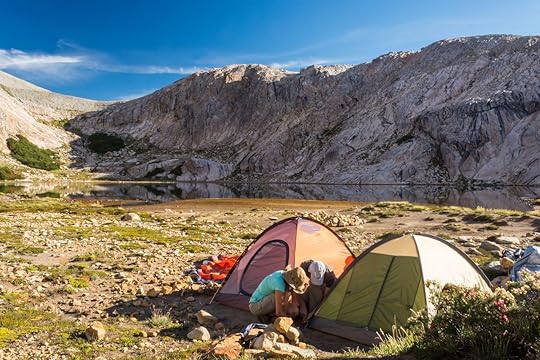
Photo: Agustina Camilion/Shutterstock
On many of the trekking routes in Patagonia, there are beautiful mountain lodges charging a hefty premium for a bunk in a shared dorm. While it’s tempting to pay for a (hopefully) warm indoor bed, you can save a lot of money by camping. Be aware that across the national parks of Patagonia, you’re not allowed to camp wild. Most of the lodges have campsites alongside them and offer tents already erected, but it’s much cheaper if you bring your own gear and pay for the pitch and campsite facilities. There are also some free campsites, but they get full pretty quickly, and many have to be booked in advance. To ensure you get a spot, set off early, and pitch your tent as soon as you arrive. You can then head off again to explore the area, knowing that your free accommodation is waiting for you.
5. Cook your own food.
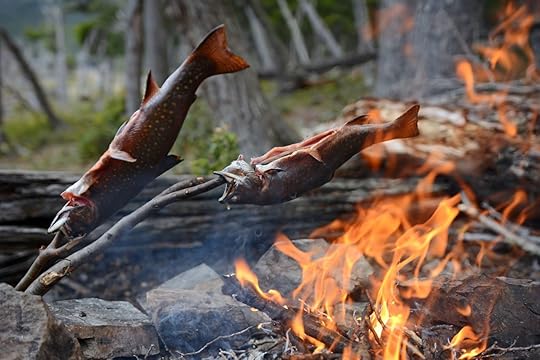
Photo: Pavel Svoboda Photography/Shutterstock
Eating out in Chile and Argentina can be expensive, particularly in the small Patagonian towns that cater to trekkers. While you’re in town, book a hostel with an open kitchen and prepare your own meals. Most towns have markets where you can stock up on supplies to whip up an easy, nutritious, and cheap meal. And it’s a great way to be sociable, chat with other travelers, and compare trekking plans. The same goes for when you’re trekking. Lodges offer expensive meal packages, so cooking your own food at your campsite is again the cheapest option. Make sure to check what type of cooking apparatus is allowed. Many do not allow open fires but have designated cooking areas for propane burners. Pack simple non-perishables that are high in carbohydrates and proteins and easy to prepare, like rice, pasta, canned beans or tuna, quick oats, and instant soup packets. Also, bring along trail mix and energy bars for keeping your energy levels up as you hike.
6. Do research into national park fees.
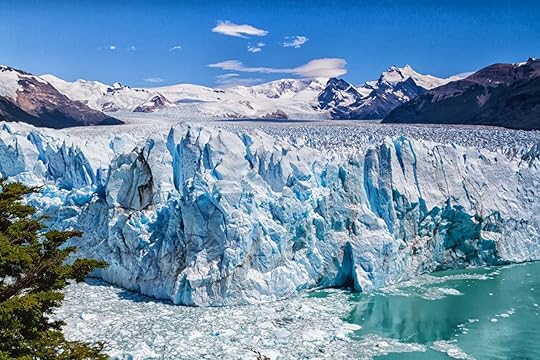
Photo: Milosz Maslanka/Shutterstock
Not all national parks are created equally. Of course, for many people, Torres del Paine in Chile is top of the bucket list for trekking in Patagonia — with the famous W and O trekking routes. But, there’s a hefty park entrance fee that goes with it. Do your research on all the different national parks and spots for trekking; for example, the Parque Nacional Los Glaciares, just over the border in Argentina, is completely free and equally stunning.
Patagonia is such an incredible trekking destination that should not be missed just because it’s notoriously expensive. A little extra legwork will save you a ton of money, plus camping, cooking, and hiking on your own is a great way to disconnect from modern conveniences and really connect with the stunning natural surroundings.
More like this: 18+ mindblowing outdoor adventures in Patagonia
The post How to trek Patagonia on the cheap appeared first on Matador Network.

Map of legalized cannabis
In honor of 4/20, the biggest holiday in marijuana communities, Redditor alectprasad posted this map showing where cannabis is legal throughout the world. Colorado famously paved the way for legal recreational use in the United States by permitting recreational sales to those 21 and older, followed closely by Washington and eventually Oregon, California, and a host of other states enacting similar policies.
The coffee shops of Amsterdam may have put marijuana tourism on the map, but Uruguay was the first country to fully legalize possession and consumption of the plant. Much debate ensued in the comments surrounding policy in places like The Netherlands. User Compizfox explained, “It’s a very strange policy. Technically, cannabis is not legal in the Netherlands. However, small quantities are “gedoogd”, that is, you just won’t get prosecuted for it. The police can still confiscate it if they feel like it though, and smuggling/dealing/growing will definitely get you into trouble.” The coffee shops that sell it must obtain proper permitting and cannot sell more than five grams to a customer. The plant remains “Illegal enough for the police to shut down a coffee shop whenever they wish,” however, as noted by Redditor tehbertl.
Globally, a host of countries have decriminalized and basically stopped enforcing legal repercussions for possession and use. As the map notes, Australia is the only continent without any blue dots, however medical use is federally permitted under certain circumstances such as severe epilepsy, MS, and cancer. Regulations vary by province.
Regionally, Southeast Asia offers perhaps the most striking contrasts on cannabis policy. There are countries where, if caught with any illegal substance, you may find yourself in trouble to the point of no return. Then there are Cambodia and Laos, where you’re essentially good to go as long as you keep your act together and don’t do anything stupid. The substance is banned in both countries but remains prevalent even in certain public circles. Cambodia’s capital city of Phnom Penh, for instance, is home to a riverfront pizzeria that has earned acclaim among backpackers for certain “off-menu items” customers have been known to order from the walk-up counter.
If you’re looking to celebrate the high holiday and stay within the bounds of the law this 4/20 within the US, though, Colorado and Washington are the easiest places to navigate.
More like this: 5 cannabis tours you’ll love even if you don’t like smoking pot
The post This map shows where cannabis is legalized around the world appeared first on Matador Network.

9 things to know about Fairfax, VA
With the nation’s capital just across its eastern border, Virginia’s Fairfax County is obviously influenced by its powerful neighbor. That much you’d figure. But what I didn’t realize until I visited is that Fairfax has fully differentiated itself — you’ll find a completely unique set of experiences here, compared to those of DC.
So the next time you’re in the area, make sure you have some quality time set aside for this Mid-Atlantic hot spot. If you don’t, here’s what you’ll be missing.
1. Some of the country’s most influential Founding Fathers made their homes here, and you can walk in their footsteps.
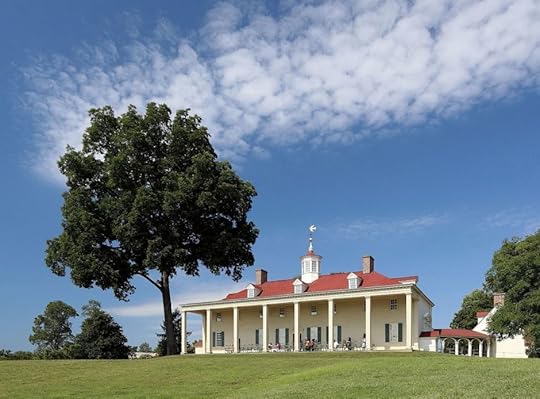
Photo: Martin Falbisoner
A few miles south of DC’s southernmost tip, George Washington’s Mount Vernon sits high on a hill along the banks of the Potomac River. The view from the home’s piazza to the water, or vice versa, makes it easy to see why the father of our country and his family settled down in this spot. The property’s restored mansion, dating back to the 1700s, serves as an enduring showpiece, but the gardens showcase the true magnificence of the estate. A visit here gives you an opportunity to think about the beginnings of our nation and its development since Washington’s day, plus a chance to check out his recently restored — and prolific — whiskey distillery just a few miles away (there’s a shuttle, in case you weren’t already tempted).
George Mason’s Gunston Hall is found two peninsulas downstream of Mount Vernon, and although this Founding Father’s legacy isn’t as widely known as that of Washington, his voice during the formation of the United States had an enduring impact. Mason’s work on Virginia’s Declaration of Rights heavily influenced Thomas Jefferson’s drafting of the Declaration of Independence and also became the basis for the nation’s Bill of Rights. His estate provides a glimpse into late-18th-century plantation life and offers insight into what shaped Mason’s views on American government.
2. Here, you can buy juuuuuust about anything in one place.
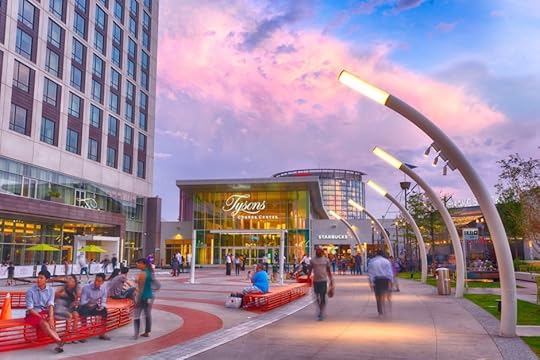
Photo: Tysons Corner Center
Need backcountry gear, an American Girl doll, a car, or a Tiffany necklace? Head to Tysons Corner, the DC area’s shopping go-to, encompassing more than six million square feet of retail space. The two mall hubs here are Tysons Corner Center and Tysons Galleria, the latter of which has valet parking, concierge services, personal security escorts, and other enticements designed to attract wealthy shoppers to its high-end stores. It’s a great spot to people watch, even if you’re not in the market for Kardashian-level bling.
Fairfax County also features dozens of seasonal farmers markets that bring fresh, local produce as well as wares and talents from regional artists and craftspeople to thousands of local shoppers each week. Saturday mornings at Reston Farmers Market at Lake Anne Village are particularly good. Bring your canvas bags!
3. Internationally renowned performing artists do play in national parks.
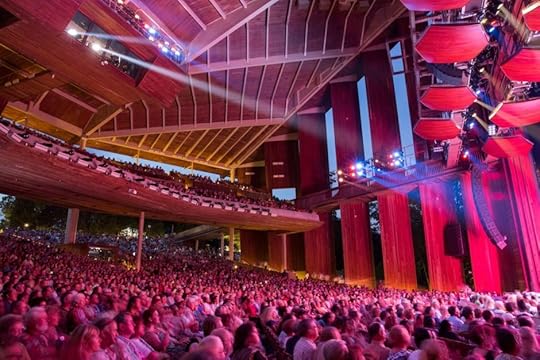
Photo courtesy of Wolf Trap
Just west of Tysons Corner, Wolf Trap serves as the United States’ only national park dedicated solely to the performing arts, and it excels. Music, theater, and dance groups perform at the Filene Center’s open-air amphitheater as well as the more intimate indoor venue, The Barns. This summer’s lineup includes headliners like Halsey, Steven Tyler, Alanis Morissette, 5 Seconds of Summer, Tony Bennett, Reba McEntire, the Barenaked Ladies, Queen Latifah and Common, Gladys Knight, Mary Chapin Carpenter, and Alan Jackson, plus groups ranging from the National Symphony Orchestra to Les Ballets Trockadero de Monte Carlo, an all-male comic ballet company.
Even if you can’t get tickets, go anyway — park rangers lead seasonal backstage tours of the facilities (from October to April), and the site has two trails that meander through northern Fairfax County’s woods and wetlands.
4. You’ll never have to eat the same thing twice — though you’ll definitely want to.
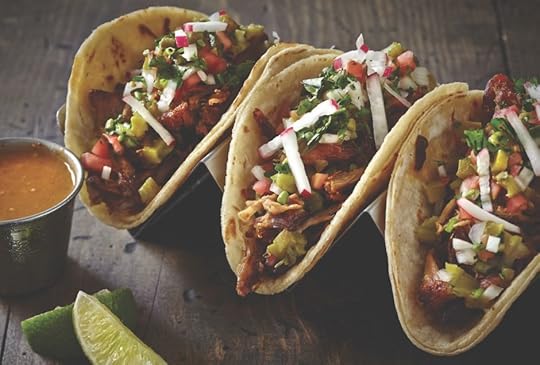
Photo: Taco Bamba
Fairfax County’s proximity to DC has attracted people from all over the world, and luckily for everyone else, they’ve brought their Peruvian chicken, Szechuan stir-fry, French pastries, Yemeni lamb, and Brazilian steak with them. And don’t assume that a simple exterior means a bland menu — in Chantilly, Khan Kabob House serves up the incredible flavors of Pakistan next to a real estate firm, and Thai Basil’s location neighboring an insurance office belies the fact that its owner/chef beat Bobby Flay in a pad thai throwdown.
5. It features waterfalls you’ll never forget.
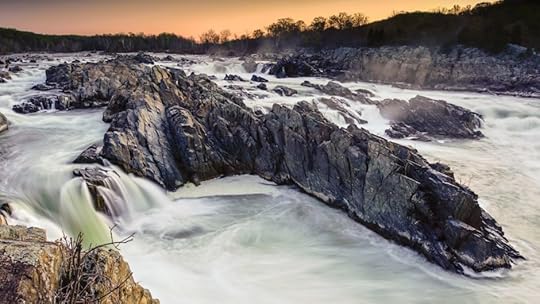
Photo: Greg Stawicki
On the Potomac River between Great Falls, Virginia, and Potomac, Maryland, large rocky islands and a dramatic fall line combine to create an immense natural wonder you won’t believe exists within minutes of DC. As the river approaches the city, the water drops 77 feet in less than a mile, its channel narrowing at Mathers Gorge, at the base of the falls. The result is an eye-popping cascade of rapids and whitewater. Great Falls Park has several hiking trails with excellent views of the falls, plus one that follows the Patowmack Canal, one of the first canals to be built in the United States.
A few miles southeast, Scott’s Run Nature Preserve sits near the intersection of the Capital Beltway (I-495) and Georgetown Pike (VA-193). Its name comes from the small but attractive creek that culminates in a small waterfall at its confluence with the Potomac. Pro tip: Wear long pants in the summertime to avoid poison ivy — it can get thick near the river!
6. You can learn how to blow glass in a former prison.
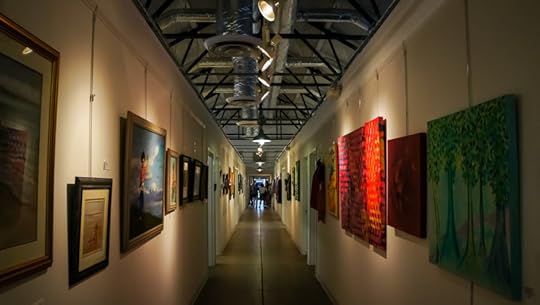
Photo: Brownpau
From 1910 to 2001, the Lorton Correctional Complex housed prisoners, juvenile delinquents, and even suffragists — in 1917, 72 members of the Women’s National Party were imprisoned here after picketing for the right to vote at the White House. Today, the Workhouse Arts Center uses these former correctional facilities as artist studios and classrooms. Master artists showcase and teach hula dancing, culinary arts, glassblowing, tai chi, metalsmithing, Chinese brush painting, ballroom dance, fiber arts, and many varieties of instrumental and vocal music. You can join in for a one-time workshop or choose a longer, multi-subject course if you’re planning to stay a while.
Pro tip: The Workhouse Brewfest is an annual event in August (on the 4th, this year) that highlights local beer, wine, and spirits, local artists and musicians, local food — pretty much local everything. So yes, apparently you can add “sipping wine in a prison” to your 30 before 30 list.
7. A well-developed rail-trail runs right through the heart of it all.
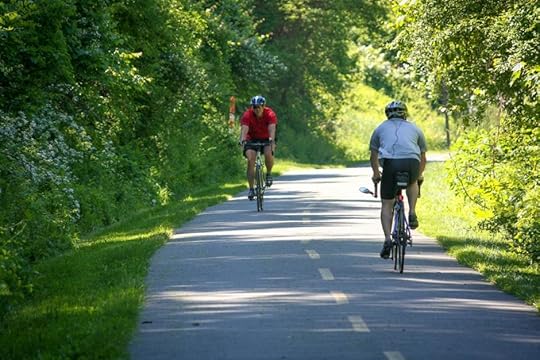
Photo: NOVA Parks
If you’re one to jog, bike, power walk, rollerblade, or just amble in an interesting environment, check out the 45-mile Washington & Old Dominion Trail, known locally as the W&OD. Although its endpoints lie outside the county’s borders, most of the trail runs through Fairfax County and passes high-tech businesses, quiet neighborhoods, and lots of greenery. Cool down with a locally poured beer at Caboose Brewing Company once you hit Vienna; if need be, get your ride tuned up steps from the trail at Green Lizard Cycling & Coffee Shop in Herndon.
8. It’s home to many of the nation’s historical treasures of the sky.

Photo: m01229
There’s only so much the National Air and Space Museum in DC can fit inside its walls on the National Mall, and planes tend to take up a lot of space. Fortunately, the Udvar-Hazy Center (pronounced OOD-var HAH-zee), adjacent to Dulles International Airport, has plenty of room for these artifacts of sky and space. Inside, you’ll find a Lockheed SR-71 Blackbird, a Concorde, the Space Shuttle Discovery, and the Enola Gay, among other relics that tell America’s story as it played out in the sky.
If you’ve got extra time, head to the Observation Tower, where you’ll be able to see planes land at Dulles while listening to air traffic controllers narrate the skies. Or check out the IMAX theater — it shows military movies during the day and Hollywood blockbusters at night.
Fun fact: When NASA donated the Discovery space shuttle to the museum in 2012, they transported it from Cape Canaveral by bolting it to the top of a 747 jet and flying it in.
9. You really can find peace and quiet here.
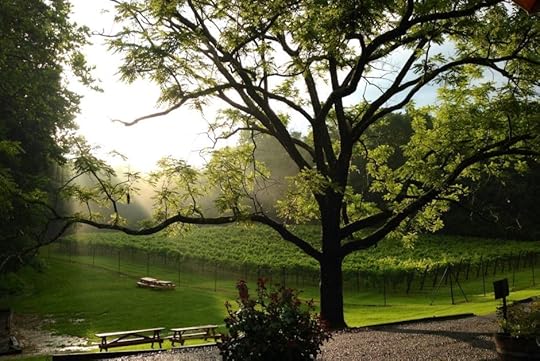
Photo: Paradise Springs Winery
With so many hotspots and its proximity to the capital, Fairfax County seems to constantly vibrate with energy. But quiet areas do exist, and they’re worth checking out. In the southwest corner of the county, the Town of Clifton has stayed comparatively rural and remote since the Dogue tribe of Native Americans used it for hunting grounds and the first white settlers arrived in the early 1700s.
Make time to enjoy a drive through the heavily forested area south of Clifton, and take in the scenery of the horse farms to its north. And definitely stop in at Paradise Springs Winery to see the 1800s-era log cabin, vineyard, production areas, and, of course, the tasting room, where you can sample some Swagger, a highly popular and one-of-a-kind port-style wine. That’s one you’ll definitely want to know about before visiting for the first time.
The post 9 things I wish I’d known before visiting Fairfax County, VA appeared first on Matador Network.

April 18, 2018
Map shows opposite side of world
Remember that old saying, “Dig me a hole to China?” The game just got a lot more real. If you were one of the kids who spent countless hours in the sandbox at the local park growing up, this term is everything your younger self dreamed of. An antipode is the exact opposite of a specific location on the planet, based on that location’s latitude and longitude. There’s now a website that lets you figure out the antipode of your current location, your hometown, or anywhere else that strikes your fancy.
Antipodes Map was built by Aniotech Solutions and lets users satisfy that burning desire to know what exactly is underneath their feet. If you’re in Christchurch, New Zealand, for example, the antipode to your location is A Coruña, Spain. In Doha, Qatar, the antipode is the Pitcairn Islands in the middle of the South Pacific Ocean.
No major US cities are antipodal with other metropolises, but many South American cities are antipodal to other major cities around the world. Beijing, China is a near antipode to Bahia Blanca, Argentina and Singapore is very nearly on the exact other side of the planet as Quito, Ecuador. In New York City, though, you’ll find yourself a bit wet upon breaking ground on the other side — the opposite location of the biggest city in the US is a few hundred miles of the southwest coast of Australia, a bit more than a stone’s throw from Perth.
More like this:
The post This map shows where you’d actually have to dig a hole to reach China appeared first on Matador Network.

Tucked-away beach in Sardinia
Sardinia, an autonomous region of Italy and the second largest island in the Mediterranean, is home to some of the most beautiful and tucked-away beaches in the world. If white sand, turquoise water, verdant backdrops, and active adventure are your thing, we’ve got the spot for you.
At the very south of the island, set aside from the larger beaches, is a 150-meter crescent of perfection — a white-sand beach with a small forest backdrop of pine and juniper trees and aquamarine waters that you’ll never want to leave. Spiaggia di Cala Cipolla (spiaggia means beach), is one of the best snorkeling spots in all of Southern Sardinia. It attracts swimmers, sunbathers, cliff jumpers, and surfers (although it’s a fickle beach break that doesn’t always have perfect surf).
Spiaggia di Su Giudeu, a much larger beach just northeast of Cala Cipolla, is a flamingo breeding ground, but more importantly offers parking, as Cala Cipolla is only accessible by foot. It’s only a 5-minute walk over a foot trail, so nothing to stress about, which also means it can get crowded in high season for those looking for a quainter beach.
This particular stretch of beaches is part of Chia, an ancient coastal village in the municipality of Domus de Maria. Chia has been an important place since Phoenician times. You’ll see seventeenth-century towers built along the coast by the Spanish crown to protect the coast from the Barbary pirates. Today, its a perfect destination for hikers, mountain bikers, families, and beach enthusiasts alike.
How to get there
Located in the deep south of Sardinia Island in the Domus de Maria municipality, the closest town is Chia, which can be reached from the Cagliari along the Highway 195. Park at Parkplatz Chia and walk five minutes to the cove.
What to consider
While there are a few juniper and pine trees on the beach that provide some shade, the beach gets crowded and there are no facilities. If you want to be certain to escape the blistering sun, bring your own shade.
It’s one of the best snorkeling beaches in South Sardinia, don’t forget your gear.
Don’t expect Club Med; this is a rustic version of what some people expect of the Mediterranean. It’s better suited to the self-sufficient crowd.
If you go before the height of the summer (May), you are likely to have it to yourself, but while the weather is idyllic, the water will likely be chilly.
Parking is 5€, but it gets you close and is totally worth it.
More like this: These are the 10 best beaches in Sardinia
The post Why Cala Cipolla in the south of Sardinia is a beach lover’s dream appeared first on Matador Network.

Roadtrip Italy for under $500
With miles of coastline, winding mountains roads, and ever-changing scenery, Italy is the perfect road trip country. Travel from the lagoon fishing town of Chioggia, near Venice, in the northeast, down the east coast to Puglia, then up the west coast to the brightly colored villages of Cinque Terre. Stop on the way for Byzantine mosaics, prehistoric caves, hiking routes with magnificent views, and (probably) the best focaccia in Italy. You might think a trip such as this would be costly, but by choosing off the beaten track destinations, and selecting well-equipped campsites and affordable places for food, you can keep the budget in check.
Here are the best places to road trip around Italy, and how to do it for less than 400 euro, or about 500 US dollars.
1. Chioggia
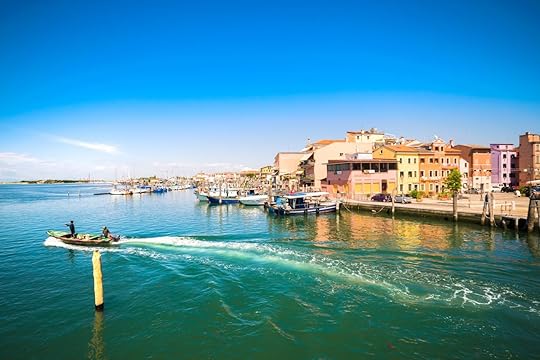
Photo: Pointbreak/Shutterstock
Beginning in the northeast of the country, Chioggia is a fishing town on the Venetian lagoon with Venetian-style gothic architecture lining the canal, an endless beach, and excellent seafood. You can easily spend a day enjoying the contrast between the noise and activity of the main street with traffic akin to Naples, and calm of the canal running parallel lined with little boats.
Free activities
There are a remarkable number of churches in Chioggia, including San Domenico, which houses a painting by the famous Venetian Renaissance artist Carpaccio. The fish market not only sells intriguing lagoon fare, but the selling process is a spectacle in itself.
Where to stay
Sottomarina Beach has several campsites to offer. Camping Grande Italia offers little colored wooden huts to stay in, a pool, and a private beach.
Where to eat
Beachside restaurants offer great quality seafood at reasonable prices. Stop for a primo piatto of the typical spaghetti alle vongole (clams) or a fritto misto, fried mixed seafood.
2. Ferrara and Ravenna
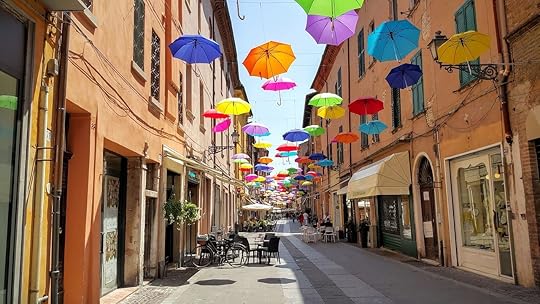
Photo: Demko
Heading south into the region of Emilia-Romagna, one of Italy’s food hotspots, there are two small cities worth spending time in. Ferrara was the dominion of the great Este family who left their legacy in the form of an imposing castle and several palazzi. Ravenna takes you further back to the Byzantine period with its glittering mosaics found in several churches and monuments throughout the city.
Free activities
In Ferrara, there are frequently craft or food markets in the main square near the Duomo, which are free to visit. You can walk the medieval walls and through the castle for free, though you need to pay to go into the interior. Ravenna’s mosaics are a unique experience and well worth the 9.50 euro ($12 US) ticket that allows you to visit them all.
Where to stay
Halfway between Ferrara and Ravenna you can camp at the Lido di Spina, either at Camping Mare e Pineta or at Spina Camping Village.
Where to eat
Make sure you have at least one meal in Ferrara, home of cappellacci di zucca, pasta stuffed with pumpkin. There are several reasonably priced restaurants such as Trattoria da Noemi. For a cheap lunch grab a panino from Pane & Condimenti, considered one of the best in Ferrara. Alternatively, do an aperitivo bar crawl and enjoy the generous free food provided by most bars.
3. Grottammare
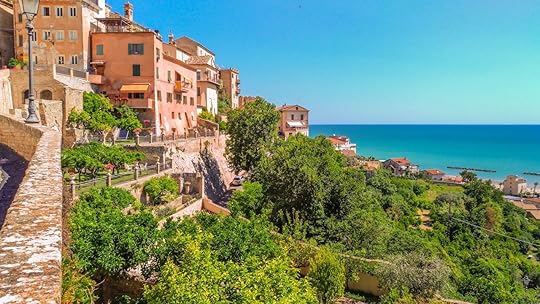
Photo: Buffy1982/Shutterstock
Have a beach day in one of Italy’s nominated ‘most beautiful villages’ in the little-appreciated region of Le Marche. While the seafront is decorated with palm trees, the old town with its ancient walls climbs up the hillside providing magnificent views.
Free activities
As well as relaxing on its celebrated beach, cycle or walk down the ‘lungomare’, the seafront, and past the marina for a bit of refreshing exercise. Inside the old town, go to Piazza Peretti for a panoramic view.
Where to stay
Just a couple of kilometers north, Camping Terrazzo sul Mare offers pretty floral surroundings, a pool, a beach, and a restaurant serving local fish specialties.
Where to eat
Head to the popular seaside kiosk Olio Pesce Fritto and get a fritto misto and various other fried treats.
4. Vieste
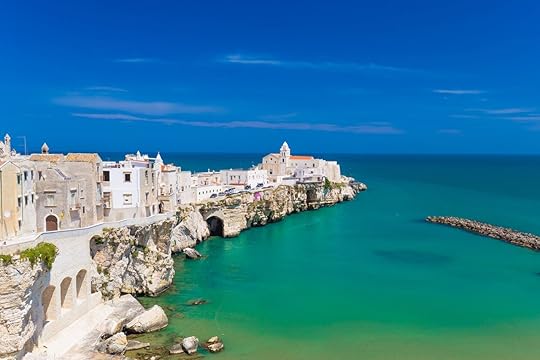
Photo: Josef Skacel/Shutterstock
Vieste is a coastal town of white houses and award-winning beaches. The best beaches, such as Baia di San Felice, are to the south of Vieste and are appreciated not only for the clear waters but also the dramatic rock structures. The white limestone monolith on Scialara beach has become a symbol of Vieste.
Free activities
Visit the 11th-century cathedral with a beautiful painted ceiling. Try the local market for typical foods and spices.
Where to stay
Right on the seafront, surrounded by the National Park of Gargano, you can find the campsite Campeggio Villaggio Baia e Cala Campi.
Where to eat
Skip straight to dessert and visit the popular Tradizionale Cornetteria Chianca Amara, which specializes in giant cornetti, or croissant-like pastries, filled with cream or chocolate or custard.
5. Polignano a Mare
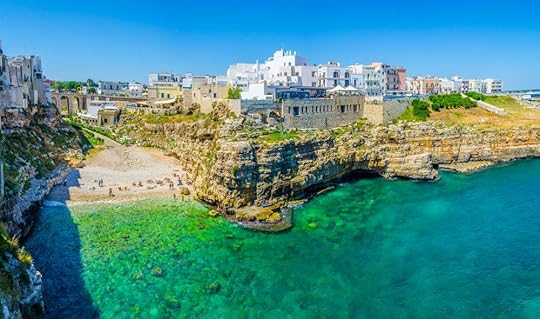
Photo: Trabantos/Shutterstock
It may be becoming a little touristy now, but Polignano a Mare’s little bay created by two stretches of cliffs crowned by white houses is not to be missed.
Where to stay
Just 15 km south of Polignano a Mare you can find the impressive castle of Santo Stefano, and here on the coast, you can stay at Camping Santo Stefano. It offers a beach, free wifi, games, and bike hire.
Where to eat
Get a focaccia from La Focacceria Delle Noci, choosing from various toppings like tomatoes and olives, grilled zucchini, or rocket and parmesan, and take it to the beach two minutes away. You’ll see a lot of others doing this too!
6. Matera
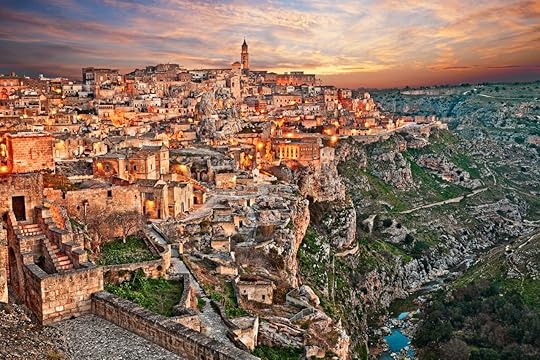
Photo: Ermess/Shutterstock
Matera is one of the highlights of the often overlooked region of Basilicata. Matera is one of the oldest continuously-inhabited places in the world, but around the middle of the 20th century it was known as ‘Italy’s Shame’. The city seems like an organic growth of the rock itself. Along with dwellings carved into the ravine, stone houses cover the rock face in a lattice of construction where one roof forms the foundation for another house. Many of the caves have been inhabited since prehistoric times, but in the 1950s residents were living in squalor, and were eventually forced to move out. But in more recent years, Matera has become a success story with renovations and restorations.
Free activities
Get some good exercise walking up and down the roads and staircases that wind between the rocky houses. You can visit several cave churches, some with remnants of faded frescoes, which, although there is a charge, only cost 6 euros ($7.50 US) for all three.
Where to stay
The Masseria del Pantaleone, just 2km from Matera, is a traditional farmhouse and agriturismo with plots for caravans, campers, and tents. Its restaurant serves homegrown and home-cooked specialties of the region.
Where to eat
For a quick dinner, try Il Rusticone, where you can eat the traditional ‘puccia’, a round bread with various filling options such as pecorino cheese and artichokes or grilled vegetables. Alternatively, L’Antica Credenza does generous platters of cold meats, cheeses, condiments, and bruschetta.
7. Amalfi Coast
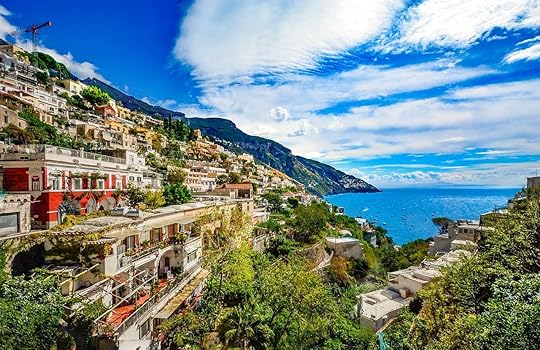
Photo: Kirkandmimi
This stretch of road is not for the faint-hearted, but it’s certainly exhilarating. Not only does it wind in tight hairpin bends clinging to the rock face, but the regular bus services seem to enjoy terrorizing tourists. I saw a couple in a brand new open top attempt to maneuver past a bus and receive a devastating scratch right down the new bodywork. However, you are naturally well rewarded if you attempt this road. To avoid some of the crowds, try stopping at the tiny town of Furore in a fjord, or at Ravello for the gardens.
Free activities
For some magnificent views of the whole coastline, walk the Path of the Gods. It stretches from Bomerano to Nocelle, and you pass vineyards, fjords, aerial views of the famous villages, and glimpses of the island of Capri.
Where to stay
Partly occupying the stables of a castle, the campsite and hostel Beato Solitudo provides exactly what the name suggests — blissful solitude.
Where to eat
Chiosco Bar San Francesco, a kiosk on the seafront in Maiori, is cheap, cheerful, and has great food from pasta dishes to panini to breakfast, which you can eat while enjoying a view of the sea.
8. Pitigliano and Vitozza
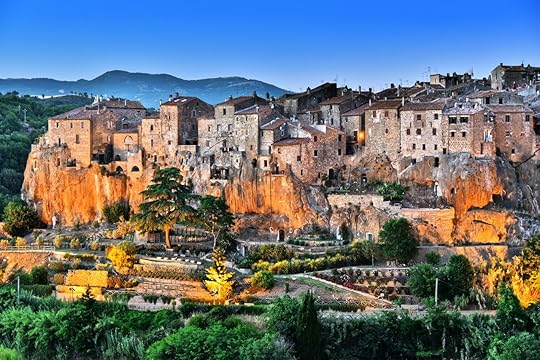
Photo: Monticello/Shutterstock
Pitigliano is a village that sits high upon tufo cliff, and bears the epithet ‘Little Jerusalem’. It once had a thriving Jewish community, traces of which can still be found such as the synagogue and a whole network of underground caves which were once butchers, bakers, and ritual baths. In fact, the whole of this zone is peppered with ancient caves dug into the soft tufo rock.
Free activities
You can spend several hours walking the Vie Cave, near Pitigliano, which are overgrown paths in the woods regularly dotted with networks of caves. Not far from here is the ‘lost city’ of Vitozza, a medieval town that was abandoned by most of its citizens in the 1400s. Amongst the undergrowth, you can discern ruined castles, a church, and a dovecot.
Where to stay
The typical rustic Tuscan agriturismo of il Pantano offers spaces for campers and tents and all necessary facilities. It also has a pool, tennis courts, and game areas.
Where to eat
Within the Jewish Ghetto, there is a bakery, il Forno del Ghetto di Francesca, selling traditional kosher foods including tarts, biscuits, and bread.
9. Saturnia and Bagni San Filippo
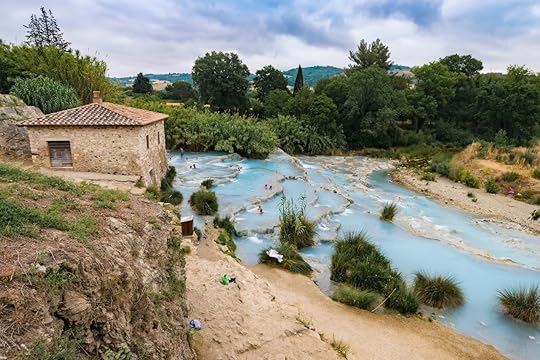
Photo: Pointbreak/Shutterstock
The surrounding area of Pitigliano is also the land of the terme, or hot springs. While you can pay to visit luxurious spas, the free and completely natural pools make for a more memorable spa day. The Cascate del Mulino, Saturnia, are a terrace of pools fed by a waterfall. They are becoming quite popular so try visiting at sunrise like the locals do. Otherwise Bagni San Filippo, just to the north, sits in a wooded valley and are more extensive. Great white cliffs have been formed by the deposited calcium, with light turquoise pools at the base.
Free activities
Both of these natural hot springs are completely free to visit. Spend a few hours soaking up the hot water, giving yourself a mud massage, and exploring the woods of San Filippo. Note that while at Saturnia there are some showers, Bagni San Filippo has no facilities.
10. Montepulciano
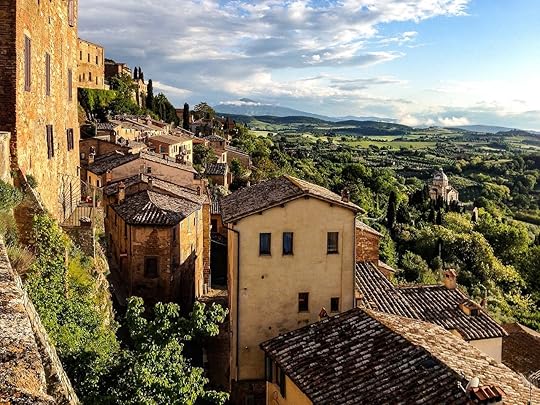
Photo: Bischoff49
A classic Tuscan hilltop town, Montepulciano is mainly associated with its homonymous red wine. From the winding central streets, parallel alleys give brief glimpses of the blue-tinted countryside, and the panorama can be enjoyed from the many elegant cafés with terraces.
Free activities
Many shops and wine cellars offer free wine tasting, often with a little food thrown in too which can be helpful when you try a matured red wine at 11 AM. You can visit some of the famous cellars with great underground vaults for storing the barrels.
Where to stay
Amongst the hills and olive trees of the Tuscan landscape, you can stay in the ‘agricampeggio’ of la Bucavecchia. Camper plots have beautiful views of the countryside and there is a barbeque area for use.
Where to eat
Try the Vineria di Montepulciano for a glass of the famous red and a plate of typical Tuscan cold cuts, cheeses, and bruschetta.
11. Cinque Terre
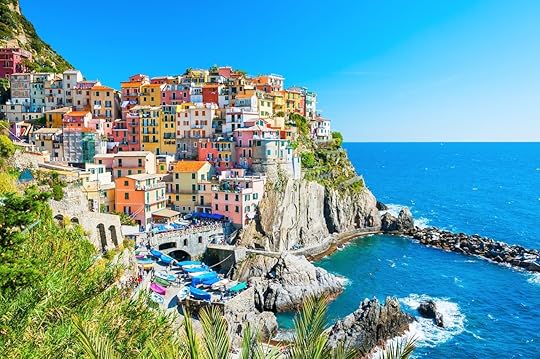
Photo: Olga Gavrilova/Shutterstock
Finish your trip in the poetic seaside towns of Cinque Terre. The five brightly colored villages with little ports are ancient fishing towns. It’s here that the poet Lord Byron lived, and near Portovenere, you can find Byron Grotto, where the poet used to find inspiration for his works.
Free activities
The hiking trails here are among the most beautiful in Europe. The most popular network is the Sentiero Azzurro, which links the villages, but it has a fee. More difficult, but perfect for a taste of Cinque Terre’s history, is the Trail of the Sanctuaries. It’s free and passes five famous sanctuaries.
Where to stay
Just north of the Cinque Terre, 200 meters from the sea, you can stay at Camping Aqcuadolce in relaxing natural surroundings.
Where to eat
Get a focaccia or a “cheese ball” (fried bread ball with cheese inside) from the celebrated il Frantoio in Monterosso.
More like this: Mapped: the optimal road trip across Europe
The post How to road trip around Italy for under $500 appeared first on Matador Network.

European chocolate trip
Europe is home to some of the most innovative chocolate makers in the world, making it a dream destination for chocolate lovers. From Belgian pralines to French macarons, passion for chocolate can be found all over the continent. If you find yourself craving chocolate on a level your hometown just can’t satisfy, take a look at this dessert lover’s bucket list passing through the best chocolate shops in Europe.
1. Choco Story, Paris, France

Photo: Ditty_about_summer/Shutterstock
You’ll begin the ultimate chocoholic trip at Choco Story, a museum of chocolate located in Paris, France, where local culture has celebrated chocolate for hundreds of years. You will learn about the history of chocolate and its origins in the early Americas. Chocolate was revered by early Mayan civilizations and later used as a form of currency by the Aztecs. During his exploration of the new world, Christopher Columbus first tasted chocolate in 1502, but it was largely unknown to Europe until 1528, when it was brought back to Spain by conquistador Hernán Cortés.
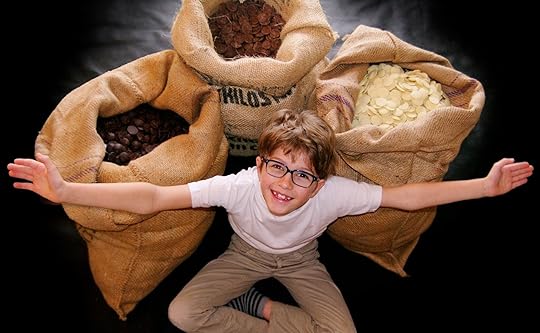
Photo: Musee Gourmand Du Chocolat Paris
You’ll also learn about the modern chocolate industry: current chocolate innovators, how chocolate is made, and all of its variations. Next, continue on to the tasting room, sampling chocolates of all different varieties. You can even make your own in a family-friendly DIY workshop at the museum. Finish your trip checking out the museum displays which feature sculptures of the Eiffel Tower and Notre Dame Cathedral made entirely of chocolate.
Basic admission tickets to the museum cost €11 ($13.50 US) per adult, €8 ($10 US) per child, with opening hours every day from 10 AM-6 PM.
2. La Maison du Chocolat, Paris France
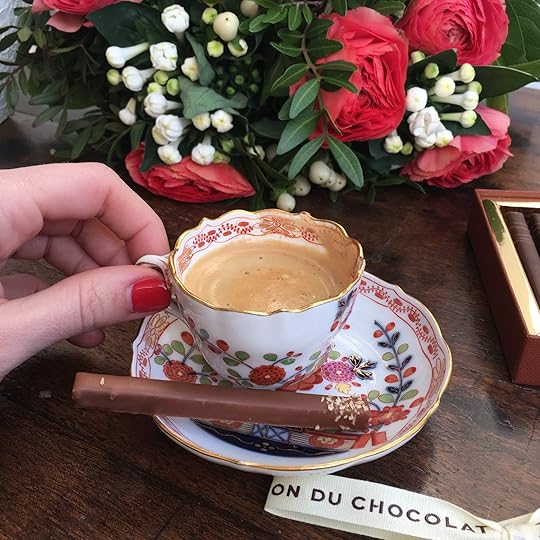
Photo: La Maison du Chocolat
A quick 10-15 minute drive towards the Seine river brings you to the House of Chocolates, helmed by an award-winning head chocolatier Nicolas Cloiseau. There you can sample and take home handcrafted macarons, truffles, and caramels.
Their shop is walking distance from the Louvre Museum, the Fontaine des Mers, and the Obelisk of Luxor. Buy some chocolate to go, then nibble on a salted chocolate caramel whilst taking a sightseeing walk around these tourist hotspots.
If you get hooked on their desserts, they have boutiques around the world.
3. ChocoPalace Festival, Durbuy Belgium.
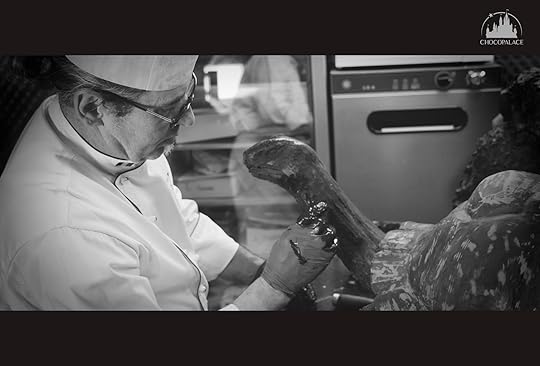
Photo: ChocoPalace Festival de sculptures en chocolat
Next, we hop over to Belgium, where the town of Durbuy held its first ChocoPalace Festival this year to celebrate amazing chocolate sculptures.
The inaugural jungle theme showcased forty life-sized sculptures of gorillas, elephants, leopards, and other animals. All of the sculptures are formed from chocolate by twenty artisans from different countries. The festival is family-friendly, offering face painting, arts and crafts, chocolate tastings, and photo opportunities with a giant chocolate bar mascot. For adults, the festival includes a “chocobar” featuring chocolate Champagne and wine/chocolate pairings.
Though the specifics of next year’s festival haven’t been announced at this time, it looks like the festival will become an annual event in Durbuy.
4. Neuhaus Belgian Chocolate, Brussels, Belgium
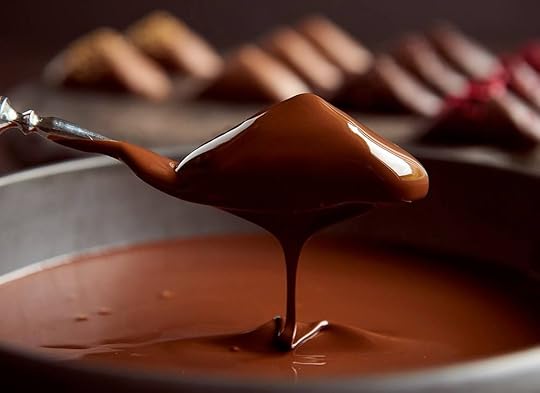
Photo: Neuhaus
Belgium is known for its innovative chocolate crafters. Founded in 1857, Neuhaus Belgian Chocolate makes chocolate specific to the region, such as the Belgian praline, which differs from what most Americans will recognize as a praline. Invented in 1912 by the original Neuhaus himself, the Belgian praline is a chocolate shell that can be filled with a variety of stuffings such as caramel, fruit, and creams. Neuhaus worked as a pharmacist and the treat was originally invented to hide the taste of bad tasting medicines.
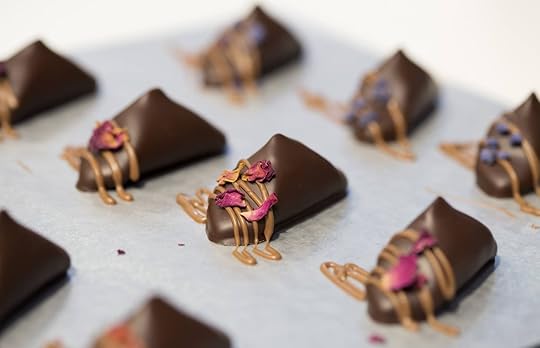
Photo: Neuhaus
The shop is currently serving up their summer edition line of pralines that are filled with seasonal fruits such as pineapple and lemon.
5. Groovy Chocolate Tour, Brussels, Belgium
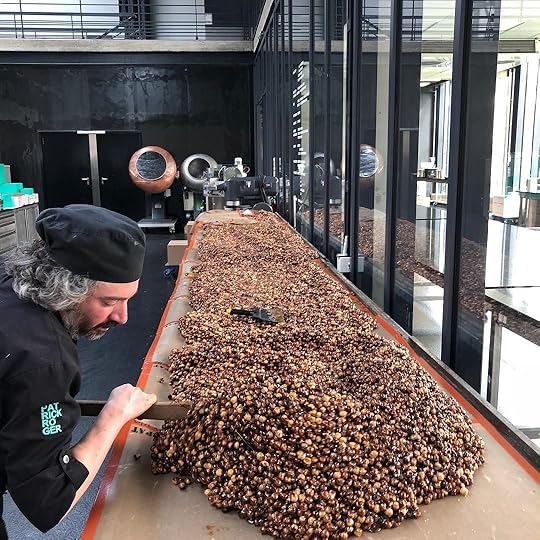
Photo: Patrick Roger
Also located in Brussels, Groovy Chocolate Tour takes visitors on a 2.5-hour walking tour of the surrounding monuments and attractions while stopping along the way in six chocolate shops. The tour narrative includes both historical facts as well as information on each chocolate shop and their unique creations.
Recent stops on the tour included a drop in at the shop of Patrick Rogers, a chocolate artist. His current Easter work featured chocolate sculptures of eggs and chickens.
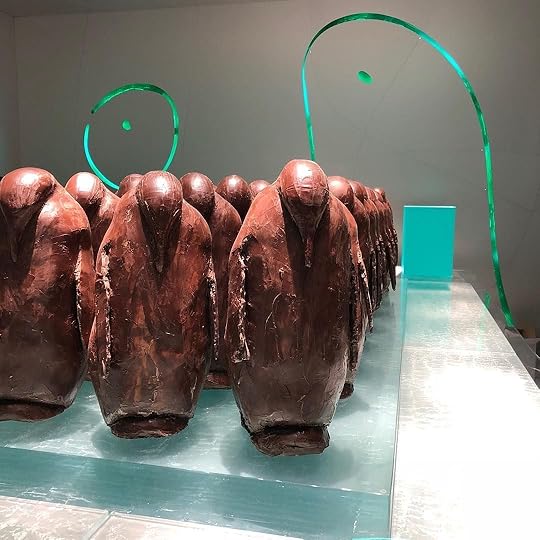
Photo: Patrick Roger
The tour runs every day at 2 PM (excluding Mondays) and costs €39, ($48US) per person which includes the sample chocolates on the route. This company also hosts beer/brewery tours and other walking tours if you something to wash down all that cocoa.
6. Bitter & Zart, Frankfurt, Germany
Three hours east of Brussels by train is Frankfurt, Germany, home to Bitter & Zart Chocolaterie.
The chocolate is created in-house by the two founding members who specialize in marzipan, nougat, and caramels, as well as over 100 varieties of chocolates. Their cafe also serves decadent desserts like fruit tarts, meringue pie, carrot cake, and brownie pie.
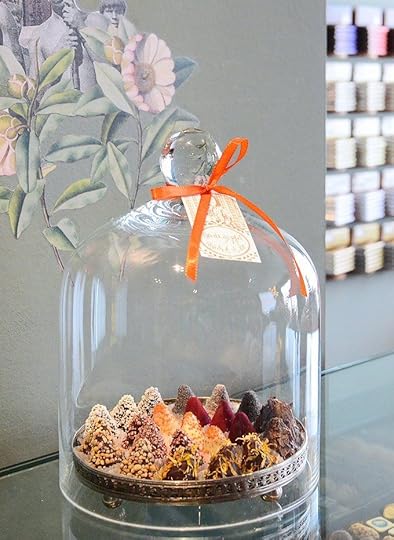
Photo: Bitter & Zart – Chocolaterie & Salon
While exploring the area, you will find this shop is close to an iron footbridge over the Main River called the Eiserner Steg. It is also close to Römerberg walking street lined with replicas of historical architecture and a public walking square.
7. Teuscher, Zürich, Switzerland

Photo: Oliver Hoffmann/Shutterstock
Teuscher chocolate was founded in Switzerland in 1932, and they are consistently named one of the best chocolatiers in the world. The old-school family business specializes in truffle production, and one of their most unique creations in the shop is the Champagne truffle. Invented in 1947 by Teuscher Sr., the truffle is covered in a chocolate and butter casing and filled with Champagne cream. The dark chocolate version is their best seller. These chocolates come at a high price tag, for a chocolate at least, with two Champagne truffles running you about $7 US.
Their creations can be sampled at their other stores in the US, Canada, Germany, Tokyo, Abu Dhabi, and other locations (or ordered online) but nothing beats checking out the real deal at home base.
8. Sweet Zürich Tour, Zürich, Switzerland
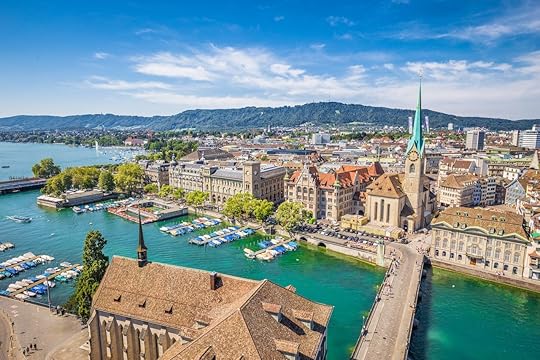
Photo: Canadastock/Shutterstock
Sweet Zürich Tour is run by a former New Yorker who relocated to Switzerland. Her passion for sharing the best desserts in Zürich with visitors led her to create her own tour company.
The walking tour stops in confection shops all over the city, and along the way highlights some of the famous landmarks in the town. Tours are 2.5 hours long and cost 85 Swiss Francs ($89 US). Call ahead of time to make reservations as there is limited availability.
9. Festichoc
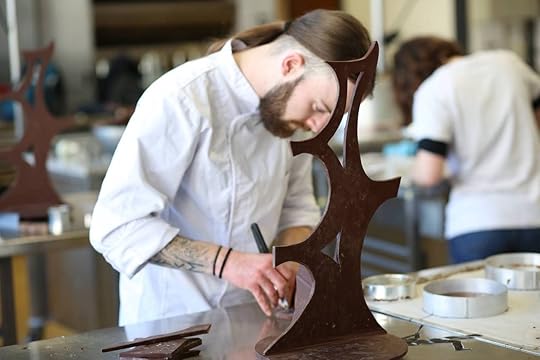
Photo: Festichoc
Festichoc, a festival for chocolate lovers, is held in Versoix, Switzerland each year and features over 30 artisans from around the world. The festival is held annually and admission is free.
This year’s festival entertained visitors with chocolate sculptures, chocolate egg hunts, cooking lessons, and theme park rides. In the sculpture gardens, a chocolate octopus wearing a top hat and a giant fondue fountain were fan favorites.
During the festival you can also tour the nearby Favarger Factory, which was founded in 1826 and is now famous for their Avelines.
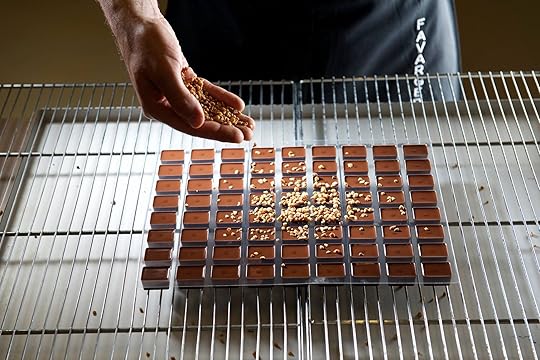
Photo: Favarger
The Avelines, another version of praline, are made from a combination of cocoa, hazelnut, and almond, and were invented in 1922.
10. Venchi Chocolate, Milan, Italy
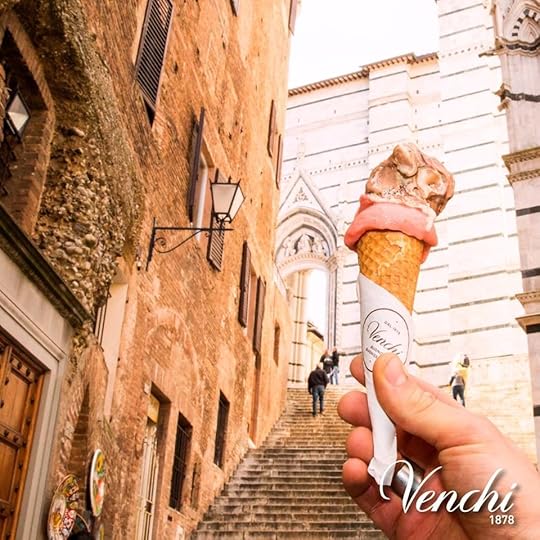
Photo: Venchi, il cioccolato dal 1878
Four hours south is Milan, Italy — home of Venchi Chocolate. Their first shop was opened in 1878 in Turin, Italy by Silviano Venchi. Last year, their chocolate was featured in an art installation in Bologna, Italy. And in 2007 Venchi desserts were selected to be served at the Nobel Peace Prize Banquet in Oslo.
The shop in Milan is known for its use of the Piedmont Hazelnut, which is ground into gianduja and then eaten as a spreadable cream, filling in chocolate, or a nougatine.
In addition to chocolate, the shop’s offers a large selection of house-made gelato. The flavors are creative with mouthwatering descriptions. The gelato also comes in a variety of chocolate flavors with optional toppings.
The shop is near Duomo di Milano, an impressive cathedral which was constructed over a period of 600 years. It sits on a large walking square with seating and beautiful views to enjoy.
11. Oriol Balaguer, Barcelona, Spain
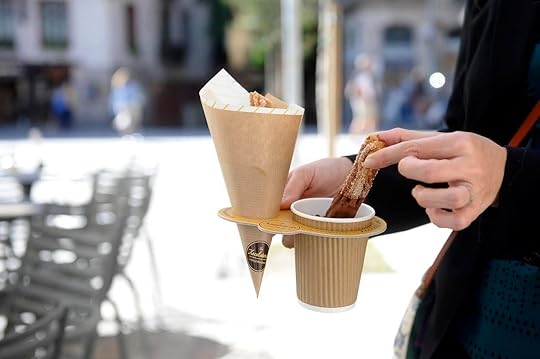
Photo: La Xocolateria by Oriol Balaguer
Barcelona, Spain is the home of Oriol Balaguer, a chef with a long list of awards for his mastery of chocolate and pastries. In 2018, he was awarded Grand Prix au Chef Pâtisser 2018 by the International Academy of Gastronomy for his pastries.
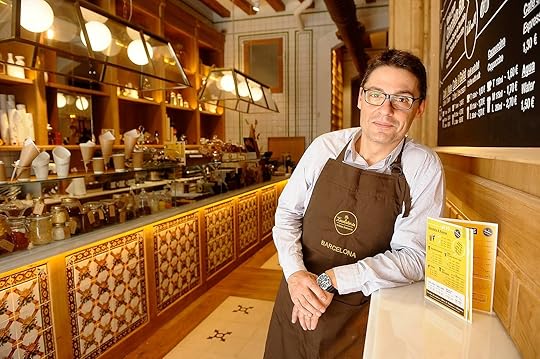
Photo: La Xocolateria by Oriol Balaguer
In 2001, his eight-texture chocolate cake won the best dessert in the world. The cake is constructed of biscuit, chocolate mousse, streusel, crunchy chocolate, chocolate glaze, and solid chocolate beans. You can try the cake at several of his shops in Barcelona. He also creates chocolate sculptures and other forms of artwork reminiscent of architecture.
12. Eurochocolate, Perugia, Italy
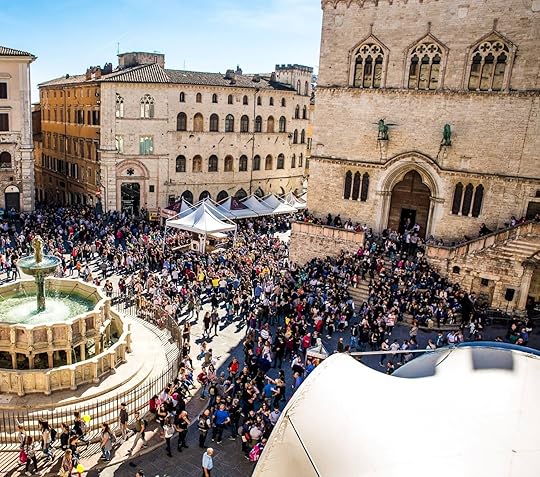
Photo: Eurochocolate
Held in Perugia, Italy each year in mid-October is the festival Eurochocolate. Vendors and chocolate artisans set up booths to host tasting events and to sell their chocolates.
The theme changes each year — 2018 is a circus-themed show. There are new events and presentations each year the festival is held. In 2009, the festival had a climbing wall that resembled a giant bar of chocolate. In 2003, they built the largest chocolate bar in the world at 5,980 kilograms.
The festival is free and takes over the city for nine days in October. It is one of the largest chocolate festivals in the world, drawing a million visitors each year. Additionally, the festival has expanded and now tours with smaller shows in other cities during the year.
More like this: Infographic: A chocolate lover’s travel guide
The post The ultimate European bucket list trip for chocolate lovers appeared first on Matador Network.

World's scariest bathroom
Guadalajara, Mexico is home to some of the world’s best tequila and mariachi music, but Mexico’s second-largest city also boasts another, more unique claim: world’s scariest bathroom.
This penthouse bathroom in the heart of the city with a glass floor that looks down into a fifteen-story elevator shaft, designed by Hernandez Silva, probably didn’t pop into your head. You can travel all over the world and likely not find a better way to literally scare the shit out of yourself.
The toilet is attached to a wall and juts out over a glass floor. As patrons relieve themselves, they peer down into what looks like a tunnel to the underworld. The design even includes lighting inside the tunnel to illuminate the void, making it almost impossible to pull your gaze away.
Your fear of heights is sure to play a factor in whether you spend your relief time leisurely gazing into the void, or staring straight up at the ceiling in full-on terror. It’s perhaps a good thing that there’s no shower in the bathroom — stepping half-awake out onto that platform is sure to induce a scream out of even the most seasoned roller-coaster enthusiast. In any case, this bathroom experience is sure to be a bit more than you bargained for.
The designer’s firm, Hernandez Silva Arquitectos, is known for unique development projects built around open, modern design concepts that go far beyond their clients’ expectations — but the glass floor bathroom in Guadalajara is an accomplishment in originality even by their standards.
H/T My Modern Met
More like this: The world's weirdest toilets
The post This glass-bottomed bathroom in Mexico sits atop an elevator shaft appeared first on Matador Network.

New airplane seat makes you stand
The Aircraft Interiors Expo that took place last week in Germany was giving us so much hope for the future of air travel that, for a beautiful but short time, we thought we may start to enjoy flying. First, they came up with sleeper bunks that fit in the cargo bay for us to be able to sleep comfortably; and later, they suggested that airplane bathrooms be fitted with bidets for travelers to keep a clean tooshie while in the air.
But, in a sick twist, the expo turned its back to travelers’ comfort and suggested it may be time for us to stand while flying.
Aviointeriors, a company that designs and produces aircraft cabin interiors and passenger seats, thought it may be time to cram a few more people in the economy class (20% more to be exact) and came up with Skyrider 2.0, a passenger seat that looks very much like a saddle with a back.
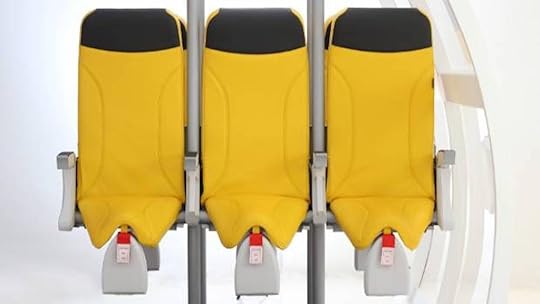
Photo: Aviointeriors
CNT explains that passengers using Skyrider 2.0 will have their feet on the ground and their legs straight while leaning their backs and riding their seats. Sounds cozy, eh?
Although Skyrider 2.0 is meant for short-haul flights, it stills seems a like an instrument of torture for frequent flyers. The future of air travel does not seem so bright after all.
H/T: Condé Nast Traveler
More like this: This airline’s new seats will let parents and babies lie down next to each other
The post This new airplane seat will have you standing while flying appeared first on Matador Network.

Matador Network's Blog

- Matador Network's profile
- 6 followers

