
Matador Network's Blog, page 1373
March 29, 2018
7 superpowers every bartender has
After years of working behind a bar observing customers, listening to people’s drink orders, and eavesdropping on conversations, we bartenders have developed many skills that make our job even more fun than it already was. Here are seven superpowers every bartender has.
1. Reading minds.
The secret to being a great bartender is not an encyclopedic knowledge of cocktails and spirits (though that helps), it’s our ability to read other people and adjust our behavior accordingly. It is sensing when a guest needs advice navigating the menu, when a bar regular wants someone to talk to, or when a couple has to be left alone. Eventually, we are able to guess people’s drink order just by looking at them (well, nine times out of 10).
2. Existing just fine with a vitamin D deficiency.
Our bedtime is at sunrise and we wake up at dusk. Depending on our schedule, we could go weeks without seeing the sun. This rhythm would drive many people insane, but late-night bartenders learn to love life in reverse.
3. Invisibility
We blend into the background, next to all those shiny liquor bottles. When you sit at the bar chatting with a friend, the bartender can generally hear your whole conversation. Most of the time, we aren’t really listening — we’ve got our own problems that need mulling — but, yep, we can hear you. So, if you really like eavesdropping, bartending is a good career for you.
4. Messing with people in the guise of banter.
Some nights, usually weekends when we are slammed, are the nights when difficult customers come out of the woodworks. We are doing the best we can just to stay on top of all the drink orders when that chatty stranger wants to ask us all about your life, or a guest at the bar wants an in-depth rundown of every scotch on the list. Since we can’t be openly rude, we get sassy. Weirdly, we tend to get tipped better when we teasingly banter with our guests.
5. Matchmaking better than a dating app.
We’re not over the top about it, but if we see some singles at the bar, we love to casually introduce them and set up an inviting environment. We’re like your secret wingman. If we see a date going well, maybe we’ll encourage a second round. And if we notice that things are crashing and burning, we will drop that check real fast.
6. Overcoming FOMO.
Because we often spend our weekends and holidays behind the bar, we are used to the sting of scrolling through an Instagram feed of missed birthday parties, barbecues, and beach days. That is why it so important to take advantage of our days off, and to remember that even if we are working on a Saturday night, we are still out with people, hopefully having a good time, and not chained to an office desk.
7. Curating the vibe.
Part of being a great bartender is creating a little community every night at the bar. Sometimes it means sending out party vibes, other nights it’s about maintaining a relaxed energy. Everyone at a bar or restaurant has their role, but the energy of the place really comes from the bartender. When we are in a crap mood, the whole bar can feel it. So it’s important to change up the music or invite fun friends to keep the good vibes going. 

More like this: 10 commandments of being a bartender
The post 7 superpowers every bartender has appeared first on Matador Network.


Glamping on Mount Everest
It’s been said that everything, and everyone, has a price. Quite often, especially surrounding viral experiences and beacons of triumphant self-worth, someone is willing to sign the ledger, no matter how ridiculous it sounds. No further proof will ever be needed than this: you can now glamp your way up Mount Everest.
Thanks to Russian guide Alex Abramov and his company 7 Summits Co, those with the dough can trade roughing it for relaxing on the Tibetan side of the world’s tallest peak. Why? Because goddammit, the most cosmopolitan of trekkers should be able to stand on the summit of summits too. Clearly, the rewarding feeling you get from putting in the effort to actually hike up Everest is overrated.
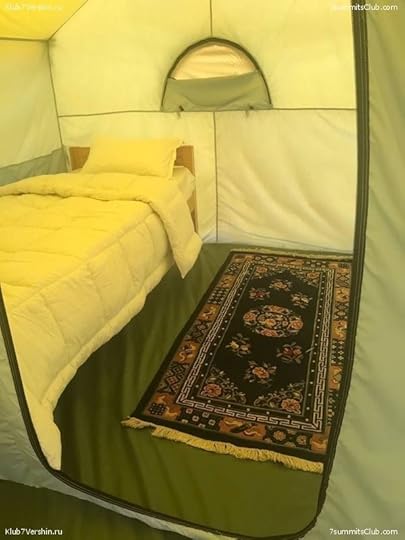
Photo: 7 Summits Club
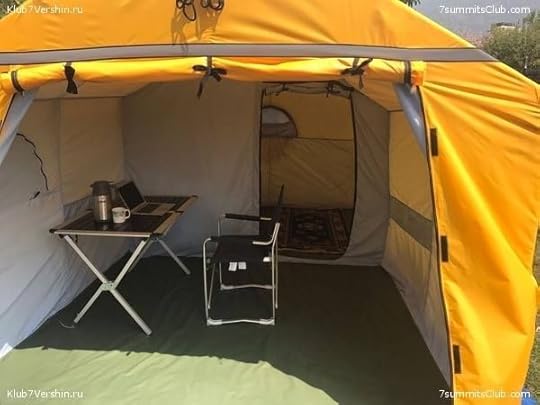
Photo: 7 Summits Club
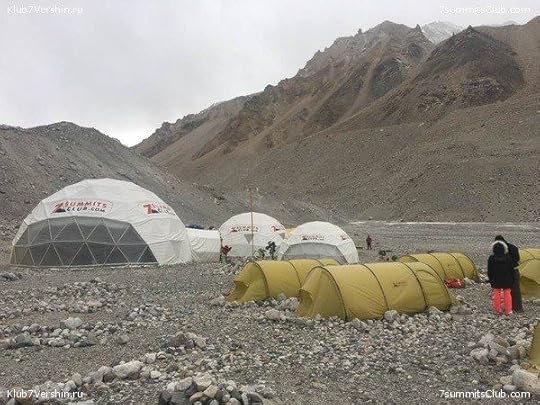
Photo: 7 Summits Club
Those upset about this recent development must remember this: pay-to-play summit excursions are nothing new. Westerners have been paying sherpas to schlep their bags up the sides of mountains for decades, and providing earfuls of smack when there aren’t cots and momos ready and waiting at the teahouse at the end of the day.
Now, according to the blog of mountaineer Alan Arnette, those on the journey won’t even have to wait to post the photos on Instagram. Or actually walk to reach base camp, for that matter, Abramov’s excursion includes furnished glamping, complete with internet and actual outfitted beds. And here’s the kicker — hikers are shuttled, in an actual vehicle with a driver, bags tucked comfortably and orderly in tow, to this exquisitely furnished basecamp. To top it off, Abramov provides oxygen to ease the night’s sleep (12 bottles of it, actually).
The price tag for the excursion is hefty, clocking in at $79,900. But hey, the cost includes two sherpas, the bottles of oxygen, the glamping, and even a place to charge your cell phone. The end result is a much higher chance of visitors reaching the summit.
Let’s just hope they don’t forget to leave a 5-star review after the experience is all said and done.
More like this: A photographic journey to Everest Base Camp
The post Glamping on Mount Everest is a thing now, so you don’t even have to hike. appeared first on Matador Network.

March 28, 2018
Female photographers in India
In India, professional female photographers are on the rise. Their photographs tell remarkable stories of women and children, wildlife and climate change, adventure and extreme sports, and everyday moments. It’s a healthy sign of our growing artistic community and their creative approach towards building a more caring world. The collective voice of these women is both powerful and inspiring. These photographers recognize that a photograph has the ability to transform attitudes and perceptions. In the hope for change, these 11 emerging and established photographers fearlessly tell diverse stories of India.
1. Arati Kumar Rao
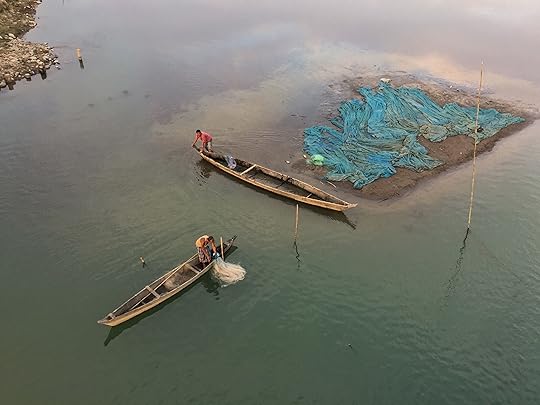
Photo: Arati Kumar Rao
Climate Change/Environment
@aratikumarrao
As an environmental photographer, Arati is committed to telling stories of South Asia’s rivers that have been slowly and structurally degraded by human activity. In her photographs, she captures a glimpse of the violence inflicted on the people who live on the riverbanks. Many of them are denied basic human rights in the name of development. Arati spends a long time in the field researching, and with grounded knowledge, she depicts a lived experience which is immeasurably affected by the negative impact humans have on the environment. It is her hope that the world will pay attention to not only the symptoms but the real causes of deterioration within valuable ecosystems and communities.
2. Cheena Kapoor

Photo: Cheena Kapoor
Social/Women & Children
@myshotstories
Cheena walks with her camera on the streets of India’s red light districts and the corridors of mental asylums in India. As a photojournalist, she has spent time with women involved in commercial surrogacy and young female drug addicts, some who are as young as five. With humility and respect, she presents their lived experiences to those who would otherwise never get a glimpse of this world.
3. Prarthna Singh

Photo: Prarthna Singh
Portraits/Fashion/Everyday
@peeezers
Inspired by everyday life, Prarthna presents her art as an invitation to experience and imagine the daily reality of her subjects. Natural light plays a major role in her photographs. She tells stories about the human condition, and to Prarthna, that’s very important in the pursuit of her art form. As an artist, she is honest and kind in the hope that the viewers’ engagement shifts from observation to participation.
4. Vinita Barretto
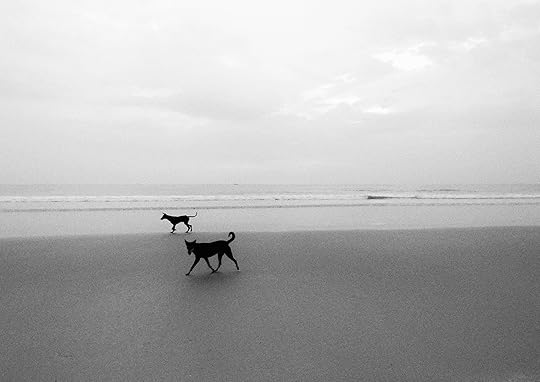
Photo: Vinita Barretto
Black and White/Everyday Life
@vinita_1008
Vinita captures dreamy moments in black and white. Her photographs are a result of unexpected simple stories — the joy in a little boy playing football, a cat sleeping, or boatmen working on the shore. For Vinita, photography captures the beauty of everyday life. After several years of doing odd jobs, she now decisively dedicates all her time to refining her craft.
5. Neelima Vallangi
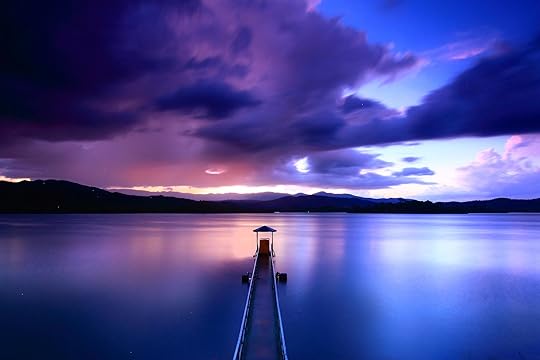
Photo: Neelima Vallangi
Landscape/Nature
@neelimav
Neelima enjoys the challenge of capturing nature in its raw form. She takes out her camera at the sight of a quiet, colorful morning sky, a violently magnificent snowstorm or monsoon rainfall. She seeks and explores those kinds of moments — unexpected events in imperfect shooting conditions to depict the untamed natural world.
6. Soumya Iyer
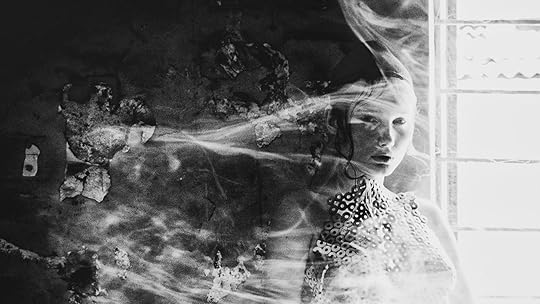
Photo: Soumya Iyer
Fashion/Portrait
@soumya.iyer
A love for color is evident in Soumya’s photographs. The subtle language of her art sets varied moods in her portraits that explore fashion and culture. Her subjects look comfortable in their own skin and the pictures seem to reveal their character. Soumya’s dedication to portraiture is shaped by her desire to capture humanity through her images
7. Paromita Chatterjee
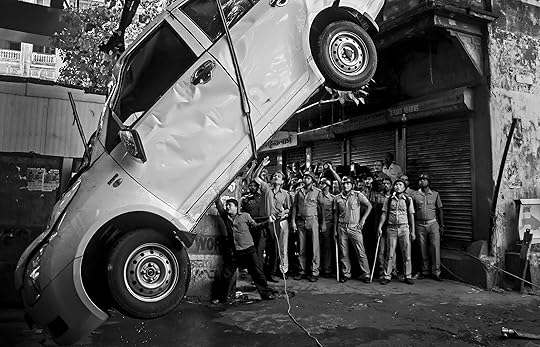
Photo: Paromita Chatterjee
Politics/Social
@im_paro
As a young photographer, Paromita documented the Lok Sabha elections in Varanasi. It was then that she felt a responsibility as an artist. She photographed one woman who had lost her children to malnutrition due to an epidemic in the village. Through this experience, Paromita learned how those villagers pinned their hope for aid on people in the media. She understood power dynamics that come from capturing suffering. Inspired by Robert Capa’s statement, “If your pictures aren’t good enough, you’re not close enough,” Paromita tries to get as close as possible to her subjects in an attempt to promote social change.
8. Kopal Goel
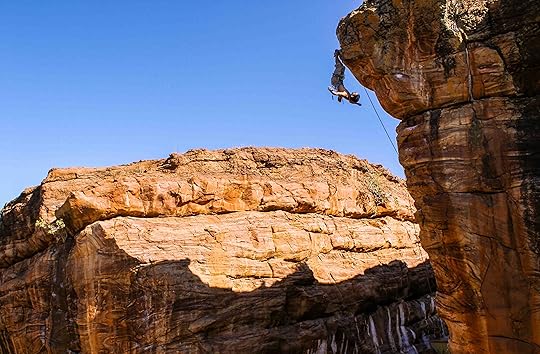
Photo: Kopal Goel
Extreme Sports
@inspire.crew
Kopal is a climber and photographer who pulls artistic strength and direction from moments where boundaries are pushed and limits are reset. This is conveyed through her work. She documents Indian people in extreme sports such as rock and ice climbing, mountaineering, biking, and surfing. Through her recent initiative, Inspire Crew, Kopal celebrates women who are breaking barriers in their sport.
9. Saumya Khandelwal
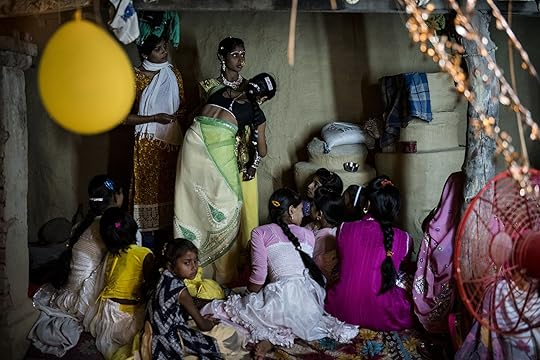
Photo: Saumya Khandelwal
Social & Cultural
@khandelwal_saumya
As a photographer, Saumya searches for stories of lives behind closed doors. For her, there is an inexplicable joy in discovering deeper layers of people and culture through her photography. Recently, she embarked on a project that exposed the reality of child brides in India. Through her photographs, she shares stories of girls who are subjected to live without a sense of escape or alternative. Saumya hopes that her work will compel others to support child welfare.
10. Rema Chaudhary
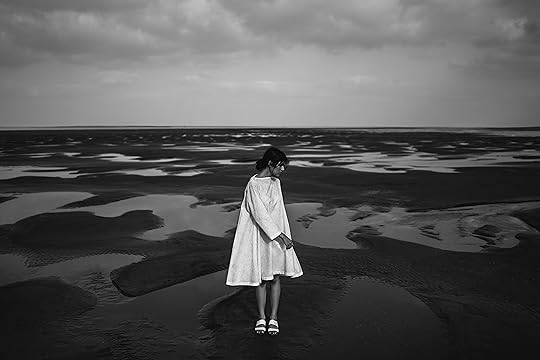
Photo: Rema Chaudhary
Portraits
@remachaudhary
Rema likes her photographic compositions to exude a sense of openness. In her photography, there is an impression of harmony. Her inspiration doesn’t come from an extraordinary event; it is derived from the natural environment and the everyday.
11. Riddhi Parekh
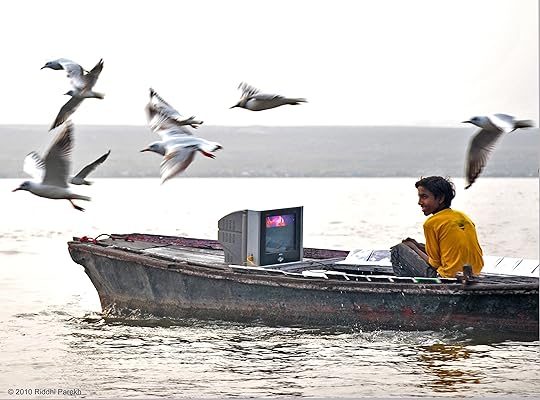
Photo: Riddhi Parekh
Outdoors
@riddhi_parekh
Riddhi feels a sense of accountability knowing how easily a frame opens up a whole new world for all those involved: the person behind it, the one in front of it, and finally the viewer who experiences the image. In the pursuit of meaning, she doesn’t like to feel restricted by genres, although many of her photographs are inspired by the outdoors. In every image, the outer world isn’t merely a beautiful landscape; for Riddhi, people make the place. They are present in her photographs, just as uninhibited as nature itself.
More like this: 8 everyday Indian women challenging stereotypes in India
The post 11 female photographers shaking up our perspectives on India appeared first on Matador Network.

Know before hiking Mt Kilimanjaro
Mount Kilimanjaro is the tallest mountain on the African continent and the highest free-standing mountain in the world. Approximately 25,000 people attempt the 19,341-foot climb every year. If you’re also hoping to embark on this adventure, here are a few tips to keep in mind:
1. Carefully consider the route options.
The route you choose will undoubtedly be one of the toughest decisions you make when preparing for this hike. There are seven major routes used to climb Kilimanjaro: Marangu, Machame, Rongai, Lemosho, Shira, Northern Circuit, and Umbwe. To find the best route for you, consider the minimum days to complete the hike (the probability of successfully reaching the top is much higher for longer hikes than for shorter hikes), level of difficulty, foot traffic, time to acclimate to the altitude, and scenery. There is no “best” route up the mountain. It depends entirely on you.
2. Get the low-down on your guides.
Your guides and porters are the superheroes that will lead you up to the summit, cook for you, set up camp, sing to you, monitor your health, and become a memorable piece of your journey. More importantly, guides should be certified world-class experts on the mountain who abide by high safety standards. Ensure that the group you choose has a high degree of expertise and professionalism. Inquire what the summit success rate of the climbing group looking into before you pick a team to lead you to the “Roof of Africa.”
3. Choose trekking groups that ensure fair and ethical treatment of their crew.
Kilimanjaro Porters Assistance Project (KPAP) raises public awareness regarding the proper treatment of guide teams on Kilimanjaro. At no cost to the climbing company, the group voluntarily participates with KPAP’s monitoring of the treatment practices related to the crew. This includes following minimum wages for the crew, cooks, and guides; providing the crew with three meals a day; providing proper gear; providing appropriate sleeping space and accommodations; and more. Unfortunately, exploitation happens right under the noses of climbers hoping to achieve their bucket list dream and they might not realize it. Do your research and find out if the climbing group you’re choosing follows KPAP standards. Will you likely have to pay a bit more to climb with a group that follows KPAP ethical standards? Yes. But ethically, this is incredibly important. If you want to do this climb on a budget, look for other areas to cut down costs.
4. Arrive a few days early.
You know when the airline loses your luggage and it really sucks? Well, it sucks WAY more when you are about to climb to the highest point in Africa. Arriving in Tanzania a few days early should buy you some buffer time to deal with luggage issues. If this isn’t a possibility, you can minimize luggage risks in other ways:
Consider renting gear to save luggage space (sleeping bag, trekking poles, etc.)
Carry on as much as you can (especially important pieces of gear that you might not feel comfortable renting like your daypack, toiletries, underwear, socks, etc. )
Wear your hiking boots on the plane.
Be mindful of how many airline connections you have in your journey, and try to stick with the same airline throughout the connections if possible.
5. Know your climbing season, but be prepared for all weather possibilities.
You may decide to climb during dry season and anticipate hot, (very) sunny days. Regardless of the season, make sure you’re prepared. The mountain can be a fickle beast; it may rain every day and then blizzard on your summit and you’ll think to yourself, “Dry season my ass!” You just never know. So pack for all possible weather scenarios. You will not regret bringing extra rain gear or another warm layer.
6. Bring snacks!
Altitude can play tricks on your appetite. Your cooks will feed you seriously well — they might even make a cake at 14,000 ft — but the altitude may make you feel not hungry at all some days, and it isn’t safe to skip out on meals. When you’re preparing for the trip, don’t overlook the well-loved snacks you turn to for comfort. Energy bars, chocolate, gummy bears, crackers, whatever you want. Bring snacks and bring as much as you can.
7. Drink enough water.
Every morning you’ll get your hydration bladder and a water bottle filled before you begin the day’s hike. It’s in your best interest to drink at least 2-3 liters of that water, if not all of it. Dehydration is a key contributor to altitude sickness and it’ll leave you with a pounding heading and extreme nausea. Even if you don’t feel thirsty, take sips of water as you ascent.
8. The summit night is hell.
Without a doubt, summit night is the hardest night of all. You’ll look to the sky and see a trail of headlamps and think, “Just up there! It’s just up there!” You’ll climb (and climb, and climb…) and in the distance, you’ll see a sign. “We’re here! We’ve made it!” Well, not quite yet. There are two milestones on summit night and the first celebration will be at Stella Point (18,652 ft). You have about an hour or so to go until you hit the summit, Uhuru Peak (19,341 ft). Determination will be the guiding force to get you to the top. Keep going. You’ve made it this far.
9. It is crowded at the Roof of Africa.
Reaching the “Roof of Africa” is an amazing feat and should be celebrated — and, of course, documented. If you summit the highest free-standing mountain in the world, you’ll need to get a photo next to the famous Uhuru Peak sign. But you’ll have to have a bit of patience as it can get quite crowded with everyone else waiting to get their photo taken, too. When it’s your turn quickly get in there, strike a pose, make way for the next person, and begin your descent.
10. You might get sick on the way down.
It took about a week to make it up to the summit but the descent will be significantly less time. On your way down, especially right as you leave Uhuru Peak, you may feel like you’re getting ill. This is normal. After all, your body is descending quite rapidly compared to the long, daunting ascent. If this happens to you, communicate with your guide and they’ll make sure your health concerns are addressed.
More like this: 6 Swahili phrases you’ll learn climbing Mount Kilimanjaro
The post 10 things you need to know for hiking Mount Kilimanjaro like a pro appeared first on Matador Network.

Arizonan superpowers
If you’re still undecided as to whether or not you should pack up and move to Arizona, a little background information about the amazing locals will sure help you make a decision — soon you’ll not only want to live in this great state, but you’ll want to be a full-fledged Arizonan. Here are 10 superpowers only they have.
1. Super gastro immunity
A post shared by Katy Algar (@katyjokatyjo) on Mar 28, 2018 at 4:26am PDT
We mix chiltepins and mezcal on the daily.
2. X-ray-level vision
A post shared by jason rothmeyer (@rothdigga) on Sep 12, 2017 at 8:53pm PDT
We can see tan rattlesnakes under rocks when visitors don’t even see the rocks. Some people have spidey sense; we have snakey sense.
3. Supernatural healing powers
A post shared by Ariel Bowlin (@arielbowlin) on Mar 27, 2018 at 10:17pm PDT
We can get a crystal/spiral/tarot reading, consult a shaman, enjoy a sage smudging, partake in a sweat, visit a native herbalist curandera, get chakra reiki and mantra cupping, and enjoy a vortex massage — all in one town.
4. Teleportation
A post shared by NAUCHI SANDBOARDS (@nauchi) on Feb 21, 2017 at 8:20am PST
We can ski on 10,000-foot mountains and sled on the sands of Sonoran Desert dunes — both within a few hours’ drive.
5. Time travel
A post shared by shwackem (@shwackem) on Mar 27, 2018 at 6:00pm PDT
We go from 5,000-year-old archaeological sites, hit a historic shootout reenactment, and then hole up in a futuristic self-contained habitat within the same day.
6. Precognition
A post shared by Michael Tolman (@miketolmanphoto) on Jul 15, 2017 at 1:12pm PDT
We can tell when a monsoon is coming by the scent of creosote in the electrified air.
7. Evasive agility
A post shared by Tristyn Butler (@tristynbutler) on Feb 8, 2018 at 12:28pm PST
We can slither deftly through a jumping cholla forest without running into a snag or a barb. It only takes one experience with the comb and tweezers to become a pro.
8. Invisibility
A post shared by Supergirl (@karaherms) on Dec 17, 2015 at 10:52am PST
At least, we drive like we’re invisible, running red lights and slamming into floods and potholes while assuming other drivers will slide right through our SUV.
9. Night vision
A post shared by Chuck Claude (@cdclaude3) on Feb 18, 2018 at 8:34am PST
Our secret way to see using only starlight is by enforcing laws against light pollution.
10. Immortality
A post shared by Chris Northam (@chrisnortham) on Mar 28, 2018 at 11:45am PDT
It’s as if half the people in the state just keep getting older and older and older…
More like this: You’re not a real Arizonan if you haven’t been to these 13 food spots
The post 10 superpowers only Arizonans have appeared first on Matador Network.

Osaka's blend of old and new
Osaka is so much more than the home of Japan’s Universal Studios location. The second largest city in Japan is renowned for its vibrant dining scene, its many historic monuments, and its streets full of neon lights. Spend a few days in Osaka and you won’t be short of things to see or do, but make sure you save some energy for lengthy night walks since the city really comes to life after dark. These photos were taken on seemingly endless evenings wandering the streets of Osaka and its surroundings.
1
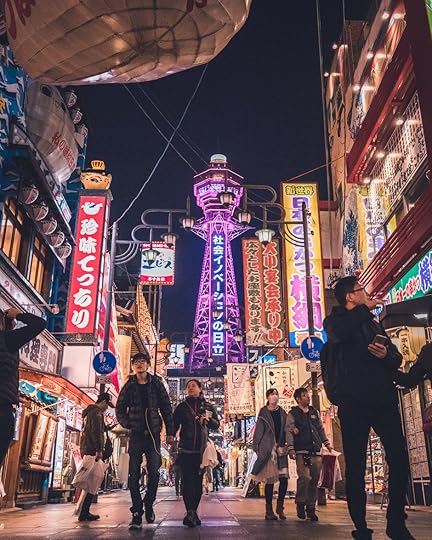
Tsūtenkaku
Tsūtenkaku tower can be seen soaring above the old neighborhood of Shinseki in the South of Osaka city. Known for its bright street lights and restaurants on nearly every corner, Shinsekai was built to resemble both Paris and New York, and today is one of the most bustling tourist areas of Osaka.
2
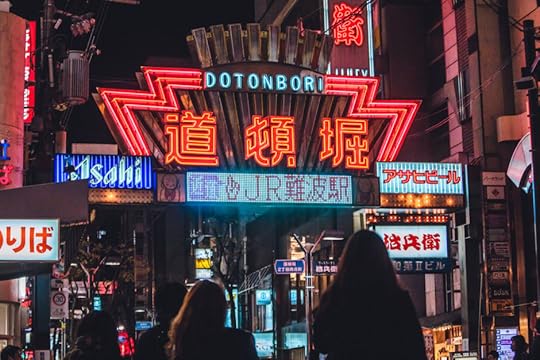
Dotonbori
Internationally famed for its food, entertainment, and nightlife, Dotonbori is a must-visit when in Osaka. The area runs along the Dotonbori canal and is packed with a mix of locals and tourists year-round. This is one of the best areas to simply sit down and people-watch.
3
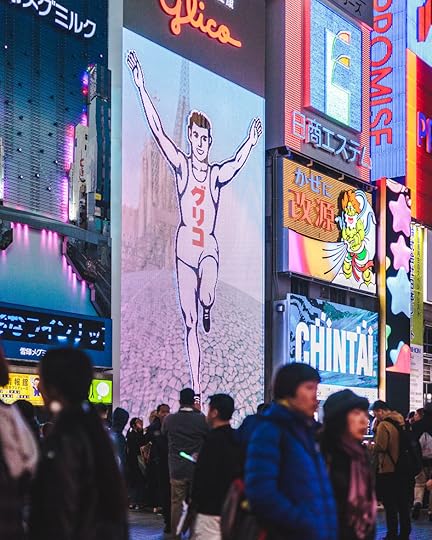
Glico man
Hoards of people gather all around Dotonbori as soon as the night falls. The busiest spot in the area is a bridge from where various hundred-feet tall adverts can be appreciated. Glico man, the most famous of them all, has been shining over Dotonbori for over 70 years.
Intermission
Activism + Politics
The year women became eligible to vote in each country
Tim Wenger
Mar 7, 2018
DJ Lead, Japan’s heavy hitter
eric warren
Aug 7, 2012
Sponsored
17 images of Leavenworth, WA we can’t stop looking at
Jacqueline Kehoe
Mar 26, 2018
4
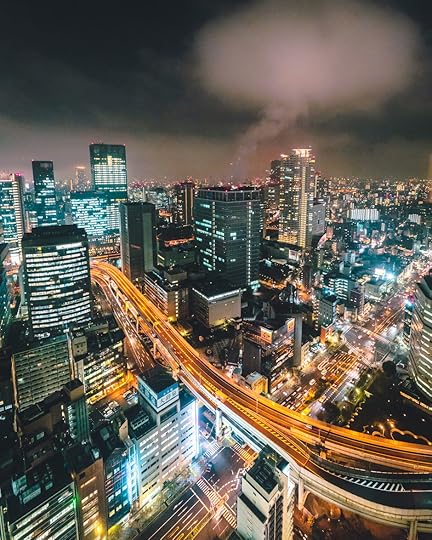
A bird’s eye view of Osaka
There’s nothing like getting a sense of scale of a city than by seeing it from above. Opt to stay in a hotel that offers an amazing view like this one; it’s well worth it to take in the entire city in one glance.
5
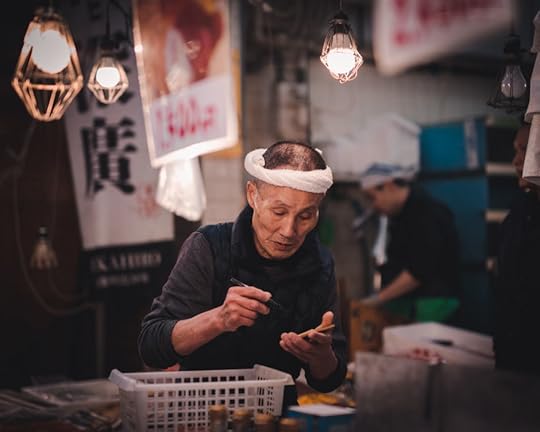
Kuromon Ichiba
Kuromon Ichiba, one of my favorite markets in Japan, has been a staple in the local food scene for nearly 200 years. Sample a host of seafood delicacies, including fresh clams, octopus, and some of the most amazing sushi you’ll taste on your trip.
6
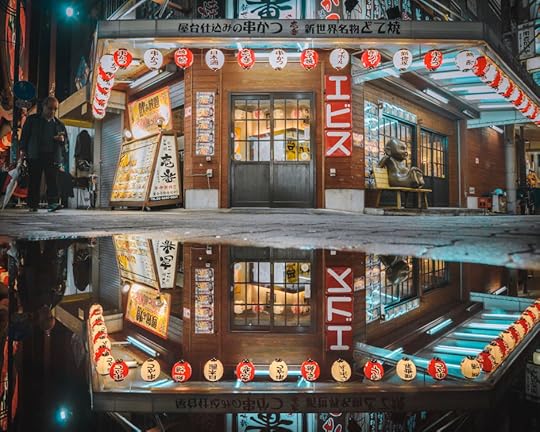
Street reflections
On a late-night stroll through the city, I came across this building with all the lights and lanterns that one would expect when visiting a bustling Japanese city. I decided to use the reflection from the puddle opposite to take a photo, and before long I turned around to find 10 other people crouching down to take the same photo, too.
7
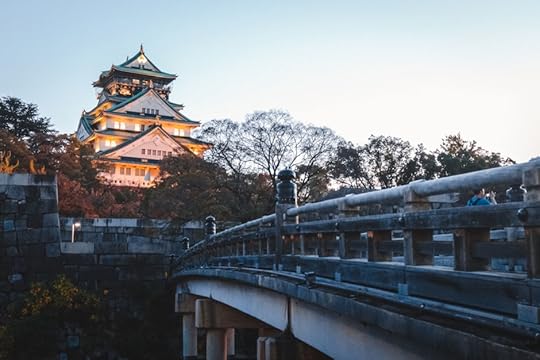
Osaka Castle
One of the most iconic sites in the city, the Osaka Castle is truly magnificent from near and afar. The castle was built in the early 16th century, and played a major role in the unification of Japan. Get there early to avoid the crowds, and take a stroll around the moat surrounding the castle.
8
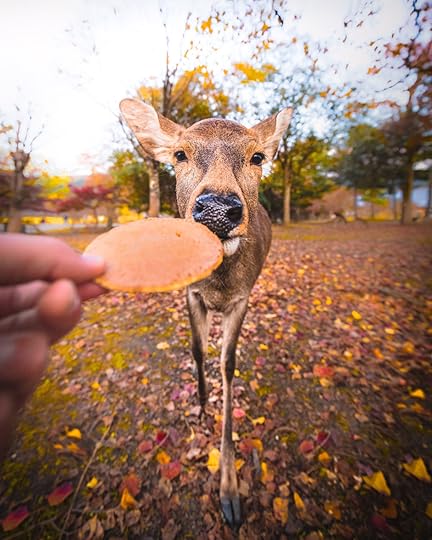
Nara
A short train ride from Osaka is Nara National Park. This place is home to a huge population of deer that flock at the sight of any visitor who buys deer cookies from one of the local vendors. Nara makes for a great day out. Of course, the main attraction is the interaction with the deer, but there are also plenty of temples and museums to enjoy.
More like this: 9 amazing images of Japan's traditional fact
The post 8 stunning images that show Osaka’s perfect blend of old and new Japan appeared first on Matador Network.

Follow TravelJules in Korea
People ask me all the time where I’m from. They are often confused when I say Colorado. The answer they want to hear is somewhere in Asia.
Long before I was interested in South Korea, other people were curious about my heritage. As soon as they discover that I was born in South Korea and adopted as a baby, they always want to know if I am looking for my birth parents. Nope.
Is that weird?
People often think that’s the story.
This is not that story.
This is my adventure about reconnecting with a place I have such a special tie to. With Korea as the site of this year’s winter Olympic (and being an expert snowboarder myself), I couldn’t resist.
Over the years, I’ve been to Korea several times. I spent four summers teaching English in Seoul, getting to know one of the world’s most densely populated cities and learning about the country where I was born.
During that time, I got to see and experience a lot. I got into the daily grind, weaving my way through the crowded streets of Seoul, people watching on the subways, and answering old ladies’ requests for directions in my almost non-existent Korean.
I visited the top sights — enchanting palaces, bustling markets, and colorful festivals. I discovered Korean culture, belted out some tunes at norebang (private karaoke rooms), and scrubbed down at jimijlbang (Korean saunas that locals visit weekly).
In time, I started learning my way around, I developed a taste for kimchi, I learned a little bit of the language, and I made friends with the locals. And now, I want to share my adventure with you.
Let’s experience Korea — just you, me, and my camera. We’ll sample the street food and try tteokbokki, one of Korea’s most popular snacks. We’ll stop in at one of the many quirky cafes in Myeong-Dong and have dessert.
Then, we’ll explore the traditional side of Korea, visiting Bukchon Hanok Village in true Korean fashion (in a hanbok)! We’ll have dinner with my best friend and her family before we head out of Seoul. We’ll hop aboard the new high-speed bullet train to Pyeongchang and hit the slopes, getting a feel for snowboarding in Korea. Then, we’ll make one last stop in Seoul, and see what Gangnam style is all about.
You can follow @TravelingJules on Facebook, Instagram, Twitter and YouTube.
The post Adventures in Korea with TravelingJules appeared first on Matador Network.

Pizza planet from Toy Story opening
Those planning a road trip through southern California this summer now have an extra incentive to stop at Disneyland. In a homage even adults can get excited about, “The Claw” will no longer be solely a fixture of cinematic legend. Pizza Planet, Buzz, and Woody’s nefarious hangout from the film Toy Story is coming to life soon inside the theme park’s Tomorrowland.
In case your memory needs a quick jog — Pizza Planet was made famous by the toy aliens stuck inside the claw arcade game, anxiously awaiting the arrival of their time to depart the confines of their dome.
Walt Disney News Today stated that the company has planned for Pizza Planet to take over the current location of “Redd Rockett’s Pizza Port,” bringing to life one of the most recognizable settings from the film. The opening date has yet to be announced but the switchover is planned for sometime in April. Disney needs time to install that giant spaceship that sits outside the restaurant, of course.
According to the report from Walt Disney News Today, the full name of the new counter-service pizza parlor is slated as “Alien’s Pizza Planet — A Better Place.” This, of course, references an even deeper cut from the film, wherein the aliens are selected by The Claw and deposited into the hands of an excited, screaming child. Fortunately, you can order a slice without having to worry about a large drone descending from the sky above and snatching you up. The screaming kids, on the other hand, may be tough to avoid in the real-life version.
More like this: Disney announces new “Toy Story Land” to open this summer
The post Disneyland is opening a real Pizza Planet from Toy Story this summer appeared first on Matador Network.

Dreamiest island banning tourists
Mass tourism has struck again. Its latest victim is Boracay, a beautiful, four-square-mile island located in the Philippines that has become very popular with visitors looking for beautiful beaches and some of the clearest waters in the world.
According to the Philippine Information Agency, the number of visitors increased by 14 percent between January and October 2017. During these 10 months, 1,669,751 tourists visited Boracay, i.e. 203,005 more compared to 2016’s figure during the same period.
This significant rise, despite being financially beneficial to the island, has turned this gorgeous spot into a health and environmental nightmare. AFP goes so far as to say that Boracay is “drowning in faeces” and President Rodrigo Duterte is calling it a “cesspool”.
Frederick M. Alegre from the Department of Tourism said that “out of the 150 Boracay business establishments recently inspected by the government, only 25 were connected to the sewage line.” The rest dumped the raw sewage directly into the water.
Condé Nast Traveler, who had awarded Boracay The Best Island in the World title in 2017, mentions other issues facing Boracay: “traffic congestion, insufficient solid waste management, illegal construction, property disputes, illegal fishing…to name a few.”
Despite objections from those whose pockets get filled thanks to the flow of visitors, the island is will be closing to tourists (foreign and domestic) on April 26th for a period of 6 months during which, among other projects, a more comprehensive sewage system should be implemented.
Although closing the island means canceling the vacations of hundreds of thousands of people, and putting the locals who live off tourism in a precarious situation, if nothing is done, Boracay will turn into a spot that no one will ever want to visit.
More like this: Is it time to put an end to mass tourism?
The post The world’s dreamiest island is now banning tourists appeared first on Matador Network.

SkyCouch with Air New Zealand
Air New Zealand is making their flying experience for families a heck of a lot more comfortable, even in economy. This month the airline announced that by mid-2018, the company will launch a new feature to their Skycouch, which will allow infants to lie down next to their parents for the entire flight in a new collapsible sleep pod.
The Skycouch was introduced to Air New Zealand flights in 2011. The original design of this innovation allowed passengers to turn three economy seats into a flat bed-like surface, creating what they call a “flexible space”, where families can relax and stretch during long-haul flights. The airline said it is like having your very own couch on the plane.
The new enhancement to the couch will turn this living space in economy class into a bedroom with the addition of the infant harness. This will be complementary to all customers who have purchased The Skycouch and are traveling will children. The harness will come in different sizes, small, medium and large.
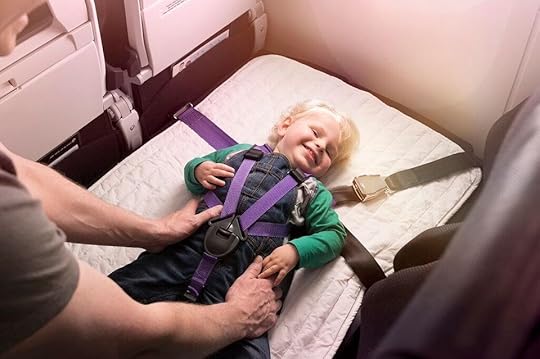
Photo: Air New Zealand
The airline is well known for their focus on making flying as comfortable as possible for families.
Drawing on customer feedback, the new feature has been predicted to be popular with parents who are flying long haul. Air New Zealand General Manager Customer Experience Anita Hawthorne remarked:
“The Skycouch has proven to be a real game changer in the Economy cabin. While we initially marketed it to couples, we quickly found the product suited parents with young families especially well. Parents can relax while their children are able to have their own space and flat area to play without interrupting other passengers.”

Photo: Air New Zealand
The Skycouch comes with a price tag — an extra average of $870US for a one-way flight from Sydney to Los Angeles, making the additional add close to the price of a premium economy ticket. That said, the overall public response to the upgrade is positive and it seems that focusing on the comfort of families and infants is a smart marking tool for airlines.
Pending regulatory approvals are still in process, so eager parents may have a wait to see this feature rolled out on all long-haul services.
More like this: The 10 best airlines to travel in economy
The post This airline’s new seats will let parents and babies lie down next to each other appeared first on Matador Network.

Matador Network's Blog

- Matador Network's profile
- 6 followers

