
Matador Network's Blog, page 1375
March 27, 2018
Slot canyons of Utah
A perfect trip to Utah will have you seeing a mix of some of the most popular, renowned national parks in the country, and a few paths that are less traveled — but no less spectacular. One of the best places to experience a bit of both is Grand Staircase-Escalante National Monument. The monument is physically mesmerizing, but not overrun with crowds in the same parks like Zion or Arches are. It was the slot canyons in particular that caught my attention for this trip. Never having been in one, I had no idea what to expect from this — as described online — “very skinny canyon.” So, after choosing Peek-a-Boo and Spooky Gulch to explore, my adventure buddy Doug packed up the car and we got ready to scramble, climb, and stare in awe at some of mother nature’s most peculiar handiwork. 
1
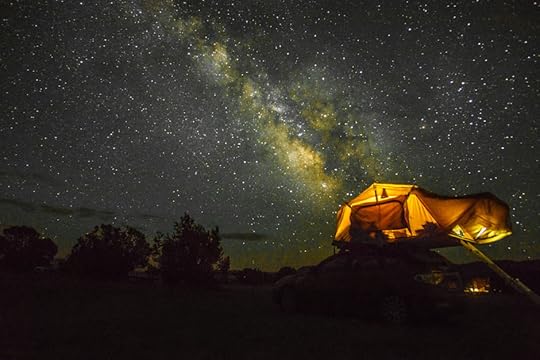
It’s dark when we arrive. Well, dark is actually an understatement. It’s pitch black with no moon, and no nearby cities to emit light. We crawl out of the car, stretch our legs, and set up the rooftop tent under the cover of an infinite amount of stars.
2
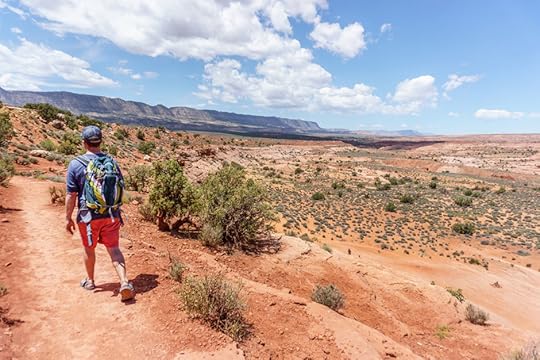
We wake up to oatmeal and a drive down the bumpy road taking us to Peek-a-Boo and Spooky Gulch. Finding a day clear of rain after checking the weather (important when venturing into slot canyons), we pack our bags with food and snacks and make our way into the landscape amongst which the slot canyons are hidden.
3
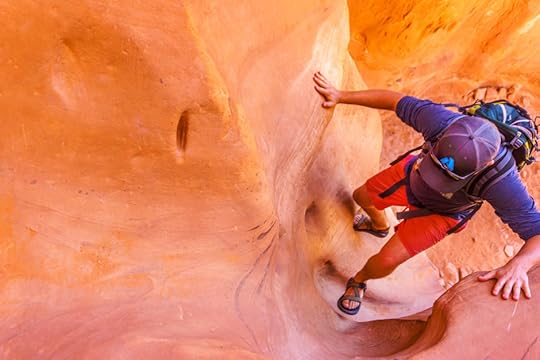
A quick scramble gets us into Peek-a-Boo Gulch. The rock is smooth, and quick slips mixed with good grabs cause laughter from the family behind us as we clamber up the orange sandstone. Peek-a-Boo and Spooky Gulch will get us on a 3.5-mile loop, a perfect length for most visitors.
Intermission
Activism + Politics
The year women became eligible to vote in each country
Tim Wenger
Mar 7, 2018
Parks + Wilderness
22+ spots that prove that our National Parks are the ultimate outdoor playground
Katie Scott Aiton
Apr 21, 2017
Photo Essay
The incredible formations of Bryce Canyon National Park in 11 amazing images
Katie Botwin
Feb 16, 2018

4
Our first view of the canyon is jaw-dropping. A seemingly endless tunnel quickly pulls us into the depths, moving away from the family that’s now struggling to get up the short scramble.
5
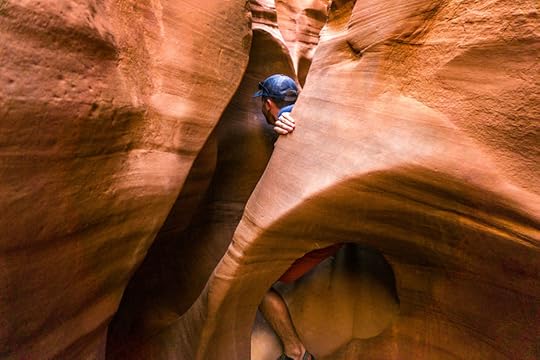
It’s quiet inside the canyon. As we move further along the path, we quickly find why it’s called a slot canyon. Doug crawls through a natural tunnel of rock that feels soft and cool to the touch.
6
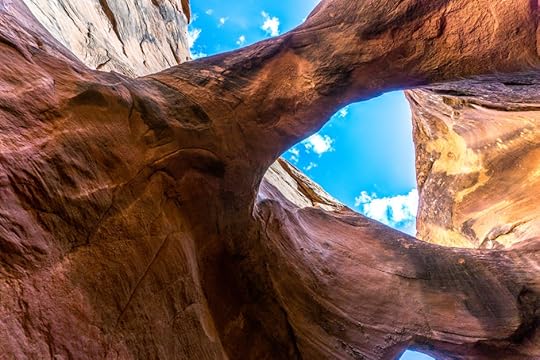
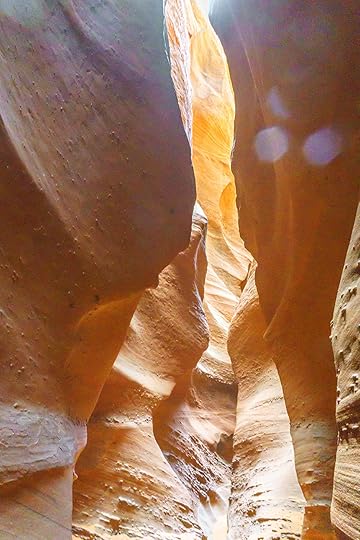
Rock formations flow around us, arching overhead and towering to our sides. These natural wonders allow sporadic peeks at the blue sky above, juxtaposing with the endless orange labyrinth of stone.
7
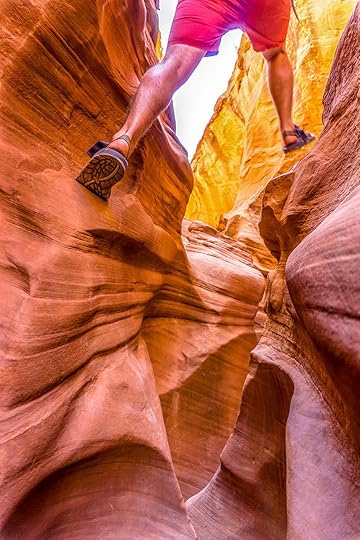
Peek-a-Boo Gulch calls for occasional rock hopping and scrambling. Doug tiptoes along the ledges above as I scramble below, giggling like kids in a jungle gym all the way through.
8
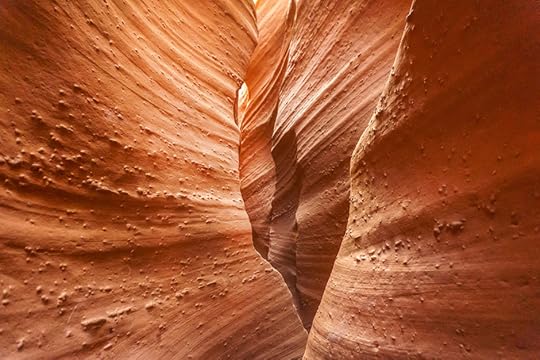
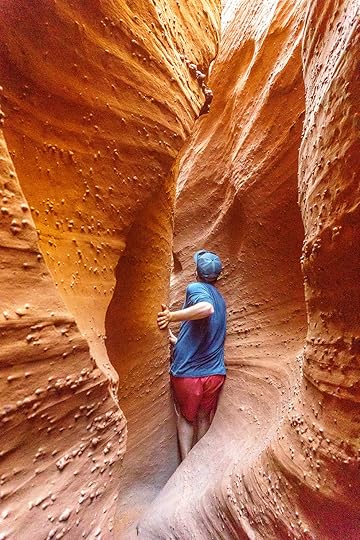
But the canyon can also command a sense of silence. Sometimes all we can do is stop and stare in awe. We’re alone for this stretch, and a gentle orange glow surrounds us with nothing but the sounds of our padding along the soft dirt.
9
Imagine water flowing for millions of years, forcing itself to carve such an incredible place. We move slowly along these old walls, feeling the smooth remnants left by the force of nature.
10
We immediately realize why it is recommended to do Spooky Gulch after Peek-a-Boo. This second canyon is tighter, and its one-person corridors can get a bit saturated. However, we manage to find a moment of quiet as we take in a narrow strip of sun.
11
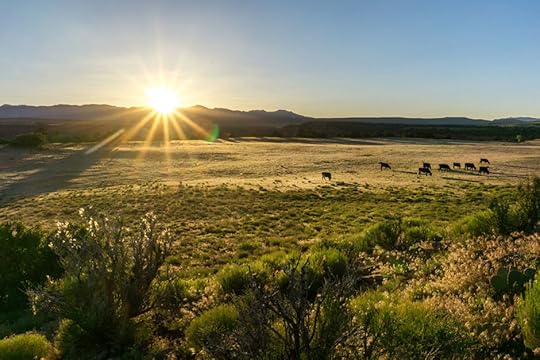
Covered in red dirt after a day of adventure, we set up camp overlooking a seemingly endless field. We have a dinner of pasta and wine as we watch the last light of the day painting the landscape in a warm light, knowing now that there are hidden worlds that gouge the earth before us.

More like this: Beyond Utah’s national parks: Hiking Coyote Gulch
The post Exploring the amazing slot canyons of Grand Staircase-Escalante National Monument appeared first on Matador Network.


Superpowers Alaskans have
In a state where everything is just a little extreme, it should come as no surprise that Alaskans have more than a few amazing abilities in our back pockets. From sleep deprivation to the ability to withstand freezing temperatures, here are some of the superpowers Alaskans possess.
1. The ability to cook seafood to perfection
Whether fish, king crab, scallops, clams, or mussels, Alaskans are able to conjure up recipes with whatever is on hand at a moments notice. No matter what the catch of the day may be, we have fine-tuned instincts on how to serve it to perfection.
2. The ability to build the perfect bonfire
Alaskans can count mastery over fire among our superpowers, including the ability to build the perfect bonfire. We have a knack for gathering the finest kindling sticks, striking the right balance between fueling and letting it breathe, and stoking the fire under any weather conditions. Not to mention assembling a great group of people and roasting picture-perfect marshmallows every time.
3. The ability to spot wildlife with x-ray level vision
Alaskans are trained from birth at spotting wildlife, and by the time we’re fully grown, we can pick creatures out of the forest or ocean with x-ray level precision. We’re nearly always first to glimpse eagles, moose, whales, seals, otters, and bears, which makes us a great addition to any outdoor expedition.
4. The ability to forgo sleep
Alaskans know that in the summertime, there’s too much to be done to waste precious daylight hours snoozing. By the time May rolls around, our internal clocks are ready for a three-month marathon powered by the midnight sun. Our ability to forgo sleep means that even with long work days, we can squeeze in every last summer activity.
5. Our fishing instincts
Alaskans spend at least a quarter of their lives at the river, getting a real-life lesson in eating patterns, life cycles, and peculiar habits of fish. Somewhere along the line, we become fish whisperers, developing aquatic instincts that allow us to sense the location, temperament, preferred bait of a fish, and how to tighten and slack a line just so to reel in a big one.
6. The ability to grow colossal vegetables
We have the fertile soil and the midnight sun on our side, but many Alaskans also have uncanny green thumbs that help us grow gardens full of record-setting specimens. Proof? Alaskans fill out the “heaviest vegetable” section of the Guinness Book of World Records, receiving accolades for the heaviest cabbage, broccoli, kale, kohlrabi, and turnip.
7. The ability to withstand freezing temperatures
Alaskans may not have adapted to Arctic climates quite like the polar bear, the walrus, or the wood frog, but we have developed the ability to withstand cold beyond what most humans can imagine. Our uncanny ability to thrive in sub-zero environments is the key to surviving long winters, and we know every trick in the book to stay warm when possible and just deal when it isn’t.
8. The ability to maintain cool in a crisis
Life in an unpredictable environment has granted Alaskans powers of level-headedness. From earthquakes to volcano eruptions, we’re used to the threat of imminent disaster, and so when we find ourselves in a hairy situation, we barely break a sweat. We’ve usually doubly and triply prepared for disastrous circumstances, so while others freak out and flail around, we’re ready to jump into action.
More like this: 14 things Alaskans are weirdly obsessed with
The post 8 superpowers you have if you’re from Alaska appeared first on Matador Network.

March 26, 2018
Work and travel the world
Want to hit the road without taking time off? Job recruitment website Glassdoor has a few ideas for you. The site has built its brand on going deeper than the average job board, including features such as company reviews which give applicants a better feel for what they’re getting into before sending off their resume. The company has caught wind of, and responded to, the increasingly blurred lines between work and travel in certain fields and responded in kind by noting companies that will essentially pay you to travel. This recently released list of 12 big companies that are hiring for positions around the world features jobs you’d expect, like flight attendant, and some you wouldn’t — like account reps. Here is the rundown.
Hotel and lodging
Marriott International is looking to fill positions in various departments from sales to food and beverage to concierge. Hilton is also in need of various positions, seeking skilled positions such as Sous Chef and Revenue Management Analyst, along with more general titles such as Guest Service Agent.
Airlines
If free flights and plenty of airtime appeal to you, check out Glassdoor’s postings from American Airlines and Delta, both of which are looking for airline crew and on-the-ground positions. If relocating to Germany appeals to you, Lufthansa is seeking to fill various management positions, as well as cabin crew.
Other travel and tourism companies
The Walt Disney Company is searching for pros in accounting, business development, and other positions to fill roles in cities from New York to Bangkok to Hong Kong and more. Online travel agent Expedia is looking for engineers, management, and associates in a number of major cities worldwide. How about working to grow the UberEATS platform? The ride-sharing service has dozens of positions open around the globe.
Tech brands with big ambitions
Deloitte, an account firm with clients around the world, needs to fill positions in numerous major cities in the US including Chicago, New York, Atlanta, Boston, and more. Consultant firm McKinsey & Company are doing the same — but on a global scale. How does a gig in Bogota, Colombia, Hong Kong, or Milan sound?
Polish off your resume and check out the rest of the list here. Who knows — you could be off to the other side of the world before next month’s rent is due.
More like this: This company will pay you to take a 3-month road trip around Europe
The post These companies are hiring employees to travel the world appeared first on Matador Network.

Visit Great Wall of China
Every year, people from all over the world flock to China — Beijing in particular — to visit the Great Wall. A series of defense fortifications snaking its way across Northern China, the Great Wall was built in stages over the last 2000 years. Listed as a UNESCO Heritage Site in 1987, it is visited by over 10 million people each year. If you want to make the most of your visit, here are a few tips every traveler should know.
1. It’s called great for a reason — pick where you want to visit carefully.
When you were a kid, you were probably told that the Great Wall of China was the only man-made object seen from outer space. While this isn’t true, it’s still pretty massive — over 5,000 km in length. From Beijing alone, there are around 14 segments that you can pick between to visit, due to this it’s best to decide what area you’d like to explore, then choose a section. There are hikes of every level throughout and it’s best to choose a route that fits your physical ability and stamina. Also, consider what kind of experience you’d like to have. Read on and you’ll note that there are sections that are very busy and others that are more easily accessible from particular cities.
2. Parts of it are really, really steep.
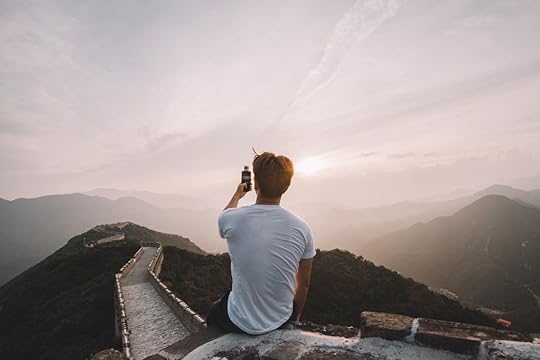
Photo: Raj Eiamworakul
Some parts of the wall are so steep, they are near vertical. You should pick your section based on your ability and willingness to hike. Mutianyu is the easiest section to trek, as it is fully restored. Jinshanling is claimed to be the most beautiful section of the wall and is half-restored — offering a challenging hike. For those who really want to test themselves, head for Jiankou — it’s totally wild and requires a decent pair of hiking boots (and a strong will!).
3. If you don’t want to climb at all, there are other ways to ascend — and descend — the wall.
Dependent on where you visit, you don’t have to hike your way up the wall at all. If you are short on time but want to experience a short section of the wall, head to Mutianyu. Here, you can catch a gondola up the hill — and take a leisurely luge trip back down again. You can even take a boat tour around the Huanghuacheng section, a 40-minute drive from Mutianyu.
4. Even though it’s the closest to Beijing, try to skip Badaling.
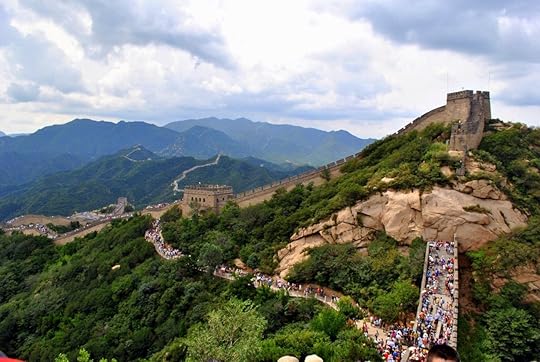
Photo: Melissa
Badaling is incredibly popular with tourists, and 75 percent of visits to the wall go to this section. You know those photos of the wall teeming shoulder to shoulder with visitors? That’s Badaling. Opt for Mutianyu or Jinshanling for a much more relaxed, less touristy experience.
5. The price of food and water can be steep as the wall.
I’m talking around 30 RMB (nearly five US dollars) for a small bottle of water. Take a packed lunch and several large bottles of water. If you forget, you’ll probably find an enterprising salesperson on top of a watchtower who will help you out, but you’ll pay for the privilege.
6. Weather can vary — and it gets windy up there.
Given the size of the structure, it isn’t surprising that it can reach temperatures of 40 degrees or drop to below zero. Most areas of the wall are totally exposed to the elements. What is surprising is the number of people who don’t dress for the conditions. Wear layers you can take off and store easily in a daypack.
7. You don’t need a guide, but you do need to check the bus timetable.
Most sections of the wall near Beijing can be visited by public transport, but the trip can take a really long time. You also need to be a bit wary of guides when transferring busses — if you aren’t careful, you’ll find yourself on an unscheduled trip to a jade museum. If you have enough people to fill a car, rent a driver. You’ll get to see more of the wall, and less of the bus seat in front of you.
8. There are other, lesser known, sections to visit away from Beijing.
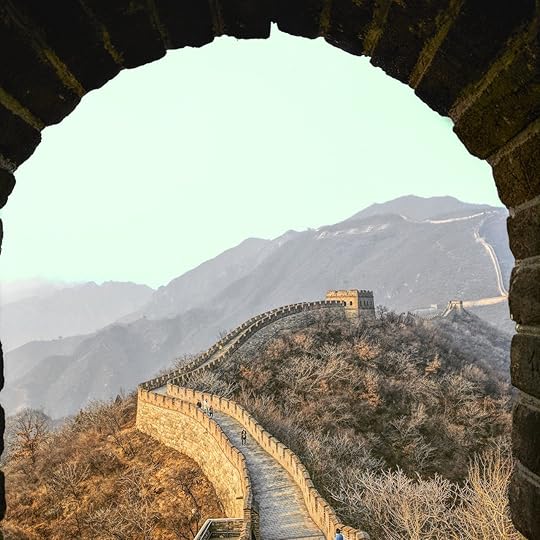
Photo: Robert Nyman
While Beijing is known as the gateway to the Great Wall for a reason, there are other sections you can visit further afield that will be less crowded, and with potentially more affordable food and drink in the surrounding area. The Shanhaiguan Great Wall section of the wall is in Hebei Province, Zhenbeitai Great Wall is located in Shaanxi Province and Jiayuguan Great Wall in Gansu Province.
9. Simatai is the best section open at night — and it’s spectacular.
Simatai is the easiest section of the wall open for night tours, and the best lit. You can walk between watchtowers five and six at night, which takes about one and a half hours. Make sure to book in advance, though. The rest of the wall is pretty rugged, and a limited number of people per day are allowed to visit.
10. Write down the name of your destination in Chinese characters.
Trust me. Have someone who is bilingual write down the name of the area you’re trying to visit — as well as your accommodation to return to — before you go to the wall. This may well be your savior when you are trying to read a mystery bus or train timetable, or asking for directions. The further you go from Beijing, the less English is spoken.
More like this: 10 things I wish I knew before visiting Machu Picchu
The post 10 things you need to know before visiting the Great Wall of China appeared first on Matador Network.

Shattering stereotypes in Africa
Africa is a massive continent that is complex, dynamic, and ever-changing, and yet so often tourists to any part of it sum it up with a few very similar photos. Outsiders tend to have a knee-jerk reaction to try and seek out and reproduce what they grew up seeing in National Geographic, but even a publication like that only has seen a slice of what this place has, is, and offers. And just this week, Nat Geo took a look at their colonial biases through the last century, reminding us that we, as outsiders, who turn our cameras to this diverse, multi-faceted continent tend to do so with a very specific lens, one that sees Africa through a fairly narrow scope. Furthermore, many roundups of African photographers are largely dominated by men — some lists featuring no women at all, others featuring just one or two. Here are 14 massively talented female photographers who are African, African-descent, or living in Africa, who are taking to the streets daily to show us there is overwhelmingly more to this land, its people, its history, and its future, through their lens, their words, and their experiences.
1. Sarah Waisa
Ugandan-born, Kenyan-raised Sarah Waisa’s work swings from color to black and white and back again, and is a beautiful mix of portraits and scenes. Even the portraits vary: some are bold, colorful, intentional portraits where someone is sitting for her, and others are candid. She made OkayAfrica’s list of 100 influential women, with good reason: her work is poetic. Expect to see significant lines and colors at play here. She co-runs the Instagram account African Cityzens which furthers her efforts to change the lens Africa is seen through.
Because me I love hair, I couldn't resist participating in the @instagram #WHPhairplay challenge.
Northern lights hotel in Iceland
Many people visit Iceland for two reasons: the amazing landscapes and the northern lights. Problem is, tourists in Iceland have taken on the terrible habit of searching for northern lights while driving and it’s been the reason behind several road accidents in the country; you’re not supposed to be looking at the sky, no matter how pretty it is, when you’re operating a vehicle. If you really want to see the aurora borealis, there’s a safer and much more comfortable solution for you: the Panorama Glass Lodge.
The Panorama Glass Lodge is a fancy wood and glass cabin located in Mofellsbær, in the west of the country, only a 30-minute drive from Reykjavík.
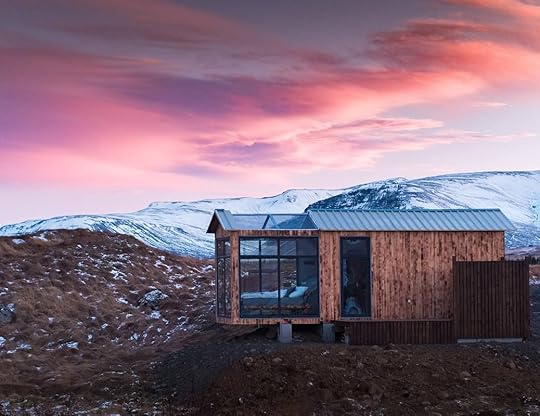
Photo: Panorama Glass Lodge Iceland
The bedroom is entirely made of glass (ceiling included) so that you can lie in bed, all warm and cozy, and look at the northern lights and the gorgeous view of the nearby fjord and mountains. The area is remote so there won’t be any light pollution getting in your way and no nosy neighbors.
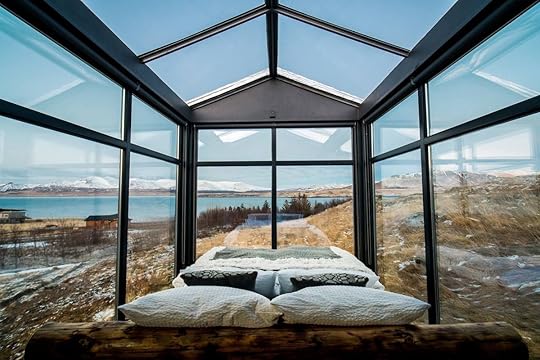
Photo: Panorama Glass Lodge Iceland
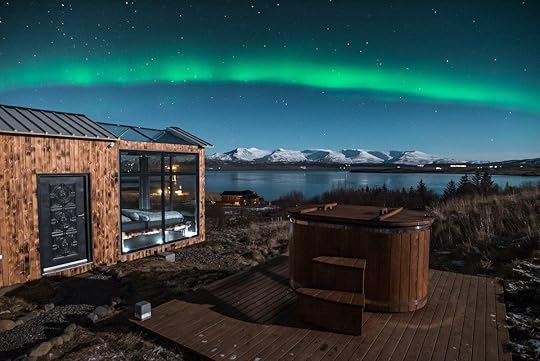
Photo: Panorama Glass Lodge Iceland
The cabin also has a small kitchen, a bathroom, and a dining space, but we can’t imagine anyone spending time in those rooms when the sleeping quarters is so spectacular and there’s a hot tub right out the door. Just take the complimentary coffee, tea, and basic food in bed.
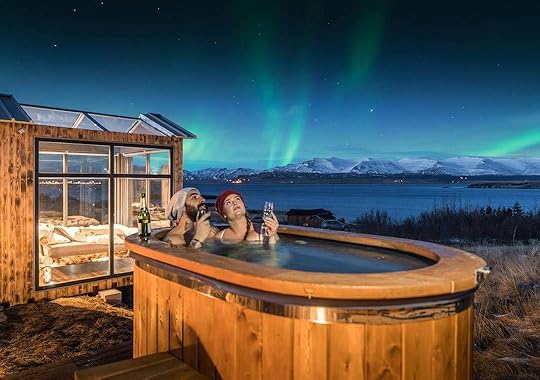
Photo: Panorama Glass Lodge Iceland
There’s WiFi available, but instead of spending your time Instagramming, we would suggest you just stop trying to make your friends green with envy and take in the beauty of nature that’s right in front of you. If you unplug and look hard enough, you may even be able to spot whales or seals in the fjord.
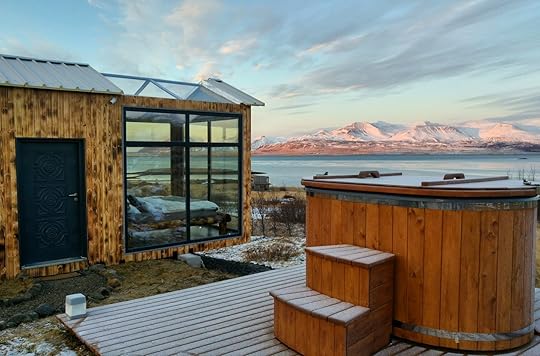
Photo: Panorama Glass Lodge Iceland
You need to stay a minimum of two nights in the cabin (price starts at 430 USD per night). The best time of the year to see the northern lights in Iceland is between late August and mid-April, so get booking.
More like this: You can sleep in this odd floating capsule in Japan and wake up on a desert island
The post You can sleep in the best northern lights viewing platform in Iceland appeared first on Matador Network.

Move to Costa Rica
Living in a country chock-full of beautiful beaches, rainforests, and incredible wildlife where you can adopt a simple, relaxed lifestyle is not beyond reach, believe me.
The first time I visited Costa Rica, I stayed 5 days, most of which were spent thinking that I should pack up and move to this beautiful Central American country — so I did. Turns out, it is super simple to do and incredibly cheap once you’re there (you can live for less than $40 a day).
Here’s how you, too, can move to Costa Rica and live there for next to nothing.
How to move to Costa Rica:
1. Do I need a visa? Which one am I eligible for?
2. Finding a place to live
3. Eating well and for cheap
4. Getting around for next to nothing
5. Enjoy Pura Vida!
1. Do I need a visa? Which one am I eligible for?
There are a few ways that you can move to Costa Rica as a foreign citizen. According to the Embassy of Costa Rica in Washington, DC, you can enter the country as a permanent or temporary resident; on a tourist visa; or after receiving a permit for working, volunteering, or studying. Because you’ll want to test the waters before committing to living permanently in Costa Rica, we will focus on perpetual tourist visas, and working/studying/volunteering permits.
Tourist visa and perpetual tourism
When tourists from the United States, Canada, and many other nations (check out the tourist visa requirements for your country here) enter Costa Rica, they are granted a tourist visa of up to 90 days. After these 90 days are up, you are required to leave the country.
However, “A Canadian person, for example, can leave across any of our land borders and return immediately without affecting her ability to enter the country, so long as she has left the country within the period of stay previously granted,” said Costa Rican Immigration Administration spokeswoman Andrea Quesada.
In other words, if you have plans of staying in Costa Rica for more than 90 days, you will have to leave Costa Rica, enter another country (typically Nicaragua or Panama), and then re-enter Costa Rica for a brand new 90-day visa.
My expat friends and I call this a “visa run” — it’s nothing more than weekend getaway to a neighboring country.
I’ve met many people who’ve lived in Costa Rica for years as perpetual tourists before going the more permanent residency route.
Note that, as a tourist, you will not be allowed to work in the country unless you have a location-independent job that allows you to work anywhere.
For my time in Costa Rica, I went with the perpetual tourism option because it’s cheaper, easier, and you don’t have to commit to anything. The only downside is that you’re at the mercy of the immigration officer. It’s their right to give you a shorter visa if they feel like it. Fortunately, this is rare and I’ve never been given anything less than 90 days.
Work/Student/Volunteer permits
If being a perpetual tourist does not fit your needs, can also apply for a special temporary permit that allows you to work, study, or volunteer in the country.
Work permit
There are certain trades that the Costa Rican government gives priority to — you can find a full list of jobs that receive priority here. Note that foreigners will be able to obtain work permits only if their future employers are able to prove that there are no Costa Rican available or qualified enough to fill in the position. According to Expat.com, “The work permit can be issued both to employees and entrepreneurs who are able to justify, to the Immigration Department, the fact that their qualifications and skills are required in Costa Rica. It will allow you to live in Costa Rica as long as your employment contract is valid.”
You can start looking for job offers on the following websites:
Expat.com
Busco empleo
Craigslist
Elempleo
Volunteer permit
You will need to get accepted into a volunteer program before applying for a volunteer permit. As part of the volunteer permit application you will be required to present a certification issued by the volunteer program, signed by their legal representative, and describing the project you’ll partake in or tasks that you will perform.
Some popular volunteer programs in Costa Rica are RCDP International Volunteer and IFRE Volunteers.
Student permit
For a student permit you’ll also have to be accepted into a program in Costa Rica before applying for the permit. As part of the student permit application, you will be required to present certification issued by the educational institution indicating that you will be studying there.
In order to be eligible for a work/student/volunteer permit, you will have to submit a letter indicating why you’re requesting a special permit.
In addition to the work/student/volunteer specific letters and proof of employment/enrollment, you’ll also need to provide several documents including:
A copy of all the pages of your passport and your birth certificate (authenticated at the Costa Rican consulate or embassy in your home country)
A certified copy of your fingerprints. Usually, a visit to the local police station is the place to get one of these, but it depends on countries, so make sure you do a quick Google search before you set off.
A proof of your criminal record
You can find the full list of documents required for work permits here, volunteer permits here, and student permits here. Note that they are only available in Spanish, so have a Google Translate tab open or brush up on your language skills — you’ll need to improve your Spanish eventually.
Once you have all your required documents, you will have to present yourself and all your documentation at the Costa Rican consulate or embassy in your home country. After your office visit, you should expect to hear back after approximately 90 days.
You can find additional resources in English for special permits on the Embassy of Costa Rica in Washington, DC website and Expat.com.
2. How do I find a place to live?
Choosing a town
Costa Rica is a country with a very diverse landscape — rainforests, mountains, beaches, and cities. Choosing the part of the country you want to live in is an important decision that will shape your experience.
When picking a town you should consider three things:
Climate
Price
Infrastructure
Each can vary greatly depending on the part of the country you find yourself in, so I strongly recommend a visit before committing to a move. You’ll need to get a real-life feel for the climate, price, and infrastructure in your soon-to-be town.
Climate
If you chose to live by the beach or the coast, you should expect temperatures in the high 90s with very high humidity.
Costa Rica’s rainforests typically have a milder climate with averages hovering in the 80s; however, as the name implies, you should expect plenty of rain.
Finally, the mountainous regions of Costa Rica will be the coolest place in the country with temperatures averaging in the 70s and dropping down to the 50-60s at night. This is the one place in Costa Rica where you’ll want to bring a sweater.
Price
As expected, the touristy beaches, rainforests, and mountain towns will come at a premium.
Manuel Antonio (beach), Arenal (rainforest), and Monteverde (mountain), are some of the most popular towns in Costa Rica and people living there certainly pay extra because of that.
Nevertheless, there are deals everywhere and you can expect to find rentals for as cheap as $400/month for unfurnished apartments with basic amenities.
Infrastructure
Costa Rica’s infrastructure can also vary. Yet, in the more popular tourist and expat towns you can typically expect to find paved roads, public buses, and medical clinics.
Of course, there are exceptions. Dominical is a popular town with expats and the main street is a long dirt road. Monteverde, is one of the most popular tourist destinations, and the road up to the mountain town is also a dirt road.
Costa Rica did complete construction of its Coastal Highway in 2010 which made the southern area of the country much more accessible.
I lived in Manuel Antonio which is on the South Pacific coast about 10 minutes away from the beach. Rent was approximately $500 for my apartment, and that was a fantastic deal for the area. The climate consistently hit the high 90s and humid. In terms of infrastructure, there were public buses running every 15 minutes, multiple clinics in town, and every main road was paved.
Finding a place to live
There are several websites devoted to apartment rentals in Costa Rica:
<
>
Encuentra24
Mercado Libre
Properties in Costa Rica
Costa Rican Craigslist and the classified section of local newspapers like The Tico Times and La Nacion are also great places to start your search.
However, it should not be the only avenue you explore. Once you decided on the part of the country you would like to settle in, one of the easiest ways to find your future apartment is by using the “shoelace express”. In other words: walk around and look for rental signs on houses/apartments.
I recommend getting an AirBnB for your first week. During that week, speak to your hosts, local real estate agents, expats, and locals in the area. People on the ground are one of the best sources of information and leads. Speaking to people face to face will also help you get the best deals.
3. Eating well and for cheap
One of my favorite parts about living in Costa Rica was being able to walk over to the weekly farmers market, grab all my groceries, support local farmers, and do so for under $50.
I’d be eating delicious, locally-grown fruits and vegetables that would last me all week. When I didn’t feel like cooking, I’d go into town and visit a local “soda”, i.e. a locally-owned restaurant that serves typical Costa Rican food for under $5.
4. Getting around for next to nothing
Public buses
If you’re looking to get around cheaply in Costa Rica, public buses will be your best option. Costa Rica has an extensive bus system than can get you around the country safely and cheaply. I always use Tracopa. Tracopa is safe, fairly reliable, and operates in most parts of Costa Rica.
A one-way ticket for a three hour journey from San Jose to Manuel Antonio will cost you under $10 and the local buses will take you from one side of town to the other for 60 cents a ride.
Shared shuttles
If you’re looking to travel a little more comfortably within the country you can do so with a shared shuttle. These shuttles will cost you around $30 for a one-way ride but will come with air conditioning. The two most popular companies in Costa Rica are Interbus and Gray Line.
Domestic airlines
Finally, the last option to get around the country would be flying the domestic airlines of Nature Air and Sansa Air. Flights are obviously more expensive than buses and could cost around $50-100 for a one-way flight. This is a great option when you have some extra money because cut down that 3-hour bus ride to a 20-minute flight. Costa Rica’s unofficial motto is “Pura Vida”, which literally translates as “Pure Life” and conveys the laid-back approach to life everyone seems to have adopted here. Costa Ricans use “Pura Vida” to say “hello”, “goodbye”, and “everything is awesome”. Get used to saying it often! The post How to move to Costa Rica and live there on the cheap appeared first on Matador Network.
5. Enjoy, Pura Vida!
More like this: 11 facts about Costa Rica that will surprise you
New Mexican fears
New Mexicans don’t scare easy. We live in a hot, dry, scorched desert where fires rage during the summer and wild animals like bears and mountain lions just wander into town. We have snakes, flash floods, and alien abductions. We can handle pretty much anything. But there are some things that will strike instant fear into the heart of any red-blooded New Mexican, like these 18 fears.
1. Juniper season
When the whole state descends into a collective state of runny-nosed, red-eyed, dry-throated misery. And we all plot the slow, painful deaths of those who don’t have a juniper allergy.
2. When the chile isn’t hot enough
You said this would be hot. It isn’t hot. This is tepid. This is mild. This is barely chile. This betrayal will not be tolerated. You will be hearing from my lawyers.
3. When the store runs out of chile during roasting season
This is how riots start.
4. When you run out of your roasted green chile midway through the year
Oh god, I’m gonna have to spend the rest of the year buying *gags* pre-roasted store-bought…
5. When someone breaks out 4 Loko at a party but you have work in the morning
It’s like that meme of Kermit and evil Kermit.
“I have work in the morning!”
“Drink four cans and then pass out on the sidewalk.”
6. No snow for skiing.
We literally don’t know what to do with ourselves during the winter months if we’re not on the mountains shredding. We just sit at home and get fat eating posole and tortillas.
7. When it snows in May
Winter has been over for months, New Mexico. Get with the program.
8. When someone visiting from out of town says they want to go to one of the Santa Fe summer art markets
Oh god, the crowds! THE CROWDS!
9. When spring comes
Thus bringing the winds of hell.
10. When you just washed your car and see storm clouds on the horizon
Every. Damn. Time.
11. When an out-of-towner says they want the hottest level of chile
You know they’re gonna die, but nothing you say can convince them otherwise. Better start writing that eulogy.
12. When it’s fire season
We’re the state that Smokey the Bear comes from for a reason. The whole state is a powder keg ready to go up in flames if someone even thinks the word fire.
13. Not getting enough tortillas to go with our meal
The ratio of tortillas to fajitas or refried beans is never, ever enough.
14. Or not getting enough sopaipillas for dessert
I would fight my own mother for that last warm, fluffy piece of heaven.
15. Being asked about Breaking Bad
We imagine that people from Baltimore feel the same way being asked about The Wire. Yes, it’s a good show, but we’re kind of sick of talking about it.
16. When you and three other cars pull up to a four-way stop
Who goes first? Someone just drive so we know whose turn it is!
17. People asking if New Mexico is a part of Mexico
The fear is more about the stupidity of people who ask this question than actual fear.
18. Being abducted by either La Llorona or aliens.
Hey, it happens.
More like this: 33 signs you're back home in New Mexico
The post 18 fears only New Mexicans understand appeared first on Matador Network.

Orange snow in Russia
The images started appearing on Instagram on Friday, March 23. Shots of what otherwise looked like a perfectly regular weather event. Snow-covered hills and peaks. Outdoor adventurers on snowshoes and families outside playing in the snow. There was only one small issue — the snow wasn’t white.
Many of the photos came from a ski resort near Sochi, Russia, home of the 2014 Winter Olympic Games. In them, skiers and snowboarders tear down the slopes on what looks suspiciously like orange snow. The images make it seem as though the snow was made from Kool-Aid. Or maybe the photo was taken through orange-tinted ski goggles. But what you’re seeing isn’t some crazy new filter or the result of the photographer going overboard with fill-in edits — the snow actually is orange.
How did this happen? Scientists believe the origins start in North Africa. Sand and dust drifted up into the atmosphere and were carried to areas such as the mountains near Sochi. When the region received snowfall last week, the sand and dust were brought down to the ground along with snow, adding a colorful hue to an otherwise normal winter storm. “There has been a lot of lifted sand or dust originating from North Africa and the Sahara, from sand storms which have formed in the desert,” Steven Keates of the Met Office told The Independent. “When it rains or snows, it drags down whatever is up there, if there is sand in the atmosphere.”
Skiers, and anyone else left in a panic over the weekend, can rest easy knowing that this incident isn’t the result of some unknown — even alien — intervention in our planet’s weather pattern. Similar occurrences have happened before, including in Siberia in 2007. If you’d like to check the orange snow out for yourself, better hop on a plane ASAP. It’s highly unlikely that the next big snowfall in Sochi will continue the pattern.
A post shared by ❄️Powder White❄️ (@powder_white) on Mar 26, 2018 at 3:24am PDT
17 images of Leavenworth, WA
Two thousand. That’s the population of this Bavarian-themed village hiding in the Cascades, though you’d never know it. Festivals seem to be more common than not, authentic German fare — ice cold beer, fresh sausages, and giant pretzels — fills plates on every patio, and Front Street buzzes with people morning, noon, and night. Factor in the surrounding mountains, rivers, and lakes, and you’ve got some serious eye candy. Instagram gold.
Which is why we can’t stop looking. Willkommen, as they say, to Leavenworth.
1
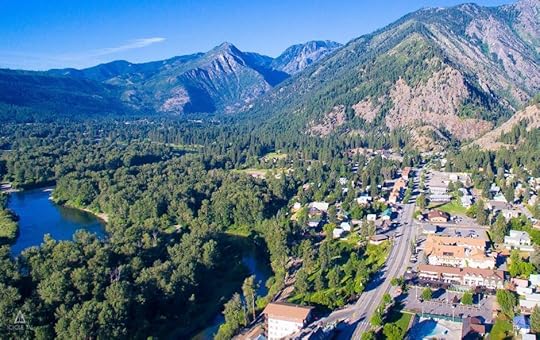
Aerial view of Leavenworth
Leavenworth sits at the eastern slope of the Cascades, an area once covered by glaciers. Living conditions have changed a bit over the past 15,000 years.
Photo: Leavenworth Chamber of Commerce
2
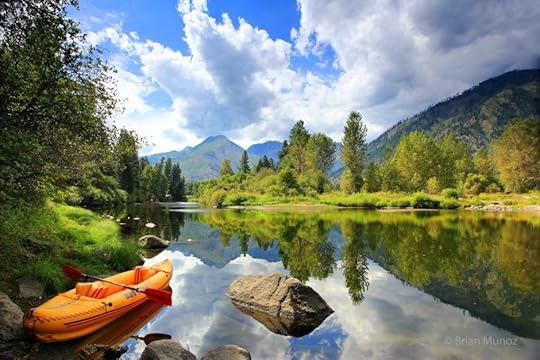
Paddling the Icicle River
The Icicle is one of the choice local spots for rafters, kayakers, and canoers. It winds from Josephine Lake (right by the Pacific Crest Trail) all the way to Leavenworth—and yes, it looks this good the entire way.
Photo: Leavenworth Chamber of Commerce
3
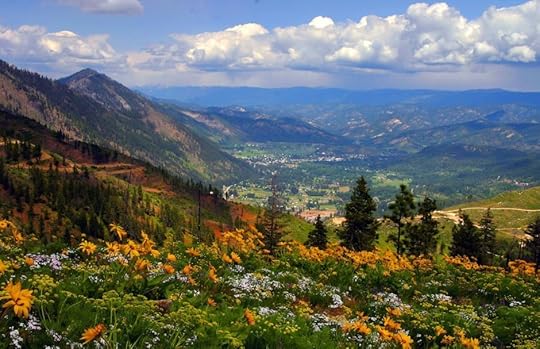
Spring in Leavenworth Valley
There are 700 (700!) miles of hiking trails around Leavenworth, and most of them lead to views like this, at least come spring. Plenty will make you work for it, but the Icicle Ridge Trail (4 miles round trip) will get you awesome views of the valley after only a half-mile of effort.
Photo: Leavenworth Chamber of Commerce
See more: 9 outdoor adventures to check out in Leavenworth, WA

4
The Leavenworth Pear
With this area being one of the largest growers of organic pears in the country—and home to a town that loves a good celebration—it's fitting that April is pear month in Leavenworth. Taste Leavenworth, a culinary crawl through local shops and restaurants, takes place on the first weekend of the month. And, yes, all participants put their own fantastic spin on the humble pear.
Photo: Leavenworth Chamber of Commerce
5
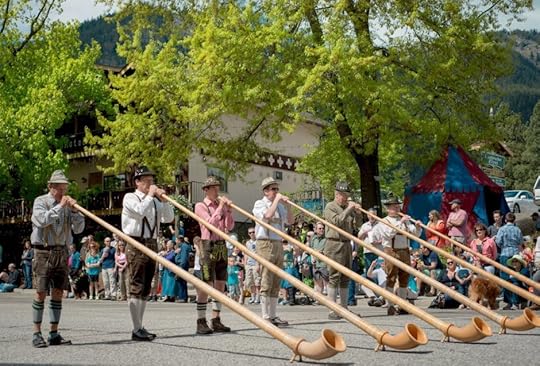
Maifest horns
You've heard of Oktoberfest, but Maifest is just as important around here—it's been a German tradition for what seems like forever, and has been celebrated in Leavenworth since 1971. If you thought the city seemed Bavarian every other day of the year, check it out May 11-13 (the horn section will let you know you're in the right place).
Photo: Leavenworth Chamber of Commerce
6
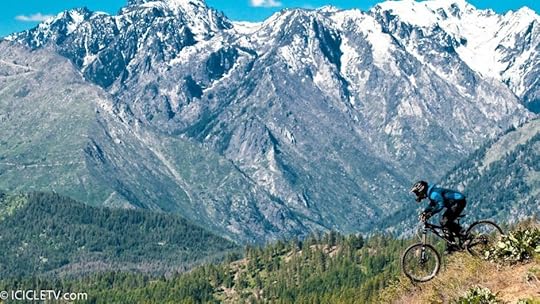
Mountain biking in spring
In what may come as a surprise to no one, the mountain biking here is awesome, too. Devil's Gulch and Freund Canyon are two of the best stretches of singletrack around, offering views like this for those willing to put in the pedaling.
Photo: IcicleTV.com
7
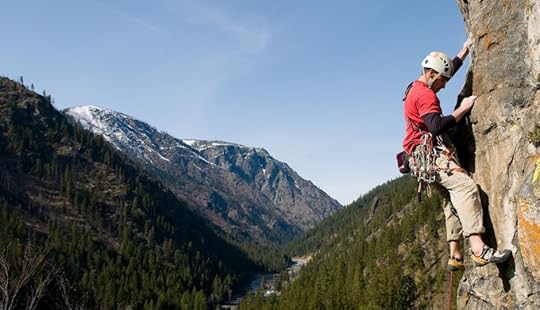
Climbing Leavenworth
Within even a 15-minute radius from town, the climbs can barely be counted. Snow Creek Wall is one of the more famous spots; Castle Rock, Midnight Rock, Careno Crag, and Givler’s Dome frequently make lists,
too.
Photo: Leavenworth Chamber of Commerce

8
Icefest
Because winter is no reason not to have a festival. Come here on MLK Jr. weekend, and you'll see Leavenworth light up in half a million lights and plenty of fireworks (though not quite half a million) for Icefest. The calendar is full of activities, and if you've never "smooshed" before, it's about time that changed.
Photo: Leavenworth Chamber of Commerce
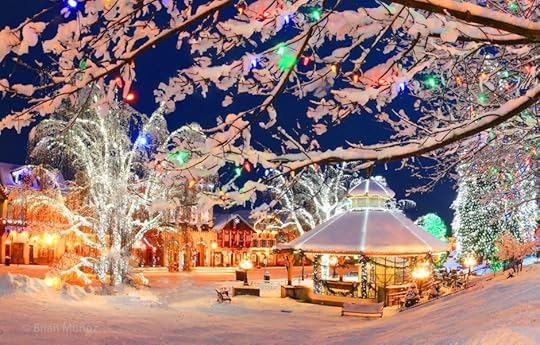
9
Leavenworth in Winter
Yes, even diehard summer lovers could be converted with winters like these.
Photo: Leavenworth Chamber of Commerce
See more: 11 incredible experiences to have in Leavenworth, WA
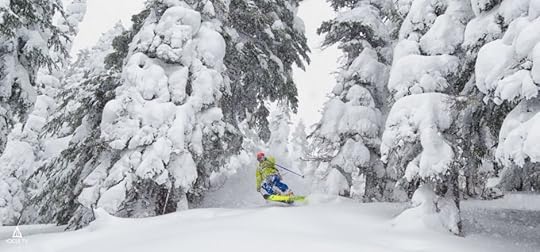
10
Skiing Stevens Pass
460 inches of snow each year give Stevens Pass—just west of Leavenworth on US-2—no choice but to be a major ski destination. There's trails for all skill levels, 1,800 vertical feet to cover, and night skiing, too.
Photo: Leavenworth Chamber of Commerce
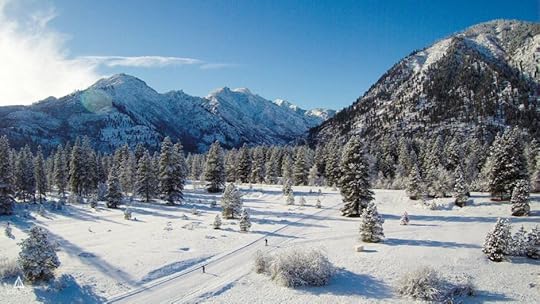
11
Cross-country skiing outside Leavenworth
You can cross-country ski just a few blocks from downtown—that's the level of outdoorsy we're talking about. Waterfront Park has a short trail that follows the river from town; excellent longer trail options include the 8km Icicle River Trail, the 7km groomed course at the Ski Hill Trails (most of which is lit at night!), and the 22km system at the Plain Valley Nordic Ski Trails. For more, hit up Lake Wenatchee State Park and Kahler Glen.
Photo: Leavenworth Chamber of Commerce
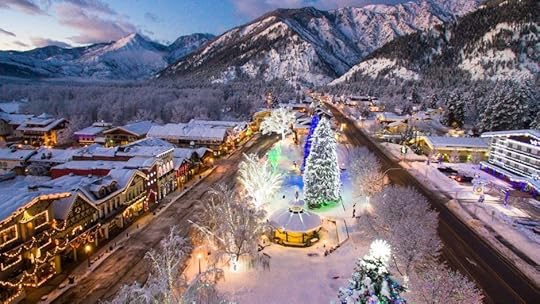
12
Leavenworth at Christmastime
They actually design snow globes from images of Leavenworth during the holidays.
Photo: Leavenworth Chamber of Commerce
13
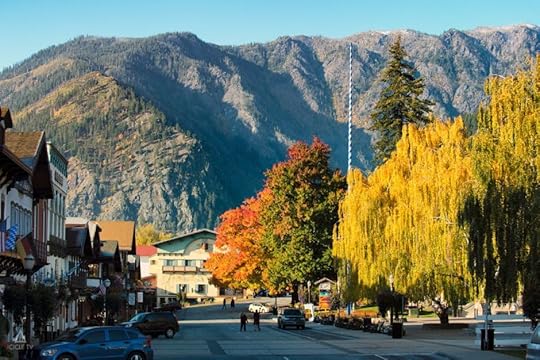
Cascade Mountains from town
When we said Leavenworth was in the mountains, we meant it.
Photo: IcicleTV.com

14
Maifest Dancers
Dancing around the Maipole is believed to be a source of good luck. Worth a shot,
right?
Photo: IcicleTV.com
15
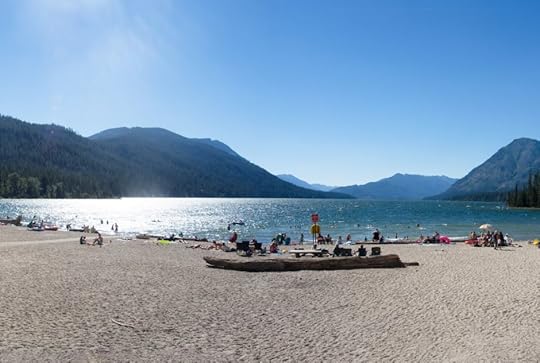
Lake Wenatchee in summer
Five miles long and 244 feet at its deepest, Lake Wenatchee is a very,
very welcome glacial remnant just north of town, framed by mountains on almost all sides. You can also hike and ride horses and mules here, in addition to the laundry list of experiences to be had on the water.
Photo: IcicleTV.com
16
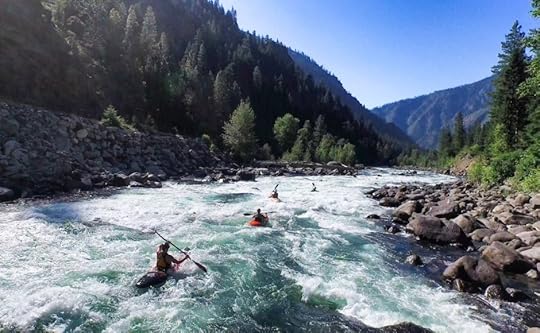
Kayaking down the Wenatchee
Class II, III, and IV rapids can be found on the Wenatchee River—choose the section that fits your skill level. And if that's not intense enough for you, there are Class V+ rapids on Icicle Creek in Icicle Canyon.
Photo: Leavenworth Chamber of Commerce
17
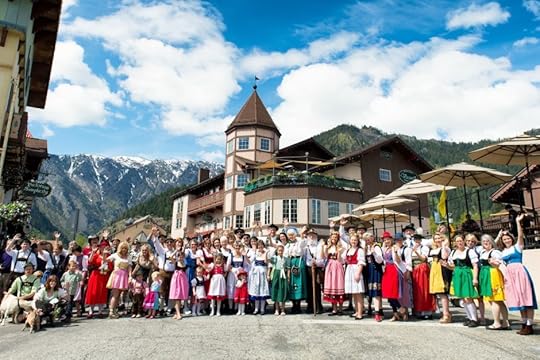
A Maifest Hello
Or guten Tag, that is. See you in May!
Photo: Leavenworth Chamber of Commerce
The post 17 images of Leavenworth, WA we can’t stop looking at appeared first on Matador Network.

Matador Network's Blog

- Matador Network's profile
- 6 followers

