
Gary R. Ryman's Blog, page 11
February 3, 2013
A Great Concept Doesn't Equal Success
Some equipment looks great in the catalog, has an awesome
concept behind it, and works like shit in the real world. A piece of equipment I worked with that met
this definition was the build-a-board. A
take off on the scoop stretcher, it was a four piece replacement for the short
board. In theory, each of the four
pieces would slip under or behind the victim, snap together and lock in place,
and provide a quick and safe method for immobilizing possible back and neck
injury patients in auto accidents.
After we received ours, we practiced and trained and
trained and practiced with it. The
literature made it sound like it should be as easy as, well, any analogy you
could think of. It wasn’t.
Oh, we got rather proficient with it in our personal vehicles in the
parking lot and chairs in the squad room, but it was never as simple as the
brochure made it look.
Finally a few days after putting it in service, we responded
on a wreck with a victim in the passenger seat needing immobilization. With the old fashioned short board and long
board combo, we’d have gotten her out in less than ten minutes. With our marvelous new build-a-board, we
finally got everything lined up,
connected, and snapped together after forty minutes; not an auspicious
beginning.
I had seen all I needed, and after that forgot about it’s
presence in the drivers side compartment.
The short board wasn’t broken; no need to fix it. It was a great lesson. A terrific concept did not necessarily
guarantee real world success.

concept behind it, and works like shit in the real world. A piece of equipment I worked with that met
this definition was the build-a-board. A
take off on the scoop stretcher, it was a four piece replacement for the short
board. In theory, each of the four
pieces would slip under or behind the victim, snap together and lock in place,
and provide a quick and safe method for immobilizing possible back and neck
injury patients in auto accidents.
After we received ours, we practiced and trained and
trained and practiced with it. The
literature made it sound like it should be as easy as, well, any analogy you
could think of. It wasn’t.
Oh, we got rather proficient with it in our personal vehicles in the
parking lot and chairs in the squad room, but it was never as simple as the
brochure made it look.
Finally a few days after putting it in service, we responded
on a wreck with a victim in the passenger seat needing immobilization. With the old fashioned short board and long
board combo, we’d have gotten her out in less than ten minutes. With our marvelous new build-a-board, we
finally got everything lined up,
connected, and snapped together after forty minutes; not an auspicious
beginning.
I had seen all I needed, and after that forgot about it’s
presence in the drivers side compartment.
The short board wasn’t broken; no need to fix it. It was a great lesson. A terrific concept did not necessarily
guarantee real world success.


January 27, 2013
Fireballs: Tools of the Old Days
These were the most common fire glove in use—at least in our
area, when I joined the fire department.
I’ve heard a few call them red balls, but they were really more orange
than red, a flexible plastic coated material that made them water proof, and if
worn with cloth liner gloves, warm in the winter. The coating was also their worst
characteristic, as it could and did melt in fires, and resulted in some nasty
burns. They didn’t smell great or at
least your hands didn’t after wearing them for a while. The sweat build up was absorbed by the inner
layer and never went away. They were in
the process of being replaced with heavy lined cowhide gloves that gave better
protection from fire, but soaked through quickly—their downside.
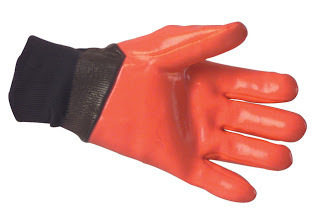
My department resolved this inherent conflict by issuing
everyone a pair of each; fireballs and the new leather gloves. We wore the leathers for the fire attack and
the fireballs for cleaning up, rolling and loading hose, and the ever
important washing of the rigs when we returned.
I still see a pair around once in a while, inevitably used now only for
this last purpose.
Fireballs and three-quarter boots; tools of the old
days.

area, when I joined the fire department.
I’ve heard a few call them red balls, but they were really more orange
than red, a flexible plastic coated material that made them water proof, and if
worn with cloth liner gloves, warm in the winter. The coating was also their worst
characteristic, as it could and did melt in fires, and resulted in some nasty
burns. They didn’t smell great or at
least your hands didn’t after wearing them for a while. The sweat build up was absorbed by the inner
layer and never went away. They were in
the process of being replaced with heavy lined cowhide gloves that gave better
protection from fire, but soaked through quickly—their downside.

My department resolved this inherent conflict by issuing
everyone a pair of each; fireballs and the new leather gloves. We wore the leathers for the fire attack and
the fireballs for cleaning up, rolling and loading hose, and the ever
important washing of the rigs when we returned.
I still see a pair around once in a while, inevitably used now only for
this last purpose.
Fireballs and three-quarter boots; tools of the old
days.
January 19, 2013
From the mouths of babes—come Chiefs
Walking in for a visit with a friend of mine, I saw the
assistant chief’s buggy outside the building.
“So, you put a white hat back on?” I asked him. My friend had been the department chief a
number of years ago.
“No, I took a captain’s spot. That’s his,” he said pointing at a young—well
young to me—man who he then introduced me to.
My friend then went on to tell me that the young man’s father had been a
captain when he had been chief years before and he knew the now assistant chief
since he had been quite young.
My friend told how the boy had enjoyed his trips to the fire
house, looking at the equipment and asking questions. One day, when he was about five years old, he
noticed my friend’s turn out gear in the back of the chief’s car.
“What’s that for?” He asked.
“Well, when I get to the fire, I put my gear one,” my friend
answered.
“Really? My daddy
says you just go to the fire and yell at everybody.”

December 31, 2012
Dump The House: The Shoes.....
It’s a colorful expression for getting all the apparatus out
the door. It’s more and more difficult these
days of limited manpower, both volunteer and career.
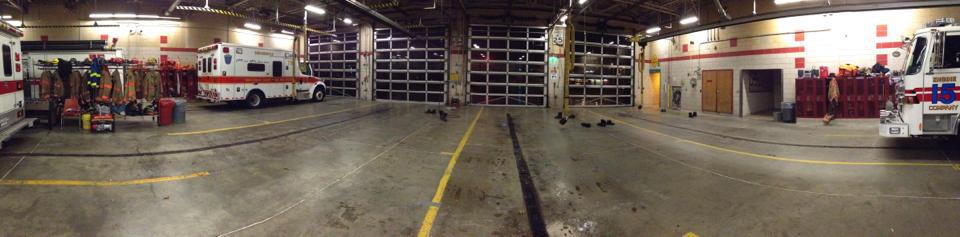
Montgomery County Fire & Rescue Station 15--Burtonsville
What I like best about this picture, though, is the shoes. The
empty leather shows the tenuous nature of the work. It’s late evening, after ten. One minute, everything is calm. There is laughter someplace—inevitably in a
fire house. The television is on with a
small audience. Others have turned in
for the night. The bays are filled with
the engine, ladder truck, and heavy rescue squad. A minute later, all that remains is…..the
shoes.

December 22, 2012
A Christmas Excerpt.....
It was the Friday night before
Christmas, a crisp starlit evening. We were cruising the township roadways with
Santa Claus on the rescue. It was an
annual event, much enjoyed by many of the smaller members of the community and,
truth be told, by many of the bigger ones as well.
The lights
were flashing, the siren screaming, the air horn blasting and regular sounds of
“Ho Ho Ho” were echoing in the night air from behind me. I rode the officer’s seat in the cab, just enjoying
the atmosphere and the smiling children we encountered on our slow tour. My fun was broken by a radio call.
“Comm Center
to Chief 36,” the radio query came.
After I responded, the dispatcher asked, “You wouldn’t happen to be out
with Santa Claus by chance, would you, Chief?”
“Affirmative,”
I answered.
“Can you
call in by phone?” the dispatcher asked.
I didn’t
have a good feeling as I reached for the cell phone mounted on the dash. Was some scrooge upset by the siren noise, I
wondered. When I got the dispatcher on
the line, it was nothing like that.
“Hey,
Chief, we just had a call from a grandma on Greenfield Road. She was upset ‘cause she had been out when
you went by and her grandchildren just missed Santa.”
"Please
tell me she didn’t call in on 911?” I asked the dispatcher, almost dreading his
response. The 911 emergency line is
certainly not the proper method to obtain a visit by Santa Claus.
“Oh yeah,
she did,” he said with a laugh.
“Sorry
about that, we’ll take another run down that road.” We have to take care of a grandma like that,
I thought to myself.
“Thanks,
Chief, and Merry Christmas,” the dispatcher answered, as we both disconnected
the line.
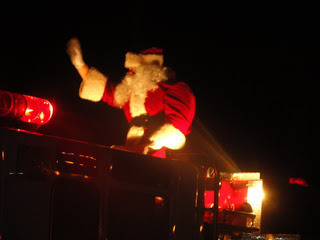

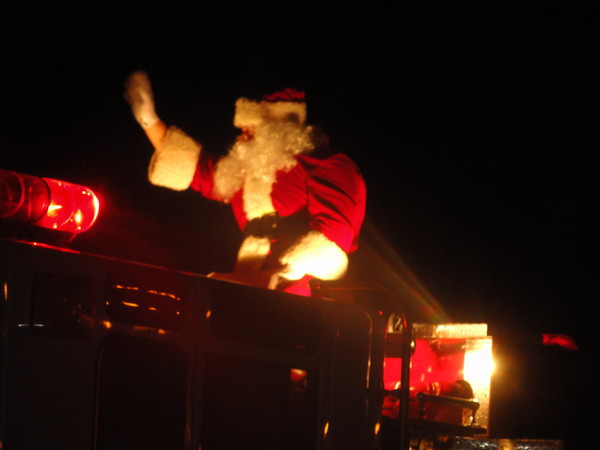
Christmas, a crisp starlit evening. We were cruising the township roadways with
Santa Claus on the rescue. It was an
annual event, much enjoyed by many of the smaller members of the community and,
truth be told, by many of the bigger ones as well.
The lights
were flashing, the siren screaming, the air horn blasting and regular sounds of
“Ho Ho Ho” were echoing in the night air from behind me. I rode the officer’s seat in the cab, just enjoying
the atmosphere and the smiling children we encountered on our slow tour. My fun was broken by a radio call.
“Comm Center
to Chief 36,” the radio query came.
After I responded, the dispatcher asked, “You wouldn’t happen to be out
with Santa Claus by chance, would you, Chief?”
“Affirmative,”
I answered.
“Can you
call in by phone?” the dispatcher asked.
I didn’t
have a good feeling as I reached for the cell phone mounted on the dash. Was some scrooge upset by the siren noise, I
wondered. When I got the dispatcher on
the line, it was nothing like that.
“Hey,
Chief, we just had a call from a grandma on Greenfield Road. She was upset ‘cause she had been out when
you went by and her grandchildren just missed Santa.”
"Please
tell me she didn’t call in on 911?” I asked the dispatcher, almost dreading his
response. The 911 emergency line is
certainly not the proper method to obtain a visit by Santa Claus.
“Oh yeah,
she did,” he said with a laugh.
“Sorry
about that, we’ll take another run down that road.” We have to take care of a grandma like that,
I thought to myself.
“Thanks,
Chief, and Merry Christmas,” the dispatcher answered, as we both disconnected
the line.
December 16, 2012
Backyard “Training” or What the Burn Barrel Can Teach
The ubiquitous burn barrel isn’t just the source of
springtime brush fires when oblivious residents decide to light them when the
wind is gusting at forty—so much so that it probably took them five matches to
get the stuff going. It can actually be
an opportunity to turn the mundane task of burning trash into a learning
experience.
The backyard burn barrel can be a firefighter’s small scale
research lab for fire behavior. Vertical
and horizontal spread and smoke development can all be “studied” in an
admittedly limited but still beneficial way while completing a line on the
honey-do list. Try to extrapolate in
your mind how these materials, put in a room, would similarly react to this
small ignition source. Notice how the
physical configuration; vertical or horizontal, affects the speed of
development. The differences observed
from ordinary combustibles when the occasional piece of plastic sneaks into the
barrel by “accident” is telling as well.
An unusual method?
Maybe, but don’t waste a single opportunity to learn from a fire. The routine job of disposing of papers and
boxes can be your own mini training session on fire behavior.


springtime brush fires when oblivious residents decide to light them when the
wind is gusting at forty—so much so that it probably took them five matches to
get the stuff going. It can actually be
an opportunity to turn the mundane task of burning trash into a learning
experience.
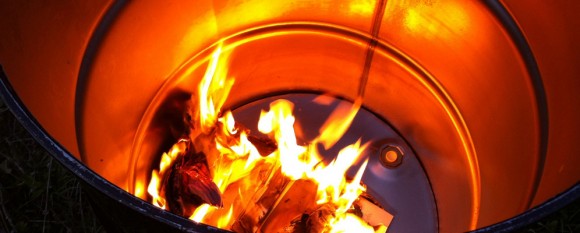
The backyard burn barrel can be a firefighter’s small scale
research lab for fire behavior. Vertical
and horizontal spread and smoke development can all be “studied” in an
admittedly limited but still beneficial way while completing a line on the
honey-do list. Try to extrapolate in
your mind how these materials, put in a room, would similarly react to this
small ignition source. Notice how the
physical configuration; vertical or horizontal, affects the speed of
development. The differences observed
from ordinary combustibles when the occasional piece of plastic sneaks into the
barrel by “accident” is telling as well.
An unusual method?
Maybe, but don’t waste a single opportunity to learn from a fire. The routine job of disposing of papers and
boxes can be your own mini training session on fire behavior.
December 9, 2012
Heredity Versus Environment: Or Why Does Junior Like Fire Trucks?
Heredity versus environment; the debate has gone on for
years. Now why in the world would this
be of interest to the fire service?
Primarily because there are so many multi-generational members in the
“family” business. It is an easier
question to examine from the desk than from the jumpseat or chief’s car.
The premise is based on the theory (I don’t think it’s a
theory. I think its damn well a fact)
that only a limited number of people in the population possess the innate
ability to go into burning buildings.
Accepting that, why then, are so many of them from the same families?
Exposure to the business through visits to the fire station
as a kid can certainly enhance the interest level. That alone doesn’t provide the ability
necessary to make the push through the door.
I’ve seen many second or third generation firefighters—at
least they start out to be one—that were total disasters. So it isn’t something that is automatically
passed from generation to generation.
However, the number of times it does happen argues for more than
statistical anomaly.
One of the messages from this is that we should look not
just externally, but internally as well for recruiting. Having my son become a firefighter kept me
active many more years than I likely would have been otherwise, so it works for
retention as well.
So the answer to the original question of heredity versus
environment is…..don’t know—but it is fun to think about.


November 24, 2012
Thanksgiving for Firefighters...
Every holiday has a standard set of calls, and Thanksgiving
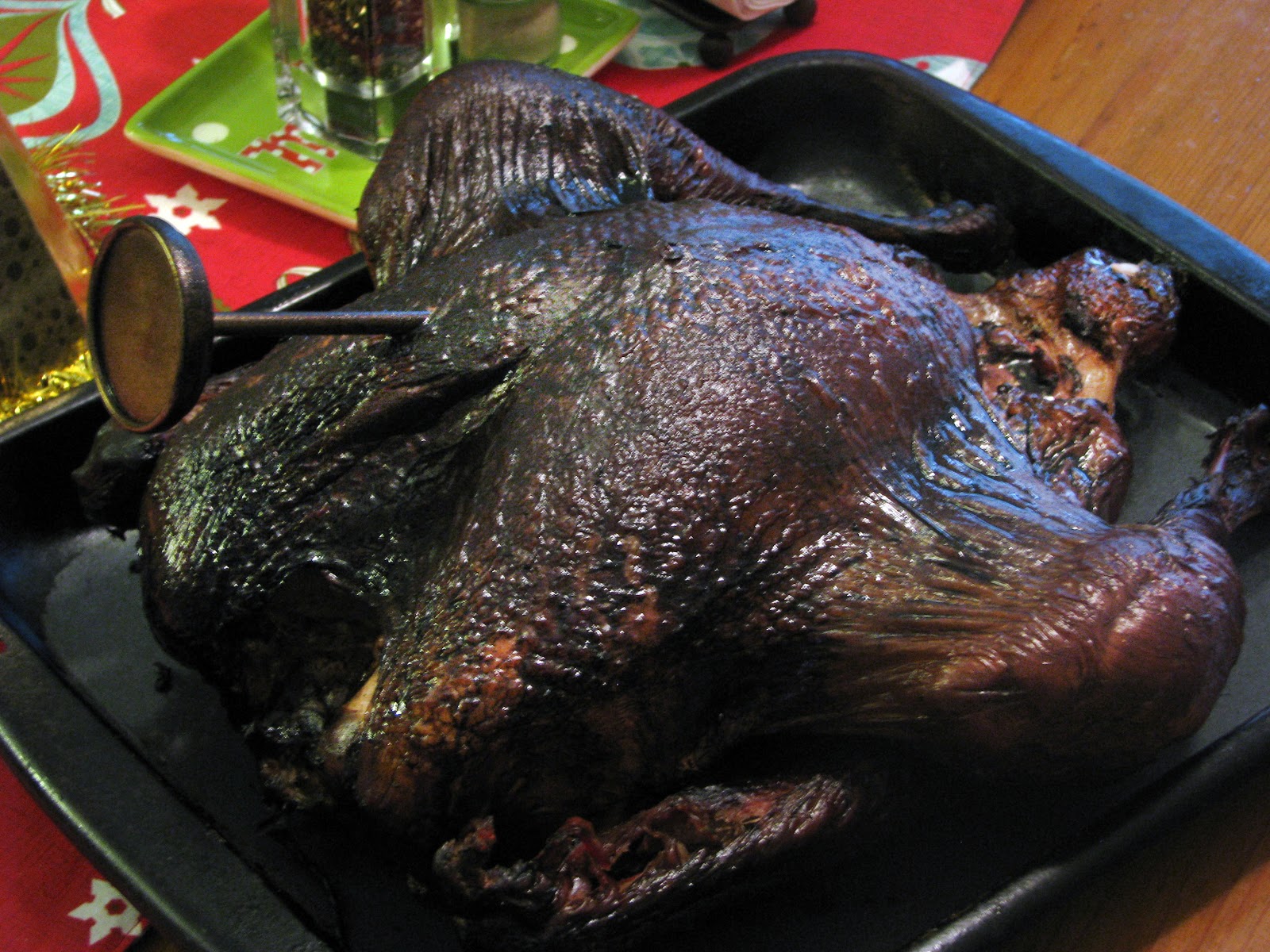
is no exception. Mornings are for smoked
turkey; not the good kind, though. Ovens
that haven’t been cleaned in fifteen years or leaving the plastic bag with the
gizzard and liver in the bird can impart a pungent flavor as well as bringing out the smoke
ejector. This typical run is quickly
being overtaken by the more exciting propane fired turkey fryer setting the
deck or siding on fire.
Late afternoons bring the EMS runs for the folks sent home
from the hospital for the holiday that probably shouldn’t have been. As the day darkens and blood alcohol levels
increase, domestics or “I wanted the #($* leg” and stranger incidents take
over.
One I still remember was a head-on collision on a quiet tree
lined residential neighborhood street; the last place you would expect a wreck
like that. It turned out to be two
stubborn liquored up kids playing chicken; nobody gave, and they both ended up
losing.
Makes me look forward to amateur night for drinkers: New
Year’s Eve


November 17, 2012
New Review of "Fire Men"
Below are some of the comments from a recent review.
The book starts out fast-paced and action oriented, and doesn’t stop until the last page. Firemen chronicles his progress from waiting to turn 18 to join the fire department, all the way up until now. The overall story, from kid to chief watching his own son become a firefighter is told via stories of things happening on the fireground. At the start we see a naive young firefighter that I’m sure everyone can relate to, and by the end of the book you realize that you are reading the words of a seasoned veteran. The stories encompass the entire range of emotions – funny, tragic, routine and downright horrifying.
The unique thing about this book is that it is written from the perspective of a volunteer firefighter, which is a rare treat in a world seemingly filled with stories and memoirs from the paid side of the house. This paints a vivid juxtaposition between going from a civilian to a firefighter at a moments notice, driven home by the wonderful plectron pager that we all hate to love.
As a non-officer firefighter, It’s also great to see the fire service from a Chief’s perspective. It’s made me think of things on scene that I normally wouldn’t be concerned with, and it’s opened my eyes to a lot with regards to how our officers think and why they make the decisions that they do. This alone makes it worth the read.
10 Seventy Five.com Review of "Fire Men"

The book starts out fast-paced and action oriented, and doesn’t stop until the last page. Firemen chronicles his progress from waiting to turn 18 to join the fire department, all the way up until now. The overall story, from kid to chief watching his own son become a firefighter is told via stories of things happening on the fireground. At the start we see a naive young firefighter that I’m sure everyone can relate to, and by the end of the book you realize that you are reading the words of a seasoned veteran. The stories encompass the entire range of emotions – funny, tragic, routine and downright horrifying.
The unique thing about this book is that it is written from the perspective of a volunteer firefighter, which is a rare treat in a world seemingly filled with stories and memoirs from the paid side of the house. This paints a vivid juxtaposition between going from a civilian to a firefighter at a moments notice, driven home by the wonderful plectron pager that we all hate to love.
As a non-officer firefighter, It’s also great to see the fire service from a Chief’s perspective. It’s made me think of things on scene that I normally wouldn’t be concerned with, and it’s opened my eyes to a lot with regards to how our officers think and why they make the decisions that they do. This alone makes it worth the read.
10 Seventy Five.com Review of "Fire Men"
November 9, 2012
From the Archives: Ryman's Rules-A Chief's Philosophy
With "election" season upon us for many volunteer departments, I thought a revisit might be timely.
There are rules, and then there are rules. Here are some I've tried, not always successfully, to follow.
Ryman’s Rules: A Volunteer Chief’s Philosophy
1. You are responsible. You are responsible 365 days a year, 7 days a week, 24 hours a day. If you are there or 3,000 miles away. You are responsible. You can delegate authority, but not responsibility.
2. The chief is always right. Invite input, debate, etc. from the officers. However, once the decision is made, that’s it. In public, the officers must show solidarity.
3. The officers are always right. If an officer makes a decision you disagree with, in public or with the other firefighters, that decision was right. You talk about what you would have done differently in private.
4. Delegate, delegate, and delegate. You can’t be involved in every activity, nor should you be. Give the junior officers responsibilities and hold them accountable. If they follow through, give them more and more. If they don’t, let them know about it and don’t give them any additional work.
5. Try to develop a command presence. Your presence at an emergency should send a message to the firefighters that everything is going to be okay. Regardless of how badly something is going, try to maintain a calm exterior. Motivate your people. This is done differently for each individual. If you give an order or tell them to get into a building, they should totally believe that you believe they can do it. Never tell a firefighter to do something you wouldn’t or couldn’t do yourself. Chiefs give orders on incomplete information regularly. Even if you have doubts about it, give the order as if you are 100% confident about it. Your confidence is a force multiplier.
6. Let them have fun. Nobody is getting paid for this. The younger guys have to enjoy themselves. At the same time, know when to pull in the reins, and when you do, jerk them hard. They still have to be professionals. You can’t be their buddy anymore. You are the man, and they have to recognize it as such.
7. Pace of change. Keep them sullen but not mutinous. The pace of change has to be fast enough that the young guys see progress, but not so fast that the dinosaurs get riled up. As long as both groups are slightly unhappy, you’re doing fine.
8. Don’t be afraid to piss somebody off. If you’re not pissing somebody off once in a while, you’re not doing your job.
9. Encourage training certifications. Push the guys to get their Firefighter 1 and other certificates. The time is fast coming when what you are able to do, and what positions you can hold in a fire department virtually anywhere will be determined by these certificates. At the same time, work to keep things in perspective. Firefighter 1 or 2 does not equal “super firefighter”.
10. Develop junior officers. The greatest legacy a chief can have is by the officers he leaves behind.

There are rules, and then there are rules. Here are some I've tried, not always successfully, to follow.
Ryman’s Rules: A Volunteer Chief’s Philosophy
1. You are responsible. You are responsible 365 days a year, 7 days a week, 24 hours a day. If you are there or 3,000 miles away. You are responsible. You can delegate authority, but not responsibility.
2. The chief is always right. Invite input, debate, etc. from the officers. However, once the decision is made, that’s it. In public, the officers must show solidarity.
3. The officers are always right. If an officer makes a decision you disagree with, in public or with the other firefighters, that decision was right. You talk about what you would have done differently in private.
4. Delegate, delegate, and delegate. You can’t be involved in every activity, nor should you be. Give the junior officers responsibilities and hold them accountable. If they follow through, give them more and more. If they don’t, let them know about it and don’t give them any additional work.
5. Try to develop a command presence. Your presence at an emergency should send a message to the firefighters that everything is going to be okay. Regardless of how badly something is going, try to maintain a calm exterior. Motivate your people. This is done differently for each individual. If you give an order or tell them to get into a building, they should totally believe that you believe they can do it. Never tell a firefighter to do something you wouldn’t or couldn’t do yourself. Chiefs give orders on incomplete information regularly. Even if you have doubts about it, give the order as if you are 100% confident about it. Your confidence is a force multiplier.
6. Let them have fun. Nobody is getting paid for this. The younger guys have to enjoy themselves. At the same time, know when to pull in the reins, and when you do, jerk them hard. They still have to be professionals. You can’t be their buddy anymore. You are the man, and they have to recognize it as such.
7. Pace of change. Keep them sullen but not mutinous. The pace of change has to be fast enough that the young guys see progress, but not so fast that the dinosaurs get riled up. As long as both groups are slightly unhappy, you’re doing fine.
8. Don’t be afraid to piss somebody off. If you’re not pissing somebody off once in a while, you’re not doing your job.
9. Encourage training certifications. Push the guys to get their Firefighter 1 and other certificates. The time is fast coming when what you are able to do, and what positions you can hold in a fire department virtually anywhere will be determined by these certificates. At the same time, work to keep things in perspective. Firefighter 1 or 2 does not equal “super firefighter”.
10. Develop junior officers. The greatest legacy a chief can have is by the officers he leaves behind.
Gary R. Ryman's Blog

- Gary R. Ryman's profile
- 3 followers
Gary R. Ryman isn't a Goodreads Author
(yet),
but they
do have a blog,
so here are some recent posts imported from
their feed.

