
Gary R. Ryman's Blog, page 10
June 15, 2013
Top Hats to Tupperware: Fire Helmet History
At the tender age of three, most
youngsters can identify a firefighter.
Even with the myriad colors, shapes, and styles today, the helmet, going
back almost 200 years is synonymous with the job. The first fire helmets, hats really, would
hardly be identified as such today. They
resembled top hats, Lincolnesque in style, but with a band or painting to
identify the company the individual belonged to more so than to provide
protection.
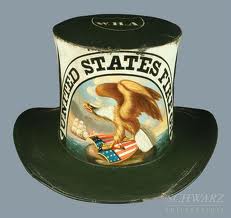
Jacob or Jacobus Turck is
generally credited with this design from around 1740. This lasted around 100 years until Henry T.
Gratacap designed a new helmet constructed of hardened leather sections for
protection and a large rear tail to help shed water. Although changes and improvements have been
made, the shape of this original design from around 1836 (dates differ) is the
one even children could recognize today.
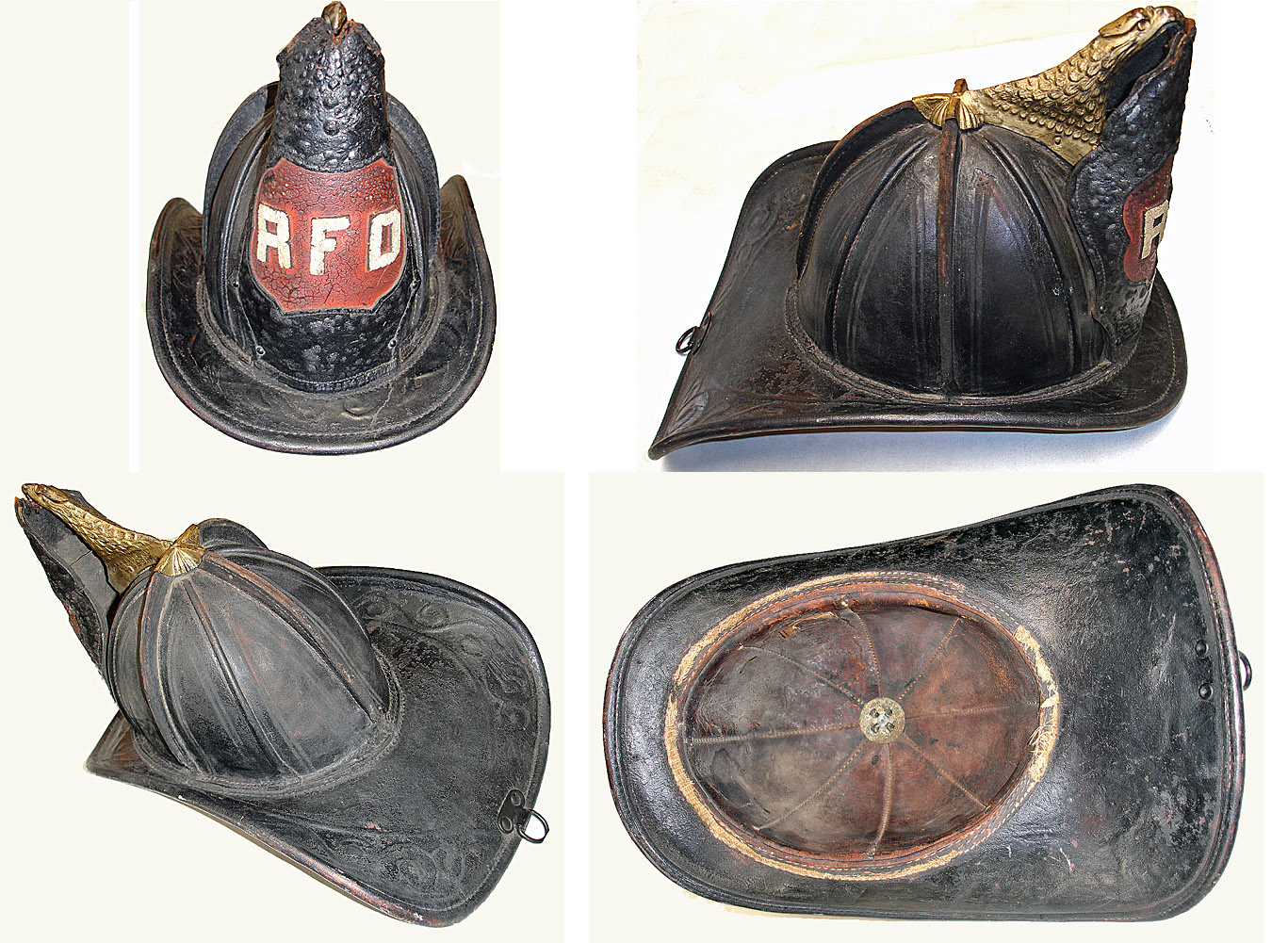
Gratacap’s operation continued to
grow and in 1869, he sold it to two brothers; Jasper and Henry Cairns, who
possessed a last name which is arguably the most well known in the helmet
business today. Cairns brothers
continued to evolve the designs and materials, but the leather helmet remained
a core component of their business. In
1937, Cairns introduced an aluminum helmet.
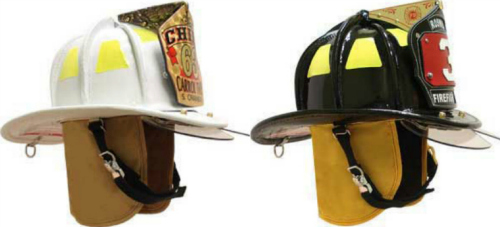
A generation later, in 1962, their vacuum formed polycarbonate helmet
line began; and in the “modern” era, Philadelphians, Phoenix, and Metro helmets
were among the new style that some saw as a radical change from the classic
shape. But it was radical only at first
glance as even these helmets retained the short front brim and longer rear
tail. Helmet types and styles have
developed fans and detectors over the years.
Leather helmet devotees sometimes disparage the plastic models as
“Tupperware.”
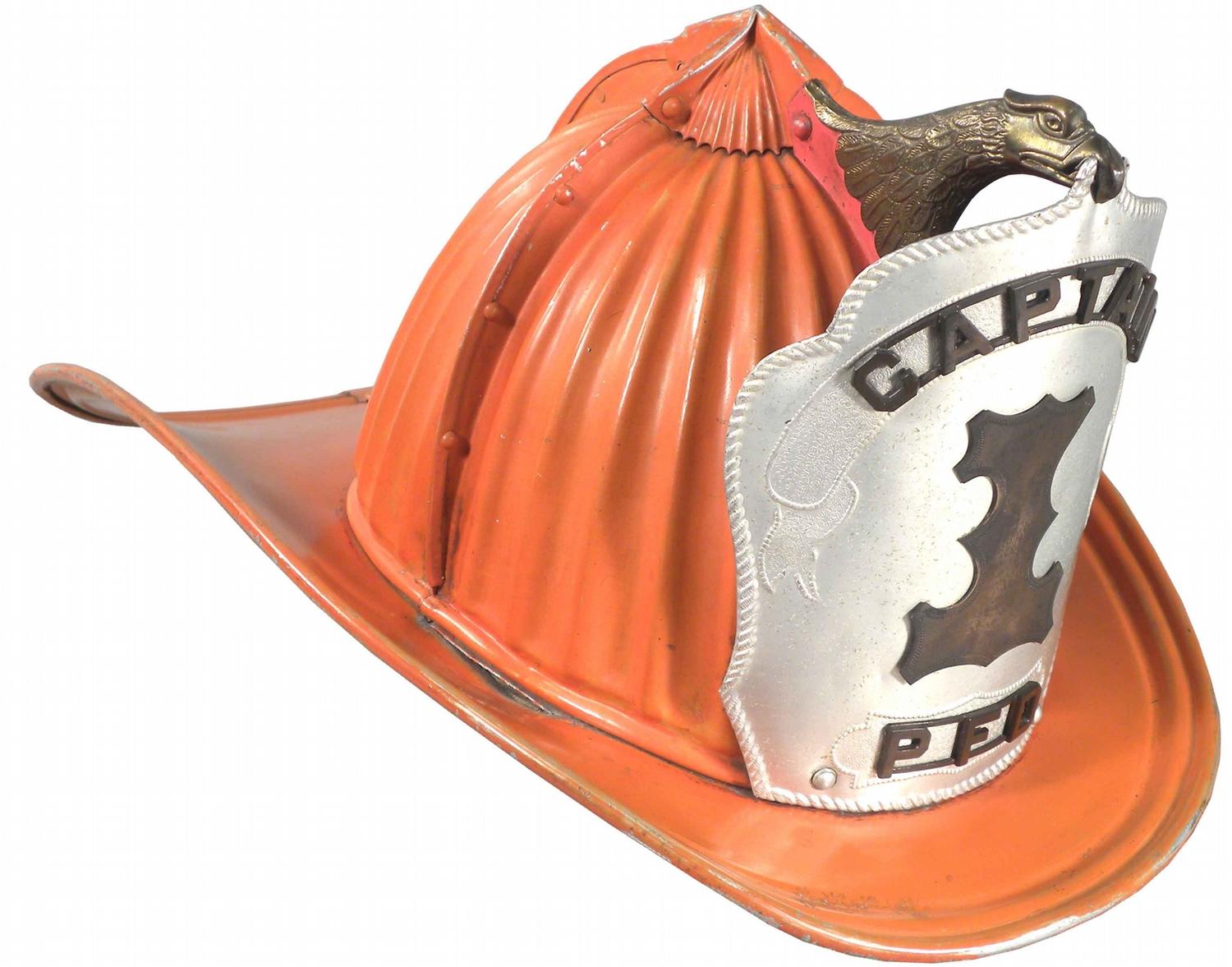 Aluminum Helmet
Cairns Metro Helmet
Although safety standards have
dramatically changed the interior, the exterior of a leather helmet
manufactured today, as well as the classically shaped plastic versions, would
no doubt be recognizable by Henry Gratacap or the original Cairns
brothers. In a world where change seems
to be the only constant, that the basic design of the fire helmet could remain
intact for 177 years is nothing short of amazing.


May 27, 2013
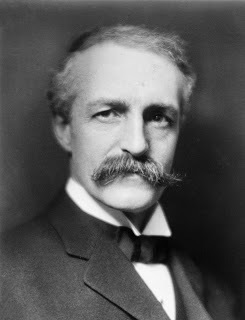
Gifford Pinchot and Forest Fires: The Early Battles
Most of the focus on fighting forest fires; the tools,
techniques, and tactics, have long been on the West. The beginnings, though, came from one of our
own; a Pennsylvanian. Gifford Pinchot,
who served two terms as Governor, headed the Forest Service in the early 1900s,
starting under President McKinley, and through the administration of his friend
and supporter, Theodore Roosevelt. In
the early days, Pinchot was a Forester with no forest, as control of the actual
Federal land was in the General Land Office.
Finally, in 1905, Roosevelt was able to out maneuver the land barons'
both in and outside of Congress, and transfer control of the forests to
Pinchot’s agency, the newly named United States Forest Service.
The danger of fire was one of the ways in which Pinchot
convinced a reluctant Congress to fund his corps of green shirted rangers. The danger was not illusory. In 1871, the Pestigo fire in Wisconsin burned
over a million acres and killed 1,182 people.
In Minnesota in 1894, another tragic fire struck which killed 413
people. Pinchot knew that fire was
necessary and in some cases beneficial to forests and understood that nature
could never be completely controlled.
His fire control efforts started a debate which continues to this day as
to where to draw that line.
The rangers on the front lines were highly motivated by
poorly paid; a miserable salary even for the day of $900 per year. Pinchot’s directions to them on fighting
fires were simple. As he told the New
York Times, “the one secret to fighting fires is to discover your fire as soon
as possible and fight it as hard as you can and refuse to leave it until the
last ember is dead.” The Forest Service
had some successes in their first two summers as only one tenth of one percent
(0.1%) of Forest Service land burned each year.
There were bad years as well, however.
One of the assistant rangers hired in the Bitterroot area
was Ed Pulaski. He was older than most
of the Yale Forestry program graduates initially hired by Pinchot, but a
skilled outdoorsman. The man himself,
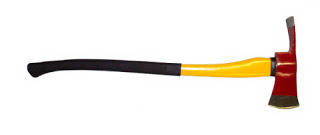
who died in 1931, is little known, but his name lives on as the inventor of the
tool still in use today—the Pulaski tool.
Successors to Pinchot such as Bill Greeley took his concerns
and tactics on fire and elevated them in priority increasing the Forest Service
role in prevention and suppression efforts.
The debate continues over the proper level of these, but forgotten by
many is that man with who it began, Pennsylvanian Gifford Pinchot.

techniques, and tactics, have long been on the West. The beginnings, though, came from one of our
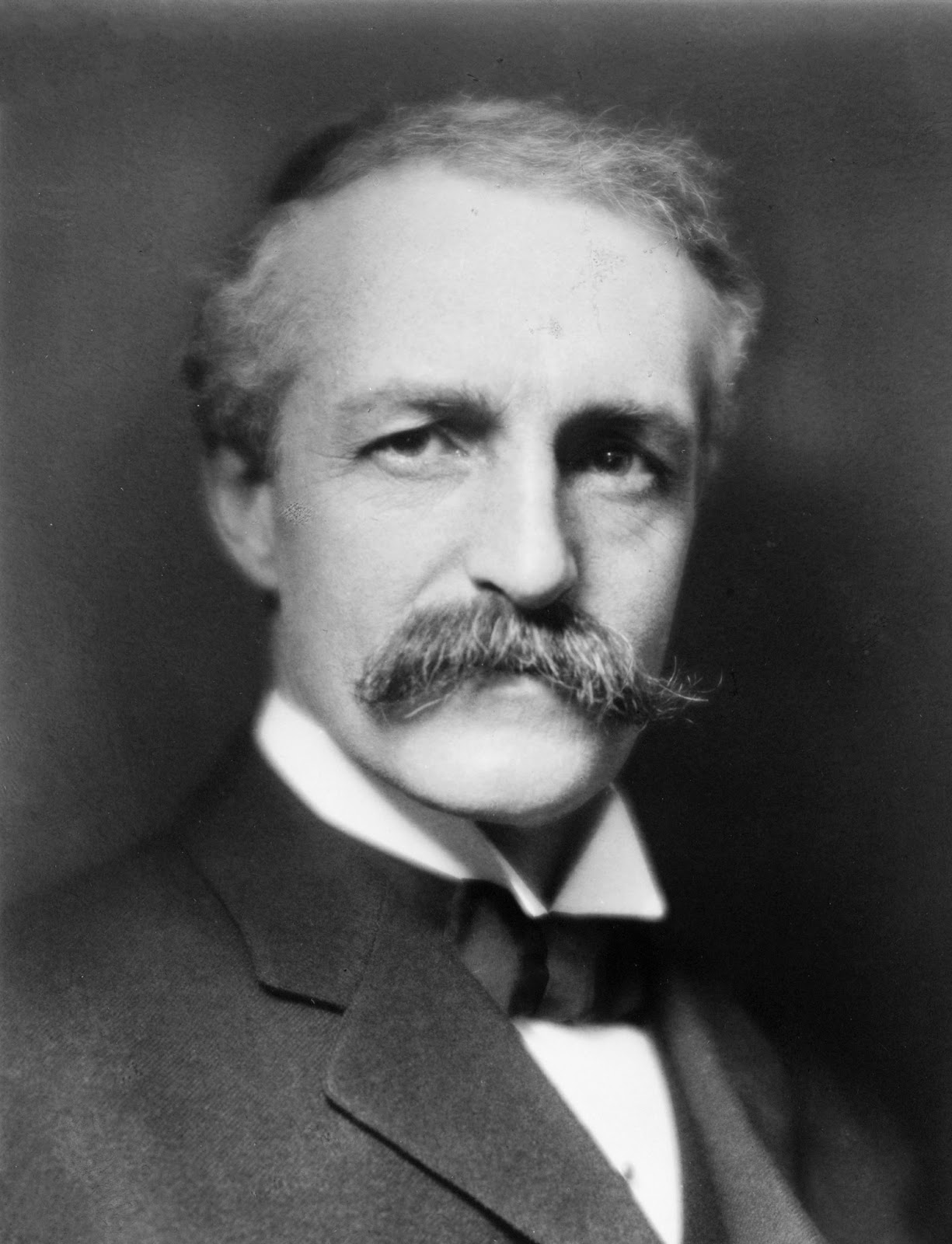
own; a Pennsylvanian. Gifford Pinchot,
who served two terms as Governor, headed the Forest Service in the early 1900s,
starting under President McKinley, and through the administration of his friend
and supporter, Theodore Roosevelt. In
the early days, Pinchot was a Forester with no forest, as control of the actual
Federal land was in the General Land Office.
Finally, in 1905, Roosevelt was able to out maneuver the land barons'
both in and outside of Congress, and transfer control of the forests to
Pinchot’s agency, the newly named United States Forest Service.
The danger of fire was one of the ways in which Pinchot
convinced a reluctant Congress to fund his corps of green shirted rangers. The danger was not illusory. In 1871, the Pestigo fire in Wisconsin burned
over a million acres and killed 1,182 people.
In Minnesota in 1894, another tragic fire struck which killed 413
people. Pinchot knew that fire was
necessary and in some cases beneficial to forests and understood that nature
could never be completely controlled.
His fire control efforts started a debate which continues to this day as
to where to draw that line.
The rangers on the front lines were highly motivated by
poorly paid; a miserable salary even for the day of $900 per year. Pinchot’s directions to them on fighting
fires were simple. As he told the New
York Times, “the one secret to fighting fires is to discover your fire as soon
as possible and fight it as hard as you can and refuse to leave it until the
last ember is dead.” The Forest Service
had some successes in their first two summers as only one tenth of one percent
(0.1%) of Forest Service land burned each year.
There were bad years as well, however.
One of the assistant rangers hired in the Bitterroot area
was Ed Pulaski. He was older than most
of the Yale Forestry program graduates initially hired by Pinchot, but a
skilled outdoorsman. The man himself,
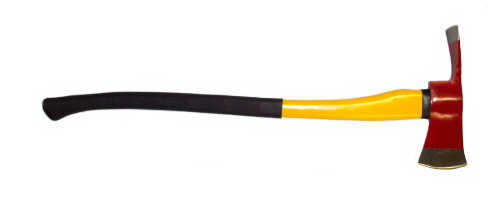
who died in 1931, is little known, but his name lives on as the inventor of the
tool still in use today—the Pulaski tool.
Successors to Pinchot such as Bill Greeley took his concerns
and tactics on fire and elevated them in priority increasing the Forest Service
role in prevention and suppression efforts.
The debate continues over the proper level of these, but forgotten by
many is that man with who it began, Pennsylvanian Gifford Pinchot.
May 18, 2013
Old School Trench Rescue
Back in the late 1970s, the wonderful world of trench rescue
training with its shoring work and special equipment was in its infancy. In my area, it hadn’t even yet been
conceived. Hell, Johnny and Roy were the
cutting edge of fire rescue as far as we were concerned.
We were dispatched for a man injured in an excavation behind
the local junior high school. When we
arrived in the old Chevy Suburban ambulance, we found a male laying at the
bottom of about a six foot deep trench.
Part of the wall had come in on him and he complained of hip/pelvis
pain.
Not knowing any better, we jumped right in with him and started
to clear some of the dirt away by hand and with some shovels that the other
workers had. We were smart enough to
request fire department assistance, and the arriving engine company, no smarter
than us, helped with an attic ladder for access and more hand tools. It was like being an archeologist, as the
land where they were digging was an old landfill, and we were working on a
couple of layers of antique trash.
Once we had the dirt off him, the real fun started. We had to get him immobilized to lift from
the trench. We had nothing to work with
but the basics we carried on the ambulance; no stokes basket, and certainly no
modern strap system. We had a full
backboard and cravats. For the uninitiated,
i.e. younger than 45 years of age, cravats are folded triangular bandages. Part of the EMT curriculum at the time was to
be able to completely immobilize a victim to a long board so that when the
board was stood up vertically, the victim did not move using nothing more than
these big handkerchiefs. It was
something we practiced for hours at a time.
Now we had to do it for real.
As you can imagine, it’s not a speedy method, but we got to
work, square knot after square knot.
Finally done, it was the moment of truth. We stood the backboard up with the ladder
behind it to slide him up. He didn’t move
a bit. With the assistance of the engine
company, up the ladder he went and onto terra firma for transport.
Luckily nothing bad had happened—to any of us. The walls of this trench, made up of landfill
material, were far from stable, but we were protected in our ignorance. The
old days were not always better…

training with its shoring work and special equipment was in its infancy. In my area, it hadn’t even yet been
conceived. Hell, Johnny and Roy were the
cutting edge of fire rescue as far as we were concerned.
We were dispatched for a man injured in an excavation behind
the local junior high school. When we
arrived in the old Chevy Suburban ambulance, we found a male laying at the
bottom of about a six foot deep trench.
Part of the wall had come in on him and he complained of hip/pelvis
pain.
Not knowing any better, we jumped right in with him and started
to clear some of the dirt away by hand and with some shovels that the other
workers had. We were smart enough to
request fire department assistance, and the arriving engine company, no smarter
than us, helped with an attic ladder for access and more hand tools. It was like being an archeologist, as the
land where they were digging was an old landfill, and we were working on a
couple of layers of antique trash.
Once we had the dirt off him, the real fun started. We had to get him immobilized to lift from
the trench. We had nothing to work with
but the basics we carried on the ambulance; no stokes basket, and certainly no
modern strap system. We had a full
backboard and cravats. For the uninitiated,
i.e. younger than 45 years of age, cravats are folded triangular bandages. Part of the EMT curriculum at the time was to
be able to completely immobilize a victim to a long board so that when the
board was stood up vertically, the victim did not move using nothing more than
these big handkerchiefs. It was
something we practiced for hours at a time.
Now we had to do it for real.
As you can imagine, it’s not a speedy method, but we got to
work, square knot after square knot.
Finally done, it was the moment of truth. We stood the backboard up with the ladder
behind it to slide him up. He didn’t move
a bit. With the assistance of the engine
company, up the ladder he went and onto terra firma for transport.
Luckily nothing bad had happened—to any of us. The walls of this trench, made up of landfill
material, were far from stable, but we were protected in our ignorance. The
old days were not always better…
May 11, 2013
The Professional Voluneer
In a recent speech, President Obama paid homage to the
firefighters in West, Texas who lost their lives in the explosion and fire at a
fertilizer plant. In doing so, he
actually insulted a large percentage of volunteer firefighters; out of
ignorance, one hopes, and not purposely. The assignment of the term “professional” to
career firefighters and departments has always struck a sore spot with me. The President’s remarks compounded this
feeling. It is good to know I’m not the
only one. The National Volunteer Fire
Council sent a letter to the President on April 30th protesting
these remarks.
A simple check of the dictionary points out the fallacy of
the common usage. One of the definitions
is “a person who is expert at his or her work.”
Another references “a vocation requiring knowledge of…learning or
science.” Nowhere in these admittedly
selective definitions is there a mention of financial compensation.
Professionalism isn’t about pay, it’s about attitude. It’s about your approach to a job. There are volunteers who join departments for
all the wrong reasons and there are career personnel for whom the job is
nothing but a paycheck. However, there
are many truly professional firefighters, officers, and chiefs in the volunteer
ranks which should be recognized as such.

firefighters in West, Texas who lost their lives in the explosion and fire at a
fertilizer plant. In doing so, he
actually insulted a large percentage of volunteer firefighters; out of
ignorance, one hopes, and not purposely. The assignment of the term “professional” to
career firefighters and departments has always struck a sore spot with me. The President’s remarks compounded this
feeling. It is good to know I’m not the
only one. The National Volunteer Fire
Council sent a letter to the President on April 30th protesting
these remarks.
A simple check of the dictionary points out the fallacy of
the common usage. One of the definitions
is “a person who is expert at his or her work.”
Another references “a vocation requiring knowledge of…learning or
science.” Nowhere in these admittedly
selective definitions is there a mention of financial compensation.
Professionalism isn’t about pay, it’s about attitude. It’s about your approach to a job. There are volunteers who join departments for
all the wrong reasons and there are career personnel for whom the job is
nothing but a paycheck. However, there
are many truly professional firefighters, officers, and chiefs in the volunteer
ranks which should be recognized as such.
April 16, 2013

April 6, 2013
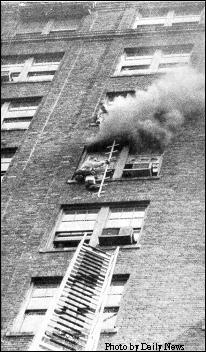
Old School Rescue: A History Lesson
Back just a couple of years in firefighter time, in 1877,
following a tragic fatal fire at the Southern Hotel, the St. Louis Fire
Department established the first Pompier Corps. Christopher Hoell, a German immigrant, and
Zero Marx lead the unit and taught climbing and rescue skills to other
departments across the country.
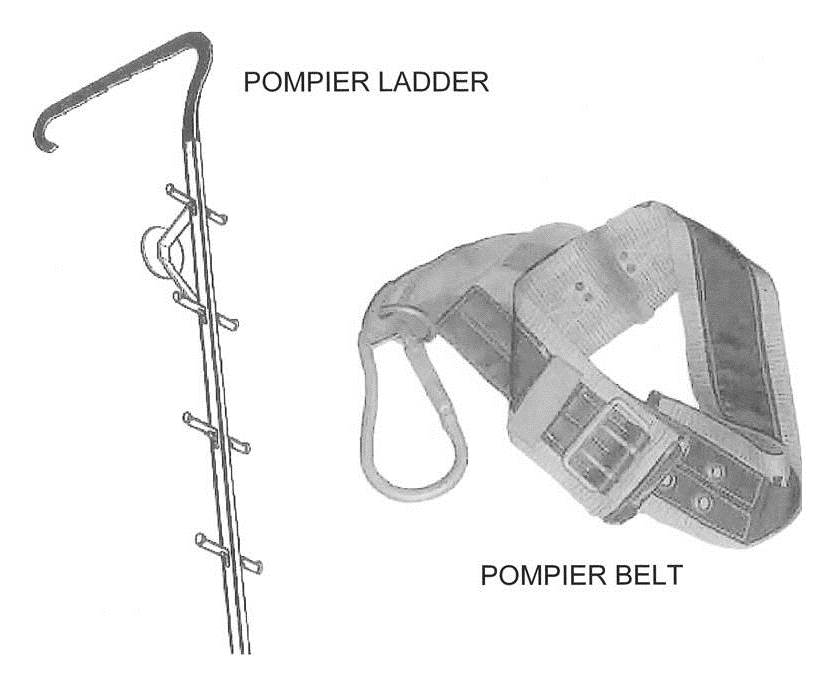
They used specially developed scaling ladders, a belt with a
large hook, which modern (hopefully) descendants of remain in service in many
departments to this day, and ropes.
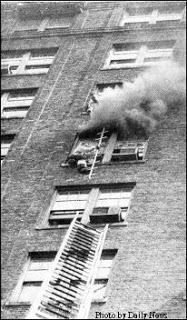
These ladders were not simple to use, but provided access to buildings
blocked by wires or trees, and to elevations above that which could be reached
by aerial ladders. Multiple pompier
ladders could be used, which with rope, provided a way to get hose lines to
upper floors.
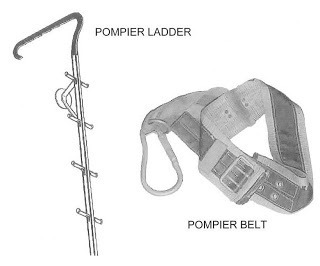
The top of the ladder, with its iron catch, would be hooked
over a window sill, and the firefighter would climb the narrow rungs to the
window. He would stand on the sill and
pull the ladder up and raise it to the next window and repeat the process.
This required considerable dexterity, strength, balanced,
and a large dose of intestinal fortitude, to use polite terminology. These ladders remained a presence on at least
some ladder trucks for almost a century and hang in many fire houses today as a
reminder of a storied past.

following a tragic fatal fire at the Southern Hotel, the St. Louis Fire
Department established the first Pompier Corps. Christopher Hoell, a German immigrant, and
Zero Marx lead the unit and taught climbing and rescue skills to other
departments across the country.
They used specially developed scaling ladders, a belt with a
large hook, which modern (hopefully) descendants of remain in service in many
departments to this day, and ropes.
These ladders were not simple to use, but provided access to buildings
blocked by wires or trees, and to elevations above that which could be reached
by aerial ladders. Multiple pompier
ladders could be used, which with rope, provided a way to get hose lines to
upper floors.
The top of the ladder, with its iron catch, would be hooked
over a window sill, and the firefighter would climb the narrow rungs to the
window. He would stand on the sill and
pull the ladder up and raise it to the next window and repeat the process.
This required considerable dexterity, strength, balanced,
and a large dose of intestinal fortitude, to use polite terminology. These ladders remained a presence on at least
some ladder trucks for almost a century and hang in many fire houses today as a
reminder of a storied past.
March 24, 2013
Ernest Hemingway, Poetry, and Firefighting: Yes They Do Go Together
One skill that all firefighters have in abundance is the
ability to complain. That’s not a
criticism, but simply a statement of fact.
Rather than go down that road, at least right now, I want to talk about
one heartening thing I see in the fire service today; a group of younger firefighters who are
smart, aggressive, respectful of tradition, but progressive in outlook. I wish this group was bigger than it is, but
there is room for growth.
These troops make up what I hope will become the leadership;
the movers-and-shakers of the next generation.
They will have tremendous challenges to address, some of which only time
will reveal.
I want to offer some advice to this group, and most of it
has nothing to do with the day to day application of wet stuff on red
stuff.
Let’s start with one of the basics, education; you need to
get it. Yes, you’re busy—some of you
have a spouse and young kids. They
definitely need to come first, but it can be done, even if it is one course at
a time. Can’t see the end of the rainbow
of a bachelor’s degree because of the number of credits? Start with an Associates. Get that done and you’re halfway home. The question I hear is why? “I can take the fire science or emergency
planning classes that interest me. I
don’t need the History, English, Science and other stupid stuff like that for
this job. I didn’t like that crap in
high school. Why should I take it now
just to get a piece of paper? “
There are a couple of reasons. The first, and probably less important is
perception. The more bugles on your
collar, the more individuals with degrees you will be dealing with on a regular
basis. While not necessarily right, some
of those people make snap judgments based on educational back ground. If you don’t have one, you automatically
start at a disadvantage with these folks.
“Well screw them; I’m
just as smart as they are.” Probably
so, and maybe smarter—especially in your discipline, but perception is
reality.
The second and most important reason is that these “crap”
courses teach you to think. Taught
correctly, history isn’t about memorizing dates and places. It’s about looking at the past and trying to
figure out what happened and why. What
were the variables that influenced an event?
How did people react? Has the
interpretation of something changed over time?
Any of this sound familiar?
Science is a bit easier to understand. Chemistry knowledge is useful for hazardous
materials and we use physics, like it or not, on many rescue applications. It takes math skills to do both the
above.
English; oh no, not that.
“I don’t want to waste my time
sitting around reading poems or Ernest Hemingway.” It isn’t about reading, it’s about
writing. But to learn how to write well,
you need to read, and the more the better.
Virtually every successful writer will tell you reading is one of the
most important things they did (and continue to do) which aids their writing. The higher you go, the more important your
writing skills will become. If you don’t
know the difference between there, their, and they’re, and I see this all the
time; no one is going to take you seriously.
The longer you are out of school, the more difficult it can
be to motivate yourself to start again and to remember (or develop) your study
skills. It really can be a great
experience. I went back to school for a
Masters degree in my late 40s, and found it challenging…and one of the most
enjoyable educational endeavors I ever undertook. Believe it or not; learning and education
should and can be a life long process.
On another topic, it may sound obvious, but you need to
develop mentors. There is a tremendous
institutional memory available and ripe for the picking in the old breed
firefighters. This is, however, a
perishable commodity. Use it while it is
still on the shelves. You don’t have to
agree with everything they tell you, but it costs nothing to listen. It is amazing how much can be learned around
the kitchen table.
Develop relationships with ranking officers. I don’t mean brown-nosing or ass kissing, but
a true mutual respect two way street type deal. Let them know you’re looking to learn, and
interesting projects and assignments may come your way.
Hemingway was an old guy.
Make him one of your mentors. Follow
even some of these suggestions, and the sky is the limit.

ability to complain. That’s not a
criticism, but simply a statement of fact.
Rather than go down that road, at least right now, I want to talk about
one heartening thing I see in the fire service today; a group of younger firefighters who are
smart, aggressive, respectful of tradition, but progressive in outlook. I wish this group was bigger than it is, but
there is room for growth.
These troops make up what I hope will become the leadership;
the movers-and-shakers of the next generation.
They will have tremendous challenges to address, some of which only time
will reveal.
I want to offer some advice to this group, and most of it
has nothing to do with the day to day application of wet stuff on red
stuff.
Let’s start with one of the basics, education; you need to
get it. Yes, you’re busy—some of you
have a spouse and young kids. They
definitely need to come first, but it can be done, even if it is one course at
a time. Can’t see the end of the rainbow
of a bachelor’s degree because of the number of credits? Start with an Associates. Get that done and you’re halfway home. The question I hear is why? “I can take the fire science or emergency
planning classes that interest me. I
don’t need the History, English, Science and other stupid stuff like that for
this job. I didn’t like that crap in
high school. Why should I take it now
just to get a piece of paper? “
There are a couple of reasons. The first, and probably less important is
perception. The more bugles on your
collar, the more individuals with degrees you will be dealing with on a regular
basis. While not necessarily right, some
of those people make snap judgments based on educational back ground. If you don’t have one, you automatically
start at a disadvantage with these folks.
“Well screw them; I’m
just as smart as they are.” Probably
so, and maybe smarter—especially in your discipline, but perception is
reality.
The second and most important reason is that these “crap”
courses teach you to think. Taught
correctly, history isn’t about memorizing dates and places. It’s about looking at the past and trying to
figure out what happened and why. What
were the variables that influenced an event?
How did people react? Has the
interpretation of something changed over time?
Any of this sound familiar?
Science is a bit easier to understand. Chemistry knowledge is useful for hazardous
materials and we use physics, like it or not, on many rescue applications. It takes math skills to do both the
above.
English; oh no, not that.
“I don’t want to waste my time
sitting around reading poems or Ernest Hemingway.” It isn’t about reading, it’s about
writing. But to learn how to write well,
you need to read, and the more the better.
Virtually every successful writer will tell you reading is one of the
most important things they did (and continue to do) which aids their writing. The higher you go, the more important your
writing skills will become. If you don’t
know the difference between there, their, and they’re, and I see this all the
time; no one is going to take you seriously.
The longer you are out of school, the more difficult it can
be to motivate yourself to start again and to remember (or develop) your study
skills. It really can be a great
experience. I went back to school for a
Masters degree in my late 40s, and found it challenging…and one of the most
enjoyable educational endeavors I ever undertook. Believe it or not; learning and education
should and can be a life long process.
On another topic, it may sound obvious, but you need to
develop mentors. There is a tremendous
institutional memory available and ripe for the picking in the old breed
firefighters. This is, however, a
perishable commodity. Use it while it is
still on the shelves. You don’t have to
agree with everything they tell you, but it costs nothing to listen. It is amazing how much can be learned around
the kitchen table.
Develop relationships with ranking officers. I don’t mean brown-nosing or ass kissing, but
a true mutual respect two way street type deal. Let them know you’re looking to learn, and
interesting projects and assignments may come your way.
Hemingway was an old guy.
Make him one of your mentors. Follow
even some of these suggestions, and the sky is the limit.
March 16, 2013
Montgomery County, MD Public Safety Valor Awards
A few of my favorite shots from the ceremonies. Master Firefighter Michael Ryman received a Bronze medal
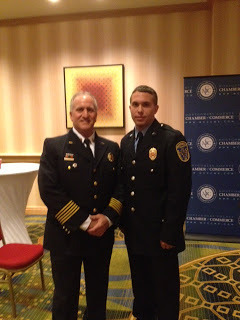
Mike and Montgomery County Fire & Rescue Chief Richard Bowers
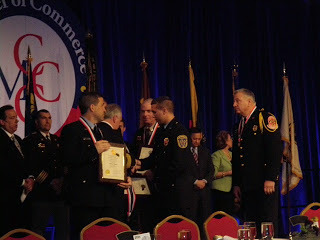
Receiving the medal from Chief Bowers
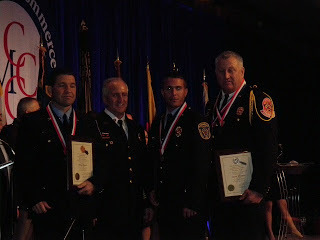
The Truck 715 Crew: Master Firefighter Steven Wiseman, Master Firefighter Christopher Reilly, and Master Firefighter Michael Ryman with Chief Bowers
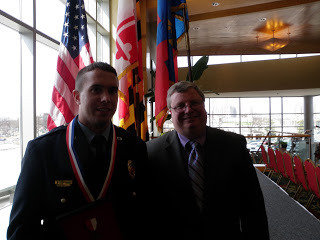
Me and Mike

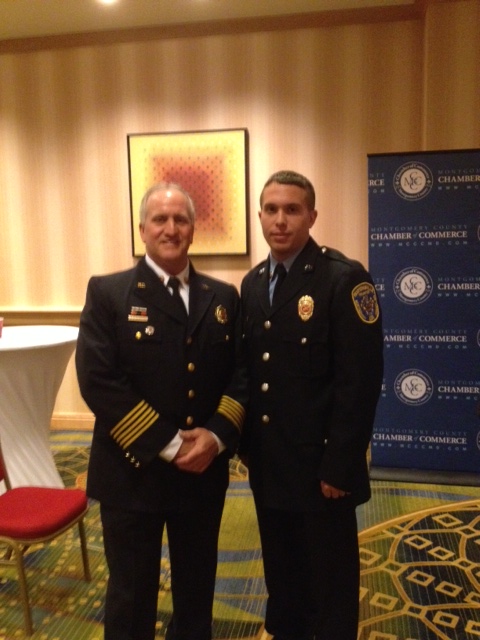
Mike and Montgomery County Fire & Rescue Chief Richard Bowers

Receiving the medal from Chief Bowers

The Truck 715 Crew: Master Firefighter Steven Wiseman, Master Firefighter Christopher Reilly, and Master Firefighter Michael Ryman with Chief Bowers
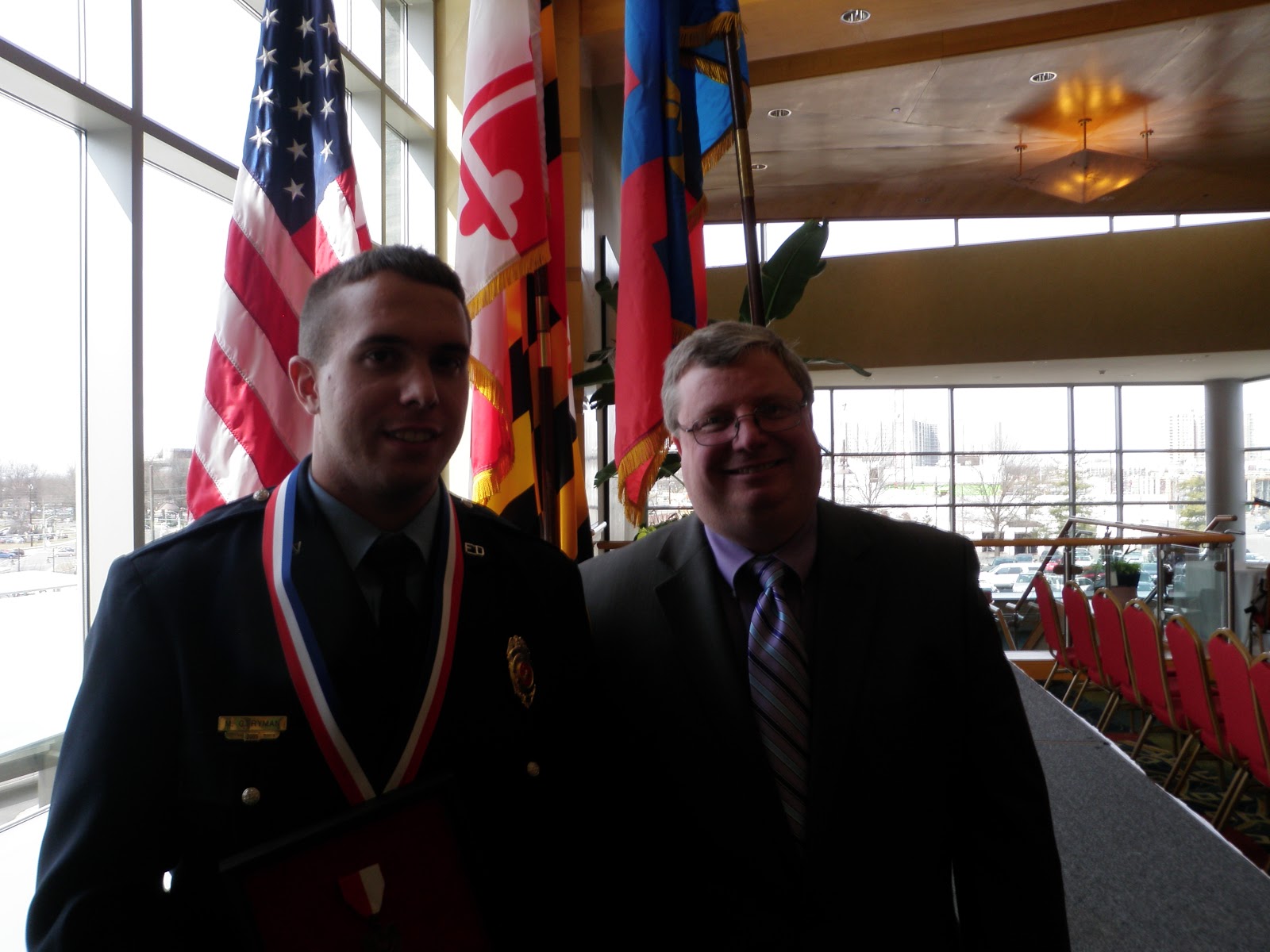
Me and Mike
March 10, 2013
Traditionalists Take Note
There are a lot of good things one can say about being
considered a traditionalist. Stability,
solid values, and steadiness are among them.
Not all the traits ascribed to this term, however, are considered
positive. Skeptics, intellectuals, and
those who think outside the box, are commonly at odds with
traditionalists. The challenge is to
combine the best of these worlds.
In the current environment when many of our communities have
decided that they can and will pay only X amount for fire protection; we can do
one of two things. We can take the
traditional route and rationalize that our citizens don’t care or understand
our needs (it’s all about us, right?) and complain that we can’t provide
adequate service and will be endangering firefighter and civilian lives. Or, we can understand the fiscal realities
and explore alternatives in delivery of service, methodologies, staffing,
multi-community alliances, on down to tactical changes. Thinking outside the conventional system to
allow us to provide the best and safest services possible within the inherent
financial limits imposed by our citizens may result in some positive
surprises.
We need to be open to some “unpleasant” and mind challenging
alternatives. One area is the research
and testing completed and still to be conducted on the many hard fast rules of
strategic and tactical operations (attack modes, ventilation priorities and
methods, etc.) may upset many traditionalists.
We learned these methods through historic experience and development and
“know” the correctness of them.
Examining the validity of these “known” truths using scientific and
engineering principles won’t change anything; after all, we’ve been successful
for years this way. Some folks may not
like these results.
Care in evaluating the validity of the test protocols and
methodology used is vitally important.
After all, a test can be designed to prove almost anything. But when care is taken to design testing to
be as free of bias as possible, we need to give attention to the results, even
if they were not what we expected (or hoped) to see.
Reading a great book about the culture of U.S. Army
leadership since World War II (The
Generals by Thomas Ricks) got me thinking about much of this, especially
after coming across a great quote.
Colonel Paul Yingling, who unfortunately retired after battles with Army
traditionalists, noted that “Intellectuals are most valued when the dominant
paradigm begins to break down. In this
moment of crisis, the heretics become heroes, as they have already constructed
alternative paradigms that others haven’t considered.” He closed with “…the challenge is to keep the
skeptics from becoming extinct.”
I don’t believe the fire service has reached that point, and
hopefully never will. Abandoning our
past and traditions simply for the sake of change is a bad idea, but we all
could take a lesson from this and try to remain open and intellectually
curious. Our fellow firefighters and
the citizens we protect deserve nothing less.

considered a traditionalist. Stability,
solid values, and steadiness are among them.
Not all the traits ascribed to this term, however, are considered
positive. Skeptics, intellectuals, and
those who think outside the box, are commonly at odds with
traditionalists. The challenge is to
combine the best of these worlds.
In the current environment when many of our communities have
decided that they can and will pay only X amount for fire protection; we can do
one of two things. We can take the
traditional route and rationalize that our citizens don’t care or understand
our needs (it’s all about us, right?) and complain that we can’t provide
adequate service and will be endangering firefighter and civilian lives. Or, we can understand the fiscal realities
and explore alternatives in delivery of service, methodologies, staffing,
multi-community alliances, on down to tactical changes. Thinking outside the conventional system to
allow us to provide the best and safest services possible within the inherent
financial limits imposed by our citizens may result in some positive
surprises.
We need to be open to some “unpleasant” and mind challenging
alternatives. One area is the research
and testing completed and still to be conducted on the many hard fast rules of
strategic and tactical operations (attack modes, ventilation priorities and
methods, etc.) may upset many traditionalists.
We learned these methods through historic experience and development and
“know” the correctness of them.
Examining the validity of these “known” truths using scientific and
engineering principles won’t change anything; after all, we’ve been successful
for years this way. Some folks may not
like these results.
Care in evaluating the validity of the test protocols and
methodology used is vitally important.
After all, a test can be designed to prove almost anything. But when care is taken to design testing to
be as free of bias as possible, we need to give attention to the results, even
if they were not what we expected (or hoped) to see.
Reading a great book about the culture of U.S. Army
leadership since World War II (The
Generals by Thomas Ricks) got me thinking about much of this, especially
after coming across a great quote.
Colonel Paul Yingling, who unfortunately retired after battles with Army
traditionalists, noted that “Intellectuals are most valued when the dominant
paradigm begins to break down. In this
moment of crisis, the heretics become heroes, as they have already constructed
alternative paradigms that others haven’t considered.” He closed with “…the challenge is to keep the
skeptics from becoming extinct.”
I don’t believe the fire service has reached that point, and
hopefully never will. Abandoning our
past and traditions simply for the sake of change is a bad idea, but we all
could take a lesson from this and try to remain open and intellectually
curious. Our fellow firefighters and
the citizens we protect deserve nothing less.
February 14, 2013
Citation for Generation 3
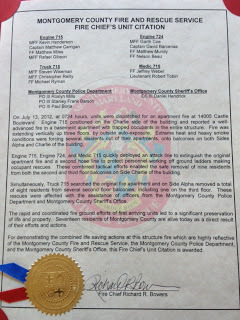
Some shots of the unit award citations issued to firefighters from a July 2012 fire on Castle Boulevard in Burtonsville, MD where 17 civilians were rescued over ladders.
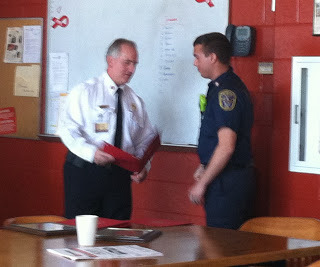
Mike and Chief Richie Bowers
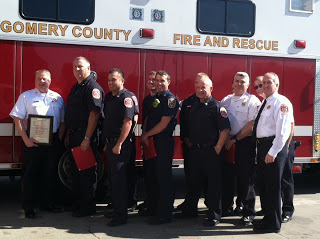
The crew
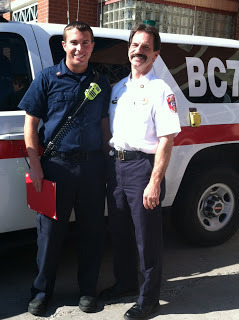
Mike with Battalion Chief Paul McNeel

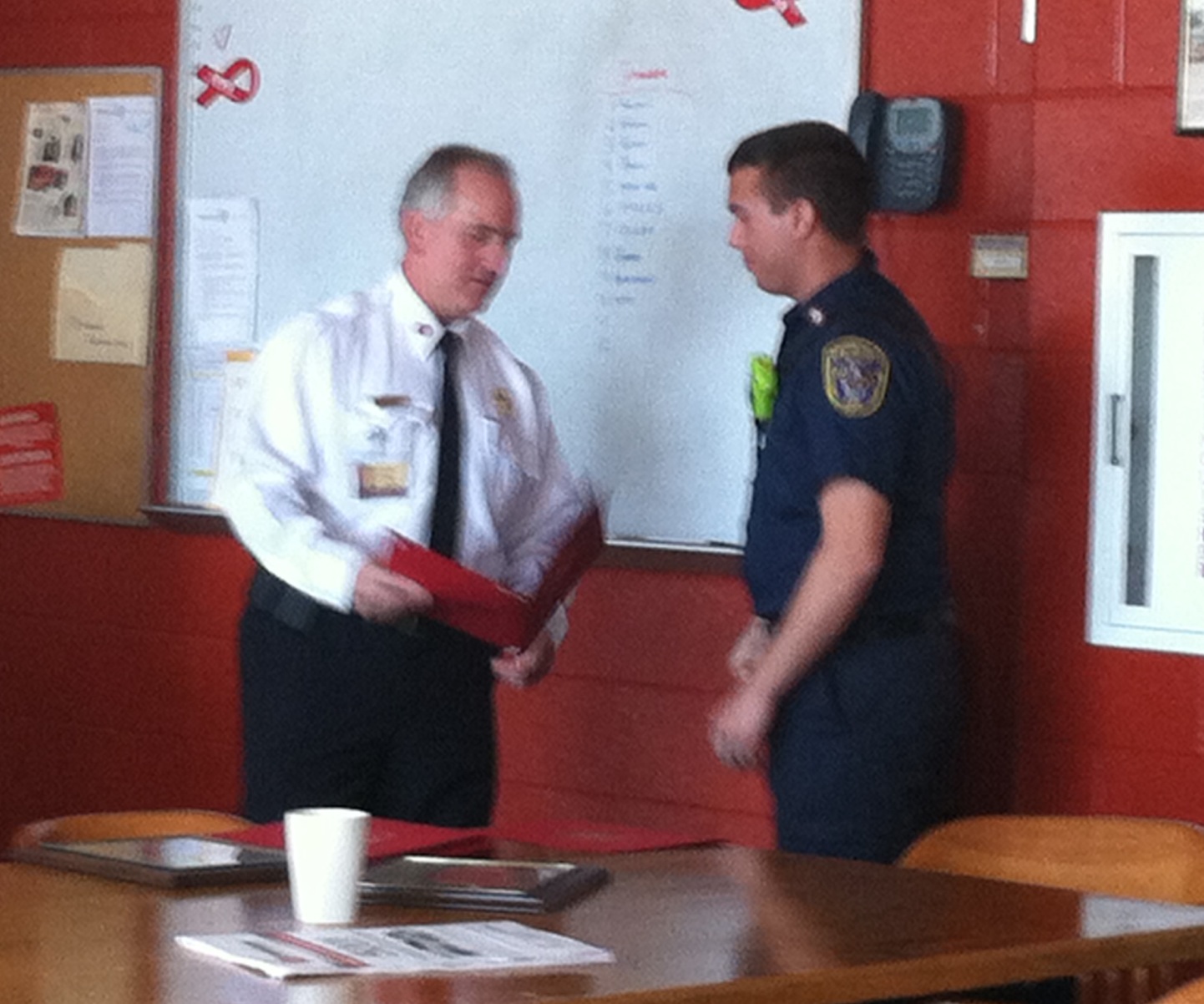
Mike and Chief Richie Bowers
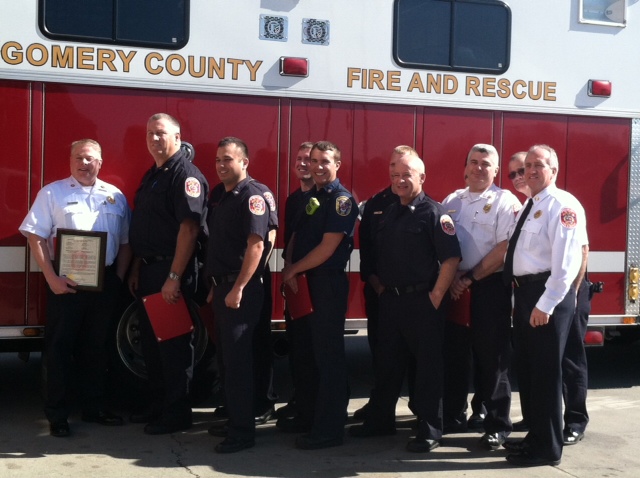
The crew
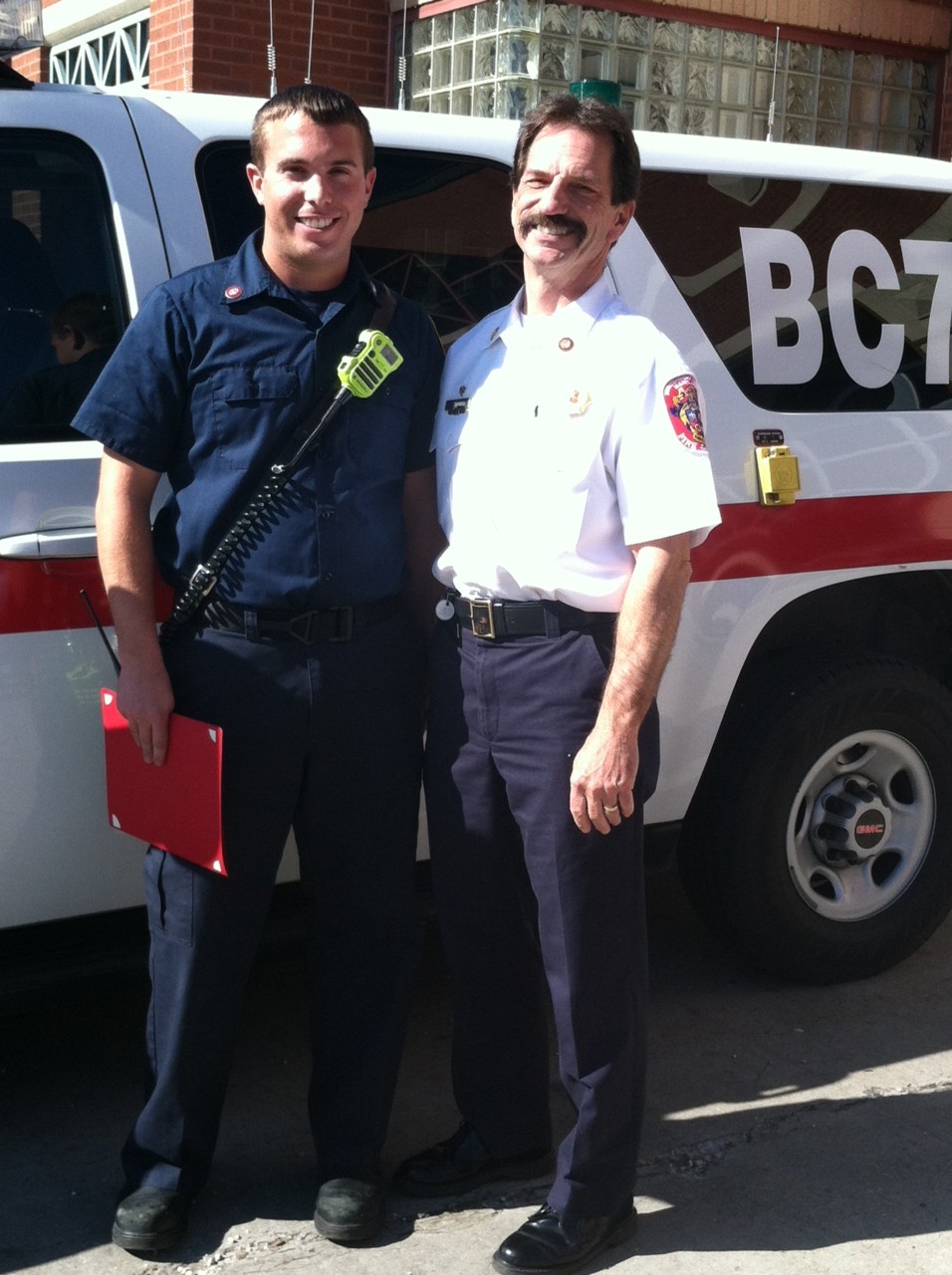
Mike with Battalion Chief Paul McNeel

Gary R. Ryman's Blog
- Gary R. Ryman's profile
- 3 followers
Gary R. Ryman isn't a Goodreads Author
(yet),
but they
do have a blog,
so here are some recent posts imported from
their feed.


