Gary R. Ryman's Blog, page 7
February 15, 2014
Arson: It ain't like it used to be....
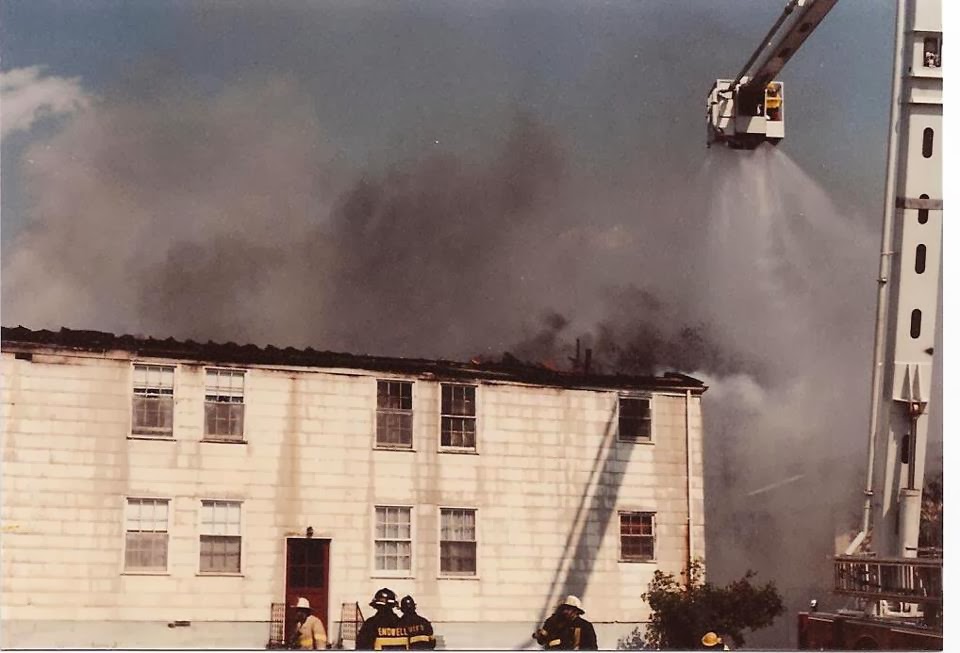
Arson is considered by most, and particularly firefighters, to be a serious crime. Pennsylvania treats it as a first degree felony. Federal sentencing guidelines call for as little as five years in prison. States vary, but things were a bit different in the old days.
Here in my area, just a generation ago, but long enough for the statute of limitations to expire, a local fire chief was reliably rumored to have taken a fire setter back behind the station and administered an “attitude adjustment” to the offender which was probably more painful than what the judge ultimately meted out. If our current crop of politicians believe laws and punishment for arson are stringent today, they are not students of history. The first such law in Pennsylvania was passed in 1700, and stated “Whosover shall be convicted of willfully firing another man’s house, warehouse, outhouse, barn, or stable, shall forfeit his or her own estate to the party suffering, and be imprisoned all their lives in the House of Correction at hard labor to the behoof of the said party suffering.” Apparently life with hard labor wasn’t a sufficient punishment as in 1718, the penalty was increased to death, and in 1767, they took away the condemned’s access to a clergyman before execution. As tough as the old Pennsylvanians were, they had nothing on the Babylonians in the days of Hammurabi, around 2000 BC. “If in a man’s house, a fire has been kindled, and a man who has come to extinguish the fire has lifted up his eyes to the property of the house, and has taken the property of the owner of the house, that man shall be thrown into that fire.” In both Japan and early Edwardian England, the older Babylonian concepts were continued; the penalty for incendiarism being death by fire, a rather poetic form of justice. While societal norms and our jurisprudence have evolved over time, most can probably think of a few incidents where we wouldn’t have minded taking a fire setter on a Marty McFly time travel journey back to meet one the judges from these time periods. So if anyone knows where to find an old DeLorean….

Here in my area, just a generation ago, but long enough for the statute of limitations to expire, a local fire chief was reliably rumored to have taken a fire setter back behind the station and administered an “attitude adjustment” to the offender which was probably more painful than what the judge ultimately meted out. If our current crop of politicians believe laws and punishment for arson are stringent today, they are not students of history. The first such law in Pennsylvania was passed in 1700, and stated “Whosover shall be convicted of willfully firing another man’s house, warehouse, outhouse, barn, or stable, shall forfeit his or her own estate to the party suffering, and be imprisoned all their lives in the House of Correction at hard labor to the behoof of the said party suffering.” Apparently life with hard labor wasn’t a sufficient punishment as in 1718, the penalty was increased to death, and in 1767, they took away the condemned’s access to a clergyman before execution. As tough as the old Pennsylvanians were, they had nothing on the Babylonians in the days of Hammurabi, around 2000 BC. “If in a man’s house, a fire has been kindled, and a man who has come to extinguish the fire has lifted up his eyes to the property of the house, and has taken the property of the owner of the house, that man shall be thrown into that fire.” In both Japan and early Edwardian England, the older Babylonian concepts were continued; the penalty for incendiarism being death by fire, a rather poetic form of justice. While societal norms and our jurisprudence have evolved over time, most can probably think of a few incidents where we wouldn’t have minded taking a fire setter on a Marty McFly time travel journey back to meet one the judges from these time periods. So if anyone knows where to find an old DeLorean….


February 8, 2014
Dispatching Hazards Part 2
Curiosity may or may not have killed the cat, but it definitely can get a dispatcher in a bit of at least tepid water.
Nelson Rockefeller was the long serving Governor of New York when I was young, winning election and reelection handily. Interestingly I never met anyone who actually admitted voting for him, but that is another story.
Late one evening, my ambulance crew was hanging around in the communications center, shooting the breeze with the 3-11 shift dispatcher, conveniently also named Joe. Governor Rockefeller had died months before in late January 1979. News of the, shall we say, circumstances surrounding his passing while in the townhouse of his 25 year old female assistant were in the news. While interesting, this salacious data was not when fascinated us that evening.
“I wonder how many cars that rich old bastard owned?” One or another of us asked. The debate was futile with Rocky having died months before; they were all likely dispersed, sold, or otherwise disposed of. Shows how much we knew of probate law and complex estates. For whatever reason, the argument continued until somebody got a bright idea.
“Hey Joe, why don’t you run Rockefeller and see what comes back?” As young and dumb as the rest of us, he thought about it for a minute.
“Sure, why not.” Joe rolled his chair over to the computer console and typed in the former governor’s name and hit enter. A few seconds later, the printer chattered and we had a list of vehicles as long as your arm. The specifics elude me, but these were not your everyday Chevy or Ford; there were some expensive collector cars on the sheets.
We stood and marveled at the list, amazed at what was still registered to a dead man. Then, as young men are wont to do, we moved on… Joe was also working the next evening on the 3-11 shift. Shortly after his rear end hit the chair, the phone rang—hell that’s what happens in a dispatch center—but this call was different. The party on the other end was calling from Albany and was the supervisor of the state computer system. He was quite interested in why this small municipality had an interest in the state’s former leader.
Joe knew better than to lie, but he didn’t come right out and admit the transgression either. The gentleman from the state knew a line of BS when he heard it.
“Okay, here’s the deal. You can consider this your first and last warning. Don’t do it again. That system is for official use only.” Joe “yessirred” appropriately and the call ended. A fascinating lesson in how curiosity can be a hazardous part of dispatching.
Nelson Rockefeller was the long serving Governor of New York when I was young, winning election and reelection handily. Interestingly I never met anyone who actually admitted voting for him, but that is another story.
Late one evening, my ambulance crew was hanging around in the communications center, shooting the breeze with the 3-11 shift dispatcher, conveniently also named Joe. Governor Rockefeller had died months before in late January 1979. News of the, shall we say, circumstances surrounding his passing while in the townhouse of his 25 year old female assistant were in the news. While interesting, this salacious data was not when fascinated us that evening.
“I wonder how many cars that rich old bastard owned?” One or another of us asked. The debate was futile with Rocky having died months before; they were all likely dispersed, sold, or otherwise disposed of. Shows how much we knew of probate law and complex estates. For whatever reason, the argument continued until somebody got a bright idea.
“Hey Joe, why don’t you run Rockefeller and see what comes back?” As young and dumb as the rest of us, he thought about it for a minute.

“Sure, why not.” Joe rolled his chair over to the computer console and typed in the former governor’s name and hit enter. A few seconds later, the printer chattered and we had a list of vehicles as long as your arm. The specifics elude me, but these were not your everyday Chevy or Ford; there were some expensive collector cars on the sheets.
We stood and marveled at the list, amazed at what was still registered to a dead man. Then, as young men are wont to do, we moved on… Joe was also working the next evening on the 3-11 shift. Shortly after his rear end hit the chair, the phone rang—hell that’s what happens in a dispatch center—but this call was different. The party on the other end was calling from Albany and was the supervisor of the state computer system. He was quite interested in why this small municipality had an interest in the state’s former leader.
Joe knew better than to lie, but he didn’t come right out and admit the transgression either. The gentleman from the state knew a line of BS when he heard it.
“Okay, here’s the deal. You can consider this your first and last warning. Don’t do it again. That system is for official use only.” Joe “yessirred” appropriately and the call ended. A fascinating lesson in how curiosity can be a hazardous part of dispatching.
February 1, 2014
Dispatching Hazards
Smoking in the work place is now mostly just a distant memory for most. Its elimination in some environments had benefits beyond personal health, though.
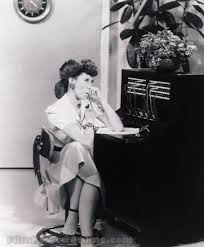
My friend Joey was the 11-7 dispatcher for police fire, and ambulance in a small municipality. These were the days of police call boxes, a real Ruth Buzzi switchboard, and fire alarm boxes reporting on paper tape. Logs and records were all paper as well, and the only computer in the room connected to the state for checking wants, warrants, and driver’s license information. The call volume was such that a single dispatcher per shift was sufficient, so they worked alone. Joey was, at that time, also a chain smoker, a lit cigarette his constant companion.
We talked periodically on the phone—the non-recorded public line, a good thing considering some of the conversations. Occasionally he would have to drop off the line if a fire or significant incident came in. Routine calls, license checks for the cops, and the like he could handle and continue his conversation with me; multi-tasking long before the term was born.
One night was a little different. The subject we were discussing is long forgotten. What happened next is not. Joey’s normally calm voice exploded on the phone.
“Oh my god, I’ve gotta go,” he yelled.
“What’s the matter? What’s coming in?” I anticipated a huge fire or other major incident, not his actual answer.
“I just set all my fucking papers on fire; I’ve gotta go,” and the phone went dead.
It was probably a good thing as my pronounced laughter would not have been well received at the moment. Just another reason smoking can be hazardous to….your health.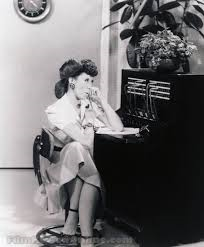

My friend Joey was the 11-7 dispatcher for police fire, and ambulance in a small municipality. These were the days of police call boxes, a real Ruth Buzzi switchboard, and fire alarm boxes reporting on paper tape. Logs and records were all paper as well, and the only computer in the room connected to the state for checking wants, warrants, and driver’s license information. The call volume was such that a single dispatcher per shift was sufficient, so they worked alone. Joey was, at that time, also a chain smoker, a lit cigarette his constant companion.

We talked periodically on the phone—the non-recorded public line, a good thing considering some of the conversations. Occasionally he would have to drop off the line if a fire or significant incident came in. Routine calls, license checks for the cops, and the like he could handle and continue his conversation with me; multi-tasking long before the term was born.
One night was a little different. The subject we were discussing is long forgotten. What happened next is not. Joey’s normally calm voice exploded on the phone.
“Oh my god, I’ve gotta go,” he yelled.
“What’s the matter? What’s coming in?” I anticipated a huge fire or other major incident, not his actual answer.
“I just set all my fucking papers on fire; I’ve gotta go,” and the phone went dead.
It was probably a good thing as my pronounced laughter would not have been well received at the moment. Just another reason smoking can be hazardous to….your health.
January 25, 2014
The Birth of a Legend: The Snorkel
The once common Snorkel long ago became the fire service “Xerox” of articulating platforms. If it bent in the middle, that’s what it was called. One normally thinks of design, particularly of something as complex as aerial fire apparatus, as a long process involving engineering calculations and the development of sophisticated plans. Didn’t happen that way…
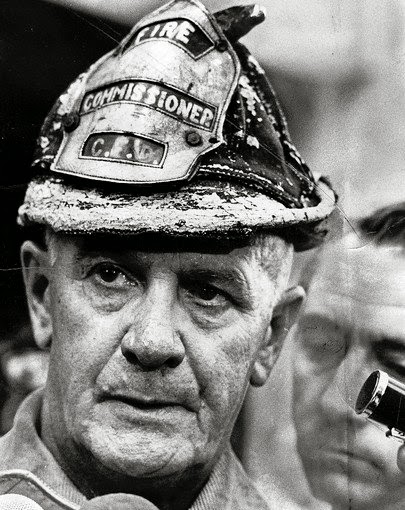
Back in 1958, Chicago Fire Commissioner Robert Quinn borrowed a tree trimming truck with a 50 ft. articulating boom and platform and attached a monitor nozzle to the basket. A three inch hose line was strapped to the booms to feed it, and a new piece of firefighting apparatus was born. Load and stability testing was done on the tree trimmer, and when found to work, the rig was painted red and placed in service. Known in the “Windy City” as “Quinn’s Snorkel,” reputedly because the firefighter’s got so wet in the bucket and thought it resembled the diving device—I don’t see the resemblance myself—the name stuck.
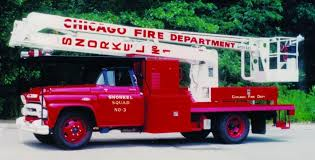
The original tree trimming truck was built by the Missouri based Pitman Manufacturing Company. In 1959, a stockholder by the name of Art Moore acquired the Snorkel product line and established the Snorkel Fire Equipment Company. The first Snorkel was retired in 1968, and subsequently acquired by the Snorkel Company and restored at their St. Joseph, Missouri manufacturing facility. While less common elsewhere, snorkel type apparatus remains in service in Chicago to this day.

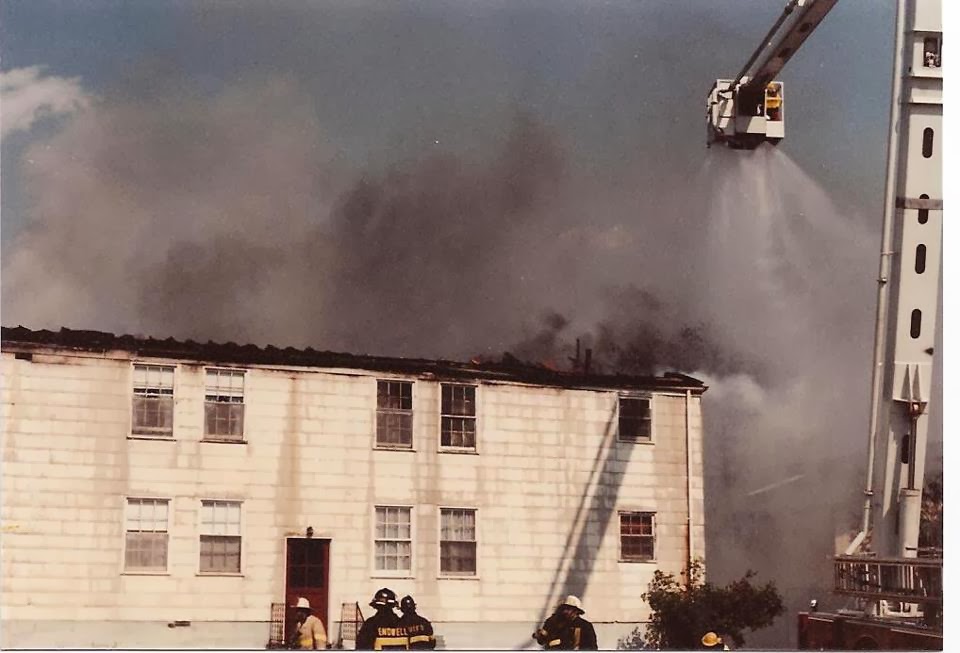 The author "flying" a circa 1970 American LaFrance "Aero-Chief" articulating platform in the early 1980s.
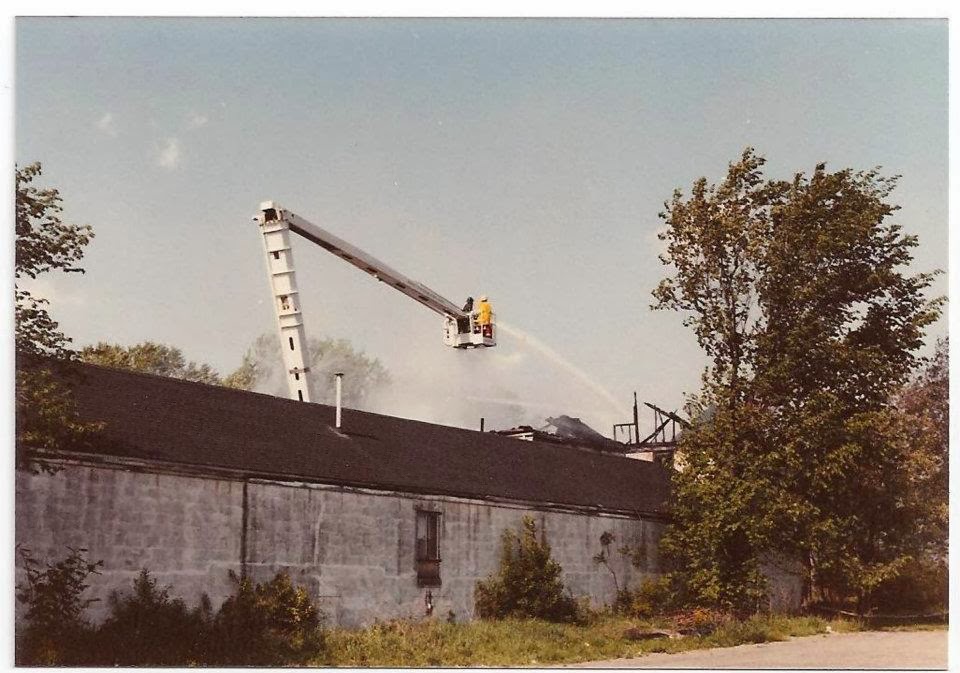 A great look back at the original.
January 18, 2014
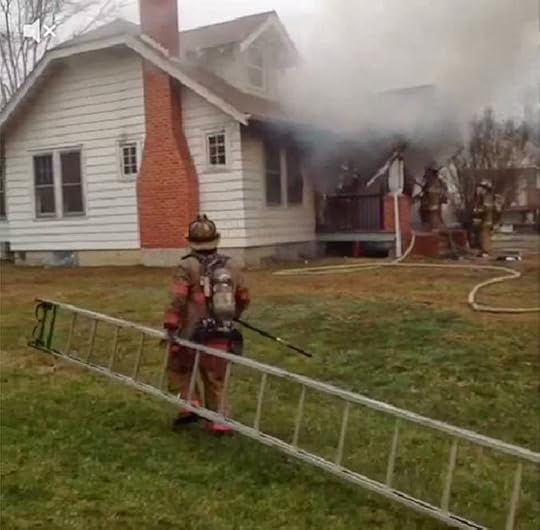
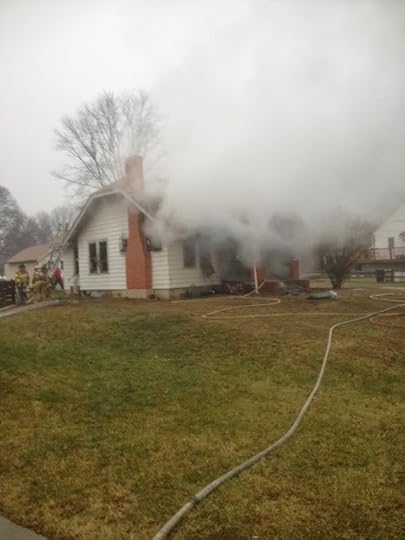
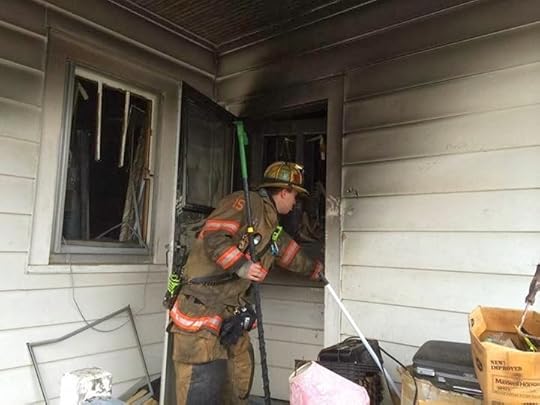
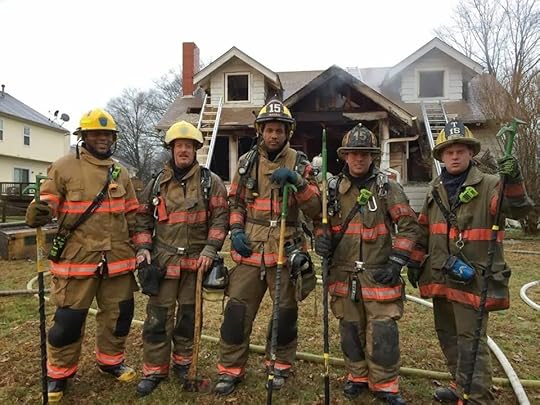
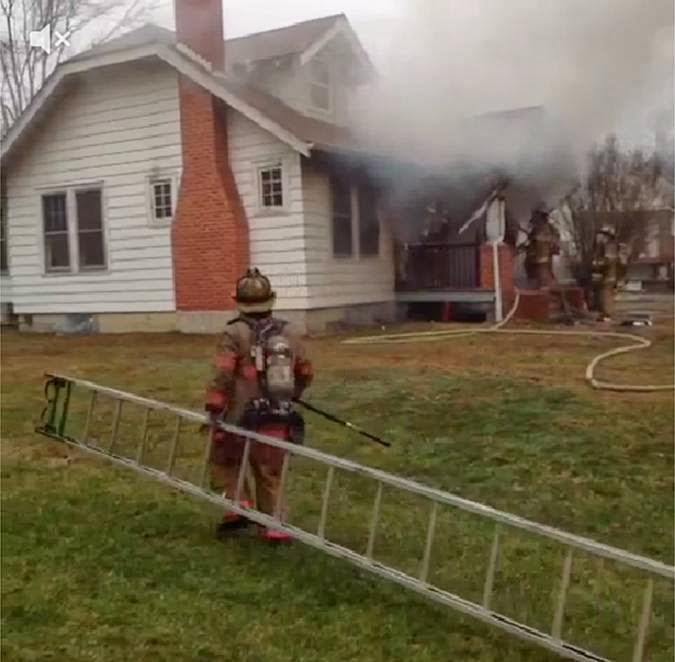
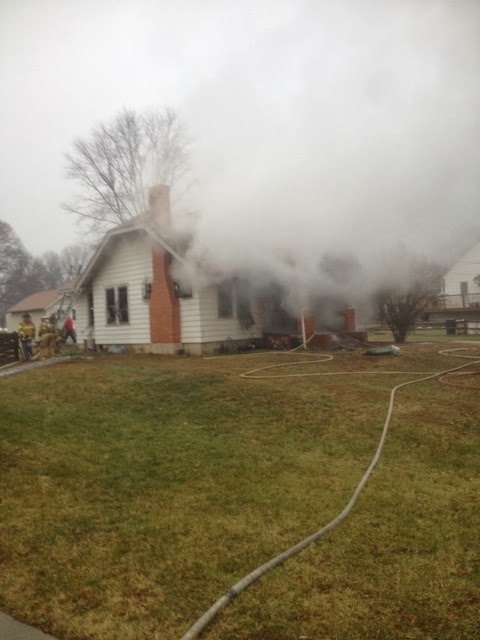
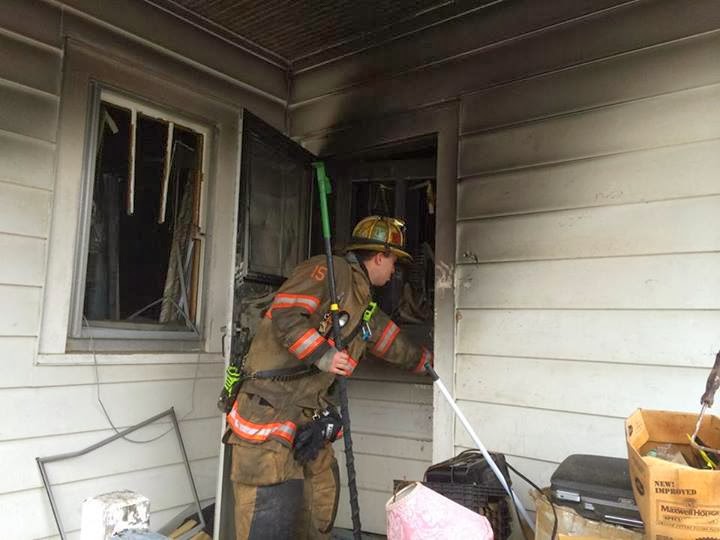
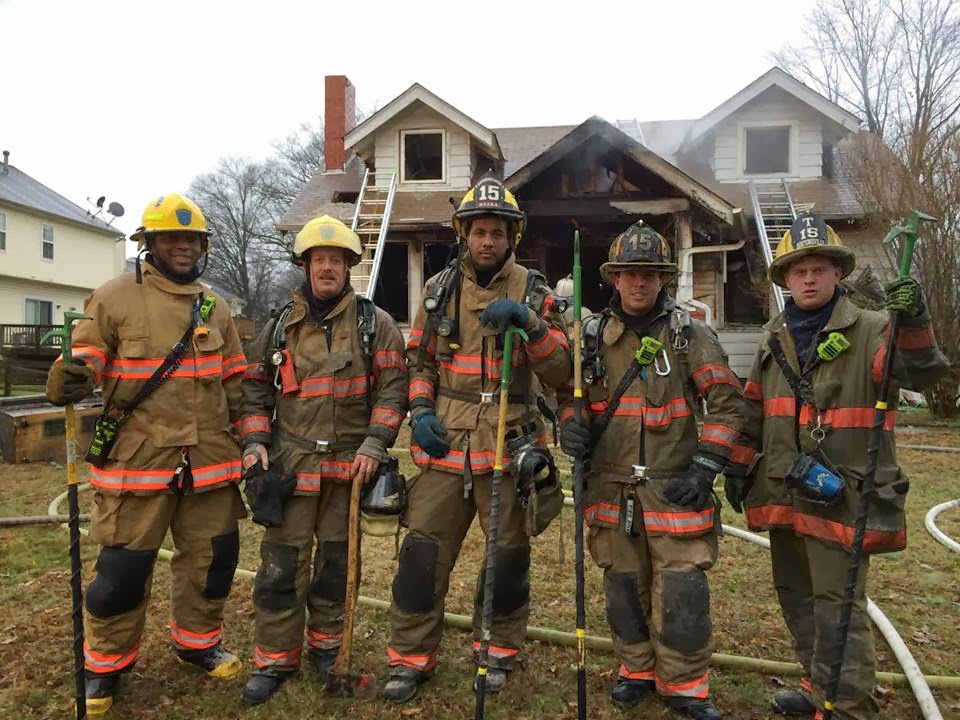
Generation 3 At Work
A few shots of the third generation on a recent house fire.....

December 28, 2013
Fire Companies and the Founders—An Introduction
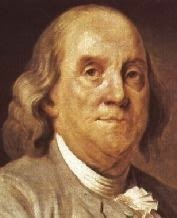
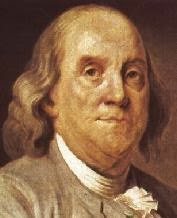
It is difficult for those of us in this era to understand the unbridled fear that a cry of “fire” could rouse in the citizens of Revolutionary times. It was both a friend, necessary for cooking, heating and life itself and at the same time, a destructive force which could lay waste to an entire city in a day if uncontrolled. Benjamin Franklin is commonly considered the “father” of the volunteer fire company, which he organized in Philadelphia, but many of the ideas he used there were drawn from existing companies in his original home town of Boston.
Church bells were the original station siren or pager of the day. Such an alarm did not only bring out the engine men, but the community as a whole with their buckets. Early truck work was aggressive and took the form of sometimes tearing down neighboring homes or buildings with their hooks to contain the fire and limit spread, the trench cut of the 1700s.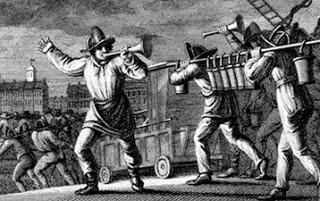
In Boston, Revolutionary leaders such as Sam Adams and John Hancock were firewards (equivalent to a modern day Captain) and helped organize their companies as part of the resistance to the British. Other firewards were participants in and gave aid in Paul Revere’s ride. In some cities, fire companies adopted resolutions stating they would not fight a fire, should one occur, in the hated Tax Stamp office unless other property was endangered. The Sons of Liberty, a Revolutionary era political organization with an anti-British focus drew a significant percentage of its membership from the ranks of the firemen in many cities. That is not to say that firemen universally supported the Revolution any more than all firefighters today subscribe to a particular ideology. Firemen then supervised actual political fires including effigy burnings and those of Tax Stamps. Historians argue that fire companies provided a model and much manpower for Revolutionary ideals and organizations. Many fought as part of the Continental Army and cities had difficulty maintaining their companies and engines. As the towns and cities sprung up, so did the need for fire companies.
Franklin wrote about the reasons men volunteered in their communities. They did it “not for the sake of reward money or fame. There is no provision of either made for them. But they have a reward in themselves, and they love one another.” Altruistic reasons aside, some things haven’t changed as the fire companies of the Revolutionary era enjoyed “a vibrant social life.”
While it may seem simplistic, the development of American cities with the density of housing and other buildings as well as vertical expansion with taller buildings simply could not have happened without fire departments. Today, fire departments are viewed by many as simply another public agency for which municipal budgets and taxes struggle to support. In the era of the Revolution, they were truly part of the foundation without which the country could not have survived.

Church bells were the original station siren or pager of the day. Such an alarm did not only bring out the engine men, but the community as a whole with their buckets. Early truck work was aggressive and took the form of sometimes tearing down neighboring homes or buildings with their hooks to contain the fire and limit spread, the trench cut of the 1700s.
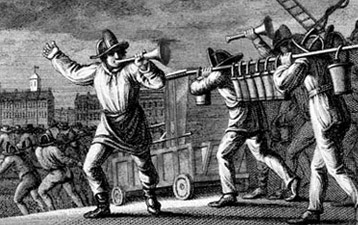
In Boston, Revolutionary leaders such as Sam Adams and John Hancock were firewards (equivalent to a modern day Captain) and helped organize their companies as part of the resistance to the British. Other firewards were participants in and gave aid in Paul Revere’s ride. In some cities, fire companies adopted resolutions stating they would not fight a fire, should one occur, in the hated Tax Stamp office unless other property was endangered. The Sons of Liberty, a Revolutionary era political organization with an anti-British focus drew a significant percentage of its membership from the ranks of the firemen in many cities. That is not to say that firemen universally supported the Revolution any more than all firefighters today subscribe to a particular ideology. Firemen then supervised actual political fires including effigy burnings and those of Tax Stamps. Historians argue that fire companies provided a model and much manpower for Revolutionary ideals and organizations. Many fought as part of the Continental Army and cities had difficulty maintaining their companies and engines. As the towns and cities sprung up, so did the need for fire companies.
Franklin wrote about the reasons men volunteered in their communities. They did it “not for the sake of reward money or fame. There is no provision of either made for them. But they have a reward in themselves, and they love one another.” Altruistic reasons aside, some things haven’t changed as the fire companies of the Revolutionary era enjoyed “a vibrant social life.”
While it may seem simplistic, the development of American cities with the density of housing and other buildings as well as vertical expansion with taller buildings simply could not have happened without fire departments. Today, fire departments are viewed by many as simply another public agency for which municipal budgets and taxes struggle to support. In the era of the Revolution, they were truly part of the foundation without which the country could not have survived.
December 26, 2013
A Throwback Thursday Video
The pallet plant fire.
Chapter 16 in Fire Men: Stories From Three Generations of a Firefighting Family
Pallet plant fire
Chapter 16 in Fire Men: Stories From Three Generations of a Firefighting Family
Pallet plant fire
December 21, 2013
From the Archives.....
It was the Friday night before Christmas, a crisp starlit evening. We were cruising the township roadways with Santa Claus on the rescue. It was an annual event, much enjoyed by many of the smaller members of the community and, truth be told, by many of the bigger ones as well.
The lights were flashing, the siren screaming, the air horn blasting and regular sounds of “Ho Ho Ho” were echoing in the night air from behind me. I rode the officer’s seat in the cab, just enjoying the atmosphere and the smiling children we encountered on our slow tour. My fun was broken by a radio call.
“Comm Center to Chief 36,” the radio query came. After I responded, the dispatcher asked, “You wouldn’t happen to be out with Santa Claus by chance, would you, Chief?”
“Affirmative,” I answered.
“Can you call in by phone?” the dispatcher asked.
I didn’t have a good feeling as I reached for the cell phone mounted on the dash. Was some scrooge upset by the siren noise, I wondered. When I got the dispatcher on the line, it was nothing like that.
“Hey, Chief, we just had a call from a grandma on Greenfield Road. She was upset ‘cause she had been out when you went by and her grandchildren just missed Santa.”
"Please tell me she didn’t call in on 911?” I asked the dispatcher, almost dreading his response. The 911 emergency line is certainly not the proper method to obtain a visit by Santa Claus.
“Oh yeah, she did,” he said with a laugh.
“Sorry about that, we’ll take another run down that road.” We have to take care of a grandma like that, I thought to myself.
“Thanks, Chief, and Merry Christmas,” the dispatcher answered, as we both disconnected the line.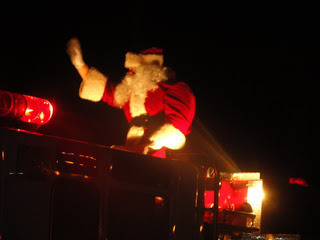

The lights were flashing, the siren screaming, the air horn blasting and regular sounds of “Ho Ho Ho” were echoing in the night air from behind me. I rode the officer’s seat in the cab, just enjoying the atmosphere and the smiling children we encountered on our slow tour. My fun was broken by a radio call.
“Comm Center to Chief 36,” the radio query came. After I responded, the dispatcher asked, “You wouldn’t happen to be out with Santa Claus by chance, would you, Chief?”
“Affirmative,” I answered.
“Can you call in by phone?” the dispatcher asked.
I didn’t have a good feeling as I reached for the cell phone mounted on the dash. Was some scrooge upset by the siren noise, I wondered. When I got the dispatcher on the line, it was nothing like that.
“Hey, Chief, we just had a call from a grandma on Greenfield Road. She was upset ‘cause she had been out when you went by and her grandchildren just missed Santa.”
"Please tell me she didn’t call in on 911?” I asked the dispatcher, almost dreading his response. The 911 emergency line is certainly not the proper method to obtain a visit by Santa Claus.
“Oh yeah, she did,” he said with a laugh.
“Sorry about that, we’ll take another run down that road.” We have to take care of a grandma like that, I thought to myself.
“Thanks, Chief, and Merry Christmas,” the dispatcher answered, as we both disconnected the line.

December 7, 2013
A New Way of Training: Changing How We Think
Just about two weeks ago, I had the great opportunity to discuss fire service training on the Fire Engineering radio show hosted by Chief Dennis Rubin along with Chiefs P.J. Norwood, Jonathan Riffe, and Lieutenant Frank Ricci. The questions and discussions were thought provoking. For myself, I tried to concentrate my comments beyond the day to day tactical training areas which, while critically important, were covered exceptionally well by my fellow participants. Instead, I tried to focus on an area I see as under discussed—advanced education.
It’s not sexy and certainly not as “fun” as live fire evolutions, firefighter survival, or even the bread and butter practice of advancing lines or throwing ladders. What it is, though, is critical for the “business” of the fire service.
The importance of lifelong learning cannot be over emphasized. The next generation of fire service leaders will be confronted with a spectrum of problems only some of which we can imagine. Others will reveal themselves over time. Managing the “all hazards” response agency that fire departments have become in a continuing era of increasing demands and highly pressured financial resources will need a new problem solving paradigm. This won’t come about by simply repeating what we’ve done in the past, as good as it may have been. It will require a new generation of strategic multi-dimensional thinkers. The military has understood this for decades, sending officers for advanced degrees in a multitude of disciplines at “civilian” universities.
I’ve argued before, college level classes, particularly in the humanities, won’t teach you to handle a nozzle better, but if you let them, they will teach you to think, to examine and solve problems differently. Problem solving, with the challenges of the future, will be a skill of paramount importance.
A thought process which looks at problems from a historical perspective, from one of engineering and mathematics, business and statistics, and puts all these pieces together, will help bring new and innovative solutions to the forefront. The catch phrase “thinking outside the box” is easy to say, but much harder to do. Non fire related classes teach some of these alternative problem solving methods, how to look at issues from other directions and perspectives—essentially a new and different way to think.
The next generation of leaders will need not only to be great firefighters and command officers; they will need to be outstanding writers, politicians, accountants, business managers, and strategic planners.
It’s not sexy and certainly not as “fun” as live fire evolutions, firefighter survival, or even the bread and butter practice of advancing lines or throwing ladders. What it is, though, is critical for the “business” of the fire service.
The importance of lifelong learning cannot be over emphasized. The next generation of fire service leaders will be confronted with a spectrum of problems only some of which we can imagine. Others will reveal themselves over time. Managing the “all hazards” response agency that fire departments have become in a continuing era of increasing demands and highly pressured financial resources will need a new problem solving paradigm. This won’t come about by simply repeating what we’ve done in the past, as good as it may have been. It will require a new generation of strategic multi-dimensional thinkers. The military has understood this for decades, sending officers for advanced degrees in a multitude of disciplines at “civilian” universities.
I’ve argued before, college level classes, particularly in the humanities, won’t teach you to handle a nozzle better, but if you let them, they will teach you to think, to examine and solve problems differently. Problem solving, with the challenges of the future, will be a skill of paramount importance.
A thought process which looks at problems from a historical perspective, from one of engineering and mathematics, business and statistics, and puts all these pieces together, will help bring new and innovative solutions to the forefront. The catch phrase “thinking outside the box” is easy to say, but much harder to do. Non fire related classes teach some of these alternative problem solving methods, how to look at issues from other directions and perspectives—essentially a new and different way to think.
The next generation of leaders will need not only to be great firefighters and command officers; they will need to be outstanding writers, politicians, accountants, business managers, and strategic planners.
November 22, 2013
Russell

Chief Russ Gow
An old friend passed away this week, doing what he loved most, running a pump. While I never understood why, the story of how we met originally was one of his favorites, one which I heard him tell innumerable people. So, here it is again….from the archives.
Far from every funny or tragic incident from fifty years of three generations can make it into a single volume, the amount of material between the covers limited by practical considerations. This means that many interesting stories—told in fire houses for years—could not be included.
One which has been repeated hundreds of times involves the first time I met my friend Russell. We were both assistant chiefs—he located two departments to the west. One day, a car wreck in Fleetville brought the rescues from both departments as well as the two of us. Crews from both departments went to work removing the roof and popping doors; the usual tasks, but the kid driving was still pinned. The crushing impact had brought parts of the dash and fire wall down onto his feet and lower legs.
Looking at it, Russell determined we could get a tool in next to his legs, but it would take four hands to properly position the tip and move the boy’s feet once the operator began to spread the jaws of the heavy equipment. Space in which to accomplish all this was at a premium. There appeared to be access for only one person, which left us one set of hands short, but never lacking ideas Russ proposed a solution to me, someone he had never met.
Russ, the larger of the two of us, laid down, his head toward the spot where the tip of the jaws had to be placed. I lay on top of him, oriented in the same direction, and held the victim’s legs, prepared to move them as soon as they were free. With Russell guiding the spreader tips, they slowly opened and I could move the boy’s feet, allowing additional firefighters above us to slide him onto a back board and remove from the car.
Being on top, I crawled out first, followed by my partner from below. He stuck his gloved hand out.
“Russ,” he said as I shook it.
“Gary,” I responded. We’ve been friends ever since.
I’ll miss him.

Gary R. Ryman's Blog

- Gary R. Ryman's profile
- 3 followers
Gary R. Ryman isn't a Goodreads Author
(yet),
but they
do have a blog,
so here are some recent posts imported from
their feed.