Amy Julia Becker's Blog, page 4
September 24, 2025
Parenting Kids with Disabilities: The Power of Delight
TAKE THE NEXT STEP PODCAST
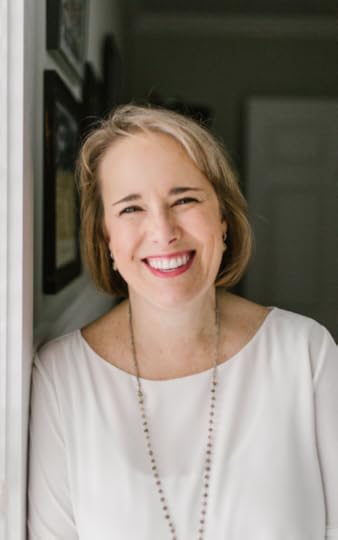
 Parenting Kids with Disabilities: The Power of Delight with Sissy Goff
 What if delight is one of the greatest gifts you can give your child? In this episode, Amy Julia Becker talks with therapist and author Sissy Goff, LPC-MHSP, about how parents—especially those raising children with disabilities—can bring delight into everyday family life. Together, they explore:
What gets in the way of delighting in our childrenHow to shift focus from deficits to strengthsWhy a parent’s own sense of being delightful mattersHow honesty about both joy and sorrow helps children build resilienceSimple, practical ways to start delighting in your kids today Episode 2Listen on your favorite platform:
Apple YouTube Spotify More!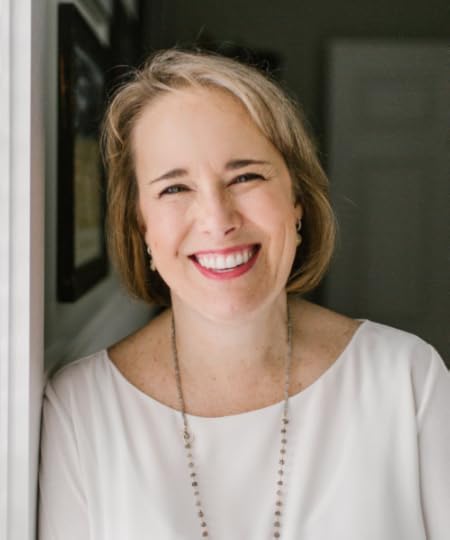 Sissy Goff, LPC-MHSP
 Sissy Goff, M. Ed., LPC-MHSP, is the Executive Director of Daystar Counseling Ministries in Nashville, Tennessee, where she works alongside her puppy counseling assistant-in-training, Patches the Havanese. Since 1993, she has been helping girls and their parents find confidence in who they are and hope in who God is making them to be. Sissy is a sought-after speaker for parenting events across the country and is a frequent guest on media outlets including NBC News, CNN, Good Morning America, Inside Edition, and Christianity Today. She is the bestselling author of 14 books including her first full-color children’s book, Lucy Learns to be Brave: A Lesson in Courage. She is the co-host of the 11 million+ downloaded podcast, Raising Boys and Girls. A transplanted Razorback who lives in Nashville, you can follow Sissy on Instagram @raisingboysandgirls and @sissygoff and at www.raisingboysandgirls.com.
MENTIONED IN THIS EPISODE Raising Girls by Melissa Trevathan and Sissy GoffHope Heals CampAmy Julia’s Reimagining Family Life with Disability workshop_
WATCH this conversation on YouTube: Amy Julia Becker on YouTube
SUBSCRIBE to Amy Julia’s Substack: amyjuliabecker.substack.com
JOIN the conversation on Instagram: @amyjuliabecker
LISTEN to more episodes: amyjuliabecker.com/shows/
TRANSCRIPTNote: This transcript is autogenerated and does contain errors. Please check the corresponding audio before quoting in print.
Amy Julia (00:07)
I’m Amy Julia Becker and this is Take the Next Step, a podcast for families experiencing disability. We have teamed up with our friends at Hope Heals to bring you weekly conversations with fellow parents, therapists, and disability advocates about practical ways to cultivate a thriving future for the whole family. Here at Take the Next Step, we see your family as a gift to our society and to your local community. Your family matters, your child matters.
We need you among us. Today I’m talking with Sissy Goff about what it actually looks like to delight in our children. Sissy is the executive director of Daystar Counseling Ministries in Nashville, Tennessee. And since 1993, she has been helping girls and their parents find confidence in who they are and hope in who God is making them to be. So we are excited to talk to her today and ask questions like, how do we express our delight in our children?
What gets in the way of delight? How do we make space for hardship and loss? Sissy brings so much wisdom and practical steps for all of us parents to consider and think about how we can express delight in our kids every day. Sissy is a frequent guest on media outlets, including NBC News, CNN, Good Morning America, Inside Edition, Christianity Today, and Here She Is on Take the Next Step.
She’s also a bestselling author of 14 books, co-host of the 11 million plus downloaded podcast, Raising Boys and Girls. So we are thrilled that she is here to share some wisdom with us. Before I get to that interview, one last note, we are collecting questions for an upcoming question and response episode, and we would love to hear from you. Go to the show notes, click the link, record your question, and we will answer as many as we can.
I am thrilled to be here today with Sissy Goff. Sissy, thank you so much for just taking the time to talk with me. I know you are talking to parents and children and families all the time who are coming out of all sorts of situations, but I’m excited to have you here today to just offer some guidance for families who have been affected by disability in all sorts of different ways. So thank you for being here.
Sissy (02:25)
I’m so honored. You know I’d do anything that you ask me to do. I’m happy to be on your team for anything I can be. So really excited you’re doing this in this space. I think it’s an amazing work.
Amy Julia (02:34)
Well, thank you. Well, as we were chatting ahead of time and I was mentioning to you this project that we’re working on called Reimagining Family Life with Disability and that there are really kind of three pillars to that. Start with delight, connect to community, take the next step towards a good future. I’m sure you could give us ⁓ plenty of wisdom on all three of those, but I really wanted to hone in on the idea of delight because a couple of years ago I read a book and it was ⁓ written by a couple who are both therapists and they said, you know,
Something that children cannot ever have too much of is delight. Like you can have too strong boundaries. You can have too much ⁓ unstructured freedom from your parents, but you can’t have too much delight. So I wanted to ask you if you could just speak to the idea, like what is delight and why does it matter so much?
Sissy (03:21)
Love that you’re using that word in this. And we haven’t even talked about this, but one of my first books, I don’t know how many years ago, was called Raising Girls. And I have a whole chapter on delight. Isn’t that fun?
Amy Julia (03:32)
that’s all.
Which I read at some point.
Sissy (03:36)
Well, it doesn’t matter about that, but I just love that word when I think about kids, because I think one of the things I talk about is when we delight in kids, they believe they’re delightful. And I think the concept of delight feels really simple to me because I think it’s just engaging in a moment that we slow down. And I would say engaging from a place of enjoyment that calls out who they are.
Amy Julia (04:06)
Hmm.
Sissy (04:07)
So getting on the floor and playing with them, mean, whatever it is we’re doing, I don’t think it matters what we do. I think it’s more our posture of putting away our devices, looking them eyeball to eyeball, not having an agenda, which I know you’re an integrated one with me, and we can get so agenda driven. And I think especially in this world where there’s so much that’s tugging on us for our time.
just to have those significant moments. And it can be moments where we’re looking at them and we’re smiling and we’re engaged in a way that they truly feel like we delight in them, that we like who they are.
Amy Julia (04:45)
Can you give an example of just how we might express delight in our children? You’ve said a little bit of this, put away devices, get down on the floor, smile. Those are all very practical. But I’m thinking about, ⁓ yeah, do you have any other examples or stories that might just give us a picture of delight?
Sissy (05:04)
This
is such a silly story, but the first thing that came to my mind, a long time ago, I thought it would be really interesting to talk to kids of all ages about if they felt liked by their parents. Yeah. And so I asked all these different kids and a lot of younger ones said, yes, you can maybe imagine what happens. A lot of adolescents said no. And there was one who said, I feel like my mom really likes me. And I said, tell me when have you felt that lately? And she said,
We were standing in the grocery store, a distance from each other on the same aisle. And we were both looking at something. And she said, some song came on that my mom and I both love. And I looked over and she started dancing and I was kind of dancing and we started dancing towards each other in the grocery store. Ow. Again, so silly. If you plan to do that with an adolescent, they would say no way and run. But it was this spontaneous, again, sweet moment of enjoyment that
is intentional, but it’s not planned intentional. It’s spontaneously intentional in that I’m going to look for places and ways I can connect and remind them that I enjoy them, that I like who they are in the world.
Amy Julia (06:16)
I love that and I love that story and especially that we’ve actually inadvertently talked about little ones as well as adolescents because that need, I mean, as a 48 year old, I need to know that people delight. Yes.
So what gets in the way of it? What gets in, especially for parents, like what prevents us from either experiencing or expressing delight in our kids?
Sissy (06:41)
I think I would answer and say two primary things. One is agenda. And that can be schedules, that can be what we think needs to be happening for that child in particular, the milestones they need to be reaching, all the things that we’re worried about that we’re not moving towards. I would say ⁓ agenda and anxiety. one of the things I read in some research was that anxiety in kids is often linked to a lack of parental warmth.
Amy Julia (07:10)
Hmm.
Sissy (07:11)
Which that’s not to say if you have an anxious child, it’s because you’re not a warm parent. But I think when we’re anxious, we lose that sense of warmth. And when we’re there, we cannot delight because anxiety is in the past and the future, not in the present moment. And so we have to be present to delight in anyone. And so I think we’ve got to have some ways that we’re doing our own self care to deal with our own worry and anxiety so that we can be fully present in delight in kids.
Amy Julia (07:40)
I love that and I am so struck as the parent of a child with a disability by both those words, agenda and anxiety. Because I certainly, especially when my daughter Penny was young, she’s almost 20 years old now, so some of this has abated. But when she was young, I felt like it wasn’t just that I had an agenda, but actually that I was being told I better have an agenda for her so she won’t be even more quote unquote behind. So she won’t be.
quote unquote, not achieving milestones, right? So was like an agenda that made me also all the more anxious because that was not what was happening. Like she was not developing in the way that I was ⁓ being told she should. And I know so many parents end up with this ⁓ implicit or explicit message that they’re supposed to focus on the ways their child is not achieving, on the deficit. ⁓ And when we, well, I’m curious, actually, if you could speak to a minute, if we are focused on our children’s deficits,
⁓ How does that actually affect the ability to delight?
Sissy (08:45)
⁓ I love even that you asked that question and that that is so easy to do. And there’s that psychological term of confirmation bias that we find what we’re looking for. And I think when we are focused on those deficits, sometimes the deficits are all we see rather than focusing on strengths. And so I think I would encourage any parents who are listening to be doing your own work, not just with anxiety, but with journaling.
and taking some moments to reflect as, of course, there are professionals that are pointing you towards how they need to be moving forward. So how can I think about that and the deficits? But also, I want to take some time each week to think of three places they’ve grown, three strengths I’m seeing in them right now. And I want to pay more attention to those than I am the deficits, because I think it does. It just shifts our focus and impacts our relationship with them.
really significantly. And I would counter and say as a therapist, I think there is so much of delight and relationship and connection to use two of your words that I think really helps kids move forward in their development in all ways.
Amy Julia (09:57)
Yeah. Well, and that’s where I also, one of the things that we were ⁓ taught early on actually at a conference was this idea of responsive parenting within the disability space of actually exactly what you just said, pay attention to your child’s, he called them strengths and I think that’s a good way to say it, or just the places where they find delight because that’s actually where they both want to be and you as a parent will enjoy being with them.
And that will begin a cycle of mutually reinforcing delight, which actually is positive for both of you. And guess what? Those things that are being called deficits will actually come along. For us, it was reading with Penny. She’s just always loved books. so, know, flipping the pages of a book is a fine motor skill, but we paying attention to fine motor skills or to deficits.
we were just paying attention to something she enjoyed and we enjoyed together, which was reading this book and the same, you you’re doing speech therapy when you’re talking ⁓ to each other and trying to memorize. How much that I wasn’t thinking about any of that until later on. And so I do think, and I have friends who their kids never wanted to read books. They wanted to run around and it’s like, okay, yes, pay attention to what your kid actually wants to be doing to take delight in that. And then to.
Sissy (10:59)
and social skills development.
Amy Julia (11:17)
allow to kind of trust, I guess that the way they are developing will actually ⁓ be all the more delightful for you and for them and still happen when you’re paying attention to who they kind of already are and who they’re.
Sissy (11:31)
Yes, yes, your relationship will be richer, all the things. Yeah, love.
Amy Julia (11:36)
Yeah, it seems to me that sometimes I think of I’m either going to like kind of lazily delight in my child or I’m going to be a like more responsible parent who makes sure I’m paying attention to all the ways they are not doing what they’re supposed to be doing. Which when I say it out loud, it sounds terrible. you know, even with my typical kids, I’m aware of like, oh, you didn’t do your math today. And it’s coming out of a place of wanting what is good for them. And yet I think it often
what I’m expressing to them is you’re not good enough.
Sissy (12:09)
Right, exactly, when we’re paying more attention to that. Yeah, I think it could even be great to ask yourself once a day, when’s the time I’ve delighted in them? I mean, that that just starts to be something, kind of a script in your head of thinking about over and over.
Amy Julia (12:25)
I wonder how much it also has to do with us. How much does our own understanding of being delightful ⁓ lead us to know how to delight in our children?
Sissy (12:37)
⁓
that’s such a good question. I think really significantly, because I think when we don’t feel a sense of delight in our own lives, I just think we’re locked down in that we’re doing the next thing. And there’s not that sense of joy, the warmth, the connection, communicating what that looks like. And so I think it’s going to spill over into the kids that we love without us ever intending for it to.
Amy Julia (13:04)
Is there anything that parents can do to, ⁓ I guess, have our own identity that is ⁓ connected to a sense of delight?
Sissy (13:16)
I mean, I would probably go back to the ideas of self care and I met with a couple who they have ⁓ five girls, one of whom is on the spectrum and, and we were talking about just all of their kids and they said, we’re, feel like we’re going under. We’re just really struggling. And I said, I want you to go for a walk once a day.
for 10 minutes. I don’t care how long it is. I don’t care if you have to hire a babysitter to come be at your house for those 10 minutes, but you’re going to have more to give out of that experience of taking time away for a few moments rather than being there all the time and being frustrated, which I think is what you’re doing. You’re living out of a place of ⁓ deficit rather than your own deficit, rather than an overflow of what you’re receiving. That idea of when we don’t have any margin.
We just don’t have much to give.
Amy Julia (14:14)
I read a book, the name of which is Escaping Me, and it was like a productivity book or something, but at the end of it, he was talking about how in his family, four kids, one of them was experiencing like a ⁓ really unexpected seizures and medical situation that they did not have the answers for. And he said, know, the instinct as a parent is to double down on research.
and to stay up all night making sure that we have every expert involved and just to go for it as far as information and expertise. And he said that was exactly the wrong thing for us to do. What we needed to do is say, we’re going to get some experts involved. We don’t know the answers. The best thing we can do is enjoy our family, take care of ourselves. We don’t know when this road is ending.
Like this may be forever, this may be a limited period of time, but we don’t know. So get some sleep, get some, you know, and obviously it is so hard when you’re in the midst of some of those really scary, hard situations to be like, ⁓ let’s enjoy. Let’s do that instead. Let’s take a walk. Let’s play the piano. Let’s, you know, ⁓ and yet I also am so struck with by what you are saying and by what you said, just that, you know, that is a way for us
to even communicate to our children instead of crisis and fear to communicate a sense of we don’t know all the answers, but right here, I am here, you are here, and I love you, and I delight in who you are.
Sissy (15:48)
Here we go. And I mean, emotionally, when we’re thinking about that for kids, they take their cues from us. And so if we are in the midst of the swirl with them, then they’re going to think, ⁓ things really are bad. This is really hard and scary. Rather than if I’m centered and OK, even if you feel fearful, they’re going to look to me and say, I’m OK because my mom’s OK.
Amy Julia (16:11)
Well, so the other thing I’m thinking about here, we’ve been talking about delight, is that in any family, and this is often particularly true if you’re in a family experiencing disability, there is still hardship, there is still pain, there is still, you know, just all the normal human experiences of anger and fear and frustration with your kids and with yourself and all those things. And I don’t want this to be a message of toxic positivity or of pull yourself up by your bootstraps and just paste a smile on your face.
And so I’m curious, like what place there is for hardship and loss in the midst of delighting in our children. What place is there for expressing that things are not going the way you want them to, whether that’s, you know, maybe expressing them with your child, it may not. ⁓ But it seems to me that we need to make space for the reality of hardship and loss while also communicating how much we delight in our children. And I’m curious if you have any advice for how to go about that.
Sissy (17:12)
Being honest, I mean, that feels like the crux of it to me. And I would say we are living in a world, you’re right, that it is either toxic positivity or ⁓ we don’t know how to access delight in the midst of sorrow. And to live in both places and ⁓ there is a, you probably have read the book, The Prophet a long time ago. I don’t know.
I don’t know much about the author, but he said something that has stayed with me so significantly over the years of being a therapist, that the deeper that sorrow carves into our being, the more joy we can contain, which I think is just beautiful. And I think when we are living in our reality, whatever our reality looks like as a family, when we are speaking to the truth of
that things are hard and there are seasons that will be harder than others. And we’re allowing that sorrow to carve out space for joy. I would say we can laugh harder and enjoy each other deeper than if we weren’t being honest. And that doesn’t mean, I do think as a parent, it’s really important to be honest and to allow your kids to see you struggle, to allow your kids to see you even grieve in different spaces.
but not to process with them, if that makes sense. That we’re modeling healthy coping, but they’re not feeling the weight of that. Because I think in any given situation, kids can rise up and feel like they need to take care of their parents, especially maybe an oldest girl, we could say. And so I think to be aware of carrying both, I think what an immense gift.
for kids to experience that prepares them for life. Whereas the kids that are living and believing the highlight reel are not well prepared at all for what’s coming for all of us. I mean, we know in this world we’re gonna have trouble. And I think when you’re a family living with disability, you are walking through that in a way that some kids aren’t aware of until a little bit later.
And I would say the families that I’ve worked with who live with disability, I think those kids are so much more resilient because they know how to live in both spaces. And so I think both are equally important.
Amy Julia (19:44)
Yeah, one of the things, as you know, our family has gone to Hope Hills camp as a family. And one of the things that ⁓ comes up every day at Hope Hills at the end of the day is the question for all the volunteers who are there, ⁓ what was good in your day and what was hard. And those are very simple words, but we’ve actually brought them back with us as a family and just been asking those questions. What was good, what was hard, which gives, I think all of us permission to have.
hard things and to express them and to assume that that’s actually gonna be a part of every day, whether that’s just like, got a blister or something really, really sad happened. But then also to be looking for the good and naming that and naming that with each other. And that has been just this like pretty simple practice for us as a family that we’ve been doing actually recently because we’re on vacation just in the mornings together, but other times just at dinner or ⁓ on a walk.
grateful for even those simple words of good and hard and ⁓ trying to say these are not like these things go together. What you were saying about joy and sorrow. And when I open my heart to the goodness of the world, I’m also opening it to the hardship. And when I’m opening it to the sorrow, I’m also opening it to the joy and trying to allow those things to coexist. for
even for that hardship to be a part of our delight. Because I delight in you, I am sad with you when somebody is mean or when you are disappointed or whatever it is that actually can ⁓ perhaps lead back to the same place.
Sissy (21:25)
Well, and I really do think about, mean, for some reason that made me think about my, I have a sister who’s 16 years younger than I am and we lost our mom five years ago and mom lived with my sister and her husband and son and I moved in with them the last month of mom’s life. And I think we were walking through obviously like unspeakable sadness. And I think I laughed more with my sister and sometimes our mom.
in that month than I maybe have in our whole life collectively. I just think that’s part of where God shows up in this mysterious way that we don’t understand. And I think our setting aside our agenda sometimes and being open to the surprise of those moments feels really important and like holy work even.
Amy Julia (22:17)
I love that. Well, as we come towards the end of our time and we’re thinking about starting with delight, for parents who are listening to this, I’d love to just conclude, and it can be repeating things we’ve already said, but with just a few practical ways. If I’m a mom who’s folding my laundry right now or driving my kids or doing some other task and I want to just hold on to one or two things that I can do today,
to begin to delight in my child, like what would those be?
Sissy (22:50)
think one is I would pay attention to what your child loves because when we can join them in what they love, I think it opens up a shared delight. Two is think about literally what your face looks like when you’re with your child and just be conscious of having an openness, smiling at them, what does warmth look like? And three, I
especially if you’re walking through a really painful season or ⁓ a season where it just feels like you’re carrying a lot. think one silly, super surfacey way, but I tell parents all the time, I want them to do this with their kids, I want you to find a show you can watch with them. it could be, mean, really comedy might be the best in some ways because I think if we are carrying such heaviness that we don’t feel like we’re laughing much, let’s find some silly laughter somewhere else.
that we can experience together because sometimes we just can’t drum it up inside of ourselves, but someplace where you can connect and enjoy and delight. I’m just so grateful you’re talking about that.
Amy Julia (23:59)
Well, I’m so grateful that you are helping us not just talk about it, but actually live it out in our families because that is what we need. So thank you again for being here today. is such a gift.
Sissy (24:08)
Of
course. Well, thank you for what you’re doing.
Amy Julia (24:13)
Thanks so much for joining me here at Take the Next Step. This show is produced in partnership with our friends at Hope Heals, a nonprofit that creates sacred spaces of belonging and belovedness for families affected by disabilities so that they can experience sustaining hope in the context of inter-ability communities.
I do want to make sure you know how to follow SissyGolf. You might want more from her. She’s on Instagram at Raising Boys and Girls and at SissyGolf. And again, her podcast Raising Boys and Girls is also a terrific resource.
Another quick note that you can record your questions for our upcoming question and response episode. Just go to the show note and click on the link. And then finally, we have upcoming some great interviews that are going to be again talking about what it looks like to delight in our children, delight in our families, connect a community and take the next step towards a good future. I’ll be talking with Eric Carter,
professor at Baylor University who does research on families and the church and disability. The Jillian Benfield who is both a mom and a writer and a speaker about what it looks like to take the next step. Kevin Chandler who’s written a beautiful book, The Hospitality of Need, about his experience as a disabled man who has been both needy and gifted in this world. Please if you are listening still I would
really ask you to follow this show so you’ll get the next episode. If you are like super fan already, you could go rate and review it so more people know that it’s out there. And of course, your word of mouth sharing it with others makes a big, big difference in terms of people finding out that this resource is available. You can also send questions or suggestions my way when it comes to this podcast. So if you just tap the send us a text link at the end of the show notes or email me
at amyjuliabeckerwriter at gmail.com. I want to thank Jake Hansen for editing this podcast, Amber Beery, my assistant, for doing everything to make sure it happens. And I hope you leave this time with a lot of encouragement to start with delight, connect to community, and take the next small step toward a good future.
HOPE HEALS COLLABORATIONTake the Next Step is produced in collaboration with Hope Heals. Hope Heals creates sacred spaces of belonging and belovedness for families affected by disabilities to experience sustaining hope in the context of inclusive, intentional, inter-ability communities. Find out more about our resources, gatherings, and inter-ability communities at hopeheals.com. Follow on Instagram: @hopeheals.
Subscribe to Reimagining the Good Lifemy weekly Substack letter
My newsletter delivered to your inbox that challenges assumptions about the good life, proclaims the inherent belovedness of every human being, and envisions a world of belonging where everyone matters
LET’S REIMAGINE THE GOOD LIFE TOGETHER. SUBSCRIBE TODAY!
The post Parenting Kids with Disabilities: The Power of Delight appeared first on Amy Julia Becker.


September 23, 2025
Beyond False Promises About Autism: What Families Actually Need
I’m pondering President Trump’s words about autism and autism research this week. He tapped into some of the pain that many parents and individuals within the autism community feel. It’s a good thing for all of us to seek to understand and make space for pain. It is a good thing to ask questions about where that pain comes from. It is a good thing to seek to alleviate pain.
And yet President Trump’s (and Secretary Kennedy’s) approach to autism research is both reckless and deceptive. Not only are they proposing solutions without scientific basis, they are also advocating that pregnant women endanger their babies. Beyond that, they are deceiving parents into thinking they should put their hope in a good future for their children by avoiding Tylenol and childhood vaccinations. President Trump is giving false hope that a simple medical solution exists to a “problem” many families face.
Hope is a fragile place. It’s the line that tethers an uncertain, painful, and scary present moment to a future promise of peace and safety. When it comes to autism–and to other intellectual, developmental, and physical disabilities–there is great reason to hope.
But the hope that parents and individuals with disabilities have is neither simple nor certain. It does not come from a magic pill or a magic wand. Rather, our hope comes from envisioning and forming communities in which we can receive and even celebrate different ways of being. Our hope comes from public policies that support our children’s educations and support them in finding meaningful work and living with peers and connecting and contributing to our communities. Our hope comes from a careful understanding of the underlying causes of pain and suffering and careful approaches to alleviating that pain. Our hope comes from disobeying the cultural message that says disability equals defect and disorder and deficit. Our hope comes from delighting in the goodness and beauty of life as it has been given.
I learned early on in our daughter Penny’s life that our hope did not lie in fixing or curing Down syndrome. We availed ourselves of medical technologies like heart surgery, ear tubes, and glasses that would help her. But we also learned to receive her—and her small stature, and her slower pace of learning, and her bright smiles, and her gentleness—as a good gift in and of herself.
We should certainly devote resources to studying the genetic and environmental factors that can contribute to autism spectrum disorder. And in the places where autism causes pain and isolation, we should look at ways to alleviate that pain. We should also recognize the role our entire society plays in exacerbating and even causing that pain and isolation.
President Trump and Secretary Kennedy are offering false promises based on incomplete research and unwarranted assumptions. Our hope lies not in eradicating autism but in good research, strong social supports, and becoming a society in which we welcome one another, belong to one another, and care for one another well.
SUBSCRIBE to my Substack newsletter: amyjuliabecker.substack.com
JOIN the conversation on Instagram: @amyjuliabecker
LISTEN to my podcasts: amyjuliabecker.com/shows/
CONNECT on YouTube: Amy Julia Becker on YouTube
The post Beyond False Promises About Autism: What Families Actually Need appeared first on Amy Julia Becker.
September 22, 2025
One Step at a Time: Finding Hope in the Overwhelm
When our daughter who has Down syndrome turned 18, I felt completely overwhelmed. Those months were filled with Social Security questions. Paperwork. The unknown. It all felt like too much.
And I know I’m not alone. For many of us, the weight of everyday responsibilities can feel crushing—and when you layer disability into that, it can quickly feel impossible.
So the question is: How do we hold onto hope in a manageable way? How do we believe, in the midst of messy, day-to-day life, that there’s a good future ahead for our families?
Here’s what I’ve discovered: You don’t need the next 1,700 steps. You just need one next step.
As my friend Katherine Wolf reminded me, even something that feels overwhelming—like writing a book—works this way. You don’t write 300 pages in a day. You open your laptop. You set a 10-minute timer. You type one word, then another. That’s it. You just do the next thing.
So many challenges in life are best approached one step at a time. Do the one next thing. Make one call. Send one email. Prep one meal. Complete one evaluation. Sometimes the one next step is simply to say: “I’m overwhelmed. I don’t know what to do.” Talking it through with a trusted friend has often helped me sort through the chaos in my head.
One word can become a book. One call can grow into a support system. One step can create space for hope.
When life feels overwhelming, don’t look for 100 steps. Just ask yourself: What’s one thing I can do today?
_
There’s more! “Don’t Wait to Celebrate: Disability and Delight with Katherine Wolf” is live now on Take the Next Step!
SUBSCRIBE to my Substack newsletter: amyjuliabecker.substack.com
JOIN the conversation on Instagram: @amyjuliabecker
LISTEN to my podcasts: amyjuliabecker.com/shows/
CONNECT on YouTube: Amy Julia Becker on YouTube
The post One Step at a Time: Finding Hope in the Overwhelm appeared first on Amy Julia Becker.
September 19, 2025
Celebration Isn’t Just for the Finish Line
I’m learning, thanks to a lot of help from friends, that celebration isn’t just for the finish line. Many of us wait to celebrate until the big achievement arrives—the graduation, the promotion, the milestone reached. But Katherine Wolf recently reminded me that if we only celebrate the outcome, we miss the joy available right now.
The truth is, outcomes don’t always come in the ways we expect—or sometimes at all. Learning to celebrate in the process matters. Here are a few simple ways to practice celebrating our story now:
1. CELEBRATE SMALL WINS.Notice the progress, not just the finish line. Did you take the next step? Did you show up? That’s worth celebrating.
2. DELIGHT IN THE ORDINARY.Delight doesn’t always come with fireworks. Sometimes it’s in a kind word, a shared laugh, or a quiet moment of rest.
3. NAME WHAT IS PRESENT, NOT JUST WHAT IS MISSING.Especially in the context of disability, there may be limitations. But there are also significant gifts in the story that can shape a hopeful future.
As Katherine Wolf reminds us,
“We can’t wait to celebrate until the outcome, because the reality of course, as human beings, [is] that outcomes don’t always come on earth. So we might as well get busy celebrating what we do have.”
Don’t wait to celebrate. Find the joy along the way.
_
There’s more! Listen in to my full conversation with Katherine Wolf—Don’t Wait to Celebrate: Disability and Delight.
SUBSCRIBE to my Substack newsletter: amyjuliabecker.substack.com
JOIN the conversation on Instagram: @amyjuliabecker
LISTEN to my podcasts: amyjuliabecker.com/shows/
CONNECT on YouTube: Amy Julia Becker on YouTube
The post Celebration Isn’t Just for the Finish Line appeared first on Amy Julia Becker.
September 18, 2025
Can We Disagree and Still Belong Together
I recently spoke about what it looks like to become communities of belonging. I’m aware that many of our communities are places where we only belong if we all think the same way and believe the same thing. It’s true for many of us in the political sphere. It’s true for many of us in our families, our social circles, and even our churches.
I’m struck by how tempted I am to surround myself by people with whom I agree and to disregard those with whom I disagree. And this temptation helps me remember how much we need real relationships with people with whom we share something important and with whom we also really disagree.
I find myself tempted to divide the church into “real” Christians (which is to say, ones who share my take on what the Bible means and how we should live that out and, therefore, my political convictions) and “fake” or “nominal” or “political” ones. But what if people who actually read the same Bible and worship the same God also disagree about any number of political issues? The historic and current reality is that a shared faith in Jesus spans a really wide political spectrum.
Which leads me to the uncomfortable invitation to become curious, to really engage with honest questions and genuine interest in how other people see the world. I need to understand why people who want what I want—to follow Jesus, to live in a way that reflects the goodness of God, to love our neighbors well—are more liberal or more conservative than I am. And then I need to continue to walk alongside these very people, willing to learn, willing to disagree, willing to love.
SUBSCRIBE to my Substack newsletter: amyjuliabecker.substack.com
JOIN the conversation on Instagram: @amyjuliabecker
LISTEN to my podcasts: amyjuliabecker.com/shows/
CONNECT on YouTube: Amy Julia Becker on YouTube
The post Can We Disagree and Still Belong Together appeared first on Amy Julia Becker.
September 17, 2025
Don’t Wait to Celebrate: Disability and Delight
TAKE THE NEXT STEP PODCAST
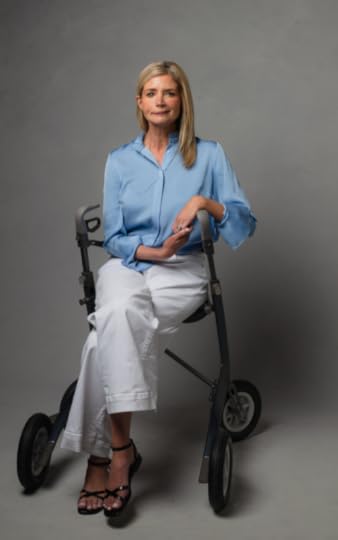 Don’t Wait to Celebrate: Disability and Delight with Katherine Wolf
 “How could there be a good future in the midst of so much loss?” If you’ve felt overwhelmed by the challenges of disability—or if you know a family walking that road—you won’t want to miss this conversation with Katherine Wolf. She is an author, advocate, and co-founder of Hope Heals. Together, Katherine and Amy Julia Becker explore how families can reimagine disability, build connection, and celebrate life—even when it doesn’t look the way they once imagined.
From the dinner table to the slow work of recovery, learn how to find delight in the story you have. Discover:
How to experience joy in the process, not just the outcomeDaily habits to cultivate gratitude and delightHow to build a supportive, connected communityWhy purpose and contribution matter for every family Episode 1Listen on your favorite platform:
Apple YouTube Spotify More!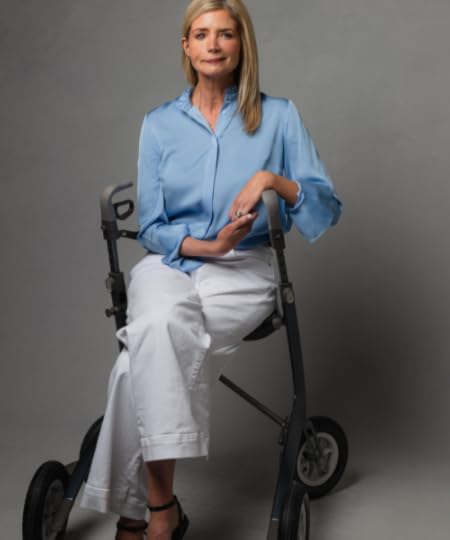 katherine Wolf
 Katherine Wolf is an author, advocate, and co-founder of Hope Heals. After she survived a near-fatal brainstem stroke at age 26, her family’s journey through disability has become a public witness that good and hard can co-exist in the same story. Through caregiving, storytelling, and lived theology, Katherine is inviting others into a vision of hope, interdependence, and embodied resilience. She and her husband Jay live in Atlanta with their two sons.
Website: www.hopeheals.com • Instagram: @hopeheals
MENTIONED IN THIS EPISODE Katherine’s books, resources, gatherings, and inter-ability communities: hopeheals.com. Luke 14_
WATCH more conversations on YouTube: Amy Julia Becker on YouTube
SUBSCRIBE to Amy Julia’s Substack: amyjuliabecker.substack.com
JOIN the conversation on Instagram: @amyjuliabecker
LISTEN to more episodes: amyjuliabecker.com/shows/
TRANSCRIPTNote: This transcript is autogenerated and does contain errors. Please check the corresponding audio before quoting in print.
Amy Julia (00:07)
I’m Amy Julia Becker and this is Take the Next Step, a podcast for families experiencing disability. We’ve teamed up with our friends at Hope Heals to bring you weekly conversations with fellow parents, with therapists, disability advocates, all about practical ways to cultivate a thriving future for the whole family. Here at Take the Next Step, we see your family as a gift to our society and to your local community. Your family matters.
Your child matters. We need you among us. In this first episode, I am talking with Katherine Wolf, author, podcaster, stroke survivor, and co-founder of Hope Heals. After Katherine survived a near fatal brainstem stroke at the age of 26 years old, her family’s journey through disability became a public witness that good and hard can coexist in the same story.
Through caregiving, storytelling, and lived theology, Katherine is inviting others into a vision of hope, interdependence, and embodied resilience. She and her husband Jay live in Atlanta with their two sons. And today, Catherine is here to talk with me about what it looks like to live with delight, connect to community, and continue taking steps towards a good future.
As one final note before this interview begins, I do want to mention this is a new podcast. And the way new podcasts find new listeners is through people like you. Today is the day we need you. We need you to share this episode. We need you to subscribe to this podcast. We actually need you even to take a moment to rate and review it on your favorite podcast app. When you do…
any or all of those things, more families will begin to be able to join this community and take the next step towards their good future. Thank you. Thank you for being here. Thank you for helping us spread the word. And thank you for listening.
Well, hello, Katherine. I always love getting to talk to you and I’m especially excited for you to be here with me on the inaugural episode of the Take the Next Step podcast. Welcome.
Katherine (02:28)
⁓ am so glad to be here Amy Joya. There is not much I would not be a part of if you were at the helm. ⁓ I don’t think I would do illegal things. But short of that, I would be in to be a part of anything that you are dreaming up and executing. ⁓ and honestly, those things are making the world more of a place.
Beauty and goodness. So I’m it you are putting up outposts of beauty and goodness in the world and I am here for
Amy Julia (03:07)
Well, I am so glad you’re here for it because you have been so much of the inspiration behind what I hope will be the beauty and goodness of this podcast. ⁓ As you know, we’ve talked about things related to what we’re going to talk about here today. I’ll get to that in a minute for many years. And that has helped me to develop this idea of reimagining disability and doing that by taking delight in our families for those of us who have families affected by disability.
learning how to connect to community and just take the one next step towards a good future. And when I look back at your story, which I’ve heard many times, and I’ll ask you to tell a little bit of that in just a minute, I just thought you embody those things. You embody a reframing or a reimagining of disability, taking delight even amidst hard circumstances, connecting to community and continuing to take one step at a time towards a good future and believing that that is possible.
That’s why I really wanted to have you on here, especially for this first episode today. And I thought maybe I could just ask you for listeners who don’t know who you are or how you came to be deeply involved in the disability community. Will you just give us like the cliff notes of your story?
Katherine (04:18)
Sure, as a typically able-bodied 26-year-old with no health problems, no medical history, no family history, no indication there was anything wrong, ⁓ as a new mother and somewhat newly-red, I suffered a massive brain stem stroke from a birth defect.
called an AVM arterial venous malformation that I had under my brain stem. And when the mass ruptured, it caused the massive stroke that nearly took my life. I had a very, very near fatal massive stroke and subsequently became severely disabled as I largely
remain today even though as you know it is not holding me back to have some limitations.
Amy Julia (05:19)
⁓
Yeah, so will you fast forward us just a little bit? So give us a sense of I know you had a long kind of initial recovery and now have a very full life that would not be marked by thinking about being in the hospital and recovering all the time. So you just give us a little bit more of what’s now been over a decade, a long time.
Katherine (05:42)
It
has been, it’s been 17 and a half years. So I always like to lead with the reality that this has been a slow burn. This isn’t like I woke up out of bed after a and was like, I want to do all these really cool things with my life now. And I’m completely stepping into the disability community with both feet. No, it was initially.
five years of really ⁓ trying to come up for air and recognize how I could live a life turned upside down. I could no longer drive a car. And I’d been typically able before. I could no longer see. My eyes do not track to this day. I’m deaf in one ear. Obviously, as you can see, maybe our listeners can’t. My face is paralyzed on one side.
have a hand that no longer has fine motor coordination. I have to use a walker to walk. I mean, there’s just a lot that remained in the story. And yet, ⁓ after those first initial just five or so years and continually processing and marinating, my husband and I have gone on
to launch a ministry called Hope Heals, where we just get to share our hope with our world and create sacred spaces of belonging for others. And we do that through a glorious camp where you have been both a teacher and a camper, and it’s glorious. And my husband and I opened our ministry, opened a coffee shop called Mend Coffee and Goods.
in Atlanta that employs half our staff with disabilities on the outside of their bodies. And we’ve written three books and I do a lot of speaking and above all, I get to create the sacred space of encouragement at the coffee date and the phone call and get to show up and I believe do the next right thing, which is be present.
show up with my whole heart, even when it’s hard and love deeply, even when it feels entirely unsafe. So that’s, that’s a bit, guess, of who I am Amy Julia. Feel free to fill in anything you want.
Amy Julia (08:16)
Well, there is so much I could say, which includes the fact that I have, ⁓ yes, loved being at camp, loved coming to men, loved seeing and reading the different books that you have written, both with your husband, Jay, and with your sister-in-law, Alex, and just for anyone here who’s not subscribed to the Hope Note, which also contains some of those thoughts there. It’s just a wonderful email that I receive every couple of weeks and I’m so grateful for.
Throughout all of that, you speak and write about essentially reframing or reimagining your both present and future realities. And I’m just wondering, like, for people who are listening to this, maybe they’re like you and are experiencing disability personally. Maybe they’re like me and have a family member who is experiencing disability. But either way, ⁓ we get messages from our culture that disability is a burden and a tragedy and just a bad thing that happens.
And that is not the way that you talk about your life or your experience, although you also don’t go down the toxic positivity route. So I’m just curious, what has helped you to reimagine disability and really just to reimagine your life? What are some things that might help others and have helped you?
Katherine (09:27)
Yeah, good question. ⁓ Well, probably the most basic thing that I have done that I would implore all of your listeners to do is to go outside of yourself. I think there can be such ⁓ intense focus on ourselves when we’re hurting and there’s hardship of any kind.
that we look inward and are really navel gazing. And I think one of my great strengths, which I don’t take credit for this at all, I think God really did a move in my heart to say, go out with this pain, see a world that needs what you got. You need to share and minister to a hurting world. So I think that’s been
Actually a big part. I hope that’s not completely random to tear that but it’s just the truth. I I can’t imagine not Almost harnessing what’s been happening in my story with the hurting stories of others As as you know, Amy Julia I’m all about just building a bigger table and saying come sit with me and I think that that’s been a
whole part of my story.
Amy Julia (10:55)
Well, one of the things you also say often is if you have a pulse, you have a purpose. And I think what you just spoke to, I think one thing that happens within families affected by disability is the idea that our family, we don’t know what our purpose is, our family doesn’t matter, or like we’re just kind of drawing down on other people’s resources rather than contributing. And I love the vision you just gave of getting outside yourself, not only to have a perspective,
but also to be able to give to others and to know that you have a purpose within that. I think one of the things there is I’m moving on a little bit to this idea of like starting with delight instead of starting with all of the deficits that come and can come in a very real physical or mental emotional ways with disability.
We know that there’s hardship and there is suffering that can come as a part of a disability story, but we also know that joy and belovedness and purpose can kind of wrap around the pain of that story. And I know one of your, again, things that I’ve heard you say a lot is don’t wait to celebrate. So I just would love to ask you to speak about what does it look like to live out that sense of delight, that sense of celebration? How do you do that?
Katherine (11:57)
Yeah.
Gosh, I very much love the notion that we have to celebrate in the process. We can’t wait to celebrate until the outcome, because the reality of course, as human beings, we must learn that outcomes don’t always come on earth. So we might as well get busy celebrating what we do have. So I think I’ve really
tried to train my brain to experience delight that is not the end. That is not an outcome related delight. That delight is in the process. And I guess delight and celebration can be some interchangeable words here. That truly delighting in and celebrating what is in the story. Which I think speaks so much to
taking the next step to re-imagining the good life is very much recognizing what is in the story. There’s a lot that’s not available for sure in disability context. However, there are significant things in our stories that can be a part of our future.
Amy Julia (13:35)
So tell me, what, I’m curious if you have any examples of what it looks like for you to delight in the process and not the outcome or to celebrate in the here and now rather than the only if this thing happens.
Katherine (13:50)
Well, of course, what is top of mind, which is how you know this so well, is our precious Luke 14 banquet, which is not practical to just me, but to our camp. So I should tear it first and then I can move on. But at the banquet, we eat dessert first, which is so powerful because we are celebrating.
Right now we are not waiting to celebrate. So we eat our dessert first and in a very beautiful, beautiful picture of delighting all our campers, all our volunteers have a dinner together and celebrate being together and belonging together. We have this fabulous dance party afterwards.
and just get to spend an evening delighting in each other and the image that we all bear together. So that’s a way to camp, but you probably want to know me personally, I’m guessing.
Amy Julia (14:54)
I’m curious about that too, yes.
Katherine (14:56)
Yes, and your specific question is, where is there delight?
Amy Julia (15:01)
Just practices of delight or of gratitude, know, things that are just kind of anchors in a daily way that someone could take from and be like, I could do that. That would take one minute or three minutes, you know. ⁓
Katherine (15:16)
I have tons. So one super easy, low hanging fruit, nothing is required at all. It’s simply when the lights are out, when your head hits the pillow, spend the moment before you fall asleep, recognizing through the landscape of the whole day, what is there gratitude for in this day? This day that has been, that is about to end, what happened to me? Wake and I think,
When we start to pay attention to what we are paying attention to, it changes how we think. That’s a Kurt Thompson, not Catherine Wolf thought. ⁓ truly, I’m going to choose what to remember from this day, what stands out, and let it be the right stuff. Lord, let me look in my life at the landscape of this day and pick out these special moments I’m not going to forget or pass by.
Also, in those moments, the gratitude can be minuscule. Sometimes my gratitude is my sheets are so comfortable on my bed. I love the sheets on my bed right now. They feel so soft. I feel so good. I love this moment. In fact, I really tried to go next level and start kind of giving myself a little hug in bed.
and saying like, I love my life. I love my life. I love this story. And I think it’s doing something powerful to my brain. It’s kind of a practice in recent years is I really want to deeply, truly love the story God is writing. And it would be tempting when my head hits the pillow and when I wake up in the morning to think about a lot of issues in my life.
In case your listeners think my life is perfect, it’s not. It has a lot of challenges connected to the disability and stroke and a whole lot of challenges not at all connected to that. I got just a whole game of big issues happening. So there’s a lot that could consume me both morning and night if I let it in the door.
Amy Julia (17:41)
Yeah, I love that idea of especially, ⁓ you know, knowing that sleep is where we often make our long term memories, like that’s how our brain does that. And so to feed our brain with true memories from the day or experiences even in the moment of lying in your sheets and to put bank those in that long term place of sure amidst a lot of hardship and pain. Guess what else is here and what I’m what I’m choosing to remember. I think that’s really beautiful.
I also wanted to ask you about ⁓ the idea of like supportive community, because I know that one of the really prompts for founding Hope Heals for you and Jay was the amount of community that really did support you both right after and for years after your stroke. And so I was thinking about, again, just if you could speak a little bit to that experience personally, but then I would also love to talk about how people who are feeling really isolated.
Again, if there are any practices or like quick little things they can do to connect to community. So the first is just your story, but the second is like, what do we do when we don’t have a whole church family that rallies around us and we are feeling really alone?
Katherine (18:54)
Yeah. Oh goodness. Totally. Very much. And in a completely unrelatable way that is just for me personally, since you asked, we had a lot of community that rallied and stayed and kind of went crazy. Like poured it out to us. We had people bringing meals to the hospital for my family to eat. Cause I couldn’t even eat food yet for months.
I mean, truly, we were the leaders of a very large Sunday school class at our church, my husband’s dad is a pastor of a large church in Montgomery, Alabama. ⁓ My family in my hometown of Athens, Georgia, it’s very tight knit, large community vibes in the small town which happens. So there was just support across the board, like a whole lot of it. However, that
could just stop with me. Like, yeah, cold story, Catherine, that’s great. But I’m not about that. Like, that’s cool. And I love that that happened. But that’s not most people’s stories. They’ve a ton of built in community when the bottom falls out. So what I would say to that, and to like our precious camp community, I say it every summer, everybody wants to live out Hope Hills camp all year long. So I get to say,
You get to be the one to create the community of your dreams. it going to be exactly like Hope Hills Camp or exactly like this other cool thing you heard about? No, but it’s going to be something. And when you go look for the person who does not have the people either, then you become a group. And it’s fascinating.
I love the passage of scripture from Luke 14, the passage the banquet is based on, that the rich man goes out and finds the misfits, brings them to the table. The people who can’t pay him back, the people who aren’t the cool, beautiful rich people, but no, the people having a hard time. And he says, come sit at my table. And he’s found his people. And I think that’s what we all must do.
Amy Julia (21:18)
I love that. And I love having been at those tables. ⁓ The Luke 14 banquet at camp, but also in just life with our daughter with Down syndrome has invited me into tables that I might not have sat at otherwise ⁓ and been able to experience community and support that I might not have otherwise. And so I love that sense, again, of a purpose that is outside of ourselves, where this experience of whether it’s being a person with a disability or ⁓ a family member
affected by someone in your family having disability, that sense of having a purpose which involves, yes, caring for ourselves, but also bringing other people together and ⁓ using these experiences that can seem really hard to actually become something really good and beautiful.
Katherine (22:05)
Totally. listened to a podcast a couple of days ago where the podcast was unpacking that David Brooks deep dived a research study on 142 countries where happiness, may have read about this as well. And when the world’s down to it, the happiest countries and going up are the
Amy Julia (22:23)
Yes, yes, yes, but tell it, yeah, go.
Katherine (22:33)
opposite of where the quality of life is going up or getting better better. So it kind of makes no sense except it’s about purpose. It’s consumption versus contribution. That when there’s contribution being made when there’s purpose, you are happier than when you are purely just consuming. And I think that could translate so beautifully and importantly to our population that
The contributing is where delight can be found.
Amy Julia (23:04)
So
I think like the so many people, if you take our culture’s understanding of disability as your frame, part of what’s problematic is the idea that if you’re disabled, you can’t contribute, which is totally false. And part of why we’re here is to say we don’t believe that we’re giving each other a high five. Yeah, but I think that’s part of what we want to do is actually be able to.
Katherine (23:22)
I’m you’re not
Amy Julia (23:28)
empower families to know that they have something to contribute and it really matters. It really matters in our world. like the last thing I wanted to ask you about is this idea of taking one next step towards a good future because it can be so overwhelming to have medical and logistical demands, to have family problems, just to need to respond to email. I mean, there’s so much that just feels
Katherine (23:36)
Absolutely.
Amy Julia (23:57)
totally overwhelming and you layer disability onto that and it can just be like, it’s too much for me. And so I’m curious what you do to kind of keep going. You’ve talked about like having gratitude for the present moment. I’m now thinking about how do we kind of hold on to hope in a manageable way in a day to day, I can actually believe there’s a good future for me and for my family. How do you do that?
Katherine (24:24)
for me, what has been so important is to recognize that life is not supposed to be easy and not going to be easy. And that switch has unlocked something amazing in me that I kind of live with the reality that all is not okay. All is not well at all.
but I can still very deeply somewhere inside know that all is not lost. And so I’m kind of choosing to live in that tension every day. And I think it changes how I feel about my life. I know too much to think everything’s okay. It’s not. It’s, mean, you’ve been to camp. We’re burying campers left and right after camp. It’s very, very sad.
on the one hand, absolutely. That is true. But two things can be true. It can be incredibly sad. And there can be incredible hope and joy in the very same story. So I think that’s probably not practical at all. Sorry, Amy, you’re wanting something practical. What can I tell you that’s related to all this one next step in my story? You know, I guess
Book writing is always something everybody wants to know. How do you write a book? That’s so overwhelming You do it this way guys. You open your laptop You say I’ve got ten minutes and I’m not doing anything else I refuse to get distracted My fingers are going to move on the keys of the type board for ten minutes that we’re gonna see what comes out. Yeah, and
That’s it! That’s how you start to write a book. That’s the most absolutely unsexy way ever and that’s the truth. You just do the thing. And that’s probably part of the next right thing is do the thing.
Amy Julia (26:33)
Totally. just literally with for me, I get when I get overwhelmed, whether it is with something like writing a book or, you know, I don’t know, Penny turning 18 and thinking about Social Security. And it’s like, OK, can I come up instead of with, my gosh, over the next year, I have to do 1700 things to help make this happen. But it’s like, but is there one thing and is there one thing I could do today? And then I kind of start.
just moving, as you said, it’s like you start taking one step at a time. You start writing one word at a time that you start talking to one person at a time. And even if the next step is literally to say, my next step, I’ve had this before. My next step is to talk to someone else and say, I don’t know what to do. So now I’ve got something to do, which is tell someone else I don’t know what to do, because maybe they can help. And almost always they actually can. So I think that’s actually a great encouragement and visual, the idea of writing a book for so many people.
whatever it is that is feeling overwhelming and like I just am crushed by the weight of all the things. Okay, but is there one thing even if it’s simply saying this is crushing me right now, what am I going to do? You know, the one thing you can do that helps you move forward and to trust that there is a good future in store.
Katherine (27:50)
a huge advocate for some talk therapy, talk it out. So I love that. That one next step is tell somebody you’re overwhelmed and not doing okay. Talk to somebody about what’s going on and see how it helps to begin to sort out what’s happening up here. That’s a great one.
Amy Julia (28:11)
Well, Catherine, thank you so much. know we could talk for like 17 more hours right now, but we are going to knowing that we’ve got busy people with sometimes overwhelming lives listening to this podcast. We’re just going to say that there are so many more resources available through the Ministry of Hope heals and through Catherine’s writing and speaking. We will link to all of that and we will just say thank you for giving us just these like.
really actionable ideas, whether that’s lying in bed and being grateful for our sheets or taking that one next step by saying I’m overwhelmed or looking for the people who can come to our tables. Thank you so much for all of that today.
Katherine (28:49)
What a blessing, what a profound impact this work has. Families feel trapped, hopeless. For you to just be at the helm of helping them navigate the darkness is just so important. I’m just so proud to be your friend.
Amy Julia (29:09)
Well, I am so grateful to be your friend and to be a friend of Hope Heal’s, so thank you so much.
This show is produced in partnership with our friends at Hope Heals. Hope Heals is a nonprofit that creates sacred spaces of belonging and belovedness for families affected by disabilities to experience sustaining hope in the context of inter-ability communities. And I am gonna say it again, this podcast is just getting started and you can help it grow. When you subscribe, share, rate, review,
That pushes the podcast out to more people who need encouragement. If you tell a friend about it, if you begin a ripple effect, we would be so, so grateful for that. Thank you for being here right at the start. We are so excited for what is ahead because we already have recorded some beautiful conversations and we’re looking forward to more. Next week, we’ll be back with therapist Cissy Goff to talk about the importance of delighting in our children.
We also are going to get to talk later on this season with people like Jordan Arigetti from Support Now, Eric Carter from Baylor University talking about belonging. We’ve got authors and podcasters like Heather Avis and Jillian Benfield and Sho Baraka and more. We would love to hear from you. You can send questions or suggestions to amyjuliabeckerwriter at gmail.com. And as we conclude, I do want to thank Jake Hansen for editing this podcast.
certainly thank Amber Beery, my assistant, for doing everything to make sure it happens. And I want to thank you for being here. I hope you leave this time with encouragement to start with delight, connect a community, and take the next small step toward a good future for your family.
Take the Next Step is produced in collaboration with Hope Heals. Hope Heals creates sacred spaces of belonging and belovedness for families affected by disabilities to experience sustaining hope in the context of inclusive, intentional, inter-ability communities. Find out more about our resources, gatherings, and inter-ability communities at hopeheals.com. Follow on Instagram: @hopeheals.
Subscribe to Reimagining the Good Lifemy weekly Substack letter
My newsletter delivered to your inbox that challenges assumptions about the good life, proclaims the inherent belovedness of every human being, and envisions a world of belonging where everyone matters
LET’S REIMAGINE THE GOOD LIFE TOGETHER. SUBSCRIBE TODAY!
The post Don’t Wait to Celebrate: Disability and Delight appeared first on Amy Julia Becker.
September 11, 2025
I Never Thought I’d Do This
I have never really seen myself operating in the self-help space. When I write and speak, when I interview guests for Reimagining the Good Life, I like inviting people into the world of ideas and questions and all sorts of open-ended, complicated problems with no obvious answers.
But I also love simple solutions. I am not by any means a cook. But I love sharing recipes that are easy and delicious. I’m not a big shopper. But I love telling people about products that will save time and make their lives better. I am an evangelist for all sorts of things, including, as readers of this newsletter might recall, our recently purchased Ninja CREAMi.
So, maybe it is not surprising that I ended up starting a new podcast that focuses on meaningful and manageable steps that families can take toward a good future. After 20 years of life with a daughter with Down syndrome, alongside the work I’ve done as a writer and speaker, we’ve learned a lot about how to navigate family life with disability.
I am so excited, and grateful, that we’ve been able to partner with our friends at Hope Heals to release this new podcast that communicates some core truths about family life with disability. It’s called Take the Next Step, and the trailer for the podcast just dropped.
(Note the graphic/logo: thank you to everyone who made this photo the runaway top choice!)
I want families like ours to know that our families matter. Our children matter. Our society needs us to show up as ourselves and for each other.At Take the Next Step, I get to interview people experiencing disability personally and in their families, as well as therapists and researchers, so that listeners are equipped with ways to
Delight in your child and your family,Connect to community, andTake the next step towards a good futureWe’ll start next week, September 17, with an interview with Katherine Wolf, stroke survivor, disability advocate, and co-founder of Hope Heals. Later in the season, I’ll also talk with therapist Sissy Goff about the importance of delight, Erik Carter about creating communities of belonging, and author Jillian Benfield about taking the next step.

These short interviews will offer listeners meaningful, manageable steps they can take in five minutes or less to walk toward a good future.
If you are a parent of a child with a disability, Take the Next Step is for you. Please follow on your favorite podcast platform! Just search for “Take the Next Step with Amy Julia Becker.”
Follow on Your Fav Podcast App
If you are a friend or relative of a family experiencing disability, I need your help spreading the word about this encouraging resource and guide. Please check out the trailer and share it with everyone you know who needs reassurance that their family matters.
SUBSCRIBE to my Substack newsletter: amyjuliabecker.substack.com
JOIN the conversation on Instagram: @amyjuliabecker
LISTEN to my podcasts: amyjuliabecker.com/shows/
CONNECT on YouTube: Amy Julia Becker on YouTube
The post I Never Thought I’d Do This appeared first on Amy Julia Becker.
September 10, 2025
Introducing Take the Next Step Podcast
TAKE THE NEXT STEP PODCAST
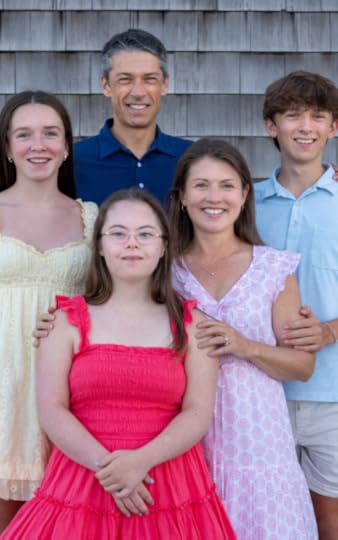 Introducing Take the Next Step Podcast with Amy Julia Becker
 Welcome to Take the Next Step, a weekly podcast for parents of children with disabilities, offering practical guidance, encouragement, and hope.
Each week we’ll explore how to:
Create moments of delight, joy, and connection at homeConnect with a supportive community where your family belongsTake small, doable steps toward thriving togetherIf you’re a parent feeling overwhelmed, searching for connection, or wondering what comes next, you’re not alone. Your family is a gift. Your child matters. And we need you among us. New episodes every Wednesday starting September 17.
Trailer Apple YouTube Spotify More! In Collaboration with Hope HealsTake the Next Step is produced in collaboration with Hope Heals. Hope Heals creates sacred spaces of belonging and belovedness for families affected by disabilities to experience sustaining hope in the context of inclusive, intentional, inter-ability communities. Find out more about our resources, gatherings, and inter-ability communities at hopeheals.com. Follow us on Instagram @hopeheals.
___
Let’s stay in touch. Subscribe to my newsletter to receive weekly reflections that challenge assumptions about the good life, proclaim the inherent belovedness of every human being, and envision a world of belonging where everyone matters.
TRANSCRIPTNote: This transcript is autogenerated and does contain errors. Please check the corresponding audio before quoting in print.
Amy Julia Becker (00:02)
A look of pity. The R word dropped into casual conversation. The other mom who says that your child’s isolation is just the same as everyone else’s. The doctor who tells you about the ways your child doesn’t measure up. The prevailing cultural message around disability tells us our families are problems. Parents of children with disabilities often feel overwhelmed, overlooked, and alone. But it doesn’t have to be this way. I’m Amy Julia Becker.
writer, speaker, podcaster, and mother to Penny, a 19 year old young woman with Down syndrome. I’ve partnered with our friends at Hope Heals to bring Families Experiencing Disability a new podcast, Take the Next Step. Here at Take the Next Step, we see your family as a gift to our society and to your local community. We want you to know that your family matters. Your child matters.
We need you among us.
When Penny was born and diagnosed with Down syndrome, we, like many parents, experienced a complex web of grief, love, fear, joy, guilt, and hope. We also faced an uncertain future. In fact, we couldn’t imagine a good life for our family. Now, 20 years later, we have learned how to reimagine disability and take steps together toward a good future for Penny and for our family.
Here at Take the Next Step, we will be talking about three basic ways that we can reimagine disability and move towards a good future. For the next 10 weeks, I’ll interview people experiencing disability personally and in their families. I’ll also interview therapists and researchers.
And all of this so that you are equipped with ways to delight in your child and your family, connect to community, and take the next step towards a good future. We’ll start next week, September 17th, with an interview with Katherine Wolf, stroke survivor, disability advocate, and co-founder of Hope Heals.
This season we’ll also talk with therapist Sissy Goff about the importance of delight, Professor Erik Carter about creating communities of belonging, and author Jillian Benfield about taking the next step. These short interviews will offer you meaningful, manageable steps you can take in five minutes or less to walk towards a good future.
Please help us to spread the news about this resource for all the families you know who are experiencing disability. We are so glad you’re here and we hope you will join us next week.
Subscribe to Reimagining the Good Lifemy weekly Substack letter
My newsletter delivered to your inbox that challenges assumptions about the good life, proclaims the inherent belovedness of every human being, and envisions a world of belonging where everyone matters
LET’S REIMAGINE THE GOOD LIFE TOGETHER. SUBSCRIBE TODAY!
Take the Next Step is produced in collaboration with Hope Heals. Hope Heals creates sacred spaces of belonging and belovedness for families affected by disabilities to experience sustaining hope in the context of inclusive, intentional, inter-ability communities. Find out more about our resources, gatherings, and inter-ability communities at hopeheals.com. Follow us on Instagram @hopeheals.
The post Introducing Take the Next Step Podcast appeared first on Amy Julia Becker.
September 8, 2025
The Harm of Careless Rhetoric
“Gavin Newsom is a mongoloid who barely registers half a brain cell…”
That’s what Steven Cheung, the White House communications director, said in response* to a taunt by California Governor Gavin Newsom. In case you aren’t familiar with the term “mongoloid,” it’s an outdated and insulting way to refer to people with Down syndrome, based on another insulting and outdated idea that people from Mongolia are less intelligent than Europeans.
As Newsom himself did when he suggested that President Trump might have dementia, these men are volleying insults to each other’s intelligence. I’m sure they aren’t doing it with actual people with dementia or actual people with Down syndrome in mind, and yet their careless rhetoric nevertheless harms those actual, vulnerable people by setting up a hierarchy of human worth with intellectually disabled people at the bottom of the heap.
Our daughter Penny is 19, and she has Down syndrome. I have never heard her utter an insult in her entire life. She’s never been jealous of another person’s success. She celebrates with the people she loves. She wants their good, even if it means she will lose out. She has never wished harm on anyone else, even if they have ignored or insulted her.
I don’t want to portray her as some sort of angel. She often insists on her own way. She rolls her eyes at me regularly. And her obsession with The Summer I Turned Pretty and My Life with the Walter Boys leaves something to be desired.
I also don’t want to pretend that Penny should be Governor or President or that cognitive ability is irrelevant in leadership positions.
I just want to say that our leaders need the type of intelligence that equips them to lift up the vulnerable, not insult them. We need leaders who are intelligent when it comes to policy making and also when it comes to people, who can draw out the best in others rather than the worst. We need leaders who celebrate others, not ones who insult others in a vain attempt to prove themselves.
* I’ve shared a gift link to the Washington Post essay that includes this quote. Just a heads-up—the Washington Post does ask you to create a free account before you can read it.
SUBSCRIBE to my Substack newsletter: amyjuliabecker.substack.com
JOIN the conversation on Instagram: @amyjuliabecker
LISTEN to my podcasts: amyjuliabecker.com/shows/
CONNECT on YouTube: Amy Julia Becker on YouTube
The post The Harm of Careless Rhetoric appeared first on Amy Julia Becker.
September 4, 2025
September 2025 | Things Worth Your Time
Books, essays, podcasts episodes, and more that I think are worth your time, plus recent cultural news that I’m paying attention to in the month of September…
BOOKSNOVEL: Orbital by Samantha HarveyI read Orbital, by Samantha Harvey, alongside two of our kids for their school’s summer reading. It’s a short, beautiful novel about six astronauts aboard the International Space Station over the course of one day as they spin around our globe. I loved learning the science and technology bits even as it also prompted so much reflection on what it means to be human in relationship with each other and the earth.
MOVIES/SHOWSSHOW: StickIt is exceedingly rare that we find anything that every member of our family enjoys, so I have to recommend the new Apple TV show Stick. It’s funny and has some depth to it in telling the story of a young golf prodigy trying to compete at the highest level. My favorite episode was the final one. Without spoiling anything, if you get that far, pay attention to the two different voices/stories coming at Santi in his last round on the course. I told our kids as they go into this school year my prayer is that the voice inside their heads is the one that tells them they are beautiful and beloved and this show gave a glimpse of what that could sound like and what a difference it could make.
ESSAYSESSAY: “Here’s what science considers a path to a good life”I loved this essay (with a shoutout to Heather Trammell for sharing this with me) in the Washington Post about the different ways social scientists are defining “the good life.” The first is happy. The second is meaningful. And the third is psychologically rich. I guess I’m a glutton, because I’m going for all three, and probably with a priority on meaningful. How about you?
Get my favorites delivered to your inbox each month.
Subscribe here.
More Favorites and AJB Recommends
If you use a link from here to purchase something I recommend, it sometimes earns me a small commission, which enables me to continue the work I do here. So thank you! (As an Amazon Associate, I earn from qualifying purchases.)
The post September 2025 | Things Worth Your Time appeared first on Amy Julia Becker.