Amy Julia Becker's Blog, page 2
November 12, 2025
Responding to Cringey Questions Without Oversharing Your Child’s Disability Story
When people don’t understand your child’s disability—or when they make comments or ask questions that cross a line—it can be tricky to know how to respond in the moment. You want to educate others, but you also want to protect your child’s privacy.
Here’s how Carrie Hahn, a pediatric speech-language pathologist and mom, handles it with her son, Dan:
“Dan and I talk about these situations ahead of time,” Carrie says. “They can be really triggering for him, so we’ve realized the only way to completely avoid them would be to never go anywhere—which isn’t realistic. So instead, we plan for when it happens.”
Here’s what that looks like:
Have the conversation ahead of time. Talk about the fact that uncomfortable or inappropriate questions might come up. Acknowledge how it feels and make a plan together.
Respect your child’s privacy. Carrie promises Dan she won’t share personal information unless he wants her to.
Give choices in the moment. When someone asks a question, Carrie turns to Dan and says, “Do you want to stay for this conversation, or would you like to find somewhere else to sit while I talk to this person?”
Keep it general. If she decides to engage, Carrie keeps her answers broad—focusing on general facts about blindness, not Dan’s personal experiences.
“But a lot of times when it happens is when he’s not around, thankfully,” Carrie adds. “Someone might say, ‘That’s sad.’ And I’ll say, ‘Actually, it’s not sad. This is blindness. This is how he is. And we love him the way he is.’ Something really basic like that. And then I just try to move on from it. I keep it simple and not too emotionally charged—very matter of fact—and then just kind of let them sit with that.”
Empower your child. Dan gets to decide whether to participate or step away. Either choice is valid.
There’s more in my Take the Next Step conversation with Carrie Hahn!
How to Handle Awkward Questions About Disability with Carrie Hahn
SUBSCRIBE to my Substack newsletter: amyjuliabecker.substack.com
JOIN the conversation on Instagram: @amyjuliabecker
LISTEN to my podcasts: amyjuliabecker.com/shows/
CONNECT on YouTube: Amy Julia Becker on YouTube
The post Responding to Cringey Questions Without Oversharing Your Child’s Disability Story appeared first on Amy Julia Becker.


How to Handle Awkward Questions About Disability
TAKE THE NEXT STEP PODCAST
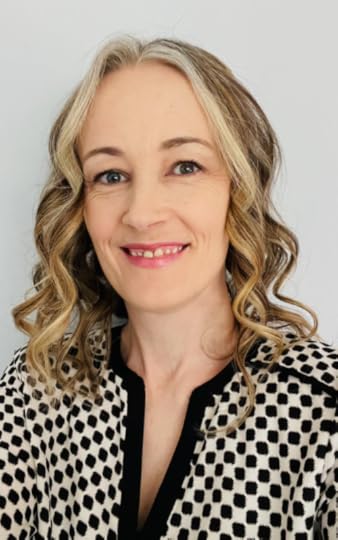
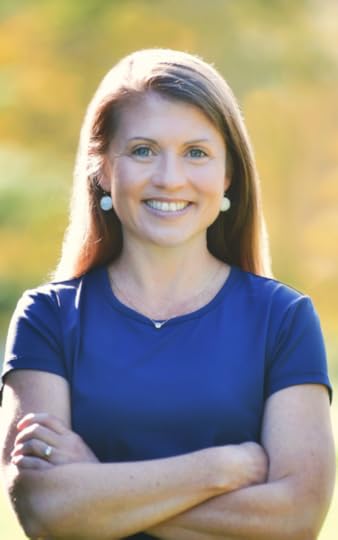 How to Handle Awkward Questions About Disability with Carrie Hahn
 E9 — Awkward questions about disability happen. Here’s how parents can respond. Carrie Hahn, a pediatric speech-language pathologist and mother, joins Amy Julia Becker to share actionable strategies to:
navigate conversationscorrect misconceptionsmake disability normal in playhelp kids feel seen and respected without feeling singled out Episode 9Listen on your favorite platform:
Apple YouTube Spotify More!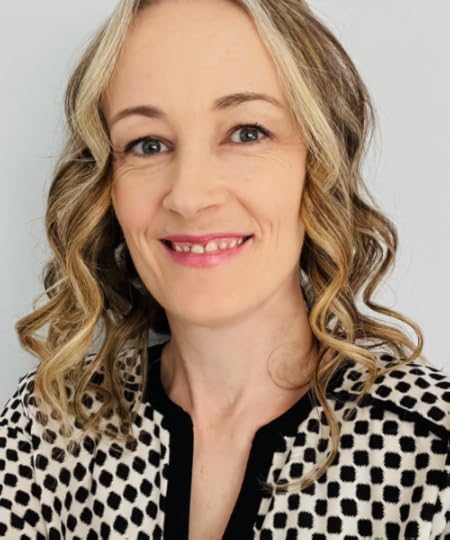 Carrie Hahn
 Carrie Hahn is a pediatric speech-language pathologist and mother. She has served children of a variety of ages in a variety of settings and has taken on additional endeavors of interest, such as an autism support group for caregivers, the distribution of a parent education newsletter, and giving talks at conferences for family advocacy groups. She creates and shares content related to disability and neurodivergence on her website and social media and uses her platform to promote education and advocacy. Hahn is the mother of two neurodivergent children, one of whom also has physical disabilities. Her book Beyond Inclusion: Raising Anti-Ableist Kids came out in July of 2024. Carrie’s professional and personal lives have intensified her passion for making a safer and less ableist world.
CONNECT with Carrie Hahn on her website (informdisability.com), Facebook (@informspeechandlanguage), and Instagram (@carriecch80)
MENTIONED IN THIS EPISODEMENTIONED IN THIS EPISODE:
Beyond Inclusion: Raising Anti-Ableist Kids by Carrie Hahn00:00 Intro
03:14 Myths About Disability
05:33 Talking About Disability in Public
09:05 Challenging Assumptions of Incompetence
14:32 Making Disability Normal in Play
19:08 Turning Conversation Mistakes into Learning
23:38 Practical Tools for Caregivers
_
WATCH this conversation on YouTube: Amy Julia Becker on YouTube
SUBSCRIBE to Amy Julia’s Substack: amyjuliabecker.substack.com
JOIN the conversation on Instagram: @amyjuliabecker
LISTEN to more episodes: amyjuliabecker.com/shows/
TRANSCRIPTNote: This transcript is autogenerated and does contain errors. Please check the corresponding audio before quoting in print.
Amy Julia Becker (00:06)
Hi friends, I’m Amy Julia Becker and this is Take the Next Step, a podcast for families experiencing disability. We’ve teamed up with our friends at Hope Heals to bring you weekly conversations with fellow parents, therapists, and disability advocates about practical ways to cultivate a thriving future for the whole family. Here at Take the Next Step, we see your family as a gift to our society and to your local community. Your family matters.
Your child matters. We need you among us. Today I’m talking with Carrie Hahn, the author of Beyond Inclusion. I love Carrie’s matter of fact way of talking about disability. As the mom of two sons with different disabilities and as an author and speech language pathologist, Carrie has so much wisdom to offer in navigating what I find sometimes to be tricky, sometimes cringy, sometimes outright hurtful conversations.
that many of us find ourselves in when we go out into the world with our kids. How do we handle people who ask invasive questions or speak to us as if our children aren’t present? Is it okay to make mistakes when talking about disability? How do we protect our kids and also take the risk of being in community? We are talking about all this and more in today’s episode. I’m so glad you’re here with us.
Carrie, thank you so much for being here with us today.
Carrie Hahn (01:34)
Thanks for having me.
Amy Julia Becker (01:36)
So you are a pediatric speech language pathologist, an author, a speaker, and a mother of kids with disability. So for all of those reasons, we are really grateful to have you here on this show. Would you just start by introducing us to you and your family?
Carrie Hahn (01:51)
Yeah. Um, so thanks for having me here today. I am one of four. We have a family of four and, um, my husband’s name is David. And then, um, I have two boys. Um, my older is 14 and he has a pseudonym, um, in the book that I wrote. So we’ll call him Pete. Uh, he’s 14. He’s an eighth grader and he has dyslexia and ADHD. And my younger son, who we call Dan.
is almost 13, he’s a sixth grader, and he has multiple disabilities. He has a genetic condition that causes blindness and low bone density, and he has some pretty significant mental health challenges as well. We adopted him when he was four and a half, and he had an interesting start to life. And so that is our family.
Amy Julia Becker (02:43)
Great. Well, thank you. And I figure that they may come up as we speak to each other. You’ve written a book, which you’ve mentioned, called Beyond Inclusion, which I really appreciated ⁓ when I first read it. And I appreciated looking back through it just in preparation for this conversation. You give really practical tools for parents, specifically, at least what I took out of it, ways to speak into some of the hard moments that we might experience with our kids with disabilities.
And I thought we could begin by asking, or I could begin by asking you, what are some of the common misconceptions of disability that we encounter as parents? And how do those things actually affect our families?
Carrie Hahn (03:24)
Yeah, I mean in researching for my book, you know, I came across numerous forms and but I narrowed it down to 15 in the book. I feel like almost all of them happen at some point, but there are a couple that I feel like happen pretty regularly. Okay. One of them, probably the one that happens the most frequently, especially if Dan is around because he has a visible disability, is the misconception
that his private information is kind of up for anyone who wants it. pretty much always someone will ask about his blindness one way or the other. Is he blind? That’s usually where it starts. And then it might go on to, has he ever been able to see? Does he see anything? How did he become blind? And he doesn’t like it. I think he wants to be in control of his own story. If it’s going to be talked about, it’s going to be his initiative.
flabbergasted me how often that happens because we can’t go anywhere outside in our little small community of people that are close to us and never comes up obviously. But if we step outside of that little community, it is almost something that we can guarantee will happen if we’re out at a store or at a park or somewhere. So that surprised me how often that has happened. And then the other one is ⁓ that if I just am casually chatting with someone and his disability comes up,
It’s the disability as a tragedy where I get a sad face and I get an aww or that must be so hard. And so that’s another misconception that kind of tends to show up pretty regularly.
Amy Julia Becker (05:03)
Can we maybe hone in on those two examples? How do you respond? And obviously it’s a little bit case by case and situation by situation. But to take that first example, which we’ve also experienced, I’m hearing from you both the lack of understanding that Dan’s story is his story, but also the talking about Dan with Dan present instead of talking to Dan.
I would imagine both of those things can kind of go a little haywire. And I’m curious how you handle that both in the public space and also with Dan, just as his mom, maybe outside of that public space.
Carrie Hahn (05:44)
Yeah, those are happening all at different times. Dan and I are often having conversations at home away from the situation about this very situation because it is triggering for him. And so he and I have had to have conversations about, this will happen. We know the only way to avoid this happening is us never going anywhere. We know that it could happen anytime, anywhere. We don’t know when it’s going to happen. So we need to come up with a plan or when it does happen.
what should we do? And I want to honor his wishes. So I’ve told him that I won’t share anything that’s his personal information unless he wants me to. But then he and I have to negotiate a little bit about ⁓ me just providing an answer and education about blindness in general, because sometimes the people that are asking are people who are wanting to learn. And we know that there’s two sides to the coin, right? There’s people, if you don’t know,
then you might need to ask to get information, ⁓ but then the asking can feel problematic. And so he and I have come up with a plan where in the moment I will say, do you want to be here for this or would you like to go find somewhere else to sit while I talk to this person? You know, where I’ve told him when I’m talking to them, I’ll just be talking about general blindness. I’m not going to be sharing your details. ⁓
And then he gets to decide if he wants to step away and do something else or if he wants to be a part of the conversation. Usually he chooses to do something else because he just doesn’t really care to talk about it. And I think that he feels like there’s a vulnerability there. think it’s also he’s almost 13. And I’ve seen other people that this age especially sometimes can be a time where it’s even that adds a layer of difficulty to the situation.
Amy Julia Becker (07:35)
I think that given the, have a 14 year old and having just been in a 13 year old space and she’s typically developing, but cannot imagine how she would respond to people in her presence asking me questions about her hair. I mean, questions about anything. would just be really, really painful and hard. So I appreciate that so much. How about the tragedy piece? Could you speak to that for a minute in terms of that tragedy, like disability? Like how does that come up and how do you handle it?
Well…
Carrie Hahn (08:05)
⁓ When there are little kids around, it can happen even when Dan’s around. But a lot of times when it happens is when he’s not around, thankfully. Someone might go, that’s sad. And I’d say, actually, it’s not sad. This is blindness. This is how he is. And we love him the way he is. And just something really basic like that. And then just trying to move on from it. I’m gonna keep it simple and not too emotionally charged. ⁓
very matter of fact and then just kind of let them sit with with that.
Amy Julia Becker (08:37)
I
appreciate that. And I like the idea of almost preparing an answer ahead of time. The fact that, you know, because of the age he is, him being a part of that preparation even. that sense of like, yeah, I wish that were never said at all. But if it is, let’s have a response that contains the problem rather than kind of allowing it to fester, it sounds like to me. The other piece of what you wrote about in your book that I wanted to make sure to talk about was the presumption of incompetence.
And I thought I might ask you just to spell out what that is, the presumption of incompetence, but also, and this may not, I don’t know if this still happens for you with Dan, I know it did when he was younger, but can you talk again about how that’s kind of played out in your life? We’ve certainly, and continue to see that with our daughter Penny, who is 19 and has Down syndrome and is quite competent in many ways, but the presumption of incompetence is present.
Carrie Hahn (09:28)
Yes, it runs deep. ⁓ The presumption of incompetence basically is this idea that people carry that if someone has a disability, if they’re disabled, that they are incompetent just because of disability. So the interesting thing about it is that it’s not, and this is what really gets to the crux of it, that it is not something that has been given any conscious thought. It’s a misconception that’s just part of our culture because sometimes people will
presume incompetence about a disabled person that has nothing to do with their actual disability. You know what I mean? Like people who use a wheelchair, people might speak loudly to them, you know? And if they were to stop and think about it, they would go, well, these things, that doesn’t make sense. But making sense isn’t actually a part of some of these ableist notions. There isn’t really any sense to it. It’s just kind of something that is out there that…
is just kind of coming from all directions. You crack the door open a little bit where people start to pick apart and go, wait a second, that actually might not be true. So ⁓ it does come up ⁓ with Dan. ⁓ I think sometimes it’s because he’s blind, it’s almost like people need to just run around and do everything for him. And so I have to sometimes just kind of butt in and go, ⁓ hold on a sec, he actually can do that. The interesting thing, this goes along with
disabled people being their own individuals with their own stories and preferences. Dan actually doesn’t care if people think he’s incompetent because he loves when people do things for him. That’s part of his story. So that’s another layer that I have to figure, I have to balance. There is like some autonomy in that for him and sometimes letting him get away with letting people cater to him and do things for him that he can do himself, but also then calling it out sometimes when it’s problematic, like for example.
certain environments where the people he is surrounded by need to know that he can do X, Y, and Z. So it can be kind of a tricky thing ⁓ to balance and it kind of, you know, depending on the person, they’ll all have their own feelings about it and their own reactions to it. know, Dan doesn’t really do anything to try to prove his confidence. But ⁓ I think the other extreme of that is that people will spend a lot of time and energy trying to prove.
their competence and their worth when they shouldn’t have to. You know, that a lot of disabled people feel inclined to work harder, to never make mistakes, to show up as like the best person, the best ambassador, the best, you know, disabled person you ever did meet so that I can be a representative for the whole community and make everyone know that we are worthy. And that’s not really fair, you know? So it, the presumption of incompetence comes loaded.
And it can manifest in different ways, and it can also ⁓ affect people in different ways and shape their trajectories and kind of how they show up in the world too.
Amy Julia Becker (12:34)
Yeah, and it’s kind of interesting because I think our typically developing kids, there’s probably more presumption of competence sometimes than there should be. In the sense that all of us as humans have competencies and needs. And it’s almost like this imbalanced understanding of each of our humanity in the way that we assume things about one another and how hard it sometimes can be to even express like our need for
something in a social situation, especially with someone who doesn’t know us. And I would think, especially with Pete, with your older son, in terms of having kind of invisible disabilities, the opposite might sometimes be true. As again, it sometimes is with me, you know.
Carrie Hahn (13:19)
Exactly, yeah, that definitely was a thing for him that like when we were first trying to figure out what was going on with him, he was presumed more competent than he was. And then it was there were other stories then that he was telling himself and that other people were inadvertently telling him like that he just wasn’t trying hard enough that we weren’t making him read enough at home that he wasn’t practicing enough, know, lots of lots of things that
reasons why he wasn’t rising to the challenge ⁓ that we’re actually going toward the side of we’re expecting too much, like we’re presuming too much confidence. And I think you’re right, that happens a lot, like, because we tend to want to lump people into groups, and we don’t want to individualize things like we should. ⁓ Individualization would show us all this variability with competence in all these different areas, you know, that would be just
Each individual has their own strengths and their own challenges, but because we like to separate things and keep them neat and tidy, we either presume over-competence or we presume that there’s incompetence. So yeah, that is a really good point. And it is interesting how it has worked itself out in our family.
Amy Julia Becker (14:33)
things in your book that I also really loved is ⁓ you just wrote about including disability as a normal part of our children’s play and I wanted to ask you what that might look like and why it might matter again both for typically developing kids and for kids with disabilities.
Carrie Hahn (14:48)
Yeah. ⁓ So I have, I’ll just, the best example I can give right now, and that gives me so much hope is we have neighbors that live across the street from us and they have a five-year-old and a one-year-old. And I’ve had the chance to go over and like babysit for them from time to time. And one day I just went over to play with the five-year-old because she wanted me to come play with her for an hour. Of course, ⁓ they have toys and books in their kids. Neither one of their kids have a disability.
they have toys and books in their kids’ that represent disability. ⁓ like, she has, ⁓ my little neighbor has a doll that has a disability. And so I was very curious to kind of see her doll’s role in the play. I was just curious, so I just left it open to see. And the doll’s an auntie, and she has a name, and she has a backstory, and her disability wasn’t even part of the story. And that’s a triumph, not because…
It’s that we want to avoid talking about disability. It’s not that disability is something shameful to be talked about, but disability becomes the center of a person’s identity sometimes, whether they want to or not, right? So a lot of times, you know, if disability is not properly represented and then you do have, you know, like,
a toy or when a company releases a new toy that has a disabled character. It’s a whole thing that’s like, my gosh, look at this. And it’s great that they’re making these toys. I don’t want to like, you know, minimize that, but ⁓ it’s also great to just make toys that represent disability and that we don’t have to have a, it doesn’t have to be a grand unveiling. Like it’s important to people who are disabled to see themselves represented. Right. But it also can just, we can then.
go on and have plenty of those toys and people can buy those toys for their non-disabled kids so that when the kids are playing, it’s a community of toys that are disabled and non-disabled. And so, you know, even my little, the little neighbor’s baby books, I was looking at his books and one of his books was a book called Baby Faces and the cover, the baby on the cover had Down syndrome and wasn’t mentioned, you know what I mean? This book was not a disability.
This was a baby face among faces in a community of faces. And that’s what I think we need to try to get to, you know, that it doesn’t have to be disabled, non-disabled, that like, if we include disabled, non-disabled toys, play, books, then disability starts to just become part of, it has its place as a normal part of the human condition and not this separate category, you know? So, ⁓ but with my own kids,
Like this was before this was on my radar with Pete when he was like three or four. He had a Power Ranger toy that the bottom half of one of its legs were missing. And we, you know, we’re looking for it and couldn’t find it. And so then it was like, well, what are we going to do? I don’t know if it was on my, if it was a conscious decision or not, but it was, we found something that would work and we made him prosthetic. And then that gave me the opportunity to.
tell Pete about prosthetic limbs and about all the things that people who use them, what they can do and that they can do all the things and that they’re Olympic athletes. ⁓ so then now that’s definitely like if the toys, you know, have something different about them, it’s kind of a little bit bigger of a thing that we can, you know, that we can talk about. ⁓ But I love the fact that stores are just selling toys now because
that’s much more intentional. ⁓ And I love that, that it’s so much easier to find them now. It’s gradually getting easier and easier, I think.
Amy Julia Becker (18:40)
Yeah, I don’t think when my kids who are now all teenagers were younger, there was that type of representation. And so for me, it was trying to use, and I still do this too, but like language that would normalize and kind of neutralize disability. to have the, especially for young kids, to have the physical manifestations of that normality and neutral experience of humanity seems like it’s really, really important and positive. Yeah.
Other thing I wanted to ask you about was ⁓ mistakes. ⁓ People are going to make mistakes when talking about disability, when asking questions. ⁓ And we might do that as parents. I’m sure there plenty of parents listening to this podcast who are like, yeah, I’ve kind of done some of the things you just said, whether that’s about my own child or about someone else’s. And I think we all sometimes feel like we’re just fumbling through these spaces where we want to have ⁓ real connections with families.
and people and we’re really afraid of making mistakes. So how do you handle those mistakes and what kind of encouragement might you make for some of us who are like, gosh, that’s me. You know, I don’t use the right language all the time or I don’t and I’m afraid of getting it wrong.
Carrie Hahn (19:53)
Yeah, I mean, that’s also me. One thing I want to make sure I explicitly say is like, think there’s like an ongoing quest to do right and to like get things right. And that the reason we want to do that, I think deep down is because we don’t want to hurt people, you know, like that’s what’s at the core of why we did it right is that we don’t choose to be hurtful. And so that quest is, you know, part of it is you grow and you learn and you stick your neck out and you try something and maybe you get it wrong.
⁓ but I’ve been lucky enough to be in some spaces that have taught me how to acknowledge that I was, that I made a mistake. ⁓ and just saying it, that’s the hardest part sometimes is just saying, ⁓ I messed up. I didn’t word that the way I wanted to, or I think I said that in a way that might’ve been hurtful. ⁓ I am so sorry if I hurt you. I, and then the next piece of that is I’d like to do to figure out how to do better.
And ⁓ so I think when we are talking to people, ⁓ if they happen to get it wrong or make a mistake, I think we can gently say, actually, you know, and just very non-confrontationally, very respectfully, give a little bit of information and then even just saying, if you’re interested in learning more, and then maybe offer a resource, one of your favorite resources. You know, I have my favorite resource that I wrote myself.
⁓ that I tell people, I wrote this book. And the whole reason I wrote it is because I know so many people in our life that would explicitly ask me and say, I want to make sure to get this right for him. But how do I do that? And so I know that it’s something that people want. And so you can offer a resource and then if they’ll do with it what they’ll do with it. Because what they do with it is not up to us. They’ll either choose to look into it.
because they want to learn or it was maybe just more of a social, I’m going to apologize because I think I got it wrong, but I don’t really actually care that much because that’s true too sometimes, right? I think all we can do is, you know, mention it. I especially am motivated to mention it if my kids are around because I don’t, I don’t like the idea of certain things hanging out there anyways, but especially if my kids are there. I want Ian to know, nope, that’s not true.
You know, ⁓ but also one more thing I sometimes like to do is say something like, that’s a really common misconception. You know, you’re not alone. You’re not alone in thinking that. A lot of people think that, but actually this is what the truth is. If you’re interested in learning more, you know, here’s this resource or let me know. Maybe we could chat more sometime, you know, just kind of opening it up, offering a resource and then kind of the balls in their court.
Amy Julia Becker (22:42)
Yeah, thank you. That’s really, really helpful. I was ⁓ talking with a young mom of a baby with Down syndrome and she was saying that she had many encounters where people were referring to her child as a Down’s baby. And she said, do I correct them? Like I’ve only just learned this language myself to say baby with Down syndrome, but it still kind of hurts my heart every time I hear it. And ⁓ I said, you know, kind of similar to you, you might just want to like rehearse some lines behind the scenes so that it’s not quite so emotionally fraught.
And so that you can gently say, you know, one thing I’ve learned in the few months that I have been a mom to this child is this type of language. If that’s something you’re able to incorporate when talking about her, I’d really appreciate it. Like just trying to think how would I want to be on the receiving end of those types of messages and, you know, can I practice that? So that kind of brings me back. I want to sum up some of the things that you have said that I think are so helpful and actionable for us. I wrote some down. The first was just to
come up with a plan when we’re outside of those interactions with the other people, or maybe asking questions about us or our families or our kids. And then I also loved your thoughts of like talking in general, rather than sharing kind of private details about our children. So I can talk about Down syndrome without having to kind of betray Penny’s privacy, which I think is a really helpful idea. And then,
You also mentioned presuming competence and we talked about presuming need. There’s just a way of kind of assuming some things as we go into the world and then including disability as a normal part of play, of conversation, of our human lives. Those are all some things that I wrote down from what you just had to say. Is there anything you would like to add just as a sum up for some parents who might be looking for ways to take this conversation out into their everyday life?
Carrie Hahn (24:32)
I think the only last thing I’d like to say is, you know, some of the best things that we can do is just to love on our kids out in the open. Love on them and ⁓ delight in them and creating in our own families what we wish was out there in the world so that at least our kids know that it’s possible and that when we live like that and we name the things that happen out there or the misconceptions that are out there and we talk about it with our kids.
then our kids will be able to recognize when it happens, our kids will go, that’s actually not true. Because that’s important for our kids to know that misconception is not true so that it doesn’t get too far in there. We can’t control the fact that sometimes it will, but by naming it, calling it out, ⁓ we can make sure that at least they won’t hear it and internalize it any more than what we actually have influence over.
So yeah.
Amy Julia Becker (25:34)
Yeah, we want their foundation to be one of belovedness and delight. And they may not get that every time they step out the door, but if they have that as a foundation from the home, it can go a long way. Thank you again for being with us. I’m so glad we got to learn from you.
Carrie Hahn (25:43)
Yes.
Thanks so much.
Amy Julia Becker (25:54)
Thanks so much for joining me here at Take the Next Step. This show is produced in partnership with our good friends over at Hope Heals, a nonprofit that creates sacred spaces of belonging and belovedness for families affected by disabilities to experience sustaining hope in the context of inter-ability communities. Before you go, I wonder if you could think of someone else who would benefit from hearing this conversation with Kerry Hahn. ⁓
If you have that person in your life, would you take a minute to send them a text or an email or whatever other kind of message you want? Just tell them that this episode is for them. Next week, I’m talking with Sho Baraka, hip hop artist and father. He and I are going to talk about his experience as a dad and a husband with two autistic sons. I’m also looking forward to talking with psychotherapist Nero Feliciano. She is the author of All Is Calm-ish.
which is a book about how our families can navigate the holiday season. We’re going to talk specifically about how families affected by disability can navigate that season with both peace and purpose. We have two more episodes, in other words, in these upcoming weeks before we take a break for the holidays. As always, you can send questions or suggestions my way. Just tap the send us a text link at the end of the show notes or email me at amyjuliabeckerwriter at gmail.com.
I want to thank Jake Hansen for editing this podcast and Amber Beery, my assistant, for doing everything else to make sure that it happens. I hope you leave this time with encouragement to start with delight, connect to community, and take the next small step toward a good future for you and your family.
Take the Next Step is produced in collaboration with Hope Heals. Hope Heals creates sacred spaces of belonging and belovedness for families affected by disabilities to experience sustaining hope in the context of inclusive, intentional, inter-ability communities. Find out more about our resources, gatherings, and inter-ability communities at hopeheals.com. Follow on Instagram: @hopeheals.
Subscribe to Reimagining the Good Lifemy weekly Substack letter
My newsletter delivered to your inbox that challenges assumptions about the good life, proclaims the inherent belovedness of every human being, and envisions a world of belonging where everyone matters
LET’S REIMAGINE THE GOOD LIFE TOGETHER. SUBSCRIBE TODAY!
The post How to Handle Awkward Questions About Disability appeared first on Amy Julia Becker.
November 11, 2025
When a school asked, “Who’s missing at the game?” the whole community changed.
This Alabama high school’s decision to create a sensory-friendly section at their football games offers a beautiful glimpse of what a world of belonging looks like.
First, local people notice that some individuals and their families can’t participate in a communal event.
Second, they want that communal event to work differently. They feel a sense of loss that kids with sensory issues aren’t present. They feel like “we aren’t us without you.”
And so, third, they ask what they could do to create an environment where the whole family can attend the football game. Local vendors rally to contribute goods. Multiple new families attend the game. The school starts looking for ways to create similar experiences at other sporting events and arts performances. The result is good for the whole community. Everyone is lifted up. {Here’s the full story from Disability Scoop.}
SUBSCRIBE to my Substack newsletter: amyjuliabecker.substack.com
JOIN the conversation on Instagram: @amyjuliabecker
LISTEN to my podcasts: amyjuliabecker.com/shows/
CONNECT on YouTube: Amy Julia Becker on YouTube
The post When a school asked, “Who’s missing at the game?” the whole community changed. appeared first on Amy Julia Becker.
November 5, 2025
The Help Disability Parents Actually Need (But Rarely Ask For)
TAKE THE NEXT STEP PODCAST
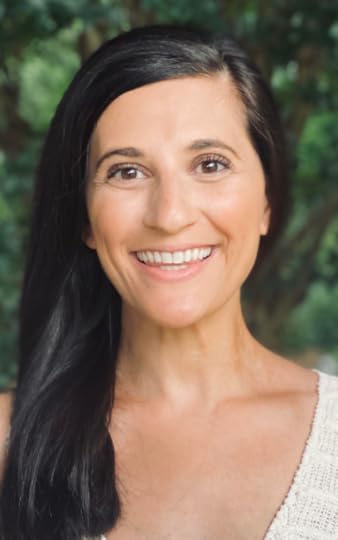 The Help Disability Parents Actually Need (But Rarely Ask For) with Jordan Arogeti
 E8 — Asking for help shouldn’t feel impossible. In this episode, Jordan Arogeti, CEO of SupportNow, joins Amy Julia Becker to talk about why asking for help can feel so hard, especially for disability families. They explore how SupportNow offers a simple path toward connection and lasting support.
Connect to Community download: A one-page guide to help families experiencing disability map out the connections that matter most within their communities. Get the guide!
Episode 8Listen on your favorite platform:
Apple YouTube Spotify More! Jordan Arogeti
 Jordan Arogeti is on a mission to change the way we support friends and families in hard times. As CEO and Co-Founder of SupportNow—a free platform that simplifies giving funds, meals, and time—she’s helped raise over $5 million for families across all 50 states. Her background in tech sales, passion for women in leadership, and personal experience as a mom of three shaped the vision behind SupportNow. A graduate of the University of Georgia, Jordan lives in Atlanta with her husband Scott, and their three kids; Nace (6), Remi (5), and Hayes (2).
IG: @supportnow_org
Website: Supportnow.org and www.supportlanguages.com
MENTIONED IN THIS EPISODE Jordan’s Support Languages TEDxSupportnow.orgSupport Languages quizInstagram: @supportnow_org_
WATCH this conversation on YouTube: Amy Julia Becker on YouTube
SUBSCRIBE to Amy Julia’s Substack: amyjuliabecker.substack.com
JOIN the conversation on Instagram: @amyjuliabecker
LISTEN to more episodes: amyjuliabecker.com/shows/
TRANSCRIPTNote: This transcript is autogenerated and does contain errors. Please check the corresponding audio before quoting in print.
Amy Julia Becker (00:06)
I’m Amy Julia Becker and this is Take the Next Step, a podcast for families experiencing disability. We have teamed up with our friends at Hope Heals to bring you weekly conversations with fellow parents, therapists, and disability advocates about practical ways to cultivate a thriving future for the whole family. Here at Take the Next Step, we see your family as a gift to our society and to your local community. Your family matters. Your child matters.
We need you among us. I learned about SupportNow last spring and I’ve been telling people about it ever since. Today we have CEO and co-founder of SupportNow, Jordan Arogeti as our guest. SupportNow is a free platform that simplifies giving funds, meals, and time. I want to be clear, she’s not paying us to advertise her company.
We just have her on here today because we believe that support now can be a real part of equipping parents like you to start with delight, connect to community, and take the next step toward a good future. And that is what the show is all about. One more thing before we turn to this conversation, I have a free gift for you that is related to what we’re talking about today. The Connect to Community download is a one-page guide.
that helps you map out the connections and support that matter most to your family in your community. You can find the link in the show notes and that’s for free. And now my conversation with Jordan Aracetti.
So I’m here today with Jordan Arogeti, founder of Support Now. Jordan, thank you for being here.
Jordan Arogeti (01:47)
It’s great to see you again. I’m excited to be here.
Amy Julia Becker (01:50)
Well, we talk about three things here on the Take the Next Step podcast. So we talk about starting with delight, connecting to community, and taking the next step towards a good future. And today I want to zoom in with you on the idea of connecting to community because you have started a company called Support Now, and it’s really designed for, of course, support for families, but also
maintaining connection to community, especially in times when that might be easy to lose. And I, so let’s start with an introduction to you and to support now. What motivated you to start it? What is this organization? Just tell us about it.
Jordan Arogeti (02:29)
Sure. So I am the proud mom of three children. My husband and I started this company a couple of years ago. Unlike yourself, Amy Julia, I don’t come from the background of having a child with a disability. During the pandemic, like a lot of people, I was on the receiving end of many, many text messages, emails, phone calls, Facebook notifications that people I loved loved were struggling.
struggling with loss, struggling with NICU babies, struggling with house fires, cancer, disability. And I turned to my husband and I realized that we live in a culture of cash and casseroles. And I really questioned and wondered, why is that? Why is our knee jerk to just give money and meals? Because I knew that I wasn’t the only person that had this desire to do more than those things. It’s not that I didn’t want to do those things. I’m happy to do that, but
I always thought about what about their dog? What about their children? What about prayer? What about just listening? Why isn’t there an opportunity to like really step up in that fashion in a way that can scale and a way that can be normal? And so we became pretty obsessed with this idea of building a more compassionate, empathetic, comprehensive place where you can raise money, organize meals, coordinate volunteer share updates all together in one place.
And that became Support Now. And then about a year later, we came across an amazing woman named Abby Zacharitz, who had built a spreadsheet full of grants, medical grants, ⁓ after her son endured a major life-changing injury in a near drowning incident. And we found an opportunity to help families further by building Connect, which is the largest database of active, sortable medical grants in the world.
And so together, these two tools are there to help families alleviate and reduce the overwhelm that they feel. And Connect especially tends to be for our families that do have a child or a loved one with a disability. And it just, again, reduces that overwhelm that they feel, especially when it comes to funding.
Amy Julia Becker (04:42)
Thanks so much for just giving us, I love the backstory there and that you were on some level just the person who wanted to be able to be connected and to help, know, not of course with any attitude that you wouldn’t one day be on the receiving end of that, but at the same time, recognizing how much we actually want to be engaged and involved in each other’s lives in especially these times of need. And I’m curious and it’s interesting to even think about the pandemic as a part of this question.
But what are some of the barriers that you see that keep people from being connected to each other and helping support each other? What are some of those barriers? I know support now helps to break down some of those barriers, but what are some of the barriers?
Jordan Arogeti (05:25)
There are several but the main one and the one we talk about the most is that the greatest fear that people have in life is asking for help. It’s really, it’s that simple. It’s also that deep asking for help is rooted in this sense of shame that I am not enough. I’m not capable or rather that I should be able to rise to this occasion or that I was put in this place to figure this out on my own. ⁓
And that is the number one barrier for anyone to get the support they need. Because in order for people to help you, generally speaking, you have to be willing to accept that help. we live in a very, I don’t like this word, but I’m gonna choose to use it on this podcast. We live in this kind of toxic culture of motherhood in particular, where we’re expected to do it all and to look good while doing it.
⁓ I think it’s really dangerous and think social media only.
Amy Julia Becker (06:27)
⁓
Jordan Arogeti (06:28)
right, highlights and really makes that problem worse because people are always projecting the best of themselves, the best of their families. And I do think it kind of corrodes this motherhood and this sense of that I must be doing it wrong because everyone else is doing it fine on their own. And so it’s a very difficult thing to reverse because it’s psychological, it’s rooted, it’s emotion.
to feel shame. ⁓ But I’m also extremely ⁓ bullish and optimistic that we can actually turn that shift towards normalizing help, normalizing support as actually the cool thing to do, the trendy thing to do. And I often say this, but I believe it. don’t think sometimes moms realize when you put all of that pressure on yourself,
Not only does it make it harder for you, but it’s also a detriment to your children because we are supposed to model the behaviors that they see. So if we don’t model asking for help, if we don’t model the idea of letting others into your home to support you, how are we to expect them to know how to ask for help and to be willing to receive it? And so I mean it. ⁓
Amy Julia Becker (07:33)
Mm-hmm.
Jordan Arogeti (07:56)
very sincerely that like it is such a blessing to wake up every day, not just to see families get support, but also to change the culture in which accepting support is normal and dare I say validating and fulfilling for everybody.
Amy Julia Becker (08:10)
Yeah. I also know from being on the receiving end of that type of support and recognizing my own ⁓ various stages in our family’s life need to ask for help. What’s really remarkable is that when you become someone who is receiving support and asking for help, it actually is remarkably freeing for other people to say, ⁓ I’m needy too.
Like me too, me too, I need help too. And there’s actually like this beautiful reciprocity over time that can begin to happen as a result, as you said, of kind of a culture change of not believing I need to prove myself as invincible or as completely independent. But actually our families can be people who rely on each other instead of doing it all for ourselves, which is transformative for the whole family and for the ecosystem, right, of all the people. So I I really love that.
and
Jordan Arogeti (09:08)
As you know, as humans, are tribal beings. By nature, we are tribal beings. It is only in recent centuries where we have kind of lost this. We’ve leaned into this individualist society, which is again, not a bad thing. It’s just a thing. But as a result of both how we live, we live separated. We don’t live in huts. We don’t live in communities. We live spread out. Certainly the rise of technology, certainly
the pandemic, has begun to isolate us. So it’s harder to get connection than it used to be, but it’s in fact a very innate part of the human experience. So it doesn’t surprise me when people say, wow, I didn’t realize how good it would feel to receive and then to give that back to your point about reciprocity and kind of that domino effect that takes place because it is by nature what we are designed to do.
Amy Julia Becker (10:06)
So tell me about a family who either feels like their needs are too much to ask for help or who just don’t know how or who to ask. Where would they start? And that can be in general or specifically with support now. What does that asking for help actually look like?
Jordan Arogeti (10:24)
Yeah. So there’s a couple of ways to answer that question. think something I’ve learned from our customers, from our families is the great reframe comes when you think about not from, not about what you receive, but what you get to give to others. So a framing that I’ve heard often is I finally was willing to create a support now or to let someone create a support now when I realized that it was, I was giving my community a chance to bless us with their blessings.
Amy Julia Becker (10:53)
Mm-hmm.
Jordan Arogeti (10:54)
And that reframe is really, really important because what you realize is that shift again, it’s not about what you need. It’s about letting others do what they are designed to do. And support now is so perfectly positioned for that because we allow, you know, what I call all these different support languages to take place because it is so comprehensive. We don’t say that it’s just money or just meals. You can step up and show up.
in ways that feel most natural for that person, for your community, for that circumstance. It’s flexible in that way. So that’s one way. The second way is, and this takes a little bit of, I’m Jewish, so I’ll use some Yiddish on this, some chitpa. And that is that there are some of the most successful support now’s experiences I’ve seen have come not as a result of the family coming around to it, but has come as a result.
of that closest person in their life saying, I’m doing this anyway. I’m doing this anyway. Because absent you giving clear direction, what happens is you actually create more chaos for yourself. You create more confusion, you create more questions. And so some of my favorite examples, I call this person the maid of honor. It’s typically a woman. And I call it a maid of honor. In support now, we call these people organizers.
Amy Julia Becker (11:58)
Yeah.
Jordan Arogeti (12:21)
But A Maid of Honor, it’s so easy to visualize. It’s the person in your life that is willing to push back on what you’re saying because they know you well enough to know your needs. They know you well enough to say what you need. Your needs are more extraordinary than you might recognize. And your community wants to do something, not because you’re asking for it, but because they love you. And so I think there’s another route to take, is
You know, if you know someone that’s going through what we call a major life moment or a moment on their journey or in a season where this is just helpful, just do it. Because in that moment, the family might say, no, no, no, no, no, I don’t need this. But I assure you six months later, nine months later, a year later, they come back and say, I’m so grateful. The most reoccurring theme I hear when I interview people is that the people that meant most to them.
are the ones that just did it. They didn’t ask questions. They didn’t overcomplicate it. And I think there’s a lot of beauty and that’s just taking initiative perspective ⁓ because a lot of times families are too overwhelmed and frankly too prideful to know what their needs are.
Amy Julia Becker (13:38)
Will you give us a couple examples of how people have used support now? ⁓ Because I know there are lots of different ways that families might avail themselves of those services.
Jordan Arogeti (13:49)
So, I mean, there are really just hundreds of use cases. ⁓ For the disability community, it’s so beautiful. I mean, it can be, I’ve seen people raise money and just raise money for equipment. know, the thing about the disability community is you’re kind of chronically needing money. Because the needs of your child evolve, whether that’s surgeries.
therapies, equipment, your families, God willing, your children, God willing, they keep growing. And so for a lot of families, what their communities don’t realize is even if you just raise money for some hospital bills, an emergency visit, in five years, they’re gonna need a new wheelchair or a new van or new therapy. So one of the most common use cases I see from ⁓
families with a child with a disability is just raising money for equipment. And it’s a beautiful thing. ⁓ And in that vein, a lot of times it’s for intensive therapies. We have a lot of cerebral palsy families that use SupportNow. And with CP, they need, and it’s possible to help with walking, help with balance, but those things cost money. ⁓ And then beyond that, beyond the fundraising element of what SupportNow does, our Linda Hand feature is what
Amy Julia Becker (15:08)
Yeah.
Jordan Arogeti (15:15)
is what we call really, it’s a fancy term for volunteers. But it’s been really incredible to see when we’ve had families, whether it’s cancer or disabilities, God forbid, loss, people to leverage this feature inside of support now to do things like dog walking, to do things like mowing the lawn, to do things like ⁓ play dates for their other children who might be neglected in that short season while you might be with your kid that’s struggling.
And so what’s really special about what we’ve built is everything is customizable. So sometimes people just start with volunteering. Sometimes people start with just fundraising or a combination of the two. But we know the situations, especially for disability families, it’s constant. And so the needs are constant. And it’s not that your community doesn’t want to help you, but if there’s not one place to be informed of what the latest is or what they can be doing to better show up, then it kind of makes it.
hard for them to do that thing. And what we want to do is really extend that timeline of support for much longer.
Amy Julia Becker (16:20)
I love that and I know you’ve already mentioned this ⁓ but I’d love to ask you to speak to the idea of support languages because one of the beautiful things about support now is exactly what you said. We’re not assuming that everyone wants to bake a casserole although we know there are casserole’s needed you know but like so what are support languages and how do they let different people be involved.
Jordan Arogeti (16:39)
Yeah.
So there’s a like a practical way of me answering that question. And then there’s more of the philosophical. And I was really fortunate to give a TEDx talk on support languages a few months ago, where I laid out this framework framework for people to discover what their support language is. So think of a support language similar to your love language. It’s how you like to give and receive support. And what we saw at support now was there’s an opportunity to educate people on their support language based off their natural inclination when
things in their community happen. And it’s based off of multiple variables, things like, do you tend to take initiative or do you kind of wait for direction? Things like, do you like to do more tangible things or are you more emotional? Meaning like, do you prefer to listen? Do you prefer to kind of play that role of the listening ear? And what we found is that we could create eight different support languages as a result of how you answered this quiz, we curated.
But the end result of this support language is designed to teach you that you are born with a natural instinct to support. Now that might look different. We may have very different support languages. I always say, if you’re not the cook, don’t cook. But I know plenty of people that love to play the role of the dog walker. I know plenty of people that love to be the prayer person. I know plenty of people that say, I don’t want to do any of that, but the second you just want to break down in tears, I’m here to listen.
And they all matter. ⁓ what we’re uniquely designed to do is to support those things so that everyone feels like they have the opportunity to support. Everyone feels like they had the chance to show up because the number one thing that I hear from supporters ⁓ when major life moments happen and they don’t is that guilt and that shame of doing nothing. And so often it’s because they simply didn’t know what to do.
And so we curated this whole quiz. You can go to supportlanguages.com for that. But then through the platform, through Support Now, you can actually act on that.
Amy Julia Becker (18:48)
I love that. I think about my mom, and this is not specifically through support now, but she has a friend who has dementia and my mom has been saying for years, like, I know that dropping off food is actually not helpful to them because of just her condition. Like she literally forgets that the food is there. So it goes to waste. like, you know, I’ve been trying to support her in so many ways. And finally, her friend just made a comment. They were she drove her somewhere and her friend made a comment was like.
I have just been looking for someone to drive me around town. And my mom was like, what? What? Wait, I can do that. I can do that. And I would love to do that. I’ll come over once a week and we’ll take a drive around town. Like, that’s great. And we can get out and walk somewhere. We can, you know. And it was just such a beautiful gift because it’s something my mom is delighted to do. And it’s also something that is like truly life giving to her friend, which then ripples down, honestly, across the whole family. So, know, the rest of the family as well. And.
I just love the way in which when we start to give to one another and in meaningful ways that there is a sense of it kind of like falling into place in like a beautiful, almost a system that was meant to be there already. And I love your stories that support that idea too.
Jordan Arogeti (20:00)
Thank you.
Amy Julia Becker (20:02)
I have one last question, just which is very practical. So someone’s listening to this podcast and they’re like, gosh, I think that’s me or that’s my friend or my family member or whatever. And they want to get started. The name of this podcast is Take the Next Step. Can you give us like a couple next steps that people might take if they want to get more connected and ⁓ connected to a supportive community? Yeah.
Jordan Arogeti (20:27)
be happy to. The best place to start is to go to our website, supportnow.org. Again, we call Support Now a registry. We kind of play off the wedding or baby registry idea. But anyone can create a Support Now. It can be the family themselves can create it, a best friend can create it, a sibling can create it, it doesn’t matter. And then you go on and the onboarding is less than two minutes. We just ask you some questions. Who are you? What are your needs? Or what do you think your needs are?
And then from there, you can customize the entire experience. You can add more organizers, which we highly recommend doing because by, especially if you’re creating it for your own family, you’re, just going to be distracted because you have a family to run. we, we encourage you to invite others that you think would take pride and be excited about taking on this initiative. ⁓ but the process is really simple and it is driven by your own community. It’s driven by the.
kind of social circles you’re already in. So we recommend sharing with your school groups, with your church communities, with your close friends and family. And it’s not uncommon for people to tell me, well, I’m not sure that I have a big community. I’m not sure. And those are the ones, Amy, Julia, that do so well because their community has been waiting for an opportunity to do something. They’ve been waiting. They’re eager.
And because support and helping and asking is so awkward in our culture, again, people are reluctant to be proactive and now you’re giving them a chance. So that’s the easiest way. We have an amazing support team over here at Support Now that provides all the help you need, whether it’s writing a description, how to share, what communities, I mean, we really do everything we can to make the experience as seamless as possible. ⁓ And then if you’re not ready.
for to create a support now registry. can always follow us on Instagram just to see the type of content that we’re putting out there too. Because sometimes you just need a little bit more of an edge and that’s just support now underscore org on Instagram.
Amy Julia Becker (22:37)
Awesome. Those are fantastic next steps. to your point before, if you know you need a support now but don’t want to make it for yourself, then your one next step would be to ask your maid of honor to do that. Maybe not your literal maid of honor from your wedding, but the person who you know would do that for you. So.
Thank you so have something I can do. Yeah, I know. yeah. ⁓ Thank you so much for being here. Thank you for the work of support now. I know that I am just so grateful to be able to share this resource with so many people. And I know it has already meant so much to so many and that’ll only continue.
Thanks so much for joining me here at Take the Next Step. This show is produced in partnership with our friends at Hope Heals, a nonprofit that creates sacred spaces of belonging and belovedness for families affected by disabilities to experience sustaining hope in the context of inter-ability community.
Jordan Arogeti (23:43)
you
Amy Julia Becker (23:43)
Before we go, I want to remind you of your free gift, the Connected Community Download. This is a one-page guide that helps families experiencing disability map out the connections and support that matter most to your family in your community. You can find the link in the show notes. We’ve still got more great episodes upcoming. I’m to be talking with Kerry Hahn, author of Beyond Inclusion, the show Baraka, father and hip-hop artist, writer,
Nero Feliciano, who is the author of a book that all of us might need going into the holiday season. All is calm-ish. ⁓ So please stay tuned for all of those great upcoming conversations. Please also follow, rate, review this show. We need more people to know that this is available to them. They too can start with delight and connect to community and take the next step towards a good future. So please share this conversation.
send questions or suggestions my way. We’ve got a link in the show notes that says send us a text. You also can email me at amyjuliabeckerwriter at gmail.com. Thank you, Jake Hansen, for editing this podcast. Thank you, Amber Beery, my assistant for doing everything else to make sure it happens. And thank you for being here. I’ll say it one more time. I hope you leave this time with encouragement to start with delight, connect a community, and take the next small step.
toward a good future for your family.
HOPE HEALS COLLABORATIONTake the Next Step is produced in collaboration with Hope Heals. Hope Heals creates sacred spaces of belonging and belovedness for families affected by disabilities to experience sustaining hope in the context of inclusive, intentional, inter-ability communities. Find out more about our resources, gatherings, and inter-ability communities at hopeheals.com. Follow on Instagram: @hopeheals.
Subscribe to Reimagining the Good Lifemy weekly Substack letter
My newsletter delivered to your inbox that challenges assumptions about the good life, proclaims the inherent belovedness of every human being, and envisions a world of belonging where everyone matters
LET’S REIMAGINE THE GOOD LIFE TOGETHER. SUBSCRIBE TODAY!
The post The Help Disability Parents Actually Need (But Rarely Ask For) appeared first on Amy Julia Becker.
November 4, 2025
Grief and a Disability Diagnosis
Grief. Guilt. Exhaustion. I’ve heard lately from parents who are tired, grieving, hopeful, and wondering how to keep moving forward. Matthew Lyle Mooney joined me to answer questions from families experiencing disability.
Here are two questions and responses that stood out to me from our conversation:
 “My child received a disability diagnosis. Is it okay to grieve?”
Matt says:
“Grief is any time there’s a gap between the realities of life and what you expected.”
“Being honest and open that this is not what I expected… is a portal for you to begin to love the actual life that you have.”
__
“I feel guilty that I can’t do it all. How do I let go of guilt?“• Ask yourself: “What would I say to another parent in my shoes?” Extend the grace to yourself that you would give to other parents.
• Prioritize what matters most this season. Let your “no” make space for a more meaningful “yes.”
• Release comparison. Your family’s rhythm doesn’t have to match anyone else’s.
__
And I love this quote:
“If you believe your child is a gift… that changes the way you think about your child’s future, their involvement in their church, their involvement in their community.”
__
There’s lots more!
TAKE THE NEXT STEP What If I’m Just Exhausted? {Questions from Disability Parents} with Matt Mooney
SUBSCRIBE to my Substack newsletter: amyjuliabecker.substack.com
JOIN the conversation on Instagram: @amyjuliabecker
LISTEN to my podcasts: amyjuliabecker.com/shows/
CONNECT on YouTube: Amy Julia Becker on YouTube
The post Grief and a Disability Diagnosis appeared first on Amy Julia Becker.
October 31, 2025
October 2025 | Things Worth Your Time
Books, essays, podcast episodes, and more that I think are worth your time, plus recent cultural news that I’m paying attention to in the month of October…
I love that inviting kids with disabilities into playground design not only ensures their voices and needs are heard but also benefits the entire community:
“It turns out, company leaders say, that finding out what kids with disabilities want in a playground helps build a better playground for everybody.”
As usual, Katherine Wolf offers us a succinct and powerful truth in her most recent Hope Note:
“Disability is not a problem to be solved. It’s a prophetic witness to our common humanity.”
-Katherine Wolf, Hope Note 102
Jessica Grose highlights one aspect of President Trump’s announcement about the potential “cause” of autism. She reminded me of the long history of blaming mothers’ behavior for their children’s autism—beginning with the “refrigerator mother” theory, which claimed that cold, unloving parenting caused autism, and continuing today with our President urging pregnant women to “tough it out” through a fever rather than risk harming their unborn children.
It Was ‘Good,’ Not Perfect: I read this essay in hard copy form, and I literally took out a pen so I could circle, star, and underline things. Which meant that most of the essay ended up with some sort of notation. John Swinton has been a guide to me in thinking about disability and humanity for a long time now, and this essay about how Genesis 1-3 helps us understand creation and disability is just one more profoundly helpful exploration of these themes.
The Art of the Impersonal Essay: I don’t think I can share this essay as a gift link, but here’s the link for any of you who can access the New Yorker.
How One Man Overcame His Autism: I was a little skeptical of this conversation based on the clickbait title, and—spoiler alert—the guest who was diagnosed with autism as a child is still autistic. I appreciated the conversation, but I also wish our public conversations about disability didn’t need to be framed in such stark terms. Why can’t we understand autism as a condition that emerges from a range of genetic, environmental, and social factors? Why can’t we recognize that disability includes hardship and opportunities?
Episode #74: Amy Julia Becker & Hilary Yancey. The Rewrite Radio Podcast released this conversation we had at the Calvin Center for Faith & Writing last year.
“What does it mean to tell stories of disability with honesty, love, and care? Both mothers of disabled children, writers Amy Julia Becker and Hilary Yancey, in conversation with Dr. Kevin Timpe, explore how narratives about disability can shape identity, community, and faith. Together, they reflect on parenting, setting boundaries, storytelling, and the redemptive power of bearing witness to one another’s lives.”
Dirtbag Billionaire by David Gelles. I just finished this book about Patagonia founder Yvon Chouinard. It’s intriguing and well-written, but what I loved most about it was the example of someone who is neither giving in to cultural norms nor completely distancing himself from our culture. Patagonia is a huge company that wants to help address all sorts of ecological problems. It also contributes to those problems simply by producing and selling. Chouinard holds onto his values and ideals, and he compromises those along the way. He, and his company, aren’t perfect, but they are seeking to do good. This story pushes me to think about ways I can do the same.
Ed Department Lays Off Nearly All Special Education Staff. I don’t even know what to say about the fact that our Department of Education is systematically ensuring that students with disabilities have very little recourse if their legal rights are violated. I guess for now I will simply remind us that laws and culture go hand in hand. Most of us have no power over the federal government, but we do have power within our local communities to ensure our civic life, workplaces, and schools are places of welcome and belonging for all.
OneSec. I just started using the app Onesec. I realized recently that I check email and Instagram without even thinking of it anytime my phone is in my hand. I do it reflexively, dozens of times throughout the day. I have to assume that one reason I’ve felt a little reactive lately comes from the experience of constantly checking in on things and feeling compelled to immediately respond. Anyway, this app is a way to just take a pause before reflexively opening any other app. Now, when I click on gmail, my phone prompts me to take a breath. Then, after a few seconds, I either click to enter the gmail app, or I say I don’t want to continue right now. If I do continue, I click an icon saying why I’m going into the app. So far, I’m only actually opening the app about 10% of the time. And it’s $20/year for a single user and $25 for a whole family of 5.
Podcast Episode: Put a Stop to Your Hurried, Rushed Life. I have felt way-too-busy this entire fall, so I paid attention when this podcast dropped into my feed. I listened to it, then I read through the transcript and took notes on the ways he suggests we can practice slowing down. It’s short and to-the-point and was very helpful for me.
Timberlane Students Custom-Build Inclusive Halloween Costumes for Mercer Elementary. I love so much this story of middle school students engineering Halloween costumes for elementary school students who use wheelchairs. We see an example of how communities move from spaces that tolerate disability to spaces where everyone belongs. Everyone wins. Instead of a social hierarchy with some kids on top and others on bottom, everyone is lifted up.
Get my favorites delivered to your inbox each week.
Subscribe here.
More Favorites and AJB Recommends
If you use a link from here to purchase something I recommend, it sometimes earns me a small commission, which enables me to continue the work I do here. So thank you! (As an Amazon Associate, I earn from qualifying purchases.)
SUBSCRIBE to my Substack newsletter: amyjuliabecker.substack.com
JOIN the conversation on Instagram: @amyjuliabecker
LISTEN to my podcasts: amyjuliabecker.com/shows/
CONNECT on YouTube: Amy Julia Becker on YouTube
The post October 2025 | Things Worth Your Time appeared first on Amy Julia Becker.
October 29, 2025
What If I’m Just Exhausted? {Questions from Disability Parents}
TAKE THE NEXT STEP PODCAST
 What If I’m Just Exhausted? {Questions from Disability Parents} with Matt Mooney, PhD
 E7 — Q+R: How do I take care of myself and avoid burnout? How do I make sure siblings aren’t overlooked? Is it okay to grieve? Where can my child build lifelong friendships? How do I stop feeling guilty?
In this episode, Amy Julia Becker and Matt Mooney, co-founder of 99 Balloons, respond to your questions. Thank you to our audience for your thoughtful contributions!
Episode 7Listen on your favorite platform:
Apple YouTube Spotify More! Matthew Mooney, PhD
 When Matthew Mooney and his wife Ginny were 30 weeks pregnant, they learned their son Eliot had trisomy 18. Eliot was born eight weeks later and lived for 99 days. The Mooneys founded 99 Balloons, a nonprofit supporting individuals with disabilities locally and globally.
Matt now serves on the 99 Balloons Board and lives in Fayetteville, Arkansas, with Ginny and their three children—Hazel, Anders, and Lena.
A writer, speaker, and consultant on disability and inclusion, Matthew is also an attorney and received his PhD in Theological Ethics at Aberdeen University. His work has taken him to Haiti, Mexico, Ukraine, Uganda, India, and beyond.
Websites: 99 Balloons :: matthewlylemooney
Social: insta
WATCH this conversation on YouTube: Amy Julia Becker on YouTube
SUBSCRIBE to Amy Julia’s Substack: amyjuliabecker.substack.com
JOIN the conversation on Instagram: @amyjuliabecker
LISTEN to more episodes: amyjuliabecker.com/shows/
TRANSCRIPTNote: This transcript is autogenerated and does contain errors. Please check the corresponding audio before quoting in print.
Amy Julia (00:06)
I’m Amy Julia Becker and this is Take the Next Step, a podcast for families experiencing disability. We’ve teamed up with our friends at Hope Key to bring you weekly conversations with fellow parents, therapists, and disability advocates.
Amy Julia (00:11)
stability.
about practical ways to cultivate
Amy Julia (00:23)
a thriving future for the whole family. Here at Take the Next Step, we see your family as a gift to our society and to your local community. If you hear nothing else, we want you to know that your family matters, your child matters. We need you among us. Today, we are trying our first question and response episode. Thank you so much to those of you who sent in questions. We have tried to group them together by theme.
And we’ll be talking today about three themes. One, how to handle emotional exhaustion. Two, how to make choices about connecting to community, when, where, how to do that. And then three, how to handle the overwhelm of just having too many things to do for our children with disabilities. I’m joined in this episode by my friend, Matt Mooney, and you will learn a little bit more about him and his family in this conversation, but…
Just to give you a little bit of his background, Matt and his wife Ginny learned that their son Elliot had trisomy 18 when Ginny was 30 weeks pregnant. Elliot was born eight weeks later and lived for 99 days. The Moody’s later founded 99 Balloons, a nonprofit supporting individuals globally and Matt is a writer, a speaker, a consultant on disability and inclusion.
Amy Julia (01:32)
with disabilities locally.
Amy Julia (01:40)
He’s also an attorney and recently received his PhD in Theological Ethics from Aberdeen University. you know, he’s also… Work has taken him around the globe and he also lives in Fayetteville with his family. As we move into this question and response episode, I just want to say if you are prompted to have more questions as a result, please do reach out.
Amy Julia (01:48)
really lazy. ⁓
and saw.
node.
Result of this.
Amy Julia (02:07)
I would love to hear from you and you can email me at amyjuliabeckerwriter at gmail.com. I would love to answer your question in a future episode or in my weekly newsletter. And now here is our first question and response episode for Take the Next Step.
Amy Julia (02:27)
I’m at I’m really that you are here today. I have given our listeners a sense of your official bio already, but I thought it also might be helpful to hear from you. Just a quick introduction to who you are and just how who you are pertains to this question and response podcast that we’re doing today.
Matt (02:48)
Well, I think most importantly for our conversation, I’m a father, you know, and a father of two children with disability, one who passed away, one who lives with profound autism under our roof named Lena. So when I talk about Lena, that’s her, she’s 18. I get to work with an organization called 99 Balloons, love it, and have gotten to study a little bit on this topic of disability and the church and so on and so forth. So those are the highlights.
Amy Julia (03:18)
So ⁓ listeners will already know that you’ve done a little more than a little bit of study, but I also appreciate the fact that you ⁓ lead with being a dad because that is actually what got you here with me is the fact that we are both parents of children with disabilities. And this is a podcast intended particularly for parents of children with disabilities. And, you know, throughout the season, we’re talking to therapists and we’re talking to advocates and experts and other parents. ⁓ And we’re talking about
kind of particular topics, starting with delight instead of deficit, connecting to community, taking the next step towards a good future for our families. But today I wanted to pause from those types of interviews and really give a chance for the two of us to answer some listener questions that have come in in response to some of those conversations. And what we did when we got these questions, some by email, others audio, was to try to look for themes and put them together in a way where we could address
even though we’re addressing someone’s particular question, having that question be somewhat representative of what other people have said is on their mind. ⁓ to start, exhaustion was actually a theme that came up and perhaps one that you and I can relate to. ⁓ People talked about the exhaustion of advocacy, the exhaustion of building community, the exhaustion of like actually just being really, really tired.
So I wanted to start with a question of how do parents of kids with disabilities take care of ourselves?
and what helps us avoid burnout and actually thrive as humans, as parents, as our own people. Any thoughts on that?
Matt (04:52)
Well, let me set myself up this way, which doesn’t answer the question, but I promise I will get there. I’m approaching, is there any more intimidating thing than taking the families, and I know a lot of beautiful, wonderful families, and taking their questions and acting like I have the answers. That is very intimidating. So I’m not coming into this like an expert. I’m coming into this like, ⁓ I think you’ll agree with this approach, a sojourner, ⁓ a Steves approach, right? Like I can’t be an expert on everywhere I’ve,
I necessarily, but I can tell you about a restaurant we went to. had a really good meal and I enjoyed it. So I can tell you what I lived. will. is Rick Steve’s is the best interpretation I can do, but on exhaustion, ⁓ it’s a real thing. It turns out I’m 48, ⁓ and the energy level is, I think not going up into the right. you know, I like the way that you phrased it. It’s, so many fronts. You are.
moving as a parent in this space on so many fronts simultaneously. is whack-a-mole might be a way to put it. are never feeling ahead is probably something to get comfortable with. With that said, think that the thing that I thought about is something that we decided, we have two other teenagers now, some of them now have
three teenagers, but we did this a long time ago. And the way we thought about our family ⁓ was like a dice. Plural would be die, but dice, a dice. And on that dice, like when you roll the dice, somebody is forward-facing, like their number’s up, right? And so I think…
Amy Julia (06:28)
Hmm.
Matt (06:44)
Our commitment or our way about thinking about our family is that everybody gets a turn for it to land on their number. And we have to have very, we have to have a lot of intentionality in our family because the default way that the die starts out at the day and ends at the day is that the person with the most need in our family, ⁓ we’re all in the boat, we’re all geared towards them.
We just, that’s nobody woke up and decided it. It, it is nobody’s sad or mad about it really. Some days they might be, but most days that’s just the way it is. And so we began, we really focused on how do we make sure that our other children’s number comes up and we’re intentionally focused on them. Maybe for 24 hours, it may be a taken them to dinner, taken them to breakfast. It may not be much.
But if we weren’t intentional, it would have never happened. And the level of intentionality to focus on the different members of your family, and with that said, like it is, my wife is Jenny, it is Jenny’s turn. That means kids, I’m gonna need your help. You’re gonna help me. That means Lena’s not gonna be as happy. Her day’s not going to go as smoothly and as perfect.
And that’s okay because it’s Jenny’s number that’s up. so I think that’s probably just a very 10,000 foot, not super helpful maybe, but it is a philosophy that I think in the long run makes you less ⁓ bitter. It allows you to, and it allows you to have a strategy whereby other people
become the focus and attention point, not just on their birthday.
Amy Julia (08:46)
Right. Well, no, I love that. I find that very helpful myself. And I think just to add on to what you’ve said, there is, I think, lot of can be a lot of guilt in our parenting when we are not fully meeting what the perceived needs of the children, especially, but any other member of our family. And yet recognizing that, you know, our needs as parents are actually a part of the family’s needs and our various children’s needs are all a part of that.
and not seeing it as this kind of zero sum game where everyone is supposed to have a full cup at all times, but actually that we, ⁓ all part of being human is actually experiencing the ⁓ disappointment of not having our needs fully met at all moments. ⁓ And I think for me, that’s looked a little bit like, ⁓ okay, if I can’t have like an hour of contemplation in the morning with my peaceful solitude.
maybe three minutes will actually still be a reset. You know, just trying to kind of ⁓ figure out if I can’t have a date night once a week with my husband, at the same time, what would it look like for us to be intentionally connecting within the limitations of our family so that we can continue to lead well here together? And so I think that’s actually part of what this podcast is meant to be ⁓ really empowering parents to do.
is to think in both meaningful and manageable ways about what would actually work for your family and who are some people who might help to answer those questions in terms of your personal circumstances. You’ve got a crying baby in the middle of the night. It’s a different circumstance than, you know, I’ve got a 19 year old who is pretty self-sufficient in a lot of ways right now. That’s very different in terms of meeting those needs. So anyway, I appreciate the dice. I will come back to that myself. I’m going to move on to a question from
Dan, he will explain who he is in just a minute because he’s going to ask his question for us.
Dan (10:44)
Hello, my name is Dan and I’m from Massachusetts. I work at a wonderful small organization that supports people with disabilities of all ages. When my own child was born with cancer and then had serious mental health issues, one of the biggest questions I struggled with was, is it okay to feel grief for my own expectations for what I thought my child and my life would be? I know many parents that I work with have felt the same way.
Thanks for all you are doing for our community.
Matt (11:14)
Well, this is a big one. And was it Dan? Dan. to get the name right. Dan, what a great, honest, beautiful question. first and foremost, I think we got to be willing to be honest. And I love honesty. Sometimes it’s raw. Sometimes it’s gritty. But I see this through 99 Balloons, we get to work with a lot of families. And I see this. I see people at all different stages of answering this question.
all the time and some are struggling with it, some are not struggling with it, but might should be. And I’ll just, there’s this tension in our families where they love the child that they have. And many of our families, they wouldn’t change things that you from the outside might think they would change. And they’ve arrived at that point and yet they,
they have a grief. And so there’s that tension and they feel a lot of guilt as you alluded to earlier. They feel a lot of guilt for that tension because they do love their child. And so I think part of the honesty in this equation is to understand what grief is and just level set on what grief is. And for Jenny and I, grief is any time that life, the realities of life, that there’s a gap between the realities of life
and what you expected. That can be very small things. That can be huge life-changing things. Divorce is something to agree, wasn’t, this isn’t, people don’t get married to get divorced. It’s a gap between what they thought. There’s all kinds of sizes and you can’t measure these things, but your dog dies. Well, I thought my dog was gonna be, I love my dog. For some people that’s.
Enormous for some people, move fast. You can’t measure these things, but grief is when there is a gap between reality. I certainly think, and my experience has been, I certainly think we do grieve as parents. First and foremost, yes. The answer is yes. And the hope on the other side of that is not just grief for grief’s sake, but ⁓ in interacting with so many families,
I get a beautiful picture that the families that I admire the most and want to be the most like, they have grief. They have come through grief. It was a part of the journey to accept and love the life that they now have. And they couldn’t get to that without going through the grief process. That’s what we want to do. What we want to do as parents is to arrive at that place, but not go through.
through the grief, but I don’t see that as an option. So yes, I believe that we as families, there is a time and there is a season for us to be honest and open that this is not what I expected. This is different than what I expected. And that that is a portal for you to begin to love the actual life that you have. Now, you and I have talked about this before.
I do not think that it’s society’s job or the church’s job or the community around you’s job to grieve your child because I don’t think they should have expectations of your child. You had expectations of your life and your child. And when somebody else meets your child from the community, I believe it’s their role to celebrate your child just as they are in the beautiful person that they are. So that’s different. There’s attention there as well, but that’s kind of how
Amy Julia (15:03)
with all of that, including that addendum. And I really agree. I don’t ⁓ know how I could have come to a place of not just acceptance, but as you said, celebration of Penny without admitting the grief. And for me, it felt like the grief of her diagnosis exposed some things in me that I had to grieve about myself, which included actually I had to grieve my expectations, not because they weren’t fulfilled, but because I had some expectations that I was like, shoot.
I expected my life to go a certain way that ⁓ really cut a whole swath of people out of my life. And now I want to welcome them, but I still have to grieve them. But then there was also some grief ⁓ that gets rolled in just that it has to do with some of the potential pain and suffering that Penny was going to face. And I think there was a real love that was really a part of that. I’ve again become much more trusting of.
our community and of the ways in which her life is unfolding. And so I don’t experience that same grief now, but ⁓ even distinguishing between different types of grief and again, allowing ourselves to go through that ⁓ without guilt and trusting that, like being honest and expressing our need really does lead us into that place of greater, not just acceptance, but celebration of what we’ve been given and who we’ve been given.
Matt (16:26)
Yeah, I think having lost a child and having adopted a child, it gives me a weird, but there are, are griefs that you never get over. Right. And there are griefs that are leading you to a different place and you will not always be there. Yeah. And you have to do, you have to distinguish between those. There’s, there’s some things that you may
never get through, quote unquote. It may be ⁓ you carry it with you and you build a life around it. So I’m always very quick to never tie a bow on it all and you’re gonna get through it and it’s all gonna be great. I don’t believe that and I don’t think that’s the way that life unfolds. So I do wanna be careful with that.
Amy Julia (17:15)
Yeah, thank you. All well here’s another question from Sarah.
Sarah (17:20)
Hi, my name is Sarah and I live in Connecticut with my husband and two children, the eldest of whom is 12 years old and lives with a rare disease called Wiedemann-Steiner syndrome. My question, Amy Julia, is where are the spaces that my family should make a concerted effort for my daughter to show up now so she develops lifelong friendships and community relationships that will follow her into adulthood?
Matt (17:44)
Well, I think, to love that question, Sarah, to back away from that question, I think there’s a philosophical great ⁓ nugget in that question, which is ⁓ often parents are some of the slowest to believe and accept and really grab hold of this idea that our kids are a gift to the community around them.
And to me, that question had that embedded in it. Like you’re believing that. if you believe that, and that is your guiding light, to me that changes the way you think about your child’s future, their involvement in their church, their involvement in their community. So, you know, I don’t have the, you know, design your community this way and this is the best way to do it.
I’ve seen it done so many different ways. We get to work in churches in rural areas and small towns, ginormous, those places look very different. The communities in those spaces, the lives of people with disability, they look very different. I just, think for me, if I were to back up the, so Lena is now 18. We work with children through 99 Balloons and we work with adults. If I were to,
be thinking about what I would tell myself when Lena was five. ⁓ I just, I don’t know. ⁓ I think it’s that guiding light of if you believe your child is a gift. I think we had some questions on should the community that I’m in have people with disability in it? So I don’t think that that’s mandatory. ⁓
because I see disability as a part of the human experience. So if your community is working for you, think you should be, I think our friends with disabilities should be embedded into their community. And that requires advocacy and it requires work and it requires a lot of moxie as a family with a young child that may not quite fit into every little place that you go to. And if you can do that with love, all the better. And you need to do that with love, but,
because you are cultivating the community for the future, right? Like I can resort to anger very easy. I’m really good at it. I know you’re shocked. ⁓ Right, like I can be a lot, like especially when it comes to my kid and you don’t seem to like it. But like with teachers, with churches, to burn these bridges doesn’t really serve.
anybody well in what you want for your kids. I think just, I don’t think you have to go design a whole new community. I think you have to be an advocate within the community that you naturally fit into. You might go find some additional relationships. I think that’d be really fun. think that’d be, you’d feel less isolated and less lonely, but I think you are.
finding a community of people that are willing to listen and that are willing to accept your child. And if you have that, I think you have something to work with. There’ll be still a lot of education. There’ll be a lot of pain points. There’ll be a lot of tweaking and trying it and let’s do it again. That didn’t work. Let’s try it again. But to me, the heart of the community and the heart of the people you’re working with guides whether that’s gonna work or not.
Amy Julia (21:28)
Yeah, and I think just to, I mean, I agree with everything you just said and to take a little bit of a different tack because we just recently moved. And so I’m reading in Sarah’s question this like, how can I be sure that these are going to be lifelong community and friendships? And in our case, it’s like, we just moved. So we’re kind of starting over. Was it worth it to be, you know, connecting to people in our old community? And I still think what actually was happening there. Sure. First of all, there are some relationships that can travel with us, but others where, ⁓
We were learning how to be a part of a community and how to show up, how to trust a community. ⁓ And we were also learning how a community could welcome us and look for that. that was true, whether it was like going to the bookstore, you know, just like a very public and kind of who knows if you’re going to see anyone you know, type of space or into a much more.
you really should be known by name if you’re walking in again and again to a school or a church or some other like institutional place. ⁓ But I do think that kind of act of showing up and of ⁓ and then I guess the inverse is true, too, of like we create spaces in our own homes, at least potentially, that where we’re welcoming other people in and again, not apologizing for our ⁓ family member with a disability, but saying, hey, guess who you get to be with? ⁓
and really being intentional about that with ⁓ all sorts of people, whether it’s our peers as adults or our children’s peers.
Matt (23:01)
Yeah, that’s good insight. I’m sure you learn a lot from moving to a whole new whole new community and doing it all over again.
Amy Julia (23:08)
Yeah, at a totally different stage. there have been challenges and gifts, I suppose, that comes with that. So I am going to skip ahead a little bit just in terms of time here and ask a question ⁓ to finish what we’re talking about that is really about, ⁓ we’ve talked a little bit about connecting to community, we’ve talked about the emotional exhaustion piece of things.
I also wanna talk about these questions that have come up about the idea of like taking the next step, the name of this podcast. And here’s one that I think kind of summarizes what people were asking. There are so many therapies, appointments and skills that my son needs. No matter what I choose to focus on, I always feel guilty about all the things I’m not doing. How do I let go of guilt as I take the next step forward?
Matt (24:00)
Yeah, well, I don’t know that I can help you let go of guilt, but I hope I hope I can’t. mean, I oftentimes look at other families and I’m way better at giving other families the benefit of the doubt. My wife in particular is so loving and tender, compassionate, but then that, you know, that doesn’t always translate to when you look at yourself. And so,
I, I, Jenny and I often have conversations about like, what would you tell another family that brought you that problem? Like, would you be that harsh with them? Would you feel like they were doing that poor of a job? No, like never. It’s a hundred. work with dozens of dozens of dozens of family. We’re always like, my gosh, you’re doing, you’re killing it. You’re doing a great job. You don’t have it all figured out. Welcome to the club. Right. This is.
This is the community that you’re a part of. And yet on ourselves, we always feel that inadequate, just inadequacy, the guilt. I mean, I’ll just, I don’t know how helpful it is other than to say like, I feel that too. And we experience that feeling as well. I think the guiding light for like, how we make those decisions, because you
You can’t do all of the therapies that are recommended. You can’t physically do all the things that could ⁓ really be beneficial and be helpful. And so I think just knowing your own child and prioritizing what it is they need to work on in what order and thinking ahead, thinking of the community that they will. So for us, when we think of Lena, ⁓
you know, we want her to have relationships and we want her to be known. So our guiding light in making those decisions is, this help her have a routine, which is she very much needs, have a daily routine whereby she’s loved and known in community. Right. Like, you know, could, could she be doing X? She could, but, but for us that situates
And that’s, that’s particular to Lena. That’s cause we know Lena. so that’s going to change, but you, you, you know, your person best. And so to prioritize man in this next season, you know, this is what we’re working on. We could be doing a hundred other things. Maybe we’ll do five and, ⁓ we’re not gonna, we’re not gonna be able to do it all, but I mean, I do think the gift of people with disability is to let.
go of some of that optimization lifestyle Instagram feed that we all have, which is our friends with disability are constantly reminding us that we don’t have to be the best versions of ourselves. So that also has been a great gift to me.
Amy Julia (26:52)
Yes.
Yeah, I’ve stopped talking about anyone in my family’s potential and trying to kind of maximize it. I mean, because it’s true of not just Penny, but my typical kids as well, where I’m like, actually, I do want to pay attention to how you’re how you’ve been created, what the purpose is within your life. And I want to help you both to recognize limits and possibilities in who you are. So I do think some of this guilt aspect is like a ⁓ mindset shift.
But I also appreciate what you’re saying as far as like self compassion instead of just the compassion we would show to other families in the same first place. And then the other thing I thought about was just I did an interview with Jillian Benfield and she was essentially talking about how no helps us with yes. And what I mean by that is she was just like, yeah, like I wanted to be the Uber mom who was doing all the things for my kids with disabilities and all the things.
on the PTO because that was important for advocacy and all the things to self care. And she was like, I had to start saying no to some things in order to say yes to the most important things. ⁓ So again, if you’re in a position, as I sometimes find myself where I realize like I really could slow down and I need to, and it is kind of pull back, be ⁓ systematic almost about what are my priorities. ⁓ But sometimes that’s not the case. We’re doing the very best we can and we just need to be gentle with ourselves and trusting.
that like we’re going to, you know, if we are doing the best we can, loving our kids and being in community, it’s going to be okay.
Matt (28:40)
I have this thing where, you know, there’s high functioning alcoholics, know, that concept. So you look at them and they’re killing it from the outside, but you know, behind closed doors, they’re not doing so hot when they’re nursing dependency. I, and I often, I call us, you know,
the equivalent in this, I think there’s the equivalent of high functioning, high functioning disability dad, high functioning disability mom, where we’re, we’re trying to make our lives look like our peers. And we’re trying to when at work, when socially make sure that we make the cupcakes for the other kids thing, ⁓ and do 52,000, disability things that are on our schedule. And I just think.
⁓ the more you can accept that your life is not like your peers and the more that you can minimize comparison to other families, to whatever role it is that you’re in mom, dad, other families. ⁓ if we can minimize compare comparison, ⁓ if we can learn to say no, we can learn to accept that our lives have additional limits and the way that we love the people in our family.
is by not looking like our peers, our schedules not looking like our peers, our decisions always not mirroring our peers, because our lives don’t mirror our peers. There’s just a real freedom in that. ⁓ you know, it’s hard to maybe live that out, but it’s kind of freeing also.
Amy Julia (30:22)
I appreciate that so much. I’m really glad that ⁓ we landed on that place and ⁓ really grateful for just the various offerings you’ve had for us in this conversation. I hope that ⁓ for our listeners, it is helpful to just be able to ask some questions and really kind of puzzle through this together and give each other, I think, one of the things that comes within a disability community is the opportunity.
to give grace to one another and to ourselves and to recognize that, ⁓ yeah, there’s grief and there’s also a tremendous amount of love and beauty and freedom that surrounds it. And ⁓ I am grateful for the words you’ve brought today to help us explore all of that.
Matt (31:03)
What an honor. Thank you for doing what you do and being who you are. Well, how fun to walk through these questions.
Amy Julia (31:12)
Thanks so much for joining me here at Take the Next Step. It is produced in partnership with our friends at Hope Heals, a nonprofit that creates sacred spaces of belonging and belovedness for families affected to experience sustaining hope in the context of inter-ability communities.
Amy Julia (31:15)
the show.
by disabilities.
This
Amy Julia (31:33)
Episode may have prompted questions for you. And if that’s the case, please drop me a note at amyjuliabeckerwriter at gmail.com. I would love to answer that question to the best that I can in a future episode here or in my newsletter. I am really excited for our upcoming ⁓ interviews with Jordan Arragedi. ⁓ She’s the founder of a nonprofit called Support Now.
We’re going to be talking to Kerry Hahn, the author of Beyond Inclusion, and Sho Baraka, is a Christian artist and rapper and writer of Boys with Autism. As you conclude here today,
Amy Julia (32:07)
but also the dad.
It’s
always really helpful if you follow, rate, review the
Amy Julia (32:16)
this
show we want more people to know that it’s out there.
Amy Julia (32:19)
The best way to do that of course is just to share it with others.
Amy Julia (32:23)
As
you can send questions or suggestions my way. If you tap send us a text at the end of the show notes or just email me at amyjuliabeckerwriter at gmail.com. I want to thank Jake Hansen for editing this podcast and Amber Berry, my assistant, for doing everything else to make sure it happens. And I hope you leave this time with encouragement to start with delight, connect to community, and take the next small step toward a good future for you and your family.
Take the Next Step is produced in collaboration with Hope Heals. Hope Heals creates sacred spaces of belonging and belovedness for families affected by disabilities to experience sustaining hope in the context of inclusive, intentional, inter-ability communities. Find out more about our resources, gatherings, and inter-ability communities at hopeheals.com. Follow on Instagram: @hopeheals.
Subscribe to Reimagining the Good Lifemy weekly Substack letter
My newsletter delivered to your inbox that challenges assumptions about the good life, proclaims the inherent belovedness of every human being, and envisions a world of belonging where everyone matters
LET’S REIMAGINE THE GOOD LIFE TOGETHER. SUBSCRIBE TODAY!
The post What If I’m Just Exhausted? {Questions from Disability Parents} appeared first on Amy Julia Becker.
October 15, 2025
Why I’ve Been Silent This Down Syndrome Awareness Month
It’s the middle of October, Down Syndrome Awareness Month, and I have done nothing to acknowledge this fact. We didn’t walk in a Buddy Walk. We haven’t posted stories about Penny’s life on social media. We haven’t visited a local school to debunk some of the myths around Down syndrome. In the past, I’ve done all of those things. I think they are all good things to do. So why have I been silent on this topic?
Some of the silence has to do with busyness. Some of it has to do with feeling like I don’t have more to say. I don’t want to do anything to defend our daughter’s right to exist. I don’t want to justify her presence among us through her accomplishments. I don’t want to betray her privacy by telling you about the hard realities of life with a disability in a world built for typical people.
And yet I do want my friends and neighbors and fellow humans to know that the world is a better place when people with Down syndrome belong here. I do want to celebrate the ways my own life has been enriched and expanded as a result of people with Down syndrome, and especially Penny.
 Always great to snuggle with dad on a windy afternoon watching soccer!
I wrote last week about how I wanted to rid the walls of our household of loneliness. Loneliness is high on the list of concerns for adults with disabilities. Not physical pain. Not wishing their bodies or minds are different. Just the deep, basic, human need for companionship and relationships of mutual care.
So, last week, we went to visit a bookstore that employs people with disabilities, with the thought that maybe Penny could work there one day.
We walked in, and no one said hello. We stayed for about 20 minutes and walked out as anonymously as we had walked in. But then, the next day, I went to an Open House at Penny’s school. Two of her teachers gushed about the slideshow Penny had been working on and the way she had stepped up to help a new student in their class. Later, the mother of another student approached to let me know how much her son enjoys time with Penny. We exchanged numbers so they can get together for bowling, or a trip to the mall, or a meal, sometime this fall.
So here, in honor of Down Syndrome Awareness Month, I want to put out a plea for companionship and friendship. Acknowledging the person with Down syndrome who goes to your church. Eating a meal with the student with Down syndrome at your school. Inviting them to a shared activity. Looking for opportunities to learn from each other.
This week on the Take the Next Step podcast, I’m talking with Erik Carter about his work on the Ten Dimensions of Belonging and how the small steps we take toward inclusion and belonging can transform entire communities. I hope you’ll listen and share his wisdom with others and that we all will put it into practice in our own lives.
If Down Syndrome Awareness Month succeeds in raising awareness about the goodness inherent within the lives of people with Down syndrome, we won’t end up with greater scientific knowledge of chromosome counts and genetic expression. We will end up with a world of belonging that is better for us all.
Take the Next Step podcastDisability & Belonging: “We Aren’t Us Without You” with Erik Carter, PhD
Apple • Spotify • YouTube • More
“Belonging is not a special need. It is a universal need.”
“Flourishing is creating a world where people with and without disabilities can live and learn and work and worship together as one.”
“You know you belong when a group says, we aren’t us without you.”
SUBSCRIBE to my Substack newsletter: amyjuliabecker.substack.com
JOIN the conversation on Instagram: @amyjuliabecker
LISTEN to my podcasts: amyjuliabecker.com/shows/
CONNECT on YouTube: Amy Julia Becker on YouTube
The post Why I’ve Been Silent This Down Syndrome Awareness Month appeared first on Amy Julia Becker.
Disability & Belonging: “We Aren’t Us Without You”
TAKE THE NEXT STEP PODCAST
 Disability & Belonging: “We Aren’t Us Without You” with Erik Carter, PhD
 We all long to belong. But for many families experiencing disability, true belonging can feel out of reach. In this episode, researcher and advocate Erik Carter joins Amy Julia Becker to unpack how small steps toward inclusion and belonging can transform entire communities. They explore:
How families can foster communities of belongingCommon barriers that block belongingThe benefits for everyone when communities embrace belonging Episode 5Listen on your favorite platform:
Apple YouTube Spotify More! Erik Carter, PhD
 Erik Carter, Ph.D., is professor and Luther Sweet Endowed Chair in Disabilities. His research and writing focus on principle-driven and research-based strategies for promoting full participation, relationships, and valued roles for children and adults with intellectual and developmental disabilities (IDD). He serves as Executive Director of the Baylor Center for Disability and Flourishing, which aims to promote the thriving of people with disabilities and their families. He joined the Baylor faculty in 2023. http://www.erikwcarter.com
MENTIONED IN THIS EPISODEUPCOMING Q+R EPISODE: Record your question for our upcoming Question & Response episode: amyjuliabecker.com/qr/
__
10 Dimensions of BelongingBaylor Center for Disability and FlourishingArticle: “To Build Better Playgrounds, Company Turns to Kids With Disabilities”__
WATCH this conversation on YouTube: Amy Julia Becker on YouTube
SUBSCRIBE to Amy Julia’s Substack: amyjuliabecker.substack.com
JOIN the conversation on Instagram: @amyjuliabecker
LISTEN to more episodes: amyjuliabecker.com/shows/
TRANSCRIPTNote: This transcript is autogenerated and does contain errors. Please check the corresponding audio before quoting in print.
Amy Julia (00:06)
I’m Amy Julia Becker and this is Take the Next Step, a podcast for families experiencing disability. We’ve teamed up here with our friends at Hope Heals to bring you weekly conversations with fellow parents, therapists, and disability advocates about practical ways to cultivate a thriving future for your whole family. Here at Take the Next Step, we see your family as a gift to our society and to your local community. Your family matters, your child matters,
We need you among us. Today, I’m talking with Professor Eric Carter, Executive Director of the Baylor Center for Disability and Flourishing. Eric created a simple graphic called the 10 Dimensions of Belonging years ago. And today, he and I are talking about what families can do to help their communities become communities of belonging. We’re also gonna talk about the barriers to belonging and the benefits to everyone when we commit to becoming.
these spaces of belonging. One more thing before we dive into my conversation with Eric, we are collecting questions for an upcoming question and response episode. So just click the link in the show notes to record your question or send it in by email. We will respond to as many as we can. And now for my conversation with Eric Carter.
Eric, thank you so much for joining us here today.
Erik (01:32)
Yeah, great to see you, Amy Julia.
Amy Julia (01:34)
⁓ I wanted to have you on here because you have been researching families affected by disability and the ways in which they interact with their local communities, faith communities, but also wider communities for a lot of years now. The way I probably first knew of your work is through a diagram that you created called the 10 Dimensions of Belonging. Can you just tell us about that diagram, where it came from and how you came to create it?
Erik (02:02)
Sure, absolutely. I would say it came from listening really long to families like yours and like your listeners, trying to understand what mattered most to them so that in our work we could be responsive to helping call and equip communities to be about those sorts of things. And when we listened to families about what their hopes were for their communities, it was always something more than just being integrated or included. We heard these really deep desire to experience real belonging, real connection.
to others and a sense of mattering and being valued in communities that matter to them. So part of our research early on was trying to understand what does it really mean to be a community of belonging that weaves people with disabilities and their families in? So we took that question back to families. And as we listened to them, we continued to hear these themes emerge over and over, that to experience belonging was to be
present in the communities that mattered most to you, to be invited and welcomed, to be known deeply and known well, and then to be accepted in the midst of that. They talked about being supported and being heard, but mostly what we heard in all of those conversations was this desire to be befriended and needed and loved. So to really think about belonging not merely as a place, but as the relationships and interactions that you have that lead to a deep sense of connection
⁓ and being needed in the midst of others. So a lot of our work has been to understand what matters most to families and then to figure out how do we move communities more in those directions that so often struggle to be those kinds of places for families.
Amy Julia (03:43)
Yeah, and I want to talk in a minute about the struggle part that you just mentioned, but ⁓ you’ve already done this, but I thought it might be worth ⁓ you did it in this beautiful kind of narrative way. And we will certainly include a link in the show notes to the visual of the ⁓ 10 dimensions of belonging. Sure. But I’m just going to name them for a minute. ⁓ And you’ve already said it, but to be present, invited, welcomed, known, accepted, involved, supported.
heard, befriended, and needed. And that is something certainly our family wants. And I know the families who are represented as our listeners do too. Another thing that you’ve written, which I think goes along with some of what you’ve already said, is that belonging is not a special need. It is a universal need. Can you explain what you mean by that? Right.
Erik (04:31)
Well, we all long to belong. ⁓ And so as you hear that list of dimensions of belonging that come from the stories of families navigating disability, what you realize is those are the things that any family might want in a community, that we all have that deep longing for connection and presence and purpose and to be known fully and to be known rightly.
And so what we’re learning is that as communities learn to better welcome and be places of belonging for people with disabilities and their families, they’re actually learning to do that well for anyone in their midst. ⁓ And so in many ways, it’s just reminding people that we’re not doing something different or distinct always for people with disabilities and their families, but often it’s doing the kinds of things that would lead anyone to feel like they have that sense of belonging.
But those practices and those postures that we often take for granted don’t happen automatically for many families. So I think that it’s a really nice reminder for communities that you probably know how to help people experience that belonging. Do those same things for families experiencing disability, and then listen long enough to those families to know the other things you might add to round out that experience to really make sure that that experience of belonging happens for them.
in the ways that matter to them as well.
Amy Julia (05:53)
I read a story this morning about a playground that was being created at a school district that was, they had realized they had a number of students in wheelchairs and that the playground was inaccessible. And they finally said, you know, we’re going to actually ask these kids to be a part of recreating, like redesigning of the playground. They had all these ideas and they were actually literally too expensive for the school district. But the community got so excited about the prospect of actually having a playground that would serve these kids that they raised, you
tens of thousands of dollars, created the playground, it’s really cool. And one of the things that the designers who were being interviewed about the playground said was they actually made it a better playground for everyone. we could not have done this without listening. I mean, they were interviewing a 13-year-old kid with cerebral palsy who was integral in actually helping the design of this playground because the designers might have thought that this special X, Y, or Z equipment is what’s needed, whereas the kid was like, no.
we just need a way to get onto the hammock or whatever it was. I think on the one hand, language like special needs can be helpful in saying, okay, there might be some attention that you need to pay that’s a little bit different within this family. On the other hand, it can sometimes make us think that we have two different groups of kids or of adults. Some are special and some are not. ⁓ We’re to have to really go out of our way as a community, perhaps in a way that we
don’t feel like we can to actually welcome them. that was my next question for you is like, what are the barriers to belonging for families affected by disability? Because so many people experience a sense of a barrier to belonging. Where do you think that comes from?
Erik (07:37)
Yeah, I think so many communities have designed their programming and their spaces and the ways they gather without these families in mind, without an awareness of their presence and their gifts and their desire to be part of the community. I think one of the initial barriers is that so many communities just hadn’t thought about them at the outset. And so they’re often having to figure out how to retrofit or redo things or do things in different ways to widen that welcome.
So one of the barriers I think for them is just simply still, although it’s getting better, this lack of awareness of who is right in their midst, that one in three families in their community experiences disability. ⁓ So raising that awareness is one of the responses. Of course, there’s still ⁓ stigma and attitudinal barriers, low expectations that so many families encounter that we have to challenge by sharing.
new narratives and new stories about what disability means and the gifts of our family members that need to be received. So the attitudinal barriers still are a presence. But I think still so many communities just are now more more inclined to want to welcome well, but they just don’t know how. And many are fearful that they’ll get it wrong. And so how can families maybe ⁓ sort of ⁓ show communities that it can be done and have a posture of a willingness to try?
a willingness to be humble and maybe have to change course if you’re getting it wrong, but to move in that posture of a willingness to try to widen the welcome so that these families can be embraced. I love your story about the accessible playground because at the time I lived years ago in Wisconsin, one of the early communities was building one of those universally designed playgrounds. And the interview I read ⁓ with the
the individual who is designing it came from the reporter who said, why would you build a playground just for kids with disabilities? And the person’s response was beautiful. It’s only when you build a playground for kids with disabilities that you end up with a playground for everyone. And I think that sort of ⁓ the lack of imagination in our communities of thinking about how when we do this well for some, we’re doing this well for all is probably one of the primary barriers that families are rubbing up against is communities just haven’t thought about this.
and they struggle to think about it in more imaginative ways.
Amy Julia (10:01)
And what do you think? So on the one hand, this conversation really is one that could simply go out to designers of communities, people who are in leadership in communities, people not affected by disability who are thinking about how do we become places of welcome? And yet we’re also know that this podcast is going out to people who are kind of on the opposite side of that, like the families who perhaps have experienced exclusion. I was struck by the fact that ⁓
when we talk about the dimensions of belonging, we talk about presence as the kind of first step or first dimension. So for parents whose kids are not invited to be present in, say, a Sunday school classroom or even a, you know, typically developing kid school classroom, do you think there are steps that parents can take on behalf of their kids? You maybe have mentioned a little bit of this already, but let’s just underline it. Steps that we can take towards that.
belonging towards that presence without putting all the pressure on the families themselves.
Erik (11:00)
Right, yeah, it’s a real challenge. So much of our message is to communities because families so often have to be the impetus and sustainer of these kinds of changes. I ⁓ think being present and identifying the places in the community that are important to you and pursuing that presence is important. It calls communities to respond. I think there’s a place for knowing your kids really well and knowing their gifts and strengths and trying to share those.
with communities so that they can maybe begin to envision a place for your child or your family that they hadn’t. I think there’s a place for education and guidance ⁓ for an advocacy that ⁓ pushes communities to try some new things, but to figure out that right way of doing it winsomely. And then also sort of ⁓ knowing when you need to sort of recruit your community to join you in that kind of advocacy effort. I think sometimes there’s a ⁓
a place where ⁓ that advocacy becomes ⁓ too heavy for us alone and being part of a community that can join us in calling communities together to that can be really helpful. ⁓ I think being present is ⁓ that first step and then it leads to thinking about what steps could we, ⁓ what role could we play in perhaps promoting some greater awareness, offering some guidance, suggesting some supports.
And then being willing to connect communities to other expertise and resources there in their community that could guide them in enacting those things So it is a challenge of I don’t want to put the burden of belonging on the families. It’s on the communities but there is a role of Speaking up of advocacy of of modeling ⁓ That I think communities need to encounter to spur them along the way
Amy Julia (12:53)
Yeah, I’m thinking of ⁓ my friend Heather Avis talks about just ⁓ one that she’s a mother of two adopted children with Down syndrome and actually will also be on this podcast this season. And one of the things she has kind of, I think, decided to insist on is exactly that. Like the step she would say, I think in this conversation is simply be present. Like don’t essentially don’t allow your family to be excluded as your contribution towards belonging.
Hi guys, yep, we are also humans in this community, so we’re showing up. And again, not to be ⁓ jerks about that, but at the same time, just to say, no, we assume that we are a part of this because we’re a part of this. ⁓ There’s actually some power in simply showing up and being present. And hopefully that can lead to some of those other dimensions.
Erik (13:45)
And I think that is then that positions you to call communities to more. I think one of the messages for families is to not be satisfied that your child is just in that school or just in that congregation or just in that building, but to ask the kind of questions to understand whether they’re really participating fully and all the learning and life and relationships that are part of that community and to call communities to something more than just being there, but to actually have a presence in that community.
And then, and that helps guide you on where you have to advocate, where you have to recruit support, where you have to bring in reinforcements to help move communities in those directions.
Amy Julia (14:24)
Have you seen examples of ⁓ this happening? And I don’t mean, know, it’s all 10 dimensions are fully realized in this place, but just that movement from a place that might be more of a place of exclusion to more of a place of belonging.
Erik (14:38)
Yeah, I think we’re seeing more and more examples in all kinds of contexts. A lot of our work is within faith communities. So we’re loving seeing congregations that are moving from this way of thinking about care for or ministry to ⁓ families impacted by disability, but really saying, can’t imagine us gathering without these families because they enrich ⁓ our community. They share their gifts. ⁓ I just couldn’t imagine another way of being.
We’re seeing more and more schools that have realized that actually as we weave kids more fully into the classroom, we’re learning how to teach better, we’re learning how to learn better, we’re forging relationships among kids across different experiences so that belonging is beginning to abound more and more in our schools. And I can think of examples of workplaces as well that are beginning to talk about actually, we thought about hiring this individual as something that might be good for them, but it’s changing our culture, it’s changing
how we think about our mission, it’s actually leading to more, us being able to do our work better. So there are glimpses of this in communities, ⁓ but still they feel so often that they’re the exception or the anecdote rather than the everyday experience. But interestingly, we see it so clearly, belonging can be experienced in so many places, but in the core of families, that’s where belonging begins.
I love the beautiful examples we see there among sync within families and then as families come together and experience a belonging and then join and invite communities to come alongside that. So belonging is all in our midst. I think many of our programs and services struggle to embody that. But there’s good glimpses of hope. And even here at a community like ours at Baylor,
we’re beginning to see how with some small changes as we widen that welcome and new voices and faces are part of this community, we’re learning to do belonging well together. And the community is talking about how belonging then is it just, as you said, just for those individuals who’ve been excluded, but actually a thing that we all need desperately and we all learn to do together.
Amy Julia (16:50)
I love that. And I’m curious, again, we’ve kind of touched on this a little bit, but I feel like for many communities, whether it’s a school or a faith community or a civic organization or a camp, the thought of ⁓ having a space of belonging for people with disabilities often feels like it would take too much, like it would cost too much. It would take too much restructuring, whether that’s like architecturally
⁓ or programmatically and you’ve spoken out to this a little bit, but I’m just curious, like, what do you think it costs maybe to make those types of changes and what does it cost not to?
Erik (17:30)
Yeah. I mean, think about the cost associated with each of those 10 dimensions of belonging. What does it cost to invite, to welcome, to come to know someone, to accept them, to befriend, to need, to love? ⁓ So at one level, belonging doesn’t have a cost per se. It doesn’t come through programs. It’s not about services.
But there are sometimes changes we have to make to our spaces, to our curriculum, to the way we gather that enable people to be present in those spaces. So I think we so often think about what’s the cost because we think about retrofitting buildings or architectural barriers, and those can matter, and they can matter immensely, but they usually don’t matter most. And they’re usually the things that once were in relationship, then
we’re very quickly willing to bear the cost to maintain those relationships. But when we’re not, it always feels like a cost for some abstract thing that we’ve never quite experienced and it’s always for someone else. When we figure out how to begin with being befriended and being needed and loved, we’ll almost do anything for those we love. And I think that’s where I want to see communities ⁓ move the question of cost to the back end.
rather that being what you lead with.
Amy Julia (18:56)
I really appreciate that. And I love that idea that both relationships, once we have relationships, we will pay the cost for them. And also that the, feels like almost like being present is the, ⁓ it’s on the one hand, the first thing, and it’s also the thing that maybe doesn’t need to be so much of a barrier.
Erik (19:16)
Yeah. I think there’s another way to think about costs too, besides the usual things that come to mind, but what does a cup of coffee cost? Or a tank of gas to give someone a ride, going to the movie together, watching the game, catching a meal. All of those are costs that are things we invest in time spent together that are relational kinds of things.
I think that’s where the money is really best spent, is in a meal, in a shared activity, in a ride together. ⁓ Those are the things that lead to belonging, ⁓ and it’s less about the other remaking our buildings and spaces.
Amy Julia (20:00)
I’d love to kind of as a final question before I ask you a bonus question, but as a final question for this part of our conversation, I’m ⁓ I’m thinking about just trying to summarize again. This podcast is called Take the Next Step. If you’re a family listening to this, like what are some of the things we’ve already said? And if you want to add to it, we can. But that would be like just simple steps we could take towards a greater experience of belonging.
for families affected by disability in whatever community we’re talking about. I’ve definitely heard you say, ⁓ be present, like that’s one. And to the degree that I guess it’s possible, be in relationship. I’ve also heard you say, ⁓ gather with one other family that’s been affected by disability, like because you’ll both know how to do that for each other, perhaps more than others will for you, but things can grow from there. Are there things I’m missing as far as just like simple steps?
Erik (20:56)
Well, as you said, think about the kinds of life and experience you want for your family and your kids and pursue presence in those kinds of places. I think that’s part of it. But I think the other is, as we’re calling communities to be about this, we’re also building belonging. And so you’ve said this well, reach out to one other person, one at a time, develop that relationship, forge that friendship, and then grow that.
And sometimes we find families run into so many barriers in the midst of their community that they begin to create community for themselves and draw in other families, other individuals one at a time. And then you’ve got a company of people with you that’s better positioned to tip those communities in the directions that they’re supposed to be tipped into. I do think it’s thinking about ⁓ nurturing belonging in your family and then growing that sense of belonging with other families, other couples, other individuals.
one at a time.
Amy Julia (21:52)
I love that. Thank you. ⁓ And now my bonus question for you. I know that the center where you work at Baylor has recently undergone a name change. And I just wanted to ask you to ⁓ tell us about that name change, because I think where you’ve ended up might speak to this conversation ⁓ as well.
Erik (22:10)
Our center is now known as the Baylor Center for Disability and Flourishing. And it certainly comes from our core commitment to make sure that individuals with disabilities and their families can flourish in all areas of their life. But it actually has a double meaning. We actually believe when we do this work well, when we open up communities, that ⁓ entire communities can flourish when the gifts and presence and friendship and faith of people with disabilities and their families are finally received.
So our vision of flourishing is actually creating a world where people with and without disabilities can live and learn and work and worship together as one, a community where everyone belongs. So I think that name captures what we’re all aiming towards and hoping for ourselves, for other families impacted by disability, but honestly, for any member of our community who’s felt excluded.
Amy Julia (23:00)
I think so many ⁓ people with disabilities, families affected by disability have an experience of ⁓ being told that their contributions don’t matter as opposed to they are crucial to who we all are. We really need you among us. And I’ve heard you say before that we know you belong when a group says, we aren’t us without you.
⁓ And I love that as a little shorthand for a flourishing community where we are not us without you. We need you. These relationships matter. And these interability relationships are actually kind of constitutive of who we are. So that’s really beautiful. And thank you for the work that you do and for sharing some of that with us here today.
Erik (23:44)
Thank you, Amy Julia. Appreciate it.
Amy Julia (23:50)
Thanks so much for joining me here at Take the Next Step. This show is produced in partnership with our friends at Hope Heals, a nonprofit that creates sacred spaces of belonging and belovedness for families affected by disabilities to experience sustaining hope in the context of inter-ability communities. I will mention once again that we are gathering your questions for an upcoming question and response episode. Click the link in the show notes. You can record a question there or send it by email.
Either way, we would love to hear what’s on your mind. I’m also excited to announce the conversations that we have in store for you. Next week, I will talk with Lucky Q co-founder Heather Avis about Delight. Then I will also be talking with co-founder of 99 Balloons, Matt Mooney. He is going to join me for the question and response episode so that you’ve got his perspective as well as mine for whatever questions you might have.
We are still in the very early days of this podcast, so we need your help. Please follow this show, rate it, review it, and share this conversation with others. Who is in your life who would benefit from hearing what we talked about here today? Please pass it their way. As always, whether it’s for our question and response episode or just in general, you can reach out to me either by tapping the send us a text link at the end of the show notes.
Or through email, I’m amyjuliabeckerwriter at gmail.com. I want to thank Jake Hansen for editing the podcast and Amber Beery, my assistant, for doing everything else to make sure it happens. I hope you leave this time with encouragement to start with delight, connect to community, and take the next small step toward a good future for your family.
HOPE HEALS COLLABORATIONTake the Next Step is produced in collaboration with Hope Heals. Hope Heals creates sacred spaces of belonging and belovedness for families affected by disabilities to experience sustaining hope in the context of inclusive, intentional, inter-ability communities. Find out more about our resources, gatherings, and inter-ability communities at hopeheals.com. Follow on Instagram: @hopeheals.
Subscribe to Reimagining the Good Lifemy weekly Substack letter
My newsletter delivered to your inbox that challenges assumptions about the good life, proclaims the inherent belovedness of every human being, and envisions a world of belonging where everyone matters
LET’S REIMAGINE THE GOOD LIFE TOGETHER. SUBSCRIBE TODAY!
The post Disability & Belonging: “We Aren’t Us Without You” appeared first on Amy Julia Becker.
October 10, 2025
When You Want More for Your Family (and Your Life)
I would like to wave a magic wand and make the pain and discomfort of this life go away. And yes, I mean that in some big and existential sense that includes getting rid of famine and war and poverty. But the way it comes up for me is far more self-centered. I’d like to get rid of loneliness within the walls of our household. I would like to say an incantation and make a meaningful job appear for Penny and an exciting college admission letter arrive for William and arrange an easy transition into high school life for Marilee. I would like to have effortless control over our children’s futures. Is anybody with me?
I’m especially longing for magic right now when it comes to helping Penny connect to peers in our community. I want the afternoon hours to include friendship and laughter, work and play. I don’t want it to be isolating. I don’t want it to only involve screens and entertainment.
But I don’t live in a magical world. I live in a world where it can seem like we are treading water. Or even, sometimes, like we are caught in a rip tide and heading in the wrong, dangerous direction.
We went out to lunch as a family on Sunday, and I asked our kids to share highs and lows from the month of September. They each named one: Marilee talked about her soccer team, William mentioned how much he likes being a senior with leadership opportunities, and Penny said her high has been getting involved at church. But then, over the course of our meal, Penny circled back to “another high” and “another high”: our cousins visiting, Special Olympics bowling, English class at school, swimming at the Y with Dad, ballet class.
Her words reminded me that there is no magic wand. There is no simple solution to a world that was not designed to welcome people with intellectual disabilities into our common life. But there are small, meaningful steps we can take toward a life of purpose and connection. And there are questions we can ask ourselves—and each other—that remind us that the small steps can actually lead us down a good path.
So today, Penny and I are going to visit a bookstore that employs young adults with disabilities just to check it out. To shape our imaginations for what is possible. And perhaps to find a job application. I don’t know what will happen. I just know we can take this one step.
I’m thinking today of all the other moms and dads and caregivers out there who desperately want good things for their children. One phone call. One google search. One block of time on this week’s calendar. If you are with me in longing for purpose and connection for your kids, then we can together look for one small step we can take on the path toward a good future for them and for us.
Living with IntentionAs I think about taking one small step at a time—whether it’s helping Penny find meaningful work or simply choosing connection over control—I’m reminded that purpose often grows out of the ordinary. I have two podcast conversations this week that consider what it means to live with intention and meaning in our everyday lives, through the work we do and the way we care for the people we love:
How Do You Know Your Calling? with Karen Swallow Prior
Apple | Spotify | YouTube | More
Most of us don’t get paid to do what we love. So how do we find purpose in the ordinary work we do every day? In this conversation, author Karen Swallow Prior (You Have a Calling) joins me to explore how vocation is about service and relationships, the pursuit of truth, goodness, and beauty, and the many callings that unfold across a lifetime.
Take the Next Step podcastDisability & Family: The Yes/No Filter Every Parent Needs with Jillian Benfield
Apple • Spotify • YouTube • More
Overwhelmed by therapies, appointments, and never-ending “to-dos”? Author Jillian Benfield (Overwhelmed & Grateful) shares practical tools for families experiencing disability—offering parents guidance on setting limits, saying yes to what matters, and finding beauty in everyday life.
SUBSCRIBE to my Substack newsletter: amyjuliabecker.substack.com
JOIN the conversation on Instagram: @amyjuliabecker
LISTEN to my podcasts: amyjuliabecker.com/shows/
CONNECT on YouTube: Amy Julia Becker on YouTube
The post When You Want More for Your Family (and Your Life) appeared first on Amy Julia Becker.