Amy Julia Becker's Blog, page 118
June 16, 2020
S3 E1 | Waking Up to Privilege
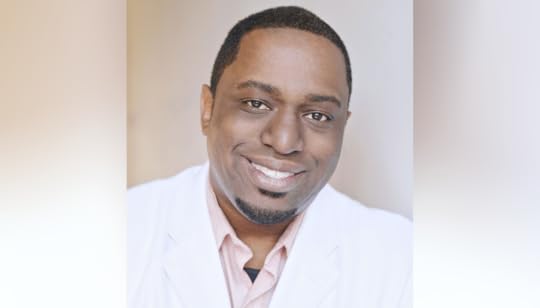 Image courtesy of Arrabon
Race, class, and the kingdom of God all come up in this conversation between Amy Julia and David Bailey, Director of Arrabon, a ministry to help churches become reconciling communities. In this introductory episode for Season 3, David and Amy Julia talk about why white people can feel afraid to enter into conversations about race and privilege, the controversies over Confederate monuments in David’s hometown of Richmond, Virginia, whether this moment of protest and activism will translate into lasting social change, and more.
This is a podcast for restless sleepers. I’m speaking metaphorically, but I’m thinking about the experience of tossing and turning throughout the night, only to find that you then overslept your alarm, and waking up feeling disoriented, already tired, and already late.
Waking Up to Privilege
In the wake of the death of George Floyd, and the thousands of protests across the nation and around the globe, many of us want to wake up to a history of abuse and injustice. And yet, for those of us who have never attended a march for anything, those of us who have never felt afraid of police officers or other people in authority, those of us who have been able to feel peaceful and safe and disconnected from the anger and hurt we see in the news, waking up feels kind of scary and disorienting.
If you are a restless sleeper, you aren’t too late. This is a podcast about waking up to privilege, which I think of as “unearned social advantages.” You’re invited to enter into a conversation over the next few weeks and months in which we talk about race, class, disability, identity, faith, and privilege in a way that welcomes all people—no matter what time you arrive—to the table.
David Bailey
Today I’m talking with my friend David Bailey, director of Arrabon, a ministry that helps churches become reconciling communities by better understanding race, class, and the kingdom of God. I hope you’ll join us. Listen via the player above or on your favorite podcast platform.
S3 E1 Show Notes
David references a lot of rich material in this show, so hopefully I’ll get it all recorded in one place. First, there are some references to the Bible. David talks about the foundational Judeo-Christian narratives found in Genesis 1 and Genesis 3, and he also makes reference to the “Jericho Road” and the “Good Samaritan” which can be found in Luke 10:25-37.
Next, we discuss current events, including monuments along Monument Avenue in Richmond, Virginia, Rush Limbaugh’s visit to The Breakfast Club, and Ezra Klein and Ta-Nehisi Coates’ conversation about non-violence and policing.
We also talk about The Porter’s Gate project, a collaborative worship album David helped put together (and invited me to attend) with a disparate group of Christian worship artists. This is an album about justice and mercy, all taken from Scripture.
Here’s the essay about Christian anger that David mentions he wrote recently for Christianity Today.
Finally, to learn more about David’s work, go to arrabon.com. There are great resources for churches and individuals who want to become reconciling communities. David also directs Urban Doxology, whose most recent release is “God Not Guns.”
Also, I mention that I define privilege as “unearned social advantages.” To learn more about this idea, read What Privilege Is, and What Privilege is Not.
David M. Bailey is a public theologian and culture maker who believes the church should lead by example in effective cross-cultural engagement and practices in reconciliation. He’s the founder and executive director of Arrabon; an organization that builds reconciling communities in the midst of a digital, diverse, and divided world. David is an active speaker, consultant and strategist for many national organizations about cultural intelligence and culture-making. He is the co-author of the Race, Class, and the Kingdom of God Study Series. David is the executive producer of documentary 11am: Hope for America’s Most Segregated Hour and the Urban Doxology Project. He’s rooted at East End Fellowship and serves on the preaching team. David’s greatest honor in life is to be married to his wonderful and beautiful wife, Joy. [bio courtesy of Arrobon]
To read further with Amy Julia:
Using My Head, My Heart, and My Hands to Consider Defunding the Police
Injustice: Reflect, Relate, Respond
Announcing Head, Heart, Hands
If you haven’t already, please subscribe to receive regular updates and news. You can also follow me on Facebook , Instagram , and Twitter, and you can subscribe to my Love is Stronger Than Fear podcast and my Reading Small Talk podcast on your favorite podcast platforms.
The post S3 E1 | Waking Up to Privilege appeared first on Amy Julia Becker.


June 15, 2020
Using My Head, My Heart, and My Hands to Consider Defunding the Police
 Image: VM_Studio via Getty Images Pro
Defunding the police? Support and thank the police? Criticize the police? Commend the police?
There’s a long list of names of Black men and women who have been shot to death by police officers that recently culminated in the death of George Floyd when an officer was filmed kneeling on Floyd’s neck.
Is the Answer Defunding the Police
Those deaths spurred protests not just in Minneapolis but across the nation and around the globe, protests that continued even after the officer who killed Floyd was charged with murder.
What is really at stake here? And how should average civilians—people who are disconnected from the particular and recent tragic deaths of Ahmaud Arbery, Breonna Taylor, and George Floyd—respond?
As I’ve wrestled to answer these questions myself, and as I’ve fielded similar questions from friends, I’ve gone back to the idea of using my head, my heart, and my hands. (And whether the issue is defunding the police, gun control, the prison system, the legal system, the education system, housing, jobs, or any number of other social issues, we are invited to use our heads, hearts, and hands to craft a response.)
Using My Head
One friend sent me an article in the Wall Street Journal by Heather McDonald, The Myth of Systemic Police Racism. Much of what McDonald claims in that article seems to contradict the narrative of the protest movements and many other media reports I’ve read. I didn’t want to dismiss her claims outright, but I did want to get another point of view.
Other Points of View about Police Racism
So I tried to find a contrasting position, and I wondered about what other questions might be helpful to answer as I tried to understand the situation. I found, for example, an article in the Economist about racial bias in pulling people over for traffic violations. This study found that far more black drivers were pulled over during the day (when it is easier to detect skin color visually) than at night. I also found a very lengthy refutation of McDonald’s work by Washington Post reporter Radley Balko.
I also saw a series of articles that warned about the “Ferguson effect” as a result of these protests. These articles claim that police departments get worried after high-profile cases like Michael Brown’s death and the subsequent protests in Ferguson, MO. They back off on their policing, and crime goes up. I also read a series of articles that “debunked” the idea of a Ferguson effect, as well as this piece about Camden, NJ, where police reform led to a dramatic reduction in violent crimes.
Encounters with Police
These articles prompted more questions: if black and brown men are more likely to have multiple encounters with police officers over the course of their lifetime, how does that change the nature of their relationship with one another? Does it increase the likelihood that they will be “caught” committing a traffic violation or a crime? Is police violence systemic? Is it more likely to happen in some communities than others? Are there communities, like Camden, that have been able to change police tactics and reduce crime as well? Is defunding the police an option to consider?
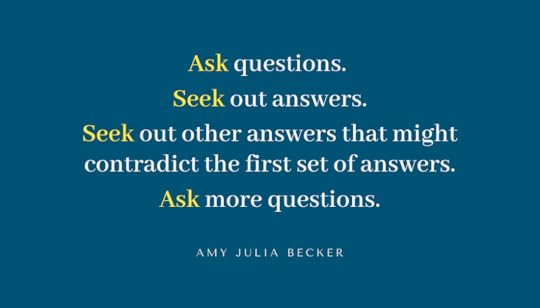
In summary, to “use my head,” I needed to ask questions, seek out answers, seek out other answers that might contradict the first set of answers, and ask more questions. I’ll add that I talked with my husband and with friends along the way as I tried to make sense of it all.
Using My Heart
But articles and statistics and data points are not all I need in order to understand our context or how/whether I can or should respond to social issues, such as defunding the police. I also need to use my heart. What I mean by this is that I need to tap into both the spiritual resources available to me and the stories of real people around this issue. I want the stories I hear to be informed by statistics, but I also want statistics to be informed by stories.
So I have been, once again, praying for a better understanding of justice and injustice in our nation. (I particularly appreciated this meditative prayer podcast through Isaiah 58.) I also have been thinking back to my various friends of color who have told me about very different encounters with police officers than any I have ever experienced as a white person. I listened to this interview between Ta Nehisi Coates and Ezra Klein in which they talked about imagining a police force that was trained in non-violence, and I remembered back to Coates’ own stories from Between the World and Me about his and his friends’ encounters with police officers as children.
Using My Hands
I still have more questions to answer. But between the stories, the prayers, and the articles, I can say I support police reform. I support training police officers in ways that protect their lives and the lives of those in the communities they serve. I’ve been introduced to the idea of “defunding the police,” and now that I understand what that phrase means, I want to learn more. I want to understand how funds could move away from police departments and towards other types of social services. I want to see underfunded and overpoliced neighborhoods begin to feel protected by police officers and supported by school systems and systems of community care.
Next Steps
What are the next steps for me? I think my active role in all of this will come, in a general sense, in the form of writing and speaking. In my local community, I’ve been prompted to become more involved in advocating for equity in education.
I write all of this not to tell you what conclusions you should draw about police activity. And I write it not to tell you what actions you should take. But rather to encourage a holistic response to the social problems we are encountering. One that seeks out contrasting viewpoints. One that seeks out stories and statistics. One that responds rather than reacting. One that connects with others. And one that does eventually lead to small steps towards change.
To read further with Amy Julia:
Some Stories of Hope in a Week of Hardship
A Week of Protests: Learn, Listen, Lament, and Love
Announcing Head, Heart, Hands
If you haven’t already, please subscribe to receive regular updates and news. You can also follow me on Facebook , Instagram , and Twitter, and you can subscribe to my Love is Stronger Than Fear podcast and my Reading Small Talk podcast on your favorite podcast platforms.
The post Using My Head, My Heart, and My Hands to Consider Defunding the Police appeared first on Amy Julia Becker.
June 12, 2020
Season 3 Trailer: White Picket Fences
 Image by Charday Penn // Getty Images Pro
Are you looking for a safe place to talk about race, class, and social divisions? Do you want to learn more about these topics? Do you want a way to talk with friends and family? Do you want to hear the stories of real people and not just the news and statistics?
The death of George Floyd and the subsequent protests that swept across the nation have prompted thousands and thousands of people to ask uncomfortable questions about American history and our current social situation. Thousands are longing for places to think and connect and respond.
If you are one of those people, I want to invite you to join me in listening. Season 3 of Love is Stronger than Fear is based on my book, White Picket Fences.
The first episode will drop on Tuesday, with an interview with David Bailey. Over the next few months, I’ll get to have conversations with people of color, people with disabilities, people who have grown up with wealth and in poverty, men and women, as we talk together about what it means to embrace our common humanity and celebrate our diverse identities. You can listen to the trailer (and share it!) via the player above or online here.
To read further with Amy Julia:
White Picket Fences
White Picket Fences Resources
AJB Recommends: Race and Privilege Resources
If you haven’t already, please subscribe to receive regular updates and news. You can also follow me on Facebook , Instagram , and Twitter, and you can subscribe to my Love is Stronger Than Fear podcast and my Reading Small Talk podcast on your favorite podcast platforms.
The post Season 3 Trailer: White Picket Fences appeared first on Amy Julia Becker.
June 9, 2020
AJB Recommends: Race and Privilege Resources
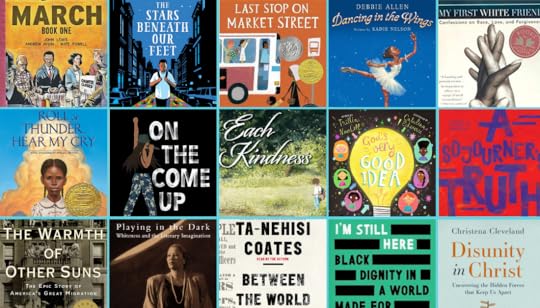
A friend of mine (who is a person of color) texted me the other night that we are living in the midst of the “biggest civil rights movement since the death of Martin Luther King.” More than two weeks after the murder of George Floyd in Minneapolis, tens of thousands of people are still protesting for police reform and against the institutionalized devaluing of Black lives across America. As a result of these events, many white people also are confronting the harm of racism and injustice and want to respond.
As I’ve written before, one part of a meaningful, transformational, humble, and holistic response to the history and current reality of injustice and social division in our nation is to learn and to listen. Over the course of the past few years, I’ve offered lists of resources—books, podcasts, and films—that have helped me in my own growth in understanding that leads to action. In this post, I’ve gathered those recommendations in one place for easier reference. Also, in each section, when applicable, I’ve included links to other lists of recommendations curated by people of color.
This guide includes, in this order:
Book recommendations for picture books and chapter books for pre-school, elementary school, middle school, and high school aged childrenNon-fiction book and podcast recommendations for adultsMemoirs for adultsFiction for adultsFilm recommendationsOrganizations with additional resources for learningChildren's Book Recommendations
Coretta Scott King Book Award Winners— Common Sense Media’s take on ”outstanding African American authors and illustrators of books for children and young adults that demonstrate an appreciation of African American culture and universal human values.”
The Brown Bookshelf is a website devoted to “push awareness of the myriad Black voices writing for young readers.”
The following recommendations come from our own family’s reading:
PICTURE BOOKS
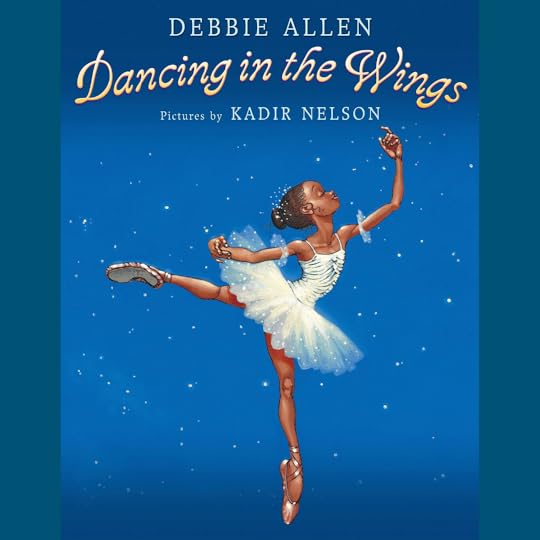 Dancing in the Wings by Debbie Allen
A story based on the author’s own life about a young Black girl becoming a ballerina.
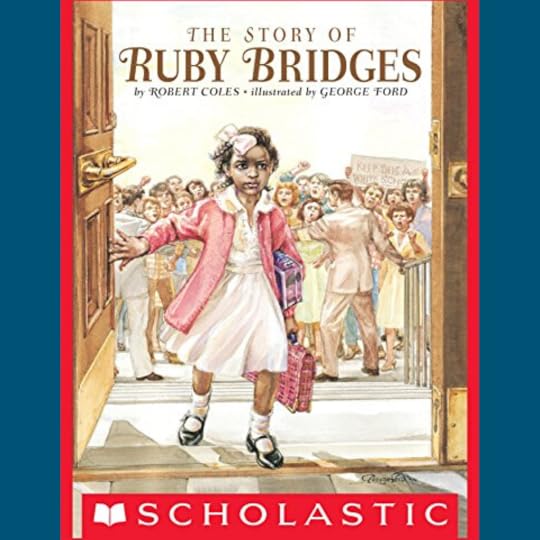 The Story of Ruby Bridges by Robert Coles
The true story of the hateful discrimination experienced by a 6-year old black child integrating an all-white school in New Orleans and of her resilience and grace
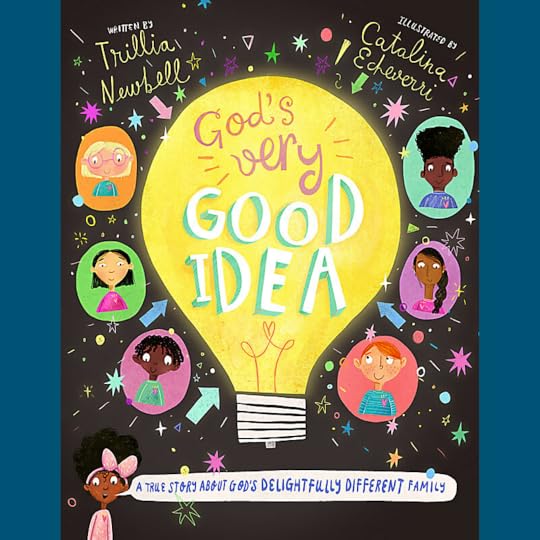 God’s Very Good Idea by Trillia Newbell
An explicitly Christian explanation of why God created people in our wide diversity.
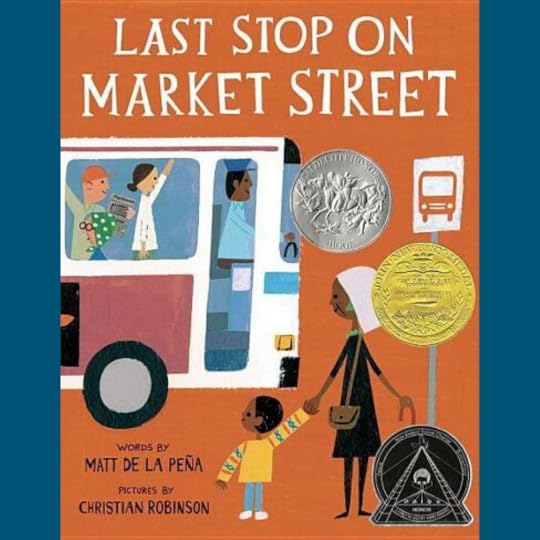 Last Stop on Market Street by Matt de la Pena
A child and his grandmother ride through a bustling city together as she helps him see his world as both beautiful and good.
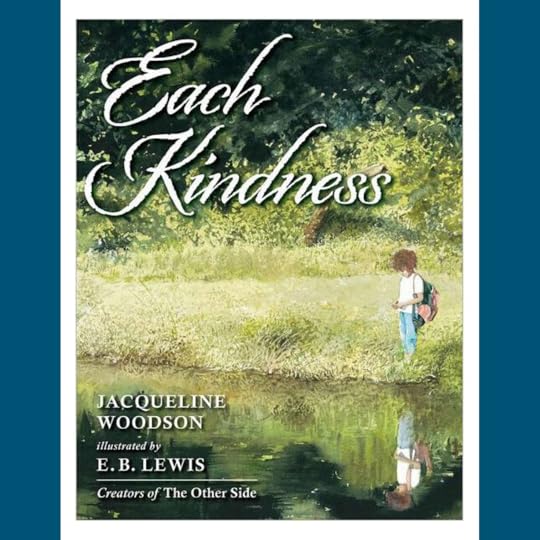 Each Kindness by Jacqueline Woodson
A picture book about a group of girls who aren’t kind to a new girl in school and the regret and hope that comes from this experience.
ELEMENTARY CHAPTER BOOKS
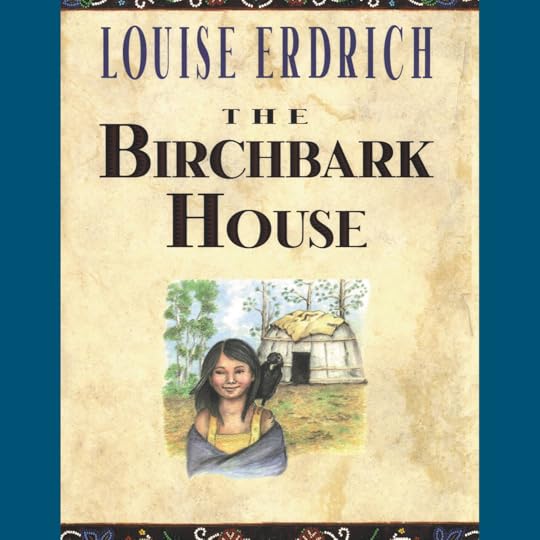 The Birchbark House series by Louise Erdrich
A story set around the same time period as the Little House books, but this time told from the perspective of Native Americans
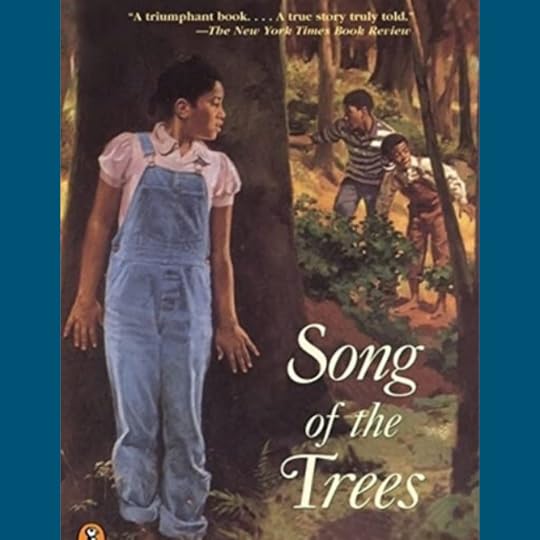 Song of the Trees by Mildred Taylor
This story is about a black family in the Jim Crow south struggling to retain ownership of their land in the face of white opposition.
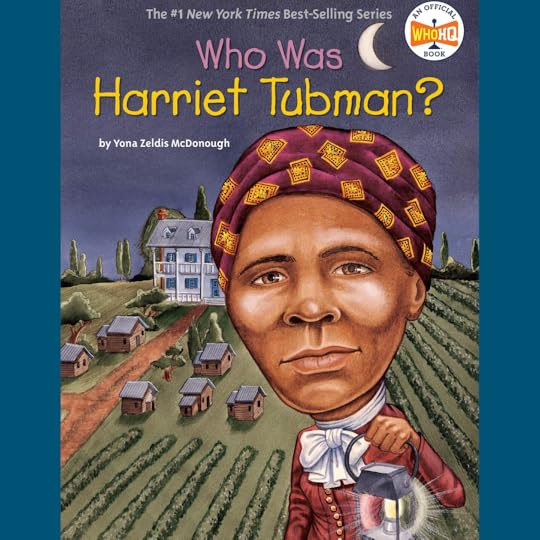 Who Was series
Biographical books in the “Who Was?” series, including Harriet Tubman, Martin Luther King, Michelle Obama, Barack Obama, and Frederick Douglass. These are simple and short profiles of Black leaders that help kids understand both the hardship many African Americans have endured and the reasons we all have to admire and respect their many contributions to our nation.
FOR MIDDLE SCHOOL
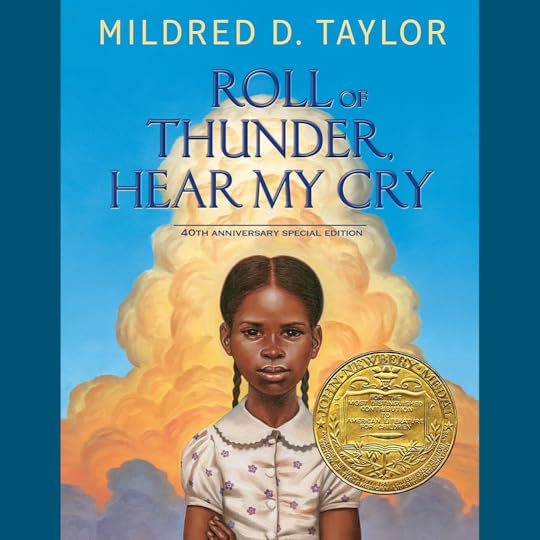 Roll of Thunder, Hear My Cry by Mildred Taylor
A classic story based on Taylor’s own family history in Mississippi in which three Black men are lynched and a young girl struggles to understand and respond.
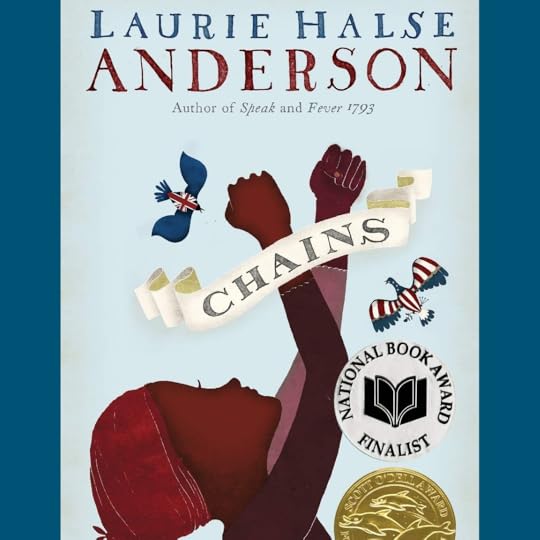 Chains by Laurie Halse Anderson
This story is about an enslaved girl in the northern states during the time of the revolutionary war.
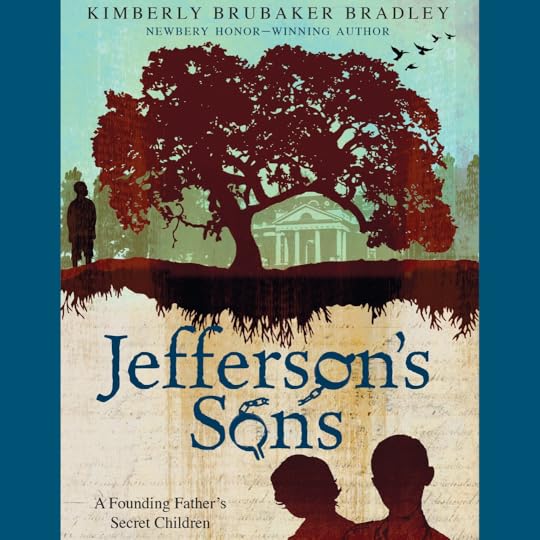 Jefferson’s Sons by Kimberly Brubaker Bradley
Although it is very much historical fiction, this novel imagines what it would be like to grow up with an enslaved mother and a white father who is also the President.
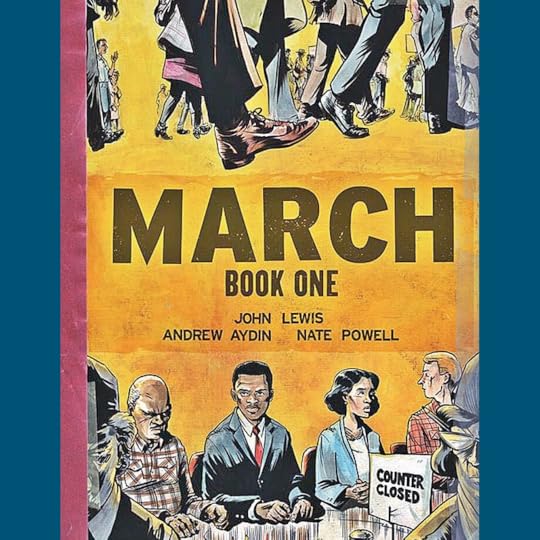 March (graphic novels - 3 volumes) by John Lewis
Civil Rights leader and Congressman John Lewis uses the form of a graphic novel to describe the protests and history of the 1960s
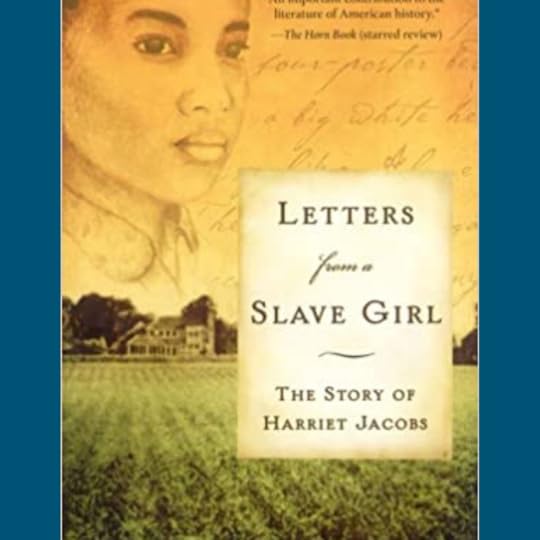 Letters from a Slave Girl by Mary E. Lyons
A fictionalized account of Harriet Jacobs’ experience of growing up as an enslaved person in Edenton, North Carolina (my home town) and then hiding for seven years in an attic crawl space before finally securing her freedom.
FOR OLDER MIDDLE SCHOOL AND HIGH SCHOOL
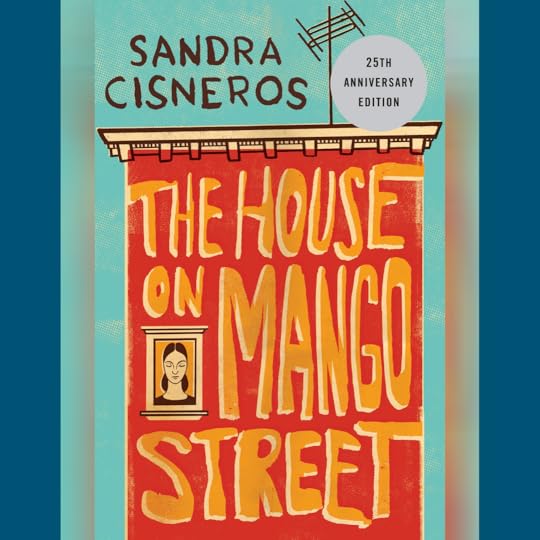 House on Mango Street by Sandra Cisneros
A classic, short book about a young Mexican-American girl growing up in Chicago.
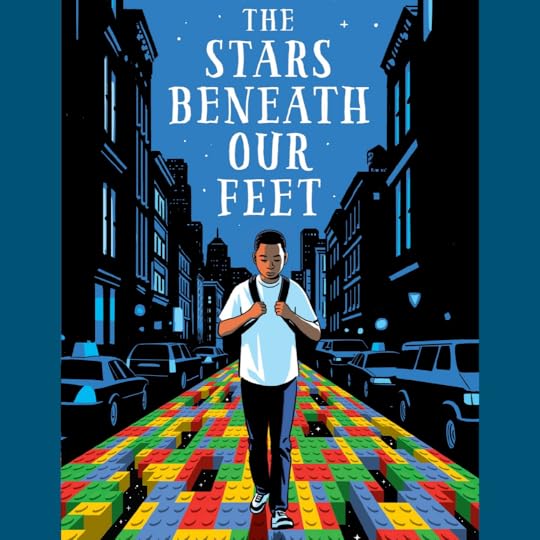 Stars Beneath Our Feet by David Barclay Moore
I haven’t read this one, but William recommends it as a story about a young Black boy grieving the loss of his older brother and trying to make sense of the hard and good aspects of life in his complex family and neighborhood.
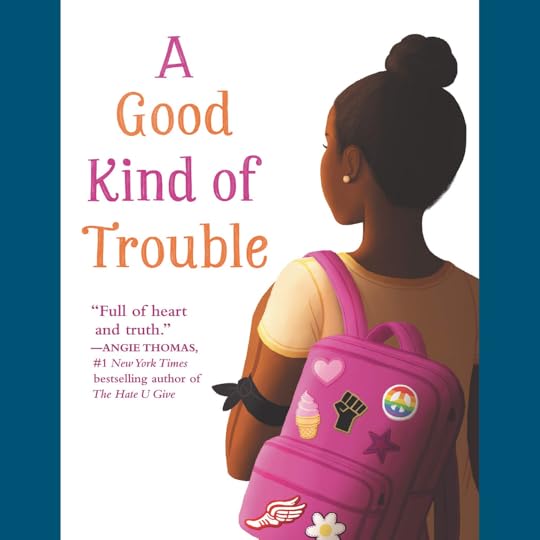 A Good Kind of Trouble by Lisa Moore Ramee
I also haven’t read this one, but Penny recommends it as a book that explains why a middle school girl might choose to protest a cause, and what it might cost her to make her views publicly known.
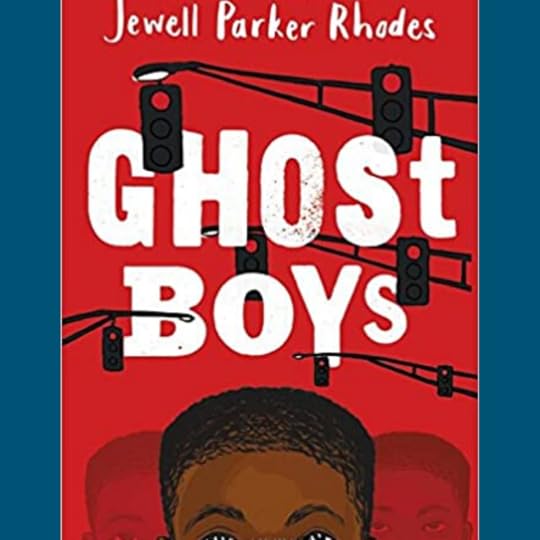 Ghost Boys by Jewell Parker Rhodes
This hard and hopeful story imagines a 12-year old boy who has been shot by a police officer and remains on earth as a ghost who travels back in time to talk with other “ghost boys” who were killed in the past.
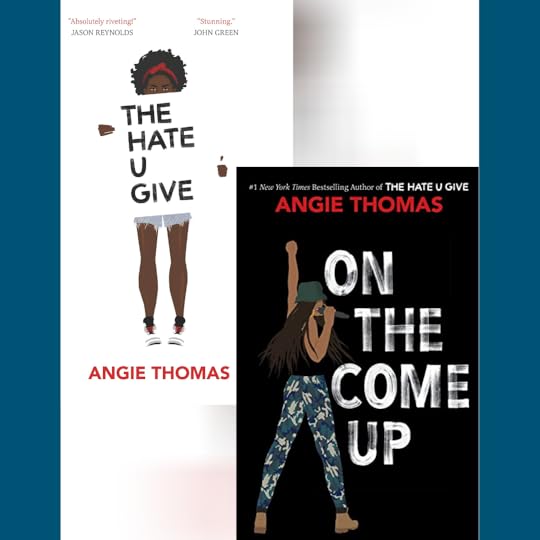 The Hate U Give and On the Come Up by Angie Thomas
Both of these novels describe life in an urban and predominantly Black neighborhood, with the hardship of institutionalized racism and violence as well as the beauty of family and church and community life.
Return to top
Non-fiction book and podcast recommendations for adults
NON-FICTION BOOKS FOR ADULTS
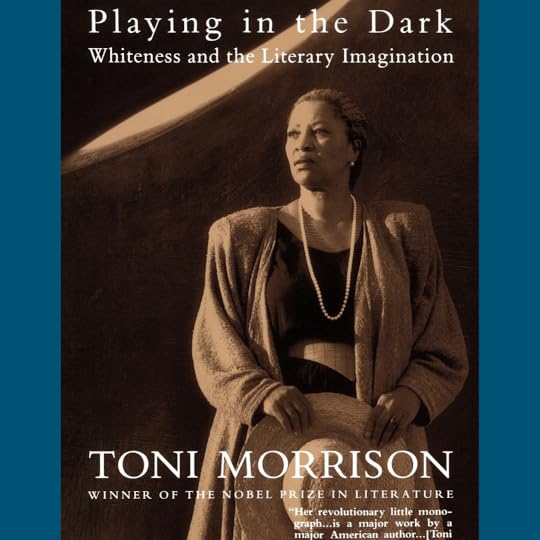 Playing in the Dark by Toni Morrison
This collection of essays from the 1990s explores the presence of African Americans within “classic” (which is to say, white) American literature.
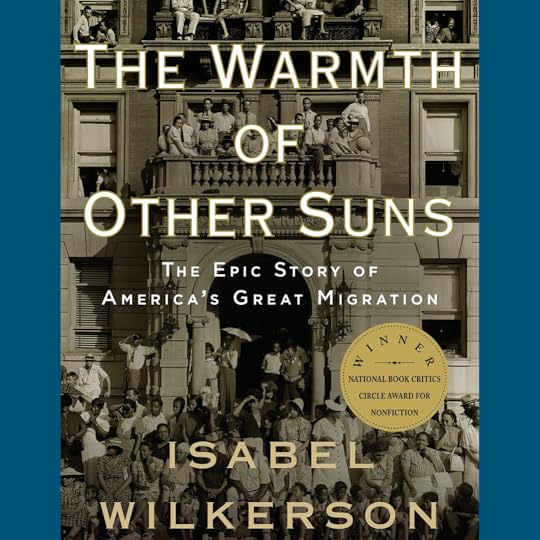 The Warmth of Other Suns by Isabel Wilkerson
This Pulitzer Prize-winning, comprehensive history of the Great Migration of African American men and women from the South to the West, Midwest, and Northeast of the United States gives a compelling overview of the past hundred years of African American history and offers a helpful background for understanding where we are in the present day.
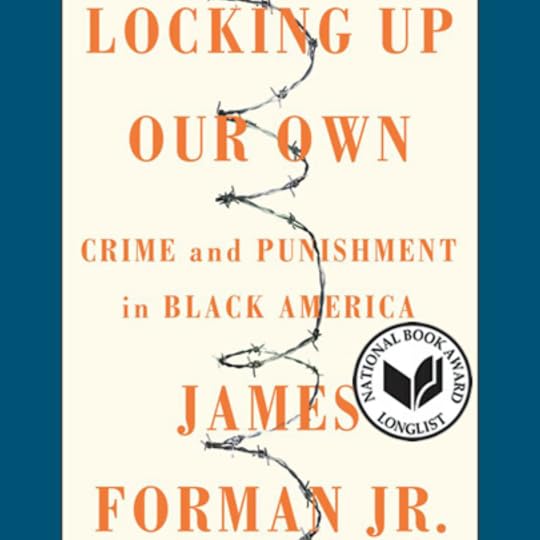 Locking Up Our Own by James Foreman Jr.
Foreman, a lawyer and the son of a civil rights activist, exposes the white power structures at work in the criminal justice system alongside the ways black communities supported laws and policies that have led to a disproportionate number of black men especially behind bars.
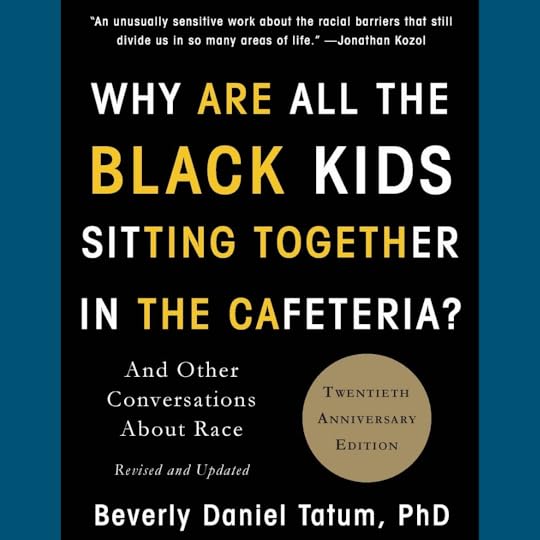 Why are All the Black Kids Sitting Together in the Cafeteria? by Beverly Daniel Tatum
This classic book, now 20 years old, offers a winsome and helpful guide through the concept of developing a racial identity.
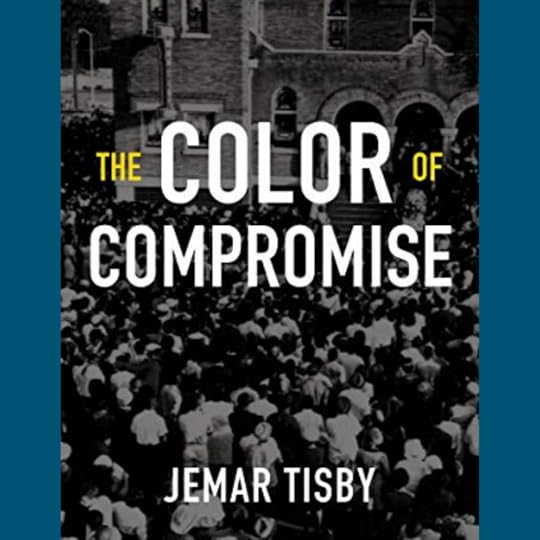 The Color of Compromise by Jemar Tisby
 Tisby details the ways racism has influenced church history in America from the very start.
PODCAST RECOMMENDATIONS FOR ADULTS
 Capeup: Voices of the Movement
Capehart ran a series of nine short, informative, and moving episodes interviewing icons of the Civil Rights movement. (And host Jonathan Capehart is a Black man who does a great job interviewing people more broadly the rest of the time too.)
 Scene on Radio: Seeing White
Scene on Radio podcast is an incredibly compelling exploration of what it means to be white in America, how this concept of whiteness was created, and what it has meant over time.
 Serial: Season Three
Host Sarah Koenig spends a year inside a courthouse in Cleveland, Ohio in a sobering commentary on our criminal “justice” system and an even-handed look at the ways race, class, and education factor into that system.
 Osheta Moore: Dear White Peacemaker Season
The title of this podcast series might say enough: if you are a white person who wants to make peace, Osheta Moore, who is black, wants to help you learn and grow.
 Ask Code Switch: What About Your Friends?
The Code Switch podcast in general discusses race in a way that is helpful for white listeners, but this conversation in particular reminded me that one role I have as a white parent is to talk with my kids about the cultural power they hold simply because they are white.
Return to top
Memoirs for adults
 I’m Still Here by Austin Channing Brown
An inside look at what it feels like to be a black woman in American society.
 Tattoos on the Heart by Gregory Boyle
A white priest moves into an impoverished neighborhood in South Los Angeles and discovers the common humanity he shares with gang leaders there.
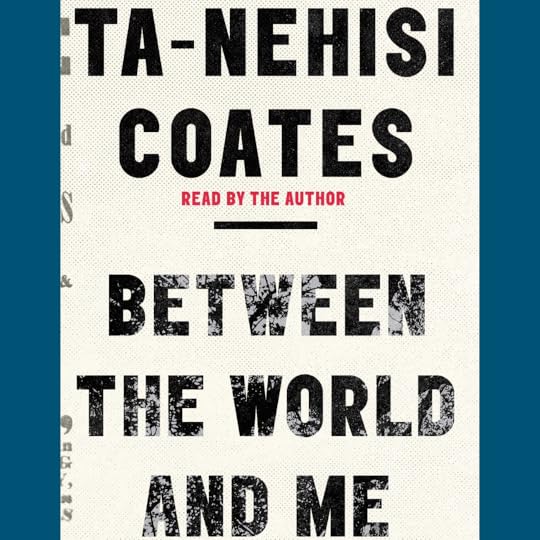 Between the World and Me by Ta-Nehisi Coates
Coates, a national correspondent for the Atlantic, offers a bleak portrait of American life as he writes a letter to his son about what it is like to be a black man in America.
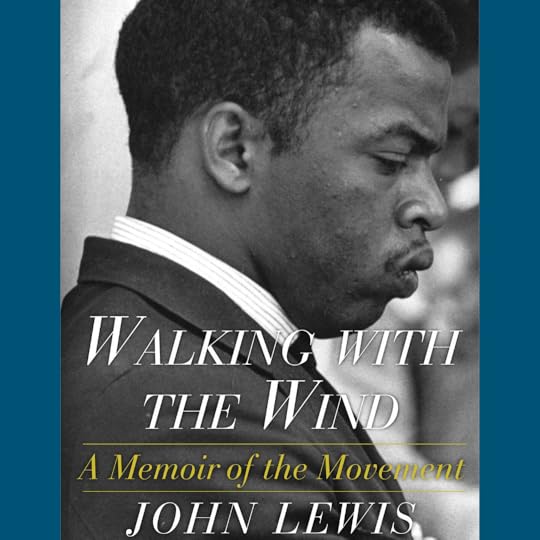 Walking with the Wind: A Memoir of the Movement by John Lewis
For anyone interested in contemporary United States history, the theology of nonviolent resistance, love, hope, and/or the ongoing struggle for justice and equality—these 500 pages by John Lewis (with Michael D’Orso) are well worth your time.
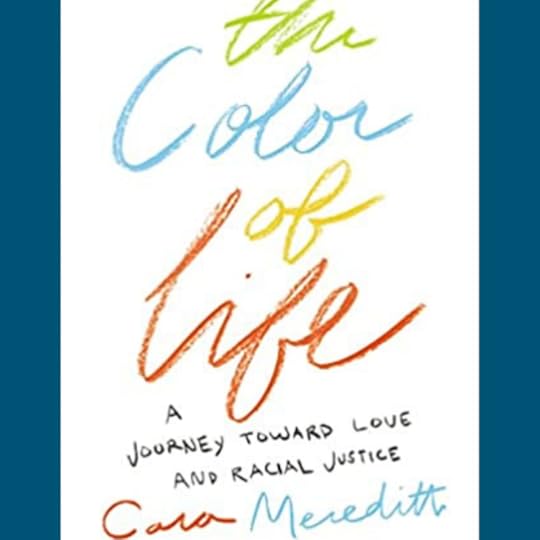 The Color of Life by Cara Meredith
I so appreciated Cara’s memoir about her marriage to James Meredith, a black man who came from a prominent southern family, and her journey to understand racial identity and love as they began their own family together.
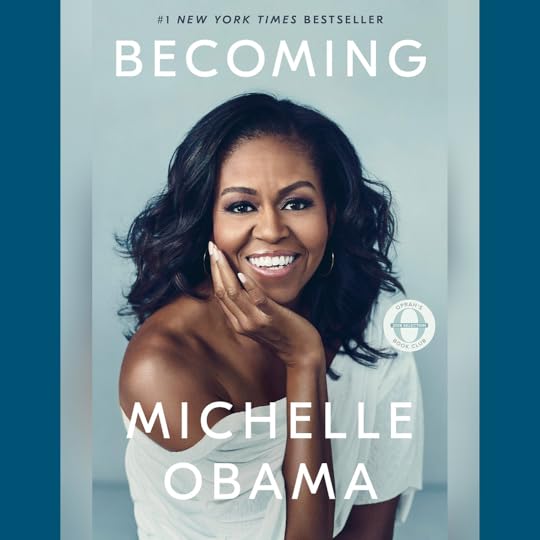 Becoming by Michelle Obama
Obama provides a well written and honest window on the challenges and possibilities she faced as a Black woman growing up in Chicago.
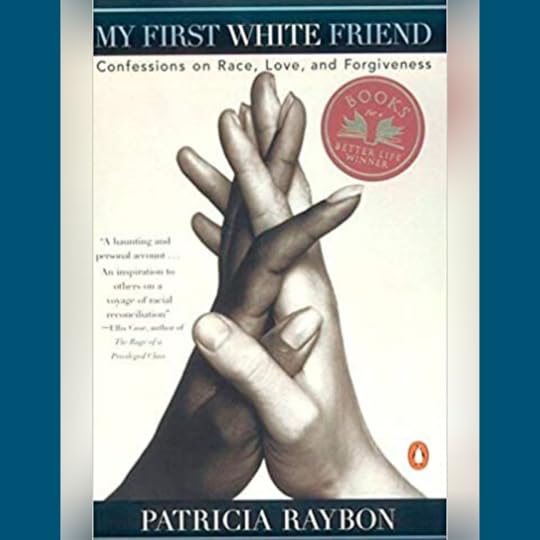 My First White Friend by Patricia Raybon
A gentle and honest story of a black woman who grew up with the specter of overt racism and looked for ways to choose love and hope in the midst of it.
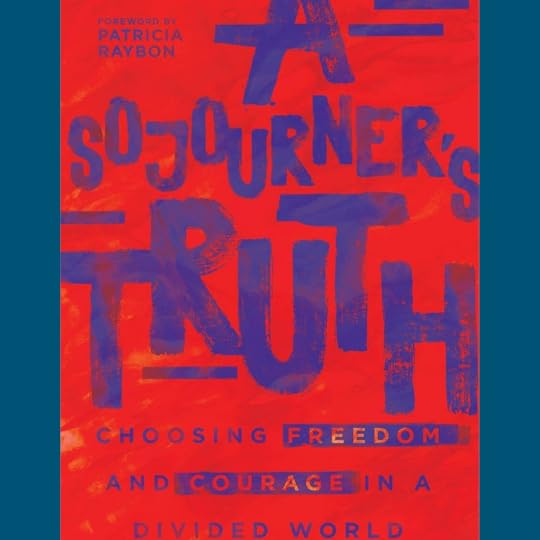 A Sojourner’s Truth: Choosing Freedom and Courage in a Divided World by Natasha Robinson
Robinson not only tells of her own journey through success (Naval Academy, Marine Corps, working for the Department of Homeland Security, seminary, founding a non-profit, becoming an author…) and suffering, but she does so in conjunction with the story of Moses and the people of Israel in Exodus.
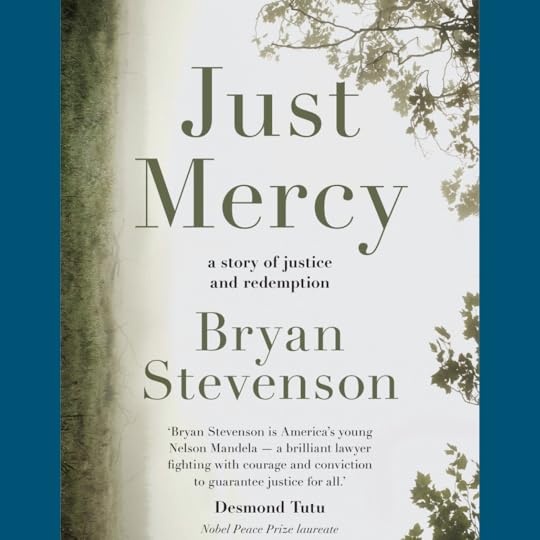 Just Mercy by Bryan Stevenson
A black lawyer writing about the criminal justice system from the perspective of a man who has been defending largely poor, black, southern men facing the death penalty for most of his career and who holds out hope for healing.
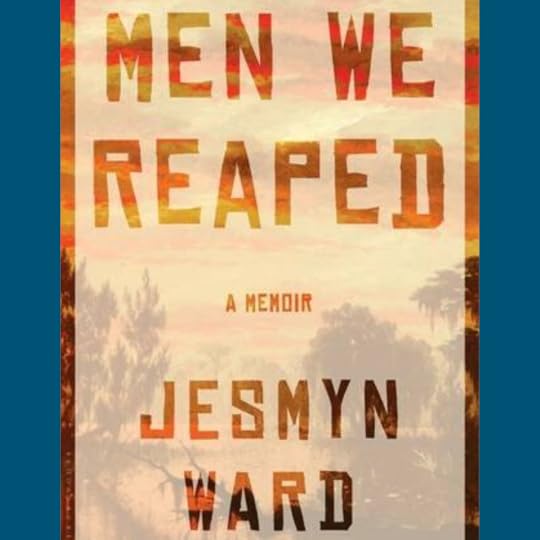 Men We Reaped by Jesmyn Ward
Ward suffered the loss of five men she loved over the course of a few years, and this memoir traces those years and those deaths and places them in the larger context of the precarious nature of being a black man in America.
Return to top
Fiction for adults
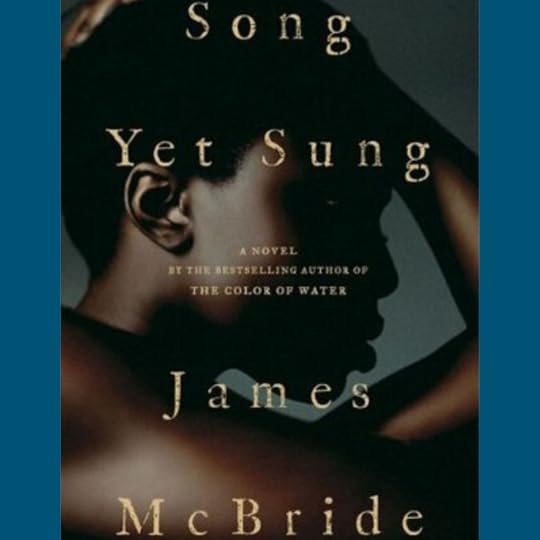 Song Yet Sung by James McBride
McBride’s story of enslaved people trying to escape for freedom intertwines with the slave-catcher who pursues them and shows us how without justice none of us are free.
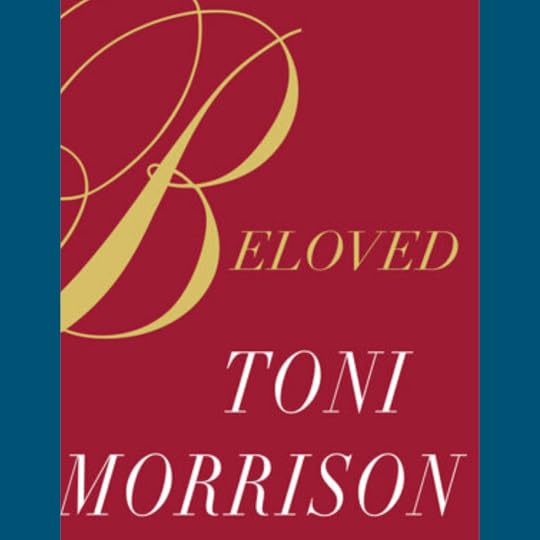 Beloved by Toni Morrison
Morrison’s magical-realism telling of a family that escapes from enslavement to freedom taps into the haunting loss that the legacy of slavery brought to generations of people.
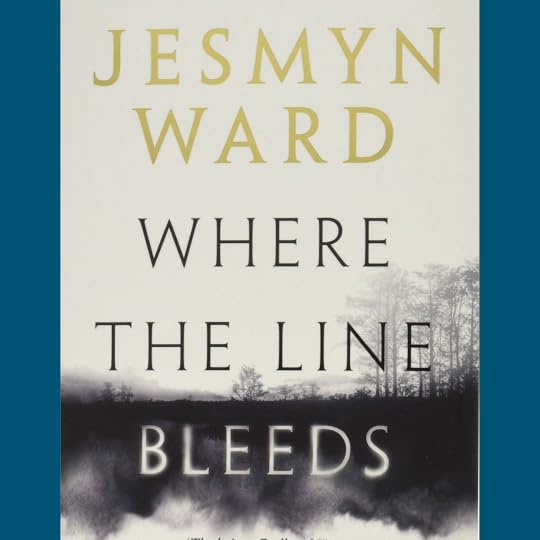 Where the Line Bleeds by Jesmyn Ward
This first novel of the National Book Award winning Ward depicts twin brothers struggling to grow up after graduating from high school on the gulf coast of Mississippi.
The Hate U Give and On the Come Up by Angie ThomasRecommended for kids and adults, both of these novels describe life in an urban and predominantly Black neighborhood, with the hardship of institutionalized racism and violence as well as the beauty of family and church and community life.
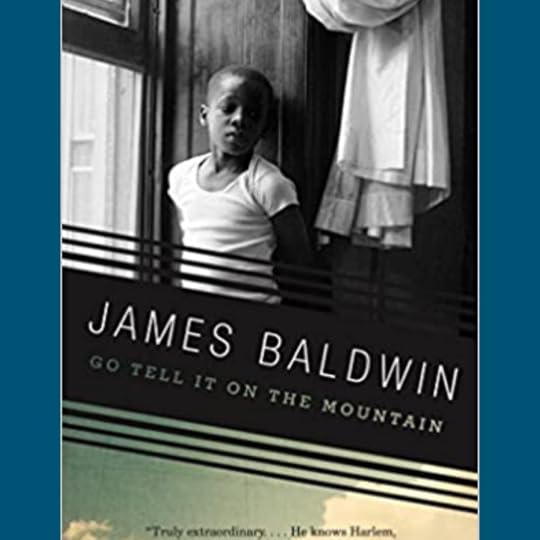 Go Tell it on the Mountain by James Baldwin
Baldwin’s first novel is a semi-autobiographical account of his own family’s experience of poverty, religion, and abuse in Harlem.
Return to top
Film recommendations
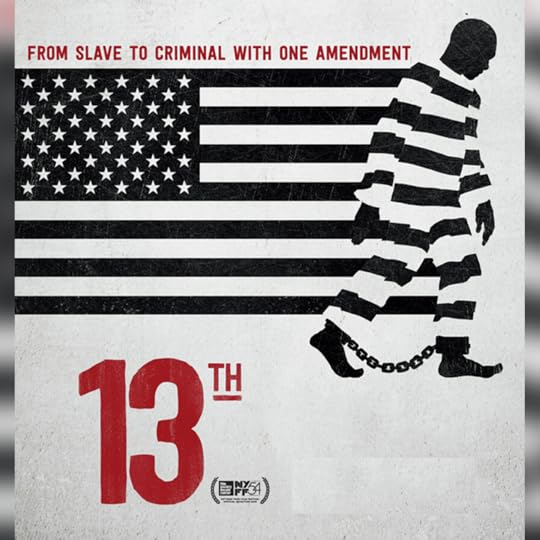 13th
13thA film based on Michelle Alexander’s The New Jim Crow, it explores how the United States became the nation with the largest prison population in the world and the reasons for the disproportionate number of men of color behind bars.
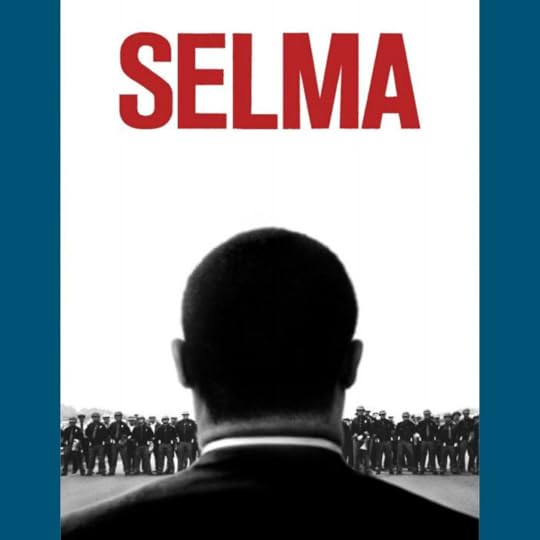 Selma
SelmaThis film focuses on the Civil Rights march from Selma to Montgomery as a way of telling the story of the 1960s and Martin Luther King with power and grace and an invitation for viewers to join in the march towards justice and equality.
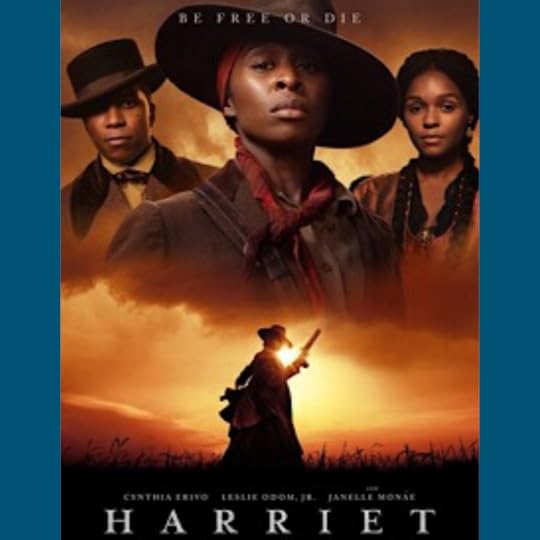 Harriet
The true story of Harriet Jacobs, an illiterate enslaved woman who escapes and goes back to lead more people to freedom. (for families)
 Hidden Figures
The true story of three African American women whose leadership and abilities contributed immensely to the first American trip to the moon. (for families)
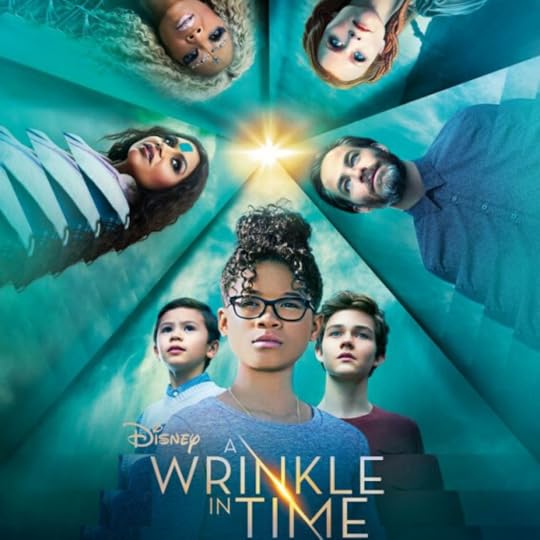 A Wrinkle in Time
Ava Duverney’s take on Madeleine L’Engle’s novel offers kids a way to imagine a classic story with Black children and mentors (including Oprah!) as the protagonists. (for families)
 Black Panther
A blockbuster take on a comic story that can open up conversations about race, power, and possibility. (for families)
Return to top
Organizations
 Arrabon
For white churches seeking resources and support in becoming reconciling communities
 Be the Bridge
For white Christians looking for ways to bridge the racial divides
 CCDA, Christian Community Development Association
Founded by John Perkins, this organization supports “relocation, redistribution, and reconciliation” as means of establishing communities of justice and healing
 Racial Equity Institute
An organization that teaches white people about the construction and history of whiteness and what that has to do with our current moment
 Repentance Project
Spiritual resources for Christians who want to recognize the systems of injustice, repent of their part in those systems, and respond with love and hope
Return to top
To read further with Amy Julia:
White Picket FencesAction Guide: Head, Heart, HandsIf you haven’t already, please subscribe to receive regular updates and news. You can also follow me on Facebook , Instagram , and Twitter, and you can subscribe to my Love is Stronger Than Fear podcast and my Reading Small Talk podcast on your favorite podcast platforms.
The post AJB Recommends: Race and Privilege Resources appeared first on Amy Julia Becker.
Christianity Today: Enough to Share in the Land of Plenty
 Image: Christianity Today
I write about love, peace, hope, and possibilities a lot. In the midst of a global conversation about disease, death, and despair, I worry about sounding like an unrealistic dreamer at best and a disconnected, out-of-touch jerk at worst. But I return again and again to the promises of God that I have experienced in my own life and that I have seen in the lives of others. I return to both the stories and the statistics that tell me hope changes things, peace is possible, and love endures.
Last fall, I had a chance to travel to El Paso, TX in order to gain a more comprehensive and personal understanding of what’s happening on our border with Mexico. In addition to a series of blog posts I wrote back in September about what I learned on that visit, I had a chance to write for Christianity Today about God’s abundant provision for those in need, even in this season of COVID-19. As I write there,
Even now, Christians are called to believe in the ongoing story of God’s abundant love for all people and God’s invitation to extend that abundant love even if it comes at a cost. The cost will not outweigh God’s provision. We hand to Jesus what “belongs” to us, with no guarantee that it will come back to us. But then we experience the miraculous reality that when we human beings decide to share, not only is there enough, but those acts of generosity spark human connection, gratitude, and joy.
To read more, go to Enough to Share in the Land of Plenty, which appears as one of five essays about US immigration policy.
Resources
To read further with Amy Julia:
Responding to the Immigration Crisis with Your Head, Heart, and Hands
Understanding The US Immigration Crisis: 14 Recommended Resources
The Kids are Not Okay – Reflections from the Southern Border
If you haven’t already, please subscribe to receive regular updates and news. You can also follow me on Facebook , Instagram , and Twitter, and you can subscribe to my Love is Stronger Than Fear podcast and my Reading Small Talk podcast on your favorite podcast platforms.
The post Christianity Today: Enough to Share in the Land of Plenty appeared first on Amy Julia Becker.
June 8, 2020
Some Stories of Hope in a Week of Hardship
Hope and racism. Ta-Nehisi Coates is feeling hopeful.
I didn’t think I would ever type those words.
Coates is famous for his 2015 memoir, Between the World and Me, in which he explains his hopelessness. When I read his book, I wrote about how grateful I was for his relentless insistence on hopelessness. It helped me to understand the despair of so many Black people in America.
Hope and Racism
But as Coates talked with Ezra Klein, he talked about hope. About how this moment is different—in scope, in diversity, and in endurance—than any other protest movement in his lifetime. About how he has been learning about the Rev. Dr. Martin Luther King Jr.’s approach to non-violence. About how change might really be possible. There are all sorts of reasons for this, including the faithfulness and perseverance of African American people over generations. But one reason for hope is that white people are waking up to racism.
Waking Up to Racism
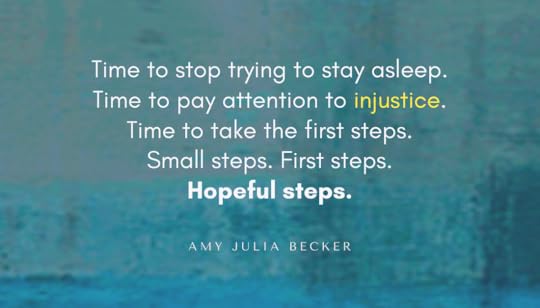
White people are waking up to the enduring legacy of hundreds of years of institutional harm against Black people (and people of color more broadly) in America. White people who have been sleeping fitfully, restlessly, have decided it is time to stop trying to stay asleep. Time to stop taking Ambien. Time to pay attention to injustice. Time to take the first steps.
Hope and Racism: Small Steps
In the past week, I’ve had white people share with me stories of their small steps towards change, their small steps of hope:
One woman told me she has been working for years in a corporate situation where they keep promising to invest in brands with diverse people in leadership, but they have never followed through. Last week, she told her bosses to expect her resignation if they weren’t ready to make such investments.
One woman called her local police department after hearing President Obama suggest such action. She explained that she was a Christian, and a white woman, and grateful for the tremendous sacrifice and care the police demonstrate in her local community. She also explained that she was concerned about the potential for police violence and aggression, and she asked if she could learn more about the department’s policies, training, and procedures. They talked for an hour.
One white man from the south who is in his late 60s wrote to me about understanding this current moment of seeing racism through the lens of privilege and wanting to ask how he could receive and extend God’s love. He wrote about seeing the role privilege played in the protests in his city and the racial disparities in health care during the pandemic and he wanted to be on the side of love and understanding.
Another older white man wrote about how he watched a video of people of color from his alma mater telling their stories. Listening to their stories—different perspectives on a shared experience of the same school—was humbling and “humanizing” for him.
Another woman told me that she has been advocating for diversity on the non-profit Board of Directors where she serves, and for the first time the board is meeting to discuss a plan for change.
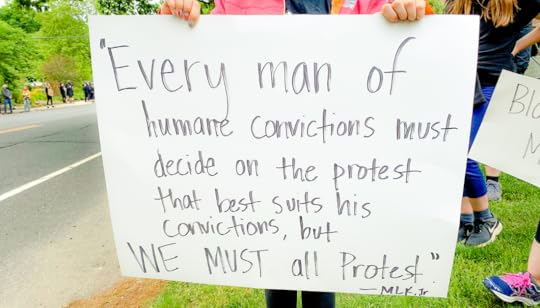
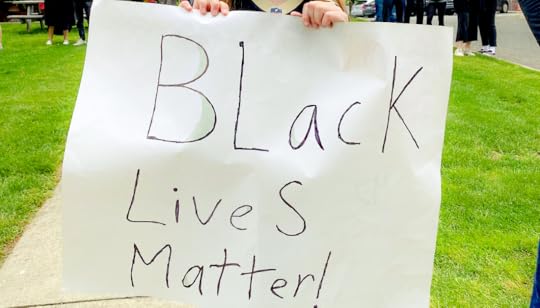
I joined a group of white people in a protest in our own town, and many of us admitted this was the first time we had ever participated in such an event.
And that’s not to mention the parents who have asked for resources for books to read with their kids (we are working on a comprehensive list of all the lists I’ve put together over the years—stay tuned!), the friends who have asked where they can give money, the moms who are talking with their sons about power and race, and the dads who are asking how their faith can better inform their politics.
These are small steps. First steps. Hopeful steps.
The Smallest Action
That’s the thing about hope. These stories seem so inadequate on their own, in the face of hundreds of years of oppression, when I consider the breadth and depth of change needed. They seem too little and too late. But that’s what’s so amazing about hope. The smallest action can turn our heads. The smallest action allows us to use our spiritual imagination so that we can envision what it would look like if more and more people take small steps, if more and more people take the next step, if healing could begin to happen.
Ultimately, our hope does not rest on white people taking small steps. Or on Ta Nehisi Coates changing his perspective. Or even on the tireless, courageous, and faithful prayers and protests of Black people who have been leading us towards hope for many generations. Our hope is built upon the eternal and unchanging Love that holds all things together, and we are invited to live into that hope.
Resources
To read further with Amy Julia:
Injustice: Reflect, Relate, Respond
A Week of Protests: Learn, Listen, Lament, and Love
Five First Steps toward Participating in Racial Healing
If you haven’t already, please subscribe to receive regular updates and news. You can also follow me on Facebook , Instagram , and Twitter, and you can subscribe to my Love is Stronger Than Fear podcast and my Reading Small Talk podcast on your favorite podcast platforms.
The post Some Stories of Hope in a Week of Hardship appeared first on Amy Julia Becker.
June 4, 2020
Injustice: Reflect, Relate, Respond
 Image: by AJS1 / Courtesy of Pixabay
My various news feeds are swirling with people responding to injustice. Peaceful protests all across the nation. Violence and looting. Police brutality. Police support. Theological commentaries. Mental health resources. Point-counterpoint articles. The list of things to watch, read, and listen to gets longer and longer and longer.
This list of things to do can feel contradictory at times. Put up a black square on Instagram! Don’t put up a black square on Instagram! Listen! Speak up! Wear black to a local protest to show solidarity with Black people! Don’t wear black because it is associated with subversive groups!
Response-Ability
Instead of playing whack-a-mole with emotions and information and seemingly contradictory instructions, I want to consider my responsibility (response-ability). How can I respond to the injustices and anger and pain and disagreement out there? How can I respond to the emotions it brings up in me—the sadness, the withdrawal, the hope?
It’s the same process I’ve talked and written about before: head, heart, hands. Learn, listen, lament, and love.
But today I’m offering this list for those of us who are still looking for ways to respond thoughtfully and lovingly to current events: Reflect, relate, respond.
Reflect
Reflect: What do you need to understand? What do you need to learn? (And if there are dozens of things on that list, pick one.) Where can you go to read, listen, watch, and think about that topic or event?
Relate
Relate: Who do you need to understand? What stories can help flesh out what you’ve learned? (And public service announcement: people of color are not responsible for educating white people about their personal experiences. Thankfully, many individuals have written, filmed, and recorded those experiences so that even if you don’t have a friend you can talk with about these things, you can seek out those resources and consider what it would mean to cultivate true friendship outside of your racial/ethnic group over time.)
Respond
Respond: What are you able to do in response to injustice? What thoughtful, humble, deliberate action can you take in response to what you have learned and who you have listened to?
Recommended Voices
I need guides and curators to know what I need to understand, who I need to listen to, and how I might respond to injustice. I am especially keen to listen to the voices of African American Christians right now. To close this post, I’d like to recommend a few voices who have been guiding me into responding to current events with love.
David Bailey
First, my friend David Bailey is the leader of Arrabon, a ministry that trains and equips churches in the work of reconciliation. David is a Black man who lives in Richmond, Virginia. In his monthly newsletter, which arrived today by email, he writes: “Brothers and sisters, we live in a broken world, so there is a lot to be angry about. The church should be a place where people learn how to process their anger. Is your community of faith a place to help people process their anger about injustice? Or is your community of faith a place that doesn’t shepherd people about issues of anger and injustice, but critiques others when they don’t express anger in the appropriate ways?”
Willie James Jennings
I read those words and then headed out on a run, where I listened to a podcast with Willie James Jennings, another Black Christian man who teaches at Yale Divinity School. Jennings’ podcast was titled “My Anger, God’s Righteous Indignation.” He talked about the importance of anger for people of faith in the face of injustice. He talked about the connection between anger and hope. He talked about how Jesus protects us from moving from anger to hatred.
Austin Channing Brown
As I read and listened today, I was reminded of Austin Channing Brown’s memoir, I’m Still Here. Brown also is a Black Christian whose story of growing up in the United States includes her own anger about the injustices she personally suffers and the injustices experienced by generations of people. For Brown, too, anger ultimately leads toward hope.
Respond to Injustice
As a white Christian, I have a lot to learn about how to respond to injustice from these men and women who are my brothers and sisters in faith. Their words today prompted further reflection. How little I’ve thought about anger in the context of faith or hope. How uncomfortable I feel expressing or witnessing anger. How much the Psalms could teach me about righteous anger. How much I could better understand and pray for and stand with my brothers and sisters in faith if I were to understand anger.
Reflect. Relate. Respond. With love.
(David Bailey is also the founder and director of Urban Doxology. They released a new song today from Psalm 10, God, Not Guns.)
Resources
To read further with Amy Julia:
A Week of Protests: Learn, Listen, Lament, and Love
Five First Steps toward Participating in Racial Healing
Choosing to Be Present in Suffering
If you haven’t already, please subscribe to receive regular updates and news. You can also follow me on Facebook , Instagram , and Twitter, and you can subscribe to my Love is Stronger Than Fear podcast and my Reading Small Talk podcast on your favorite podcast platforms.
The post Injustice: Reflect, Relate, Respond appeared first on Amy Julia Becker.
June 2, 2020
A Week of Protests: Learn, Listen, Lament, and Love
 Image: Scopio / Courtesy of Canva
As everyone paying any attention to the news knows, social unrest and protests have broken out across our nation. A black man named George Floyd was killed by a white police officer in Minneapolis last week. That officer has been indicted for murder and manslaughter. On the heels of the video that recorded Floyd’s death, cities across the nation saw peaceful protests as well as acts of vandalism, violence, and looting. Each scene of protest has been accompanied by expressions of despair, hopelessness, anger, and fear by African Americans and other people of color. George Floyd’s death was one in a far-too-long-list of other deaths, and it came in the context of a pandemic that has disproportionately killed people of color. The extent and duration of these protests demonstrate the depth and breadth of our social divisions and pain.
Listen
In the midst of the protests, especially on social media, are many exhortations for white people to listen. Listen before we think we understand the situation. Listen before we judge. Listen before we jump to conclusions. Listen before we assume that there must be an explanation for the egregiously wrong behavior of the police. Listen before we assume it isn’t “as bad” as it might appear from one video. Listen, and learn, and listen some more.
These words should indeed be a refrain for people like me, people who are quick to make our voices known and heard, people who are quick to assume people will listen to us and quick to offer our solutions and opinions.
Listening ideally occurs in the context of personal friendships. Sadly, friendships between white people and people of color are uncommon. And no person of color is responsible for educating me or my fellow white people. If you are white, and you don’t have any close friends who have already been sharing with you their experiences as people of color, what can you do in order to listen?
Listening also occurs by following people on social media (Austin Channing Brown, Christena Cleveland, James Forman Jr., Chenjerai Kumanyika, Patricia Raybon, Natasha Robinson, Bryan Stevenson, Ekemini Uwan, Cornel West), reading memoirs by people of color, and engaging with the personal stories of both present and past that testify to the lived experience of being black and brown in America.
I talk about listening on this week’s podcast episode (Cultivating Peace in a Week of Protest), and it is a crucial aspect to any white person’s response to the events of the past week. But that listening also needs to come in a context.
Learn
I’ve mentioned before the ebook I wrote called Head, Heart, Hands, offering a holistic response to the problems of social division. Similarly, listening is one aspect of a holistic approach to the divisions we face as a nation. Listening needs to be accompanied with learning. Learning comes from placing those stories in the wider context of historic oppression and systemic injustice that people of color across this nation have experienced for centuries. Again, books, movies, and podcasts can guide us into great understanding not only of the personal experiences but the broader social forces at work.
Lament
Learning, listening, and then, especially for people of faith, lament. Lament is a form of prayer by which we express the despair and hopelessness and injustice and anger and sorrow and fear to God. Lament is a way in which white Christians who have not personally experienced injustice and oppression can suffer with their brothers and sisters who have lived with fear, hurt, and anger far too long. (For a far more comprehensive treatment of lament, see Prophetic Lament by Soong-Chan Rah.)
Love
And, finally, we are called to participate in acts of love. These acts will take many forms, and they can begin with small steps. I wrote about five first small steps white people can take as individuals, and on this week’s podcast I talk about next steps towards love.
Yes, we need to listen. We need to be careful not to rush to help with well-meaning but ill-conceived notions of charity or with arrogant displays of power. We need to be eager to correct our misunderstandings and biases. But we also need to be prepared to love—to care with self-sacrificial actions—the African American people who have every right to the same life, liberty, and pursuit of happiness that white Americans have enjoyed for our nation’s history.
Learn.
Listen.
Lament.
And love.
……
Want to read more? Here are some suggestions:
Choosing to Be Present in Suffering
George Floyd and Breonna Taylor: Why These Particular Deaths Deserve Our Attention
Five First Steps toward Participating in Racial Healing
If you haven’t already, please subscribe to receive regular updates and news. You can also follow me on Facebook , Instagram , and Twitter, and you can subscribe to my Love is Stronger Than Fear podcast and my Reading Small Talk podcast on your favorite podcast platforms.
The post A Week of Protests: Learn, Listen, Lament, and Love appeared first on Amy Julia Becker.
May 30, 2020
Five First Steps toward Participating in Racial Healing
 Image: Source: Daria Shevtsova / Courtesy of Pexels
How can white people respond to racial tensions and violence in a meaningful way? How can white people contribute to a collective work of racial healing without being overwhelmed or messing up in what we say and do?
Racial Healing
It can feel overwhelming to try to address the long history and extensive contemporary complexity of racism and injustice in our nation. Even if you care deeply about these things, it is easy to feel powerless and helpless. It is easy to think you can’t make a difference, that you can’t contribute to racial healing, or that you’ll mess up and offend someone if you try.
You cannot fix racism in America. You cannot understand the complexities and historical context overnight. You cannot learn all the “right” language. You cannot build relationships with people from a different cultural context quickly.
But there are small steps that you can take to understand the context of racist incidents. There are small steps you can take to understand your part in that context. There are small steps you can take to participate in making things better. And if we all take small steps, the collective work will transform our lives.
Here are five steps towards understanding and healing:
1. Learn more.
In January, I spoke alongside my friend Natasha Robinson, an African American Christian woman and author of A Sojourner’s Truth. We talked about the reality of racial divisions and the pain and suffering that so many black Americans have endured. At the end of our time together, someone asked Natasha what white people could do in the upcoming week to respond to this reality. She said, “Learn more.” She went on to detail what she meant: read books or watch films or listen to podcasts that help you understand not just the current news but the history and context it comes out of. In other words, don’t rush to action until you have taken the time to listen and learn.
(For a list of places to start learning, see my free ebook Head, Heart, Hands and check out the end of the “use your head” section.)
2. Talk to your kids.
I used to think it was my responsibility to protect my kids from the tragedies and horrors of the news until they were “old enough” to understand. My friend Patricia Raybon (also an African American Christian woman and author of many books, including My First White Friend) challenged me to see my silence with our kids as complicity in the enduring pain of racism in our nation.
I wrote about the way my thinking progressed on these things in White Picket Fences (chapter 2 in particular). We now talk with our kids about race and racism regularly. This week, I sat each of our kids down and talked to them about George Floyd. I showed them pictures of him as a son, a church member and leader, a friend. I showed them a photo of him on the ground with a boot on his neck. We talked about why this happened and how it connects to other similar stories. We talked about why communities in cities across the nation responded with violence. Studies suggest that only six percent of white parents talk regularly with their kids about race, but the more we are willing to open up these conversations, the more they can ask questions and start to understand the dynamics at work.
3. Celebrate leaders who are people of color.
Again, every day in this country offers an opportunity to talk about race, and not only in terms of systemic biases and acts of injustice. White parents can also follow the lead of black parents in celebrating the lives of people of color. Our kids have loved reading biographies of Harriet Tubman, watching films like Hidden Figures, and learning about figures like John Lewis.
4. Speak up among friends.
If you’re at a family gathering or a cocktail party (or a socially-distanced bring-your-own-whatever) and someone makes a comment that denigrates (knowingly or not) a person of color, speak up. You don’t need to be confrontational. You can ask questions about why they think what they think or where they got their information. You can share a different perspective.
5. Pray.
I’m amazed at how often I forget about prayer when it comes to taking meaningful action in the world, including racial healing. And yet I have seen the power of persisting in prayer. I have been humbled by the witness of Civil Rights leaders of the 1960s who lived out their enduring hope in the God of justice and love and who prayed even for their enemies. Alone, together, even when you don’t know what to say, especially when you don’t know what to do, pray. Pray for guidance. Pray for healing. Pray for connections with other people who want to pray.
These are first steps on a lifelong journey towards a richer, deeper, fuller understanding of how we can celebrate our diverse identities as we embrace our common humanity.
……..
Want to read more? Here are some suggestions:
AJB Recommends: Privilege and Race Podcasts
Five Books that Have Challenged Me about Race and Justice
20 Diverse Books for Kids of All Ages
Defining Privilege: Part 1 and Part 2
Choosing to Be Present in Suffering
If you haven’t already, please subscribe to receive regular updates and news. You can also follow me on Facebook , Instagram , and Twitter, and you can subscribe to my Love is Stronger Than Fear podcast and my Reading Small Talk podcast on your favorite podcast platforms.
The post Five First Steps toward Participating in Racial Healing appeared first on Amy Julia Becker.
May 29, 2020
George Floyd and Breonna Taylor: Why These Particular Deaths Deserve Our Attention
 image courtesy of canva.com
I woke up to reports of violence in multiple cities around the country. In the wake of George Floyd’s death earlier this week and the ongoing concerns over Breonna Taylor’s death in March, racial violence, prejudice, and injustice is in the news again.
George Floyd and Breonna Taylor
These deaths of George Floyd and Breonna Taylor are particular tragedies. They are also tragedies in a long history of fear, intimidation, hatred, and violence against African Americans. That violence has been perpetrated not only by individual white people against individual black people but also by people who represent the state. These particular tragedies call forth a broader, deeper, more persistent and insidious offense. The very institutions intended to protect the public from violence and injustice instead become representatives of fear.
Every human being who dies deserves to be honored, celebrated, and mourned by those who loved them. George Floyd and Breonna Taylor deserve the attention of those who did not love them, who did not know them, who live far away and feel far removed from their particular situations.
Paying Attention
I wrote earlier this week about the need for white people to engage with the pain and suffering black Americans experience in the face of the persistence of these incidents. That engagement begins with paying attention. Learning about George Floyd’s life as well as his death. Mourning the fact that his life was cut short with brutal disregard for his full humanity. Crying out, even with a sense of helplessness, crying out for justice, for mercy, for healing.
It is tempting to turn away, but our responsibility to our nation is to face the painful and tragic reality of these painful losses and engage with that suffering with love.
……
Want to read more? Here are some suggestions:
Choosing to Be Present in Suffering
We All Need Healing from Racism
Classroom Conversations: To Kill a Mockingbird and the Discussion of Privilege
If you haven’t already, please subscribe to receive regular updates and news. You can also follow me on Facebook , Instagram , and Twitter, and you can subscribe to my Love is Stronger Than Fear podcast and my Reading Small Talk podcast on your favorite podcast platforms.
The post George Floyd and Breonna Taylor: Why These Particular Deaths Deserve Our Attention appeared first on Amy Julia Becker.