Tim Calkins's Blog, page 6
September 8, 2023
Jimmy Buffett: Entertainer and Brand Builder

A couple years back I was walking around my neighborhood in Chicago and noticed a group of people wearing Hawaiian shirts and carrying stuffed parrots. It was an unusual sight.
A block further along, I came across a similar group. And then another group. It was a bizarre situation; in my part of Chicago, you usually see people in business casual heading to work, athleisure going to the yoga studio, and Cubs attire when walking over to a game.
I eventually realized what was happening: Jimmy Buffett was playing at Wrigley Field and the Parrotheads were gathering for the event.
Jimmy Buffett passed away last week. While we celebrate him for his music, his skills as a brand builder were perhaps more notable.
Over his career, Buffett created a remarkable brand. He brought joy to millions of people and made over $1 billion in the process.
There is a lot to be learned from Jimmy Buffett about building great brands. Here are five things that stand out for me.
Provide a Unique BenefitJimmy Buffett delivered what all great brands deliver: a benefit. His music and brand stood for the idea that we all need to get away from the daily grind and kick-back at the beach. Time spent at a Caribbean beach bar enjoying margaritas is time well spent. Buffett explained it in an interview, “It's really a part of the human condition that you've got to have some fun. You've got to get away from whatever you do to make a living or other parts of life that stress you out.”
He didn’t over-promise. Buffett didn’t ask us to move down to Key West permanently. Even a few days was enough.
It was also an attainable benefit. To enjoy the Buffett life, you don’t need a fancy car or a private jet. Time with friends and a margarita are the requirements.
Jimmy Buffett was unique in providing this benefit. There are lots of entertainers that deliver a wonderful show and an escape. Buffett was uniquely all about the beach, margaritas, sun and kicking-back.
Design the Brand ExperienceIt is one thing to create a compelling brand positioning. It is another thing to bring it to life. Buffett did this in so many ways.
The world of Jimmy Buffett is full of images and symbols. Hawaiian shirts. Frozen drinks. A run-down beach bar. Parrots. Beach balls.
All this imagery contributes to the unique Buffett brand experience.
Jimmy Buffet was apparently a stickler for detail. In recent years he developed a Broadway show, Escape to Margaritaville. The finale featured beach balls dropping from the ceiling, which Buffett thought was a nice touch.
But he was worried that the star, Paul Alexander Nolan, wasn’t sufficiently tanned and ordered him to get to a salon, noting “To me, it’s essential to the part. Tourists in Margaritaville are white and turn red. You need to be tan.”
He also didn’t like the ushers. “They’re like 60 years old, up to 80. They come out and tell you, “‘You’ve got to sit down!’ and ‘You can’t do this.’ ‘You can’t do that.’ It’s like having a schoolteacher.” Buffett knew that what happens before the actual brand experience should be considered, too.
In this way, Buffett was much like Steve Jobs, another amazing brand builder who had a stunning attention to detail.
Be Willing to FailReading about Jimmy Buffett, it is astonishing how many things he tried that didn’t work. He failed out of college. His first album Down to Earth sold about 300 copies. His first attempt at running a store didn’t work out and closed. The Cheeseburger in Paradise chain of restaurants is no more. The story of Jimmy Buffett is not the story of one success after another.
Buffett embraced the idea of trying things and learning. If something seems to work, build on it. If it doesn’t work, move on to the next thing. The entire Jimmy Buffett brand was built through trial and error. It wasn’t a calculated McKinsey formulated strategy to build a global empire. No, Buffett did things he found interesting and stuck with the winners.
Be ConsistentThe consistency of Jimmy Buffett is astonishing. He released his most famous song Margaritaville in 1977. He sang that song and embraced it for almost 50 years.
Buffett was always Buffett, with parrots and Hawaiian shirts and the promise of a day in the sun.
You have to imagine that he wondered about this. I’m certain there were days when he thought, “Maybe I should try something different” and “Again, I have to go do this same show again? Let’s change it up.”
But he didn’t. Buffett didn’t go into politics. He didn’t produce an Opera. He didn’t take stands on unrelated social causes.
He just built on his successful brand. He did amazing things with it, over time extending his brand into a remarkable collection of business. There are now Margaritaville books, retail stores, bars, saltshakers, cruise ships, even retirement communities.
Through it all, Buffett was true to his vision. The beach bar imagery never changed.
In a final, sad bit of consistency, he died from skin cancer.
Embrace Your CustomerJimmy Buffett played to the everyday person ready to have some fun. He didn’t go after just the wealthy, or the trendy, or the beautiful. Margaritaville is an inclusive place.
Buffett made a lot of money and built a business empire. But he did it by working hard to deliver a powerful brand experience and connect with his fans. He explained, “If you like what I do in goods and services, if we make you feel better after a hard day of work and you want to come blow off some steam and you pay for that, I’m going to give you your money’s worth and have a good time doing it.”
He seemed to feel an obligation to deliver; “There’s an opportunity here to give people a really great, full experience,” he explained. “They’ve paid money to be here. They deserve it.”
Ultimately, Buffett built a remarkable brand, one that will continue. The brands we build can last longer than we do and have a bigger impact.
So, this weekend get a margarita and raise a toast to an amazing brand builder.
The post Jimmy Buffett: Entertainer and Brand Builder appeared first on STRONGBRANDS.


August 25, 2023
Rolex’s Big Move and Controlling the Brand Experience

Rolex is in the news today; the brand is buying Bucherer, one of the most important watch retailers in the world.
This is a dramatic move which will have implications for Rolex and the broader watch industry. It also reflects an important trend in the world of branding.
RolexAcross the globe, Rolex is one of the most recognizable luxury brands. With a distinctive look and a curious positioning based on a mix of adventure, sport and luxury, Rolex is held in high regard. The brand is a symbol of achievement and success.
The company is privately held, so information on Rolex can be hard to find, but there is every reason to think Rolex is doing exceptionally well; demand is so strong that it can be hard to even find a Rolex to buy. The firm’s second brand, Tudor, is also doing well.
Rolex is particularly interesting because it has a luxury positioning while not actually being one of the more exclusive brands in the industry. The company makes about 1 million watches a year with a selling price of about $7,000 to $12,000. This isn’t close to the high-end watch brands. Patek Philippe, for example, sells its entry model for over $20,000 and only makes about 60,000 a year.
Still, Rolex remains a distinctive, valuable brand that people love.
The Bucherer PurchaseBuying Bucherer is a big move for Rolex. Carl-Friedrich Bucherer founded the company back in 1888 in Lucerne. Bucherer makes watches under the Carl F. Bucherer brand. It is better known as a retailer; the firm has more than 100 locations including 36 stores in Europe and 32 in the United States. Bucherer has sold Rolex watches for decades. The company also sells other brands like Tissot, Longines, Panerai and Breitling. Bucherer purchased watch retailer Tourneau in 2018.
With the purchase, Rolex goes from being a watch manufacturer to a watch manufacturer and retailer.
The LogicThe strategy behind this move seems quite clear: Rolex wants to control the brand experience.
While Rolex stores seem to be present in all the luxury shopping areas of the world, these are not actual Rolex stores. These are authorized retailers. Rolex has only one company owned store.
Working with authorized retailers is appealing because a company doesn’t have to own and manage the stores. Building a retail network is costly and risky. The management challenge is huge, especially as security concerns increase. When crime is surging, who wants to be standing behind a display case full of Rolex watches?
The problem is that authorized retailers are a challenge, too. First, it can be difficult to ensure that a retail partner is creating the brand experience you want. Is the staff properly trained and motivated? Are customers cared for? Second, managing the supply chain is a struggle. When demand is high, the retailers demand more inventory. When demand falls, retailers are tempted to discount prices, or force the company to buy back the inventory. Third, retailers take a big part of the profit.
Maybe the biggest problem is customer ownership. When you buy a Rolex from an authorized dealer, who gets the customer information? Does the retailer hold onto that? Does Rolex get it? The person most likely to buy a fancy Rolex is someone who already owns one. The relationship is exceptionally valuable for any brand.
The senior team at Rolex likely decided that owning the customer experience and contact was essential for long-term brand growth. If so, one option was opening stores. This is an unappealing path; the logistics are difficult and existing authorized retailers would oppose it.
Another option, buying Bucherer, makes much more sense.
The Industry ImpactThis move will have a profound impact on the watch industry over time. The most immediate shift is that watch brands that have historically relied on Bucherer will need to find alternatives. When your distribution channel is controlled by a competitor, you are in a vulnerable position.
Over time, it is logical to expect to see Rolex and Rolex-owned brands like Tudor make up more and more of Bucherer’s retail space and sales. Other brands will have to scramble for space and attention.
We will also see a decline in the number of Rolex authorized retailers.
With Bucherer, Rolex may well focus on expanding its portfolio of brands, capitalizing on its retail footprint. This makes enormous sense.
Would we ever see Rolex merging with Patek? That seems inconceivable. But strange things happen. Who expected to see UBS buying Credit Suisse? A brand portfolio with Patek, Rolex and Tudor would be powerful indeed.
The post Rolex’s Big Move and Controlling the Brand Experience appeared first on STRONGBRANDS.
August 9, 2023
Back to the Office

This week has brought three interesting stories, all with a common theme. The takeaway: it is time to get back to the office.
The StoriesThe first big story is that Taylor Swift is wrapping up the first leg of her Eras Tour. It has been a stunning entertainment spectacle. Her performances have brought joy, sparked local economies, and rocked the earth. Some say she is on track to earn more than a billion dollars, and nobody is upset by this. She is earning it by captivating her fans.
The show will go on, so don’t worry if you’ve missed out so far. More concerts are coming up in 2023 and 2024.
Then this weekend in Chicago, Lollapalozza brought almost half a million people together over four days.
People dressed up in their festival finest to watch a range of acts from the Red Hot Chili Peppers to New Jeans to Lainey Wilson. I wasn't there but it was apparently packed and festive and joyful.
And earlier this week Zoom announced that employees would need to start coming back to the office, at least two days a week. Many companies have been making similar moves, but we’ve hit a new milestone when Zoom decides that Zoom isn’t sufficient.
The Common InsightBehind all these stories is a common insight: people do best when they are physically together. It is difficult to recreate this on Zoom or Teams. The power of a Taylor Swift concert isn’t just her fabulous voice and show; it is the common shared experience. There is something magical about being together with other people in the moment.
Lollapalozza doesn’t seem so great on the surface. Who wants to be crammed in a park with more than 100,000 other people and expensive refreshments? But the power of the event is being with everyone else.
This all applies to work, too. When people are together, there is a common experience, and it is impossible to recreate this on a digital platform. When you are physically with someone, you naturally will build a relationship. You ask about their summer, and their dog, and their marathon training. You complain about the boss and the latest company policy. All of this chatter builds relationships.
Relationships matter because they are the foundation for trust. If you know something about a person, you begin to have confidence in them. You can ask them for guidance and help. You can bounce off ideas, “So what do you think of this?”
Advice for the FallIn a couple weeks it will be Labor Day, and the world will get back to work. Kids will be off to school. College students will be settling into their dorms.
This is a great moment to shift the schedule and make time in the office your norm. Working from home one day a week is still a viable approach, maybe even two days a week. But the more you physically show up, the more you will build relationships, and this will make work more productive and more fun, though still not as fun as a Taylor Swift concert.
----------------------------
Checking InIt is always entertaining to see how things develop in the world. Here is a look at two brands I’ve written about recently.
Fifty-Fifty
Earlier this year I marveled at the stunning success of Fifty-Fifty and their song Cupid. I recommended a variety of branding moves to capture the moment.
How has everything been going for the group?
Not well. Instead of seizing the moment, Fifty-Fifty has gotten into a bitter fight with its manager. Accusations have been flying both ways. The group’s manager argues that another agency is trying to lure the group away. The singers argue the manager isn’t being honest and transparent. It has all ended up in court and momentum has completely stalled out. A sad story. It will be difficult for Fifty-Fifty to recapture the momentum.
Tyson
When we last checked on Tyson, things weren’t going well. This week brought more news, and things just keep getting worse. Profits are plummeting, the company is closing production facilities.
Now some will argue that this is just due to the cyclical nature of the industry. Unfortunately, that argument doesn’t hold up as Tyson's competitors are delivering much better results.
It appears Tyson continues to be grossly mismanaged. The disastrous decision to consolidate offices in Arkansas was apparently indicative of larger problems.
I’m still optimistic the company and its stock will rebound someday. It looks like it will be a very long wait.
Branding ProgramThe next session of the Strategies that Build Winning Brands program starts on August 23. This is a six-week course, a mix of videos, application assignments, live sessions with me and Julie Hennessy, and coaching from Abigail Staples and Breann Davis. It is a great program. You can learn more and sign up here.
The post Back to the Office appeared first on STRONGBRANDS.
July 25, 2023
The Twitter Branding Debacle

It has been a remarkable week in the world of branding, as Twitter rolls out one of the strangest rebranding efforts that I have ever seen.
I suspect it will go down in history as an example of poor strategic brand management.
The AnnouncementOn Sunday, Elon Musk announced that the Twitter brand was going away. That evening, he wrote, “Soon we shall bid adieu to the Twitter brand and, gradually all the birds.”
Instead, Musk said, Twitter will now become X.
Now this might all be a stunt of some sort (after the M&Ms Super Bowl fiasco I’ve lost all trust in what companies say), but it appears to be real. A visit to the website formerly known as Twitter shows that, indeed, the Twitter brand is gone, replaced by X.
The ProblemsSo why is this a bad idea? Let us count the ways.
1. Twitter is abandoning a global brand
Building a brand is a challenge, especially in our cluttered world. It isn’t easy to make people aware of a brand. It is even harder to define that brand in a precise way.
So why would Twitter abandon Twitter? I don’t know.
Sometimes brands need to adopt new names. ValuJet gave up on its brand after a terrible plane crash in Florida and a series of safely issues. ValuJet came to mean dangerous, and in the world of airlines that is a damaging association. So, ValuJet became AirTran. Comcast, a brand firmly associated with cable television and poor service, adopted the Xfinity brand.
Was Twitter particularly troubled? I haven’t done a brand equity study on it, but the most polarizing thing about Twitter might be Elon Musk, and he doesn’t appear to be leaving.
2. There is no transition plan
If you are going to rebrand a product or service, it is best to have a well-developed plan. It is important to let current customers and fans know what is happening, so they follow along. A hard cut can create unhappiness and confusion.
Macy’s, for example, rebranded a series of regional department store chains with a step-by-step process and encountered little criticism. Only the hard cut in Chicago caused problems; when the company abruptly replaced the Marshall Field’s brand with Macy’s, people in Chicago were furious.
Twitter has no apparent plan to phase in this rebranding.
3. The new brand has no meaning.
Great brands have clear associations; they stand for something specific. Nike is associated with athletic achievement. Tiffany is elegant. Rolex is a curious and powerful mix of luxury and adventure. Trader Joes is a combination of fun, quality, and value.
What is this new brand called X? We have no idea. Twitter CEO Linda Yaccarino posted Sunday that it was a mix of audio, video, messaging, and banking; “X will be the platform that can deliver, well…everything.”
What?
Previously, Musk said that he wanted Twitter to become an everything app. With this he ignores one of the great marketing lessons that a brand cannot be all things to all people.
4. It isn’t clear how this creates value.
The downsides in this shift are pretty clear; it creates confusion and will be costly. But the upsides justify the move, surely.
Only they don’t seem to. How exactly does this make things better for Twitter?
If you segment people into Twitter fans and Twitter detractors, there is clearly no upside. The fans will be confused or disappointed that the brand is going away. It is hard to rally around X. The detractors won’t now be won over. You won’t hear many people saying this week, “I never really liked Twitter, but I’m loving X.” There is only downside.
CEO Yaccarino wrote Sunday that “It’s an exceptionally rare thing—in life or in business—that you get a second chance to make another big impression.”
She is correct, of course. But this statement doesn’t apply to the Twitter situation. The platform isn’t changing. People who are interested in X will visit the site and see, well, the old Twitter. The product hasn’t changed.
If you want to create a new brand, the easy part is coming up with a logo. The hard part is getting the product right. In this case, it seems Musk is rolling out the new name without first improving the product. That isn’t a winning formula.
The OutlookTwitter has struggled for many years, and since Elon Musk took over the brand has been in a free-fall as advertisers flee.
There could be some grand strategy at work here, but it certainly isn’t obvious what it is.
This might be the end of Twitter.
In the world of healthcare, sepsis is sometimes called the common pathway of death. When someone gets very sick, the thing that ultimately kills them isn’t the initial illness, it is sepsis.
In the world of marketing, repositioning and rebranding can also be called the common pathway of death. A struggling brand embarks on a big repositioning move in a desperate bid to improve results. In the process, it loses its remaining customers and fails to attract news ones. It eventually collapses.
That seems to be what are looking at here.
The post The Twitter Branding Debacle appeared first on STRONGBRANDS.
July 11, 2023
Bud Light and Northwestern
The main reason to study marketing efforts is to learn. If we can understand what is happening, we can identify things that seem to work and capitalize on those. We can also see mistakes and try to avoid making the same ones again.
All of this brings us to two brands in the news: Bud Light and Northwestern Football.
The Bud Light DebacleIf you follow marketing, you’ve likely watched the Bud Light disaster unfold. The brand did a partnership with transgender influencer Dylan Mulvaney. Country music rocker Kid Rock then posted a video of him shooting at Bud Light cans in protest. Travis Tritt, another country music singer, joined the effort, announcing he wouldn’t sell Bud Light at his concerts.
In response, Bud Light said nothing. Eventually the CEO of AB InBev released a statement with many words but no substance at all. Later still, the two Bud Light marketers behind the Mulvaney promotion were put on leave.
The result? Disaster. People who are against LGBTQ+ acceptance are now opposed to Bud Light for running the Mulvaney promotion. People who support LGBTQ+ acceptance are also opposed to Bud Light for not standing up for Mulvaney in the face of opposition. The brand caved.
So now everyone dislikes Bud Light and sales are plummeting. The #1 brand of beer in the U.S. is no longer on top.
Bud Light LessonsThere is a lot to learn from Bud Light. Here are a few things.
1. Be careful with controversial issues. Any time a brand touches a hot issue, it should proceed with caution. Is there a need to get involved? If not, perhaps it is best to stand back.
2. Gain alignment. If a brand is going to deal with controversy, senior management should be aligned. That clearly wasn’t the case with Bud Light, and that explains much of what happened.
3. Don’t waver. Changing positions on a controversial issue is almost always a problem. Bud Light got into trouble because the brand didn’t stick with the program. If Bud Light had stood up for Mulvaney, perhaps getting influencers like Taylor Swift, Lady Gaga and Garth Brooks behind it, the outcome might have been very different.
4. Move quickly. Bud Light didn’t do anything for weeks. This delay caused the story to spiral and made the company seem reactionary.
5. Be empathetic. The AB InBev team didn’t think through how people would react. How would employees respond? How would retail partners?
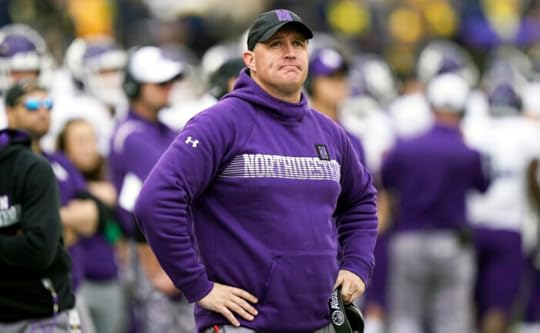
The Northwestern Football MessNorthwestern Football is having a bad week. Here is a short summary of the story. Several months ago, the university learned of reports of hazing on the football team. In response, school leaders brought in a law firm to investigate, and the study concluded that there was evidence of hazing but it wasn’t clear who knew what.
In response, Michael Schill, the new president of Northwestern, put Pat Fitzgerald, the long-time and much-loved football coach, on leave for two weeks and instituted a series of policy changes. Schill announced these moves last Friday afternoon.
On Saturday, the Daily Northwestern, the student newspaper, released a story detailing the hazing. It was an astonishing piece, complete with descriptions of dry humping, naked showers, and physical abuse of players. The reports were from multiple players.
Later Saturday, President Schill announced that he might have made a mistake.
Sunday, the players released a statement supporting Pat Fitzgerald, signed the: “The ENTIRE Northwestern Football Team.”
On Monday, Northwestern fired Fitzgerald.
Evaluating NorthwesternSo how well did Northwestern apply the learnings from Bud Light? The situations are different, of course, but there are a lot of similarities, too. Let’s take a look at the Bud Light learnings.
1. Be careful with controversial issues
There are a lot of controversial issues in the world of college sports, but one thing that everyone can agree on is that hazing and abuse are unacceptable. Reports in this area must be taken seriously.
And, after terrible stories like Jerry Sandusky at Penn State and Larry Nassar at Michigan State, the argument that leadership should be excused because they weren’t aware of the problems just doesn’t work.
Given all this, Schill completely missed. His initial punishment seemed a bit like, “Hey Pat! Why don’t you take a couple weeks off this summer. Enjoy the time at the lake.”
2. Gain alignment
A big question in all this: was the Northwestern Board of Trustees in agreement with the initial response? I can’t imagine that was the case. Surely someone would have questioned the decision.
3. Don’t waver
It took all of a few hours for Schill to backtrack after the Daily Northwestern story came out, and then a couple of days to dismiss Fitzgerald. Which means that everyone paying attention to Northwestern Football will now be upset. People who support Fitzgerald will be angry. People who don’t support Fitzgerald will be angry.
While changing course was the right move, this was not a good week for the new Northwestern leader.
4. Move quickly
Northwestern deserves credit for moving quickly after the initial flub. Schill said he made a mistake within hours. He dismissed the coach just days later.
5. Be empathetic
The Northwestern Football team needs particular improvement in this area. The team’s statement was embarrassing.
When you have a group of people accused of abusing a few of its own members, sending a statement signed by the “The ENTIRE Football Team” just makes things worse. Where are the names? Why is ENTIRE in all caps? It sounds vaguely threatening, to the players voicing concerns, the outstanding reporting team at the Daily Northwestern and anyone opposed to Pat Fitzgerald.
The statement from the football team doesn’t sound at all like a group of individuals concerned about credible reports and committed to improving. It was just denial in the face of compelling evidence to the contrary.
What’s NextThis is an opportunity for Northwestern Football to start fresh. The quick dismissal of Fitzgerald opens the door to a new leadership approach.
The situation is also a reminder to business leaders to take the Bud Light learnings to heart.
The post Bud Light and Northwestern appeared first on STRONGBRANDS.
June 30, 2023
Making Sense of Course Feedback

One of the most unpleasant parts of teaching is reviewing the course feedback. Most instructors try to create a great class; I certainly do. So, reviewing the student evaluations is a stressful moment. Even when most of the comments are positive, the feedback from disappointed students can be painful.
The Importance of FeedbackTeaching is customer service. Students sign up to take a class and want to have a positive experience. They want to walk away feeling like it was time well spent and that they learned something useful.
As a result, the student feedback is important. It is a measure of success and, more important, a road map for improving.
I’ve been teaching at Kellogg for over twenty years. The only way I manage to keep engaging students is to constantly learn, revise and update.
BalanceThe most difficult part of processing student feedback is figuring out the right balance. A particularly pointed student comment can really sting. But determining what to do with that comment is more challenging. Is this a theme that needs attention? Or is this just one unhappy individual, perhaps someone having a bad day or someone who had unique views?
In most cases I look for three things.
-General themes: If there are several comments on the same topic, then it starts to look like a theme. It isn’t just one unhappy individual.
-Connection: Comments sometimes connect with my own observations. If I was uncomfortable with something, and then I see that appear in the comments, it starts to validate my hypothesis. A change seems necessary.
-Passion: Sometime a student will have a particularly strong point of view. Perhaps they really hated the course. This spring, I had a student score my class a 1 on the 1 to 6 scale. It can’t get any worse. That individual was clearly annoyed. While most people were happy, I still want to think about what created that level of unhappiness and how I can address it.
My Spring FeedbackI wasn’t thrilled with my feedback. In terms of instructor, I received a 5.2 out of 6, better than average for Kellogg, and for the course I received 4.9 out of 6.
Now these are pretty good scores, and I was a finalist for Professor of the Year, so overall things are fine. But I’m not satisfied with the scores and want to do better.
Here are some things I will change.
--Individual assignments: In this course, each student had to do two individual assignments. I’ve always liked these because every student has to deliver. But the assignments don’t create happiness. Some students didn’t like the grading (I had a TA help me evaluate the more than 130 submissions) and some thought the criteria wasn’t clear.
So, I’m thinking of moving to group assignments instead. This shift will allow me to give more robust feedback on each submission. I’ll also provide more guidance on the criteria and what great looks like.
--Time management: My spring class was pretty engaged and enthusiastic. The result was that one class would often run into the next one, and I would bridge a case discussion between two class sessions.
While I thought this was exciting and dynamic, many students didn’t like it. So, I’m going back to rework the flow. I will split one class into two sessions, for example, instead of rushing to fit all the material into one.
--Expectations: The most annoyed student was someone who really knew healthcare. I believe they had worked in the industry previously and had taken several healthcare classes at Kellogg. They were really hacked off that I spent time on industry background.
Now, most students in my class aren’t healthcare experts; I welcome students who are interested in marketing but newer to the industry, so the background is important.
My takeaway: I should really encourage people who consider themselves to be experts in healthcare marketing not to take the class. The other option, making it an advanced class just for students with a deep expertise in healthcare, wouldn’t work. The problem is that there would probably be four students in total and the class would be cancelled.
Better to be clear that the course is designed for people new to healthcare or at least new to healthcare marketing.
Looking AheadThe fun part about teaching is that it is never easy. I’ve taught for many years and even now I’m finding ways to improve my class. Ultimately, that is how we get better and stay relevant in the classroom.
The post Making Sense of Course Feedback appeared first on STRONGBRANDS.
June 13, 2023
Financial Advice for Graduates – 2023

It is commencement week at Kellogg. Yesterday, I processed into the commencement ceremony with my faculty colleagues and watched the graduates receive their degrees. It was a terrific event. Seeing young, talented people embark on a new phase of life with energy and excitement is inspirational.
Each year I offer graduates some financial advice. I’m not entirely sure how this tradition started. I teach marketing, not finance, after all. This advice is more from experience and observation than academic financial theory.
Most of my recommendations haven’t changed over the years. Invest steadily, little by little. Buy stocks, a mix of individual names and index funds or ETFs. Hold onto things forever. You can read some of the prior recommendations here and here.
This year, I will focus on four things.
SaveThis is the foundation. Save some money. It is tempting to spend a lot of money when you get a new job. Going out for dinner and drinks can be costly.
My advice: live on less than you earn. If you do this, you’ll be able to save some money, and this can go to paying down debts or investing or giving. You’ll also have a smaller burn rate, so if you lose your job, you’ll be able to stretch out that severance payment.
To minimize your expenses, focus on the big numbers: housing and cars. If you get an inexpensive place to live and drive a cheap car you will be in good shape.
Having some financial reserves gives you freedom to move. If you are financially secure, you can walk away from an ethically questionable boss, or go after an exciting but risky opportunity.
Reduce DebtI’ve always believed that eliminating debt is a good policy. I don’t approach it with quite the enthusiasm of Dave Ramsey, but I am 100% in favor of working quickly to pay down and eliminate loans.
Financially, it is a smart thing to do. Here is my view: if someone believed that lending me money was a good financial decision for them, then paying back that loan is an even better financial decision for me. They stepped up with no certainty that I would pay back the money. I know I’ll be paying back the loan, so the rate of return must be attractive.
Now technically some debt might be a good thing. If you took out a mortgage a few years ago and you are paying 3%, you can invest funds at perhaps 5% instead of paying down that loan and make a little bit after tax. Perhaps you can deduct the interest on the loan. I wouldn’t get too focused on these small returns. Just pay off the loan.
Invest in YouYou are your biggest asset. Your career success will determine your financial future. So, invest in yourself. This might involve getting a career coach, or an editor to proofread your presentations. Perhaps you need some training on how to create tight recommendations. If you are doing zoom meetings, be sure your background sends the right message (FYI - a copy of Kellogg on Marketing and How to Wash a Chicken will add a nice touch).
Investments in your personal brand will pay back over time.
Be GenerousThere is a lot of research out there on happiness. One learning is that things don’t create happiness. Friends create happiness. And a spirit of generosity. And gratitude.
So be generous. Support causes that you care about. Remember that you are lucky in your success; you’ve been helped by many people, and you’ve been fortunate to have reached this point. Help those coming along and those that haven’t been as blessed.
If a friend asks you to support a cause that is important to them, give, quickly and happily. You don’t have to give a lot, but if you contribute, it communicates that you heard them, and you are there for them. If you don’t give, it communicates that you don’t care about their cause or about them. Don’t miss the opportunity to help someone.
Commencement is a remarkable phase – there are new adventures ahead. Take time this week to celebrate and thank those who have helped you along your journey.
The post Financial Advice for Graduates – 2023 appeared first on STRONGBRANDS.
June 7, 2023
The Key to Career Success: Learn to Present Well

It is a time of new beginnings in the business world. College and MBA students are graduating and getting ready to start new jobs. Interns are trying to figure out where to show up and what to wear in the office. Even people who have been working for several years are finding new opportunities.
Here is one recommendation for anyone starting a new job: learn how to create and deliver effective presentations.
Why Presenting MattersWe live in a world of presentations. People present business updates, recommendations, even Top 10 Lists for departing colleagues. Amazon apparently loves written memos, but that is the exception (and writing a good memo is much like creating a good presentation).
If you want to have an impact on a business, you need to present well. Ideas require support to move forward, and a great presentation is a way to build it. A solid recommendation that covers the key issues is likely to get approved. A weak presentation can doom an idea. Even the best idea in the world is not likely to receive support if the presentation is weak.
Perhaps more important, a presentation is a moment to shine. When you are presenting, everyone is looking at you. The senior executives are listening and watching. This means it is a opportunity.
Most days, it is hard to significantly impact your personal brand. Riding the elevator with someone isn’t going to do much for your brand, though in a work-from-home world even showing up can give your brand a boost. Presenting is different.
If you create and deliver a good presentation, people will think positive things. They may believe you are smart, talented, and gifted. This will help your brand and increase the chance you will get good opportunities and a promotion.
A weak presentation, however, can do a lot of damage. The recommendation might not get approved. Worse, you look weak and disorganized. It is possible to destroy a career in one presentation.
Good NewsThe good news is that presenting well isn’t difficult. The basics of presenting are not complicated. Anyone can create and deliver a solid presentation.
Doing a brilliant presentation? Sure, that is a challenge. It is hard to be as engaging as Taylor Swift, or as credible as Jamie Dimon.
But you don't have to be outstanding; being pretty good is enough. If you have simple pages, tell a story, start with an executive summary and an agenda, finish with a summary and deliver it with confidence you will stand out.
Partly this is because most people just aren’t good at it. Many people have never learned how to create a good presentation and deliver it with confidence. So, they do the logical things, and these things ofen don’t work. Or they consult ChatGPT, and end up with flat presentations. ChatGPT does not create good presentations.
Where to StartHow do you learn to present well? Here are three ideas.
Observe
The first step is simply watching and listening. Any time you are in a meeting, look at what is happening. Are there slides? Do they work well? What is the presenter doing? Is it all working?
It can be very useful to debrief with someone after a meeting to analyze it. What happened? What worked and what didn’t? If the CEO gives an all-hands meeting, ask your manager for their impression. What was particularly good?
If you become a student of the craft, you will quickly realize that there are certain things that consistently work and other things that don’t. Some presentations are just easy: the material is interesting, it is easy to follow, the presenter is engaging. Other presentations (far too many) are not very good. The meeting is dull. It doesn’t seem interesting. It feels like work.
Read
Then track down some books and resources. Watching TED talks can be useful, and there are good books on the topic of presenting.
I’ll recommend my book to start: How to Wash a Chicken: Mastering the Business Presentation. It is a simple guide to presenting well.
There are lots of other good books on the topic. Carmine Gallo has written some terrific books, including The Presentation Secrets of Steve Jobs. Barbara Minto wrote the class book, The Pyramid Principle about structuring a recommendation. Craig Wortman’s What’s Your Story focuses on the power of stories. For history fans, Lincoln at Gettysburg is amazing. And Chris Anderson’s TED Talks: The Official TED Guide to Public Speaking is excellent.
Practice
The best way to develop your skills is to practice. Try writing a presentation on a particular topic, even if you aren’t ever going to present it. Volunteer to present when opportunities come along.
Be sure to ask for feedback! If you ask for tips on your presentations, people will happily provide them. You’ll be thankful and they will feel helpful. If you don’t ask for input, you won’t get the feedback: people don’t just volunteer presenting tips. If you tell someone, “Next time don’t read from your phone” they won’t like you very much. You’ll feel bad, too, because the helpful suggestion came off as a criticism.
So for everyone starting a new opportunity this summer, spend time on your presenting skills. Succeeding here will get you off to a good start. More important, it will set you up for long-term success.
The post The Key to Career Success: Learn to Present Well appeared first on STRONGBRANDS.
Advice for Grads: Learn to Present Well
It is a time of new beginnings in the business world. College and MBA students are graduating and getting ready to start new jobs. Interns are trying to figure out where to show up and what to wear in the office. Even people who have been working for several years are finding new opportunities.
Here is one recommendation for anyone starting a new job: learn how to create and deliver effective presentations.
Why Presenting MattersWe live in a world of presentations. People present business updates, recommendations, even Top 10 Lists for departing colleagues. Amazon apparently loves written memos, but that is the exception (and writing a good memo is much like creating a good presentation).
If you want to have an impact on a business, you need to present well. Ideas require support to move forward, and a great presentation is a way to build it. A solid recommendation that covers the key issues is likely to get approved. A weak presentation can doom an idea. Even the best idea in the world is not likely to receive support if the presentation is weak.
Perhaps more important, a presentation is a moment to shine. When you are presenting, everyone is looking at you. The senior executives are listening and watching. This means it is a opportunity.
Most days, it is hard to significantly impact your personal brand. Riding the elevator with someone isn’t going to do much for your brand, though in a work-from-home world even showing up can give your brand a boost. Presenting is different.
If you create and deliver a good presentation, people will think positive things. They may believe you are smart, talented, and gifted. This will help your brand and increase the chance you will get good opportunities and a promotion.
A weak presentation, however, can do a lot of damage. The recommendation might not get approved. Worse, you look weak and disorganized. It is possible to destroy a career in one presentation.
Good NewsThe good news is that presenting well isn’t difficult. The basics of presenting are not complicated. Anyone can create and deliver a solid presentation.
Doing a brilliant presentation? Sure, that is a challenge. It is hard to be as engaging as Taylor Swift, or as credible as Jamie Dimon.
But you don't have to be outstanding; being pretty good is enough. If you have simple pages, tell a story, start with an executive summary and an agenda, finish with a summary and deliver it with confidence you will stand out.
Partly this is because most people just aren’t good at it. Many people have never learned how to create a good presentation and deliver it with confidence. So, they do the logical things, and these things ofen don’t work. Or they consult ChatGPT, and end up with flat presentations. ChatGPT does not create good presentations.
Where to StartHow do you learn to present well? Here are three ideas.
Observe
The first step is simply watching and listening. Any time you are in a meeting, look at what is happening. Are there slides? Do they work well? What is the presenter doing? Is it all working?
It can be very useful to debrief with someone after a meeting to analyze it. What happened? What worked and what didn’t? If the CEO gives an all-hands meeting, ask your manager for their impression. What was particularly good?
If you become a student of the craft, you will quickly realize that there are certain things that consistently work and other things that don’t. Some presentations are just easy: the material is interesting, it is easy to follow, the presenter is engaging. Other presentations (far too many) are not very good. The meeting is dull. It doesn’t seem interesting. It feels like work.
Read
Then track down some books and resources. Watching TED talks can be useful, and there are good books on the topic of presenting.
I’ll recommend my book to start: How to Wash a Chicken: Mastering the Business Presentation. It is a simple guide to presenting well.
There are lots of other good books on the topic. Carmine Gallo has written some terrific books, including The Presentation Secrets of Steve Jobs. Barbara Minto wrote the class book, The Pyramid Principle about structuring a recommendation. Craig Wortman’s What’s Your Story focuses on the power of stories. For history fans, Lincoln at Gettysburg is amazing. And Chris Anderson’s TED Talks: The Official TED Guide to Public Speaking is excellent.
Practice
The best way to develop your skills is to practice. Try writing a presentation on a particular topic, even if you aren’t ever going to present it. Volunteer to present when opportunities come along.
Be sure to ask for feedback! If you ask for tips on your presentations, people will happily provide them. You’ll be thankful and they will feel helpful. If you don’t ask for input, you won’t get the feedback: people don’t just volunteer presenting tips. If you tell someone, “Next time don’t read from your phone” they won’t like you very much. You’ll feel bad, too, because the helpful suggestion came off as a criticism.
So for everyone starting a new opportunity this summer, spend time on your presenting skills. Succeeding here will get you off to a good start. More important, it will set you up for long-term success.
The post Advice for Grads: Learn to Present Well appeared first on STRONGBRANDS.
May 17, 2023
Things Are Not Going Well at Tyson

I write about different companies in my blog and newsletter, and it is always interesting to watch how things develop. This week is a good time to check in on Tyson.
Tyson’s Big MoveIn early October, Tyson announced that it was closing its Chicago office and consolidating operations in Springdale, Arkansas. This was a big shift; in recent years Tyson had expanded its Chicago presence, in an effort to attract top marketing and finance talent to its branded products group. The team in Chicago led innovation and managed brands like Jimmy Dean and Hillshire Farm.
At the time, I wrote that it was a bad move because people weren’t going to relocate, so Tyson would lose all the expertise it had built up. This meant that either Tyson was retreating from its efforts to build great brands and instead focusing on its commodity protein businesses such as chicken and beef, or it was just a poor decision. People sometimes make bad choices.
Latest ResultsSo how have things been going at Tyson since the announcement?
Not well.
As expected, virtually the entire Chicago team resigned. I don’t think Tyson publicly released the final relocation figures, but people at Tyson tell me more than 90% of the Chicago marketers left the company.
The CFO was arrested.
Tyson last week announced dreadful results. CEO Donnie King stated, “...this quarter was definitely a tough one.” That was an accurate assessment. Operating income fell from $1,156 million to a loss of of $(49) million. For the most recent six months, operating income has declined from $2,611 million to $418 million.
Not surprisingly, the stock has dropped like a stone. Tyson's stock price is down from about $65 back on October 6 when it announced the relocation to $49 today, a drop of 25%. The S&P 500 is up more than 10% over the same period. In early 2022 Tyson stock traded at almost $100 a share.
Worse Than It LooksWhile the overall results are terrible, the situation is actually much worse than it seems.
In the latest financial results, Tyson’s commodity businesses delivered horrible results, with adjusted operating income in the 1H of FY 2023 falling from a profit of $2,155 million last year to a loss of $(77) million. The company attributed this to an unusual confluence of factors.
The branded products business - which used to be based in Chicago - did well. Through the 1H of FY 2023, adjusted operating income increased from $449 million to $499 million, a gain of +11%. The businesses did even better in the second quarter. Tyson celebrated the fact that market shares were looking good. Donnie King observed, “Winning with customers and consumers is a key priority, and it's clear we're having success with both.”
The problem is that there is a significant lag effect when managing brands. Building a brand and developing innovative new products isn’t quick. The results coming in today are from programs researched and developed last year, or the year before. The Tyson team clearly did some great work in 2022.
Which means that you have to be worried about Tyson's Chicago move. What happens in late 2023 and 2024? All the programming for that period will now be developed by, well, I wonder who. Everyone responsible for the great Q1 and Q2 results left.
Perhaps Tyson will recruit a brilliant marketing team in Springdale that will be even more capable than the terrific team that Tyson had in Chicago, and lost. Some people like Springdale, and there are good people there. Just not a lot of them.
Last time I wrote about Tyson I said I was hanging onto my stock because I was sitting on a gain and the stock was well off its high. I’m now sitting on a loss. I wonder if I should sell and take the loss or look with hope far into the future when perhaps Tyson leadership will realize that you need a great team to build great brands. There are bumpy days ahead.
The post Things Are Not Going Well at Tyson appeared first on STRONGBRANDS.