W. Terry Whalin's Blog, page 18
August 21, 2022
Three Reasons to Use Gentle Follow-up

By Terry Whalin @terrywhalin
As a writer, I participate in a couple of online groups. Several of these groups, I have been an active participant for decades. I hope you are active in some of these online activities for your own growth as a writer and the opportunity serve and help others. In one of these groups, members can ask questions and get help. Recently an author asked about what to do with a submission to an agent. This author followed the agent's submission guidelines and sent his material. The guidelines gave an estimated time for a response but this writer hadn't received a response and the time had been about three times past the estimated timeframe. What should he do?
I understand this situation from two perspectives. First, as a writer, I know the pain and frustration of waiting with no response or even finally getting a form rejection letter. Many publishers and agents never even bother to respond to the submission because of the large volume they receive. As an editor, I know the challenges of responding to authors and while I try to be prompt and in touch, I'm imperfect and know I have a number of submissions that I still need to press forward for my publisher. The work is never done and there is always more to do, another book manuscript and another author to process. Each of us have the same time limitations and over the years I've tried to give myself (and others) some measure of grace in how we communicate.Each publisher, editor and literary agent has their own system and method of responding and keeping up with their authors and relationships. The easiest answer for an editor or agent to give is one the author doesn't want to hear: “no thank you” or “not the right fit” or “going to pass.” That's why in the title of this article I include the adjective “gentle.” You want to be careful how you reach out to this decisionmaker/ gatekeeper to foster and build your relationship with them. While they may reject your current idea, they may be attracted to your next idea. There is truth in the old saying, “Never Burn A Bridge.” In the remainder of this article, I want to give you three submission ideas for your writing: 1. Simultaneously submit. You should not wait around for a single editor or agent to respond to you because for reasons outside of your knowledge or control, they may never respond or respond months down the road. Waiting is hard for everyone. Your best action as a writer it so submit to multiple places at the same time. The key if you use this strategy is to explicitly say so in your cover letter and/or proposal. Then a second critical step is when you sell the project or sign with a literary agent or something happens, you need to notify everyone else who has not responded. This step keeps the lines of communication clear, transparent and professional. 2. Keep track of the timeframe. How long has your submission been out? After a few weeks, it is often time to send a gentle follow-up—which I will explain in the next point. 3. Use The Gentle Follow-up. A gentle follow-up reaches out to ask if they received it. Maybe it got lost or arrived when they were out of their office. Or any number of other things could have happened to yur submission. It's a reasonable question to ask if they received it. If they have acknowledged their receipt (as we do at Morgan James), then follow-up asking if they need any additional information. This request is not pushing but gentle and reasonable and simple to answer. The reality is weird things happen in the publishing world. Many of those strange things are outside of your personal control. For example, I've written about 2,000 reviews on a large bookseller's website (not going to say the specific name). During an afternoon last week, about 800 of my posted reviews disappeared. I have no recourse or anyone to ask about the reason. My response is to keep pressing forward and writing more reviews. If you haven't read my 10 Publishing Myths book, I encourage you to take advantage of my special offer, get this book and read it. Of my goals with this book was to explain that much of the publishing process is outside of our control as writers. I balance this fact with a series of pro-active actions every author can take to get the word out on their book which will translate into sales. As you read this book and apply it to your life, you will be able to take advantage of my decades of experiences in the publishing world. As writers, we need to use the gentle follow-up with our submissions. What experiences have you had in this area? Let me know in the comments below. Tweetable:
 Get 10 Publishing Myths for only $10 +FREE shipping + over $200 of free bonuses.


August 14, 2022
How to Write a Book Review

By Terry Whalin @terrywhalinLast week I gathered with a group of local writers for a backyard barbecue to celebrate the beginning of our school year and to begin again our monthly meetings. One of the writers brought her first book which was going to release in a few weeks. I asked if she had a launch team or any other plans to get her book into the market. She looked a bit lost how to answer my question then said, “I'm going to put the cover up on my Instagram account and tell people it is available.” I encouraged this author to get friends and others to write book reviews because readers are making buying decisions every day when they read reviews online at any place books are sold and not just Amazon. I understand the influence of book reviews and it's one of the reasons I've been writing book reviews for decades in print publications as well as online. As you read or listen to books, writing a simple book review is a way to support other writers. If you want to know more about how to get reviews, I have created a free teleseminar on this topic (follow the link). I've seen many people write a sentence or two for their review but I believe a more detailed review is helpful to the readers (and the author). In this article, I want to give you more of the details about how I write a review. While each review is individually crafted, there are some consistent elements in my reviews to give you some ideas for y0ur reviews. The books that I read and review come from a variety of places. Sometimes publishers will send them to me, others will come from authors, and other times I learn about books from reading other reviews or news releases. I'm often reading one book and listening to a different book. As I read the book, I will open a Word file and sometimes make some notes about the book. These brief notes often turn into the review. Also as I read, I will mark interesting quotes or sections with post-its to be able to easily reference these sections with my review. Every review begins with a headline. This headline can be a summary statement about the book but involves using a few words to draw the reader into reading your review. Spend a few moments crafting your headline for the review. In my review, I summarize the contents of the book, point out key sections of the book and in general, I include a few sentences which I quote from the book and reference the specific page where it comes from. I inelude this quote to show the reader that I've actually read the book and it gives the reader some more insights about the book. I conclude each review with my recommendation about the book. In recent years, I've learned to use an online program called Mock-Up Shots which has a set of diverse marketing tools. One of those tools allows me to upload the book cover then I select a unique image with the book which I add to my review on Amazon and also use the image to promote my review (and the book) on social media. If you want to learn more about these tools for your use, follow the link. You can get lifetime access which is well worth it in my view and I use these tools almost daily. The bulk of my reviews are about 150 to 200 words in length and afterwords, I will often print the Word file with my review, then read it again and make any changes before posting it on Amazon and Goodreads. The Goodreads review appears right away but Amazon sometimes takes a day or two or three before it appears. When the Amazon review appears, I will post about my review on social media to my different channels (Twitter, Facebook and LinkedIn). The final step in my process relates to how I received the book. If I got it directly from an author or publisher or publicist, I will send the Amazon and Goodreads links to my review along with a link to my posting on social media. Taking this step is important to affirm to the receiver, I have completed the review—and it opens the door to additional books for possible review. Do you write reviews for the books you read or hear? Do you have a pattern or system you've created for these reviews? Let me know in the comments below. Tweetable:
 Does your fiction or nonfiction book have a business plan? Every type of book needs a proposal—even if you self-publish. Get this resource.
August 7, 2022
How To Fill Your Empty Calendar

By Terry Whalin @terrywhalinLike most freelance writers, I have an empty calendar for many days. How do I fill that schedule with productive activity that moves me forward toward my goals? In this article and no matter what you write, I want to give you some ideas about how to fill those blank and empty periods. 1. Determine what you want to write or achieve. Do you want to publish in magazines? Do you want to do more speaking? Do you want to write books for others? Do you want to learn about how to write screenplays or do effective Facebook ads? There are many opportunities and you have to determine which one is where you want to go. If you are looking for a list of writing possibilities, then download the first chapter of my book, Jumpstart Your Publishing Dreams . Use this download link (no optin). 2. Focus your planning and energy toward consistent effort to this goal. To achieve it, what do you need to learn? Who do you need to connect with? How can you build those relationships? It will not be overnight but you have to consistently make the effort to achieve this goal. 3. As you get responses, fill your calendar with scheduled phone calls or meetings to build your relationships. As I've mentioned in the past on these articles, who you know is just as important as what you know. Your connections can be invaluable in reaching your publishing goals. I don't expect this process to be easy or simple and know will involve hard work and continued effort. Here's what I have learned from decades in this business, if you do the work, you will eventually achieve the results. I recently listened to Darren Hardy's The Compound Effect about where you can achieve big results from making incremental changes. There is a payoff for making these changes with consistency. As I put together my calendar, balance is a key component. I'm not perfect at it but overall there is a mixture between current work, optional work, planning ahead for future work and consistent learning and growth. For this process, I don't use a paper calendar. Instead I keep dates and appointments on my electronic calendar. I made this switch several years ago and it has been a good one because in general I have my phone with me and can keep up with my variety of deadlines. My Personal Philosophy For a number of years, I've been an early riser with no alarm clock. Yes, if I have to get up at 3 am (which happens sometimes to catch an early flight), I use my alarm but otherwise I don't. For me every day is a gift and we are charged to use that gift wisely—whether it be a regular work day or a holiday or the weekends. I have many different activities which fill my day. Some of them are on my calendar as appointments but others are just work activities that I want to get finished. Some of those activities relate to current work while others relate to future work. Some activities are something new that I'm learning. Others are consistent ways I spread the news to others about my work and effort such as marketing efforts. I'm often in a routine which I've created but I consciously work at changing up that routine so it is different and not boring. I believe each of us have a lot to accomplish in a given day—if we celebrate and seize the opportunity. How do you fill your empty calendar? What steps or ideas can you add to what I've said? Let me know in the comments below. Tweetable:
 Does your fiction or nonfiction book have a business plan? Every type of book needs a proposal—even if you self-publish. Get this resource.
July 31, 2022
Something Better Than A Good Idea

By Terry Whalin @terrywhalinWriters are swimming in a sea of ideas is a statement bestselling author and editor Elizabeth Sherrill said years ago in a class I was taking from her at a writer's conference. I find good ideas come to me often and I try and capture them. Here's what is better than having a good idea: taking action on that idea. Each week I write these articles for The Writing Life. I have a steady group of people who receive these entries through their email addresses. Yet this list isn't increasing and in fact each week is declining when a few people unsubscribe. How can I increase the number of subscribers? The answer is simple. I need to be telling more people or a different group of people about the availability of this email resource. I took action on this need. I wrote an email, showed the variety of articles and sent it to my email list. Also I crafted a similar email and sent it to a different email list. Overall I sent this email to thousands of subscribers where I encourage readers to subscribe to get my blog updates through their email.
Of course, those readers have to open my email and take action on my suggestion for anything to happen—but at least I called the idea to their attention and increased the possibility of getting more subscribers. It was more than a thought or idea. I took action on my idea and turned it into a communication tool with my readers. Here's where you can subscribe and receive these entries through your email. Where do you need to grow as a writer? Do you have a book which is in the market but not selling? What steps can you take to be telling more people or book on a podcast or radio show? While it is easy to blame others in this process, I return to one of my consistent themes: I have to take my own responsibility for my own success. What actions can I take to reach a new audience? What do I need to learn to execute this idea? For example, I understand many authors are having success with their sales through the book area of Tik Tok. I have never done a Tik Tok video. I have access to some teaching on this topic but need to make the time in my schedule to take the teaching and then apply it to my writing life. Taking action is a much better step than having the knowledge and the idea. What ideas have you had which are only ideas because you didn't take action on them? Make a plan and commit to moving forward. Let me know in the comments below. Tweetable:
 Does your fiction or nonfiction book have a business plan? Every type of book needs a proposal—even if you self-publish. Get this resource.
July 24, 2022
A Reality Check

By Terry Whalin @terrywhalinNormally in these articles about the writing life, I'm a glass half full person. In other words, I see the world as filled with opportunity rather than danger. In general, I'm optimistic about my future—even when I'm about to get fired (yes it has happened). Today I'm going to do something different and attempt to give you a bit of a reality check about the world of publishing. If you are writing and publishing, whether you are aware of it or not, a great deal of your work is rooted in speculation and risk. Yes you may have created a book proposal or manuscript or query letter and gotten an contract and specific work to produce for a publisher. From my experience and if you look at it realistically, this writing is still speculation. Every one of these arrangements is tied to your performance in a timely fashion with excellent writing. While it is rare for a contracted book to be cancelled, authors need to be aware of the risks and that every publishing arrangement can crash or change at any point in the process. In most cases, these cancellation clauses in a contract are not exercised. As a writer, I can tell you it is painful when it does happen. Whenever you reach these crisis points in life, there are always at least two choices. You can wallow in your pain and go into a huge stall where nothing else happens. Or you can choose to move forward and realize when one door closes, you can begin looking for another door of opportunity. This move of persistence and consistency is one of the most important in my view. If you make this choice, you take responsibility for what happened (even if it was outside of your control) and move forward. The Best Prevention The best prevention for these crash situations is to learn to create excellent writing and storytelling. If you learn to write in a timely way (meet or exceed the deadlines) and deliver consistent, good storytelling and writing, it is your best recourse. Even with good writing, something can crash but it is best prevention measure you can take as a writer. The first step in this process is awareness which I've tried to do in this article. Then commit yourself to continuing to grow and improve as a writer and storytelling.
 As I wrote in
10 Publishing Myths
, there is a great deal in the publishing process which is outside of our control as writers. But there are also steps each of us can take with our writing and publishing efforts (also the emphasis of
10 Publishing Myths
). Are you a glass half full or a glass half empty type of person? How do you keep a realistic view of the publishing world? Let me know in the comments below. Tweetable:
As I wrote in
10 Publishing Myths
, there is a great deal in the publishing process which is outside of our control as writers. But there are also steps each of us can take with our writing and publishing efforts (also the emphasis of
10 Publishing Myths
). Are you a glass half full or a glass half empty type of person? How do you keep a realistic view of the publishing world? Let me know in the comments below. Tweetable:
 Does your fiction or nonfiction book have a business plan? Every type of book needs a proposal—even if you self-publish. Get this resource.
July 17, 2022
Writers Must Communicate

By Terry Whalin @terrywhalinAs a child, I recall connecting two tin cans with string then using it to speak with a friend. It was a simple yet effective communication tool that we made and had fun with it. In this article, I want to highlight the importance of communication for writers. Writers are regularly communicating to their readers, their literary agent, their editors and crafting their books, proposals, query letters, magazine articles, and many other types of writing. If your books aren't selling, then you need to be taking more action to create content and show your readers the benefits from your writing. The bottom-line is if you are a writer, you are in the communication business. As I think about publishing, from my decades of working in it, I understand it is a business filled with noncommunication (silence) and miscommunication. When you send your material into an agent or publisher, you often don't hear any response—for weeks or months. Sometimes the way you learn "no" is through no response which is poor communication. Waiting for a response is a huge part of our lives as writers. Because publishers are slow to respond, I've always encouraged writers to simultaneously submit or send to multiple places at the same time. Admittedly when you simultaneously submit, you have to keep track of these submissions so if someone contracts a piece of writing, you have a responsibility to notify the others and withdraw it from consideration. Because of the lack of communication in many areas of the publishing community, I've learned that if you do communicate, you will stand out as someone who is different. While the communication process isn't always easy, I use multiple ways to reach people such as email, physical mail and sometimes the telephone. I've found great value in my LinkedIn account because while people may change positions and move around within publishing, they will take their LinkedIN account with them. For my last book, I reached out to some people I had not been in communication for years. LinkedIN gave me a place to begin this process with their email address and sometimes even a phone number. If you want to reach a particular editor or literary agent and do not hear from them, use multiple methods to reach them. If email doesn't work, then try mailing something through the US mail. If that doesn't work, see where they are speaking and plan to attend that event. Make sure you are pitching something excellent but your persistence to reach them will eventually pay off (or so I have found). Do you have a set of boundaries about when you communicate? For example, I have colleagues at Morgan James Publishing who have decided to only answer emails Monday through Friday during their standard work hours. I understand their creation of such a boundary and respect their personal choice. I've made a different one (which many of my authors have learned). I will answer email almost any time during the day or evening. It's my personal choice and pattern and my desire to be a good communicator in a world that doesn't. Sometimes I will review an email after I've sent it and to my horror find some typographical errors. I'm imperfect in this communication process yet determined to take my own responsibility and continue to press forward and learn to be a good communicator. My emails don't have to be length but they do have to be clear and timely. What steps are you taking to be a good communicator? Let me know in the comments below. Tweetable:
 Does your fiction or nonfiction book have a business plan? Every type of book needs a proposal—even if you self-publish. Get this resource.
July 10, 2022
Organize and Thrive

By Terry Whalin @terrywhalinPeriodically the books, random papers and magazines pour into my office. After a while they stack up and I have to stop some activities and spend time organizing and throwing. If I don't organize, then I find the mess will will overwhelm me. I will get stalled and unable to function and be productive. Do you ever have this experience or feeling in your own writing life? In the last several months, I've traveled to three live events and while this change of pace is welcomed, it does interrupt my schedule, normal reading pattern and ability to process things that come into my mailbox and inbox. Things tend to stack up and fall behind. My physical mailbox and my inbox often involve exchanges which provide opportunities for exposure (marketing) and making money. These opportunities do not happen without clear communication with the other person and a steady stream of communication. Sometimes I can handle these issues on the road but on other occasions I have to be sitting in my office on my desktop computer. Your skill to organize your computer files, your desk, your bookshelves and much more is a critical part of this process. Your organization system will be different from mine. If you don't have a plan or system for these areas of your work, then I encourage you to create one. As a writer, we have multiple projects in motion and need to keep it organized to be able to move forward. For example, at a recent writer's conference, I promised some people that I would send them a piece of information. At the time, I made a little note about this promise on their business card, then when I got home I sent through these cards and followed-up and handled these various situations. Do you have a plan in place to handle these types of situations? If you do follow through, you will be one of the few who do it and it is a way to standout and enhance your reputation in the publishing world. Yes, it is that simple to standout. As my files, desk and other areas of my office are better organized, I can increase my production and what I accomplish each day. If it is disorganized and I have to spend a bunch of time to locate something, that is a poor use of my limited time and energy. Each of us have limited time and energy whether we realize it or not. Just so you know I am not obsessive about organization and still have areas of my office which are disorganized but in general, I have a good handle on where things are and how to move things forward. I understand that increased organization will help me to be more focused and thrive in the days ahead. How are your organization skills? Do you have some insights for us? Let me know in the comments below. Other Blogs With My Recent Writing: As I've mentioned in these entries, I regularly write articles for other blogs. Here's some of those recent articles:
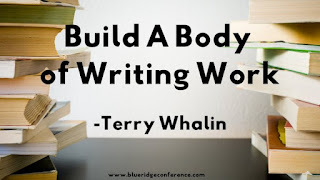 For the Blue Ridge Mountains Christian Writers Conference blog: Build A Body of Writing Work
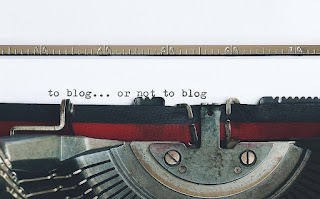 For Writers on the Move: Why I'm Still Blogging (and You Should be too)
 For Almost An Author: Four Ways to Support Other Writers Tweetable:

Does your fiction or nonfiction book have a business plan? Every type of book needs a proposal—even if you self-publish. Get this resource.
July 3, 2022
Writing About Holidays

By Terry Whalin @terrywhalinIt's rarely discussed in the writing community but one of the most difficult type of writing for editors to find is tied to holiday themes. The good news is everyone has unique personal experiences during the holidays. Your opportunity as a writer is to capture the raw dialogue and unique elements, weave them into a story then submit them to print magazines. Print publications have a higher standard for their work than online (in general). For example, when I was a magazine editor at Decision and our circulation was 1.8 million copies, we decided to do a February issue with a love theme (Valentine's Day). Personal experience stories which related to love combined with other crieria for our publication didn't naturally come unsolicited from authors. Instead, I had to create a list of authors and ask them to write what we needed. That experience and others at the magazine showed me the on-going need for holiday writing. Your personal experience stories from holidays can be evergreen or an article which you can sell to many different magazines. Typically with a magazine article, you sell “first rights” which means after the article is published, the rights return to you. Then you can sell “reprint rights” to other publications. Depending on the publication, you can be paid more for a reprint right than the first rights. Each publication is different with different expectations. Make sure you read their submission guidelines before sending your article. In these guidelines the editor tells you exactly what they need. Many writers skip this important step in the submission process and then when their submission is rejected, they wonder why it didn't get accepted and published. As you experience different holidays, make some notes into your computer or journal so you capture the essence of the experience and the raw dialogue. Then use these experiences to write personal experience articles and even how-to articles. After writing your article, send it out into the marketplace. I encourage you to keep track of your submissions and if you don't hear from the editor in a period of weeks, send them a gentle follow-up note to make sure they got it. I use the word gentle because if you push these gatekeeper/ editors, then you will likely get the response you don't want—a “no, thank you” or “this isn't a fit for us.” Are you using your holiday experiences in your writing? Let me know in the comments below. Tweetable:
 Does your fiction or nonfiction book have a business plan? Every type of book needs a proposal—even if you self-publish. Get this resource.
June 26, 2022
The Jigsaw Puzzle of a Writing Life

By Terry Whalin @terrywhalinFor each of us, the writing life is like a giant jigsaw puzzle. You try different pieces to see which ones will fit. You have to experiment to find the right combination for you and your writing. One of the online groups where I participate was talking about critique groups this week. Just like your writing, you have to experiment with critique groups to find the right fit for you—the right people with similar worldviews, the right mixture of people and whether it is in person or online or a little of both. Nothing is clear cut and nothing works for every writer. Instead like putting together a puzzle, you have to experiment and try different things to see which ones will work for you. I suspect your schedule for the day is similar to my schedule—mostly blank unless I'm at a conference or event where my schedule is generally filled with meetings and activity. As an editor, I email people and schedule phone meetings. I also make phone calls to follow-up with authors and others but the bulk of my schedule is blank. My day is filled with a variety of activities. This past week I had returned from a writer's conference where I met with many writers about their books. I spent a great deal of time, putting their information into my computer (to make it easy to access) then writing them emails and asking to submit their manuscript. While I encouraged them to send it when we were face to face and I gave them my business card, the email reinforces that I actually want them to send me their material. From doing this work for several years, I understand not every submission will be a good fit for Morgan James. There are many reasons this fit isn't the right one—but I know for certain they can't get into the consideration process if they don't submit their material. I have had some good exchanges from these emails and expect more material will arrive in the days ahead from my follow-up work. Also I had a zoom call with a journalist in the United Kingdom asking questions about my writing life. This interview was recorded then posted this week on a private group. Sometimes I will pitch a particular podcast or radio station to get this interview. Other times they will approach me and we will schedule the session. The majorty of the time I pitch myself to get these types of opportunities. When they happen, I ask for the recording then save this recording on my own website. Then I can promote the interview over and over on my social media and know the interview is not going to disappear. I have several regular guest blogging assignments. I schedule reminders on my phone to help me to meet the deadlines for each one, which has a slightly different audience and focus. In this process, I will often recycle or slightly rewrite an older article so it can be done in a shorter amount of time than creating it from scratch.
While each of my days are filled with different activities, there is a balance between immediate deadlines and long-term deadlines. I continue to write books for other people as well as promote my own work. As I've mentioned in these entries, there is always more work to be done. A particualr project will be completed but there are other tasks that need to be done. I use tools like Hootsuite to schedule my social media posts and respond to those posts. Your consistent effort is an important part of the process. Throughout today I will be emailing and calling people as well as writing on different projects. These actions are all part of the jigsaw puzzle of my writing life. What steps are you taking? Let me know in the comments below. Tweetable:
 Does your fiction or nonfiction book have a business plan? Every type of book needs a proposal—even if you self-publish. Get this resource.
June 19, 2022
Something Every Writer Can Do

By Terry Whalin @terrywhalin
I've always loved a good story—whether in the newspaper or a magazine or in a book. While I read some fiction, I've always been drawn to real stories. It's one of the reasons the majority of my own writing has been nonfiction. Whether you write them or not, many of us have interesting personal experiences. It could be in your family or a travel experience or any number of other things that you experience personally. It should not surprise you that one of the most common and popular type of magazine article is the personal experience article. If you look in the Christian Writer's Market Guide, a wide range of periodicals are actively looking for personal experience stories.
When you write these stories, they have to fit the magazine guidelines for length but they also have to contain the elements of any good story such as a grabber headline, an interesting opening, a solid middle and a conclusion which includes a takeaway point for the reader. Through the years, I've written a number of these types of magazine articles. When I attend a writer's conference, I find many writers are focused on their book project whether a novel or nonfiction. Many of them have never considered the value of writing for magazines. In general you will reach more readers with your magazine article than you will reach with your book. It's relatively easy with a magazine article to reach 100,000 readers and if your book is going to sell 100,000 copies then that will be rare. Also magazine articles are a solid way to promote your book. This promotion happens in your bio at the end of the magaine article and is often limited to the name of your book and pointing to a website. I encourage writers to begin in the magazine area for the simple reason it is easier to learn the craft of writing working with a 1500 word article than a 50,000 or 100,000 word book manuscript. When you write for magazines, you will need to read their guidelines and get familiar with the publication (even if you read their online articles). If the publication asks for a query, then learn to write a query and send the query letter. If the publication prefers complete articles, then write the full article on speculation and send it to the editor. I've written many articles on speculation which means uncertainty it will be published. I've also written numerous articles on assignment from the magazine. It's an important skill for writers to learn to write for magazines and some of those articles can be personal experience stories. Here's something I do not see written about magazine writing: it's a choice which experiences and stories you decide to tell. I don't write about every personal experience. Some of them are too painful to relive and write about. To write a personal experience story, you have to relive the experience to capture those words and feelings. Some experiences are better left alone and that's a perfectly fine choice. Do you write personal experience articles for magazines? Let me know your tips and insights in the comments below. Tweetable: