
W. Terry Whalin's Blog, page 15
March 19, 2023
Do The Silent Work

By Terry Whalin @terrywhalinAs writers, we sit in our chair, put our fingers on the keyboard and create words. Some people when they do this creative process, love to have noise around them and sit in a nearby coffee shop. Others prefer a silent office. Other writers put on ear phones and listen to background music while they write. Whatever process you use, in this article, I want to write about the importance of doing this silent work.
No one pushes you to do this creative work. You have to draw from some internal motivation where you get to your keyboard, plan your writing, capture ideas and then put your fingers on the keyboard and consistently create.
Years ago I interviewed bestselling author Bodie Thoene who has won multiple ECPA Gold Medallion Awards in the Christian fiction category. Each day she has the goal of writing five finished pages a day. She told me, “No little elves come out of my closet to write 650 manuscript pages,” Bodie says. “Some mornings I don’t feel like writing, but I do it out of obedience to God.”
Throughout each day, as writers, we have many tasks such as continuing to write on our work in progress. It could be a few pages or a chapter but keep moving forward. A 50,000 word nonfiction book or a 100,000 word novel is not made overnight but the writing happens in consistent effort. Or maybe you are working on a book proposal. Whether you are self-publishing or some other method of publishing, I encourage you to write a book proposal because you will create a business plan for your book. Get a free copy of Book Proposals That Sell and use this link.
In these articles, I have encouraged you to create a routine and a system for various aspects of your writing life such as blog posts for yourself or others, your posting on social media, writing a query for a magazine article or writing a magazine article. Each of these writing tasks involve learning the system, then doing the silent work to execute it consistently.
As an acquisitions editor, I have additional silent work. I get submissions, have to enter those submissions into the system so they get acknowledge. I schedule a detailed phone call with the author where I ask questions, give feedback and information about why Morgan James Publishing from my many years in publishing. Record the call, send them the recording, send the follow-up material. Then I have to fill out my internal documents to get them a contract. These are a few of the steps I do over and over in silence--yet are critical to the process. Then when I get a contract for an author, I follow-up to see if they have questions. No one is pushing me to do this work other than my own drive and work in the silence.
As writers, each of us have dreams and goals for our work but a lot of it is grounded in this silent work. This silent work has to be done and no one is calling for us to do it. We have to sit at our keyboard and get it done. Your persistence and consistency as a writer will get attention. This payoff may not be immediate but keep at it and it will happen.
What steps are you taking to do the silent work of writing? Let me know in the comments below.
Tweetable:

Much of the publishing process is outside of the writer ’ s control. 10 Publishing Myths helps writers have a realistic perspective and take action. Get 10 Publishing Myths for only $10 +FREE shipping + over $200 of free bonuses.


March 12, 2023
Four Ways To Get More Reviews

By Terry Whalin @terrywhalinRecently one of my Morgan James Publishing authors contacted me. Her book was released a few months ago and she told me a couple of moving stories about the effect of her book on her readers.
Out of curosity, I looked at this author’s book on Amazon. I was expecting to see a few reviews yet was surprised that no one had written a review. These reviews are a critical sales tool because every day people are looking at these pages, reading the information then making decisions whether to buy the book.
Every writer has to be aware of the importance of reviews. With over 4,500 new books going into the market every day, any book needs these reviews. Also last week I received two self-published books from a long-time writer friend. One was published last year and the other in 2021. I checked the book page on Amazon and of the two books, one had one review and the other had no reviews.
Years ago, you used to be able to get your friends and relatives to write reviews for your book. Amazon and other online retailers have created sophisticated algorithms which remove these reviews. If you write a review, it is best not to mention any connection to the author. Instead you approach the review as a reader and tell about the book.
There are simple steps every author can take to get more reviews and I want to give some ideas in this article.
1. Ask your readers to write a positive review on Amazon, Barnes & Noble, Goodreads and other websites. For my last several books I’ve included a page in the back of each book encouraging readers to review the book and even I provide some short links to specific websites.
2. When you get feedback about your book, encourage them to write a review and include a link to write it. If someone writes or emails you about how much they enjoyed your book, respond with gratitude. In addition, ask them to write a few sentences of positive review and even include the link to your book page.
3. Get some training. Several years ago, I interviewed Dana Lynn Smith about how to get more book reviews. The free webinar and ebook are free at: YourBookReviewed.com I encourage you to use this resource, hear the recording and take action from what you learn. While the steps sound simple, you would be surprised how people will download the material then never listen to it or not take action from what they hear.
4. Create a web page to encourage others to write reviews. For my Book Proposals That Sell , I created a page with a variety of ways the reader can promote my book including writing a review. If the reader doesn't know how to write a review, I’ve provided a free template with these details. I created a similar page for 10 Publishing Myths .
A reality of the publishing world, you have to work or take consistent action to gather reviews. As a bonus tip, I would encourage every writer to have a goal regarding the number of book reviews. My first goal would be 25 reviews. Then when you reach that mark, I would revise my goal to 50 reviews. When you reach 50 reviews, I would revise again to reach 100 reviews. Behind the scenes, your online retailer will notice when you reach these different benchmarks and expand their own promotion of your book through their tools.
Do you have other ideas how you can stir people to write reviews? Let me know in the comments below.
Tweetable:

Writers often have unrealistic expectations about publishing. Get 10 Publishing Myths for only $10 +FREE shipping + over $200 of free bonuses.
March 5, 2023
The Acquired Skill

By Terry Whalin @terrywhalinIt seems easy to publish a book. Thousands are doing it every day. I’ve been studying the market for years, reading and looking at books. What is not obvious to readers and people outside of publishing is this fact: each aspect of the process is an acquired skill. Because it is an acquired skill, you can learn this skill but you will have to make a concerted effort for it to happen.
Let’s take the back cover of books as an example. Many years ago, a publisher hired me to write back cover copy for their books. They mailed a hard copy of the edited manuscript, which I read then crafted the words for the back cover. If you study back covers, you will learn a consistent pattern for how these words are written. At times, they begin with a short and powerful quotation from someone well-known who is endorsing the book or the author. Other times they will have a moving headline to draw you to reading the other words on the back cover.
You only have seconds to catch someone’s attention with these words so they have to be carefully selected. The words often have bullet points and they emphasize the benefits from reading the book. What will a reader gain from spending time reading this book? That is a critical question which you want to answer with the back cover copy.
Sometimes the back cover will include a sentence or two about the author. Other times the entire space is used to entice the reader to purchase the book. This acquired skill is called copywriting and can be learned but the writer has to make a conscious effort to learn this craft. To learn about copywriting, you can take an online course or read a book on this skill.
One of my long-time friends and a skilled copywriter is Robert W. Bly. His book, The Copywriter ’ s Handbook is in the Fourth Edition. You can learn a great deal as a writer if you study this text.
Another acquired skill for book creation is gathering endorsements and/or a foreword for your book. In these articles, I’ve written about this process in the past (use this link to see some of those articles). I’ve encouraged you in these articles to build relationships with well-known authors and other leaders. If you have these relationships, then you can use them to gather endorsements. A foreword is like a short magazine article and typically 1,000 to 1,500 words. I've written forewords for a number of well-known people. The key action in this process is to make it easy for the person to say something like, “That looks great. Run with it.” You have to secure their permission to use it from the person themselves. Your editor doesn’t gather this foreword or the endorsements but the writer gathers these words as a part of the book creation process.
Whether you publish with a traditional house or an independent publisher or self-publish, the back cover copy, the endorsements and the foreword can be critical elements which will help you sell books. Forewords are typically used with nonfiction books--not fiction or children’s books or gift books. To get this detail right, you have to study the type of book you are publishing, then make sure you conform to the expected details in this process.
Whether you are aware of it or not, every aspect of the publishing process involves an acquired skill. It’s something you can learn and do--but you have to take action in this process or it will not be done. What are other acquired skills in the process of publishing a book? Let me know in the comments below. Tweetable:

Writers often have unrealistic expectations about publishing. Get 10 Publishing Myths for only $10 +FREE shipping + over $200 of free bonuses.
February 26, 2023
Playing the Long Game

By Terry Whalin @terrywhalinAre you writing with the long game in your sight? Or are you just focused on the day to day writing work. I understand we need to be working on your current writing project such as a book or a magazine article or some other type of writing.
At the same time, we need to be focused on the long game or what you will be doing in the weeks ahead. For example, I know the book printing supply chain is still challenged. At the end of March and May, I will be traveling and teaching at a couple of writers’ conferences. Last week I ordered more books so they would be printed and I would have them available to take to these events. With the challenges in the supply chain, books take time to get printed and shipped to authors. You have to plan ahead for such actions to make sure you have the books that you need when you need them.
Also last week, I pulled the various handouts for several workshops I will be teaching next month. I checked and double checked the information to make sure everything was updated and the website links worked before I sent them to the conference. I tackled this extra work because I've been in workshops where something goes wrong with the handouts or the technology. I see this work as part of my actions to play the long game and make sure I give the best possible teaching experience in my workshops. Follow this link if you want to possibly attend one of these sessions. I encourage you to attend writers’ conferences because some of my most important and lasting relationships were formed at these events. They can propel your writing life through the instruction, insights, inspiration and relationships.
Also I’ve been working on some new marketing materials to take to these conferences. It takes time and thought to design a bookmark because I don’t want it to simply be a bookmark. I want it to contain some valuable information. Then the reader will keep it and take it home with them. The effort I put into creating a bookmark is all a part of playing the long game with your books. If I design and create the right bookmark, it will be used for possibly years in the future.
As another example of a long-game action, on a social media channel, I noticed a well-known author had finished the first chapter in her second book. I know she self published her first book and I wanted to help her get more distribution for the second book. I wrote and told her about the broad distribution at Morgan James and even included a photo of my book in an airport bookstore. Intentionally I crafted a short yet focused pitch to this author then emailed it to her. Will she send me her manuscript? I have no idea but my pitch was playing the long game and hopefully giving Morgan James the opportunity consider publishing this second book.
Whether I am reading, taking an online course or a class at a conference, I’m always looking to expand my market and the reach of my words as I continually grow my connections. I hope you are taking these types of actions for your own writing life.
In the days ahead, where do you want to go with your writing life? I encourage you to take the long game approach to get there. This approach will give you better marketing whether you are writing novels, nonfiction, short stories, or magazine articles. Whatever you write, you need to learn the process, then practice it over and over.
From my study of publishing, there are no overnight successes. Jerry B. Jenkins wrote in the foreword to 10 Publishing Myths that Left Behind was his 125th published book. He was not an overnight success but had been faithfully writing for years before this successful series. People wonder how I’ve published so much material over the years. It’s one step at a time and playing the long game. How are you playing the long game with your writing life? Let me know in the comments below.
My Articles in Other PlacesI encourage you to write for other websites and here's a couple of my recent articles:
 Is Any Aspect of Publishing Easy? Once a month I write for the Blue Ridge Mountains Christian Writers Conference blog. In this article, I’m helping authors have a realistic view of publishing.
 I’m Tired of Pitching Once a month, I write for Writers on the Move and used my title to talk about a basic for every aspect of publishing--whether you are a beginner or a long-term professional--you still have to pitch--even if you are tired of it.
 Will an Editor Fix All My Mistakes? Also once a month, I write an article about proposal creation for Almost An Author. In this article, I attack a common belief that the editor will fix all of the writer’s mistakes. Tweetable:
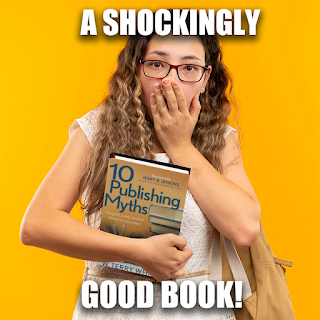
Writers often have unrealistic expectations about publishing. Get 10 Publishing Myths for only $10 +FREE shipping + over $200 of free bonuses.
February 19, 2023
The Importance of Connections

By Terry Whalin @terrywhalin
Your connections are an important element in the publishing world. I’ve often said who you know is as important as what you know. Whether you have a few publishing connections or many connections, I encourage you to continually expand and grow these connections. It’s a stance that I have taken for many years and continue to see the fruit and opportunity from taking such action.
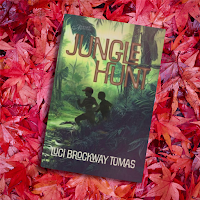 Years ago I served for 17 years in Wycliffe Bible Translators. One of my Wycliffe friends, Luci Tumas, has recently published a middle grade novel called Jungle Hunt. Last weekend at her daughter’s ranch, Luci had a launch party and invited me to attend. I had not seen the Tumas' in over 45 years.
  John and Luci Tumas served with Wycliffe in Papua New Guinea and Jungle Hunt, an adventure story is set in that part of the world. During the launch party, John read a portion of the novel. It was a fun event and I met a number of new people.
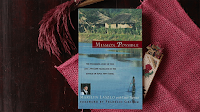 While at this event, Luci showed me another book she had written Mission Possible by Marilyn Lazlo with Luci Tumas. While I knew Wycliffe missionary Marilyn Lazlo and saw the lengthy article about her passing in Christianity Today magazine. I had not seen or been aware of this book. I was surprised to see that Tyndale House published this book. I inquired how it happened and learned before Luci got into Wycliffe, she worked as an intern at Tyndale. She used those connections to pitch this publisher and they published the book.
As I looked this book, I noticed the foreword was from Franklin Graham. I asked how this happened and Luci said during the writing, she discussed with Marilyn who could write the foreword. Marilyn suggested Franklin and then immediately called his office, spoke with his assistant to arrange it. This foreword happened because of Marilyn’s connections.
As I took a closer look at Mission Possible, it included endorsements from Dr. Billy and Mrs. Graham, Elaine Townsend, the wife of the Wycliffe Bible Translators founder, and professional golfer Suzanne Strudwick. How did Marilyn and Luci get these endorsements? They used their connections and asked for them.
Each of us have people connections. As you publish a book, are you using these connections to gather endorsements? These endorsements sell books and are important to readers. Without the author taking action, they do not happen. It is nothing a publisher does for you but you as the author need to ask and gather these endorsements. Your connections are important.
Here’s the unusual element about these books. It is not easy for anyone to publish a middle grade novels and especially one set in a remote place like Papua New Guinea. How many mission books do you find in your local bookstore or wherever you buy books? I suspect you will not find many but through using connections, these books got into print and are reaching readers.
Help Jeff make the Right Connection
 One of my long-term friends Jeff Blumenfeld needs a kidney. Our local TV channel did a story about Jeff (follow the link to watch this short video). In real estate sales, they often say it only takes one buyer. The same principle is true for Jeff. He only needs one donor but there are over 1,000 people in Colorado waiting for a kidney. If you or someone you know can help Jeff, please check out this link: www.nkr.org/vnd778
 My hope is this article will help you see the importance of connections. Whether you have been in publishing for decades or are brand new, each of us need these connections. I encourage you to continually expand your connections. What actions are you going to take today? Let me know in the comments below. Tweetable:

Writers often have unrealistic expectations about publishing. Get 10 Publishing Myths for only $10 +FREE shipping + over $200 of free bonuses.
February 12, 2023
Ideas Are Fragile
 By Terry Whalin @terrywhalin
Years ago, I took a continuing class from bestselling author and Guideposts Contributing Editor Elizabeth Sherrill. She said, “Writers are swimming in a sea of ideas. You have to carefully select which one to pursue.” While I have forgotten other things from those workshops, this concept has stuck with me and something I want to address in this article. As Earl Nightingale said, “Everything begins with an idea.” Ideas are fragile and need to be guarded and most importantly executed.
Capture The Idea
As you read books or magazine articles or watch something on television, ideas are swimming through your head. There are many different tools for capturing ideas. Some people use their smartphone to make a quick note. I often use a piece of paper or a post-it note from my desk. The post-it notes are good because after I handle the idea, I will throw it away.
Pitch the Idea As I’ve mentioned in these articles, timing is a key element with the idea. You have to pitch it at the right time to the right person. Maybe it's a magazine article idea and you write a query letter which you send to several different publications at the same time. Of course, you mention in the pitch that it is a simultaneous submission.
Or you have written a book proposal which is getting out into the market and getting turned down. The rejections happen to all of us as writers, but you are working for the one person who will say yes to your idea.
Recently an author signed their contract with Morgan James Publishing. This author has been on quite the journey with his book idea. He had a literary agent who pitched the idea to various publishers but no one offered a contract. Then he hired an editor to write his book manuscript and pitched it to me. I championed the book to my colleagues and this author got a contract and is going to publish his book with us. See the persistent effort in this example? Timing and the right connection are critical for the idea to happen.
Take Action
The final and important step with your idea is to take action or execution. From my experience, the sooner you can take action, the better.
To give you an example of taking action, next month I will be teaching at the Blue Lake Christian Writers Conference. I’ve not been to this particular event but I know a number of the faculty. If you can, I encourage you to attend this event since I understand it is a smaller conference. This week the conference director wrote that a broadcaster was coming to the event and could record an interview (an idea). I studied my schedule and looked at the interview calendar. Then I scheduled a time. I pitched an interview about my Book Proposals That Sell book. I have prepared a list of possible questions for an interview and I mailed a book to the broadcaster.
When the broadcaster saw my interview, he reached out and reminded me of our interview several years ago about Billy Graham . We have never met but we will meet next month during our scheduled interview.
Will others on the conference faculty, take action and schedule an interview? I have no idea but I saw the opportunity, seized it and took action. It’s the same process each of us have to do with an idea.
What ideas are swimming through your head? How are you taking action as a writer to capture, pitch and execute these ideas? As writers, we have a world of opportunity around us. We need to be constantly expanding our connections and continually pitching and executing our ideas. What actions are you going to take today? Let me know in the comments below. Tweetable:

Writers often have unrealistic expectations about publishing. Get 10 Publishing Myths for only $10 +FREE shipping + over $200 of free bonuses.
February 5, 2023
An Essential Skill for Every Writer
 By Terry Whalin @terrywhalinLast weekend, I spent four and a half hours on a marathon pitch session with different authors. It was the first time in four years, this group was doing these pitch sessions. There were five or six other editors and agents who were also taking pitches from these authors. Several years ago from a similar session I found a number of authors to publish. I was eager to hear these book pitches.
To prepare, I had a bottle of water in easy reach and a pad of paper to make notes about each author. The various authors pitched 32 books during this time period. Normally they only pitched one book but several of them pitched more than one book. The bulk of these pitches were novels but some were nonfiction books. I heard a lot of variety within these categories of fiction or nonfiction.
As each person made their pitch, I wrote their name, the title of their book and a few other details about them. Like my experience from years ago, I found many of these authors were not ready immediately to submit to me. For a fiction submission, I need the complete manuscript and synopsis. Many of these authors were in revision and didn’t expect to be ready to submit for six months or even a year.
As I interacted with each person, I listened carefully to learn about their book, the length of it and see if it was going to be something that Morgan James Publishing would possibly publish. As a publisher, we have a wide range of topics and possibilities. For many of the pitches, I encouraged them to send it to me when they are ready. In general, we look for clean fiction (no profanity) that is 100,000 words or less. In a few cases, the novels were over that 100,000 limit. When I heard a pitch with a larger word limit, I asked if the author could pause the story and produce two books. Our word counts are not arbitrary but are based on our experience selling books. Particularly for a first-time author, it is hard to sell a 400 to 500 page novel--which is the result of a 170,000 to 200,000 word count.
For the bulk of these authors, I expressed interest in their submission and encouraged them to send it whenever they were ready. One of the people assisting the traffic flow and pitches told me, “When an author comes out of your room from pitching, they look like they have been to Disneyland.” I was grateful to have this level of author excitement.
From my previous experience, I knew I had to take some additional action after the event. Four years ago, I gathered the email addresses of each author then wrote a personal email asking for their submission. The leader of this event told me I was the only editor or agent who collected this information and used it with the various authors.
Like last time, I collected each author’s email and phone number so I can email and follow-up. For each person, I cut and pasted their information into my address book. I’ve been working on my email to these authors and will get those written and out in the next few days.
I called this article, “An Essential Skill for Every Writer.” The essential skill that I’m writing about is follow-up and follow-through. I’ve been working in the publishing community for years. I have no illusions about my writing skills or storytelling. In fact, I continue to learn and hopefully grow to improve those areas of my skills. One of my essential skills is understanding the importance of follow-up.
When I’m at a conference, I will often pitch a book idea or a magazine article idea to an editor. After I pitch, I listen for their reaction and feedback. If they say something like, “That’s a good idea, Terry. Write that up and send it to me.”
After I finish my conversation, I make a little note about the idea and their reaction in my notebook. Then when I go home, I write the article and send it to that editor. It’s not that my pitch gets published and like others I’ve been rejected many times in this process. But, at least I gave myself a chance to get published.
From traveling around the country and teaching at various conferences, writers pitch their book ideas to me. I listen and when I hear a good one, I hand them my business card and encourage them to send it when it is ready. Here’s the truth: probably only about 10% to 20% of these writers actually send it to me. Not everything that is submitted gets a book contract and eventually published. Publishing is a team process that involvcs consensus building with colleagues to get a book contract. As a writer, you must follow-up and follow-through.
Do you have this follow-up skill? If not, you can grow it. What if it has been months or even a couple of years since you got the green light from an editor or agent to your pitch? If that editor or agent is still in their same position, I would still follow-through and send the requested material. I’ve been with Morgan James for ten years. Sometimes it has been several years since an author has reapproached me with their submission. Without exception when I hear from them again, I ask them to send it.
Often in these entries, I’ve written about the necessity of pitching to the right person with the right stuff at the right time. Yes, many rights have to line up for that to happen.
I’m certain there are other essential skills for every writer. Which ones stand out to you? Let me know in the comments below. Tweetable:

Writers often have unrealistic expectations about publishing. Get 10 Publishing Myths for only $10 +FREE shipping + over $200 of free bonuses.
January 29, 2023
Handling Disruption

By Terry Whalin @terrywhalinI believe disruptions happen to every writer. The critical question is: “when it happens, how do you handle disruption in your writing life?” Each of us face health issues with ourselves or a family member. Or we have family issues that take us away from our writing. Or our equipment has technology issues and it disrupts our writing.
In recent days, my computer was attacked. As I sat working a sign blocked my computer saying something like “security update don’t turn off computer.” A hacker had gotten through to my computer, put up this sign and was messing with my computer. When the sign was removed, everything on my computer was upside down. The bar normally on the bottom of my screen was on the top. The icons and everything else was upside down. It was a total disruption to my writing and work.
Determined not to be hindered with this attack, I pulled out my laptop and began to work on that machine. In addition, I scheduled a session with the Geek Squad to take my desktop to be fixed. For a couple of days I worked on my laptop then the Geek Squad told me my machine was repaired. When I brought it home and hooked everything up, my screen was still upside down.
According to the technicians, my monitor remembered my old settings. I disconnected everything and hauled it back to the Geek Squad. I took an additional step to purchase a new desktop computer and monitor. It was a change I had not made in ten years going from Windows 8 to Windows 11. These changes were disruptive to my writing life but overall I continued working inspite of them which is a critical action step.
A new computer involves reinstalling old programs and getting them working including my printer and other devices. At the present time, not everything is working but the critical elements like my printer are connected and working. The change is a work in progress and each day is improving.
Last week I was on an Ads for Author webinar about how to use Tik Tok to sell books. Thousands of people gathered for this workshop but the Go Webinar technology didn’t work and after a few minutes of not getting it going, they cancelled the workshop. The Ads for Author training course is only open a few weeks each year. I encourage you to explore the link and take the course if you want to learn to use these tools--which bestselling authors use to sell books.
From these experiences, I want to give you several lessons for your writing life:1. Disruptions happen to each of us2. Don’t let the disruption stop you or derail you3. Figure out how to keep going. If you pause and think about it, you can often determine a way to keep writing.4. Build some padding into your deadlines so you can still meet them.
For whatever you write, your persistence and perserverance are key qualities for each writer. How do you handle disruption? Let me know in the comments below. Tweetable:
My Writing In Other Places:
 Once a month for Almost An Author, I write an article about book proposals. This month I gave specific ideas about how an author can make their proposal stand out.

Many writers have unrealistic ideas and expectations about publishing. Get 10 Publishing Myths for only $10 +FREE shipping + over $200 of free bonuses.
January 22, 2023
The Value of A Template

By Terry Whalin @terrywhalinAs writers, we have many repetitive tasks. There are emails to write, articles to pitch, books to propose and many other forms to fill out. These various templates have value because you don’t have to re-invent or create anything. Instead you simply fill out the form. Through the years I have found great value in templates. If there isn’t a template that I can get from a program or someone else, I create my own template.
One of the most common templates would be a printed business letter with the name of your company or your name at the top, then your address, phone and email at the bottom. For any type of document which is repeated, I find it easier to create a template in this process. Several years ago I wrote a detailed article about using a book review template. I've also written about creating a template to get your book into libraries. To pitch at writer’s conferences or other times, writers often create a one sheet which is another common template because as authors we don’t just pitch one book but many different books.
Some agents will send their author’s a proposal template to make sure the author answers all the variuous parts of a book proposal. Other agents have a distinct template they will pour an author work into before the agent sends it to publishers. The agent does this step to create a brand or distinct look for their publihsher submissions.
Publishers like Morgan James Publishing where I’ve worked for the last ten years have a number of templates. For example, we acknowledge every submission with a letter in the mail and use a template. There is an acceptance letter and next steps letter which is a template. The book contract is also a template. We even have specialized contracts for different agencies and agencies because they have negotiated distinct clauses for their writers. I’m sure you can see there are many different types of templates and I’ve only scratched the surface.
While templates save time and have value, you also have to use them with caution:
1. Before you send it to someone, make sure you have rewritten it and personalized it to that particular person. Otherwise it comes across as “canned.” 2. In general I give the form a second and maybe even a third look before I send it. It’s one of the advantages to using the "draft" feature in a program.3. I think about when I’m sending an email to someone else and if I especially want them to read it, I make sure the email will arrive during their “working hours.” Most of the email programs allow you to schedule your email and I take advantage of this feature if I’m concerned about such a detail.
While you may use a template for a professional look and to make sure you cover all the necessary details, here’s what you should not to forget: you are communicating with another person and you want to connect with that person in the best possible way and make the right impression. Our communication skills as writers is an important aspect of our work.
Do you use templates in your work? Let me know in the comments below. Tweetable:
My Writing In Other Places:
In these articles, I encourage you to write in different places. In this section, I model such actions.
Searching for the Right Writing Fit
 With the amount of submissions and rejections every writer gets I wrote this article to encourage writers to keep going to find the right fit for their writing.
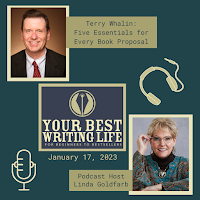 Five Essentials for Every Book Proposal Last week I was on Your Best Writing Life Podcast talking about these critical elements and I encourage you to listen and take advantage of the resources and information for your writing life.
 Every Writer Needs Connections Whether you are new to publishing or have been in it for years, you need the right connections and contacts. I give details about how to grow those contacts.

Many writers have unrealistic ideas and expectations about publishing. Get 10 Publishing Myths for only $10 +FREE shipping + over $200 of free bonuses.
January 15, 2023
Change Can Mean Opportunity

By Terry Whalin @terrywhalinWhen it comes to change, I’m as guilty as the next person. I love my routines and doing things with a system and pattern. At times, I complain about the constant changes around me in technology, in my personal life and in my work in publishing. It is not easy to make these constant adjustments yet they are a part of our publishing world. In the articles, I write about what I’m learning about the publishing world and here’s a simple truth: if you lean into those changes and watch for them, they can mean opportunity for your writing life. I want to give you several examples of how you can seize the opportunities from change. New PublicationsThe magazine world is in constant change. Because I’ve worked as a magazine editor, I understand the business side of producing these publications. Each publication must have subscribers but the bulk of the publication is normally paid through advertising. This fact explains the costly nature of such these ads. When you find a new publication, I encourage you to read it, study their guidelines then make a strong pitch to the editor. That editor is looking for regular contributors to the magazine and you have the opportunity to become one of those writers. New EditorAt the magazines and book publishing houses, new editors enter the marketplace. Some editors who have been there for years are retiring and are replaced with younger editors. These new editors are looking for writers and the change is your opportunity to become one of them. New Literary AgentThe agencies are often adding new agents or changing agents. To catch attention, you have to have the right pitch or proposal. These new agents are looking for a list of clients who they can sell into the market. Through your research and excellent writing, you can stand out and be someone they want to sign to their agency. New PublisherOn a constant basis new publishers are entering the marketplace. A key action step for every writer is to ask good questions before signing with the publishing house. One of my Morgan James authors who just signed with us was exploring different publishers. One of the innovative steps he took was to order a book from each of these places. Then with a book in hand, he could check the quality of the product, see how quickly they delivered it and much more. How To Find These ChangesThe trade magazines like Publishers Weekly and Rush to Press from the Evangelical Christian Publishers are places to begin to notice shifts and changes in the market. With each contact, you have to make a good and appropriate pitch. Continue to Build RelationshipsI encourage you to continue to build relationships in the publishing community. As I’ve often said in these articles, who you know is as important as what you know. As you attend writer's conferences, you should exchange cards and information with everyone you meet—not just the faculty. When you get home from an event, input the information into your phone or computer so you have easy and continual access to it. Are you and I connected on LinkedIN? If not, follow this link and send me a connection invitation. As editors and publishing people, we are actively looking for authors who can be a good fit for our company. You can seize these opportunities if you are aware of it and make the right pitch. How are you taking advantage of these changes and turning them into opportunities? Let me know in the comments below. Tweetable:

Many writers have unrealistic ideas and expectations about publishing. Get 10 Publishing Myths for only $10 +FREE shipping + over $200 of free bonuses.


