
W. Terry Whalin's Blog, page 17
October 30, 2022
The Writing Life Rollercoaster

By Terry Whalin @terrywhalin
Our life as writers is filled with highs and lows. When our work gets published, it's a high. Maybe it is a magazine article or a chapter in an anthology or your first book or ____ book. When each of these pieces get into the world, it makes you feel good. Then there are the lows when you get a negative royalty statement. If you've never heard this term, it's where you received an advance from your publisher but the book hasn't earned back or sold enough books to make any more money. You still get statements from the publisher but they are in the minus or negative category. Or you look at your reviews and see a one star review where someone threw your book into the subway trash can. I didn't make up that line but someone actually wrote that statement on an Amazon review about one of my successful books. These highs and lows of the writing life can be compared to riding a rollercoaster. As you ride, the rollercoaster slowly climbs to the top but when you reach it, you know you are headed down on the other side. Every writer experiences these highs and lows as a part of our writing life—including me. How do you ride through these highs and lows of the writing life? It's what I want to give you in this article. There are several key practices for every successful writer to practice. I'm not talking about practicing something once but building it into the fiber of your life and doing it over and over. Persistence and Perserverance. As writers, we are told “no” a great deal—at least it happens in my life. Phone calls aren't returned. Contracts are not taken when offered. Projects get cancelled and many other things happen in the process of working with others. Yes, it hurts and is “not personal but business” along with other phrases people use to soften the blow. When you have this experience you can certainly quit and move away from the project. Or you can do what Jack Canfield and Mark Victor Hansen did as they were rejected 140 times for the Chicken Soup for the Soul proposal. They looked at each other and said, “Next.” See the hope built into that word? The current project wasn't a fit for you but you are turning and looking for the next one. Your persistence and perserverance is what will count to eventually make it happen. Consistency. Since July, 2008, I've posted on Twitter over 68,000 times. Yes, that is a lot of posts. If you look at my Twitter Feed, I post about 12–15 times a day in a consistent pattern. At times, I wonder if anyone is reading these posts or cares. In April, I met a high-profile author and the first thing he told me is that he reads my Twitter posts. He applauded my consistency and how I stay on message with these posts. I blog consistently and write these new entries every week. These are just two examples of my consistent actions. What steps are you taking consistently. Are you meeting new people through LinkedIN or Facebook, then helping those people? Are you pitching new editors or podcast hosts or radio programs or something else you want to do? Your consistency will pay off in the long haul. Nothing is immediate in this business. As Jerry B. Jenkins wrote in the Foreword of my 10 Publishing Myths : Left Behind was his 125th published book. He was not an overnight success but has consistently worked at his craft and presence in the publishing world. Left Behind was originally published over 20 years ago and continues to sell at least 10,000 copies each month and the series has sold over 60 million books. Consistency is an important quality. Continued Improvement and Growth. I've never claimed to be the best writer in the room but I am one of the more persistent and consistent writers. Another key to this writing life rollercoaster is continuing to grow and improve as a writer. I love what Darren Hardy encourages in his Darren Daily. He has created the hashtag #BetterEveryDay. It's why I continue to read books on the craft of writing, take online courses and learn from others. It's a key part of my writing life—and hopefully your life as well. Knocking on New Doors. I've gotten wound up on this article so I'm going to bring it to a conclusion. Be meeting new people and pitching new projects in new places. The opportunities are there but you have to be knocking on the doors. I've given you some important characteristics for the writing life rollercoaster. Let me know what you think in the comments below. Tweetable:
 Get 10 Publishing Myths for only $10 +FREE shipping + over $200 of free bonuses.


October 23, 2022
Communication Snafus

By Terry Whalin @terrywhalinThe communciation snafu possibilities are endless. Last week through email I introduced two people. One of them responded but only sent his response to me instead of responding to both of us. Thankfully I noticed and forwarded it on to the person he was trying to reach. I called this individual about the missed email—and I called the person he was trying to reach—but her voicemail box was full. I was persistent to reach her and I texted her the information so it shows up on her phone. Do you see the lengths that I went to make sure the communication happened? I understand that I am an exception in my efforts to communicate. Many people would not be as persistent in their communication. In a different situation, I was emailing a long-time editor friend who I had not tried to reach in years. I went to his profile on LinkedIn and his email address had not changed and was still his publishing company email. When I used it, my email came back as undelivered. I knew I was not communicating. I reached out to another editor friend. This second editor knew our friend had left that publisher and gave me his current email. I reconnected with this editor and exchanged a couple of emails. Several days passed and I noticed his LinkedIN email remained unchanged with the wrong information. Normally when people change positions, they take their LinkedIN account with them since it is tied to the indikvidual and not their publishing house. I reached out to this friend again and encouraged him to revise his LinkedIN contact information. He thanked me for encouraging him to make this update. When you set up your social media profiles, is your email a generic one that will always work to reach you? If you are using a company email, I encourage you to change it. None of us can predict our future yet we can always plan for the long-term if possible. Also I encourage you to monitor the various comments on your social media posts. Last week I had a series of comments with one post where someone accused me of piggy-backing on another writer's brand (which was not true). I've learned such a pubic exchange is not good for anyone and that forum is not the place for such communication. Instead of engaging (which could have wasted hours of fruitless exchanges), I took control of the situation and deleted the communication chain. If you get into such a situation, it's the step I recommend you take. As you communicate with others, be aware of these communication snafus. If I don't hear from someone after a number of days, I will send my email a second time or use a different communication method such as a phone call or text. There are many different reasons and ways to miscommunicate. Good communication is important and you have to constantly be aware of your reputation and protect it. In fact, Proverbs 22:1 says a good name is to be prized above riches. Have you experienced communication snafus? How do you avoicd them, let me know in the comments below. Tweetable:

Get 10 Publishing Myths for only $10 +FREE shipping + over $200 of free bonuses.
October 16, 2022
Graphics for the Non-Technical

By Terry Whalin @terrywhalinLast week I corresponded with John Riddle, one of my long-term writer friends. John is launching a new book next month and he is the creator of the I Love to Write Day which will mark 20 years on November 15th. He told me, “I'm not technical.” I identified with the statement because I'm a journalist, writer and editor but not technical. I acknowledge my lack and make up for it through hiring others or using simple tools that anyone can use. Today I want to tell you about a tool that I've been using for about a year called MockupShots. I purchased lifetime access to this tool for $80 and I use it almost daily. In fact, the tools have been expanded and improved in the last year with zero additional expense for me. Instead the improvements make the tool even more valuable and useful to me. This tool also created the GIF images that move and I use with my blog posts and social media.
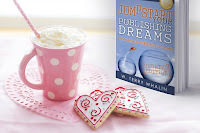 The tools in the MockupShots package are extensive so I will not be detailing everything. Book Mockup Creator is where you upload your book cover and in seconds, it generates several hundred images with your book. If you can save an image on your computer then upload it to this tool, you can quickly create amazing images. I've used these images on social media, with book reviews and many other places. Stock Photos gives you access to over two million images. You simply put in a keyword and it will show you the images. I often use this tool to find the royalty-free images for my various blog posts. Also to promote the posts, I use it on social media. The only limits on the usage is your own imagination. Are you going to release a new book in the coming months? Then you can use their cover reveal builder. It's as simple as the other tools but you can hide part of the cover and reveal it in stages.
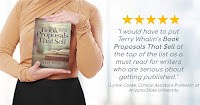 I have enjoyed using the Testimony Builder too. Have people reviewed your book? If so, you can take those words and create images with the reviews. I've used this tool several times and continue to use the images on social media. If you can upload an image, you can use this tool. Yes, it is that simple.
 Possibly you enjoy using short videos with your book cover. It's as simple as uploading an image into the tool, selecting which words and images, then the tool creates the video. As I've said in this article, I'm non-technical so if I can do it, anyone can do it. There are many other tools and resources in this package that I have not covered but hopefully I've given you some ideas. When I write a book review, I use this tool to create a unique image I can post with my Amazon review and use when I promote my review on social media. Do you use MockupShots in a different way? Or maybe you have a completely different tool to tell me about? Let me know in the comments. Tweetable:

Does your fiction or nonfiction book have a business plan? Every type of book needs a proposal—even if you self-publish. Get this resource.
October 9, 2022
The Easy Answer You Don't Want to Hear

By Terry Whalin @terrywhalinI love a good story and getting lost in the pages of a great read. Also for years I enjoy telling stories and putting my fingers on the keyboard and writing it. As I shape a story, hopefully I have a plan where this story will be published. Some people are inspirational writers and only write when the spirit moves them. Others (like me) are writers whether inspired or not to meet a deadline and finish a work. Where do you fall into these two extremes? After you have written your manuscript or book proposal or query, then you need the courage to get it into the world. As writers we have to pitch or submit our material to a literary agent or an editor. One of my authors let me know he had received a contract offer from another publisher. Then he pushed to get a response from my colleagues. They stepped up the process and ultimately offered him a contract—but he decided to go with the other publisher. Writers have choices and from my experience the selection of a publisher is a critical juncture which can make or break a particular book. When you are going to push a literary agent or an editor for a decision, you want to be careful. The easiest answer for this agent or editor is the one you don't want: “No thank you” or “Not a good fit for us” or “Going to pass on this opportunity.” The easiest answer is often one you don't want to hear. A yes or acceptance takes time, patience and persistence. Many of us are short on patience and persistence—yet it is an important quality for every writer. If you are going to push for a decision, I encourage you to pull back and wait or push in a non-threatening fashion—such as doublechecking to make sure they got your submission in the first place and it has not gotten lost. Thousands of submissions are in process. Last week a writer approached me asking if I got her submission. To my chagrin when I checked I had received it but had not moved it into the process and through the system. I apologized for the delay, then moved it forward.
Within the publishing process, a number of elements are outside of our control as writers. Of course, if you self-publish, you can control everything as far as the appearance of your book but the average self-published book sells less than 100 copies during the lifetime of the book. You risk such an experience when you make this choice. If you haven't read my 10 Publishing Myths , I encourage you to read it. In this book, I focused on the false expectations from writers but also gave practical steps every writer can do to succeed with their book. If you don't have my book, I encourage you to get the 11th Publishing Myth (free). While I'd love each of you to purchase 10 Publishing Myths , here is another idea: check it out from your local library. My local library has three copies of the book--and you can get the book through inter-library loan and read it. There are many different ways to get a book. Don't limit yourself or your readers. Your persistent and consistent action as a writer is a critical part of the process. Keep going in spite of whatever is happening in your life. Have you pushed an editor or agent for a decision and heard the answer you didn't want? Let me know in the comments below. Let me know in the comments below. Tweetable:
When writers submit, there is an easy answer they don't want to hear. This prolific editor and author gives advice and the details here. (ClickToTweet)

Get 10 Publishing Myths for only $10 +FREE shipping + over $200 of free bonuses.
October 2, 2022
The Importance of Online Writing Groups
 By Terry Whalin @terrywhalinFor many years I've been an active participant in several online groups. Some of my writing colleagues have criticized those efforts and wondered why I did it. I see the importance of these online groups in a number of areas and want to capture some of those reasons in this article. One of the groups where I'm active began in September 2001 (yes the month when the September 11th attack came). The person that began this group selected different “panelists” to lead discussion in various areas of publishing. I have been participating in these discussions for over 20 years. The format is simple. Each week one of the panelists lead the discussion on a single topic. There are several hundred writers in this group and some weeks have much more active participation than others. The posts are stored on the site and have created a rich resource of ideas and teaching. I participate in these groups as a way to give back to the writing community. As a writer I've learned so much (and continue to learn) from others. This group is a way to pass to others what I've learned. It's also a place to learn from others. Through the years I've gained great insights from what others have written in this group. For example, last week I led the discussion and focused on writing for Sunday School Take Home Papers. Admittedly Sunday schools have been declining for years but there is still a group of these denominational publications. The editors produce 52 issues or one for each week instead of a monthly publication. They take nonfiction, how-to articles but also short stories (fiction). It's a wonderful place for new writers to break into the market and begin to learn about publishing. In our discussion last week we covered a variety of topics related to this topic including which publications, reprints, theme lists and much more. The participants in these online groups come from all over the world. I know one of our active members is an American but living overseas. If you aren't in an online group, you can search groups on yahoo or Goodreads or any number of places. Many organizations have their own online groups where you can participate. I recommend this resource as another way to be growing and learning as a writer. Do you participate in an online writing group? How did you find it and why do you participate? I look forward to reading your experiences in the comments. Tweetable:
 Does your fiction or nonfiction book have a business plan? Every type of book needs a proposal—even if you self-publish. Get this resource.
September 25, 2022
How To Have Perfect Timing

By Terry Whalin @terrywhalinMuch of the publishing world is outside of our control as writers. Publishers, editors, agents, retailers and readers are just a few of the key decision makers in the publishing process. As someone who writes for a variety of places and works in the community as an acquisitions editor, occasionally I see internal dynamics which will make a decision go against the author instead of in their favor to get published. Here's a recent example, an author submitted an excellent book which was appropriate for our publishing house. In addition this author was committed to spending a large and explicitly stated amount of money on the promotion of this book. Yet when my colleagues looked at the details, the manuscript was large and in fact when moved into production was going to be over 400 pages. My colleagues asked me to return to the author and see if he would be willing to reduce the book manuscript to something with a higher likelihood greater book sales or possibly split it into two books. When I spoke with the author, he was unwilling to reduce it or split it. This stance became a red flag warning that he was not coachable and would likely be a “difficult” author. Despite the large promotion money, my colleagues decided to pass on publishing this book. I'm telling you this story for several reasons. Publishers are looking for authors but the right authors and publishers also have experience about what sells and doesn't sell in the marketplace. As a writer, you show them something through your response. In this case the author revealed his lack of flexibility and willingness to learn from the publisher. The publisher made their decision from this interaction. Because there are many details that can be seen and unseen outside of your control as a writer, how can you have perfect timing? 1. Be active pitching your ideas and book proposals. Whether it is a guest blog post or podcast or radio show interview or speaking at an event or publishing a book, the author (or their representative) has to be pitching them. You have to be actively pursuing these opportunities because in general they will not come to you through passive activity. 2. Be consistently meeting new people. As writers we need to be constantly expanding our network and connections. As I've often written in these entries, who you know is as important as what you know. It's one of the reasons I continue to expand my connections on LinkedIN. Last week I spoke with an experienced editor who called me and was referred from another friend. I spoke with this editor and also we connected on LinkedIN. This editor was looking for either a full-time position or freelance work. I noticed his small number of connections on LinkedIN and encouraged him to expand them. 3. Seize and follow-up, when an opportunity comes across your desk (for anything). You must actively do something. Your activity and consistency is one of the critical elements for finding and having opportunity. 4. Learn new aspects and continue to experiment. You must apply what you are learning to your writing life. There are many different paths to success. You can learn from many different sources such as live events, reading books, reading online, taking courses and much more. Be committed to continually learning. You can't control anyone other than yourself. Take your own responsibility and get out there. Like the author Paul Little said, “God can't steer a parked car.” The timing for many parts of publishing is simply outside of our control. Your consistent action and perserverance will be the difference maker. Many others will give up and yet you continue. Then some day your timing will be perfect. I'd like to have perfect timing and the only way I've found achieve it is to take consistent action. What insights have you found to have perfect timing? Let me know in the comments below. Tweetable:
 Does your fiction or nonfiction book have a business plan? Every type of book needs a proposal—even if you self-publish. Get this resource.
September 18, 2022
Dos and Don'ts When Signing Books

By Terry Whalin @terrywhalinSeveral months ago, one of my long-term author friends rolled his eyes when I asked him to sign my book. He probably didn't know I noticed his lack of enthusiasm for signing books. He took my black sharpie and scribbled something and handed it back to me. Weeks later when I read this book and wrote a review of it, I discovered the print copy I received was an early release before the book arrived in the bookstores. My friend never mentioned this detail when he gave me the book. I'm always interested what authors do to sign their books. Through the years I've watched many authors sign their books at events as well as to sign my copy of their book. I've interviewed more than 150 bestselling authors and to prepare for my interview, I often read several of their books then bring them with me to my interview. At the end of the time, I ask them to sign my book. In my office, I have a section when I've kept a number of these signed books. In this article, I'm going to give a series of don'ts and dos related to signing books. Don'ts Don't sign the inside of the front cover. It is not where people expect you sign to a book—even though I've seen a number of new authors sign on the inside of their front cover. Don't simply sign your name. Some people want a generic signture without their name but in most situations, people want the signature personalized to them. Years ago I sat with a bestselling author in his living room and interviewed him for about an hour. At the end of our time, I asked him to sign my book. “Sure,” he said as he pulled out his pen, opened my book and signed his name (and nothing else) then handed it back to me. I didn't say anything but was surprised at the little effort he put into signing my book—not even including my name. After this experience, I decided that if anyone asked me to sign their book, I would put more effort into personalizing it for that reader. Dos Do sign on the title page for your book. The tile page is the common place to sign a book. If you have endorsements, this page is located several pages from the front of your book and right before the copyright page. The page layout often has room for you to personalize it and sign your name. Do use a black permanent ink pen. These pens are the common ones authors use to sign books and present a bold black line for their writing and your signature. Do personalize the book. You are creating a keepsake for this person when you sign their book. My Personal Pattern to Sign a Book When I sign a book, I turn to the title page, write a date, then the name of the person (making sure I spell it right). I don't have standard words I use each time (like some authors do). Instead I personalize my signature to that individual. Maybe I say something about nice to meet them at an event or something about why I wrote that particular book. I understand I'm creating a keepsake for this reader and I'm making it special for them. Do you have a method of signing your books? Let me know in the comments below. Tweetable:
 Get 10 Publishing Myths for only $10 +FREE shipping + over $200 of free bonuses.
September 11, 2022
Time For Another Book Sort

By Terry Whalin @terrywhalinI'm an avid reader and love books. If you have read these entries for any amount of time, this fact comes through loud and clear. Books change lives and I know because years ago, my life was changed through reading a book. It's a key reason I've worked in publishing for decades. Because I read and write about books, authors and publishers will send books. They pour into my office and some days it is a challemge to open the packages—much less read the pages of a particular book. My reality is that I work in a small office and the books can become overwhelming and stacked on my bookshelves. Every few months, the new books stack on my shelves and reach a point where they have to be sorted and eliminated. It's what I'm writing about in this article. I've reached the point where it is time for another book sort. I find this process painful because I love books and don't want to eliminate any of them. Yet I work better without clutter and chaos. Stacks of books can turn into chaos so they have to be narrowed down and eliminated.
My time for reading is limited to a few hours each day. As I sort through my books, I'm evaluating whether I will have the time to read this book. If the answer is “no” then I will have to eliminate it and remove it from my office. Some publishers send me their books. In other situations, I've asked publishers for their books. Also authors send me their books and in some cases I've asked the author to send me their books. The narrowing process is challenging for me because I love to read but also a reality check on what I can actually do in the limited time and hours I have for such reading. Several months ago when we moved, I eliminated an entire bookcase because my new office would be smaller and not have the room for this third bookcase. That was a painful elimination process. Also I check out books from my local library and read those books. In addition, I listen to audiobooks but thankfully they are stored on my phone and do not require the space of print books. Do you have to sort your books and eliminate? What tips can you give in this process? Let me know in the comments below. Tweetable:
 Get 10 Publishing Myths for only $10 +FREE shipping + over $200 of free bonuses.
September 4, 2022
The Best Marketing Plan

By Terry Whalin @terrywhalinAuthors are on a continual search for the best marketing plan. After being in publishing for many years, I will tell you that you plan will be different than mine. A cookie-cutter, one-size-fits-all plan does not exist. There is no formula and if a formula existed then every book would be a bestseller and successful. There are some great books which are not marketed and never get discovered. I've purchased other books which aren't that well-written yet because of excellent marketing, they become bestsellers. To discover the best marketing plan is a process and takes continued effort to try a new tool, use it, then evaluate if the process helped you sell books and if not, try something else until it works. From my experience while there is no formula, there are continued practices such as having your own website, blog and email list. Some people sell many books on the radio and others through podcasts. Others sell books through live events or zooming into book clubs. There are many different ways to market your book. I have a shelf full of these books and each of them have valuable insights. In these articles, I've written about how Jack Canfield and Mark Victor Hansen followed the rule of five when they launched the Chicken Soup for the Soul books. You can read this old post to learn more about this practice. I encourage your perserverance in this area of marketing your books. It will pay off. Once a month I blog for Writers on the Move and several years ago I wrote the story of bestselling author Andy Andrews. Follow this link to learn the story and see the persistence and perserverance that Andy endured before he hit the bestseller list.
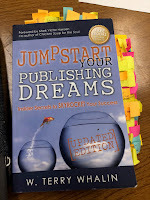 I encourage you to read how-to write books and apply the material to your writing life. Each book will have insights for you. The updated edition of
Jumpstart Your Publishing Dreams
is available in bookstores across the country. Several years ago I got this image from a reader along with his appreciation. Notice all of the post-its stuck in this book and how he found insights in my book. In
10 Publishing Myths,
the conclusion of each chapter includes an MBA (Myth Buster Action). Many things in the publishing process are outside of our control as authors. This book emphasizes the aspects
you can control
and encourages you to take action in this area. If you haven't read my book, I encourage you to take advantage of this special offer (follow the link). From my experience in publishing, the Best Marketing Plan is a plan that you as the author will execute—and not just once for over and over for the long haul. My biography of
Billy Graham
was published years ago but I continue to promote it every day. As the author, you have the greatest passion for your book and need to focus that passion into your regular marketing efforts to continually sell books. Where have you found the best marketing plan? Let me know in the comments below. Tweetable:
I encourage you to read how-to write books and apply the material to your writing life. Each book will have insights for you. The updated edition of
Jumpstart Your Publishing Dreams
is available in bookstores across the country. Several years ago I got this image from a reader along with his appreciation. Notice all of the post-its stuck in this book and how he found insights in my book. In
10 Publishing Myths,
the conclusion of each chapter includes an MBA (Myth Buster Action). Many things in the publishing process are outside of our control as authors. This book emphasizes the aspects
you can control
and encourages you to take action in this area. If you haven't read my book, I encourage you to take advantage of this special offer (follow the link). From my experience in publishing, the Best Marketing Plan is a plan that you as the author will execute—and not just once for over and over for the long haul. My biography of
Billy Graham
was published years ago but I continue to promote it every day. As the author, you have the greatest passion for your book and need to focus that passion into your regular marketing efforts to continually sell books. Where have you found the best marketing plan? Let me know in the comments below. Tweetable:
 Get 10 Publishing Myths for only $10 +FREE shipping + over $200 of free bonuses.
August 28, 2022
What Lindsey Vonn Taught Me About the Writing Life

By Terry Whalin @terrywhalinAs a writer, I consistently listen to audiobooks on various topics. Some of these books are exceptional and teach me lessons about my own writing life. Rise, My Story from skiing champion Lindsey Vonn is one of those books. I have never been on a ski but found Rise to be filled with great storytelling and insights for every writer. At nine years old, Lindsey Vonn and her father made a detailed plan for her to go to the Olympics in skiing for 2002, Her perseverance, commitment and grit to reach this goal made at a young age was impressive and built into the fiber of this story. Vonn’s honesty and transparency come through the pages of this book and in the stories. Writers need to learn to face and conqauer their fears and Vonn writes about her own struggles with fear and how she overcame it to be able to fling herself off the top of a mountain and race to the bottom of the course. Also Vonn talks about her mindset and the importance of being in the right frame of mind before a race. It was another connection that I made with my own writing life. It's important to be in the right mindset as you write. Vonn tells her readers that she is an introvert and how she's learned to support and encourage her teammates. The majority of writers (including me) are introverts and needed to learn these lessons as well with their writing life. Other topics that Vonn covers in her book arer how to handle criticism and gossip from others. It was another area where I could identify from my own writing life. Through stories, Vonn wrotes about the sacrifices that she has made to achieve her dreams. As I heard these stories, I could identify with some of the sacrifices I have made for my own writing life. Built into the fiber of Rise was the reality of hard work as an athlete and how she has overcome injury and depression and much more. Also Vonn details the importance of working with the right people at the right time such as trainers, coaches, physical therapists and others. I've learned similar lessons during my journey in publishing. I need to note Rise is not a Christian book and has some profanity sprinkled into the stories but I found the insights far outweighed these few words. I recommend and enjoyed listening to Rise from cover to cover. Do you listen to or read books in an entirely different topic which provide insights about your own writing life? Let me know in the comments below. Other Recent Articles As I've mentioned in these entries, I regularly write for some other publications. Here are some of those articles. It's a practice that I encourage you to do with your own writing.
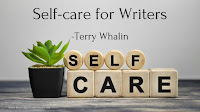 Self-care for Writers on the Blue Ridge Mountains Christian Writers Conference blog
Why First Impressions Matter on the Writers on the Move blog

Looking For Authors Who “Get It” on the Almost An Author blog in the section about book proposals Tweetable:
 Get 10 Publishing Myths for only $10 +FREE shipping + over $200 of free bonuses.


