Allison Gilbert's Blog, page 5
December 4, 2019
Allison Gilbert’s 2019 Gift List for Grievers
Do you know anyone who could use a little extra TLC this holiday season? Of course you do. So do I. To make it easier for all of us to be the kinds of friends or relatives we most want to be, I’m launching my first Gift List for Grievers. And because self-care following loss is so important, I encourage you to put yourself on your holiday gift list, too.
Here’s my 2019 Gift List for Grievers.

1. Beyond Flowers and Food
When I started to search for new and innovative ways to remember and support grieving family members and friends this holiday season, I was thrilled to find Beyond Flowers and Food. The sisters behind this online store lost their mother to cancer and were inspired to curate the types of gifts for others they wished they’d received at the most challenging time of their lives. No more sending flowers that wither or food that gets thrown away!
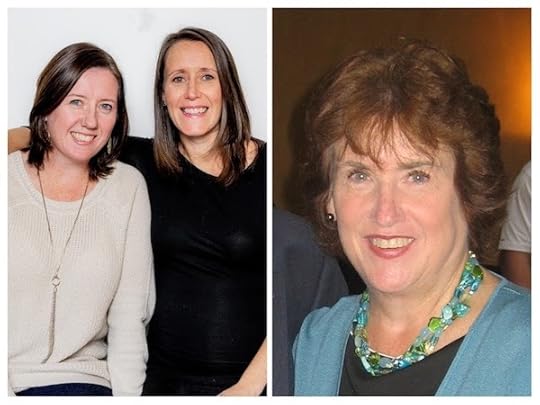
Like personal shoppers for exceptionally thoughtful and meaningful gifts, Beth and Katie do all the work for you – mailing gorgeously wrapped cozy slipper socks that provide extra warmth and TLC, a small guardian angel figurine to help the recipient feel more connected to their loved one, even a handsome lantern and candle set they’ve lovingly named their “Send Some Light to Remember” package. The description of this present reads: “When you burn a candle for a loved one, you’re remembering them and honoring their life.”
What I appreciate most about BFF’s ordering process is the automated prompt that populates the personalized note section before submitting payment. Here, if you’re unsure what to write, Beth and Katie offer a few recommendations. You can accept the suggestions or write your own note to accompany the gift. I don’t think I would have ever thought of such a clever idea. Love!!
2. Membership to Modern Loss
Modern Loss is a vibrant online community (and a great book!) for anyone experiencing loss. Here, grievers find much-needed advice, guidance, and validation. Commentary is often unexpected and irreverent – a welcome antidote to other platforms that offer unhelpful platitudes. What’s caught my attention is that Modern Loss is now offering memberships for the first time!
Purchasing a membership (for a loved one or yourself) provides access to member-only posts, free downloads, closed groups, early event ticketing, and exclusive member calls with a variety of experts. Memberships begin at just $5.00.
3. R&R with Hope
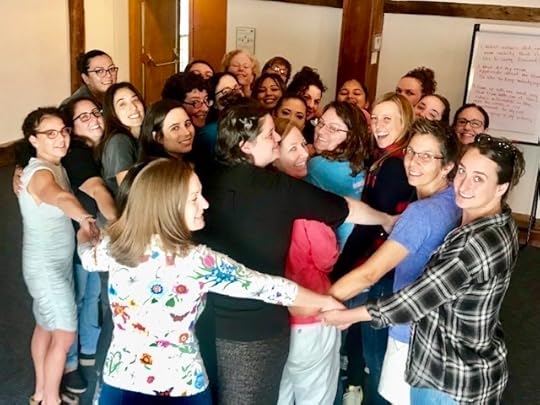
No matter where you are right now on the grief journey, author Hope Edelman can help. Hope offers healing multi-day retreats for women of all ages who’ve lost their mothers. I’ve co-led retreats with Hope and she is, without a doubt, a bereavement support rock star. These getaways are important treats to give yourself or a woman you love. If going out of town isn’t a good fit, Hope will be offering a new online course in early 2020. These experiences provide meaningful opportunities for emotional exploration and healing, plus the chance to make new and lasting friendships. Spending money to support personal wellness and growth? Priceless.
4. Mourning Boost
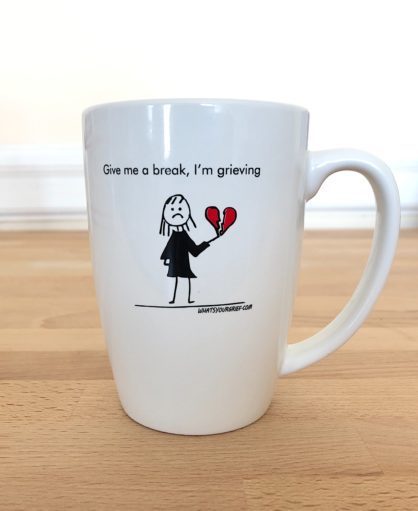
I love this mug from my friends at What’s Your Grief. The photo tells the whole story. No need to say more.
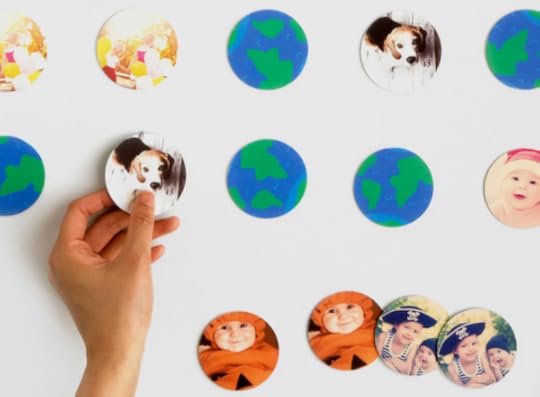
5. Memory Game
This is a great gift for families – a custom-printed memory game that includes photographs of living family members and those who’ve passed away. By including all loved ones, children are taught to value every relationship (past and present) in their lives. There are many companies you can use, but I particularly like Paper Culture because it plants a tree in recognition of every purchase — giving customers the opportunity to dedicate that tree to whomever they wish.
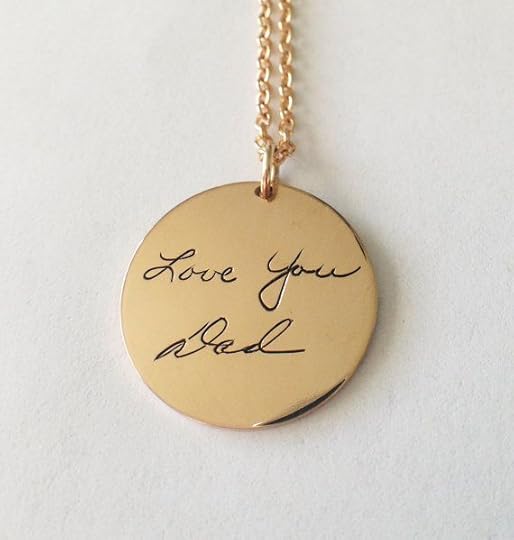
6. Preserve Handwriting
Handwritten notes, letters, and greeting cards are wonderful conduits of memory. If you have even a snippet, it’s possible to scan a few words and upload the image to a jeweler. Signatures can be engraved onto charms, even cufflinks. I like the work of Emily Jane Designs, but you can certainly find a jeweler near you who can do similar pieces.
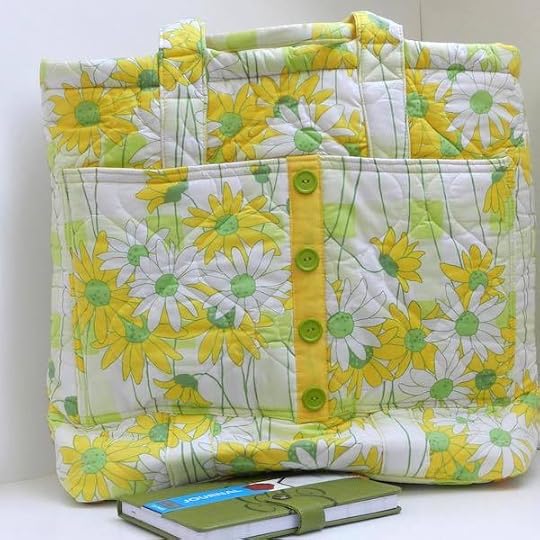
7. Upcycle Clothing
Reimagine a loved one’s favorite sweater, shirt, or pair of jeans. Gather a few pieces and transform them into totes, teddy bears, throw pillows, or beanbags. Pieces of fabric can also be used to create one-of-a-kind quilts. Totes with Tales in New Hampshire does terrific work, and owner Nancy Roy partners with clients remotely. I’ve met Nancy. She’s a dynamo!
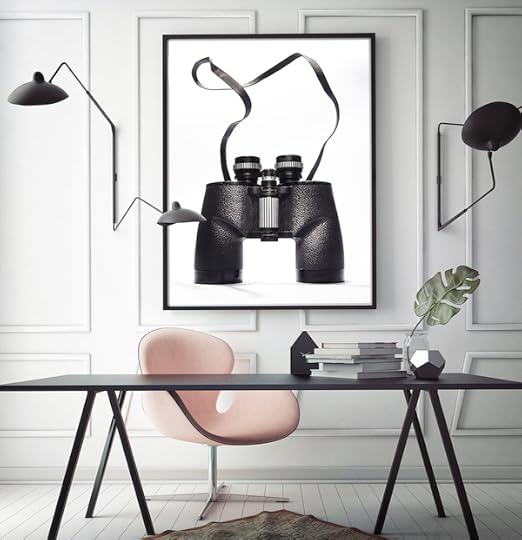
8. Photos Unlike Any You’ve Ever Seen
An incredibly generous way (read: not inexpensive) to help a friend honor their loved one is to hire professional photographer Shana Novak, aka The Heirloomist. Novak turns virtually any keepsake into a one-of-a-kind modern art photograph. All you need to do is send her the object and she does the rest. (To see more of Novak’s exceptional work, watch this piece on CBS.)
9. Much-Needed Book
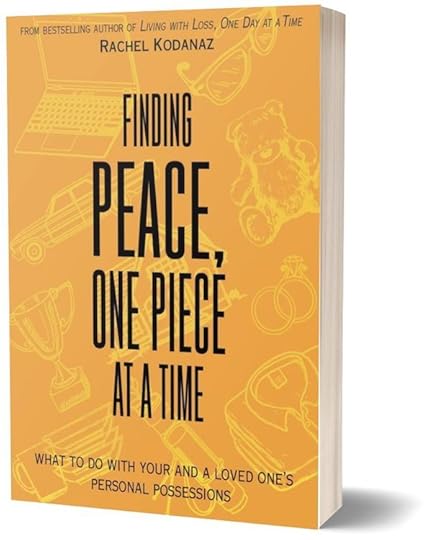
A wise and wonderful book has just come along that I wish I had 20 years ago when my mother died: Rachel Kodanaz’s Finding Peace, One Piece at a Time. Every page is devoted to helping individuals and families decide what to do with a loved one’s belongings, including how to make all those difficult decisions about what to keep and what to donate.
10. And Another Great Book (If I Do Say So Myself)
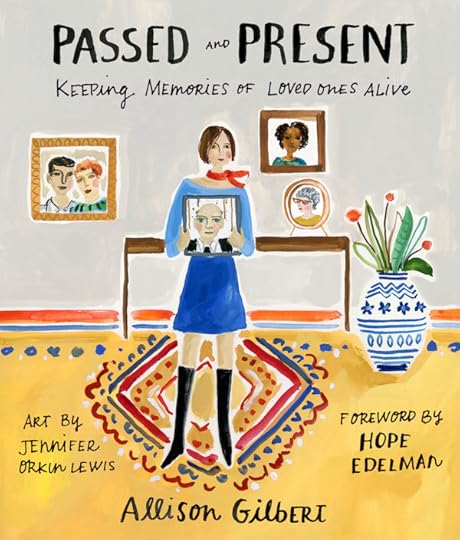
OK, and now a bit of self-promotion. Please forgive me! Passed and Present: Keeping Memories of Loved Ones Alive makes a terrific gift for the holidays. In my book, I reveal 85 practical and creative opportunities to remember the family and friends we never want to forget – from strategies involving tech and social media, to opportunities centering on cooking, gardening, and everything in between. This present is uplifting and will let the recipient know their loved one hasn’t been forgotten.
More Thoughtful Gift Ideas
Want additional ideas? Check out my previous posts about meaningful holiday gift-giving here, and here.


October 31, 2019
Three Ways to Boost Memories of Loved Ones This Thanksgiving
Holidays can be challenging for individuals who’ve lost loved ones, but they also offer unrivaled opportunities for keeping memories of family and friends alive. Below are three of my favorite ways to honor and celebrate the special people we never want to forget.
Make Memory Magnets
Rather than using conventional place cards at your holiday gathering, create memory magnets featuring images of your loved ones. Encourage family members to take these sentimental favors home to use on their refrigerators or washing machines. This simple project takes just a few minutes to do. Learn how by reading this.
Use Social Media
If you can’t be with every member of your family on Thanksgiving, share memories of loved ones on social media, tagging relatives to share their pictures and recollections, too. I used this strategy on the 20th anniversary of my mother’s death. The result was a digital celebration of her life.
Create Poignant Playlists
Use memories to inspire meaningful holiday playlists. Before my uncle died, he dictated a list of his favorite pieces of music. This was an especially powerful experience for me because he was an accomplished, Grammy Award-winning musician. What songs did your loved one enjoy?
Want additional ideas? I reveal 85 practical and creative opportunities in my book, Passed and Present: Keeping Memories of Loved Ones Alive.

October 1, 2019
What You Can Do Right Now to Remember Loved Ones This Holiday Season
I know, I know. It’s only October. But with the holidays coming fast, it’s the perfect time to strategize how you’re going to honor and celebrate the family and friends you never want to forget. How? Keep reading.
Halloween
Stir recollections of Halloweens past and make new memories by attending unusual events. You can also give cherished heirlooms a creepy Halloween makeover.
Thanksgiving
Set your holiday table meaningfully and carve out time to create a special holiday playlist. Cooking also connects us to loved ones. Make a cherished dessert or frame a love-worn handwritten recipe card, using it as a sentimental centerpiece. As Goop founder Gwyneth Paltrow explains in one of her cookbooks, “I always feel closest to my father…when I am in the kitchen.”
Gift-Giving in December
Surprise a family member with a one-of-a-kind piece of commemorative jewelry or personalize children’s games with photographs of loved ones who’ve died. For more ideas, read “5 Meaningful Gifts for $100 or less” here.
Inspired to learn even more about ways to keep your loved one’s memory alive during the holidays and rest of the year? I offer 85 concrete and creative “Forget Me Not” opportunities in my book, Passed and Present: Keeping Memories of Loved Ones Alive.

September 6, 2019
Remembering Loved Ones Through Their Handwriting
This photo highlights such an innovative idea – using a loved one’s handwriting to decorate a kitchen wall. In this picture, a cherished recipe takes center stage. What do you think?
Handwriting is such a personal and intimate tether to our loved ones. Whenever I see notes written by my mother or father I feel an extra surge of connection. Here are a few additional ideas for keeping family and friends close by harnessing the power of their own words:
Jewelry
Engrave a piece of jewelry. Create a one-of-a-kind charm, pendant, even a pair of cufflinks. Simply take your loved one’s signature to your local jeweler and he or she will do the rest!
Art
Frame handwriting from virtually any document (think car title or passport) and enjoy it as a piece of art. Doing so not only gives you the chance to sort through these items, it provides a terrific conversation starter whenever guests come to visit.
Perspective
What does your loved one’s handwriting reveal? Handwriting expert Ruth Brayer, founder of Brayer Handwriting International, examined a letter my father wrote me decades ago. Ruth is a court-qualified handwriting expert who reviews patterns in handwriting to determine a writer’s behavioral and emotional profile. Ruth’s analysis provided numerous observations about my dad: he was “decisive,” “independent,” and had a “take charge” personality. He was “creative,” “driven,” and a “fast-thinker.” My dad was a “non-conformist,” saw the “big picture,” and had “strong emotions.” These insights filled me with joy and confirmed what I already knew about my father. For individuals who were very young when they lost a loved one, I imagine her observations could be absolutely revelatory.
Want even more ideas to keep your loved one’s memory alive? I offer 85 fun and meaningful strategies in my book, Passed and Present: Keeping Memories of Loved Ones Alive. And if you’ve developed a creative way to use your loved one’s handwriting, please let me know by emailing me at allisongilbert@alllisongilbert.com. You can also share your idea on my Facebook page. Love to hear from you!

August 9, 2019
Grief and Remembrance During Summer
That’s a picture of my mother and me on Fire Island, a popular car-free summer vacation spot off the coast of Long Island, New York. I’ve always cherished this photo but appreciate it even more now that I’m a mom.
Looking at it lately, I see things that were invisible to me before I gave birth: I notice my mother carrying our towels and I’m just carefree, riding my tricycle. I’ve also come to recognize the way I’m dressed reflects the outsize love my mother had for me. With red hair and pale skin, she has me absolutely covered — a straw hat to keep the sun off my face, and a long-sleeve shirt so large it goes to my knees.
So, why share this picture? Reminiscing allows us to stay connected to our loved ones and keeping memories alive is key to healing after loss. I encourage you this summer to be proactive about remembering. Look at old photographs. Rethink how a favorite summer tradition began. Focus on the recollections that make you feel adored.
This is what I try to do when I feel sadness and longing bubble up. I consider the little ways my mother showed her love for me. This is what I think about when I head out to the beach in my straw hat and long-sleeve shirt.

July 2, 2019
How Lee Woodruff’s “Ambiguous Loss” Became a Mission to Help Others
Lee Woodruff and I got know each other through several shared passions – giving voice to the complexity of grief, building resilience in the face of adversity, and supporting veterans and their families in whatever way we can.
For me, I became interested after the loss of my parents. Lee’s attention was sparked in 2006 when her husband Bob Woodruff suffered a traumatic brain injury. The celebrated journalist was in Iraq covering the war for ABC News when his armored vehicle was hit by a roadside bomb. He was placed in a medically-induced coma for 36 days. During Bob’s recovery, Lee met many families of service members and learned even more about brain injuries, post-traumatic stress, and depression. The entire experience inspired the couple to create the Bob Woodruff Foundation, supporting America’s sick and injured service members and their families.
I am honored to share the details of Lee’s extraordinary journey in my latest Q&A.
Allison: I often talk about the importance of sharing both funny and poignant stories to keep memories of our loved ones alive. Did talking about memories help Bob’s recovery?
Lee: Memories keep a loved one present in your mind. The doctors and nurses told me to keep talking to him. Somewhere inside his head, he was hearing what I was saying and it was repairing him. Day after day I would tell him the stories of our life together, the memories we shared for almost 20 years of marriage. Those stories kept us alive, as a couple and family, until he recovered and we could share those memories together.
Allison: The loss you suffered had nothing to do with death, yet it was altogether devastating. Can you help us understand how this shaped your current outlook on grief?
Lee: Loss comes in many forms. Phrases I never heard before my husband was injured were the terms “ambiguous loss” and “complicated grief.” People think of loss as something final, gone forever. But loss has many shades. Loss comes with a middle ground. You grieve when life changes the dreams and plans we make. Whether it’s an illness, injury, or a child born with a disability, every one of us must come to terms with loss. But when the person you love is not gone, when they are still present, but the life you dreamed having together is different than the one you envisioned, we still need permission to grieve. This kind of loss, as legitimate as a loved one dying, is something to be recognized and honored in others. It is also a topic or emotions about which people rarely speak. “Aren’t you lucky your husband is alive?” people would say to me in the early days of his recovery, before it was clear that he would fully return as a journalist, father, and husband. In those moments, I suddenly lost the right to grieve because I needed to feel grateful that he was alive. One of the biggest lessons I learned about loss is that it’s not black and white. I try to approach others with that understanding.
Allison: Loss is a great teacher. In what ways have you derived greater joy and meaning from life following Bob’s injury?
Lee: I try to live in the moment more, to leave more dishes in the sink, and be less the Type A person I have always been, feeling like I must plan things out and virtually script life. I think when you go through something difficult you are shown the thin, fragile line between what you consider your “normal” life and how easily all of that can be toppled.
When you feel gratitude for your existence you look at the world in different ways. I think it’s inevitable that you become more compassionate, and you develop a third eye, or an extra sense for people in need of kindness both large and small.
I also know that going through our experience, with almost losing Bob, it fueled a creativity just to write and get our story out, as it was the only thing I could control through that process. That journal ultimately became our book, In an Instant: A Family’s Journey of Love and Healing. Going through a range of difficult and varied emotions is often a catalyst to unlocking the creative processes.
Allison: Because of my role on the Advisory Board of TAPS, I very much appreciate the outstanding work of the Bob Woodruff Foundation. Bob’s story of resilience is inspiring. What have you learned about resilience from his experience?
Lee: Bob and I have learned a great deal about resilience. Things that I thought were big problems, or might break me, are now viewed with a different lens. Living in a military hospital in the month after Bob was injured gave me a new perspective on the kinds of people who serve our country and opened my eyes to the fact that while we were taking care of our injured in the acute stage, the outcomes experienced once they went home were not always equal. But one thing has become very clear to me as I’ve watched so many individuals and families in the aftermath of trauma: human beings are built to survive.
Allison: One of your most important initiatives is Stand Up for Heroes. Jon Stewart (see my Q&A with Jon here) has been a huge supporter. What can you share with my readers now about future lineups? And, what new initiatives do you have planned to raise more money and awareness for veterans and their families?
Lee: Our next Stand up For Heroes event is scheduled for November 4, 2019. While we don’t announce the lineup until right before, we’ve had Bruce Springsteen there every year but one, and Jon Stewart has been a mainstay. We’ve also had Roger Waters and the Red Hot Chili Peppers and John Mayer perform, along with many others.
As far as our next initiatives, we are working on a long-term project to connect all resources for veterans and their families together in such a way that the information is easier to access. Many services are still operating in silos, and with technology today, it should be easier.
Lastly, we have created something call the Viva Fund — we award monetary grants to veteran couples who want to try to have a family through in vitro fertilization and have been unable to conceive due to injury.
We decided to start the Bob Woodruff Foundation to help military veterans and their families as they transitioned back to the home front. To date we have given away more than $60 million to help these families, and Bob and I are incredibly proud to have turned our bad thing into a good thing.

May 31, 2019
Author KJ Dell’Antonia Opens Up About Her Struggles with Loss and How She’s Learned to Savor the “Dumb Ordinary Good Stuff”
I’ve had a girl crush on author KJ Dell’Antonia for a few years now. The first time I came across her work was when she wrote and edited the New York Times Motherlode blog. After that, I read her book How to Be a Happier Parent: Raising a Family, Having a Life, and Loving (Almost) Every Minute and then began listening to #AmWriting, the insightful podcast she hosts with fellow author Jessica Lahey.
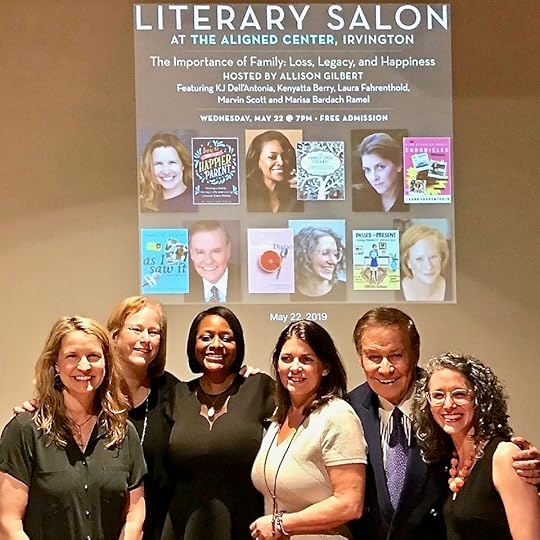
So it was a really fun night recently when KJ joined four other writers and me for a literary salon in Westchester, New York. She also generously agreed to participate in my Q&A series on grief and resilience. And I was floored by her candor. I’m thrilled to bring you our conversation below.
Allison: You have four children, all teenagers. But pregnancy wasn’t always easy for you. Not many readers know this, but you suffered two enormous losses — a miscarriage and a stillbirth. Do you feel you got enough support after those losses?
KJ: The timing for both was especially difficult. We had just moved, with a toddler, to a new town in New England. It was winter, which is exactly when everyone in New England retreats into their homes and there’s little opportunity to see one another except bundled up and anxious to get out of the wind, and I didn’t know anyone. So, especially with the stillbirth, the answer is no. I would also say I didn’t know how to ask [for support], and I’m sure people didn’t know what to say. I remember specifically telling my husband to tell people not to send flowers, because I didn’t want to look at them. And I felt terrible guilt because I had had listeria, and I could point to ways I felt I hadn’t been careful enough, and I felt responsible, so I really didn’t want to talk about it. And then the miscarriage came next. This was, shall we say, not a great time. I don’t think I was really able to think about it until years later, when our family was complete.
Allison: Did you keep any physical reminders of those pregnancies — sonogram photos, baby clothes — do they bring you solace?
KJ: I didn’t. I’m not a great keeper of mementos in any case. We were given a small quilt, at the hospital, that I kept in a drawer for many years but I don’t think it brought me any comfort — I mean, I always thought when I saw it that it was so nice, that people took the time to make these things to try to help, but mostly it was just a thing that didn’t spark joy and yet was very difficult to get rid of. I think it’s gone now but it’s quite possible it’s still here somewhere. I carry the memory of that loss all the time, pretty lightly, I think, but still, I carry it in my mind and body and heart. It’s there.
Allison: What do you know now about loss that you didn’t know when each occurred?
KJ: I know that I wish I had told people how I felt. Not just friends or family, either. In fact, sometimes family isn’t at all helpful because they just want you to be okay. I swear that some elderly member of my family said, after the stillbirth: “Well, were you sure you were really pregnant? Maybe it was all a mistake.” And I was like yes, I’m quite sure, thanks. I wish I had just gone ahead and dumped this out on people I didn’t know well, because I think most people have been there in some way and can at least be a listening presence, especially if you can tell them that’s what you want. At the time I thought I didn’t want to talk about it, and maybe I didn’t, but it probably would have helped.
Allison: Have these experiences changed the way you parent your children? Are you more grateful for little moments of happiness? Are you more aware of life’s fragility?
KJ: Well, telling my second oldest that she’s the “silver lining” from that stillbirth was certainly a showstopper (and probably not the way I should have gone with that conversation). It’s funny, how clear it becomes at some point that you would not have the life you love if it hadn’t been for tragedies you certainly didn’t wish for. It’s one of those things you can’t reconcile and just have to sit with. I think I’m more able to accept inconsistencies in our emotions about things, and I try to encourage my kids to be okay with messy feelings and not try to sort out every tangle, but I’m probably just annoying.
Allison: Loss is a great teacher. In what way have you derived greater joy and meaning from life following these experiences?
KJ: I want to tell myself that I learned that I can get through things, but I’m not sure I did. I don’t think those experiences are going to make future grief any easier to bear. Over time, from those losses and other experiences, I have learned to appreciate the pleasure of an ordinary day, I think. That’s probably the one thing I can really point to — that I know there will be those moments, when the phone rings or whatever, and everything is different after. I work hard not to dwell on those possibilities and really savor the dumb ordinary good stuff even when it doesn’t seem that great. A kid having a tantrum over not emptying the dishwasher is a pretty good problem to have, in the grand scheme of things. I’ll take it.

May 3, 2019
Melinda Gates, Cheryl Strayed Reveal the Sentimental Objects That Bring Them Joy and Meaning
Objects take on greater meaning when a loved ones dies. It’s why my mother’s chopper has moved with me from home to home since I was 25, the age I was when she passed away from ovarian cancer. It’s the reason so many readers have shared with me over the years the ordinary items that bring them the most comfort – a set of measuring spoons, a teacup, a sweater. Our connection to unobvious heirlooms is why I devote an entire chapter in Passed and Present to finding even more solace in the valuable curios and inexpensive tchotchkes our family and friends leave behind.
For all of these reasons, I’m thrilled to share with you a book I recently discovered, What We Keep. Bill Shapiro, former editor-in-chief of LIFE, and Naomi Wax, a writer and editor based in New York, reveal the personal treasures (and the stories behind them) of some of the world’s most famous and influential people, including Mark Cuban, owner of the Dallas Mavericks, and Ta-Nehisi Coates, author of the bestselling books The Beautiful Struggle, We Were Eight Years in Power, and Between The World And Me, which won the National Book Award in 2015.
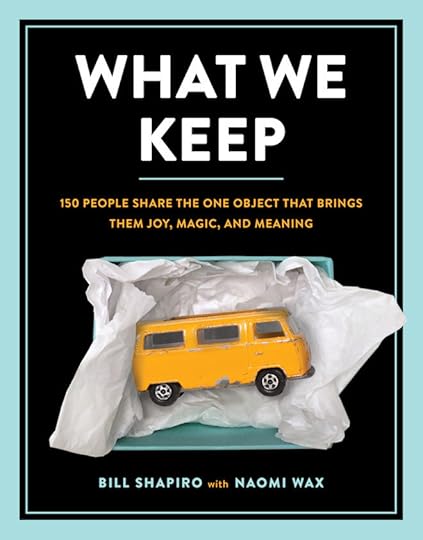
Among the stories I love most: Melinda Gates and her precious Apple III. Growing up, she spent hours in her room learning to code on that computer. Her father had given it to the family as a gift.
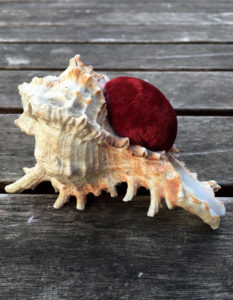
Author Cheryl Strayed discusses the odd pincushion that belonged to her mother. Her grandfather had given it to her mom; a relic from the time he served in the Army in the Philippines in the 40’s and 50’s. During Strayed’s childhood, it was the most exotic thing in her home. Now, she poignantly reflects, the shell represents “both the girl I was and the woman I became.”
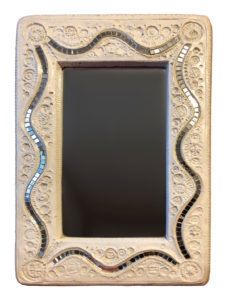
The book also contains recollections from individuals like Skipper Silberberg-Edwards, a hairdresser from Massachusetts. He’s kept this mirror for 40 years, a gift from his older brother on his 20th birthday. At the time, he was on dialysis and had little money to spare, but he knew Skipper wanted to be a hairdresser. As Silberberg-Edwards shares, “When someone dies, you look at the things they touched in a new way.”
Every entry in What We Keep, like the stories I’ve shared about objects and heirlooms on my blog, underscores why it’s so important, if at all possible, to save and display belongings that are meaningful to you. Without a word, these items speak: they remind us of our past and help us tell stories in the present. They ensure those who still mean the most to us aren’t forgotten.

April 2, 2019
Author Susan Orlean on Giving Herself Permission to Repurpose Her Mother’s Jewelry
Author Susan Orlean is popping up everywhere these days: the New York Times Book Review has featured her latest work, The Library Book, and she was Pamela Paul’s guest on The Book Review podcast. She was also given a well-deserved spotlight in The Washington Post, USA TODAY, and The National Book Review. And of course, she remains a staff writer at The New Yorker, a role she’s held since 1992. Because of her hectic schedule, I was especially thrilled she agreed to do this Q&A with me.
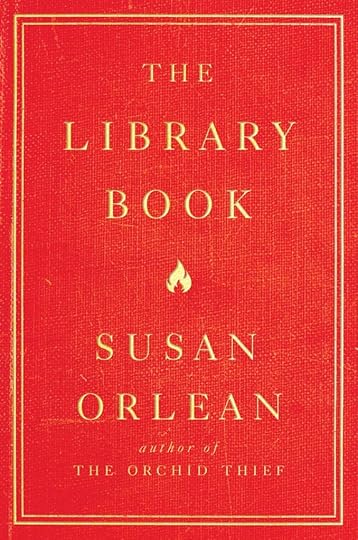
I found our conversation intimate and revealing. You’ll learn how Orlean uses food and music to remember her parents, and the way she ensures her teenage son stays connected to them. I’m incredibly grateful for her time and frankness.
Allison: What mementos remind you most of your parents?
Susan: I have a charm bracelet of my mother’s that evokes her so perfectly; she chose every charm on it to represent something important in her life, so it’s as if she created a memento for me that would express exactly who she was. I wear it sometimes, and otherwise I keep it in the front of my jewelry case, so I see it all the time. I have a shirt of my father’s that I keep hanging in the closet, so that every time I open my closet, I feel like I’m catching a glimpse of him.
Allison: Have you ever “repurposed” an item that belonged to your mom or dad?
Susan: I have a lot of my mother’s jewelry, and I’ve taken a few of those pieces and repurposed them into something more my style. It felt uncomfortable at first, as if I were destroying their sentimental value, but I discovered that I still feel connected to my mother through the pieces, even when I’ve changed them. The essence of the memory hasn’t changed at all.
Allison: What is the most satisfying way you’ve developed for keeping their memory alive (sharing stories, cooking certain foods, playing specific music)?
Susan: All of these! I like to tell my thirteen-year-old son as many stories about my parents as I can, because he doesn’t remember them very well, and I want him to have a sense of who they were and what they meant to me. I have my mother’s recipe collection and often cook things from it; I love seeing her notes and annotations, and the food itself is a powerful reminder. And both of my parents loved music and played it all the time — a habit that I’ve developed, too. When I listen to show tunes or opera (which both of them loved), I feel like I’m reconnecting with them.
Allison: What do you know now about keeping the memory of your mother and father alive that you didn’t know when the losses occurred?
Susan: The experience of loss was so searing that at first I felt like remembering my parents would be upsetting. Once the immediacy of the loss had passed, I discovered that remembering them, and revisiting the memory of them, could bring me a lot of pleasure. There is still great sadness when I think about them being gone, but now I savor the chance to think about them, and to do something that brings them to mind. The pain of losing my parents has been overridden by my appreciation of having so many poignant and happy memories of them.

Author Susan Orlean Reveals the Deeply Personal Ways She Keeps the Memory of Her Parents Alive and How Doing So Brings Her Pleasure and Healing
Author Susan Orlean is popping up everywhere these days: the New York Times Book Review has featured her latest work, The Library Book, and she was Pamela Paul’s guest on The Book Review podcast. She was also given a well-deserved spotlight in The Washington Post, USA TODAY, and The National Book Review. And of course, she remains a staff writer at The New Yorker, a role she’s held since 1992. Because of her hectic schedule, I was especially thrilled she agreed to do this Q&A with me.
I found our conversation intimate and revealing. You’ll learn how Orlean uses food and music to remember her parents, and the way she ensures her teenage son stays connected to them. I’m incredibly grateful for her time and frankness.
Allison: What mementos remind you most of your parents?
Susan: I have a charm bracelet of my mother’s that evokes her so perfectly; she chose every charm on it to represent something important in her life, so it’s as if she created a memento for me that would express exactly who she was. I wear it sometimes, and otherwise I keep it in the front of my jewelry case, so I see it all the time. I have a shirt of my father’s that I keep hanging in the closet, so that every time I open my closet, I feel like I’m catching a glimpse of him.
Allison: Have you ever “repurposed” an item that belonged to your mom or dad?
Susan: I have a lot of my mother’s jewelry, and I’ve taken a few of those pieces and repurposed them into something more my style. It felt uncomfortable at first, as if I were destroying their sentimental value, but I discovered that I still feel connected to my mother through the pieces, even when I’ve changed them. The essence of the memory hasn’t changed at all.
Allison: What is the most satisfying way you’ve developed for keeping their memory alive (sharing stories, cooking certain foods, playing specific music)?
Susan: All of these! I like to tell my thirteen-year-old son as many stories about my parents as I can, because he doesn’t remember them very well, and I want him to have a sense of who they were and what they meant to me. I have my mother’s recipe collection and often cook things from it; I love seeing her notes and annotations, and the food itself is a powerful reminder. And both of my parents loved music and played it all the time — a habit that I’ve developed, too. When I listen to show tunes or opera (which both of them loved), I feel like I’m reconnecting with them.
Allison: What do you know now about keeping the memory of your mother and father alive that you didn’t know when the losses occurred?
Susan: The experience of loss was so searing that at first I felt like remembering my parents would be upsetting. Once the immediacy of the loss had passed, I discovered that remembering them, and revisiting the memory of them, could bring me a lot of pleasure. There is still great sadness when I think about them being gone, but now I savor the chance to think about them, and to do something that brings them to mind. The pain of losing my parents has been overridden by my appreciation of having so many poignant and happy memories of them.