
Find & Share Quotes with Friends
Ukraine Quotes
Quotes tagged as "ukraine"
Showing 1-30 of 298

“Peace is not so much a political mandate as it is a shared state of consciousness that remains elevated and intact only to the degree that those who value it volunteer their existence as living examples of the same... Peace ends with the unraveling of individual hope and the emergence of the will to worship violence as a healer of private and social dis-ease.”
― The American Poet Who Went Home Again
― The American Poet Who Went Home Again

“Єсть на світі доля,
А хто її знає?
Єсть на світі воля,
А хто її має?
Єсть люде на світі —
Сріблом-злотом сяють,
Здається, панують,
А долі не знають,—
Ні долі, ні волі!
З нудьгою та з горем
Жупан надівають,
А плакати — сором.
Возьміть срібло-злото
Та будьте багаті,
А я візьму сльози —
Лихо виливати;
Затоплю недолю
Дрібними сльозами,
Затопчу неволю
Босими ногами!
Тоді я веселий,
Тоді я багатий,
Як буде серденько
По волі гуляти!”
― Кобзар
А хто її знає?
Єсть на світі воля,
А хто її має?
Єсть люде на світі —
Сріблом-злотом сяють,
Здається, панують,
А долі не знають,—
Ні долі, ні волі!
З нудьгою та з горем
Жупан надівають,
А плакати — сором.
Возьміть срібло-злото
Та будьте багаті,
А я візьму сльози —
Лихо виливати;
Затоплю недолю
Дрібними сльозами,
Затопчу неволю
Босими ногами!
Тоді я веселий,
Тоді я багатий,
Як буде серденько
По волі гуляти!”
― Кобзар
“Як умру, то поховайте
Мене на могилі,
Серед степу широкого,
На Вкраїні милій,
Щоб лани широкополі,
І Дніпро, і кручі
Було видно, було чути,
Як реве ревучий.
Як понесе з України
У синєє море
Кров ворожу... отойді я
І лани, і гори —
Все покину і полину
До самого Бога
Молитися... а до того
Я не знаю Бога.
Поховайте та вставайте,
Кайдани порвіте
І вражою злою кров’ю
Волю окропіте.
І мене в сем’ї великій,
В сем’ї вольній, новій,
Не забудьте пом’янути
Незлим тихим словом.”
― Кобзар
Мене на могилі,
Серед степу широкого,
На Вкраїні милій,
Щоб лани широкополі,
І Дніпро, і кручі
Було видно, було чути,
Як реве ревучий.
Як понесе з України
У синєє море
Кров ворожу... отойді я
І лани, і гори —
Все покину і полину
До самого Бога
Молитися... а до того
Я не знаю Бога.
Поховайте та вставайте,
Кайдани порвіте
І вражою злою кров’ю
Волю окропіте.
І мене в сем’ї великій,
В сем’ї вольній, новій,
Не забудьте пом’янути
Незлим тихим словом.”
― Кобзар
“Europeans the Poles or Balts coming in here … we brought here knowledge with us and our culture with us, but we assimilated … assimilated is not one way, it’s a two-way street. - Fred Ritzkowski, German”
― Suffering, Redemption and Triumph: The first wave of post-war Australian immigrants 1945-66
― Suffering, Redemption and Triumph: The first wave of post-war Australian immigrants 1945-66

“That there is in this world neither brains, nor goodness, nor good sense, but only brute force. Bloodshed. Starvation. Death. That there was not the slightest hope not even a glimmer of hope, of justice being done. It would never happen. No one would ever do it. The world was just one big Babi Yar. And there two great forces had come up against each other and were striking against each other like hammer and anvil, and the wretched people were in between, with no way out; each individual wanted only to live and not be maltreated, to have something to eat, and yet they howled and screamed and in their fear they were grabbing at each other’s throats, while I, little blob of watery jelly, was sitting in the midst of this dark world. Why? What for? Who had done it all? There was nothing, after all, to hope for! Winter. Night.”
― Babi Yar: A Document in the Form of a Novel
― Babi Yar: A Document in the Form of a Novel

“Since the fall of the Berlin Wall in 1989, historians have become both more accurate and more honest—fractionally more brave, one might say—about that 'other' cleansing of the regions and peoples that were ground to atoms between the upper and nether millstones of Hitlerism and Stalinism. One of the most objective chroniclers is Professor Timothy Snyder of Yale University. In his view, it is still 'Operation Reinhardt,' or the planned destruction of Polish Jewry, that is to be considered as the centerpiece of what we commonly call the Holocaust, in which of the estimated 5.7 million Jewish dead, 'roughly three million were prewar Polish citizens.' We should not at all allow ourselves to forget the millions of non-Jewish citizens of Belarus, Russia, Ukraine, and other Slav territories who were also massacred. But for me the salient fact remains that anti-Semitism was the regnant, essential, organizing principle of all the other National Socialist race theories. It is thus not to be thought of as just one prejudice among many.”
― Hitch 22: A Memoir
― Hitch 22: A Memoir

“Political calculation and local suffering do not entirely explain the participation in these pogroms. Violence against Jews served to bring the Germans and elements of the local non-Jewish populations closer together. Anger was directed, as the Germans wished, toward the Jews, rather than against collaborators with the Soviet regime as such. People who reacted to the Germans' urging knew that they were pleasing their new masters, whether or not they believed that the Jews were responsible for their own woes. By their actions they were confirming the Nazi worldview. The act of killing Jews as revenge for NKVD executions confirmed the Nazi understanding of the Soviet Union as a Jewish state. Violence against Jews also allowed local Estonians, Latvian, Lithuanians, Ukrainians, Belarusians, and Poles who had themselves cooperated with the Soviet regime to escape any such taint. The idea that only Jews served communists was convenient not just for the occupiers but for some of the occupied as well.
Yet this psychic nazification would have been much more difficult without the palpable evidence of Soviet atrocities. The pogroms took place where the Soviets had recently arrived and where Soviet power was recently installed, where for the previous months Soviet organs of coercion had organized arrests, executions, and deportations. They were a joint production, a Nazi edition of a Soviet text.
P. 196”
― Bloodlands: Europe Between Hitler and Stalin
Yet this psychic nazification would have been much more difficult without the palpable evidence of Soviet atrocities. The pogroms took place where the Soviets had recently arrived and where Soviet power was recently installed, where for the previous months Soviet organs of coercion had organized arrests, executions, and deportations. They were a joint production, a Nazi edition of a Soviet text.
P. 196”
― Bloodlands: Europe Between Hitler and Stalin
“Появилась даже такая шутка: Украина — это страна, где люди говорят по-русски, а Россия — это страна, где люди молчат по-русски [141].”
― Украинская история, российская политика, европейское будущее
― Украинская история, российская политика, европейское будущее
“Communication among citizens depends upon equality. At the same time, equality cannot be achieved without facts.”
― The Road to Unfreedom: Russia, Europe, America
― The Road to Unfreedom: Russia, Europe, America
“the problem with accepting things that are contradictory as possibly right is that you cannot possibly be thinking yourself when you do it.”
―
―
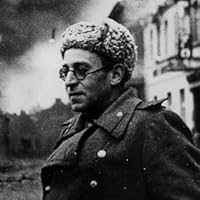
“While they were still transporting the grain, there was dust wherever you went. It was like clouds of smoke—over the village, over the fields, over the face of the moon at night. I remember one man going out of his mind. 'We're on fire!' he kept screaming. 'The sky is burning! The earth is burning!' No, it was not the sky—it was life itself that was burning.”
― Forever Flowing
― Forever Flowing
“Я взявся перетрушувати баул і серед хламу витрусив з нього книжку. Це була збірка вибраних віршів Сєрґєя Єсєніна. Тобто якийсь руский, їдучи в Україну вбивати нас, у дуже стислий перелік найнеобхідніших речей, поряд зі штанами й аптечкою, взяв зі собою книжку.”
― Гемінґвей нічого не знає
― Гемінґвей нічого не знає
“– All strong independent farmers are driven into unbearable conditions. Sooner or later, following the Party’s orders, they will come and eliminate us as a class — within an hour.”
― Камінь. Біографічний роман. Книга друга. Непрості дороги до пекла: Виживання в умовах насильства.
― Камінь. Біографічний роман. Книга друга. Непрості дороги до пекла: Виживання в умовах насильства.
“Bang!”
The explosion thundered right beside him. Danilo’s body was thrown aside like a rag doll, and his mind shut down instantly.
What happened next, Red Army soldier Shablia neither saw nor heard.
The sounds of battle, the shouts of men, machine-gun fire, shell bursts — even the massive shockwave when the bridge and dam were blown up — could no longer reach his consciousness.
Author: Volodymyr Shablia:
Context note: This passage describes the moments of Danylo Shablia's last battle during the chaotic retreat of the Red Army, emphasizing the sudden, impersonal nature of events in World War II.”
― Камінь. Біографічний роман. Книга друга. Непрості дороги до пекла: Виживання в умовах насильства.
The explosion thundered right beside him. Danilo’s body was thrown aside like a rag doll, and his mind shut down instantly.
What happened next, Red Army soldier Shablia neither saw nor heard.
The sounds of battle, the shouts of men, machine-gun fire, shell bursts — even the massive shockwave when the bridge and dam were blown up — could no longer reach his consciousness.
Author: Volodymyr Shablia:
Context note: This passage describes the moments of Danylo Shablia's last battle during the chaotic retreat of the Red Army, emphasizing the sudden, impersonal nature of events in World War II.”
― Камінь. Біографічний роман. Книга друга. Непрості дороги до пекла: Виживання в умовах насильства.
“– Independent farmers are arrested and deported somewhere to the Urals or Siberia. I fear we may be the next to be labeled ‘kulaks’.
— Volodymyr Shablia, Stone. Book Two
Context note: During the forced collectivization in the USSR, millions of peasants were forcibly deported to remote regions such as Siberia and the Urals as part of state repression against on wealthy peasants (nicknamed "kulaks" by the Soviet authorities).”
― Камень. Биографический роман. Книга вторая. Непростые дороги в ад: Выживание в условиях насилия
— Volodymyr Shablia, Stone. Book Two
Context note: During the forced collectivization in the USSR, millions of peasants were forcibly deported to remote regions such as Siberia and the Urals as part of state repression against on wealthy peasants (nicknamed "kulaks" by the Soviet authorities).”
― Камень. Биографический роман. Книга вторая. Непростые дороги в ад: Выживание в условиях насилия
“That’s how we’ve ended up,” Ivan said with a bitter smile. “We work, as in the proverb: Enough trading, father — there’s no change left to give.
‘Why did they suddenly increase the grain procurement plan?’ Vasyl protested.
‘Everything seems the same — but it isn’t,’ Danylo explained. ‘The status of our land has changed, and so has the status of the collective farmers. What grew last year is now taxed differently. Even the poor peasants who joined the collective are no longer considered poor — and the taxes rise accordingly.’
‘Clever,’ Ivan muttered angrily. ‘They’ve laid out their accounting traps well.’
— Volodymyr Shablia, Stone. Book Two
Context note: In Soviet collective farms, taxes and grain quotas were often increased not because of real agricultural growth, but due to bureaucratic reclassification. Accounting became a tool of pressure that made normal farming impossible.”
― Камінь. Біографічний роман. Книга друга. Непрості дороги до пекла: Виживання в умовах насильства.
‘Why did they suddenly increase the grain procurement plan?’ Vasyl protested.
‘Everything seems the same — but it isn’t,’ Danylo explained. ‘The status of our land has changed, and so has the status of the collective farmers. What grew last year is now taxed differently. Even the poor peasants who joined the collective are no longer considered poor — and the taxes rise accordingly.’
‘Clever,’ Ivan muttered angrily. ‘They’ve laid out their accounting traps well.’
— Volodymyr Shablia, Stone. Book Two
Context note: In Soviet collective farms, taxes and grain quotas were often increased not because of real agricultural growth, but due to bureaucratic reclassification. Accounting became a tool of pressure that made normal farming impossible.”
― Камінь. Біографічний роман. Книга друга. Непрості дороги до пекла: Виживання в умовах насильства.
“1920… Chaos.
A chaos brewed from fear, lawlessness, constant changes of power, civil war, and disease.
The Red Commissars with their grain requisitions.
The White Guards with arrogant imperial plunder.
Makhno’s forces with anarchist expropriations and the division of everything and everyone.
The gangs of Hryhoriev, Marusia, and countless others…
Each with its own rules.
Yet all of them take and kill, rape and rob.
In Tomakivka, only one institution functioned reliably – the hospital.
It was needed by every warring authority, every general and ataman:
the wounded had to be treated, the sick healed,
and the able-bodied fed and given shelter.
— Volodymyr Shablia, Stone. Book One
Context note: Set in Ukraine during the Civil War (1917–1921), at the time of the Ukrainian People’s Republic, when multiple armed forces – Red, White, anarchist, and local warlord groups — fought for control, leaving civilians trapped in a landscape of violence, lawlessness, and disease.”
―
A chaos brewed from fear, lawlessness, constant changes of power, civil war, and disease.
The Red Commissars with their grain requisitions.
The White Guards with arrogant imperial plunder.
Makhno’s forces with anarchist expropriations and the division of everything and everyone.
The gangs of Hryhoriev, Marusia, and countless others…
Each with its own rules.
Yet all of them take and kill, rape and rob.
In Tomakivka, only one institution functioned reliably – the hospital.
It was needed by every warring authority, every general and ataman:
the wounded had to be treated, the sick healed,
and the able-bodied fed and given shelter.
— Volodymyr Shablia, Stone. Book One
Context note: Set in Ukraine during the Civil War (1917–1921), at the time of the Ukrainian People’s Republic, when multiple armed forces – Red, White, anarchist, and local warlord groups — fought for control, leaving civilians trapped in a landscape of violence, lawlessness, and disease.”
―
“The hospital’s long-time cook, Iryna, mechanically peeled potatoes as usual — breakfast had to be prepared for the patients.
Work was work, and she was now the only breadwinner in her family.
Yet today her thoughts were entirely at home. There, her pregnant daughter Maria had been struck down by typhus and had lain alone in critical condition for a week. To make matters worse, no one was with her.
Normally, Iryna would visit her sick daughter during the day. But today the hospital was in emergency mode — another convoy of wounded from the civil war had arrived. A mother’s heart was tearing itself toward her child… though what could she really do?
Wiping her hands on a towel, Iryna approached the small icon depicting the Virgin Mary with the infant Jesus. She knelt, folded her hands to her chest, fixed her gaze on the immaculate face of the Mother of God — and began to pray.
— Volodymyr Shablia, Stone. Book One
Context note:
Set during the chaos of the Ukrainian Civil War and a typhus epidemic, this scene shows the quiet suffering of civilians. While the hospital is overwhelmed with wounded, a mother torn between duty and fear turns to faith — highlighting the human cost of war beyond the battlefield.”
― Камінь. Біографічний роман. Книга перша. Перші кроки до світла та назад: Дитинство та занурення в ГУЛАГ.
Work was work, and she was now the only breadwinner in her family.
Yet today her thoughts were entirely at home. There, her pregnant daughter Maria had been struck down by typhus and had lain alone in critical condition for a week. To make matters worse, no one was with her.
Normally, Iryna would visit her sick daughter during the day. But today the hospital was in emergency mode — another convoy of wounded from the civil war had arrived. A mother’s heart was tearing itself toward her child… though what could she really do?
Wiping her hands on a towel, Iryna approached the small icon depicting the Virgin Mary with the infant Jesus. She knelt, folded her hands to her chest, fixed her gaze on the immaculate face of the Mother of God — and began to pray.
— Volodymyr Shablia, Stone. Book One
Context note:
Set during the chaos of the Ukrainian Civil War and a typhus epidemic, this scene shows the quiet suffering of civilians. While the hospital is overwhelmed with wounded, a mother torn between duty and fear turns to faith — highlighting the human cost of war beyond the battlefield.”
― Камінь. Біографічний роман. Книга перша. Перші кроки до світла та назад: Дитинство та занурення в ГУЛАГ.
“Soon after the birth, Maria was shown her son. He was no longer crying.
The baby was tiny, frail, his skin wrinkled — yet his bright, restless eyes darted stubbornly in every direction, as if he were trying to take in this vast, unfamiliar, and beautiful world as quickly as possible.
“You did well, Maria! You have a son! You did well!” Irina kissed her daughter’s hand joyfully. “Everything will be all right now.”
Seeing her child, Maria felt relief wash over her. She longed to take him into her arms, to press him to her chest — but the baby was taken away.
After the necessary procedures, the midwife quietly pulled Irina aside.
“Breastfeeding is dangerous,” she whispered. “The baby could contract typhus. But he is premature, weak — and if he does not receive colostrum now, I fear he will not survive. The previous woman gave birth a week ago and has no colostrum left. I believe we must take the risk: newborns contract infection from sick mothers in only about a third of cases.”
Irina looked at her grandson lying in her arms. He jerked his tiny hands and feet at random — then smiled clumsily.
“God’s will be done,” she said firmly. “A child must drink his mother’s milk.”
When the alcohol-sterilized breast was offered to the baby, it turned out his mouth was too small to take the nipple. Fortunately, the other breast was smaller — and the boy latched on with determined urgency.
Holding the flesh of her flesh to her chest, feeling her son’s gentle sucking, Maria experienced a moment of pure euphoria. The terrible illness receded, making way for the overwhelming joy of motherhood.
Neither Maria nor the newborn knew of the danger of infection. They were simply following the ancient law of nature.
And Irina spent the rest of the day in prayer, asking God to spare two souls — her daughter and her grandson.
— Volodymyr Shablia, Stone. Book One
Context note:
During the Ukrainian Civil War of 1920, amid epidemics, hunger, and collapsing authority, a premature child is born into a world where survival depends on instinct, faith, and impossible choices. This moment captures motherhood and mercy standing against historical catastrophe.”
― Камінь. Біографічний роман. Книга перша. Перші кроки до світла та назад: Дитинство та занурення в ГУЛАГ.
The baby was tiny, frail, his skin wrinkled — yet his bright, restless eyes darted stubbornly in every direction, as if he were trying to take in this vast, unfamiliar, and beautiful world as quickly as possible.
“You did well, Maria! You have a son! You did well!” Irina kissed her daughter’s hand joyfully. “Everything will be all right now.”
Seeing her child, Maria felt relief wash over her. She longed to take him into her arms, to press him to her chest — but the baby was taken away.
After the necessary procedures, the midwife quietly pulled Irina aside.
“Breastfeeding is dangerous,” she whispered. “The baby could contract typhus. But he is premature, weak — and if he does not receive colostrum now, I fear he will not survive. The previous woman gave birth a week ago and has no colostrum left. I believe we must take the risk: newborns contract infection from sick mothers in only about a third of cases.”
Irina looked at her grandson lying in her arms. He jerked his tiny hands and feet at random — then smiled clumsily.
“God’s will be done,” she said firmly. “A child must drink his mother’s milk.”
When the alcohol-sterilized breast was offered to the baby, it turned out his mouth was too small to take the nipple. Fortunately, the other breast was smaller — and the boy latched on with determined urgency.
Holding the flesh of her flesh to her chest, feeling her son’s gentle sucking, Maria experienced a moment of pure euphoria. The terrible illness receded, making way for the overwhelming joy of motherhood.
Neither Maria nor the newborn knew of the danger of infection. They were simply following the ancient law of nature.
And Irina spent the rest of the day in prayer, asking God to spare two souls — her daughter and her grandson.
— Volodymyr Shablia, Stone. Book One
Context note:
During the Ukrainian Civil War of 1920, amid epidemics, hunger, and collapsing authority, a premature child is born into a world where survival depends on instinct, faith, and impossible choices. This moment captures motherhood and mercy standing against historical catastrophe.”
― Камінь. Біографічний роман. Книга перша. Перші кроки до світла та назад: Дитинство та занурення в ГУЛАГ.
“I want to make buns too!” four-year-old Peter declared firmly.
“Then help me knead and roll the dough,” Grandma Iryna suggested, “and I’ll shape and bake all sorts of tasty treats from it.”
“Deal!”
She lifted her grandson onto a sturdy chair at the edge of the table so he could reach the dough comfortably, then pinched off a small lump for him.
“I’ll knead my piece, and you’ll knead yours — together we’ll finish faster,” she said. “Watch me and do the same.”
Glancing at his teacher, the boy eagerly began working his dough. Soon he was covered in flour from head to toe. Iryna only smiled and encouraged him, kneading her own dough with skillful hands and humming gentle folk rhymes.
— Volodymyr Shablia, Stone. Book One
Context note:
Set in rural Ukraine before war and repression tear childhood apart, this scene captures a fleeting moment of safety and love — a grandmother teaching her grandson patience, trust, and joy through the simplest ritual of home.”
― Камень. Биографический роман: Часть первая. Первые шаги к свету и обратно
“Then help me knead and roll the dough,” Grandma Iryna suggested, “and I’ll shape and bake all sorts of tasty treats from it.”
“Deal!”
She lifted her grandson onto a sturdy chair at the edge of the table so he could reach the dough comfortably, then pinched off a small lump for him.
“I’ll knead my piece, and you’ll knead yours — together we’ll finish faster,” she said. “Watch me and do the same.”
Glancing at his teacher, the boy eagerly began working his dough. Soon he was covered in flour from head to toe. Iryna only smiled and encouraged him, kneading her own dough with skillful hands and humming gentle folk rhymes.
— Volodymyr Shablia, Stone. Book One
Context note:
Set in rural Ukraine before war and repression tear childhood apart, this scene captures a fleeting moment of safety and love — a grandmother teaching her grandson patience, trust, and joy through the simplest ritual of home.”
― Камень. Биографический роман: Часть первая. Первые шаги к свету и обратно
“I’ve already learned the poem! I have! Listen!”
And five-year-old Peter recited it boldly, without a single pause.
His parents were stunned. Danylo considered himself a well-educated man. He had once completed a parish school, later pursued self-education diligently, and through natural intelligence and perseverance had become a skilled accountant. Yet to memorize such a poem casually, in play, having heard only fragments of it? No — such heights had always been beyond him.
With a mingled feeling of joy, pride, and astonishment, the father studied his son. For the first time, he saw in this mischievous boy an heir — one who had inherited the best traits of his ancestors and might one day surpass even his boldest expectations.
“Maria,” Danylo said to his wife, “let’s send Peter to school, even if it’s still early — let him study alongside his older brother Nick. He’s capable, he’s bright, he’ll manage. After all, no one knows what the future may bring.”
— Volodymyr Shablia, Stone. Book One
Context note:
In a fragile post-war society where education was uncertain and the future unpredictable, a father recognizes early brilliance in his son — a moment when hope quietly overcomes fear, and destiny begins to take shape.”
― Камінь. Біографічний роман. Книга перша. Перші кроки до світла та назад: Дитинство та занурення в ГУЛАГ.
And five-year-old Peter recited it boldly, without a single pause.
His parents were stunned. Danylo considered himself a well-educated man. He had once completed a parish school, later pursued self-education diligently, and through natural intelligence and perseverance had become a skilled accountant. Yet to memorize such a poem casually, in play, having heard only fragments of it? No — such heights had always been beyond him.
With a mingled feeling of joy, pride, and astonishment, the father studied his son. For the first time, he saw in this mischievous boy an heir — one who had inherited the best traits of his ancestors and might one day surpass even his boldest expectations.
“Maria,” Danylo said to his wife, “let’s send Peter to school, even if it’s still early — let him study alongside his older brother Nick. He’s capable, he’s bright, he’ll manage. After all, no one knows what the future may bring.”
— Volodymyr Shablia, Stone. Book One
Context note:
In a fragile post-war society where education was uncertain and the future unpredictable, a father recognizes early brilliance in his son — a moment when hope quietly overcomes fear, and destiny begins to take shape.”
― Камінь. Біографічний роман. Книга перша. Перші кроки до світла та назад: Дитинство та занурення в ГУЛАГ.
“Faith in God turned into the destruction of churches; collectivization into the Holodomor; hope for a better future into the loss of loved ones. People sought justice, but received unjust court verdicts; they defended their homeland, only to become prisoners or victims of occupation.
— Volodymyr Shablia, Stone. Book Three (book description)
Context note:
This quote reflects the tragic fate of ordinary people in Soviet Ukraine during the 1930s–1940s, when religious persecution, forced collectivization, the Holodomor, political repression, and war shattered personal lives and destroyed hopes for justice and freedom.”
― Камінь. Біографічний роман. Книга третя. Несправджені сподівання.: Все буде Голодомор.
— Volodymyr Shablia, Stone. Book Three (book description)
Context note:
This quote reflects the tragic fate of ordinary people in Soviet Ukraine during the 1930s–1940s, when religious persecution, forced collectivization, the Holodomor, political repression, and war shattered personal lives and destroyed hopes for justice and freedom.”
― Камінь. Біографічний роман. Книга третя. Несправджені сподівання.: Все буде Голодомор.
“I took my own and Kolya’s two-day ration of bread and lard to the hospital,” the boy said, with unsettling calm beyond his years. “We must do everything we can to save him. If he dies, he won’t need food anymore.”
Danilo’s eyes filled with tears.
“Oh God, how could you let this happen?” he thought bitterly. “Is it fair to take a piece from one starving child to give it to another?”
He pulled his son’s head to his chest.
“You’re probably right,” he said quietly.
After a while, he returned from the pantry with an unusually full bucket of cornmeal and two bundles.
“Mother,” Danilo said to his mother-in-law, handing her the food, “besides the usual bread, bake a few pies with lard and pumpkin—for Kolya… and for Peter.”
— Volodymyr Shablia, Stone. Book Three
Context note:
Set during the Holodomor, this scene captures the impossible moral choices faced by families during the man-made famine in Soviet Ukraine. A child’s stark logic forces adults to confront the inhuman calculus of survival—where compassion meant redistributing hunger, and saving one life could mean endangering another.”
― Камінь. Біографічний роман. Книга третя. Несправджені сподівання.: Все буде Голодомор.
Danilo’s eyes filled with tears.
“Oh God, how could you let this happen?” he thought bitterly. “Is it fair to take a piece from one starving child to give it to another?”
He pulled his son’s head to his chest.
“You’re probably right,” he said quietly.
After a while, he returned from the pantry with an unusually full bucket of cornmeal and two bundles.
“Mother,” Danilo said to his mother-in-law, handing her the food, “besides the usual bread, bake a few pies with lard and pumpkin—for Kolya… and for Peter.”
— Volodymyr Shablia, Stone. Book Three
Context note:
Set during the Holodomor, this scene captures the impossible moral choices faced by families during the man-made famine in Soviet Ukraine. A child’s stark logic forces adults to confront the inhuman calculus of survival—where compassion meant redistributing hunger, and saving one life could mean endangering another.”
― Камінь. Біографічний роман. Книга третя. Несправджені сподівання.: Все буде Голодомор.
“The doctor delivered a devastating diagnosis: a severe stroke with paralysis of the right side of her body, brought on by prolonged starvation.
In the days that followed, Irina’s condition steadily deteriorated. The family took turns caring for her, carefully following every medical instruction, yet the decline was obvious. Within days, her left leg failed as well. She could no longer speak—only stare ahead in silent resignation. Whenever one of her loved ones approached her bedside, tears streamed soundlessly down her face.
Now, sitting beside his grandmother’s pillow, Peter watched the boundless sorrow in her eyes as she looked at him.
“Grandma, everything will be all right. You’ll recover,” the boy lied with all the gentleness he was capable of. “I love you.”
He pressed his face to her chest and kissed her. Heavy tears rolled down Irina’s cheeks. A lump rose in Peter’s throat. He could not drive away the terrible thought: How could it be that only yesterday someone so alive, loving, and active—though ill—could so suddenly become a helpless ruin? It felt unnatural. It felt unjust.
With each passing day, life faded from Irina. A week after the stroke, she died quietly in her sleep.
At his grandmother’s funeral, Peter wept as he never had before—and never would again. He did not hide his tears. He kept kissing her cold lips, cheeks, and forehead. But each kiss only made the grief heavier.
— Volodymyr Shablia, Stone. Book Three
Context note:
Set during the Holodomor of 1933 in Ukraine, this scene portrays one of the famine’s most tragic realities: the rapid decline and death of the elderly and the sick often among the first victims of starvation. Malnutrition weakened the body’s ability to survive illness, and strokes, infections, and organ failure became fatal in a society stripped of food and medical resources. Behind the statistics of millions dead were intimate family tragedies like this one.”
― Камінь. Біографічний роман. Книга третя. Несправджені сподівання.: Все буде Голодомор.
In the days that followed, Irina’s condition steadily deteriorated. The family took turns caring for her, carefully following every medical instruction, yet the decline was obvious. Within days, her left leg failed as well. She could no longer speak—only stare ahead in silent resignation. Whenever one of her loved ones approached her bedside, tears streamed soundlessly down her face.
Now, sitting beside his grandmother’s pillow, Peter watched the boundless sorrow in her eyes as she looked at him.
“Grandma, everything will be all right. You’ll recover,” the boy lied with all the gentleness he was capable of. “I love you.”
He pressed his face to her chest and kissed her. Heavy tears rolled down Irina’s cheeks. A lump rose in Peter’s throat. He could not drive away the terrible thought: How could it be that only yesterday someone so alive, loving, and active—though ill—could so suddenly become a helpless ruin? It felt unnatural. It felt unjust.
With each passing day, life faded from Irina. A week after the stroke, she died quietly in her sleep.
At his grandmother’s funeral, Peter wept as he never had before—and never would again. He did not hide his tears. He kept kissing her cold lips, cheeks, and forehead. But each kiss only made the grief heavier.
— Volodymyr Shablia, Stone. Book Three
Context note:
Set during the Holodomor of 1933 in Ukraine, this scene portrays one of the famine’s most tragic realities: the rapid decline and death of the elderly and the sick often among the first victims of starvation. Malnutrition weakened the body’s ability to survive illness, and strokes, infections, and organ failure became fatal in a society stripped of food and medical resources. Behind the statistics of millions dead were intimate family tragedies like this one.”
― Камінь. Біографічний роман. Книга третя. Несправджені сподівання.: Все буде Голодомор.
“The real threat to freedom is not from men hiding in caves in the Middle East wearing turbans, or from Russians entering Ukraine. The real threat to freedom is from men and women wearing suits in Washington D.C.”
―
―

“I've heard that everyone is capable of killing, and those who say they aren't just haven't met the right person. An armed stranger entering my country might just be the right person.”
― Looking at Women Looking at War: A War and Justice Diary
― Looking at Women Looking at War: A War and Justice Diary

“Write, tell me if everyone is alive and well.
Whether angels fly over the Danube, if it’s raining
in Lviv, and if there is still enough blood.”
― Листи в Україну
Whether angels fly over the Danube, if it’s raining
in Lviv, and if there is still enough blood.”
― Листи в Україну
All Quotes
|
My Quotes
|
Add A Quote
Browse By Tag
- Love Quotes 102k
- Life Quotes 80.5k
- Inspirational Quotes 77k
- Humor Quotes 45k
- Philosophy Quotes 31.5k
- Inspirational Quotes Quotes 28.5k
- God Quotes 27k
- Wisdom Quotes 25k
- Romance Quotes 25k
- Truth Quotes 25k
- Poetry Quotes 24k
- Life Lessons Quotes 23k
- Quotes Quotes 21.5k
- Death Quotes 21k
- Happiness Quotes 19k
- Hope Quotes 19k
- Faith Quotes 18.5k
- Inspiration Quotes 18k
- Motivational Quotes 16k
- Spirituality Quotes 16k
- Relationships Quotes 16k
- Religion Quotes 15.5k
- Life Quotes Quotes 15.5k
- Writing Quotes 15k
- Love Quotes Quotes 15k
- Success Quotes 14k
- Motivation Quotes 14k
- Time Quotes 13k
- Science Quotes 12.5k
- Motivational Quotes Quotes 12k