
Brian Solis's Blog, page 23
February 21, 2023
Brian Solis named as a leading technology experts that can help you keep up and give you the context needed to cut the noise

Clifford Thomas, Senior Vice President and General Manager at Cisco, assembled a list of people who can help you learn about major trends shape how think, work, and grow.
“Be News, not Noise: 20 Experts to Help You Grab Attention, and Keep it” – Link
Brian SolisForbes once called Brian Solis “one of the more creative and brilliant business minds of our time.” ZDNet called him “one of the 21st century business world’s leading thinkers.” Solis researches digital transformation, CX, experience design, the future of industries, trends, and human behavior, all with an eye toward humanizing technologies. Solis has published his research in eight bestselling books, over 60 research papers, and industry-leading publications including Forbes, ZDNet, CIO, eWeek, Fast Company, and more.
The post appeared first on Brian Solis.


February 14, 2023
6 Business Speakers Who Will Motivate Your Teams With Their Real-Life Experiences – GRIT DAILY
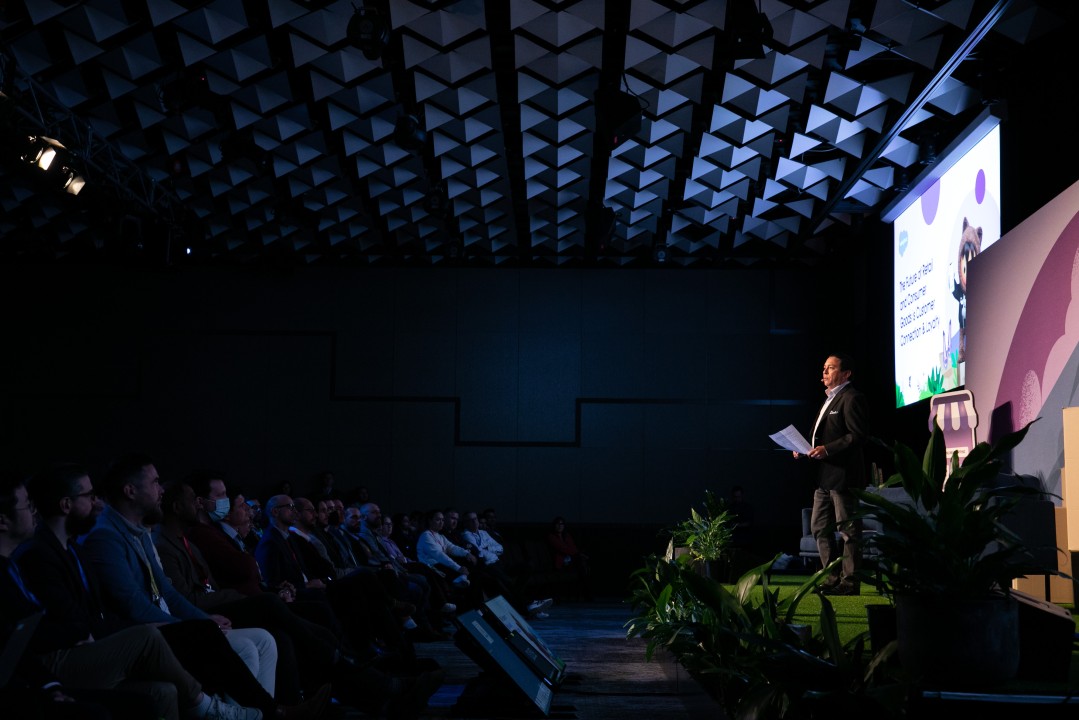
via Elizabeth Walker, GRIT DAILY
Business speakers are often a source of inspiration and motivation for those struggling on their innovation or transformation journey. No business leader can succeed without help.
That’s what the experts on this list do, they help leaders…lead. They guide, support, and motivate business leaders to build their best, most successful organizations and careers.
Brian Solis made the list of some of the best business speakers that leaders turn to when they’re in need of more than just inspiration. He joins Gary Vee (Vaynerchuk), Tony Robbins, and Dorie Clark.
Brian SolisBrian Solis, is a digital futurist, 8x best-selling author, and a widely sought-after keynote speaker.
Solis is known for his industry-shaping thought leadership and has consulted with global brands and celebrities, including Oprah and Ashton Kutcher, and more than 1,000 startups across the globe.
He covers topics including digital transformation, innovation, and disruption, CX, commerce, and the cognitive enterprise, both in his speaking engagements and in his online video series (r)evolution.
Book him now for your next event or meeting.
The post 6 Business Speakers Who Will Motivate Your Teams With Their Real-Life Experiences – GRIT DAILY appeared first on Brian Solis.
February 13, 2023
Retail Therapy: At the forefront of digital transformation and customer experience with Paul Zahra, CEO of ARA
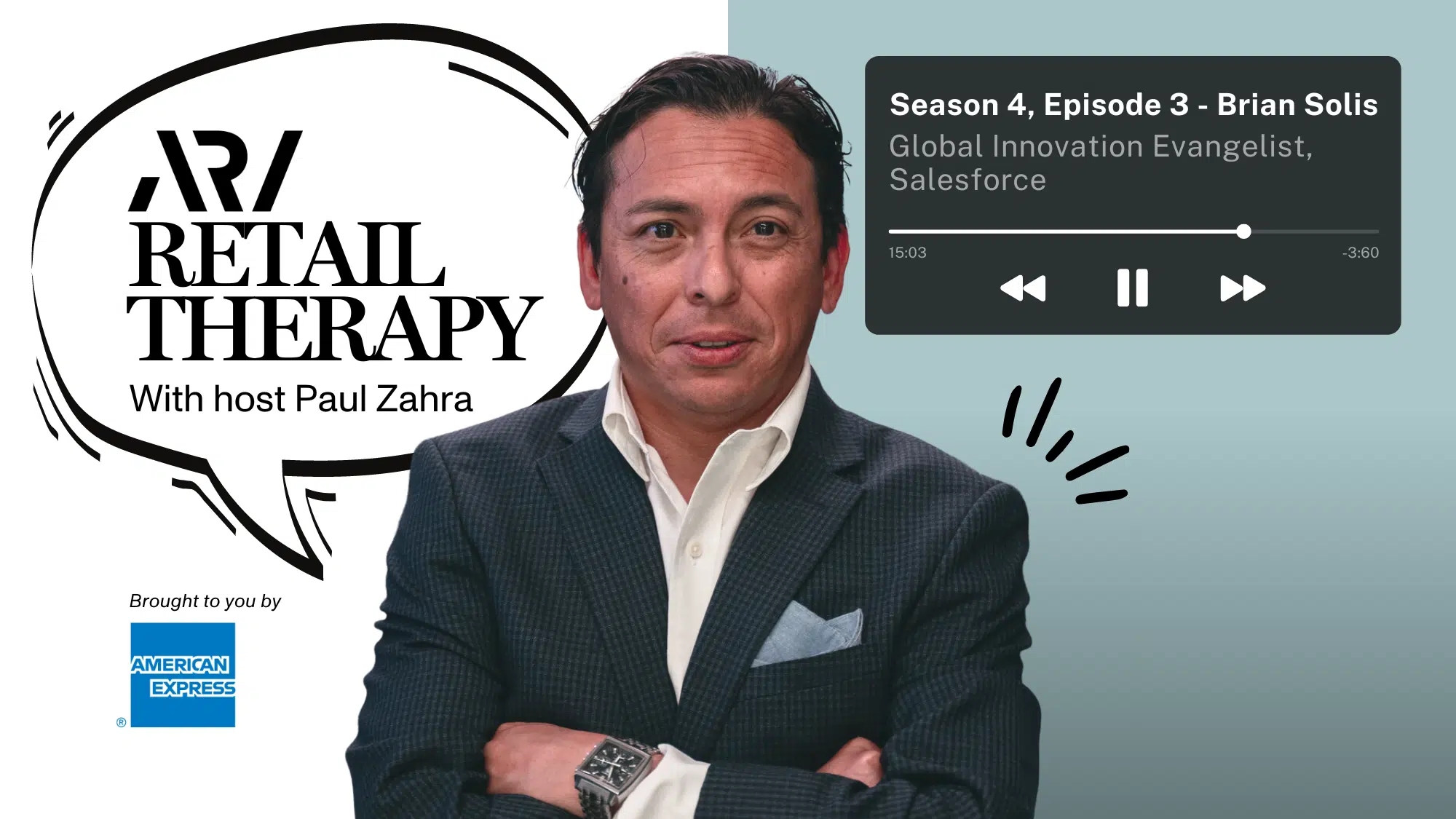
In this episode of Retail Therapy, we have the pleasure of hosting Brian Solis. Brian is a leading digital anthropologist and futurist, known for his expertise in digital transformation, customer experience, and innovation. He is currently the Global Innovation Evangelist at Salesforce, where he leverages his vast knowledge to drive thought leadership and research.
Join host Paul Zahra, CEO of ARA, to delve into Brian’s unique perspectives on the ever-evolving retail industry. With over 700,000 followers on social media, Brian brings a wealth of insights and observations to the table, offering a glimpse into the future of retail.
Tune in to hear Brian and Paul discuss the following topics:
Brian’s journey as a digital anthropologist and futuristThe role of ethics in shaping customer purchase decisions and how companies can stay ahead of the curveThe impact of the Covid-19 pandemic on the future of retail, and the disconnect between older and younger customersThe significance of customer retention and the reimagination of customer loyaltyAddressing the growing digital divide and its impact on the workforceNavigating the challenging economic landscape for retailers in the current climate.Listen here.
Or, listen on Apple | Amazon |Spotify | Google
The post Retail Therapy: At the forefront of digital transformation and customer experience with Paul Zahra, CEO of ARA appeared first on Brian Solis.
February 9, 2023
engatica Names Brian Solis to its list of 200 World’s Top Business & Technology Innovators
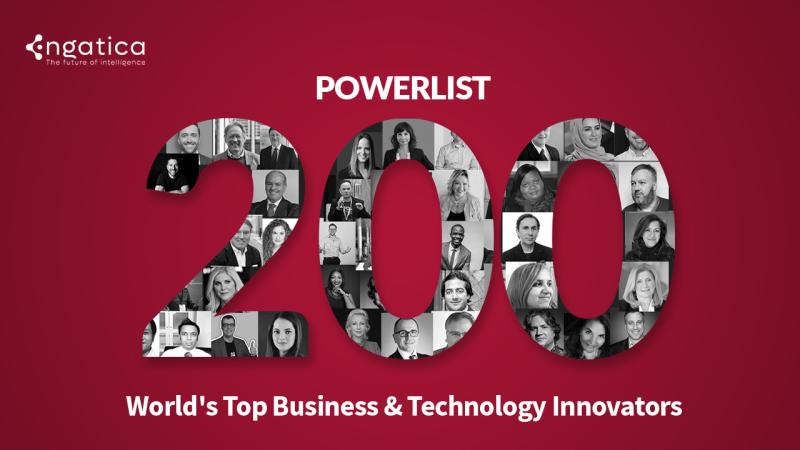
Engatica named Brian Solis to its “powerlist” representing the “200 World’s Top Business & Technology Innovators.”
Brian SolisBrian Solis is a globally recognised thought leader, keynote speaker, and 8x best-selling author. He is known for his expertise in digital transformation, customer experience (CX), innovation, and the future of technology and business. As the VP of Global Innovation Evangelist at Salesforce, Brian has published over 60 research papers and is a frequent contributor to industry-leading publications such as Forbes, ZDNet, and Fast Company. He has travelled the world to share his insights on how businesses can embrace change and thrive in the digital age.


The post appeared first on Brian Solis.
January 30, 2023
McKinsey: A CEO’s guide to the metaverse
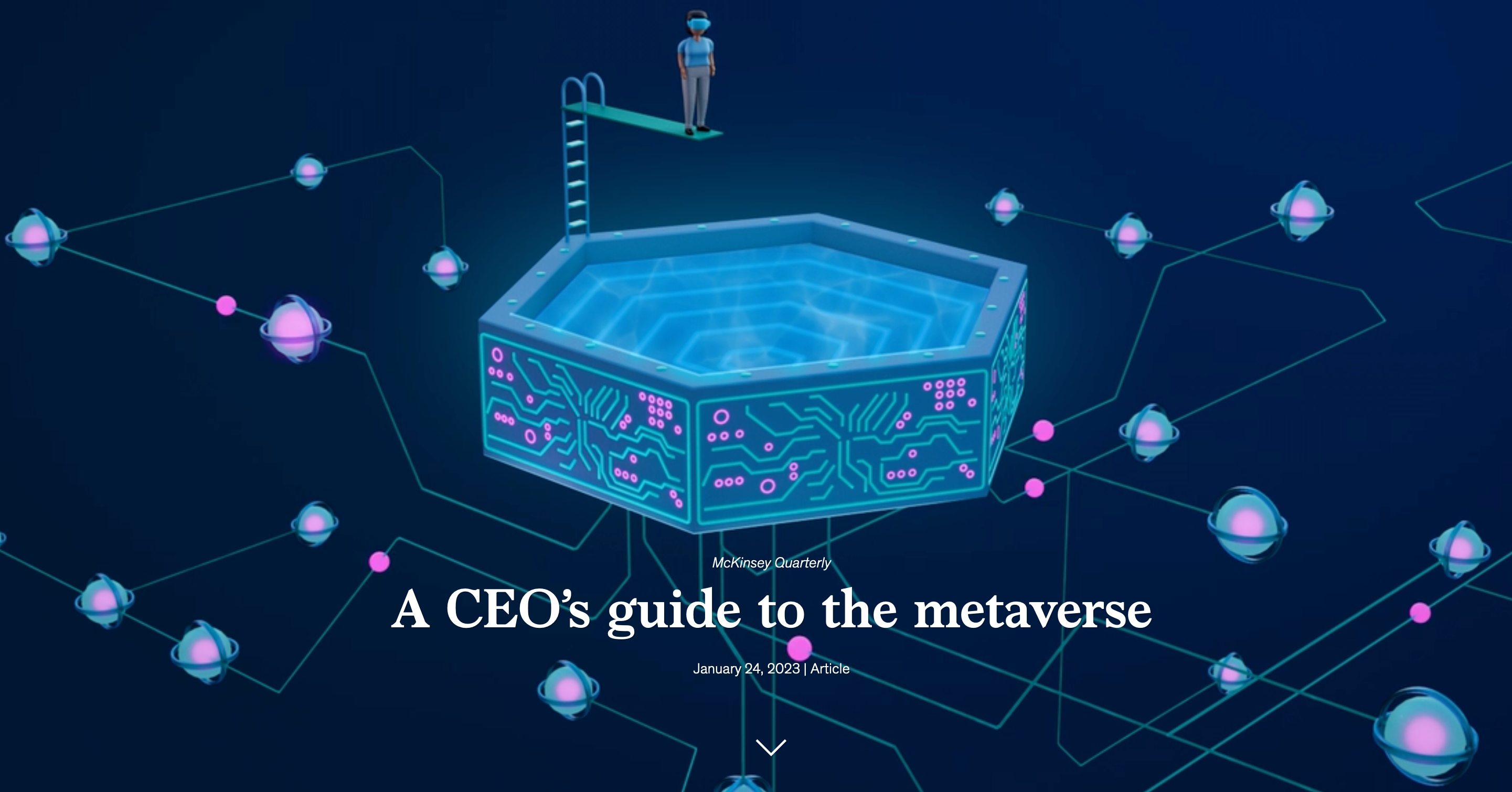
Via By Homayoun Hatami, Eric Hazan, Hamza Khan, and Kim Rants, McKinsey Quarterly
Suddenly, the metaverse is in the zeitgeist, for better or worse. Investment more than doubled in 2022 powered by big moves (such as Microsoft’s $69 billion acquisition of Activision Blizzard, now under antitrust review) and small ones (about $12 billion to $14 billion of venture capital and private equity investment). Everyone has heard about the successes racked up by some big gaming companies: Roblox reported more than 58 million daily active users in 2022,1 while Fortnite had more than 20 million in 2020 and generated more than $9 billion in sales between 2018 and 2019.2 And others are investing; Meta continues to spend at least $10 billion annually on metaverse development. Yet investors are asking questions of metaverse companies about when they can expect tangible, near-term results from these companies’ investments.
How should CEOs view the metaverse? Is it a big opportunity or a big risk? Our answer: the opportunity is enormous—and the risk is not what you think it is. The companies that are building the metaverse see it as the next iteration of the internet (see this McKinsey Explainer for more). And as with any technology so vast and all-encompassing (it’s similar to AI in its scope), the potential is enormous. We estimate that the metaverse could generate $4 trillion to $5 trillion in value by 2030; see our report for all the details.
The case for optimismWhen we estimated the market value of metaverse activity in June 2022, we calculated that it was between $200 billion and $300 billion. It’s larger now, and in eight years or so, it could be $4 trillion to $5 trillion (exhibit), which is roughly the size of Japan’s economy, the third largest in the world. Exponential growth is possible because of an alignment of several forces: the metaverse’s appeal spans genders, geographies, and generations; consumers have already shown they are ready to spend on metaverse assets; they are open to adopting new technologies; companies are investing heavily in the required infrastructure; and brands experimenting in the metaverse are finding that customers are delighted.
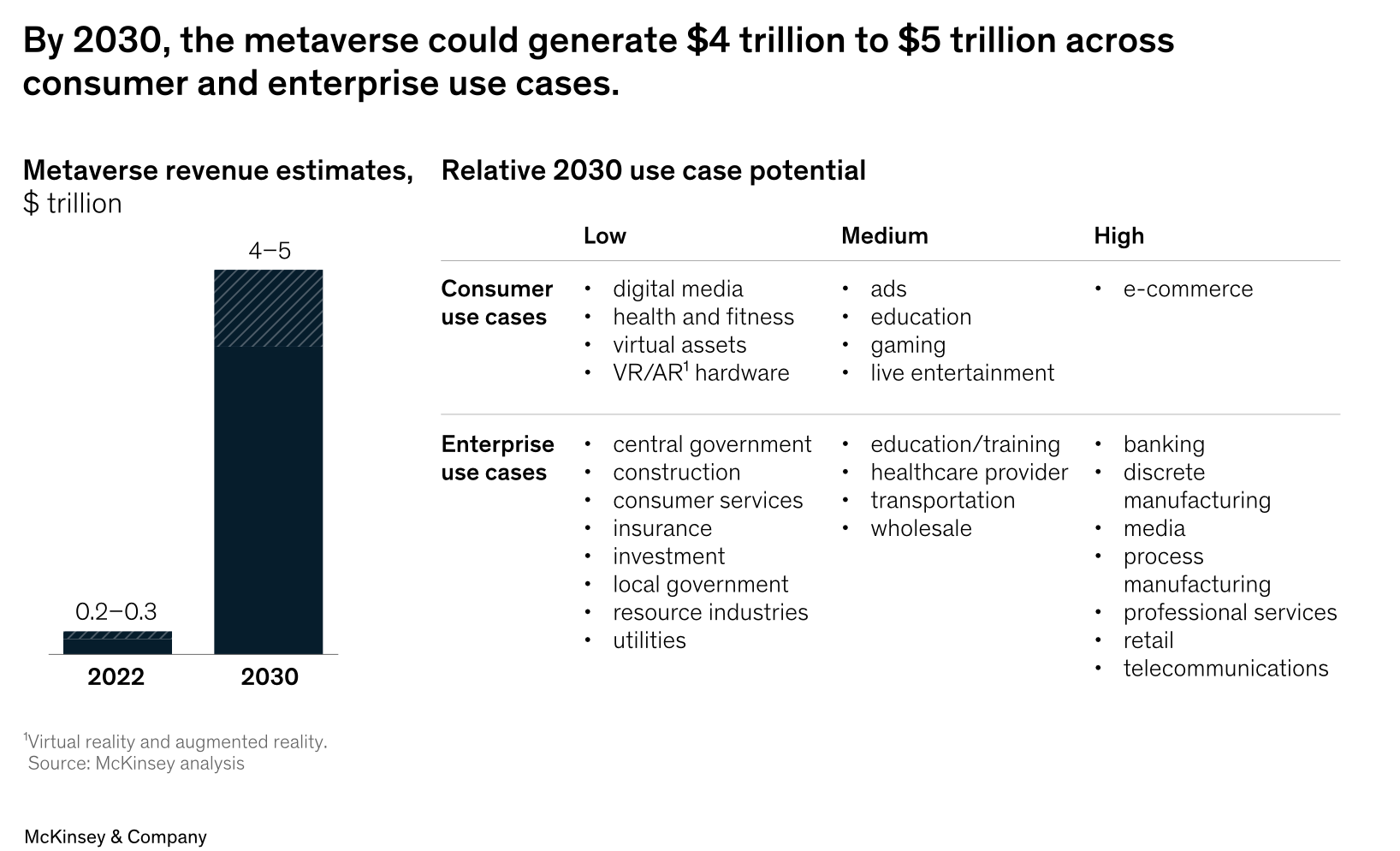
The sheer scale compels CEO attention. As the old saying goes, a billion here and a billion there, and pretty soon you’re talking about real money—and $5 trillion is a lot of billions. For context, we estimate that the road to net zero will require $3.5 trillion in annual spending and that the ongoing shift to the cloud holds an opportunity for an additional $3 trillion.
The number we’ve put on the metaverse’s potential is so large because the metaverse is a combinatorial technology: it combines elements of many of the top trends that the McKinsey Technology Council identified this year as most promising, including AI, immersive reality, advanced connectivity, and Web3. That’s the main reason CEOs should be interested; another is that the metaverse touches on many parts of the enterprise. The CEO is the natural integrator who can marshal the company’s resources to put together a coherent, value-driven response. And with the CEO’s support, there’s less chance that the metaverse effort gets stuck in “pilot purgatory.”
…
A long way to goSkeptics note that other technologies have sometimes taken a surprisingly long time to arrive at their commercial potential. AI is one; even after a decades-long “AI winter,” many analysts believe that AI still has not reached its potential, though the recent advances in generative AI are bringing many skeptics around. Autonomous vehicles are another. Isn’t there a risk that the metaverse will suffer a similar fate? Put another way, where are we on the hype cycle? Peak of inflated expectations? Or headed into the trough of disillusionment?
In our view, the development of the metaverse is a few years away from a true tipping point. It could easily take longer (though that’s no reason not to prepare).
As Brian Solis of Salesforce shared with us recently, generational changes like Web 1.0, social media, and mobile “rarely happen overnight. They take years and are the result of an accumulation of incremental technological advances, evolving consumer demand, and cycles of experimentation.” That seems an apt description of the hurdles that the metaverse must overcome.
“Generational changes like Web 1.0, social media, and mobile rarely happen overnight. They take years and are the result of an accumulation of incremental technological advances, evolving consumer demand, and cycles of experimentation.”
The technology is not yet ready to support the metaverse at scale: advances in 5G networks, edge computing, hardware, and software must come online (they’re in progress). At the moment, audiences are primarily gamers and the technically savvy; others must be recruited (our surveys suggest they’re very interested). Many metaverse transactions are made in cryptocurrency; we’ve all seen the shortcomings of crypto as a reliable, safe system of exchange. Finally, there is no connection among all the various partial metaverses (Roblox, the Sandbox, and many others). The integrated or true metaverse is a long way off.
Please click here for the article in its entirety.
Please read McKinsey’s interview with Brian Solis about the Metaverse here.
About the Authors
Homayoun Hatami is the managing partner for global client capabilities and a senior partner based in McKinsey’s Paris office, where Eric Hazan is a senior partner. Hamza Khan is a partner in the London office. Kim Rants is an associate partner in the Copenhagen office. The authors wish to thank Nikita Pillai and Adam Ridemar for their contributions to this article.
The post McKinsey: A CEO’s guide to the metaverse appeared first on Brian Solis.
January 12, 2023
Are Hotels Ready for Generation Novel? How the rise of Generation-Novel or Gen-N could transform the future of guest service

Are Hotels Ready for Generation Novel? — Source: LodgIQ
Via David Millili, CEO at LodgIQ, HospitalityNet
What defines world-class guest service? Is it personalized offers or a value-driven loyalty program? Is it a timely reply sent back to an unsatisfied guest review? Is it flexible stay options or policies? Is it an engaging social media presence? Guest service can be all of these things… and with the demands accelerated by the pandemic, it has also become so much more.
The problem with defining guest service in any singular way is that we often treat guest service as a department or a response rather than an ever-evolving set of values that should exist at the very heart of a company. We consider guest service, much like other aspects of a company, to be a simple, 9-to-5 initiative supported by an employee or a team laid out across various guest-centric policies and values. But great guest service in the modern era, we realize, isn’t actually guest service – it’s guest care. It is not a policy or set of procedures; instead, it’s an ongoing, hands-on practice and culture brought to life with every guest touch-point, both online and offline. In this way, guest service isn’t just a department or a cost to be managed – it’s the entire company. Anything less will fail to support the guest demands that dictate the landscape in which we do business both now and in the future.
Today, we find ourselves at a tipping point; the future of guest engagement is predominantly informed by word-of-mouth marketing and brand reputation shared across digital mediums. The world has come online and, as brands work to meet guests where they are, public scrutiny of online services reaches a fever pitch. There is no more than 9 to 5; there is only the guest, their 24/7 needs, and a hotel’s 24/7 commitment to meeting and exceeding those needs 365 days a year.
The following insights from Global World Index (GWI) and various other leaders in guest research to delve into the new era of guest care and what it means for businesses across industries.
The Emergence of Generation NovelWe are now entering the Novel Economy and witnessing the rise of a new generation of customers and employees, Generation-Novel or Gen-N, that’s inspired by the novel Coronavirus. Coined by digital anthropologist Brian Solis, Gen N describes a cross-generation subset of people who’ve come to thrive on digital-first experiences while also placing a greater value on personalization, customization, and transparency. However, above all else, they understand, use and demand more from technology than most – be this at home or work.
However digital revolution had begun long before the COVID-19 pandemic, but digital mediums have become the way we connect with loved ones, the way we work, and the way we engage with brands.
While screen time has increased exponentially over the pandemic, it’s important to read the room. The need for digital interaction and engagement is an opportunity for brands, but it should be handled with increased care. The pandemic has placed guests around the world in a notoriously vulnerable position, and understandably, we are witnessing an ongoing shift to wellness-focused, compassion-driven messaging and engagement. Over the last year, Gen Z guests wanted to purchase from brands and services that took a stand to help people during the pandemic, while only 20% of respondents strongly approved of brands running “normal” advertising campaigns during this time.
Across all generations, social media use is more purpose-driven and less about networking and sharing personal details. guests are logging on with specific intent (i.e., entertainment, brand discovery, or shopping). However, they do not wish to be sold in the traditional sense. Rather, they want to engage with brands more genuinely and holistically across the social platforms they love prior to making a purchase decision.
Guests crave uplifting, inspirational, and entertaining content paired with high-touch guest care that demonstrates a brands’ values and understanding of the social climate in which we exist. People are doing more online shopping driven by social media – and enthusiasm for it shows no signs of waning even as more countries move into the recovery phase of the pandemic. In fact, 46% plan to shop online more after the pandemic, and time spent on social media keeps climbing.
Of course, there exists an essential distinction between an on-property experience and one which lives online. The internet never sleeps, and guest service expectations now stretch across increasingly non-traditional hours. As long as guests can engage with a brand’s online platforms, they expect a quick, attentive response to guest service-related requests.
The “always-on” guest service era is here to stay, and guest expectation times for responses on social media are only getting shorter. Responding to a guest request in 48 hours is simply not good enough in today’s world. Social media guest service statistics reveal that 68% of the time, a guest leaves because they think a company doesn’t care (KPMG). Today, failing to provide a quick response to a current or potential guest on social media sends a very clear message: You don’t care – but your competitor will.
Why Positive or Negative Social Sharing is More Powerful Than EverGuest satisfaction is worthless, guest loyalty is priceless – Jeffery Gitomer
Guest service has, historically, been a pain point for brands across industries. While great guest service has helped to accelerate the worldwide success of many brands, lapses in guest service have destroyed the reputation of countless others. Terrible guest service is far too commonplace across companies, large and small. Far too many companies that have moved online haven’t been able to scale their guest service appropriately.
The pressure on each guest touch-point is mounting and with the rise of online bookings and social media, it has reached a fever pitch. Studies indicate that the number one concern when deciding whether or not to buy from a brand was bad guest service, followed by bad media/reputation.
To this point, nearly 40% of people say that receiving great guest service is what most motivates them to promote their favorite brand online. Online reviews are splayed across open forums and are easily accessed by any prospective guest considering a brand’s offering. The prevalence of social media has given every guest a megaphone to share their experiences with the brands they love and their negative experiences.
In this regard, guest loyalty speaks volumes. A positive online reputation and an influx of peer-to-peer recommendations are far more powerful than any other marketing initiative. guests either trust you, or they don’t – and if they don’t, they are highly unlikely to do business with you.
Fortunately, creating a loyal guest ecosystem starts with guest care; in many ways, the feedback loop leads to positive social clout and long-term success. This aspect of your business goes beyond social media management and places a brand directly in front of their guest. It’s a phone call that never goes unanswered, a message that never goes unopened, and a request that never goes unfulfilled – and it inspires a legion of loyal guests that will happily promote your brand to worldwide audiences online. The more consistently you show up for your guests, the more fiercely they will show up for your brand.
Social media guest care benchmark data shows that it is nearly seven times more expensive to attract a new guest. In response to these trends, studies find that most businesses expect the use of social media to grow across all aspects of business, particularly for brand awareness, guest engagement, and guest service. Consider the following findings:
64% of people would rather message than call a business. (Facebook)Digital guest service interactions will increase by 40% in 2023. (Forrester)Companies that rank highly for social media respond to service replies within an hour. (Gartner)40% of consumers said they expect brands to respond within the first hour of connecting through social media, while 79% expect a response in the first 24 hours. (SproutSocial)63% of consumers expect brands to use social media as the primary communications channel to reach out to their guests (SproutSocial)Half of consumers say they would switch to a competitor after just one bad experience. In the case of more than one bad experience, that number snowballs to 80%. (Zendesk)80% of consumers expect brands and companies with a social media presence to interact with their guests in meaningful ways. (Hubspot)Answering a complaint on social media can increase customer advocacy by 25%. (Convince & Convert)What is more meaningful than demonstrating care for your guest across the platforms in which they discover, engage with, and purchase from your brand?
The writing is on the wall – as brand recognition and reputation are continuously correlated with a hotel’s online presence, negative word-of-mouth and a lack of guest loyalty have the power to completely derail a brand’s trajectory. If social media is where you do business, you should also attend to guest questions, needs, and feedback. Social media is a direct line of communication to the modern guest, and it should not – and can not – be neglected from the guest care perspective.
Guest Service Becomes Guest CareWhat is the right channel for guest care? This question should be top of mind for any hotel today, as we collectively shift from a reactive to a proactive guest service model. guest care, as we now understand it, spans across all guest touchpoints. There is no single environment in which it should exist because it should inform every interaction you have with a current or prospective guest. Understandably, those environments that attract guest engagement are increasingly important, making social media platforms a critical channel for guest care and 24-7 responsiveness.
In the coming years, guest care will reveal itself as the foundation of everything that exists; online landscapes will shift away from organic reach, and digital marketing efforts will be split between paid social strategy and increasingly robust guest care initiatives. Unlike paid advertising and exposure, guest feedback and loyalty cannot be owned or monetized by the platforms on which you do business… but it can, and should, be earned by your brand. When viewing the future of social selling in this way, we realize that social guest care isn’t a cost to be managed like IT was in the ’90s. Instead, it’s a key driver of growth.
The first step in truly understanding this shift towards a guest-centric business model is redefining social media from a responsibility to an opportunity. Look beyond a content calendar and posting schedule to recognize that you aren’t simply putting out content; you are starting a conversation and, frequently, making the first impression.
In this way, social media provides brands with more coverage and opportunities to engage than ever before, and on a human level. guests are comfortable interacting on social media platforms because social media is their domain, and that comfort informs an influx of engagement and trust.
When we look to the management of guest care initiatives, you might wonder, is this a one-person job? No. It certainly isn’t. The key to exceptional, scalable guest care across digital mediums is bringing the human elements of traditional service back online. Chatbots and automated responses aren’t an adequate replacement for hands-on, in-person service. The success in this formula isn’t found in the act itself (offering up a generic response) but in the way businesses engage, leveraging the power of human service (a guest care team) rather than relying solely on guest care software. guests today crave convenience and personalization, but they still prefer those service enhancements to be delivered via predominantly human service.
And yet, when considering their existing social guest care strategy, some businesses might insist they offer the same coverage and service as their competitors. But to that, we ask: Why would you want to be the same as your competitors? If a brand offers superior guest service, they can expect superior ROI. Isn’t that the ultimate goal? Doesn’t outstanding guest care sell itself?
Overcoming the Privacy ParadoxThe ongoing demand for enhanced convenience and personalization via technological innovation has presented a privacy paradox of sorts. guest expectations are heightened, and more often than not, they can only be met with the help of today’s new technologies. However, data-driven innovation should not come at the expense of privacy, as guests are increasingly concerned about how their information is being collected and leveraged by brands.
With this in mind, the future of guest engagement demands a privacy-conscious approach that strikes a balance between human and tech-driven service.
The question brands are faced with is this: How can a company access guest data and actionable insights in an era of privacy to drive a more engaging and relevant guest journey? As privacy laws continue to evolve and the use of cookies is prohibited, companies will need to shift gears and, rather than relying on the automated collection of personal information across websites, leverage social data. Both now and in the future, social data reveals itself as an incredible (and privacy-conscious) source of first-party information. Using social listening, brands can glean incredibly meaningful insights about their guests and how their guests feel about a given service or offering.
A dedicated guest care team tapping into the power of social media to get ahead of guest requests and proactively address their needs is a competitive advantage that far too many brands are currently missing. Research shows that most brands still don’t utilize social listening when it comes to audience analysis, even in situations where a listening solution clearly provides the best source of insight.
Now, more than ever before, guests want brands to listen to them. They want to be seen and heard in a way that informs an enhanced user experience without infringing on personal privacy. In other words, guests want personalization and responsiveness on their terms, and social media is an (often untapped) goldmine of user-generated data and guest trends.
Studies show that about one in two business executives think social media will become the most critical source of data and insights in the next three years, while 85% agree that social data will be a primary source of business intelligence going forward (Harris Poll). This will become even more important as businesses continue to move their e-commerce to social media.
So, what does this all mean?It means it’s time to think about the conversation, not the campaigns. It means it’s time to meet your guests and prioritize guest care across the same platforms you prioritize the rest of your business. It means it’s time to abandon any antiquated sentiments of basic guest satisfaction and reputation management in favor of a bold new idea: Exceptional guest care delivered 365 days a year, well beyond the confines of standard hours of operations. More than anything, it means it’s time to adopt an obsessive focus on you and your online guest conversations to establish meaningful connections with guests that directly impact your hotel’s bottom line.
The new era of guest service isn’t just coming – it’s already here. Are you ready for it?
Read the full article here.
The post Are Hotels Ready for Generation Novel? How the rise of Generation-Novel or Gen-N could transform the future of guest service appeared first on Brian Solis.
January 11, 2023
Salesforce Commerce Cloud Innovations: Redefining How Brands Approach Their Customer Experience with Salesforce Futurist Brian Solis
 Brands are in a position where they must exceed customer expectations even if the customer wasn’t expecting it. No brand is safe from the need to stay one step ahead of its customers – just think of Blockbuster and Nokia.
In this episode, I have a great conversation with Brian Solis, VP, Global Innovation at Salesforce. Brian is a world-renowned digital anthropologist, futurist, eight times bestselling author, and international keynote speaker. He has consistently been recognized as one of the world’s leading voices in innovation, business transformation, and leadership for over two decades.
Listen in to learn about the customer experience in a digital-first world and how brands can survive the changes and continually exceed their customers’ expectations.
Show Highlights:•How customer expectations have changed
•How a digital-first world has changed people and continues to change people
•Why we must show our customers what’s possible
•Why you need to have a vision or end goal
•The relationship between digital and in-person shopping
•What is the pre-Metaverse, according to Brian
•What can brands do today that customers are not expecting
We’d appreciate you subscribing to this podcast and leaving an Apple Podcasts review. Reviews help others discover and learn what Salesforce Commerce Cloud is all about. It only takes a second and helps us out a lot!
Supporting Resources:Visit him at briansolis.com
Follow on Twitter
Follow on LinkedIn
If you’re interested in learning more about Salesforce Commerce Cloud, please check out our page: https://www.salesforce.com/ca/product....
*** Episode CreditsIf you like this podcast and are thinking of creating your own, consider talking to my producer, Emerald City Productions. They helped me grow and produce the podcast you are listening to right now. Find out more at https://emeraldcitypro.com. Let them know I sent you
The post Salesforce Commerce Cloud Innovations: Redefining How Brands Approach Their Customer Experience with Salesforce Futurist Brian Solis appeared first on Brian Solis.
January 2, 2023
Maybe You Didn’t Realize How Much You Light Up Everyone Around You
Happy New Year! 
There’s hope and promise in the air and I just know it will help us lift our wings to soar to new heights, explore new terrains, and achieve greater experiences.
I would like to share something with you to help celebrate the new year, and the new you.
For some reason, I decided to keep this in a folder. Maybe I was waiting for the right time. Maybe I didn’t feel like it would resonate. I don’t know why, but it certainly feels that this is the moment to finally share it.
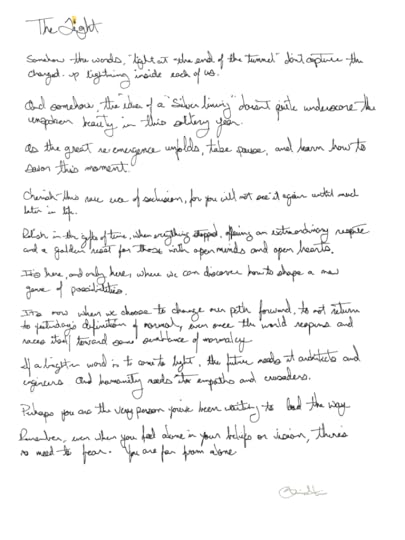
“The Light” is a poem written when pandemic lockdowns were coming to an end and the world was starting to open. It was an opportunity for bittersweet reflection, one that I’m sure hit each one of us differently.
Time has passed. But it was, and still is, a moment for reflection. Take it.
Reflect upon your past. Take stock of your gifts and your collection of learnings. Contemplate your dreams and goals. Break them down into steps that illuminate your new path. Then leave the past where it is and step toward a better tomorrow…take one step at a time.
To paraphrase a quote by Roy T. Bennett from his beloved book, “The Light in the Heart,” once you realize you deserve a bright future, let go of the past, it will be the best choice you will ever make.
Let’s go…
The LightSomehow the words, “light at the end of the tunnel” don’t capture the charged-up lightning inside each of us.
And somehow the idea of a “silver lining” doesn’t quite underscore the unspoken beauty in this solitary year.
As the great re-emergence unfolds, take pause, and learn how to savor these moments.
Cherish this rare era of seclusion, for you will not see it again until much later in life.
Relish in the gifts of time, when everything stopped, offering an extraordinary respite and a golden reset for those with open minds and open hearts.
It’s here, and only here, where we can discover how to shape a new genre of possibilities.
It’s now when we choose to change our path forward, to not return to yesterday’s definition of normal, even once the world reopens and races itself toward some semblance of normalcy.
If a brighter world is to come to light, the future needs its architects and engineers. And humanity needs its empaths and crusaders.
Perhaps you are the very person you’ve been waiting to lead the way.
Remember, even when you feel alone in your beliefs or vision, there’s no need to fear.
You are far from alone.

The post Maybe You Didn’t Realize How Much You Light Up Everyone Around You appeared first on Brian Solis.
December 19, 2022
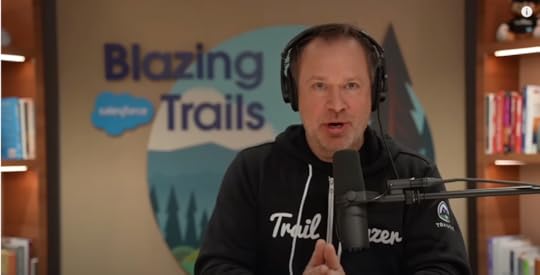
A Conversation About How Automation and AI Deliver Success Now for Service Teams
Today’s service leaders are struggling to meet growing customer expectations amid a 19% average annual turnover rate and tightening operational budgets. But Salesforce Service Cloud CEO Clara Shih and VP, Global Innovation, Brian Solis see automation and AI as a solution.
On this episode they explain how you can drive growth by empowering agents to do more with less, increase efficiencies by streamlining time-intensive processes, and deliver immediate cost savings to organizations across every industry.
Watch to find out more!
00:00 Intro
00:33 What is the State of Service Report
01:36 Why connection is at the heart of service
02:46 Automation as a key trend
06:30 Digital transformation in service
10:54 How companies can improve their turnover rate
12:05 Customer examples
13:52 What companies are thinking about
17:11 Advice for companies on their service practice
19:55 Closing
Get the State of Service Report here.
p.s. I tuned in from Waikiki (that explains the aloha shirt!) 

The post A Conversation About How Automation and AI Deliver Success Now for Service Teams appeared first on Brian Solis.
December 14, 2022
The Brave New World of Digital, Business, and Leadership Transformation and the Part You Play in It All
I was moved by an inspiring piece about finding hope in a time of disruption and uncertainty. It was written by my friend Andrew Penn, CEO of Telstra. Though it was published this time last year, I found it relevant now.
Penn observed that in these times of a great reset, it’s only human to lose hope. It’s true seemingly everywhere. Just looking at Twitter right now, it feels like the special place I once described as a human seismograph has devolved into a digital octagon, a free-for-all where people fight for their truth, ignore logic and empathy, with too many obfuscating the only definitions of truth and reality. It’s a stark and real-time reminder of just how easy it is to lose hope.
Whether it’s a pandemic, politics, news, world events, social media, we are surrounded by, no, pummeled by, division, fear, self-righteousness, hate, and outrage, and added-up, it’s all taking its toll on our optimism, imagination, creativity, and most importantly, our individual and collective potential.
This anxiety, uncertainty, and even frustration we feel now is shared all around the globe. But we can’t give up.

Photo by Elisa Ventur on Unsplash
Mindset TransformationAs Penn so rightly pointed out, these experiences, for better and worse, will shape us for the rest of our lives. We have to remember that while we can’t control what happens to us, we can control how we respond today, tomorrow, and every day. It is our choice in how these events affect us and how we learn, unlearn, and grow moving forward.
This is a time for a shift in our mindset.
This is a time for new leaders and new leadership. And leaders can come from anywhere and honestly, are needed everywhere.
If you’re waiting for someone to save the day, take a look in the mirror.
This is exactly the time to see through all that’s wrong, to see what’s right, to find opportunities and solve problems, and discover where you can play a role in driving meaningful change.
In your reflection lies hope and possibility and change. A better future can be manifested…by you…and me…and all of us together. We just need to believe we each play a role in leading change, even if it’s not in our title.

Photo by Bekah Russom on Unsplash
Digital TransformationWhen it comes to our work, it’s important to remember, to feel, who our customers and employees are and what it is they value. We’re all human, not numbers or algorithms. And most of all, customers and employees carry all the same emotions we do, and maybe those we don’t yet realize.
They too are worried, frustrated, stressed out. They want things to be better. And those sentiments extend directly to the businesses they support and the companies they work for.
In each engagement and throughout their journey, what they feel then and what they feel when they walk away, every moment added-up, defines the customer and employee experience, and ultimately our relationship with them. Those experiences, impressions, and expressions, form our brand.
This is why experience design and innovation, beyond tactical customer experience (CX) or employee experience (EX) strategies, represent a timely opportunity to build stronger, lasting, and fruitful relationships with…people. We get to design these moments to give people reason and affirmation to engage us, to deliver meaningful experiences that they savor, share, and seek again and again.
In a world of lingering chaos, angst, and doubt, be the light, someone has to…

Photo by Nathan Jennings on Unsplash
Customers and employees need to know that we understand not only their goals and desired outcomes, but also who they are, their history, and aspirations They want to be known. They want to be valued. They want to be remembered.
Any chance to add reprieve in their day, bring a smile to your customer’s or employee’s face, or make someone feel special or help someone do something great, in any given moment, matters a lot these days.
Perhaps this is anti-climactic, but this is the moment where I bring up digital transformation. But that’s where leadership and possibility come together to do something different moving forward. This isn’t as much about digitization or the renovation of legacy processes and models. Iteration and continuous improvement is just that, it’s constant. This time is truly about revolution and innovation…that’s what transformation is all about after all. To transform is to change our future. Start by changing your organization’s mindset as my friend Simon Mulcahy says.
Digital transformation isn’t just about digital, it’s about people and how we use technology to understand them, bring them together, to enhance experiences, and cultivate relationships. That’s what makes it is so special. Digital transformation is about using innovative tech, like AI, mobile, real-time and predictive analytics, automation, augmented and virtual reality, blockchain, decentralization, robotics, metaverse/3D, and more, to be …human. With intent and purpose, we can use technology to be more empathetic, to be more integrated, intuitive, and useful in the products, services, and experiences we offer customers and employees.
And we are the ones responsible for inventing those new experiences, new products and new services, for creating new value, new channels and new ways of communicating with our customers and employees. That’s the real power of digital transformation. That’s the real opportunity facing you as tomorrow’s leaders, right now.

Photo by note thanun on Unsplash
We can upgrade our ideas and plans around digital transformation to reimagine our organizations for an entirely different world, because that’s what it is. 2020 created a significant fissure in our trajectory. Some will batten down the hatches, minimize risk, and cut their way forward. Others will seize this moment and the shift in our trajectory to invent, innovate, and transform. The good news is that history is on the side of the latter.
It isn’t just digital transformation, either. The time is now for operational transformation, mindset transformation, and leadership transformation. It’s a complete CTRL-ALT-DEL moment for ourselves and our companies.
We must bring together disparate operational and data silos to work toward the greater outcome of better serving our customers by better engaging employees. This is our moment to deliver enchantment over conversions, optimization and modernization over digitization, balance and wellness and morale over productivity and output, and empathy and personalization and relationships over transactions.
We really can change how we work. We can nurture more gainful and useful behaviors. We can use technology to be better, do good, and make our dent in the universe.
if you think about it, that’s exactly what we haven’t done for the past 50-to-60 years. It could be argued that companies used technology to get further away from customers, not closer, to automate, scale, gain efficiencies, increase margins, go faster, and the list goes on. But now, the opposite can also be true and possible, for those who care, to use technology to do all of the things that matter for business success while investing in employee and customer connections.
Put people and relationships at the center of all we do. Technology makes it possible.
Shift customer experience and employee experience to the “customer’s” and the “employee’s” experience. That’s where our purpose and our potential will matter most. Adding that apostrophe changes the whole game. It forces us to see the world through their eyes, to feel it the way that they would feel it. Remember, every touch in each touch point, shapes their experience, so let’s make it the most personal and meaningful experience possible. Give technology a true sense of purpose beyond functionality, automation, and productivity.
These are novel times creating a Novel Economy.
There’s always going to be something new.
We will continue to evolve.
There is always disruption on the horizon.
If we keep people at the center of all of this, we’re in the right place. We’re centered. We’re connected.
Change How You See the World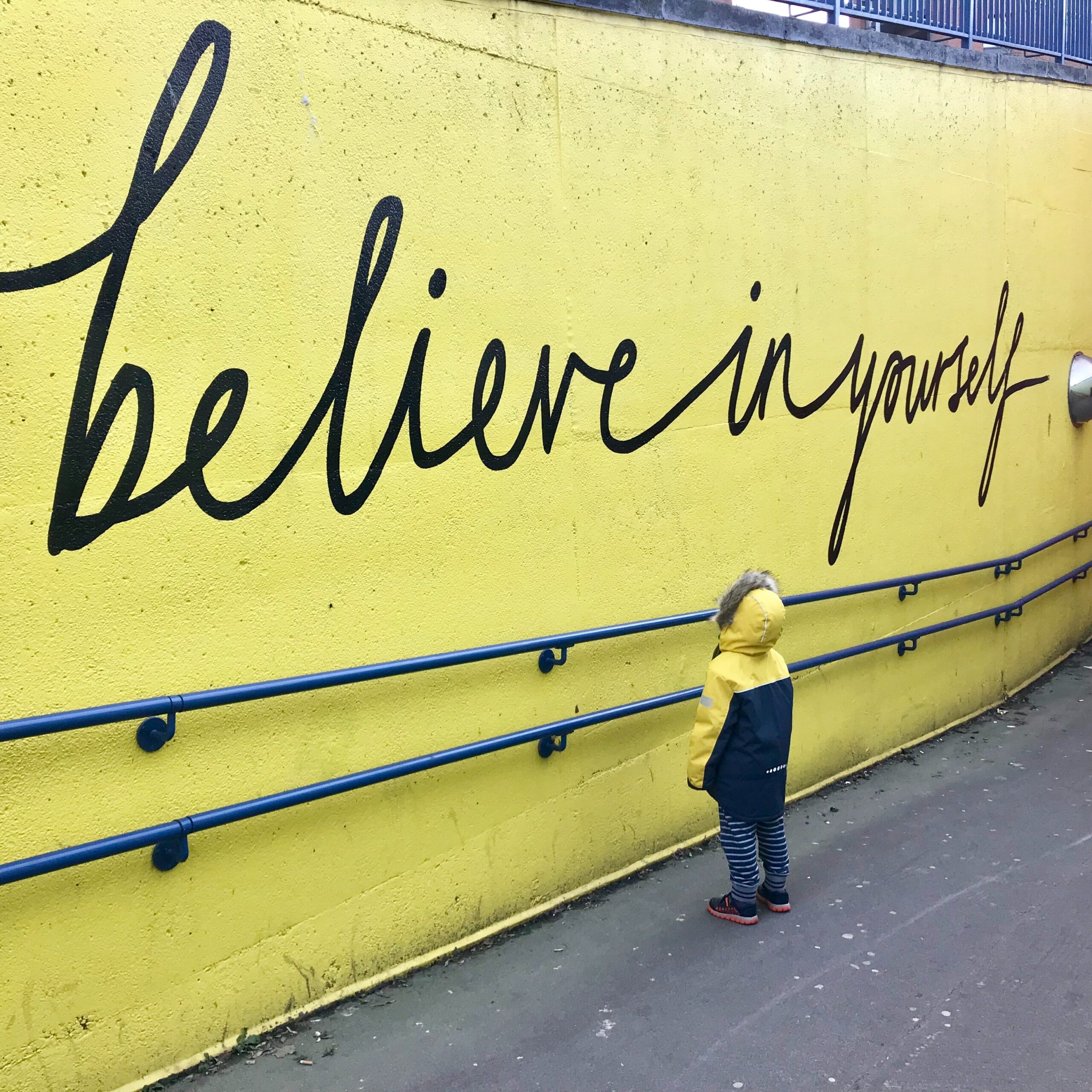
Photo by Katrina Wright on Unsplash
Tune out what’s wrong in this world and see it for its possibilities. You aren’t alone in this effort. I’m here. My entire network of close colleagues and friends are here with you, too.
There’s a silver lining in all of this.
We get to change things moving forward if we really want to.
This is exactly the time to see through all that’s wrong in the world, to see what’s possible and better for everyone, where there is opportunity, and where you can play a role in leading transformation.
Believe.
This isn’t just a moment to get to the next normal, it’s a moment to further build out our new trajectory and bring to life the ideas and wishes we’ve always hoped were possible.
The future isn’t what it used to be, it’s just not. And I think that’s the silver lining for all of us. We now have a say in what happens next. Take it.
You are the architect of a future that didn’t exist before a few years ago. I believe you can lead the way. I believe others will follow because they believe in your vision for a better future. Honestly, I’m excited to see what you do next.
Thank you.
The post The Brave New World of Digital, Business, and Leadership Transformation and the Part You Play in It All appeared first on Brian Solis.


