
Brian Solis's Blog, page 25
October 27, 2022
Reimagining Customer Experiences In Web3: What Are The Big Questions Companies Need to Ask To Create Value For The Next Web?
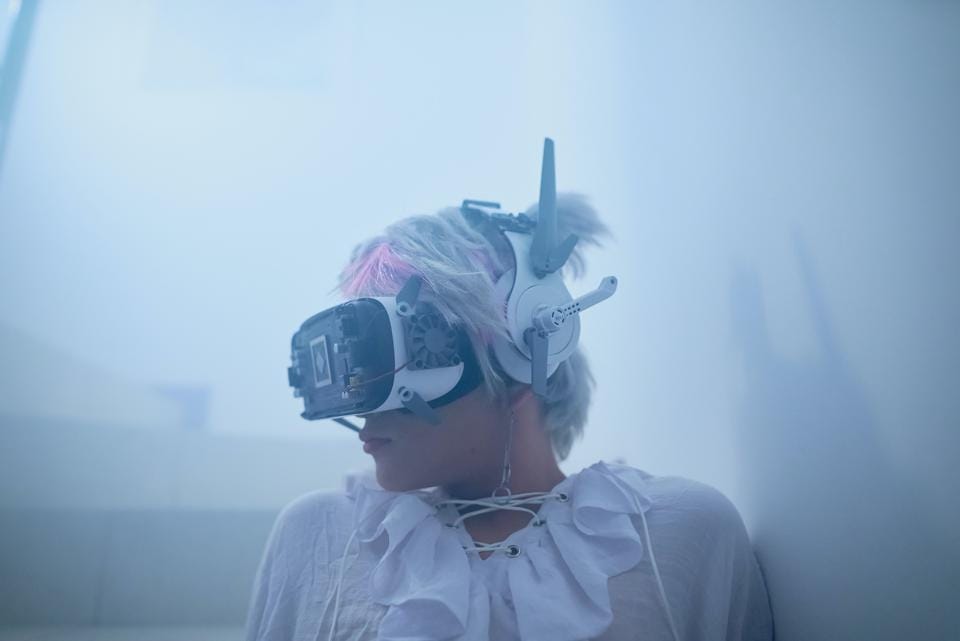
Exploring web3 through a new lensPHOTO BY @JEZAR, UNSPLASH.COM
This is a very important time and inflection point in the evolution of web3. There’s a fantastic opportunity for brands and marketers willing to engage with this new technology. That said, in the wake of the recent volatility in the NFT and crypto markets, waves of industry layoffs, thefts, hacks, and SEC probes, it’s clear that web3 leaders and the supporting ecosystem must prioritize trust and safety, utility, and long-term value and community to encourage adoption.
At the recent CMO Club Innovation Forum focused on web3 in Los Angeles, I spent time with brand executives who were eager to learn about the promise of the next web. We explored all aspects of web3, including the metaverse and NFTs, as well as foundational technologies like cryptocurrencies and blockchain. Going beyond branded NFT drops, live events, concerts, and metaverse marketing activations, I learned that brands have early access to a unique window of opportunity. Some of those lessons were organized into a CMO guide for “understanding the future of brands, consumers, and community in a web3 world.”
It’s a rare moment for brands to observe, learn, and ask questions, without running a great risk of missing out. The insights gained can lead to the creation of newfound moments that matter for brands and consumers and to build value-added communities that earn market and cultural relevance in new frontiers.
Value creation in web3 starts with a beginner’s mind – one that sees branding, commerce, service, loyalty, and marketing in the future web with openness, eagerness, and lack of preconceptions.
The questions that brands should start with as they explore web3 opportunities include:
What is my purpose?Who are my customers, and what do they value?What new value can I create through web3?How can I enhance relationships with existing consumers and prospects?How can we create new, long-term communities where consumers are also stakeholders?How can I continue to add value over time as we progress between the iterations of web2 to web2.5, web3, and beyond?How does Web3 improve upon Web2?
The legacy brand style guide, ANTONI SHKRABA, PEXELS.COM
When comparing the ills of web2 and the prospects of web3, we can explore that topic in depth at another link.
With the innate transparency, accountability, and equity rooted in web3, brands have an opportunity to change the relationship between brands and customers—to shift from consumers to stakeholders and markets to community.
Over the next 10 years, web3 will transcend web2 in its promise toward decentralization, ownership, portability, and 3D immersion. Today, much of what we’re seeing is technically web2 just using crypto to facilitate transactions, using blockchain ledgers to capture transactions.
To move from web2 to web3, brands must imagine new possibilities and experiment. They must also reimagine hierarchical relationships between brand and consumer toward one of empowerment and mutual value.
The value that web3 unlocks is the empowerment of the consumer. Through data sharing, portability, ownership, and equity, web3 allows consumers to become stakeholders in the brand – through digital assets, NFTs, tokens, achievements, and experiences, etc. Web3 unlocks new, previously unimaginable opportunities that brands can use to create connections with consumers and communities. Brands will be able to attract a new generation of digital natives and early adopters who are seeking more exclusive, immersive, and equitable relationships.
The trade-off is that brands will have to allow for the democratization of the brand itself. That’s something that brands aren’t used to. Most brands practice a command and control approach to marketing and operate according to a brand style guide. In a web3 world, brands have to start thinking about a decentralized style guide, a participation style guide, and a cooperation style guide.
One question to explore is: what could a meaningful and productive community look like where the brand is part of the community and the community defines the brand?
How does Web3 change the way marketers build and sustain communities?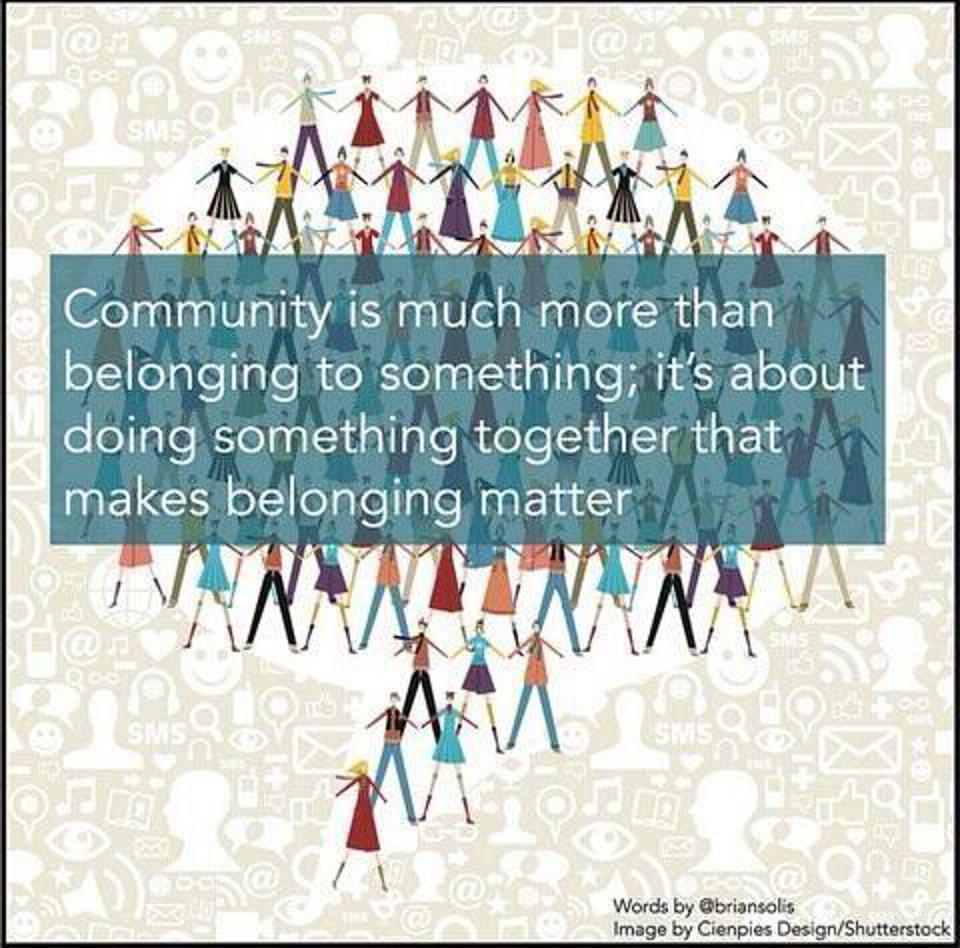
The power of true community, @BRIANSOLIS
Web3 will change everything (as long as its future is shaped by creatives, innovators, and optimists) about the way brands think about communities today and who owns them. I always believed that being part of a community is the real magic. When the community works together to build something greater than just the idea of the community or the individual itself, it gives it a purpose.
Simon Sinek famously asked business leaders to start with “why?”
Why ask “why?”
It’s the one question that brands don’t ask enough. But it’s just the beginning of a more reflective and auspicious exercise to find meaning, worth, and openings to reinvent customer experiences and relationships.
Adding to the list of questions above, also ask:
Why do you believe you belong here?Why are we doing this?Why now?Why are customers spending time in these corners of the web?Why do you think this will create value for your business and better user experiences?The answers inspire meaningful strategies for pilots and long-term value creation.
The answers challenge conventions of traditional “build it, and they will come” mindsets.
Instead, the next web and the next era of brand engagement is constantly facilitating value and empowering a community, not only today but also in the future. It’s also about asking how communities can maybe even splinter, engage, and be active participants in forming what the brand means in the market.
What is the value that we can create for someone now and over time? Communities are about value, and relationships are about mutual beneficial engagement.
How does Web3 empower the consumer?
Web3 empowers new user experiences, EKATERINA BOLOVTSOVA, PEXELS.COM
The way web3 empowers consumers is through a wallet. Web3 wallets are dedicated apps that can access cryptocurrencies and NFTs, as well as lending and borrowing platforms on decentralized exchanges (DeXs). But in time, wallets will also become part of the identity of people online and IRL, giving consumers control of their data, how it’s used, and at what cost/benefit to them.
On the path to decentralization, blockchains provide authentication and verification of digital transactions, building trust in the process. This will ultimately change the dynamic between brands and consumers.
Right now, we’re in between web2 and web3; let’s call it web 2.5. Today, even though we’re transacting with crypto, NFTs, blockchains, and exploring virtual worlds, centralized networks still control customer data and resell that information, which is then used for targeted advertising and personalization. Because we’re in this in-between stage, marketers are limited in their experiments with web3 platforms, mostly using methodologies and metrics that defined marketing in web1 and web2. Eventually, in a web3 world, as data becomes interoperable, portable, and owned by consumers, their wallets become the super cookies of tomorrow. Privacy, identity, preferences, history, insights, and access become currencies. Consumers become part of the process and have a say in how they’re marketed to (or not). Attention, enhancement, and consent are the keys to customer connection, engagement, and loyalty.
Brands will have to be much more creative, forthcoming, and dynamic. Instead of a top-down, centralized approach to traditional marketing, brands will have to cede control and create incentives and hyper-personalized benefits to entice customers to grant access to wallets. Brands will have to understand not only who that dynamic consumer is, but also deliver real-time dynamic value across platforms that attract and retain them over time.
Web1 and web2 will co-exist with web3 for the foreseeable future. But that doesn’t mean that marketing itself only needs to evolve for web3. The cookie is already going away. Customers want greater personalization, value, and experiences, today. Legacy approaches will have to be reimagined for the next web. Lessons and insights from web3 engagement will only benefit how marketers engage customers in web1 and web2.
How does being a customer move beyond a transactional relationship with Web3?
Blurring the line between worlds, MATHEUS BERTELLI, PEXELS.COM
Historically, businesses today often define customer journeys, whether as funnels or infinity loops, with touch points intended to convert attention into transactions. One of the big shifts since 2020 disruption is that the world became digital-first and with those new technologies and behaviors, customers became more aware of their capabilities, informed about new options, and empowered to change their routines in their best interests. In fact, every year, customers increasingly say that the experience brands provide is as important as their products and services.
If you think about it, most of the accelerated digital transformation over the past few years didn’t use advancements in digital technologies to innovate. They digitized pre-pandemic processes. But customers want, not only meaningful experiences, but also in this digital-first world, they now expect personalization and anticipation. Customers want you to…know them, deliver personal value, understand or anticipate their unique needs and expectations, demonstrate empathy, offer integrated services and experiences, and not treat them as a number, metric, or statistic.
Marketing innovation isn’t something that can wait until web3, creating new value, personalizing engagement, and empowering customers to be part of the experience is the imperative in and era of web 2.5. That’s the definition of innovation after all. It’s transforming original ideas that create and deliver new value.
So what does the evolving consumer value? Perhaps a more powerful question is, what does the consumer not know to value yet that they’ll love when they see it?
Marketing innovation, centered on customer experiences and empowerment, will connect the dots between web2, web2.5, and web3Web3 isn’t just about tokens, or NFTs, or the evolution of the metaverse – it’s about how the next chapter of the web reimagines the relationships between people, companies, and information. It forces the reinvention of touch points and customer journeys.
Brands face a crossroads in aligning next-generation tech, new platforms, and human-centered design to earn attention, engage people, and create innovative experiences that foster community and, ultimately, loyalty. It’s a rare chance to reimagine marketing, service, and commerce for a decentralized world.
You get to co-create the next chapter of the internet, business value, and customer experiences.
Be open.
Be curious.
Ask questions.
Design experiences and relationships and consider how they materialize in new touchpoints to foster mutually-beneficial outcomes, now and over time.
Create multi-dimensional experiences beyond transactions.
Measure relationships and community.
Experiment. Continuously.
Originally published in Forbes
The post Reimagining Customer Experiences In Web3: What Are The Big Questions Companies Need to Ask To Create Value For The Next Web? appeared first on Brian Solis.


October 11, 2022
The Futurists: Living Futures with Brian Solis, Brett King, and Robert Tercek
via The Futurists
In this week’s show futurist, digital analyst and anthropologist, along with being a Global Innovation Evangelist for Salesforce, Brian Solis joins hosts Brett King and Robert Tercek to talk adapting to life in the future.
As a renowned specialist on experience design, CX, digital transformation, and digital Darwinism, Brian discusses what it’s like to be a futurist at one of the worlds largest tech companies that is increasingly mission focused. And we get into the implications of his book Lifescale as we emerge from the pandemic. Follow @briansolis
Listen here.
Or below…
The post The Futurists: Living Futures with Brian Solis, Brett King, and Robert Tercek appeared first on Brian Solis.
September 24, 2022
Uncertainty prompts tech efficiency

Gadget, the magazine of personal technology in South Africa, quoted Brian Solis as part of its coverage of Salesforce’s “State of Service” report.
As inflation takes hold and rate hikes dominate headlines, customer service teams are focusing on technologies that promote productivity and efficiency.
This is a key finding of the fifth edition of the State of Service report by Salesforce, a global leader in Customer Relations Management (CRM). The report shares insights from over 8,000 professionals across 36 counties – including 250 from South Africa – on how customer service organisations’ priorities, challenges, success measures, and strategies are shifting amid economic headwinds.
The study found that 75% of service organisations in South Africa use workflow and process automation.
Key insights included:
Economic uncertainty prompts a focus on efficiency. As inflation takes hold and rate hikes dominate headlines, customer service teams are leaning toward new success measures and technologies that promote productivity and efficiency. 75% of service organisations in South Africa use workflow and process automation.
Digital-first customer service continues to rise. Customer migration to digital channels took off during the pandemic and shows no signs of slowing. 64% of service organisations in South Africa offer video support, and 71% offer live chat.
The “Great Resignation” prompts a focus on employee experience. With high turnover rates, service organisations are offering perks like remote work and improved career development opportunities. Service organisations in South Africa experienced an average turnover rate of 28% over the past year.
Customer service continues to expand beyond the contact centre. Field service is now table stakes beyond its original domain in industries such as energy and utilities. 86% of service organisations with field operations in South Africa say it’s critical to scale their business.
“Customer service is on the forefront of shifts to digital-first customer engagement,” says Brian Solis, Salesforce global innovation evangelist. “As economic uncertainty prompts customers and businesses to reevaluate their priorities and investments, it will be all the more critical for leaders to take stock of how their capabilities, success metrics, and strategies reinforce customer service’s position as a revenue generator that drives customer loyalty.
“This research provides valuable baselines and differentiators that help inform important decisions .”
The post Uncertainty prompts tech efficiency appeared first on Brian Solis.
September 20, 2022
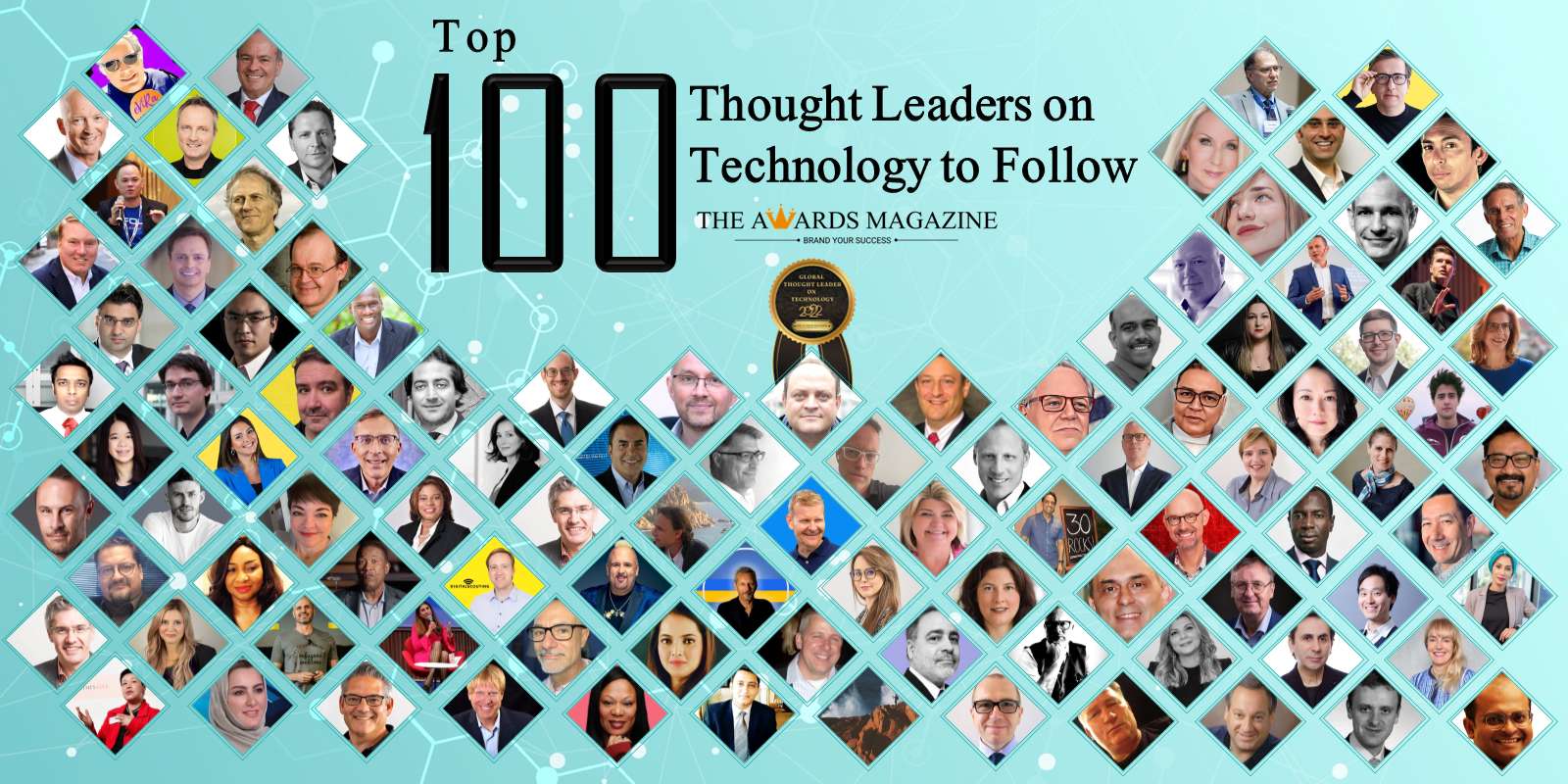
The Awards Magazine Names Brian Solis as a Top 100 Global Thought Leader on Technology to Follow in 2022
Source: The Awards Magazine
To be a successful leader you can use social media, such as Twitter, LinkedIn, Facebook, Instagram, and other popular social channels for numerous purposes. Here is the list of top 100 Global Thought Leaders and Influencers to follow on Social Media who have made great impact in many industries and society. Follow and work with these top 100 global thought leaders to make your business/ life better. Know more about them and follow their social profiles for updated information on technology.

The post appeared first on Brian Solis.
Conoce la tendencia Phygital (DiPhy), una nueva experiencia del retail
Source: Perú Retail
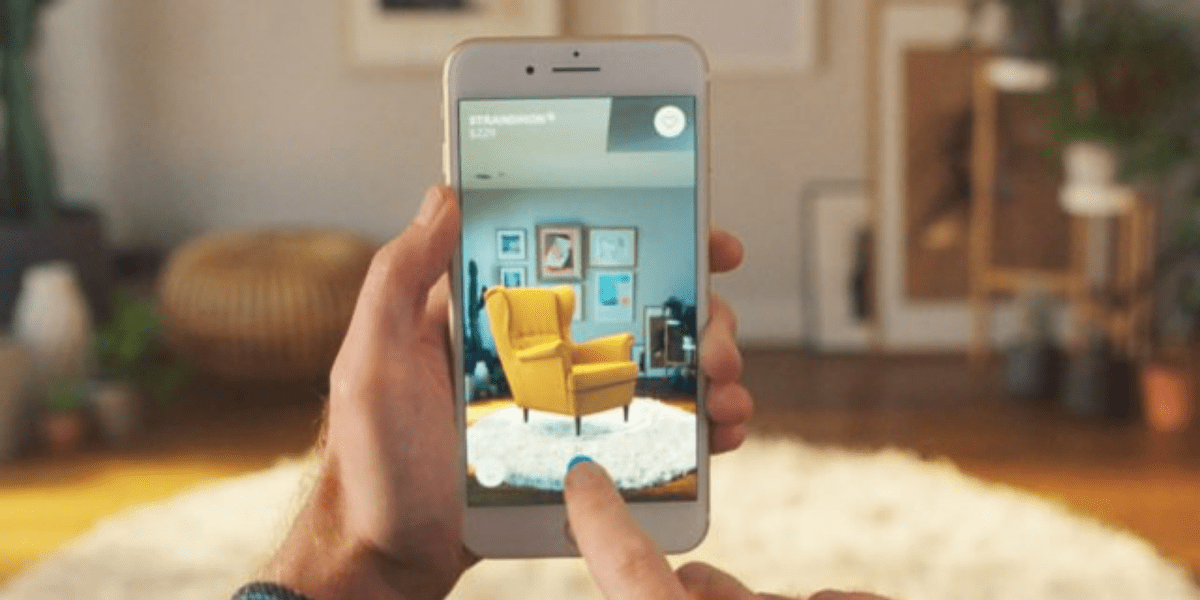
La experiencia de compra que hoy en día les ofrece a los consumidores ya no es netamente física o digital, pues estos dos formatos ahora van de la mano.
El contexto actual pandémico en el que se vive ha generado un cambio en el desenvolvimiento de los mercados y, además, ha producido que se establecieran nuevas tendencias en la comercialización; como el Phygital, un nuevo modelo de negocio que caracteriza al sector retail, el cual une al mundo físico y digital.
En este sentido, la experiencia de compra que hoy en día se le ofrece a los consumidores ya no es netamente física o digital, pues estos dos formatos ahora van de la mano, complementándose para impulsar en las empresas una nueva tendencia híbrida.
Para Dolores Guevara, gerente general de Farmacia Universal, la tendencia Phygital consiste en: “crear en la parte o canal físico un entorno que nos permita magnificar la experiencia del cliente, superando así los antiguos formatos a los que estaban acostumbrados, mediante nuevas soluciones tecnológicas que integren las ventajas del canal físico, como la atención personalizada, y las grandes ventajas del mundo digital, como la rapidez e inmediatez”.
Asimismo, el director ejecutivo de Pardos Chicken, Arnold Wu, define que el Phygital es la capacidad que tienen las empresas de ofrecer una experiencia de compra a los consumidores tanto en el canal físico como en el digital, y mediante ese complemento brindar inmediatez, facilidad y una buena interacción con el cliente.
Por su parte, Brian Solis, experto en innovación global de Salesforce, prefiere denominar la tendencia que caracteriza al mercado retail como “experiencia DiPhy”, término que prioriza los canales digitales.
“Se trata de reimaginar, a partir de la experiencia digital, cómo debe ser una tienda física, cómo utilizar y diseñar los espacios físicos”, explicó Solis.
Muchas empresas han adaptado la nueva tendencia
Empresas peruanas han apostado en implementar la experiencia Phygital, con el objetivo de impulsar sus negocios independientemente de la categoría o rubro en el que se desenvuelvan.
El propósito es potenciar los canales digitales, fortalecer las estrategias de la empresa y adaptar las más actuales e innovadoras tecnologías para atender y satisfacer el comportamiento de compra de los consumidores.
Por otra parte, Arnold Wu expresó, en un artículo elaborado antes del Congreso Internacional de Retail 2021, que la transformación digital continuará fortaleciéndose, como por ejemplo, la inteligencia artificial y los auto pedidos digitales.
Asimismo, Solis destacó que “el Perú creció de 1.7% en términos del valor del comercio electrónico a 5% en el 2019 y los valores del comercio electrónico fueron de 4.000 millones de dólares en compras”.
No obstante, Solis considera que ambas cifras seguirán creciendo, de hecho, estima que el comercio online en el país alcance los 14.000 millones de dólares para el 2022.
Retos de la tendencia híbrida
Guevara señaló que uno de los principales retos en los nuevos modelos de negocio es desarrollar mucho más las nuevas soluciones que el cliente espera tener, es decir, a los consumidores se les debe ofrecer una propuesta oportuna y efectiva de lo que quieren, pero sin dejar a un lado que igualmente la estrategia debe ser rentable para la empresa.
Es propicio que los retailers amplíen la visión en cuanto a lo que debería representar para ellos el canal digital, pues muchas veces pierden de vista el potencial que tiene dicho canal para desarrollar en el negocio la creación de nuevas experiencias y, posteriormente, monetizar esa experiencia para generar un crecimiento significativo.
The post Conoce la tendencia Phygital (DiPhy), una nueva experiencia del retail appeared first on Brian Solis.
September 19, 2022
From Phygital to DiPhy: The Importance of Experience in a Hybrid Future of Retail
Source: Lima Al día
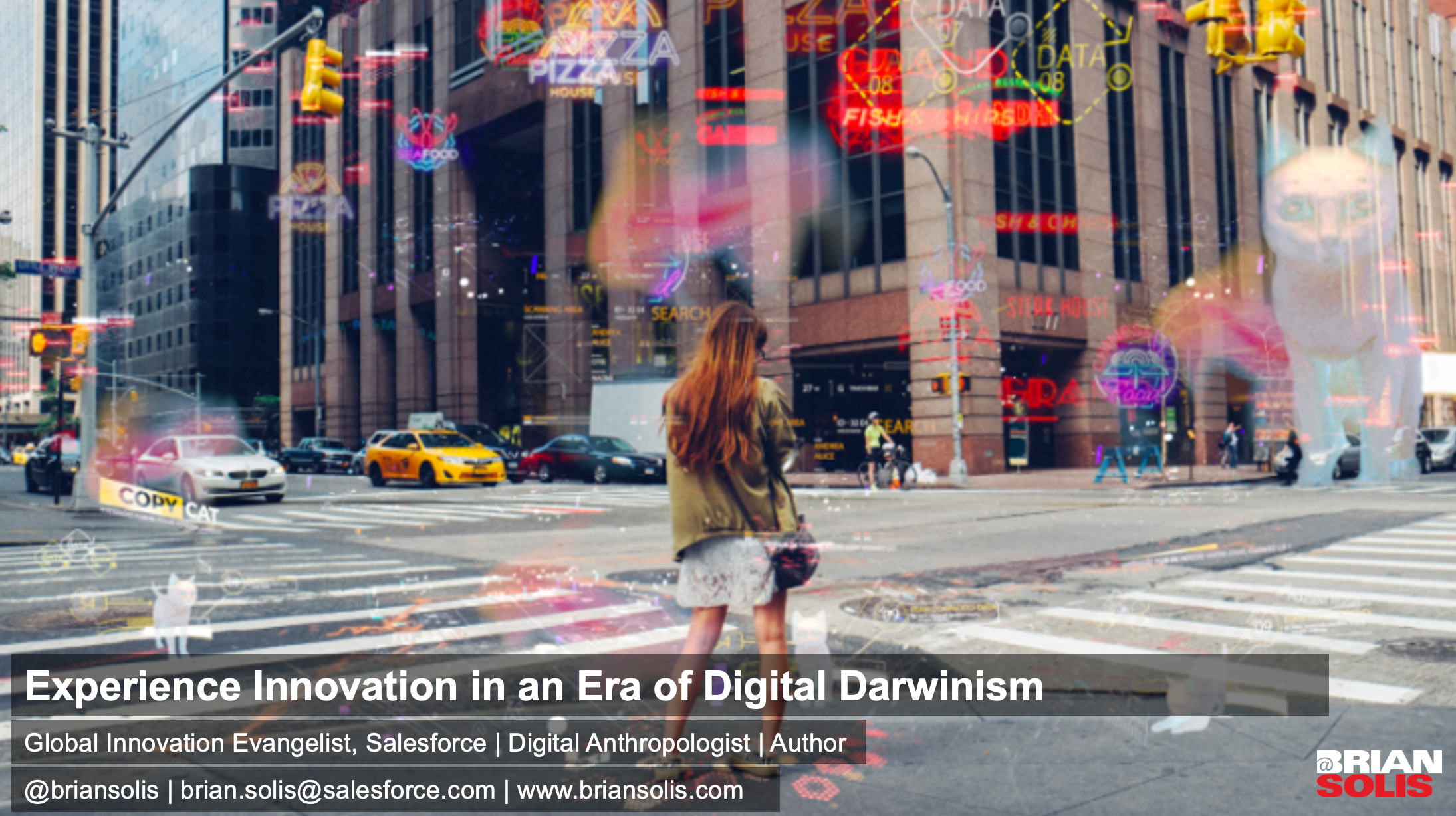
Conoce la importancia de la experiencia Phygital en el retail, según Brian Solis
Brian Solis, Experto en Innovación Global de Salesforce, sostuvo una entrevista con Perú Retail en donde definió la importancia de aplicar en los negocios una nueva experiencia Phygital, basada en la innovación, para que los retailers empiecen a evolucionar y dejen atrás la idea de intentar modernizar una experiencia antigua.
¿Qué es la experiencia Phygital?El Phygital se refiere a la capacidad que tienen las empresas de perfeccionar la experiencia del cliente, pero dejando a un lado los formatos a los que anteriormente estaban acostumbrados, la idea es enlazar las ventajas que tiene el canal físico con las más innovadoras ventajas de los canales digitales, y con esto crear formatos de comercialización totalmente distintos.
No obstante, Brian Solis prefiere no usar el término Phygital porque supone que va primero lo físico y después lo digital, por eso motivo él decidió, en lo personal, denominar la experiencia como “Diphy”, ya que sostiene que lo digital es lo que permitirá que haya una transformación o una evolución dentro del entorno físico de una empresa.
Para Brian Solis la experiencia Phygital es una manifestación de los desafíos que el sector retail ha enfrenado, pues los ejecutivos retailers han intentado que la experiencia retail sea digital en vez de hacer que la experiencia digital se convierta en física.
El experto en innovación destaca que para los minoristas debe ser importante pensar en cómo la digitalización ha cambiado al consumidor y cómo pueden reimaginar una tienda para un nuevo mundo, es decir, tener como pilar fundamental la innovación de la empresa, tanto en lo físico como lo digital.
Según Solis, con la llegada de la pandemia, los grandes negocios han empezado crear cosas que no hubiesen pensado en hacer dentro de 5 o 10 años, esto deja ver cómo se ha venido acelerando la transformación digital en el mundo.
Hoy en día se están tomando decisiones importantes para mejorar la experiencia de compra de los consumidores. De hecho, Solis reveló que en un estudio realizado por Salesforce evidenció que los clientes desean que las compañías evolucionen.
El 90% de los consumidores dicen que esperan que los negocios aceleren las iniciativas digitales, que digitalicen cosas que solo eran posibles en personas y que desarrollen nuevas oportunidades mediante la innovación. Por ejemplo, crear nuevos tipos de productos o servicios, “en vez de tratar de digitalizar experiencias antiguas o pasadas”.
¿Qué deben tener en cuenta los retailers para ofrecer la mejor experiencia Phygital?Es tiempo de que las compañías comiencen a invertir e idealizarse el crecimiento de la empresa a futuro, así como crear alianzas con otras empresas que tienen tecnologías distintas.
Cabe destacar que el 85% de las personas analizadas en el estudio de Salesforce dicen que una experiencia es tan importante como un producto o servicio. En este sentido, los minoristas deben ver eso como una oportunidad para brindar mejores experiencias a los consumidores.
La innovación debe tener un balance entre lo físico y lo digital. El objetivo es crear y fortalecer las ideas tecnológicas dentro de los establecimientos físicos para que la experiencia de compra sea diferente y se logre captar al cliente.
¿Cómo crear una experiencia diferente?Brian Solis comenta que los minoristas deben estar enfocados en saber cómo las personas interactúan; eso se logra analizando los datos e información de los clientes para entender cómo se relacionan con el internet y con el mundo físico.
“Los retailes tienen que considerar un modelo concentrado en la información que sea totalmente relevante y crear una experiencia híbrida que se divertida, es decir, algo que vaya más allá de decir ven a nuestra tienda o visita nuestro sitio web”, puntualizó Solis.
“Quiero inspirar a los ejecutivos a que sean innovadores, a que creen nuevos mundo híbridos”, agregó.
La experiencia Phygital se trata de crecer, aprender, experimentar cosas que no existen, presentar cosas diferentes para los clientes y así propiciar que cambie la cultura de empresa que actualmente se tiene.
Consejo de Solis para los retailersPor último, Solis aconsejó a los retailers: “Abran la mente, vean al consumidor, construyan una compañía que sea 360 grados para que tengan al consumidor en todos los ángulos. Innoven, mejoren y crezcan hacia el futuro”.
The post From Phygital to DiPhy: The Importance of Experience in a Hybrid Future of Retail appeared first on Brian Solis.
September 18, 2022
Dreamforce 22: The Digital-First Novel Economy – Blurring the line between physical and digital experiences
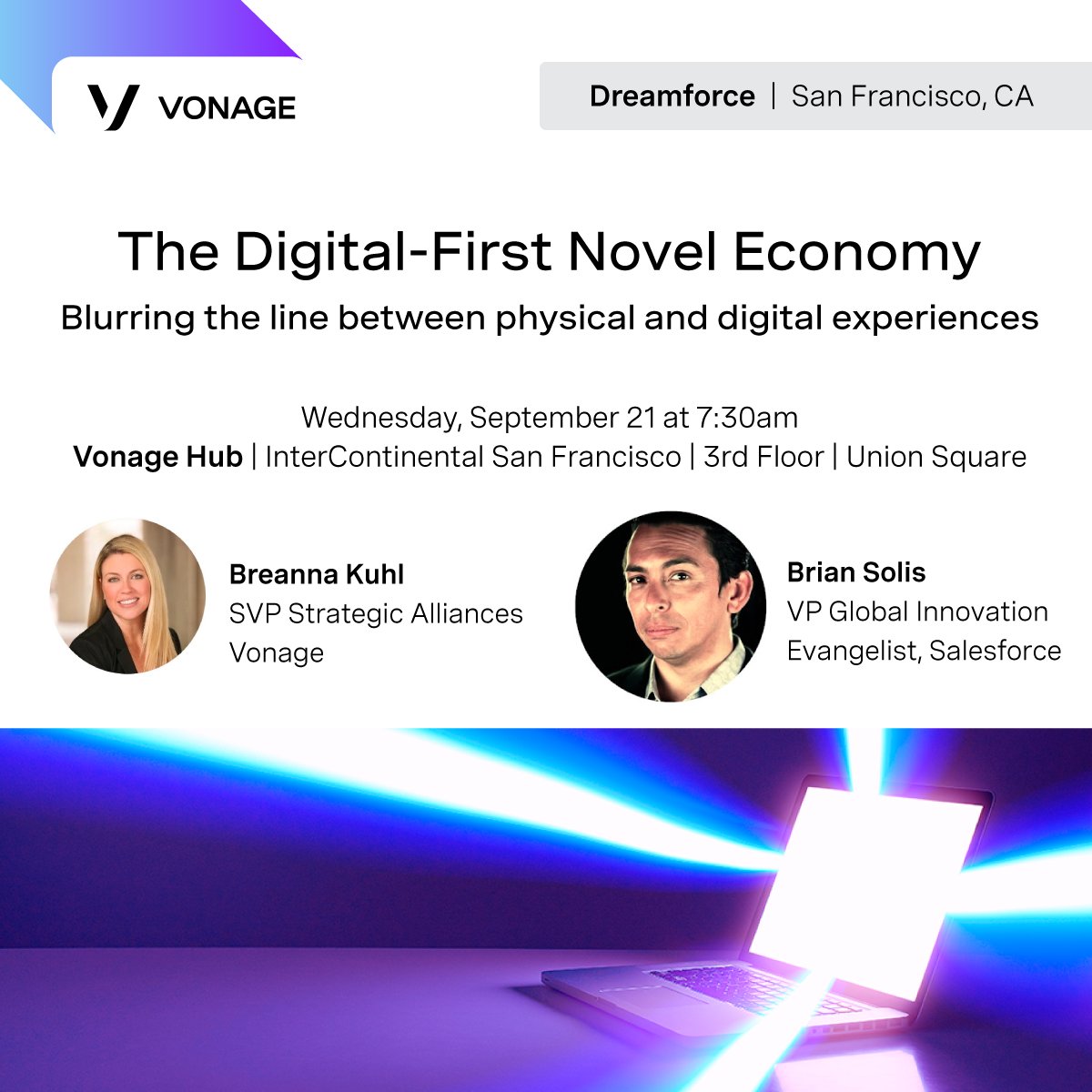
Vonage’s Breanna Kuhl and Salesforce’s Brian Solis will share how to close the gaps in your customer experience for a digital-first Novel Economy at Dreamforce 22.
The Digital-First Novel Economy: Blurring the line between physical and digital experiences
We’re in a novel economy, a time without a playbook. Organizations and customers are accelerating digital transformations. With change comes new behaviors, expectations, and standards for engagement. In the last two years, approximately 90% of consumers have switched brands and plan to incorporate new behaviors into their routines. And, 61% of consumers say they’re going to spend even more time online moving forward. Digital is now a way of everyday life and work. Businesses need to create immersive, seamless and unified experiences bridging the physical and virtual worlds and afford choices to the customer. Getting it right creates personalized experiences, increases engagement, loyalty and wallet share.
The post Dreamforce 22: The Digital-First Novel Economy – Blurring the line between physical and digital experiences appeared first on Brian Solis.
September 16, 2022
Brian Solis Keynotes Industrial Grade Innovation Conference Hosted by The Association of Union Constructors
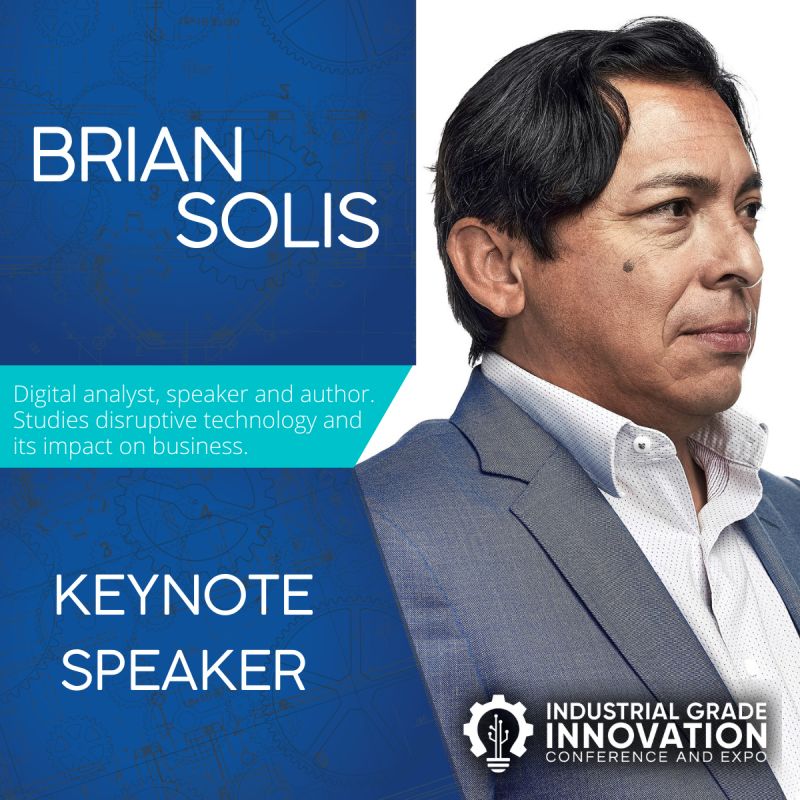
Brian Solis shared his vision for the future of business model innovation in the construction and maintenance industries. at the Industrial Grade Innovation conference and expo.
Pictures from the event are on Flickr.
The Association of Union Constructors (TAUC), a national trade association based in Arlington, VA and representing over 1,800 construction firms in the United States, is holding its fifth annual Industrial Grade Innovation (IGI) Conference and Expo at The Broadmoor Resort and Spa in beautiful Colorado Springs, CO from Sept. 7-8, 2022.
The event is focused on construction related innovation and technology solutions, and will bring together TAUC’s 1,800+ construction firm members, our partners in the building and construction trades, and the owner/client community to hear from a select group of technology firms and innovative entrepreneurs showcasing their products and services.
TAUC is committed to helping its membership and the industry identify and implement new innovation and technology that has the potential to revolutionize the construction and maintenance industry.
The post Brian Solis Keynotes Industrial Grade Innovation Conference Hosted by The Association of Union Constructors appeared first on Brian Solis.
August 24, 2022
Enterprise Times: 15 key statistics from Salesforce’s State of Connected Customer Report

via Roy Edwards, Enterprise Times
Salesforce’s State of Connected Customer Report provides insights from 17,000 consumers and business buyers on the new customer engagement landscape.
The Trust-based economy moves to the forefront88% of customers believe trust becomes more important in times of change.Research from Edelman points to business as a “stabilising force,” while institutions like government and media are eyed with increasing suspicion. Given their inherent opt-in nature, transactions are at risk without a baseline of confidence that customers will receive value. Fortunately, most customers feel they can rely on businesses to meet their needs, though there’s room for improvement, especially among consumers.While it may sound simple, being truthful and open is the top way organizations can build trust. A track record of routine honesty is the foundation upon which brands build trusted customer relationships. 74% of customers say communicating honestly and transparently is more important now than before the pandemic.62% of customers feel an emotional connection to the brands they buy from most. Interactions that feel impersonal — like receiving irrelevant offers or waiting on hold — run the risk of alienating them and damaging hard-won relationships.
Trust is complex and multifaceted. A customer can, for instance, trust a company’s product quality without trusting its environmental commitment. While overall trust in companies has seen only a modest bump since 2020, trust across multiple distinct measures has increased dramatically. For instance, 68% of customers now trust organizations to tell the truth — a nine percentage point gain over just two years. Trends like this are a positive sign businesses are moving in the right direction.52% of customers say they generally trust companies — up from 48% in 2020.Digital acceleration sparks personalisation at scale
5. 43% of customers prefer non-digital channels — meaning satisfying customers generally requires great experiences both on-and-offline. After years of increased online engagement, more customers know it’s possible for companies to deliver a personal touch across digital. A growing number of customers look for organisations to understand and anticipate their needs. For instance, by proactively notifying them of a contract renewal. What’s more, a majority of customers expect offers to always be personalised. The report suggests digital transformation investments are paying off. This is indicated by a shrinking percentage of customers who say companies treat them like numbers rather than unique individuals. If continued exposure to great digital experiences raises expectations further, underperforming organizations may feel mounting pressure.
6. 88% of customers say the experience a company provides is as important as its product or services. This is up from 80% in 2020.
7. 61% of consumers are comfortable with companies using relevant personal information in a transparent and beneficial manner. An increase from 52% in 2020.
New realities test brand loyaltyBrand relationships are not immune from outside influences. As consumers spend more time online, a world of choice opens up, freed from restrictions of past habits. Some of these options may look appealing. Particularly for consumers with changed priorities, lifestyles, or financial situations.
8. 71% of consumers switched brands at least once in the past year. While better deals and product quality are the primary drivers of brand defection. A myriad of additional factors such as improved customer service, product availability, and convenience lure consumers away.
9. One issue is the difficulty of tracking rewards and manually redeeming them. A majority of consumers say they’d use loyalty programs more if companies fixed this. Additionally, 55% would use programs more if rewards were personalised, better reflecting their individual needs.
10. As customers settle into new patterns, hints at the future of engagement are emerging. Shifting communication preferences suggest life may be picking up its pace, as email loses its spot as the #1 favourite channel, while phone, in-person, and online chat nudge forward. The number of customers who prefer to engage on organisations’ dedicated mobile apps is now near equal to those who want to be met on messenger apps they use in their personal lives, like WeChat and Google Hangouts. One thing hasn’t changed: engagement is as omnichannel as ever, with customers turning to an average of nine different channels to communicate with companies.
It’s no overstatement to say the pandemic changed the face of commerce. As businesses got creative, customers tried purchase methods that were entirely new to them. Now, many are accustomed to a wide array of these commerce innovations.
Digital-first experiences expand to meet the moment11. 68% of customers have purchased products in a new way in the past two years.
12. The uptake of the new services has been strikingly fast. For example, between 2020 and 2022, the share of customers to use curbside pickup nearly doubled from 31% to 60%. Tellingly, the use of these emerging technologies and services does not appear to be limited to an era of social distancing. Three years from now, the overwhelming majority expect use to hold steady or increase.
13. 61% of customers who shop via social media expect to do it more in three years
14. 96% of customers say excellent customer service builds trust. The rewards for getting customer service right can be substantial. Overwhelmingly, positive support experiences make customers more likely to re-purchase. Additionally, over four-fifths of customers have gone further by recommending a company to others based on a great support experience. With word-of-mouth such a popular method of learning about new brands, products, and services referrals are a powerful gift.
15. 83% of customers say they’re more loyal to companies that provide consistency across departments. While the implications of an integrated customer experience aren’t trivial, many customers still experience disconnect between departments. As marketing, commerce, sales, and service teams innovate on their individual stages of the life cycle, it’s critical organisations don’t lose sight of how it all fits together.
Brian Solis, Salesforce’s VP, Global Innovation Evangelist suggests the number one lesson from the research is the importance of trust. “Trust impacts on society. We are starting to see how digital is opening doors to create genuine human relationship with customers and employees. Those companies that use technology to scale relationships are going to find success greater than those that focus on transactions.”
The post Enterprise Times: 15 key statistics from Salesforce’s State of Connected Customer Report appeared first on Brian Solis.
August 23, 2022
Corporate Leaders are Missing Important Digital Skills

Photo by Adeolu Eletu, Unsplash.com
Writing for Learning Solutions, Pamela Hole explores the rising digital divide in the C-Suite. In fact, fewer than a third of digital leaders rate themselves as “effective in digital acumen” according to the DDI Global Leadership Forecast.
This gap is bad for business. “The world’s most digitally mature companies lead all other companies in value creation. They also have proved much more resilient during the crisis,” research by the Boston Consulting Group found.
Forbes underscores the need for leaders to become digitally savvy: “Executives are not above or insulated from personal digital transformation. And they can’t lead digital value creation in the new world unless they are versed and competent in doing so. More so, they can’t lead or expect managers to lead teams in a hybrid world if they’re inexperienced. Empathetic leadership starts with understanding what it takes to engage employees and inspire them to excel in this new world and adapting how someone leads accordingly,” Best-Selling Author and Salesforce Global Innovation Evangelist Brian Solis wrote.
Despite the urgent need for digital skills among leaders, Solis cites research from MIT’s Sloan School of Management that found that “only 23% of CEOs are considered digitally savvy. And just 7% of large companies currently employ digitally savvy executive teams.”
It’s time for executives to learn and unlearn…
The post Corporate Leaders are Missing Important Digital Skills appeared first on Brian Solis.


