
Brian Solis's Blog, page 21
June 27, 2023
Event Marketer Features Keynote Highlights from Brian Solis on the Future of Experience Design and Innovation at EMS 2023
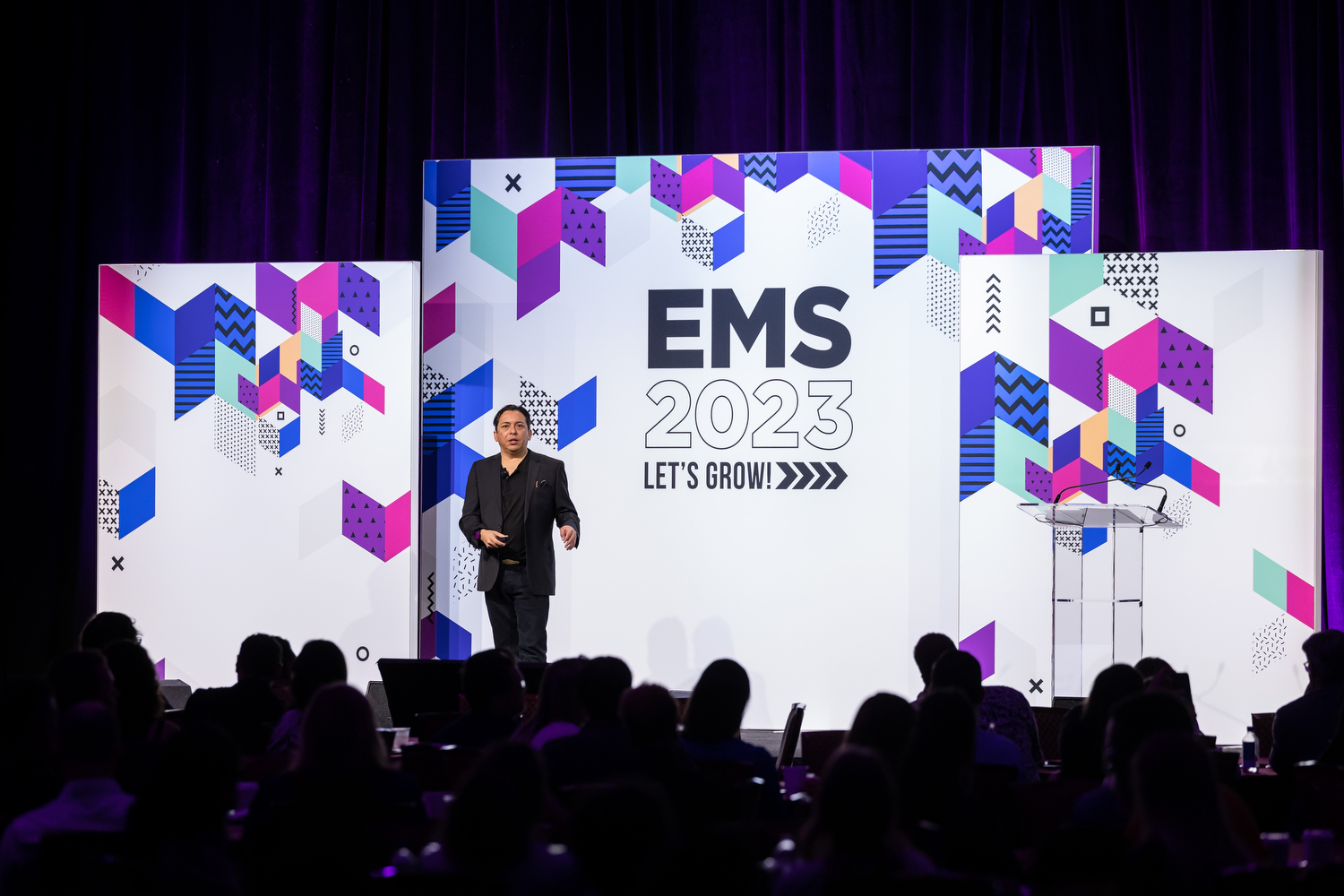
2023 PWP Studio Corporate Event Photographers
Brian Solis delivered the keynote speech at EMS 2023 in Las Vegas, the leading conference for creators of the brand experience.
Solis’ keynote focused on “Creating Next Generation Customer Experiences” by reimagining the art and science of experience design. His mission was to help experience architects create more innovative, immersive, and memorable experiences. He shared insights from Disney imagineers and storyboard artists, Apple’s UI and UX spatial computing methodologies, and the role of memories in experience.
Event Marketer magazine also shared highlights from Brian’s talk.
Brian Solis asked the audience, “What are the moments that serve as your signature experience?”
In addition to getting pumped for the day with breakfast, a live DJ and trivia challenges, attendees learned about creating next-generation customer experiences, cultivating the energy exchange and looking at the role of events in 2023 from keynote speakers. Brian Solis, author of “X: The Experience Where Business Meets Design,” highlighted the importance of creating positive personal experiences that meaningfully connect brands with consumers. He pointed out how easy it can be to get caught up in the tech that will deliver digital experiences in today’s digital-first world, but he advised that the human element is essential to consider when writing the next event playbook.
“Experiential innovation is the result of empathetic design,” Solis said. “And empathy is the gift we first give ourselves in order to also give the gift of experience to others.”
Solis cast the spotlight on the future of physical, online and hybrid experiences and how to reimagine existing and emerging touchpoints as “ignite” moments. He explored ways to unify 360 customer journeys and create enchanting, personal experiences that connect brands with customers, meaningfully.
His keynote also helped audiences learn:
How “micro-moments” are reshaping the new customer journey in each of the five “moments of truth.”
How post-pandemic experiences become memories and new ways to connect brands with customers.
Why transcending touchpoints into “ignite” moments can accelerate brand experiences.
How to respond to “accidental narcissism” by genuinely enchanting customers.
How to elevate your event teams by aligning Brand Experience (BX), Customer Experience (CX) and User Experience (UX) to change how companies work, sell and serve.
“Experiential innovation is the result of empathetic design. And empathy is the gift we first give ourselves in order to also give the gift of experience to others.”
The post Event Marketer Features Keynote Highlights from Brian Solis on the Future of Experience Design and Innovation at EMS 2023 appeared first on Brian Solis.


June 26, 2023
The Futurists: The Future of Apple’s Vision Pro and Spatial Computing
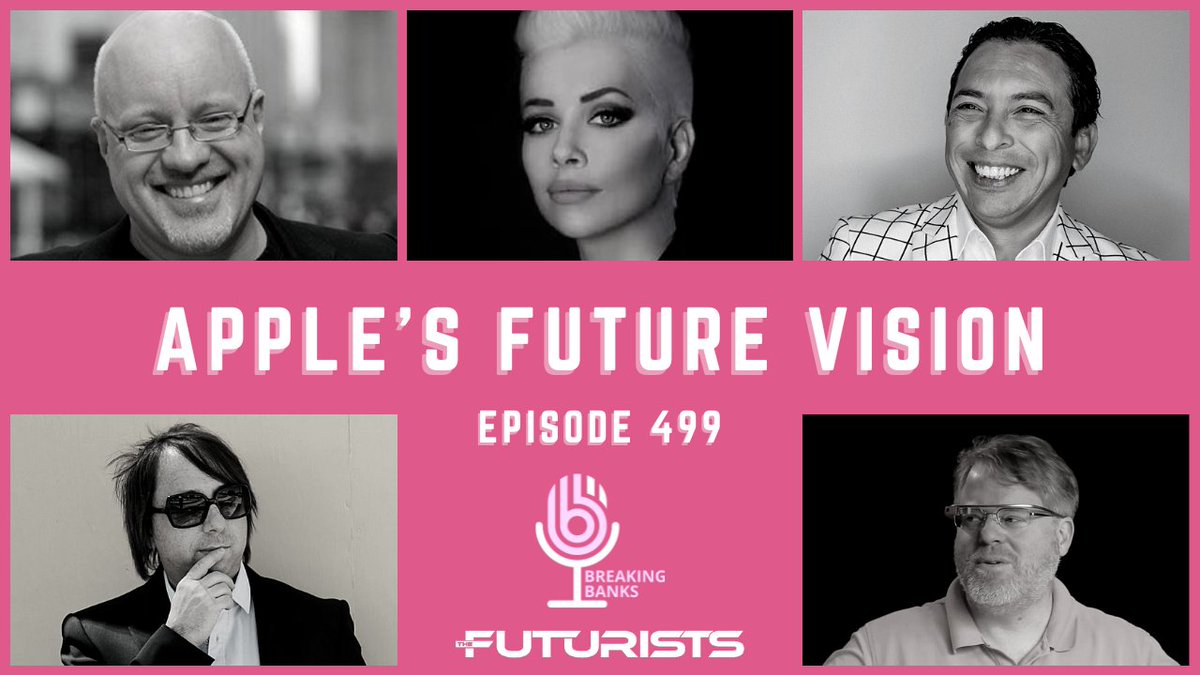
What’s it like to wear Apple’s Vision Pro mixed reality headset?
This week on The Futurists, hosts Brett King, Katie King, and Brian Solis are joined by the dynamic duo of Robert Scoble and Brian Roemmele, both highly regarded futurists as we dive into the implications of Apple’s Vision Pro. Roemmele was at Apple’s launch event and was one of the lucky few to experience Apple’s inaugural take on augmented reality and virtual reality.
We also explore spatial computing and what it means for the future of work, experiences, entertainment, and humanity itself and what likely comes next.
Listen here.
Subscribe: Apple Podcasts | Spotify | Android | Blubrry | Email | RSS
Brian Solis is an international futurist keynote speaker and a futurist speaker. Invite him to speak at your next event or to share his vision of the future with executives.
The post The Futurists: The Future of Apple’s Vision Pro and Spatial Computing appeared first on Brian Solis.
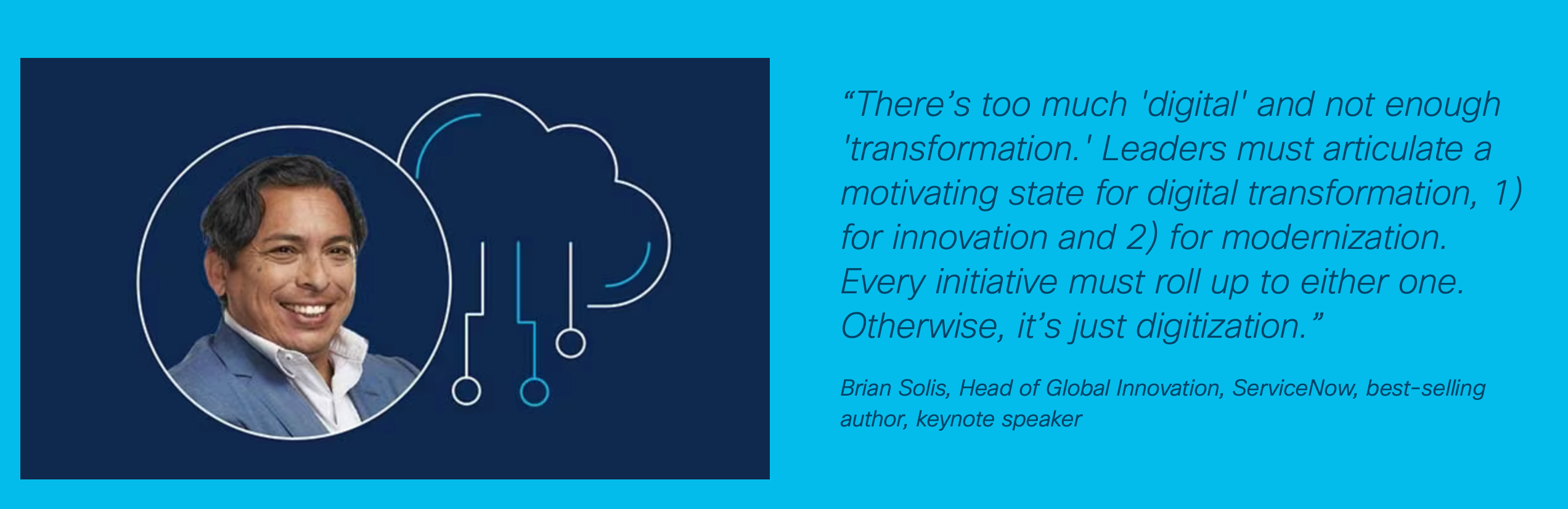
Digital Value Engineering: How to Unlock Your Organization’s Digital Value
I can’t emphasize enough how important it is for today’s leaders to create a culture that embraces, supports, and follows through with digital transformation.
How can your organization ensure this happens – and secondly, how can it unlock the full potential of said transformation?
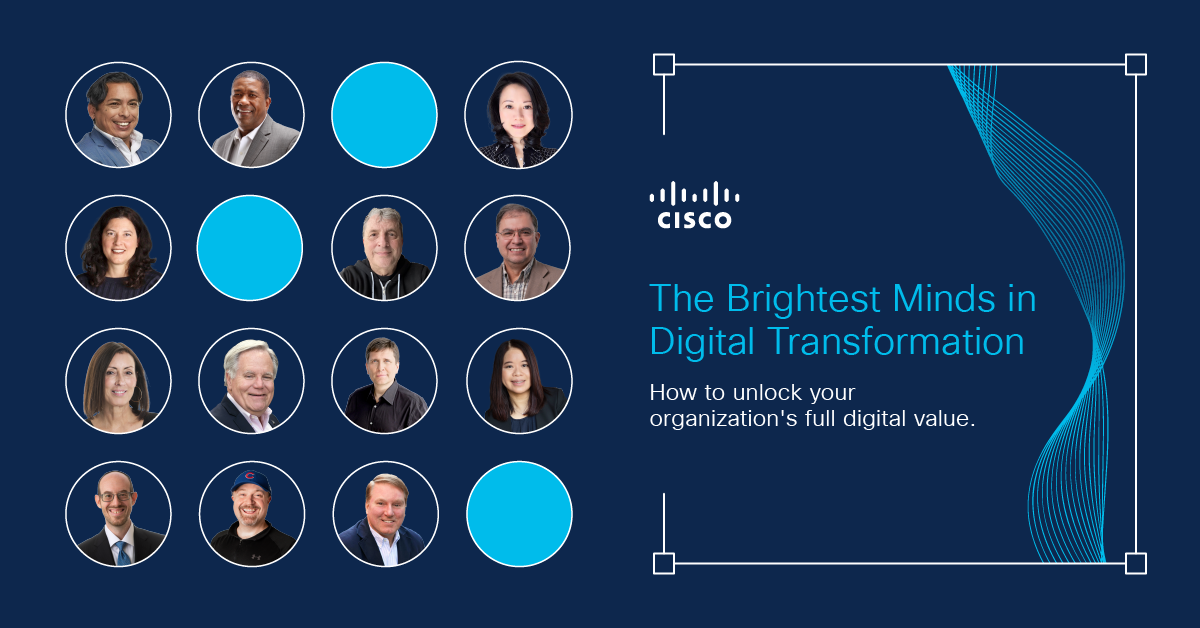
Cisco brought together some excellent thinkers to share their thoughts on how today’s leaders can create a culture that embraces, supports, and follows through with digital transformation.
Please take a moment to read the contributions from me and also these incredible folks, Kirk Borne, Kevin L. Jackson, Glen Gilmore, Helen Yu, Jake Hall, Gary Mintchell, Theodora Lau, Jim Marous, John Nosta, Avrohom Gottheil, and Maribel Lopez.
The ebook is available here (no email gate).
The post Digital Value Engineering: How to Unlock Your Organization’s Digital Value appeared first on Brian Solis.
June 20, 2023
The Futurists: The Future of Walmart with Srujana Kaddevarmuth
On this episode of The Futurists, co-host Brian Solis joins Brett King in the hosting chair as they host Srujana Kaddevarmuth from Walmart labs. In this episode, the Futurists delve into the future of in-store and online interactions for the retail giant. From future store design, warehouse robotics through to data science and AI, we cover the gammet of possibilities of 21st century commerce.
Click here to listen to the episode or listen to the Youtube version below…
Subscribe: Apple Podcasts | Spotify | Amazon Music | Android | Email | RSS
The post The Futurists: The Future of Walmart with Srujana Kaddevarmuth appeared first on Brian Solis.
June 1, 2023
The Mindshifting Relationship Between Iteration and Innovation
When most people describe innovation in their work or share their vision for “the art of the possible,” what they’re really describing is iteration. Let me explain…
Every company faces two opportunities forward. And a balance of the two requires investment and care to grow and thrive in a future that doesn’t stand still.
1) Iteration: Embracing the new to improve, enhance, augment, optimize, and scale what we do really well. Note: not everything you do today should come along with you into the future. Some things become outdated or outmoded. They require re-imagination for an evolving world where tastes, trends, times, behaviors, expectations, standards shift.
2) Innovation: Embracing the new to explore opportunities to create new value, test and learn, and grow ideas for business/market impact.
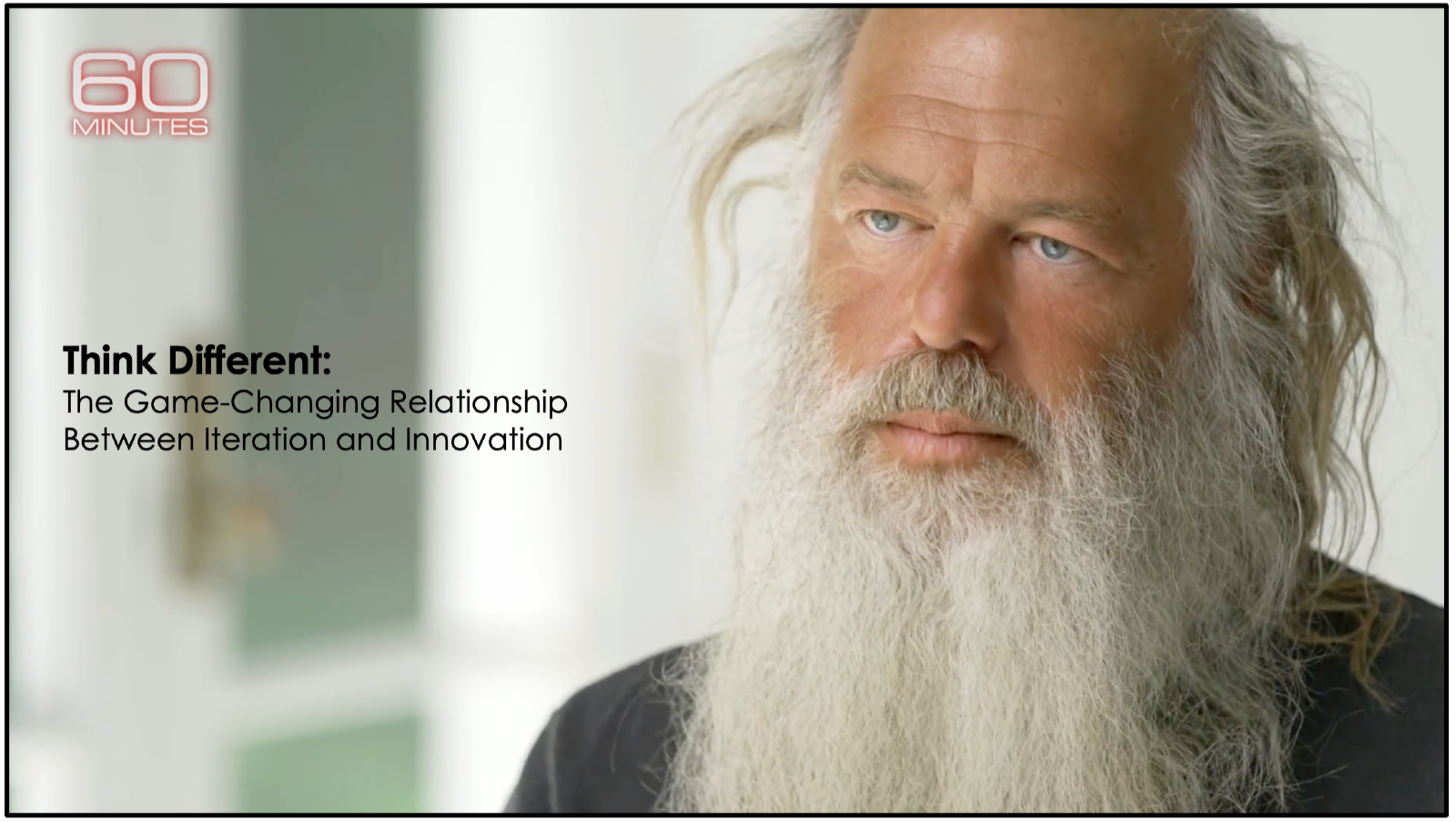
I’d like to share a 17-second clip with you that features legendary producer Rick Rubin. It’s a mind-changing perspective and a stimulus to “think different” (an homage to Apple for those who’ll suggest adding “ly”).
In this interview with 60 Minutes, Rubin shares his approach to music creation, which at first sounds counter-intuitive, almost ridiculous, in that it goes against everything we think we know, especially in how we think about our work.
“The audience comes last,” Rubin shares with Anderson Cooper on 60 Minutes.
Cooper’s response is reflective of what most are thinking in that moment, “What!? How could that be!?”
“The audience doesn’t know what they want,” he explains.
And here’s where it hits different.
“The audience only knows what’s come before,” he points out.
This is a powerful, and philosophical, example of how to think different.
It starts with reflecting on our next steps. Are we venturing into familiar territory or are we exploring the unknown. One is evolution. The other is revolution.
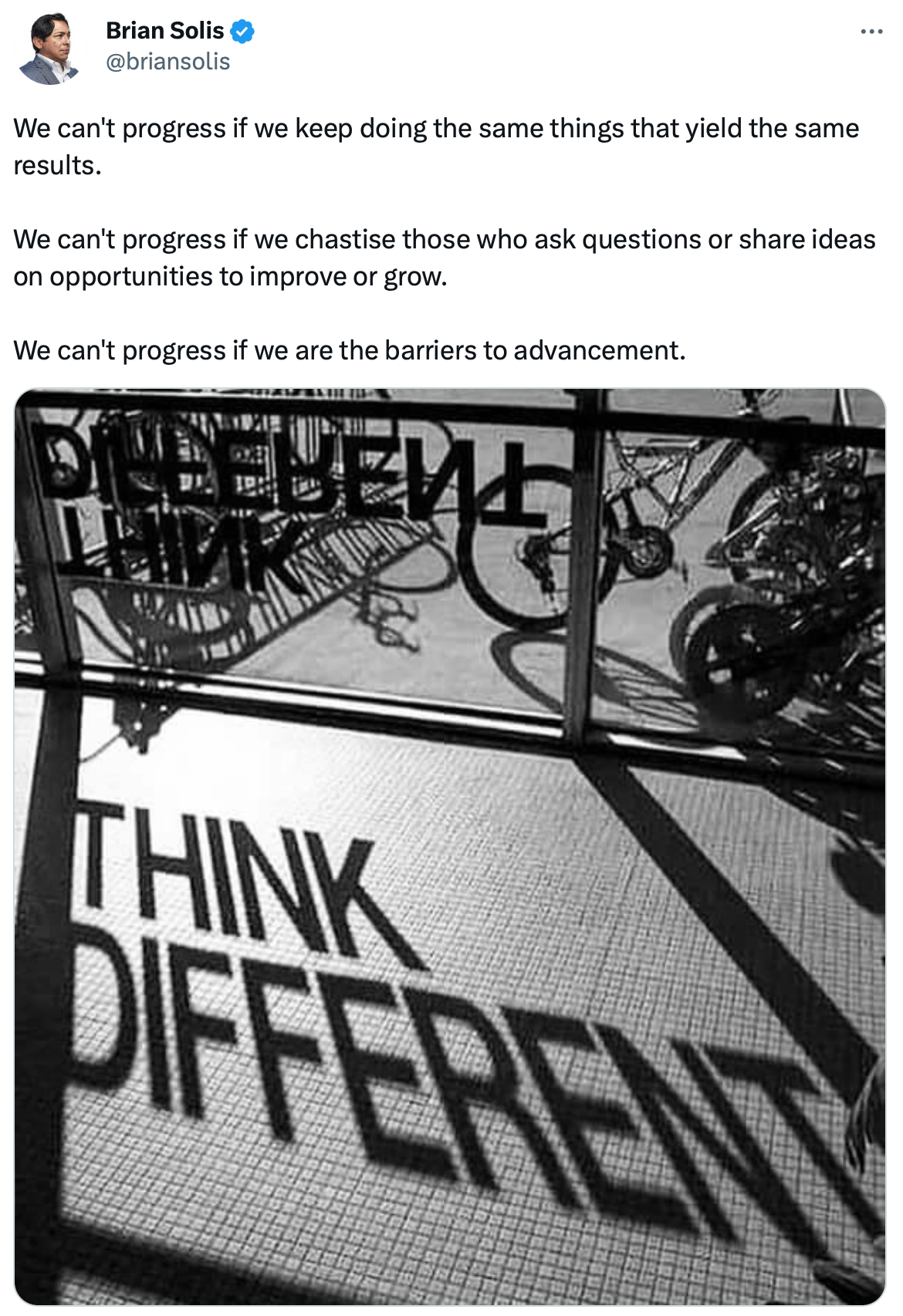
The audience only knows what’s come before.
Who’s our audience? Who is our inspiration? How can we best serve them? Where else can we take them?
While nothing in life is certain, there is a sense of assuredness or safety that comes in working toward the familiar, building upon it, enhancing and optimizing it, improving it. But that’s iteration. And the value cycle of iteration is finite. Meaning, it’s just a matter of time until margins shrink, growth stalls, and disruption comes for you.
Pioneering business coach, and my colleague in 100 Coaches, Marshall Goldsmith, wisely observed in his best-selling book, “what got you here, won’t get you there.”
It’s a powerful and humbling reminder that we need to 1) do things differently and 2) do different things to unlock the next stage of growth. This is innovation. It helps you tap into new value cycles.
The relationship between iteration and innovation is virtuous. It’s accepting the reality that what got us here won’t keep us here, and embracing continuous reinvention and value-creation, with the foresight of knowing what gets us there, also won’t keep us there.
In your work, identify opportunities to give your audience a better version of what they know. But remember, that’s iteration and its value is finite.
Also, explore opportunities to give your audience what they haven’t heard before. This is innovation. It’s elusive, but its reward is relevance and significance.
Like Yin and Yang, iteration and innovation must co-exist in harmony and perpetuity.
Ask yourself, before every decision, before every strategy and plan, before every move, is this iteration or innovation? And if it’s only one, it must be balanced by the other as part of that process. You, your organization, your culture, must have an appetite for both.
As Steve Jobs revealed about Apple’s innovation strategy, “Some people say give the customers what they want, but that’s not my approach. Our job is to figure out what they’re going to want before they do.”
Give yourself permission to be curious, to imagine, to wonder out loud. It’s how you think different, grow, and thrive, especially in an era of uncertainty.
The post The Mindshifting Relationship Between Iteration and Innovation appeared first on Brian Solis.
May 2, 2023
How to Future-Proof Your Business Career Against AI Disruption
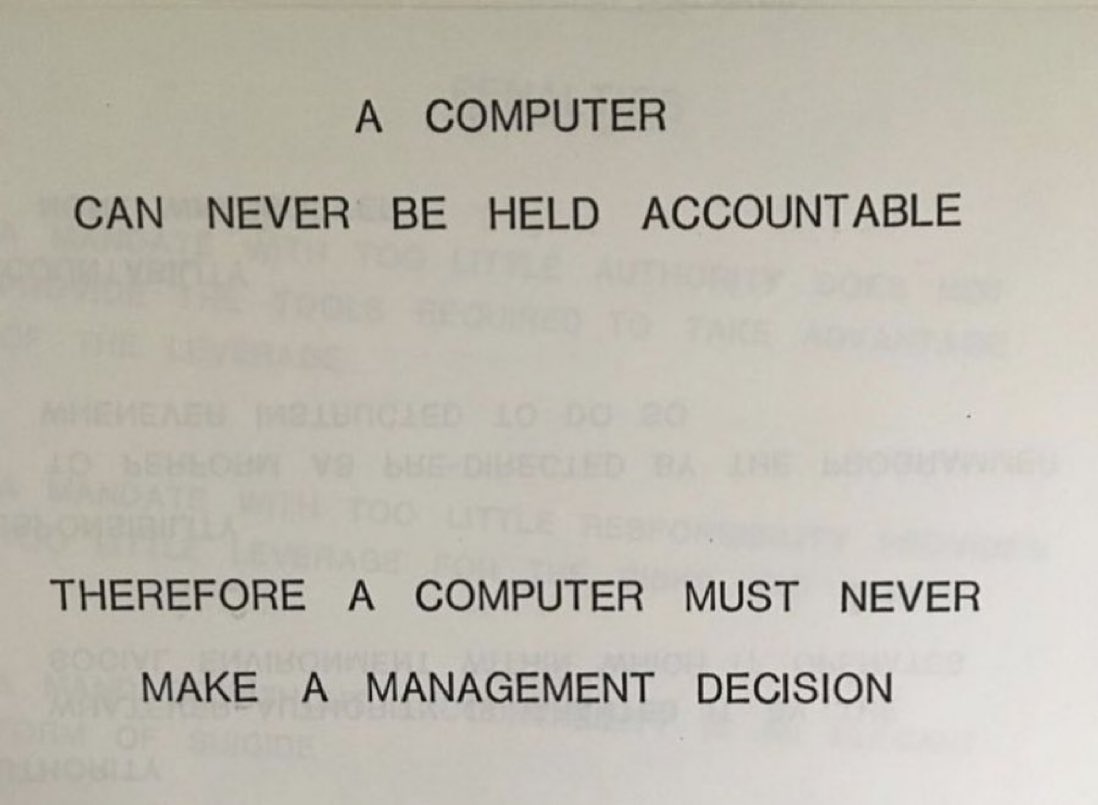
AIrony
It was inevitable…
According to Bloomberg, IBM expects to pause hiring for roles as roughly 7,800 jobs could be replaced by #AI.
IBM’s Chief Executive Officer Arvind Krishna said back-office functions, such as human resources, will be suspended or slowed.
“These non-customer-facing roles amount to roughly 26,000 workers,” Krishna said. “I could easily see 30% of that getting replaced by AI and automation over a five-year period.”
This is the first of many announcements as organizations rethink work, resources, and technology as automation rapidly evolves.

On May 2nd, EDtech leader Chegg signaled the rising popularity of ChatGPT was dramatically hindering its student subscriber growth when it suspended its full-year outlook. This move sent shares of the company 47% lower in early trading.
“Since March, we saw a significant spike in student interest in ChatGPT. We now believe it’s having an impact on our new customer growth rate,” said Chegg CEO Dan Rosensweig.
Universities, Schools, L&D and HR leaders, Business Leaders, Employers, it’s time to CTRL-ALT-DEL our pre-2022 learning models to prepare for 2050 and beyond, right now.
At the same time, this is exactly the right moment to reflect on your own career path. and choose the role you want to play in a future that, quite honestly, most people didn’t foresee or plan for. I’ve always believed that disruption happens to you or because of you.
When it’s a choice, you have have much more power to shape outcomes and the future to your benefit than you may realize.
My dear friend and former colleague Jeremiah Owyang is one of the world’s leading thinkers on AI and even he’s standing at these crossroads contemplating his next steps.
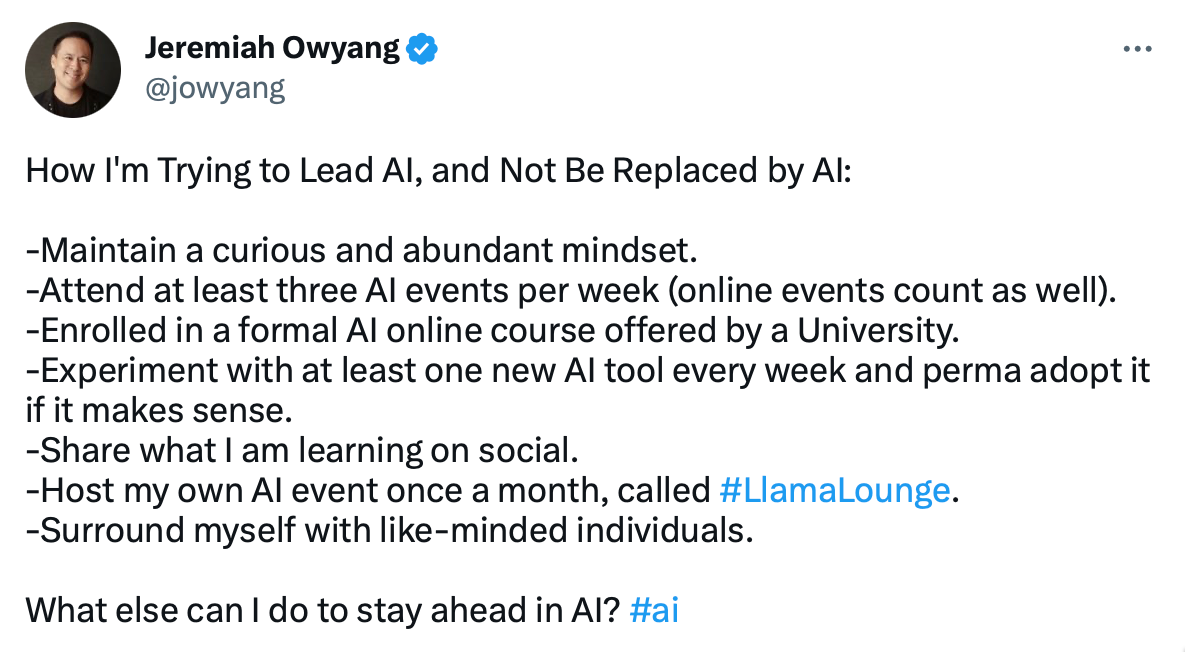
“If you’re waiting for someone to tell you what to do, you’re on the wrong side of innovation.”
There are so many leaders who are standing along-side him at this intersection of “the future we thought we were working toward” and “what’s the actual future (WTAF)?”
It’s here where I tried to develop an image using DALL·E 2 and Microsoft Bing Image Creator powered by DALL·E 2 among others. I have to say that generally, visual AI prompting is an art in of itself (pun intended). For example, because the AI engine as of now distorts human depictions (is that intentional? jk!), suggestions for prompts mention placing people in the background. Here is a link to helpful tips for generative image creation.
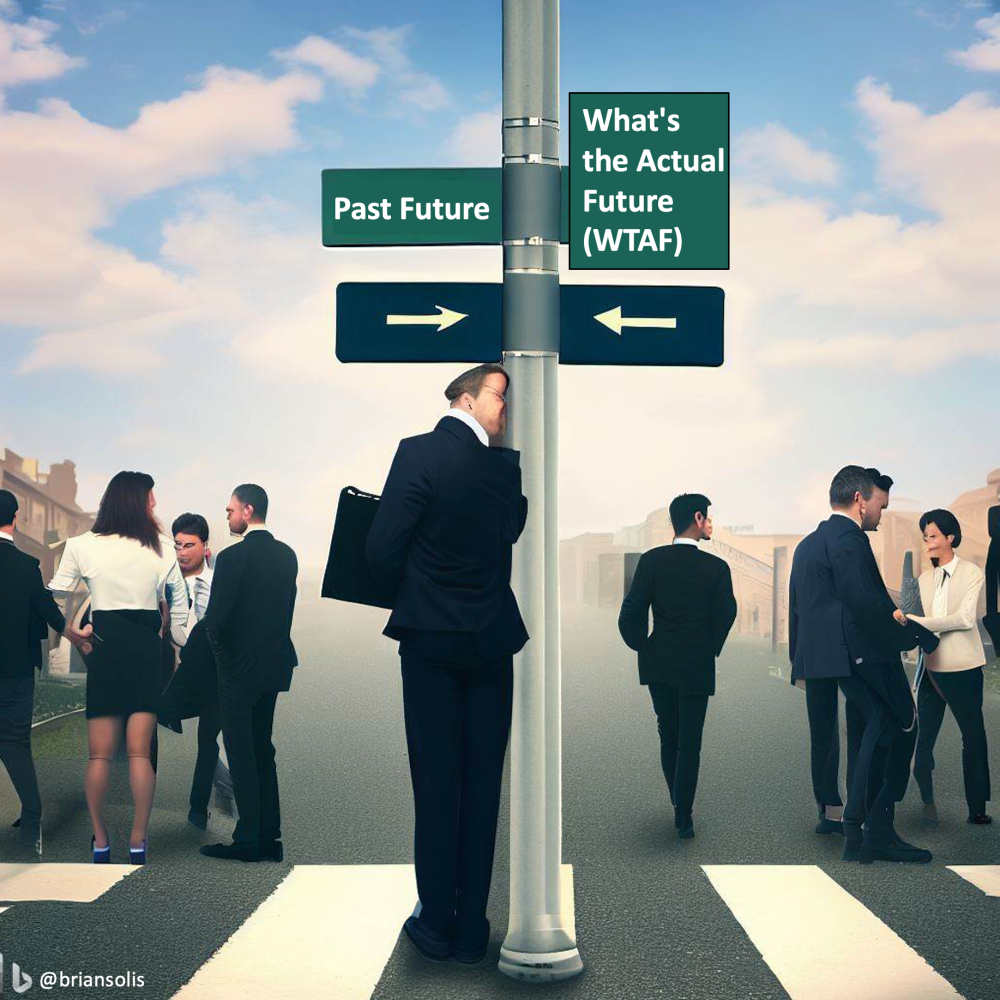
Standing at the Intersection of “Past Future” and “What’s the Actual Future (WTAF) – Microsoft Bing Image Creator powered by DALL·E 2 Canva
The Future is Yours to ShapeYou are not alone. And more importantly, you’re not powerless. We all have to figure this out as individuals, as teams and colleagues, as students and teachers, and as human beings. Make one of your side hustles understanding how AI augments your unique value proposition.
Right now, tthere are many incredible voices thinking out loud, studying and experimenting, building, and helping others to create their own destiny in an era of infinite uncertainty. Follow them. Interact with them. Learn from and with them.
Brian Roemmele – LinkBenedict Evans – LinkRobert Scoble (Scobleizer) – LinkJeremiah Owyang – LinkConor Brennan – LinkBen Parr – LinkAndrew NG – LinkYann LeCun – LinkFei-Fei Li – LinkGeoffrey Hinton – LinkNando de Freitas – LinkKate Crawford – LinkWho am I missing? Let’s update this list…
A Conversation with Professor GPT on the Future Skills Necessary for Evolving Skills and Roles with AI
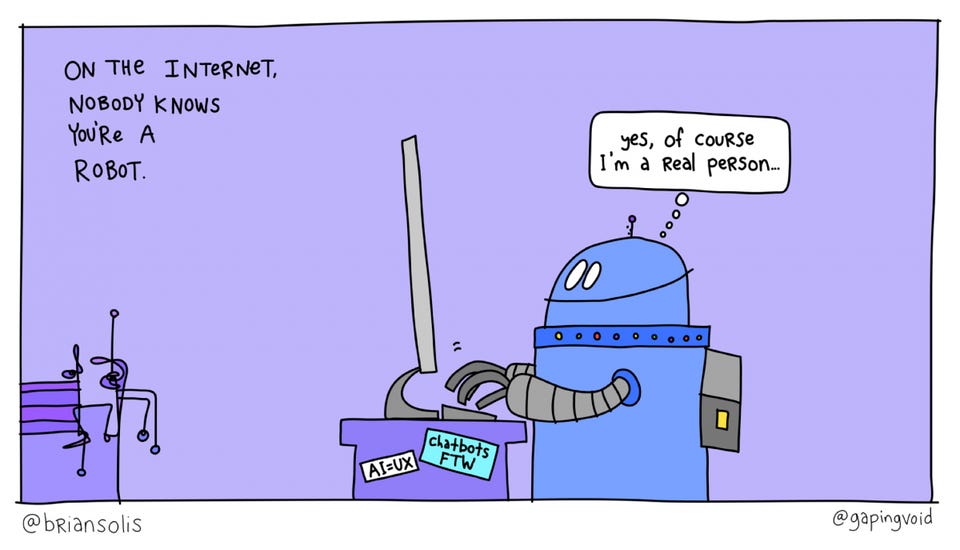
To help us get started, I (half-seriously) consulted with an industry leading resource on the matter, Professor #GPT for advice on what we can do. Here’s part 1 of our unabridged conversation.
Solis: You are an empathetic futurist who believes ChatGPT and generative AI will eventually take more and more jobs away from people. You have now been hired as a professor at Yale University to teach the first ever course in AI-proofing careers for business professionals. What would the curriculum of the 101 course include?
Prof GPT: As an empathetic futurist who recognizes the potential impact of AI on the workforce, I would design the curriculum of the “AI-Proofing Careers for Business Professionals” course to help individuals prepare for the changing landscape of work.
The course would cover the following topics:
Introduction to AI and its impact on the workforce: This section would provide an overview of what AI is, its various applications, and how it is impacting different industries and jobs. It would also cover the potential benefits and challenges associated with AI, including the displacement of jobs.
Identifying AI-vulnerable careers: This section would help individuals identify the types of jobs that are most vulnerable to automation and displacement by AI. We would discuss various factors that make a job more or less likely to be automated, such as the level of routine involved, the amount of human interaction required, and the degree of creativity or problem-solving involved.
Analyzing skill sets and identifying transferable skills: In this section, we would help individuals analyze their current skill sets and identify transferable skills that can be applied to different careers or industries. We would also discuss the importance of lifelong learning and how to acquire new skills to stay relevant in a rapidly changing job market.
Entrepreneurship and new opportunities: This section would explore the potential for entrepreneurship and starting new businesses that leverage AI and other emerging technologies. We would discuss the characteristics of successful entrepreneurs, the benefits and challenges of starting a business, and how to identify new business opportunities.
Ethics and responsibility: Finally, we would discuss the ethical and social responsibilities associated with AI and automation. We would explore questions such as how to ensure that AI is used for the greater good, how to address issues of bias and discrimination, and how to mitigate the negative impacts of AI on vulnerable populations.
Overall, the course would aim to provide business professionals with a comprehensive understanding of the impact of AI on the workforce, equip them with the skills and knowledge necessary to adapt to the changing job market, and encourage them to think critically and ethically about the role of AI in society.
Solis: Now let’s talk about the next course, 102 to build on 101. What skills would you encourage students to learn to outpace AI evolution and job cuts?
Prof GPT: In the “AI-Proofing Careers for Business Professionals 102” course, we would focus on building skills and competencies that are less vulnerable to automation and can help individuals outpace AI evolution and job cuts. Here are some of the skills and competencies we would encourage students to learn:
Creative and critical thinking: AI can be very good at executing routine tasks, but it is still not as good as humans when it comes to creativity and critical thinking. We would encourage students to develop their creative and critical thinking skills through exercises, case studies, and other activities.
Emotional intelligence and interpersonal skills: Jobs that require a high level of emotional intelligence and interpersonal skills, such as healthcare, education, and social work, are less likely to be automated. We would encourage students to develop these skills through role-playing, simulations, and other activities.
Data analysis and interpretation: AI is very good at processing and analyzing large amounts of data, but it still requires human input to interpret and make sense of the data. We would encourage students to develop their data analysis and interpretation skills, including the ability to identify patterns and insights, and communicate their findings to others.
Adaptability and flexibility: With the rapid pace of technological change, it is important for individuals to be adaptable and flexible in their careers. We would encourage students to develop these skills through exposure to different industries and job functions, as well as through exercises that require them to adapt to changing situations and environments.
Leadership and management: While AI can be very good at executing routine tasks, it still requires human leadership and management to guide its use and application. We would encourage students to develop their leadership and management skills, including the ability to motivate and inspire others, and make strategic decisions.
Overall, the focus of the “AI-Proofing Careers for Business Professionals 102” course would be on building skills and competencies that are less vulnerable to automation and can help individuals stay ahead of the curve in a rapidly changing job market.
The Next Steps We Take as a Human Race are ProfoundDepending on your perspective, the IBM news is either a canary in a coal mine or business as usual or click bait.
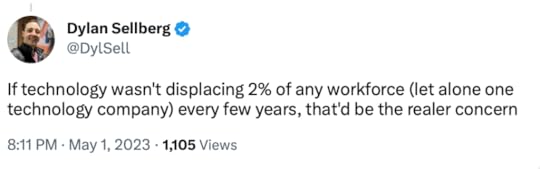
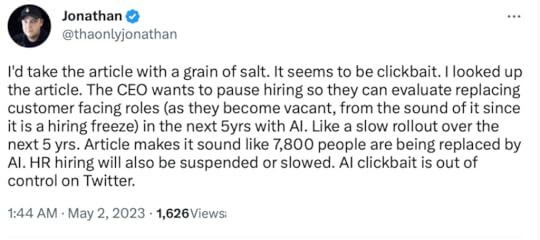
Whether the IBM or Chegg news are harbingers of what’s to come or sensationalized to spark fear, the reality is that decision-makers and leaders may not know the difference. They may take these stories and explore ways to follow suit.
The simple answer for now, is that it’s complicated.
If anything, this is a time to reflect.
“If you think technology will solve your problems, you don’t understand technology — and you don’t understand your problems.” – Laurie Anderson, 2020
I see AI events unfolding around us as a catalyst for conversations we should be having anyway.
Start with different questions and let’s build forward. Let’s find opportunities to reframe the narrative, to take control of how we respond to disruption and digital Darwinism.
“Digital Darwinism is the evolution of consumer behavior when society and technology evolve faster than some companies’ ability to adapt. The point of natural selection is that only some businesses will survive.” – Washington Post
Start with exploring the role of human beings in a world augmented by artificial intelligence. Let’s explore the potential jobs of the future and the skills necessary to thrive alongside AI.
For example, The World Economic Forum recently published a seminal report that finds a “Reskilling Revolution” is upon us. It’s research and conversations like this that help us make sense of what’s happening, where we are going, and the role we can play in the future.
The more advanced technology becomes, the greater the importance of critical human skills (aka soft skills) becomes in our work, such as creativity, empathy, critical and analytical thinking, and resilience.
The conversation with “Professor GPT” is intended to get the conversation started at a human level, at our level.
Every revolution brings about disruption. Every revolution brings about new opportunities and creative destruction (out with the old and in with the new). Every revolution can also represent an opportunity to grow and thrive in unforeseen ways.
There’s a saying that can’t help but think of in these times, “life isn’t happening to you, it’s happening for you.”
The gap between where we are and where we can be is only separated by what we unlearn, learn, and do differently moving forward.
The post How to Future-Proof Your Business Career Against AI Disruption appeared first on Brian Solis.
March 27, 2023
How to Cultivate Customer Empathy in Experience Design and Innovation – A Conversation with Janelle Estes UserTesting
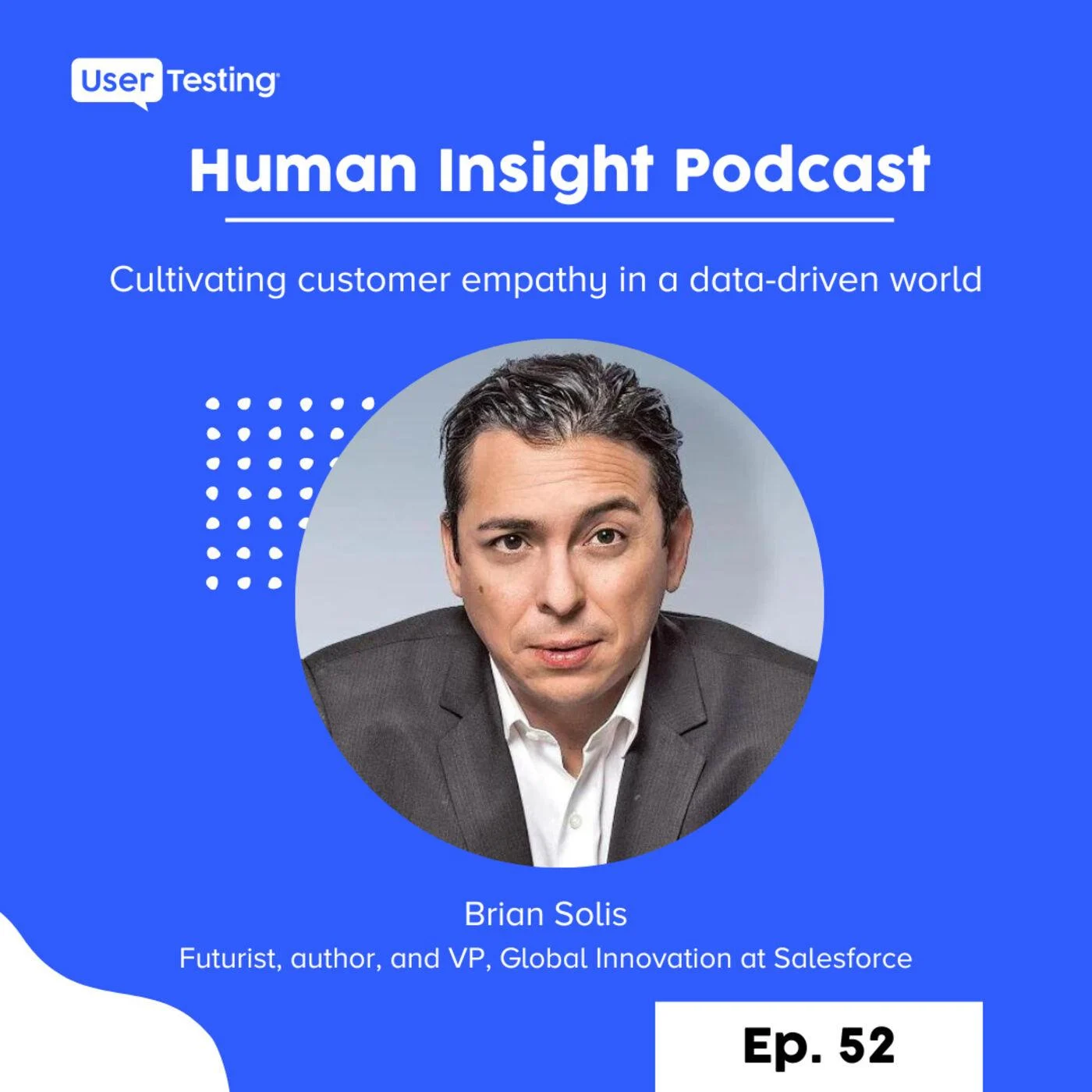
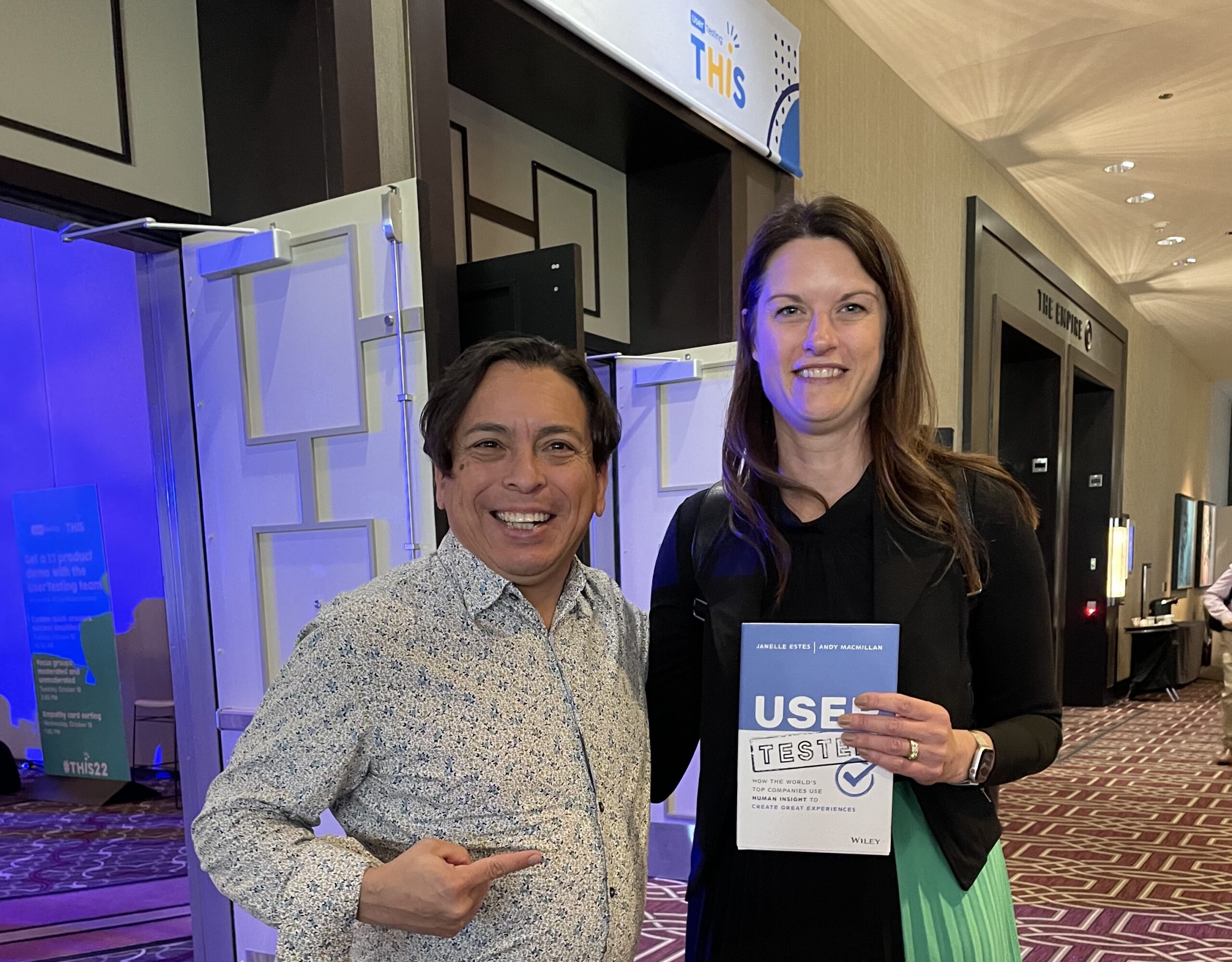
In this episode of the Human Insight Podcast, futurist and best-selling author Brian Solis comes on the show to discuss the importance of observing and talking with your customers. This conversation with Janelle Estes was recorded live at The Human Insight Summit in New Orleans.
Producer’s note: Do you know how your customers experience your brand today? Do you know how they really feel? Do you know what they say when you’re not around?
You think you know your customers, but you really have no idea–until you observe and talk to them!
Leveraging insights from each of their books and professional experiences, Brian and Janelle spoke about the parallels in their books and beliefs on powering customer-centric experiences.
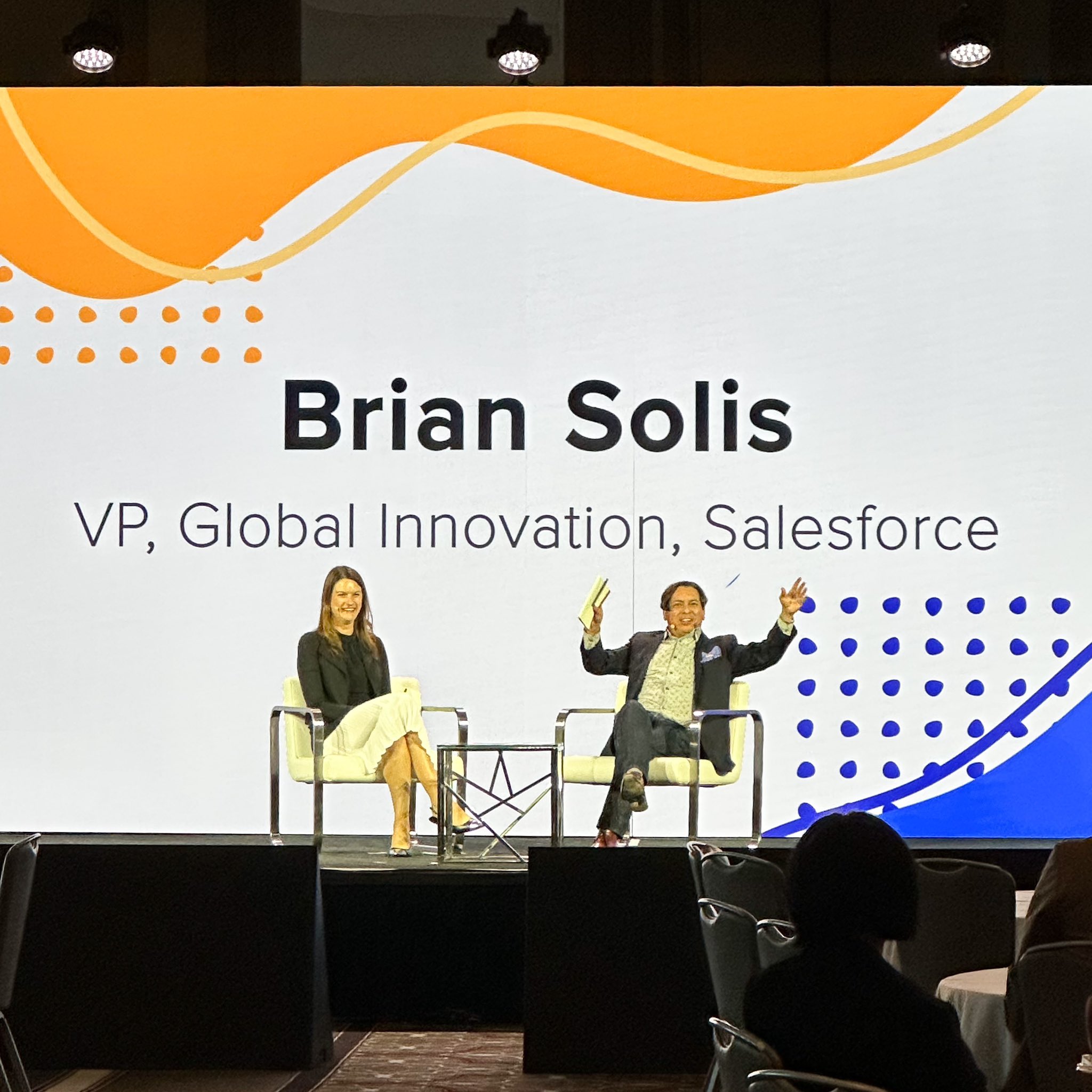
Brian Solis, author of X: The Experience When Business Meets Design, joined Janelle Estes, UserTesting’s Chief Insights Officer and co-author of User Tested, met onstage in a fireside conversation at The Human Insights Summit last week in New Orleans to discuss the importance of customer understanding and empathy in an always-on world, and why today customer experience is your brand.
Solis is a world-renowned digital anthropologist, futurist, 8x best-selling author, and international keynote speaker. He has consistently been recognized as one of the world’s leading voices in innovation, business transformation, and leadership for over two decades.
Co-host Janelle Estes | @janelle_estes
Co-host Andy MacMillan | @apmacmillan
Producer Nathan Isaacs | @isaacsnd
The post How to Cultivate Customer Empathy in Experience Design and Innovation – A Conversation with Janelle Estes UserTesting appeared first on Brian Solis.
March 24, 2023
Why LifeSCALE Should Be On Your Spring Reading List

Spring Cleaning, @Pixabay, Pexels.com
via Drew Rossow, Hackernoon
SXSW was packed with tech, long lines, inclusivity and patriarchy smashing. But one of the most life affirming takeaways, indeed one of the conference’s most surprisingly mindful experiences, came from an unlikely source.
Brian Solis made his name as a digital anthropologist and futurist; he’s widely credited with shaping many market trends from the rise of Web 2.0 to startup acceleration to experience design to digital transformation and corporate innovatoin. But recently his career has evolved into something still more insightful than the sum of his research.
From Business Tech to HumanityIn previous years at Southby, Solis has spoken about experience innovation, why Silicon Valley is such a mess, and how we all got hooked like little lab rats on social media. This year, he zoomed in even further on the human condition to try to understand why our attention spans and concentration have fallen off the map, and what that means for those of us trying to reclaim a happy life in the social media age.
Before a book signing during his anticipated SXSW keynote, Solis celebrated the launch of a new book at an intimate venue, sponsored by Cobalt Robotics. He spoke with TechCrunch’s Editor-at-Large Josh Constine at the Eleanor in Austin’s Warehouse district. With more than 200 in attendance, Solis introduced his new book, Lifescale: How to Live a More Creative, Productive and Happy Life.
Ok Google, Why Can’t I Write This Book?The book is his eighth, but Solis says it’s his first personal venture. And it came about because he was trying to write a different book — -but hit a wall of “perpetual distraction” so hard he couldn’t get the job done. Taking a step back, Solis wondered what was wrong, why he was having such a hard time concentrating, and how that was connected to our increasingly tech-dominated lives. Being a researcher, he dug up the data. And Lifescale is a deep dive into what he discovered.
Ostensibly, Lifescale touches upon many familiar touchpoints of wellness:
Get plenty of quality sleepStart a mindfulness practiceRefresh your personal core values, your purpose and use them to define a more timely and personal vision and missionBut what’s astounding about this presentation is the sheer volume and quality of data Solis offers as supporting evidence of our need to pull back from multitasking and Pavlovian responses to our devices and Facebook accounts. Solis juxtaposes effective short-term hacks (like the Pomodoro technique) with a deeper exploration of our distraction problem and how to fix it for good.
The Call to Action is Coming From Inside the HouseSolis makes his case not from the point of view of a wellness guru, but rather a Silicon Valley veteran. He doesn’t give into the temptation to vilify technology with blanket judgments, instead using specific examples of how certain uses of technology are making us sick in certain ways, and what we can do to turn that around.
Along the way, Solis ventures from his usual business marketing territory into personal, even touching insights about what it means to be human and to live a life of fullness.
Lifescale also includes some revealing things about the strategies tech companies use to keep us hooked on their products. If Facebook’s approach to members and their data makes you uncomfortable, wait until you hear what Netflix’s CEO has to say about his viewers.
This is The Book You Can’t Get Out of Your HeadBrian is the Marie Kondo of your mind, body, and spirit for a modern era.
Solis’s points stuck with me. I kept thinking about them after all the SXSW dust had settled, and on the plane ride home it was my newly signed copy of Lifescale that I found myself devouring. As his previous talks indicated, there’s some kind of tension mounting between the Silicon Valley elite and people who are just trying to be people. With Lifescale, Solis has given us the knowledge to have power over our own awareness again. Put it on your spring reading list.
If you’re one of those people who started the new year by binge-watching Marie Kondo’s Tidying Up, consider this a spring cleaning for your consciousness. Yes, I say that with a straight face, Brian is the Marie Kondo of your mind, body, and spirit for a modern era.
The post Why LifeSCALE Should Be On Your Spring Reading List appeared first on Brian Solis.
March 23, 2023
Futurist Keynote Speaker Brian Solis to Explore the Future of Marketing and Customer Experience at Digital Summit
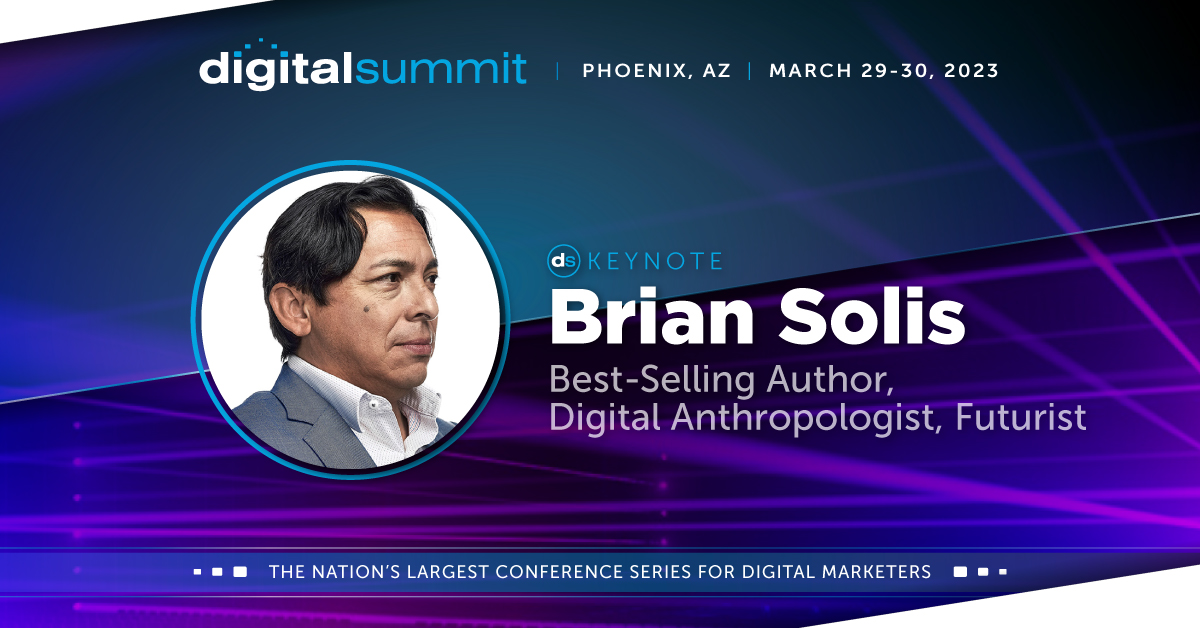
Brian Solis will keynote Digital Summit in Phoenix on March 29th, 2023. Please click here to join him live!
The New Marketing Mindset: Marketing to the Customer of the Future, TodayA look back in history shows you just some of the technology revolutions that changed the course of how we shop, connect, and navigate life: Amazon, iTunes, iPhone, Instagram, Uber, TikTok, and now ChatGPT.
With each event, the course of customer behavior shifts, and along with it, expectations and preferences, and standards for amazing experiences.
What technology and behavioral trends are predicted to impact the way people live and work in the next few years?
Brian Solis is a world-renowned digital futurist, best-selling author, and international keynote speaker. He was worked with some of the most recognized and innovative companies around the world. During this opening session, Brian will help you feel more prepared to thoughtfully approach future industry changes and develop more authentic relationships with your audience.
After this session, you’ll be able to:
– Explore the trends that are redefining the marketing landscape, from a human perspective
– Walk away with a mindset shift on how to connect with customers today
– Make the connection between mindset and customer experience to spotlight the divide between current strategies and customer expectations and how to close them
Hope to see you in Arizona!
The post Futurist Keynote Speaker Brian Solis to Explore the Future of Marketing and Customer Experience at Digital Summit appeared first on Brian Solis.
Brian Solis Headlines Brand Week Istanbul: Being Human in the 21st Century
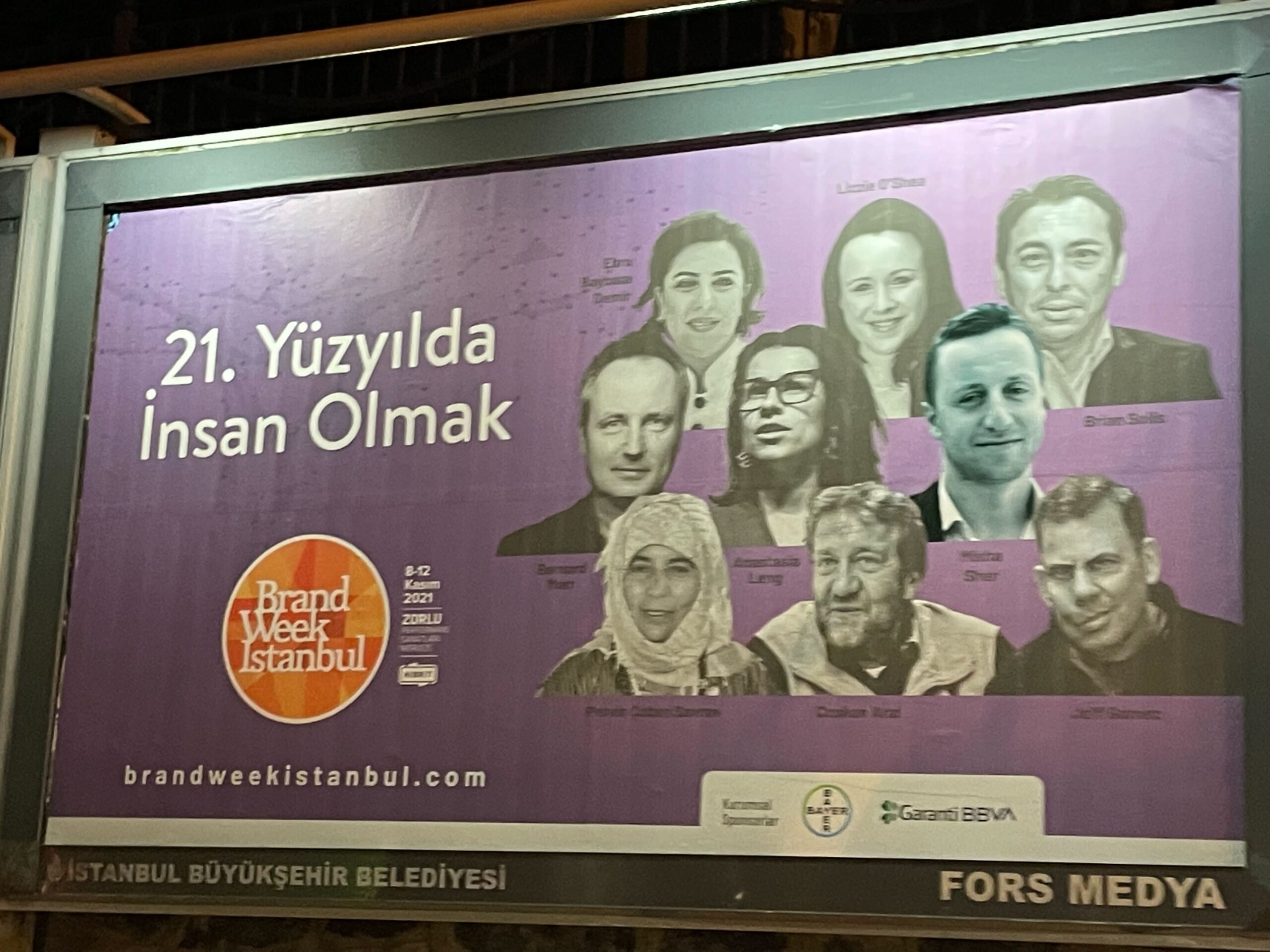
Brian Solis was invited to keynote Brand Week Istanbul on the world stage. Following is a short summary of his presentation by HABER TURK.
Translation via Google Translate
Being human in the 21st centuryBrian Solis was at Brand Week Istanbul World Stage with his presentation on the theme ‘Being Human in the Century’ in terms of brand experience.
Stating that we should think of brand experience as a personal experience in the 21st century, Solis says it is critical for brands to give people a sincere feeling and empathize with people in the digital world. In other words; It is essential to create a sense of “digital empathy” by uncovering the insight and commitment factors from technological innovations such as personalization, data integration, and artificial intelligence.
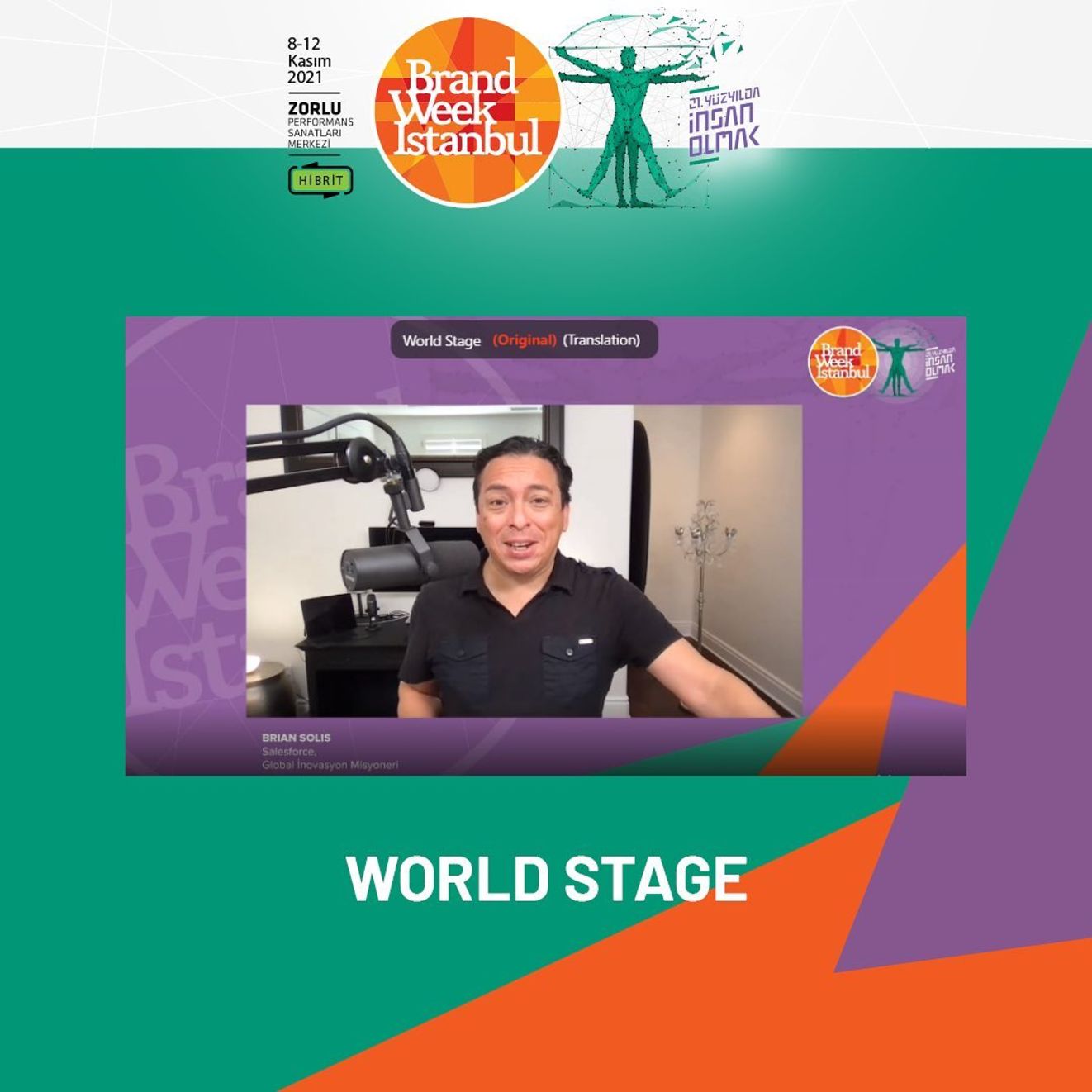
Brian Solis Yüzyılda İnsan Olmak’ temasını marka deneyimi açısından incelediği sunumuyla Brand Week Istanbul World Stage’deydi.
21’inci yüzyılda marka deneyimini kişisel bir deneyim olarak düşünmemiz gerektiğini söyleyen Solis’e göre, markaların dijital dünyada insana samimi bir his vermesi, kişiyle empati kurması oldukça kritik. Bir başka deyişle; kişiselleştirme, veri entegrasyonu, yapay zekâ gibi teknolojik inovasyonlardan içgörü ve bağlılık faktörlerini ortaya çıkararak bir “dijital empati” hissi oluşturulması elzem.
The post Brian Solis Headlines Brand Week Istanbul: Being Human in the 21st Century appeared first on Brian Solis.


