Pooja K. Agarwal's Blog, page 9
September 12, 2019
Here are 10 quick tips to make office hours powerful learning opportunities
I just finished my first week of class for the fall semester. Whew. The highlight: Eight students stopped by my office hours my first week. Yes, 8!
Were students freaking out about an assignment? No (I don't have exams). Did they miss the first day of class? Nope, none of them. Are my office hours required? Absolutely not.
So, why did 11% of my students come to my office hours? To connect.
Don't squander office hours. Make them the richest learning opportunities for students, even from Week 1.
How do you make the most of office hours? Comment below and let me know.
P.S. You'll receive my emails on Thursdays for the rest of the semester, so I can focus on my teaching!

Photo by Allison Shelley for American Education: Images of Teachers and Students in Action
I love office hours. How often do you hear that from professors or students? Across the 11 semesters I've been teaching in higher education, 9-11% of my students come to my office hours every week.
Far too often, I hear college professors say, "I bet no one is going to stop by office hours today. Want to grab coffee?" We can do better. Turn your office hours into connection hours, student hours, and learning hours. Students will learn from you, and you'll learn a lot about the world from them, too. Keep in mind that the more students who stop by, the more they can learn from each other. I’ve helped connect students who have similar interests, struggles, majors, and backgrounds. They become fast friends and stay in touch – which is incredibly rewarding for me, too.
Here are some quotes from my students about office hours:
“I was always afraid and too shy to come in to office hours. Pooja’s was the first I went to, she was so warm and welcoming, now I don’t fear them anymore!”
“Thank you so much again for the chat during your office hour :) It was really helpful and interesting! I really liked it, not just for discussing the class assignment, but the vibe as well. I'm going to visit many more times for sure!”
Note that these are quotes from international students, for whom English is a second language (ELLs, or English Language Learners). Office hours are a perfect time to connect one-on-one and give them the opportunity to practice their language skills.
There's some research on office hours and small grants to conduct research in psychology classrooms (Deadline is October 1). To keep things practical, here are my top 10 tips for turning office hours into connection hours.
1) Put your office hour date, time, and location in your email signature
2) Put your office hour info on reminder slides at the start and end of class
3) Have students retrieve your office hour info (and space it out) on quizzes
4) Describe what office hours are (and are not) in class and on the syllabus. Give examples of things you like to talk about (see tip #5 below). You could rename them (“student hours,” “connect hours”). You could even host them online (e.g., via Zoom, Google Docs, Twitter, etc.).
5) Ask questions and listen. Not sure what to ask? Ask not just what they’re majoring in, but why. Ask if they did anything fun last weekend. Ask what other classes they’re taking this semester. Ask if they have any pets. Ask about their favorite Netflix/Hulu shows. Ask about whether they like to cook and if they have a favorite food. These might seem like “small talk” topics, but they’ll open up a flow of conversation more quickly than you might expect. I encourage you to share your thoughts, too. Make the conversation a two-way street. You don’t have to share anything personal (I don’t discuss my family, for instance), but foods, TV shows, and where you’d like to travel to next are all fun topics. Think of it like sharing recommendations and receiving recommendations.
6) Create "teaser" topics. Something come up in class that would be fun to discuss, but you don't have time? Give students a teaser and tell them to come to office hours for more. (My go-to: I show pictures of my dog, but only in office hours.)
7) Schedule your office hours in a block (e.g., two hours straight), rather than an hour here and an hour there. Many of my students hang out for longer than an hour, and students don't have to remember multiple dates and times.
8) Make office hours no-stakes. My office hours are optional – but they are an option. It's an opportunity for students to participate outside of class.
9) Reinforce the benefits of office hours in class. "We had 8 students in office hours yesterday! I learned all about the mandolin." (I teach cognitive science at a music conservatory.) Students will be intrigued and want to know more.
10) Play music. It sets the tone and it's a great conversation starter.
Read More Tips to Build Classroom Culture
Share These Resources with Students
Another tip for office hours: Share resources with students!
Here are a few I recommend:
1) Share NPR's new Life Kit podcast series, How to Succeed at College. I share the science behind effective study strategies in the second episode. Additional topics include office hours, mental health, job searching, and sleep.
2) Share our run down of effective study strategies – all by scientists (direct link: retrievalpractice.org/students).
3) Share your favorite Netflix and Hulu shows. I'm always looking for recommendations, and so are my students!
Listen to NPR's How to Succeed at College Podcast


September 4, 2019
Here are three simple "memory" hacks to make your classroom run smoothly
I forget, and my students forget. It's a fact of life. Why not make life easier?
Here are three simple hacks to keep your classroom going smoothly and help you remember lessons, links, and backpacks.
What's a simple classroom hack or tip that helps you and your students remember? Let us know: email us, tweet, and share!
P.S. Support your college students with our back to school resources and a new podcast on NPR!

Photo from Pixabay
Use these three hacks to help you (and your students) remember!
#1: Remember your lesson plan with a 1-minute reflection
Can't remember how a lesson from last semester or last year went? On the bottom or back of a lesson plan, include two questions:
What went well? What should I do differently next time?
As soon as you're done with the lesson, take just one minute to write down a note to your future self. Stuff all your lesson plans/reflections into a folder. The next time you teach the lesson, future-you will be glad that past-you retrieved!
#2: Retrieve links by adding QR codes to your presentation slides
Need students to quickly pull up a website, Google Form, or tech tool? Tired of waiting for them to remember their LMS passwords? Use a QR code instead! Launch the camera app on a phone (iPhone, Android, etc.) and point it at the QR code. Click on the popup link. No special app needed. Try it for yourself:
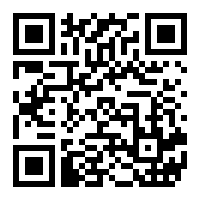
Search for a QR code generator on Google (or click here), use any of the tools, copy/paste in a link, download the image, and drag/drop it into your presentation. You'll get the hang of it quickly and your students will love you for helping them "retrieve" links. I use this hack during workshops, too!
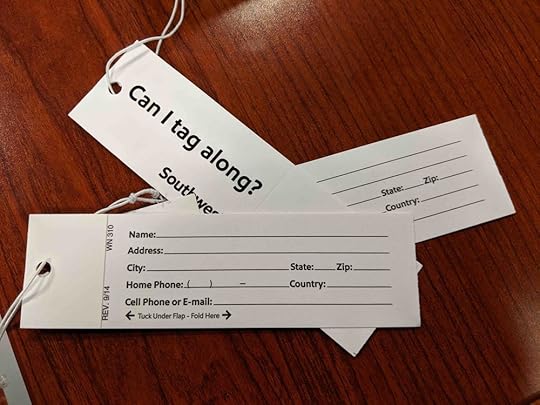
#3: Remember backpacks with the help of luggage tags
Do students forget their belongings in your classroom? The next time you're at an airport, grab a handful of luggage tags and hand them out in class. If we can't rely on our memories, at least we can rely on name tags!
Share Your Hack in Our Facebook Group
August 28, 2019
These are the best resources to help students study smarter, not harder
Do you want to help your students improve their study strategies? Of course you do!
Here are the best resources for students to boost their studying and learning. Help your students study more effectively and more efficiently.
Why are these books, blogs, videos, and podcasts the best out there?
They're practical
They're all created by scientists
They'll help students study smarter, not harder
Start your students on the path to effective study habits. Unleash the science of learning and help your students become powerful students!
P.S. Use our no-prep back to school activities for even more learning in your classroom.

Photo by Erick Zajac on Unsplash
Here's a roundup of the best resources for students about studying and learning: Books, blogs, videos, and more. Share this with your students ASAP!
Classroom Activities
Powerful Teaching: Unleash the Science of Learning (full of class activities!)
Model Retrieve-Taking in Your Classroom
Ask Students These Three Important Questions About Studying
How to Engage Students in a Conversation About Learning
Books for Students
College Smart: How to Succeed in College Using the Science of Learning
How to Learn: Effective Study and Revision Methods for Any Course
Understanding How We Learn: A Visual Guide
Make it Stick: The Science of Successful Learning (download our free resources!)
Blogs for Students
The Learning Scientists, particularly their blogs on note-taking with laptops vs. handwriting, studying while listening to music, and FAQs
Downloads for Students
What Works and What Doesn't in Scientific American
Optimizing Learning in College: Tips From Cognitive Psychology
Videos & Podcasts for Students
Our YouTube playlist of study strategy videos
Podcast episodes by the Learning Scientists
Share This List with Students on Twitter
August 21, 2019
Don't ask students what they did over the summer. Ask this instead!
How often do you start the fall semester by asking students what they did over the summer?
This fall, ask a different question: What's one thing you learned this summer?
For me, I learned the difference between lead sheets and sheet music. What's one thing you learned this summer? Let me know!
P.S. Can you help us share the science of learning? Voting for our SXSW ED panel ends this week!
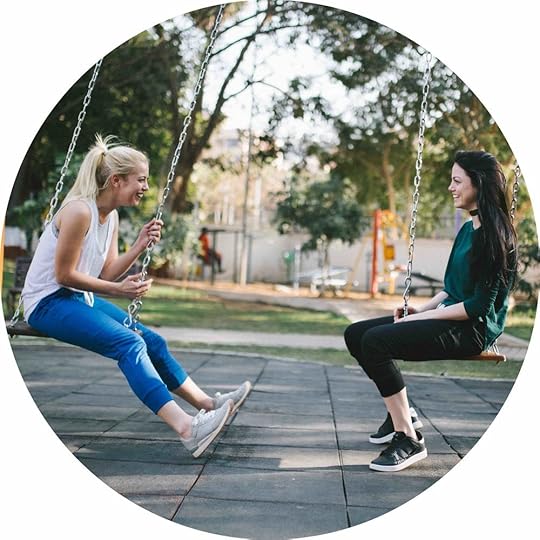
Photo by Bewakoof.com Official on Unsplash
When your students walk in on the first day of class, make a simple switch!
Instead of asking, "What'd you do this summer?"
Ask "What's one thing you learned this summer?"
Why?
You'll engage students in spaced retrieval practice
You'll build relationships with a more thoughtful question
You'll spark conversation with this "retrieval warm-up"
How?
Start by sharing one thing you learned this summer
Keep it no-stakes. There is no correct or incorrect answer!
Ask students to think-pair-share
Make it an entry ticket, ready to go at students' desks
Use tech tools, like Kahoot, PollEverywhere, or FlipGrid
Ask students not one, but two things they learned this summer
Perhaps a student went camping for the first time and learned how much they love it. Or maybe a student spent time with a relative and learned a little family history. Learning happens every minute of every day – appreciate it!
Share What You Learned @RetrieveLearn
August 13, 2019
Jumpstart the school year with this simple retrieval practice
Yesterday was my last day of class for the summer. The first day of my fall semester (with nearly 100 college students) will be here before I know it!
Here's how I start the school year with retrieval practice – as soon as students walk in the door. It's how I end the school year, too.
Quick, simple, powerful. How do you jumpstart learning? Let me know!

Photo by Leon Ell' on Unsplash
On the very first day of class, my students start with retrieval practice. Even when they walk in the door, a sheet of paper is waiting for them on each desk. I ask two questions:
What are five words that come to mind when you think about psychology?
What is psychology? Write a description in your own words.
First, for introductions, we go around and everyone quickly shares their name, their "noun" (see Chapter 8 in Powerful Teaching for Noun-Name Tag), and just one of the five words about psychology they wrote down. Bonus: Students aren't worried about what to say because it's written down in front of them!
Second, I have students think-pair-share their five words and descriptions about psychology. Do they notice any similarities or differences?
Third, I collect students' worksheets before class ends. No grading! I simply keep them. Until the last day of school.
During our last class together, I give students a new worksheet with the same two questions (some students even remember this activity from 15 weeks ago!). Finally, I hand back their worksheets from the first day of class. Students love comparing their initial reactions with their final reflections.
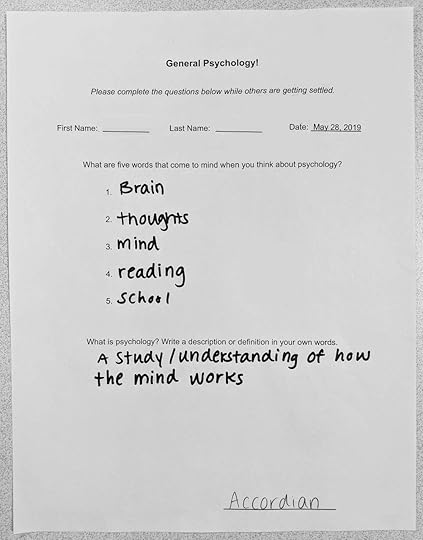
Student response on May 28, 2019
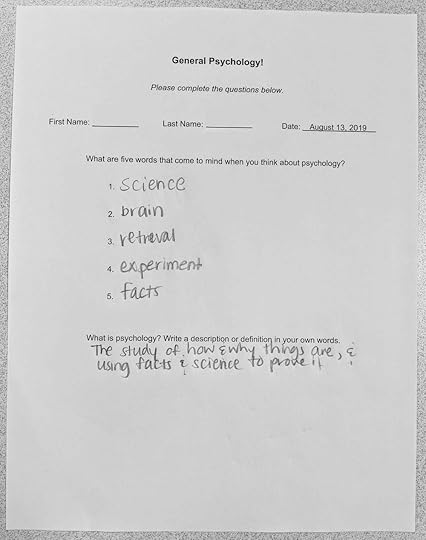
Student Response on August 13, 2019
Here's why this is powerful retrieval practice:
On the first day, students retrieve and reflect on what they already know
On the last day, students retrieve and space what they know
No grading and very little prep
Flexible for grade levels and content areas (replace "psychology" with the theme of your course)
Adaptable with tech tools, apps, Google Forms, etc.
Want even more retrieval on the first day of class? Use Brain Dumps, Two Things, and Retrieval Warm Ups! Don't wait – jumpstart learning on Day 1.
Get Three More Strategies for the First Day of Class
August 8, 2019
Love trivia? Quiz yourself with our retrieval practices!
Retrieval practice boosts learning inside the classroom – but we love retrieval practice outside the classroom, too!
Take a moment and improve your own knowledge about the science of learning, research-based teaching strategies, and super cool trivia facts.
Go ahead: retrieve, make mistakes, get feedback... and learn!
P.S. Vote today and help us bring the science of learning to SXSW EDU 2020!

Image by Kristina Ishmael and the Nebraska Department of Education
Join hundreds of educators and retrieve what you know about the science of learning – in just 5 minutes! Quiz yourself with our retrieval practices, share your knowledge, and view responses from around the world. Happy retrieving!
Do you know these 10 trivia facts?
Why do multiple-choice questions boost learning?
How many evidence-based teaching strategies do you know?
What does interleaving feel like?
What do you know about retrieval practice and interleaving?
What's so great about retrieval practice?
Brain dump what you know about interleaving!
What's the first thing you would share about retrieval practice?
Quiz Yourself With Our Retrieval Practices
July 31, 2019
Here's how to transform faculty meetings into faculty learning
Want to boost your own learning and memory?
We can barely remember where we parked our car, let alone what we did last weekend. Here are two quick ways you can boost your own learning – even during faculty meetings!
Learning takes place every minute of every day. Don't let it slip you by.

"Faculty and staff meetings are so much fun!" Said no one ever.
How often do your meetings start by reviewing what you talked about last time? Turn faculty and staff meetings into an opportunity for retrieval practice and spacing!
Here's a better way to start a faculty meeting:
Ask everyone to write down Two Things they remember from the previous meeting, or
Give everyone 2-3 minutes to Brain Dump what they can remember
That's it! Here's why you should switch from reviewing to retrieving:
Your faculty and staff will improve their memory from previous meetings, reducing the amount of time you have to re-hash what was discussed
You provide the opportunity for faculty to experience retrieval practice firsthand, passing the torch so they can try it in their classrooms
You foster a culture of learning throughout your department and school, beyond the classroom
Are you reading a book right now? Want to remember a recent vacation? Take a moment and jot down Two Things at the back of the book after each chapter or Brain Dump into a Word document you can store with your photos.
Want to unleash the science of learning in your classroom? Start by unleashing it in everyday life!
Learn More About Brain Dumps
Powerful Teaching Round Up
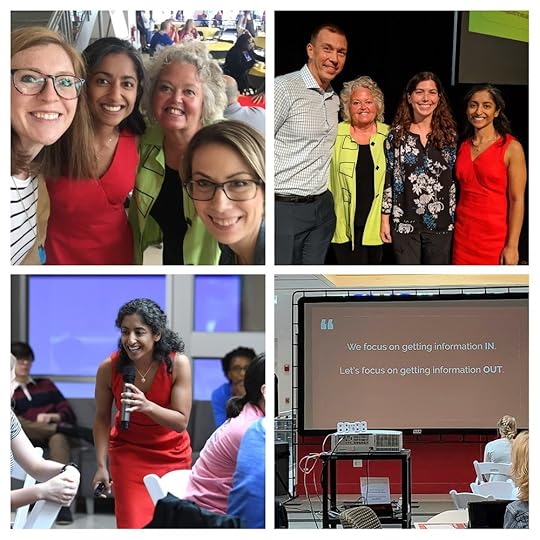
We are having such a blast sharing Powerful Teaching and meeting educators from coast to coast! A huge thank you to our most recent hosts, who are leading the charge in transforming student learning:
The Center for Transformative Teaching & Learning
We'll be coming to a city near you: St. Louis, Tacoma, Denver, and Boston. Can't join in person? Join us on Facebook and follow #powerfulteaching on Twitter!
Join Powerful Teaching on Facebook
July 24, 2019
Binge listen to the best podcasts on the science of learning
Want to get caught up on the science of learning?
Binge listen (that's a thing, right?) to our favorite podcasts – more than 70 episodes full of the "why" (research on learning and memory) and the "how" (teaching strategies you can use tomorrow).
What are your favorite podcast episodes? Tweet, share, and let us know!
Love podcasts? Especially about the science of learning? Check these out!
41 episodes(!) on the science of learning by The Learning Scientists
Episode 123 and a series on learning and memory by The Cult of Pedagogy
14 episodes by Teaching in Higher Ed
8 episodes by ISTE & The Course of Mind
A series of episodes by TeacherToolkit
A series of episodes by The Staffroom
Episode 421 by Coaching for Leaders
Episode 20 and Episode 21 by Teach Illinois
Episode 38 and Episode 39 by CPRE Knowledge Hub
Listen to The Learning Scientists Podcast
July 17, 2019
Want to build relationships with students? Ask them about their favorite animal.
It's critical to build relationships with students.
If we're going to boost student learning with desirable difficulties such as retrieval practice, spacing, and interleaving, we need students to join us in the process.
Here's a quick (and fun!) strategy to build relationships with students: Simply ask about their favorite animal (I’m serious; keep reading).

Photo Credit: Csaba Talaber
Yesterday, I emailed my college students a few reminders about class assignments. Here's the email I sent:
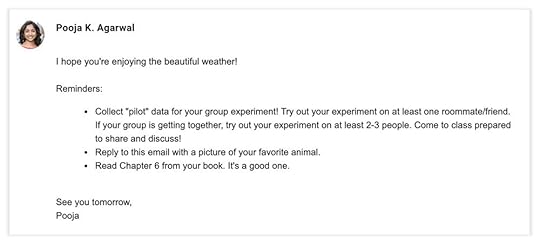
Notice anything unusual? Check it again. (hint: read the second bullet)
I asked students for a picture of their favorite animal. Why?
I know who read (and didn't read) my email carefully
My inbox gets filled with photos of cute animals
I build rapport by replying with a photo of my favorite animal
When you build rapport with your students, they will become more comfortable making mistakes and taking risks (download figures from Powerful Teaching). They'll be more comfortable exploring their metacognition, including questions like, "Rate your overall understanding of today's class" (download our Metacognition Sheet template).
You must facilitate conversations with students about learning. You can encourage retrieval and metacognition in subtle ways, too (including our Retrieval Warm Ups).
Punchline: The next time you email students with reminders, ask for a photo of their favorite animal. Or favorite food. Or favorite place to travel. The options are limitless!
Below are some favorite animals I received from my students. Try this for yourself! Comment below or tweet us with a photo of your favorite animal. Let's build relationships and boost learning – even via email.

Tweet @RetrieveLearn With Your Favorite Animal
July 10, 2019
This is how students really feel about retrieval practice
What do students think about retrieval practice?
Just ask them. Yes, it's that simple.
Here's how my college students reacted yesterday when I asked them about retrieval practice. (Spoiler alert: They love them – and literally ask for more.)
P.S. Join me for workshops on Powerful Teaching in Chicago and St. Louis this summer!

I teach college students at the Berklee College of Music in Boston. (No, I'm not a musician. I teach undergraduate musicians about the fascinating world of psychological science, cognitive science, and neuroscience.)
At the start of class each week, students complete a retrieval practice – all short answer, only 2% of their grade each. (I've written more about my own approach here and also in my new book, Powerful Teaching. I practice what I preach!)
Below is a photo of what retrieval practice looks like in my classroom. Does it look like students are taking a test? Yes. Are they actually taking a test? No!
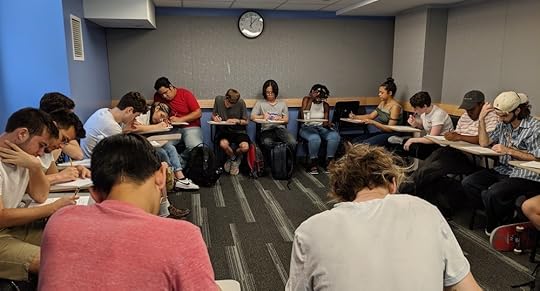
Yesterday, out of curiosity, I asked my summer students this question:
"Do you think our weekly retrieval practices are helping you remember information from class? Why or why not?"
Here are a few thoughts my students shared:
Definitely! Exploring in my own words is really useful!
I internalize things better when I'm engaged and retrieval practice gives extra value to the information I learn.
I was just telling my roommate about them and how I wish all my classes did them.
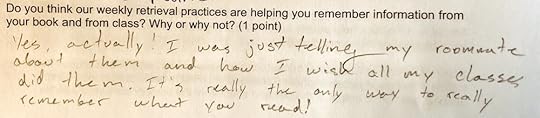
Wow! Students might look puzzled at the beginning of the semester when you tell them about retrieval practice and desirable difficulties. But soon, they'll see the value in retrieval practice – and even ask for more.
Want to know what your students think about their own learning? Just ask!
Explore Tips for Conversations with Students
Power Up with Powerful Teaching
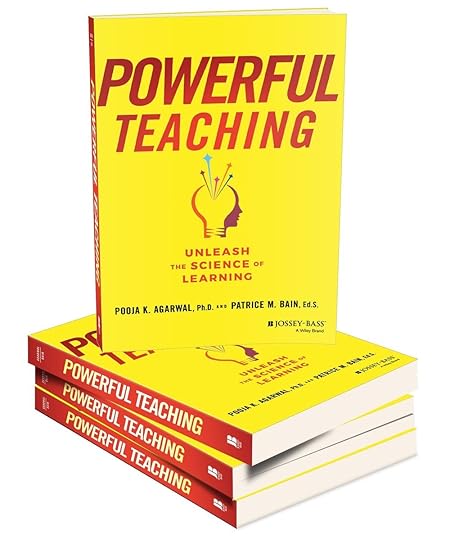
ICYMI, here's a roundup of all of the buzz about the book Powerful Teaching:
Upcoming workshops in Chicago, St. Louis, and a city near you
New templates available for download
Podcast interviews on the Cult of Pedagogy and the Course of Mind
Book review in the Learning & the Brain blog
Featured by ISTE and The Learning Agency
Nearly 400 educators in our Facebook group
Hundreds of classroom examples on Twitter at #powerfulteaching
Learn More About Powerful Teaching