Shawna Coronado's Blog, page 19
September 11, 2016
Rick Bayless in His Garden
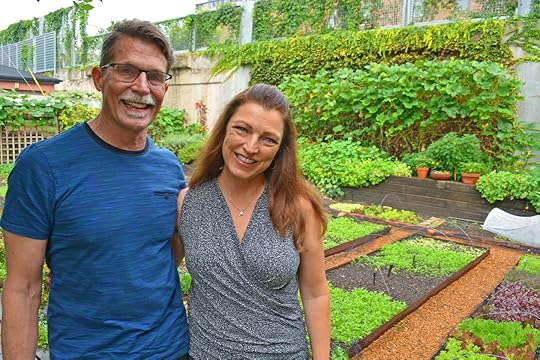
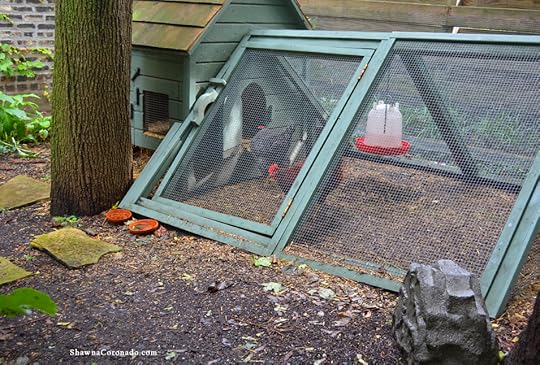
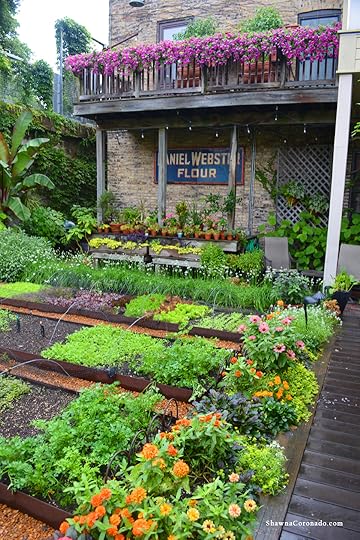
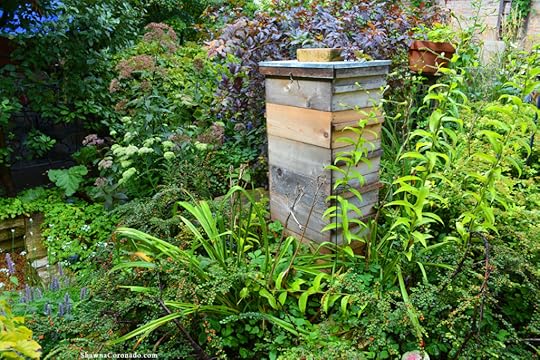
Gardens are a reflection of the passion and interests of their owners – bursting with emotional connections that stimulate guests and help tune them in to the person behind the garden. Chef Rick Bayless, host of the highly rated Public Television Series Mexico–One Plate at a Time, has a home garden in Chicago which he uses for his own use and for his restaurant production. From the moment you step through the gate, the organic garden is exploding with life and feels as warm and complex as Rick Bayless himself. Beyond amazing vegetative bounty there are also chickens (below), lots of butterflies, and honey bees (bottom).
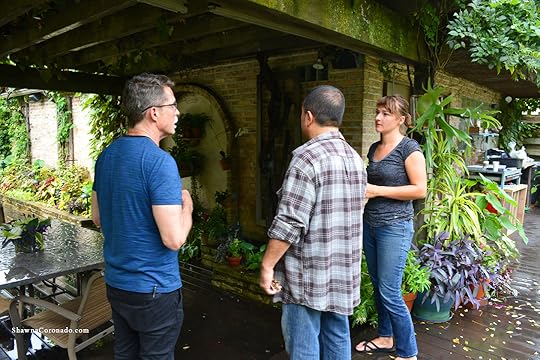
Rick is, indeed, full of life. When you meet Rick you are struck with the fact that he reflects the image of healthy that he evangelizes; that eating wholesome food and staying active can be a panacea for a stressfully busy life. While Rick spends the majority of his time running his restaurant empire and working on television, he works closely with the team that plants and manages his gardens which produce over $30,000 of produce annually for his restaurants. While I was there he was directing his staff on the harvest of the grapes which are growing over a shady veranda across from the micro-green production garden (below).
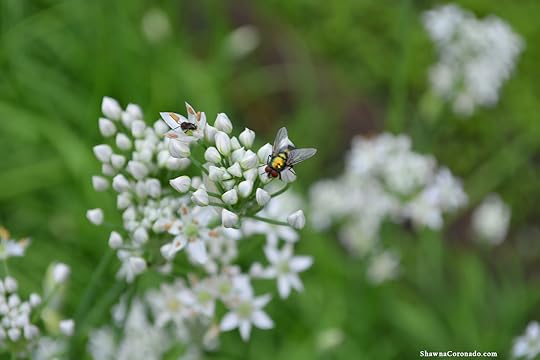
Growing Garlic Chives
One of the plants in the garden flowering wildly on my visit was Garlic Chives (Allium tuberosum), also known as the Chinese leek. Rick stopped and talked extensively about the herb. The plant is perennial in zones 3 through 10, is wholly edible, and functions well as a companion plant since it attracts many differing pollinators (above). Plant in a rich, well-drained soil for best results. It is an aggressive self-sower, so cut the flowers to prevent seed production. The flowers make excellent ever-lasting arrangements.
Rick’s recommendation is to cook the garlic chive. Saute it with eggs, make it into a garlicky pesto, cook it with pork, or use it as a flavor enhancer in soups.
Television Show Season 11 Premiere
Be sure to watch Rick’s The Season 11 premiere of his PBS television series, Mexico–One Plate at a Time this Friday night on September 16, 2016. He visits the remote village of Punta Allen, which is located in the Sian Ka’an nature reserve, where Rick and chef Juan Pablo Loza join members of a sustainable lobster fishing cooperative on an oceanic outing. Also: a feast of grilled lobster zarandeado with adobo mayo and sweet corn puree is prepared in the gardens of the Rosewood Mayakoba resort; and Rick makes greens with grilled honey-lime dressing and a sweet-and-spicy, chipotle-honey glazed shrimp dish in his kitchen.
Special thanks to Rick Bayless and his amazing team for allowing me to meet and visit my Mexican cuisine hero. I will be giving you more tips and ideas from Rick and his garden throughout the upcoming season.
Save
Save
Save
The post Rick Bayless in His Garden appeared first on Shawna Coronado.


September 9, 2016
Chicago Botanic Garden Opens Learning Center
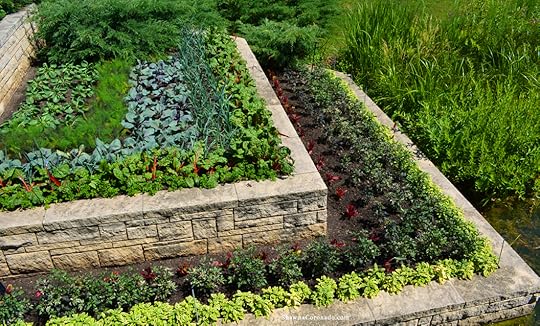
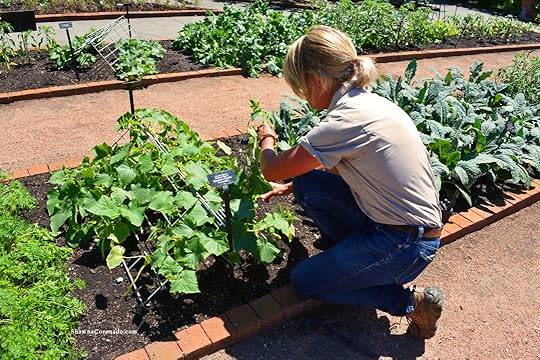
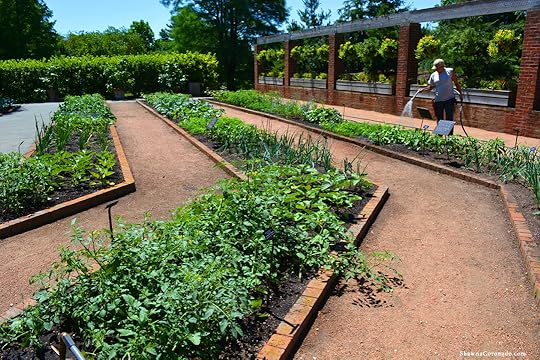
This summer I had the privilege of touring the amazing gardens at Chicago Botanic Garden. One of my favorite employees who toured with me is the talented Lisa Hilgenberg, the horticulturist for the Regenstein Fruit and Vegetable Garden. She’s tough to capture on film because she is always moving in the garden – a woman after my own heart – this time she was adjusting the cucumber vines in the vegetable beds (below). Lisa and her staff lovingly tend the fruit and vegetable gardens, building a beautiful display for visitors so that they can learn more about gardening.
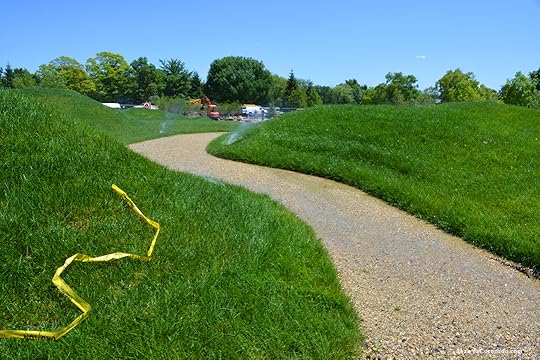
A highlight of the visit was experiencing the Regenstein Learning Campus while it was still under construction (below). It’s a new seven-acre study facility for plant-based learning activities. Each room within the facility is all sustainable – lighted with natural light whenever possible and the facility has many special energy saving features. My favorite new feature of the landscape surrounding the facility is a large area which has rolling grassy hills that kids can play on and performers can entertain on – truly fun for little legs to climb. The hills were sodded around the time we toured and were being sprinkled to help them establish (below). Grand opening is this weekend — Saturday, September 10, and Sunday, September 11. From 10 am to 4 pm on these days, visitors can engage in mini-classes showcasing what the Garden’s education programs have to offer.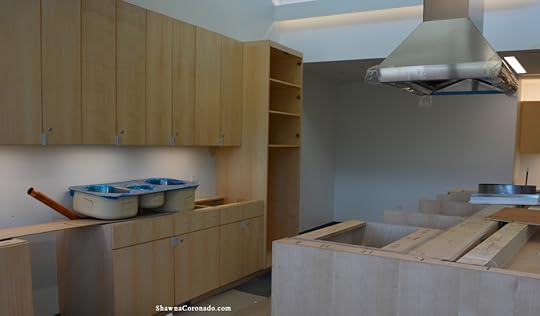

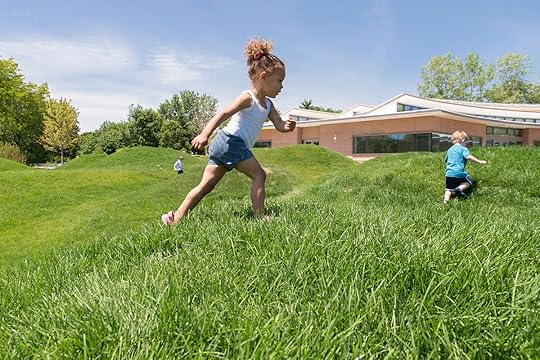
If you want to learn more about health and wellness, inter-generational learning, art, tai chi, yoga, photography, and all kinds of hands-on coursework, visit the Regenstein Learning Campus at the Chicago Botanic Garden this weekend (photo credit above and below via CBG). Visitors can check out classes and meet staff. Register for full classes at opening weekend and receive an additional 10 percent discount. Visitors will also get to explore the new campus and its gardens, hear live music, and participate in a scavenger hunt. Entertainment will feature a variety of music for and by children and adults. Windy City Harvest, the Garden’s urban agriculture program, will have a farm stand with fresh produce. Visit http://www.chicagobotanic.org/education/opening_weekend for more information.
Save
Save
Save
Save
Save
Save
The post Chicago Botanic Garden Opens Learning Center appeared first on Shawna Coronado.
September 5, 2016
Planting Swiss Chard in Fall
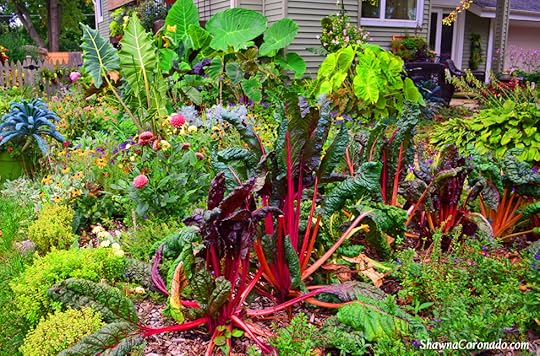
Planting Swiss chard ‘Bright Lights’ in the late summer and fall works just as well as planting in early spring. While Swiss chard is a semi-hardy vegetable crop, it is still a fantastic cold season crop to plant from vegetative form in August. Garden supply stores and nurseries are setting out their cold season crops right now throughout the country, so venture out and see what you can find on the veg tables that might work in your garden.
Growing Swiss chard is fairly easy in that it requires an organically rich, well-drained soil, part-shade to full-sun conditions, and consistent watering. In the How to Plant Organic Swiss Chard video you can see how easy it is to throw it in the ground with a little organic fertilizer and watch it grow into a colorful plant with big impact. Truly, chard is as ornamental as it is tasty. Chard will wilt at a hard freeze below 30 degrees, so it is one of the cold season crops that will be the quickest to close up for the season. Planting from seed would require at least 6 weeks of growth before putting it int the ground, so I recommend a quick plant pick up a the local garden center.
Below is a list of my favorite cold season crop plants that you should get in the ground NOW before it is too late. Planting these other lovely delights is much like planting Swiss chard – when it starts to cool down significantly consider tossing a row cover or sheet over the planting beds to give protection against a frost. At the end of the growing season compost your plants and start the growing cycle all over again.
8 Great Cold Season Crop Plants
Beets
Broccoli
Cabbage
Celery
Kale
Rutabaga
Swiss chard
Turnip
Save
Save
Save
The post Planting Swiss Chard in Fall appeared first on Shawna Coronado.
September 1, 2016
Beets as Ornamental Edible Vegetables – A Video
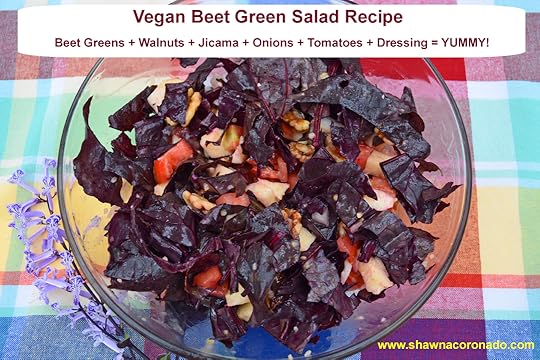
Love me some delicious beets as an ornamental edible vegetables in the garden. For warm states, this is the perfect time to put the seeds in the ground for a fall harvest. Excellent sauteed, in salads, or even as a “cut flower”, try growing ornamental edible beet seeds this fall season, this particular variety is Beet ‘Bull’s Blood’. Planting beet seeds right now means you will have small beets and lots of greens through the fall garden season.
Below is a delicious Vegan Beet Green Salad Recipe to try – and watch the video at this LINK to see what they look like fresh out of the garden.
QUICK BEET TIPS:
In order to prevent beet juice from staining your hands wear surgical gloves or garden gloves to cut and process.
Beets are a hard root vegetable and need an extra sharp knife in order to more easily cut the vegetable.
Greens from the beet are THE BEST PART – use them in salads or smoothies for a sweeter vegetable flavor.
Save
Save
Save
Save
The post appeared first on Shawna Coronado.
August 29, 2016
Grow Herbs in the Fall
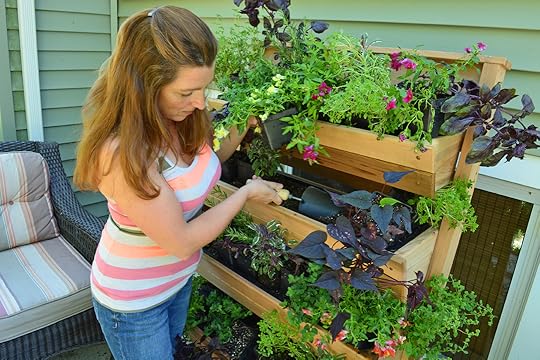
Remember last season when I taught you how to plant an Easy Herbal Cocktail Garden Living Wall? Fall is the perfect time to replant herbs in your living walls for a secondary wave of delicious herbal scents, herbal cocktails, and all around herb love. If you live in the Southern states this is especially true because the cooler season enables your perennial herbs to get refreshed and your new plantings to be at their best. If you live in the northern states, search local independent garden centers for herbal plant starts or order them online. Southern folk have enough time left in the season to start from seed.
Most herbs prefer a rich, well-drained soil. Water at the base of the herb plants to prevent disease. Harvest 1/3 of the plant at a time to keep it continually producing. Grow organically with the least amount of chemicals added so that you can enjoy a healthier treat with your family. Below are some handy herb lists to help you choose which plants might grow best in your garden.
 5 Favorite Mediterranean Herbs That Love Heat and Sun
Rosemary
Thyme
Lavender
Oregano
Sage
5 Favorite Herbs That Tolerate Part Shade
Basil
Chives
Golden Oregano
Mint
Parsley
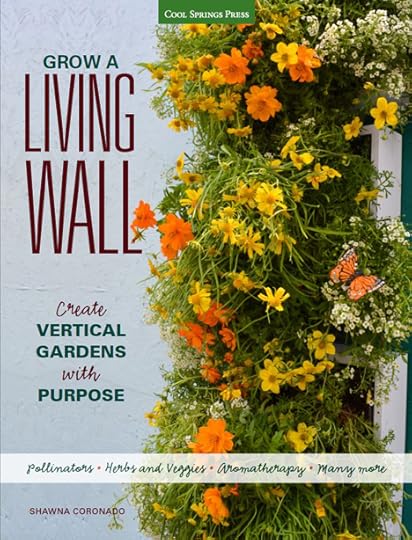
If you want more tips on how to grow an herbal cocktail garden living wall link through and pick up my book – Grow a Living Wall; Create Vertical Gardens with Purpose. Grow herbs! Lots of them to celebrate all the martinis and delicious recipes with your friends.
Save
Save
Save
The post Grow Herbs in the Fall appeared first on Shawna Coronado.
August 27, 2016
My Traveling Secret #TakeADayNow
I have a secret to confess: Since 2008, the year I started blogging, I have been secretly having adventures. Not just ordinary adventures. BIG. ADVENTURES. Blow your mind adventures. Freaking awesome adventures that have changed my life forever. Every time I travel for business I take an extra day – a “day” in my brain being anywhere from 12 hours to 48 hours long – and I go meet someone I have always wanted to meet or see a site I have always wanted to see. I do this mostly alone with an occasional adventure with a friend. I usually do this with little to no funding. It has been transformational. It has been empowering. I feel as if, for the first time in my life, I am connecting with the greater world in a unique and special way. I highly recommend that you #takeadaynow and experience the world yourself – it is eye-opening.
Where Have I Visited
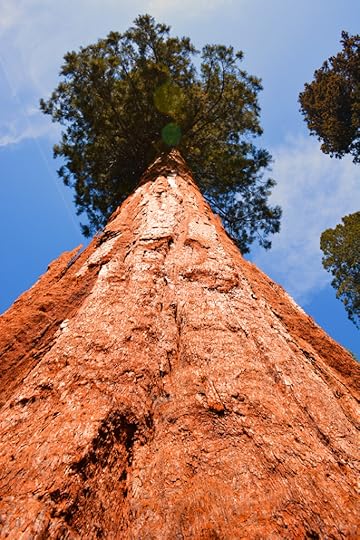
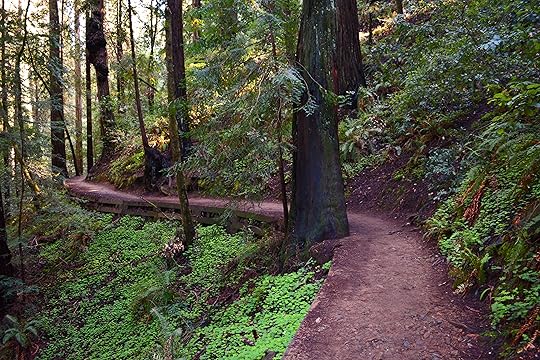
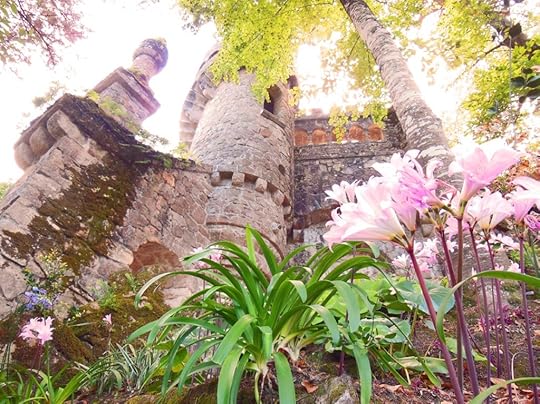
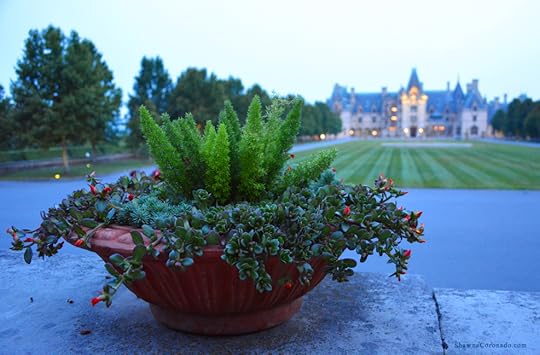
What all have I done? The list is long — I have hugged Yosemite redwood trees in the Mariposa Grove; visited Lisbon on the way back from a speaking gig in the Netherlands; driven through Amish country in Pennsylvania; driven on the autobahn in Germany; visited botanic gardens all over the place – Chanticleer, Longwood, Dallas Botanic, and many more; hiked the desert at Joshua Tree National Park; saw the Burren in Ireland; toured the Pacific Coast Highway in Oregon, California, and parts of Washington; driven from the top of Alabama to the bottom just because I could; visited Mayan ruins in the Yucatan Peninsula in Mexico; toured an American rain forest – Muir Woods; shopped a wig shop in Little Rock, Arkansas; spent a morning photographing the boardwalk in Atlantic City; walked the streets of Rome, Italy and bought hot chestnuts roasted on the streets; and I have also met ALL the amazing people. Meeting new people and learning about them is the best.
How To #TakeADayNow
Here’s how I do it — When I need to schedule a flight or drive for business, I do a Facebook friends location search to see if I know anyone in the area I’m going to that I can meet up. Then I Google Maps search and find any natural parks, oceans, mountains, or amazingness nearby. Sometimes I create a list of people I’d like to meet and see if I can set up an appointment for an interview. Often, I am on an incredibly tight schedule and do all this knowing I only have a few hours to make it happen – or I have to drive 400 miles from my speaking gig in less than 24 hours in order to accomplish the task. When I haven’t made an advance plan, I just hop in a rental car or put my walking shoes and go walking. I bring my camera (see photos) and magic happens in my soul.
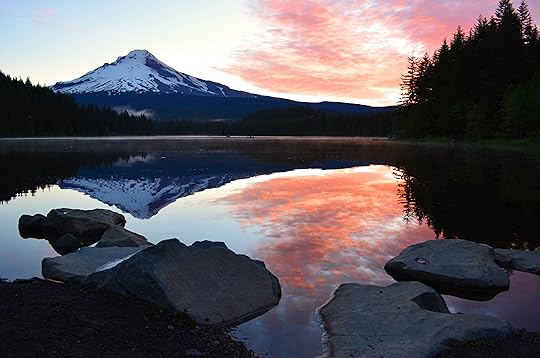
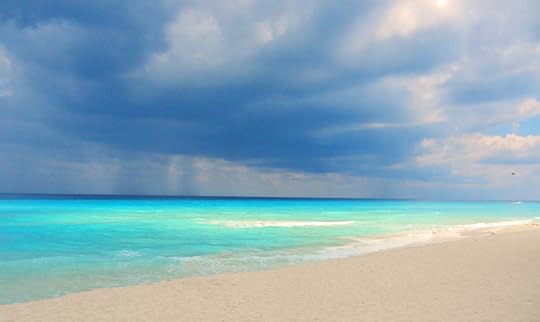
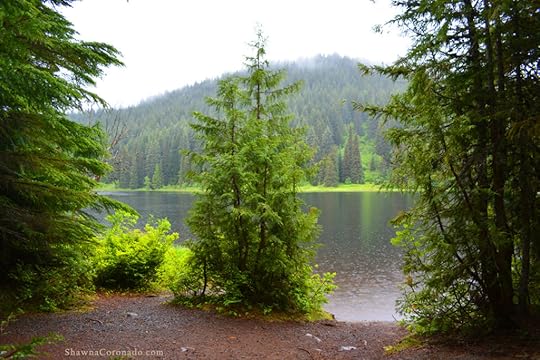
There are times when I get up at dawn to see a sunrise (top photo) and I am the only one at a national park at 5 AM watching the light change and I feel something akin to awe and I have tears in my eyes at the beauty and I am the most grateful person ever in the history of the planet to see that sight. Totally worth the effort.
What if you can’t afford to travel? No problem. #TakeADayNow in your own neighborhood and discover your local world. Meet people. Shake hands. Get up at dawn and see the sunrise. Experience the world around you because it will make your heart sing and empower you to make a difference in that world.

Safety is Key
Here’s the thing you should keep in mind — safety is incredibly important on these adventures. I always carry a cell phone. My family knows where and when I’m going places and has my full itinerary in order to find me. I always know where and how to reach an emergency team if I need it and often call ahead to let park rangers or security know that I’m there. I work with a tour guide when I can. I wear the proper clothes and bring supplies on these adventures — being trapped in a desert with no water is simply irresponsible, for example, so when I recently took a day at Joshua Tree National Park I was sure to bring water and emergency supplies just in case. I do not meet strangers I want to interview privately – I meet in public or have a friend come along to join the adventure if necessary. I would not recommend these adventures for children, teens, or the elderly without a friend or family member participating. Never trespass or go places considered “illegal” or off limits. Be safe. A #TakeADayNow adventure can be empowering and beautiful and rewarding, but definitely consider your safety first because when you take an adventure on your own you are doing so at your own risk.
Why Reveal My Secret?
A few weeks ago I was on a #TakeADayNow adventure meeting television garden celebrities in Southern California. I was sitting at the kitchen table of my good friend Shirley Bovshow, who is a garden expert on the Home & Family Show for the Hallmark Channel. She was listening to me tell these hilarious stories from my #TakeADayNow adventures and interrupted me to say, “You do this alone? ALONE?” My answer, “Yep. Mostly. I climb mountains, hike deserts, visit cities, and wake up at dawn everywhere I can.” There was a long pause. She said, “Why aren’t you writing about this? This is empowering to women – they need to see this – they need to do this even if it’s just a local adventure.” We both grinned at each other and I thought, “Maybe…hmmm…”
And so – here we are. I’m confessing my deep dark soul-empowering adventure secrets to you.
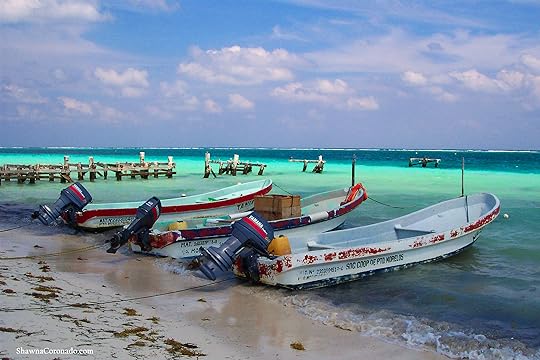
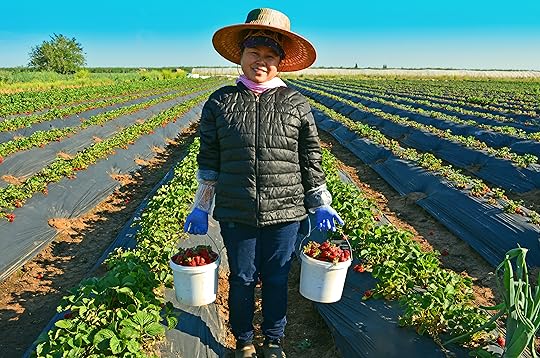
Thanks to Shirley’s inspiration, my plan is to bring you along with me on my future journeys and also offer photos of the sites around the world to download to show you how empowering and rewarding seeing the world can be. When I was diagnosed with severe degenerative osteoarthritis I thought I would be limited in what I could do, but since the diagnosis I have done more #TakeADayNow adventures than ever before (see photos below). This fall I have plans to visit Washington D.C., tour a large production plant nursery in Pennsylvania, and climb a pyramid in Mexico. I cannot wait for the next speaking gig, the next opportunity to see more of the world, and the next chance for my soul to feel empowered. It is about emotional wellness and living on the edge, and my secret travel plan works well with my diet and exercise plan to make a difference for my health. #TakeADayNow and change your outlook on life – and remember to be safe out there my friends.



Save
Save
Save
Save
Save
Save
Save
Save
Save
Save
Save
Save
Save
Save
Save
Save
Save
Save
Save
The post My Traveling Secret #TakeADayNow appeared first on Shawna Coronado.
August 26, 2016
When to Stop Fertilizing a Fall Vegetable Garden
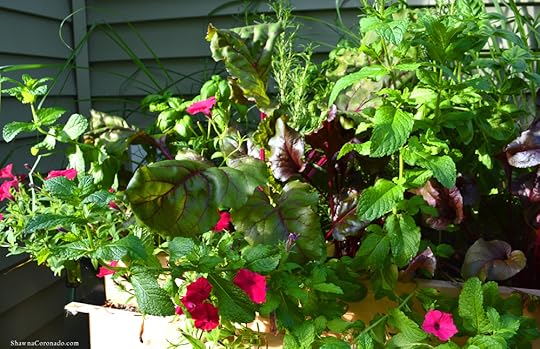
Knowing when to curtail fertilizing a vegetable garden is as important as knowing when to start fertilizing because of environmental concerns. According to studies by the University of MassAmherst. Their research team says, “Nutrient levels that are above optimum do not improve plant growth. In addition, excessive nutrients can cause adverse effects on plant growth, increase the potential for environmental contamination due to leaching, and represents a waste of resources.” With this in mind, it is important to use organic fertilizers, but use them wisely and with great consideration.
Tips for Proper Fertilization
 Directions – Proper fertilization starts in the spring and continues all through the season by FOLLOWING PACKAGE DIRECTIONS. Do not randomly apply fertilizer; be sure to follow directions specifically and err on the side of using less fertilizer rather than using more.
Testing – Have your soil tested to find out what deficiencies you might have. Fertilizing excessively to solve plant yellowing or other problems might not be necessary if the problem is actually a deficiency in an ingredient not included in your fertilizer. Knowing your soil and what might be good and bad about the soil is key to understanding fertilizer application.
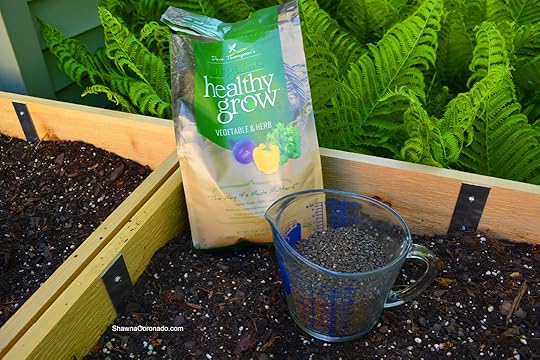
Organics – Only use organic fertilizers in both your containers and in ground. This season I have used Dave Thompson’s Organic Healthy Grow on my herbs and vegetables with much success. I used Healthy Grow in ground and in containers; it is made from chicken manure and maintains beneficial microbial activity, is higher nitrogen and lower odor, and adds calcium and organic matter to the soil.
Frost Date – End your fertilizing practices 6 weeks before the estimated first frost date. Below is a chart I discovered in the Mother Earth News Almanac (a great reference book for growing and ecological stewardship) to help you better estimate when your first frost date occurs. An additional chart from the NOAA (National Centers for Environmental Information) is at the bottom and shows a color view.
National First Frost Charts
Mother Earth News Almanac First Frost Map
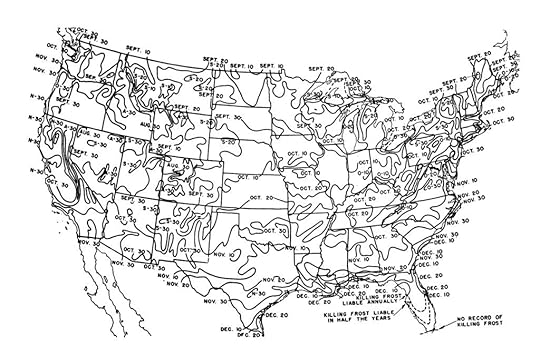
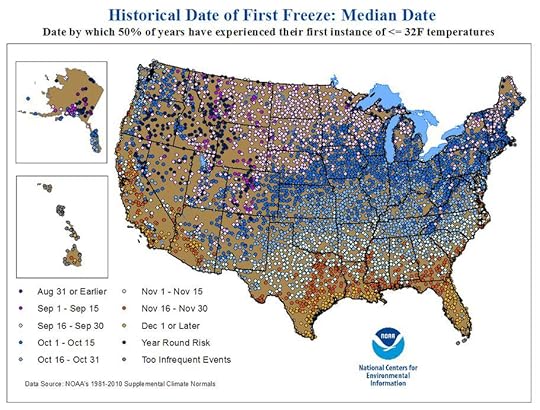
In zone 5, where I live, first frost is sometime between October 1 and October 15. Using October 1 as a guide, I go back approximately six weeks to the last week in August and stop all fertilization practices at that point for the season. If we are suffering from drought, I might stop fertilizing a few weeks earlier than that because the plants are in summer dormancy with lower water and growth demands.
Organic fertilizers are a wonderful addition to your garden when used safely, properly, and in moderation. Understanding when to stop fertilizing a vegetable garden can help you better manage your plants and be a positive environmental steward in your community.
Save
Save
Save
Save
Save
Save
Save
Save
Save
Save
Save
Save
Save
The post When to Stop Fertilizing a Fall Vegetable Garden appeared first on Shawna Coronado.
August 23, 2016
Watermelon Fields and Sunscreen
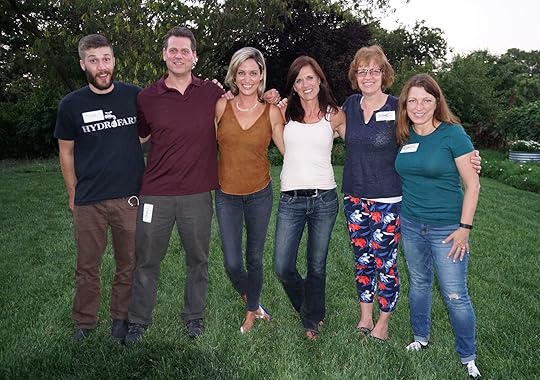
Deep in the heart of North Central Valley in California (north of Los Angeles and south of Sacramento) is a stretch of farm country where nearly 32% of all watermelons are produced in the United States – that is around 1.363 billion watermelon. This summer I went on an adventure with an amazing group of garden geeks with the National Garden Bureau to visit seed companies and see the California Vegetable Trials. We went directly to the fields and learned all about how seeds are produced and simultaneously ate ALL the watermelon. Below you can meet the awesome garden nerds I traveled with on the trip (from left to right photographed by CaliCameraGuy); Farmer Tyler Baras, Gary Pilarchik, Sara Gasbarra, CaliKim, Diane Blazek, and me.
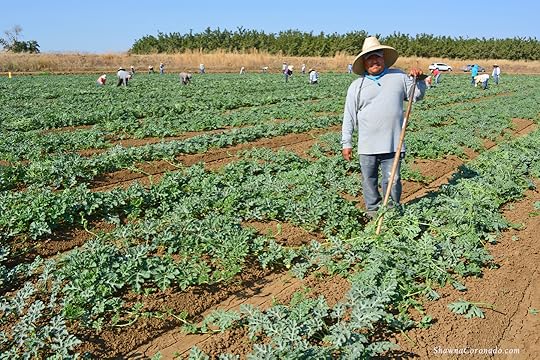
One of our stops was the Seeds By Design, Inc. watermelon production fields where we watched the workers take care of the watermelon vines (see below). Each worker had a very skilled role that they played in helping the pollination process of seedless watermelons. First they plucked all the male flowers and certain female flowers from the vines. Then they will return a second day to pollinate each and every plant with the remaining buds, while simultaneously cleaning the rows and checking for bugs and other health concerns. Since the female flowers only flower for one day, timing is absolutely critical. The workers were amazing and confident, having done this process for many years. It’s a hot job and one of the things I was struck with is how very little the world knows about how much work it really takes to produce our fruits and vegetables. Every watermelon bite I take in the future will be more thoughtful for me as I now understand that growing our produce is not just about planting a seed and harvesting — there are a lot of steps in between and these workers are making a difference for our food system.
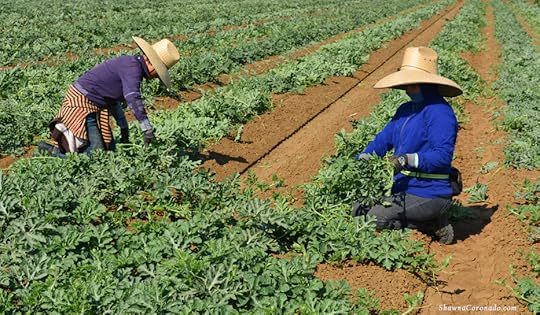
All of the staff wore long pants, long shirts, and hats for a very specific reason – sun protection. Almost 75% of skin cancer deaths are from melanoma and it is the most common cancer in the United States. Skin cancer rates have doubled in the United States since 1982, so protecting your skin has become more important than ever as estimates say that 1 in 5 Americans will get melanoma in their lifetime. Following the advice of workers who spend their days working in the hot sun, keeping covered well is much better sun protection than working with sunscreen spray or lotion.
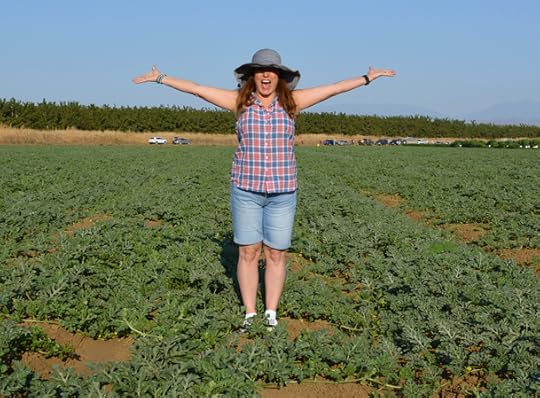
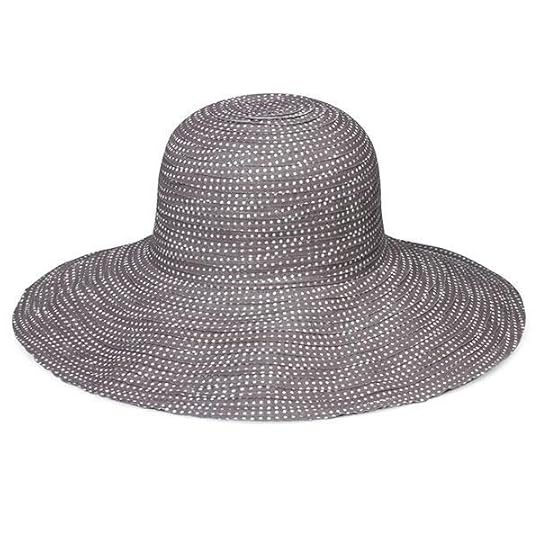
Without a doubt, we were sweltering standing out in the 98 degree, full sun, heat of the fields. These farmers know what works and I followed their example; I wore a special “Scrunchie” hat from Wallaroo Hats that I could pack flat in my luggage and wash if necessary (see top photo and right). When the sun was directly overhead, the hat provides full sun coverage on my face. Early morning when the sun was directly in front of me (see top photo) you see the top half of my face is still shaded. I was impressed with the fact that Wallaroo Hat’s special UPF 50+ hats block 97.5% of the sun’s ultraviolet rays.
Remember what the workers taught me about wellness and health in the California watermelon fields – that covering up and preventing the sun’s rays from touching your skin is the best way to stay safe from the sun’s dangers. Use lotions or sprays with a strong SPF protection, wear clothes that block the light, and of course, wear a hat!
Save
Save
Save
Save
Save
Save
Save
Save
Save
Save
The post Watermelon Fields and Sunscreen appeared first on Shawna Coronado.
August 22, 2016
3 Best Water Saving Tips for the Garden
With August upon us and hot temperatures baking our gardens, it’s time to investigate ways to save water. Below are three awesome water saving tips for the garden that might help you keep your garden in better shape for less money through the hot season.
1 – Place Plants with Similar Needs Together
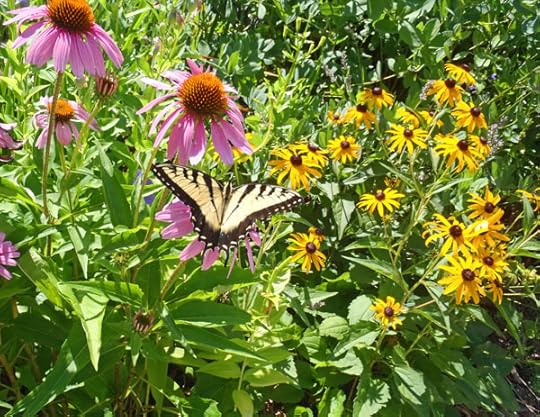
Rainfall is incredibly variable annually and the amount of water you need in your garden varies as well. Summers in Illinois can be swelteringly hot and drought is a regular concern in late July and August. Some plants, like roses or begonias, will need constant attention during these months. However, other types of plants, like sedum or prickly pear cactus thrive in the heat. Planting beds according to watering requirements is as important as grouping plants accordingly for sunlight requirements. Placing plants with other plants that have very similar water needs (see above) will help you have more long term success with growing. As a rule of thumb, it is better to water your plants deeply once or twice per week – at least one inch of water – rather than water shallowly every day of the week.
2 – Use a Timer for Your Drip Systems
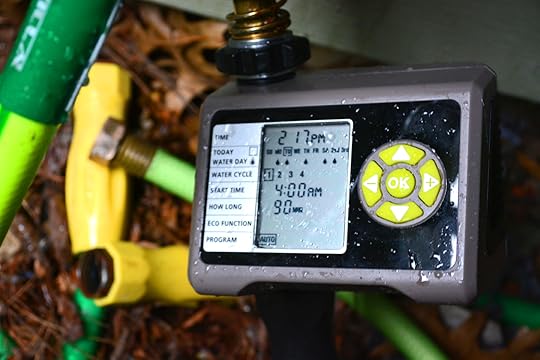
This season I installed drip systems on my elevated beds from Gardeners.com. I am attaching a programmable timer to the drip irrigation and watering in the early morning hours so that I save water and can be assured that even when I am out of town touring my elevated beds are being taken care of properly. Above you see the WaterEase Programmable Timer from Gardeners.com which I hooked up to use for my elevated beds with great success this year. I like it because it is water proof to the elements and allows me to have total control over watering. It waters very early mornings (4:00 AM) before the dewpoint rises in order to have the soil stay moist longer before the heat of the day kicks in.
3 – Water with Rain Barrel Water Whenever Possible
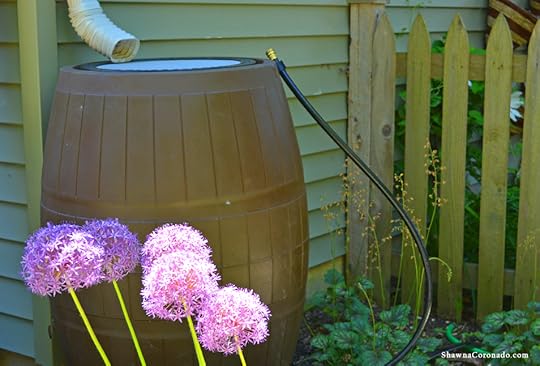
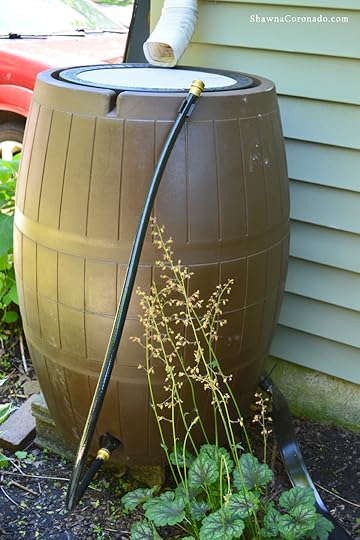
Have you ever noticed that you can water a plant for weeks with city water with no real increase in plant size, then it rains for less than an hour and your plants grow an inch? This is because of the chemicals found in most city water like fluoride and chlorine are not a plants preferred nutrient choice. A rain barrel, like the Deluxe Rain Barrel from Gardeners.com above, collects and stores rainwater from rooftops, preventing less strain on our storm water systems. This water is stored in the rain barrel and can be used later for watering your landscape. Stormwater runoff is the leading type of residential non-point source pollution and is a large concern for those monitoring our earth’s oceans and water systems. Typically, water from your roof flows through roof gutter downspouts and becomes storm water runoff, ultimately moving onto paved surfaces collecting oil and other chemicals, and then eventually funneling into a storm drain. Many of our storm water systems are over taxed. All the water from storm water systems eventually ends up in the ocean. 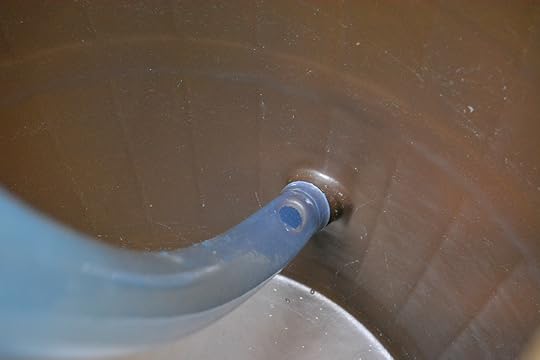
Rain barrels allow you to collect and use fresh rainwater instead of city water, thereby keeping water out of the storm water systems. Rain barrels are excellent garden helpers as they save money and provide your garden plants with a drink they really enjoy. Another reason to use a rain barrel is that during the summer months, residential water use increases approximately 40% because of outdoor landscape requirements, so is therefore a great way to conserve while you are saving money. Assembling a rain barrel is fairly easy — once it is shipped out to your place, simply pull it out of the box and be sure the backflow tube inside the barrel (right), the overflow hose (below), and the nozzle (below) is firmly attached.
Water conservation is important for the environment and for a homeowners bottom dollar. Using the above water saving tips for watering your garden might seem a small effort, but every little bit counts and truly makes a difference.

Save
Save
Save
Save
Save
Save
The post 3 Best Water Saving Tips for the Garden appeared first on Shawna Coronado.
August 15, 2016
Best Self-Watering Garden Container
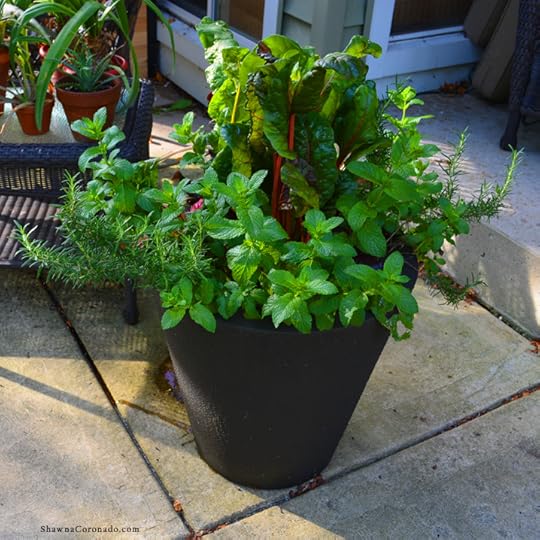
Self-watering garden containers – I have been sent dozens of them to try by various manufacturers and have covered a few of their stories on my website. And while they have extended the time between waterings in the garden, they still require some type of consistent weekly maintenance. There is a new system in town from Crescent Garden that is supposed to extend the watering times. Crescent approached me about their new Trudrop Self-Watering Container System which is food safe for your vegetable and herb plantings and asked me to conduct a garden experiment test that answers this question – “How long can you go between waterings?”
 How I Planted and Fertilized –
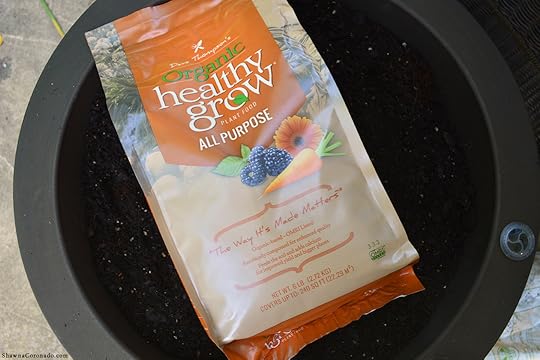
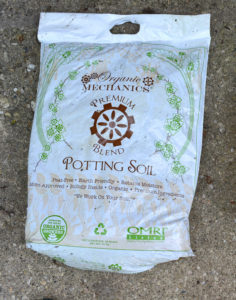
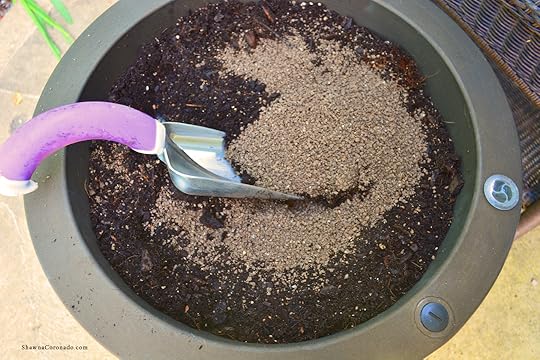
I planted up a mixed ornamental edible container in Organic Mechanics Potting Soil, then used Dave Thompson’s Organic Healthy Grow All Purpose fertilizer as a supplement. Using natural products to plant with keeps your garden healthier – the fertilizer I used is organic and made from chicken manure. One of the great things about this natural fertilizer is that it maintains beneficial microbial activity, is higher nitrogen, low odor (does not smell like chicken poop), adds organic matter to the soil, and adds calcium.
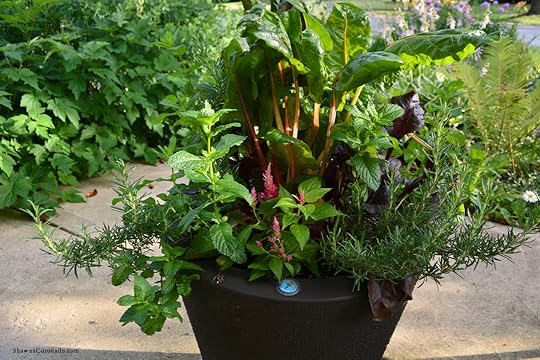
Plants in this self-watering garden container include Swiss chard, rosemary, mint, and celosia from Jung Seed.
How I Watered –
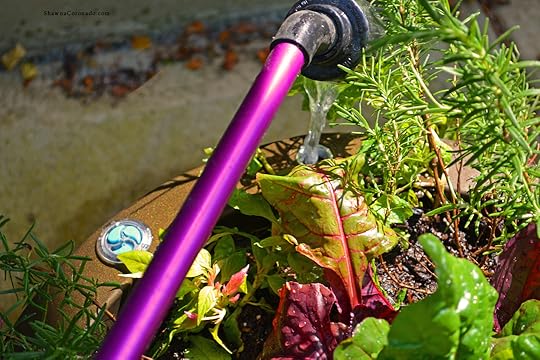
Following the Crescent Trudrop gardening container directions, I initially placed the water in the special fill up hole, then soaked the soil well. Then I put the garden far away from my other watering areas. I planted the container on 6/12. IT IS NOW 8/15 AND I HAVE NOT WATERED IT ONCE. Not once. Granted, we have had a couple rains in the last two months, but it has not been a wet season for the Chicagoland area. Typical temperatures have been in the 80’s and 90’s throughout summer.
Just look at the container below – it’s marvelous without dead bits and I have not touched it in two whole months. I have never experienced a watering system like this and want to conduct more experiments next season to see if I plant in April, can I have a no water situation for the entire season? I have embedded the Trudrop video so you can see how to fill up the water. It is very easy to see if it needs to be watered again – just look at the blue droplet marks next to the fill hole and it will guide you. I am truly blown away with it’s performance and fill this is a fantastic self-watering garden containers solution for planting in regular or drought conditions. Using water-retentive organic soil and fertilizer also contributes to the success of the system.
The post Best Self-Watering Garden Container appeared first on Shawna Coronado.