
Janine Robinson's Blog, page 23
September 4, 2013
Hottest Guides for Writing Narrative Essays

I already featured this list of my favorite books on how to write essays–narrative-style, “slice of life,” personal essays–at the end of an earlier post. These are exactly what you want to write for your college application essays. (Don’t let anyone talk you into writing a stiff, formal academic style essay for your college admissions essay!) I didn’t want you to miss them in case you want to learn more about how to write in this style.
Needless to say, I also believe my own guide on writing college application essays, Escape Essay Hell!, has great advice on writing these essays, because it’s specifically geared toward helping students find unique topics, and then write them using this story-telling style. But I drew many of my ideas from these other guides. When it comes to writing, you can never learn enough.
Here’s the list:


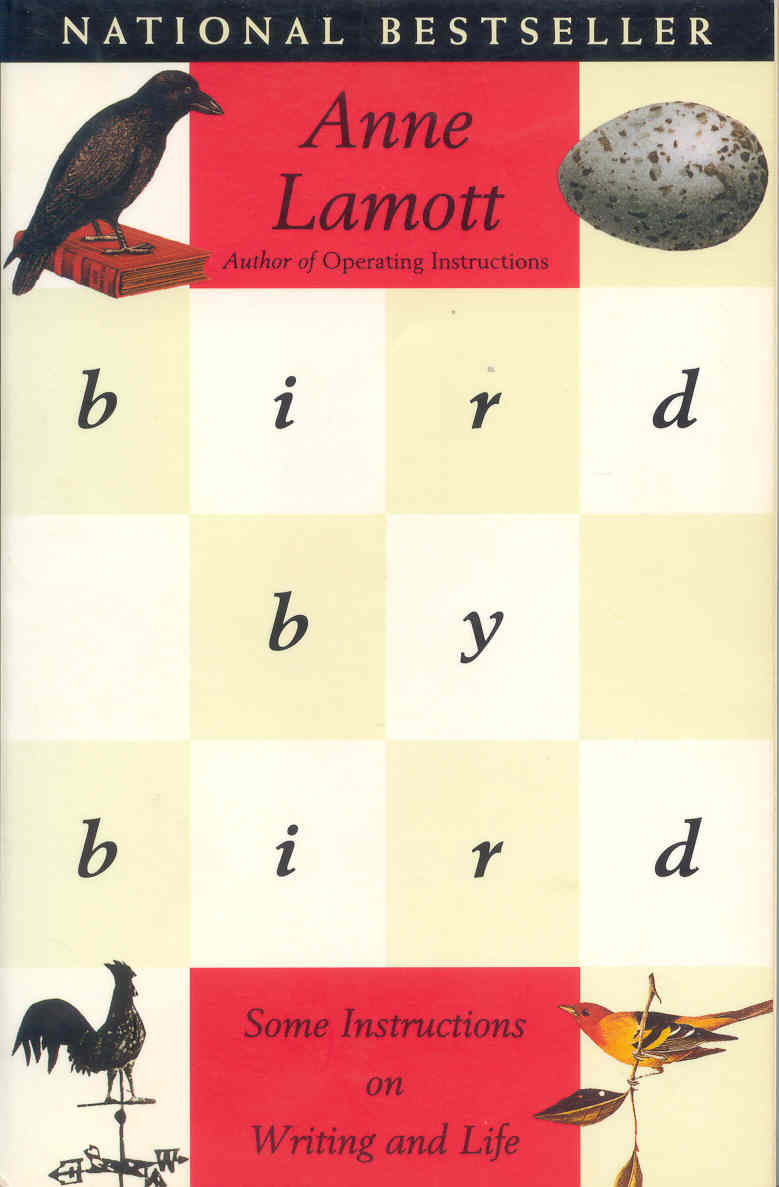
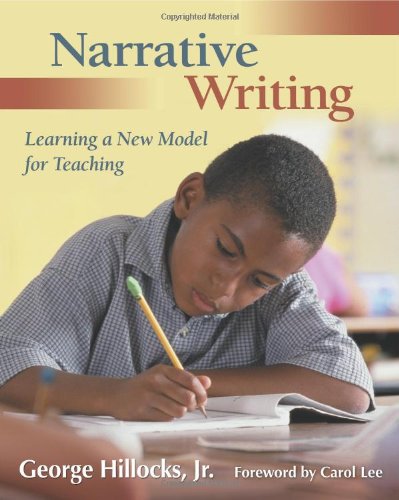
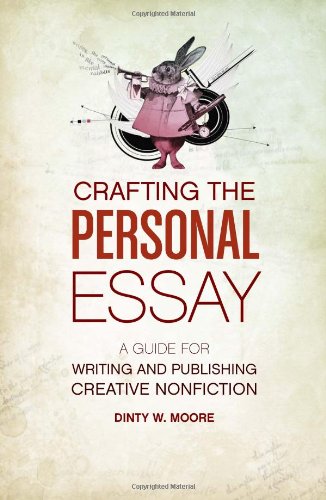
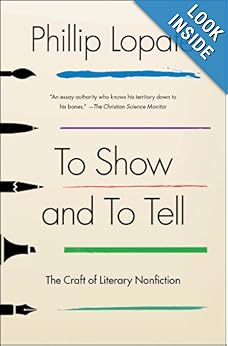
And last, but not least, my guide:

So now your only problem getting started on your college admissions essay is that you have too much help!


August 31, 2013
Writing Anecdotes: A Crash Course

I love anecdotes. Especially for starting narrative essays for college application essays. They can take a little practice to compose, but what a deceptively powerful writing tool.
Actually, if you start almost any type of writing with an anecdote–from a college essay to a book report to a press release–your message will instantly rise and shine above other written messages competing for readers’ attention. They are engaging, accessible and they have a wow factor. Even though you don’t mean to be impressive, people often think you are so creative and accomplished when you wield them.
I just think readers are grateful for writing that includes little stories. I know I always am. It’s simple: You want to read them. Who doesn’t want to know what happened next?
Crash Course in How to Write an Anecdote
Here’s a handy list of my posts on anecdotes. Read them all and you should be an expert in no time:
How to Write an Anecdote. This post lists the basics of writing an anecdote–from starting at the peak of the action to using sensory details and dialouge.
Essay Rocket Fuel: The Anecdote: This post gives an example of an anecdote and how to find the topic for an anecdote to use as an introduction for a narrative essay.
The BIG Difference Between a Story and an Anecdote: This post explains why a story and an anecdote are not the same thing, and how to use an anecdote to “show” a point instead of just “tell” about it.
How to Find and Tell Anecdotes: This post teaches you how to find a good anecdote to illustrate the main point of your essay.
Become a Storyteller in Less than Five Minutes. I love this post, if I don’t say so myself. It shows you with simple little line drawing how an anecdote fits into a narrative essay.
Grab Your Readers with an Anecdote: This post walks you through taking a little incident or moment and time and spinning it into a short anecdote. Includes a sample anecdote.
Components of an Anecdote: A good anecdote usually includes scene setting, so the reader can immediately start to visualize where something is happening. And something is happening–like a problem or action. It also will include details that help the reader step into the moment–hearing, seeing, smelling and feeling what was going on. The best anecdotes help readers experience the moment or incident by including bits of dialogue so they can get into the writer’s head and feel their pain, joy or other thoughts and emotion.
HOT TIP: To start an anecdote for your narrative essay, begin by letting the reader know WHERE you were (just enough so they get the idea), and then put yourself in the scene. Then go from there. Example: Sitting at the bus stop, I stepped off the curb…or: Just before midnight, we gathered in a large circle in front of the fire…or: Driving with my friends along the Coast Highway, we stopped at a gas station…While scraping the burnt onions off the grill, I could tell my shift at the White Castle was almost over…
Want to write a killer college application essay? Start with an anecdote. You will leave the majority of other essay writers in your college application dust!
August 28, 2013
Are You a Crazy Parent? Get Over It!

Maybe I’m just grumpy because it’s 90+ degrees in my garage office and I tweaked my back in yoga last week (while bowing and saying “Namaste” at the very end. really.) But I just received an email from a desperate parent that really sent me. It took everything I had not to give her a piece of my mind. Actually, I couldn’t take it and did give her a piece of my mind…
The good part of our exchange, which I will copy below, is that it gave me a reason to share a terrific article that I believe every parent, student and college counselor involved in this college application process should read. It was written by a former college counselor who was recruited by way-too-wealthy parents to help get their kids into the most select schools–especially to help them write their college application essays.

Lacy Crawford, who just published a novel based on her madcap experiences, is all over the media right now promoting Early Decision. Even though most parents are not nearly as obsessed as her former clients, I believe even the most reasonable and level-headed families can get sucked into the college application frenzy and lose their way. The cost of this pressure, especially to our kids, can be great, and risk inflicting emotional damage that can be impossible to repair.
Here’s one example of the potential harm from an article Crawford just wrote for the Wall Street Journal:
A hedge-fund manager rewrote his son’s application. The boy had been rejected early decision by the father’s alma mater. In his revision, the father posited that a community benefits from a range of individuals, the stars and the average people alike; and argued, in the first person, for the boy’s admission by virtue of his mediocrity.
Getting rejected didn’t break this boy’s heart. His father did.
You read her article and hear stories like these from other college counselors, and think, “Oh my God, who are these people? They sound like monsters.” But within the hour, I just received this email from a frantic mom. She’s nothing like some of Crawford’s crazy clients, but I certainly caught a whiff of that entitlement and misplaced priorities:
I am thoroughly depressed. I have sat in front of the computer for more than 3 weeks on my days off and on evenings, going from one website to another, in hope of searching for one topic to help my daughter craft her essay – the intellectual activity one for Stanford. I have solicited the help of professors and college counselor, but an absolute vacuum remains. It is a humbling experience, because, despite coming from a what I thought and prided myself as an intelligent family, I can’t even think of one intellectual activity that she had done, or in fact, one that I had done myself.
Our lives are so boring. I am a typical tiger mom and she is a typical defiant 16-years-old girl who does not talk but grunt to me. We need ideas.
If you love to take on a challenge, please contact me. You may call me at XXX-XXX-XXXX any time.
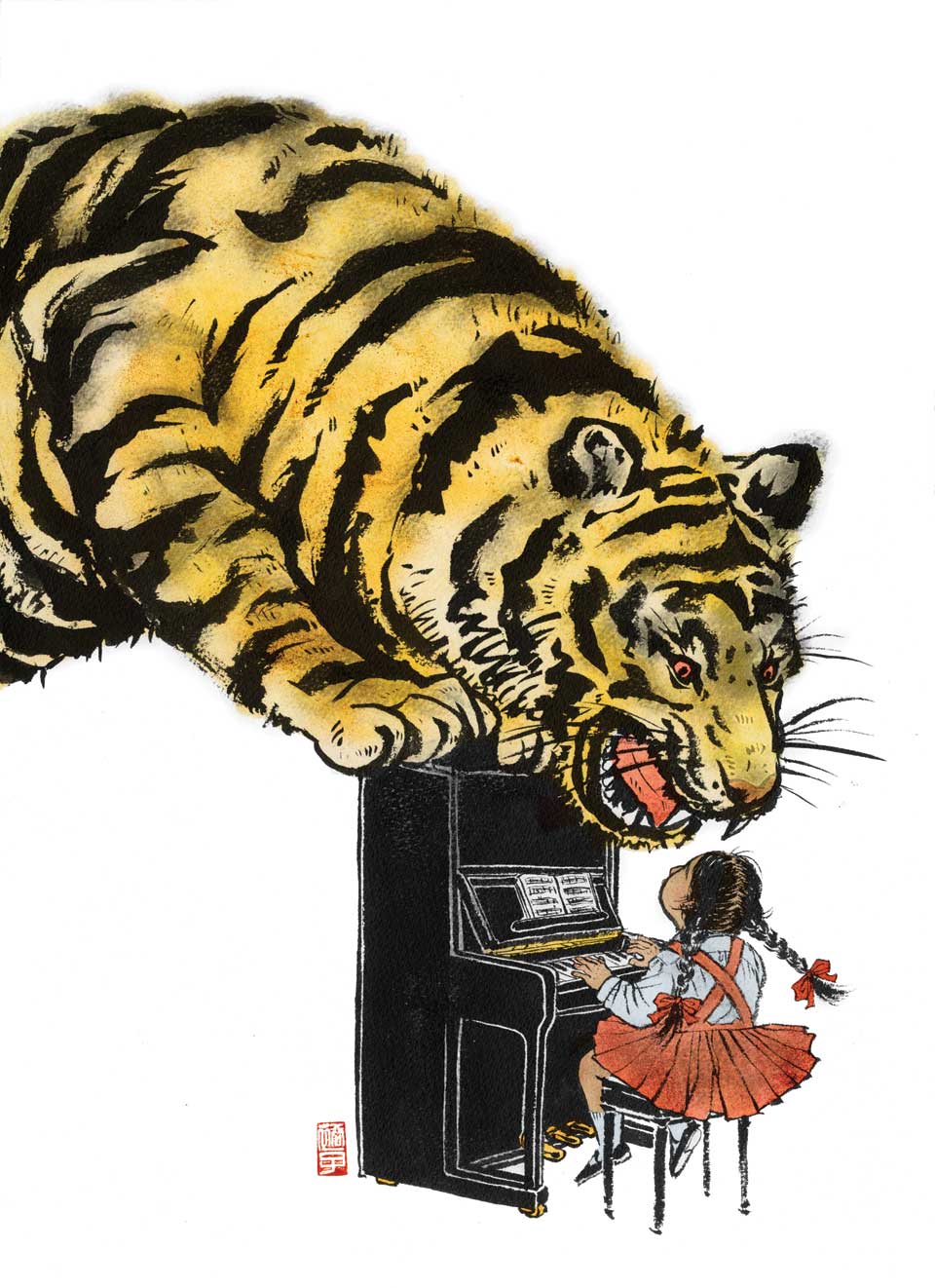
I’m not calling this mom, but I did send her this reply. Yes, the heat and pain might have pushed me into saying some things I shouldn’t have, and usually I am very empathetic with frustrated parents. But she pissed me off.
Hi M,
I would love to help your daughter. But I have to admit I always find emails like yours rather shocking. As much as I admire your honesty, I don’t get why in the world you are the one all depressed, stressed out and looking for a topic. My suggestion would be to read my ebook guide, which literally walks students through the brainstorming process and helps them find great topics. I have never met a student who didn’t have something interesting to write about or something to say or a story to tell. It’s hard for me to believe that your daughter–who is shooting for Stanford–could be the first.
My book helps readers understand that you don’t need an impressive topic. Even the most everyday, simple incident can spin into an excellent essay. That’s why everyone has great topics to write about. BTW, an “intellectual activity” just means something that involved thinking.
You’ve actually inspired me to write a post on my blog (don’t worry, I won’t name names.) There’s an article I’ve been wanting to share with readers, especially ones like you. Here it is: http://online.wsj.com/article/SB10001424127887324108204579024823824933690.html
Please don’t get me wrong. I don’t mean to be offensive or snarky, and I feel your pain–to a point. But it just seems that your well-intentioned energy is misdirected, and I know the last thing you would want to do is harm your daughter. Step back, take more deep breaths, get some new information on these essays, and trust that your daughter will find a great topic and tell her story.
Frankly, if your lives are that boring, you need to get out of your bubble. (I just spent an hour today with a student who wrote her essay on how her dad got cancer when she was an infant, how her mom abandoned the family when she was 10, how she nursed her dad–bedridden, feeding-tube, on oxygen 24/7, lost their home–until he died last fall. She is on her own now at 18–but still feels lucky and grateful since she had such a loving dad all those years.)
I feel sorry for you, but I suspect you have done this to yourself. And you most likely have everything it takes to change it. I’ve attached a free copy of my book just so you have no more excuses. I really don’t mean to sound mean-spirited–and maybe there’s more to your story than you are letting on–but I just don’t get parents like you.
Best of luck,
Janine Robinson
* * *
As you can imagine, I’m bracing myself for her reply. And I may have to offer an apology at some point. But meanwhile, I think we can all learn something from Lacy Crawford and parents like M. Yes, this college admissions game is insane, and stressful and so much is riding on it. But get a grip. Keep your perspective, your humanity–especially when it comes to that son or daughter you love so much.
* * *
It will all work out.
Namaste (ouch!)
* * *
A little more from Lacy’s WSJ article. (Read an interview with Lacy from The Daily Beast.) Her advice on what makes a great topic is spot-on, and supported through out this blog:
* * *
In my years handling applications to elite schools, from Harvard to Haverford, Davidson to Dickinson and everything in between, I was often surprised by where students did gain acceptance. But in every case it was a student who wrote a fabulously independent essay. Not necessarily hyper-sophisticated. But true.
My students always asked me, What should I write about?
I’d answer: You are a student of the world. What is it that moves you? What incites you, enrages you? The first-person pronoun is a mighty tool. Use it.
I have had successful students write about the virtues of napping (Middlebury), failing a course (Harvard), and having to shoot a farm dog because it couldn’t work stock (Princeton). Once a student came out to me in his fifth (and best) draft. His parents probably still don’t know; but they got the Ivy Leaguer they wanted (Penn).
I no longer work with high school seniors, but my counsel can be distilled for much less than $13,000. Students: tell a story in your own voice. Speak an opinion with care and focus. Claim that “I” and write the hell out of it.
* * *
Learn how to find and tell your story in my ebook guide, Escape Essay Hell!
August 22, 2013
Got Grit? Then Show It!

College Application Essays
Underprivileged or Underrepresented Students: This Means You!
Why You Must Share Stories That Show Your Grit
As a writing coach, I work mainly with students I consider “privileged.” This means they can find support writing college application essays through an extensive network of tutors (like me), test prep programs, private college admissions counselors, services in their affluent schools, and most importantly, from well-educated, connected parents who will do almost anything to help them.
But I know there are thousands of bright, eager and deserving students out there who have none of this support. In fact, at almost every turn, many are bombarded with obstacles that are not their fault.
I often warn my students against writing about topics that are overdone or cliche, since one of the objectives of a college admissions essays is to stand out among the stacks of other essays. I wondered if students from underprivileged or underrepresented backgrounds could be hurting their chances for college admission if too many of them were writing similar hard luck stories–about enduring a violent, scary ghetto environment, or living with unemployed, substance-abusing parents, or watching the struggles of immigrant parents.
I wanted to know if college admissions officers would grow immune to their impact–like they have to overdone topics on mission trips and torn ACLs. But how could a student who has faced such formidable challenges not write about their gripping personal struggles when asked about their life stories? (Such as the first prompt in the Common App.)
So I posed this question via LinkedIn to professionals who work in the college admissions industry, mostly as private college consultants. The answer I received from one veteran consultant, who specializes in essay writing, took me by surprise. He said these hard-knock topics are EXACTLY what students from disadvantaged backgrounds should be writing about.
The reason? Colleges and universities, especially the best ones, need these students to show their grit. That hard, raw determination to reach a goal no matter what tries to get in their way or stop them. Because if a student’s other qualifying factors aren’t up to snuff–say they don’t have the top grades, high test scores and other markers as the other applicants–admissions officers need these essays to make a case for this student’s acceptance. In other words, they might want you at their college, but they need your help convincing the deciders to let you in.
Here’s how that passionate, insightful college admissions counselor–a former college admissions officer named Parke Muth–described how this works:
“Grit means overcoming odds—economic, educational, social, and racial. Grit means that schools can use an essay to admit a student whose academic credentials –academic program, testing, performance—will be at times significantly lower than the students at the high end of the economic scale. Given that affirmative action is now officially under close ‘scrutiny’ schools need to make sure they have justifiable and documented reasons for admitting some students. Grit lets them do this.”
Muth said underprivileged African American and Latino students, especially, should feel confident showing their grit in the college application essays, and how they have overcome challenges and obstacles in their lives. He shared this gritty essay on his blog. He even featured this quickie test you can take to see how you rate on the grit scale.
I actually believe that any student who has faced unique obstacles that could help explain lower-than-required academic performance–such as dyslexia, or a death of a parent, or a debilitating illness–could benefit by sharing their grit factor stories in their essay. Even if the topic could fall under the list of topics people like myself often try to steer students away from because they are too overused, emotionally loaded or difficult to write about.
Muth told me that this idea of grit is currently in vogue among the big thinkers out there, and has been explored and promoted by a woman named Angela Lee Duckworth. The idea is that students who have grit often are more successful than students with the high IQs or other learning advantages. I love that colleges are starting to weigh this quality along with the classic set of qualifiers when deciding who gets to attend their schools. Don’t we all already know this is true?
How Do You Show Your Grit In A College Application Essay?
How exactly do you show your grit in a college application essay? I will write my next post with advice and tips on how to do this (HINT: Give specific examples and use details to help the reader see and feel the problem(s) you faced.) Meanwhile, all over this blog, and in my ebook guide, Escape Essay Hell!, I direct students to look for problems they have confronted in their lives as a starting point for writing engaging, compelling essays. If they describe a problem–an obstacle, challenge, change, crisis, conflict, struggle, etc.–and then go onto to explain how it made them feel, how they thought about it, what steps they took to handle it, and what they learned in the process (about themselves, others and the world), they will have a terrific narrative essay. And chances are, they will have shown their unique true grit!
If you are interested in how grit leads to success, watch Angela Lee Duckworth’s TED video:
August 17, 2013
Just How Creative Should You Get?

College Application Essays
Yes, You Can Go Too Far
Colleges are encouraging students to get creative with their essays. This is great. However, I think students should be careful of trying too hard to showcase their creative writing skills. Rather, I believe they should put those creative writing tools to work to write an engaging, meaningful essay. There’s a difference.
Some people think creative writing is a goal in itself. They think it’s when a writer gets kind of wild, breaks the conventional English language rules, and cuts loose with what they have to say and how they say it. The essays start to read more like rambling poetry.
The goal of a college application essay is not to create a “piece of creative writing.” Instead, the goal is to use creative writing techniques to express yourself better.
I advise students to use what is called a narrative style essay to write their personal statement or core application essays. That just means that you write in a story-telling style and voice. In my opinion, this approach injects plenty of creativity into your essay.
When you craft an anecdote, you use creative writing tools to re-create and relate a mini-story, or moment or incident, that happened. With “creative non-fiction,” you use sensory and descriptive details to set the scene, snippets of dialogue, bend rules to strike the right tone, write like you talk to find your voice, and wield similes or metaphors only when they strengthen your point.
Yes, you can bend the rules–especially when you are telling about something that happened (an anecdote). Just don’t break them only to show you know how. Avoid bizarre formatting or punctuation. Don’t try to force in literary devices just to appear creative.
Express your creativity in the topics that you choose to write about, and the ideas and insights you share in your essay. Resist trying to impress with fancy writing. If you start with an anecdote, your essay will have a creative feel to it, but it will still have a structure, flow and meaning.
If this helps you visual thinkers out there, these paintings might give you an idea of the creative spectrum. The first is conventional, sticks to the literal and reality. It almost looks like a photo. (And can border on the dull, right?)

The second is what I would call inspired, in that the artist puts her or his own individuality or expression into it (manipulating light, value, composition, etc.). It’s a unique interpretation of the scene, but you can still recognize what’s in it.

The third is abstract, and even though some of us love this style, many have a hard time knowing what to think about it. (When it comes to writing, abstract painting reminds me of poetry.) I believe you should aim for the second type of expression in your college essay–use your creative writing skills to put your mark on what you have to say. It’s still creative, but most people will still know what you are talking about.

One caveat: If you want to be a creative writing or poetry major, your essay could certainly be more out there. Just remember who you audience will be.
If you want help starting a narrative essay using creative writing techniques, check out my ebook guide, Escape Essay Hell!
August 6, 2013
Is Your Privilege Showing?
College Application Essays
Humility Goes a Long Way
Many of the students I work with are from privileged backgrounds. (Hey, it’s expensive to hire a tutor!) They live in affluent communities, go on extravagant vacations and enjoy pricey hobbies and activities.
There’s nothing wrong with being privileged (a humble way of saying wealthy or rich). But when you are writing about yourself in your college application essay, and want to come across as well-adjusted and likable, it helps to know if you are. That way, you can make sure you don’t include topics, or comments, in your essays that might imply that you are spoiled, snobby, materialistic or entitled (think that you deserve more than others).
Sometimes my students have dropped in innocent comments about themselves or their lifestyles, and don’t realize that this may lead college admissions officers to make assumptions about them. A lot is how they talk about themselves. But there are some things you might want to think twice about including in your essay.

Here are a few. Again, it’s not the end of the world if you reveal your lifestyle, and not everyone who has certain things or participates in certain activities is actually rich. That said, I would think hard about whether to mention: sports or activities that cost a lot of money, world travel for pleasure only, expensive possessions, mentioning names of famous relatives or family friends and your family’s financial status.
Here are some examples of how these loaded words can slip into your essay:
When I was floating in our swimming pool…
While we were scuba diving in the Bahamas…
I was out surfing in front of our beach house…
During a shopping trip to Paris with my mom…
While flying to Boise in my dad’s plane…
Every year we take out our sailboat off the coast of Mexico and swim with the dolphins…
We were on our second round of golf of the day at Pebble Beach…
I was in the middle of my massage when my dad called me…
We were eating at our favorite sushi restaurant…
(One of my students wanted to write her essay about the BMW her parents bought her for her 16th birthday. Bad idea.)
You would think that there are so many of you out there who are privileged like this–don’t all your friends and almost everyone you know go skiing or travel?–that this no longer means you are rich. But it does. Or it can. You just don’t happen to mingle with all the other students applying for college who have never gone skiing, or even seen snow, for that matter.
This doesn’t mean you have to feel guilty about skiing or vacationing or fancy restaurants. Just understand that these take a lot of money, and most people in the world don’t live like that. I would say there’s a 50/50 chance the person reading your college application is one of those people.
Again, no one is saying you can’t mention any of these topics; just be aware of the implications they carry. If you write about something extravagant that you got to experience, say it with a little humility that acknowledges you understand you were lucky–as to opposed to entitled. “For my 16th birthday, I was lucky enough to get to travel to India with my family…”
If nothing else, you just want to show that you have a realistic sense of the world and your place in it. If you are privileged, no need to hide it. Just don’t flaunt it or let on that you think everyone shares your good luck.
Want more help on exactly how to write a narrative college application essay using creative writing techniques? Consider buying my ebook guide, which you can have at your fingertips in just minutes: Escape Essay Hell!
Don’t Let Your Privilege Show
College Application Essays
Humility Goes a Long Way
Many of the students I work with are from privileged backgrounds. (Hey, it’s expensive to hire a tutor!) They live in affluent communities, go on extravagant vacations and enjoy pricey hobbies and activities.
There’s nothing wrong with being privileged (a humble way of saying wealthy or rich). But when you are writing about yourself, and want to come across as well-adjusted and likable, it helps to know if you are. That way, you can make sure you don’t include topics, or comments, in your essays that might imply that you are spoiled, snobby, materialistic or entitled (think that you deserve more than others).
Sometimes my students have dropped in innocent comments about themselves or their lifestyles, and don’t realize that this may lead college admissions officers to make assumptions about them. A lot is how they talk about themselves. But there are some things you might want to think twice about including in your essay.
Here are a few. Again, it’s not the end of the world if you reveal your lifestyle, and not everyone who has certain things or participates in certain activities is actually rich. That said, I would think hard about whether to mention: sports or activities that cost a lot of money, world travel for pleasure only, expensive possessions, mentioning names of famous relatives or family friends and your family’s financial status.
Here are some examples of how these loaded words can slip into your essay:
When I was floating in our swimming pool…
While we were scuba diving in the Bahamas…
I was out surfing in front of our beach house…
During a shopping trip to Paris with my mom…
While flying to Boise in my dad’s plane…
Every year we take out our sailboat off the coast of Mexico and swim with the dolphins…
We were on our second round of golf of the day at Pebble Beach…
I was in the middle of my massage when my dad called me…
We were eating at our favorite sushi restaurant…
(One of my students wanted to write her essay about the BMW her parents bought her for her 16th birthday. Bad idea.)
You would think that there are so many of you out there who are privileged like this–don’t all your friends and almost everyone you know go skiing or travel?–that this no longer means you are rich. But it does. Or it can. You just don’t happen to mingle with all the other students applying for college who have never gone skiing, or even seen snow, for that matter.
This doesn’t mean you have to feel guilty about skiing or vacationing or fancy restaurants. Just understand that these take a lot of money, and most people in the world don’t live like that. I would say there’s a 50/50 chance the person reading your college application is one of those people.
Again, no one is saying you can’t mention any of these topics; just be aware of the implications they carry. If you write about something extravagant that you got to experience, say it with a little humility that acknowledges you understand you were lucky–as to opposed to entitled. “For my 16th birthday, I was lucky enough to get to travel to India with my family…”
If nothing else, you just want to show that you have a realistic sense of the world and your place in it. If you are privileged, no need to hide it. Just don’t flaunt it or let on that you think everyone shares your good luck.
July 26, 2013
How Will They Dub You?

Everyone is looking for that magic topic for their college application essay that will help them jump out from the essay pile, and shout, “Yes, that’s me!” I’ve written a lot about how you can go about landing on that unique topic. Here’s one way to see if you have found it or not.
In my mind, you want to be the student who writes an essay that captures something original, unexpected or poignant about yourself, which an admissions officer would then dub you by a related phrase. What does that mean?
I picture these mysterious admissions folks gathered in a room, coffee mugs, a Starbucks cup and Twizzlers (maybe Red Bull later in the season) on the table next to the stacks of applications. They pick up one folder and read an essay. (I have heard that the average amount of time one of these officers spends on one application is eight minutes. Who knows if that’s true, but I bet it’s in the ball park. I also heard they read an average of 1,000 essays a piece. Do the math.)

Anyway, it comes time to narrow the pile. This is where I believe you might hear those little catch phrases where they refer to applicants by their essay topics or catchphrase-nicknames. I have listed some recent topics my students wrote about–these are all great ones, btw–and how I envision each applicant would be dubbed. I believe that if you are dubbed something catchy, that is a GOOD THING.
My point is that after you write an essay, think how the reader would dub you in ten words or less. If something memorable or catchy jumps out, chances are you have a winning college application essay.
Here are some examples:
One student wrote about his passion for collecting things people didn’t want. His started with an example of the time he found a rusty, discarded trampoline by the side of the road, and how he talked his friends into lugging it home with him. “How about that kid who loved to collect trash?”
One student wrote about how he loved tying knots, but got stuck in a tree when one of his knots tightened on him. “How about that kid who got stuck in the tree?”
One student wrote about her wide hips, and how she noticed everyone in her family had the same shape. “How about that girl with the wide hips?”
One student wrote about how he learned to love taking the public bus since he didn’t have a car to get to his summer job. “How about that kid who loved taking the bus?”
One student wrote about how he took up wrestling because he was short and picked on and wanted to prove himself. “How about that kid who needed to prove himself wrestling?”
One student wrote about how other kids were afraid of him because he was 6-feet-7-inches and weighed 300 pounds. “How about that giant kid who didn’t like that people were scared of him?
One student wrote how he liked baking cakes for his fellow water polo players. “How about that water polo kid who liked to bake cakes?”
Notice I don’t have any of these kids:
“How about that kid who felt perfectly content hanging out in nature?” Who doesn’t?
“How about that kid who won the state basketball tournament?” Who cares?
“How about that kid who had a meaningful Bar Mitzvah?” Are you kidding?
“How about the kid who tore his ACL?” On no. Not another ACL?
If you noticed, all of these monikers could also include the words, “Can you believe it?” or “How ’bout that?,” almost as if they were surprised or amused by what they read. There’s a reason for that response. The students all picked mundane and unexpected topics and told little stories about problems they faced, wrestled with and learned from. Find your little story and chances are you will get dubbed “that kid who … “, too.
And that’s exactly what you want!
If you want more help writing a slice-of-life, narrative essay, check out my new ebook guide, Escape Essay Hell! Best ten bucks you will invest in your college education.
July 25, 2013
Writing Advice from a Hip Dean

Insider Writing Tips From a School That Knows Creative Writing
When I read this post by an admissions officer at Tufts University named Lee Coffin (who has been dubbed “Hip Dean”) on word limits for Common App essays, I discovered he also included some savvy tips on how to write powerful essays.
You can read the entire post called “500 Words of Less,” or this section that I’ve copied below where he focuses more on writing advice. I took the liberty to highlight what I thought were his best points.
Here’s What Lee Had to Say About Narrative Writing:
Rather than over-thinking the word limits, focus on the narrative you are creating. As you answer the writing supplemental and Common Application questions, what does your response tell us about you? My niece is a senior this year (she applied early to Bates) and she asked me to read her personal statement before she submitted it. She wrote a funny, interesting essay about her love of reading—and her passion for Stephen King novels in particular—that made me (unexpectedly) laugh out loud (a literal LOL) in several places as she imagined a blue mist swallowing cranky coupon-wielding customers at the supermarket where she works. When she asked me what I thought, I said it introduces her to Bates as “a witty bookworm with a passion for horror.” She smiled broadly and said, “That’s me!” Bingo. (135)
For EVERY piece of writing you offer as part of your college application, ask yourself this question: “What would the headline or sound bite be after someone reads this?” Can the reader distill an image or a message that would make you say “That’s me!” If so, you’ve done your job. The essay adds a jolt of your personality or aspirations or passions or perspective to our understanding of who you are. If not, keep typing. If you’re up to the word limit, delete or modify accordingly. (87)
As your fingers pound your keyboard and your screen fills with characters, focus on what you want us to know about you. Don’t flip that sentence around and try to tell us what you think we want to know about you. It’s your story: tell it in your own words. When given a choice (like on our third writing supplemental question), choose whichever prompt gives you the best vehicle to let your voice roar and soar. (If images resonate more than words as a way of telling us who you are, we welcome whatever medium clarifies your persona for us. Human narrative takes many forms: sing, draw, film or code your voice if that works for you.) (116)
If you love the musty smell of a used bookstore, tell us why old books make you happy. If you are a liberal poet with an affinity for slams at the local coffee shop and your father is a conservative banker who thinks you should major in “something that will make a lot of money,” describe the intellectual tension that frames the environment in which you were raised. If a double helix of DNA makes you giddy, celebrate your nerdy side. One of my colleagues just wandered into my office to celebrate the ED applicant who said his senior superlative would be “Most Likely to be the Crazy Cat Lady Down the Street.” I’m still chuckling. Sometimes a sense of humor goes a long way. (This one is 125; combine the last two paragraphs and it’ 241, still under 250.)
Think of the various short answers and essays as ingredients. Each adds flavor to the recipe that is your application. (Does this metaphor work?) If the dish needs more zest, find a way to add something new by rolling the dice a bit with one of your answers. In turn (at least at Tufts), the admissions officers will never roll our eyes if you take a leap and go somewhere unexpected. (Tufts is that kind of place.) (77)
Be playful. Be daring. Be creative. Above all, be true to yourself. Authenticity counts. We know what a 17-year sounds like when she writes. (Yes, I’m talking to you, Mom. Don’t over-edit your child’s voice into vanilla pabulum.) Stay within the word limits but don’t get distracted by that instruction. And let’s be real: if we didn’t give you any limits you’d be howling at us about how many pages you should write. (This penultimate paragraph is 73 words, easily within the 50-100 range if I were [the subjunctive tense!] answering “Why Tufts?”)
As you race towards the deadline, write what you want to write. Then save it. Reread it. Imagine a headline. Let the ideas steep like a good cup of tea. Edit it. And then submit it. And if you’re daunted by the command to use “500 words or less,” remember that you probably text more than that in a single day. (61)
And may the word count be ever in your favor. (10)
MORE ABOUT LEE COFFIN. He sure sounds (and writes) like a great guy who “gets it,” and you would be lucky if all college admissions officers were this smart, caring, enthusiastic, open-minded and had his sense of humor.
Lee Coffin
Dean of Undergraduate Admissions/Wordsmith/Green Thumb/Puppy Whisperer
My colleagues call me “Hip Dean.” I’m not sure if that’s a reaction to my affinity for pop music, GQ, organic gardening and mid-century style (think Mad Men) or if it’s their polite way of saying I don’t act my age. Maybe it’s a little bit of all those things. But here’s the rub: just because I’m the dean of admissions doesn’t mean I must surrender my sense of whimsy. I am an optimist. I am irreverent and playful but I’m serious when I need to be. I love word play (puns make me giggle, even if they’re maligned as the lowest form of humor) and word games (Words with Friends is so addictive…) and I laugh at my own jokes. I hope my blogs capture that defining aspect part of personality as I muse about the “inside” dimensions of this “mysterious” process I lead.
July 24, 2013
Colleges Want More Creative Essays. Wonder Why?
But What Does It Really Mean?
University of Chicago: “Tell us your favorite joke and try to explain the joke without ruining it.”
Brandeis University: “If you could choose to be raised by robots, dinosaurs, or aliens, who would you pick? Why?”
University of Virginia: Make a bold prediction about something in the year 2020 that no one else has made a bold prediction about.
Johns Hopkins University: “Using a piece of wire, a Hopkins car window sticker, an egg carton, and any inexpensive hardware store item, create something that would solve a problem. Tell us about your creation, but don’t worry; we won’t require proof that it works!”
Santa Clara University: “Tell us about the most embarrassing moment of your life.”
University of Pennsylvania:
You have just finished your three hundred page autobiography. Please submit page 217.
University of Notre Dame:
You have 150 words. Take a risk.
A distinct pattern is emerging from the new college application prompts trickling out so far this year, and in recent years. Many have taken a promising turn toward the absurd, silly and provocative. What I see, however, are creative writing prompts. These are the exact type of questions English teachers would ask students to practice and sharpen their writing chops.
The trouble is no one teaches creative writing to our kids anymore. It went out of vogue when everyone started panicking over grades and test scores.
Provocative prompts are good news for students, and the college admissions officers who read their essays by the armload. But I see a disconnect in our education system: While colleges seem to be imploring students to display their creativity in these essays, high schools aren’t teaching them how to do it.
In fact, English classes (at least the ones I’ve seen in California) focus on the opposite of creative expression, a trend called “teaching to the test.” This means teachers are pressured to teach students only what they need to know in order to score high on AP and SAT/ACT tests. (Of course, some inspired teachers squeeze in some creative writing instruction–but they are the exception.)
At the same time, college application essays are often a deciding factor in choosing among all the students who have near-perfect qualifications, including test scores. The provocative prompts trend tells me that colleges want students to use these essays to stand out among the competition. But no one has taught them how to convey their individuality through writing.

My two children both went through an affluent public school system, and after they hit high school I don’t remember a single English assignment that involved creative writing. Instead, they spent weeks and months memorizing vocabulary words for the SAT tests, and hours upon hours writing stiff, formal academic essays on onerous works like Paradise Lost and Candide in the pedantic style that pleased their teachers. There’s nothing wrong with learning to write scholarly essays, and reading classic literature, but the balance is off when you don’t develop your own writing skill set.
Almost all of the students I have worked with on these essays over the last six years–whether they are from prep schools on the East Coast or public schools in California–have no clue how to write a narrative essay (in a storytelling, fiction-like style).
So when they are told to tell about themselves in 500 words or less, and that this piece of writing could help decide their future, I understand why many of them are petrified, stressed out and even resort to buying or plagiarizing essays. Or, almost as bad, they write generic, boring essays.
The saddest part of this to me is that high school students are still so receptive to wanting to express themselves. Once you give them permission to be creative and the tools to do it, most are eager, even excited, to get started. I believe they should be taught creative writing so they can use the mechanics of English to express their ideas, feelings and dreams.
These college application essays are almost universally dreaded. I think we could change that if teachers, parents and schools embraced them as a platform to teach creative writing.
If these essays were more fun to write–and to read–wouldn’t everyone be happier?
New Guide for Writing Creative Essays
I have written a guide that is intended to help students learn how to write a narrative essay using creative writing techniques, called Escape Essay Hell! I’m happy to send any teacher, counselor or librarian who works for a public school a free copy of my ebook guide, as well as any college counselors who work with low-income students who don’t have access to writing assistance. Just email me at Janine@EssayHell.com.
Read more about the trend toward provocative college application essay prompts: http://www.businessinsider.com/most-ridiculous-college-questions-2013-7?op=1#ixzz2ZzdhD8it
Heres’s a related post on about why English Teachers Don’t Always Get It Write.



![[image error]](http://backseatcuddler.com/wp-content/uploads/2009/01/axe_fix_3_wenn2248765.jpg)