
Ksenia Anske's Blog, page 15
August 21, 2018
Can’t fix it? Play it up!
I’ve seen this done in many stories, and kill me, I can’t come up with an example for you, it simply escapes my mind (maybe it’ll come to me later and I’ll edit this post), but the idea is simple.
If you’ve tried everything you possibly could to fix a story issue (a plot hole, a character flaw, a scene dead-end, a continuity lapse, a deus ex machina element, etc.) and it’s not getting fixed, PLAY IT UP. Feature it. Make it glaringly obvious.
Say, you have a character, Joe, discover a gun in a...


August 20, 2018
Read new authors to learn new writing styles
I finished reading L.A. Confidential by James Ellroy, and boy, was I unprepared to encounter the writing style that’s so different from anything I’ve read, I was stunned.
And I read 100+ books a year. Wow.
Here is an excerpt from how James Ellroy writes (the story is, his editor asked him to cut 100 pages from his manuscript, and instead of editing it down, he cut out every unnecessary word and came up with telegrammatic prose style):
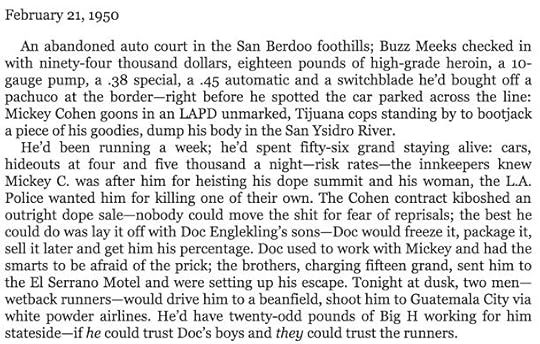
Crazy, right? And yes it allowed me to read his 500-pa...
August 19, 2018
Get excited about thinking, not writing
This is another thing my editor is drilling into my head, to break my bad habit of journaling (bad not because it's bad, but bad because it's bad for plotting). And that is...
Instead of getting excited about writing (I have so many ideas! I gotta start writing! I'll make the story go here and here and here!), getting excited about thinking (Oh, I have to THINK about where I want the story to go, and I have to THINK why I want my story to go there, and I have to THINK how I'm getting my sto...
August 18, 2018
Make the reader uncover your meaning
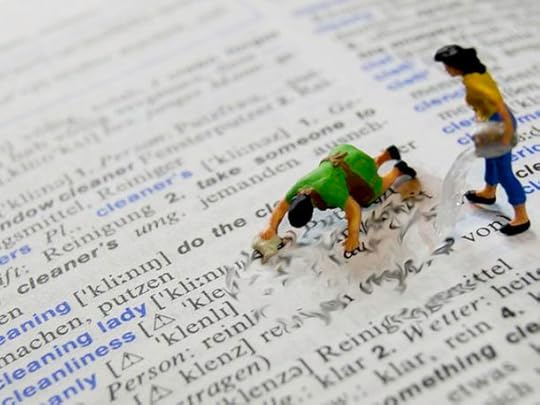
One of the hardest things to do it to hide what you mean to say and only say enough for the reader to guess what you meant, and to connect the dots. We tend to over-explain in the fear that the readers won't get us.
Wrong.
Readers are smart. They read to tickle their intellect, and they delight in uncovering the secrets you plant.
So write out what you want to say, then think about how to hide it and rewrite it.
A good example (and I broke it down in detail in this Patreon WRITING CLASS post)...
August 17, 2018
Flip every plot point of your scene, then flip it again (with an example from T.U.B.E.)
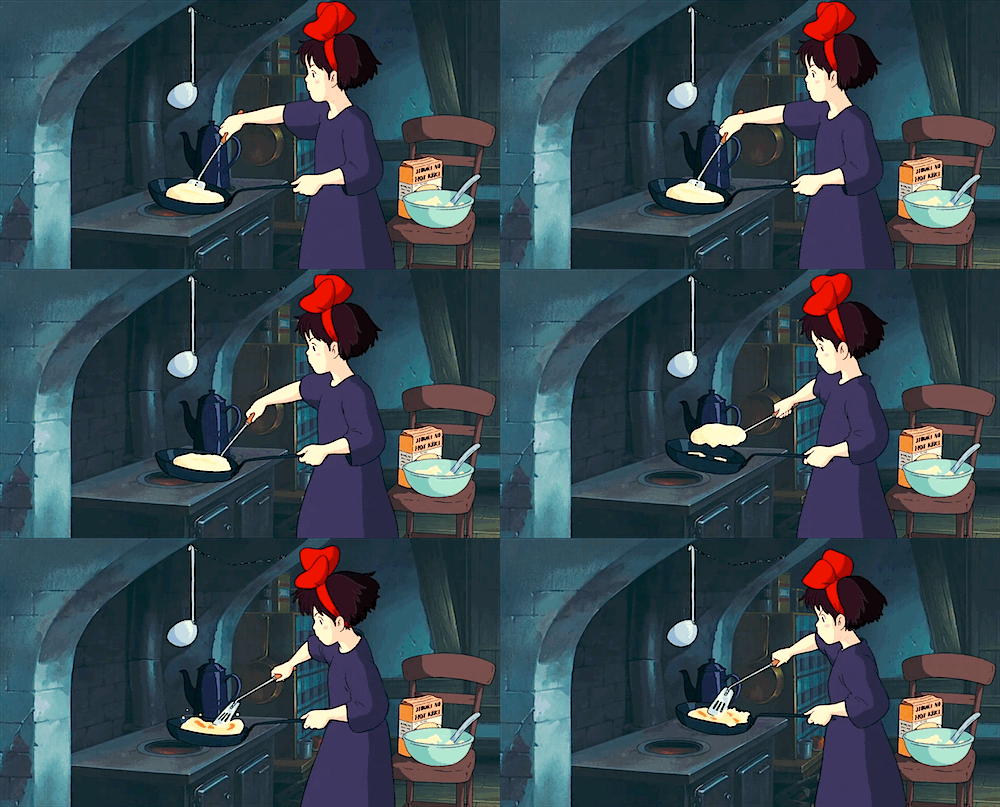
Flip it, flip it, flip it. Like a pancake. In other words, TURN IT ON ITS HEAD.
Right now I’m plotting a scene where O (O is short for Olesya, TUBE’s main character) is calling the hospital in Moscow to find out if her mom has died (everyone is telling her that, but she refuses to believe it).
Before I write down a single word of this scene, I think about major plot points, then I block it out, then I write it.
Here is how.
Plotting looks like a list of lines, from 5 to 15 or so, to indicate m...
August 16, 2018
Fix scene holes by listing every emotion of every character
When blocking out a scene (or already writing it), you will invariably stumble upon a spot that just doesn't feel right. Logically it seems to be working, but your gut is telling you something is off, yet you can't pinpoint what it is exactly.
That's a scene hole—a blind spot where you don't know what happens.
Write a list of emotions each character goes through, to fix it (my edior calls this the "emotion train," and we study it in more detail at Wolves and up level in our writing classes)....
August 15, 2018
Keep the most important word at the end of the sentence
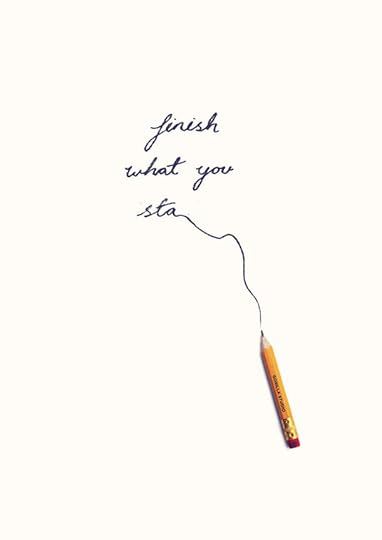
If you want to go as granular as your writing can get, think of it as a series of sentences. That's really all your story is—a long string of sentences. And each sentence will either propel the reader forward or make them pause and, if they pause for too long, stop reading altogether.
YOU CAN'T AFFORD A SINGLE BAD SENTENCE.
By "bad" I mean a sentence that fails to keep the reader's interest. So here is a trick to use.
Think of every sentence as a hook—a carrot, if you will. You're dangling a...
August 14, 2018
Tie up all loose ends, like Chekhov’s rifles
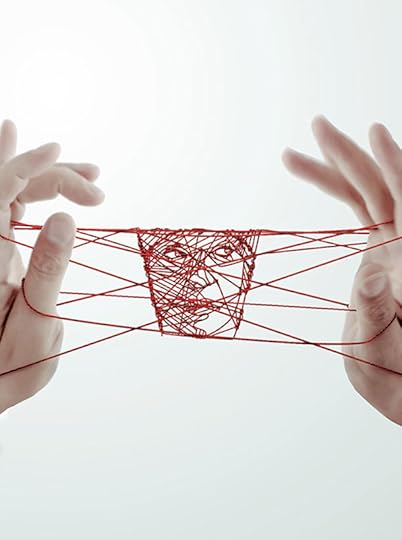
Whether you plot it or not, you’ll end up with a bunch of things you mention and use in your story, like objects, animals, certain nicknames, food, and so on. As you plot and write out your scenes according to the plot, make a little file and start dumping all those things into that file. I have a file like that, and it’s called CHEKHOV'S RIFLES.
As you recall, Chekhov suggested that if you have a gun in the 1st act, it must go off in the 3rd act.
This concerns everything in your story. Noth...
August 13, 2018
Patience will pay off in the long run (take time to smell the flowers!)
One of my biggest struggles in writing is impatience. Every time I see the perfect solution, or the end of the scene coming up fast (only 500 words left to write!), or a character going through a change (I know how to show it!), I rush. And curbing this impatient need to rush is a struggle still, with which my editor is helping me. Because every time I rush, I end up rewriting everything I wrote.
So be patient. Take your time. GET AWAY FROM YOUR COMPUTER AND SMELL THE FLOWERS. Because pati...
August 12, 2018
You do your best thinking when doing something else (something physical)
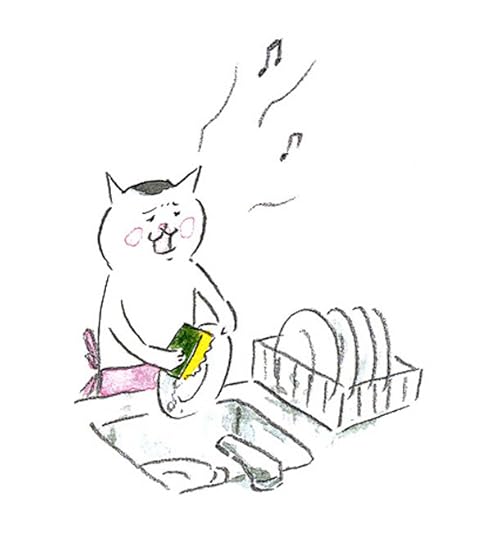
It’s no secret. When you’re trying too hard to solve a story problem, you come up blank. But once you start doing something else, usually something physical and mundane where you don’t have to think, your mind keeps working in the background and suddenly comes up with a solution that’s perfect.
Agatha Christie did all her plotting while doing the dishes.
For me it’s cooking and laundry. When I get stuck, I go down to the kitchen to eat a snack or cook some food and eat it, and I concentrate...


