
Ksenia Anske's Blog, page 12
September 20, 2018
Deliver value daily

If there is one bit of advice I can give you on making money as a writer online, it’s this:
Deliver value daily.
I don’t mean tweet or post on Facebook daily, I mean daily emails in your readers’ Inboxes.
Daily. Yes, you read that right. IT MUST BE DAILY.
Over the years of writing and self-publishing (about 6 years so far) I’ve watched countless writers make money and studied countless ways of doing it by trial and error, by reading books, by asking people, and by making mistakes.
And I found t...


September 19, 2018
Celebrate your victories
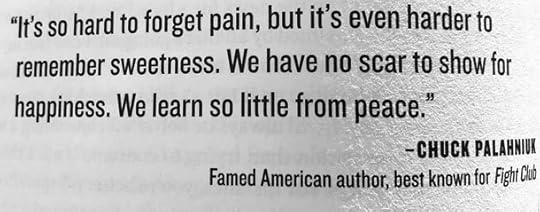
This quote made me cry.
Because we writers forget to celebrate what makes us happy. Our victories. Our achievements. Our writing goals that have been reached.
Make time to celebrate them.
Make time to pat yourself on the back and tell yourself, "You did well! You're doing great! You'll do even better tomorrow!"
Make time to look back at how far you've come.
Make time to give yourself something you've been craving, something you've been denying yourself for all this work. A day off. A night out....
September 18, 2018
Don’t explain—it opens the door to judging and oversharing
Every once in a while you get a very eager reader—eager to prove to you that you have written your book wrong. Or some variation of that.
Your first impulse is to defend your creative child. To explain what led you to this or to that creative decision.
Don't explain. Save your breath. By trying to justify the reasons you made this or that decision you do two things that will sink you fast:
1. You open the door to judging. Now, no matter what you say, that eager reader will scrutinize as much as...
September 17, 2018
Ignore emergencies
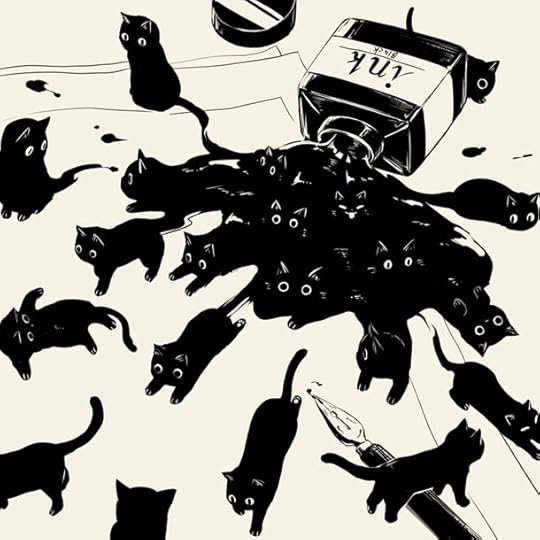
There is always one. Life is full of them.
As you ignore them, you'll notice that most of them resolve on their own. It's because they were never true emergencies. They only felt like emergencies to someone who in turn made you feel like it's an emergency.
Keep your calm. Protect it. Emergencies will come and go. Your writing won't. Your writing time shrinks every day, as every day you get closer to your death.
We have only a finite time to live, and we don't know how much we have.
Often by the...
September 16, 2018
Eliminate the little things
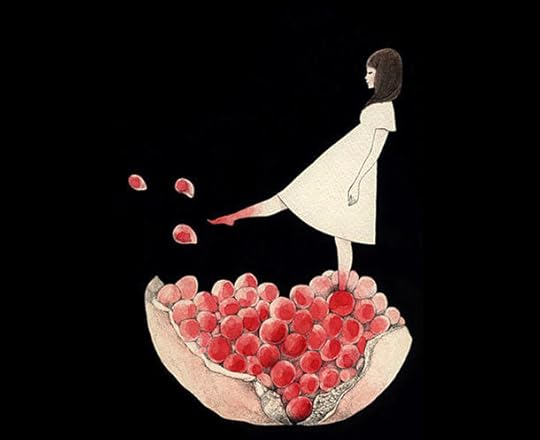
Writing time is precious, and there is often not enough of it.
How to create more?
Eliminate the little, superfluous things. They suck out minutes that become hours that become days.
We have no trouble fretting over pennies because they add to dollars, and dollars add to hundreds, and hundreds add to thousands, and so on.
But what about time?
Do this fun exercise. Pick a day and time every activity in a log. Better yet, do it for a week. Or a month. See where your time goes.
You'll be amazed to d...
September 15, 2018
Learn the art of saying no

I've already reviewed the book Tribe of the Mentors by Tim Ferris in this post, and I urge you to pick it up and read it (it's a huge beast!). It's worth it.
While reading it today I came across interviewee Sarah Elizabeth Lewis (the book is a collection of interviews) who mentioned her Harvard colleague Robin Bernstein, who wrote this paper titled "The Art of No."
DROP WHAT YOU'RE DOING AND READ IT NOW.
It'll take you 5 minutes.
It'll save you 5 years of writing time. Or more.
We tend to say ye...
September 14, 2018
Pick your POV and stick with it
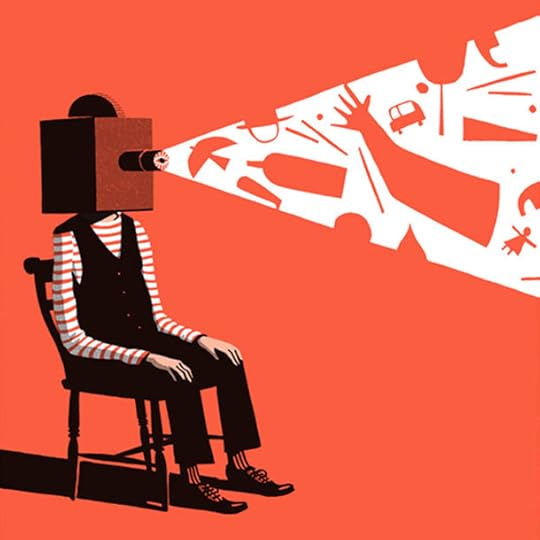
When I started out writing, I had no idea what POVs were out there (or even what POV meant—point of view). By instinct (and by habit, from reading other books) I chose 1st Person for my first trilogy (closest to journaling), then 3rd Person Limited for Rosehead, and so on.
Once you pick your story's POV, you’re stuck with it, so study it to decide which one fits your story best before you start writing.
Switching to a different POV in the middle of your draft is a pain in the butt. I can tel...
September 13, 2018
Deciding is scary—with decisions comes responsibility
There is an infinite number of ways you can write your story.
It can be paralyzing.
And yet its the freedom of writing.
The decisions you make often reflect the decisions you make in life. That’s why writing is so powerful—it lets you see yourself in the mirror, AS YOU ARE.
We often complain how there is not enough time to do everything. But what is everything? And who is in control of your time if not you?
It’s scary to decide to make time for writing. Once you decide it, you’re responsible for...
September 12, 2018
Use comic relief to feed your readers real horror
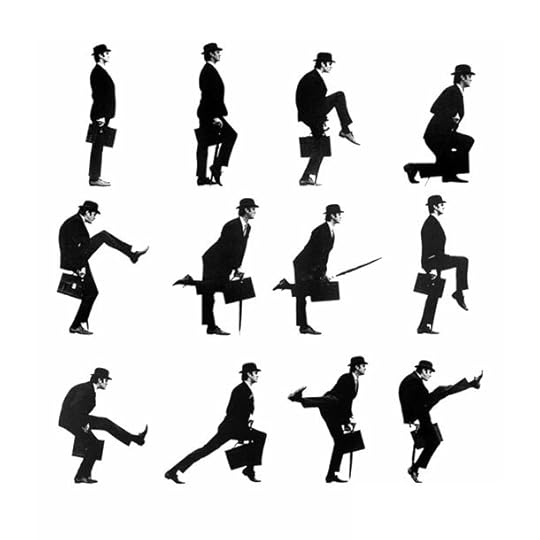
Some things that happen in life are so horrific, we don’t know how to talk about them (still learning how to talk about trauma as a society), we turn them into fiction.
But even in fiction sometimes it’s too horrific most most readers, and they turn away.
How to tell your tale while staring true to its horror and yet get the readers excited about it?
Shroud horror in comedy. Hide it under humor. Present it as something funny when it’s not funny at all.
Monty Python were masters of that. Study t...
September 11, 2018
Your story must have a hero, a villain, and conflict between them
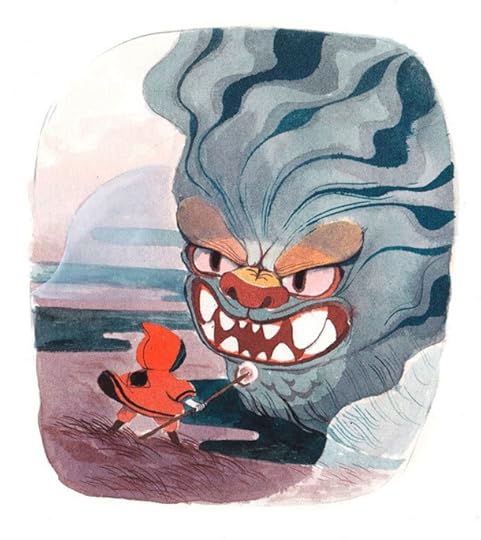
Here is the deal. If you have no hero and no villain with conflict between them, you have no story.
Your hero and your villain must be actual people. They can’t be ideas or concepts or systems or moods.
We readers are stupid that way. While we like think of ourselves as sophisticated and intelligent, we’re really consuming stories for the show factor.
Think Rome. Think Colosseum. Think crowd thirsty for blood, for spectacle, for experiencing two primal and most powerful emotions: sexual desi...


