
Ksenia Anske's Blog, page 13
September 10, 2018
Can’t focus? Sleep, or exercise, or eat good food
We’re so eager to jump to conclusions when we can’t focus on the task at hand, especially if it’s writing. Somehow we must be doing something wrong.
We’re conditioned by our action-driven society to jump to some kind of an action.
We’ve got to do something about it. We’ve got to figure it out! Now! Right this very moment!!!
Maybe the story isn’t plotted right. Maybe the characters are taking over the story. Maybe the conflict isn’t strong enough. Maybe the chapters have to be longer. Maybe...


September 9, 2018
Stretch your first idea to the breaking point, then stretch it again
We all have them, ideas that come to us at the most unexpected times, while waking up or taking the shower or driving somewhere, or walking the dog. There is that moment, a pause, ask then like lightning you hear it and see it, and in that moment you’re exuberant.
This is the best idea ever!
The problem with ideas is, they’re a dime a dozen, and most people do nothing about them. You can have a million ideas and not a single book written.
The hard work comes after the idea is born. Write it do...
September 8, 2018
Set up your story elements like a chain of dominoes
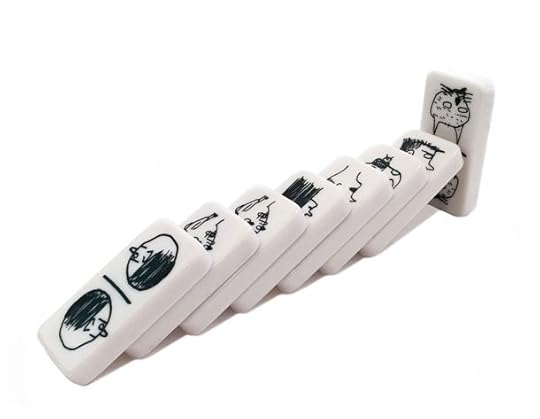
You can go high up to major story acts, or drill deep down to individual sentences, but no matter which way you go...
...every single structural elements of your story must trigger the next element, and the next, and the next, like domino tiles that took you months if not years to assemble, and that with a single push of a finger will topple over one another in the perfect, fluid, unbreakable chain until the very end.
All in one motion.
The entire time your reader will hold their breath, fa...
September 7, 2018
Be an observer rather than a participant
Remaining calm allows you to write the scariest, most unsettling things. Often it’s nearly impossible to remain calm while writing. So how to do it?
View the things that happen in your story not as what you feel NOW, but as what your readers will feel LATER.
This way you can safely trudge ahead, more as an observer who reports than a participant who experiences.
This helped me many times to write through the darkest parts of my stories, the parts I didn’t want to go in, to experience again. On...
September 6, 2018
Turn off your phone
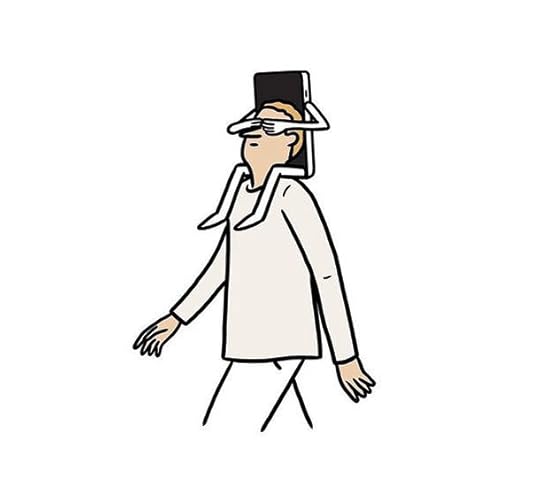
By having your phone turned on you’re making yourself accessible to other people. Think about that for a moment. Think about the times when you didn’t have a phone, when you were a kid (if you’ve lived in those times). Furthermore, by having your phone always on you you’re making yourself accessible to other people ALL THE TIME.
Now pretend you don’t have a phone. Pretend no such thing exists. And imagine that every step of your life, every step of your day, you have someone trailing behind...
September 5, 2018
What you can learn from poorly written stories
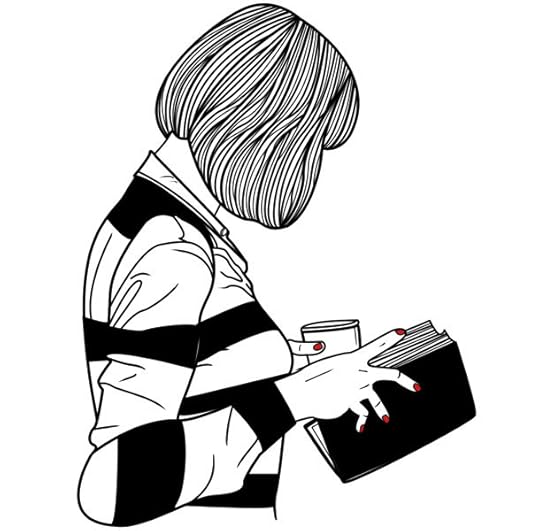
By "poorly written" I don't mean shortcoming in terms of literary merits. That's a different discussion. What I mean is a story that doesn't move YOU. (It might've moved other people, but it left YOU cold).
When you read a book that you set aside in disgust or disappointment, or you watch a movie that you pause and can't finish watching (or walk out of the movie theater), I invite you to take some distance from it (a day or two), then come back to it and try it again and analyze why is it t...
September 4, 2018
Step one is to see, step two is to do

Often you stop yourself in the middle of writing, shocked by what you've done yet again, some mistake or some wrong move. You may have done it multiple times by now, and you blame yourself for doing it yet again.
Don't.
When you see something in your writing that needs improvement, it's the first step to getting where you want to be. It's part of the learning process. Be patient.
Only after you've seen the same misstep over and over again, will you be able to do something about it. One day. Whe...
September 3, 2018
When emotions overwhelm you, write a letter to the one who caused you grief
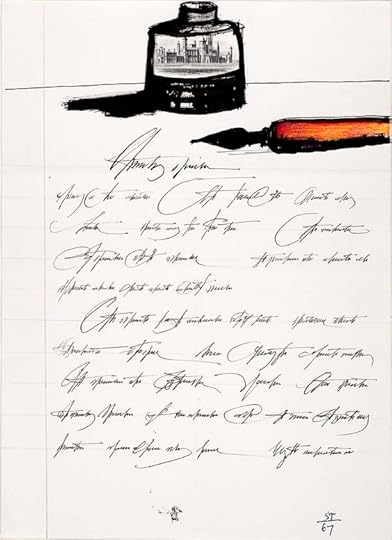
Writing can stir up all kinds of memories and feelings, and sometimes despite all your efforts to stay on task (write your story according to how you want it to go), you get so emotional, your need to get closure with a certain person (whoever caused you grief in the past) is so strong, you can’t focus on your writing.
Usually, two things happen.
One, you pour all your distress into your writing, and it can then go sideways or lead you to a dead end, which will frustrate you even more and ca...
September 2, 2018
Think of writing as stitching
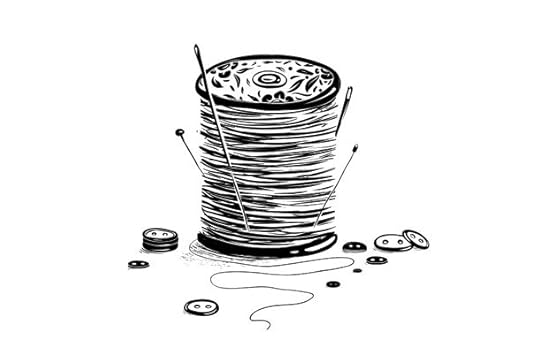
A very simple idea that can drag you out of indecision. Or hesitation. Or doubt.
When unsure how to proceed or what to write next, jump ahead into a scene or a part of the scene that excites you, and write out the best part of it. Just a paragraph or two. Then think about what comes next or what comes before. And then think of the stitching between those parts, like in sewing.
“Stitch” your words right after the exciting part as a transition to the next exciting part, or to the exciting part...
September 1, 2018
Write in the face of adversity
There will be people in your life who will try to tell you you’re wrong, who will frown upon your writing or flat-out tell you that you should stop. They could be well-meaning people, like your friends and family, who think they're doing you a favor by stopping you from a miserable existence and by persuading you to get a stable job and get paid. They could be strangers you've just met. And they could be anyone in between.
If all writers listened to those people, we’d have no books and no wri...


