L.Z. Marie's Blog, page 7
November 16, 2014
Writer’s Hierarchy of Needs
Psychologist Abraham Maslow is best known for his theory about human motivation, aka the hierarchy of needs. He believed that basic needs must be fulfilled before an individual can progress to higher levels. For example, an individual cannot realize their self-potential ( the highest level ) if the basic necessities of food and shelter are not met.
Sounds reasonable, right?
Anyone who’s ever taken a Psychology 101 class is familiar with the conceptualized pyramid denoting the levels.
Well, it struck me that writers have a hierarchy of needs of their own that must be satisfied before they can hope to achieve creative greatness.
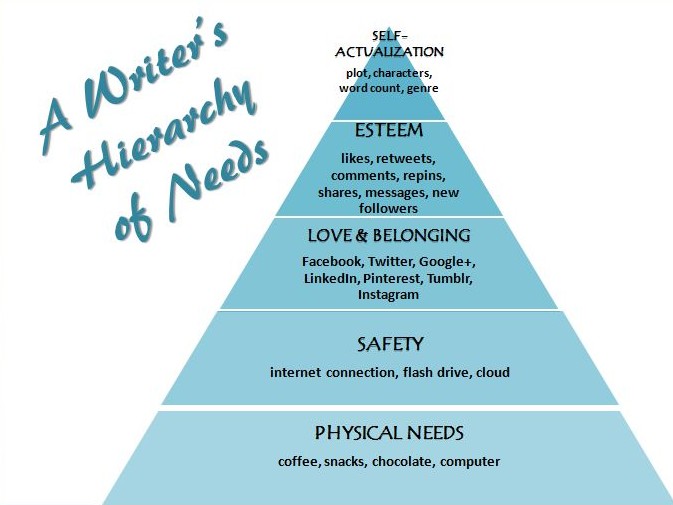
Physical needs: Writers don’t need much–our minds are full enough. However, coffee to awaken the Muse, snacks for feeding the Muse, a computer ( or notebook and pen in a crunch ) and the happy hormones found in chocolate are writing staples.
Safety: Internet connections help us research and connect with friends. With a flash drive or Cloud we rest easy knowing our masterpiece is safe from virtual viruses. Any writer losing their work or revisions to a computer crash remembers the agony of their genius vanishing like dust in the wind. ( cue “Dust in the Wind” by Kansas )
Love & Belonging: We might be solitary folk, happy retreating into our creative cave, yet we need the fellowship of FaceBook , Instagram, Google +, LinkedIn, and Twitter. We seek validation not only from other writers but from reviewers, readers, and friends. There is safety in numbers, in belonging to groups where the written word reigns supreme and reading is revered!
Esteem: We are fragile sorts, our egos crushed daily by plot flaws, meager word count, and scenes refusing to flow. So thus we turn away from the story, casting our attentions to the Likes, Tweets, ReTweets, and hits on our social media. Sadly, they validate us, at least for the moment. And when our confidence is lifted by enough Likes and RT’s we venture back into our novel.
Self-Actualization: Having attained our needs we are now eager to plunge into the story. We conjure the Muses and force them to do our bidding. Words flow from our brain, pass the heart, and course through our fingertips. Reality vanishes and we are happy, our Zen restored.
So should you experience the horrors of writer’s block, fear not!
It’s not you!
Your Pyramid of Writer’s Needs is not being met!
Related Links: Readin’ & Writin’ & Rx for Writer’s Block


November 9, 2014
Characters with Humor
This is not a post about funny characters. This is about creating character personalities based on the 4 humors.
The what?
Here’s a quick refresher course on the ancient Greek categories.
Hippocrates ( 460–370 BC) is responsible for taking an even more ancient Egyptian theory and developing it into one that categorized temperaments into 4 basic types. These personality types were attributed to an excess of certain ewww-worthy body fluids.
A surplus of:
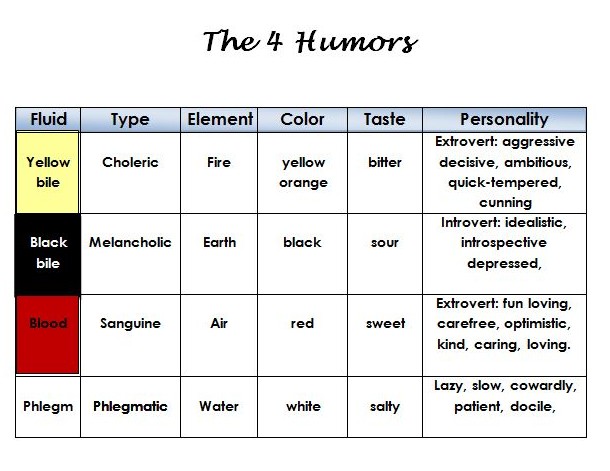
1. Blood corresponds to a sanguine personality. The best of all the temperaments, these extroverted folks are fun-loving, carefree, optimistic, kind, caring, and loving. They are easily distracted but also forgive and forget just as quickly.
2. Black Bile is associated with melancholia. These introverted and idealistic types are prone to introspection and depression. They can also be neurotic, obsessive perfectionists. They are the quintessential brooder.
3. Yellow bile is linked to the choleric traits of aggression, decisiveness, ambition, and vengeance. These quick-tempered types are cunning and quick to blame others.
4. Phlegm is associated with phlegmatic traits. Lazy, slow, cowardly, and lack of ambition are the negative aspects of this type. Patient, docile, and peace-making are the positive aspects.
Note: Yes, one could be a balanced personality and have all the requisite amount of fluids, but what would be the sense in creating a character without flaws?
See chart at end of post for more associations.
It’s easy to find evidence of humor types in TV, literature, and film. From Ferris Bueller’s Day Off ( Ferris = sanguine; Cameron = melancholic; Sloane = phlegmatic; Jeanie = choleric) to The Hangover ( Phil = choleric; Stu = melancholic; Alan = sanguine; Doug = phlegmatic) scores of characters are created that fit the 4 humor types.
Why create characters that conform to some ancient weird-gross body fluid classification?
A good story requires:
a cast of characters with distinct personalities. The 4 humors help a writer “see” their characters’ strengths and flaws with more clarity.
interesting dialog. Knowing your characters’ type helps create authentic dialog.
lots of conflict. What better way to add conflict then have these personalities be at odds with one other. Ninja Turtles, anyone? Seinfeld?
character growth. One type learns from the others. Whether that growth is positive or negative is determined by your plot.
Other types of categories for sussing out characters: Western astrological signs, Chinese zodiac signs, Greek/Roman gods, and the Meyer-Briggs categories.
Have fun creating your characters!
Related links: Rock Your Writing
November 2, 2014
Dog Days of Writing
 Has your writing gone to the dogs? Are you in need of some insPAWration?
There are days when—doggone it—writers feel like they’re workin’ like a dog with nothing to show for it.
IN THE DOG HOUSE
Is your manuscript on a genre leash?
Are you chewing on the bones of a plot devoid of meat?
Does the manuscript need to be groomed and the adverbs trimmed?
Does the diction needs a good brushing with tone?
Does the manuscript need a dose of Frontline weak verb repellent?
Are you trying to breath life into an old dog manuscript instead of romping away with a new one?
Dog-tired with editing?
Growling at a plot snafu?
 BEST IN SHOW
Feeling like you have a dog’s chance of getting an agent?
Not getting any ” hot diggity dog” replies after sending all those queries?
Feel like you’re barking at the moon when you send those queries?
Are you showing a dogged determination to have your query and ms be the pick of the slush litter?
Are you barking up the wrong agent tree?
Are you sniffing around for the best way to build your author platform?
AT THE DOG PARK
Do you have a bone of contention with someone in your critique group?
Are you still licking your wounds over a beta reader’s comments?
Did you join a writing group expecting belly rubs and “atta boys” only to play fetch with another pup’s manuscript?
Feeling a breed apart from all the authors and wanna-be’s?
THE POUND
Suspicious of writers making up shaggy dog stories about their successes?
Feeling meaner than a junk yard dog after being bitten by a troller?
Are you inadvertently biting the hand that feeds you with posts and tweets that insult your readers ( or potential readers) ?
Is your tail between your legs after a social media gaffe?
Are you guilty of begging for Facebook likes and Twitter retweets?
Howl if you must, but it’s time to put on the dog, play “Who Let the Dogs Out” and let loose the dogs of writing!
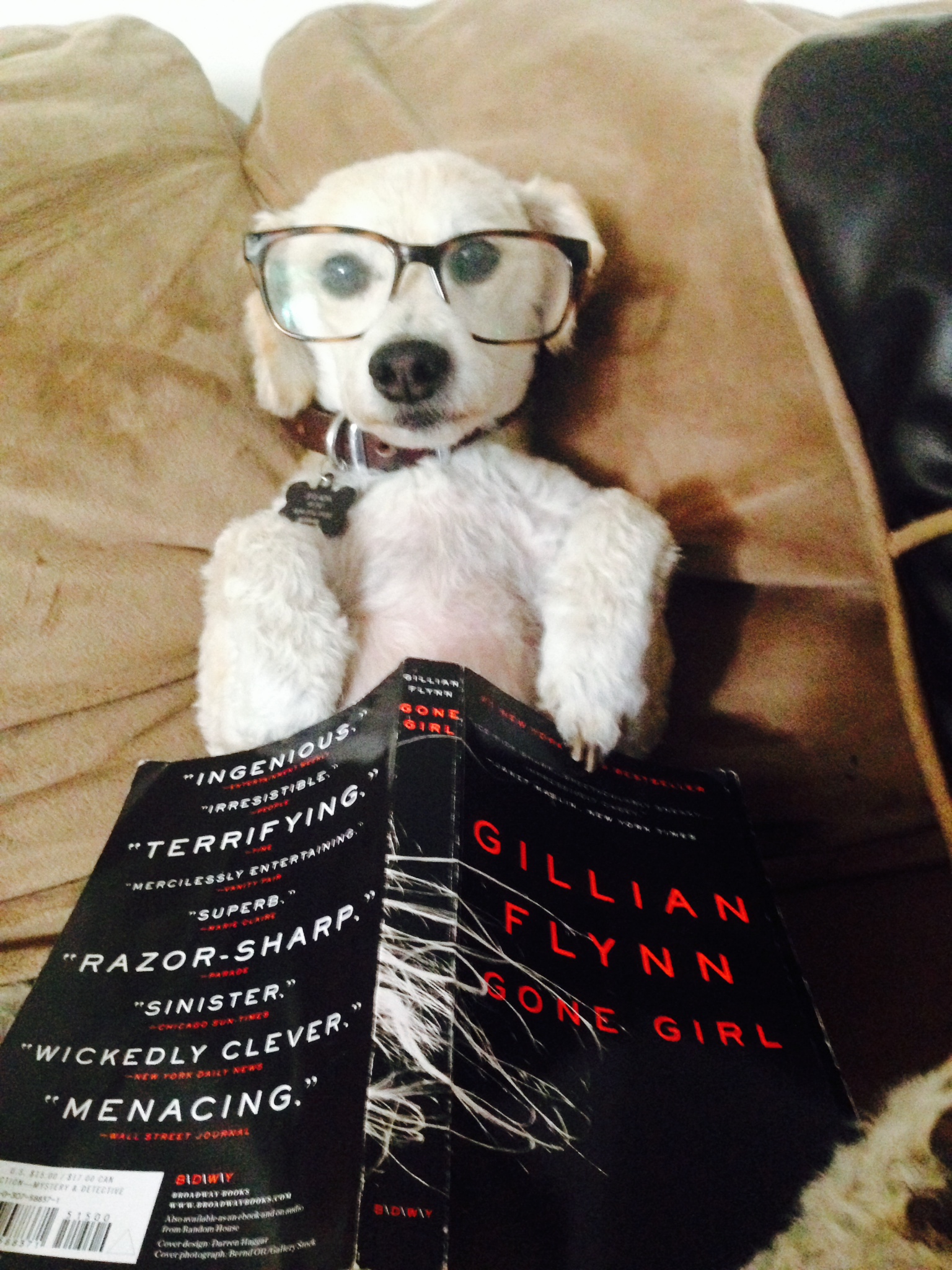
A bark of thanks goes to my daughter for sending photos of her very cooperative poodle!
Related Links: Readin’ & Writin’ and Rock Your Writing


October 28, 2014
Candy, Clarity, & Creativity

Writers must raid their child’s Halloween haul because therein lies every writer’s story.
A WRITER’S TALE
Once upon a time, you heard the
 of your friends upon announcing you were writing a novel.
They didn’t realize that writing provides your creative

and that when you gaze up into the
 you dream of plot and character.
But hey, you’re just one of many writing

striving to live the dream.
Each writer’s path is different. Some stop and start, while others experience the

of plot flaws and banal characters. Attending writer’s club meetings or conferences helps because you take advice from savvy

and learn from the mistakes of

Back home, in the glow of the LCD screen, you practice the craft of writing, making sure to give your story that creative

Months later, you hand your manuscript over to a beta reader only to have a creative meltdown, your

as you are told that plot holes and pacing flaws riddle your manuscript.
More months pass while you rewrite and rewrite and rewrite some more. Only after wiping the sweet sweat of editing from your brow do you believe your manuscript is

with conflict and characters. Now it’s time to take the publishing plunge.
With anxiety you use your trembling

to send that first query.
And you wait…
the time of querying and the
 of rejections you manage to carry on undaunted. Maybe you even begin writing your second novel.
But in the end, long weekends spent in writing caves, dark nights obsessing over plot, months of research, and countless hours of slavish devotion are done for one reason. It is the hope that your words will provide delight to a reader. Because, after all, isn’t that a real writer’s
 Related Links: Readin’ & Writin’
October 26, 2014
Character Morality
 Writers love creating characters. Personality. Physical Appearance. Dress. Mannerisms. Dialog: It’s what we do! It’s how authors bring characters to life.
But did you stop to think about your characters’ morality, or more specifically, what level of morality they have achieved? Creating a character with moral issues, flaws, or strengths can add depth and understanding, often justifying and explaining why the character did what they did.
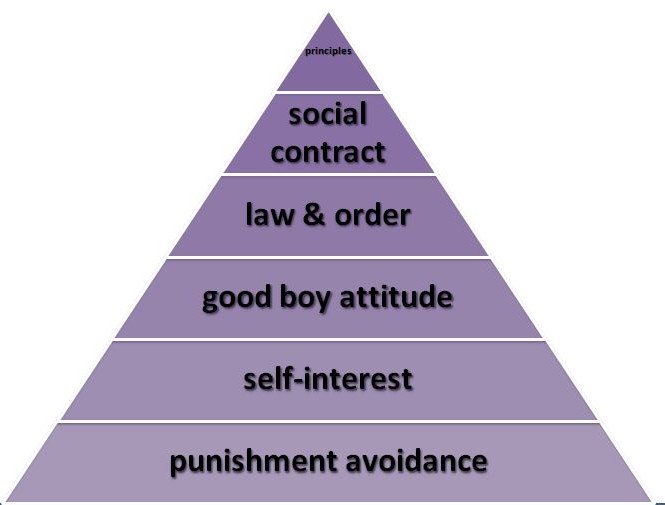
Let’s look at Kohlberg’s Levels of Moral development:
Pre-Conventional Morality
Stage 1: Obedience & Punishment Orientation: Age: 9 & under. Standard of behavior is determined by adults and the physical consequences of following and breaking the rules. Child avoids punishment by good behavior. Child believes that if a person is punished they must have done something bad.
Stage 2. Individualism and Exchange. Child realizes authorities ( parent, teachers etc) may have more than just one right view and that different individuals will have different viewpoints.
Conventional Morality
Stage 3: Good Interpersonal Relationships. Age: Most adolescents & adults. Moral standards are internalized by those authority figures the individual deems right/moral. These authority figures are not questioned. Any and all reasoning conforms to the group’s perspective. The individual is good because they want others in the group to view them as good. They need the approval of their group.
Stage 4. Maintaining the Social Order. The rules of society are important to the individual. Rules are obeyed to maintain law/rules and to avoid guilt.
Post-Conventional Morality:
Individual judgment is based on self-chosen principles, and moral reasoning is based on individual rights and justice. This occurs in only 10–15% of adults and not before the mid-30s.
Stage 5. Social Contract and Individual Rights. ONLY 10-15% OF ADULTS REACH THIS STAGE and rarely before their mid-30s. The individual idealizes that while laws/rules serve the good of the majority, the laws/rules can also work against specialized groups/minorities. Thus, Right and Wrong are not clear cut.
Stage 6: Universal Principles: Individual understands that justice, equality, and human right issues are not law/rule governed. These individuals will break rules/laws to defend the greater moral principles even if if it means imprisonment or society’s disapproval. Very few reach this stage.
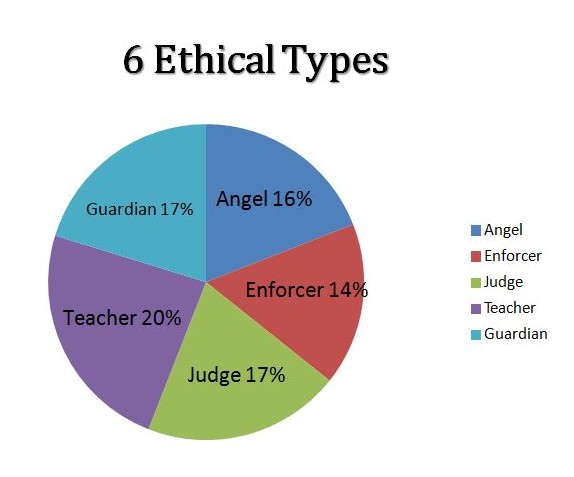 Now let’s look at 6 ethical types. This is courtesy of The UK Times.
Philosophers are good at solving tough ethical dilemmas. They will break the rule/laws if a higher principle is at stake.
Angels believe being good to others is important. They give people the benefit of the doubt and give second chances rather than stand on principle.
Enforcers enforce the rules. They often lack empathy
Judgers believe moral principles are important. They’re good at solving tricky moral principles, yet tend to lack empathy.
Teachers do the right thing for humanity because it’s the right thing to do. They may break the rules if they think they know what’s best.
Guardians believe in doing what they are told to do because it’s the best course of action for everyone. Greater moral ideals are rarely considered.
Does your story require delving deeper into your character’s morality?
What is your character’s ethical type?
Where do they fall on Kohlberg’s moral development scale?
Are your characters acting inconsistently with their type or moral level?
What self-revelation causes them to change?
Is the change good or bad?
Do you need to flesh out a character’s morality?
Will you be able to convince a reader of their epiphany?
Related links: Readin’ & Writin’
October 19, 2014
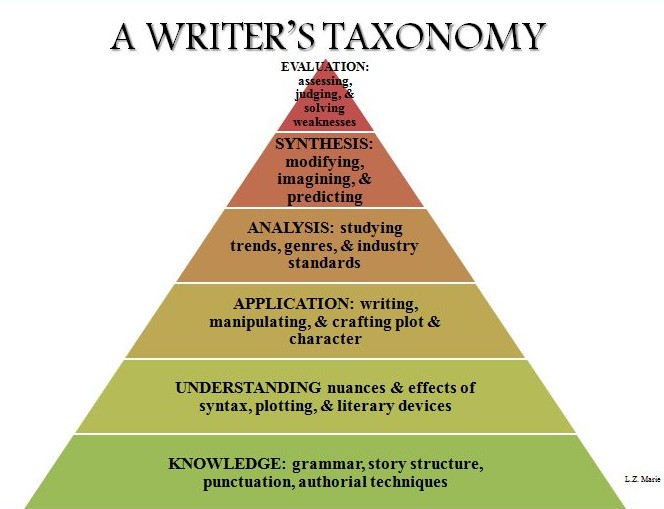
A Writer’s Taxonomy
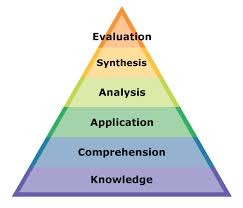 Any teacher knows Bloom’s Taxonomy. For those not in the teacher loop it’s how educational psychologist Benjamin Bloom classified the levels of thinking. Teachers use the classifications to foster and inspire students’ higher-level thinking skills.
Writers can use the same taxonomy to help improve their writing skills.
Knowledge, at the base, is the most fundamental. ( Imagine trying to solve a calculus problem without knowing how to add, subtract, divide, or multiply.)
Knowledge is knowing the writing basics. Recalling:
grammar
story structure
punctuation
authorial techniques like metaphor, symbol, allusion, characterization, structure, imagery, form, motif, dialog, point of view, theme, and tone
Understanding: More than just recall is required. Comprehending the nuances and effects of the basics guides the writer to creating a better, tighter manuscript.
Writers need to understand how:
syntax manipulates a reader.
syntax impacts the author’s tone and mood.
syntax speeds up, slows down, and emphasizes.
story structure is more than just exposition, rising action, climax, falling action, and resolution.
punctuation impacts mood and slows down, speeds, up, and emphasizes.
authorial techniques and literary devices add depth, flavor, and nuance.
the hero’s/protagonist’s weakness; his desire; antagonist’s/enemy’s desire; the quest/plan; battle/crisis; self-revelation; and resolution/new normal are used for maximum impact.
Application: Utilizing what you understand to weave, manipulate, and design plot and characters. This is where each writer’s process is different. It doesn’t matter if you don’t write chapter 2 until chapter 1 is perfect or if you rewrite a hundred times. It’s implementing what you know that is important.
Analysis: Read and study trends and genres in the industry. What do agents/publishers want and expect of your genre? What do readers of your genre crave? Scrutinize industry standards to determine if your novel meets the mark.
Synthesis: Craft your manuscript so it meets those standards. Modify with revisions. Imagine new combinations. Predict the problems an agent/editor/reader might find. Deduce why novel X made it big.
Evaluation: The toughest level by far and the one some writers are ill-equipped for because their knowledge and understanding base is lacking. This is where pride and ego keep the aspiring writer down. This is where a thorough assessing and judging of craft and the publishing world determine your expectations, aspirations, fears, and insecurities. Writers should:
judge their manuscript against the current biggies.
evaluate how, where, and why the manuscript might need work.
solve manuscript weaknesses. Do you need a content editor? Do you need a grammar punctuation editor? Do you know how to assess whether the folks claiming to have those skills actually have credibility?
evaluate well-meaning fellow writers’ comments when they claim your writing is amazing. Would you take from-scratch baking advice from someone who only makes cakes from a box?
Where do YOU fall on the Writer’s Taxonomy?
Related Links: Readin’ & Writin’, Symbols & more Symbols, Rock Your Writing
A Writer’s Taxanomy
Any teacher knows Bloom Taxonomy. For those not in the teacher loop it’s how educational psychologist Benjamin Bloom classified the levels of thinking. Teachers use the classifications to foster and inspire students’ higher-level thinking skills.
Writers can use the same taxonomy to help improve their writing skills.
Knowledge, at the base, is the most fundamental. ( Imagine trying to solve a calculus problem without knowing how to add, subtract, divide, or multiply.)
Knowledge is learning writing basics. Recalling:
grammar
story structure
punctuation
authorial techniques like metaphor, symbol, allusion, characterization, structure, imagery, form, motif, dialog, point of view, theme, and tone
Understanding: More than just recall is required. Comprehending the nuances and effects of the basics guides the writer to creating a better, tighter manuscript.
Writers need to understand how:
syntax manipulates a reader.
syntax impacts the author’s tone and mood.
syntax speeds up, slows down, and emphasizes.
story structure is more than just exposition, rising action, climax, falling action, and resolution.
punctuation impacts mood and slows down, speeds, up, and emphasizes.
authorial techniques and literary devices add depth, flavor, and nuance.
the hero’s/protagonist’s weakness; his desire; antagonist/enemy; quest/plan; battle/crisis; self-revelation; and resolution/new normal are used effectively.
Application: Utilizing what you understand to weave, manipulate, and design plot and characters. This is where each writer’s process is different. It doesn’t matter if you don’t write chapter 2 until chapter 1 is perfect or if you rewrite a hundred times. It’s implementing what you know that is important.
Analysis: Read and study trends and genres in the industry. What do agents/publishers want and expect for your genre? What do readers of your genre crave? Scrutinize industry standards to determine if your novel meets the mark.
Synthesis: Craft your manuscript so that it meets those standards. Modify with revisions. Imagine new combinations. Predict the problems an agent/editor/reader might find. Deduce why novel X made it big.
Evaluation: The toughest level by far and the one some writer’s are ill-equipped for because their knowledge and understanding base is lacking. This is where pride and ego keep the aspiring writer down. This is where a thorough assessing and judging of craft and the publishing world determine your expectations, aspirations, fears, and insecurities. Writers should:
judge their manuscript against the current biggies.
evaluate how, where, and why the manuscript might need work.
solve manuscript weaknesses. Do you need a content editor? Do you need a grammar punctuation editor? Do you know how to assess whether the folks claiming to have those skills actually have credibility?
evaluate well-meaning fellow writers’ comments when they claim your writing is amazing. Would you take from-scratch baking advice from someone who only makes cakes from a box?
Related Links: Readin’ & Writin’, Symbols & more Symbols, Rock Your Writing
October 12, 2014
Handy-Dandy Responses
 On rare occasions, writers may leave their creative cave joining with friends and family to partake of festivities and merriment. On said occasions these friends/family are bound to ask casual questions about your writing, novel in progress, and/or your current publishing process.
Their seemingly innocent questions–delivered with a genuine smile–often leave the new author stymied. How does a writer respond to casual questions by a non-writer? They’re your friends and family after all, they like you—might even buy one of your novels–so they expect a genuine answer.
Well, before launching into a prolonged too-much-info reply—and you’ll know when their eyes begin to glaze over—here’s a few all-purpose responses.
1. Most often asked question:
Question: How’s your novel coming along?
Writer: Great thank you! I’m on the [ # of drafts]. How is [ add their hobby here]?
2. You know they’re gonna ask!
Question: What’s your book about?
Craft that one-sentence hook or elevator pitch now! If it falls flat you know it needs work.
Writer: A young Kansas teenager battles a diabolical shoe-stealing witch.
3. Question: Where do you get your ideas?
Non-writers really really want to know. They don’t understand how our brain works. The trick is to give them a glimpse without freaking them out.
Writer: Ideas come to me in a dream. (The standard Mary Shelly of Frankenstein fame response.)
OR
I have no clue. Ideas just pop into my brain at random times.
4. The Inevitable.
Question: I’m thinking of writing a memoir/novel. Do you have any advice?
Writer: ( with big smile) I have lots of advice. Call me when you’re reading to begin and I’ll be happy to answer all your questions over coffee.
As any writer knows, more than one cup of coffee will be required to impart all your wisdom and advice.
5. The Inevitable II
Question: Can I be in your next novel?
Writer: Absolutely, how would you like to die?
True story: In the opening scene of one novel, I very loosely pattern the victim after a friend. When I told him how he died, he spent the rest of the party telling everyone, “Hey, L.Z. kills me in her book!” “‘Excellent! ‘Bout time,” was the standard reply.
6: The Movie!
Question: Why don’t you turn your book into a movie?
No need to blast them with a lecture on the fundamentals of script-writing, producing, financing, directing, casting, and other Hollywood fun facts.
Writer: Wouldn’t that be fun? Who would you cast as [ insert name of character ] ?
Of course, should you have family or friends with the same writing affliction…um passion, feel free to talk, moan, bewail, share plot problems, and celebrate successes. Although…you did come to the party to take a break from writing!
So…now that you have a few quick answers to some tricky questions, go out there and mingle like regular people.
Note: Click on the picture to read what we think when asked that writing question.
October 5, 2014
Halloween Costumes for Writers
“Noooooo. Not tonight. I’m on a writing role. Can’t stop now.”
“Your friends miss you. You need a break. And you have that crazy look in your eyes again.”
Mmmm…you think. My friends buy all my books, I really should go.
“What am I gonna wear?”
Writers with day jobs tend to devote almost every non-working hour to writing, which leaves little time to plan and create a costume.
Here’s a few no-frills, no-fuss ( mostly ) ideas:
1. Lady Macbeth: Wear a long white nightgown, rub red dye on your hands. Added bonus: no need to change for bed after the party.
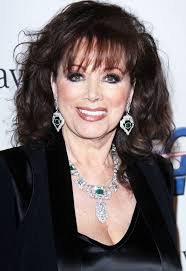
2. Bestselling novel: This one is easy. Stop at Home Depot or Lowes before party. Staple to t-shirt.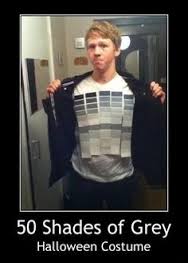 3. Jackie Collins: Tease your hair, wear black eyeliner and lots of flashy costume jewelry. High heels a must.
 4. Professor: Dig out your graduation gown. Better still if you put on the Masters or Doctoral hood.
5. Plato or favorite Greek philosopher: Wrap a sheet around your body toga style. Wear sandals. Added bonus: Fall in bed after party, no disrobing necessary.
6. Muse: Wear a sheet toga style and place a few flowers in your hair. Add a laurel wreath fashioned from fake ( or real ) ivy for extra Greek oomph.
7. Outlander: Don a kilt. Undies optional. Warning: Sexy men may get accosted by women.
8. Rough Draft: Use a staple to cover your clothes with pages from one of your rough drafts.
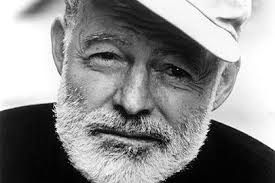
9. Revision Fairy: Roll up pages, staple to a ribbon wide enough to be tied around your waist. I took this photo from Pinterest. Type in book fairy and you’ll see a few variations. ( I think I might wear this to school.)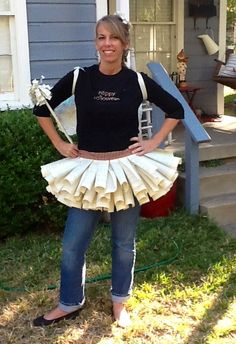 10. Ernest Hemingway: For the beard blessed, all you need is a turtleneck sweater, a cap, and a copy of Old Man and the Sea or other Hemingway classic.
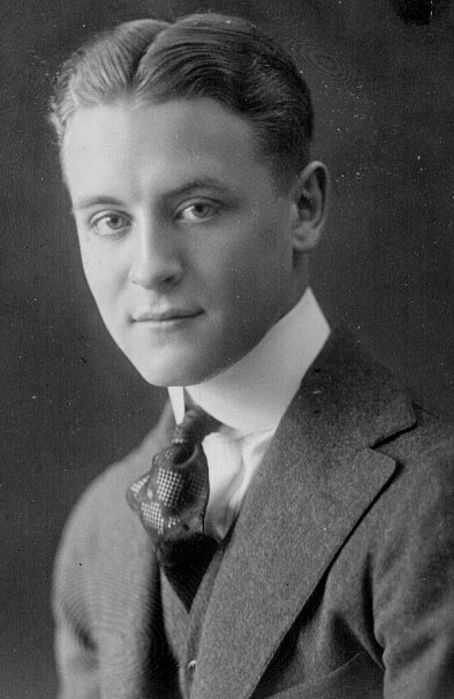
  11. F. Scott Fitzgerald: Part your hair down the middle. Wear a suit and tie.
 11. Recluse: Don’t go to the party. Send significant other with your regrets. Recluse sounds ever so much more socially acceptable than misanthrope.
12. Sales Pitch: Dress as one of your characters. When someone asks who you are, launch into a riveting but brief teaser of your latest work.
For the more ambitious, the cleative application of make-up may be all you need. For some fun looks Baroque in Babylon has great ideas!
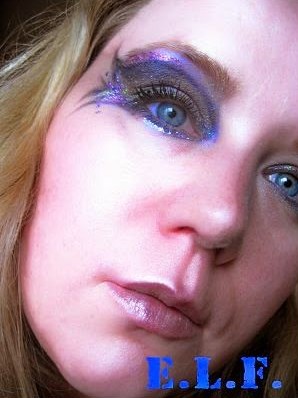
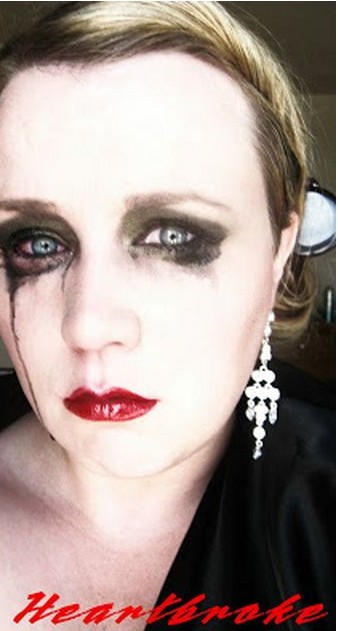
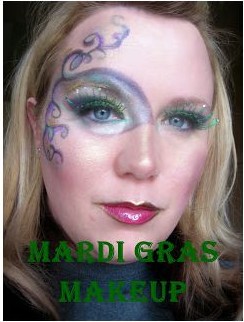
Hope several ideas were appealing. Now, get back to writing!
Related Posts: Readin’ & Writin’
September 28, 2014
The Real Book Drive!
Writers should understand their readers’ preferences. This is often a difficult task. Some readers are faithful to one genre only. Others read everything from hardcore literary SciFi to romance. Readers can’t be pigeon holed. Or can they?
Novels and cars have a few things in common. Both take you places! Both require filling up. Both steer you to new horizons; however, arriving at the final destination does vary by speed.
What if reader preferences could be identified like cars?
What drives your reading?
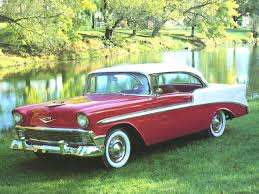
The Classic Reader: Lovers of timeless literature read Frankenstein and Catcher In the Rye with equal pleasure. They relish the enduring themes and stellar writing of stories where the movie never ever does justice to the plot and/or literary techniques used by the author.

The Muscle Reader: Devotees of tales with gumption, verve, and evocative characters. This reader needs emotional muscle to absorb the squeeze-your-heart prose page after pass-the-tissue page. This type of novel is often found on Oprah’s Book Club must-read list.

The Luxury Reader: Adorers of LONG, thick novels with juicy chew-worthy plots and a plethora of heart wrenching bigger-than-life characters. Game of Thrones or Outlander, anyone? This reader refuses to read a novel under 300-pages, equating word count with BIG universal themes, epic adventures, and lots of detailed descriptions.

The Economy Reader: Fans of the quick easy read. Not only do they enjoy the I-read-this-in-one-night boast, the light-hearted diversion it provides is no-frills fun.

The Exotic Reader: Aficionados of tales told with an unconventional voice requiring expert handling and deliberate reading with attention to nuance. These folks might even repeat aloud an extraordinary turn of phrase just to revel in its brilliance. Don’t expect comfort, this novel ride grips the thematic road and swerves around symbolic corners with panache.
What drives your reading? What drives your writing?
Although I’m often found behind the wheel of a Muscle or Luxury book, a spin in an Economy read gets the ticket when a quick entertaining diversion is required.
And for my car-lovers, if you don’t already know, the cars in order of appearance are: the ’56 BelAir; ’66 Shelby Mustang; Bentley Continental GT; 2014 Honda Civic; and the 2012 Ferrari 458 Italia.
Related Posts: Readin’ & Writin’