L.Z. Marie's Blog, page 11
February 16, 2014
Blood Writes
 Blood is a powerful and often confusing symbol. From the Divine to the violent, our fascination with blood infuses our collective consciousness. An entire book could be devoted to the symbolism of Blood— and perhaps already has.
The reason behind the power of blood is obvious. Blood is LIFE— a physical indicator of our existence. And yet, behind this crimson liquid life force, man has imbued blood with great spiritual, divine, and emotional dominion.
Here’s a very small sampling of words that reveal our fascination with blood.
Bloodline: A line or sequence of ancestors. In some primitive Amazonian tribes, Shaman are forbidden to taint their bloodline, for to do so destroys and corrupts their mystical powers. Bloodlines produced royal dynasties, perpetuated genetic anomalies and disorders, or got your kinsmen slaughtered.
Bloodlust: Intense desire to see people killed.
Bloodbath: a fight that ends with death and dismemberment OR a struggle that ends with a group’s total destruction.
Blueblood: A member–usually by bloodline– who comes from old historic aristocracy.
Oxblood: A really weird name for a color, don’t you agree?
Cold-blooded: Adjective to describe actions done without emotion or concern for others’ emotions or consequences.
Hot-blooded: Adjective describing one whose actions are determined by intense emotions, be it good or bad.
And there’s blood feud, blood sport, blood and guts, bloodcurdling, blooded, bloodguilt, bloodred, bloodstain, bloodstone, bloodsucker, bloody shirt, bloody-minded, lifeblood, and Bloody Mary.
Blood is symbolic of both LIFE and DEATH.
Blood:
determines destiny
atones for sins—the goblet from which apostles drank held the symbolic blood of Christ
appeases gods/placates angry gods—human or animal was offered as a sacrifice or gift
saves—the Israelites marked their doors with blood from a slaughtered lamb so that the Spirit of the Lord knew to pass over their homes while on the way to killing everyone with a first born
destroys
heals
is lustful passion
is rage
is violence
is an ingredient in witch brews
is Divine—Christ’s blood
marks one’s entry into adulthood—blood brother rites and/or a woman’s first menses
contaminates—some early cultures believed women’s monthly blood made them unclean
drinking was one way to absorb the power of your enemies
letting—in all it’s ancient and modern forms—releases emotional trauma or pain
brings emotional trauma or pain
a favorite of Vampires everywhere
purifies and corrupts
saves and curses
doesn’t wash off—see Lady Macbeth for details
incriminates and exhonerates
Embrace the powerful symbolism connected with blood.
Have a bloody good time writing your novel!
Related Links: Rock Your Writing; Symbolism & more symbols;
Click Amazon link for novels.


February 9, 2014
Symbolic Geometry
 Circles and squares and triangles and stars, oh my! No, this is not a post about your sugariffic breakfast cereal but about the symbolic—often esoteric—power of shapes. Before man carved pictographs and told the Gods’ tales in cuneiform, the meanings of shapes denoted meanings and were imbued with mystical power.
The following is a blog-quick look at a few common shapes.
Circle/sphere:
universal symbol of completeness and perfection
God
the sphere of Heaven
circle of life
movements of the stars and heavens
Hindus and Buddhists associate it with birth, death, and rebirth
Wheel of law in Buddhism
A round table ( early management style first practiced by the legendary King Arthur ) denotes equality—all stakeholders having an equal share in solving a problem
Dante saw Hell as a series of concentric circles
A ring denotes a pledge or promise
a sphere represents the spiritual aspect of Heaven/Universe, which is why domes top many religious buildings
spirals are symbolic of energy
spirals drawn in a woman’s womb indicate fertility
the helix is also a fertility symbol and the double helix has become the visual representation of DNA—guess those ancients were on to something
Triangles—associated with the number 3
beginning, middle, and end
trinities of gods
body, soul, and spirit
man, woman, and child
an upward-pointing equilateral triage represents the male organ
fire
a down-ward pointing triangle is the symbol for a woman or her womanly parts
water
the base of a pyramid represents the earth; the apex, heaven
Square/cube
a pausing or suspension—not necessarily associated with negative aspects
stability
lasting perfection
the four directions
In Islam it represents the heart’s susceptibility to the divine, angelic, human, and diabolic forces
square halos in Christian art indicates the person was alive when painted
a cube is symbolic of the material universe
wisdom, veracity, and moral fortitude
the cloistered courtyard of religious structures indicate endurance and security
Stars
wisdom
spiritual counsel or advice
light of wisdom shining in the dark ( sinful ) world
mythological figures or deities
the dead
the Star of Bethlehem symbolizes Christ’s birth
the 5-pointed pentagram pointed upward represents a human ( the top point is the head, 2 arms on the side points, 2 legs of the downward facing point )
flip the pentagram around and it’s the sign of the Devil—the two upward pointing points becoming the Devil’s horns
the 6-pointed hexagram—2 interlocking triangles— is symbolic of: 1) the conjoining of male and female; 2) the four elements; 3) Star of David; and 4) Judaism
the merkabah is an ancient geometry dating back 3 thousand years. Some believe the shape has Egyptian origins. The symbol is shrouded in mystery and attributed with supernatural ( even divine ) power that allows one to enter enlightenment, zen, achieve spiritual and/or physical ascension, or even experience cosmic transport!
the 7-pointed heptagram is: 1) a magic symbol for pagans; 2) symbolic of the 7 days of creation; and 3) the 7 steps of enlightenment for Buddhists
Crosses—I could do another blog about the many different types of crosses—and probably will
Christianity
the shape predates Christianity
sacred shape to Ancient Egyptians and Aztecs
more to come on crosses
Mandala—not a shape per se but a pattern
search for inner peace or spiritual enlightenment
pathway to the Divine or God
a symbolic trap for malevolent spirits
used as a tool or focal point in meditation
universe
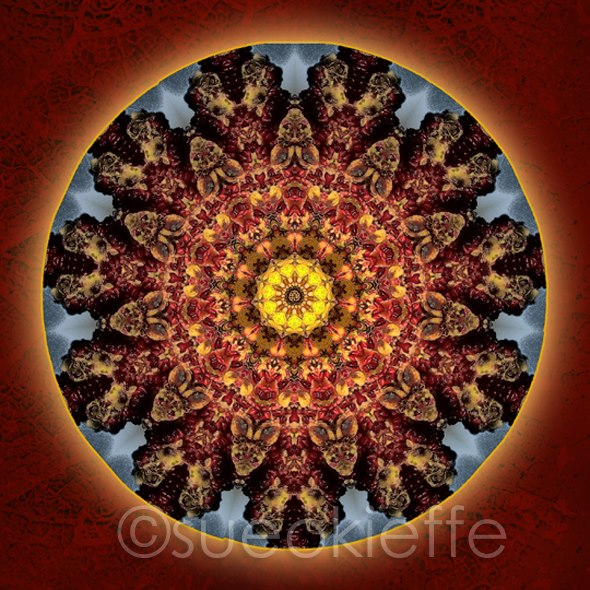 A giant thank you to Sue O’Kieffe for allowing me to post her mandalas. For more of her gorgeous Sacred Circles click HERE.

Have fun shaping up that novel!
Related Links: Rock Your Writing; Symbolism & more symbols;
Click Amazon link for novels.
February 2, 2014
Valentine’s Day Gifts for Writers
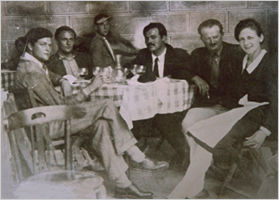 In the old days, writers discussed literature on the Left Bank—which would be a great name for Hipster Coffee Shop—smoked cigarettes and possibly used words like gestalt and hamartia.
Today, we hunker down with our laptops, talk literature via Social Media, drink coffee, and spout words like algorithms and platfom-building.
The Language of Literature may have changed, but the Language of Love remains the same. And so does the problem of what gift to get your Significant Writer Other for Valentine’s day.
Here’s a list of suggestions to give your honey.
From cheapest ..um, I mean least expensive to the dream-worthy!
1. FREE Admiration and respect for your writing passion.
2. $ Computer screen wipes.

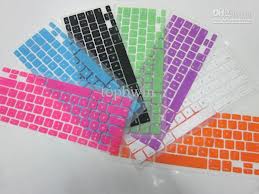
3. $ Keyboard protector. Great for the coffee-drinking crumb-dropping writer.
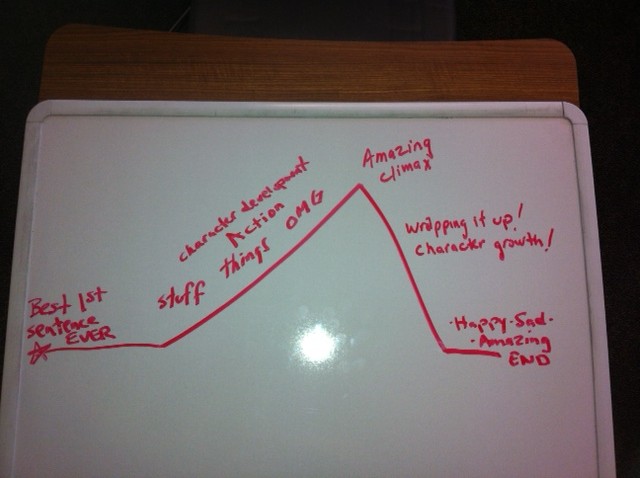
4. $ White board and dry erase markers.
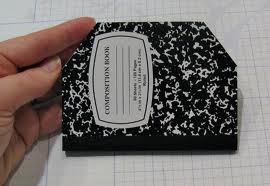
5. $ Mini notebooks for jotting down FABULOUS ideas.
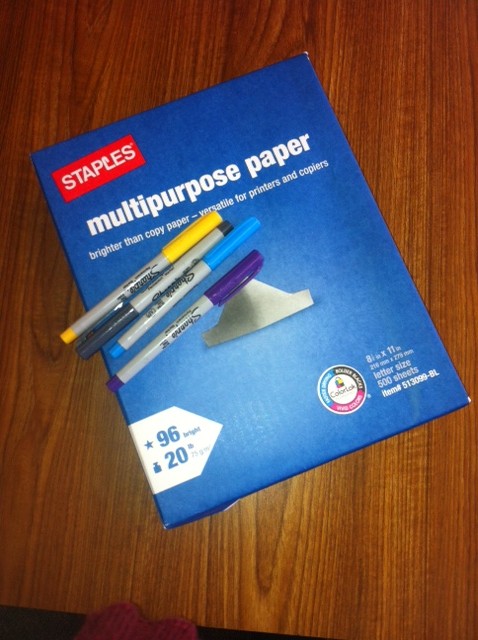
6. $$ A ream of paper for printing out drafts and pens for making correction.
7. $–$$$ Starbucks card
8. $$—$$$ Software for Writers—Dragon, Editing, or Photoshop for the Indie Author who does it all.

9. $$$ Writer’s conference. Send your loved one away for a weekend where he/she can commiserate with other writers, swap writing horror stories, and listen to inspirational tales of success.
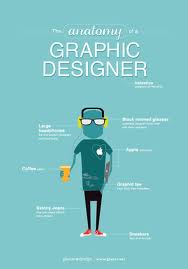
10: $$$ Money to hire a graphic designer.
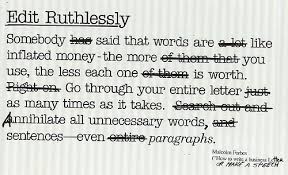
11. $,$$$ Money to pay for a professional editor.
12: $$$ per week: A maid, preferably someone exactly like Alice from The Brady Bunch.

13: $, $$$, $$$ Fabulous room overlooking <insert setting of choice> view that no one can enter without prior permission.
 Print out a copy and leave it where your Thoughtful Someone will see it.

Related Links: Rock Your Writing; Symbolism & more symbols; A Valentine’s Day Poem
Click Amazon link for novels.
January 26, 2014
From Head to Toe
 The body is a temple. We’ve all heard the expression. And everybody knows a temple is place for worship, a place to access the Divine. Even Apostle Paul said, “Do you not know that your body is a temple of the Holy Spirit, who is in you, whom you have received from God?” (1 Cor. 6:19-20).
It should come as no surprise that our body parts hold ancient symbolic meanings. So before fixating on a character’s body part you might want to explore the symbolism associated with it— in case you want to give your story some symbolic ZING!
Heads up! It’s time for blog-quick look at body symbolism.
Head
most important part because reason, wisdom, intellect, and spirituality reside within
equated with authority and power ( heads of state, heads of corporations)
bowed is a sign of respect
tilts, nods, or shakes are powerful communicators
many-headed gods depicted different aspects or personalities —Shiva, Hecate, Brahma, and Janus have multiple heads
Hair
divine power and virility
inner and physical toughness—when Delilah snipped Samson’s tresses she reduced his physical strength
cutting the hair was a sign of sacrifice or surrender. In modern times—if done by women–the act symbolizes rebellion or liberation from feminine gender roles/expectations
Mary Magdalene’s long flowing hair was a sign of immoral sexual behavior
Ears
equated with a seashell or a spiral
associated with birth—Karma was born from his mother’s ear.
long ears are linked to wisdom in Buddhism
the Satyr’s large pointed ears reflect his sexual and sensual nature
Eyes
all seeing. Eye of Providence. Right Eye of Horus. Left of Eye of Horus
perception and spiritual enlightenment
giving someone the Evil Eye brings misfortune to the recipient
windows to the soul
for an entire blog on eyes click here
Nose
knowing
intrusiveness or meddlesome behavior/personality
valued by early man as a way of finding food
a phallic symbol
a nose that grows in length indicate lies—courtesy of Pinocchio
a turned up nose displays contempt
Mouth
deemed the creative force, but it’s our mouths which can get us in trouble
the Mouth of Hell devours the wicked
articulates our heart’s desires
just slap a big X-rated sign on the lips
Tongue
symbolic of speech
visible manifestation of the spoken word
teeth are symbolic of animistic strength and aggression
long teeth are a sign of ambition
Agrippina, Nero’s ambitious mother, had double canines
the tongue is either a destroyer or a creator
sticking one’s tongue out harkens back to times when that gesture warded off evil spirits
Shoulders
strength— think Atlas holding up the world
power
carrying responsibilities
Skeleton
harbinger of death
Bones symbolize strength, stability, determination
Chakras, the body’s energy forces, are aligned with the spine
Organs
intestines are symbolic of long life and eternity
intestines were used for divination in early times
the spleen is where melancholy and laughter come from ( part of the ol’ 4 Humors of the Body theory)
the liver symbolized passion during ancient Rome times
Limbs
balance and movement
good luck
arms are symbolic of strength, power, protection, and justice
Hands
command
protect
bless/bestow
pledge
symbolize power and strength
teach
heal
there’s the omnipotent Hand of God
Hamsa hand is a protective talisman used by Muslims and Jews to protect against the Evil Eye
As expressive communicators, we are familiar with the meanings of: palms out, finger pointing to heaven, handshakes, hand wringing, and hand washing (Pontius Pilate and Lady Macbeth)
hidden hands denote respect in Asian cultures, but mistrust in western
Gender-specific body parts ( this is a PG-rated blog ). Early man was obsessed with those particular parts—wait, we still are!
male: strength, power, and virility
female: regeneration, fertility, procreation, and the miracle of birth
Feet
mobility
rooted or in touch with self and nature
bare feet touching the ground is man’s link to the Divine Earth
the monk’s bare feet signify their vow of poverty
in Asian cultures, feet are considered unclean so its wrong to display soles to another
solid foundation
washing another’s feet is a symbol of hospitality and humility
the Buddha’s footprint found at Buddhist temples indicates the Buddha’s presence
As you can see, lots of body parts were left out! This is just the tip of the Body Iceberg! A quick Google search will reveal many more symbolic aspects.
Note: I teach literary analysis and remind my students to look closely at the symbolism in a novel. Why did the author include that fruit? Or name the character Neil? Why is the protagonist sitting under a pear tree? Why is her dress blue? Why did the character lose a limb? Before jumping to any symbolic conclusions however, we look at the symbol in context of setting, history, and culture.
Related Links: Rock Your Writing; Symbolism & more symbols;
Click Amazon link for novels.
January 20, 2014
10 Commandments for Writers
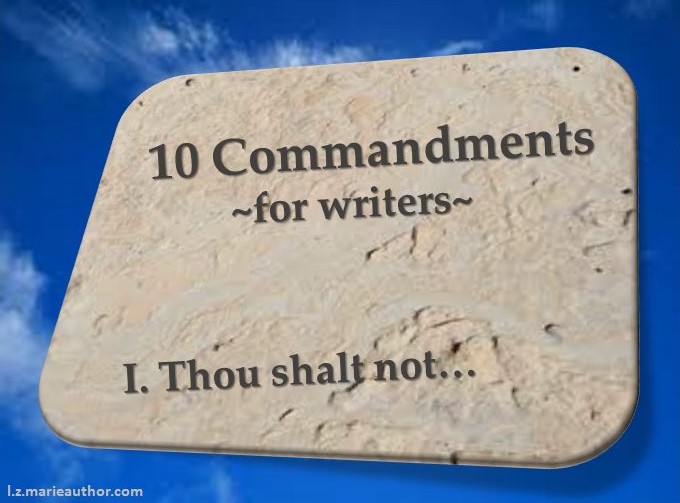 Moses had a Divine Agent—that’s the only way he could get published! And talk about a Best Seller! Why, there’s still controversy about his work thousands of years later.
But for those of us writers still wondering in the literary desert for that symbolic 40 years, living off the manna of Twitter RT’s, 5-star reviews, and Facebook Likes, we need to follow our own 10 Commandments for writers.
1. Thou shalt have no other dream before thee.
2. Thou shalt not misuse words like graven in thine manuscript.
3. Thou shalt not take Amazon’s name in vain.
4. Remember Query Day, keeping the pitch and synopsis wholly free of grammar errors.
5. Honor thy editor and graphic designer, for they maketh thine book look good.
6. Thou shalt not kill an idea, for it mayth be used in the future.
7. Thou shalt not commit skulduggery on social media, for that doth came back to bite you in the ass.
8. Thou shalt not steal other’s blogs or stories, because that doth be plagiarism.
9. Thou shalt not bear false witness in your social media profile pages.
10. Thou shalt not covet thy fellow writer’s laptop, available writing hours, book sales, or success.
How many writing commandments did you break today?
Related Links: Rock Your Writing; Symbolism & more symbols;
Click Amazon link for novels.
January 15, 2014
Writer’s Hand Signals
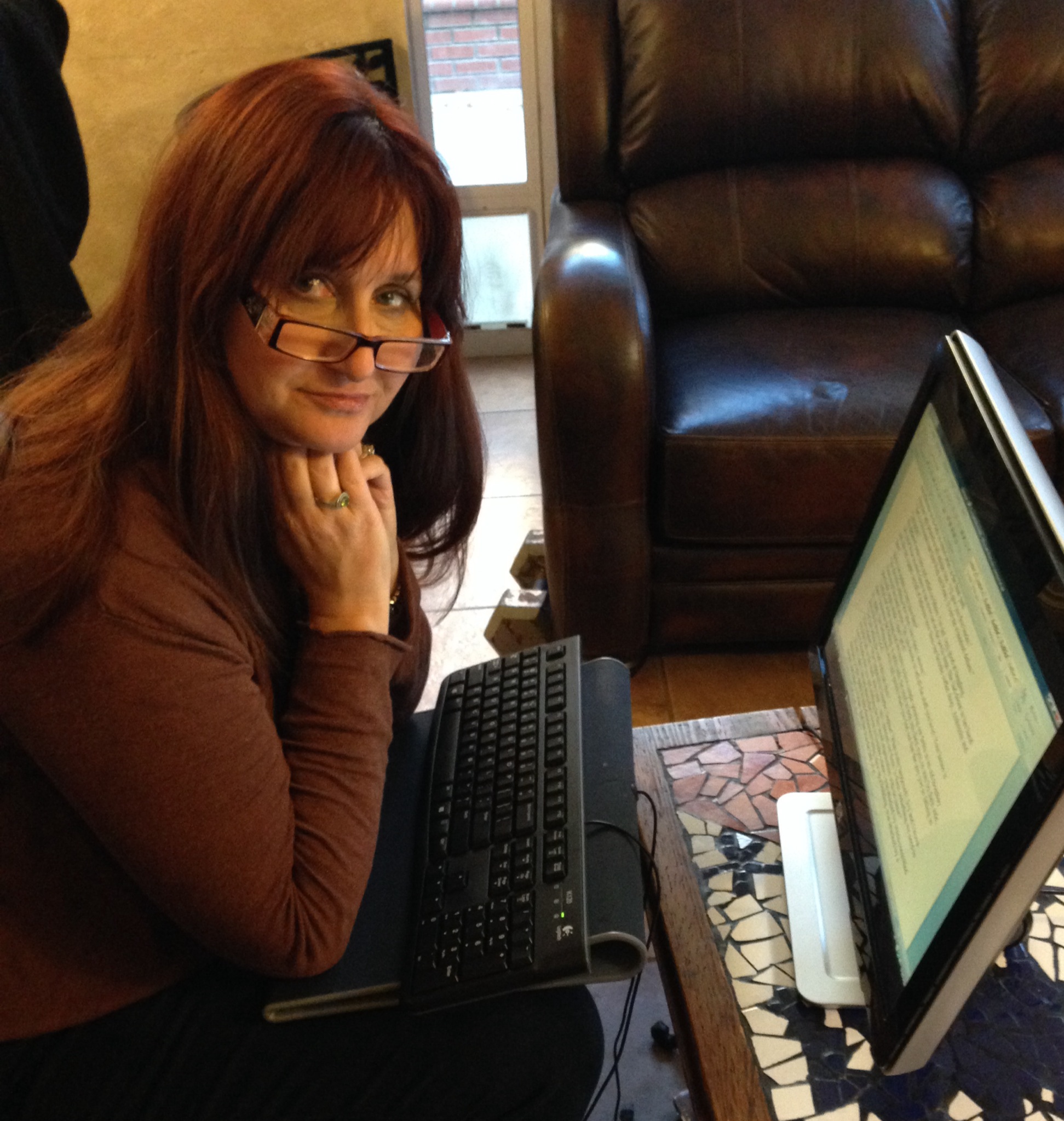 When writers are on a roll—watch out! We don’t like to stop for fear of losing our train of thought, especially if we’re having one of those days when we can’t type fast enough! You know what I’m talking about! The entire scene is THERE—the dialog, mood, imagery—the words flowing from your brain, through your heart, and into your fingertips—the story bursting with—WHAM!
“Hon, where’s my jacket?”
“Mom, what’s for dinner?”
Your Rocket of Creativity just did a nosedive into the Ocean of Interruptions.
Been there, have you?
Without being aware it was happening, I developed hand signals to communicate with my family when I was ‘in the zone.’ And without realizing it, they began interpreting and translating those hand signals. It’s working rather well. Everybody’s happy and mom doesn’t have to lose her train of thought mid…um…uh… sentence.
Mom’s Hand Signals
1. Hand out in cupped position: I smell food or hear the crinkling of snack food wrapping being opened. Give me some.
Family’s interpretation: Will we ever get another home cooked meal again?
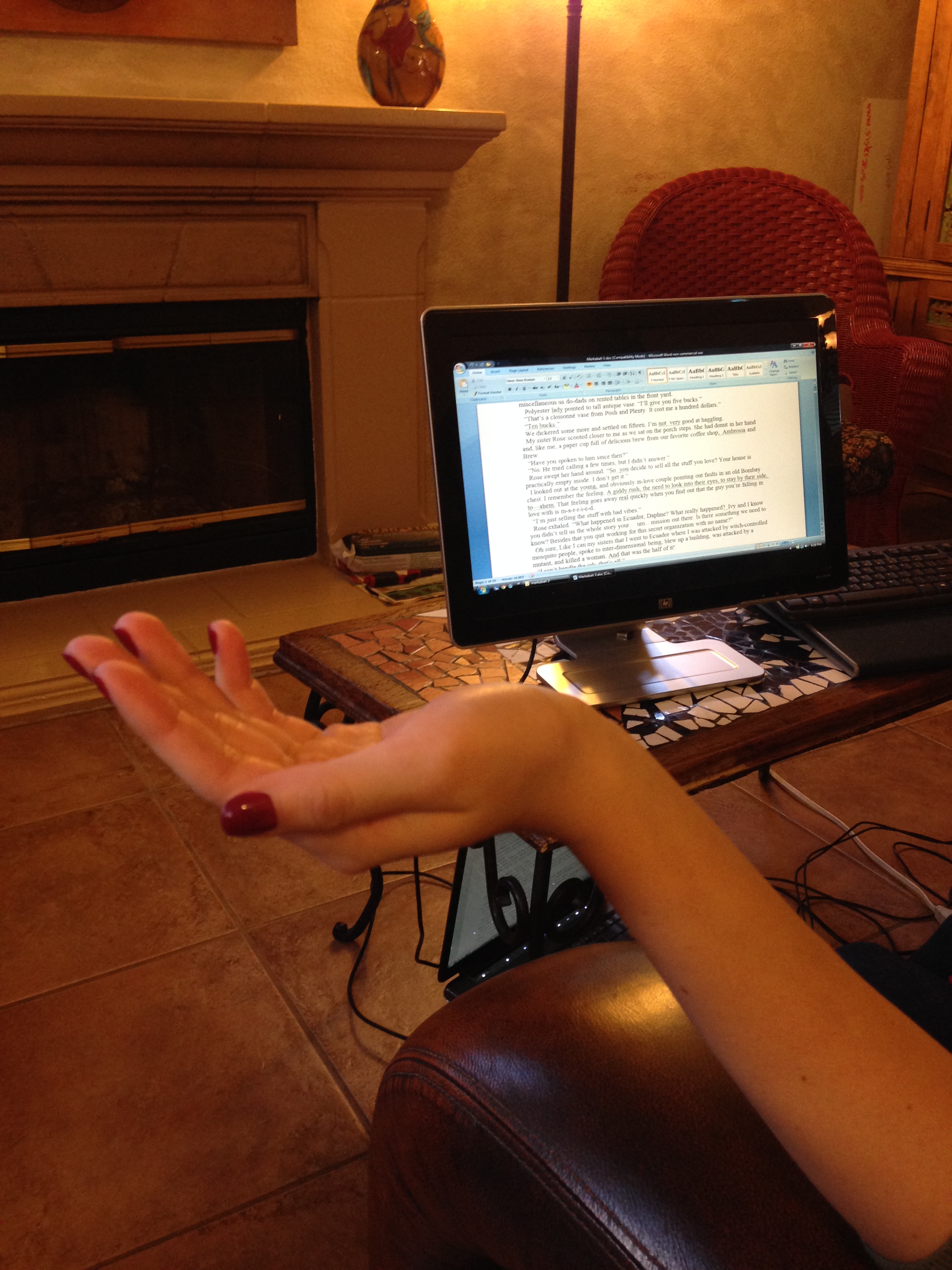
2. One finger held up: Give me one minute and I’ll answer your question.
Family’s interpretation: Mom’s “one minute” is like a pro basketball minute—mom is incommunicado for about 30 minutes.
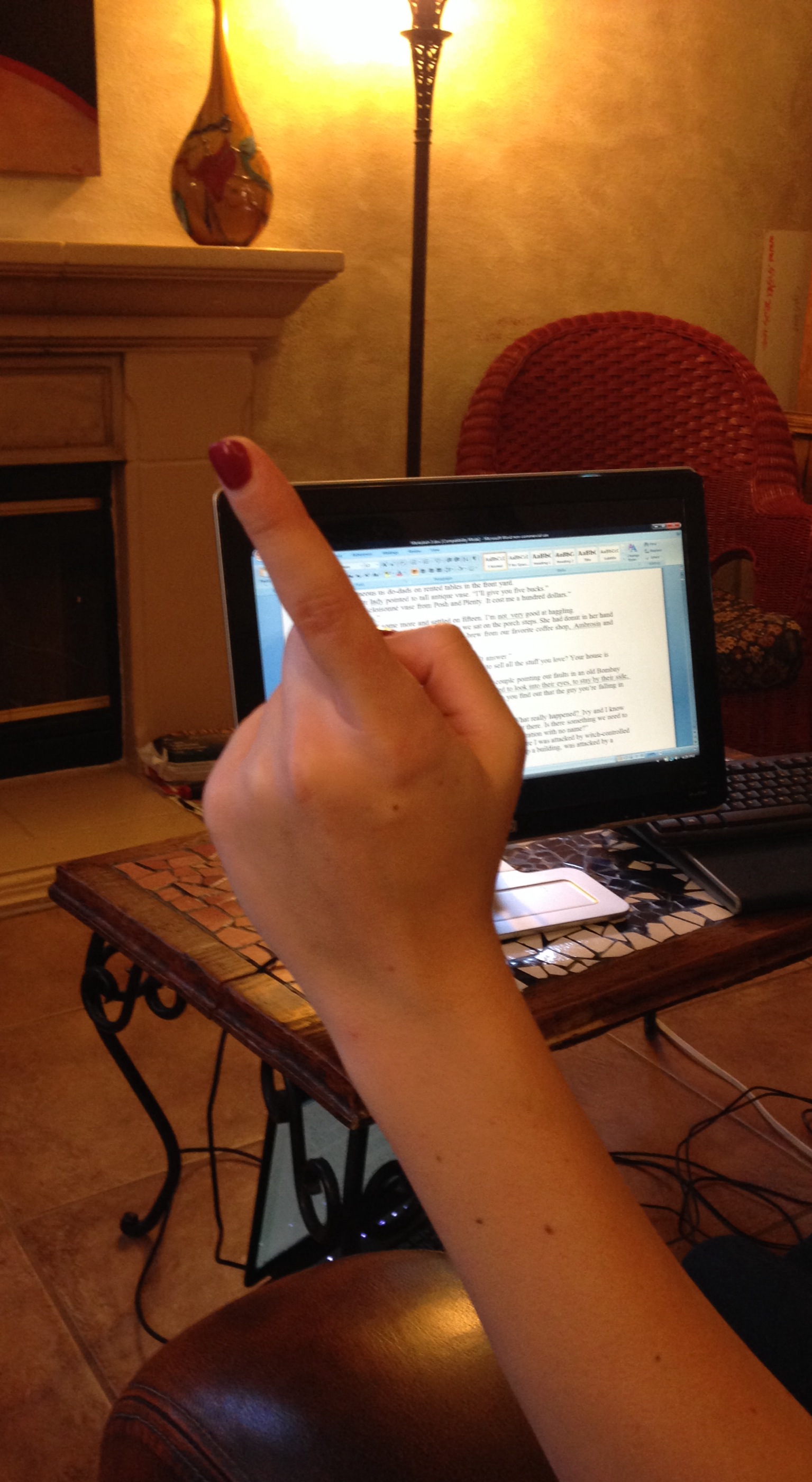
3. Two fingers held up: Give me two minutes before I answer your question.
Family’s interpretation: Mom is in the zone with a scene, don’t bug her for at least an hour.
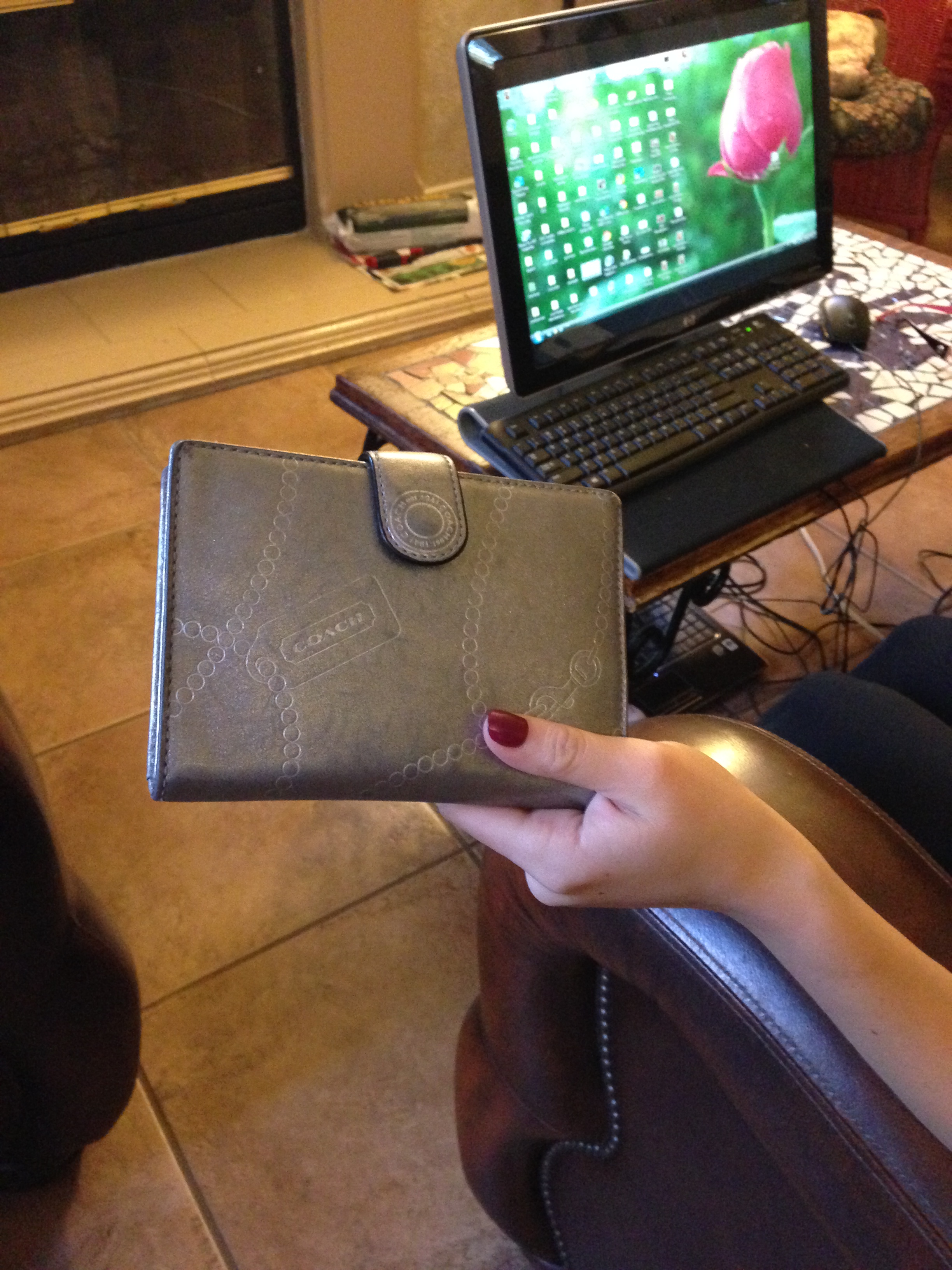
4. Hand holding wallet. I’m too busy to go to the grocery store. Buy whatever food or personal grooming supplies you need.
Family’s interpretation: Carl’s Junior, anyone?
5. Hand holding card. Get me Starbucks.
Family’s interpretation: Can I have everyone’s Starbucks order? Mom’s buying.

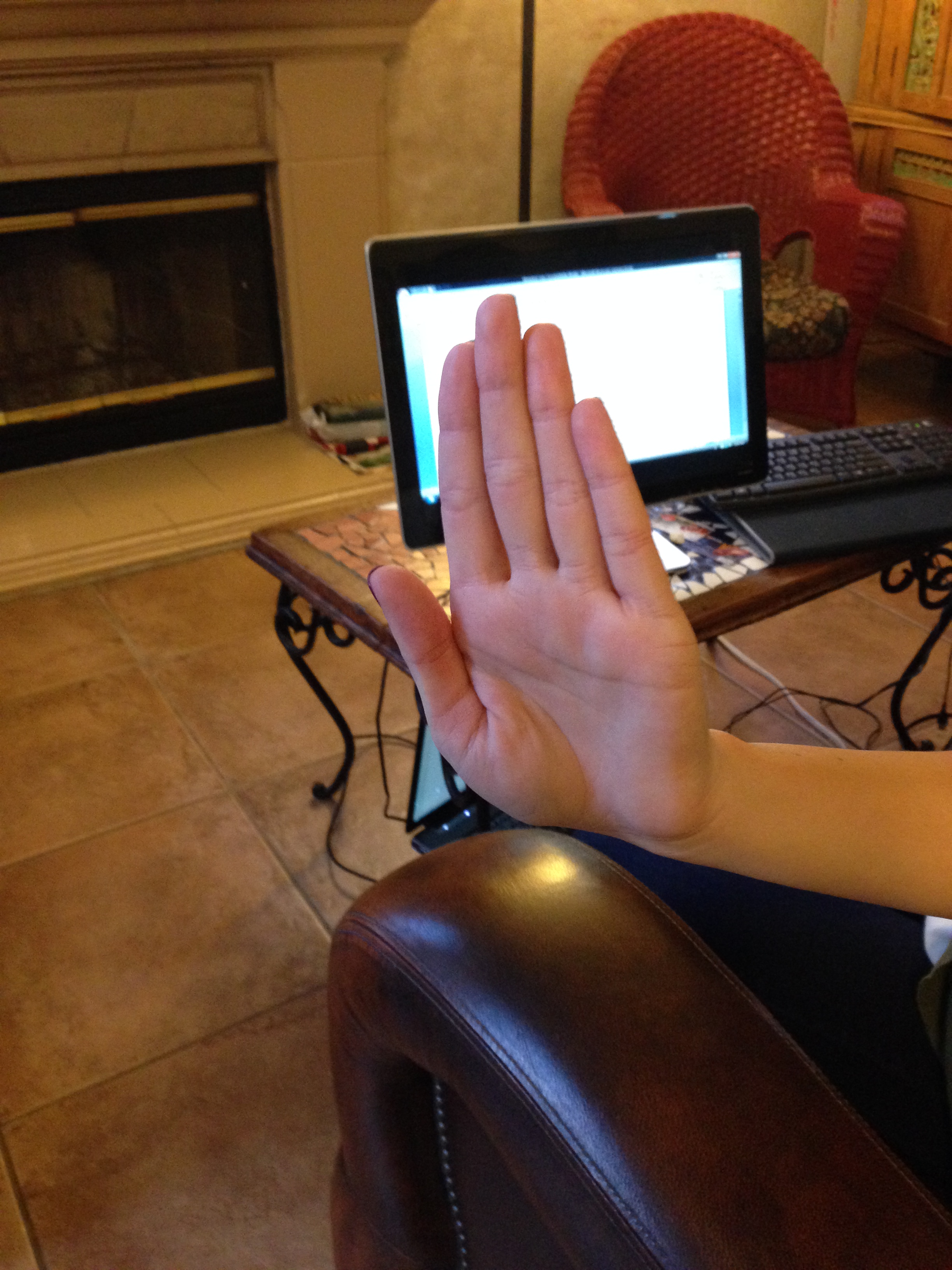
6. Hand palm-side out. Stop talking to me, I’m not listening.
Family’s interpretation: Why can’t we have a normal mom?
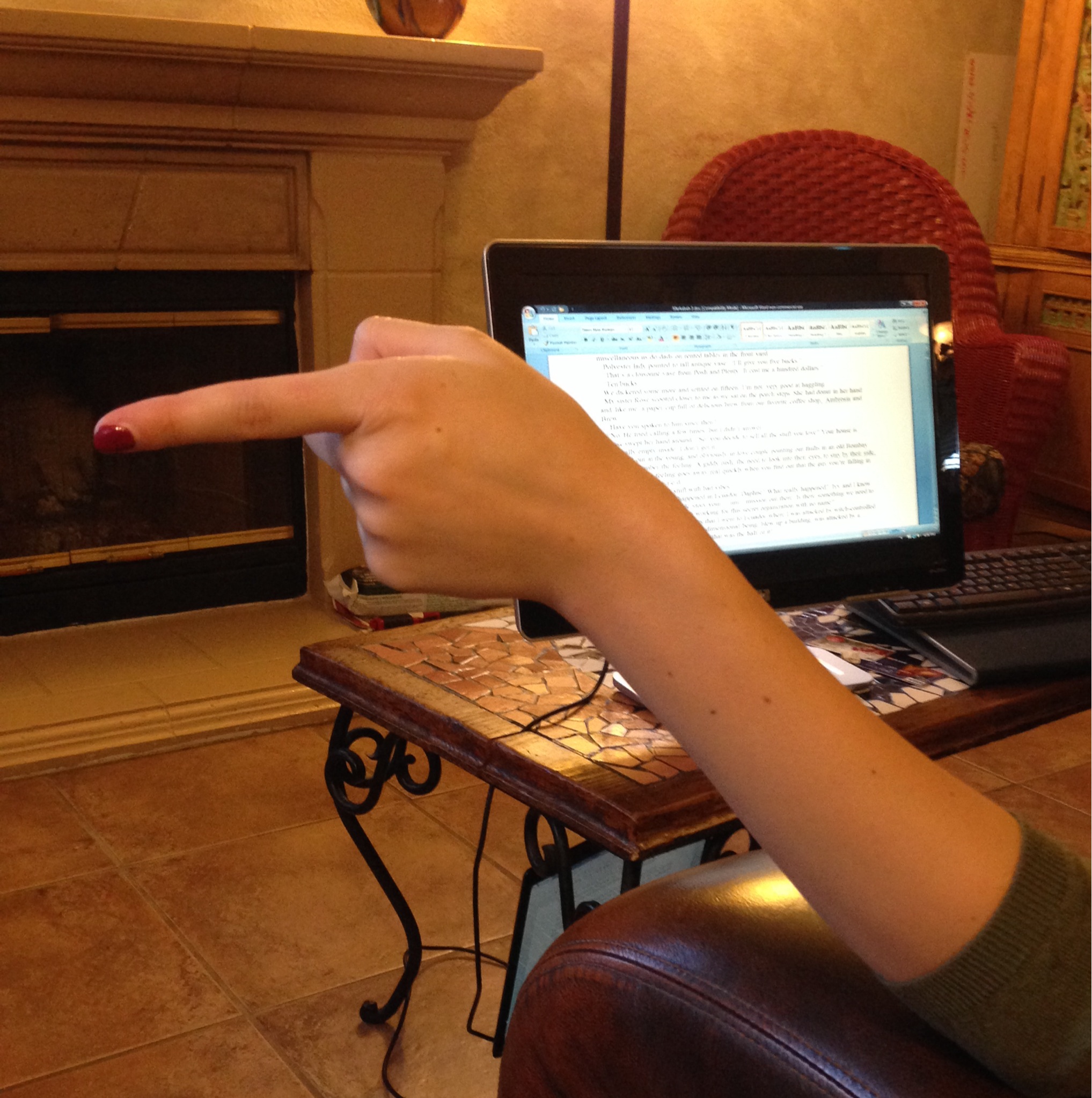
7. Index finger pointed to left. Make sure the dog has food and water.
Family’s interpretation: Mom can’t remember if she fed the dog.
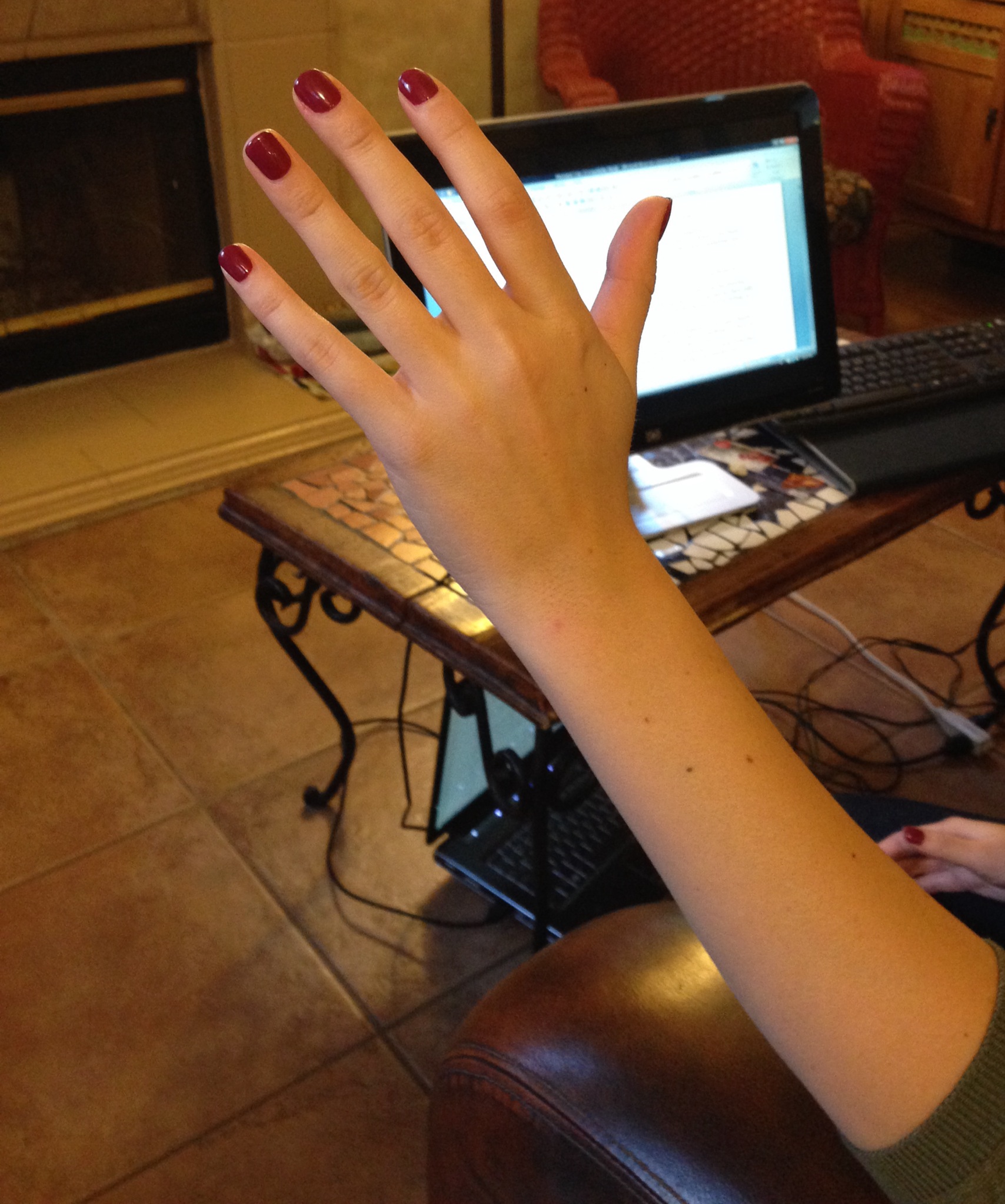
8. Back of hand. Bye. I love you. Drive safe. Have a good round of golf.
Family’s interpretation. Do you think mom heard anything we said?
9. No photo needed. Flipping the bird. Note: I do not have young children.
Family’s interpretation. Mom heard our smart ass remark.
See any hand signals you can integrate into your writing life?
Related Links: Rock Your Writing; Symbolism & more symbols;
Click Amazon link for novels.
January 12, 2014
21 Rules for Writers
 Most people are familiar with the 21 Rules For a Successful Life. It’s Feel Good advice, chock full of wisdom for the average person. But writers are a different breed. We are not bound by pedestrian counsel.
Here’s an author’s take:
1. Marry the right person. This one decision will determine 90% of your happiness or misery. Marry an editor or agent or a big-wig at Harper Collins. Better yet, find a techie who works at Amazon to create algorithms in your favor. If not, at least marry someone who reads. Or looks on proudly as you sit at the keyboard for hours on end.
2. Work at something you enjoy and that’s worthy of your time and talent. Write the genre you love to read. Write blogs that are near and dear to your heart. If you love to do something, it’s no longer work—it’s play!
3. Give people more than they expect and do it cheerfully. Share your expertise, tips, advice, and inspiration with others. Do it with a smile in your heart ( or post ). Pay it forward. And if you don’t believe in karma, just remember the ease with which a disgruntled ‘friend’ or ‘tweep’ can slam you over the internet.
4. Be forgiving of yourself and others. Typos aren’t the end of the world ( somewhere I heard an editor gasp). Writers write. A lot. Blogs. Tweets. Posts. Most of us don’t employ a full-time proof reader. I’m very appreciative when someone points out a typo.
5. Become the most positive and enthusiastic person you know. This is difficult if your room is plastered with rejection letters and you have no new notifications and no new followers and no one liked your post/blog. Cry on the inside if you must but smile while you’re doing it.
6. Be generous. With praise for fellow writers, with book promotions, with Twitter RTs. Also, be generous to yourself. Some days we write as if the Muse herself took residence in our brain. Some days we spew word vomit. If I’m having a word vomit day, I accomplish non-writing tasks–like social networking, reading blogs or novels, or researching.
7. Persistence, persistence, persistence. I book, 2 books, 3 books…don’t give up! Very few are overnight success stories—and overnight success takes ten years. Blog. Connect. Write. Work your ass off. Genius is 99% perspiration, 1% inspiration. Thomas Edison said that—and he’s no slouch in the “enlightened” department.
8. Have a grateful heart. Be thankful for every RT, for every book purchase or download, for every review. Do something nice for the friends who read rough drafts and husbands who don’t mind that dinner is burnt—again.
9. Discipline yourself to save money on even a modest salary. Writers, especially Indie authors, need money for new keyboards, graphic design, editing services, and fees for things like Publishers Marketplace, WordPress, and webhost providers.
10. Treat everyone you meet like you want to be treated. Be nice. You never know. The forgetful waitress may be a paranormal book blogger, the guy in the cubicle next to you might inadvertently give you an idea for a story or a plot twist. The lady with the crazy outfit might be an agent.
11. Commit yourself to constant improvement. 10,000 hours. That’s how many hours Malcolm Gladwell said was needed to become a master at something. That’s a lot of writing! Read blogs offering writing tips or information about authorial techniques and literary features. ( I share my knowledge of literature with Rock Your Writing and Symbols & More Symbols blog posts.) Take writing classes. Go to conferences. Learn the craft.
12. Commit yourself to quality. Do the best work you can. Give 200%. It takes me three or more hours to write a blog. That’s three hours less to work on my novel, but I don’t rush. I try to give good blog. Anything a writer puts “out there” is a reflection of their work. I want mine to say that I’m an avid reader and diligent writer who savors well-crafted, witty prose that makes me laugh, challenges conventionality, and stirs the imagination. Or something like that.
13. Understand that happiness is not based on possessions, power, or prestige, but on relationships with people you love and respect. Happiness is based on sales! Just kidding! Writers need to possess a computer, harness the power of creativity, and study the craft of those with literary prestige. And writers need to embrace relationships–it’s the subject of every novel!
14. Be loyal. If you’ve created a writing routine that works, stay with it! Do you have a lucky mug or system of plotting that works? Great. Find the method/hours/location that gives you maximum writing performance and squeeze every syllable out you can. Just don’t be a slave to routine.
15. Be honest. You have 14K Twitter followers and only 100 tweets? Who are you fooling? You bought your “award winning novel” award? You inflate your monthly sales? I think I’ve seen and heard it all. Be careful how you embellish the truth. It usually comes back to bite you.
16. Be a self-starter. This is a biggie! In fact, this rule is so important it should be re-assigned to the # 2 or #3 spot. Dreaming is great but it’s hard work that turns dreams into reality. Most people don’t like hard work. It’s not fun. It’s frustrating. It forces us to leave our comfort zone. Fortunately, as writers, we can at least write in comfy sweat pants or PJs.
17. Be decisive even if it means you’ll sometimes be wrong. Hemming and hawing may result in a missed opportunity. By no means am I encouraging rash or hasty decisions. Get the facts, do the research, outline the plot—I’m sure we know many people who use indecisiveness as an excuse not to “git ‘er done.”
18. Stop blaming others. Take responsibility for every area of your life. Everyone has X amount of writing hours in the day. If you used them to avoid writing, ask yourself why. Then make the necessary changes. Figure out the reason for your procrastination. As a high school teacher I have found that students procrastinate for two reasons: 1) the task is too difficult or 2) too boring. If it’s either one of those, take a hard look at your writing goal or dream. Break tasks into smaller chunks, learn more skills, and if it’s boring–for heaven’s sake make it interesting!
19. Be bold and courageous. When you look back on your life, you’ll regret the things you didn’t do more than the ones you did. Query that agent. Pitch that novel. Talk to the publisher at the conference. Ask that question. Submit your novel to the book blogger. You’ve got nothing to lose and everything to gain.
20. Take good care of those you love. Don’t forget to come up for air or leave your writing cave on occasion. Also, take care of your characters, make sure to flesh out the important ones in ways that makes them come alive on paper ( or screen).
21. Don’t do anything that wouldn’t make Mom or Dad proud. Produce books, blogs, posts, and tweets you don’t cringe over the next day. Be mindful of socio-economic status, ethnicity, politics, culture, race, and/or gender before posting anything negative or insulting or demeaning. Don’t piss off a potential reader!
Now, write that damn novel!
Related Links: Rock Your Writing; Symbolism & more symbols;
Click Amazon link for novels.
January 8, 2014
Color My World
 From “Love is Blue” crooned by Frank Sinatra
to “My World is Blue” by White Trash Clan
to “Yellow” sung by Coldplay
to “Tie a Yellow Ribbon Round the Old Oak Tree” performed by Tony Orlando
to “It’s Not Easy Being Green” croaked by Kermit the Frog
color is attached to a spectrum of emotions. Savvy writers know they can use color to symbolize, reveal, and add irony to their text. Color symbolism is fraught with ambiguity and duality, making it a vibrant way to add complexity.
Warm colors like yellow, red, and orange are considered stimulating.
The cool colors of blue, indigo, violet are soothing and peaceful.
Although cultural variations exist, color symbolism is universal.
Red: A dual-tinted mix.
passion and lust
anger and aggression
war and revolution
fire and flame
All these emotions spur one to action.
The red planet Mars is named after the Roman god of war
Associated with the Root Chakra located at the base of the spine ( our connection with earth )
Yellow: On the good side…
sun and gold ( metal )
enlightenment and wisdom
flowers and warmth
On the bad side….
cowardliness
envy and treachery
Associated with the Solar Plexus Chakra
Orange: A mix of the first two.
luxury and splendor
a renunciation of earthly pleasures—think Buddhist monks garb.
Associated with the Sacral Chakra (the reproductive organs ).
In ancient Rome, a bride wore a saffron-colored wrap and an orange veil.
Blue has as many hues as meanings.
sky and infinity
the divine—the Egyptian god Amun and Hindu gods, Rama, Shive, and Krishna are blue
tranquility and reflection
intellect
depression
sexual proclivities—blue movies
socio-economic status—from blue-collar to blue blood
In Egypt, blue was the color of truth.
The Virgin Mary’s blue robe signifies her purity.
Indigo is the color of the Brow, or Third Eye Chakra of spiritual knowing and intuition.
Green:
spring and new life
fertility and nature
youth and inexperience
hope and joy
envy and jealousy and decay
Recently connected with safeguarding our planet’s resources promoted by the Green Movement
Color associated with the Heart Chakra.
Purple/Violet:
royalty and wealth
luxury
power—Roman senators were identified by the purple stripe on their togas
religion—Catholic clergy don purple vestments during Advent and Lent
associated with the bliss, oneness, serenity, and spiritual wisdom of the Crown Chakra
temperance—because it’s a mixture of red ( action & hot ) and blue (calm & cool )
Pink:
femininity
baby girls
gay pride
Black:
evil or darkness
despair and death and mourning
mortality
secrecy
ill-fortune
disease
Gray, in its many shades…
gloom
anonymity or inconspicuousness or namelessness
old age
uncertainty and unreliability and risk
White:
purity and innocence—brides and those being baptized are clothed in white
goodness
holiness
In China, Japan and India, white is associated with death and mourning.
surrender and peace
Have fun adding some color to your novel!
Related Links: Rock Your Writing; Symbolism & more symbols;
Click Amazon link for novels.
January 5, 2014
Fun Literary Terms
 WARNING: Not for the literary faint of heart! Welcome all word nerds and novel geeks!
For the more mundane terms, take a blog-quick jaunt through A Few Literature Terms.
For die hard bibliophiles, bibliomaniacs, literati,or clerisy enjoy the brief tour through Literary Land.
Aesthetics: Philosophy of art, studying the nature of beauty in literature.
Allegory: Literature/poetry in which every character, setting, and event is a metaphor or represents something else. Contains a moral, religious, political, social, or satirical message.
Ex: The Pilgrim’s Progress, The Faerie Queene, Gulliver’s Travels
Anachronism: Object, custom, person, thing, or event that is totally out of its natural place in time.
Ex: Mark Twain’s A Connecticut Yankee in King Arthur’s Court; A striking clock in Julius Caesar
Aphorism: Truism or maxim about some aspect of life or the human experience.
Apostrophe: Summoning or crying out for a person who is dead, absent, or imaginary.
Ex: “Oh, Muses three, come to me!”
Bowdlerize: Removing immoral, indecent or pornographic words or passages from a piece of writing. Censorship.
Cacophony: Harsh, grating loud sounds with the constants b, d, g, k, t. Used in poetry but also an effective authorial technique in dialog or to describe a discordancy.
Computational stylistics: Analysis of aspects of author’s style that are measurable. Prepositional phrases, multi-syllabic words, and syntax ( sentence length) can be found in many editing computer programs.
Deux ex machina: Latin for “god from the machine.” American for “You gotta be kidding me!” You might remember this phrase from your high school days. It describes any contrived or artificial rescue or solution to get characters out of trouble or danger. Melodrama employs this…and many movies. A long lost spinster aunt saves the farm. A tree falls in front of a the bad guy as he chases the good guy. In the movie The Adjustment Bureau—plot spoiler—God (the Chairman) allows the couple to stay together.
Explication de texte: Detailed analysis and very close reading of a passage or text. A thorough examination of style, syntax, tone, symbolism, and diction is done to achieve a greater understanding and appreciation for the author’s work. And, by the way, it’s what I teach. Fun stuff!
Freytag’s pyramid: The structure of a 5-act tragedy.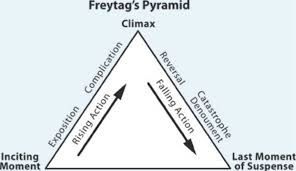
Gestalt: The whole is greater than the sum of its parts. For literature, that means the prose is best experienced and understood in its entirety.
Hamartia: Sorta-kinda like a tragic flaw but more encompassing. It can be poor judgement, bad luck, error, accident,or misinformation that cause a character’s downfall.
Hermeneutics: Interpreting sacred texts in a grammatical, ethical, allegorical, or mystical manner. The parts must be studied in concert with the whole, and the interpretation, as well as the interpreter, are also important considerations.
Jeremiad: Named for the biblical Jeremiah, it is the dire prophesy of destruction if <<insert evil group here>> continue their wicked ways.
Kunstlerroman: Like a bildungsroman, but instead of chronicling a youth’s growing to maturity, the novel focuses on showing an artist’s development.
Ex: Margaret Atwood’s Cat’s Eye
Litotes: Saying the opposite or using an ironic understatement to give impact to one’s statement.
Ex: Saying ‘He’s no dummy’ instead of “he is intelligent.’
Malapropism: A character who substitutes a word ( perhaps unintentionally) for a very similar sounding world. This is done for comedic impact,and a device often employed by Shakespeare.
Real life example: A student said he was going to defile me. He meant to say defy. We all had a good laugh and it was a teachable moment.
Example from “A Midsummer Night’s Dream” & spoken by Bottom. ‘I will aggravate my voice so’—he probably means moderate; ‘…there we may rehearse most obscenely‘—he means obscurely; and ‘Thisby, the flowers of odious savours sweet’—he means odorous.
Nom de plume: Using a pen name, but the French version sounds ever so much more sophisticated Oui? Some authors use different names when they write other genres or to conceal their gender or identity. Or perhaps to appear more mainstream.
Pathetic fallacy: Giving human emotions to something in nature. John Ruskin didn’t like the term personification.
Peripeteia/ peripety: The sudden change in fortune of the protagonist. Aka, the reversal. See Freytag’s pyramid.
Roman a clef: French for ‘novel with a key.’ Real people are disguised in novels with fictitious names.
Ex: All The Kings Men by Robert Penn Warren; Point Counter Point by Aldous Huxley
Verisimilitude: Appearance of truth. The most famous might be H.G. Well’s War of the Worlds.
Ex: Daniel Defoe’s Journal of the Plague Year
I advise NOT using these terms in normal conversation as they tend to give one an air of snobbery.
Related Links: Rock Your Writing; Symbolism & more symbols;
Click Amazon link for novels.
January 4, 2014
Fave Websites for Writers
 Writing is fun! Line editing—not so much. Many new writers are adrift on an ocean of punctuation and capitalization errors. Swimming though a shark-infested murky sea of comma and grammar rules is fraught with em-dash typhoons and ellipses tidal waves.
Don’t get stuck in the quagmire!
Here’s a short list of GO-TO life rafts for navigating the editing waters. Also included are some of my personal favorites—just for fun!
A comprehensive A-Z onomatopoeia: kathytemean.wordpress.com
Extended rules for using commas: Purdue Online Writing Lab
The site provides excellent information and examples on a host of other grammar maladies.
20,000 names: Organized by gender, culture, or specialized categories. Provides the meaning and origin.
A list of swear words in MANY MANY other languages: YouSwear.com
Rules for writing numbers: grammarbook.com
So when does the hyphen go in between a number? This site tell you when and why.
Architectural terminology: trailend.org
From acanthus leaf to zoophorous, a long list with understandable definitions
May the Muse be with you!
Related Links: Rock Your Writing; Symbolism & more symbols;
Click Amazon link for novels.