L.Z. Marie's Blog, page 6
January 25, 2015
Perspectives in Reading
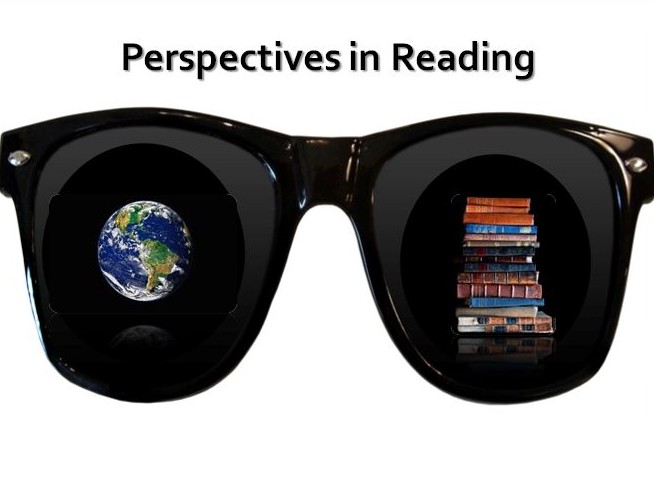 Each reader brings his or her own unique perspective to a novel!
Professors even discuss the impact and implications of these viewpoints in literature classes.
Different cultures, education levels, interests, and experiences all influence the ways a reader understands a novel. Many of those viewpoints contribute to our loving or hating a story.
So before duking it out with your book club members, slapping your coworker silly, or responding to a scathing review remember they might be viewing that book wearing a different set of glasses than you.
Readers can wear many different lenses or wear a favorite. Below are the Literati approved favorites!
Which lens do you tend to favor?
By far the most common is the Reader’s Response Kaleidoscope . The novel is seen through the reader’s own-personal-unique culture, attitudes, experiences, and assumptions. For example my friend the rocket engineer loves bashing movies and novels where the science is all wrong-wrong-wrong! And a history buff might laugh at a novel or movie with historical inaccuracies. Some folks deem literature classics like Moby Dick boring, while others find pulp fiction to be uninteresting.
Gazing through Feminist Binoculars focuses on the cultural and social attitudes towards women, male hegemony ( power ) and the issues arising from them. Problems resulting from a male or female point of view are also observed.
A Race/Ethnic Lens observes the inherent injustices and effects of prejudice and racism. This often applies to Western ideologies, identity, and paradigms either implicitly or explicitly expressed by authors or their characters. High school teachers strive to have students wear this lens when teaching To Kill A Mockingbird and Their Eyes Were Watching God.
Many literati wear Genre Goggles when discussing a novel. Their book club buddies get the benefit ( cough, cough ) of their pontificating on the conventions and nuances of a particular genre. From non-fiction to fiction, a text is examined by the genre’s limitations and framework. So there better be a dead body on the first page if it’s a murder mystery! And forget about a SciFi-RomCom-UrbanFantasy-Action-Western Thriller. Their bound to blow a genre gasket!
Cultural/Historical Spectacles view stories in terms of a particular period’s ideologies, traditions, and orthodoxies. Texts are read and interpreted as products of their time and place. Those unfamiliar with history are often appalled and shocked by laws and practices once consider normal—being drawn and quartered for example.
The Structuralist Microscope concentrates on ways the author constructs the novel to showcase ideas and themes. They study motif, diction, paradox, form, pattern, and symbols to reveal the author’s intent. Any literature teacher well-versed in this art is sure to torture her students with analytical essays. *waves hello to my students*
Donning Political Shades helps one explore social class, power, and political concerns. Ayn Rand’s Atlas Shrugged requires an eye toward the political.
Peering through the Psychoanalytic Telescope allows a glimpse at human behavior, human psychology, and the internal and external conflicts of the characters. Often students in Psychology 101 classes read She’s Come Undone for just this reason.
Is there a right way to read a novel? Of course not! ( Unless you’re in my class where I expect you to explore a novel’s meaning using several lenses.)
So next time your book club is stuck in a rut try assigning perspectives to your members.
Happy reading!
Related posts: Readin’ & Writin’


January 18, 2015
The Shape of Crazy
Writing, by its very nature requires a bit—OK, a whole universe of Crazy! And, yes, Crazy is capitalized because it’s an entity—without form or substance—yet decidedly a force. In fact, all creative tasks are imbued with Crazy.
Crazy takes many forms, many shapes.
What shape is your CRAZY?
Line

Akin to 2 sides of Star Wars’ The Force, crossing the line is an indication you’ve entered the Crazy Side. You probably know exactly where the line is too, don’t you?
Circle

Are you really Crazy? Or is Crazy your normal? If it’s your normal how can it be Crazy?
Crazy Circular logic is sooooo fun!
Pyramid
The ancients claimed it was a mystical shape, the apex being Crazy Heaven. Although you are usually firmly planted at its earthly base, you know creative paradise is only achieved with pointed Crazy.
Gyre
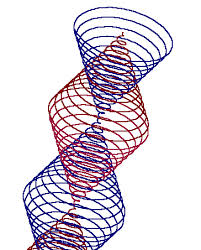
It’s a swirling mass pulling you in. Like William Blake’s poem “The Second Coming” when “mere anarchy is loosed upon“ your work you behave like a “rough beast” as “things fall apart” around you. It’s all good though. Right?
Star
It is your guide in the darkness and your cosmic twinkling light of imagination. As long as your creative star doesn’t burn out you’re in artistic heaven.
Cross

Both your salvation and crucifixion,
it’s a thorny agony resulting in your greatest creative triumph.
Hourglass
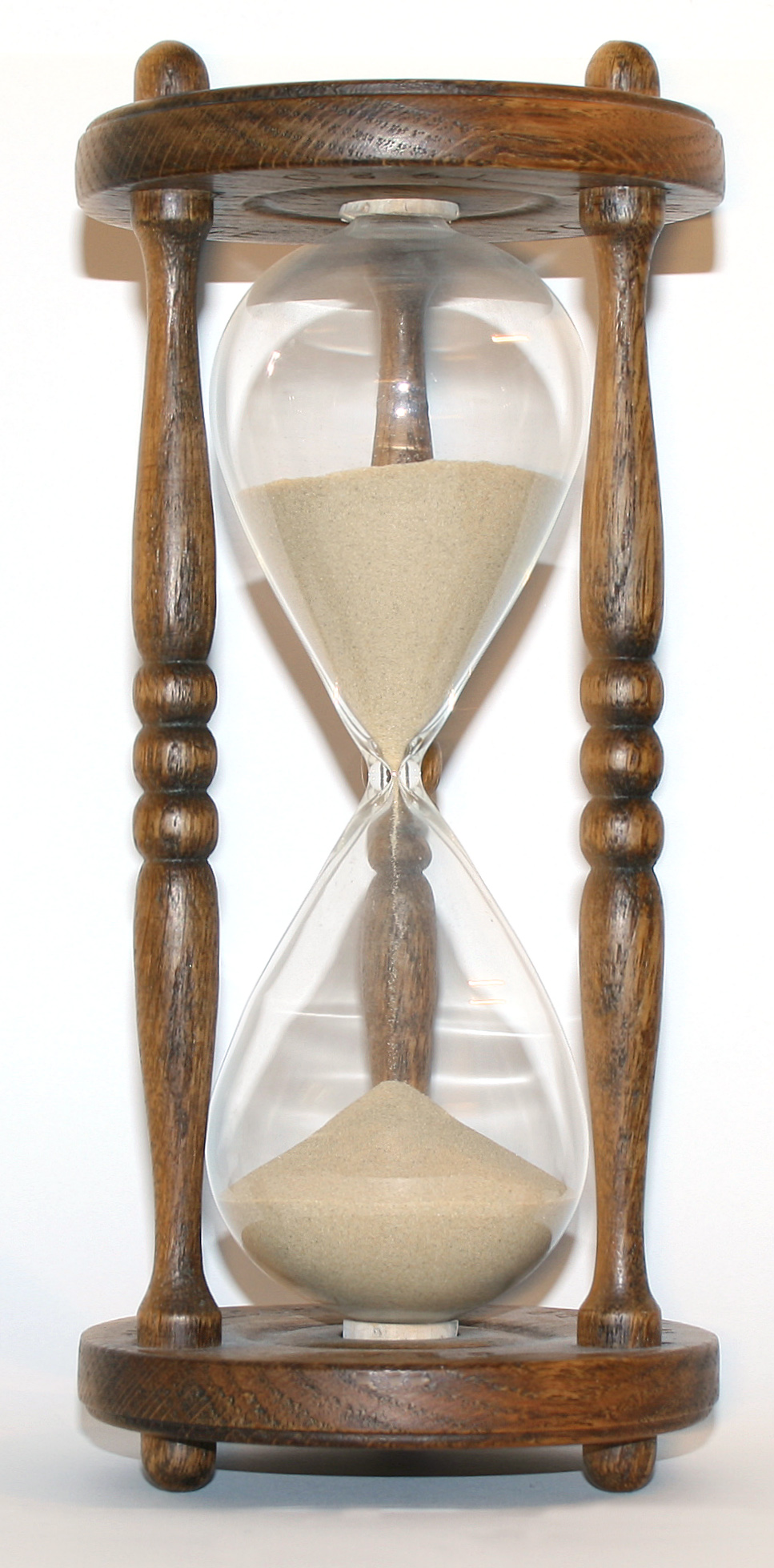
You control your Crazy, allowing a finite time to pour genius into your work.
Mandala
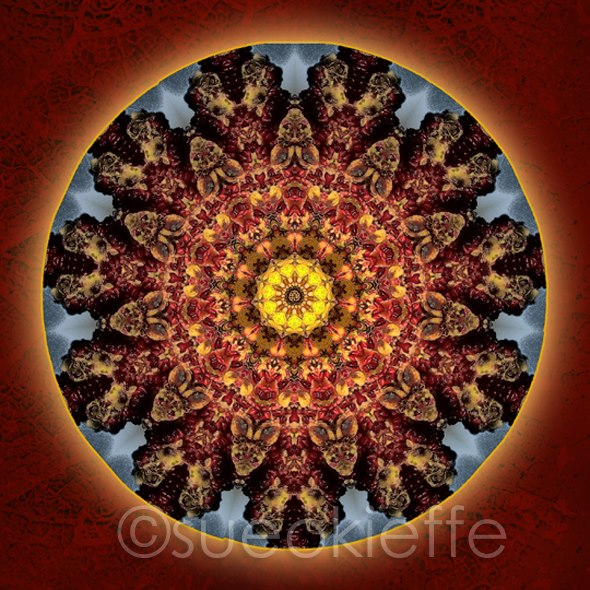
Patterns imbued with shapes, the mandala is a tool for entering a Zen-like meditative state. Your Crazy is a planned and purposeful pathway, one in which you are in complete control. Namaste.
Merkabah

An age-old sacred geometry imbued with mystical powers, this Crazy mixes religion, mindfulness, intent, and wisdom to release your divine Crazy within.
Double Helix
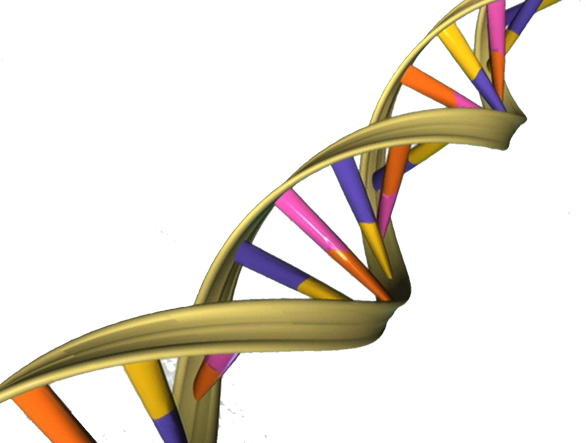
The shape of life, your Crazy begets more Crazy and is an intrinsic part of your DNA, the strands linking your complex thought processes.
So, what shape is your Crazy?
Related posts: Readin’ & Writing; Life & Laughter
January 11, 2015
Greek Geekery
 You did it! You opened Pandora’s Box! You told EVERYONE you were writing a book! Now, how will you lord over your manuscript while Mounting the Olympian task?
Which of the 13 Greek Gods most resemble your writing world ?
Zeus
King of the Gods
You plan on weathering the storms of writing problems by throwing down lightning bolts of words and thundering at anyone who DARE stands in your way.
You take the manuscript bull by the horns and soar like an eagle until the scepter of publishing is firmly in grasp.
Hades
God of the Underworld
Your genre is the dead, almost dead, undead, or mostly dead. In fact, you regret not writing sooner! Blogging, writing, and tweeting is the 3-headed Cerberus you control.
Once at your keyboard your Cape of Invisibility shields you from earthly distractions.
Hermes
Messenger of the God
Social media is your ticket to fame, the caduceus of algorithms & statistics your game.
You travel to conferences, trade beta reads, communicate with readers and writers. The winged sandals of social media help flex your athletic writing muscle.
Ares
God of War
Writing is your battlefield. With word spear and genre sword, you attack the chaos of your imaginative mind until victorious.
Moody and unpredictable, you attack characters and plot with creative violence.
Demeter
Goddess of the Harvest
Understanding a book’s life cycle, you value any grain of knowledge providing nourishment to your manuscript. You are confident in your ability to harvest theme, plot, and characters with cultivated growth.
Apollo
God of Music & Poetry
Your prose is lyrical, your plotting poetic. Surrounded by the Muses, you are often plagued with the idea of perfection, which often destroys your confidence and love affair with writing. With the laurel wreath of writing knowledge crowning your head you continue stroking the lyre of words in you heart.
Hera
Queen of the Gods
A bit of a peacock, you respect the marriage of genre and plot; the publishing empire; appreciate the advice of writing kings; and value the suffering while birthing a book.
You are prone to jealousy and revenge if you suspect a social media infidelity.
Hephaestus
God of Fire
You hammer out plot, using the genre tongs and conflict anvil in forging a creative masterpiece. Writing is your craft, the fire of imagination either creating or charring your volcanic word count.
Poseidon
God of Sea
You are flooded with inspiration, yet despite reigning over a sea of ideas, plotting earthquakes often cause a writing drought.
Strong-willed and proud, you stop horsin’ around to fish out the cause until you ride the tide of creativity once again.
Artemis
Goddess of the Hunt
Although a writing virgin, you eagerly enter the novel wilderness, hunting down the requirements of your genre.
Equipped with spears of blog links, your bow shoots true, striking the bear/bare truths of plotting and the deer/dear gift of prose.
Athena
Goddess of Wisdom
You know writing requires intelligence and skill. With knowledge shielding you from publishing myths and querying realities spearing your dreams, you apply battle-like strategy. Whether you make war or peace with your manuscript depends on your emotional armor.
Dionysus:
God of Wine
Words are your party! Chapters your orgy! Often drunk on your own word count, you are prone to plotting madness and character chaos.
Be it wine, coffee, or chocolate, you need a buzz to create, and love being surrounded by a posse of writers at conferences.
Aphrodite
Goddess of Love
Your desire for writing is matched only by your love of the beautifully crafted sentence, the sensual turn of phrase, and the nude truth in words. Wearing the magic girdle of imagination, you laugh at plotting problems and smile at naysayers, for you are, after all, the very embodiment of writing pleasure, be it first draft, rewrites, or edits.
Related Links: Readin’ & Writin’; Rock Your Writing; Symbols & more Symbols
January 4, 2015
Flo Write & the Seven Inspiration Dwarfs
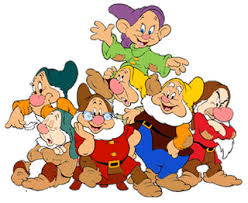 Nothing feels better than words flying from brain to fingers to page! Bliss, yes?
But it doesn’t always work that way. Sometimes for optimum writing flow we need the help of all the seven inspiration dwarfs…because, you know, ” hi ho , ho ho, it’s off to writing work” they go!
Doc: Prescribes practical advice and suggestions. He knows every writing ill has a remedy; every plotting problem has a cure. He’s confident a dose of rewrites or edits is a manuscript’s salve.
Bashful: Offers a bit of hesitant pondering. He realizes some plot twists must be mulled over and planned out before they can be properly executed.
Sleepy: Indulges our need for a good night’s sleep, a quick nap, or a few moments of reverie. This frees our mind to dream and create and imagine.
Happy: Bestows the you-can-do-it and positive attitude necessary for every writer.
Dopey: Sure, he’s not too smart, but he caters to our don’t-tell-me-the-odds of writing/querying/publishing. Sometimes it’s best not knowing what you’re getting into before starting. Ignorance can be bliss.
Sneezy: Allergic to sloppy syntax writing, ho-hum dialog,and banal plotting, he’s also immune to hypersensitive excuses.
Grumpy: Toughest inspiration dwarf of them all. Part critic, part realist, part churlish task-master, he doesn’t hold back when pointing out a manuscript’s weaknesses. And that’s why he’s so irritable! He knows you are capable of better!
Which inspiration dwarf do you need to get back into the writing flow?
Related Links: Readin’ & Writin’, Rock Your Writing
December 28, 2014
Writing Forecast
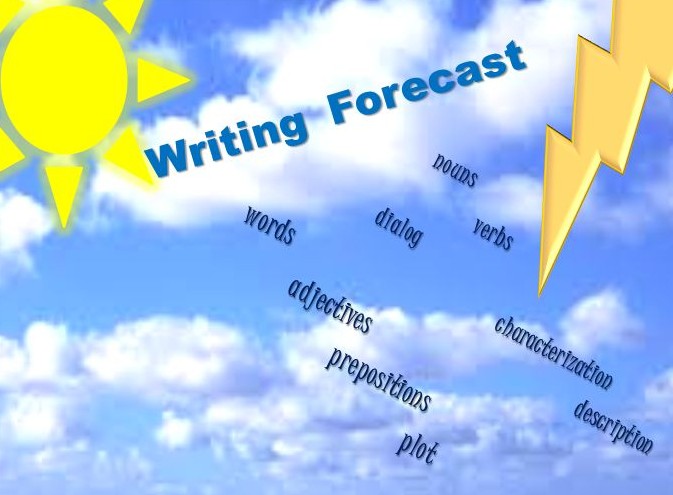 Everyone understands a weather forecast! Most of us have an app on our phone and refer to it daily.
Ever feel like a writing forecast might come in handy to explain your writing plans or frame of mind?
Imagine the convenience for those living with you! Your writing agenda is posted for the day, available to all your friends and family! Now that’s an app!
( I often tweet my writing forecast for the day. )
Here’s a few familiar terms that will come in handy and convey your present State of Writing.
Barometric pressure: The stress a writer feels from self or others to complete a task, be it revisions, edits, blogging, social media engagement, book signings, or producing another best seller.
Blustery: Writing accompanied by swearing and ranting. Dangerous. Stay away from writer.
Breezy: Words are flowing. Interruptions OK.
Calm: Author achieves Zen-like state while writing. Will emerge fresh and renewed.
Cloudy: Writer unsure how a scene will play out on the page—or once written, they don’t know if it “works.” May need to talk it out with any available person until light of understanding breaks through.
Cyclone: Writer attempting to do many things fast. Very dangerous. Approach writer with extreme caution.
Dense fog: Writer stymied with plotting problem and/or character issue.
Drizzle: Meager word count and/or little revising accomplished.
Drought: Ideas? What ideas? I got nothin’!
Fog: Writer confused with some aspect of Facebook, Twitter, and/or website “issues.” Often techno and/or coding trouble related.
Front: Pretending to feel something or be something contrary to their authentic self. For example, feigning hope instead of dread when waiting to hear back from a beta reader/reviewer/agent. Affecting an extrovert’s banter at a writers conference when you’re a hide-in-a-cave introvert.
Frost: Writer pissed off over some comment or tweet causing unwarranted contemplation.. Approaching writer with compassion will allow them to warm up again.
Gusts: Intense but brief bursts of writing. Usually accomplished between household chores.
Hard Freeze: Writer’s response to a troller, nasty/weird comment or message, or unfavorable review. Non-engagement stops icy comebacks cold.
Haze: Writer unable to see work in progress clearly due to particles of doubt dew and anxiety particles.
Heatwave: Writer is on fire with with words and ideas.
Jet stream: Writer on a roll! Winds of words will bring new writing conditions.
La Niña: Associated with high stress and raining words.
Lightning: A bolt of energy, ideas, or inspiration usually followed by word rains.
Mist: Writing while crying. Sorrow-filled scenes are the most common reason for misty conditions.
Overcast: General feeling of malaise brought on by many disheartening factors. Many writers will write through this, others wait for fairer conditions.
Partly sunny/cloudy: The day will involve both writing and non-writing tasks.
Pollutant: Some comment, information, task, or person who spoils your breath of fresh writing air.
Rain and any variant of ( downpour, sprinkles, shower ): Any task, thing, or idea that falls upon you. It can rain words ( good ) or problems ( typical ) or chores ( ugh ).
Saturation: Writer will no longer write one more sentence, edit one more page, revise one more thing!!! Period!! They’ve had enough for today!!
Squall: Sudden crying jag over something really stupid. Approach writer with hugs and chocolate.
Storm warning: Angst and issues begin forming, and clouds of doubt gather overhead. May or may not pass depending on winds of successful writing that day.
Sunny: Writer feels FABULOUS about self and current work in progress.
Temperature: Writers often experience mercurial highs and lows. Approach writer during moderate temperatures.
Tornado: Writer goes over and over and over a passage multiple times. Lifting lines up only to set them somewhere else. Total devastation of chapter is often the result. Best for friends/family to seek cover until tornado passes.
What’s YOUR writing forecast today!
Related Links: Readin’ & Writin’
December 21, 2014
Writing Reign Deer
 Well dearie, Does inspiration rain down on you? OR Perhaps a stern Muse reigns over you until inspiration transforms into words? OR Maybe you take the reins of inspiration and forge into the inspiration storm on your own?
Which writing reign deer drives you?
Dasher
Fast first drafts. Swift second drafts. 2,000 words a day? No problem. They hoof it through edits and never sit on their writing rump. Just watch them fly toward publication!
Dancer
Good at jingling with reasons why they haven’t written anything. They have writer’s block-kids-day job issues—did I mention writer’s block ?? Dancers love to tell people they are writers, BUT they actually do very little writing. ( I know, it’s a technicality.)
Prancer
 Loves posting their 1st drafts, 2nd drafts, 3rd drafts, etc for everyone to see ( they are very brave). They crave feedback—especially if it feeds their ego. Prancers have the unique ability to work on a manuscript while simultaneously posting updates about their work in progress.
Vixen
Identified by their libidinous desire to finish their WIP, they use every naughty trick they can to canoodle with their MS. Their naked need to finish the damn paragraph/scene/chapter/book makes them swift evaders of those hunting them down—like children, coworkers, friends, or family. Do not tail them when they’re in the mood, they’ll just flee into a bush to keep writing.
Comet
Blazing brightly, they are a sight to behold—for an instant. Then they vanish into their wiring den only emerging occasionally to flash a funny post or Tweet. This here-and-gone style behooves them, allowing their heads to remain in the writing sky. Don’t buck with them when they’re writing or they’ll just hightail it out of there!
Cupid
Writers to their very core. They need it—want it— they are driven to caress the words into submission! Writing is their passion and their love. Ain’t NOTHIN’ standing between their body and the laptop. Cupids are a bit obsessive, and once they’ve shot the plotting arrow into the white underbelly of their manuscript the words must-must-must be released.
Donner
Known for their serious personality, they fall prey to an avalanche of adventurous ideas but are unable to emerge from the rocky Novel Pass, helpless to complete a scene or chapter. Regrettably, this forces them to turn on themselves, cannibalizing risky plots and/or characters until there is nothing left.
Blitzen
Alcohol or caffeine is the writing drug of choice. Alcohol IN the caffeine drink is even better!
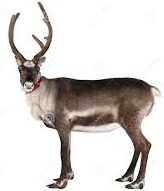 They can’t work without the buzz. Coffee to wake up words all day followed by wine to subdue the antlers of anxiety and pelt of pessimism.
Rudolph
Has the shiny glow of author success. Fame & fortune & earning some doe came only after: 1) the trials of once feeling like a misfit; 2) befriending the abominable [ insert publishing snafu here ], and 3) growing an impressive rack. They excel at guiding others through the writing fog and author storms.
Related links: Readin’ & Writin’, Rock Your Writing
December 14, 2014
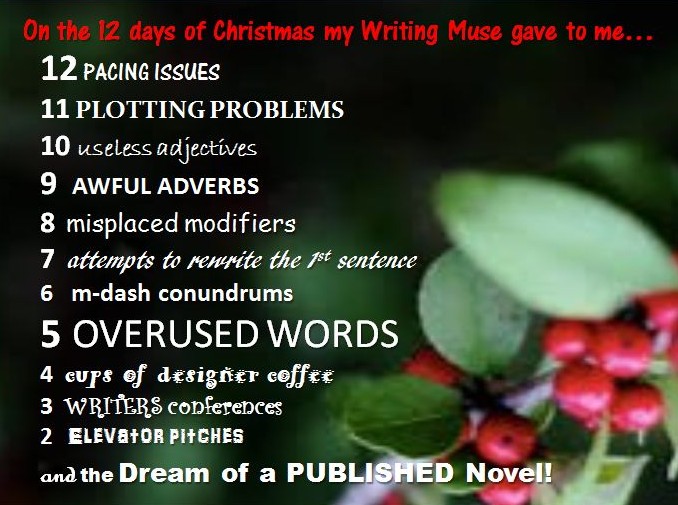
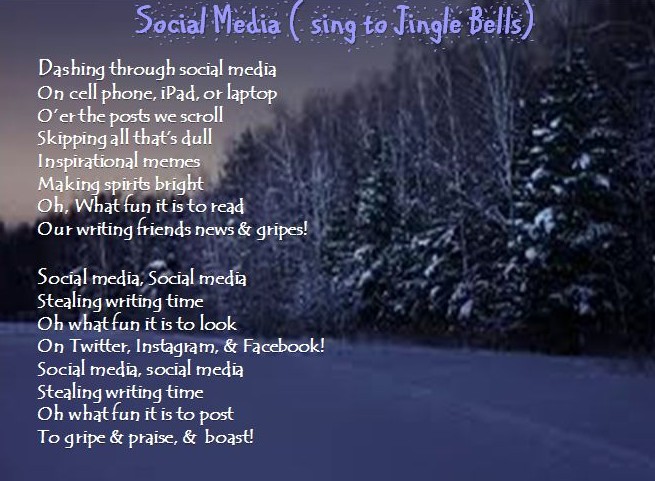
12 days of ( Writing ) Christmas
Here are a few lesser-known favorites of writers everywhere.
( sing to The Twelve day of Christmas)
( sing to Jingle Bells )
( sing to Frosty the Snowman )

( sing to Santa Claus is Coming to Town )
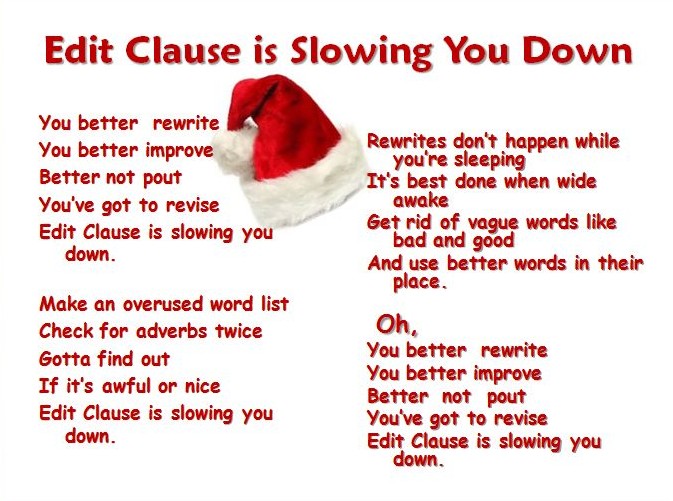
Merry Writing!
Related Posts: Readin’ & Writin’ and Rock Your Writing
December 7, 2014
Garden of Symbolism
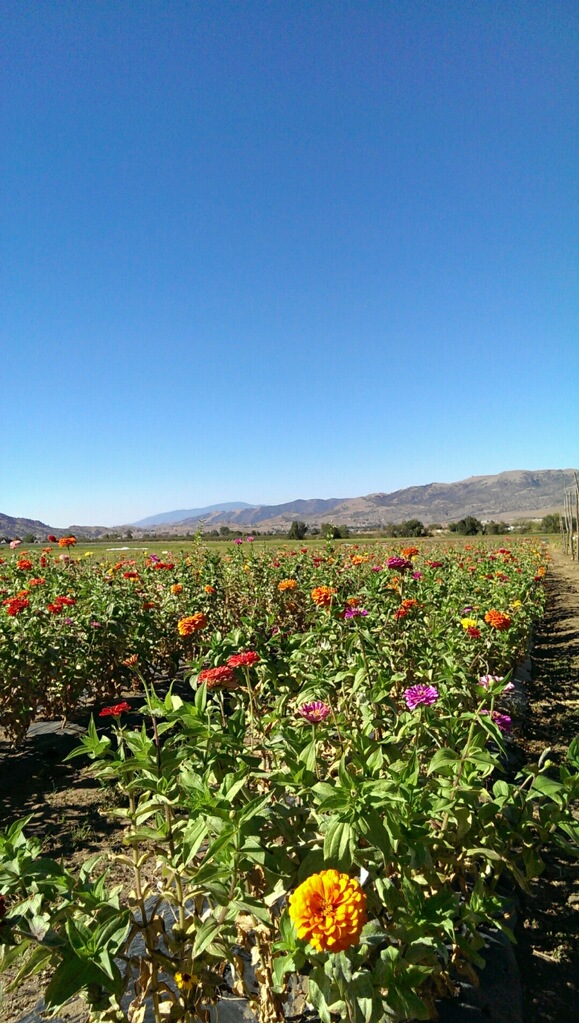 Nature is a symbolic powerhouse that can add depth and complexity to a novel. ( See the Symbolism post for how and why you might want to include one or two.)
Plants and trees and all-things-nature may be used in a variety of literary ways! As:
a metaphor
a symbol
foreshadowing
an allusion
a plot device
characterization
the literary device favorite—irony
A Few Leafy Considerations
Blooming
Flowering suggests a blossoming or awakening of a character’s personality, intellect, morals, understanding, love etc
Dead
Metaphoric or symbolic indicator of something—like an idea, problem, conflict, ideology, morality, opinion, attitude—that is dead or dying
May foreshadow a character’s or conflict’s demise
Characterize an aspect that is dead/destroyed within a character’s soul or heart
New Growth
Denotes new beginnings, fresh starts, renewal, hope unless…
The growth is deleterious or harmful
Uprooted
May convey the root of a problems coming to the surface
Reveal the unearthing of a problem or situation
Characterize the importance of character’s culture
Yellowed or drying leaves
Indicates or foreshadows that a character or situation is dying
Suggests the approaching end of one’s life or goals or hope
Thorns
A tricky or hurtful problem or situation
Characterize a person’s temperament
Foreshadow problems
GO GREEN
Shrubbery
Consider type—thorny, thick, invasive, wild, sculpted, overgrown—may indicate the type of problem/conflict OR
Reveal a character’s personality OR
Foreshadow any of the above
Hedges enclosing a space may reveal the boundaries of a character or situation
Does the character leap over them? Crash into them? Trip over them? Plant them? Tend them? Cut them down? Trample them?
Gardens
May be a biblical allusion to the Garden of Eden
Consider what’s growing in the garden. Plants? Rock garden? Cactus? Full of statues? Fruit trees? Vegetables? Flowers? Herbs?
Symmetry suggests beauty and a well-rounded intellect
Is it well -tended, wild, gone to seed, in ruin, meticulous?
Is it a secret garden?
Trees
Gnarled limbs may reveal a complex problem
Hint at the strength or weakness of a character ( Does the trunk bend with the wind? Is it stunted? Does it overshadow other trees? )
Suggest the strength of a character’s heritage/culture
Is the tree symbolic? See Tree Symbolism.
Indicate soaring ambitions
Does the character climb or swings from its branches?
Do they denote character like the “Four Skinny Trees” chapter found in House on Mango Street by Sandra Cisneros?
Meadows
Pastoral or idyllic atmosphere ( unless its full of zombies or raptors )
Wild beauty
Moor
Think Bronte!
Desolate and dreary but can be tragically romantic
Something to be crossed
A great place to ponder one’s life
Add fog for some Gothic-style brooding
Vines
Are invasive, taking over and often obscuring or smothering other plants. Does a character or culture or conflict encroach upon your character?
Flowers
Are they poppies ala The Wizard Of Oz?
Do they have thorns?
What’s the symbolism behind the species?
Are they wilted?
Are they common? Read the short story Chrysanthemums by John Steinbeck for a symbolism-packed flower
Or exotic like the very symbolic and tattoo-favorite lotus flower?
Is it the red rose of love or is it the “Sick Rose” of William Blake’s evocative poem?
Does it grow with others? Or is it a single triumphant daisy growing from a crack in the pavement?
Are the blooms wilted? Or have the buds been nipped off?
Weeds
Unwanted and ugly unless…
They are beautiful weeds, in which case they suggest the beauty in something unwanted and ugly
Are they a metaphor for a character’s persistent problems?
Are they a symbol for the character’s troubles in life?
Does the character try to get rid of them or let them take over?
Wide paths
The physical, spiritual, intellectual, psychological, moral choice is easy
It is a common or frequent choice
Narrow paths
The physical, spiritual, intellectual, psychological, moral choice is difficult
It is an uncommon or infrequent choice ( The Road Not Taken by Robert Frost )
Streams and ponds
Pastoral and charming…usually
Lakes
Can symbolize the conflicts in a novel
They can be large or small, cold, frozen, fraught with danger, or harbor giant brontosaurus-type creatures
In the 1999 movie Lake Placid, the idyllic lake is anything but placid! Can you say irony?
Rivers
How fast is the water moving?
Is it the complex symbol found in Huck Finn where the Mississippi divides the racist east from the wide open west AND where direction denotes bias AND is the only place where Jim and Huck are free from prejudiced eyes?
Is it “The Bitter River” of the poem by Langston Hughes?
Is it the river from Fahrenheit 451 where Montag jumps into to save his life and that symbolizes his intellectual rebirth?
A FEW ADDITIONS ( not nature but often found with nature)
Gates
Like all doors, arches, and entry ways, gates signify movement from one realm—physical, spiritual, intellectual, psychological, moral— to another.
Is the gate connected to a white picket fence ( a perfect American family )?
Is the gate wide ( easy ) or narrow ( difficult ) ?
Is the gate fancy or plain? Ancient or new?
Bridges
Connectors of two different physical, spiritual, intellectual, psychological, moral, cultural worlds
Broken bridges therefore reveal the schism or rift between the two
Often haunted
Check out Ambrose Bierce’s short story “An Occurrence at Owl Creek Bridge” for sophisticated bridge symbolism
Is it a primitive rope bridge? The Golden Gate? Quaint covered wooden? Modern steel?
Often places of danger
What’s under the bridge? Troll? Water? Dry creek bed? Deep ravine?
How far down is the drop from the bridge? ( the farther the fall the more dangerous )
See how much FUN you can have with the natural world?
Related links: Symbols & more symbols; Rock Your Writing
November 30, 2014
ABC’s of Writing
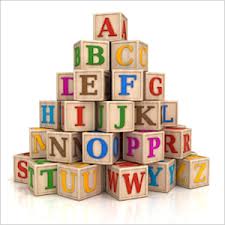 Aim high. Ambition + Ability = Accomplishment
Block out time for writing. Make it a habit.
Characterization. Names, dialog, physical descriptions, and actions all contribute to revealing character. For an in-depth look click CHARACTERIZATION.
Despair not! No matter the path you choose ( self-publishing or traditional ) there’s lots of roadblocks, detours, potholes, and flat tires along the way.
Edit-edit-edit! Then edit again! See Manuscript Clean-up and Most Commonly Confused Words.
Foreshadowing is achieved many different ways. Weather changes, location, illness, names, description of a seemingly innocuous person/event/object, a character’s word choice, change in syntax, and a character’s subtle reactions are just a few.
Grammar rules must be understood before breaking them.
Handle criticisms, suggestions, and rejections with grace.
Ignore the haters, naysayers, cynics, and anyone not on Team You.
Just get rid of just, that, really, very, who ( Sally, who sits under the tree vs Sally, sitting under the tree), am/was/were, being, seem, suddenly, then, finally, even, was, & it. Here’s a few abstract nouns to replace that pesky IT .
Kvetching. Keep your complaining under control—at least on social media. Rant all you like in private.
Learn the craft of writing. There’s lots of seminars, classes, and books on the subject.
Make the most of your writing time. Here’s how I make time to write while working a day job.
Never give up!
Organize your files, folders, research, drafts, queries, ideas, etc. See Idea Vault.
Plot. Have one. Plots need:
Protagonists with a weakness & a need that triggers a crisis.
Opponents/Antagonists ( more powerful in some way ) preventing a protagonist from the desired goal. Antagonists thwart the protagonist in a profound moral/intellectual way.
Plan/Quest/strategy to beat opponent. This is the rising action and contains a reversal/failure, surprise, and/or critical choice.
Battle/Climax is the final conflict with opponent.
Self-revelation/epiphany is the fundamental change. The protag, seeing his true self, moves to either a higher or lower level or morality.
Resolution/New Equilibrium is the new normal for the protag.
Quit bitchin’ about writers’ block. See Rx for Writers Block.
Read works in your genre and in other genres.
Syntax can develop ideas, simplify, obscure, imply relationships, connect abstract ideas, manipulate tone or mood, suggest irony, reveal character, create suspense/surprise, break flow, provide rhythm, add variety, and organize ideas. It’s powerful. Learn from the masters.
Thesaurus misuse. Synonyms may be close, but not close enough. Words have a denotation ( the dictionary definition ) and a connotation ( the emotion the word evokes ). Select with care!
Utilize the web for research. PDF’s of old texts, virtual tours, Google satellite, YouTube clips, Harvard lectures–the web is a powerful research and/or fact-checking tool. Pay attention to the URL: .org’s, .edu’s, and .gov’s contain more scholarly information.
Verb it up! Active verbs energize a manuscript.
Word order. Every sentence should not have the same part-of-speech pattern. The last read-my-first-page link I clicked began either with a gerund (verb +ing) or noun ( I ). I stopped reading after the second paragraph.
X-rated language can turn readers on, turn readers off, become repetitive, convey mood, reveal character, or be merely a writer’s word crutch. Use judiciously.
Yakking on Facebook & Twitter is great—but don’t let it be an excuse for not working on your manuscript.
Zealous dedication is required for success. In Malcolm Gladwell’s The Outliers, he says mastering a skill takes 10,000 hours.
November 23, 2014
Talkin’ Turkey
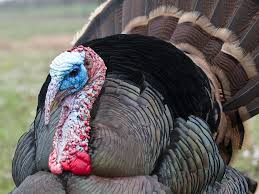 Or How to Carve Out Time for Writing When You Have a Day Job!
Oh, and it’s not JUST writing your novel! Building a social media platform and blogging gobbles up time as well!
So in the honor of Thanksgiving, this blog is dedicated to the many thankful ways this mom-teacher-author makes time for writing.
Writing a novel is a big enough task to swallow, but blogging and tweeting and social media-ing ( yep, I made the word a verb ) means biting off more than you can chew and often having to spit out those chores that are burning yummy writing time.
Here’s my recipe.
Prep time before work
Send out a tweet or 2 while eating bowl of oatmeal
post latest blog on Facebook groups ( Monday is a BIG day–make sure to use the #MondayBlogs hashtag)
look at last words I wrote of work-in-progress so next scene can marinate while commuting
tweet while standing in line at Starbucks
note any ideas/keywords/phrases after car is parked
Preheating the creative oven during work
tweet or check tweets while walking to bathroom or during passing period
any flashes of brilliance are stored in one of my idea vaults ( See Idea Vaults )
Stuffing in the social media data during lunch
check Facebook and Twitter
read blogs or articles
check email
save links or forward links to read at home
Basting those priorities while driving home and while running errands ( bank, grocery store, dry cleaners)
deciding the best use of my time for the next few hours
Carving those juicy hours. I have only about 3 hours before the brain shuts down and the eyes glaze over, therefore I maximize whatever the brain is capable of.
Sizzling hot brain: Excels at plotting, outlining, and writing first drafts. Dinner isn’t happening! Neither is laundry nor any other household task. The phone goes unanswered. I respond with hand signals. ( See Hand Signals for Writers.) This is PRIME time.
Room temperature brain: Handles re-writes, editing, and blogging. Making dinner, throwing in a load of laundry, talking to kiddos and hubby, paying a bill–these don’t require creative intensity. Interruptions are OK, and the family gets dinner.
Refrigerator Brain: Capable of tweeting, liking, and commenting on various social media platforms. Cold brain is also good for pinning photos on Pinterest, reading blogs/articles, researching, annotating, reading, and trashing spam. This is my “down time.”
Those three hours during the weekday are deliciously precious. I don’t watch TV; however, I will watch something on Netflix while on the treadmill.
The Smorgasbord Weekend
This is the time I get the most accomplished and when the most progress is made on a manuscript. I work from morning until my vision gets blurry because without the 1 &1/2 hr commute, the 200+ student questions, and 5 am wake time the ol’ sizzling brain stays hot.
Why it’s gravy: I love writing and enjoy the entire process so it’s not work—it’s a joy.