L.Z. Marie's Blog, page 5
April 26, 2015
Collateral Damage
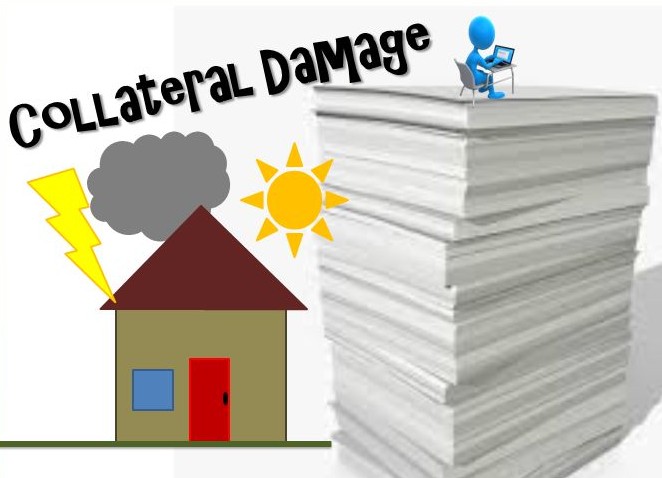 One of the many perils of writing is dealing with the fallout from months of obsessive…um…enthusiastic writing, rewriting, and tweaking. There’s lots of fabulous information about what writers should do, yet not too much about what we don’t!
Here’s a What-Doesn’t-Get-Done list. Does it look like yours?
Any project at all—be it as easy as sewing on a button to shopping for more bookshelves.
Clean the fridge… or any time-consuming cleaning and organizing task at all!
Hang with friends. (True friends already know you’re a bit obsessive…um enthusiastic, that, and they really want to read your next book! )
Organize/file bills and receipts ( Thank goodness for auto pay.)
Shop for shoes. ( Comfort can’t be assessed on a website. )
Bake…except if it’s one of my children’s birthdays and they asked for a cake.
Cook any meal requiring more than an hour of prep and cook time—if there’s food in the house hubby should consider himself lucky.
Regular work outs decrease as the light-at-the-end-of-the-WIP-tunnel increases— my fingers, however, are in excellent shape!
Impromptu visits to fun places. ( Usually a daughter drags me by the hair to the beach. “An afternoon away from the keyboard won’t hurt mom, I promise.”)
Stare lovingly into hubby’s eyes—oh, wait I don’t do that, and anyway it would probably mess up his golf stroke.
Teach the pooch new tricks. She’ll have to be content with mooching treats with the old ones.
Attempt any website overhaul—I’ve been itching to update my layout for months.
So what does one do in that brief bit of time between old project and new project? All of the above of course! And they will all be done with gleeful-happy-exuberant joy because, by golly, another novel is complete.
Maybe one day I’ll learn to manage my time better..nah…where’s the fun in that??
Related links: Rock Your Writing; Readin’ & Writin’


April 19, 2015
NFL Draft for Novels
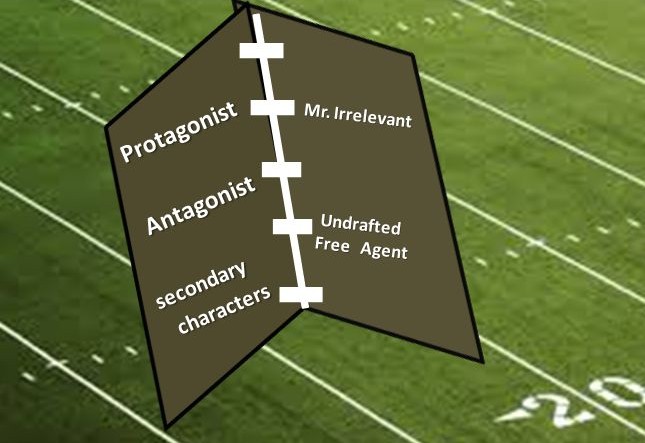 Do you choose characters like an NFL draft? Let’s break it down!
1st Round Draft Picks: These are the BIG stars. In the football world, they have talent and that ‘it’ factor to get the team to the promised land (Super Bowl). The 1st round picks in your novel are the protagonist and antagonist. You—as coach—must hone their natural talent and skill to get the most out of them—full character development achieved through countless hours spent with dialog, action, and description. Readers expect great—or horrible—things from them! A 1st round draft pick who doesn’t deliver sends your team—your project—into the dumpster.
2nd Round: These are very good players who will—or should—complement the star players. These characters also complement your main characters by acting as a foil ( a character who highlights or contrasts the main character’s qualities. An example is Mercutio to Romeo ), and/or acting as the trusted confidant, and/or involved in a subplot. These characters are not usually as fleshed out as the stars but readers feel they ‘know’ them just the same.
3rd-5th Round: These are supporting players building the team. They may not be the stars or 2nd picks but they are an integral part of making a team championship caliber. These characters can make or break your story by being ineffective, unbelievable, or cliche. A strong cast of characters—no matter how much ‘play’ time they get makes a stronger story.
6-7th Round: These players have potential and may even make the team but they are long shots. Sometimes these characters blossom while writing the story, even if it’s a bit part in your plot but chances are you didn’t even give them a name.
Mister Irrelevant: Celebrated one moment, gone the next! The last pick of the draft. These characters are expendable, a quick DELETE scene/paragraph and the writer forgets about them. They don’t usually make your story’s final cuts.
Undrafted Free Agents: These players need to try-out on a team, and although they rarely make the cut they may have latent talent. Likewise, these characters may be hidden gems or have potential for your next project. Don’t discount them.
Now that you’ve assembled your cast of excellent characters on Team Novel you’ve got a shot at the big time—finding an agent or scoring a publishing contract!!
Go, team, go!!
Related links: Readin’ &Writing’; Rock Your Writing
April 5, 2015
The Artistic Writer
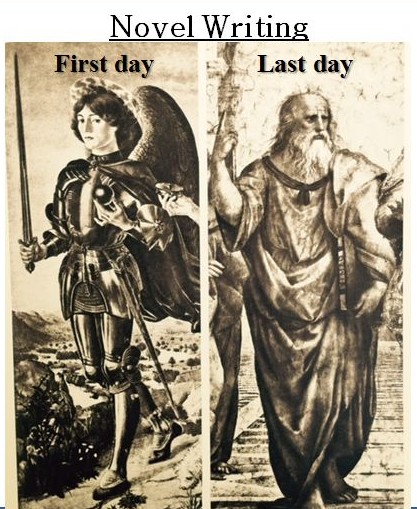
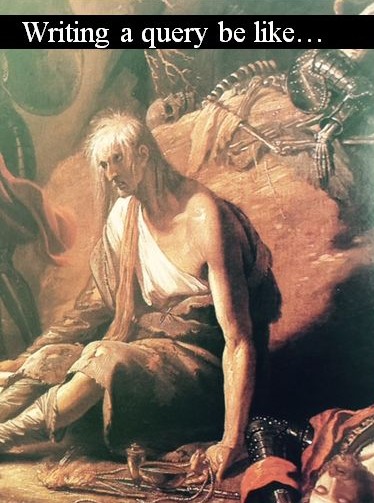
One picture says a 1000 words. A luxury writers do not have. However writers have been known to get an idea to two from gazing at works of art. So in a silly effort to merge the two here are ten famous paintings that describe the writing life.
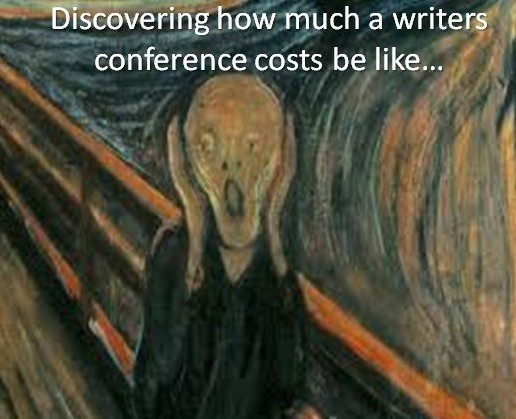
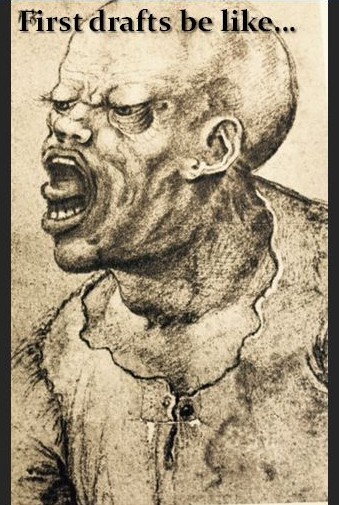
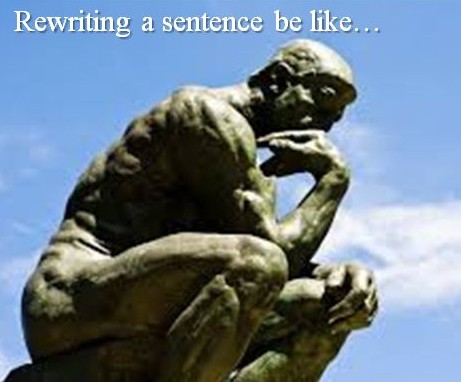
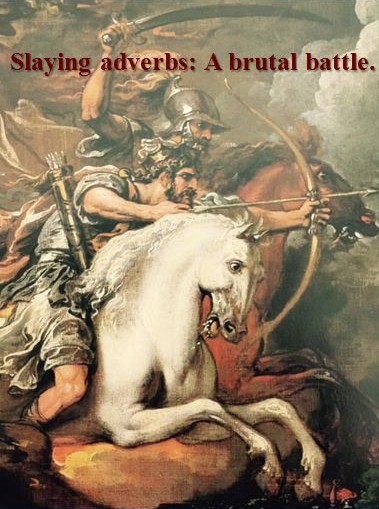
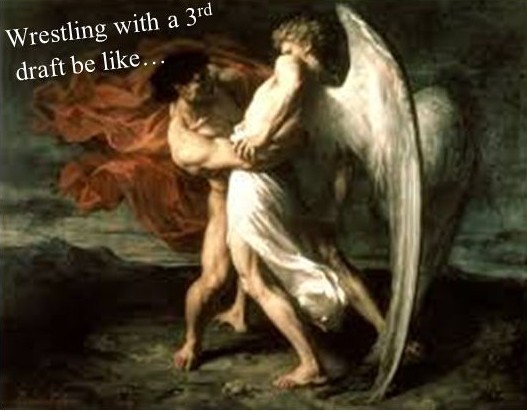
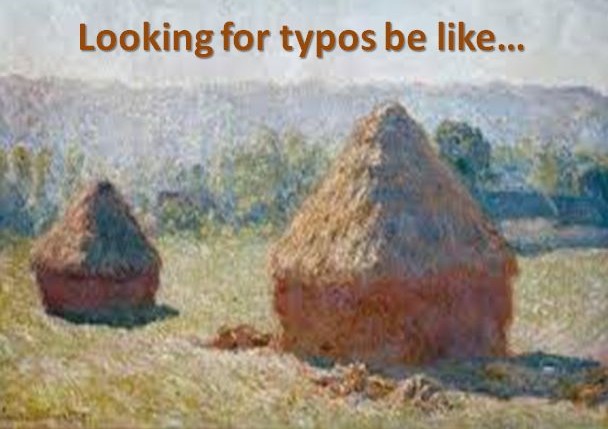
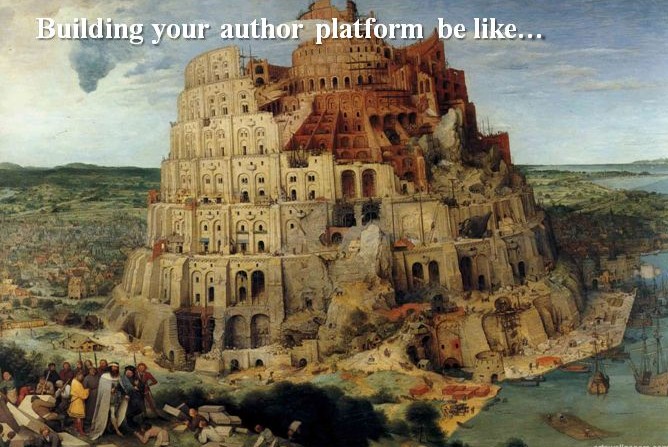
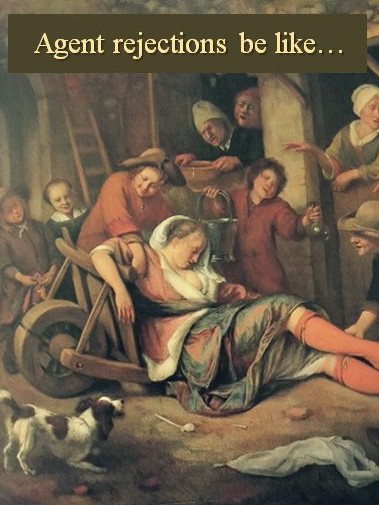
On a more serious note, I flip though my art books or browse the web for:
a character’s facial features
a character’s body type
body postures, especially as it conveys mood
clothing styles, patterns, fabrics, especially historical garments
food from a particular historical period
architecture, houses, and furnishings from a particular historical period
historical detail or information ( if painting is accurate or painted in the same century)
colors that evoke a particular mood
landscape and the colors used to evoke mood
Related links: Rock your Writing; Readin’ & Writin’
March 29, 2015
The Real Comma Rules
 Grammarians have been known to do battle over the vagaries of comma placement. Syntax skirmishes, semi-colon controversy, and other punctuation persnicketiness can get downright nasty! Good thing this post is about other kinds of commas!
Writing, rewriting, editing, and creating all require comma skills.
1. First and foremost, writers must learn how to accommadate their physical needs. Be it a room with a view, a quiet nook, a desk, favorite coffee shop, or a designated chair, writing is best accomplished with a routine.
2. Often you must act like a commando when it comes to revising and editing. Blast all typos, vague language, and trite sayings.
3. Learn to summon your inner commadian during trying times. Hissy fits, meltdowns, and tantrums don’t solve problems. Finding the funny doesn’t either—but at least you can write a humorous blog about it!
4. Avoid a commakazi approach when pitching, querying, responding to an agent rejection, or replying to a troller. Thoughtful, professional, polite discourse and emails are a must. As for trollers, non-engagement is the only way to go.
5. Take time to engage in some commaraderie with folks on twitter and Facebook. Don’t neglect your friends either. Meet them for coffee and dinner…and try not to talk about your latest writing project.
6. Keep your dream to be comma millionaire novelist.playwright/screenwriter/poet... to yourself.
7. Creating believable characters require the writer to be a commaeleon, portraying their emotions, intelligence, fears, joys, and ambitions with effective dialog and action.
8. Find someone to commaiserate with. We all need a venting buddy. Just make certain to end the bitchfest with uplifting thoughts for the future. If your ‘someone’ tells you to quit or give up find another.
9. Indulge in the art of comma sutra. Discover fresh ways to tell the story, find pleasure in finding the perfect word, and seek enjoyment in crafting the nuanced phrase.
10. Remember that the best word wizards practice alcommay. Transmuting strings of words into a riveting story demands patience and practice.
Now these are comma rules I think we can all agree on!
FYI: For a thorough look at actual comma rules, go to OWL at Purdue.
Related links: Rock Your Writing, Readin’ & Writin’
March 21, 2015
Where Art Thou?
 Setting is more than just location!
Usually when folks think of setting in the literary sense they think physical location. But setting is much more than that. Authors construct setting like they do characters and plot.
Setting is a powerful element for establishing themes and often reflect the author’s own background, biases, and perspectives.
Setting can influence, shape, and emphasize a character’s actions and ideas. Setting can drive plot, create mood, or assume the role of antagonist..
Setting can reflect the following milieus:
political
time ( minutes, hours, days, years )
historical
financial
socio-economic
cultural
religious
dystopian/utopian
magical
mythical
surreal
constructed/ alternate /parallel/imaginary
dream ( think Inception )
virtual ( think Tron )
psychological
attitudinal
industrial
seasonal
Setting can also refer to:
a physical place ( country, state, town, street, house )
temperature
weather ( see Stormy Weather blog )
geography ( desert, jungle )
landscape/topography ( see Location, location, location blog )
How are you using setting?
Related links: Rock Your Writing
March 15, 2015
Construction Zone
I have a 53 mile round trip commute. Freeway construction really slows me down—often taking me more than an hour to get home. So what’s a writer to do while waiting in stopped traffic? Why imagine how construction signs mirror the writing process, of course!
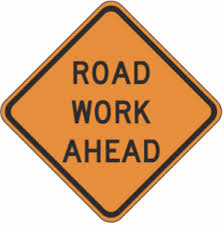
The perfect signage for the first page, the first blog, the first website, the first tweet. There are months and months ( and years ) of plotting and drafting and rewriting and editing to come. Sounds daunting but the work is part of the process.
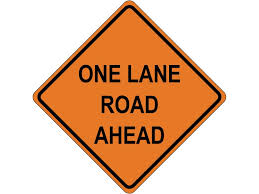
Unless you’re part of writing duo or team, this sign applies to most writers. It’s all you you you. Your effort. Your time. Your imagination. Your grit. Your tenacity.
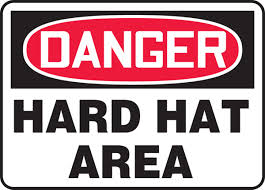
Writers need to prepare for falling debris. Their world is fraught with danger. Our own fears and anxieties, dismissive friends, lack of time management, errands, careers, family, and a myriad of setbacks will consume our days. Writers must take a hard look at their dream and prepare. Wearing your hard hat should help see you safety through the construction process.
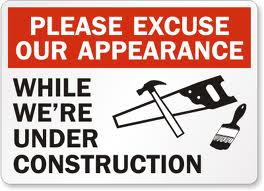 Yoga pants, t-shirt, hair gathered in a pony tail, face free of make-up ( for the gals ), scruffy face ( for the guys ); the writer’s uniform stays on unless they must emerge from their writing cave. And even then….
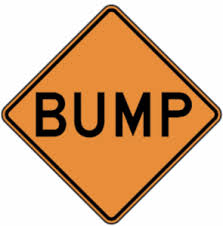
Ack! There’s a glitch in the plot. That character isn’t convincing! This dialog is blah! Constructing a novel is a bumpy ride and part of the fun!

Pay heed to those in the know. Listen to their advice. Running over the flagman might land you in a novel ditch.
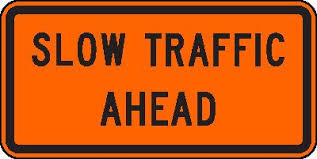
Ideal signage for editing. Zipping through a draft doesn’t allow for a thoughtful and critical examination of diction, syntax, and grammar.
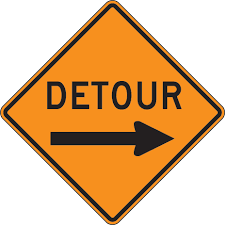
You know what causes detours! Tweeting, facebooking, web browsing, computer issues, lost data….or ack! plotting snafus! Detours are frustrating and take time to correct. Take a deep breath.
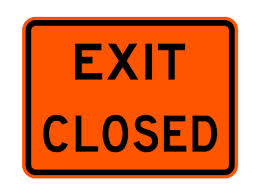
Noooo…not that! I need to go that way! What exits are closed to you? See a closed exit as an opportunity for redirection, for a scenic route, for a different way to achieve your goal.
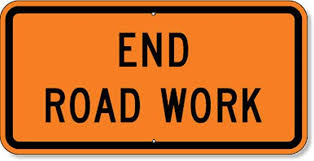
Whoot whoot! Your drafts are done! It’s time to send it to a beta reader, agent, or editor! Happy dance. Until another idea for a book sends you back to the beginning!
Note: Hope to have my Leave A comment issues resolved soon.
Related posts: Readin’ & Writin’, Rock Your Writing
March 8, 2015
Writing Fortress
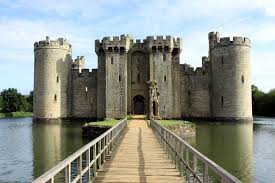 The historical fiction I’m currently writing required extensive research on castles. And it struck me—somewhere between the first and second drafts—that the act of writing a novel shares many similarities with the parts of a castle.
The MOAT is a writer’s protection from outside forces like talkative significant others, crying children, and errands. The wider and deeper your mental and physical moat the more likely you’ll be able to carve out extended writing time.
Only lower the DRAWBRIDGE for allies, those with encouraging words who would never stab you in the back. Allow honest beta readers to cross as well.
Your CASTLE WALLS must be thick thick thick! Enough to withstand a siege of naysayers battering your dream with a canon of criticism and thick enough to withstand rejections and setbacks.
Make your writing location your own private SOLAR. Only allow a few entrance into your writing sanctuary. Station a guard at the door—even if it’s only a Do Not Disturb sign hanging from the back of your chair.
Go to the GARDEROBE often—the privy or bathroom. Excrete all those nasty adverbs, trite words, hackneyed expressions, banal characters, ho hum pacing, and insipid plots. Yuck! They stink up a manuscript!
Visit the WARDROBE frequently. Store ideas, research, and deleted word gems for future use.
The KITCHEN is good for burning first drafts, cooking up a query letter, or staring into the fire while contemplating the publishing world.
Don’t forget to stop by the BUTTERY for whatever is “ale-ing” you or the BOTTLERY for the celebratory Finished-Another-Chapter goblet of wine.
Keep your deepest, darkest fears in the DUNGEON. Chain them to the wall. Don’t let them see the light of day. Torturing yourself is pointless and a waste of precious writing time.
Your ARMORY is best stocked with knowledge about the weapons of plotting, a chain mail of literary craft, and sword-sharp syntax and grammar.
Use the CHAPEL to pray or beg the writing gods and muses for strength, endurance, and grace. Some gods require sacrifices—like reduced TV watching or Facebook time.
Make sure to say hello to all your friends, tweeps, and followers hanging out in the social media GREAT HALL.
Keep your KEEP—the highest and most secure place of a castle—strong. Keep the faith. Keep sending queries. Keep blogging. Keep editing. Keep learning. Keep writing.
Note: Experiencing issues with my comment section. If you want to comment email me at lzmarieauthor ( at ) gmail ( dot ) com and I’ll include it at the bottom of the blog.
Related posts: Readin’ & Writin’
February 22, 2015
Direction Connection
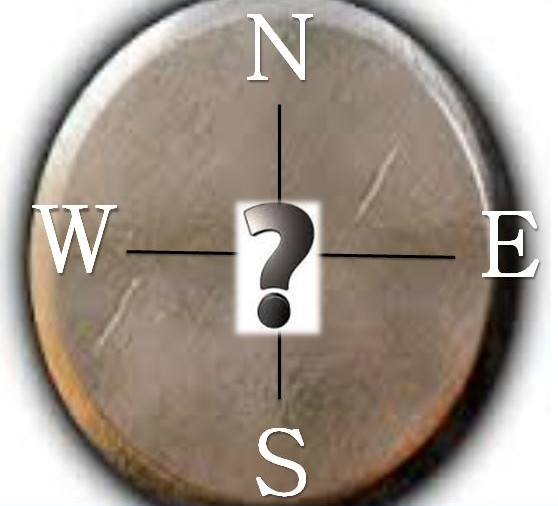 Which way did he go?
North. East. South. West. Directions are often used symbolically. In which direction a character heads often foreshadows his moral growth or decline.
There is, however, one important caveat to note. The literary symbolism associated with direction is used by northern hemisphere European/North American authors. You’ll figure out why in a moment.
NORTH is traditionally associated with colder weather, and so is linked to austerity, starkness, industriousness, isolation, cold-heartedness, hostility, and bitterness. Like the thick layers necessary to protect one from the cold ( be it psychological, spiritual, or emotional ) a character wears these layers as emotional protection.
SOUTH is warm temperatures and sunny climes. It’s where the wealthy went for rest and relaxation. It’s associated with plenty, hedonism, clothing removal, and the hot sweaty acts one engages in when naked. A character’s lusts, passions, and raw subconscious are exposed.
Not convinced? Think of the geography of Game of Thrones. It’s a fictional world—George R.R. Martin could have set the saga in the southern hemisphere but didn’t. Even the name Stark is descriptive of a cold northern landscape.
WEST: The symbolism of this direction might be an American thing. Freedom from rules, freedom from laws, adventure, fresh starts, morality, and possibilities are associated with this direction. In Mark Twain’s Huck Finn, Huck and Jim decide to ( spoiler alert ) go west where they will be free from the racism and prejudice they encountered in the story. Ayn Rand’s Atlas Shrugged is another example. John Galt and his groupies hide out in a valley in the west.
EAST: Exotic and mysterious, it’s linked to renewal, rebirth, early civilizations, and the location of the Garden of Eden ( kind of vague directions if you ask me ) and yet it’s also associated with wealth and corruption.
So before having your character head off somewhere, you might want to consider if direction is important.
Related links: Symbols & More Symbols: Rock Your Writing
February 15, 2015
Conflict Collection
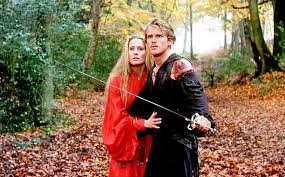 CONFLICT: It makes us turn the page, swoosh the e-reader screen, or keep watching. Superficial or profound, it drives the story forward, creates tension, and forces the protagonist to grow. Great novels have both external and internal conflicts.
Man vs Man: Including but not limited to:
demons/angels/gods
other supernatural creatures like vampires & werewolves
aliens
any manner of undead
any sentient being
family dynamics/expectations
Man vs Society: Including a host of its corresponding biases and prejudices pertaining to:
culture
ethnicity
race
age
gender
religion
business
government
politics ( local-state-national-world)
education
socio-economic status
group affiliation
sexual orientation
technology
Man vs Nature
climate
weather
topography
plant life
animals, vermin, insects, fish etc
cosmic phenomenon
Man vs Self
emotional health
physical health
spiritual health
psychological health
intellectual health
Conflict escalates as the story unfolds. The Climax IS The Final Battle. Choose your weapon. Be it with a scimitar, light saber, words, or actions make sure The Final Battle causes the protagonist pain ( emotional, spiritual, psychological, and/or intellectual ) enough to see his authentic self—the ah-ha moment.
So next time you read a book or watch TV or a movie try identifing all the types and layers of conflict. Then take a look at your work in progress. Got conflict?
Related Posts: Rock Your Writing; Readin’ and Writin’
February 1, 2015
Word Spangled Banner
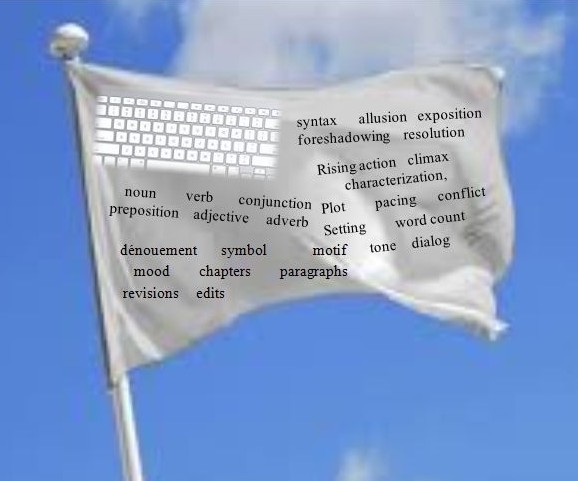
O say can you read
by the computer’s LCD
what so proudly we wrote
during our last creative gleaming,
whose broad themes and trite tropes
shows the protag’s deep need,
o’ver the keyboard we typed,
with much symbolic meaning.
And the misspellings red glare,
the adverbs everywhere,
gave proof to the plot
that our rising action was still there.
O say should that word-spangled chapter be saved
o’er our novel we crave
and the hope of the writing brave.
Related links: Readin’ & Writin’; Rock Your Writing