Nick Ortner's Blog, page 18
July 5, 2022
Tapping Research: EFT Found to Be Effective Intervention for Young Adults with Suicidal Ideation
Content warning: This article discusses sensitive content, including suicidal ideation.
If you or someone you know is in crisis, call the National Suicide Prevention Lifeline (Lifeline) at 1-800-273-TALK (8255), or text the Crisis Text Line (text HELLO to 741741).
I want to start by acknowledging that this is a sensitive subject that may bring up intense emotions. It isn’t a topic I post about lightly, and at the same time it is one that I feel is important to make space for.
My aim today is to share some recent findings from very promising research that have the potential to provide hope and healing to those affected by suicidal ideation. These research findings add more to what we already know about the resources and tools available to help and support this serious mental health concern.
The study I will be discussing today was conducted by researchers in India who wanted to know whether or not EFT Tapping could help support young people living with suicidal ideation.[1]
The authors based their study on a large body of existing research proving Tapping to be effective for depression, trauma recovery, anxiety, and much more. They theorized that if Tapping was so effective in these other situations and conditions, then it may also have positive benefit in the context of suicidal ideation.
How the study workedThis was a small study, with only eight participants in total. The participants were between the ages of 22 and 33, and all of them had been assessed as having suicidal ideation (thoughts of suicide).[1]
All participants were thoroughly evaluated for the severity of their suicidal ideation along with other factors before the study began. Some of the most common issues the participants struggled with included hopelessness, anxiety, fear, loneliness, and guilt.
For the experiment, each participant went through an initial individual EFT session with a trained practitioner. They were taught how to practice Tapping, using their most pressing issue as the focus of the session. The Tapping session was conducted until the individual’s immediate distress level was minimized.
After the initial session, the participants were told to practice on their own consistently for three weeks to build a habit around Tapping. During that time, the researchers stayed in contact with the participants via phone and provided feedback as needed.
After the initial Tapping session and then three weeks of Tapping practice on their own, the participants were assessed again.
What did the researchers find?The findings of this study were quite remarkable, with the before-to-after comparison showing striking results. The amazing thing was that for every single participant, all signs of suicidal ideation were gone after the three-week Tapping intervention. Every single one of them improved.
In the researchers’ own words: “Post-intervention assessment results showed absence of suicidal ideation and suicidal behavior in each and every participant.”
For all of the participants in the study, a Tapping intervention led to complete resolution of suicidal ideation – and that change happened after only a few short weeks.
Amazing, right?
The authors remarked that beyond the improvement in suicidal ideation, the participants also reported additional benefits like increased self-love, self-esteem, self-awareness, emotional balance, and tolerance.
Promising takeaways offer potential for healingThis was a small, uncontrolled study with only eight participants. And researchers can only conclude so much from these types of small-scale studies. But when every single one of the participants comes in with suicidal ideation and leaves three weeks later without it, that is something to pay attention to! That points to something very, very powerful and important!
At least from these preliminary findings, it seems that Tapping just might have the potential to be an extremely effective intervention for people struggling with suicidal ideation.
My hope is that researchers will continue to explore the effects of Tapping on serious and complex mental health conditions like depression, anxiety, and suicidal ideation. Because the more evidence-based tools we can gather for these mental health conditions, the better. If EFT Tapping really can be established as an effective and efficient technique for a serious concern like suicidal ideation, it could be a real game changer for so many.
It feels so hopeful to know that more and more people are beginning to recognize and learn about this powerful tool that has the potential to provide help and support to those who need it.
For now, I will keep spreading the word about these kinds of hopeful, promising research studies as much as possible. And I hope you will, too!
Until next time… Keep tapping!
Nick Ortner
Where to get immediate support
If you or someone you know is in crisis, call the National Suicide Prevention Lifeline (Lifeline) at 1-800-273-TALK (8255), or text the Crisis Text Line (text HELLO to 741741).
You can learn more about the warning signs here, and read about effective, evidence-based interventions here.
References
Patel V & Pandey N. Effectiveness of EFT on suicidal ideation among young adults. International Journal of Indian Psychology. 2021;9(3). doi: 10.25215/0903.192The post Tapping Research: EFT Found to Be Effective Intervention for Young Adults with Suicidal Ideation appeared first on The Tapping Solution.
Related posts: Learning When to Slow Down
 Healing the Critical Voice
 10 Symptoms of Inner Peace


June 24, 2022
Active Transformational Meditation “Grow Younger”
“I’ve Got Chills…”
That’s what my wife Brenna said when she finished listening to our brand new process, our Active Transformational Meditation: “Grow Younger”. And chills like the good chills! Like, woah, I can really use this in my life…woah…this is different!
What’s an Active Transformational Meditation (ATM for short!) you ask?I came up with this process because I personally felt a need for audio inspiration for those times in my life when I couldn’t tap. When hands weren’t available or I was just busy with life. Because there’s SO much of that time, and I felt like podcasts or audiobooks or other audios just weren’t bringing me where I wanted to go.
I wanted more inspiration.
I wanted my brain to move in a positive direction.
I wanted something I could just hit “play” on and have my mind, body and difference feel different when I was done.
And I wanted all of that while folding laundry, or driving or brushing my teeth in the morning! relaxed
And so Active Transformational Meditations were born! This is our first one, and there’s many more to come. It’s unlike anything you’ve ever listened to and we even had it professionally sound scored for the most immersive audio experience.
I’ve said enough. You just need to experience it… and the good news is that while this is usually a Premium Subscription process in The Tapping Solution App, I was so excited for you to experience it I’ve unlocked it for now in the App – and it’s available for a limited time on this page for free!
No matter what you’re doing right now, go ahead and hit play! No need to tap or close your eyes, just listen along as you go through your life!
.
Active Transformational Meditation:Grow Youngerhttps://tappingsolution.s3.amazonaws.com/APP/misc/Growing-Younger-Full-Mixed-FINAL.mp3
.
Enjoy!
Until next time… Keep Tapping!
(or just hit play in this case! Lol)
Nick Ortner
P.S. When you’re done listening comment below and let me know what you think  And what other topics you’d like to see covered in this format!
The post Active Transformational Meditation “Grow Younger” appeared first on The Tapping Solution.
Related posts: Take the Next Step, Again and Again
 When I Forget to Tap…(Going Public!)
 The Tapping Solution App – Teacher Self-Care Tapping Meditations
June 3, 2022
A jar with rocks, pebbles, and sand – what would you do?
Today, I want to do a super simple mental exercise together than can help us to consider our priorities and how we choose to spend our time.
First, imagine a large, clear jar.
Next to it, imagine a bowl of rocks (each a few inches in diameter), a bowl of small pebbles, and a bowl of fine sand.
Now, imagine what would happen if you poured all the sand into the jar first; it would fill up a large portion of the jar. And if you poured the pebbles in next, the jar would fill up even more – leaving very little room leftover, if any, for the bigger rocks.
Now, what would happen instead if you poured the big rocks in first?
And after that, the pebbles – shaking the jar so that they could settle into the open spaces created around the rocks.
And then lastly, the sand – which would sift its way through the rocks and pebbles, settling into the remaining free space?
In the first scenario – sand first – not everything would fit in the jar, and there would be no room for the bigger rocks. But in the second scenario, it turns out that there would be room for everything – it all would have a place.
Now, consider that this jar can represent our life, and the time and space we have available to fill. The rocks are the most important things in our lives, and the things that are most critical and valuable to us – such as family, health, relationships, and other key values.
The pebbles represent things that matter to us, and that we use our time on – like work or school – but that are less essential than the rocks. And finally, the sand is the remaining “small stuff” and material possessions that are of lowest importance.
The takeaway from this mental exercise is this: If we take care of the sand first – the small, less important stuff – we will never have enough room for all the rocks and the pebbles, too. We will always run out of time and energy for the things in our life that are most important.
But if we take care of the rocks first, and pay attention to the things that are critical to living a meaningful life, then we can really make the most of our time, energy, and efforts – and we can ensure that what needs to be tended to most, is.
What does your jar look like?
How have you been filling it?
What’s one thing you can do today to shift your priorities, tending to what is most important first, so that there is room for what is truly valuable and meaningful?
Comment below and let me know what came up for you in this exercise!
Until next time…
Keep Tapping!
The post A jar with rocks, pebbles, and sand – what would you do? appeared first on The Tapping Solution.
Related posts: What’s Possible for 2012? What if…
 Let’s Talk Mom and Dad: Address Childhood Trauma
 Some Inspiration for You
May 17, 2022
10 Simple Ways Your Energy Is Better Spent
We all want to make the most of our time and energy, and live productive, fulfilling lives. But oftentimes, we unintentionally waste our time and energy on things that get in the way of that.
Do you feel like this happens to you sometimes? If so, here are ten simple ways your energy is better spent.
Take a look and see which one you can easily implement today. #3 in particular I know is a big struggle for people, is it for you?
10 Simple Ways Your Energy Is Better Spent

#1. Your energy is better spent problem solving than it is complaining about the problem.
#2. Your energy is better spent trying again than it is ruminating on a past failure or mistake.
#3. Your energy is better spent speaking to yourself with self-compassion than it is criticizing yourself and being hard on yourself.
#4. Your energy is better spent jumping in and exploring the unknown than it is wondering what could go wrong or thinking about what might not work out.
#5. Your energy is better spent focusing on yourself than it is trying to change other people.
#6. Your energy is better spent creating a plan for change than it is wishing things were different.
#7. Your energy is better spent actually putting your work and efforts out there than it is trying to make everything perfect first.
#8. Your energy is better spent going after your dream now and taking action than it is waiting for the “right” moment.
#9. Your energy is better spent accepting and letting go than it is holding on.
#10. Your energy is better spent living in the now than it is worrying about the past or thinking about the future.
Which of these reminders did you need to hear most today? And how might you apply one of these lessons to use your time and energy more wisely and intentionally throughout your day today?
Until next time…
Keep Tapping!
Nick Ortner

The post 10 Simple Ways Your Energy Is Better Spent appeared first on The Tapping Solution.
Related posts: Louise Hay Talks Tapping
 From Doubt to a Seed of Hope – Tapping Meditation
 You Are Enough – Tapping Meditation
May 10, 2022
Nurses Get Relief Using EFT Tapping
The pandemic has not been easy for any of us. It’s been a time of great stress and overwhelm for a multitude of reasons.
Out of anyone, healthcare workers may have been under the most stress over the last few years.
It has been intense work under a lot of pressure, with long hours and increased workloads. Not to mention the emotional toll of the persistent fear, anxiety, and discomfort that this frontline work has involved.
It’s not surprising to hear that healthcare workers have been experiencing serious levels of anxiety, depression, burnout, and other mental health challenges during the pandemic.
So, can you imagine how incredible it would be to find a technique that could help to alleviate some of that anxiety, stress, and burnout? Well, guess what? That’s exactly what the authors of a recent study were able to do.
How Nurses Eased Their Stress With Tapping

This exciting study showed that Tapping could be an extremely effective tool for nurses involved in treating COVID.
In the study, the authors took a group of 72 nurses who treated COVID patients, and they divided them into two groups. One group attended a guided online group EFT session, and the other received no treatment.
After just one single online group EFT tapping session, the nurses in that group experienced highly significant reductions in anxiety, stress, and burnout levels (while the nurses in the other group experienced no change).
Can you believe that?
After just one, single session of guided Tapping, anxiety, stress, and burnout levels went down significantly.
Even though I’ve experienced the power of Tapping firsthand time and time again, these types of studies still astound me. It is incredibly exciting to see the benefits of Tapping supported by such strong results in research studies like this one.
Here’s what I hope we will all take away from this today: if nurses on the frontline of the pandemic can get relief from their stress and anxiety with one single session of Tapping, then imagine how much you might be able to benefit from a regular Tapping practice?
And why not start now? Here are some links to Tapping Meditations from our Tapping Solution App that you can try right now if you could use a little relief from anxiety, stress, or burnout:
Coronavirus Stress & Anxiety Category
Burnout Recovery Tapping Meditation
Turn Your Day Around: Tapping for Anxiety, Tap & Breathe Meditation
I’m Stressed About Work Tapping Meditation
Until next time…
Keep Tapping!
Nick Ortner
The post Nurses Get Relief Using EFT Tapping appeared first on The Tapping Solution.
Related posts:Live Q&A #2 with Nick OrtnerHealing the Critical Voice Do you think you deserve success?
May 6, 2022
What Jealousy Is Trying to Tell You (and what you can do about it)
There are certain emotions that are so strong that they can make us do things that we normally wouldn’t. Love is one such emotion. Anger is another. And then somewhere in between the two, there is something called Jealousy.
We’ve all been there. We’ve all felt jealousy. We can’t help it, and it feels like we get totally hijacked by it in the moment. And oh, what lengths some people will go to when that green-eyed monster appears and takes over!
But what if jealousy wasn’t a ferocious monster to be slain? What if it was actually an insecure little cub that needed to be nurtured and loved? And what if it could become a powerful ally to befriend?
It turns out that jealousy actually has something really important to teach us. And it has the potential to lead us in a positive direction toward our truest desires – if we choose to listen to it.
The Biggest Mistake When It Comes to Jealousy

One of the biggest mistakes people make with jealousy is to be mad at themselves for having this feeling and being ashamed of it.
For most of us, when the twinges of jealousy show up, we think, “I can’t believe I’m feeling jealous.” “I shouldn’t feel this jealousy,” or “I should just get over it and be positive.”
We try to force ourselves into not feeling jealous because we judge it as a “bad” emotion that we shouldn’t be having. We can be really hard on ourselves for feeling jealousy, especially if we pride ourselves on being self-aware. This only creates an uphill battle.
If we try to suppress any emotion or judge ourselves for having it, we aren’t able to release the charge of that emotion in our bodies.
And so, we remain hijacked by jealousy and create extra suffering for ourselves when we try to shame ourselves out of it.
Jealousy Isn’t Something to Be Ashamed of – It’s a Universal Emotion

Here’s what is important to understand – jealousy is a part of the spectrum of normal, human emotions. In fact, I recently read that even dogs get jealous. It is a universal experience to feel jealousy from time to time.
Jealousy is simply a feeling, and all feelings are meant to be felt. Even when we are self-aware, have done a lot of personal development work, and are in touch with our emotions, we can still end up feeling jealous sometimes. It is totally normal, and totally okay.
So when we feel jealous, a great place to start is to simply notice, observe, and honor the feeling. That helps us make room for it so that we can begin to release the charge of the emotion.
Only then can we get to a point where we can slow down, get mindful, and choose a path for moving forward that will best serve us.
Jealousy Offers Us a Choice: Which Path Will You Choose?

When jealousy shows up, we are faced with a choice. In fact, there are a few different directions we can head in when we experience jealousy.
The first (and most common) direction is to fall into feeling like a powerless victim. Let’s call this Path One.
On Path One, we think about how unfair it all is. We wish it were us who had that thing/job/body/amount of money. We move into beliefs of scarcity and lack. We feel bad for ourselves about how unfair it all is, and we become defeated and disempowered.
The second (also very common) direction is to begin to judge the person who has what we want. Let’s call this Path Two.
On Path Two, we attempt to bring the other person down and knock them down a peg, because we want to help ourselves feel better. We look at their success and see all the flaws and ways we can criticize them for having what they have.
My guess is that if you have ever felt jealousy (which let’s face it, we all have), you’ve found yourself going down Path One or Path Two. Or maybe even both!
Neither of these paths end up feeling good, and they don’t do us any good in the long run. Path One takes away our own power and leaves us believing we are the victim of some unfairness. That doesn’t lead us to take charge of our circumstances and create positive change for ourselves.
And Path Two hurts everyone involved. While we are judging and criticizing other people for their successes, we are also programming our subconscious minds to think that if we ever get to that same place or go after those same things, we will also be criticized and judged for it. And so without even realizing it, part of us begins to fear attaining that thing and we hold ourselves back from truly going after it.
As you can see, Path One and Path Two clearly don’t lead to great outcomes. They aren’t supporting us in moving towards what we really want.
But there’s another way – another direction we can choose when we experience the emotion of jealousy that can lead us down a more powerful, beautiful, and fulfilling path.
A Different Path: Choosing to Befriend Your Jealousy

So let’s talk about the other path we have available to us: Path Three.
This third path starts with what we talked about before – honoring and acknowledging the emotion. This allows us to discharge its strength. And when that happens, it opens up room for us to get closer to the jealousy, so we can get to know it and communicate with it.
Because here is the secret: jealousy is usually communicating a longing for something that you truly desire.
When we stop to befriend our jealousy and ask what it is trying to tell us, it can wake us up to what we are truly longing for.
Let me explain what I mean…
Maybe you’ve felt jealous when seeing pictures of a friend jet-setting on an amazing vacation when you were stuck at home in your mundane daily life. Maybe you’ve felt jealous seeing celebrities or influencers on social media with their glamorous-looking lives and fancy houses, cars, clothes, and so on. Or maybe you’ve felt jealous toward someone with more money than you, or a thinner body than you, or a higher job title.
Oftentimes, we get stuck in thinking it is the “thing” that we really want. The money. The vacation. The body, car, house, job title, etc. But really, it’s not about the money. It’s not about the vacation or job or any of those things.
You don’t really want those things. They are just things. In truth, what you actually want is the feeling you think that those things would give you if you had them.
So the vacation? Maybe your jealousy is telling you that you are truly longing for more fun in your life. And the job title? Maybe you are truly longing to feel more confident. You don’t need the vacation or the job title per se; you are just longing for the feeling you think they would give you.
Jealousy can act as a trigger to help wake us up to our desires. It is an invitation to get clear about what we really long for so that we can become empowered to start creating changes in our lives that move us in that direction.
And that is what this third path is all about. It is about befriending your jealousy, asking it what it has to say, and allowing it to become a source of inspiration and motivation for you to move toward what you truly want more of in your own life.
Bringing It All Together: How to Make Jealousy Your Friend

I hope you can see by now that we don’t have to be afraid of jealousy as a green-eyed monster to banish. I hope you can see that it can actually be an amazing friend and ally that can support us in leading more powerful, fulfilling, beautiful lives!
Let’s summarize the key takeaways so far:
Jealousy is normal. We don’t need to feel ashamed about it.It is our choice what we decide to do with the feeling of jealousy. We get to choose how to respond and what path to take. We can choose to feel disempowered or judge others who have what we want, OR we can befriend our jealousy and see it as an ally.Jealousy is an invitation to wake up to our true desires and longings. It can serve as a trigger to become motivated and inspired to move towards what we really want.So how do you put this all into practice? How can you learn to nurture and befriend your jealousy so it can become an ally that helps you create a more fulfilling life where you thrive and shine?
When jealousy next comes to visit, you can start by simply saying to yourself, “I’m feeling jealous.” Acknowledging the emotion and honoring it helps to begin to release the charge of the jealousy.
From there you create more space to decide what you want to do with it, and which path you’d like to choose going forward. That simple practice of noticing the jealousy without judgment gives you the chance to get closer to your jealousy and ask it what it has to say. So tune in and ask, “What are you trying to tell me? What do I really need right now?”
And when you get your answer, consider how you can begin to meet that longing in your life – that desire underneath the jealousy – starting right here and now.
How Tapping Can HelpWorking with jealousy is a perfect time to lean into the power of Tapping.
Tapping can help you to acknowledge what you are experiencing when jealousy shows up. In your Tapping practice, you can address what might have triggered the jealousy, how it feels in your body, and what thoughts or beliefs are coming up for you.
Tapping will help you to let go of the charge of emotion so that you can get clear on what you are truly longing for. And Tapping can also support you in getting rooted in your own power, motivating you to take positive action to move forward.
It’s like gardening; first, we have to pull out the weeds, and then we can plant the seeds of what we long for. Tapping helps us to do just that!
If you want to explore how to use Tapping for the feeling of jealousy, head on over to The Tapping Solution App and try out my “Releasing Jealousy” Tapping Meditation.
Until next time…
Keep Tapping!
Jessica Ortner
The post What Jealousy Is Trying to Tell You (and what you can do about it) appeared first on The Tapping Solution.
Related posts:Louise Hay Talks TappingFrom Doubt to a Seed of Hope – Tapping MeditationYou Are Enough – Tapping Meditation
Jealousy: Green-Eyed Monster or Powerful Ally to Befriend?
There are certain emotions that are so strong that they can make us do things that we normally wouldn’t. Love is one such emotion. Anger is another. And then somewhere in between the two, there is something called Jealousy.
We’ve all been there. We’ve all felt jealousy. We can’t help it, and it feels like we get totally hijacked by it in the moment. And oh, what lengths some people will go to when that green-eyed monster appears and takes over!
But what if jealousy wasn’t a ferocious monster to be slain? What if it was actually an insecure little cub that needed to be nurtured and loved? And what if it could become a powerful ally to befriend?
It turns out that jealousy actually has something really important to teach us. And it has the potential to lead us in a positive direction toward our truest desires – if we choose to listen to it.
The Biggest Mistake When It Comes to Jealousy
One of the biggest mistakes people make with jealousy is to be mad at themselves for having this feeling and being ashamed of it.
For most of us, when the twinges of jealousy show up, we think, “I can’t believe I’m feeling jealous.” “I shouldn’t feel this jealousy,” or “I should just get over it and be positive.”
We try to force ourselves into not feeling jealous because we judge it as a “bad” emotion that we shouldn’t be having. We can be really hard on ourselves for feeling jealousy, especially if we pride ourselves on being self-aware. This only creates an uphill battle.
If we try to suppress any emotion or judge ourselves for having it, we aren’t able to release the charge of that emotion in our bodies.
And so, we remain hijacked by jealousy and create extra suffering for ourselves when we try to shame ourselves out of it.
Jealousy Isn’t Something to Be Ashamed of – It’s a Universal Emotion
Here’s what is important to understand – jealousy is a part of the spectrum of normal, human emotions. In fact, I recently read that even dogs get jealous. It is a universal experience to feel jealousy from time to time.
Jealousy is simply a feeling, and all feelings are meant to be felt. Even when we are self-aware, have done a lot of personal development work, and are in touch with our emotions, we can still end up feeling jealous sometimes. It is totally normal, and totally okay.
So when we feel jealous, a great place to start is to simply notice, observe, and honor the feeling. That helps us make room for it so that we can begin to release the charge of the emotion.
Only then can we get to a point where we can slow down, get mindful, and choose a path for moving forward that will best serve us.
Jealousy Offers Us a Choice: Which Path Will You Choose?
When jealousy shows up, we are faced with a choice. In fact, there are a few different directions we can head in when we experience jealousy.
The first (and most common) direction is to fall into feeling like a powerless victim. Let’s call this Path One.
On Path One, we think about how unfair it all is. We wish it were us who had that thing/job/body/amount of money. We move into beliefs of scarcity and lack. We feel bad for ourselves about how unfair it all is, and we become defeated and disempowered.
The second (also very common) direction is to begin to judge the person who has what we want. Let’s call this Path Two.
On Path Two, we attempt to bring the other person down and knock them down a peg, because we want to help ourselves feel better. We look at their success and see all the flaws and ways we can criticize them for having what they have.
My guess is that if you have ever felt jealousy (which let’s face it, we all have), you’ve found yourself going down Path One or Path Two. Or maybe even both!
Neither of these paths end up feeling good, and they don’t do us any good in the long run. Path One takes away our own power and leaves us believing we are the victim of some unfairness. That doesn’t lead us to take charge of our circumstances and create positive change for ourselves.
And Path Two hurts everyone involved. While we are judging and criticizing other people for their successes, we are also programming our subconscious minds to think that if we ever get to that same place or go after those same things, we will also be criticized and judged for it. And so without even realizing it, part of us begins to fear attaining that thing and we hold ourselves back from truly going after it.
As you can see, Path One and Path Two clearly don’t lead to great outcomes. They aren’t supporting us in moving towards what we really want.
But there’s another way – another direction we can choose when we experience the emotion of jealousy that can lead us down a more powerful, beautiful, and fulfilling path.
A Different Path: Choosing to Befriend Your Jealousy
So let’s talk about the other path we have available to us: Path Three.
This third path starts with what we talked about before – honoring and acknowledging the emotion. This allows us to discharge its strength. And when that happens, it opens up room for us to get closer to the jealousy, so we can get to know it and communicate with it.
Because here is the secret: jealousy is usually communicating a longing for something that you truly desire.
When we stop to befriend our jealousy and ask what it is trying to tell us, it can wake us up to what we are truly longing for.
Let me explain what I mean…
Maybe you’ve felt jealous when seeing pictures of a friend jet-setting on an amazing vacation when you were stuck at home in your mundane daily life. Maybe you’ve felt jealous seeing celebrities or influencers on social media with their glamorous-looking lives and fancy houses, cars, clothes, and so on. Or maybe you’ve felt jealous toward someone with more money than you, or a thinner body than you, or a higher job title.
Oftentimes, we get stuck in thinking it is the “thing” that we really want. The money. The vacation. The body, car, house, job title, etc. But really, it’s not about the money. It’s not about the vacation or job or any of those things.
You don’t really want those things. They are just things. In truth, what you actually want is the feeling you think that those things would give you if you had them.
So the vacation? Maybe your jealousy is telling you that you are truly longing for more fun in your life. And the job title? Maybe you are truly longing to feel more confident. You don’t need the vacation or the job title per se; you are just longing for the feeling you think they would give you.
Jealousy can act as a trigger to help wake us up to our desires. It is an invitation to get clear about what we really long for so that we can become empowered to start creating changes in our lives that move us in that direction.
And that is what this third path is all about. It is about befriending your jealousy, asking it what it has to say, and allowing it to become a source of inspiration and motivation for you to move toward what you truly want more of in your own life.
Bringing It All Together: How to Make Jealousy Your Friend
I hope you can see by now that we don’t have to be afraid of jealousy as a green-eyed monster to banish. I hope you can see that it can actually be an amazing friend and ally that can support us in leading more powerful, fulfilling, beautiful lives!
Let’s summarize the key takeaways so far:
Jealousy is normal. We don’t need to feel ashamed about it.It is our choice what we decide to do with the feeling of jealousy. We get to choose how to respond and what path to take. We can choose to feel disempowered or judge others who have what we want, OR we can befriend our jealousy and see it as an ally.Jealousy is an invitation to wake up to our true desires and longings. It can serve as a trigger to become motivated and inspired to move towards what we really want.So how do you put this all into practice? How can you learn to nurture and befriend your jealousy so it can become an ally that helps you create a more fulfilling life where you thrive and shine?
When jealousy next comes to visit, you can start by simply saying to yourself, “I’m feeling jealous.” Acknowledging the emotion and honoring it helps to begin to release the charge of the jealousy.
From there you create more space to decide what you want to do with it, and which path you’d like to choose going forward. That simple practice of noticing the jealousy without judgment gives you the chance to get closer to your jealousy and ask it what it has to say. So tune in and ask, “What are you trying to tell me? What do I really need right now?”
And when you get your answer, consider how you can begin to meet that longing in your life – that desire underneath the jealousy – starting right here and now.
How Tapping Can HelpWorking with jealousy is a perfect time to lean into the power of Tapping.
Tapping can help you to acknowledge what you are experiencing when jealousy shows up. In your Tapping practice, you can address what might have triggered the jealousy, how it feels in your body, and what thoughts or beliefs are coming up for you.
Tapping will help you to let go of the charge of emotion so that you can get clear on what you are truly longing for. And Tapping can also support you in getting rooted in your own power, motivating you to take positive action to move forward.
It’s like gardening; first, we have to pull out the weeds, and then we can plant the seeds of what we long for. Tapping helps us to do just that!
If you want to explore how to use Tapping for the feeling of jealousy, head on over to The Tapping Solution App and try out my “Releasing Jealousy” Tapping Meditation.
Until next time…
Keep Tapping!
Jessica Ortner
The post Jealousy: Green-Eyed Monster or Powerful Ally to Befriend? appeared first on The Tapping Solution.
Related posts: Thank You For Another Amazing Summit!
 What a Wonderful Year! Thank You!
 The Science of Self-Compassion
April 26, 2022
The 5 Benefits of “Niksen”
This practice of niksen is about as simple as it sounds.
You aren’t asked to do anything, not even to practice mindfulness or to stay present. You are simply asked to have no plan in that moment other than to just be… and do nothing.
Now, if the idea of being idle, and just sitting and doing absolutely nothing is a bit daunting – I get it.
We’ve been conditioned to feel like we need to be doing something all of the time. Even on our time off, we always seem to be doing something.
We might catch up on to-dos or chores, plan fun activities for the weekend, scroll through social media during our lunch break, read, knit, cook, or watch TV on our downtime in the evenings.
We almost never do nothing. On purpose. With intention. Not achieving anything or being productive in any way…
But doing nothing isn’t really doing nothing… It’s actually a really powerful practice that can have tremendous benefits in our lives.

Today, are you willing to try something new, and challenge yourself to be idle for just 5-10 minutes?
You might choose to just look out a window. Or when you are waiting for the coffee to brew, you might simply sit at the table and do nothing. Or you might go outside, sit on a bench, and just be there.
Try it out! And if it feels daunting, it probably means you need it even more!  You can also start with just 1-2 minutes and build from there!
Who would have thought that the hardest thing for most of us to do these days is…nothing. Lol!
Wishing you a wonderful day full of things and full of nothings.
Until next time…
Keep Tapping! (or doing nothing!)
Nick Ortner
The post The 5 Benefits of “Niksen” appeared first on The Tapping Solution.
Related posts:Louise Hay Talks TappingFrom Doubt to a Seed of Hope – Tapping MeditationYou Are Enough – Tapping Meditation
April 22, 2022
How to Do EFT Tapping: Your Complete Guide to the Tapping Technique and the Basic Tapping Sequence
Tapping, which is also often called EFT (or Emotional Freedom Technique), is a healing tool that can be used to support a wide range of concerns – from daily stress and anxiety to chronic pain, fears & phobias, insomnia, and even PTSD.
We are going to break down the Tapping technique, teach you a basic Tapping sequence, and explain all you need to know about how to do EFT Tapping.
Overview of the Tapping Technique
Tapping is a simple technique that combines the principles of modern psychology and ancient Chinese acupressure. It involves using your fingertips to gently tap on a specific set of points on the body (which correspond to traditional Chinese medicine meridians), while you focus on and speak about whatever might be causing you distress or discomfort.
The act of tapping on the acupoints sends calming signals to the brain (more on this later!). So while maintaining mental focus on whatever might be causing you stress, you’re also send a calming signal to the brain letting it know that you are safe and that it can relax. This supports you in releasing whatever is bothering you, allowing you to move forward with greater balance and ease.
Tapping can be used to support a wide range of concerns, including (but not limited to):
General anxietyDaily stressFears and phobiasDepressionSleep problemsChronic painPhysical ailmentsPTSDSpecific anxieties around testing, public speaking, going to the dentist, and moreHow to Do EFT Tapping
Okay, it’s time to learn how to Tap!
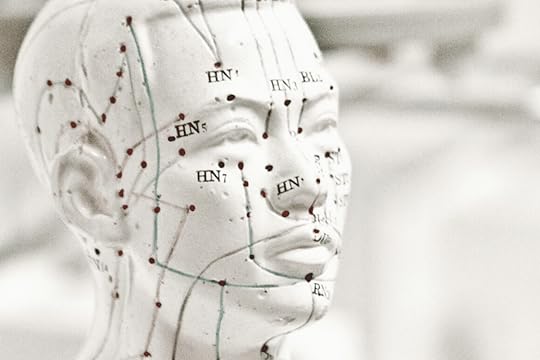
Before we get to the sequence, let’s take a look at the Tapping points and learn some basic tips.
Here at The Tapping Solution, we use a standard set of nine EFT Tapping points for our Tapping technique, although there are other alternative points that are sometimes used for Tapping as well.
The 9 Tapping points are:
Side of the Hand (Karate Chop): This is the fleshy, narrow side of the hand on the side of the pinky fingerEyebrow – On the brow bone where the eyebrows begin, closest to the bridge of the noseSide of the Eye – On the bone directly along the outside of either eyeUnder the Eye – On the bone directly underneath either eyeUnder the Nose – The area directly beneath the nose and above the upper lipUnder the Mouth – This is the area just below your bottom lip and above the chin, right in the creaseCollarbone – Starting from where your collar bones meet in the center, go down an inch and out an inch on either sideUnder the Arm – On your side, about four inches beneath the armpitTop of the Head – Directly on the crown of your headHere is a diagram that may help you more easily identify the 9 Tapping points:
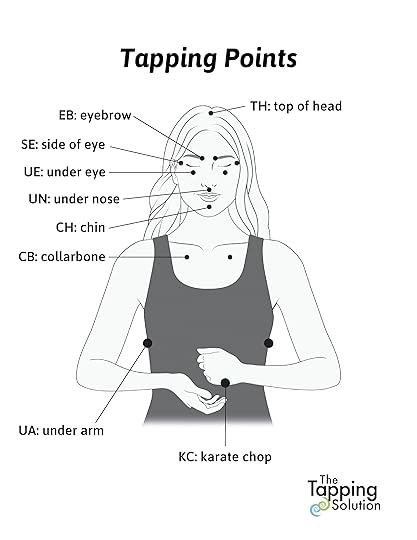
Beginner Tapping Tips
Before I walk you through the basic Tapping sequence, here are some important tips to keep in mind to increase your success with the Tapping technique.
Tap on either side of the body, or both at the same time. The majority of the Tapping points exist on parallel meridians that run along both sides of the body. You can tap on either side of the body to stimulate a certain point, and you don’t have to do both sides at once (although you can if you choose to). You can also alternate sides as you go – whatever feels best.
Use a firm, but gentle pressure. A good rule of thumb is to tap as if you were drumming on the top of your desk or testing a melon for ripeness. It should always be comfortable.
You can use all four fingers or just a few. Do what works best for you to stimulate each point. For example, you may want to use just your index and middle fingers for the more sensitive points on the face and head. For the side of the hand, you might use all four fingers from the opposite hand, and you might even try the whole hand for the collarbone and underarm points.
Allow your intuition to lead you. As you Tap and speak about what is bothering you, follow your gut. You don’t need to use any fancy language; simply speak your truth. And let your intuition also guide you for how long and how many rounds of Tapping feel right for you.
It doesn’t have to be perfect. When you are starting out, the sequence might feel hard to remember. That’s okay; there’s no one way to Tap! It still works, even if it isn’t perfect. Just do your best, stick with it, and don’t get too caught up in the details.
Okay, so we’ve covered the basics of Tapping. Now it’s time to actually do it while learning how to move through the Tapping sequence. Are you ready?
The Basic Tapping Sequence
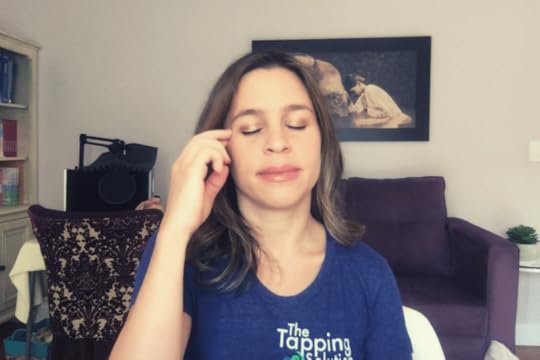
Here’s your step-by-step guide to using the Tapping technique for yourself:
Step 1. Identify the problem you want to focus on
This can be general anxiety, a specific situation that you are stressed about, a physical ailment, or a fear or phobia, for example. It doesn’t matter what it is, as long as it is causing you distress or discomfort and getting in the way of you feeling your best.
Ask yourself, “What is on my mind? What am I stressed or bothered about? What is my most pressing issue right now?”
Step 2. Consider how you feel before starting
When you think about the feeling, problem, or situation, how do you feel about it right now? How intense is it for you? Rate the intensity of your distress on a scale from 0 to 10, with 0 being the lowest intensity and 10 being the highest.
Step 3. Compose a setup statement
Tapping begins with something called a “setup statement.” This statement acknowledges the problem you want to deal with. It should focus on accepting where you are and how you feel right now.
A setup statement often follows a framework that sounds something like this:
“Even though I [fill in the blank with your specific problem or feeling], I accept how I feel.”
There are a lot of different ways to compose a setup statement. Here are a few examples:
“Even though I feel this anxiety, I accept how I feel.”
“Even though I am nervous about this presentation, I love and accept myself.”
“Even though I have this back pain, I honor my feelings and give myself permission to relax.”
This setup statement helps you neutralize any judgment you may have about the problem and sets you up for the rest of the process.
Step 4. Repeat the setup statement three times while Tapping on the side of the hand
Take a deep breath in, and then out. Now it’s time to start Tapping!
Gently tap your fingertips on the Side of the Hand (the Karate Chop Point) using your opposite hand. Continue Tapping on the Karate Chop point as you repeat your setup statement (either out loud or in your mind) three times over.
Step 5. Follow the Tapping sequence through the remaining Tapping points
Next, you will move through the remaining eight Tapping points starting at the Eyebrow and ending at the Top of the Head.
Eyebrow → Side of the Eye → Under the Eye → Under the Nose → Under the Mouth → Collarbone → Under the Arm → Top of the Head
A good rule of thumb is to tap about 5-7 times on each Tapping point before moving on to the next point, but you can do whatever feels right for you.
As you tap through each of the points, simply say how you feel – being honest with yourself and acknowledging where you are emotionally. You can do this in your mind, or out loud.
Tips:
It can be helpful to think about this as giving voice to the recording in your head, which you are likely already playing round and round.You can imagine calling up a friend to vent about the problem and telling them about how you are feeling.For the example about giving a presentation, you might say things like, “I’m so nervous about this presentation… I’m worried about being in front of so many people… I feel so much pressure to perform… What if I do poorly?… I don’t want to embarrass myself… This pressure and anxiety are overwhelming…”You can also try the Tapping method of coming up with a simple reminder phrase that you repeat as you tap through the points. It can be something basic like, “my anxiety” or “my nerves about the presentation.”This part of the process allows your brain to understand that even though you are feeling this stress, anxiety, or other difficult emotion, you are still safe.
One initial aversion to this process is that you may feel like you’re “anchoring in” the negative. But I like to refer to it more as speaking the truth about how you’re feeling, since you’re already likely repeating these thoughts in your head all day long already.
Step 6. Assess how you feel now
Once you tap through each of those eight points as described above, you have completed a round of Tapping. Nice work! Now, it’s time to assess how you feel.
Think about the problem again. How intense is your experience now? Give the intensity a rating on the same 0 to 10 scale as before. Have you noticed any shift compared to a few minutes ago before you began Tapping?
If the intensity is still higher than you’d like, that’s okay. You can continue to Tap until you feel better.
Step 7. Do additional rounds of Tapping as needed
If the intensity of your feelings is still higher than you’d like, keep Tapping. Go back to Step 3 and proceed through the steps of the Tapping sequence again. Continue working your way through the Tapping points in sequence, doing additional rounds of Tapping as needed until you feel better.
As you go through the rounds, you can adjust your setup statement slightly to account for any change or progress you might feel.
Step 8. Move towards the positive with a final round of Tapping
Now that you’ve focused on releasing the issue and your emotions around it, you can work on instilling some positive feelings in its place.
Imagine this like a garden. Before you plant any new seeds, you have to get rid of the weeds. With Tapping, we use the initial rounds to release the intensity of what we are feeling so we can feel better. And then from there, we can allow the positive to begin to take root.
For this final step of the Tapping technique, you will move through the Tapping sequence as you did earlier (starting at the Eyebrow and ending at the Top of the Head). This time, however, as you Tap through the points you will think or speak phrases that help you feel empowered and positive as you move forward.
Examples could include:
“I am feeling calm and confident.”
“I am becoming more relaxed and joyful.”
“I have faith in my ability to change.”
“I am prepared and ready for ___.”
“Feeling relaxed and at ease…”
“This is my time.”
“All is well.”
“I am safe.”
Step 9. Celebrate!
You’ve just completed your first Tapping session. You now know how to Tap! Way to go!
This is a process you can repeat any time you need to release stress, find relief from discomfort, and center yourself so that you can move forward with your day from a place of greater ease, balance, and calm.
How Does Tapping Work?
So now that you have a better idea of what this whole Tapping thing involves, you might be wondering how it works and how it can help you to feel better.
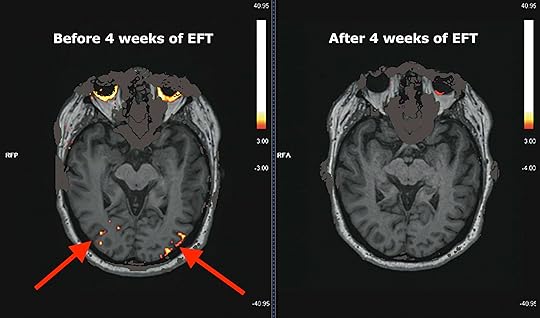
The act of physically tapping along the meridians at the nine Tapping points sends calming signals to the amygdala – the part of your brain that controls the stress response.
The amygdala helps us to stay safe in dangerous situations, kicking our fight-or-flight response into action so that we can prepare to either flee from danger or fight it.
In modern times, we tend to have our amygdala in charge way too often. The stress response is activated in everyday situations, putting us into fight-or-flight mode even when we are in no real danger. This might happen when we are feeling pressure over a work deadline, nervous about a presentation, or frustrated over a physical ailment, for example.
It might have been helpful for our ancestors when facing a bear in the woods, but nowadays this survival instinct can do more harm than good.
I like to think of Tapping as a way to send your mind’s prehistoric programming back into extinction. When we Tap, it sends calming signals to the amygdala letting it know that we are actually safe – that it can relax and deactivate. Tapping actually alters the stress response – even lowering the stress hormone cortisol.[1,2]
We can use Tapping to help us rewire the brain and reprogram the patterns that keep us stuck. Ultimately, this allows us to let go of the stress, anxiety, frustration, and overwhelm that so often get in the way, making room for greater ease, calm, and centeredness as we move forward.
And if you are wondering, “Does Tapping really work?” Yes! Just check out this article to learn all about the scientific research behind this evidence-based approach.
I’ve seen Tapping transform the lives of so many people. And I can’t wait to see what it can do for you, too!
Head to The Tapping Solution App for Support in Getting StartedBy following the Tapping sequence above and putting the Tapping technique into practice, you are well on your way to learning how to do EFT Tapping like a pro.
If you are someone who prefers to be guided through the process in real-time, without having to think too much about what to do or what to say, then I highly encourage you to check out The Tapping Solution App.
In the app, you’ll find a huge library of guided Tapping Meditations (including free ones) that will walk you through the process of how to use Tapping and provide support for a wide range of different concerns.
Our guided session, Intro to Tapping and the App is a great place to start.
Until next time…
Keep Tapping!
Nick Ortner
References
Church D, Yount G, Brooks AJ. The effect of emotional freedom techniques on stress biochemistry: a randomized controlled trial. J Nerv Ment Dis. 2012;200(10):891-896.Stapleton P, Crighton G, Sabot D, O’Neill HM. Reexamining the effect of emotional freedom techniques on stress biochemistry: A randomized controlled trial. Psychol Trauma. 2020;12(8):869-877.The post How to Do EFT Tapping: Your Complete Guide to the Tapping Technique and the Basic Tapping Sequence appeared first on The Tapping Solution.
Related posts: Surrogate Tapping with Jessica OrtnerWhen I Forget to Tap…(Going Public!)Healing the Critical Voice
April 7, 2022
EFT Tapping Chart: Getting to Know the 9 Main Tapping Points
Not sure if you are Tapping on the right location and want more details on how to tap on each point? Do you simply want to learn more about the Tapping points so you can take your Tapping knowledge even deeper?
Then you’ve come to the right place! Below, we’ll get to know the Tapping points a little bit better – why we use them, where they are located, how to tap on them, and more.
What Is EFT Tapping?

Tapping, also known as EFT (Emotional Freedom Techniques) is a powerful technique that combines the principles of modern psychology and ancient Chinese acupressure.
During a Tapping session, you focus on whatever may be causing you stress or discomfort while at the same time gently tapping with your fingers on a specific set of points on the body.
These points, called Tapping points or EFT Tapping points, correspond to traditional Chinese medicine acupoints found along the body’s meridians.
Tapping on these points sends calming signals to the brain, letting it know that it is safe to relax. It helps to turn down the brain’s stress response so that you can let go of your stress and find more balance, calm, and ease as you move forward.
A Brief Introduction to Meridians and EFT Tapping Points

The points that you tap on during a Tapping sequence are found along the body’s meridians.
The concept of meridians comes from traditional Chinese medicine. Meridians are thought to be the energy pathways of the body, through which our vital life force energy flows. Nowadays, researchers believe that the meridians may also be linked to the nervous system and may even influence brain activity.[1,2]
There are twelve major meridians. These exist in symmetrical pairs, with an identical pathway running on each side of the body.
The twelve major meridians, along with many smaller ones, form an intricate network of energy pathways through the body. You can think of the meridians as a roadmap, with major highways running the main routes and smaller side roads branching off from there to form many connections and intersections.
The meridians run through more than 2,000 acupoints across the body, which are used in traditional Chinese medicine practices like acupressure or acupuncture. In those practices, pressure or needles are used to stimulate the points. This is thought to restore the flow of energy and bring balance back to the body’s systems and energy.
In Tapping, we use some of the same acupoints that are used in acupressure and acupuncture, only we stimulate them by using our fingertips to gently tap on the points.
Through the physical act of tapping on the points while thinking or speaking about your source of distress, you are able to send calming signals to the brain and help yourself get back to feeling more balanced and centered. You can read more about how Tapping works here.
Continue on to familiarize yourself with an EFT Tapping chart and learn more about the nine main Tapping points used in the traditional Tapping technique…
EFT Tapping ChartWhile there are thousands of acupoints along the body where meridians can be accessed, we usually use a set of nine EFT Tapping points for our traditional Tapping sequence.
There are many ways to Tap, and the process is very adaptable. These nine points were chosen as part of an easy-to-learn and easy-to-repeat sequence that can be applied to a wide range of situations and challenges with a high level of effectiveness.
Here’s a handy EFT Tapping chart to show you where these nine Tapping points are located on the body:
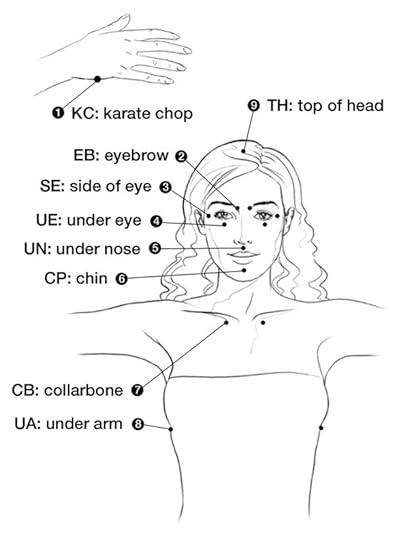
And if you’re looking for a kid-friendly EFT Tapping chart, you can find some fun diagrams to help kids learn Tapping here.
Getting to Know the 9 Main Tapping PointsToday, we are going to focus on the basics, getting more familiar with the nine points used in our traditional Tapping sequence.
We’ll start with the first point in any Tapping sequence – the Side of the Hand (also known as the Karate Chop point).
1. Side of the Hand (Karate Chop – KC)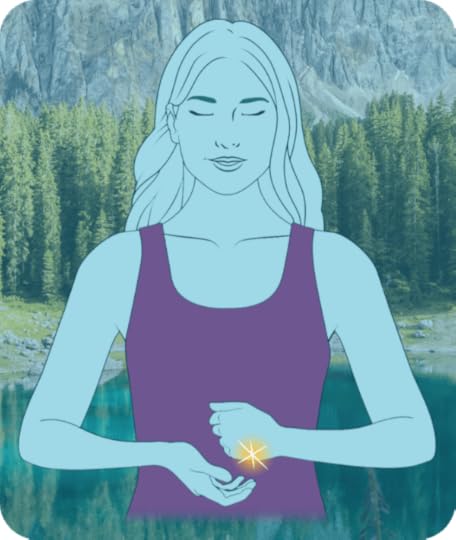 Location:
The Karate Chop point is found along the fleshy, narrow side of the hand on the side of the pinky finger. It is found on both the left and right hands, between the base of the pinky finger and the wrist. It is often referred to as the Karate Chop point, because this is the part of the hand that you would use to deliver a karate chop.
Corresponding meridian:
Small intestine
Why we use it:
Releases feeling stuck and promotes ease in moving forward, letting go, healing from grief, and becoming happy in the present moment.
Tips for Tapping:
You can tap on either hand, using the opposite hand to do the tapping. Try using several fingers from the opposite hand to tap on this point. I personally like to use all four fingers to tap along the length of the side of my hand to stimulate the Karate Chop point.
 Location:
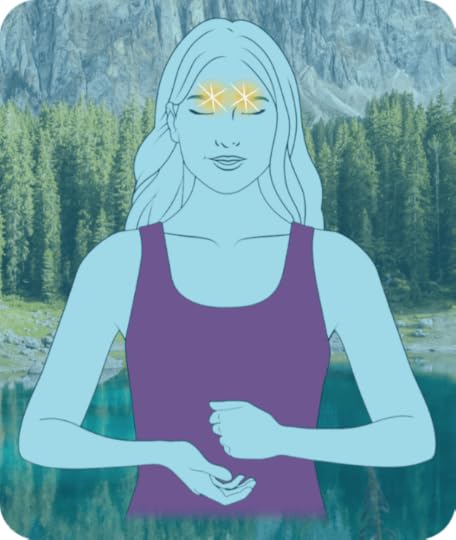
This point is where your hair begins on the inner part of your eyebrow, right on the bone there. It is found on both sides of the body, on both the left and the right brow bone.
Corresponding meridian:
Bladder
Why we use it:
Releases trauma, hurt, and sadness and promotes peace and emotional healing.
Tips for Tapping:
You can tap on both sides at once, pick just one side of the body, or alternate sides as you go along. Try using just a few fingers, like the index and middle fingers, to tap on this point.
 Location:
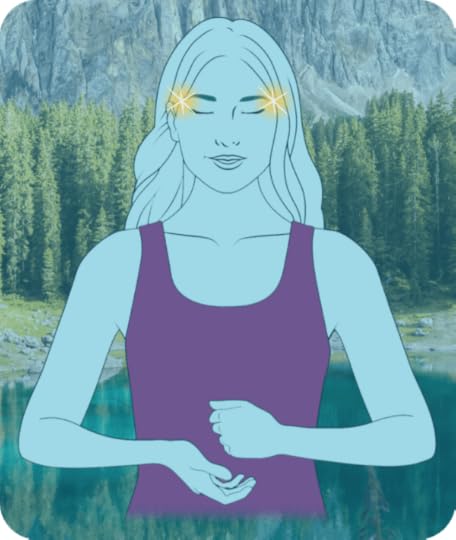
From the Eyebrow point, follow that ridge of bone from your eyebrow down to the side of the eye to find this point. Note that the Side of the Eye point is not located in the indent that is your temple; you’ll want to stay on top of the bone instead.
Corresponding meridian:
Gallbladder
Why we use it:
Releases resentment and anger and promotes clarity and compassion.
Tips for Tapping:
You can tap on both sides at once, pick just one side of the body, or alternate sides as you go along. Try using just a few fingers, like the index and middle fingers, to tap on this point.
 Location:
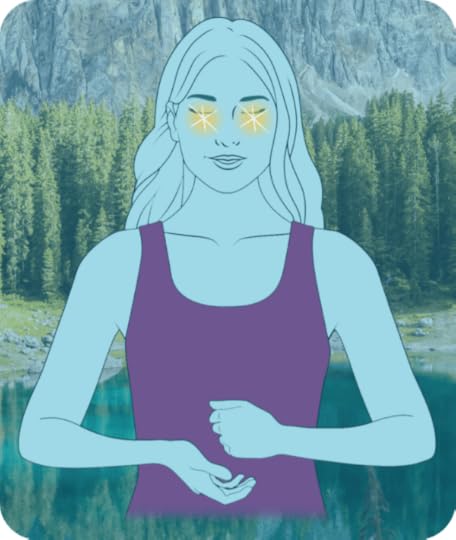
From the Side of the Eye Tapping point, follow that ridge of bone once again to come under your eye. This point is found directly under the eye, on either side of the body.
Corresponding meridian:
Stomach
Why we use it:
Releases fear and anxiety and promotes feelings of contentment, calmness, and safety.
Tips for Tapping:
You can tap on both sides at once, pick just one side of the body, or alternate sides as you go along. Try using just a few fingers, like the index and middle fingers, to tap on this point.
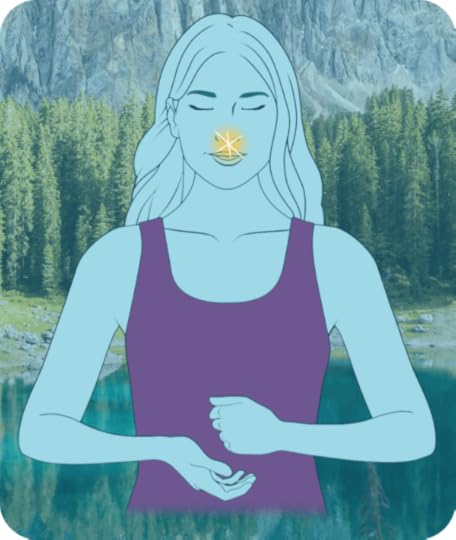 Location:
This point is found in the space between your nose and upper lip.
Corresponding meridian:
Governing Vessel
Why we use it:
Releases shame and powerlessness and promotes self-acceptance, self-empowerment, and compassion for self and others.
Tips for Tapping:
As it is a small area, try using just a few fingers (like the index and middle fingers) to reach this point for Tapping.
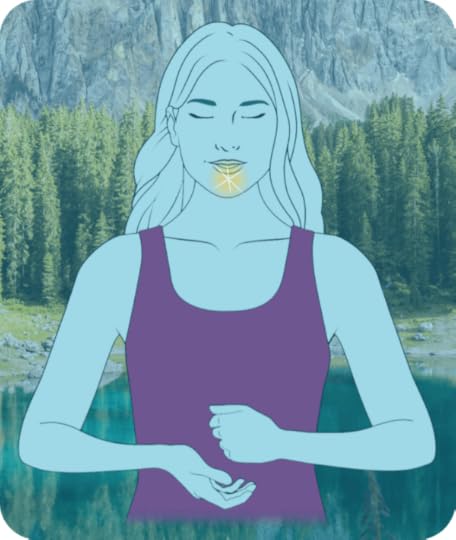 Location:
Also called the chin point (CP), this point is found in the crease between your chin and bottom lip.
Corresponding meridian:
Central
Why we use it:
Releases confusion and uncertainty and promotes clarity, certainty, confidence, and self-acceptance.
Tips for Tapping:
As it is a small area, try using just a few fingers (like the index and middle fingers) to reach this point for Tapping.
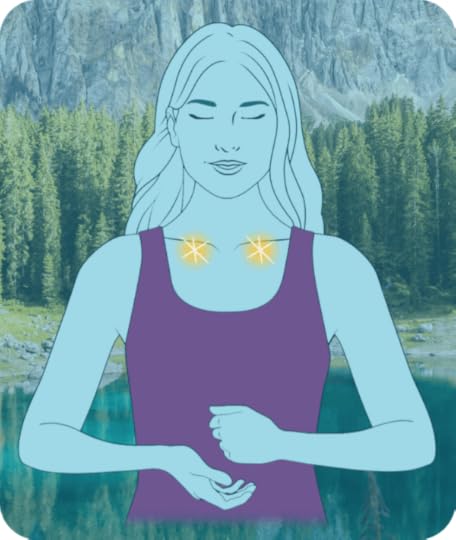 Location:
Starting from where your collarbones meet in the center (at the base of that U-shape), go down one inch and out one inch to either side to get to the Collarbone point. This Tapping point is found on both the left and right sides of the body.
Corresponding meridian:
Kidney
Why we use it:
Releases the feeling of being stuck, promotes ease in moving forward, and boosts confidence and clarity.
Tips for Tapping:
You can tap with a few fingers on either side of the body to stimulate this point. Alternatively, try taking your whole hand and tapping the entire hand across the place where a bowtie would lie. That allows you to easily stimulate this point on both sides at once without having to worry about the exact location of the point.
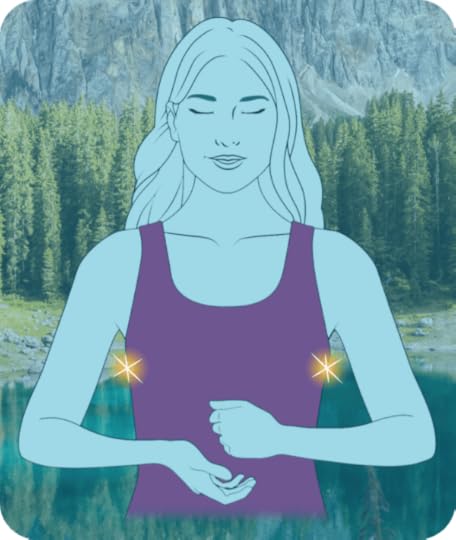 Location:
This point is located on your side, about four inches (or one hand’s width) below the armpit. That is about where a bra strap lies. It is found on both the left and right sides of the body.
Corresponding meridian:
Spleen
Why we use it:
Releases guilt, worry, and obsessing and promotes clarity, confidence, relaxation, and compassion for self and others.
Tips for Tapping:
The easiest way to stimulate this point is to use all your fingers, or your whole hand, to tap on the side of the body under your arm.
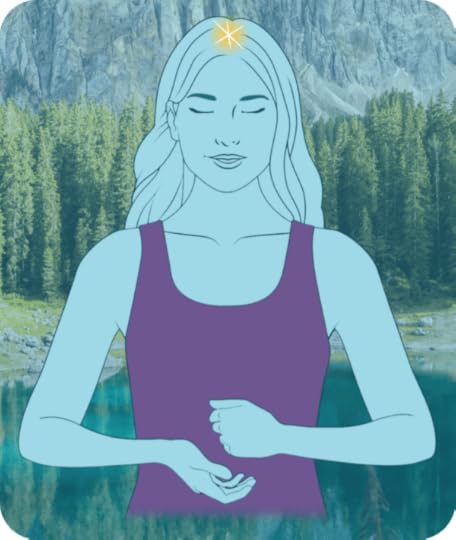 Location:
This point is right on the center of the top of your head, at the crown.
Corresponding meridian:
This isn’t necessarily one particular point, but rather a collection of many meridian points. Along with being associated with several of the meridians, the Top of the Head point is also connected to the crown chakra.
Why we use it:
Opens the crown chakra and promotes spiritual connection, while anchoring in the new balance and alignment from the tapping round that has just been completed.
Tips for Tapping:
Simply tap your hand or your fingertips at the very top of your head to stimulate this Tapping point.
Note: If you’d like to learn about some of the alternative points that are also sometimes used in Tapping, check out this article. These alternative Tapping points are great substitutes if you don’t want to touch your face, if you can’t reach certain points due to mobility issues, if you’d like to be more discreet with your Tapping process, and so on.
Putting It Into Practice: Using the Tapping Points and the EFT Tapping ChartNow that you’re more familiar with the Tapping points – where they are, what they do, and how to tap on them, it’s time to get Tapping!
By Tapping on these EFT Tapping points while maintaining mental focus on the problem at hand, you can begin to release your stress and difficult emotions, get yourself back into balance, and find a greater sense of ease and calm as you move forward.
If you are new to Tapping and want to learn more about how to Tap, you can find an introductory guide right here.
You can also head over to The Tapping Solution App, where we have a huge library of Tapping Meditations (a selection of which are free!) designed to walk you through the process and support you with a wide range of different concerns and problems.
The app gives you a handy visual of the EFT points, highlighting in real-time where to tap as you move through each guided meditation.
Until next time…
Keep Tapping!
Nick Ortner
References
Eigenschink M, Dearing L, Dablander TE, Maier J, Sitte HH. A critical examination of the main premises of Traditional Chinese Medicine. Wien Klin Wochenschr. 2020;132(9-10):260-273. Longhurst JC. Defining meridians: a modern basis of understanding. J Acupunct Meridian Stud. 2010;3(2):67-74. doi:10.1016/S2005-2901(10)60014-3The post EFT Tapping Chart: Getting to Know the 9 Main Tapping Points appeared first on The Tapping Solution.
Related posts:Surrogate Tapping with Jessica OrtnerWhen I Forget to Tap…(Going Public!)Live Q&A #2 with Nick Ortner