Nick Ortner's Blog, page 15
November 1, 2022
Tapping for Stress Relief
You’ve got responsibilities all over the place… there is always too much to do, not enough time for everything, and so many things to worry about and think about. From your personal life to your career to your family to the issues going on in your community and globally, it is a lot… and you are always just so stressed out.
Sound familiar?
I get it. Life can be overwhelming sometimes (or, maybe more accurately, most of the time!). There are a lot of little stressors we face in our daily lives, not to mention the bigger stressful life events that pile on top of our daily experiences.
While being stressed out has become status quo (and even sometimes worn as a badge of honor in modern culture), it’s also coming at a major cost, harming our mental and physical health.
And although stress isn’t necessarily something we can avoid or get rid of completely, it is something that we can learn to deal with better.
We don’t have to just push through, ignoring the fact that we are completely tense and weighed down by the pressure. We don’t have to rely on short-term forms of relief that just make us feel worse in the long run (like drinking, watching massive amounts of TV, staying up late, eating sweets, etc.). And we don’t have to settle for feeling anything less than great.
We have the power to release our stress so that it no longer runs our lives or holds us back from feeling our best.
There is a way to manage stress that really works. One that is easy to do, works like a charm, and can provide immediate and lasting results… And it’s called Tapping. Learning about Tapping for stress relief just might change your life – like it did mine!
Understanding the stress response
Now, I want to start off by saying that not all stress is bad. Sometimes, stress can be helpful. When we are truly in a dangerous situation or facing a threat of some sort, the body’s stress response kicks into action, helping us prepare to either fight, or flee, in order to stay safe.
The part of the brain controlling these survival instincts is called the amygdala. It is in charge of the stress response, something you’ve maybe heard referred to as “fight or flight.” The amygdala perceives potential threats and releases hormones and biochemicals into the body that get us ready for action.
You are probably familiar with what this feels like. Maybe you’ve been driving and almost witnessed a car crash happen right in front of you. Or maybe you’ve gotten startled by a loud noise while walking into the house at night. In a moment of stress, you might feel your heart pound in your chest, your breathing quicken and get shallow, everything in your body tighten up, sweat form on your palms, and so on. All of this prepares the body and mind to have the energy and resources it needs to protect itself from potential danger.
So, stress is normal and sometimes even helpful.
The problem is that in the modern world, the stress response is turned on way too often. Not only when we are actually in real danger, but also when we are in everyday situations. Everyday stressors can activate the amygdala, putting us into fight-or-flight mode.
The ancient survival instinct of the stress response kicks in when we are about to give a huge presentation at work, when we are stuck in a traffic jam, when we think about our finances, when we feel tension with our partner, when we are too busy… the list just keeps on going.
We live in a state of feeling like we are constantly under attack. And our body perceives even minor daily hassles and issues as real threats. Unfortunately, this comes at a real toll – and it is something we need to change.
Why stress relief techniques like Tapping are so important

Chronic stress is a major problem.
Long-term activation of the amygdala and the fight-or-flight protective mechanism takes a major toll on the body. We get overexposed to cortisol and other stress hormones, which the body just isn’t designed to handle. Stress has long-term effects on mental and physical health, contributing to everything from anxiety and depression to heart disease, digestive problems, chronic pain, weight gain, and more.[1]
Chronic stress is also a common cause of sleep problems. We are constantly primed and ready for action, which doesn’t bode well for rest, relaxation, and deep sleep.
Ultimately, stress limits our ability to feel and be our best in major ways. Beyond physical and mental health effects, it also gets in the way of thinking clearly, it clouds our decision-making process, and it holds us back from doing the things we want to do to create the life of our dreams.
When we are stressed, we aren’t likely to do the things in our lives that we know are going to propel us forward and help us live a life that we absolutely love.
If you feel stressed out all of the time and have signs and symptoms of stress, then it is time to make a change. It’s time to take back the reins and learn how to reduce stress with a technique that really works: Tapping!
Tapping for stress relief: one of the best ways to relieve stress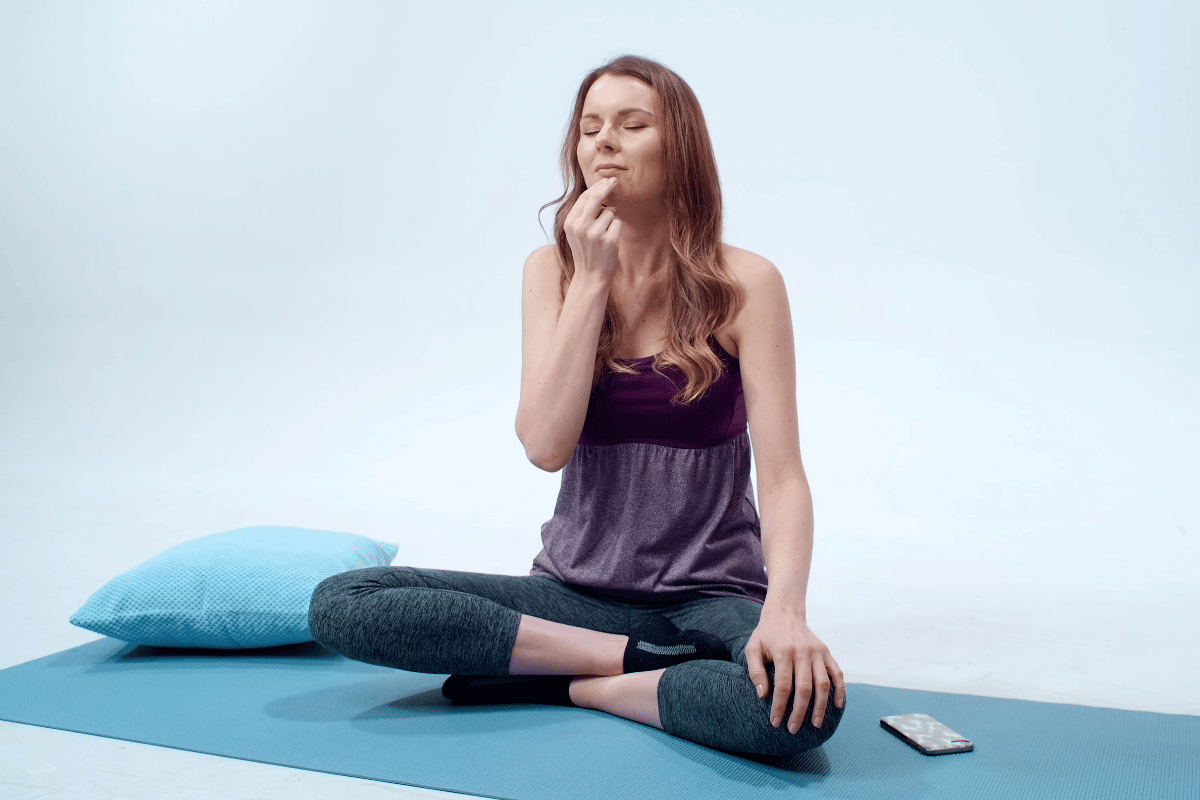
Tapping, also known as EFT (Emotional Freedom Technique), is a powerful stress relief technique. It is based on the combined principles of ancient Chinese acupressure and modern psychology.
The Tapping method involves focusing on whatever may be causing you stress, while at the same time using your fingertips to tap on nine specific meridian points along the body. These points correspond to traditional Chinese medicine acupressure points. Tapping on the points sends calming signals to the brain, letting it know it is safe to relax.
The process of tapping on the EFT tapping points while speaking or thinking about your stressors helps your brain to understand that you are not in real physical danger, and that you are safe to relax. Ultimately, Tapping regulates activity in the brain and helps to turn off that fight-or-flight stress response from the amygdala.
This disrupts the pattern of chronic stress that we so often fall into, allowing the brain to rewire and find a more productive, appropriate response to the challenges that come our way.
As a stress relief activity, Tapping can work wonders. In just minutes, you can go from feeling totally overwhelmed to feeling calm, balanced, and at ease. I truly can’t tell you how many thousands of people I’ve seen try out Tapping, and have their lives transformed because of it.
It can work faster, and have longer lasting effects, than other (also wonderful and useful) tools like deep breathing, meditation, yoga, and so on. Tapping really produces true, profound breakthroughs when it comes to managing stress and anxiety.
EFT Tapping is a proven stress relief technique
What is very exciting is that we no longer have to rely only on anecdotal reports to confirm the validity and effectiveness of Tapping. There is a bunch of clinical research on EFT Tapping for stress that provides measurable evidence of what so many of us already know: Tapping really does work!
Studies in a variety of populations, such as university students, healthcare workers, business owners, and lawyers, have all found that EFT Tapping techniques help people to significantly reduce their stress.[2-6]
And the research also shows that Tapping is actually able to turn down the biological stress response in the body, helping our brains and bodies to get out of fight-or-flight and stay more balanced. A groundbreaking study in 2012 led by Dr. Dawson Church found that EFT tapping was able to significantly decrease cortisol levels (the stress hormone), and that it had bigger effects on cortisol compared to traditional talk therapy or resting.[7]
In 2020, Dr. Peta Stapleton led a study that looked to replicate those same results from Dr. Church’s study. And incredibly, this time the researchers found an even greater reduction in cortisol. They found that EFT Tapping for stress could reduce cortisol levels by 43% after just one hour.[8]
Other studies have found Tapping to help reduce heart rate and blood pressure along with cortisol, too.[9]
We’ve done studies using our own app, the Tapping Solution App, as well. We’ve analyzed the data and found that on average, users report a 31% reduction in stress after a guided Tapping meditation session.[10] That means that you can tune into a short meditation, be guided through some tapping, and feel significantly less stressed afterwards.
How to do Tapping for stress relief for yourself
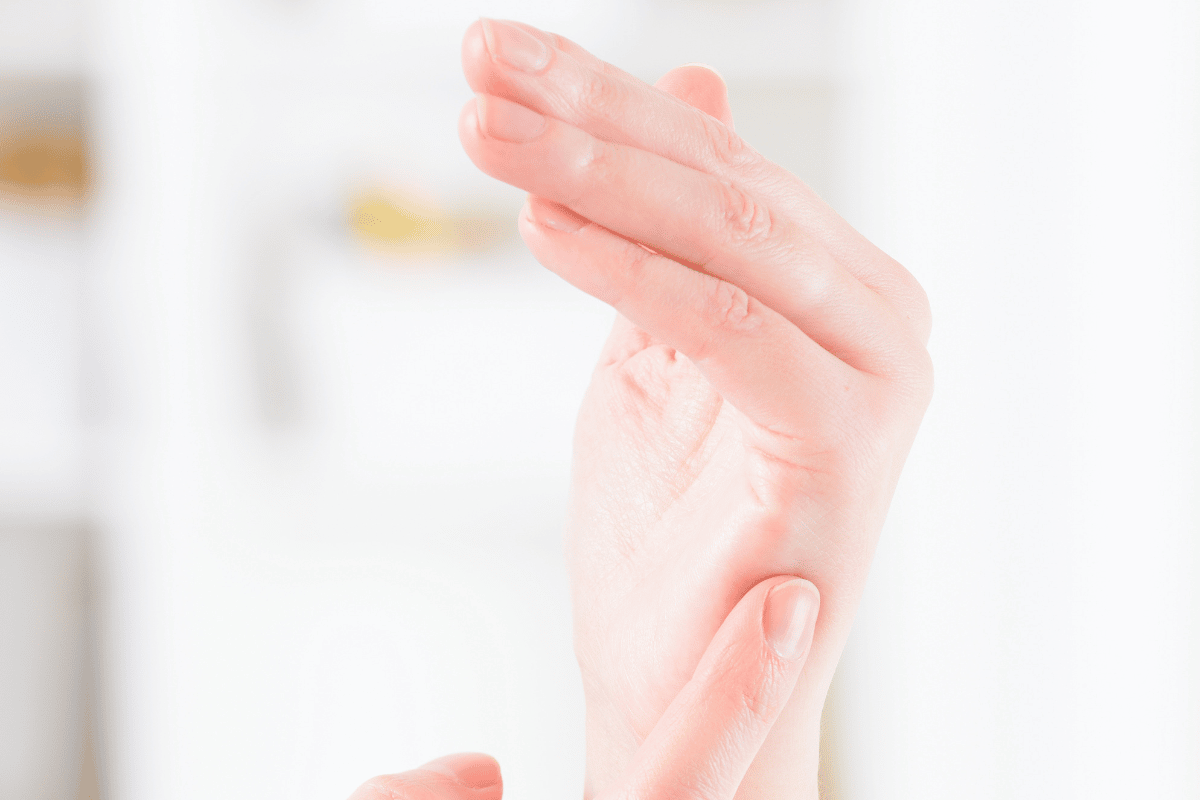
If you want to learn how to reduce stress, how to reduce cortisol, and how to start living your best life, then it’s time to give Tapping a try.
Tapping is a simple way to release stress, but it’s a very powerful one. It allows you to turn down the dial on the stress response, so that you can finally get out of that endless pattern of being stuck in fight-or-flight all the time.
It’s easy to learn, you can do it all on your own in the comfort of your home, and it can help provide nearly instant stress relief in just minutes.
And plus, Tapping has been proven by the research to be extremely effective in mediating the stress response… helping us to release our stress and create room for positive change in our lives!
It doesn’t get much better than that: a stress relief tool that is easy to use, extremely effective, and backed up by the science, too?
If you want to give this amazing way to relieve stress a try, head over to our app, The Tapping Solution App. There you can learn more about Tapping and how to Tap, and be guided through simple and enjoyable Tapping meditations for anxiety and stress that will help you to feel better right away.
Here are just a few of the many Tapping meditations for stress and anxiety relief available in the app:
I’m Stressed About the WorldReleasing AnxietyI’m Stressed About WorkNervous Tension & Stress ReleaseTurn Your Day Around: Evening Stress ReliefReleasing Morning StressYou can also explore the app to find a wide range of topic-specific meditations to help you release stress from things like finances, politics, family, health, insomnia, coronavirus, and more.
For a deeper dive into Tapping for stress relief, check out my book The Tapping Solution: A Revolutionary System for Stress-Free Living.
And if you want to just give it a try right now, head to this link for a 15-minute Releasing Stress and Anxiety Tap-Along!
Happy Tapping!
References
“Chronic stress puts your health at risk.” Mayo Clinic. July 08, 2021.Banerjee P, Puri A, Luqman, N. Emotional Freedom Technique: An alternative therapy in destressing. International Journal of Application or Innovation in Engineering and Management (IJAIEM), 2015;4(9):19–26.Patterson SL. The effect of emotional freedom technique on stress and anxiety in nursing students: A pilot study. Nurse Educ Today. 2016;40:104-110. doi:10.1016/j.nedt.2016.02.003Dincer B, Inangil D. The effect of Emotional Freedom Techniques on nurses’ stress, anxiety, and burnout levels during the COVID-19 pandemic: A randomized controlled trial. Explore (NY). 2021;17(2):109-114. doi:10.1016/j.explore.2020.11.012Church, D. and David, I. (2019) Borrowing Benefits: Clinical EFT (Emotional Freedom Techniques) as an Immediate Stress Reduction Skill in the Workplace. Psychology. 2019;10:941-952. doi:10.4236/psych.2019.107061.Christina D, Panagiotis K, Liza V, George CP. Stress management for the treatment of sleep disorders in lawyers: Pilot experimental study in Athens, Hellas. Journal of Sleep Disorders: Treatment and Care 2016;5(2). doi:10.4172/2325-9639.1000171Church D, Yount G, Brooks AJ. The effect of emotional freedom techniques on stress biochemistry: a randomized controlled trial. J Nerv Ment Dis. 2012;200(10):891-896. doi:10.1097/NMD.0b013e31826b9fc1Stapleton P, Crighton G, Sabot D, O’Neill HM. Reexamining the effect of emotional freedom techniques on stress biochemistry: A randomized controlled trial. Psychol Trauma. 2020;12(8):869-877. doi:10.1037/tra0000563Bach D, Groesbeck G, Stapleton P, Sims R, Blickheuser K, Church D. Clinical EFT (Emotional Freedom Techniques) Improves Multiple Physiological Markers of Health. J Evid Based Integr Med. 2019;24:2515690X18823691. doi:10.1177/2515690X18823691“Science, Data, & Research: Tapping Research Studies.” The Tapping Solution. 2021. https://tappingsolution.s3.amazonaws.com/APP/Marketing/TS-Science-Data-Research.pdfRelated posts: Some Inspiration for You
 Tapping Research: EFT Found to Be Effective Intervention for Young Adults with Suicidal Ideation
 The Links Between Pain, Stress, and Emotions – And How You Can Help Yourself Break Free


October 27, 2022
Why It’s Important to Be Brave and Take Risks
Doing things when we can’t predict the outcome is scary. And sometimes that fear of the unknown can hold us back from trying things in the first place.
But taking risks, trying new things, and stepping into the unknown is where a lot of the magic in life happens.
So, in many cases, we need a little prodding to do things anyways… even when we aren’t sure how they will turn out. We often need some encouragement to take risks, to take chances, and to do scary things in service of a fuller, more meaningful life!
Today, I wanted to share a few of my favorite quotes that help me remember to be brave and take risks. I hope these words of wisdom can inspire you today to keep leaping into the beautiful unknown.
“If you risk nothing, then you risk everything.” – Geena Davis“Our lives improve only when we take chances.” – Walter Anderson
“To live, to truly live, we must be willing to risk. To be nothing in order to find everything. To leap before we look.” – Mandy Hale
“Taking risks to create the life you want is an act of trust. It means believing in your ability to create a new reality while you are in the process of creating it.” – Gina Greenlee
“A ship is always safe at the shore but that is not what it is built for.” – Albert Einstein
Remember: you are meant for a full life. You are meant to truly live. And a full, true life involves taking chances and taking risks… It involves taking leaps of faith and trusting yourself to build a beautiful life from whatever comes.
Today, I hope that you can exercise your muscles of bravery and risk taking. Even if it is in a very small way!
Can you say something you’ve been holding back? Can you try a new recipe that stretches your comfort zone in the kitchen? Can you speak up in a meeting to share a new and innovative idea? Can you do something important to you, even if you don’t know how it will turn out?
Cheers to a brave day full of putting ourselves out there in meaningful, important ways. We’ve got this!
Until next time…
Keep Tapping!
Nick Ortner
Related posts:
Some Inspiration for YouTapping Research: EFT Found to Be Effective Intervention for Young Adults with Suicidal IdeationThe Links Between Pain, Stress, and Emotions – And How You Can Help Yourself Break Free
Anxious About an Upcoming Surgery? Research Shows Tapping Can Help
Surgery can be a really scary thing for many people. And it’s normal to feel worried and nervous about how the procedure will go and how you’ll do. In fact, anxiety is one of the most common reactions for anyone who is getting ready to go into the operating room for a procedure.
If you have a surgery coming up, it might feel like there is nothing you can do about the nerves. It might feel impossible to not feel stressed and anxious the days, hours, and minutes before you go under.
But what would you say if told you that there was an evidence-based tool that is proven to help reduce pre-surgery anxiety? And what would you say if I told you that it can be done on your own at home, or in the hospital waiting room, and take only a few minutes in total?
I’m talking about Tapping – a simple technique that can do wonders to create more ease as you prepare for and recover from your surgery (you can learn more about Tapping and how it works here).
Research shows that people who practice EFT Tapping prior to surgery experience significant reductions in their anxiety levels, so that they can head into surgery feeling less anxious and more at ease.
Just two 10-minute Tapping sessions can significantly reduce surgical anxiety

A 2017 study published in the Energy Psychology Journal provided some amazing insights into the benefits of Tapping for people undergoing surgery. The researchers wanted to know whether or not EFT Tapping could help people to feel less anxious before a surgery.[1]
The study included 50 women scheduled for obstetric and gynecological surgeries who had moderate to severe levels of anxiety before their surgical procedure.[1]
The women were divided into two groups: an experimental group and a control group. The participants in the experimental group did two 10-minute sessions of EFT Tapping – one the day before surgery and the other the day of surgery. The control group received the usual, standard treatment before surgery, but did not received the additional EFT Tapping treatment prior to their procedure.[1]
Anxiety levels were assessed in both groups before the intervention and then reassessed after the intervention, right before surgery. At the start, the two groups had similar levels of anxiety. But while the control group did not have any change in anxiety levels leading up to surgery, the researchers found that the group who did two sessions of EFT Tapping experienced a huge decrease in anxiety scores. Immediately before surgery, their anxiety was much, much lower than it was to start.[1]
The researchers categorized the decrease as “highly significant,” and concluded that Tapping should be considered a simple, cost-effective, evidence-based method to reduce anxiety in patients undergoing surgery.[1]
Managing pre-surgery jitters can actually lead to better outcomes
Reducing anxiety prior to surgery doesn’t just help you feel better and more calm going into the operating room. It’s actually really important to set yourself up for healing after the procedure as well.
Research studies have shown that higher levels of anxiety prior to surgery are associated with poorer postoperative outcomes.[2,3] So the more anxious you are heading into surgery, there’s a higher chance your recovery won’t be as smooth.
That’s why techniques like Tapping that help you to ease your anxiety are SO important. They don’t just help you to feel better day of and calm your nerves, but they also have the potential to prepare you for better outcomes and healing after your surgery as well.
Pretty powerful, right?
And remember – Tapping doesn’t even take a lot of time. This technique is easy, doesn’t have to cost you anything, and can be done in the comfort of your own home or even in the hospital waiting room.
As simple and easy as it is, Tapping just might make all the difference for you as you make your way through your surgery and head towards healing.
Tapping your way into a calm, smooth surgery

Wouldn’t you love to feel calm and balanced heading into the hospital for your procedure? Wouldn’t it be amazing to help your brain and body get out of a state of stress and into a state of healing even before your surgery begins? Wouldn’t it be incredible to know you could lean on a simple technique to set yourself up for the best surgery experience possible?
That can be your reality. And Tapping can help you to make it happen.
Tapping sends calming signals to the brain so that your brain and body can release stress and anxiety and move into a calmer state that will promote healing. To learn more about how Tapping works, what it does in the body, and how to do it, head here.
If you haven’t already, I encourage you to check out The Tapping Solution App. In the app, we have three guided Tapping meditations created specifically for preparing and recovering from surgery:
Preoperative: Prepare for a Successful SurgeryPostoperative: A Smooth RecoveryPostoperative: Deepen Your HealingThe next time you have a surgery, try using these meditations in the days leading up to your surgery, and then after as well. My hope is that they can help you to release your anxiety, support your body in slipping a state of healing, and set you up for a smooth, positive surgery experience.
Until next time, this is Nick Ortner.
Keep Tapping!
References
Thomas R, Cutinho S, Aranha D. Emotional Freedom Techniques (EFT) reduces anxiety among women undergoing surgery. Energy Psychol. 2017;9(1):18-25.Zemła AJ, Nowicka-Sauer K, Jarmoszewicz K, Wera K, Batkiewicz S, Pietrzykowska M. Measures of preoperative anxiety. Anaesthesiol Intensive Ther. 2019;51(1):64-69. doi:10.5603/AIT.2019.0013Geoffrion R, Koenig NA, Zheng M, et al. Preoperative Depression and Anxiety Impact on Inpatient Surgery Outcomes: A Prospective Cohort Study. Annals of Surgery Open. 2021;2(1):e049.Related posts: It’s Measurable: Tapping Reduces the Body’s Stress Hormones
 Research: Tapping Ranks as One of the Most Effective Treatments for PTSD in Young PeopleThe Links Between Pain, Stress, and Emotions – And How You Can Help Yourself Break Free
October 26, 2022
10 Reminders That All Is Well
Each time I Tap, I am continually amazed at the way it helps me to calm down, find peace, and relax into trusting that all is well.
Tapping helps me to remember that I am safe, and that I am okay. It helps me trust that all is well… even though I may be experiencing strong emotions, even though stressful events may be unfolding, even though things aren’t perfect, and even though I may be struggling.
No matter how you are feeling, or what kind of situation you find yourself in – it is always helpful to remind yourself of that truth.
Here are some of my favorite affirmations to help me tap into that sense of trust and connect with that feeling of safety, comfort, peace, and grounding that is so calming and helpful.
All is well.
No matter what is happening… I am safe.
Things do not need to be perfect in order for me to be okay.
Even though I may be stressed, worried, or anxious… all is well.
I choose to feel a sense of calm and ease in my body now.
I give my brain and body permission to relax in this moment.
I trust that I have the resources within me to cope with challenges.
Whatever comes my way, I can choose to respond with grace and strength.
Everything is working out in my favor.
I can relax into knowing that no matter what, I will be okay.
Remember: no matter what is going on for you today, you can relax into trusting that all is well.
Which one of these reminders did you need to hear most today?
Until next time…
Keep Tapping!
Nick Ortner
Related posts:Some Inspiration for YouTapping Research: EFT Found to Be Effective Intervention for Young Adults with Suicidal IdeationThe Links Between Pain, Stress, and Emotions – And How You Can Help Yourself Break Free
October 25, 2022
The Links Between Pain, Stress, and Emotions – And How You Can Help Yourself Break Free
If you are in pain, you are probably all too familiar with the stress, overwhelm, frustration, and other difficult emotions that can go along with it. Pain can be all-consuming and completely debilitating, and it can affect all areas of your life.
Unfortunately, many people who experience pain find themselves in a vicious cycle. You see, pain contributes to stress and difficult emotions, but stress and difficult emotions can also contribute to pain. This cycle can be hard to find your way out of – but hope is possible!
Researchers now know that when we actively address the links between pain, stress, and emotions, we have the power to break free and finally find relief.
Let’s take a closer look at the connections between pain, stress, and emotions, and learn how the power of Tapping can help you to better manage or even eliminate your pain.
Pain, stress, and challenging emotions often coexist
It is not uncommon for people with pain to experience stress or mental health concerns, and the same is true vice versa.
The overlaps between stress, emotional experiences, and pain are well documented in the scientific research. For example:
People with depression are three times as likely to develop chronic pain, and people with chronic pain are also three times as likely to develop depression.[1]Severe stress is linked to an almost three times increased risk of chronic low back pain.[2]PTSD is significantly more prevalent in people with chronic pain than the general population.[3]Anxiety, depression, and mood disorders are more common in people with arthritis than the general population.[4]And that’s just a small sampling of the data. Many different studies show strong correlations between painful conditions and stress, depression, anxiety, and difficult emotions.[5]
Pain can cause stress, but stress can also cause pain

We’ve all experienced pain at some point in our lives, and we all know how distressing it can be to be in pain. Especially when pain is very severe or long-lasting, it can take a major toll on your mental and emotional state.
So, it’s not surprising that pain can lead to stress or difficult emotions in a person’s life and even contribute to conditions like anxiety or depression.
But what you might not realize is that the opposite is also true. While pain can contribute to stress, stress can also be a major contributor to pain. In fact, body aches and pains (like headaches, back pain, and neck pain) are some of the most well-known physical symptoms of emotional stress.[6]
There are several different ways in which stress and emotional states can influence our physical body and lead to pain.
For example, when we are under stress our muscles tense up, which over time can lead to significant pain.[7] The experience of stress and strong negative emotions also activates the stress response in the body, which in turn can trigger things like inflammation.[8] In addition, there are many other biological processes and chemical pathways that link stress and emotions to pain.[5,9]
Repressed emotions can play a major role in chronic pain
As we’ve learned already, there are strong links between stress, emotions, and physical pain.
But it’s not just the obvious emotions that we have big reactions to that can influence pain. Researchers are also finding that the feelings we deny, push away, or hide can also be problematic when it comes to pain.
Often, it can feel easier, better, and even safer to avoid a hard emotion instead of fully experiencing it. And while this is an understandable reaction to life’s many challenges (and an extremely common one at that), experts are beginning to learn more and more about how unresolved and repressed emotions affect the body.
When we avoid or push our emotions away and don’t let ourselves feel them, it can actually result in physical effects. Repressed emotions appear to be a barrier to good health and may even shorten our lifespans.[10,11]
One of the risks of suppressing our emotions is increased pain. In fact, inappropriate emotional regulation is a risk factor for developing chronic pain.[12] Emotional suppression, and the desire to express an emotion but failing to do so, has been linked to more severe pain.[13,14] Holding back emotions is also linked to worry, rumination, and helpless feelings regarding pain.[13]
Essentially, the more we avoid and push away our feelings, the more likely we are to experience pain.
What is important to understand about emotional suppression and pain is that it’s not just the big stuff and the major life stressors that are important; the little stuff can make an impact on our health too. Studies suggest that even lingering negative emotions from minor daily stressors can impact our health a decade later.[15]
But the good news is that when we address and express our emotions (whether from big life events or small daily hassles, whether from the past or the current day), we have the power to improve our health and find relief from symptoms like pain.
The healing potential of addressing your stress and emotions
As we’ve covered so far, it is clear that stress and emotions can contribute to and exacerbate physical pain. But there is great news to be found here; by empowering yourself with this information, you can take charge of the healing process and support your body in breaking free from pain.
Researchers have found time and time again that strategies that help people to reduce stress and accept, express, reappraise, and manage emotions can help them to reduce pain and improve their ability to function.[7,10,13,16-18]
Cognitive behavioral therapy (CBT), emotional awareness training, acceptance-based therapies, stress-reduction techniques, and relaxation strategies are all effective in reducing pain, reducing muscle tension, improving mood, and improving function in people with chronic pain.[7,16,17,19]
Ultimately, researchers believe that people who are able to authentically express and manage their feelings are also able to find more relief from discomfort and pain.[10,19]
I encourage you to take that information in for a moment. There is a whole bunch of evidence showing that when you learn to manage stress and emotions, you can find significant relief from pain and discomfort. How inspiring and hopeful is that?
It is possible to break free from your pain. And luckily, you can fill your toolbox with a variety of therapies, practices, and tools to help you on this journey to pain relief.
Tapping: an important tool to add to your pain relief toolbox

If you are looking for a safe, inexpensive, effective technique that has amazing results when it comes to relieving pain, then you’ll want to give Tapping a try. That’s because Tapping is designed to help you address and release emotions and stressors, like the ones that may be connected to your pain.
Tapping helps us to calm down the brain, release stress, and let go of pent-up emotions. As a result, Tapping helps the brain to relax and to turn down signals that lead to difficult symptoms like pain in our bodies.[20-22] Just as an example, research has shown Tapping to decrease the stress hormone cortisol that can trigger inflammation.[20]
Interested in learning more about the science behind Tapping? Go here.
Research suggests that Tapping can help reduce pain
Now every person is unique, and so is their pain. And there aren’t any broad promises that can be made about how Tapping will work for you. But I can tell you that I have seen the powerful effects of Tapping for pain over and over again in my career.
In addition to all the personal experiences I’ve witnessed throughout the years, there’s also a whole body of research that supports the use of Tapping for pain relief.
Studies have shown it to help reduce pain in veterans with PTSD, healthcare workers, the general public, and people with chronic back pain, fibromyalgia, and “frozen shoulder” syndrome for example.[23-28]
And Tapping isn’t just helpful for the symptom of pain itself. Tapping has also been shown to help people feel more in control of their pain, cope better, and find relief from the psychological effects linked to pain such as stress, anxiety, and depression.[23,29]
So, whether you are looking for instant pain relief, are hoping to address stress or frustration over your symptoms, or want to help your brain and body relax so that you can restore your health from the inside out – Tapping can support you.
Head to the Tapping Solution app to try Tapping for yourself
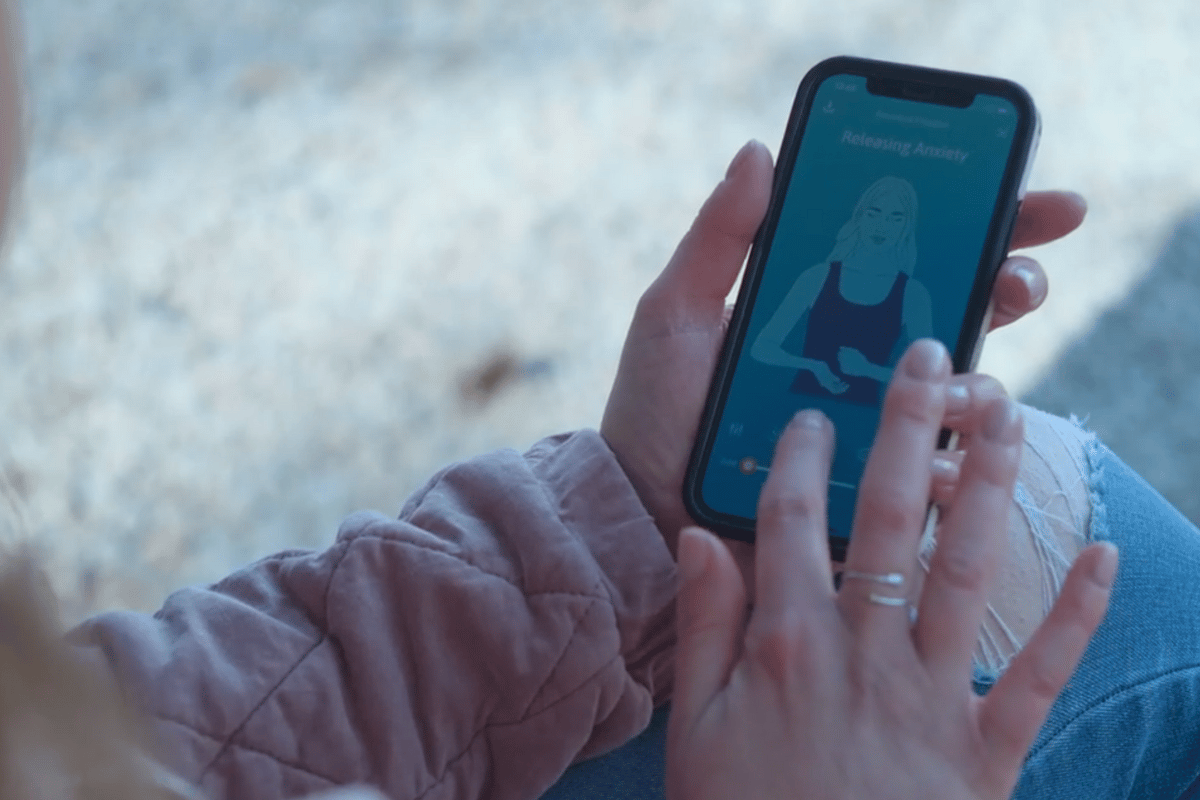
Tapping is a simple, easy technique that you can learn to do from the comfort of your own home whenever you need to relax, find peace, release emotions or thoughts, and get relief from physical symptoms.
If you are new to Tapping, don’t worry. We’ve gathered all the resources you need within the Tapping Solution App to help you learn the basics, get started, and begin to break free from your pain.
In the app, you’ll find Tapping meditations that can help you to:
Find relief from painful symptomsRelease stress and chronic tensionExpress repressed or hidden emotionsAcknowledge the frustration of living with painAddress the impact of events past or presentExplore your diagnosis and when symptoms first appearedVisualize yourself pain-freeOur 5-Day Pain Relief Challenge is a great place to start. In this challenge, you’ll learn more about the connections between stress and pain, release emotions you might be suppressing about your pain, and explore how Tapping can help you to reduce or eliminate your pain.
Remember, you have the power to break the cycles of pain, stress, and difficult emotions in your life. Healing is possible, and you can break free!
Head to the app now to get started.
References
Girardi A, Curran MS. The comorbidity of chronic pain and depression. Nursing Made Incredibly Easy. 2019;17(2):50-54. doi:10.1097/01.NME.0000553093.86208.b7.Choi S, Nah S, Jang HD, Moon JE, Han S. Association between chronic low back pain and degree of stress: a nationwide cross-sectional study. Sci Rep. 2021;11(1):14549. Published 2021 Jul 15. doi:10.1038/s41598-021-94001-1.Akhtar E, Ballew AT, Orr WN, Mayorga A, Khan TW. The Prevalence of Post-Traumatic Stress Disorder Symptoms in Chronic Pain Patients in a Tertiary Care Setting: A Cross-Sectional Study. Psychosomatics. 2019;60(3):255-262. doi:10.1016/j.psym.2018.07.012.“Chronic Pain.” Anxiety and Depression Association of America. Adaa.org. https://adaa.org/understanding-anxiety/related-illnesses/other-related-conditions/chronic-painLunde CE, Sieberg CB. Walking the Tightrope: A Proposed Model of Chronic Pain and Stress. Front Neurosci. 2020;14:270. Published 2020 Mar 26. doi:10.3389/fnins.2020.00270.“Emotional Stress: Warning Signs, Management, When to Get Help.” Cleveland Clinic. Clevelandclinic.org. https://my.clevelandclinic.org/health/articles/6406-emotional-stress-warning-signs-management-when-to-get-help“Stress effects on the body.” American Psychological Association. Apa.org. https://www.apa.org/topics/stress/bodyGraham-Engeland JE, Song S, Mathur A, et al. Emotional State Can Affect Inflammatory Responses to Pain Among Rheumatoid Arthritis Patients: Preliminary Findings. Psychol Rep. 2019;122(6):2026-2049. doi:10.1177/0033294118796655.“The pain-anxiety-depression connection.” Harvard Medical School. 2010. Health.harvard.edu. https://www.health.harvard.edu/healthbeat/the-pain-anxiety-depression-connectionPatel J, Patel P (2019) Consequences of Repression of Emotion: Physical Health, Mental Health and General Well Being. International Journal of Psychotherapy Practice and Research. 2019;1(3):16-21. doi:10.14302/issn.2574-612X.ijpr-18-2564.... BP, Fiscella K, Kawachi I, Duberstein P, Muennig P. Emotion suppression and mortality risk over a 12-year follow-up. J Psychosom Res. 2013;75(4):381-385. doi:10.1016/j.jpsychores.2013.07.014.Koec... H, Coakley R, Schechter N, Werner C, Kossowsky J. The role of emotion regulation in chronic pain: A systematic literature review. J Psychosom Res. 2018;107:38-45. doi:10.1016/j.jpsychores.2018.02.002.Ghan... O, Gallant NL, Hadjistavropoulos T, Williams J, Clark DA. The Relationship Between the Pain Experience and Emotion Regulation in Older Adults. Pain Med. 2020;21(12):3366-3376. doi:10.1093/pm/pnaa135.Wang C, Wong CCY, Lu Q. The Pain of Ambivalence over Emotional Expression. Int J Behav Med. 2018;25(2):216-222. doi:10.1007/s12529-017-9696-6.Leger KA, Charles ST, Almeida DM. Let It Go: Lingering Negative Affect in Response to Daily Stressors Is Associated With Physical Health Years Later. Psychol Sci. 2018;29(8):1283-1290. doi:10.1177/0956797618763097.Lumley MA, Schubiner H, Lockhart NA, et al. Emotional awareness and expression therapy, cognitive behavioral therapy, and education for fibromyalgia: a cluster-randomized controlled trial. Pain. 2017;158(12):2354-2363. doi:10.1097/j.pain.0000000000001036.Yarns BC, Lumley MA, Cassidy JT, et al. Emotional Awareness and Expression Therapy Achieves Greater Pain Reduction than Cognitive Behavioral Therapy in Older Adults with Chronic Musculoskeletal Pain: A Preliminary Randomized Comparison Trial. Pain Med. 2020;21(11):2811-2822. doi:10.1093/pm/pnaa145.Haspert V, Wieser MJ, Pauli P, Reicherts P. Acceptance-Based Emotion Regulation Reduces Subjective and Physiological Pain Responses. Front Psychol. 2020;11:1514. Published 2020 Jun 30. doi:10.3389/fpsyg.2020.01514.Lumley MA, Schubiner H. Emotional Awareness and Expression Therapy for Chronic Pain: Rationale, Principles and Techniques, Evidence, and Critical Review. Curr Rheumatol Rep. 2019;21(7):30. Published 2019 May 23. doi:10.1007/s11926-019-0829-6.Church D, Yount G, Brooks AJ. The effect of emotional freedom techniques on stress biochemistry: a randomized controlled trial. J Nerv Ment Dis. 2012;200(10):891-896. doi:10.1097/NMD.0b013e31826b9fc1.Andrade J, Feinstein D. Energy Psychology: Theory, Indications, Evidence. In: David Feinstein, Energy Psychology Interactive. Innersource, 2004.The Science and Research. The Tapping Solution. Thetappingsolution.com. Accessed July 30, 2021.Ortner N, Palmer-Hoffman J, & Clond MA. Effects of Emotional Freedom Techniques (EFT) on the reduction of chronic pain in adults: A pilot study. Energy Psychology: Theory, Research, and Treatment, 2014;6(2):14–21.doi:10.9769.EPJ.2014.6.2.NO.Geronilla L, Minewise L, Mollon P, McWilliams M, Clond M. EFT (Emotional Freedom Techniques) Remediates PTSD and Psychological Symptoms in Veterans: A Randomized Controlled Replication Trial. Energy Psychology Journal. 2016;8(2):29-41.Bach D, Groesbeck G, Stapleton P, Sims R, Blickheuser K, Church D. Clinical EFT (Emotional Freedom Techniques) Improves Multiple Physiological Markers of Health. J Evid Based Integr Med. 2019;24:2515690X18823691. doi:10.1177/2515690X18823691.Church, D., & Brooks, A. J. (2010). The effect of a brief EFT (Emotional Freedom Techniques) self-intervention on anxiety, depression, pain and cravings in healthcare workers. Integrative Medicine: A Clinician’s Journal, 2010;9(5):40-44.Church D, Nelms J. Pain, Range of Motion, and Psychological Symptoms in a Population With Frozen Shoulder: A Randomized Controlled Dismantling Study of Clinical EFT (Emotional Freedom Techniques). Archives of Scientific Psychology, 2016;4(1):38-48. http://dx.doi.org/10.1037/arc0000028...., G. (2008). Self-administered EFT (Emotional Freedom Techniques) in individuals with fibromyalgia: A randomized trial. Integrative Medicine: A Clinician’s Journal, 2008;7(4):30-35.Stapleton P, Chatwin H, Sheppard L, & McSwan, JThe lived experience of chronic pain and the impact of brief Emotional Freedom Techniques (EFT) group therapy on coping. Energy Psychology: Theory, Research, and Treatment, 2016;8(2):18–28.Related posts:
Research: Tapping Ranks as One of the Most Effective Treatments for PTSD in Young People Research Study Spotlight: Tapping Away Cognitive Impairment from Cancer
 Research Spotlight: The Incredible Benefits of a Tapping-Based Meditation Technique
October 20, 2022
Study Finds Tapping Can Bring Big Relief to College Students with Depression
While it can be an incredibly exciting new adventure, college can also be a tough time for many young adults. They are living on their own for the first time and may struggle to juggle many different responsibilities, keep up with the demands of their classwork, and feel socially connected and supported in a new environment.
All of that, along with the additional challenges of today’s world and all the uncertainty and unrest within it, can really take a toll on the mental and emotional wellbeing of college students. A staggering amount of college students experience mental health challenges, including depression. A nationwide survey from the winter of 2021 found that 41% of college students experience either moderate or major depression. That is a really high number – and it seems that these numbers continue to be on the rise with each passing year.[1] Clearly, the mental health of college students is a concern that needs to be addressed.
What many people don’t know is that there is a simple, easy tool that has been found to be very effective in treating depression among college students. It’s called Tapping!
Today, I want to tell you about a research study on EFT Tapping in college students with depression that showed some very promising results.[2]
But first, let’s quickly go over what Tapping is so we can better understand how it can support people with depression.
What is Tapping and what does it have to do with depression?
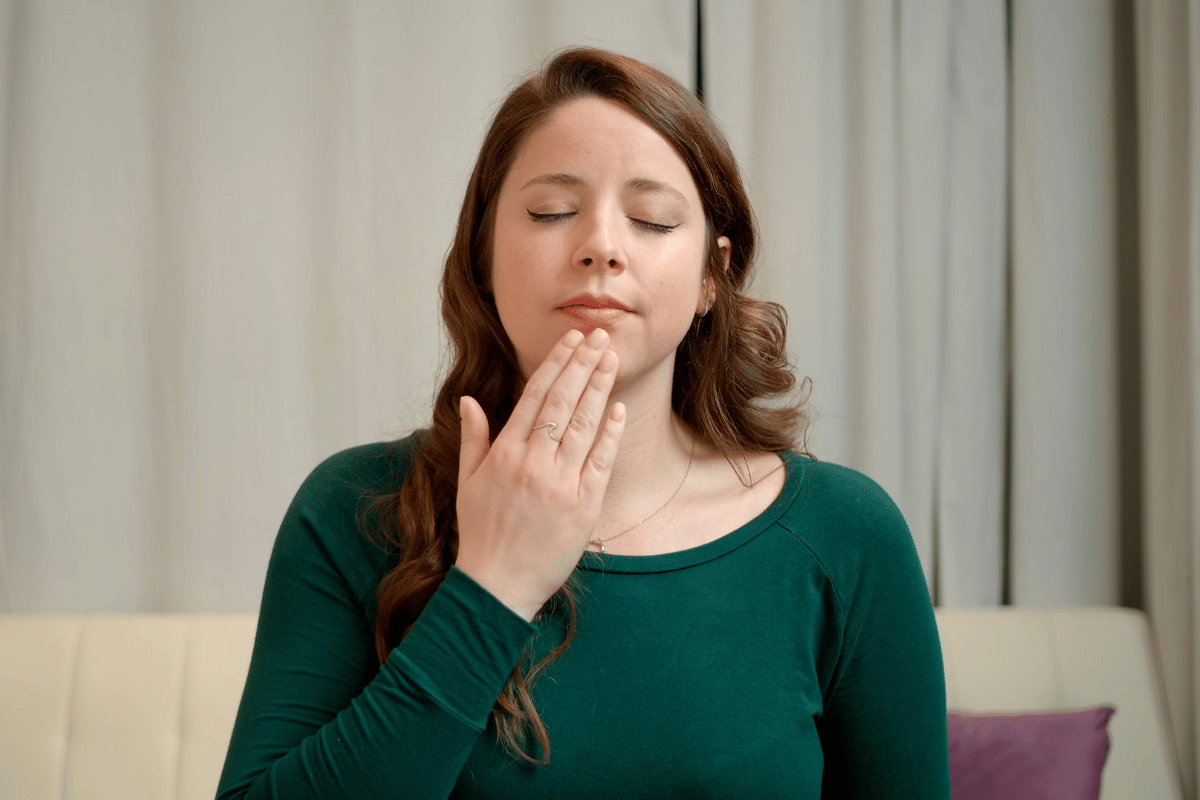
Tapping, also known as Emotional Freedom Techniques (EFT), is a powerful stress relief technique that combines the principles of modern psychology and ancient Chinese acupressure. It has been proven to reduce stress, lower cortisol, increase productivity, boost mood, and so much more (you can read more about the science behind Tapping here).
When you Tap, you focus on a negative emotion or experience while you use your fingers to tap on nine specific points on the body. The points correspond to traditional Chinese medicine acupressure points. The Tapping process sends calming signals to the brain to let it know it is safe to relax. This helps us to release intense emotions and let go of our distress.
The Tapping technique is extremely effective for mental health concerns like anxiety and depression. In fact, one of the most well-studied benefits of Tapping is reducing symptoms of depression.
Tapping can support those with depression in letting go of the charge of difficult past experiences, releasing strong emotions like hopelessness and grief, boosting energy and motivation, and increasing confidence and self-worth – to name just a few of the ways it can help.
You can read all about this in my blog, Unlocking the Benefits of Tapping for Depression, if you want to learn more.
Tapping is simple to learn and easy to incorporate into a daily routine. This makes it a perfect tool to turn to for busy, stressed out, and overwhelmed groups of people – just like college students!
And the science shows that when college students learn EFT Tapping, their depression levels can go down significantly. Curious to learn more? Read on to take a closer look at the research findings.
The study: A Tapping intervention for college students with depression

The study I want to highlight today was published in the journal Depression Research and Treatment back in 2012.[2]
Thirty college students were enrolled in the study. Half were put in the treatment group, and half were put in the control group. The treatment group received four 90-minute group sessions of EFT Tapping treatment over the course of three weeks, while the control group received no treatment.
Before the study began, all of the students were assessed using a tool to measure depression called the Beck Depression Inventory. And then after the three-week study was finished, they all took the same assessment again.
All of the participants – in both the EFT treatment group and the control group – scored as having moderate-to-severe depression prior to the start of the study. But after the EFT Tapping sessions, the treatment group had significantly lower levels of depression than the control group.
The difference was considered clinically and statistically significant. In fact, while the Tapping group’s average scores were in the moderate-to-severe range prior to the start of the study, they dropped down to be in the “nondepressed” range by the end of the study. And that was after only three weeks of Tapping!
The researchers concluded that “These results are consistent with other published reports indicating that brief courses of group EFT are efficacious in treating depression.”[2]
This study is just one of many showing that Tapping works – and works really well – for supporting people with depression to feel better.
In fact, a 2016 large systematic review and meta-analysis of studies on EFT for depression found an average reduction in symptoms of 41% with the use of Tapping.[3] That’s a pretty impressive finding!
Getting started with Tapping for depression relief

Whether you are a college student yourself, are the parent or loved one of a student, or work in education supporting students, I believe that Tapping will be well worth your while to explore.
It is SO easy to learn, and SO easy to do. It doesn’t take a lot of time and isn’t complicated, but it does produce really amazing results. Tapping really does work.
I can’t tell you how many times I’ve seen someone’s mental and emotional wellbeing transformed thanks to Tapping. Every time, it is such an honor to witness people get back to feeling like themselves and reclaim their power and joy. And there’s something particularly special when I get to see that happen in a kid, teen, or young adult who had been struggling.
To help get you started with Tapping, we’ve got a ton of resources to support you.
You can learn all about Tapping and how to Tap on our Tapping 101 page. And you can also download our app, The Tapping Solution App, where you’ll find a huge library of guided Tapping meditations to walk you through the process step by step.
A great place to begin is our 5-Day Depression Support Series with Dr. Damon Silas.
Some of the other Tapping meditations in the app that you might turn to for support include:
Releasing SadnessReleasing LonelinessCultivating HopeMotivate me to Have a Productive DayInstant Boost of EnergyInstant Boost of JoyMicro Boost of FocusMicro Boost of OptimismTurn Your Day Around: Afternoon ResetUntil next time, keep Tapping!
Nick Ortner
References
Healthy Minds Network (2021). Healthy Minds Study among Colleges and Universities, year 2021 [Data set]. Healthy Minds Network, University of Michigan, University of California Los Angeles, Boston University, and Wayne State University. https://healthymindsnetwork.org/research/data-for-researchers/ Church D, De Asis MA, Brooks AJ. Brief group intervention using emotional freedom techniques for depression in college students: a randomized controlled trial. Depress Res Treat. 2012;2012:257172. doi:10.1155/2012/257172.Nelms JA, Castel L. A Systematic Review and Meta-Analysis of Randomized and Nonrandomized Trials of Clinical Emotional Freedom Techniques (EFT) for the Treatment of Depression. Explore (NY). 2016;12(6):416-426. doi:10.1016/j.explore.2016.08.001.Related posts:It’s Measurable: Tapping Reduces the Body’s Stress Hormones Research Case Study: Tapping to Heal from Traumatic Brain InjuryResearch Spotlight: The Incredible Benefits of a Tapping-Based Meditation Technique
October 18, 2022
The Tale of Two Wolves
There’s an old Cherokee teaching sometimes referred to as “The Tale of Two Wolves.” The story goes like this:
One evening, an elderly grandfather is telling his grandson about the inner conflict within him.
He says to his grandson, “A fight is going on inside me. It is a terrible fight, and it is between two wolves. One is evil – he is anger, envy, sorrow, regret, greed, arrogance, self-pity, guilt, resentment, inferiority, lies, false pride, superiority, and ego.”
The grandfather continued, “The other is good – he is joy, peace, love, hope, serenity, humility, kindness, benevolence, empathy, generosity, truth, compassion, and faith.”
He looked at the grandson and went on, “The same fight is going on inside you, and every other person, too.”
The grandson thought about it for a minute and then asked his grandfather, “Which wolf will win?”
The grandfather replied simply, “The one you feed.”
What comes up for you when you read that story? When you stop to reflect, which one of the two wolves within you have you been feeding more lately?
Have you been feeding the parts of you that lead with gratitude, optimism, empowerment, compassion, peace, and joy? Or have you been fueling the parts of you that embody things like regret, envy, guilt, and resentment?
Today, I invite you to reflect on which wolf you’ve been choosing to put your time, energy, attention, and fuel towards… And if you haven’t been feeding the parts of you that you’d like to lead the way and thrive, that’s okay! What can you start doing now to nourish those parts more as you move forward?
Until next time…
Keep Tapping!
Nick Ortner
Related posts:Some Inspiration for YouTapping Research: EFT Found to Be Effective Intervention for Young Adults with Suicidal Ideation 10 Affirmations for a Difficult Day
Tapping into Better Sleep: Breaking the Cycle Between Stress and Poor Sleep
Even people who generally tend to be good sleepers know what it feels like to lie awake in bed with your mind spinning over worries. It can be incredibly hard to fall asleep, or stay asleep, when we are stressed out or experiencing strong emotions.
Researchers have confirmed time and time again what most of us know to be true from first-hand experience; the more stressed we are, the less well we tend to sleep at night. That can be incredibly frustrating and take a big toll on both our health and wellbeing.
Luckily, there’s something we can do about it! By learning to better cope with stress and release strong emotions, we can improve our sleep and get better rest.
Stress and emotions might be keeping you up at night

Stress and emotional arousal are known to get in the way of a good night’s rest.[1-3]
Whether it is short-term stress or long-term stress, stress over day-to-day life challenges or anxiety over bigger concerns – it can all take a toll. Any number of factors can be barriers to good sleep, from job stress to relationship tension, from school stress to anxiety over global issues like climate change.[4-7]
It is important to understand that it isn’t just the stressors or difficult emotions themselves that impact sleep, but also how we cope with and respond to them.[1,8]
For some people, the link between stress and sleep quality can lead to serious problems with sleep and even the development of insomnia. Some of the most well-studied risk factors for insomnia include having a lot of stress in your life, being depressed, or having experienced emotional distress from a major life event such as divorce or the death of a loved one.[2,9]
Stress over lack of sleep only makes matters worse
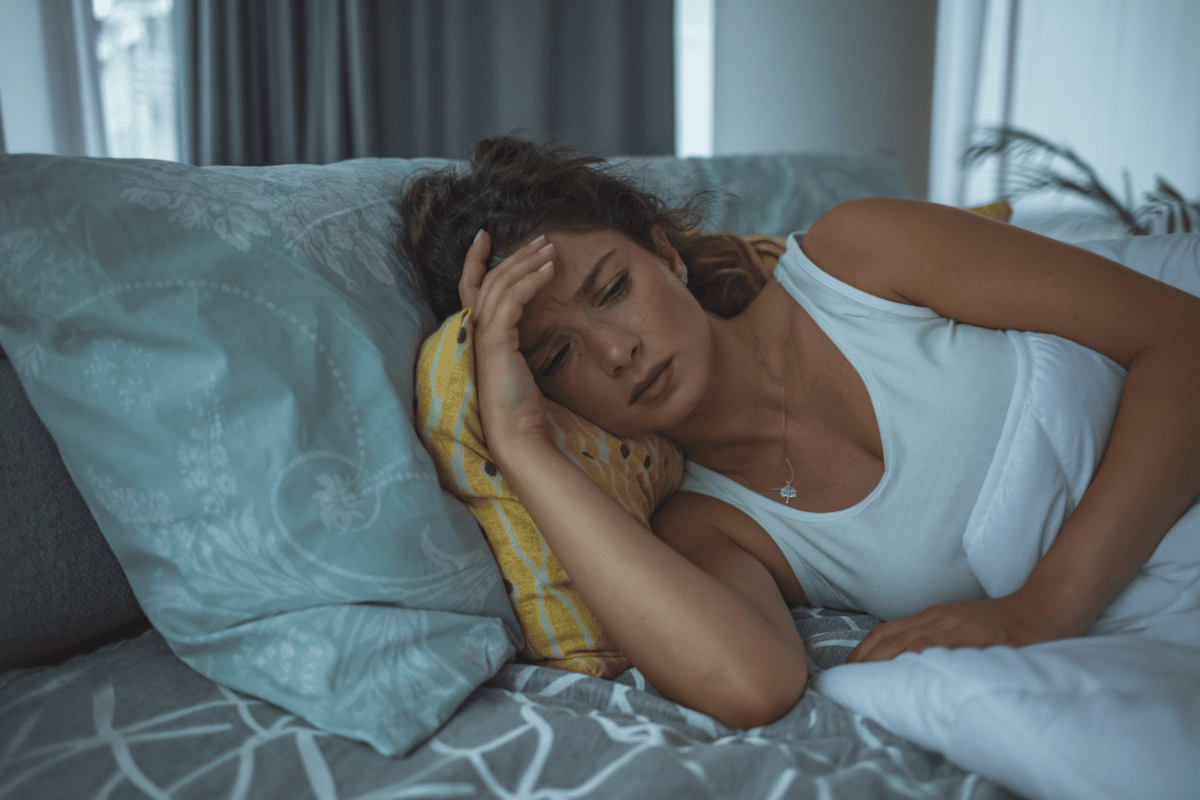
If you’ve ever had difficulty sleeping or suffered from insomnia, then you know how frustrating and stressful it can be.
People who have trouble sleeping tend to experience plenty of ruminating, unhelpful thoughts and beliefs about sleep and the consequences of missing out on sleep.[10,11]
That makes a lot of sense, because sleep is so very important. It helps us to function in our daily lives, keep up with our responsibilities, maintain good health, and feel good. Without enough of it, many areas of our life and wellbeing can begin to crumble. So it’s not surprising that we tend to stress out about sleep loss.
But the problem is that stress and anxiety about sleep can lead to a vicious cycle. The less we sleep, the more we worry about not sleeping and become anxious about the effects of sleep loss. That adds to the pile of stress we are already under, which in the end just makes it harder and harder to sleep in the first place.
But there’s good news. As you’ll learn later on in the article, this is a cycle we can break. Restful sleep is possible!
Good sleep helps you let go of emotional distress
You might not be surprised to learn that stress and emotions can impact your sleep. But did you know that sleep can also affect how you manage your emotions?
In addition to the better-known benefits of restful sleep like increased energy, clearer thinking, and improved health, good sleep can also help us to better regulate our emotions and cope with stress.[1]
Fascinating research teaches us that while we sleep, we are able to release and let go of emotionally distressing situations that occur throughout the day.[11,12,13]
Studies show that when you suffer from insomnia and don’t sleep well, you aren’t able to “sleep it off” in the same way; you remain more hung up on events that bring up difficult emotions, like shame.[12,13]
This is yet another reason why improving our sleep is so important.
Managing stress and strong emotions has the power to transform your sleep

As we know, stress can really get in the way of a proper night’s rest. And the more we worry and stress over not sleeping, the worse things get. Plus, we need sleep to better manage emotions and resolve stress well in the first place.
Because stress can disrupt restful sleep in such a big way, it is vital that we learn to better let go of stress and manage our emotions.
Research shows that it is possible to improve sleep when we take this approach. Findings suggest that the more we work with our emotions and learn to better cope with stress (whether about sleep specifically or in a more general sense), the more likely we will be able to sleep peacefully at night.[1,11]
There are several techniques that have demonstrated the benefits of working with our emotions for better sleep. For example, cognitive behavioral therapy (CBT) has been shown time and time again to help people sleep better, and it is one of the most common and effective treatment options for insomnia. In CBT, you are trained to reframe unhelpful thoughts, cope with stress, and manage emotions.[9,10,14]
Mindfulness and acceptance-based techniques also work well for insomnia and sleep problems.[11,15] A form of therapy called acceptance and commitment therapy (ACT), which focuses on accepting our emotions and experiences, is known to be helpful in improving sleep quality.[16]
As the literature shows, understanding and expressing our emotions can help us to recover better from stressful situations and ultimately help us to get a better night’s rest.[1,11]
Tapping: an effective tool to release stress and help you sleep better
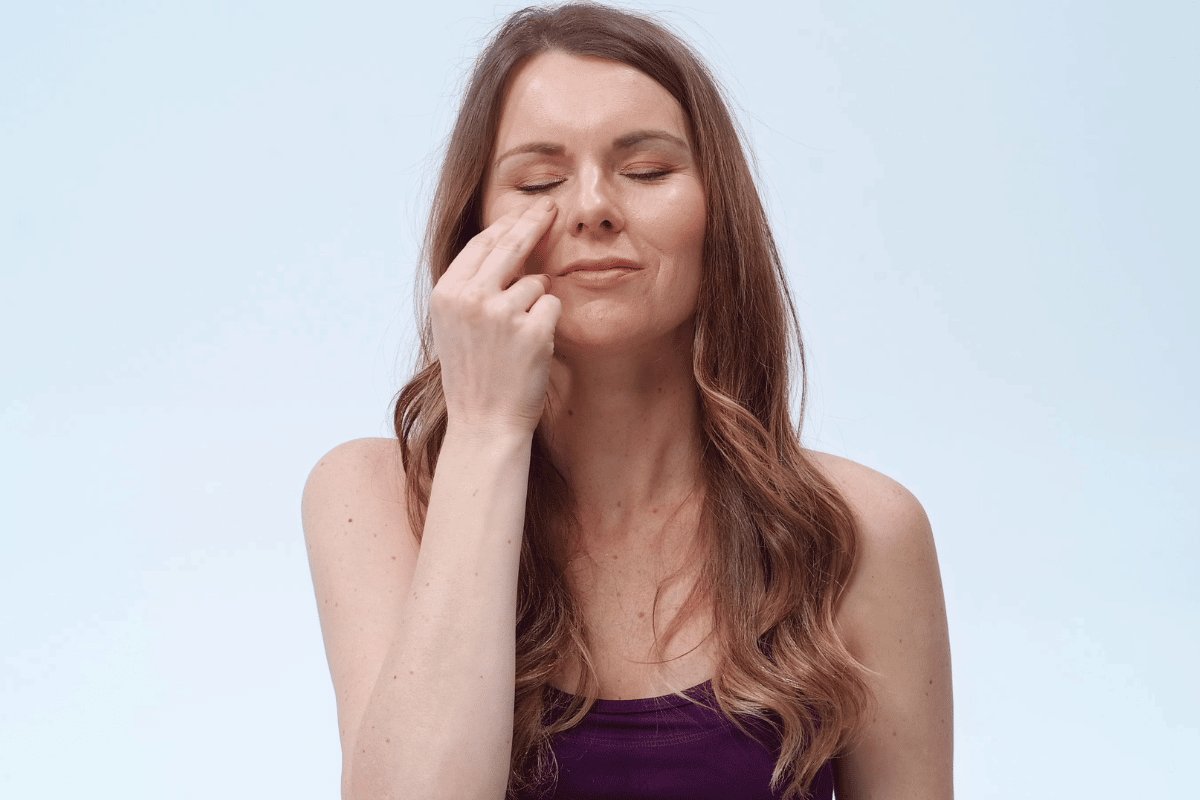
Fortunately, there are a wide range of tools available to us to help address stress and emotions and ultimately sleep better. And Tapping is an excellent choice to support you!
When you Tap, you send calming signals to the brain and body. The process of Tapping can actually help to turn off the stress response in the brain and even reduce levels of stress hormones like cortisol.[17] As you help your body to relax, Tapping also helps you to let go of difficult or pent up emotions.
Tapping is a great tool to use before bed to help you relax your brain and body, release any worries or tension, and prepare for restful sleep.
Tapping can also be beneficial for sleep when used at any time of day. When you use Tapping throughout the day to address stressful situations and release emotions like anxiety, you can set yourself up for better sleep later on when it’s time to go to bed.
As you use Tapping to release stress and you begin to sleep better, you may notice the positive effects magnifying themselves over time. The better you sleep, the more you can resolve difficult emotions, which can in turn help you to sleep even better. You have the power to change what was once a vicious cycle between stress and sleep into a positive, favorable cycle.
Evidence for the healing power of Tapping 
Research studies suggest that Tapping can help people to treat insomnia and sleep better.[18-20]
In one study, for example, a group of lawyers with insomnia tried EFT tapping along with other stress-management techniques like progressive muscle relaxation. The lawyers who tried tapping not only noticed a reduction in stress levels, but they also experienced significant improvements in sleep quality.[20]
Researchers have also studied the effects of Tapping for many different purposes, such as stress relief. What is interesting is that they often notice improvements in sleep as a positive side effect of these interventions.
In another study, EFT tapping was used to help veterans with PTSD. In addition to measuring severity of PTSD before and after the intervention, the researchers also looked at other factors such as sleep. They found that in addition to improving PTSD scores, the Tapping also helped to decrease scores of insomnia and help the veterans sleep better.[21]
Acupuncture, which involves stimulating the same meridians and acupuncture points that Tapping does, has also proven to be extremely effective for people with difficulty sleeping.[22,23]
But it’s not just the scientific research that can speak to the power of Tapping. I have seen Tapping transform countless individuals’ experience with sleep over the years. I know from first-hand experience that Tapping has the potential to support peaceful and rejuvenating sleep.
Try Tapping for sleep support with the help of the Tapping Solution App 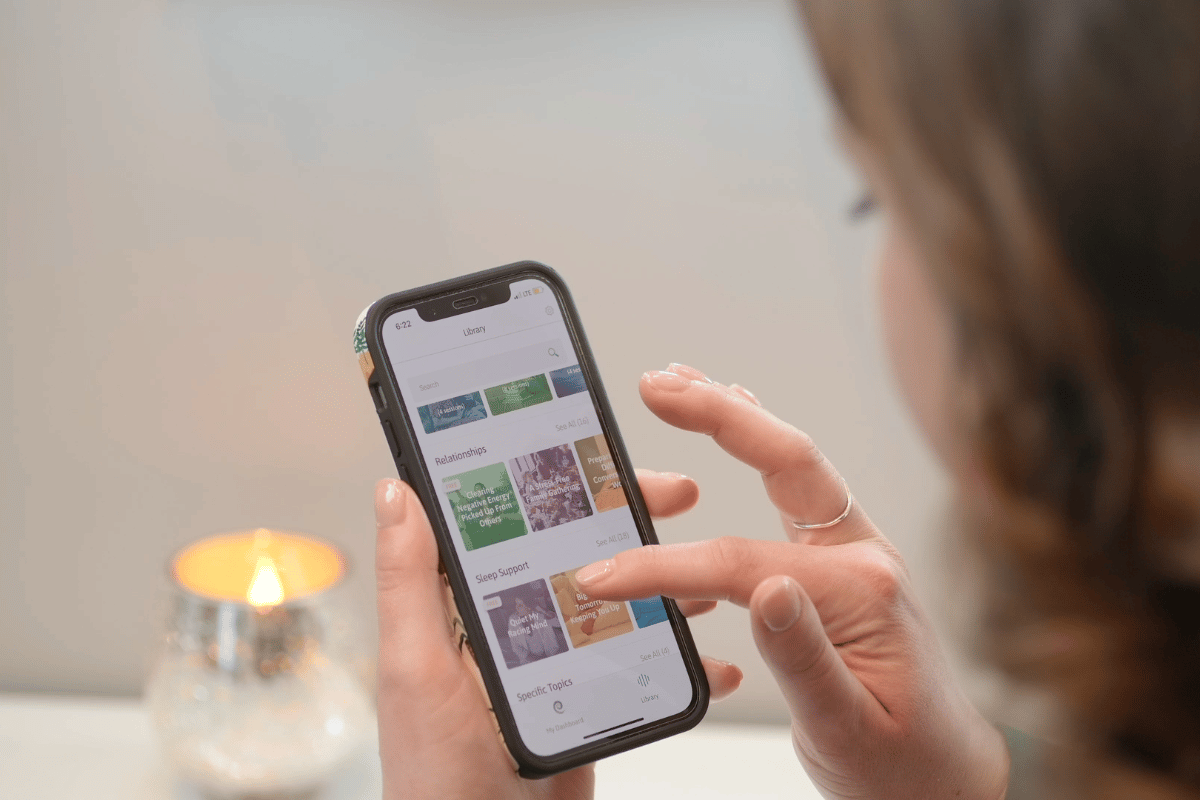
Focusing on improving your sleep is well worth the effort. It can help you to feel your best mentally and physically, and it can even help you to better process your emotions. Tapping is an excellent tool to try out if you want to take steps towards better sleep.
Tapping can be used before bed to specifically address sleep, and it’s also great to use throughout the day on any emotions or stressors that may come up so that you are able to rest more peacefully at night.
The Tapping Solution App is full of meditations to guide you through the process of turning down the stress response, relaxing your brain and body, and letting go of difficult emotions. Here’s a list of just a few of the many meditations within the app that are available to you:
Tapping meditations specifically designed for sleep support
Quiet My Racing MindClearing Stress & Frustration About InsomniaBig Day Tomorrow Keeping You UpFall Asleep FasterNightly Restorative Sleep SupportTapping meditations for general stress relief and releasing emotions
Releasing AnxietyReleasing Evening StressTurn Your Day Around: Evening Stress ReliefI’m Stressed About…Help Me Stop Overthinking Tapping tips for a restful night’s sleep
To help you get the most out of Tapping for sleep support, we’ve got a couple of tips for you.
Try Tapping throughout the day on whatever might be bothering you, or at night before bed to help you find peace and calm. Or, perhaps try a combination of both!Consider including Tapping as part of a relaxing evening routine. Routines are important for sleep, so be sure to be intentional with how you spend the time leading up to bed. You might try dimming your lighting; doing calm activities like reading, yoga, or journaling; staying away from screens; and taking some quiet time to meditate or Tap.Turn down the brightness on your phone – and enjoy the dark setting we have for all of our Sleep Support Tapping meditations within the Tapping Solution App if you choose to Tap before bed.If the physical effect of tapping on the acupressure points feels too stimulating near bedtime, you can try just touching each one gently as you follow the meditation prompts.Turn off the ratings within the app, so you can just gently listen and follow along without engaging with your device.
References
Vandekerckhove M, Wang YL. Emotion, emotion regulation and sleep: An intimate relationship. AIMS Neurosci. 2017;5(1):1-17. Published 2017 Dec 1. doi:10.3934/Neuroscience.2018.1.1.Kalmbach DA, Anderson JR, Drake CL. The impact of stress on sleep: Pathogenic sleep reactivity as a vulnerability to insomnia and circadian disorders. J Sleep Res. 2018;27(6):e12710. doi:10.1111/jsr.12710.Lee SH, Joo S, Chai HW, Jun HJ, Almeida D. The Relationship Between Experiences of Daily Events and Sleep Duration in Adulthood. Innovation in Aging 2020;4(Supp 1):63. doi.org/10.1093/geroni/igaa057.2174.P... LF, Kröning Luna C, Rotenberg L, et al. Job Strain and Self-Reported Insomnia Symptoms among Nurses: What about the Influence of Emotional Demands and Social Support?. Biomed Res Int. 2015;2015:820610. doi:10.1155/2015/820610.Ogunbode CA, Pallesen S, Böhm G, et al. Negative emotions about climate change are related to insomnia symptoms and mental health: Cross-sectional evidence from 25 countries. Curr Psychol (2021). doi.org/10.1007/s12144-021-01385-4.Hu... CO, Simpson JA, Rothman AJ, Englund MM. The interplay between relationship effectiveness, life stress, and sleep: A prospective study. Personal Relationships. 2019;26(1):73-92. https://doi.org/10.1111/pere.12266Alotaibi AD, Alosaimi FM, Alajlan AA, Bin Abdulrahman KA. The relationship between sleep quality, stress, and academic performance among medical students. J Family Community Med. 2020;27(1):23-28. doi:10.4103/jfcm.JFCM_132_19.Akram U, Gardani M, Akram A, Allen S. Anxiety and depression mediate the relationship between insomnia symptoms and the personality traits of conscientiousness and emotional stability. Heliyon. 2019;5(6):e01939. Published 2019 Jun 12. doi:10.1016/j.heliyon.2019.e01939.“Insomnia.” MedlinePlus. Medlineplus.gov. https://medlineplus.gov/insomnia.htmlGalbiati A, Sforza M, Scarpellino A, et al. “Thinking About Thinking” in Insomnia Disorder: The Effect of Cognitive-Behavioral Therapy for Insomnia on Sleep-Related Metacognition. Front Psychol. 2021;12:705112. Published 2021 Sep 9. doi:10.3389/fpsyg.2021.705112.Ong JC, Ulmer CS, Manber R. Improving sleep with mindfulness and acceptance: a metacognitive model of insomnia. Behav Res Ther. 2012;50(11):651-660. doi:10.1016/j.brat.2012.08.001.Wassing R, Benjamins JS, Dekker K, et al. Slow dissolving of emotional distress contributes to hyperarousal. Proc Natl Acad Sci U S A. 2016;113(9):2538-2543. doi:10.1073/pnas.1522520113.Wassing R, Schalkwijk F, Lakbila-Kamal O, et al. Haunted by the past: old emotions remain salient in insomnia disorder. Brain. 2019;142(6):1783-1796. doi:10.1093/brain/awz089.van der Zweerde T, Bisdounis L, Kyle SD, Lancee J, van Straten A. Cognitive behavioral therapy for insomnia: A meta-analysis of long-term effects in controlled studies. Sleep Med Rev. 2019;48:101208. doi:10.1016/j.smrv.2019.08.002.Ding X, Wang X, Yang Z, Tang R, Tang YY. Relationship Between Trait Mindfulness and Sleep Quality in College Students: A Conditional Process Model. Front Psychol. 2020;11:576319. Published 2020 Sep 29. doi:10.3389/fpsyg.2020.576319.Salari N, Khazaie H, Hosseinian-Far A, et al. The effect of acceptance and commitment therapy on insomnia and sleep quality: A systematic review. BMC Neurol. 2020;20(1):300. Published 2020 Aug 13. doi:10.1186/s12883-020-01883-1.Church D, Yount G, Brooks AJ. The effect of emotional freedom techniques on stress biochemistry: a randomized controlled trial. J Nerv Ment Dis. 2012;200(10):891-896. doi:10.1097/NMD.0b013e31826b9fc1.Lee JH, Suh HU, Chung SY, Kim JW. Preliminary study for the evaluation of the effects of EFT-I(EFT program for insomnia) for insomnia in the elderly. Journal of Oriental Neuropsychiatry. 2011;22(4):101-109. https://doi.org/10.7231/JON.2011.22.4... JH, Chung SY, & Kim JW. (2015). A comparison of Emotional Freedom Techniques–Insomnia (EFT-I) and Sleep Hygiene Education (SHE) in a geriatric population: A randomized controlled trial. Energy Psychology: Theory, Research, and Treatment, 7(1), 1–8. doi:10.9769/EPJ.2015.07.01.JL.Christina D, Panagiotis K, Liza V, George CP. Stress Management for the Treatment of Sleep Disorders in Lawyers: Pilot Experimental Study in Athens, Hellas. J Sleep Disor: Treat Care 2016;5(2). doi:10.4172/2325-9639.1000171.Geronilla L, Minewise L, Mollon P, McWilliams M, Clond M. EFT (Emotional Freedom Techniques) Remediates PTSD and Psychological Symptoms in Veterans: A Randomized Controlled Replication Trial. Energy Psychology Journal. 2016;8(2):29-41. doi 10.9769/EPJ.2016.8.2.LG.Cheng FK. The Effectiveness of Acupuncture on Sleep Disorders: A Narrative Review. Altern Ther Health Med. 2020;26(1):26-48.Shergis JL, Ni X, Jackson ML, et al. A systematic review of acupuncture for sleep quality in people with insomnia. Complement Ther Med. 2016;26:11-20. doi:10.1016/j.ctim.2016.02.007.
Related posts:
Research: Tapping Ranks as One of the Most Effective Treatments for PTSD in Young PeopleResearch Study Spotlight: Tapping Away Cognitive Impairment from Cancer Looking to Up Your Athletic Performance? Research Suggest Tapping Can Help
October 17, 2022
Prescriptions for Health & Happiness
You’ve likely been written a prescription for a medication from a doctor at some point in your life… but have you ever been written a prescription for happiness?
That’s what Dr. Leif Hass and his colleagues at Sutter Health in the Bay Area have been doing recently. They’ve actually been writing old-school paper prescriptions, titled “Prescriptions for Health and Happiness,” hoping to give their patients regular doses of joy and self-compassion. Dr. Hass shares about this practice in an article for Greater Good Magazine titled, “10 Happiness Practices a Doctor Prescribes to His Patients.”
The ten practices on Dr. Hass’s prescription pad that he commonly selects from include:
Take a few deep breaths
Call an old friend
Give someone a hug
Help a friend in need
Write a thank you note
Sing in the shower
Dance to your favorite song
Go for a walk in a beautiful place
Forgive someone
Talk to yourself with a kinder voice
In addition to those ten staples, Dr. Hass also likes to add his own write-in to every single prescription he gives. It simply says: “Spread the love.”
This idea just fills me with joy when I think about it. A doctor writing a prescription to his patients to do the things that help them feel good, happy, and connected? To talk to themselves with kindness, and to spread the love? How incredible is that?
Which of these prescriptions could you use today? What do you need a dose of in order to feel better? What will help you feel more calm, connected, and well?
I’m personally going to give myself a dose of #8 today – going for a walk in a beautiful place. How about you?
Until next time…
Keep Tapping!
Nick Ortner
Related posts:Some Inspiration for YouTapping Research: EFT Found to Be Effective Intervention for Young Adults with Suicidal IdeationResearch: Tapping Ranks as One of the Most Effective Treatments for PTSD in Young People
October 13, 2022
Study shows Tapping benefits psychological health AND cardiovascular, nervous, endocrine, and immune system function
If you don’t already know this about me, I really love learning about the science behind things – especially Tapping.
It is so inspiring to see scientific evidence back up the practices I do in my daily life and the things I believe in. I think research findings can help us all to remember why we do what we do; it reinvigorates us to stay committed when we get that verification that it really does work and makes a difference!
So on that note, I wanted to share a study with you today that was published a few years back – one that gave some pretty amazing insights into the effectiveness of EFT Tapping.
The studyThis 2019 study was published in the Journal of Evidence-Based Integrative Medicine and included over 200 participants. Each of the participants went through a 4-day EFT Tapping training workshop led by certified EFT instructors.[1]
The researchers measured things like anxiety, depression, pain, and happiness, along with physiological markers like blood pressure and cortisol levels, both before and after the training to see if there were any differences to be observed.[1]
The findings showed remarkable improvements in psychological health
In the study, the researchers gathered data on scores for happiness, anxiety, depression, PTSD symptoms, pain, and cravings both before and after the workshop for all the participants.
The results of this part of the study were pretty amazing.
After the EFT Tapping training, anxiety decreased by 40%, depression decreased by 35%, PTSD symptoms decreased by 43%, pain decreased by 57%, cravings decreased by 74%, and happiness increased by 31%.[1]
Those are some impressive numbers, aren’t they? I sure thought so!
Can you imagine if your anxiety could go down by 40% after just a 4-day workshop? Could you imagine if your cravings could go down by 74%? What would it feel like if your pain decreased by almost 60%? And what would it feel like to be 30% happier?
Remember – those positive changes occurred after a simple workshop where people learned how to do EFT Tapping over the course of only a few days.
The cool thing is that we’ve seen similar benefits from Tapping in our own data from users of The Tapping Solution App. For example, after 260,000 plays of our “Releasing Anxiety” Tapping meditation, the average reported reduction in anxiety was 41%. And that is after just a 9-minute guided Tapping meditation!
It’s so encouraging to see the scientific research verifying the effectiveness of Tapping for things like anxiety, depression, and psychological health – helping the world to know and trust that Tapping really does work and can help us improve our mental wellbeing.
But the exciting results of this study weren’t just limited to improvements in psychological health. The researchers also found that after participants did Tapping, they showed improvements in several different physiological markers of health as well.
Tapping seems to positively impact our actual physiology, too – and in many different ways
Here’s the extra-cool part of this study:
A subset of the participants in the study were subjected to additional testing. For 31 of the participants, the researchers also measured physiological indicators of health before and after the workshop.
These measures included:
Cortisol levels (an indicator of endocrine system function) Resting heart rate and blood pressure (indicators of cardiovascular function)Salivary immunoglobulin A (an indicator of immune system function)Heart rate variability and heart coherence (indicators of central nervous system function)The results of this part of the study were equally as astounding as the first.
The researchers found that compared to before the workshop, cortisol levels were 37% lower after the workshop. Resting heart rate, systolic blood pressure, and diastolic blood pressure were 6-8% lower. The salivary immunoglobulin A test showed a 110% increase, suggesting boosted immune function. Finally, the researchers also saw positive trends with heart rate variability and heart coherence.[1]
So overall, the results showed that the central nervous system, the cardiovascular system, the endocrine system, and the immune system all benefited from Tapping. That is some pretty groundbreaking data with a lot of potential implications!
Piling on the evidence for all of the amazing benefits of Tapping

By now, there are over 100 different studies on the effectiveness of Tapping (you can learn more about some of them here).
But aside from some earlier groundbreaking studies demonstrating the benefits of Tapping on cortisol levels and a handful of others looking at things like gene expression, this is one of very few studies so far that actually explores how Tapping affects the body and our inner physiology.[2-4] Now we know that Tapping can have positive effects on things like blood pressure, heart rate, and immune markers as well!
These findings are quite exciting, as they provide even more evidence that Tapping really works. They support what so many of us already know to be true: that Tapping can absolutely change not just how we feel mentally and emotionally, but the physical state of our bodies, too.
And to think, there is so much more to be done in the field of Tapping research! There are likely countless benefits to Tapping that we don’t even know about yet and haven’t even thought to study.
Personally, I’m so excited by the findings of this study, and the many others that continue to be published on the science behind Tapping. Each one just gives me more reason to Tap, and to share Tapping with as many people as I can.
So as always, I hope that you take care and keep Tapping!
Until next time,
Nick Ortner
References
Bach D, Groesbeck G, Stapleton P, Sims R, Blickheuser K, Church D. Clinical EFT (Emotional Freedom Techniques) Improves Multiple Physiological Markers of Health. J Evid Based Integr Med. 2019;24:2515690X18823691. doi:10.1177/2515690X18823691Church D, Yount G, Brooks AJ. The effect of emotional freedom techniques on stress biochemistry: a randomized controlled trial. J Nerv Ment Dis. 2012;200(10):891-896.Stapleton P, Crighton G, Sabot D, O’Neill HM. Reexamining the effect of emotional freedom techniques on stress biochemistry: A randomized controlled trial. Psychol Trauma. 2020;12(8):869-877.Maharaj ME. Differential gene expression after Emotional Freedom Techniques (EFT) treatment: a novel pilot protocol for salivary mRNA assessment. Energy Psychol Theory Res Treat. 2016;8(1):17–32. doi:10.9769/EPJ.2016.8.1.MMThe post Study shows Tapping benefits psychological health AND cardiovascular, nervous, endocrine, and immune system function appeared first on The Tapping Solution.
Related posts:It’s Measurable: Tapping Reduces the Body’s Stress HormonesResearch: Tapping Ranks as One of the Most Effective Treatments for PTSD in Young PeopleLooking to Up Your Athletic Performance? Research Suggest Tapping Can Help