Nick Ortner's Blog, page 17
September 15, 2022
Improve Your Sleep with Tapping
Does this sound like you?
When I ran across this short bit by a comedian I thought to myself – well, this couldn’t be more perfect. (and it’s hysterical)
Watch it now, (it’s only 56 seconds long) and let me know if this sounds like you:
I think we always knew sleep was important, right?
But it seems like the past couple of years, the scientific evidence showing JUST how important it is for EVERY aspect of our lives has grown by leaps and bounds. Even the cultural mindset of “I’ll sleep when I’m dead” or “Go-go-go!” seems to be changing.
And that’s great news.
So you probably know how important sleep is and you likely want to get better sleep, deeper sleep and wake up feeling refreshed and ready to go.
But isn’t it frustrating when it just doesn’t seem to go as planned?
Whether you have trouble falling asleep, staying asleep, getting into deep sleep or just don’t wake up refreshed, then you’re going to be excited to hear about our brand new SLEEP SUPPORT 6 Day Challenge!
If you want to train your mind and body to effortlessly drift off to sleep, get more deep sleep and wake up feeling refreshed then these free six days might be just what you need!
Join Us For Our New SLEEP SUPPORT Challenge:
Starting This Monday, September 19th!

If you’re ready for the best night’s sleep you’ve ever had, to extend your deep sleep, to wake up refreshed and ready to go, join our FREE sleep support challenge right here.
The post Improve Your Sleep with Tapping appeared first on The Tapping Solution.
Related posts: Learning When to Slow Down
 Tapping Research: EFT Found to Be Effective Intervention for Young Adults with Suicidal Ideation
 Healing the Critical Voice


September 14, 2022
What’s Your Relationship With Sleep?
Does this sound like you?
When I ran across this short bit by a comedian I thought to myself – well, this couldn’t be more perfect. (and it’s hysterical)
Watch it now, (it’s only 56 seconds long) and let me know if this sounds like you:
I think we always knew sleep was important, right?
But it seems like the past couple of years, the scientific evidence showing JUST how important it is for EVERY aspect of our lives has grown by leaps and bounds. Even the cultural mindset of “I’ll sleep when I’m dead” or “Go-go-go!” seems to be changing.
And that’s great news.
So you probably know how important sleep is and you likely want to get better sleep, deeper sleep and wake up feeling refreshed and ready to go.
But isn’t it frustrating when it just doesn’t seem to go as planned?
Whether you have trouble falling asleep, staying asleep, getting into deep sleep or just don’t wake up refreshed, then you’re going to be excited to hear about our brand new SLEEP SUPPORT 6 Day Challenge!
If you want to train your mind and body to effortlessly drift off to sleep, get more deep sleep and wake up feeling refreshed then these free six days might be just what you need!
Join Us For Our New SLEEP SUPPORT Challenge:
Starting This Monday, September 19th!
If you’re ready for the best night’s sleep you’ve ever had, to extend your deep sleep, to wake up refreshed and ready to go, join our FREE sleep support challenge right here.
The post What’s Your Relationship With Sleep? appeared first on The Tapping Solution.
Related posts: Some Inspiration for YouTapping Research: EFT Found to Be Effective Intervention for Young Adults with Suicidal Ideation
 Research: Tapping Ranks as One of the Most Effective Treatments for PTSD in Young People
September 13, 2022
Research Feature: Tapping May Actually Affect the Way Your Brain Processes Emotion
There is a lot of scientific evidence showing Tapping to be extremely effective for anxiety (you can read more about it here if you are interested).[1]
In the past, most of the research that has been done has looked at self-reported measures of anxiety, meaning people fill out questionnaires that tell the researchers how anxious they feel before and after Tapping sessions.
For a long time, we could see that Tapping definitely helped people to feel less anxious, but we didn’t know the mechanisms behind how exactly it did that.
But as each year passes, more and more research is being done that looks at what happens inside of our brains and bodies when we do Tapping.
We now know that Tapping is associated with changes in stress hormone levels, gene expression, and more… all things that can help explain how Tapping works and how it might help people with stress and anxiety.[2-5]
Today, I want to highlight one of the research studies that provided some interesting insight about how Tapping might work. In the study, the researchers investigated how Tapping affects emotional processing and emotional regulation in the brain.
What did the researchers want to know?
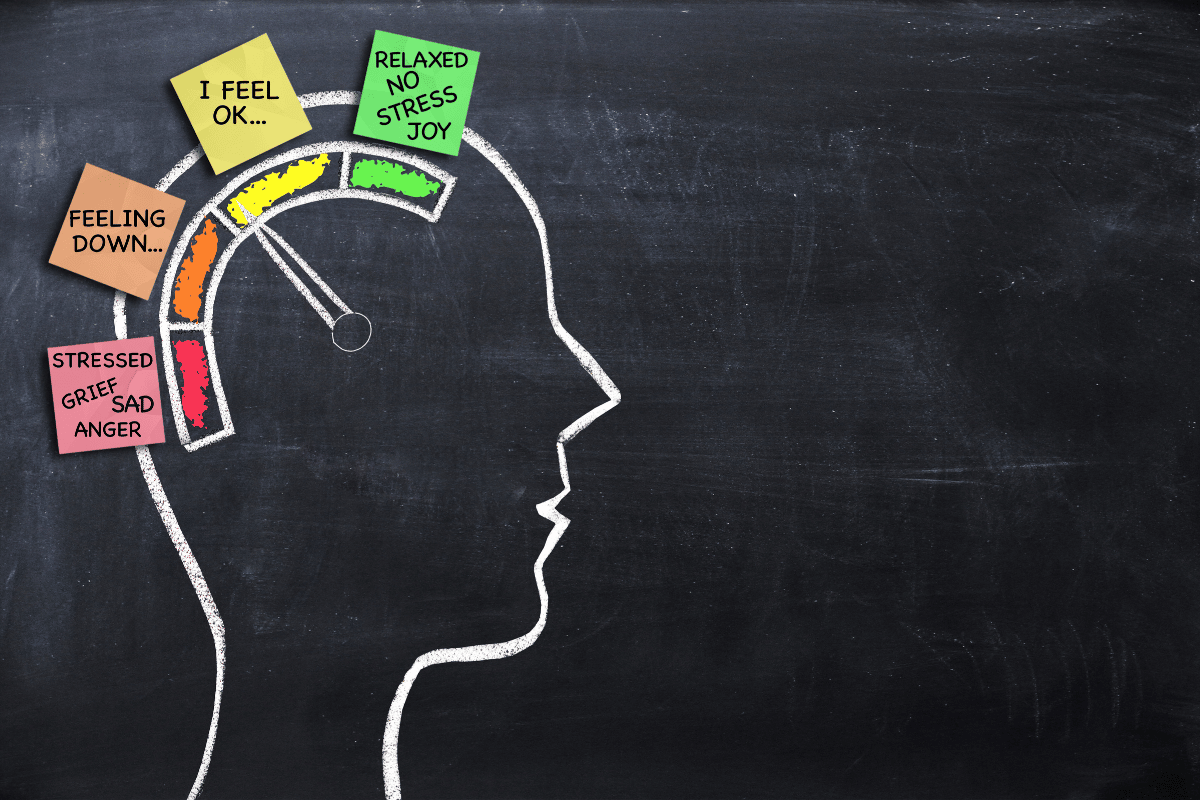
The study we are going to take a look at today was published in the journal Brain Science in 2019. The aim of this study was to uncover one of the potential mechanisms behind how Tapping benefits anxiety.[6]
The investigators wanted to explore whether or not Tapping could affect the way the brain processes emotions. This is important, because it is known that people with anxiety present with distorted emotional regulation. When faced with potentially threatening stimuli, people with anxiety tend to experience higher emotional arousal than others.
Well-established treatments for anxiety like cognitive behavioral therapy (CBT) work in part by helping to promote more balanced emotional processing and greater emotional regulation.
If Tapping could positively impact the way that anxious individuals process emotions, it might at least partly explain why Tapping can help anxious people feel less anxious.
What did the researchers do?

In the study, the researchers took a group of people with anxiety and divided them into two groups. One group was treated with EFT Tapping and the other was treated with progressive muscle relaxation for comparison. Progressive muscle relaxation is an established therapy for anxiety that is known to work well.
For the experiment, all participants were asked to listen to a series of words. The participants listened to each word four times; the words were delivered once in a neutral way, once in a happy way, once in an angry way, and once in a fearful way.
While the participants listened to the words, the researchers used EEG technology to measure a specific type of brain activity referred to as Latent Positive Potential (LPP). LPP has been shown in previous research to correlate with emotional regulation. The higher the LPP, the more emotionally aroused someone is and the less emotionally regulated they are.
This allowed the researchers to see how high the participants’ emotional arousal was when they were confronted with different emotions like anger or fear.
After one round of listening to the list of words conveyed in the different emotions, the participants then had either a Tapping session or a progressive muscle relaxation session.
Following the Tapping or the progressive muscle relaxation, the participants repeated the same experience again of listening to words conveyed in a happy, angry, fearful, and neutral way. Again, their brain activity was measured using EEG to assess how emotionally regulated they were.
With the data from the experiment, the researchers were able to assess whether Tapping led to any significant changes in emotional processing. They also got to see how Tapping compared to progressive muscle relaxation as a treatment option.
What did the results show?

The authors of the study found that emotional arousal was lower after the participants did Tapping compared to before a Tapping session. This was shown by reduced LPP measurements from the EGG after the Tapping intervention – suggesting greater emotional regulation.
Basically, when the participants were presented with strong emotions like anger or fear, they weren’t as negatively impacted after they had a Tapping session.
As the study authors conclude, “Tapping induced neural changes in emotional processing in anxiety.”[6]
Another interesting finding was that while progressive muscle relaxation also helped to improve emotional regulation in the brain, it turns out that Tapping and progressive muscle relaxation each had a unique effect. While progressive muscle relaxation generally reduced arousal the most when people heard words spoken in a fearful way, Tapping generally reduced arousal the most when the participants heard words spoken in an angry way.
This is interesting, because when we are spoken to in an angry way, it can often bring about feelings of fear or anxiety. As the study authors put it, “Tapping specifically affected fear-eliciting, angry stimuli, and might thus be able to reduce anxiety symptoms.”[6]
The study results suggest that Tapping may be particularly helpful in allowing people with anxiety to stay more regulated when confronted with something scary.
The bottom line

I know we covered a lot of technical words and science terms today. So, let’s take a moment to break this research down into simple terms.
Basically, this study helped us to understand more about the mechanisms behind how Tapping might work, and how specifically it might help to reduce anxiety.
The results demonstrated that Tapping helps people remain more regulated when faced with emotionally charged stimuli – especially emotional stimuli that might make them afraid or anxious. Reduced emotional arousal and greater emotional regulation after a Tapping session may at least partly explain how Tapping can help people with anxiety to better cope and feel better.
Pretty cool, right?
I love when the research helps us learn more about the science behind Tapping. It is so cool to not just know that Tapping really works, but to know more about how it works, too!
If you’d like to experience the benefits of Tapping for anxiety relief for yourself, head over to The Tapping Solution App to try out one of our most popular guided meditations, “Releasing Anxiety.”
And for a deeper dive into Tapping for anxiety, check out this blog.
Until next time, keep Tapping!
Nick Ortner
References
Clond M. Emotional Freedom Techniques for Anxiety: A Systematic Review With Meta-analysis. J Nerv Ment Dis. 2016;204(5):388-395. Church D, Yount G, Brooks AJ. The effect of emotional freedom techniques on stress biochemistry: a randomized controlled trial. J Nerv Ment Dis. 2012;200(10):891-896.Stapleton P, Crighton G, Sabot D, O’Neill HM. Reexamining the effect of emotional freedom techniques on stress biochemistry: A randomized controlled trial. Psychol Trauma. 2020;12(8):869-877.Maharaj, ME. Differential Gene Expression after Emotional Freedom Techniques (EFT) Treatment: A Novel Pilot Protocol for Salivary mRNA Assessment. Energy Psychology Journal. 2016;8(1):17-32. doi:10.9769/EPJ.2016.8.1.MMChurch D, Yount G, Rachlin K, Fox L, Nelms J. Epigenetic Effects of PTSD Remediation in Veterans Using Clinical Emotional Freedom Techniques: A Randomized Controlled Pilot Study. Am J Health Promot. 2018;32(1):112-122. doi:10.1177/0890117116661154König N, Steber S, Seebacher J, von Prittwitz Q, Bliem HR, Rossi S. How Therapeutic Tapping Can Alter Neural Correlates of Emotional Prosody Processing in Anxiety. Brain Sci. 2019;9(8):206. Published 2019 Aug 19.The post Research Feature: Tapping May Actually Affect the Way Your Brain Processes Emotion appeared first on The Tapping Solution.
Related posts:Research: Tapping Ranks as One of the Most Effective Treatments for PTSD in Young People Research Study Spotlight: Tapping Away Cognitive Impairment from Cancer
 Does the Physical Act of Tapping on Acupoints Really Make a Difference? Research Says Yes!
September 8, 2022
Looking to Up Your Athletic Performance? Research Suggest Tapping Can Help
Tapping has been used for a very long time by athletes. But it wasn’t until the last decade or two that the scientific research began to catch up with what many athletes already know: Tapping really can work wonders to up your game!
Let’s dive a little bit into that research and learn more about why Tapping can be so helpful in the context of sports and athletics.
Research shows Tapping can help players improve their gameToday, I’m going to highlight two of the studies published so far that have explored the positive impact of Tapping on athletic performance.
Study #1: Basketball players improve on free throws

Dr. Dawson Church conducted one of the first experiments on this subject in 2009, on a group of PAC-10 college basketball players. In total, the study involved 26 men and women. Half the group received a 15-minute Tapping session, and the other half received a placebo intervention for that same amount of time. The researchers did their best to simulate the timing of the intervention so it was as if it was occurring during a real game.[1]
After the treatment session, each player was asked to attempt free throws, and the researchers kept track of how many each player successfully scored.[1]
The results showed that there was a statistically significant difference between the two groups, with the EFT group completing more free throws than the control group. Players who received the EFT treatment improved their performance by about 20%, whereas the control group players actually got worse (by about 16%).[1]
This study was the first of its kind to suggest that brief Tapping sessions during the course of a game could actually improve athletic performance.
Study #2: Soccer players make more goals

Now, these results don’t just apply to basketball. A small 2012 study took a similar approach to Church’s 2009 study, but this time they looked to see how EFT Tapping would affect women soccer players’ ability to score goals.[2]
Players from two women’s soccer teams were enrolled in the study. After a warmup and a series of initial penalty goal attempts, half the group received a brief 10-minute EFT Tapping session while the other half received routine soccer coaching as a control.[2]
Then, the players tried to score goals from 50 feet away. The group who had done Tapping had more success, and the results showed a significant improvement in goal scoring ability after the short EFT session. The authors hypothesize that the improvement may be due to a decrease in anxiety levels after the Tapping treatment.[2]
Both of these studies provided exciting results, helping us to better understand the benefits of Tapping in the field of sports and athletics.
Why does Tapping help?

There are many possible reasons why Tapping can play a role in supporting athletes of all kinds, either pro or amateur.
It’s no secret that alongside the physical abilities that are required of athletes, there’s a big mental component, too.
If you’ve ever played a sport competitively, or even if you’ve just played around with friends and family, then you know that it’s easy to get anxious and feel the pressure before a game, or at critical moments during the event.
Now, we don’t usually perform all that well when we are full of jitters, nervous, and feeling the pressure. It is vitally important for athletes to learn to stay calm, relaxed, centered, and confident before and during big events – even when the stakes are high!
That’s where Tapping comes in. Tapping is an evidence-based method known to calm down the brain and body, helping us to release strong emotions like anxiety and stress.
It is extremely effective at reducing stress and anxiety quickly, so that we can relax, let go, and move forward as our best, most confident selves.
One study on Tapping for athletic performance confirmed that Tapping can help athletes release distress and boost their confidence.
Conducted by researchers Church and Downs, this 2012 study involved ten female college athletes, all with traumatic memories related to sports performance. They each received a single 20-minute EFT Tapping session and were measured for sports-related confidence and distress levels before Tapping, after Tapping, and at a 60-day follow up as well.[3]
The results showed that even a brief, 20-minute Tapping intervention led to a significant increase in sports-related confidence. The Tapping intervention also led to significant reductions in emotional and physical distress levels. What’s more is that these improvements were even maintained at the follow up two months later.[3]
This study is a great demonstration of the power of Tapping to influence an athlete in a positive way. Can you imagine how much more likely you’d be to perform well while on the field or on the court if you were more confident, less stressed, and less impacted by negative memories of past sports-related incidents?
Tapping in action: high-performing pro athletes use Tapping to up their game

These research studies are exciting to hear about, but they aren’t the only evidence of Tapping working wonders when it comes to sports. Many professional athletes actually use Tapping regularly in order to support their own peak performance. And the results are amazing!
For example, former Boston Red Sox catcher Jarrod Saltalamacchia used to use Tapping as a way to help him clear out negative emotions and stay on top of his game. He was even featured in news stories by the likes of ESPN when he reported that he used Tapping to resolve a case of the ‘yips.’ He was having trouble with his mental game and wasn’t able to throw the ball back to the pitcher consistently, but Tapping served as the transformative tool he needed to get back on his game and resolve the issue.
And professional tennis player Steph Kent credits her own Tapping practice to be behind the transformative mindset change that improved her performance on the court. Check out this short video story where she speaks to us about her experience with Tapping and the incredible benefits it had for her tennis career.
How to try Tapping for athletic performance yourselfThe research is quite compelling in this area, and I’m sure there will be even more studies conducted in the future to help us learn more about the benefits of Tapping for athletes.
If you are inspired by this research, or the many anecdotal reports of the power of Tapping in supporting peak performance, then I encourage you to try out Tapping for yourself!
It is an easy tool you can add to your toolkit that is super simple and doesn’t require any special equipment. Even better, Tapping can work in just minutes. That can be particularly helpful in the fast-paced nature of athletics.
Tapping is a tool you can turn to during a pre-game warmup, while you wait on the bench for your turn to play, during practice, or even after a game to let go of any negative emotions that might have come up so that you are refreshed and ready to go the next time you are up to perform.
We’ve got a whole “Sports Performance” category in The Tapping Solution App to support you, with guided meditation topics like Flow Creator and Injury Recovery Boost.
Other meditations you can find in the app that might be helpful include:
Pre-Athletic Event PrepPre-Game PrepPre-Workout PrepReleasing AnxietySettle Your StomachMicro Boost of FocusInstant Boost of EnergyReleasing DisappointmentReleasing the Fear of CriticismGood luck, you’ve got this!
Until next time, keep Tapping!
Nick Ortner
References
Church, D. The Effect of EFT (Emotional Freedom Techniques) on Athletic Performance: A Randomized Controlled Blind Trial. Open Sports Sciences. 2009;2:94-99. doi: 10.2174/1875399X00902010094.Llewellyn..., T & & Llewellyn-Edwards, M. The effect of Emotional Freedom Techniques (EFT) on soccer performance. Fidelity: Journal for the National Council of Psychotherapy. 2012;47:14-21.Church D & Downs D. Sports confidence and critical incident intensity after a brief application of Emotional Freedom Techniques: A pilot study. Sport Journal. 2012;15(1).The post Looking to Up Your Athletic Performance? Research Suggest Tapping Can Help appeared first on The Tapping Solution.
Related posts:Research: Tapping Ranks as One of the Most Effective Treatments for PTSD in Young PeopleResearch Study Spotlight: Tapping Away Cognitive Impairment from CancerDoes the Physical Act of Tapping on Acupoints Really Make a Difference? Research Says Yes!
September 1, 2022
Research Spotlight: Tapping Proves an Effective Addition to Addiction Treatment
There are many, many reasons that I love Tapping – one of which is that it has the potential to help with conditions that are normally quite difficult to resolve using standard treatments.
A powerful example of that is addiction. Addiction is a very powerful thing, and a very challenging issue to treat. But for many years now, I’ve witnessed EFT Tapping help many people to break free from a variety of different addictions.
And there’s even research to back that up, suggesting that Tapping can be a very effective tool to implement when it comes to addiction treatment.
Today, I’ll shine the spotlight on a compelling research study on Tapping and addiction.
Researchers looked at the effect of Tapping on psychological distress in people with addiction

The study I’d like to highlight today was published in the Journal of Scientific Research & Reports in 2013, and it was conducted by researchers Dawson Church and Audrey Brooks.[1]
The participants in the study were 39 attendees of a weekend workshop in LA titled, “Healing the Cycle of Addiction.” The participants all identified as having addictive cravings for a wide range of substances including alcohol, drugs, chocolate, food, and tobacco.
At the workshop, the participants were introduced to Tapping, also called EFT (Emotional Freedom Techniques). They learned about what it was, they were introduced to its benefits for addiction, they were educated on how to use it, and they also tried the technique for themselves.
Each participant took assessments both before and after the workshop, which assessed them for distress and a variety of psychological symptoms like anxiety and depression. Twenty-eight of the study participants also completed a 90-day follow-up assessment.
When looking at the data, the researchers saw that there was a vast improvement in overall psychological distress levels after the EFT sessions. Those improvements were still seen a month and a half later at the follow up.
Why are these research findings important?
The authors of this study found that a Tapping workshop helped people with addiction to reduce their distress and lower the severity of their psychological symptoms.
The researchers found the results of the study to be quite important. They concluded that the data suggest that “EFT may be an effective adjunct to addiction treatment.” [1]
As the authors of the study point out, it is well known that psychological symptoms like depression and anxiety often coexist alongside addiction. People with addiction and substance abuse disorders often report that they turn to their substance of choice to “self-medicate” psychological distress and mental health issues.[1]
If Tapping can help to ease that distress and soothe mental health symptoms, then it may just be able to help people in their efforts to avoid addictive behaviors.
The authors also note that childhood abuse and trauma are often linked to substance disorders and addiction. The participants in the study were specifically instructed on how to use EFT Tapping to address adverse childhood experiences – which is one of the reasons Tapping may have proved to be so helpful in the study.[1]
Common, traditional treatments for addiction often don’t address the whole picture from a holistic approach. But Tapping has the potential to do that! In this study, Tapping offered stress reduction, mental health support, and help for releasing the effects of challenging early-life experiences. All of these things can support addiction treatment from a variety of angles and can support individuals in moving towards recovery.
Let’s dive a little bit deeper into the benefits of Tapping for addiction support.
The many ways in which Tapping can support addiction recovery
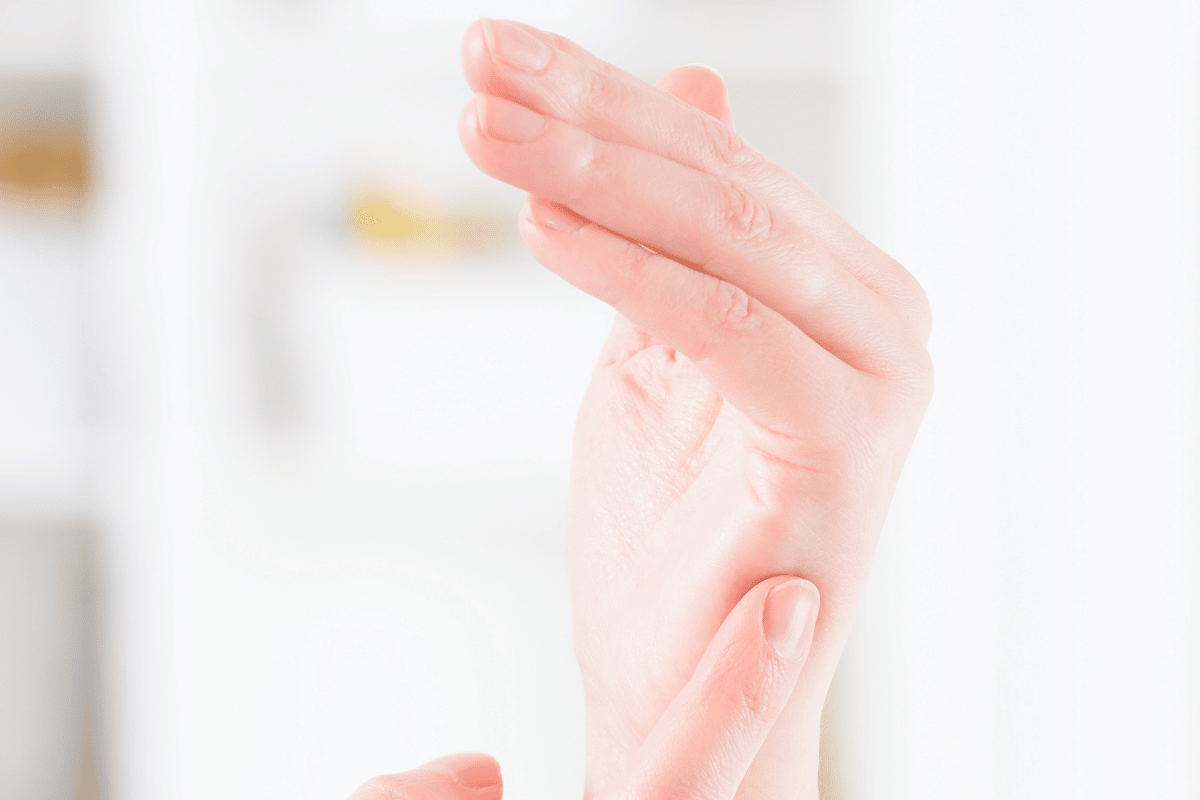
EFT Tapping isn’t a cure all, and recovery from severe addiction is a long process. But Tapping has, time and time again, helped people continue to progress towards recovery.
Here are some of the top reasons why Tapping can be such an effective tool for addiction support:
1. It helps to reduce stressOne reason Tapping can be so helpful for cravings and addiction is that it is proven to help disrupt the body’s stress response. Tapping prompts your body to release fewer stress hormones, which allows your body and mind to return to a calmer, more relaxed state.[2,3]
This is important, because stress and addiction are tightly linked. Excess use of alcohol, cigarettes, drugs, or even food is often a sign of too much stress.
In fact, research shows that an unhealthy stress response is linked to addictive disorders. Basically, the more stressed we are and the less well we manage that stress, the more likely we are to use substances and also to relapse. Researchers believe that when we can better manage our response to stress, it can help us to prevent cravings, substance use, and risk of relapse.[4]
The relaxation response triggered by Tapping can help people struggling with addiction to respond to stressful situations from a place of greater balance and calm. And that has the potential to disrupt the harmful patterns and habits that people with addiction may otherwise commonly fall into.
One of the special things about Tapping is that it has the ability to calm stress and anxiety very quickly – making it an effective tool to turn to for fast relief!
2. It helps release unresolved emotional issuesTapping is also an excellent tool for addressing unresolved emotional issues that can often play a role in substance use.
As we saw in the study highlighted above, the participants were able to use Tapping to address difficult experiences from their childhood.[1]
I’ve worked with many people around addictions and cravings using Tapping. With our Tapping work we usually start on the surface to address the physical craving, but then we almost always dig deeper to the feelings that are buried underneath whatever the substance of choice may be (whether it is alcohol, sweets, or cigarettes).
Through Tapping, we are able to find the unresolved emotional issues that are truly at the root of the problem. This allows the potential for long-term resolution of addictive behaviors, because we have actually gone underneath the surface to the deeper issues.
3. It provides a healthy behavior replacementTapping gives people struggling with addiction a new, healthier way to treat themselves and care for themselves on a day-to-day, moment-to-moment basis.
Whenever a craving hits, individuals can turn to the Tapping technique as a positive habit to take the place of their old behaviors.
For example, if someone who is trying to stop drinking alcohol is at a dinner party and finds themselves tempted to accept the offer of a glass of wine, they can excuse themselves briefly to do a few rounds of Tapping instead. Or if someone tends to always crave a cigarette on their lunch break to help them release stress, they can practice Tapping on that break instead as a healthier, and more effective, alternative.
Tapping is a great way to interrupt old patterns and rewire our habits toward more productive responses so that we can release the habits that have been causing harm.
Tapping resources for addiction and cravingsFrom smoking, to alcohol, to food, to drugs, Tapping can be an invaluable tool on the journey to recovery for a wide range of addictive substances.
If you or a loved one struggles with substance use, addiction, or cravings, I encourage you to turn to Tapping for added support. It is extremely effective and can provide quick relief, supporting long-term resolution and recovery.
I’ve seen Tapping help transform lives over and over again, leading to positive, lasting change.
If you are interested in giving it a try, you can learn more about Tapping and how to Tap on our Tapping 101 page.
And if you want to dive in further, try downloading The Tapping Solution App. In the app, you can find guided Tapping meditations specifically designed to support you with addictions and cravings.
Here are a few examples of topics covered in the app:
Opioid Detox Support – Craving ReliefOpioid Detox Support – Sleep ProgrammingOvercome Cigarette Cravings & Quitting SmokingCravings Buster: AlcoholCravings Buster: General CravingsCravings Buster: SugarUntil next time…
Keep Tapping!
Nick Ortner
References
Church, D & Brooks, AJ. The Effect of EFT (Emotional Freedom Techniques) On Psychological Symptoms In Addiction Treatment: A Pilot Study. Journal of Scientific Research and Reports. 2013;2(2):315-322.Church D, Yount G, Brooks AJ. The effect of emotional freedom techniques on stress biochemistry: a randomized controlled trial. J Nerv Ment Dis. 2012;200(10):891-896.Stapleton P, Crighton G, Sabot D, O’Neill HM. Reexamining the effect of emotional freedom techniques on stress biochemistry: A randomized controlled trial. Psychol Trauma. 2020;12(8):869-877.alʼAbsi M. Stress and Addiction: When a Robust Stress Response Indicates Resiliency. Psychosom Med. 2018;80(1):2-16. doi:10.1097/PSY.0000000000000520The post Research Spotlight: Tapping Proves an Effective Addition to Addiction Treatment appeared first on The Tapping Solution.
Related posts: It’s Measurable: Tapping Reduces the Body’s Stress Hormones
 Who Believes in Tapping?Research: Tapping Ranks as One of the Most Effective Treatments for PTSD in Young People
August 30, 2022
Does the Physical Act of Tapping on Acupoints Really Make a Difference? Research Says Yes!
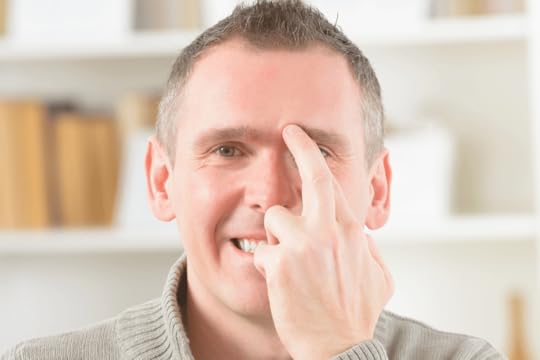
There are over 100 research studies demonstrating the effectiveness of EFT Tapping. This is a technique that has been proven time and time again to make a big difference for a wide variety of physical and mental health concerns including anxiety, depression, PTSD, pain, weight loss, insomnia, and headaches, to name a few.
So we know that people get really amazing results when they use the Tapping technique. And we know that it can create physiological changes in the body too, like reducing cortisol levels and even positively altering gene expression.[1,2,3,4]
But still, many people wonder – what parts of the Tapping technique are responsible for these results? What elements of Tapping are the active ingredients that create such incredible outcomes?
The many elements of Tapping
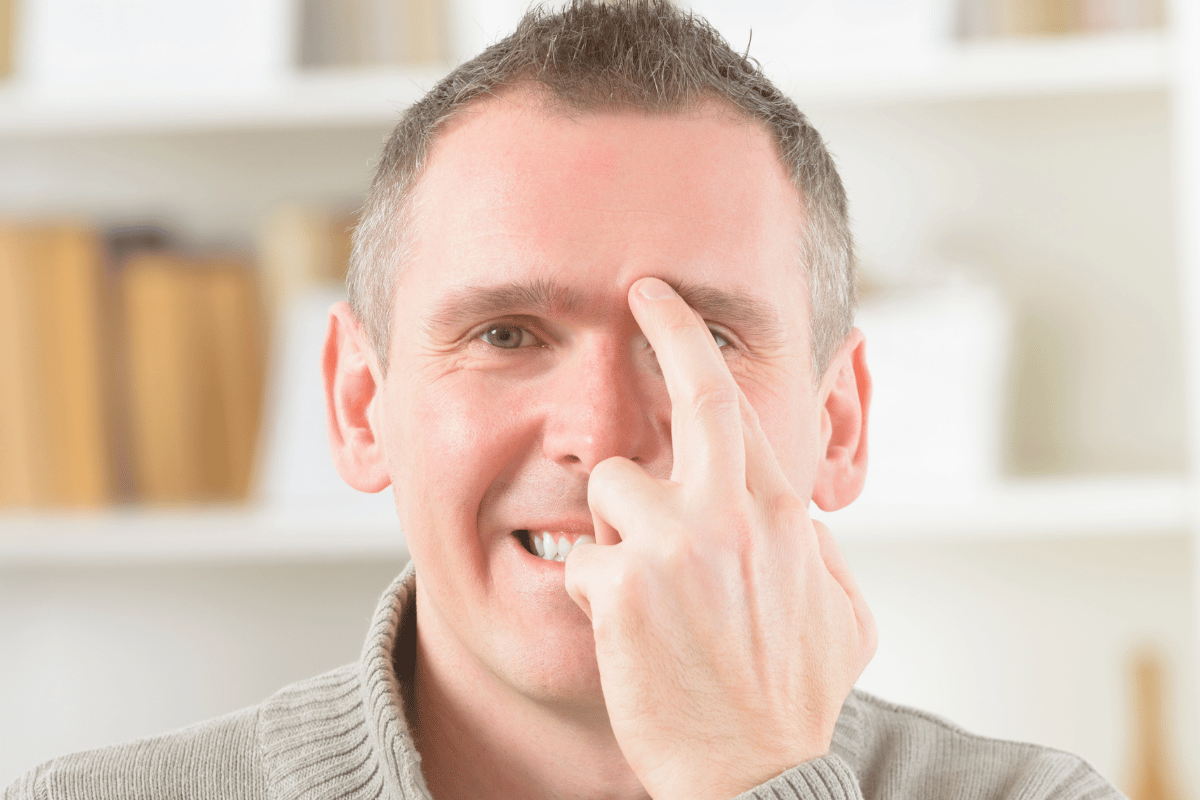
EFT Tapping has roots in two major healing modalities: Ancient Chinese acupressure and modern psychology. It draws on many different principles, theories, and therapeutic tools.
During a Tapping session, we acknowledge our emotions and say certain statements aloud. This is the part of Tapping that draws on modern psychology principles, such as cognitive restricting and exposure techniques.
At the same time, we also tap our fingertips on certain acupressure points along the body’s meridians, which we refer to as “Tapping points.” This is the part of Tapping that draws on ancient Chinese acupressure principles.
Because Tapping involves several different elements, including acknowledging our emotions, speaking aloud certain statements, and acupressure point stimulation, it is natural to wonder: which parts of this technique are really making the difference? Which elements are actually integral to its effectiveness, and which might be more extraneous?
In particular, many skeptics have questioned whether or not the physical tapping part of EFT actually does anything significant. After all, Tapping can look kind of odd, and many can find it hard to believe that tapping your fingers on certain parts of the body leads to any meaningful effects. So it isn’t surprising that some people question whether or not it is really a valid technique.
Luckily, scientific research has come to the rescue to help us answer these questions and reinforce the true power of the Tapping technique.
Looking for the active ingredients – researchers investigate
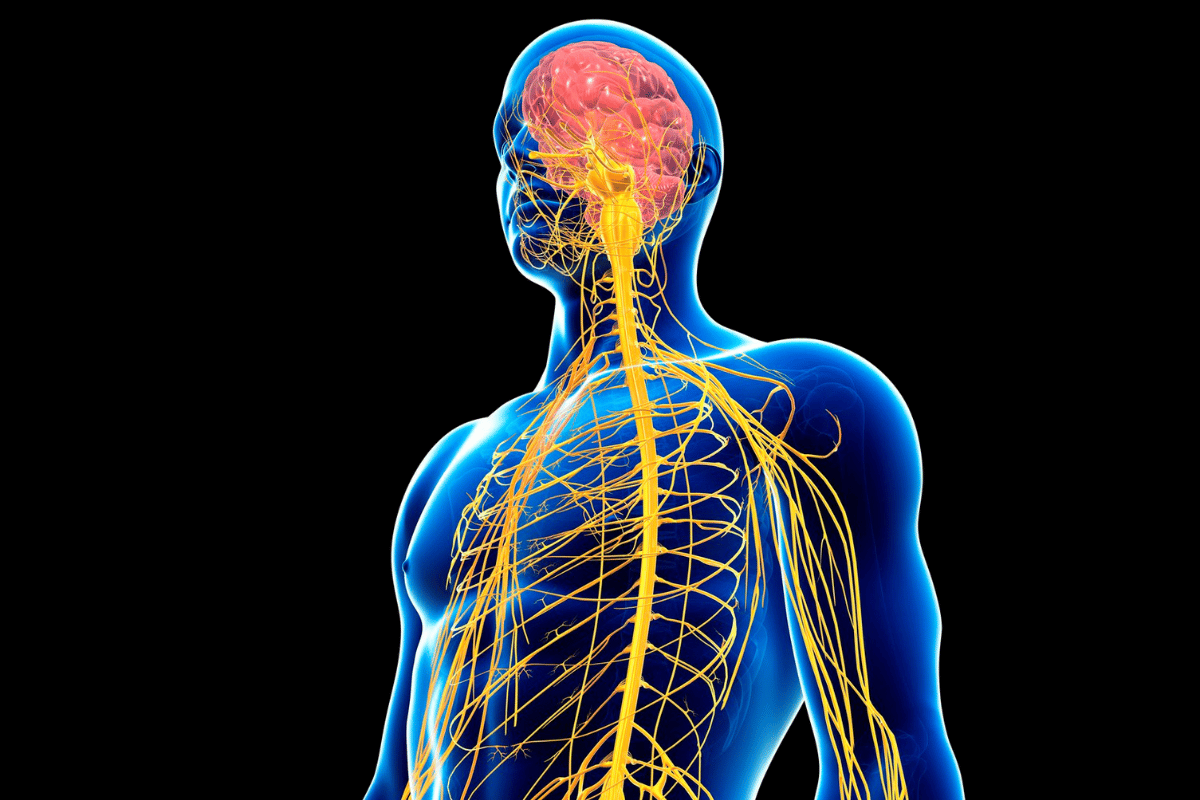
A research group led by Dr. Dawson Church and Peta Stapleton conducted a systematic review and meta-analysis study in 2018 to determine if, in fact, tapping on acupressure points is an active ingredient in EFT.[5]
In the author’s own words, “The aim of the original article was to determine if acupoint tapping was an active or inert ingredient. Because EFT also includes elements drawn from conventional psychotherapy techniques, it is possible that its measured effects are entirely due to these, with tapping merely serving as a placebo, distraction, or inert ingredient.”[6]
To investigate this question, the researchers gathered data from several studies. They chose studies where Tapping was compared to a control treatment in which the active tapping component was omitted or swapped out for something else. For example, they found studies where the traditional Tapping technique was compared to a “sham” treatment where participants tapped on fake acupoints instead of the real ones. Other studies used diaphragmatic breathing instead of tapping on acupoints as a comparison.
The results of the researchers’ analysis led to some exciting conclusions. The data showed that experimental Tapping interventions that had the acupoint tapping component removed or swapped out were not nearly as effective as the traditional Tapping technique using the real Tapping points.[5]
The authors concluded that the acupressure tapping component of EFT is, in fact, an active ingredient of the process. As the authors shared, “The positive treatment outcomes were not due solely to placebo, the nonspecific effects of any therapy, or the nonacupressure components of EFT.”[6]
This study was a really important study, because it helped us confirm that it isn’t just the statements we say, or the things we focus on in our mind during a Tapping session that create such incredible outcomes. It provided evidence that physically tapping on acupoints during EFT Tapping actually does make a difference. Without that element of the technique, we just don’t see the same positive results.
It is interesting to note that after this paper was published, the claims were challenged by other scientists. The authors of the paper decided to re-analyze their data and publish an updated correction to accommodate the mistakes that had been pointed out. But even still, the conclusions from the data held strong. In fact, the revised analysis showed even stronger evidence for the power of acupressure tapping in promoting positive outcomes.[6]
The scientific evidence continues to mount for the Tapping technique

Whether you are a longtime Tapper, are new to the practice, or haven’t started yet because you are a little skeptical about the validity of this technique, I encourage you to continue to explore the science behind Tapping.
In addition to the research study I highlighted today, there are more than 100 others out there investigating Tapping from all different angles. And the evidence is just getting stronger and stronger confirming that yes, Tapping really works. And yes, it can make a big difference in your life. The continued study of Tapping helps us better understand how it works, why it works, and who it works for.
It is really helpful to have the scientific research back up this powerful technique. Because often, the more we know there is proof that something works, the more motivated we are to do it. There’s just that much more of a reason why. And with that reason why, the easier it becomes to convince ourselves to make room for it in our daily lives.
If you are interested in reading more about the science and research behind this evidence-based approach to stress relief and healing, I encourage you to check out this post for more information. You can also download our Science, Data, & Research Kit.
I’m so grateful to have the chance to discuss this research with you today, and I look forward to sharing more as the field of Tapping research continues to grow.
Until next time… Keep Tapping!
Nick Ortner
References
Maharaj, ME. Differential Gene Expression after Emotional Freedom Techniques (EFT) Treatment: A Novel Pilot Protocol for Salivary mRNA Assessment. Energy Psychology Journal. 2016;8(1):17-32. Church D, Yount G, Rachlin K, Fox L, Nelms J. Epigenetic Effects of PTSD Remediation in Veterans Using Clinical Emotional Freedom Techniques: A Randomized Controlled Pilot Study. Am J Health Promot. 2018;32(1):112-122. Church D, Yount G, Brooks AJ. The effect of emotional freedom techniques on stress biochemistry: a randomized controlled trial. J Nerv Ment Dis. 2012;200(10):891-896.Stapleton P, Crighton G, Sabot D, O’Neill HM. Reexamining the effect of emotional freedom techniques on stress biochemistry: A randomized controlled trial. Psychol Trauma. 2020;12(8):869-877.Church D, Stapleton P, Yang A, Gallo F. Is Tapping on Acupuncture Points an Active Ingredient in Emotional Freedom Techniques? A Systematic Review and Meta-analysis of Comparative Studies [published correction appears in J Nerv Ment Dis. 2020 Aug;208(8):632-635]. J Nerv Ment Dis. 2018;206(10):783-793.Church D, Stapleton P, Kip K, Gallo F. Corrigendum to: Is Tapping on Acupuncture Points an Active Ingredient in Emotional Freedom Techniques: A Systematic Review and Meta-Analysis of Comparative Studies. J Nerv Ment Dis. 2020;208(8):632-635.The post Does the Physical Act of Tapping on Acupoints Really Make a Difference? Research Says Yes! appeared first on The Tapping Solution.
Related posts:Research: Tapping Ranks as One of the Most Effective Treatments for PTSD in Young PeopleResearch Study Spotlight: Tapping Away Cognitive Impairment from CancerIt’s Measurable: Tapping Reduces the Body’s Stress Hormones
August 25, 2022
Research Case Study: Tapping to Heal from Traumatic Brain Injury
In my years working in the field of Tapping, I’ve heard countless incredible stories of healing and transformation thanks to the help of EFT. But even though I’ve witnessed and heard these stories so many times, it still astounds me sometimes when I encounter them. For example, when I read about this case study I’m going to highlight today, it practically took my breath away!
I’m grateful that researchers have documented some of the amazing cases where Tapping has created dramatic changes in individual’s lives, so that these stories can be shared and spread for more people to know about and learn from.
Today, I wanted to feature one of them. Let’s dive into an inspiring case study documented in the research about a woman overcoming traumatic brain injury symptoms with the help of Tapping.
An introduction to the case study
This case report was published in the International Journal of Healing and Caring in 2009 and was written by Gary Craig (the founder of EFT) and his colleagues.[1] In the paper, Craig details his encounter with a 51-year-old woman, named Sally, who had suffered a severe traumatic brain injury (TBI) during a serious car accident six years prior.
When the woman came to work with Craig at an EFT intensive treatment session, one of her most problematic symptoms from the TBI was lack of balance, with vertigo requiring her to use a walking stick most of the time for stability. Sally also experienced a low threshold for becoming overwhelmed by stimuli in busy environments.
In addition to the actual physical trauma to the brain, it was believed that some of Sally’s residual symptoms could have also possibly been related to PTSD from the incident, and also to underlying depressive symptoms.
Sally had been told by her doctors that many of her residual symptoms like instability would be with her for the rest of her life, and that she would just have to deal with them.
It wasn’t until she experienced EFT Tapping that things changed for Sally. In the paper, we get the chance to witness the incredible transformation that occurred after just one, single Tapping session.
Just one session of Tapping transformed this woman’s life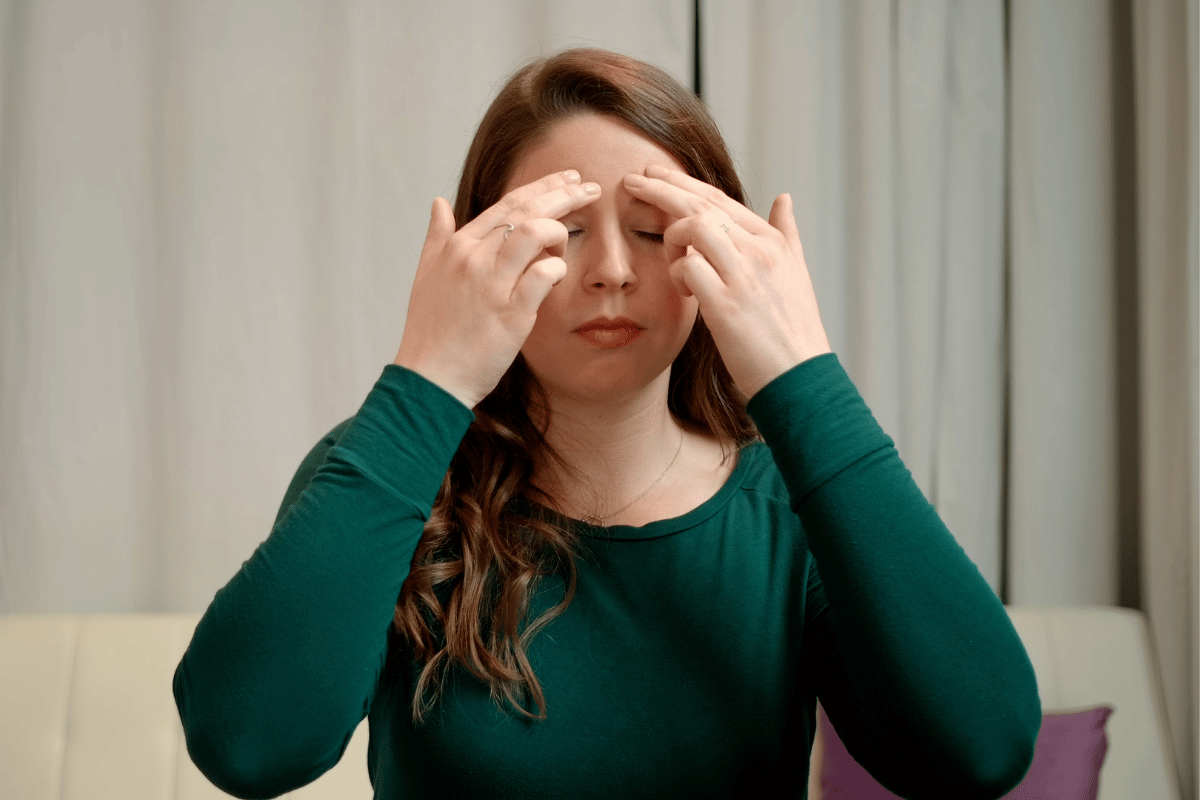
Gary Craig facilitated a single EFT Tapping session with Sally, focusing mainly on her balance and lack of stability.
Just minutes into the Tapping work, Sally found that she could walk without a stick, without holding onto the wall, and with no vertigo. And that was just the beginning; after the Tapping she was also able to do jumping jacks, run in place, and even hop on one leg and spin around! She also experienced a significant decrease in the hypersensitivity she had to overstimulation in her environment.
On top of all of that, when the researchers followed up with her a year and a half later to check in on her progress, the improvements seemed to have lasted. After just one single EFT Tapping session, her life had been transformed for good.
As a quote from Sally describes, “It was incredible! … How could that be? EFT was the only thing I did that could have brought about these changes… it was great! Since then, still no walking stick. Over a year has passed and I don’t get overcome with vertigo symptoms like I did and I don’t need the walking stick. I haven’t used it once in the seventeen months since the EFT sessions that eliminated the problem.”
EEG readings showed positive changes in her brain wave patterns, too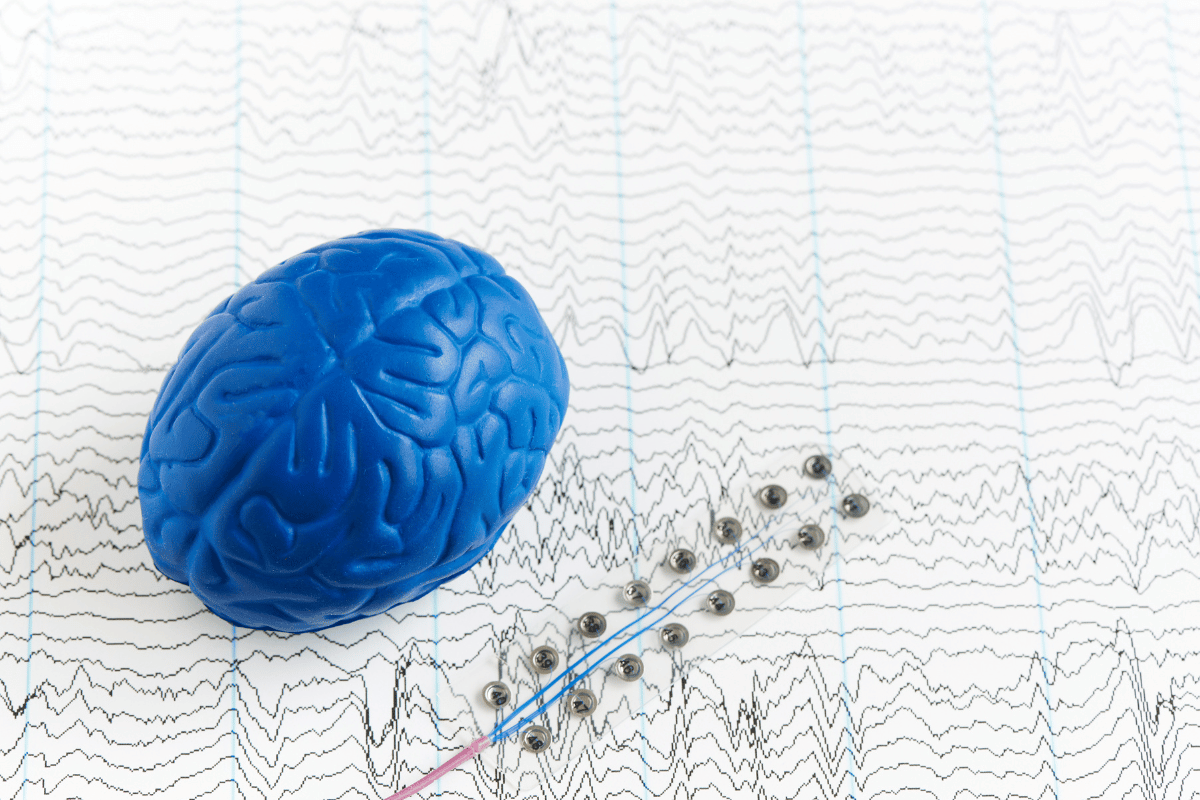
A fascinating part of this case study that was detailed in the research paper involves Sally’s brain wave patterns. When Sally came to receive her EFT Tapping treatments, the researchers also took EEG brain wave readings.
They found that before the EFT session, her brain waves showed a high frequency of beta waves, which are correlated with high anxiety and ‘monkey mind.’ After just a few rounds of Tapping, the pattern of her brain waves shifted to lower amplitudes of beta, suggesting reduced mental tension and lowered anxiety. Her brain waves also showed greater balance between the left and side of the brain, which is something that can be particularly helpful for people with brain injuries.
These findings suggest that the Tapping actually created changes in Sally’s brain function – changes which might have been linked to the improvements she noticed in how she felt afterwards.
Why did Tapping work so well for Sally?
It’s not entirely clear the exact mechanisms through which EFT facilitated so much healing for Sally after her brain injury. But there are many possible explanations as to why it might have been able to help.
Tapping is known to help calm down the brain and body, supporting us in releasing stress, anxiety, and other challenging emotions and experiences. While Tapping itself doesn’t ‘cure’ anything, it helps the brain and body move into a state of calm and balance where it can begin to heal. The researchers saw altered brain wave activity that reflected less anxiety, which may suggest that Tapping had this desired effect of supporting calm and balance for Sally.
The researchers hypothesize that one of the reasons Tapping may have been so helpful for Sally is because it might have helped to address underlying PTSD and depressive symptoms that could have been playing a role in her symptoms. As the authors state in the paper, “The dramatic improvements in Sally’s condition may have been due to the releases in psychological issues that were impeding her full recovery from her TBI.”[1]
Even if that wasn’t the case, and PTSD or depression weren’t playing any role, the authors suggest that there may be another possible explanation: “Sally’s responses may indicate that EFT can help re-organize the nervous system that is severely damaged by physical trauma.”[1]
Tapping holds great promise for supporting healing

This case study from the research is pretty fascinating in my opinion. But it isn’t the only story of dramatic improvements in severe cases of injury or illness after Tapping. As I said earlier, this is something I’ve heard about and witnessed many times over throughout my career.
It really is incredible to see that a simple tool like Tapping can have such transformational results on a person’s health and wellbeing. It can change people’s lives for the better, and for the long haul.
Whether it’s a traumatic event, a serious diagnosis, or a chronic condition, Tapping has the power to support healing and dramatically influence your life.
If you are interested in learning more about how to lean on Tapping as a support tool for healing, click here for a beginner’s guide to the Tapping technique.
And if you want to hear more about how Tapping can help people overcome challenging health conditions and symptoms, check out some of these other blogs:
Tapping for Dementia – Soothing a Father’s Mind: A Personal StoryAddressing Stress and Emotions in IBS – Empowering Yourself in HealingOvercoming Fibromyalgia – A Case StudyTapping and the Diagnosis of CancerAnd don’t forget to check out The Tapping Solution App, where you can find a large collection of guided meditation on specific topics, including an entire “Support Your Body” category featuring various conditions and symptoms.
Until next time, keep Tapping!
Nick Ortner
References
Craig, G, Bach, D, Groesbeck, G, & Benor, DJ. Emotional Freedom Techniques (EFT) For Traumatic Brain Injury. 2009;9(2):1-12.The post Research Case Study: Tapping to Heal from Traumatic Brain Injury appeared first on The Tapping Solution.
Related posts:It’s Measurable: Tapping Reduces the Body’s Stress HormonesWho Believes in Tapping?Research: Tapping Ranks as One of the Most Effective Treatments for PTSD in Young People
August 23, 2022
Research Study Spotlight: Tapping Away Cognitive Impairment from Cancer
Cancer and its treatment can take a tremendous toll on the mind, body, and spirit. From the stress to the fatigue to the very unpleasant side effects, it is a disease that has wide ranging impacts on a person’s life.
Today, we are going to talk specifically about one of the adverse effects linked to cancer and cancer treatment: cognitive impairment. We will explore some of the research behind how Tapping can help support cancer survivors in finding relief from cognitive impairment, so that they get back to feeling like themselves.
This research is very promising and hopeful, offering an effective solution to an important issue that so many people living with cancer face.
Cognitive impairment – a common and impactful side effect from cancer

A common adverse effect of cancer and its treatment is cognitive impairment. Cognitive impairment can involve having trouble concentrating, remembering things, making decisions, and so on. Some people refer to it as ‘chemo brain’ or ‘brain fog.’ Your mind just might not feel as sharp and clear as it did before cancer.
Many patients report cognitive impairment to be one of the most feared long-term impacts of cancer, and it is one that can really compromise an individual’s ability to function normally and feel like themselves. It has the potential to profoundly impact one’s quality of life, and unfortunately it can sometimes extend months or years after cancer treatment is over.[1]
Clearly, this kind of adverse effect is an important issue that deserves attention.
Fortunately, there is hope! There are effective ways to improve cognitive impairment associated with cancer and its treatment.
Researchers wanted to know: could Tapping help?

Research suggests that one of the factors that can contribute to cognitive impairment in cancer patients is high levels of distress. The more distressed someone with cancer is, the more likely they are to experience cognitive impairment as a symptom.[1]
This observation led a group of researchers to wonder if techniques that help us manage our distress could also help people with cancer to improve their cognitive function. And so, they decided to investigate the effects of one of my favorite tools, Tapping, on cognitive impairment in cancer survivors.
As the authors of the study hypothesized:
“The wide range of conditions for which EFT is effective are usually attributed to the technique’s ability to deal with mild to severe distress. Distress, a component of many emotional and physical disorders, was also found to be a predictor of self-reported cancer-related cognitive impairment. We hypothesize that the application of EFT may relieve [cognitive impairment] in cancer survivors through a reduction of the level of distress.”[1]
The design of the study
The researchers performed a randomized controlled study involving 121 cancer survivors.[1]
Half of the participants were put into a wait-list control group, and they received no treatment during the first half of the study. The other half was put into the treatment group, and these individuals received EFT Tapping treatment for the first half of the study.
The Tapping treatment group received one introductory session of Tapping, with a follow-up session about a week later. In the sessions the participants learned how to do Tapping, and they were asked to apply Tapping at least once per day throughout the course of the study.
After eight weeks, at the halfway point of the study, the wait-list group began the same EFT Tapping treatment protocol that the first group had gone through. For the remainder of the study, the researchers continued to observe the first treatment group to see how they did over time.
Assessments were given to all participants at the beginning of the study, eight weeks later at the end of the first Tapping intervention, and then again eight weeks later after the waitlisted group had completed their turn of the Tapping treatment. The assessments measured levels of cognitive impairment along with other things like fatigue, quality of life, depressive symptoms, and distress levels.
Results points to Tapping as effective tool for cancer-related cognitive impairment
What the authors of this study found was pretty incredible. After analyzing the data, they were able to confirm that EFT Tapping is an effective treatment for cancer-related cognitive impairment, and that Tapping helped to significantly improve quality of life for cancer survivors!
Complaints around cognitive function were 46.5% lower in the EFT treatment group than the control group after the first half of the study. This showed the investigators that the EFT Tapping had led to a significant reduction in cognitive impairment. After the wait-list group had also received their turn at the EFT treatment, their cognitive impairment decreased to a similar level as the first group.
Along with improving the symptom of cognitive impairment, the results of the study also showed that things like fatigue, distress, depressive symptoms, and overall quality of life were better after the EFT intervention took place.
This is very exciting, as it suggests that Tapping works really well for helping people with cancer to boost their cognitive function and feel better.
As the authors concluded in their paper, “This trial highlights EFT as a safe, effective, low cost and low threshold intervention, easy to implement in clinical practice.”[1]
Calmer mind, clearer mind

It is amazing to see how well Tapping works in specific situations, like we saw in this study around cognitive impairment in cancer survivors. It has been shown to have similarly impressive benefits for everything from depression to post-traumatic stress disorder to chronic pain (you can read more about the evidence-based benefits of Tapping here).
So how does it all work?

It all comes down to stress. EFT Tapping helps to send calming signals to the brain, letting it know it is safe to relax. This helps us release distress and get the body into a relaxed state where it can begin to heal.
Remember how the researchers of the study knew that cognitive impairment is often linked to distress levels in people with cancer? Well, the science shows us that Tapping helps to turn down the stress response.[2,3,4] This can in turn help to improve symptoms that are linked to stress – like cognitive impairment for example.
As Tapping turns down that stress response in the brain, it helps us to be able to heal from a wide range of different concerns and issues.
Resources for getting started
If you want to regain clear thinking and mental sharpness, then Tapping is here to help! As the scientific research confirms, Tapping is an effective tool for improving cognitive function after cancer and boosting quality of life.
I am so excited by this research, because it has the potential to bring so much hope and healing to the many people affected by cancer and its challenging side effects.
New to Tapping and want to know how to begin the process? Check out our Tapping 101 page, which is a great place to start.
In The Tapping Solution App, we have many great meditations that can help you to release stress, support healing, and bring greater ease, clarity, and focus to your day.
Some of the guided Tapping meditations that you can choose from include:
Micro Boost of FocusReleasing AnxietyI’m Stressed About My HealthInstant Boost of HealingFreedom from a DiagnosisRelease Cancer PainSettle Your StomachTurn Your Day Around: Feel Safe & Grounded in Your BodyWishing you deep healing and vibrant health!
Until next time…
Keep Tapping!
References
Tack L, Lefebvre T, Lycke M, et al. A randomised wait-list controlled trial to evaluate Emotional Freedom Techniques for self-reported cancer-related cognitive impairment in cancer survivors (EMOTICON). EClinicalMedicine. 2021;39:101081.Gilomen SA, Lee CW. The efficacy of acupoint stimulation in the treatment of psychological distress: A meta-analysis. J Behav Ther Exp Psychiatry. 2015;48:140-148. doi:10.1016/j.jbtep.2015.03.012Church D, Yount G, Brooks AJ. The effect of emotional freedom techniques on stress biochemistry: a randomized controlled trial. J Nerv Ment Dis. 2012;200(10):891-896.Stapleton P, Crighton G, Sabot D, O’Neill HM. Reexamining the effect of emotional freedom techniques on stress biochemistry: A randomized controlled trial. Psychol Trauma. 2020;12(8):869-877.The post Research Study Spotlight: Tapping Away Cognitive Impairment from Cancer appeared first on The Tapping Solution.
Related posts:Research: Tapping Ranks as One of the Most Effective Treatments for PTSD in Young PeopleIt’s Measurable: Tapping Reduces the Body’s Stress HormonesTapping Research: EFT Found to Be Effective Intervention for Young Adults with Suicidal Ideation
August 16, 2022
Research: Tapping Ranks as One of the Most Effective Treatments for PTSD in Young People
I have young kids. And like most parents, I oftentimes wish I could wave a magic wand so that nothing bad would ever happen to them. It is heartbreaking whenever we witness children in distress or in pain!
But the truth is that all kids and teens will go through stressful times, and many will even experience traumatic events at some point while growing up. In fact, it is estimated that about two thirds of children report experiencing a traumatic event by age 16.[1] For some kids, those stressful, traumatic events can have lasting impacts.
So, what can we do to support children and adolescents who have been affected by trauma? How can we help our young people to heal from catastrophic events and tragedies? Well, you might have guessed it – we can turn to the power of Tapping!
Research confirms that Tapping is an evidence-based, effective treatment approach for helping young people heal from post-traumatic stress disorder (PTSD).
Kids and young adults living with PTSD need better support

Children are very resilient, and most of the time their reactions to stress are brief and resolve fully. But sometimes, children can develop ongoing difficulties (including PTSD symptoms) after a traumatic event that can interfere with their daily lives for years to come.
Unfortunately, children and young people with PTSD symptoms aren’t always getting the support they need and deserve.
The American Psychological Association itself shares that “Most children with distress related to trauma exposure and in need of help do not receive psychological treatments… For those children who do receive services, evidence-based treatment is not the norm.”[1]
Clearly, more evidence-based ways to support children and young people to heal from PTSD is a big need in our world that isn’t currently being filled effectively.
So, what can we do about that? It turns out we can look to Tapping for support. EFT Tapping has been proven by the research to have the potential to help fill this vital need; an exciting 2020 study published in The Journal of Child Psychology and Psychiatry suggests it to be one of the most effective treatments for PTSD in young people.[2]
Study compares common treatment options for PTSD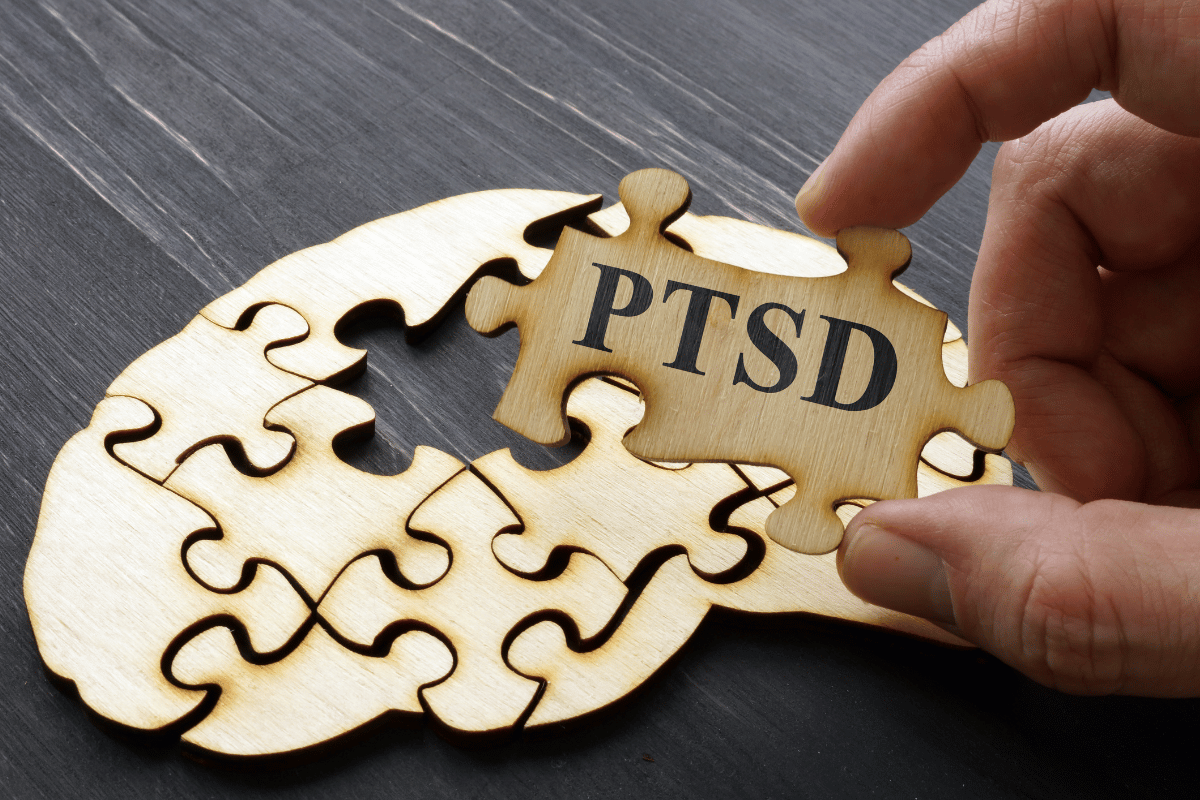
A group of researchers compared the various types of treatments for PTSD in children and young people. They wanted to know which were most effective and which were least effective, according to the published research so far.
And so they conducted what is called a meta-analysis study, which means they used a systematic method to combine data from multiple scientific studies and analyze them all together.[2]
In this 2020 study, the researchers compared the effects of trauma-focused cognitive behavioral therapy, EFT Tapping, child-parent psychotherapy, meditation, play therapy, eye movement desensitization and reprocessing (EMDR), and other common treatment options for PTSD. In total, they included 32 different trials in their analysis which involved 17 types of interventions and over 2,000 participants.
After they analyzed all of the combined data from these studies, the authors were able to compare the effectiveness of the various types of treatment options for PTSD in young people.
EFT Tapping ranked near the top of most effective treatments
The results showed that cognitive behavioral therapy (CBT) had the biggest positive effect out of all the interventions included in the study. CBT also had the largest base of evidence to support it, with several high-quality studies to back it up. This makes sense, as CBT is a very well-established treatment option that is known to work well for PTSD symptoms.
But here’s the exciting part. Guess what ranked second in terms of effectiveness in treating PTSD in young people? EFT Tapping! The authors of the study concluded that “Results suggest a large positive effect for emotional freedom technique.”[2]
The authors do note that further research is warranted, as the findings related to Tapping were based on only limited evidence. More data to analyze would be helpful for us to better understand the true impact of EFT Tapping for helping kids and young people to deal with trauma.
But even with the limited data so far, these findings are extremely exciting. This study was published in a very respected journal, and for EFT Tapping to come second out of all the different interventions included in the analysis says a lot!
Putting Tapping into practice leads to amazing results!

Now we might not be able to wave a magic wand to protect all the children in the world from tragedy, as much as we might wish to. But when we find something that works, and something that fills such an important need, we can shout it from the rooftops! And that’s why I wanted to share this research with you today.
Tapping is a therapeutic tool that has the potential to make a big difference in the lives of so many kids, teens, and young people who have faced unimaginable tragedy and trauma.
It is effective, evidence-based, easy to implement, and super accessible, making it a very powerful option when it comes to helping our youngsters who are suffering from the long-term effects of trauma.
I’ve seen firsthand just how much transformation can occur in kids who have been affected by stress or trauma as they learn to Tap. And I am so, so encouraged to see all of those positive benefits now reflected in the scientific research as well!
Through our work with The Tapping Solution Foundation, we have made it our mission to spread the healing power of Tapping to the people who need it most – including kids and teens.
We have been hard at work for years introducing Tapping to schools, in hospitals with kids affected by cancer, and more. And the results have been so incredible to witness! If you want to hear just one of the many inspiring stories of healing through Tapping, check out this blog post.
If you want to learn more about how to support children and young people through stress and trauma, you can check out these articles in our Parents, Kids, and Teenagers category. And for even more resources, head over to The Tapping Solution Foundation website where you can find answers to all your questions.
References
Children and Trauma: Update for Mental Health Professionals. American Psychological Association. 2008. https://www.apa.org/pi/families/resou...Mavranezouli I, Megnin-Viggars O, Daly C, et al. Research Review: Psychological and psychosocial treatments for children and young people with post-traumatic stress disorder: a network meta-analysis. Journal of Child Psychology and Psychiatry. 2020;61(1):18-29.The post Research: Tapping Ranks as One of the Most Effective Treatments for PTSD in Young People appeared first on The Tapping Solution.
Related posts: Tapping Case Study: Turning Bullies Into Enlightened Leaders
 A Tale of Two Trials – Tapping Research for PTSDIt’s Measurable: Tapping Reduces the Body’s Stress Hormones
July 6, 2022
Rethinking Overwhelm
“You’re Doing Too Much! Do Less!”
If You’re Tired of Hearing this Advice, Here’s a Fresh Take To Try Instead

To say that life can be overwhelming sometimes is an understatement. Overwhelm is a word I hear people reference often.
So much of the time, we are just told to do less… But when someone tells you to take things off of your plate, and “just do less,” it can be frustrating, can’t it?
But what if we could rethink overwhelm? What if it wasn’t the actual things on our plate, or how many of them there were, that were the problem? What if the key to turning overwhelm on its head was to shift our mindset around it?
Leo Babauta, creator of the blog Zen Habits, shares some very helpful wisdom around overwhelm:“If you have a lot of tasks and personal things going on in your life… what makes it feel overwhelming? A lot of things isn’t inherently overwhelming — it’s how we view those things.If you view each task as a potential “dropped ball” or way to let people down or fail … then a bunch of those potential failures and dangers will feel overwhelming. If every email and message has the potential to have people frustrated with you for not replying, then a long list of unanswered emails/messages will feel overwhelming.
If every decision you need to make has the potential to be a mistake, then you’ll feel overwhelmed by a lot of decisions that all might turn out to be mistakes.
What if your list of tasks, and your pile of daily decisions … felt like a playground? Or an adventure?
You could imagine yourself going into a giant playground with so many different toys and games to play with. This could be your task list and inbox.
What if you could see every single task as an opportunity — to learn, to grow, to serve? Then it’s a pile of gifts.
Opportunity and play, instead of danger. How would it feel if you viewed your life like that?”
.tan-quote {
background:#fbf7e4;
padding:20px;
color:darkblue;
border-radius:20px;
margin-bottom:20px;
}
You can see the full blog here
The post Rethinking Overwhelm appeared first on The Tapping Solution.
Related posts: What’s Possible for 2012? What if…Some Inspiration for You
 10 Symptoms of Inner Peace