Polly Campbell's Blog, page 4
January 28, 2019
Choosing Agility
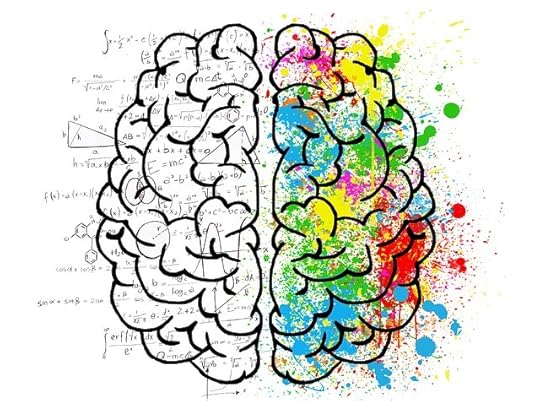
Farioff, Source: Pixabay
Each year I pick a word — a theme to guide my year. Do you do this too? Rather than a specific resolution, I feel like the Word O’ The Year creates kind of soundtrack for my life, something I can tune in to for reminders or guidance, all year-long, no matter the situation.
About five years ago I chose patience and it sucked. I ended up waiting for everything that year. Got lots of practice, and I did experience some real growth and awareness — which is ultimately what I’m going for — but it wasn’t easy. I’ve worked with kindness, connection, and about 15 other words by now.
And the 2019 Word O’ The Year Is?
Agility
The physical kind to improve my balance and flexibility, yes. And mental, spiritual, and emotional agility. I want to be more responsive rather than reactive, able to adapt when required, more flexible and creative in my thinking and parenting and business-ing. Easier with uncertainty. I want to flow easier into change rather than worrying about it or needing to micromanage every shifting detail.
I’m not good at any of this—not even close. But, I am becoming more aware. There are times, like when dinner plans change at the last minute, or a meeting is canceled, that I’m good. It doesn’t ruffle me. Often, I appreciate the open time. Other situations have me coming unglued. In those moments—thank you, tweenage daughter—I’m clear, a little more mental agility and a little less freakout would serve me better.
Already this word is giving me a workout. My plans for the week, blew up Sunday night. And my schedule is changing hour to hour. The call I was waiting for never came through, the carpool times changed, husband’s work schedule shifted, dog needed an extra walk, a work meeting was called unexpectedly, a health matter had me visiting a relative in the hospital in the middle of the day, a meeting was canceled – whew and it’s still early.
All these changes have meant much flexing. I don’t love it. But I am learning and taking baby steps to become more agile.
Flexible Mind, Open Attitude
Years ago I interviewed Wilma Koutstaal, Ph.D., professor of psychology at the University of Minnesota and author of The Agile Mind. A flexible mindset, she says, allows us to live in a place of greater openness and possibility, rather than repetitive and rigid thought patterns and behaviors. When we become agile thinkers, we can adapt in ways that can increase our resilience and opportunities.
We are able to respond to different situations and responsibilities in a way that will help us be more successful. Agile thinking doesn’t mean we are always changing or adapting. Sometimes, staying the course or approaching it with a more rigid mindset, serves us. But an agile mind means we can make those adjustments, move around in our thoughts, and change our behaviors and approaches to ideally suit each situation. This opens up all kinds of possibilities and it is an interesting and exhilarating way to live. Sometimes, it’s also hard.
Just a week in, I’ve had two occasions where I felt like I was leaping from a plane, unsure of when the parachute would open. Scary. But, also enlivening.
Here are some practices I’m using to become a little more agile in my thinking. They might work for you too.
Challenge your thoughts. Right now, my daughter is teaching me a whole lot about this one. Seems like she challenges (in a remarkably persuasive and intelligent way) my every idea or suggestion. But, she’s also reminded me that it’s worthwhile to look at other things from a different perspective, too. What if, for example, there was a more efficient way to manage the proposal process? Could writing for a different genre be a way to improve my writing skills? Can a fun, passion project also be a revenue stream? Things that I may have not seen in the past are now moving into greater focus in the frame thanks to my deliberate intent to stay open and agile. Not everything I’ve landed on is a good idea. Most aren’t. But a couple have got me thinking and others have steered me in new directions that are kind of interesting. That feels good. Creative.
Try something new. Often, we find what works and stick with it – for years. Even as our marriages and partners age, even as our kids grow, our workplaces shift, and we evolve, we do things the same way. We do what we’ve learned to do, and become reluctant to change even when the thing we’ve always done just doesn’t fit anymore. This makes about as much sense as trying to pull on the old jeans we wore in high school. Our approaches, like jeans, can also be too tight (maybe that’s just me) and out-of-date.
Time to change and grow just as people and systems and circumstances and perspectives change. So, after challenging your thoughts, play with them. Try a new communication strategy with your teen. Instead of asking your partner “How was work?” yet again, try “Tell me something funny that happened to you today.” Move your desk at work, or take your break at a different time conceptualize a new approach to an accepted system and just start playing with the patterns and thoughts in your life. You might need to make time for it, put it on your to-do list, but the process can also lead to innovation.
Leave time for unstructured thought. Sitting at my desk all day, structuring articles, researching pitches, sending invoices are all very linear (and necessary) parts of the writing business. But, it’s not so great for my creative process. So, I build in time to get up and out of the office and change the way I think about work. I’ll go for a walk and ponder a story I’m writing, or take 20 minutes to do the dishes or other chores and let my subconscious take over, sifting through the more creative challenges while I’m distracted by simple, repetitive tasks. Even five minutes to daydream (no checking the phone) while drinking a cup of coffee can lead to a surprising association or shift.
And shifting between these focused and more abstract thinking styles can make for a more creative and agile mind.




January 24, 2019
Want to feel better? This will help.
 Busy weekend. Working on a late deadline. Shuttling the kid to play practice, feeding kids and dogs and cats, folding laundry, working out, scraping that goo off the shelf of the fridge — what is that anyhow? I got it all done, but there wasn’t much downtime and I felt depleted, unsettled.
By the time Monday circled back I wanted to quietly cocoon. But, I had a date with a friend. And though I was tired, I know the value of that kind of connection. Those moments sustain me.
Still, I’m an introvert, preferring to stay home, tucked in a corner of the couch, reading. I mostly work alone too. And my family doesn’t charge in until late afternoon. And, after awhile, life gets a little narrow and gray-colored. I become limited by my own ideas and jokes. And I become increasingly curious about what all those other people are up to.
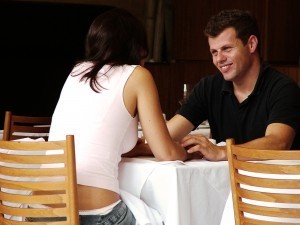
I was waiting for her when she walked in. So glad I was.
When We Connect We Do Better
Texts and emails have become the communication habit for most of us. Even when we do share space with breathing human beings – the kid’s teacher, the checker at the grocery store, the guy at the gym – we hardly notice. We’re keeping our heads down, looking our phone, listening on earbuds, moving quickly to the car and the office and back again. We are getting it done, this life thing, without even noticing the others who are doing it with us. We don’t make eye contact, rarely look up and around to pass on a greeting or a smile. We don’t see each other.
And this makes it easier to judge the other. The other guy becomes the problem. It becomes easy to feel angry at the guy who steps in your way, instead of recognizing he’s a first-time dad, trying to find the right medicine to help his sick baby son. Right? He is stressed out of his gourd, and we are just pissed he cut in front.
We judge the lunch woman as being gruff or brusque in her dealings when we are the ones who don’t even say “thank you” or bother to learn her name. We write the check. Move on.
When we don’t lift up our heads and see one another it becomes much easier to become afraid and wary and isolated and isolating. Gotta stop that stuff. That is not where life is. Hope is in the compassion and kindness and intelligence and humor that others can offer. Sure people do crackpot things. But, they are also the solution to the crackpot problems of our day. We need to notice. Listen to one another. Teach and talk to one another.
When we do, when we really pause long enough to see each other, look each other in the eye and connect, we do better.
Whether it’s during a long conversation with a friend at the coffee shop (I had one of those Saturday and it filled me up) or a glance and greeting in passing with the cafeteria woman when we notice each other, we share a moment and that moment becomes better. The personal connection enlivens and enlightens us. Keeps us engaged in the world and with each other and reminds us of our humanity and compassion. Then we separate, go on and off about our lives, but we are more likely to do it with patience and kindness — which spreads others — and because we took a moment to see each other, we save the world a little bit at a time. Make it a little bit better. And we save ourselves.
Research, a ton of it, shows that connecting with others buffers us against depression, illness, and other tough stuff. It also prompts well-being and uplifts mood. It builds empathy for others and resilience for us. When we pause to look another in the eye, we see the truth in each other, that everybody is just trying to get by. That we’ve all got loves and lives and struggles and fears and that we are just trying to figure it all out. In the moments of connection, we recognize that we aren’t alone, not really and we help others remember that too. It’s a gentler, more fun way to live.
It’s easy to pick a fight on Facebook. Easy to forget the people behind the posts. Easy to comment without connecting to the fears or sadness or worries. With social media we can keep life at a distance. Substitute emojis for real emotion.
Over coffee with a friend, not so much. I listen better. I give my attention. I carefully weigh what she shares rather than scrolling on to kitten pictures. I’m all in.
And in the end, I’m the one who benefits. I’m the one who feels more creative and engaged and connected and alive.

May 9, 2017
How to Get What You Want
Sun is out today and I hear the hum of the mower next door so I’m opening my window to smell the fresh-cut grass. Everything feels alive today and new. Vital.
I like it. And, yet I don’t want this energy to come around just once a year. My theme for 2017 is Vitality and I’ve been feeling it and thinking about it and taking on behaviors tat support this sense of energy and health. I’ve been exercising more, eating more fresh foods, creating some different things. And I feel energetic.
By the end of last year, I just felt tired. Like how-soon-can-I-go-to-bed? tired. I want to feel vital, energized, engaged, and healthy. So, for the last few months I’ve been focused on choosing the words, actions, and beliefs that will help me get there.
The words we use are a big deal. The shape our reality by influencing how we think and act.
Andrea Brouwer, a researcher and psychologist at Winona State University told me that the more active the word or statement people use, the more likely they are to make healthier choices and achieve their goals.
Say, you want to lose weight. Instead of declaring that you’ll never eat another brownie – which is just crazy talk if you ask me — use active statements about what you will do.
You could say, “I am a healthy food eater,” instead of “I will not eat dessert,” or “I am an exerciser,” rather than “A person who exercises.”
People who identify as “doers” are more motivated and more likely to make healthier choices and positive changes than those who use more passive language, Brouwer says.
So, what do you want? And what will you do?

December 8, 2016
Looking for an Awesome Connection?
I took a break from the blog for awhile to work on some other things and explore new practices and ideas that can help us add even more awesome to our lives. Also looking at ways to feel more calm and grounded in an unsettled and sometimes unsettling world.
Now I want to connect and share these ideas with you in a more personal way, so I’m launching the How to Live an Awesome Life newsletter.
This monthly-ish newsletter will be a quick hit of ideas, inspiration, encouragement, including my quirky take on practical personal development. Seriously, people, if I can do this stuff so can you, so we’ll explore the simple little ideas and habits that can change our world in a big way.
I’ll also offer updates on any classes, readings, presentations, or the other things I’m up to, beyond preparing sack lunches and griping about folding the whites.
Want a little more awesome in you life? Sign up here and it will come directly to you. Easy Peasy. And, of course, I’ll be stopping by these parts again, every once-in-awhile.
Thanks for joining me.
Please subscribe below to receive Awesome in your inbox.
* indicates required
Email Address *
Name *
Email Format
html
text

Why Human Connection Beyond the Internet is so Important
Busy weekend. Tree decorating. Dinner with friends. Grocery shopping. Laundry folding and finally time to scrape that sticky stuff up off the wood floor below the counter. What the heck is that, anyhow?
I got it all done, but there wasn’t much downtime and I felt depleted, unsettled.
By the time Monday circled back I wanted to quietly cocoon. But I had a date with a friend. Course, I contemplated postponing. Instead, I checked to make sure my ringer was on so that she could postpone. And then, I pulled on my sweater and jeans, brushed my teeth and headed back out into the world to meet her.
I didn’t want to go. I rarely want to. What I prefer is reading a book on the couch — alone. But, then life gets a little narrow and gray-colored. I’m limited by my own ideas and jokes. And I become increasingly curious about what all those other people are up to.
I knew if I canceled on my friend, it would be months before we could reconnect. I also knew that I’m better for hanging with her. So, I committed, bought 16 ounces of coffee in a ceramic ‘for here’ mug and was waiting for her when she walked in. So glad I was.
Just sitting with her, sharing concerns and views and ideas about family drama and Christmas tree hunting and election fallout and books kept me thinking, laughing and curious. She brought up things I’d never thought about. In a kind, intelligent and funny way she offered up a unique perspective. And I felt so much better by the end. And dang, so much smarter. I felt connected.
When We Connect We Do Better
I’m always communicating with people, of course. More than ever. Texting, Facebooking, a few phone calls, tons of e-mails. And I love the technology that puts me in touch. But I’m not sitting down face-to-face with people like I used to. Instead, I’m using customized emojis to convey my real emotions in a text that is often reworked, thanks to fat fingers, by autocorrect. This is not real life. At least not all there is to it.
Yet, this kind of connection has become a habit for most of us. All of the time. Even the people we do come into contact with – the kid’s teacher, the checker at the grocery store, the guy at the gym – we hardly notice. We keep our heads down, moving quickly to the car and the office and back again. We are getting it done, without even noticing the others who are doing it with us. We don’t make eye contact, rarely look up and around to pass on a greeting or a smile. We don’t see each other.
And this makes it easier to judge the other. The other guy becomes the problem. It becomes easy to feel angry at the guy who steps in your way, instead of recognizing he’s a first time dad, trying to find the right medicine to help his sick baby son. Right? He is stressed out of his gourd, and we are just pissed he cut in front.
We judge the lunch woman as being gruff or brusque in her dealings when we are the ones who don’t even say “thank you” or bother to learn her name. We write the check. Move on.
When we don’t lift up our heads and see one another it becomes much easier to become afraid and wary and isolated and isolating. Gotta stop that stuff. That is not where the life is. Hope is in the compassion and kindness and intelligence and humor that others can offer. Sure people do crackpot things. But, they are also the solution to the crackpot problems of our day. We need to notice. Listen to one another. Teach and talk to one another.
When we do, when we really pause long enough to see each other, look each other in the eye and connect, we do better.
Whether it’s during a long conversation with a friend at the coffee shop or a glance and greeting in passing with the cafeteria woman, when we notice each other, we share a moment and that moment becomes better. The personal connection enlivens and enlightens us. Keeps us engaged in the world and with each other and reminds us of our humanity and compassion. Then we separate, go on and off about our lives, but we are more likely to do it with patience and kindness — which spreads others — and because we took a moment to see each other, we save the world a little bit at a time. Make it a little bit better. And we save ourselves.
A large body of research shows that connecting with others buffers us against depression, illness, and other tough stuff. It also prompts well-being and uplifts mood.
And I think it’s even bigger than that, it reminds us of our humanity, our compassion. When we pause to look another in the eye, we see the truth in each other, that everybody is just trying to get by. That we’ve all got loves and lives and struggles and fears and that we are just trying to figure it all out.
It’s easy to pick a fight on Facebook. Easy to forget the people behind the posts.
Easy to comment without connecting to the fears or sadness or worries. With social media we can keep life at a distance. Substitute emojis for real emotion.
Over coffee with a friend, not so much. I listen better. I give my attention. I carefully weigh what she shares rather than scrolling on to kitten pictures. I’m all in.
And in the end I’m the one who benefits. I’m the one who feels more creative and engaged and connected and alive.

June 8, 2016
How Self-Compassion Helped Me Feel Good About My Body
 I wrote pieces of this post a few years ago when I was contemplating my age. Think it still stands. Think when we can move beyond the self-criticism and into self-compassion we can see all that we are. Then it’s hard not to simply say “thank you.”
Scars track my left leg where doctors cut melanoma from the skin.
I’ve gained a little weight since college and, well O.K., even since that Happy Hour visit last month. I’ve added some wrinkles. Some gray hair. And this body can be stiff and sore with arthritis after sitting too long.
But, when I look at this body machine that holds my hope and my smile and my heart – when I really think about what it’s done for me and where it’s gotten me and what all of us – my body and brain and soul – have done together, it’s hard to do anything but give thanks.
It’s held me up when I’ve weighed more than I wanted and then those muscles have fired me back into shape. These iPod ears no longer hear every high pitch, but they heard Mr. J when he told me he loved me the first time, and they heard him say it this last time too, this morning before he left for work. (And a few times in between these ears heard when he suggested I might be overreacting, but we won’t go there.) These arms — the ones that don’t look so good in a tank top but look awesome in the three-quarter length sleeves on my black blouse — held my baby in her first moments. These fingers now have gotten good at putting Dora Band-aids on her big-girl knees. My heart beats strong with happiness and health and gratitude.
Sure, it’s been broken too, in loss and disappointment. And seen more than it’s share of trans-fatty acids and Haagen Dazs and still, it keeps beating and loving.
You Are Enough
After years of thinking my body was not enough, of evaluating how it measured up to others, I spend more time now being grateful that somehow it gets me where I want to go.
It is the vehicle for all that I am and offers enough room for me still to grow into all that I want to be. And by focusing on how well it works, instead of all that’s gone wrong, I have a new-found appreciation. I take better care of it. I nourish it with good food and positive energy. I exercise it on the treadmill and I energize it through meditation and friendships and smiles. I treat it to self -compassion and occasionally a very good Cosmo.
Age and work and sun and life experience, love and hurt and passion have marked my body like age rings around a tree. Like a tree it still stands.
These days I’m noticing that. Holding it gently. Recognizing that for all the flaws and mistakes and imperfections my body, my being is still a marvel. Wondrous and strong.
To be human, no matter what that looks like, is awesome. When we can appreciate that, treat our humanity with kindness and gentleness and self-compassion, we are free to love how we look and step into all that we are.

June 6, 2016
Why I Didn’t Do the Dishes

Image from Pixabay
I carried my plate to the sink. Kissed my husband. And went to read in the back bedroom while he did the dishes.
But I couldn’t settle. Not right away. I felt like I should be out there helping with the chores, wiping down the counters. I felt like I should be out there finishing up the lunches for the next school day. Folding dish towels. I felt like I should be doing more, better, faster.
I also felt strung out, like I was going to lose all my marbles if I didn’t have 10 minutes to myself to regroup and restore. To relax and take a breath from a day that had involved a work deadlines, carpooling to soccer, helping my daughter with homework, preparing the dinner. There hadn’t been time for a lunch break, or any pause before dinner and I was feeling frantic from the rush of getting it all done.
Still, it was hard for me to take time out, for myself. It felt a little lazy. A little wimpy.
But instead of going off, I acted with a little more kindness. I was plain ol’ nicer to myself. It isn’t a failure to say I need a break and by acting with greater self-compassion, I was better for those around me.
Happier and Healthier
Self-compassionate people tend to be happier, healthier, and more resilient, yet the gentler approach flies in the face of that old critical coach mentality we grew up with – the one that says we’ve got to tough on ourselves if we’re going to amount to anything.
A study in the journal Self and Identity shows that while people generally understand and support the idea of treating themselves more kindly, many believe acting with self-compassion will limit their success.
Somehow acting with gentleness when we’ve failed or a made a mistake will make us too soft, less responsible, and less ambitious.
Yet harsh self-criticism actually hinders our success. Self-criticism can keep us trapped and afraid. We don’t want to try new things, or create, or explore because we might get it wrong – so we color within the lines.
Self-compassion frees you up to gently identify and examine your errors and weaknesses and also reflect on the challenges you are facing, so that you can learn and grow. Self-compassionate people know their weakness are not terrible flaws, but things they can improve upon, change, or accept.
We are human and imperfect and changeable and dynamic and when we get that and start treating ourselves with some kindness and tolerance, we spark our motivation and effort.
Self-compassionate people tend to learn from their mistakes and work hard to avoid repeating the same errors. This effort, practice, and diligence boosts performance and makes it more likely that self-compassionate people will achieve their goals, according to Berkeley researchers Juliana Breines and Serena Chen.
In one of their experiments, participants who failed a test were given a second chance to take it. Those who were kinder to themselves about their initial failure, studied harder the second time around and improved.
Self-compassion allows you to take an honest look at yourself, your efforts and errors, and make adjustments and changes to do better. To feel good. To be present and engaged.
I knew that I needed a timeout to regroup before I snapped and became irritable. I treated myself kindly, instead of lumping more pressure on, I took a break.
And you know what, I don’t think it’s a weakness at all to know what you need and give that to yourself. After 10 minutes I came out, reconnected with my family in a fun and positive way and the night went on with all of us feeling better.
Afterall, there are others who can wash the dishes.

May 25, 2016
How to Keep Going When You Feel Like Quitting
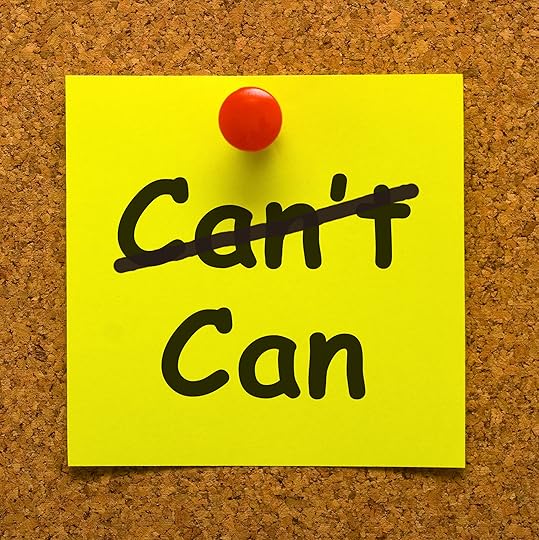
I am stuck. I’ve got a story due and my daughter’s birthday to plan and gotta call the cat sitter for that weekend we’re away in June and my calls are not being returned. Like no calls from anyone anywhere.
So far nothing is coming together. It’s all hard like slogging through. Sloppy mistakes – mine — miscommunications, fatigue, fussiness (also mine) – all a part of it.
Now what? How can we finish our must-dos when all we want to do is quit early, eat a bag of chips, and read the newest Coben, after the nap of course.
I’ve got five fail-safe strategies that are super simple, (and by simple I mean that even I can do them) to get you moving again when you are stuck.
1. Get your butt up. I just did this one. I got up, poured a cup of coffee and went out on the back deck for a couple of minutes, took some deep breaths. A brief change in environment can signal the end of the time-wasting and the beginning of the getting-shit-done phase, by disrupting the pattern of Super Stuckedness.
2. Keep it short. OK, so even though I did signal that it was time to work, it helps to know that I’m only going for 10 minute chunks. Research shows that we can only really stay focused and on tasks for 20 minutes at a time. Today, though, and many days, I’m lucky if I get a solid 10 minutes. Ten minutes. I can do that, right? After the 10, I get up, take a two minute break and hit it again. These baby-sized work chunks also help me make progress without feeling overwhelmed by the sheer size of some of the projects looming.
Now, here’s a little secret: By the time I’ve put in a solid 10, I am often so sucked into the work or the good feelings that come with knocking stuff off the to-do list finally, that I’ll keep on a bit longer. Always get more done than expected in those highly-focused chunks.
3. Blurt out a gratitude. When I’m feeling sucked under by the mundane tasks of life, I really get whiney and complainy — to use the technical terms. I can get fussy and upset over all the little things that are not that big of a deal. Mountains of molehills.
And most days, at exactly the same time that I am whiney and complainy there are approximately a zillion other things that I do like and appreciate. My heart is still beating – that’s a good thing. I usually find my work to be interesting and meaningful. And, I love my big lug of a cat.
So when I stop and settle and take in what is good in my life, it gets me going. It allows me to drop the negative energy and feelings that have me ruminating and stuck and shift into better feelings. Those good feelings of gratitude propel me forward. This is where stuff gets done.
Try it. Just take a minute to blurt out a few of the things you are grateful for, just Idina-Menzel it at the top of your lungs and let the good stuff move you.
4. Get over yourself. Usually after blurting gratitude, I’m over it. Seriously, my challenges today, such as the edits on the article that I don’t want to work on and the cat sitter not calling me back, umm, they are not all that challenging. With a little perspective you can shift your thoughts and flow into the good energy of inspired action.
5. Focus on something that excites you. I have a few things I need to finish up and then I get to work on the Next. Big. Project. That has me excited and I feel a little more energized and less like laying my head down on my desk and typing with one finger.
When I’m in the clutches of the frustration, I remember that as soon as I finish I get to move on to the dream project. Then I put in my chunk of 10, blurt, and get going.
Find that one thing today – happy hour with friends coming up later, quitting time, a fun project you get to work on – anything that energizes you just a little bit and keep it there in your mind. That’s your reward for getting the must-do’s done. Use it to motivate you to move forward.

May 23, 2016
Do You Have the Mindset of a Champion?

My daughter, Sweet P, was three problems in — about halfway — before she started to cry. So, all-in-all, that wasn’t bad. At least she’d gotten started before the tears did.
Thing is, she is usually pretty good at math, but it’s getting tougher as she’s getting older. When she reaches a sticking point in her homework, I see it as a good thing – growth.
She does not see it like this. At all. Challenges, are well, challenging and she may cry, whine, complain. Lay her head down on the desk, pound it with her fist. Rant, stomp, blame me, blame the people who wrote the problems. Blame the cat who distracts her by looking cute.
After the drama, Sweet P will sit back down, look it over and get ‘er done.
No matter how messy it looks she always regroups and pushes through the trouble spots. After her fussiness, she makes the adjustments she needs, looks at the problem differently, and tries again. In the end her homework gets done, and the results actually get better as she goes.
Pretty sure this is a bit messier and less refined than what LeBron James or Alex Morgan demonstrate when they miss a shot, or a shot on goal – but heck she’s nine. And the key is, she adapts, reignites her determination and keeps going.
That’s one of the ways elite athletes succeed, according to research led by Dave Collins, PhD, published in the journal Frontiers in Psychology.
The Mindset of a Champion
Those athletes who reach the top of their sport share a particular mindset, according to the study. Not only do they continually push for improvement, and have deep internal motivation, but they respond to setbacks and obstacles and other challenges more positively and proactively. They are more determined when things go haywire. Even in the throes of adversity, they keep working to come back better, stronger, faster.
The second-tier athletes? Not so much. The study revealed that many were surprised by the difficulty and lost motivation. They didn’t push for the kind of improvement their champion counterparts did.
How You Respond Determines Your Success
Everyone suffers adversity, but those who succeed and climb to the top bring a certain resilience, attitude, and perspective that allows them to move on, to acquire the knowledge and experience and practice they need to become even better.
It’s not so much the challenges they face – the study revealed the obstacles of the elite performers are not much different as those who finish second – but how they respond to the challenges that makes a champion or at least allows you to get through your math homework.

May 18, 2016
Five (Plus a Bonus) Actions Guaranteed to Make You Happier
 This post was published a couple of years ago, but they serve as reminders for me today. I’m not always blissed out, but I do know that when I’m feeling low these are the things that can help me regroup, re-energize and feel a bit better. Worth doing, for sure.
It really is the simple stuff that can make us the happiest. A child’s laugh. A stunning sunset. The bite of the perfect doughnut. But, we can’t sit and wait for those moments to hit. We’ve got to engage in life. Cultivate good moments. And notice the goodness when it shows up.
In Monday’s post, I list five ways to feel happier. Here are five more. Add them to your To-Do List and do what it takes to boost your mood.
1. Work hard. Do something every day that requires some effort from you. Clean out that closet that’s stacked full. Finish the tough work assignment, paint a picture, though you’ve never painted before. Take piano lessons. We glean the most satisfaction when we are challenged. Passion starts there too.
2. Give to others. Good deeds will benefit both you and the recipient of your kindness. This is powerful stuff when you are struggling yourself. By doing something to help another, you help yourself and it’s a sure way out of a funk.
3. Stand big and tall. Our posture influences our feelings. When we are in a blue mood, we tend to slump down and sit in a closed position. When we stand big and wide and open, our bodies react by creating feelings of confidence and power. We feel more capable and when we do, we also feel happier. So which posture are you going to pick?
4. Move it. Get off the couch. Go for a walk around the block. Do stretches on the floor. Go for a swim or a jog. Move your body. There is plenty of science that shows movement and regular exercise ward of depression and a lot of other icky things. But, if you are in a funk, even a 20-minute session can be uplifting.
5. Grab the M&Ms. Alright don’t go all jumbo-bag crazy on me, but there is evidence that indicates comfort foods are really, er, comforting. During stressful times our serotonin levels can drop – that’s the natural chemical our bodies use to create feelings of calm and comfort. So, next time you’re wigging out enjoy a square of chocolate or a couple of crackers and you’ll feel happier.
Bonus Tip
Look for perspective. All of these tips will help you take a wider view of your own experience. It is not all woe-is-me – it’s not even all about you. Once you remember that, it’s easier to see that the world is probably not going to end because you have PMS or someone cut you off on the freeway. A little perspective is a good way to remember that this too shall pass, and happiness is possible.