
Matador Network's Blog, page 1402
February 16, 2018
Places you should only travel to in your 20’s
East Asia may not top your list for a post-college backpacking trip, but these science-fiction-movie-esque cities will blow your mind and are ridiculously fun. Most of these destinations are associated with industry, skyscrapers and wealth, but believe me they perfect for young, frugal travelers.
Here are a few places you need to visit in your 20’s.
Hong Kong
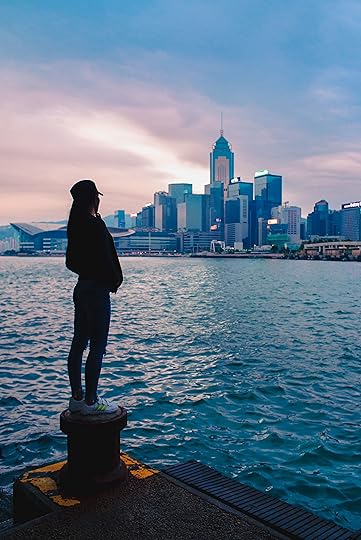
Photo: Andrew Haimerl
Congested markets in Mong Kok to clubbing in Lan Kwai Fong, and cliff-jumping in Sai Kung, Hong Kong is surreal. The contrast between skyscrapers and nature defines the city (which is actually a Special Administrative Region of China). You can stuff yourself with dim sum in the morning, hike a mountain, swim in the Pacific ocean, and be back in time for the all-night parties in Lan Kwai Fong. Maybe even throw in a mid-day egg waffle and some stinky tofu (yes, it’s actually called that) while you’re at it. Thanks to low food prices in Kowloon, a lack of tipping, cheap train tickets, and reasonably priced hostels, HK is truly 20-something friendly.
Seoul, South Korea
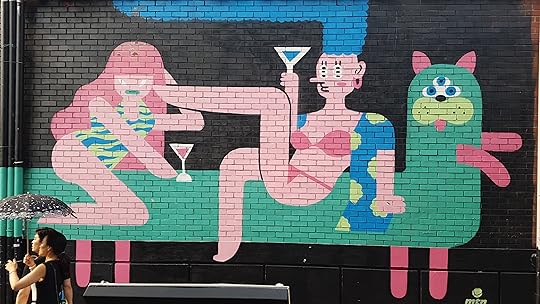
Photo: Mike Throm
Not to play favorites, but Seoul has the coolest party scene I’ve ever experienced. The backdrop of futuristic infrastructure and a dinner of fried chicken and beer is a wicked blend. Afterwards, you can go drinking in Hongdae, which is known as the hip and trendy area for Korean university students and 20-somethings to hang out. Be careful not to go too hard with the soju (AVB hovers around 20% or more). Just because you can buy a bottle for under 2 USD at a convenience store doesn’t mean you need to drink 5. Trust me, I learned the hard way.
If you’re really attempting to do Seoul on a budget, you can sleep in a bathhouse, called jjimjilbang in Korean, for around 10 USD per night. Since it’s already a bathhouse you can enjoy a relaxing bath with a bunch of naked strangers (separated by gender). The sleeping arrangements are not comfortable, but it’ll do for a night or two in a pinch. No reservations necessary.
Jeju Island, South Korea
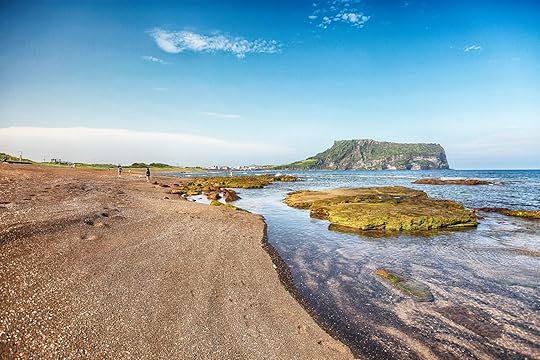
Photo: Songsy
Jeju is basically Korea’s Hawaii. For the better half of the past decade, Jeju has held the reputation of Korea’s honeymoon destination. You can surf, scuba dive, hike a volcano, explore lava tubes, eat oysters, and all the other activities you would expect from a mountainous Pacific island. The one experience that particularly stuck with me was Jeju Love Land. Love Land is a sculpture park specifically for erotic art, very R-rated and sexual. The goal of the park is to break down taboos around sex by putting it on display. You’ll see A LOT of vivid genitalia so it’s not for prudes, but spending a couple hours there will leave you with some entertaining stories to tell your friends back home.
Osaka, Japan
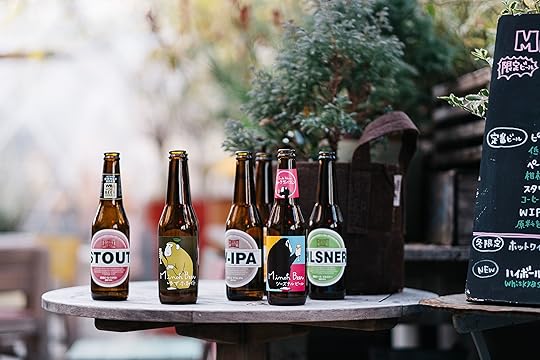
Photo: Jonas Jacobsson
You may be wondering why I didn’t choose Tokyo. Osaka, Japan’s frequently overlooked third-largest city, has superior food, nightlife and you’ll still get the quintessential Japan neon vibes. There’s a term in Osaka called kuidaore, meaning “eat until you’re bankrupt”, because the city is a hotbed for gastronomy. Despite this, Osaka is cheaper than Tokyo in pretty much every aspect, and the central location on the main island is convenient for visiting other famous sites. Kyoto is only 30 minutes away by train. Although the industrial exterior may not convince you to visit, Osaka yields unexpected gems like vintage clothing markets in the artsy, progressive neighborhood of Amemura, an instant noodle museum and their own Universal Studios amusement park. Just don’t leave without sampling the infamous okonomiyaki!
Takayama, Japan
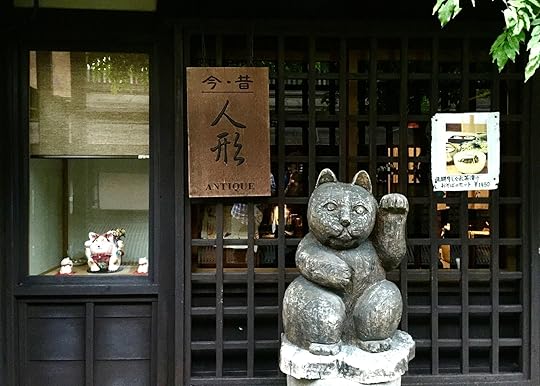
Photo: ATMAN
Takayama isn’t exactly a city, it’s pretty small town on the western side of the Japanese alps, in Gifu prefecture near the Nagano border. Other than mountains, Takayama is famous for hot springs, sake breweries and folk houses. For young, fit, adventurers, the optimal day would be: waking up early, taking the bus from the center of town to Shinhotaka Ropeway, riding it up, and doing a half day hike to Nishiho hut. One you’re there, consume delicious ramen for lunch on a remote mountain at the hut (which is also a hostel), and stop at a steamy onsen on the way back to revive yourself before a sake-filled evening.
Kobe, Japan
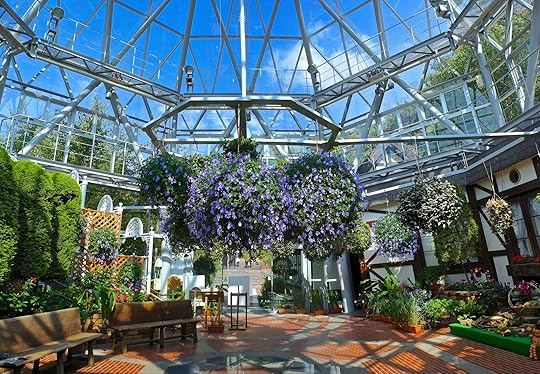
Photo: Manish Prabhune
So obviously I’m biased towards Japan, but for good reason. Kobe has a different atmosphere from other cities of its size. It’s a port city with a history of European merchants, not far from Osaka. You may have heard of Kobe beef. Well, this is where it comes from. It doesn’t come cheap, but Kobe doesn’t have to be costly. You can opt for a day at the Nunobiki Herb Gardens, an expansive mountainside littered with flora overlooking the city. Ride the ropeway up and take a leisurely walk through the gardens on the way down. If you have some spare cash, go out for fresh Kobe beef afterwards. If not, check out Kobe’s Chinatown for cheaper (and probably just as yummy) eats. For a unique drinking experience, check out ‘The Lockup’, one of Japan’s chain prison-themed bars.
Taipei, Taiwan
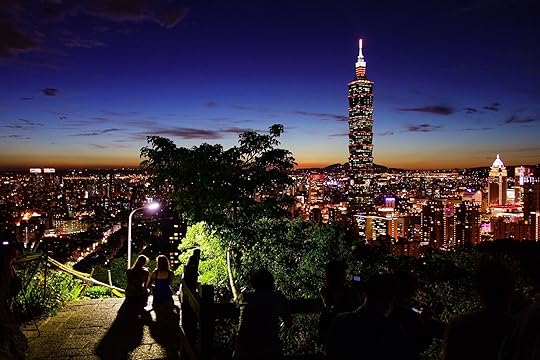
Photo: Free Photos
Do you love bubble tea? Me too! Welcome to the place where it originated. Arts, history and culture thrive here. Plus, Taipei is super LGBTQ+ friendly compared to the rest of Asia. Taipei is also more affordable than other large East Asian cities, so it has a lot going for it such as frequent music and design festivals. The city is loaded with stylish coffee shops and even has a toilet-themed restaurant if you’re trying to get weird. The food from their very um…descriptive menu is served in mini toilet bowls…But seriously, Taiwanese food is so comforting. Between the buns, noodles, sweets, and dumplings, you can double your weight here in the blink of an eye. So go while your young and your metabolism is still at its peak. 

More like this: How to travel for free


9 things I wish I knew in Dublin
What comes to mind when someone says ‘Dublin’? Guinness, St. Patrick’s Day, pubs? Literary legends like James Joyce and Oscar Wilde? Maybe one more Guinness? Ireland’s capital definitely has all of the above (and then some), but there’s so much more to this city that teeters on the edge of Europe.
Here are 9 things I wish I knew before visiting Dublin.
1. You need to get out of the city.

Photo: martinvonpotsah
This might seem like a strange tip to start with, but compared to some of its neighboring capital cities like London or Berlin, Dublin is small. All of the major sights are within walking distance — after two days or so, you’ll have some time on your hands. Less than an hour away from the city center are the Wicklow Mountains, fishing villages like Howth, and historic mansions like Powerscourt House, all of which are unmissable. Get out there and explore!
2. You won’t be partying all night.
Despite Ireland’s reputation of being a country that’s fond of a drink (or three), Dublin is not a city that never sleeps. On weeknights, pubs close their doors at 11.30 pm. On weekends, it’s 2.30am. It’s against the law for supermarkets and off-licenses (liquor stores) to sell alcohol after 10 pm, too. If you really want to keep the party going try some of the city’s big nightclubs — Coppers or Diceys are always popular spots and stay open until at least 3.30 am.
3. But you will make friends easily.
Even in the bustling capital city of Ireland, the locals still make time to smile and say hi. If you’re a solo traveler, you won’t be flying solo for long in Dublin. Take a seat at any bar and someone will start up a friendly conversation before you’ve finished your first drink. If you’re waiting for a bus or in a queue, same deal. Dubliners love to chat. Guaranteed conversation starters include the weather, Bono’s ego, and pretty much everything in between! Also, people from Dublin are overly protective of tourists. If you are told to avoid a certain part of the city because it’s unsafe etc, take heed.
4. Museums are free and fantastic.
Photo: Chester Beatty Library
In plenty of other European capitals, visitors pay through the nose for their culture hit. Not so in Dublin. The city has some seriously superb museums that are completely free, seven days a week. The National Gallery has works by Monet, Vermeer, and Picasso; The National Museum has 3,000-year-old bog bodies and exquisite Celtic jewelery collections (among plenty of other treasures), and the Chester Beatty Library is consistently rated as one of the best museums in Europe and holds free workshops. See it all without spending a penny.
5. Don’t go near Temple Bar.

Photo: Skitterphoto
With cobblestone streets, brightly painted pubs, and on-street traditional music sessions, Temple Bar is often at the top of visitors’ ‘must see’ lists for Dublin. In reality, this cultural quarter is probably the least authentic part of the city. Apart from a select few establishments, Temple Bar is considered tourist territory by Dubliners, who stay away from its overpriced pints and souvenir shops. If that’s your kind of thing, great. But if you want to mingle with the locals, head elsewhere. Also if you are visiting on St. Patrick’s day, this holiday, for locals, is not about binge drinking on the streets or at the parade, it’s a day for chilling out with family and friends.
6. Come prepared to eat well.
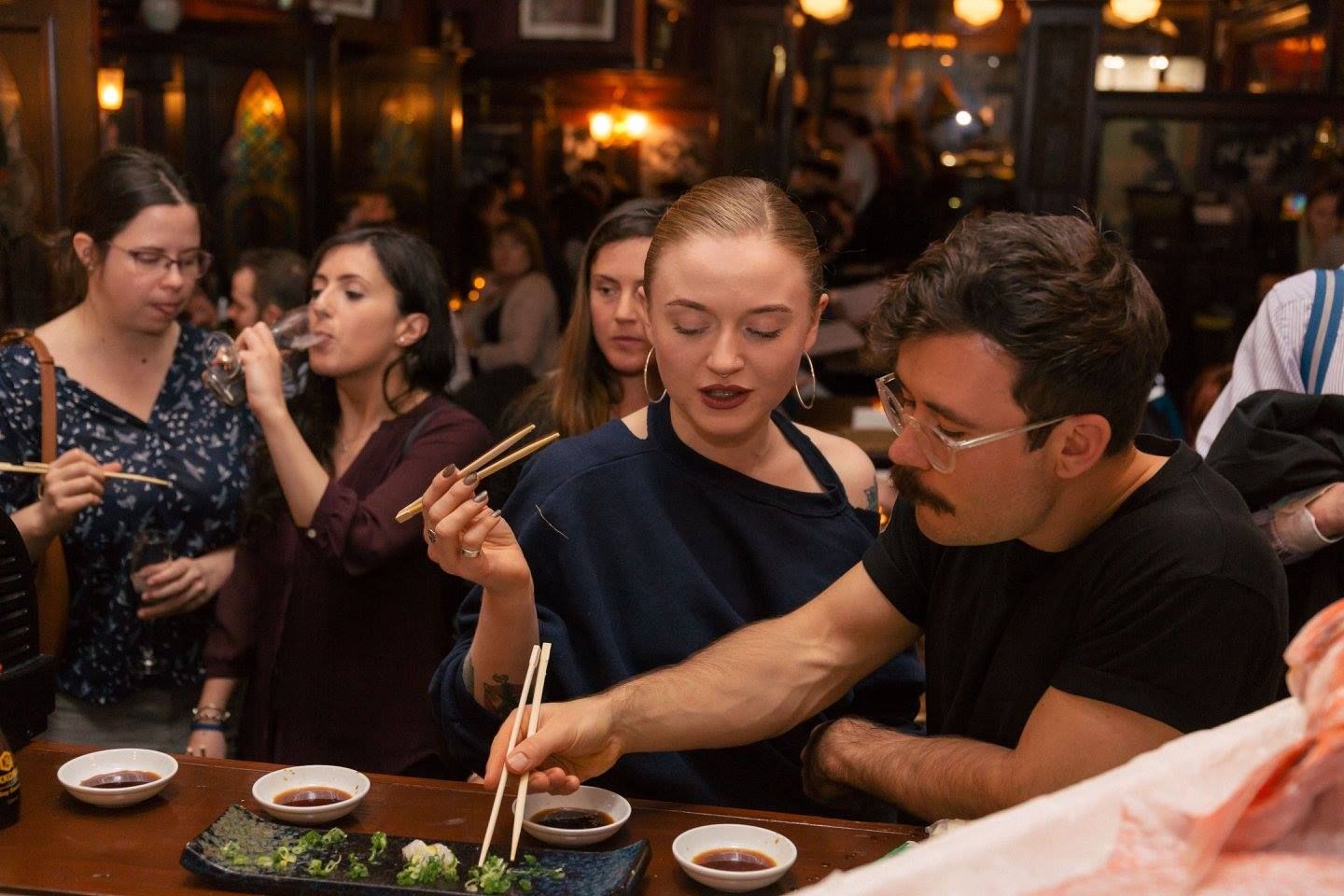
Photo: Yamamori Izakaya & Sake Bar
Dublin’s food scene is the city’s most underrated attraction. A far cry from bacon and cabbage (although you can get that, too), the streets are teeming with really great restaurants. Sushi bars such as Yamamori Izakaya, falafel at Umi, the best burger joint in town — Bunsen — debunks the myth and Ireland’s food is dull.
7. Getting around can be…interesting.
Dublin was built by medieval Vikings in the 10th century. They didn’t exactly plan for a population of over one million people, or for, you know, vehicles. Many of the city center’s streets are narrow and are usually lined with double-decker buses, taxis, trams, and cyclists. Public transport can be a challenge, too — buses take exact change only and timetables are sometimes mere guidelines. Avoid it all by walking, or pedal your way around with the Dublin Bikes bike sharing scheme.
8. Heading to the Guinness Storehouse? Go, but go early!

Photo: Andrew H
The Guinness Storehouse is the home of Ireland’s most famous drink and is also the number one tourist attraction in the entire country. It welcomed over 1.7 million visitors in 2017 and regularly sees thousands of people pass through its doors every day. You know what that means? Queues. At popular times of the year like St. Patrick’s Day, waiting in line for at least an hour is a given. It is worth visiting — not only for a pint with a view but for some background history on the city. Also, there are no tall buildings, in the city center to get a really good view — except here. Come early and even better, book your ticket in advance and jump to the top.
9. Do not underestimate the weather.
Some cities get monsoon season. Most get a light sprinkle of rain every now and again. And others skip rain completely and get snow instead. In Dublin, you can have all of the above in a single weekend. The weather here can change dramatically in a matter of hours, and sometimes even minutes! Dress in layers, stash a waterproof jacket in your backpack and bring a tough pair of shoes that can handle it all.
More like this: How to keep costs down on your visit to Dublin
The dark sides of living in Korea
The differences between American and Korean cultures are in many ways easy to spot. But what about the subtleties, the stuff sitting just below the surface and not coming forth until after one embeds themselves in the societal structure of South Korea? A Quora user wanted to know about the supposed ‘dark side’ of living in South Korea. Here is a collection of top responses.
On renting an apartment:
Christian Bergland, who formerly lived in South Korea, noted that “People live on top of each other in small apartments with prices that often make Manhattan prices look reasonable.”
On population density:
Christian Bergland explained that “Korea’s population density means that it’s very difficult to escape people, and the downtown of a Seoul suburb will often be as crowded as Times Square.”
On the long working hours:
“Koreans also have the third highest working hours in the OECD after Mexico and Costa Rica, and it’s not particularly close to countries of the West,” Christian Bergland said. He added that their lack of time off makes “the notoriously vacation-stingy Americans look like they’re living lives of leisure.”
That said, their hard work produces solid results. Craig Urquhart said that “Despite the claustrophobic conformity, the closeness and attention people give each other has advantages. I’ve never seen teams of people get together to complete group tasks as efficiently as I’ve seen in Korea. You want something complex done that requires lots of coordinated effort? Koreans are the people to ask.”
On monoculture:
Craig Urquhart notes the conformity of many of the cities and neighborhoods: “you soon realize something: Every subway station and neighbourhood has the same outlet stores, the same chains, the same family restaurants, the same same sameness.”
“If Korea is a great place to be a culturally adaptable foreigner, it’s a brutal place for Koreans. Many Koreans want to leave not because South Korea isn’t a politically free place, or because they face hardship or hard times finding good jobs. It’s because of the constricting social culture,” he explained.
Iris Tu, who taught English in South Korea, had this to say: “Whatever is different still isn’t very much accepted as a whole and if the person is more accepting or open, it’s likely because they did some traveling out of the country.”
Canadian expat Ken Eckert added: “One of my biggest disappointments is how totalizing Korean identity is here, and how so few can see beyond this binary of dividing the world into Korean or foreign. It would be inconceivable in Canada for a person to constantly refer to ‘we Canadians,’ or to not only rule out but to have never tried anything but Canadian food, music, and culture, even when abroad. Here it is quite normal. Coffee cannot be consumed until it is deemed ‘Korean coffee’!”
On the drinking culture:
Because of the long work and study hours and high amounts of social pressure, Koreans are known for being heavy drinkers. According to Iris Tu, “The drinking culture there is ridiculous and starts young. It’s common to see people stumbling down a road together haphazardly holding each other up on a weeknight to get away from it all.”
Most of the answers on this Quora entry centered around these topics, echoing each other and citing personal examples. It’s important to note, however, that these opinions are primarily those of foreigners, some who only spent a year or two in the country. There are upsides to living in Korea as well.
We’ll leave you with one more thought from Christian Bergland. “The country may be rich, but life is hard, even for the wealthy. Leaving Korea means escaping that, but it also means accepting a life that simply won’t be as fun, exciting, or engaging as the one you left behind.”
More like this: 13 things you get addicted to living in South Korea
9 signs you're from the Valley

Everyone did this at least once when they first got their license.
2. You’ve been to a party in the woods.

There is no party like a woods party in The Valley.
3. You run on Dunkin.

Not half of the people in the Valley would survive their day without Dunkin.
4. You know that Sheetz is the go-to spot for snacks.

You also know to avoid it at all costs from Midnight to 2 AM on the weekends.
5. You’re a pizza connoisseur.

You know the differences between, Old Forge style, Sicilian style, fried pizza and round. It’s difficult to name your favorite pizza place because there are so many you love.
6. You have a language of your own.

We go to places like “Plymit”, “Nannycoke”, and travel up “da Eynon”.
7. Middleswarth Chips are the center piece of your diet.

The Weekender bag of Middleswarth BBQ Chips will make or break your social gathering.
8. Summertime is when you go country.

When Luke Brian plays at Montage, you put on your flannel. Even if you grew up in an alley in Wilkes-Barre.
9. You’ve seen some crazy s**t in Wilkes-Barre.

More like this: 8 things Pennsylvanians have to explain to out-of-towners

February 15, 2018
how the Winter Olympics have changed
The first Olympic Winter Games began almost a century ago in Chamonix, France in 1924. Taking inspiration from the Nordic Games, the Winter Olympics featured popular events such as downhill skiing, hockey, ice skating, and curling. That’s right, professional ice-sweepers have been with us since the beginning. Since then, the number of events has exploded in size and new sports such as snowboarding and luge have joined the ranks.
Because of the international competitiveness, many events have seen dramatic changes in the strategies and gear that the Olympic teams rely on to win. At the same time, cities that have hosted the Winter Olympics have used the world stage as an opportunity to show off and grow their tourist economies. As a result, photos taken of the Winter Olympics over the last century make for a fascinating study of the history of sports culture and globalism. Also of brooms.
The Dutch curling team at the 1924 Winter Olympics in Chamonix, France.
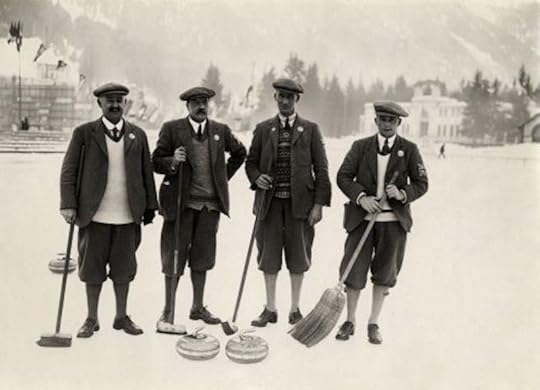
Photo: Alexander Hughes
American speed skater Jack Shea won gold in two speed-skating events at the 1932 Winter Olympics in Lake Placid, NY. Shea had a son and a grandson who both won Winter Olympic gold.
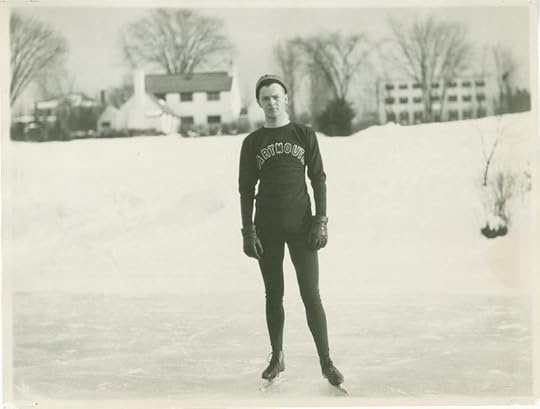
Photo: Dartmouth College
Norwegian figure skater Sonja Henie competed in the 1924 Winter Olympics at the age of eight. By 1937, she had three gold medals, won countless other European championships, and begun a successful acting career in Hollywood.
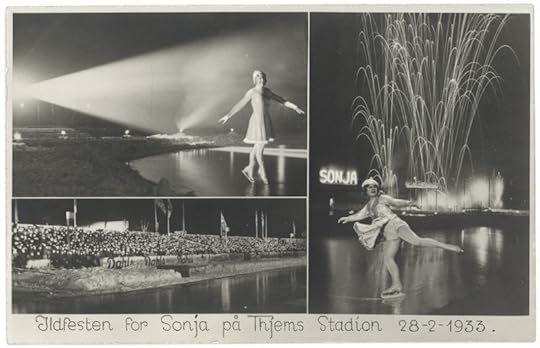
Photo: Municipal Archives of Trondheim
American figure skater Richard Button won his first gold in 1948 while a freshman at Harvard. He came back four years later to win his second at the 1952 games in Oslo.
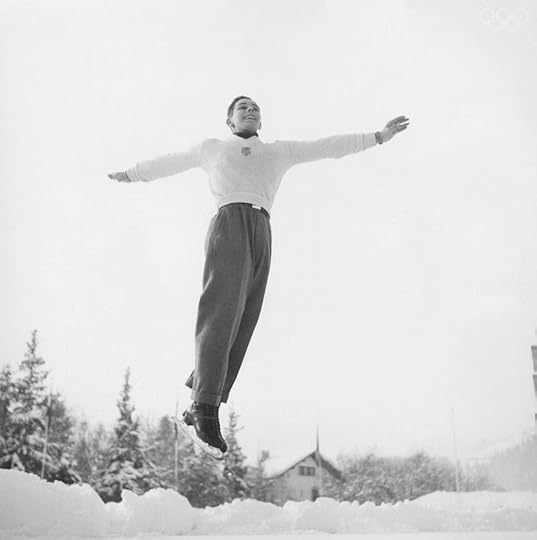
Photo: James Joel
Norwegian Alpine ski racer Stein Eriksen took home the gold and a silver in 1952. Afterwards, he moved to the US, where he taught lessons at the nation’s most premier resorts in Colorado, Utah, Vermont and California.
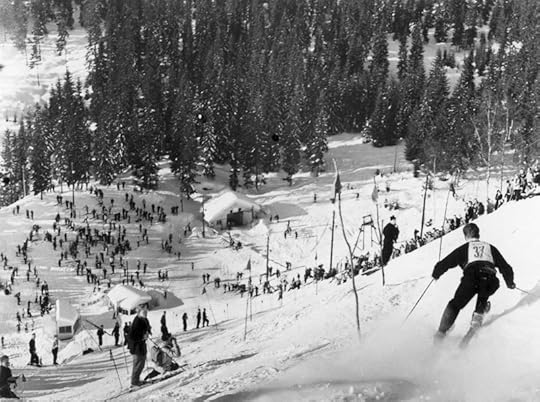
Photo: Oslo Museum
American figure skating pair Lucille Ash and Sully Kothman didn’t win any medals at the 1956 games in Cortina d’Ampezzo, Italy, but were among the last Olympians figure skaters to compete outdoors.
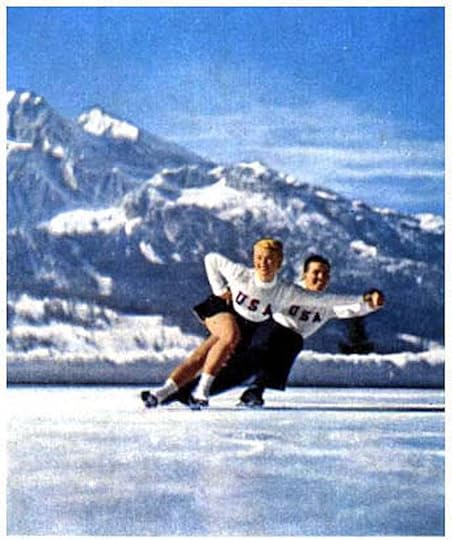
Photo: Public Domain
The 1984 Winter Olympics took place in Sarajevo, eight years before the breakout of the Bosnian War. Despite record-breaking performances, this event is best remembered for its venues falling into disrepair soon after.
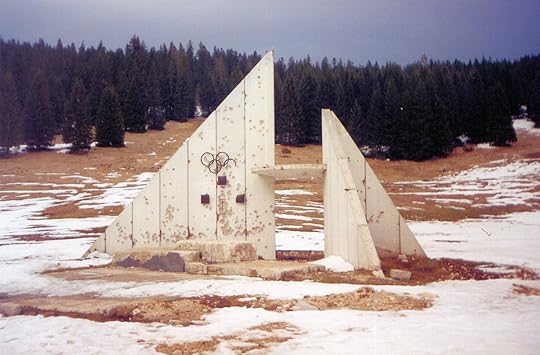
Photo: Hedwig Klawuttke
Germany’s Katja Seizinger won her first gold medal in downhill skiing at the 1994 Winter Olympics in Lillehammer, Norway. She successfully defended her title in 1998 and won an additional gold in combined skiing.

Photo: Public
Domain
Salt Lake City went all-out for the 2002 Winter Olympics. Not only did they decorate their entire downtown with the faces of Olympians, they also booked George W. Bush as the first sitting US President to open the games.
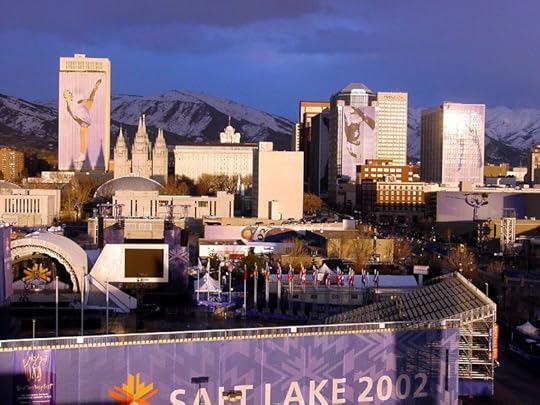
Photo: debaird
While the Olympic events continue to grow in number and change with the times, curling remains the one event that requires a broomstick. Norwegian Martin Sesaker displayed his skills with an updated broom and stone at the 2012 Youth Winter Olympics.

Photo: Ralf Roletschek
More like this: Breaking down the 2018 Winter Olympics by the numbers

How to visit Chengdu Panda Base
Giant pandas are considered one of China’s national treasures. Native to south central China, these bears number less than 2,000 in the wild and, despite their few natural predators, continue to be classified as a vulnerable species. They continue to be at risk due to loss of habitat combined with the fact that they don’t reproduce quickly.
A ‘normal’ reproductive rate is one offspring every two years, and female pandas are only fertile for 2-3 days a year. It’s no wonder so many early conservation efforts failed (for lack of species understanding).
In China there are 40 official panda reserves (compared to just 13 in 1998) and conservation efforts are thought to be working on the wild population. The Sichuan Panda Sanctuaries cover seven natural reserves, contain 70% of the world’s wild panda population, and were designated World Heritage Sites in 2006.
Also in the Sichuan province is the Chengdu Panda Base — a non-profit research and breeding facility founded in 1987. It began with just six giant pandas and has successfully seen more than 124 births (as of 2008). They opened for public visitation in 1993 to further educate the public. The base mimics the environment of wild pandas, having 96% green coverage.
There are currently over 100 pandas within the base. Their enclosures consist of large open-air spaces that make it feel a little less like a zoo and allow you the opportunity to observe the pandas as they play with each other, sleep, and, of course, eat.
Pandas are Chengdu Panda Base’s main concern, but they’re not the only animals they care for. You can also check out the red pandas, monkeys, and many species of endangered birds.
How to get there
The Chengdu Panda Base is located in a northern suburb of Chengdu, 10km from downtown. It’s about a 35-minute taxi ride, but it’s also easily accessed by public transportation. Check out detailed directions here.
What to consider
The best time to visit is between 9 and 10 am during the panda’s active breakfast time (before 9 if you can manage it).
Visitor’s hours are from 7:30am-6pm.
Entry is ~$10 and is free for children under 4.3 feet in height.
The base can get crowded, but the further you move into the center the more the crowd disperses—it is possible to get away from the masses.
Close contact, taking pictures with pandas and holding the young are currently prohibited.
The panda base is very large and you should plan 3-4 hours for your visit.
The pandas are very well looked after; it’s an overall positive experience.
More like this: Dream job alert: Apply to work with baby pandas!

the most diverse cities in the US
American cities have been described as the “melting pots” for the nation of immigrants for over a century, with New York standing out as the supreme example. But what other US cities are diverse enough to fit this category? It would be understandable to assume that coastal cities such as Los Angeles, San Diego and Miami Beach sit at the top of the heap. Yet America’s long history of racism, internal migration, and industrialization make urban diversity a more complicated trail to follow across the country.
A new study from Wallet Hub took a snapshot of the linguistic, ethnic, and country of origin diversity of 500 cities. While the northern Midwest and Appalachian states are uniquely homogenous, you can find a top-100 city in just about every other region in the country.
Hover over a region to zoom in.
Source: WalletHub
Source: WalletHub
Source: WalletHub
More like this: How rich are US cities compared to countries around the world? Very

How to go to the Olympics for free
The Winter Olympic Games in PyeongChang are all the rage right now. The excitement of the competitions and ceremonies dominate the headlines, and I can’t help but wonder about the experience of being there to take it all in. There’s been only one thought on my mind since February 9: why am I not there?
Beyond the competitions themselves, being at the Olympics must be quite an experience to have. After all, where else are people from 190+ countries together in the same place at the same time? The biggest deterrent is, of course, the costs involved in getting to South Korea, or Japan for the 2020 Summer Games.
Travel, lodging, tickets — heading to the Olympics is nothing short of expensive as hell. But there is another way to get there, and have most of your expenses (aside from travel) taken care of: volunteer.
That’s right. You can volunteer to work at the Olympics. Think about it: the people, the culture, the parties, and of course, the events themselves. It’s an experience like no other (and just think about the Instagram post possibilities). Here’s the lowdown:
How to go to the Olympics for free:
1. What do Olympic volunteers do?
2. How to become an Olympic volunteer
3. Where to apply
1. What do Olympic volunteers do?
Olympic volunteers handle a number of tasks, from greeting and directing guests and answering their questions. “Volunteers will play a vital role in the smooth operation of the Games, providing support and information at competition venues and in the Olympic Village,” according to Olympic.org.
“They will be engaged before, during and after the Games.”
2. What does it take to become an Olympic volunteer?
After perusing the Tokyo 2020 website and reading up on volunteer qualifications, it appears the only thing they don’t want are people who tend to succumb to immediate desires of the moment (such as work truancy or all-night ragers) and then let those decisions impact their ability to perform their duties.
There are a handful of basic requirements:
You must be at least 18 years old by April 1, 2020.
You must be able to commit to ten days of volunteering in addition to any applicable training sessions, and be open-minded enough to treat people with respect and dignity. Check!
Additionally, you must be either a Japanese citizen or obtain permission to stay in Japan throughout the course of the games and be stoked to be at the Olympics and be having the time of your life.
3. Get your application for Tokyo 2020 in early
According to Olympic.org, the Tokyo 2020 Organising Committee will begin accepting applications for the 2020 summer games in Tokyo this summer. As the site says, the only ‘must-have’ is enthusiasm, meaning you don’t even have to have a specific job or niche in mind when you apply. Visit the official Tokyo 2020 website for full information and to get the process started.
Sound appealing? Get on it as soon as applications open. The committees received over 90,000 applications for about 22,000 volunteer opportunities for PyeongChang. Put your best foot forward!
More like this: Breaking down the 2018 Winter Olympics by the numbers
17 bizarre French expressions
1. The French don’t say “giving a blowjob”, they say “carving a pipe” (Tailler une pipe).
2. The French don’t say “make things simpler!”, they say “no need to wiggle your ass around to shit straight!” (Pas besoin de tortiller du cul pour chier droit).
3. The French don’t say “you’re drunk”, they say “you’re buttered”. (Être beurré).
4. The French don’t say “it’s a bit dumb”, they say “it’s daisy-height”. (Ras les pâquerettes).
5. The French don’t “make things worse”, they “move the knife around in the wound”. (Remuer le couteau dans la plaie).
6. The French don’t say “he is a liar”, they say “he lies like a tooth-puller”. (Mentir comme un arracheur de dents).
7. The French don’t “have trouble doing something”, they “pedal in couscous” (Pédaler dans le couscous). Alternatively, some people “pedal in sauerkraut” (Pédaler dans la choucroute).
8. The French are not “out of their minds”, they “smoke the carpet” (Fumer la moquette).
9. The French don’t say “he is dead”, they say “he eats dandelions starting at the root” (Manger les pissenlits par la racine).
10. The French don’t say “it sounds like bad news”, they say “it smells like fir tree” (Ça sent le sapin).
11. The French don’t say “it’s turning nasty”, they say “it’s turning into blood-sausage water” (Tourner en eau de boudin).
12. The French don’t say “you’re soaked”, they say “you’re as wet as soup” (Être tremper comme une soupe).
13. The French don’t say “this movie was bad”, they say “it’s a turnip” (Un navet).
14. The French don’t say something is “far-fetched”, they say “it’s pulled by the hair” (Tiré par les cheveux).
15. The French don’t say “it’s impossible to accomplish”, they say “it’s like trying to fit a camel through the eye of a needle” (Faire passer un chameau par le chas d’une aiguille).
16. The French don’t say “he’s lost his mind”, they say “his coffeemaker is playing yo-yo” (Yoyoter de la cafetière).
17. The French don’t say “he is gullible”, they say “you make can him swallow grass snakes”. (Faire avaler des couleuvres à quelqu’un).
More like this: The 20+ funniest French expressions (and how to use them)
How to edit your travel photos with your smartphone (and look professional)
The latest smartphone models from Apple and Samsung take beautiful photos and sometimes you can’t even tell if one was shot on a professional camera or with an iPhone X. Despite being less competitive compared to cameras when talking depth of field (the iPhone X “fakes” it by blurring the background) and optical stabilization, phones can capture detailed images even in low light conditions.
I’m not a photographer but I like to take care of my Instagram. So step up your mobile photography game, get creative and follow these suggestions.
1. Make each day a new horizon…Also, make sure it’s straight.
This might sound obvious, but how many photos did you see with a sloping horizon? Sometimes the line is so inclined that you have to tilt your head to one side. Straighten your horizons. It sounds inspiring but it’ll also make you a better photographer.
On almost every smartphone you can activate a grid that will help you with this. Here’s how to turn it on on iPhone: Settings — Camera — Grid
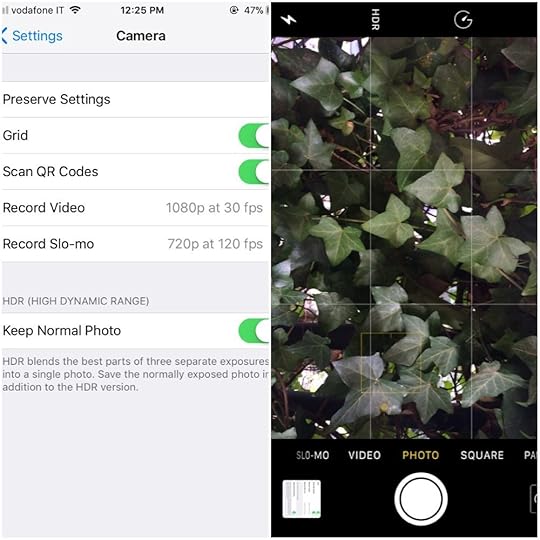
Photo: @giorgionardini
2. Wake up early.
I’m not a morning person and I rarely set my alarm early to take a photo (I’d rather sleep!). But in some cases, it’s necessary if I want to capture a tourist spot without selfie sticks getting in my way. Let’s say you’re in Paris and you want to take a great photo of the Eiffel Tower in decent light and no crowds. Check on your weather app and mark down what time the sun rises and be there on time. Specifically for the Eiffel Tower, I suggest you take a photo on the stairs of the Jardins du Trocadero, just in front of the Eiffel but far enough to frame it all and bring pan au chocolate for breakfast and enjoy the view.
3. Create a theme on your Instagram.
It’s not an easy thing to do, but if you want your feed to look nice and neat, hear me out on this. When you decide to follow someone that is not a friend or family member, the first thing you do is to look at their overall profile, maybe you tap on 2-3 photos too. And if you’re the kind of person that likes aesthetically pleasant patterns and colors, you’ll be more keen to follow those kinds of profiles.
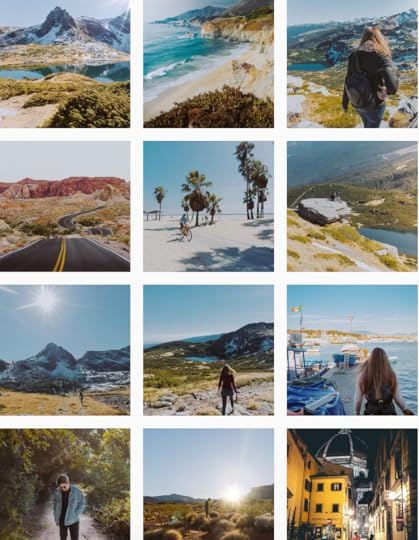
Photo: @giorgionardini
That’s why your photos should go well with each other when viewed in the mosaic layout. To keep your color theme consistent try to edit your photos with the same style, lights and tones. Here are some examples.
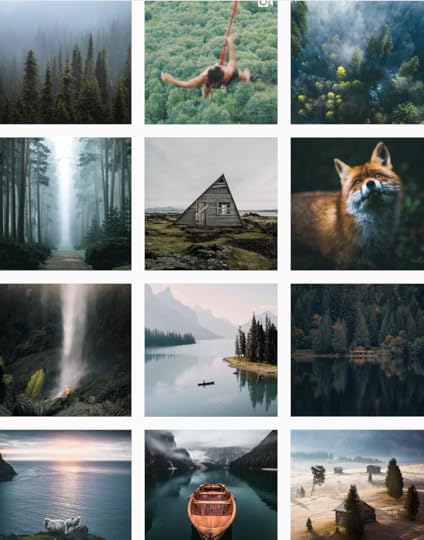
Photo: @folkgreen
Tips: Using VSCO you can copy and paste your past edits so that your photos will have the same custom filter every time. The UNUM app helps you create a grid before you post the photos.
4. Don’t over edit: keep it clean.
The times where we used to apply the Toaster filter are over. Keep it clean is my mantra when I edit photos — I never turn increase the contrast or the saturation a lot, neither I use structure (on Instagram) or clarity (on Lightroom). Less is better.
5. Download these apps.
When I travel and I don’t have my laptop with me to edit, I have an army of powerful apps on my phone. My favorites:
Lightroom
Lightroom the equivalent of the desktop software and it’s almost as much as powerful and full of features. The thing I love the most is the selective color adjustment; you can change saturation, luminance and tone of one single color.
VSCO
Download VSCO now. It started what I’d call a movement because since when everyone started using it galleries have improved a lot (and the fade effect has taken over Toaster). The apps filters are beautiful and you can also create and save your own.
Lens Distortion
Lens Distortion helps you add lights and lens flares to your photos. Just be sure not to exaggerate — if you don’t measure out the intensity of the lights, your photo will look fake.
6. Find a subject.
What I try to do every time I take photos of a landscape is to ask a friend to “go there”. They usually obey because they’re about to have a #newprofilepicture, and it gives the photo a new perspective. When you’re surrounded by majestic mountains just tell someone to walk far from you (if they have bright clothes even better) and then leave. Just kidding. After you took some photos, wait for your friend to come back and keep walking. Enjoy your hike.
This mini-guide on mobile photography also applies if you take photos with a camera and transfer them on your phone for a quick edit (my Sony a6000 has Wi-Fi for example).
More like this: Stop taking pictures. Start taking photos.

Matador Network's Blog

- Matador Network's profile
- 6 followers


